
/* Basic Reset & Brand Colors */ :root { --primary-green: #93C020; --dark-grey: #2D2C2C; --black: #000000; --light-grey: #EBEBEB; --dark-green: #287734; --white: #FFFFFF; --lime-accent: #B7FE00; --text-color: #2D2C2C; --heading-color: #000000; --link-color: #287734; --bg-light: #FFFFFF; --bg-grey: #EBEBEB; --border-color: #cccccc; }*, *::before, *::after { box-sizing: border-box; margin: 0; padding: 0; }/* Apply styles only within this specific article wrapper */ .beetle-bank-article-wrapper { font-family: -apple-system, BlinkMacSystemFont, "Segoe UI", Roboto, Helvetica, Arial, sans-serif, "Apple Color Emoji", "Segoe UI Emoji", "Segoe UI Symbol"; line-height: 1.6; color: var(--text-color); background-color: var(--bg-light); font-size: 16px; /* Base font size */ }/* Responsive Container */ .beetle-bank-article-wrapper .article-container { max-width: 800px; margin: 20px auto; padding: 20px; background-color: var(--white); box-shadow: 0 2px 10px rgba(0,0,0,0.1); border-radius: 8px; }/* Progress Bar */ .beetle-bank-article-wrapper .progress-container { width: 100%; height: 8px; background-color: var(--bg-grey); position: fixed; top: 0; left: 0; z-index: 1000; }.beetle-bank-article-wrapper .progress-bar { height: 100%; width: 0%; background-color: var(--primary-green); transition: width 0.1s linear; }/* Typography */ .beetle-bank-article-wrapper h1, .beetle-bank-article-wrapper h2, .beetle-bank-article-wrapper h3, .beetle-bank-article-wrapper h4 { color: var(--heading-color); margin-top: 1.5em; margin-bottom: 0.8em; line-height: 1.3; font-weight: 600; }.beetle-bank-article-wrapper h1 { font-size: 2.2em; border-bottom: 2px solid var(--primary-green); padding-bottom: 0.3em; }.beetle-bank-article-wrapper h2 { font-size: 1.8em; border-bottom: 1px solid var(--light-grey); padding-bottom: 0.2em; }.beetle-bank-article-wrapper h3 { font-size: 1.4em; color: var(--dark-green); } .beetle-bank-article-wrapper h4 { font-size: 1.1em; color: var(--dark-green); font-weight: bold; }.beetle-bank-article-wrapper p { margin-bottom: 1em; }.beetle-bank-article-wrapper ul, .beetle-bank-article-wrapper ol { margin-bottom: 1.5em; padding-left: 1.5em; }.beetle-bank-article-wrapper li { margin-bottom: 0.5em; }.beetle-bank-article-wrapper a { color: var(--link-color); text-decoration: none; transition: color 0.3s ease; }.beetle-bank-article-wrapper a:hover { color: var(--primary-green); text-decoration: underline; }/* Images */ .beetle-bank-article-wrapper figure { margin: 25px auto; text-align: center; }.beetle-bank-article-wrapper img { max-width: 100%; height: auto; border-radius: 8px; box-shadow: 0 2px 5px rgba(0,0,0,0.1); }.beetle-bank-article-wrapper figcaption { font-size: 0.85em; color: #777; margin-top: 5px; font-style: italic; }/* Highlight Box */ .beetle-bank-article-wrapper .highlight-box { background-color: var(--bg-grey); border-left: 5px solid var(--primary-green); padding: 15px 20px; margin: 2em 0; border-radius: 4px; } .beetle-bank-article-wrapper .highlight-box p:last-child { margin-bottom: 0; }/* Call-to-Action (CTA) Button */ .beetle-bank-article-wrapper .cta-button-container { text-align: center; margin: 2em 0; } .beetle-bank-article-wrapper .cta-button { display: inline-block; background-color: var(--dark-green); color: var(--white); padding: 12px 25px; border-radius: 25px; text-decoration: none; font-weight: bold; transition: background-color 0.3s ease, transform 0.2s ease; box-shadow: 0 2px 5px rgba(0,0,0,0.2); border: none; /* Reset button border */ cursor: pointer; /* Ensure cursor changes */ }.beetle-bank-article-wrapper .cta-button:hover { background-color: var(--primary-green); color: var(--white); /* Keep text white on hover */ text-decoration: none; /* Remove underline on hover */ transform: translateY(-2px); box-shadow: 0 4px 8px rgba(0,0,0,0.3); }/* Back to Top Button */ .beetle-bank-article-wrapper .back-to-top { position: fixed; bottom: 20px; right: 20px; background-color: var(--dark-green); color: var(--white); border: none; border-radius: 50%; width: 50px; height: 50px; font-size: 24px; cursor: pointer; display: none; /* Hidden by default */ opacity: 0; transition: opacity 0.4s ease-in-out, background-color 0.3s; z-index: 999; box-shadow: 0 2px 5px rgba(0,0,0,0.3); }.beetle-bank-article-wrapper .back-to-top:hover { background-color: var(--primary-green); }.beetle-bank-article-wrapper .back-to-top.show { display: block; opacity: 1; }/* Collapsible Sections (FAQ) */ .beetle-bank-article-wrapper .collapsible { background-color: var(--dark-green); color: var(--white); cursor: pointer; padding: 15px; width: 100%; border: none; text-align: left; outline: none; font-size: 1.1em; margin-top: 10px; border-radius: 5px; transition: background-color 0.3s ease; position: relative; /* For positioning the icon */ } .beetle-bank-article-wrapper .collapsible::after { content: '+'; /* Plus icon */ font-size: 1.3em; color: var(--white); position: absolute; right: 15px; top: 50%; transform: translateY(-50%); font-weight: bold; transition: transform 0.3s ease; }.beetle-bank-article-wrapper .collapsible.active::after { content: "−"; /* Minus icon */ transform: translateY(-50%) rotate(180deg); /* Optional: Rotate minus */ }.beetle-bank-article-wrapper .collapsible:hover { background-color: var(--primary-green); }.beetle-bank-article-wrapper .collapsible-content { padding: 0 18px; background-color: var(--bg-grey); max-height: 0; overflow: hidden; transition: max-height 0.4s ease-out, padding 0.4s ease-out; border-radius: 0 0 5px 5px; border: 1px solid var(--light-grey); border-top: none; } .beetle-bank-article-wrapper .collapsible-content p:first-child { padding-top: 15px; /* Add padding when expanded */ } .beetle-bank-article-wrapper .collapsible-content p:last-child { padding-bottom: 15px; /* Add padding when expanded */ margin-bottom: 0; }/* Tab Interface */ .beetle-bank-article-wrapper .tab-container { margin: 2em 0; border: 1px solid var(--border-color); border-radius: 5px; overflow: hidden; /* Contain children */ } .beetle-bank-article-wrapper .tab-buttons { display: flex; background-color: var(--bg-grey); border-bottom: 1px solid var(--border-color); }.beetle-bank-article-wrapper .tab-button { padding: 12px 20px; cursor: pointer; border: none; background-color: transparent; /* Default state */ border-right: 1px solid var(--border-color); font-size: 1em; color: var(--text-color); transition: background-color 0.3s ease, color 0.3s ease; flex-grow: 1; /* Make buttons share space */ text-align: center; } .beetle-bank-article-wrapper .tab-button:last-child { border-right: none; }.beetle-bank-article-wrapper .tab-button:hover { background-color: #dcdcdc; /* Slightly darker grey on hover */ }.beetle-bank-article-wrapper .tab-button.active { background-color: var(--primary-green); color: var(--white); font-weight: bold; border-bottom: 2px solid var(--dark-green); /* Active indicator */ }.beetle-bank-article-wrapper .tab-content { display: none; padding: 20px; background-color: var(--white); animation: fadeIn 0.5s ease; }.beetle-bank-article-wrapper .tab-content.active { display: block; }@keyframes fadeIn { from { opacity: 0; } to { opacity: 1; } }/* Responsive Data Visualization (Bar Chart) */ .beetle-bank-article-wrapper .chart-container { margin: 2em 0; padding: 20px; background-color: var(--bg-grey); border-radius: 5px; }.beetle-bank-article-wrapper .chart-title { text-align: center; margin-bottom: 1.5em; font-weight: bold; color: var(--heading-color); }.beetle-bank-article-wrapper .bar-chart { display: flex; justify-content: space-around; align-items: flex-end; height: 200px; /* Set a fixed height for the chart area */ border-bottom: 2px solid var(--dark-grey); padding-bottom: 10px; }.beetle-bank-article-wrapper .bar-item { display: flex; flex-direction: column; align-items: center; width: 15%; /* Adjust width as needed */ }.beetle-bank-article-wrapper .bar { width: 100%; background-color: var(--primary-green); height: 0; /* Start height at 0 for animation */ transition: height 1s ease-out; border-radius: 3px 3px 0 0; position: relative; /* For value display */ } .beetle-bank-article-wrapper .bar::after { content: attr(data-value) '%'; position: absolute; top: -20px; /* Position above the bar */ left: 50%; transform: translateX(-50%); font-size: 0.8em; color: var(--dark-grey); opacity: 0; /* Hidden initially */ transition: opacity 0.5s ease-out 0.8s; /* Fade in after bar animates */ }.beetle-bank-article-wrapper.animate-chart .bar { /* Height will be set by JS */ } .beetle-bank-article-wrapper.animate-chart .bar::after { opacity: 1; /* Show value when animated */ }.beetle-bank-article-wrapper .bar-label { margin-top: 8px; font-size: 0.9em; color: var(--dark-grey); text-align: center; }/* Timeline Component */ .beetle-bank-article-wrapper .timeline { position: relative; margin: 2em 0; padding: 20px 0; }.beetle-bank-article-wrapper .timeline::before { content: ''; position: absolute; top: 0; left: 50%; transform: translateX(-50%); width: 3px; height: 100%; background-color: var(--primary-green); }.beetle-bank-article-wrapper .timeline-item { position: relative; margin-bottom: 40px; width: 50%; padding: 10px 30px; opacity: 0; /* Start hidden for animation */ transform: translateY(20px); /* Start slightly lower */ transition: opacity 0.6s ease-out, transform 0.6s ease-out; }.beetle-bank-article-wrapper .timeline-item.in-view { opacity: 1; transform: translateY(0); }.beetle-bank-article-wrapper .timeline-item:nth-child(odd) { left: 0; text-align: right; padding-right: 40px; /* More space from center line */ }.beetle-bank-article-wrapper .timeline-item:nth-child(even) { left: 50%; text-align: left; padding-left: 40px; /* More space from center line */ }/* Timeline Item Content Box */ .beetle-bank-article-wrapper .timeline-content { background-color: var(--bg-grey); padding: 15px; border-radius: 6px; position: relative; box-shadow: 0 1px 3px rgba(0,0,0,0.1); } .beetle-bank-article-wrapper .timeline-content h4 { margin-top: 0; margin-bottom: 0.5em; color: var(--dark-green); font-size: 1.1em; } .beetle-bank-article-wrapper .timeline-content p { margin-bottom: 0; font-size: 0.95em; }/* Timeline Circle Marker */ .beetle-bank-article-wrapper .timeline-item::after { content: ''; position: absolute; top: 15px; /* Align with top of content usually */ width: 15px; height: 15px; background-color: var(--white); border: 3px solid var(--primary-green); border-radius: 50%; z-index: 1; }.beetle-bank-article-wrapper .timeline-item:nth-child(odd)::after { right: -8.5px; /* Position on the center line */ transform: translateX(50%); }.beetle-bank-article-wrapper .timeline-item:nth-child(even)::after { left: -6.5px; /* Position on the center line */ transform: translateX(-50%); }/* Timeline Arrow */ .beetle-bank-article-wrapper .timeline-content::before { content: ''; position: absolute; top: 18px; /* Match circle vertical position */ width: 0; height: 0; border-style: solid; }.beetle-bank-article-wrapper .timeline-item:nth-child(odd) .timeline-content::before { right: -10px; /* Pointing right */ border-width: 8px 0 8px 10px; border-color: transparent transparent transparent var(--bg-grey); }.beetle-bank-article-wrapper .timeline-item:nth-child(even) .timeline-content::before { left: -10px; /* Pointing left */ border-width: 8px 10px 8px 0; border-color: transparent var(--bg-grey) transparent transparent; }/* Responsive Tables */ .beetle-bank-article-wrapper .responsive-table-container { overflow-x: auto; margin: 1.5em 0; border: 1px solid var(--border-color); border-radius: 5px; }.beetle-bank-article-wrapper table { width: 100%; border-collapse: collapse; min-width: 500px; /* Prevent extreme shrinking */ }.beetle-bank-article-wrapper th, .beetle-bank-article-wrapper td { padding: 10px 12px; text-align: left; border-bottom: 1px solid var(--border-color); }.beetle-bank-article-wrapper th { background-color: var(--bg-grey); font-weight: bold; color: var(--heading-color); } .beetle-bank-article-wrapper tr:last-child td { border-bottom: none; } .beetle-bank-article-wrapper tr:hover { background-color: #f9f9f9; }/* Snippet Summary Box */ .beetle-bank-article-wrapper .snippet-summary { background-color: #f0fff0; /* Light mint green */ border: 1px solid var(--primary-green); padding: 15px 20px; margin: 1.5em 0; border-radius: 5px; } .beetle-bank-article-wrapper .snippet-summary h4 { margin-top: 0; margin-bottom: 0.5em; color: var(--dark-green); } .beetle-bank-article-wrapper .snippet-summary ul { padding-left: 1.2em; margin-bottom: 0; } .beetle-bank-article-wrapper .snippet-summary li { margin-bottom: 0.3em; }/* Media Queries for Responsiveness */ @media (max-width: 768px) { .beetle-bank-article-wrapper .article-container { padding: 15px; margin: 10px; width: auto; }.beetle-bank-article-wrapper h1 { font-size: 1.8em; } .beetle-bank-article-wrapper h2 { font-size: 1.5em; } .beetle-bank-article-wrapper h3 { font-size: 1.2em; }/* Stack timeline items */ .beetle-bank-article-wrapper .timeline::before { left: 15px; /* Move line to the left */ transform: translateX(0); } .beetle-bank-article-wrapper .timeline-item { width: 100%; padding-left: 50px; /* Space for marker and line */ padding-right: 15px; left: 0 !important; /* Override alternating styles */ text-align: left !important; /* Override alternating styles */ } .beetle-bank-article-wrapper .timeline-item:nth-child(odd), .beetle-bank-article-wrapper .timeline-item:nth-child(even) { left: 0; text-align: left; padding-left: 50px; padding-right: 15px; }.beetle-bank-article-wrapper .timeline-item::after { left: 15px; /* Position marker on the line */ transform: translateX(-50%); } .beetle-bank-article-wrapper .timeline-item:nth-child(odd)::after, .beetle-bank-article-wrapper .timeline-item:nth-child(even)::after { left: 15px; transform: translateX(-50%); }.beetle-bank-article-wrapper .timeline-content::before { /* Arrow */ left: -10px !important; /* Pointing left for all */ right: auto !important; border-width: 8px 10px 8px 0 !important; border-color: transparent var(--bg-grey) transparent transparent !important; } .beetle-bank-article-wrapper .timeline-item:nth-child(odd) .timeline-content::before, .beetle-bank-article-wrapper .timeline-item:nth-child(even) .timeline-content::before { left: -10px; right: auto; border-width: 8px 10px 8px 0; border-color: transparent var(--bg-grey) transparent transparent; }/* Adjust bar chart */ .beetle-bank-article-wrapper .bar-chart { height: 150px; } .beetle-bank-article-wrapper .bar-label { font-size: 0.8em; }/* Stack tab buttons if too many */ .beetle-bank-article-wrapper .tab-buttons { flex-direction: column; } .beetle-bank-article-wrapper .tab-button { border-right: none; border-bottom: 1px solid var(--border-color); } .beetle-bank-article-wrapper .tab-button:last-child { border-bottom: none; /* No border on last button when stacked */ } .beetle-bank-article-wrapper .tab-button.active { border-bottom: 2px solid var(--dark-green); /* Keep active indicator */ }.beetle-bank-article-wrapper .back-to-top { width: 40px; height: 40px; font-size: 20px; bottom: 15px; right: 15px; } } { "@context": "https://schema.org", "@graph": [ { "@type": "Article", "headline": "Build a Barrhaven Beetle Bank: Natural Pest Control", "author": { "@type": "Organization", "name": "Clean Yards" }, "image": "https://cleanyards.ca/wp-content/uploads/2025/04/photograph_of_a_mature_beetle__5372.webp", "datePublished": "2024-05-15", "dateModified": "2024-05-15", "description": "Learn how to build a beetle bank in your Barrhaven backyard for natural, eco-friendly pest control. Attract beneficial insects and create a healthier garden.", "publisher": { "@type": "Organization", "name": "Clean Yards", "logo": { "@type": "ImageObject", "url": "https://cleanyards.ca/wp-content/uploads/2024/01/Clean-Yards-Icon-Only-Stacked-Green-on-Transparent.png" } }, "mainEntityOfPage": { "@type": "WebPage", "@id": "https://cleanyards.ca/blog/build-barrhaven-beetle-bank-natural-pest-control/" /* Assumed URL - replace if different */ } }, { "@type": "HowTo", "name": "How to Build a Beetle Bank", "description": "Step-by-step guide to building a beetle bank for natural pest control in your garden.", "image": "https://cleanyards.ca/wp-content/uploads/2025/04/photograph_of_a_mature_beetle__5372.webp", "step": [ { "@type": "HowToStep", "name": "Clear the Decks!", "text": "Pick a sunny spot and clear it completely of existing grass, weeds, or large rocks.", "url": "https://cleanyards.ca/blog/build-barrhaven-beetle-bank-natural-pest-control/#step-1" /* Assumed anchor link */ }, { "@type": "HowToStep", "name": "Mark Your Territory", "text": "Outline the shape and size of your beetle bank (approx. 0.5-1m wide, 2m+ long).", "url": "https://cleanyards.ca/blog/build-barrhaven-beetle-bank-natural-pest-control/#step-2" }, { "@type": "HowToStep", "name": "Build That Berm!", "text": "Pile up soil to create a raised mound (30-50 cm high) for good drainage.", "image": "https://cleanyards.ca/wp-content/uploads/2025/04/photograph_of_a_mature_beetle__5372.webp", /* Image for this step */ "url": "https://cleanyards.ca/blog/build-barrhaven-beetle-bank-natural-pest-control/#step-3" }, { "@type": "HowToStep", "name": "Supercharge Your Soil", "text": "Mix generous amounts of compost or well-rotted manure into the top layer of the berm.", "url": "https://cleanyards.ca/blog/build-barrhaven-beetle-bank-natural-pest-control/#step-4" }, { "@type": "HowToStep", "name": "Plant Your Insect Inn", "text": "Install native perennial bunch grasses and wildflowers, planting grasses closely together.", "url": "https://cleanyards.ca/blog/build-barrhaven-beetle-bank-natural-pest-control/#step-5" }, { "@type": "HowToStep", "name": "Mulch... Or Maybe Not?", "text": "Avoid thick mulch layers. Use a very thin layer of fine organic material or leave bare around grass bases.", "url": "https://cleanyards.ca/blog/build-barrhaven-beetle-bank-natural-pest-control/#step-6" }, { "@type": "HowToStep", "name": "Water Wisely & Admire!", "text": "Water new plants well initially. Admire your creation!", "url": "https://cleanyards.ca/blog/build-barrhaven-beetle-bank-natural-pest-control/#step-7" } ], "supply": [ { "@type": "HowToSupply", "name": "Topsoil" }, { "@type": "HowToSupply", "name": "Compost or Manure" }, { "@type": "HowToSupply", "name": "Native Perennial Bunch Grasses" }, { "@type": "HowToSupply", "name": "Native Wildflowers" } ], "tool": [ { "@type": "HowToTool", "name": "Shovel" }, { "@type": "HowToTool", "name": "Wheelbarrow" }, { "@type": "HowToTool", "name": "Garden Rake" }, { "@type": "HowToTool", "name": "Watering Can or Hose" } ] }, { "@type": "FAQPage", "mainEntity": [ { "@type": "Question", "name": "My yard has heavy clay soil, typical for Ottawa. Will a beetle bank even work here?", "acceptedAnswer": { "@type": "Answer", "text": "Absolutely! That’s exactly why building a raised berm is so important. The mound lifts the habitat above the dense clay, and amending the berm soil with compost improves drainage further, creating a well-drained haven." } }, { "@type": "Question", "name": "How long does it take for a beetle bank to actually start controlling pests?", "acceptedAnswer": { "@type": "Answer", "text": "Patience is key. While some beneficial insects might appear quickly, it usually takes a full season or two for populations to establish and overwinter successfully. It's a long-term investment in your garden's ecosystem." } }, { "@type": "Question", "name": "Will building a beetle bank attract unwanted wildlife like mice or voles?", "acceptedAnswer": { "@type": "Answer", "text": "It's possible, as dense plantings can offer shelter. However, beetle banks primarily attract insects and spiders. Using native grasses helps discourage rodents. Keep the surrounding area clear of debris and spilled seed." } }, { "@type": "Question", "name": "Can I build an effective beetle bank in a smaller suburban yard?", "acceptedAnswer": { "@type": "Answer", "text": "Definitely! Even a narrow strip (50-60 cm wide, a couple of meters long) along a sunny fence or garden edge provides valuable habitat. The raised profile and dense native grasses are key, not massive size." } }, { "@type": "Question", "name": "What are the best plants again?", "acceptedAnswer": { "@type": "Answer", "text": "Focus on native perennial bunch grasses (like Little Bluestem) for shelter and native wildflowers (like Coneflowers or Goldenrods) for food. These are adapted to Ottawa's climate and best support local insects." } }, { "@type": "Question", "name": "When is the best time to build and plant a beetle bank in Ottawa?", "acceptedAnswer": { "@type": "Answer", "text": "Spring or early fall are ideal. Spring planting allows establishment before winter. Fall planting (4-6 weeks before ground freeze) works well, especially for grasses, letting roots settle in cool, moist soil." } } ] } ] }

Build a Barrhaven Beetle Bank: Natural Pest Control

Ready to enhance your garden naturally? Get expert advice and help.

Request Your Free Quote Today

Quick Overview: Beetle Banks for Ottawa Gardens

  • What it is: A raised mound planted with native grasses/wildflowers.
  • Why build one: Provides habitat for beneficial insects (ladybugs, ground beetles) that eat garden pests.
  • Key Benefit: Natural, eco-friendly pest control, reducing need for chemicals.
  • Works in Ottawa: Raised berm ensures good drainage, even with clay soil.

Introduction: Buzz Off Pests, Naturally! Welcome to the Barrhaven Beetle Bank

Tired of aphids turning your prize roses into their personal juice bar? Are slugs leaving slimy trails across your beautiful lettuce patch? Battling garden pests here in Ottawa can sometimes feel like a full-time job! It’s frustrating when unwanted critters munch away at plants you’ve worked hard to grow in your flower beds or vegetable garden.

But before you reach for strong sprays, what if there was an awesome, eco-friendly way to tell those pests to buzz off? Let's talk about building a 'Beetle Bank' – a brilliant addition to your Barrhaven backyard landscaping! It's a surprisingly simple concept gaining popularity in neighbourhoods just like ours.

Think of it as creating a cozy little hideaway, a safe spot often made with raised soil and planted with specific grasses or native plants. This 'bank' becomes a five-star hotel for beneficial insects – the good guys like ground beetles, ladybugs, and rove beetles. And guess what they love to eat? Yep, those pesky aphids, slugs, spider mites, and other garden invaders! It’s natural pest control at its finest, letting nature balance itself. For tips on garden upkeep, see our city garden maintenance service page.

Ready to invite these tiny garden guardians over and reduce your pest problems? This guide will walk you through everything you need to know to easily build your very own beetle bank right here in Barrhaven. Let the good bugs do the work!

What Exactly *Is* a Beetle Bank (And Why Your Barrhaven Backyard Needs One)
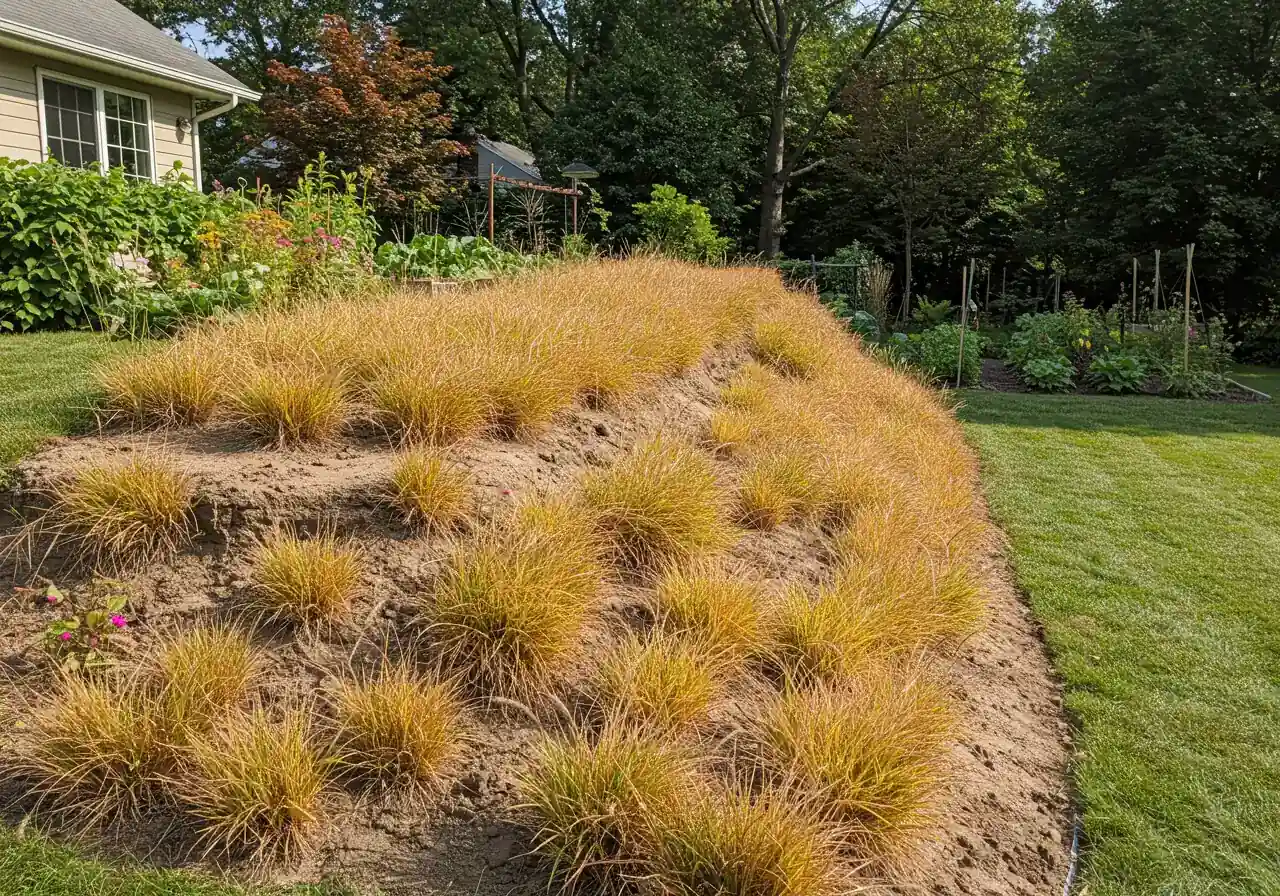
A clear, wide photograph showcasing a finished beetle bank integrated into a garden setting. The image should display a distinct raised berm, approximately 0.5-1 meter wide and several meters long, densely planted with mature native bunch grasses (like Little Bluestem showing some seasonal color) and possibly a few interspersed native wildflowers. It should be situated near, but separate from, vegetable or flower beds, under bright, natural sunlight, illustrating its structure and typical placement within a backyard landscape.
A mature beetle bank provides essential habitat for beneficial insects.

Alright, let's get down to brass tacks. What *is* this "beetle bank" thing we're talking about? Imagine a cozy little haven, a designated 'bed and breakfast' specifically for the good guys in your garden – the beneficial insects. In simple terms, a beetle bank is usually a raised strip or mound of earth, typically planted densely with native grasses or specific perennial plants. Think of it like a mini, purpose-built wildlife corridor running through or alongside your garden beds.

So, why build a tiny hill and plant grass on it? Sounds a bit odd, right? Well, here's the clever part: this grassy mound provides essential shelter and overwintering habitat for predatory insects like ground beetles, rove beetles, ladybugs, lacewings, and certain types of spiders. These aren't the creepy crawlies you want to swat; they're your garden's natural pest control squad! They hunker down in the dense foliage and soil structure of the bank, safe from garden tilling, predators, and harsh Ottawa winters. When spring arrives, they emerge hungry and ready to patrol your nearby vegetable patches and flower beds, munching on aphids, slugs, caterpillars, spider mites, and other common pests that drive Barrhaven gardeners bonkers.

This is a huge departure from reaching for chemical sprays. While pesticides might offer a quick fix, they often wipe out *everything* – the good bugs along with the bad. This can create a cycle where pest problems actually get worse over time because their natural predators are gone. Beetle banks, on the other hand, work *with* nature. They build up a resident population of beneficials, creating a more balanced and resilient garden ecosystem. It’s proactive, not reactive. Considering a larger project? Check out our full range of landscaping services.

Why is this especially smart for homeowners here in Barrhaven, or neighbouring areas like Greely or Osgoode? Our suburban yards, while lovely, can sometimes lack the diverse, undisturbed habitat these beneficial insects need to thrive year-round. Adding a beetle bank is a simple way to boost biodiversity right in your backyard. It helps tackle those annoying aphid outbreaks on your roses or the slugs sliming up your hostas without resorting to harsh chemicals. Find reliable local service providers like Clean Yards on our Google Business Profile.

Planning where to put your beetle bank is a great first step. You might even incorporate it visually into your overall garden layout; seeing how features fit together using Kenmore 3D landscape plans visualization can be really helpful. When you build the bank itself, remember that good structure starts from the ground up. Proper Barrhaven site prep for healthy soil and planting is just as important for your beetle bank's grasses as it is for your prized perennials. We also offer expert soil preparation services. Choosing the right grasses is key – ideally native bunch grasses that provide dense cover at the base. Consider factors like sunlight and your specific ground conditions, similar to how you'd approach Richmond plant spacing in clay soil for a new build. The raised nature of the bank also helps with drainage, preventing the base from becoming waterlogged, which echoes the importance of Embrun new build spring site grading to prevent water damage.

Practical Tip: Situate your beetle bank in a sunny spot, relatively close to the garden areas you want to protect (but not *so* close that routine garden work disturbs it). Even a small bank, maybe 1 meter wide and a few meters long, can make a difference!

Building a beetle bank is a fantastic DIY project, but if you're undertaking a larger landscaping transformation or just want a hand getting it right, exploring professional landscaping services can integrate it seamlessly into your overall yard design. It’s an investment in a healthier, more vibrant, and naturally pest-managed Barrhaven backyard!

Meet Your Garden's Tiny Superheroes: Beneficial Insects Thriving in Ottawa
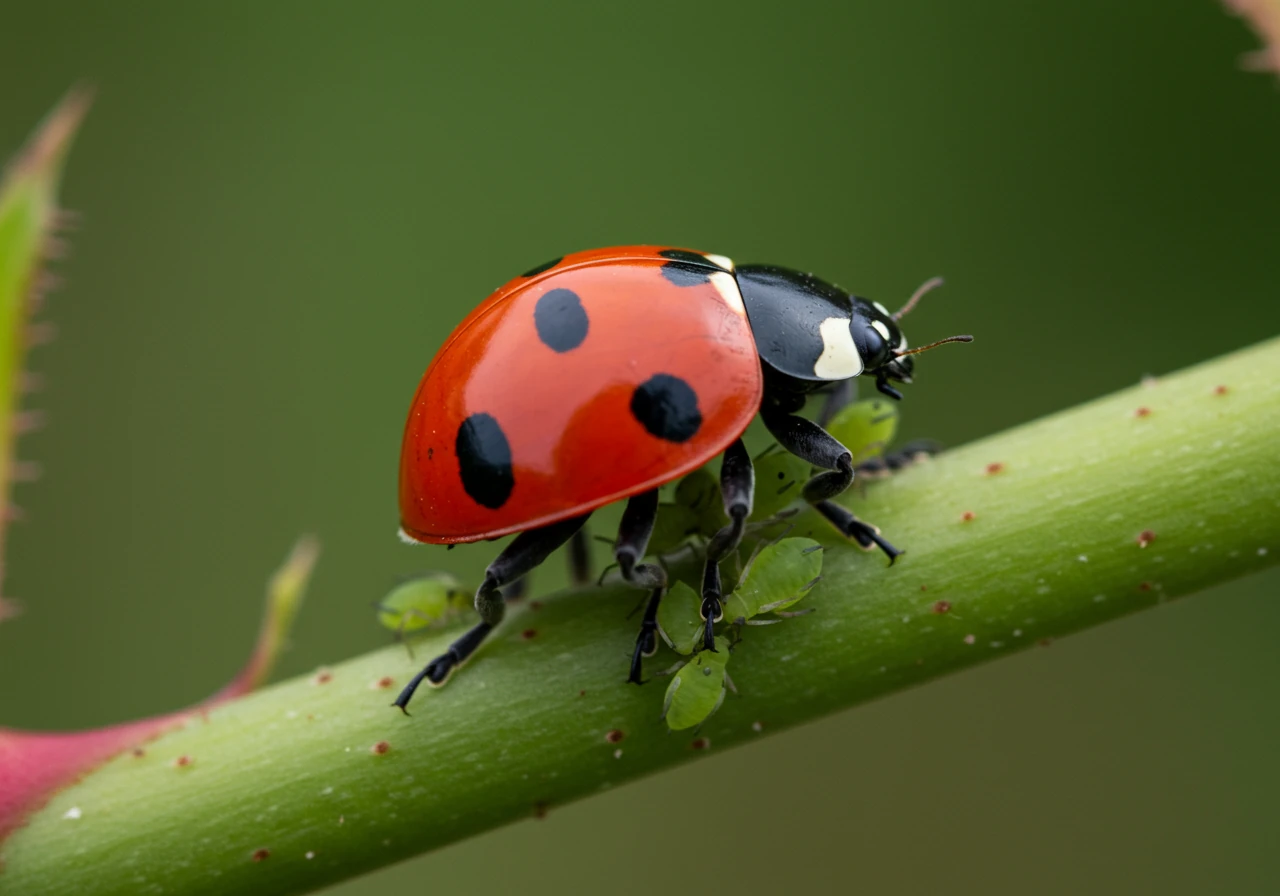
A vibrant macro photograph focusing on a key beneficial insect mentioned in the text, such as a ladybug, actively preying on common garden pests like aphids. The image should clearly show the ladybug on a plant stem or leaf, with aphids visible, highlighting the natural pest control function. The background should be softly blurred (bokeh) to keep the focus on the insect interaction. High detail on the insect's features and colors is crucial.
Ladybugs are voracious aphid predators, essential allies in the garden.

So, we've established that a beetle bank is like a five-star resort for good bugs. But who exactly are these VIP guests? Let's meet some of the key players you'll want to attract to your Ottawa garden – your very own pest-patrol team! Think of them as nature's little cleanup crew, working tirelessly behind the scenes (or sometimes right out in the open!).

Ladybugs (Lady Beetles)

Everyone loves ladybugs! These cheerful, polka-dotted beetles aren't just cute; they're voracious aphid-eaters. A single ladybug can chow down on thousands of aphids in its lifetime. They also snack on scale insects, mites, and other soft-bodied pests. Beetle banks give them a safe place to shelter and overwinter.

Ground Beetles

Often large, dark, and fast-moving, these are the night shift patrol. They're fantastic allies against slugs, snails, cutworms, caterpillars, and insect eggs. The dense grasses and undisturbed soil of a beetle bank provide the perfect daytime hiding spot, often missing in areas with regular lawn care.

Lacewings

Delicate green adults sip nectar, but their larvae ("aphid lions") are terrifying predators! These tiny alligator-like babies devour aphids, thrips, mites, small caterpillars, and insect eggs with incredible appetite. The beetle bank offers shelter and egg-laying sites.

Hoverflies (Syrphid Flies)

Looking like small bees but with only one pair of wings, these are harmless pollinators as adults. Their larvae are tiny, slug-like maggots that are expert aphid hunters, slurping them up. Planting flowers near your bank attracts adults.

  • Rove Beetles: These slender beetles often look a bit like earwigs without the back pincers. They are generalist predators, feeding on mites, springtails, small insects, and fly eggs found in the soil and leaf litter. The undisturbed environment of a beetle bank is key. Remember, an overly enthusiastic autumn property clean-up can accidentally remove their vital habitat.

Why the Beetle Bank Matters, Especially in Ottawa:

Let's face it, Ottawa winters are no joke! Many of these beneficial insects need safe, insulated spots to survive freezing temperatures. A beetle bank acts like a natural duvet, protecting them. This means when spring arrives, whether you're gardening in Barrhaven or need help with an Embrun garden clean-up service, a healthy population emerges ready to tackle pests.

Practical Tip: Consider making a simple chart listing key beneficial insects found in Ottawa and the pests they commonly prey upon. This can help you appreciate the work they're doing!

Thinking about integrating a beetle bank or other wildlife-friendly features? Professional landscaping services can help. Curious about what such a project might involve? Feel free to use our estimate feedback form to ask questions or get a quote. By giving these tiny garden superheroes a place to call home, you're investing in a healthier, more vibrant, and naturally protected garden.

Designing Your Barrhaven Beetle Bank: Location, Size, and Getting Dirty

Okay, team, let's roll up our sleeves! Designing your beetle bank isn't complicated, but a little planning goes a long way. Time to figure out the where, the how big, and yes, maybe get a little dirt under those fingernails. It’s all part of the fun of gardening in Barrhaven!

Finding the Sweet Spot: Location, Location, Location

Where should this insect paradise go? Think sunny and relatively close (but not *too* close) to the garden beds or veggie patches you want protected. Full sun is usually best. Aim for a spot that won't be constantly disturbed by foot traffic or intense lawn care routines. If the perfect spot is currently overgrown, clearing it out might be your first step; sometimes a thorough city yard cleanup service gives you a blank slate.

Size Matters (But Maybe Not How You Think!)

Don't feel like you need to build a mountain! A good starting point is about 0.5 to 1 meter wide and at least 2 meters long. Longer is generally better if you have space. The *raised* profile is key. Be realistic about your space and effort!

Getting Dirty: Building the Berm (and Why It's Key!)

This is the most important part: *your beetle bank needs to be raised*. Think of it as a long, low mound or berm, maybe 30-50 cm higher than the surrounding ground. Why? Drainage! Especially here in Ottawa, we deal with clay soil. Beneficial insects need well-drained conditions.

To build it, first clear the area. If you're removing turf, consider professional sod installation elsewhere later. Pile up soil to create your berm. *Crucially*, mix in plenty of organic matter like compost. This involves smart material selection for a healthy base. Loosen the soil well. If your starting point is messy, a Marionville garden clean up service can tackle the initial heavy lifting.

Plant Power! Picking the Perfect Plants for Your Ottawa Beetle Bank
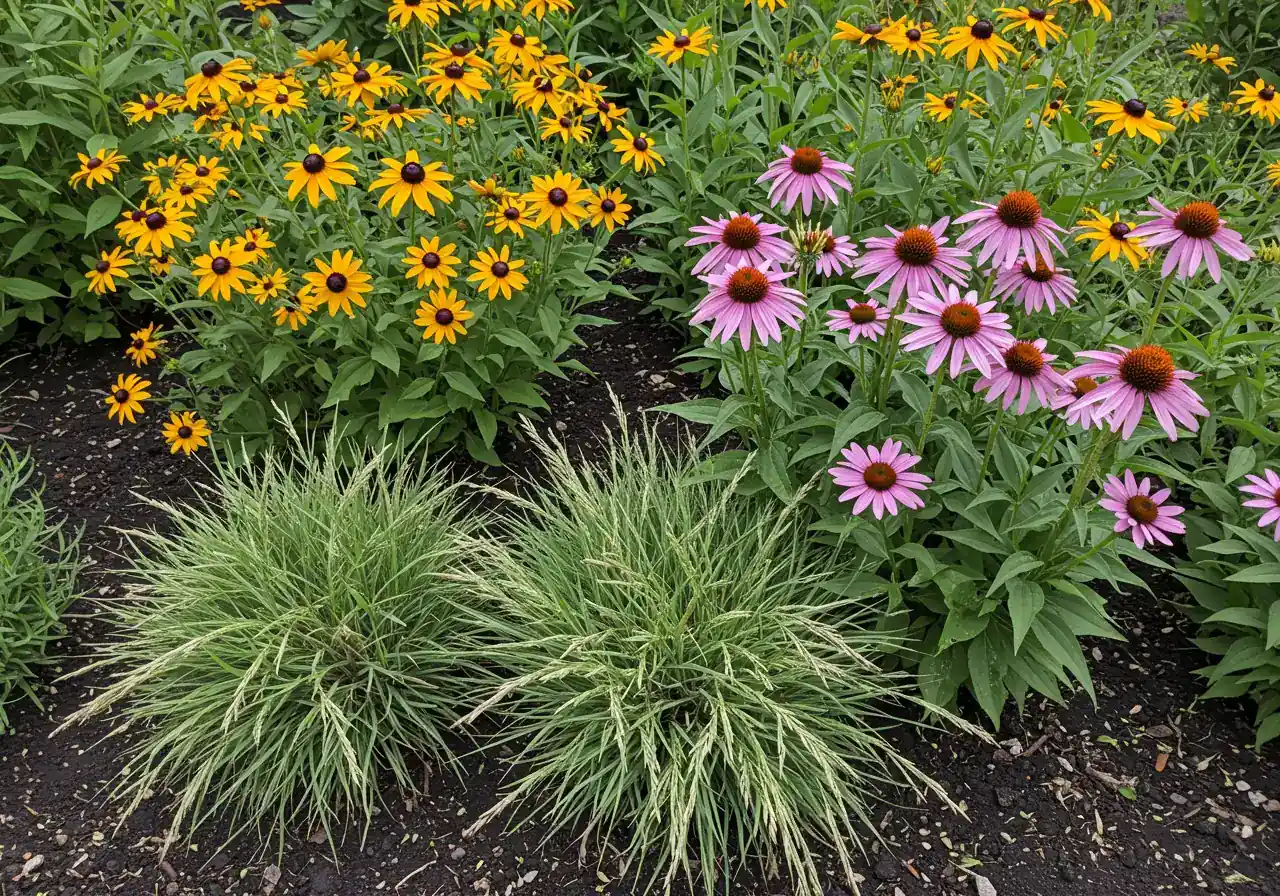
A close-up photograph displaying a grouping of the specific types of plants recommended for a beetle bank. It should feature clumps of native perennial bunch grasses (e.g., Little Bluestem or Prairie Dropseed) side-by-side with native wildflowers (e.g., Purple Coneflower or Black-Eyed Susan) in bloom. The image needs to showcase the textures and forms of these plants, illustrating the combination of dense grasses for shelter and flowers for attracting pollinators and beneficials. Shot in natural light against a soil background.
Combine native bunch grasses and wildflowers for optimal beetle bank habitat.

Alright, your berm is built! Picking the *right* plants is the secret sauce. Think of your plant choices as a dynamic duo: sturdy perennial grasses and vibrant native wildflowers.

Grasses: The Structural Superstars

We need *perennial bunch grasses*. These grow in clumps, staying dense at the base (perfect for ground beetles!). Some fantastic choices for our Zone 5a/b climate include:

  • Little Bluestem (Schizachyrium scoparium): Beautiful blue-green summer color turning reddish-bronze in fall. Tough and drought-tolerant once established.
  • Switchgrass (Panicum virgatum): Taller, providing vertical structure. Look for cultivars like 'Shenandoah'.
  • Prairie Dropseed (Sporobolus heterolepis): Elegant, fine-textured mounds.

Recommended Grass Comparison

Grass NameTypical HeightKey FeatureSun Need
Little Bluestem60-90 cmFall Color, Dense BaseFull Sun
Switchgrass90-150 cmVertical Structure, Winter InterestFull Sun
Prairie Dropseed60-90 cmFine Texture, MoundingFull Sun

Wildflowers: The Nectar & Pollen Buffet

Wildflowers lure adult beneficials. Choosing flowers *native* to Eastern Ontario or well-adapted non-invasive perennials is best. Aim for a mix of bloom times. Great options include:

  • Purple Coneflower (Echinacea purpurea): Classic garden favorite, beloved by pollinators.
  • Black-Eyed Susan (Rudbeckia hirta): Cheerful yellow faces, provide pollen and seeds.
  • Bee Balm / Wild Bergamot (Monarda fistulosa): Attracts bees and beneficial wasps.
  • Goldenrods (Solidago species): *Super important* late-season food source. Excellent resources for native plants include the Fletcher Wildlife Garden in Ottawa.

Why Go Native (or Adapted)?

Native plants mean less work and more benefit. They're suited to our soil and climate, needing less fuss than plants requiring constant city garden maintenance service. *Critically important:* avoid known invasive species. Visit reputable local nurseries for advice.

Putting It All Together

Cluster grasses closely for a dense base. Tuck wildflowers among them. The goal isn't super neat; it's a bit wild, providing nooks and crannies. Avoid excessive tidying or standard mulching and edging practices right on the bank. This feature can contribute positively to broader garden transformations.

Practical Tip: Come fall, resist cleaning up the beetle bank! Leave dead stems standing for winter insulation. If leaves pile up *around* the bank, an Ottawa yard cleanup service can manage the surroundings carefully. If site prep was tough, remember services like Metcalf garden clean up service can help.

Step-by-Step Guide: Building Your Beetle Bank Like a Pro (Even in Kanata... or Kars!)

An image depicting Step 3: 'Build That Berm!'. It should show a freshly constructed, unplanted beetle bank berm – a long, low mound of dark, rich, amended soil, clearly raised (approx 30-50cm) above the surrounding cleared ground level. The soil should look loose and ready for planting. The shape should be defined, perhaps outlined by cleared earth, illustrating the crucial raised structure before planting begins. Shot during daytime, showing the texture of the soil.
A freshly built berm, raised and ready for planting.

Step 1: Clear the Decks!

Pick a sunny spot. Clear away existing grass, weeds, and rocks. If needed, professional help like a city property cleanup service can assist.

Step 2: Mark Your Territory

Outline the bank's shape (0.5-1m wide, 2m+ long) using string or hose to visualize.

Step 3: Build That Berm!

Pile soil within the outline, aiming for 30-50 cm height at the center, sloping gently. This raised profile is crucial for drainage.

Step 4: Supercharge Your Soil

Mix generous amounts of compost or manure into the top 15-20 cm of the berm for structure and nutrients. Proper soil preparation is key.

Step 5: Plant Your Insect Inn

Install native grasses and wildflowers. Plant grasses closely. Consider professional garden install services if needed.

Step 6: Mulch... Or Maybe Not?

Avoid thick mulch. Use only a very thin layer of fine organic material or leave bare around grass bases to allow beetle access.

Step 7: Water Wisely & Admire!

Water new plants well. Admire your work! You've created valuable habitat, contributing to positive garden transformations. We say Thank You for helping biodiversity!

Potential Pest Reduction with Established Beetle Bank (Illustrative)

Aphids
Slugs
Mites
Misc. Larvae

Note: Actual reduction varies based on garden conditions and insect populations.

Beetle Bank Quick Wins & Top Tips

Ready to turbo-charge your beetle bank benefits? Here are quick wins for success:

  • Sun Seeker Sanctuary: Pick a sunny spot for warmth and dryness.
  • Raise It Up (Seriously!): The raised berm is crucial for drainage. Consider a Metcalf property cleanup service if the area needs major prep.
  • Go Native (Plant Power!): Focus on native perennial bunch grasses and wildflowers. Expert garden install services can help.
  • Size Isn't Everything: A smaller bank (1m wide, few meters long) is effective if raised.
  • Messy is Best (in the Fall): Leave dead plants standing for winter shelter. Use a city garden clean up service for surrounding areas only. For bigger jobs, try Marionville yard cleanup service.
  • Bare is Better (Mostly): Avoid thick mulch on the bank itself.
  • Patience, Grasshopper (or Beetle!): It takes time for populations to build. Support biodiversity – learn about our eco-friendly philosophy. Consider local resources like the Fletcher Wildlife Garden for inspiration.

FAQs: Your Ottawa Beetle Bank Questions Answered

Absolutely! That’s exactly *why* building a raised berm is so important. The mound lifts the main habitat *above* the dense, potentially soggy clay. Amending the soil within the berm itself with lots of compost improves drainage further, creating a cozy, well-drained haven your beneficial bugs will love, even with clay underneath. Learn more about dealing with local soil from resources like the City of Ottawa's gardening pages.

Patience is key here! You might see some beneficial insects exploring fairly quickly, but it usually takes a full season or two for populations to really establish and overwinter successfully. Think of it as a long-term investment in your garden's ecosystem. Results develop over time and aren't instant fixes – nature works at its own pace, unlike services with specific outcomes detailed in contracts (you can always check out our Terms and Conditions for service specifics).

It's possible, as any dense planting could offer shelter. However, beetle banks primarily attract insects and spiders. Choosing native grasses discourages rodents more than, say, food crops. Keep the area immediately around the bank clear of debris or spilled birdseed. Unlike some techy pest solutions, beetle banks don't collect data! But speaking of data, you can see how we handle user data as explained in our Privacy Policy if you use our online services.

Definitely! Beetle banks don’t need to be huge. Even a narrow strip, maybe just 50-60 cm wide and a couple of meters long, tucked along a sunny fence line or garden edge, provides valuable habitat. The key features – the raised profile and dense native grasses – are more important than massive size for attracting beneficials. Need help tidying a smaller space? Check our Ottawa property cleanup service.

Don't overthink it! Focus on two main types: native perennial *bunch grasses* (like Little Bluestem) for shelter, and native *wildflowers* (like Coneflowers or Goldenrods) for food. These are adapted to Ottawa's climate and support local insects best. Choosing the right native plants is key, but first ensure the site is ready. If it needs significant work, clearing the area with a Marionville yard cleanup service might be step one.

Spring or early fall are your best bets! Planting in spring gives plants the whole season to establish before winter. Fall planting (about 4-6 weeks before the ground freezes hard) works well too, especially for grasses, allowing roots to settle in cool, moist soil. Either way, avoid the intense heat of mid-summer for planting. If you need help clearing the ground with help from a Metcalf yard cleanup service beforehand, we can assist! For general garden upkeep, consider our garden maintenance options.

Conclusion: Grow a Healthier Garden, One Beetle Bank at a Time

So, there you have it – the inside scoop on beetle banks! It’s more than just a cool landscaping feature; it’s your ticket to a healthier, more vibrant garden right here in Ottawa, powered by nature's own pest control squad. By creating a cozy, slightly wild home base for beneficial insects like ladybugs and ground beetles, you’re cutting down on those annoying garden guests (we’re looking at you, aphids!) *and* reducing the need for chemical sprays. That’s a fantastic win-win for your precious plants and our local environment, including areas needing Marionville property cleanup service or Ottawa garden clean up service.

Imagine thriving flower beds in Manotick or enjoying more pest-free veggies out in Russell, all thanks to a simple, purpose-built grassy mound humming with helpful critters. It’s surprisingly easy to implement and makes a genuine difference. Building a beetle bank is a powerful, eco-friendly step any gardener can take towards a more balanced and resilient backyard ecosystem. Further guidance can often be found through local groups like the Ottawa & Area Gardeners.

Ready to invite these tiny garden superheroes into your yard and let them get to work?

  • Get Expert Help: Feeling inspired but want a hand? Contact Clean Yards! We can help you design and professionally install the perfect beetle bank for your space in Barrhaven, Manotick, Greely, Winchester, Russell, and many other Ottawa neighbourhoods.
  • Learn More Online: Dig deeper into eco-friendly landscaping tips, native plant ideas, and other garden wisdom right here on our website. Explore services like our Ottawa Yard Cleanup Service or Metcalf Yard Cleanup Service.
  • Start the Conversation: Give us a call or contact us! We’re happy to chat about how a beetle bank can fit seamlessly into your garden design and help you achieve your landscaping goals.

Let's make your Barrhaven garden a haven for beneficials!

Explore Our Eco-Friendly Services
document.addEventListener('DOMContentLoaded', function() {// Apply JS only within the wrapper to avoid conflicts const wrapper = document.querySelector('.beetle-bank-article-wrapper'); if (!wrapper) return; // Exit if wrapper not found// --- Progress Bar --- const progressBar = wrapper.querySelector('#progressBar'); function updateProgressBar() { const scrollableHeight = document.documentElement.scrollHeight - window.innerHeight; const scrolled = window.scrollY; if (scrollableHeight > 0) { const progress = (scrolled / scrollableHeight) * 100; progressBar.style.width = progress + '%'; } else { progressBar.style.width = '0%'; // Handle edge case (no scrollbar) } } window.addEventListener('scroll', updateProgressBar); updateProgressBar(); // Initial calculation// --- Back to Top Button --- const backToTopBtn = wrapper.querySelector('#backToTopBtn'); const showButtonThreshold = 300; // Pixels scrolled downfunction toggleBackToTopButton() { if (window.scrollY > showButtonThreshold) { backToTopBtn.classList.add('show'); } else { backToTopBtn.classList.remove('show'); } }backToTopBtn.addEventListener('click', () => { window.scrollTo({ top: 0, behavior: 'smooth' }); });window.addEventListener('scroll', toggleBackToTopButton); toggleBackToTopButton(); // Initial check// --- Collapsible Sections (FAQ) --- const collapsibles = wrapper.querySelectorAll('.collapsible'); collapsibles.forEach(button => { button.addEventListener('click', function() { this.classList.toggle('active'); const content = this.nextElementSibling; if (content.style.maxHeight) { // Currently open, close it content.style.paddingTop = '0'; content.style.paddingBottom = '0'; content.style.maxHeight = null; } else { // Currently closed, open it content.style.paddingTop = '15px'; content.style.paddingBottom = '15px'; content.style.maxHeight = content.scrollHeight + "px"; } }); });// --- Tab Interface --- const tabContainer = wrapper.querySelector('.tab-container'); if (tabContainer) { const tabButtons = tabContainer.querySelectorAll('.tab-button'); const tabContents = tabContainer.querySelectorAll('.tab-content');tabButtons.forEach(button => { button.addEventListener('click', function() { const targetTabId = this.getAttribute('data-tab');// Deactivate all buttons and content tabButtons.forEach(btn => btn.classList.remove('active')); tabContents.forEach(content => content.classList.remove('active'));// Activate clicked button and corresponding content this.classList.add('active'); const targetContent = tabContainer.querySelector('#' + targetTabId); if (targetContent) { targetContent.classList.add('active'); } }); }); }// --- Bar Chart Animation --- const chartContainer = wrapper.querySelector('#pest-chart'); if (chartContainer) { const bars = chartContainer.querySelectorAll('.bar');const animateChart = (entries, observer) => { entries.forEach(entry => { if (entry.isIntersecting) { wrapper.classList.add('animate-chart'); // Add class to trigger animation bars.forEach(bar => { const value = bar.getAttribute('data-value'); bar.style.height = value + '%'; }); observer.unobserve(entry.target); // Animate only once } }); };const chartObserver = new IntersectionObserver(animateChart, { root: null, // viewport threshold: 0.3 // Trigger when 30% visible });chartObserver.observe(chartContainer); }// --- Timeline Animation --- const timelineItems = wrapper.querySelectorAll('.timeline-item'); if (timelineItems.length > 0) { const animateTimeline = (entries, observer) => { entries.forEach(entry => { if (entry.isIntersecting) { entry.target.classList.add('in-view'); observer.unobserve(entry.target); // Animate only once } }); };const timelineObserver = new IntersectionObserver(animateTimeline, { root: null, threshold: 0.15, // Trigger when 15% visible rootMargin: "0px 0px -50px 0px" // Start animation slightly before fully in view });timelineItems.forEach(item => { timelineObserver.observe(item); }); }}); // End DOMContentLoaded
Share This Article
Facebook
X
Pinterest
Email
Print

Thank you for sharing!

Contact Us Today

To request a quote, kindly fill out the form below.

Where Can we Reach you?
Which Service Do You Require? (Click all that apply)
Provide a Breif Description of The Work You'd Like Done

Before You Go

We’re confident in our services, we offer a 30-day money-back guarantee. Not 100% satisfied? We’ll swiftly refund all labor costs. Your satisfaction is our top priority!

Get in touch today for expert service and satisfaction guaranteed. You won't regret it!

Where Can we Reach you?
Which Service Do You Require? (Click all that apply)
Provide a Breif Description of The Work You'd Like Done
Where Can we Reach you?
Which Service Do You Require? (Click all that apply)
Provide a Breif Description of The Work You'd Like Done
Where Can we Reach you?
Which Service Do You Require? (Click all that apply)
Provide a Breif Description of The Work You'd Like Done