
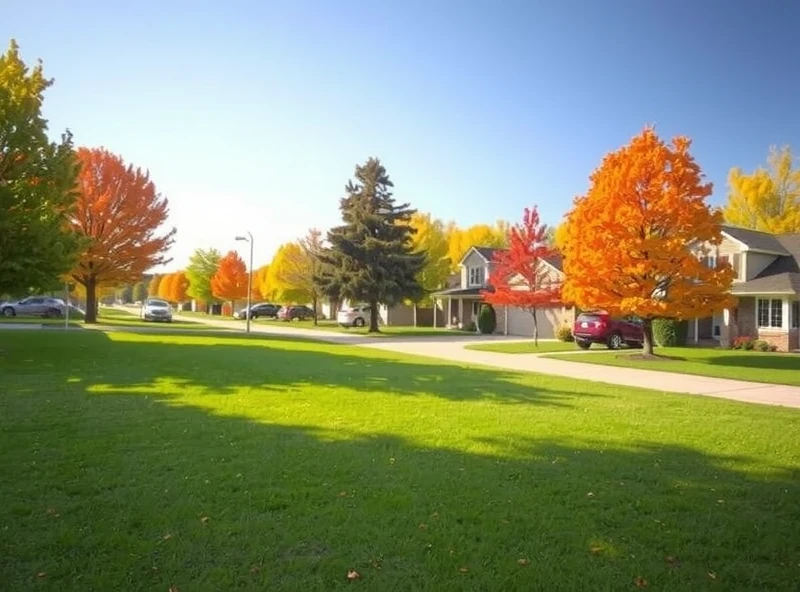
/* General Reset & Base Styles */ :root { --brand-primary: #93C020; --brand-dark: #2D2C2C; --brand-darker: #000000; --brand-light: #EBEBEB; --brand-green: #287734; --brand-white: #FFFFFF; --brand-accent: #B7FE00; --font-primary: 'Arial', sans-serif; --transition-speed: 0.3s; }/* Self-contained scoping */ .bioswale-article-page { box-sizing: border-box; margin: 0; padding: 0; font-family: var(--font-primary); color: var(--brand-dark); line-height: 1.6; background-color: var(--brand-white); scroll-behavior: smooth; }.bioswale-article-page *, .bioswale-article-page *::before, .bioswale-article-page *::after { box-sizing: inherit; }/* Progress Bar */ .bioswale-article-page .progress-container { position: fixed; top: 0; left: 0; width: 100%; height: 5px; background-color: var(--brand-light); z-index: 1000; }.bioswale-article-page .progress-bar { height: 100%; width: 0; background-color: var(--brand-primary); transition: width 0.1s linear; }/* Container */ .bioswale-article-page .article-container { max-width: 800px; margin: 40px auto 20px; /* Added top margin for progress bar */ padding: 20px; background-color: var(--brand-white); border-radius: 8px; box-shadow: 0 2px 10px rgba(0, 0, 0, 0.1); }/* Headings */ .bioswale-article-page h1, .bioswale-article-page h2, .bioswale-article-page h3, .bioswale-article-page h4, .bioswale-article-page h5, .bioswale-article-page h6 { color: var(--brand-darker); margin-top: 1.5em; margin-bottom: 0.8em; line-height: 1.3; font-weight: 700; }.bioswale-article-page h1 { font-size: 2.5em; color: var(--brand-green); margin-top: 0; border-bottom: 2px solid var(--brand-light); padding-bottom: 0.3em; }.bioswale-article-page h2 { font-size: 1.8em; color: var(--brand-green); border-bottom: 1px solid var(--brand-light); padding-bottom: 0.2em; }.bioswale-article-page h3 { font-size: 1.4em; color: var(--brand-dark); }/* Paragraphs and Lists */ .bioswale-article-page p { margin-bottom: 1em; color: var(--brand-dark); }.bioswale-article-page ul, .bioswale-article-page ol { margin-bottom: 1.5em; padding-left: 1.5em; }.bioswale-article-page li { margin-bottom: 0.5em; }/* Links */ .bioswale-article-page a { color: var(--brand-green); text-decoration: none; transition: color var(--transition-speed); }.bioswale-article-page a:hover { color: var(--brand-primary); text-decoration: underline; }/* Images */ .bioswale-article-page figure { margin: 25px auto; text-align: center; }.bioswale-article-page figure img { max-width: 100%; height: auto; border-radius: 5px; box-shadow: 0 1px 5px rgba(0, 0, 0, 0.1); }.bioswale-article-page figure figcaption { font-size: 0.85em; color: #777; margin-top: 5px; font-style: italic; }/* Call to Action (CTA) Button */ .bioswale-article-page .cta-button-container { text-align: center; margin: 30px 0; }.bioswale-article-page .cta-button { display: inline-block; background-color: var(--brand-primary); color: var(--brand-white); padding: 12px 25px; border: none; border-radius: 5px; font-size: 1.1em; font-weight: bold; text-decoration: none; cursor: pointer; transition: background-color var(--transition-speed), transform var(--transition-speed); }.bioswale-article-page .cta-button:hover { background-color: var(--brand-green); color: var(--brand-white); text-decoration: none; transform: translateY(-2px); }/* Initial CTA box */ .bioswale-article-page .initial-cta { background-color: var(--brand-light); padding: 20px; margin: 20px 0; border-radius: 8px; border-left: 5px solid var(--brand-primary); text-align: center; }.bioswale-article-page .initial-cta p { margin-bottom: 15px; font-size: 1.1em; }/* Highlight Box */ .bioswale-article-page .highlight-box { background-color: #F0F8FF; /* Light blue */ border-left: 5px solid var(--brand-green); padding: 20px; margin: 25px 0; border-radius: 5px; } .bioswale-article-page .highlight-box h2, .bioswale-article-page .highlight-box h3 { margin-top: 0; color: var(--brand-green); }/* Collapsible Sections (FAQ) */ .bioswale-article-page .collapsible { margin-bottom: 10px; border: 1px solid var(--brand-light); border-radius: 5px; overflow: hidden; }.bioswale-article-page .collapsible-trigger { background-color: var(--brand-light); color: var(--brand-dark); cursor: pointer; padding: 15px; width: 100%; border: none; text-align: left; outline: none; font-size: 1.1em; font-weight: bold; transition: background-color var(--transition-speed); display: flex; justify-content: space-between; align-items: center; }.bioswale-article-page .collapsible-trigger:hover { background-color: #ddd; }.bioswale-article-page .collapsible-trigger::after { content: '+'; font-size: 1.5em; font-weight: bold; color: var(--brand-primary); transition: transform var(--transition-speed); }.bioswale-article-page .collapsible-trigger.active::after { content: '−'; transform: rotate(180deg); }.bioswale-article-page .collapsible-content { padding: 0 18px; max-height: 0; overflow: hidden; background-color: var(--brand-white); transition: max-height 0.3s ease-out, padding 0.3s ease-out; }.bioswale-article-page .collapsible-content p:first-child { padding-top: 15px; } .bioswale-article-page .collapsible-content p:last-child { padding-bottom: 15px; }/* Tab Interface */ .bioswale-article-page .tab-interface { margin: 30px 0; border: 1px solid var(--brand-light); border-radius: 5px; overflow: hidden; }.bioswale-article-page .tab-buttons { display: flex; background-color: var(--brand-light); border-bottom: 1px solid #ccc; /* Add separator */ }.bioswale-article-page .tab-button { padding: 10px 15px; cursor: pointer; border: none; background-color: var(--brand-light); color: var(--brand-dark); font-size: 1em; transition: background-color var(--transition-speed), color var(--transition-speed), border-bottom var(--transition-speed); border-bottom: 3px solid transparent; /* Space for active indicator */ margin-right: 5px; /* Spacing between tabs */ flex-grow: 1; text-align: center; border-radius: 5px 5px 0 0; /* Slightly round top corners */ }.bioswale-article-page .tab-button:hover { background-color: #ddd; }.bioswale-article-page .tab-button.active { background-color: var(--brand-white); color: var(--brand-primary); font-weight: bold; border-bottom: 3px solid var(--brand-primary); /* Active indicator */ }.bioswale-article-page .tab-content { display: none; padding: 20px; background-color: var(--brand-white); border-top: none; /* Remove top border as it's handled by button border */ }.bioswale-article-page .tab-content.active { display: block; }/* Responsive Data Visualization (Bar Chart) */ .bioswale-article-page .chart-container { margin: 30px 0; padding: 20px; border: 1px solid var(--brand-light); border-radius: 5px; }.bioswale-article-page .chart-title { text-align: center; margin-bottom: 20px; font-size: 1.2em; font-weight: bold; }.bioswale-article-page .bar-chart { display: flex; justify-content: space-around; align-items: flex-end; height: 200px; /* Adjust height as needed */ background-color: var(--brand-light); padding: 10px; border-radius: 5px; }.bioswale-article-page .bar { width: 15%; /* Adjust width as needed */ background-color: var(--brand-green); color: var(--brand-white); text-align: center; font-size: 0.8em; padding-top: 5px; position: relative; height: 0; /* Initial height for animation */ transition: height 1s ease-out; border-radius: 3px 3px 0 0; } .bioswale-article-page .bar span { position: absolute; bottom: -25px; left: 50%; transform: translateX(-50%); color: var(--brand-dark); font-size: 0.9em; white-space: nowrap; }/* Timeline */ .bioswale-article-page .timeline { position: relative; max-width: 800px; margin: 50px auto; padding: 20px 0; }.bioswale-article-page .timeline::after { content: ''; position: absolute; width: 3px; background-color: var(--brand-light); top: 0; bottom: 0; left: 50%; margin-left: -1.5px; }.bioswale-article-page .timeline-item { padding: 10px 40px; position: relative; background-color: inherit; width: 50%; }/* Circle on the timeline */ .bioswale-article-page .timeline-item::after { content: ''; position: absolute; width: 15px; height: 15px; right: -7.5px; background-color: var(--brand-white); border: 4px solid var(--brand-primary); top: 25px; border-radius: 50%; z-index: 1; }/* Left timeline item */ .bioswale-article-page .timeline-left { left: 0; }/* Right timeline item */ .bioswale-article-page .timeline-right { left: 50%; }/* Left item arrow */ .bioswale-article-page .timeline-left::before { content: " "; height: 0; position: absolute; top: 28px; width: 0; z-index: 1; right: 30px; border: medium solid var(--brand-light); border-width: 10px 0 10px 10px; border-color: transparent transparent transparent var(--brand-light); }/* Right item arrow */ .bioswale-article-page .timeline-right::before { content: " "; height: 0; position: absolute; top: 28px; width: 0; z-index: 1; left: 30px; border: medium solid var(--brand-light); border-width: 10px 10px 10px 0; border-color: transparent var(--brand-light) transparent transparent; }/* Right item circle positioning */ .bioswale-article-page .timeline-right::after { left: -7.5px; }/* Timeline content */ .bioswale-article-page .timeline-content { padding: 15px 20px; background-color: var(--brand-light); position: relative; border-radius: 6px; } .bioswale-article-page .timeline-content h3 { margin-top: 0; color: var(--brand-green); }/* Back to Top Button */ .bioswale-article-page #back-to-top { position: fixed; bottom: 20px; right: 20px; display: none; background-color: var(--brand-primary); color: var(--brand-white); border: none; border-radius: 50%; width: 50px; height: 50px; font-size: 24px; text-align: center; line-height: 50px; cursor: pointer; z-index: 999; transition: background-color var(--transition-speed), opacity var(--transition-speed), visibility var(--transition-speed); }.bioswale-article-page #back-to-top:hover { background-color: var(--brand-green); }/* Responsive Design */ @media screen and (max-width: 768px) { .bioswale-article-page .article-container { margin: 30px auto 15px; padding: 15px; }.bioswale-article-page h1 { font-size: 2em; }.bioswale-article-page h2 { font-size: 1.5em; }.bioswale-article-page h3 { font-size: 1.2em; }/* Timeline adjustments for mobile */ .bioswale-article-page .timeline::after { left: 20px; /* Move line to left */ }.bioswale-article-page .timeline-item { width: 100%; padding-left: 50px; /* Space for line and circle */ padding-right: 15px; left: 0 !important; /* Reset left positioning */ }.bioswale-article-page .timeline-item::after { left: 12.5px; /* Position circle on the left line */ right: auto; }.bioswale-article-page .timeline-item::before { /* Point arrows left */ left: 40px; /* Adjust arrow position */ right: auto; border-width: 10px 10px 10px 0; border-color: transparent var(--brand-light) transparent transparent; }.bioswale-article-page .timeline-left::after, .bioswale-article-page .timeline-right::after { left: 12.5px; }.bioswale-article-page .timeline-left::before, .bioswale-article-page .timeline-right::before { left: 40px; }/* Tab buttons stack or become scrollable if too many */ .bioswale-article-page .tab-buttons { /* Optional: allow horizontal scroll on mobile if many tabs */ /* overflow-x: auto; white-space: nowrap; justify-content: flex-start; */ flex-wrap: wrap; /* Or stack them */ } .bioswale-article-page .tab-button { flex-basis: 50%; /* Example: 2 tabs per row */ margin-right: 0; border-bottom-width: 2px; } }@media screen and (max-width: 480px) { .bioswale-article-page .bar-chart { flex-direction: column; align-items: center; height: auto; } .bioswale-article-page .bar { width: 80%; margin-bottom: 30px; /* Space for label below */ height: 30px; /* Fixed height or adjust based on value */ font-size: 1em; } .bioswale-article-page .bar span { bottom: -20px; font-size: 0.8em; } .bioswale-article-page #back-to-top { width: 40px; height: 40px; line-height: 40px; font-size: 20px; } } { "@context": "https://schema.org", "@type": "Article", "headline": "Install a Barrhaven Bioswale: Manage Runoff on Clay Soil", "author": { "@type": "Organization", "name": "Clean Yards", "url": "https://cleanyards.ca/" }, "image": [ "https://cleanyards.ca/wp-content/uploads/2025/04/photorealistic_landscape_view__7211.webp" ], "datePublished": "2024-05-15", // Use actual publish date "dateModified": "2024-05-15", // Use actual modification date "description": "A comprehensive guide to designing, installing, and maintaining a bioswale in Barrhaven to manage stormwater runoff effectively on heavy clay soils.", "publisher": { "@type": "Organization", "name": "Clean Yards", "logo": { "@type": "ImageObject", "url": "https://cleanyards.ca/wp-content/uploads/2024/02/Clean-Yards-Logo-Officiel-Vert-Lime-sans-fond-e1710500728637.png" } }, "mainEntityOfPage": { "@type": "WebPage", "@id": "https://cleanyards.ca/blog/barrhaven-bioswale-clay-soil/" // Replace with actual article URL when published } } { "@context": "https://schema.org", "@type": "HowTo", "name": "How to Build a Bioswale for Clay Soil", "description": "Step-by-step instructions for installing a residential bioswale to manage rainwater runoff, particularly on heavy clay soil.", "image": "https://cleanyards.ca/wp-content/uploads/2025/04/photorealistic_landscape_view__7211.webp", "totalTime": "PT10H", // Example: Estimated 10 hours work time "estimatedCost": { "@type": "MonetaryAmount", "currency": "CAD", "value": "500" // Example minimum cost for DIY }, "supply": [ { "@type": "HowToSupply", "name": "Shovel/Spade" }, { "@type": "HowToSupply", "name": "Wheelbarrow" }, { "@type": "HowToSupply", "name": "Stakes and String or Landscape Paint" }, { "@type": "HowToSupply", "name": "Compost" }, { "@type": "HowToSupply", "name": "Coarse Sand or Fine Gravel" }, { "@type": "HowToSupply", "name": "Native Plants suitable for bioswales" }, { "@type": "HowToSupply", "name": "Organic Mulch" }, { "@type": "HowToSupply", "name": "River Stones (optional)" } ], "tool": [ { "@type": "HowToTool", "name": "Garden Rake" }, { "@type": "HowToTool", "name": "Level (optional)" }, { "@type": "HowToTool", "name": "Utility Location Service (e.g., Ontario One Call)" } ], "step": [ { "@type": "HowToStep", "name": "Plan and Prep", "text": "Call Ontario One Call for utility locating. Outline the bioswale shape away from foundation. Clear the area of existing vegetation.", "url": "#step-1-plan-and-prep", // Link to relevant section ID "image": "https://cleanyards.ca/wp-content/uploads/2025/03/photograph_of_a_residential_ba_9194.webp" // Use a relevant image if available }, { "@type": "HowToStep", "name": "Excavate", "text": "Dig the bioswale area to 1-2 feet deep with gently sloping sides and a slight overall slope. Be prepared for tough digging in clay.", "url": "#step-2-excavation-time" }, { "@type": "HowToStep", "name": "Amend Soil", "text": "Remove a significant portion of excavated clay. Create a mix of ~50% compost and ~50% coarse sand/fine gravel. Backfill the bioswale with this amended mix without compacting.", "url": "#step-3-the-magic-soil-amendment" }, { "@type": "HowToStep", "name": "Plant", "text": "Select and plant native species tolerant of wet and dry conditions, arranging them by moisture zones. Water gently and apply organic mulch.", "image": "https://cleanyards.ca/wp-content/uploads/2025/04/vibrant_close_up_photograph_of_7788.webp", "url": "#step-4-planting-your-water-warriors" }, { "@type": "HowToStep", "name": "Finish and Monitor", "text": "Add stones at the inlet if needed. Create an overflow if necessary. Observe performance during rain and make minor adjustments.", "url": "#step-5-finishing-touches-monitoring" } ] } { "@context": "https://schema.org", "@type": "FAQPage", "mainEntity": [ { "@type": "Question", "name": "How much will building a bioswale cost me?", "acceptedAnswer": { "@type": "Answer", "text": "Costs vary significantly based on size, complexity, plant choices, and whether it's DIY or professionally installed. A simple DIY project might be a few hundred dollars, while professional installation in Barrhaven typically ranges from $1,500 to $5,000+. Key factors include the amount of excavation and soil amendment required for clay soil." } }, { "@type": "Question", "name": "Do I need a permit from the City of Ottawa to build a bioswale?", "acceptedAnswer": { "@type": "Answer", "text": "Generally, small residential bioswales on your own property that don't significantly alter major drainage or affect neighbours might not require a specific permit. However, it is always advisable to check with the City of Ottawa's Planning, Infrastructure and Economic Development department, especially if near property lines or involving significant grade changes." } }, { "@type": "Question", "name": "Will my new bioswale become a mosquito breeding ground?", "acceptedAnswer": { "@type": "Answer", "text": "No, a properly functioning bioswale should not breed mosquitoes. They are designed to drain water within 24-48 hours, which is too fast for the mosquito life cycle (typically 7-10 days in standing water). Consistent standing water indicates a potential design or maintenance issue." } }, { "@type": "Question", "name": "How much work is needed to maintain a bioswale?", "acceptedAnswer": { "@type": "Answer", "text": "Bioswales are relatively low-maintenance once established. Main tasks include weeding (especially when plants are young), ensuring the inlet and outlet remain clear of debris, and optionally cutting back dead plant material once a year. It's generally less work than maintaining a traditional lawn area." } }, { "@type": "Question", "name": "Can I just plant my favourite roses or tomatoes in the bioswale?", "acceptedAnswer": { "@type": "Answer", "text": "It's generally not recommended. Bioswales require plants that can tolerate both periods of inundation (wet feet) and subsequent dry conditions. Most typical garden flowers or vegetables are not adapted to these fluctuating moisture levels. Stick to recommended native grasses, sedges, and hardy perennials suited for bioswale environments." } }, { "@type": "Question", "name": "My Barrhaven yard needs serious help before I can even think about a bioswale. Where do I start?", "acceptedAnswer": { "@type": "Answer", "text": "It's common to need preliminary work. Start by clearing major overgrowth, removing unwanted items, or addressing other pressing landscape issues. Consider a professional property cleanup service like those offered by [Clean Yards](https://cleanyards.ca/property-clean-up/) to create a clean slate, making the bioswale planning and installation process much smoother." } } ] }

Install a Barrhaven Bioswale: Manage Runoff on Clay Soil

Tired of puddles and poor drainage on your Barrhaven property? A bioswale could be the perfect solution! Ready to explore professional options?

Request a Quote Today

Quick Guide to Barrhaven Bioswales:

  • Problem: Heavy clay soil in Barrhaven leads to poor drainage, soggy lawns, and runoff.
  • Solution: Install a bioswale - a shallow, planted channel designed to collect, slow, filter, and absorb rainwater.
  • Benefits: Reduces puddles, filters pollutants, recharges groundwater, enhances curb appeal, creates habitat.
  • Key Steps: Proper site selection, excavation, crucial soil amendment (mixing clay with compost/sand), planting suitable native species, and basic maintenance.
  • Best Plants: Use Ottawa-hardy native plants tolerant of both wet and dry conditions (e.g., Sedges, Joe Pye Weed, Switchgrass).

Introduction: Taming the Torrent in Barrhaven – Why Your Lawn Needs a Bioswale

A photorealistic image depicting the problem: a soggy suburban lawn in Barrhaven after heavy rain. Water is pooling in visible patches on the dense, clay-like soil, with some grass looking stressed or yellowed. The focus should be on the waterlogged ground, conveying the drainage issue without showing people or buildings prominently.
Soggy lawns are a common sight in Barrhaven due to heavy clay soil.

Is your Barrhaven lawn looking more like a paddling pool than a paradise after a good downpour? Yeah, we get it! Many homeowners across Ottawa, and *especially* here in lovely Barrhaven, know the struggle with our region's heavy clay soil. It packs down tight, making it tough for water to soak in quickly. The result? Soggy patches where grass gives up, puddles that stick around for ages, and sometimes runoff heading straight for the storm drains, carrying valuable topsoil and potentially pollutants with it.

But don't despair, green thumbs! There’s an elegant landscaping solution swooping in to save the day: the *bioswale*. Imagine a beautiful, gently sloped garden bed filled with thirsty plants, designed specifically to collect, slow down, and absorb that extra rainwater right where it falls. It's a smart, attractive, and surprisingly simple way to manage water wisely, reduce runoff, recharge groundwater, and keep your yard looking great. Ready to learn how this hardworking garden feature can tame the torrent on your property and become your landscape's new best friend?

The Runoff Rundown: Why Barrhaven's Clay Soil Needs Extra Help

Okay, let's dive into why Barrhaven yards sometimes feel more like wading pools than wonderlands after a good Ottawa storm! It all comes down to our local celebrity soil: clay.

The Runoff Rundown: Why Barrhaven's Clay Soil Needs Extra Help

Here in Ottawa, we get our fair share of weather excitement – heavy spring rains, sudden summer downpours, and the inevitable snowmelt. All that water needs to go somewhere! In an ideal world, it would gently soak into the ground, nourishing plants and recharging groundwater. But in many parts of Barrhaven, and neighboring areas like Greely and Nepean, we've got *clay soil*. Check out resources from the Rideau Valley Conservation Authority for more on local water management.

Think of clay soil like a tightly packed sponge – maybe even one that’s already a bit damp. Its particles are super tiny and stick together closely. This means water has a tough time finding space to filter down quickly. Instead of sinking in politely, rainwater often throws up its hands and decides to run off across the surface. This is stormwater runoff, and on clay soil, it’s a frequent guest.

So, what's the big deal? Well, this runoff can cause a few headaches:

  • Puddle Palooza: Water pools in low spots, creating soggy, muddy patches where grass refuses to grow. Trying to establish a healthy lawn can be tricky; getting sod right on clay requires careful prep, something discussed in this Greely sod installation on clay soil guide.
  • Erosion: Fast-moving water can carry away valuable topsoil and mulch, leaving your garden beds bare and your plants struggling. Keeping soil covered is important, and you can find some helpful ideas in these Metcalfe mulch installation tips.
  • Pollution: Runoff heading straight for storm drains can carry fertilizers, pesticides, pet waste, and other not-so-nice things into our local waterways like the Rideau River. The City of Ottawa provides information on stormwater management.

Dealing with this slow drainage is key to a happy, healthy yard. While bioswales are fantastic, other techniques like creating rain gardens can also make a big difference, as detailed in this look at Manotick rain gardens for clay soil drainage. Effectively managing water doesn't just solve problems; it sets the stage for enjoying your outdoor space more, perhaps even adding beautiful features down the road, like those discussed in this piece on Metcalfe garden fountain installation.

Ultimately, Barrhaven's clay soil means we often need to give Mother Nature a helping hand with smart landscaping solutions. If you're tired of the runoff race, exploring options to improve drainage is a smart move. Tackling these kinds of landscape challenges is exactly what our Clean Yards landscaping services are designed for.

Bioswales 101: Nature's Clever Drainage Ditch

A beautiful, established residential bioswale functioning as intended. Show a gently sloping, shallow channel filled with a variety of healthy, moisture-tolerant native plants (grasses, sedges, flowering perennials like coneflowers or joe pye weed) and some smooth river stones. The soil looks moist but not flooded. Capture the aesthetic appeal and ecological function.
A functioning bioswale is both beautiful and hardworking.

Alright, let's talk about bioswales! Forget dusty, boring ditches. A bioswale is like the superhero version – a shallow channel planted with specific grasses, flowers, and shrubs designed to cleverly manage rainwater runoff. Think of it as a beautiful, hardworking garden feature with a very important job, especially here in Ottawa where heavy rain can sometimes overwhelm traditional drainage.

So, how does this natural wonder work its magic? Instead of just sending rainwater rushing off your property and into the storm drains (like a traditional pipe might), a bioswale says, "Whoa there, water, slow down a minute!"

Here's the play-by-play:

  1. Collection: The gentle slope of the bioswale guides rainwater runoff into the channel.
  2. Slowing Down: The plants and sometimes rocks within the bioswale act like mini speed bumps, slowing the water's flow. This prevents erosion and gives the water time to be treated.
  3. Filtering: As the water moves slowly through the plants and soil layers (often specially prepared soil mixes), pollutants like bits of oil, sediment, and excess nutrients get trapped and filtered out. It’s like nature’s Brita filter!
  4. Soaking In: Because the water is moving slowly, it has a much better chance to soak into the ground, recharging groundwater instead of flooding storm sewers.

The benefits are pretty fantastic:

  • Cleaner Water: Filters pollutants before they reach our rivers.
  • Reduced Flooding: Helps manage stormwater right where it falls, easing the burden on storm drains, a common issue in areas like Barrhaven and Metcalfe.
  • Groundwater Recharge: Puts water back into the earth where it belongs.
  • Habitat Creation: Provides food and shelter for pollinators and beneficial insects.
  • Beauty: Adds an attractive, natural landscaping element to your property. Explore our landscape transformations gallery for ideas.

Compared to traditional concrete drains or underground pipes that just whisk water away (pollutants and all), a bioswale treats the water *and* adds beauty. Of course, installing one involves proper site preparation, sometimes requiring a thorough tidy-up like the Metcalf garden clean up service provides before starting. Ongoing care is also key; keeping the bioswale free of excessive debris ensures it functions optimally, much like the general upkeep offered by a Vernon garden clean up service provides. Managing rainwater effectively is just one part of maintaining a healthy property, similar to how a complete Marionville property cleanup service addresses overall yard tidiness.

Incorporating features like bioswales is a smart part of modern, sustainable landscaping, falling under the broad category of our diverse landscaping services. Undertaking landscaping changes involves planning; ensuring you understand the details, much like reviewing our straightforward terms and conditions, leads to the best outcomes. So, a bioswale isn't just a ditch; it's a smart, green drainage solution working *with* nature!

Designing Your Barrhaven Bioswale: Conquering the Clay

Okay, Barrhaven buddies, let's talk about designing your own bioswale. We know the star of the show here is our good old clay soil – famous for being great for pottery, less great for quick drainage! It can feel like trying to drain water through modeling clay sometimes. But fear not, we can definitely work *with* it, not against it. Designing a bioswale that conquers the clay is totally doable with a bit of smart landscaping planning.

Finding the Sweet Spot: Location, Location, Location!

First, figure out *where* this hardworking garden feature should go. Play detective after the next rain: where does water flow or puddle up on your lawn? Your bioswale needs to be positioned to gently intercept that runoff.

Key Considerations:

  • Safety First: Keep the bioswale at least 10 feet (3 meters) away from your house foundation. You want water soaking into the ground, but not right beside your basement! Check Ottawa's drainage by-laws for specifics.
  • Neighbourly Conduct: Be mindful of property lines. Your awesome drainage solution shouldn’t accidentally flood your neighbour’s yard in Barrhaven or nearby areas like Manotick. Ensure water stays on your property.
  • Sunlight: While some bioswale plants tolerate shade, many prefer full or partial sun. More sun also helps evaporate standing water faster after infiltration.
  • Utilities: Always remember to call Ontario One Call before you dig! Locate underground utilities (gas lines, hydro, cable).

Shape Up and Size Right

Bioswales are typically long, shallow channels, maybe 2 to 4 times as long as they are wide, with gently sloping sides (e.g., 3:1 or 4:1 ratio). Think wide, lazy ditch, not a deep canyon. The gentle slope and length are key to slowing the water down effectively.

The exact size depends on the contributing drainage area (e.g., square footage of your roof or driveway draining towards it). A general rule of thumb is to size it to handle the runoff from a typical heavy rain event, allowing it to drain within 24-48 hours.

The Main Event: Tackling the Clay!

Here’s where we roll up our sleeves. That dense Barrhaven clay is the main reason we *need* a bioswale, but it also makes construction trickier. Standard clay won't let water soak in fast enough. So, you'll need to do some digging and *soil amendment*.

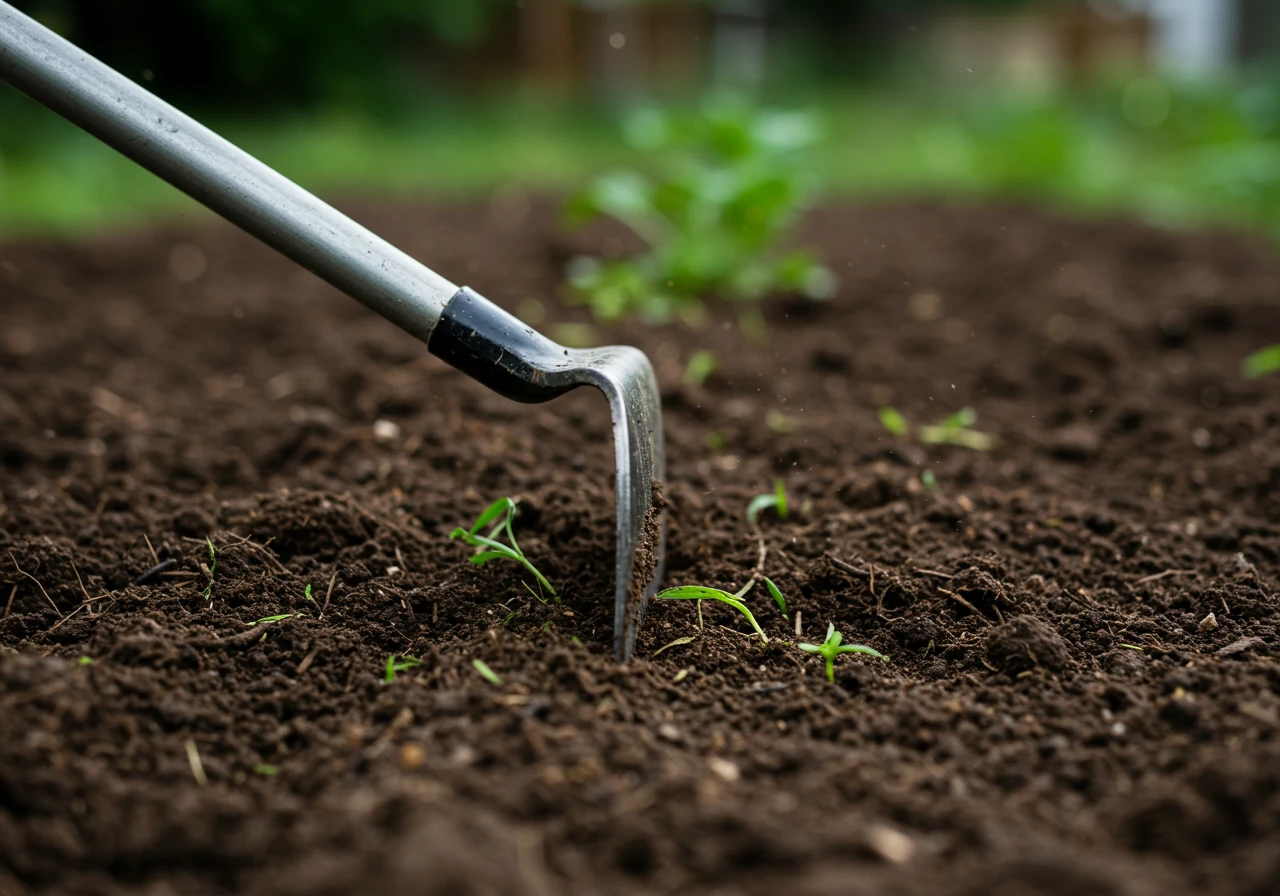
  1. Excavate: Dig out the area for your bioswale, typically 1 to 2 feet deep. Yes, it's work! Digging and amending clay isn't a walk in the park; sometimes a big project starts with clearing the area, similar to the work done by a Metcalf garden clean up service.
  2. Amend: This is crucial! You need to replace or heavily mix the excavated clay with a special soil blend designed for drainage. A good mix might be something like 50-60% coarse sand or very fine gravel (for porosity) and 40-50% compost (for nutrients and some water retention). Mix this amendment thoroughly with some of the loosened existing soil at the bottom. This creates a much more porous layer where water can actually soak in. Proper soil preparation is key. Making sure the surrounding lawn area is clear before you start digging is also essential, a task handled by a general Ottawa yard cleanup service.

Plant Power is Key

Now for the fun gardening part – choosing plants! You need tough contenders that don't mind getting their feet wet occasionally but can also handle drier periods between rains. Look for plants known to tolerate "wet feet" *and* periods of drought. Many native Ottawa grasses, sedges, rushes, and hardy flowering perennials like Joe Pye Weed or Coneflowers are excellent choices. Avoid plants that need consistently dry conditions.

You might need to remove existing turf or unsuitable plantings first – clearing out old unwanted plants before you begin is something an Ottawa garden clean up service can assist with.

A Few Extra Tips:

  • Use smooth river rocks or gravel within the bioswale. They look nice and help slow down the water even more.
  • Consider a small, level area filled with gravel at the lowest point to act as an overflow zone for really intense storms.
  • Keeping the entry point and the bioswale itself clear of thick leaf litter or debris is important for function, much like the comprehensive work of a Marionville yard cleanup service ensures overall property tidiness.

Designing and building a bioswale, especially in heavy clay, can be a significant landscaping project. If digging deep, hauling soil, and figuring out the right slopes feels overwhelming, don't hesitate to call in landscaping professionals like those found on our Google Business Profile. They have the expertise and equipment to ensure your Barrhaven bioswale is properly constructed, beautiful, and ready to tackle those Ottawa downpours!

Step-by-Step Installation Guide: Building Your Bioswale

Okay, let's roll up our sleeves and get digging – metaphorically for now! Building your own bioswale is a rewarding project, especially knowing you're helping manage rainwater right here in Ottawa. It takes some elbow grease, especially with our famous clay soil, but it's totally achievable. Here’s how to build your drainage superstar, step-by-step:

Step 1: Plan and Prep

  • Safety First! Call Ontario One Call (1-800-400-2255) before digging.
  • Outline: Mark the shape and location (min. 10ft from foundation).
  • Clear: Remove grass/weeds. Consider a property clean up service for large areas.

Step 2: Excavation Time

  • Dig: Excavate 1-2 ft deep. Keep bottom flat, overall gentle slope (1-2%). Slope sides gently.
  • Clay Alert! Be patient, use sturdy tools. Haul away excess clay if needed. An Ottawa city yard clean up service might help.

Step 3: Soil Amendment (Crucial!)

  • Remove Clay: Take out much of the heavy clay from the bottom 12-18 inches.
  • Mix: Create bioswale mix: ~50% compost + ~50% coarse sand/fine gravel.
  • Backfill: Fill with amended mix, incorporating slightly with native soil at bottom. Don't compact!

Step 4: Planting

  • Choose Plants: Select tough natives for wet/dry conditions.
  • Plant: Arrange by moisture needs. Follow good planting practice. Consider professional garden installation if unsure.
  • Mulch: Apply 2-3 inches organic mulch around plants (not touching stems).

Step 5: Finish & Monitor

  • Inlet/Outlet: Place stones at inlet to prevent erosion. Add overflow if needed.
  • Observe: Watch performance during rain. Adjust slightly if water pools too long (>48hrs) or drains instantly.

Building a bioswale is a significant undertaking. If you get partway through planning and realize it's more than you bargained for, that's okay! Getting professional advice or an estimate can clarify the scope and cost. It helps to understand how estimates work; you can learn more by reviewing our estimate and feedback process. Enjoy your beautiful, functional new landscape feature!

Plant Power: Choosing Ottawa-Hardy Heroes for Your Bioswale

A vibrant close-up showcasing a variety of Ottawa-hardy native plants suitable for bioswales thriving in their environment. Include examples like Blue Flag Iris, Switchgrass, and Black-Eyed Susans growing together. Focus on the healthy foliage and flowers, perhaps with water droplets visible on leaves, suggesting tolerance for moisture. Highlight the biodiversity.
Native plants like Iris, Switchgrass, and Coneflowers thrive in bioswales.

Alright, you've designed your bioswale, maybe even wrestled that Barrhaven clay into submission (go you!). Now for the really fun part: choosing the plants! This isn't just about making it look pretty, though that’s a definite bonus. The plants in your bioswale are the *real* heroes, doing the heavy lifting of absorbing water, filtering runoff, and providing habitat. Think of them as your bioswale's elite squad of water warriors.

Choosing the right plants is crucial for success, especially here in Ottawa (USDA Hardiness Zone 5b). We need tough cookies that can handle our cold winters *and* the specific conditions of a bioswale – which means tolerating wet feet after a downpour but also surviving drier periods in between. Forget fussy flowers that faint at the first sign of stress! Find local resources like the Ottawa-Carleton Master Gardeners for plant advice.

Go Native, Go Local!

Your best bet? Native plants! These are the species that have evolved right here in the Ottawa Valley, often seen thriving naturally along creeks in areas like Manotick or in damp meadows near Richmond. They’re already adapted to our climate and soils (yes, even clay sometimes!), often require less fuss once established, and are fantastic for supporting local pollinators like bees and butterflies. Plus, they just *look* right in our landscape. As a local Ottawa company, knowing which plants thrive here is part of who we are at Clean Yards.

Zone Defence: Planting for Moisture Levels

Your bioswale isn't uniformly wet. Think of it in zones:

  • Bottom Zone (Wettest Feet): This area stays damp the longest. Plants here need to be okay with consistently moist soil.
    • *Examples:* Blue Flag Iris (*Iris versicolor*), Swamp Milkweed (*Asclepias incarnata*), Joe Pye Weed (*Eutrochium maculatum*), various Sedges (*Carex species*).
  • Slope Zone (Middle Ground): These areas drain faster but still get good moisture. Plants need to handle occasional sogginess and average conditions.
    • *Examples:* Switchgrass (*Panicum virgatum*), Cardinal Flower (*Lobelia cardinalis*), New England Aster (*Symphyotrichum novae-angliae*), Big Bluestem (*Andropogon gerardii*).
  • Edge Zone (Driest Toes): The top edges get the least amount of water and dry out quickest. Choose plants that prefer well-drained soil but are still reasonably tough.
    • *Examples:* Little Bluestem (*Schizachyrium scoparium*), Black-Eyed Susan (*Rudbeckia hirta*), Purple Coneflower (*Echinacea purpurea*), Butterfly Milkweed (*Asclepias tuberosa*).

A Few Planting Pointers:

  • Prep Right: Before planting your heroes, make sure the bioswale area is completely free of weeds and unwanted grass. A clean slate is key. If the area needs significant tidying, using an Ottawa property cleanup service can save you time and effort.
  • Think Drifts: Plant in groups or "drifts" of the same species for a more natural look and better visual impact.
  • Space Accordingly: Pay attention to the mature size of plants! Give them room to grow so they aren’t immediately overcrowded.
  • Contrast Textures: Mix grassy textures with broadleaf flowers for visual interest.
  • Bioswale vs. Lawn: Remember, these plants are chosen for variable moisture, unlike traditional lawn turf which needs consistent conditions and careful site prep, as detailed in our sod installation guide, to avoid soggy failure.

Choosing the perfect combination of plants can feel a bit like botanical matchmaking. Explore our material selection advice for quality plant sourcing. If you're feeling stuck or want personalized recommendations for your specific site, don't hesitate to ask for help. Feel free to get in touch with our landscaping experts – we’re happy to chat about plant power for your bioswale project!

Relative Water Tolerance of Bioswale Plants

Sedges (Carex)
Joe Pye Weed
Switchgrass
Coneflower
Little Bluestem

*Illustrative chart showing general tolerance zones (higher bars = more water tolerant).

Keeping Your Bioswale Beautiful: Seasonal Care Calendar

Your bioswale is built, the plants are in – fantastic! You’ve added a beautiful, hardworking feature to your landscape. Now, let's keep it looking great and functioning perfectly all year round. Thankfully, bioswales are pretty low-maintenance compared to, say, training squirrels to sort your recycling (good luck with that!). But a little seasonal TLC goes a long way, ensuring your bioswale continues to manage rainwater effectively, whether you're tending your garden in Barrhaven, Metcalfe, or Russell.

Here’s a simple calendar to guide your garden maintenance efforts:

Spring (April - May): The Wake-Up Call

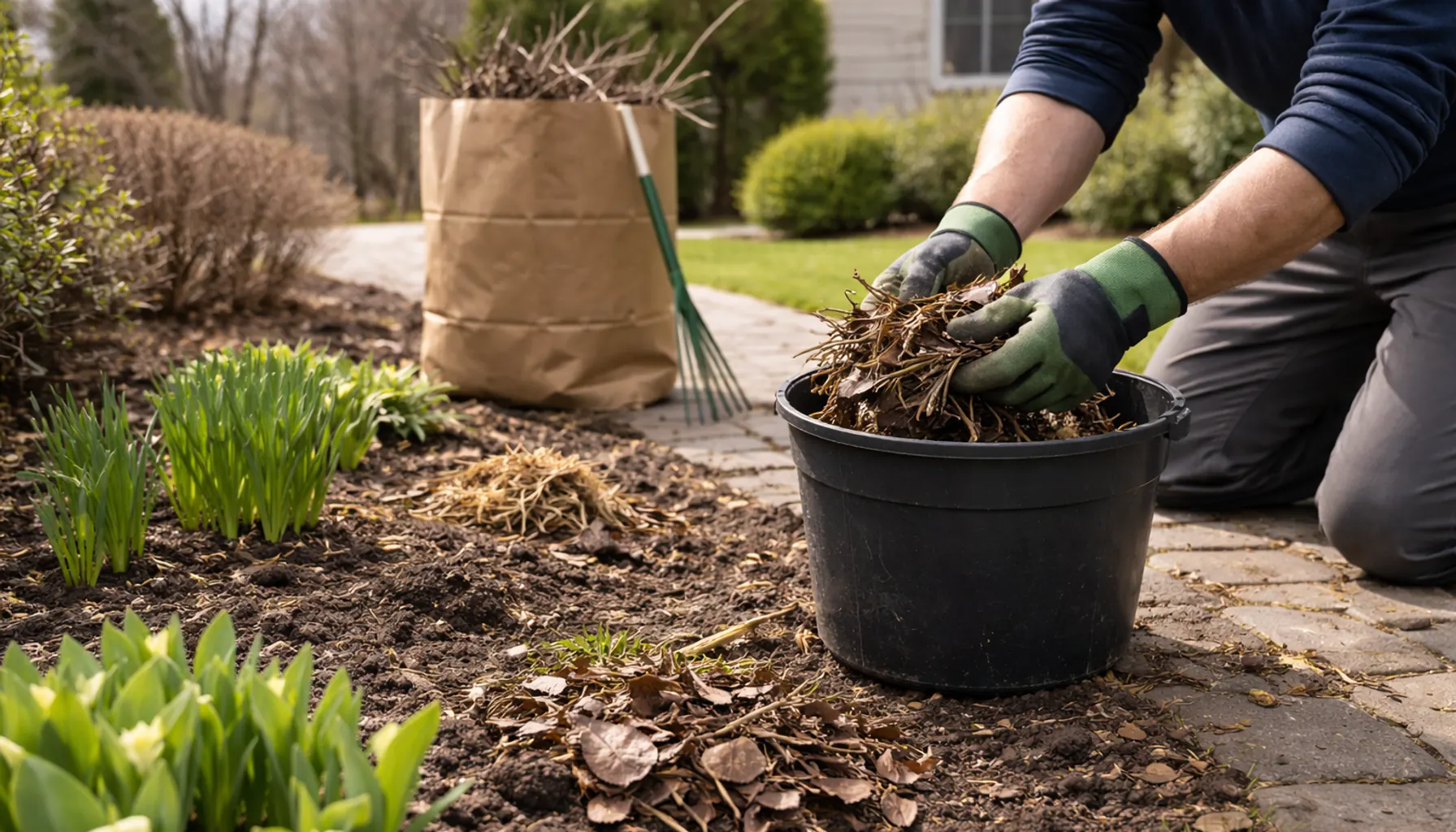
  • Clean Sweep: Gently rake out excessive dead leaves, fallen branches, or any trash that blew in over winter.
  • Check the Flow: Inspect inlets/outlets for sediment buildup. Clear blockages.
  • Plant Check-Up & Pruning: Trim dead stems/foliage from perennials/grasses.
  • Mulch Refresh: Top up organic mulch to 2-3 inches if needed. See our guide on selecting quality landscaping materials.
  • Big Mess?: If winter left much debris, consider our Metcalfe property cleanup service.

Summer (June - August): The Growing Season Groove

  • Weed Watch: Pull weeds when small.
  • Water Wisely: Only water mature bioswales during severe drought.

Fall (September - November): Winding Down

  • Leaf Management (Optional): Cut back dead stems post-frost, or leave for winter interest/habitat. Avoid thick leaf mats in the bottom.
  • Erosion Check: Look for soil washing away after heavy rains, adjust mulch/stones if needed.

Winter (December - March): Let It Rest

  • Hands Off: Mostly, let it rest. Enjoy winter shapes.
  • Ice Watch: Check inlets/outlets aren't completely blocked by ice dams during melt cycles.

Quick Troubleshooting Tips:

  • *Water pooling > 48 hours?* Check for clogs. Gently aerate (once dry) if soil seems compacted.
  • *Plants unhappy?* Check for pests, disease, weeds. Ensure correct sunlight.
  • *Erosion?* Check mulch depth. Add plants or stones to slow water entry.

Keeping up with these simple steps helps your bioswale function beautifully and contribute positively to our local environment. It's a small effort that makes a big difference – a sincere thank you for contributing to managing stormwater responsibly in Ottawa! If you ever run into trickier issues or need expert advice tailored to your specific bioswale, contacting us is simple, and your information is always handled carefully according to our commitment to data privacy.

Highlight Box: Bioswale Brain Boost!

Feeling a little waterlogged with all this bioswale information? Totally understandable! Let's pause and soak up the *best* bits – the key reasons why adding one of these clever landscaping features to your yard is such a smart move, especially if you're dealing with that infamous heavy clay soil here in Ottawa. Think of this as the highlight reel for your hardworking garden:

  • Say Goodbye to Soggy Spots! Tired of mini-lakes forming on your lawn after every downpour in Barrhaven or Nepean? Bioswales intercept rainwater, allowing clay soil a better chance to absorb water, reducing puddles where even the best lawn care efforts struggle.
  • Nature's Tiny Water Treatment Plant: Rainwater filters through plants and amended soil, trapping pollutants instead of letting them rush into storm drains and rivers.
  • Boost Your Curb Appeal: A bioswale is a beautiful garden feature filled with attractive plants, adding natural charm. Imagine it alongside beds perfected with professional mulching and edging. Plus, it creates habitat for pollinators!
  • Relatively Low-Fuss Function: Established bioswales often need less intervention than fighting poor drainage. The main task is keeping them clear of debris, much like the focused work of a Marionville garden clean up service. Keeping the surrounding area tidy with a service like our Metcalf yard cleanup service also helps prevent issues.
  • Eco-Friendly Yard Hero: By managing stormwater locally, reducing runoff, filtering pollutants, and recharging groundwater, your bioswale benefits your property and the Ottawa environment. High five!

FAQs: Your Barrhaven Bioswale Questions Answered

Costs can vary quite a bit, like comparing a canoe to a yacht! A simple DIY bioswale might cost a few hundred dollars for plants and soil amendments. Professional installation in Barrhaven typically ranges from $1,500 to $5,000+, depending on size, site complexity, and plant choices. A big factor is the amount of digging and specialized soil preparation needed, especially for our local clay!

Generally, for smaller residential bioswales on your own property in Ottawa, a specific "bioswale permit" isn't usually required *if* it doesn't significantly alter major drainage patterns or affect neighbours. However, it's *always* smart to check with the City's Planning, Infrastructure and Economic Development department, especially if you're near a property line or making major grade changes. Better safe than sorry, right?

Nope, not if it's designed and working correctly! Properly built bioswales are designed to drain within 24-48 hours – much faster than the mosquito life cycle requires (which is typically 7-10 days in standing water). Unlike a neglected bird bath, a functioning bioswale keeps water moving and soaking in, preventing it from becoming mosquito soup central in your Barrhaven backyard.

Less than you might think! The main tasks are weeding (especially when young), ensuring the inlet/outlet stays clear, and maybe cutting back plants once a year. It's usually less work than mowing! If seasonal tidying feels overwhelming, a quick city garden clean up service can easily handle the spring or fall spruce-up for you.

Probably not the best idea! Bioswale plants need to be tough cookies, happy with occasional wet feet *and* drier spells. Your typical annual flowers or vegetable garden plants usually aren't suited for those conditions. Stick to the recommended native grasses, sedges, and hardy perennials that thrive in fluctuating moisture levels common in Ottawa area landscapes.

Totally understandable! Sometimes you need a clean slate. Tackling major overgrowth, old landscaping features, or general yard debris first makes sense. Getting a professional city property cleanup service can handle the heavy lifting, clearing the way so you can focus on planning your awesome new bioswale without tripping over last year’s garden gnome collection. Regular upkeep later is easier with a reliable Ottawa city garden maintenance service.

Conclusion: Make a Splash with a Smarter Lawn in Barrhaven

So there you have it, Barrhaven neighbours! We've journeyed through the wonderful world of bioswales, uncovering how these smart landscaping features can turn soggy lawn headaches into water-wise successes, even with our challenging clay soil. Forget those persistent puddles – imagine a healthier, greener yard that *absorbs* the rain, looks fantastic with beautiful, hardy plantings, and even helps our local Ottawa environment. A well-designed bioswale is more than just effective drainage; it's an attractive, sustainable gardening upgrade that adds real value and beauty.

Ready to ditch the drainage drama and make a splash with a smarter lawn in Barrhaven, Nepean, Greely, or Manotick? Don't let tricky soil conditions hold you back from the yard you deserve! It's time to work *with* nature, not against it. *Reach out to Clean Yards today* for a friendly consultation and see how a custom bioswale solution could transform your property. Curious about other innovative landscaping ideas or need more gardening tips? *Dive into our blog* for plenty of inspiration! Let’s work together to create a beautiful, functional, and puddle-free outdoor space you'll love.

// Wrap all JS in a closure to avoid global scope pollution (function() { // Ensure the script runs only after the DOM is fully loaded document.addEventListener('DOMContentLoaded', function() {// Progress Bar const progressBar = document.getElementById('scrollProgressBar'); const body = document.body; const html = document.documentElement;function updateProgressBar() { const totalHeight = Math.max(body.scrollHeight, body.offsetHeight, html.clientHeight, html.scrollHeight, html.offsetHeight) - html.clientHeight; const windowScroll = window.pageYOffset || html.scrollTop || body.scrollTop || 0; const scrolled = (windowScroll / totalHeight) * 100; if (progressBar) { progressBar.style.width = scrolled + '%'; } }// Back to Top Button const backToTopButton = document.getElementById('back-to-top');function toggleBackToTopButton() { if (backToTopButton) { if ((window.pageYOffset || html.scrollTop || body.scrollTop || 0) > 300) { backToTopButton.style.display = 'block'; } else { backToTopButton.style.display = 'none'; } } }if (backToTopButton) { backToTopButton.addEventListener('click', function() { window.scrollTo({ top: 0, behavior: 'smooth' }); }); }// Collapsible Sections (FAQ) const collapsibles = document.querySelectorAll('.bioswale-article-page .collapsible-trigger'); collapsibles.forEach(button => { button.addEventListener('click', function() { this.classList.toggle('active'); const content = this.nextElementSibling; if (content.style.maxHeight) { content.style.paddingTop = '0'; content.style.paddingBottom = '0'; content.style.maxHeight = null; } else { content.style.paddingTop = '15px'; content.style.paddingBottom = '15px'; content.style.maxHeight = content.scrollHeight + 30 + 'px'; // Add padding to scroll height } }); });// Tab Interface const tabContainer = document.querySelector('.bioswale-article-page .tab-interface'); if (tabContainer) { const tabButtons = tabContainer.querySelectorAll('.tab-button'); const tabContents = tabContainer.querySelectorAll('.tab-content');tabButtons.forEach(button => { button.addEventListener('click', function() { const tabId = this.getAttribute('data-tab');// Update buttons tabButtons.forEach(btn => btn.classList.remove('active')); this.classList.add('active');// Update content tabContents.forEach(content => { if (content.id === tabId) { content.classList.add('active'); } else { content.classList.remove('active'); } }); }); }); }// Bar Chart Animation const chart = document.getElementById('plantToleranceChart'); let chartAnimated = false;function animateChart() { if (!chart || chartAnimated) return;const rect = chart.getBoundingClientRect(); const isInView = ( rect.top >= 0 && rect.left >= 0 && rect.bottom <= (window.innerHeight || document.documentElement.clientHeight) + 150 && /* Add buffer */ rect.right { const value = bar.getAttribute('data-value'); bar.style.height = value + '%'; }); chartAnimated = true; // Prevent re-animation // Optional: Remove listener if only animating once window.removeEventListener('scroll', animateChart); } }// Initial check in case chart is already in view animateChart();// Add scroll event listeners window.addEventListener('scroll', () => { updateProgressBar(); toggleBackToTopButton(); if (!chartAnimated) { // Only check if not yet animated animateChart(); } });// Initial calls on load updateProgressBar(); toggleBackToTopButton();}); // End DOMContentLoaded })(); // End IIFE closure
Share This Article
Facebook
X
Pinterest
Email
Print

Thank you for sharing!

Contact Us Today

To request a quote, kindly fill out the form below.

Where Can we Reach you?
Which Service Do You Require? (Click all that apply)
Provide a Breif Description of The Work You'd Like Done

Before You Go

We’re confident in our services, we offer a 30-day money-back guarantee. Not 100% satisfied? We’ll swiftly refund all labor costs. Your satisfaction is our top priority!

Get in touch today for expert service and satisfaction guaranteed. You won't regret it!

Where Can we Reach you?
Which Service Do You Require? (Click all that apply)
Provide a Breif Description of The Work You'd Like Done
Where Can we Reach you?
Which Service Do You Require? (Click all that apply)
Provide a Breif Description of The Work You'd Like Done
Where Can we Reach you?
Which Service Do You Require? (Click all that apply)
Provide a Breif Description of The Work You'd Like Done