
Protect Barrhaven Cedars: Stop Winter Burn With Fall Care
- Hydrate Deeply: Water thoroughly until the ground freezes. This is the #1 defense against winter burn.
- Mulch Matters: Apply 2-4 inches of natural mulch around the base (not touching the trunk) to conserve moisture and insulate roots.
- Wrap When Needed: Protect young or exposed cedars from wind and sun with light-colored burlap.
- Avoid Late Growth: Don't fertilize with nitrogen or prune heavily in late fall.
- Need Help? Fall prep prevents spring problems. Consider professional landscaping services for expert care.
Worried about winter damage? Get a head start on protecting your cedars. Request a quote for fall cleanup and cedar preparation today!
Introduction: Brrr-haven Cedars Need Your Help!
Okay, let's talk cedars! As another Ottawa winter looms, folks in Barrhaven – or should we say *Brrr-haven* – know the drill. While we’re pulling out parkas, our poor cedar hedges are bracing for impact. That unsightly browning you often see come springtime? That's winter burn, and it’s a common landscaping headache across our region, from Nepean right out to Greely.
So, what exactly *is* winter burn? It's not the cold itself freezing the foliage, but rather the cedar *drying out*. When the ground is frozen solid, the roots can't soak up water. But on sunny, windy winter days, the evergreen foliage still loses moisture, leading to those dreaded brown, damaged patches. Think of it like getting severely dehydrated when your water bottle is frozen solid – not pleasant!
The good news? You don't have to resign yourself to sad-looking cedars. The *best* defense starts *now*, in the fall gardening season. Giving your cedars the right attention before the ground freezes is crucial for helping them survive the winter winds and emerge green and glorious next spring. Let's explore how you can give your Brrr-haven beauties the helping hand they need! For expert advice tailored to Ottawa's climate, check out our team's experience on our about us page or read reviews on our Google My Business page.
Winter Burn Explained: Why Your Cedars Get That Toasted Look
Okay, let's get down to the nitty-gritty of *why* your lovely green cedars sometimes look like they spent too long in a toaster oven come spring. It’s called winter burn, and despite the name, it’s less about freezing and more about *drying out*.
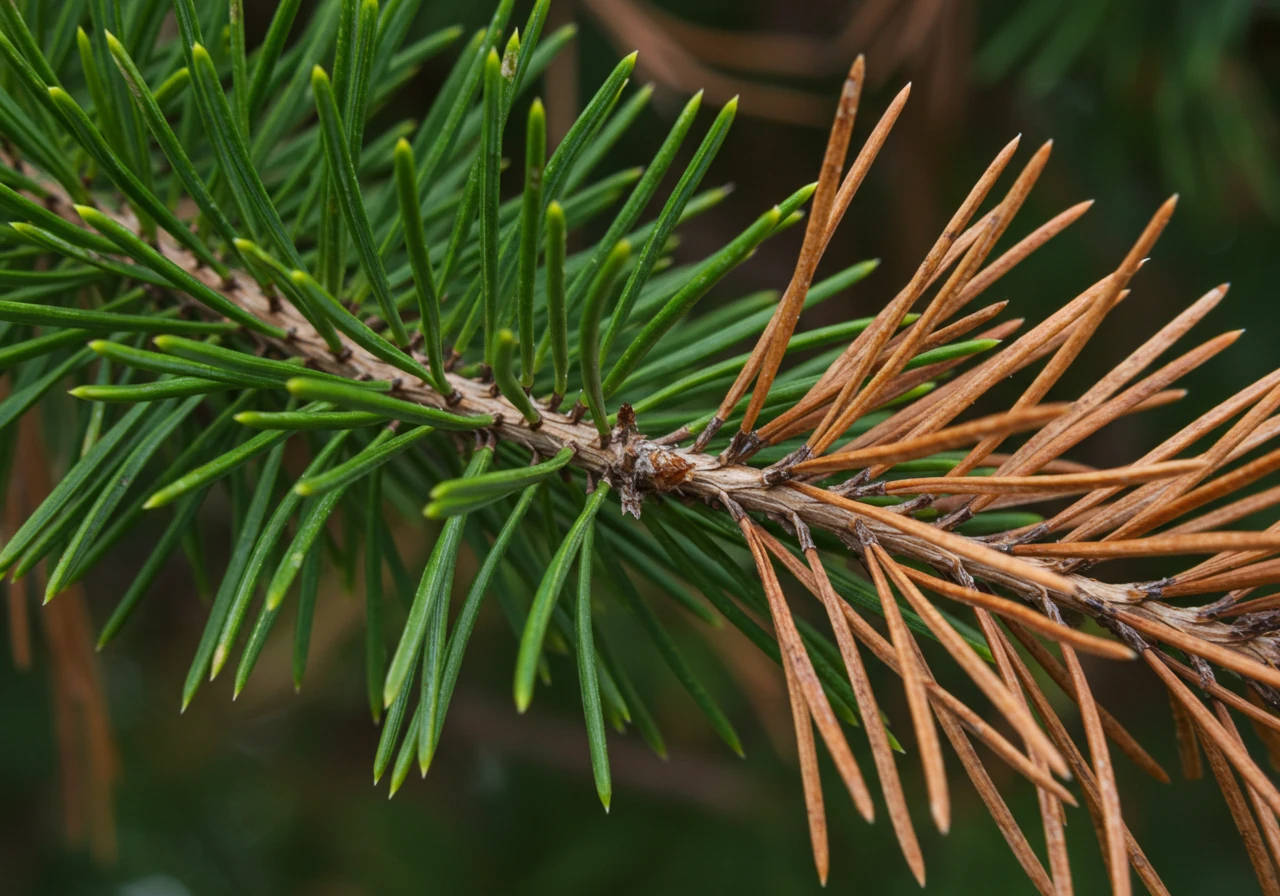
Imagine your cedar hedge on a surprisingly sunny, windy day in February. Even though it’s cold, that sunshine and wind are like Mother Nature turning on a low hairdryer setting – they pull moisture *out* of the cedar’s foliage (this process is called transpiration). Normally, the roots would just slurp up more water from the soil to replace it. Easy peasy, right?
Wrong! In Ottawa, the ground is often frozen solid for months. Think of the roots trying to suck up water from a block of ice – it just doesn't work! So, the foliage keeps losing moisture to the air, but the roots can't replenish the supply. The cedar slowly dehydrates, cell by cell, leading to that classic brown, dry, "burned" look, often appearing on the side facing the prevailing wind or the strongest sun. Those freeze-thaw cycles we love so much around here, common in areas from Manotick to Osgoode, can make it even worse by potentially damaging shallow roots and fluctuating moisture stress.
It's important not to confuse this with salt damage, which typically shows up as browning concentrated on the lower parts of the hedge facing the road. Winter burn often appears higher up or more generally on the exposed side. Sometimes, distinguishing between issues can be tricky; you might even need help understanding Metcalfe garden pest patterns & protection to rule out other culprits.
Preventing this dehydration damage starts long before the snow flies. Ensuring your cedars are well-hydrated in the fall is key, along with other preparations. Proper overall plant health makes a big difference too; factors like timely care, including knowing about Osgoode fall tree pruning before winter, contribute to resilience. Thinking ahead with strategies for Barrhaven leaf scorch prevention & protect plants and exploring Metcalfe fall garden frost protection tips can significantly reduce that springtime browning. Getting your yard ready with a thorough fall prep, like scheduling an Embrun garden clean up service, also sets the stage for healthier plants. If you're unsure about the best approach for your specific landscape, exploring professional landscaping services can provide tailored solutions.
Your Fall Cedar Care Playbook: Step-by-Step to Winter Victory
Okay, team Cedar! Let's get these green beauties ready to face whatever Old Man Winter throws at them. Think of this as your playbook for ensuring your cedars don’t just survive the Ottawa winter, they *thrive* through it. Forget springtime sadness over brown patches; we're aiming for a Winter Victory! Here’s your step-by-step game plan:
Step 1: Deep Watering - Give 'Em a Big Drink!
Why it Matters: Remember how winter burn is basically dehydration? Well, the best way to fight dehydration is... hydration! We need to ensure your cedars go into the winter with their "tanks" full before the ground freezes solid, which usually happens sometime in late October to mid-November around here.
Your Play-by-Play:- Timing is Key: Keep watering your cedars deeply throughout the fall, right up until the ground freezes. Pay attention to rainfall – if we get a good soaking rain (more than 2-3 cm), you can skip a watering session. Otherwise, aim for a deep watering about once a week.
- Go Deep, Not Wide: A quick sprinkle isn't enough. You want the water to penetrate deep into the root zone (at least 6-8 inches down). The best way? A soaker hose snaked along the base of the hedge, left on a low trickle for several hours. Alternatively, place your regular hose at the base and let it run slowly, moving it every 30-60 minutes to cover the entire root area.
- Check the Soil: Unsure if they need water? Dig down a few inches near the roots (but not *right* against the trunk). If the soil feels dry, it's time for a drink. Clay soils, common in some Ottawa areas, might need slower watering to allow absorption without runoff. Check out resources from the City of Ottawa for general gardening tips.
Step 2: Mulching - Tuck Them In!
Why it Matters: Mulch is like a cozy blanket for your cedar's roots. It helps insulate the soil, keeping temperatures more stable, conserving that precious moisture you just added, and preventing the freeze-thaw cycles that can heave soil and damage shallow roots. Proper mulching and edging also gives a clean look.
Your Play-by-Play:- Clean Up First: Before applying mulch, clear away weeds, fallen leaves (unless they are cedar needles!), and any other debris from the base of your cedars. A tidy base makes for healthier plants. If the area needs a good tidying, consider help from a local service; for instance, an Embrun garden clean up service can handle this prep work efficiently, just like a similar Marionville garden clean up service could in that area. Sometimes general debris removal across your property is needed, which might fall under a city yard cleanup service depending on bylaws and location.
- Choose Your Mulch: Natural wood chips, shredded bark, or even pine needles work well. Avoid using heavy plastic sheeting underneath, as it prevents water and air exchange. Learn about choosing the right supplies in our material selection guide.
- Apply Correctly: Spread a layer of mulch about 2-4 inches deep around the base of the cedars. Extend it out to the drip line (the edge of the branches) if possible.
- Crucial Don't: *Do not* pile mulch directly against the trunk! Leave a few inches of space around the base of the cedar stems. Think donut, not volcano. Piling mulch against the trunk traps moisture and invites pests and diseases.
Step 3: Wrapping - The Winter Coat (Optional but Often Wise!)
Why it Matters: For cedars in very exposed, windy locations (think open fields near Richmond or corner lots catching the western wind) or for young, recently planted cedars, wrapping provides a physical shield against drying winds and intense winter sun.
Your Play-by-Play:- Choose the Right Material: Light-colored burlap is the go-to. Avoid dark colors that absorb heat and definitely skip the plastic wrap (it traps moisture and can cook your cedars on sunny days).
- Wrap Gently: Starting at the bottom, wrap the burlap around the cedar hedge or individual trees, overlapping the edges slightly. Don't pull it super tight – allow for some air circulation. Think snug sweater, not sausage casing.
- Secure Thoughtfully: Use twine or landscape ties to hold the burlap in place, wrapping it spirally up the plant. Again, not too tight, as you don't want to damage the branches.
- Timing: Wrap after your final deep watering but *before* the first heavy, sticking snow or severe freezing temperatures hit. Unwrap in the spring once the ground has thawed and the risk of hard freezes has passed (usually April or early May in Ottawa). Leaving it on too long can promote mold. For local timing, consult resources like the Ottawa Horticultural Society.
Wrapping: Pros vs. Cons Quick Look:
| Pros | Cons |
|---|---|
| Excellent protection against windburn & sun scald | Can look less attractive over winter |
| Significantly reduces moisture loss | Risk of mold/rot if wrapped improperly/left too long |
| Can help prevent snow load damage | May provide shelter for pests |
| Good for young or exposed plants | Requires time and materials (cost) |
Feeling Overwhelmed?
Taking on fall yard care can feel like a big job, especially with everything else going on. If you'd rather leave it to the pros who know Ottawa's climate and soil, consider getting help. A reliable Ottawa property cleanup service can handle these tasks efficiently. You can learn more about us and our approach to yard care. Always ensure you understand the scope of work; reviewing service details, often found in sections like terms and conditions, is always a good idea before hiring anyone.
By following these steps – water, mulch, and wrap if needed – you're giving your cedars the best possible chance to greet you next spring looking green, healthy, and ready to grow! Victory!
Beyond the Basics: Pro Tips for Thriving Cedars in Ottawa
Okay, so you've mastered the basics of watering, mulching, and maybe even wrapping your cedars like holiday presents. Ready to level up your cedar game? Let's dive into some pro tips to help your evergreen hedges not just survive, but truly *thrive* right here in Ottawa, from the suburban landscapes of Barrhaven to the more rural settings near Vernon.
Think Before You Plant: Site & Variety Matter
- Location, Location, Location: Where you plant your cedars makes a huge difference. Avoid spots that catch brutal, prevailing winter winds without any protection. Full sun is great in summer, but intense winter sun combined with wind is a recipe for burn. Think about structures or other plantings that might offer a windbreak. Planning this from the start is key to successful long-term landscaping transformations.
- Choose Wisely: Not all cedars (Thuja occidentalis) are created equal! Some cultivars are naturally hardier and more resistant to winter woes than others. Look for varieties known to perform well in Zone 4 or 5, like 'Brandon' or 'Pyramidalis'. Proper material selection, including the right plants for our climate, saves headaches later.
Tackling Ottawa's Soil (Especially the Clay!)
Ottawa's clay soil can be... well, let's just say 'character building'. It holds moisture well (sometimes *too* well) but can compact easily.
- Improve Drainage: Cedars hate "wet feet," especially in winter when drainage slows. When planting, amend the soil generously with compost or other organic matter to improve structure and drainage. For existing hedges in heavy clay, yearly top-dressing with compost can gradually help. Avoid planting in low spots where water pools. See our guide on soil preparation for tips.
Fall Fertilizing: Less is More
Resist the urge to give your cedars a big nitrogen boost in the fall!
- Why Not Nitrogen? Fall fertilization, especially with high nitrogen, encourages tender new growth that won't have time to harden off before winter hits. This new growth is extremely vulnerable to freezing and winter burn.
- What *Might* Help (Occasionally): If a soil test indicates a deficiency, a low-nitrogen, high-phosphorus fertilizer (*sometimes* called a "fall" or "root-booster" formula) *could* be applied *early* in the fall to encourage root growth without spurring top growth. But honestly, healthy, established cedars usually don't need fall feeding.
The Salt Saga: Protecting Roadside Cedars
If your cedars are near roads or walkways where salt or de-icers are used, extra protection is crucial. Salt spray dehydrates foliage faster than winter wind!
- Burlap Barriers: Erecting a burlap screen *between* the road/walkway and the cedars is more effective than wrapping the cedars themselves for salt protection. Make sure the barrier is tall enough to block the spray.
- Careful Shoveling: Avoid piling salty snow onto or near the base of your cedars. Salt buildup in the soil is bad news for roots. Sometimes, managing salt spray affects more than just hedges; it can impact nearby lawn care too.
Fall Pruning: Keep it Light!
Major pruning or shearing should wait until spring or early summer.
- Why Wait? Heavy fall pruning, like fertilizing, can stimulate late growth that gets zapped by winter. It also removes insulating foliage and opens wounds that may not heal properly before freezing temperatures arrive.
- Okay for Fall: Lightly tidying up stray or broken branches is generally fine. Think minor haircut, not a buzz cut. Ensuring the area around the cedars is clear of debris is also helpful; this kind of tidiness is often part of a thorough Ottawa yard cleanup service.
Pesky Pests in Fall?
Keep an eye out! While less active, some pests like spider mites can still hang around in the fall, especially during dry spells. Check the inner foliage occasionally. Keeping the base clean, perhaps like the work done by a Marionville garden clean up service, can reduce overwintering spots for pests. If you spot significant issues or aren't sure what you're dealing with, it might be time for expert advice – feel free to contact us to discuss solutions.
By considering these finer points, you're well on your way to becoming a cedar whisperer, ensuring your green giants stay healthy and beautiful year-round in our challenging Ottawa climate!
Ottawa Cedar Care Calendar: A Seasonal Snapshot
Keeping your cedar hedges looking sharp year-round in Ottawa doesn't have to be a mystery! It's all about timing. Think of it like knowing when to pull out the toque versus the BBQ tongs. Here’s a quick seasonal guide to keep your cedars happy:
Spring: Wakey Wakey!
- Unwrap: Gently remove winter burlap wraps once the ground thaws and hard frosts are done.
- Inspect & Tidy: Check for winter burn or snow damage. Prune away any dead or broken bits. This is often part of general property clean up.
- Light Feed (Maybe): If they look stressed, consider a *light* feed formulated for evergreens, but often unnecessary for established plants.
- Water: Start watering if spring rains are sparse.
Summer: Green & Growing
- Water Wisely: Cedars need about an inch of water per week, especially during hot, dry spells. Deep, infrequent watering is better than shallow sprinkles.
- Pruning Time: Early summer is the *best* time for shaping or shearing your hedge to maintain its form. Avoid heavy pruning in late summer.
- Pest Patrol: Keep an eye out for spider mites or other pesky critters, especially when it's hot and dry. Consistent garden maintenance helps spot issues early.
Fall: *The Critical Prep Season!*
- Deep Watering is KEY: This is non-negotiable! Water thoroughly and deeply right up until the ground freezes (usually late Oct/Nov). This is your #1 defense against winter burn.
- Mulch Magic: After a good watering and maybe some careful soil preparation to loosen compacted earth, apply a 2-4 inch layer of good quality mulch (wood chips or bark work great) around the base – don't pile it against the trunk! Considering the right mulch is part of smart material selection for long-term plant health.
- Wrap 'Em Up (If Needed): For cedars in exposed spots (like windy corners in Nepean) or young plants, wrapping with light-colored burlap provides crucial wind and sun protection.
- Clean Up Crew: Rake leaves and debris from around the base. A tidy area discourages pests and disease. Tackling this is often part of a fall Ottawa garden clean up service. If you're out near Metcalfe, a specific Metcalfe garden clean up service can get the job done, or perhaps you need a broader Metcalfe yard cleanup service for the whole property. Remember, keeping areas near municipal land tidy might even involve coordinating with a city property cleanup service.
Winter: Rest & Protect
- Snow Patrol: Gently brush *heavy*, wet snow off branches to prevent breakage. A broom often works well.
- Salt Alert: Avoid piling snow containing road salt near your cedars. If they border sidewalks, consider a burlap barrier screen installed in the fall.
- Patience: Let them rest! Avoid unnecessary activity around the base. Wait for spring to assess any damage and plan recovery, perhaps including services like city garden clean up service for broader area restoration.
*Relative risk levels based on common factors contributing to cedar winter burn.
Cedar Winter Prep Essentials (Ottawa)
Don't let winter burn ruin your spring! Focus on these must-do fall actions:
- Deep Water: Soak roots thoroughly & often until ground freeze. This is #1!
- Mulch Magic: Add 2-4 inches (bark/wood chips), keeping clear of the trunk.
- Wrap if Exposed: Use burlap for young or wind-battered cedars.
- Hold Off: No late-season feeding (nitrogen) or heavy pruning now. Protect, don't stimulate!
Taking these steps provides the best protection for your investment and ensures healthier cedars year after year. Learn more about ongoing care with our city garden maintenance service options.
FAQs: Your Burning Questions About Barrhaven Cedars Answered
Alright, let's tackle some of those head-scratchers you might have about keeping your Barrhaven cedars looking their best, especially when facing our notorious Ottawa winters! We hear these questions a lot, so you're definitely not alone.
Great question! You want to keep watering until the ground is *actually* frozen solid, which often happens sometime in November around Barrhaven and nearby areas like Nepean. Keep an eye on the long-range forecast. Once we're consistently below freezing day and night, and the top few inches of soil are hard, the roots can no longer absorb water. Before that point, keep giving them those deep drinks!
Not always! Wrapping is mostly for younger cedars or those in super exposed, windy spots. Your neighbour's hedge might be older, more sheltered, or a hardier variety. Evaluate *your* specific situation. If your cedars are established and protected from the worst winter winds, good watering and mulching might be enough. Let us know your site conditions if you submit an estimate feedback form, and we can offer tailored advice.
You can, but aim for *early* fall (September is ideal). This gives the cedar roots time to establish before the ground freezes. Planting later, like in late October, is riskier. Remember our heavy clay soil? Make sure to amend the planting hole generously with compost to improve drainage – cedars hate soggy feet! Proper site prep is key for any successful garden install.
Excellent question! The most eco-friendly approach starts with healthy plants. Ensure deep watering and apply a thick layer of natural wood chip mulch (often a byproduct of tree trimming!). Planting hardy varieties suited to Ottawa helps too. Consider planting other shrubs or structures as natural windbreaks. Also, keeping the area clean reduces stress; a service like a Metcalfe property cleanup service can help manage organic debris effectively, preventing pest habitats near your hedge.
Probably not! Winter burn shows up *after* winter stresses the plant, usually in late winter or spring. Fall browning is more likely caused by something else: summer drought stress finally showing up, spider mites (check for tiny webs!), or maybe root system issues from poor drainage. A consistent program like a city garden maintenance service can help monitor plant health year-round and catch these problems early.
We wouldn't recommend it! Skipping prep, especially deep watering and mulching, significantly increases the risk of severe winter burn, leading to ugly brown patches or even dead sections next spring. Your cedars will be stressed and weaker. While they *might* survive, they won't look their best, and recovery takes time and effort. Prevention is way easier! And seriously, thank you for caring enough about your landscape to even ask this question! Think about potential spring needs like sod installation if damage occurs nearby. Always review your agreements, like our privacy policy, when engaging services.
Absolutely! Fall is a hectic time for everyone. Don't hesitate to call in the landscaping pros. They can handle the deep watering, mulching, wrapping (if needed), and general fall cleanup efficiently. Investing a bit in prep now can save you from dealing with significant winter burn damage later. Sometimes cleanup might even involve coordinating near property lines or public spaces, where understanding who handles what, potentially involving a city property cleanup service, is helpful. Check out our comprehensive Marionville yard cleanup service or similar offerings for your area.
Key Takeaways: Your Quick Guide to Winter-Proof Cedars
Confused about the essential steps? This timeline breaks down the ideal fall cedar care process:
Early Fall (September - Early October)
Focus on cleanup and initial hydration. Remove weeds and debris from the base. Begin consistent deep watering, especially if rainfall is low. Consider planting new cedars now if needed. Check overall property tidiness; maybe schedule a city yard cleanup service.
Mid-Fall (October)
Continue deep watering diligently. Apply a 2-4 inch layer of mulch after a good watering session. Assess wind exposure – decide if wrapping will be necessary later. Lightly prune any broken branches. Explore options like Marionville property cleanup service for larger tasks.
Late Fall (Late Oct - Ground Freeze/Nov)
This is the CRITICAL watering period. Water deeply until the ground freezes solid. If wrapping, apply burlap now before heavy snow/ice. Ensure mulch is in place and not touching trunks. Make final checks – is everything ready? Perhaps finalize plans with your Metcalfe yard cleanup service provider.
Early Winter (Post-Freeze)
Watering stops. Protection (mulch, wrap) should be in place. Gently remove heavy snow loads if they occur. Monitor for salt spray near roads. Relax and wait for spring! If issues arise later, contact us for advice.
Conclusion: Keep Your Barrhaven Cedars Green & Gorgeous This Winter
Phew! We’ve covered a lot of ground, haven’t we? Hopefully, you’re now feeling ready to tackle winter like a true Ottawa cedar champion! Keeping those lovely green hedges in Barrhaven looking their best through our chilly winters really comes down to that crucial fall preparation. Remember, the main goal is to prevent dehydration – that nasty winter burn – by getting ahead of the game *before* the ground turns into an ice block.
It might seem like just another task on your fall gardening list, but trust us, focusing on these key steps makes all the difference:
- Water Warriors: Deep, consistent watering right up until the ground freezes is your number one defence.
- Mulch Magic: Tucking those roots in with a cozy layer of mulch helps keep moisture in and temperatures stable.
- Wrapping Wonders (If Needed): For exposed or young cedars, a burlap shield can be a lifesaver against harsh winds.
Taking these actions now means less brown, sad-looking foliage come spring and more vibrant, healthy growth. Think of it as a small investment now for a big payoff in beauty later! Your landscape will thank you.
But hey, we get it – fall is a busy season! If adding "cedar winter prep expert" to your resume feels like too much, don't sweat it. Whether you're in Barrhaven, out near Winchester, up in Kenmore, or over towards Russell, professional help is available. Let the landscaping pros handle the deep watering, mulching, wrapping, and general fall cleanup for you. Check out services like our Ottawa garden clean up service or specific area services like the Metcalfe garden clean up service.
Ready to ensure your cedars stay green and gorgeous? Give your green pals the best chance to shine next spring. You can do this! Or, if you prefer, *contact us* today to discuss how our fall cedar care services can get your hedge ready for whatever winter throws its way!