
Barrhaven: Adjust Care for Garden Microclimate Zones
Ready to tailor your garden care? Request a personalized quote today!
Explore Our ServicesKey Takeaways: Barrhaven Microclimates
- Your Barrhaven yard likely has multiple microclimates (small areas with different sun, wind, moisture).
- Identify zones like hot spots, shady corners, windy areas, and wet/dry patches.
- Choose plants specifically suited to each microclimate ("Right Plant, Right Place").
- Adjust watering and soil care (especially mulching) based on zone needs.
- Manage microclimates seasonally for year-round garden health.
Introduction: Your Barrhaven Garden Isn't One-Size-Fits-All!
Ever look at your neighbour's stunning garden here in Barrhaven and think, "I'll just plant *exactly* that!"? Hold your trowels! While we all dream of gorgeous landscaping, your little patch of paradise might have a secret weapon (or challenge!) your neighbour doesn't: its very own *microclimate*.
Think of Ottawa's overall climate – chilly winters, lovely warm summers, generally good ol' Plant Hardiness Zone 5a territory (check the latest from resources like Master Gardeners of Ottawa-Carleton for precise zoning). Now, zoom right into your own yard. Is one spot blazing hot against a south-facing wall? Is another corner notoriously shady or constantly windswept? Does snow melt way faster near your house foundation? Bingo! Those are microclimates. They're small pockets within your property that have slightly different temperature, wind, light, and moisture conditions than the general Barrhaven area, or even your neighbour's yard just down the street in places like Chapman Mills or maybe compared to a friend's place over in Nepean.
Understanding these mini-zones is super important for successful gardening. That extra sunny spot might bake delicate flowers that would thrive elsewhere, while the perpetually damp, shady corner could be the perfect home for plants that usually struggle. Paying attention to your yard's unique quirks helps you choose the *right plants* for the *right spots*. This means less frustration for you and happier, healthier plants that truly make your Barrhaven garden shine – tailored just for *your* space! Achieving this might involve careful garden installation or ongoing garden maintenance.
What Exactly IS a Microclimate? (Hint: It's Not Just About Ottawa Winters!)

Okay, so we know Ottawa gets those character-building winters and pretty lovely summers. That gives us our general climate picture, our Plant Hardiness Zone (usually 5a around here - you can check resources like Environment Canada for climate details). But zoom right into *your* yard in Barrhaven, or maybe even compare it to a friend's place out in Greely, and things get more interesting. A microclimate is like finding little weather pockets right on your own property that behave differently from the overall forecast. Think of your house: the basement is probably cooler than the sunny upstairs bedroom, right? Your yard works the same way, just outdoors!
So, what creates these mini-zones? Several things are usually at play:
- Sunlight and Shade: This is a big one! A south-facing brick wall absorbs heat all day, creating a toasty spot where you might even grow plants *slightly* outside our usual zone. Conversely, the shady north side of your house, or the area under a large maple tree or even stylish fall pergola ideas that boost value, will be significantly cooler and possibly damper.
- Wind Patterns: Fences, hedges, or your house itself can block wind, creating sheltered havens. Other spots might form a wind tunnel, drying out soil and stressing plants. Careful placement of structures and plantings can really alter airflow.
- Hardscaping & Structures: Patios, driveways, pathways, and even large decorative rocks absorb heat during the day and radiate it back out, warming the surrounding soil and air. This is great for heat-loving plants but can bake delicate ones. Planning a cozy gathering spot? Considering cool fire pit designs for fall enjoyment involves thinking about how that structure interacts with its surroundings, even when not lit. Walls are also key – they provide support and specific conditions perfect for trying out unique spring espalier garden art techniques.
- Water and Drainage: Low spots might collect water, creating boggy conditions perfect for moisture-loving plants but deadly for others. Sloped areas might drain quickly, needing more drought-tolerant species. Even proximity to a downspout creates a unique moisture zone. Keeping these areas clear is part of good garden maintenance, much like handling a thorough Barrhaven commercial spring cleanup ensures optimal conditions on a larger scale.
- Elevation (Even Small Changes!): Cold air sinks. A slight dip in your yard might be noticeably frostier than an area just a few feet higher.
Understanding these factors means you can stop fighting your yard and start working *with* it. That hot spot might be perfect for tomatoes that usually struggle, while the shady, moist corner could host beautiful hostas or ferns. It’s all about observation! If you need help figuring out your yard's quirks or selecting the right plants, exploring professional landscaping and gardening services can make a world of difference. Paying attention to microclimates is your secret weapon for a truly thriving Barrhaven garden!
Become a Barrhaven Microclimate Detective: Mapping Your Yard
Alright, grab your imaginary magnifying glass and deerstalker hat – it’s time to become a microclimate detective right here in your Barrhaven yard! Your property isn't just one big zone; it's full of little weather secrets that can make or break your gardening dreams. Don't worry, this investigation is easier (and less dusty) than finding clues in an old attic. Let's map it out!
Step 1: Gather Your Detective Kit
You don't need fancy gadgets. Just grab a notebook, a pencil, and maybe your phone camera. The most important tool? Your observation skills!
Step 2: Sketch Your Crime Scene (Okay, Your Yard)
Draw a simple bird's-eye view map of your property. Don't worry about artistic talent! Include the basics: your house outline, driveway, patios, large trees, sheds, fences, any significant slopes, and maybe existing garden beds. This map is your case file. Before you start, clearing away clutter can really help; sometimes a thorough Barrhaven yard cleanup service reveals hidden slopes or drainage patterns you hadn't noticed.
Step 3: Follow the Sun (And Shade)
This is key! Over several days, check your yard at different times – morning, noon, and late afternoon. Where does the sun hit directly? Where is it shady all day? Mark these areas on your map. Note spots that get intense afternoon sun (like against a west-facing wall) versus gentle morning light. These sunny spots are often much warmer than shaded areas or even slightly different from the general feel over in, say, Greely. Local resources like the Ottawa Horticultural Society often have tips on sun mapping.
Step 4: Feel the Breeze (Or Lack Thereof)
Spend some time outside on a breezy day. Where does the wind seem strongest? Does it whistle around a corner of the house? Where is it calm and sheltered, perhaps protected by a fence or hedge? Mark these wind patterns. Windy spots dry out faster and can stress certain plants.
Step 5: Stake Out the Water
After a good rain (or after you water), see where puddles form or where water lingers the longest. Note areas near downspouts. Also, identify spots that seem to dry out super quickly – maybe a slope or sandy soil area. These moisture zones dictate plant choices. Keeping garden beds in these zones clear is important; regular maintenance like an Ottawa garden clean up service prevents weeds from taking over areas suited for specific moisture levels.
Step 6: Note the Hard Stuff
Look at your patios, walkways, and large rocks noted on your map. Feel them on a sunny day – they absorb and radiate heat, creating warmer zones nearby. This effect can be significant, influencing your choices; thoughtful landscape material selection considers how different stones or pavers will interact with sun and heat.
Step 7: Review Your Findings (Year-Round Clues)
Your map is now full of clues! Remember that these microclimates can shift slightly with the seasons. Where does snow melt first in spring? That's likely a warmer spot. Observing throughout the year gives the full picture. What works in your unique Barrhaven spot might differ significantly from a friend's yard in Manotick facing a different direction. A general fall or spring spruce-up, like using an Ottawa yard cleanup service, is a great time for seasonal observation. Compare this with specialized services if needed, such as those available for Marionville property cleanup service or Metcalf property cleanup service.
Now, use your detective map! It’s your guide to putting the right plant in the right place, saving you headaches and helping your garden thrive. If decoding your yard's signals feels tricky, remember professional landscaping and gardening services are always available to help crack the case! Happy investigating!
Right Plant, Right Place: Matching Plants to Barrhaven's Micro-Zones
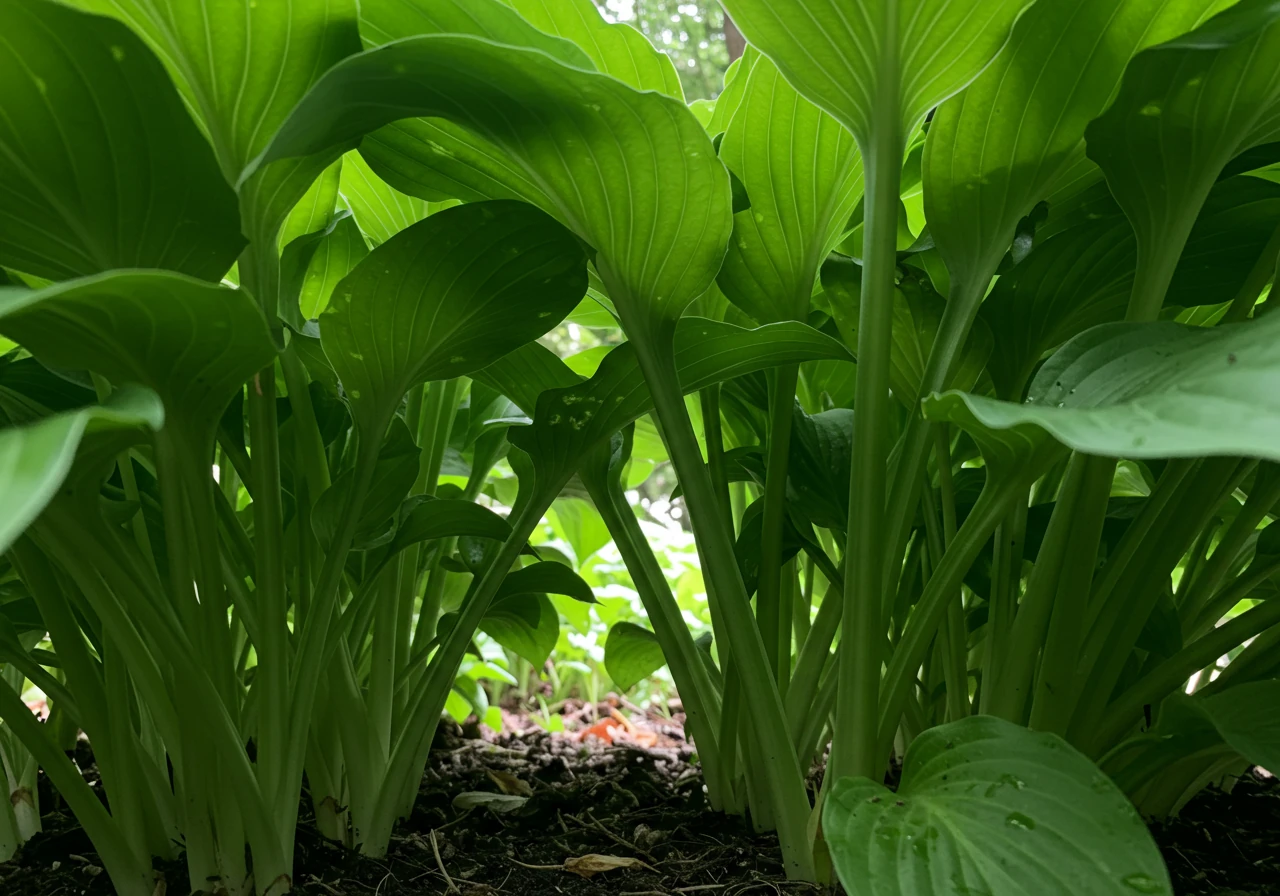
Okay, Microclimate Detective, you've successfully mapped out your Barrhaven yard's secret weather pockets! High five! Now comes the fun part: using that intel to choose plants that won't just *survive*, but actually *thrive*. Think of it like matchmaking – you want to find the perfect plant partner for each unique spot on your property. Get this right, and you'll have a happier garden (and less head-scratching for you!). Visit our Google My Business page to see examples of thriving local gardens!
The golden rule of gardening, especially here in Ottawa with our distinct seasons, is "Right Plant, Right Place." Your microclimate map is your guide. Let’s break down how to match plants to those zones you identified:
1. The Sun Worshippers (Hot, Sunny Spots):
Remember that blazing hot area against your south-facing wall or next to the patio? Don't fight it! Embrace plants that love soaking up the rays and can handle the heat.
- Examples: Coneflowers (Echinacea), Black-Eyed Susans (Rudbeckia), Daylilies (Hemerocallis), Sedum 'Autumn Joy', Lavender. These tough cookies generally don't mind drier conditions either.
- Tip: Mulching these areas helps retain moisture in the soil, even for sun-lovers. Ensure the area is clear before planting; sometimes a targeted clean-up, similar to a focused Marionville garden clean up service or Metcalf garden clean up service, is needed just for one bed.
2. The Shade Seekers (Cool, Shady Areas):
That spot under the big maple tree or on the north side of your house? Perfect for plants that prefer filtered light or full shade and often enjoy more consistent moisture.
- Examples: Hostas (so many varieties!), Ferns (like Ostrich Fern or Maidenhair Fern), Bleeding Hearts (Dicentra spectabilis), Astilbe, Lungwort (Pulmonaria).
- Tip: Improve soil in shady areas with compost to help retain moisture and provide nutrients, as tree roots can compete. City resources, like those found on the City of Ottawa website, sometimes offer composting tips.
3. The Wind Warriors (Breezy, Exposed Spots):
Got a corner that feels like a wind tunnel, maybe more exposed than a friend's sheltered spot over in Nepean? Choose sturdy plants with strong stems or flexible, grassy foliage that dances in the wind instead of snapping.
- Examples: Ornamental Grasses (Feather Reed Grass, Switchgrass), Junipers, Daylilies (they're tough!), Catmint (Nepeta).
- Tip: Planting in groups can help create a self-sheltering effect. Sometimes clearing out debris that catches wind requires a bit more effort, like a full Ottawa property cleanup service, to give plants a better start. This applies across different areas, from dense urban zones needing a city property cleanup service to more rural settings.
4. The Water Lovers & The Drought Tolerators (Moisture Zones):
Identified a low spot that stays damp or an area near a downspout? Pick plants that don't mind wet feet. Conversely, for slopes or sandy spots that dry out fast, select drought-tolerant superstars.
- Wet Feet Winners: Siberian Iris, Joe Pye Weed (Eupatorium), Ligularia.
- Dry Spot Survivors: Sedum, Yarrow (Achillea), Lamb's Ear (Stachys byzantina), Russian Sage (Perovskia).
- Tip: Don't try to force a water-lover into a dry spot (or vice-versa) without significant soil amendment. Work *with* your conditions! Before major planting in various zones, prepping the whole area makes sense; think of it like getting a thorough property clean up ensures every spot is ready.
Embrace Native Plants!
Whenever possible, consider using plants native to the Ottawa region. These plants are already perfectly adapted to our climate, soil types, and seasonal rhythms. They often require less water and fertilizer once established and provide vital food and habitat for local pollinators and wildlife. Think Milkweed for Monarchs, Serviceberry for birds, or Purple Coneflower for bees!
Create Your Cheat Sheet:
It might be helpful to make a little table or list for yourself: Column 1 lists your micro-zones (e.g., "Hot spot by driveway," "Shady corner under maple"), and Column 2 lists potential plants that fit. Read plant tags carefully at the nursery – they usually state light and moisture needs.
Choosing the right plants might seem like a bit of homework, but it pays off with a beautiful, resilient garden that suits your specific Barrhaven conditions. If you're feeling overwhelmed or want a professional eye, remember you can always seek advice. Getting expert input and providing feedback on suggestions, perhaps through a system like an estimate feedback form, can help ensure your final choices are spot-on. And if prepping those identified zones feels like too big a task before planting, calling in help for an Ottawa yard cleanup service or even a more localized city yard cleanup service can give you a clean slate for your perfectly chosen plants. Happy planting!
Adapting Care: Examples for Different Zones
Care for Hot & Sunny Zones
These areas demand careful water management and heat-tolerant plants.
- Watering: Deep and infrequent, early morning best. Consider drip irrigation.
- Soil: Amend with compost to improve moisture retention if needed.
- Mulching: Essential! Apply 2-3 inches of organic mulch (like shredded bark) to cool roots and conserve water. Proper mulching and edging defines the space and maximizes benefits.
- Plant Choices: Sedum, Coneflower, Lavender, Daylilies.
Care for Cool & Shady Zones
Focus on moisture balance and preventing fungal issues.
- Watering: Check soil moisture before watering; avoid overwatering. Water at the base.
- Soil: Amend heavy clay with compost for better drainage and aeration. See our tips on soil preparation.
- Mulching: Use a thinner layer or avoid mulching right against plant stems if constantly damp.
- Plant Choices: Hostas, Ferns, Astilbe, Bleeding Hearts.
- Maintenance: Regular city garden clean up service helps remove leaf litter that can hold excess moisture.
Care for Windy Zones
Select sturdy plants and provide protection if needed.
- Watering: May need more frequent watering as wind increases evaporation.
- Soil: Ensure good drainage but also sufficient organic matter.
- Mulching: Helps retain moisture and prevents soil erosion from wind.
- Plant Choices: Ornamental Grasses, Junipers, tough perennials like Catmint.
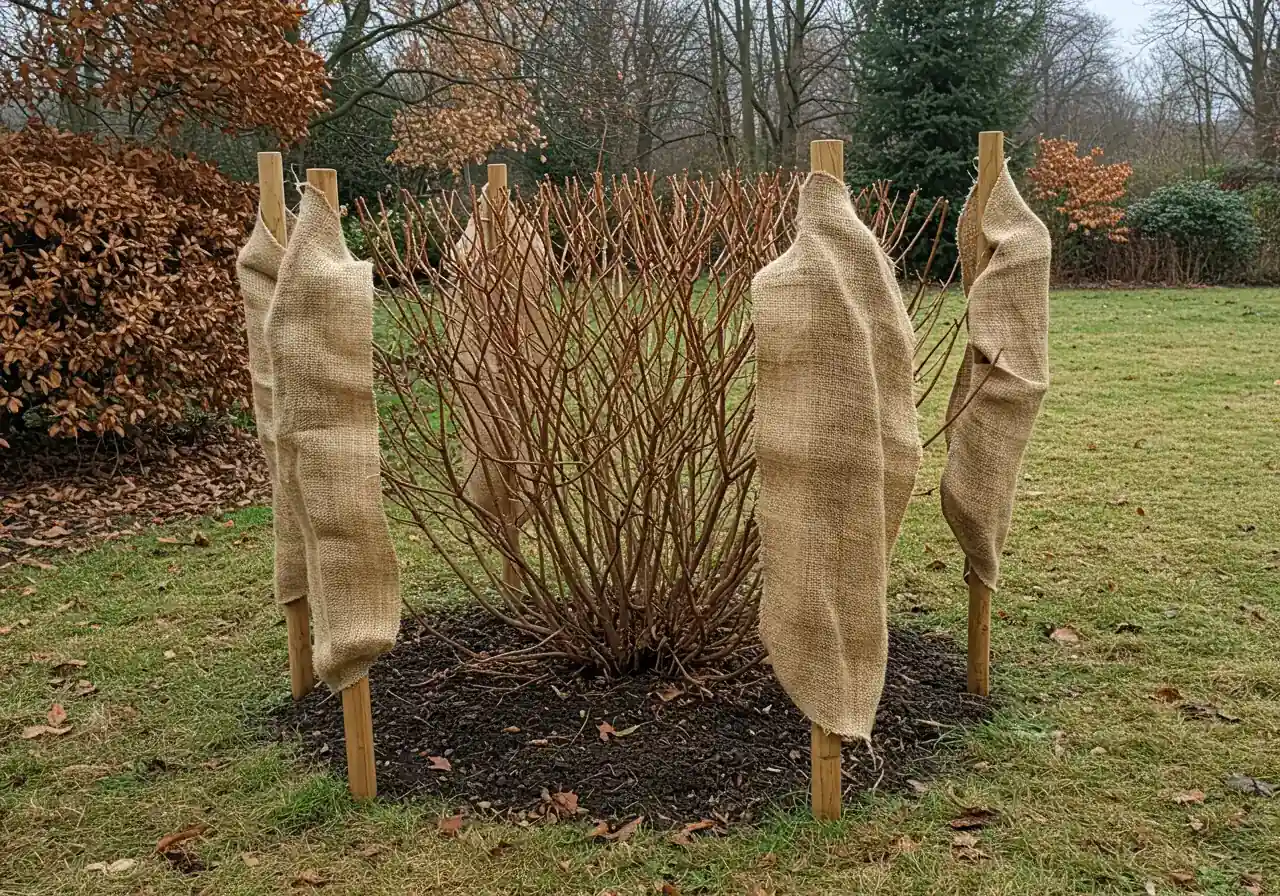
- Protection: Consider windbreaks (hedges, fences) or seasonal protection (burlap) for sensitive species. Essential for good lawn care in exposed areas too.
Smarter Watering & Soil Care: Adapting to Your Micro-Zones
Okay, Detective, you've mapped your Barrhaven microclimates and picked your plant dream team. But wait, there's more! Just like you wouldn't feed a goldfish the same meal as a Great Dane, you can't water and care for soil uniformly across your yard's diverse zones. Let's fine-tune your approach for truly happy plants.

Watering Wisely: Less Splash, More Soak
Forget the sprinkler-on-autopilot routine. Your microclimates demand smarter hydration. Ottawa summers *can* get dry, so efficient watering is key.
- Hot & Sunny Spots: These thirsty zones need deep, infrequent watering. Aim water directly at the base of plants, preferably in the early morning to reduce evaporation. Soaker hoses or drip irrigation are fantastic here – they deliver water slowly right to the roots where it's needed.
- Shady & Damp Areas: Easy does it! These spots lose moisture slower. Check the soil moisture by poking a finger down a couple of inches before watering. Overwatering is a common killer here, inviting fungal diseases.
- Windy Zones: Wind dries soil *fast*. These areas might need more frequent watering than sheltered spots, even if they get the same sun. Again, deep watering is better than a light sprinkle.
- Eco-Tip: Collect rainwater in barrels! It's free, naturally soft water your plants will love. And always water deeply rather than shallowly; this encourages deeper root growth, making plants more drought-resistant. If you're starting fresh with grass, note that proper soil preparation before professional sod installation services helps new turf establish roots and retain moisture effectively, reducing watering needs later.
Soil Secrets: Beyond Just Dirt
Many areas around Barrhaven, and indeed Ottawa, wrestle with heavy clay soil. It holds moisture well (sometimes *too* well) but can compact easily, starving roots of air.
- Clay Busting: The magic ingredient is *organic matter*. Regularly amend your soil with compost, well-rotted manure, or leaf mould. This improves drainage, aeration, and adds vital nutrients. Don't just layer it on top – gently work it into the top few inches. Tackling large areas of compacted soil might feel daunting; sometimes getting help with a thorough Ottawa property cleanup service first can make the soil amendment process easier.
- Sandy Spots: If you have areas that drain *too* quickly, adding compost helps retain moisture and nutrients.
- Mulch Magic: Mulch is your soil's best friend! Apply a 2-3 inch layer (shredded bark, wood chips, straw) around plants, keeping it away from direct contact with stems.
- Benefits: Reduces evaporation (less watering!), suppresses weeds, regulates soil temperature (cooler in summer, warmer in winter), and breaks down over time to improve soil structure.
- Microclimate Strategy: You might use a slightly thicker layer in hot, sunny spots and a thinner layer (or none) in consistently damp, shady areas to avoid excess moisture.
Barrhaven vs. Beyond:
While these principles apply broadly, your suburban Barrhaven yard might differ from a friend's place out in, say, Osgoode or Richmond. Rural properties often have larger spaces, potentially different native soil (less disturbed by construction), or rely on well water, which can have different mineral content. However, the core idea of observing *your specific* micro-zones and adapting care remains the same. Understanding what services cover specific tasks like large-scale soil amendment is important; always review the details, much like you'd check the terms and conditions for service agreements.
Dealing with seasonal impacts across the *entire* city requires attention, whether it's leaf litter affecting drainage or preparing soil post-winter. Leveraging a reliable city-wide yard cleanup service ensures consistency. If customizing watering and soil care feels complex, remember that companies dedicated to local landscaping understand these nuances. You can learn more about our approach and philosophy to creating healthy, thriving Ottawa landscapes. By tuning into your micro-zones, you'll use resources more efficiently and cultivate a truly vibrant garden.
Seasonal Savvy: Year-Round Microclimate Management in Barrhaven
Alright Barrhaven gardeners, you've become microclimate detectives and plant matchmakers – nice work! But managing these mini-zones isn't a one-time thing. Our distinct Ottawa seasons mean your yard's needs shift throughout the year, and those microclimates play a big role in *how* you tackle your seasonal tasks. Think of it like adjusting your wardrobe – you wouldn't wear shorts in January, right? Same idea for your garden!
Let's break down how microclimate awareness changes your game plan, season by season, using a timeline approach:
Spring Awakening
Hot spots warm first (early planting potential, watch for frost). Cool/shady spots lag (delay tender planting). Clear debris, especially in damp areas. Check windy spots for winter damage. Consider a professional garden install for new beds suited to spring conditions.
Summer Sustain
Critical watering for hot spots (deep, infrequent). Monitor cool/shady areas for moisture & fungus. Water windy zones more often if needed. Maintain mulch everywhere. Consistent care, like a city garden maintenance service, prevents summer stress.
Fall Preparation
Thorough leaf raking (vital in damp spots). Hot spots might allow late bulb planting. Protect sensitive plants in windy/exposed zones *before* harsh weather. Ensure good drainage before freeze-up. A full Marionville yard cleanup service or Metcalf yard cleanup service sets the stage for winter.
Winter Watch
Observe snow patterns (insulation vs. exposure). Gently remove heavy snow from branches. Check winter wraps after storms. Plan next year's garden based on observations. Learn more about our year-round approach about us.
Keeping a simple seasonal checklist tailored to *your* Barrhaven microclimates can make year-round management much easier. Note down specific tasks for each zone ("Water south bed deeply," "Check north corner for mildew," "Wrap hydrangeas in windy spot"). This forward-planning saves time and helps your garden thrive through everything Ottawa throws at it! Seeing examples of successful year-round gardens can be inspiring; check out our transformations gallery.
HIGHLIGHT BOX: Barrhaven Microclimate Quick Tips
Hey Barrhaven gardeners! Feeling overwhelmed by your yard's little quirks? Don't sweat it (unless you're in a sunny micro-zone, haha!). Here are some quick tips to make managing your property's mini-climates a breeze:
- Observe Like a Pro: Grab a notepad and watch your Barrhaven yard through the day. Where’s the sun? The shade? The wind tunnel? Where does water puddle after rain? Knowing your zones is Step 1 for great landscaping.
- Plant Matchmaker: Don't force it! Put sun-lovers (like Coneflowers) in hot spots and shade plants (like Hostas) under trees. This “right plant, right place” rule is key for successful Ottawa gardening and leads to amazing garden transformations possible.
- Water Wisely: Your thirsty, sunny zones need deep drinks less often, while shady, damp spots need less water overall to avoid problems. Aim water right at the roots in the morning if you can!
- Love Your Soil: Got heavy clay? Mix in compost to help drainage and add goodness. Then, apply a layer of mulch (about 2-3 inches) around plants – it saves water, smothers weeds, and looks great. Good soil prep is essential for any property clean-up and planting project.
- Seasonal Smarts: Your garden tasks change with the seasons *and* the zone. Protect sensitive plants in exposed spots before winter winds howl! Fall leaf removal is crucial, especially in damp areas – thoroughness matters, whether in the suburbs or requiring a dedicated Metcalf yard cleanup service approach for larger properties.
- Keep it Tidy: Regular weeding and removing debris lets your plants breathe and helps you keep an eye on each microclimate zone. Pay attention to property edges; sometimes issues near sidewalks or dealing with overhanging branches might involve knowing about options like a city property cleanup service.
- Enjoy the Payoff: Putting in a bit of effort to understand your yard's microclimates leads to a healthier, happier garden that needs less fuss down the road. That feeling of success and enjoying your beautiful space is the best kind of thank you your hard work can receive! Consider reading our privacy policy if you engage our services.
Barrhaven Garden FAQs: Tackling Your Microclimate Questions
Got questions about those quirky weather spots in your Barrhaven yard? You're not alone! Understanding your microclimates is key to gardening success here in Ottawa. Let's tackle some common head-scratchers.
Don't despair! Many beautiful plants thrive in shade, like Hostas, Ferns, and Astilbe. The trick with clay is improvement. Regularly adding compost during soil preparation helps break it up, improving drainage and aeration for happier roots. Choose plants suited for shade *and* moist (but not waterlogged) conditions.
That's a classic heat-sink microclimate! Embrace heat-loving, drought-tolerant plants like Sedum or Lavender. The real game-changer is mulch. Applying a good layer through proper mulching and edging helps keep the soil cooler and retains precious moisture, reducing that ‘baking’ effect significantly.
Wind tunnels are tough! Choose sturdy plants like ornamental grasses or junipers. Creating windbreaks with tougher shrubs or strategic fencing can help. Keeping the area clear of debris is also key, as wind whips it around. Regular tidying, sometimes needing a full property clean-up to remove accumulated leaves and broken bits, minimizes damage.
Ah, microclimates strike again! Your sunny spot likely has higher evaporation and heat build-up than their potentially shadier or more sheltered yard. Focus on watering *your* zones based on *their* specific needs – deep watering for hot spots, less for shade. Consistent observation beats comparing directly! Our Ottawa garden clean up service can help manage varying conditions across different properties.
Absolutely! Plants in exposed, windy microclimates face harsher conditions than those in sheltered spots or areas with good snow cover insulation. Targeted winter protection (like burlap wraps) for vulnerable plants in those tough zones is crucial. Good fall garden maintenance, like cleaning up diseased leaves, also improves overall plant health heading into winter.
Conclusion: Unlock Your Barrhaven Garden's Full Potential
So there you have it! Your Barrhaven garden isn't just a single plot of land; it's a fascinating patchwork of unique mini-environments. Understanding these microclimates – those extra sunny spots, the perpetually shady corners, the surprisingly windy bits, and the places where water likes to hang out – is truly the secret weapon for ditching guesswork and helping your plants *really* thrive right here in Ottawa. No more scratching your head wondering why something isn't flourishing! You now have the detective skills to work *with* your yard's specific personality, not against it.
It might seem like a bit of homework at first, but trust us, even small observations make a huge difference. Embracing your property's microclimates leads to healthier, happier plants, less wasted effort and water, and ultimately, a beautiful outdoor space you can truly be proud of. You've totally got this!
Feeling inspired but maybe want a professional eye to confirm your findings or create a detailed plan? Consider expert *Barrhaven landscaping design services* to help you accurately map those zones and select the perfect plant combinations. Or, if you've got the plan but need help bringing it to life with the right soil amendments and planting techniques, reliable *Barrhaven garden installation services* can ensure everything gets off to the best possible start.
Keep exploring, keep observing, and get ready to watch your Barrhaven garden reach its full, amazing potential! For more local tips and landscaping inspiration, be sure to check out the rest of our blog or contact us for specific advice.