Barrhaven Pruning Tips: Boost Airflow, Cut Plant Disease
Ready to transform your garden but need a hand? Request a free quote today!
Key Pruning Takeaways:
- Proper pruning improves airflow, reducing moisture and preventing plant diseases common in Ottawa's climate.
- Removing dead, diseased, or damaged wood (the 3 D's) is the first step.
- Timing is crucial: prune most deciduous plants in late winter/early spring; prune spring-bloomers right after flowering.
- Use sharp, clean bypass pruners for clean cuts on live wood.
- Pruning directs plant energy, leading to more flowers, fruit, and stronger structure.
Introduction: Unlocking Your Barrhaven Garden's Potential with Smart Pruning
Hello Barrhaven homeowners! Dreaming of a truly beautiful garden this season, one that adds extra curb appeal to our wonderful neighbourhood? A key ingredient often overlooked in landscaping success is something surprisingly simple: smart pruning.
Think of it as more than just a trim; it's strategic gardening that guides plant growth and keeps things healthy. Why is it so important? Proper pruning significantly improves airflow around branches and leaves. This is vital here in Ottawa, where humid summers can sometimes encourage plant problems. Better air circulation drastically reduces the risk of moisture buildup, which is a big help in preventing common plant diseases from setting up shop on your favourite shrubs or trees.
It's not just about looking neat – although a well-shaped plant certainly looks great! It’s fundamentally about promoting vigorous health from the roots up. Ready to learn how the right snip here and there can unlock your Barrhaven garden’s full, vibrant potential? Let's get started!
Why Bother Pruning? The Science Behind Healthier Plants in Ottawa
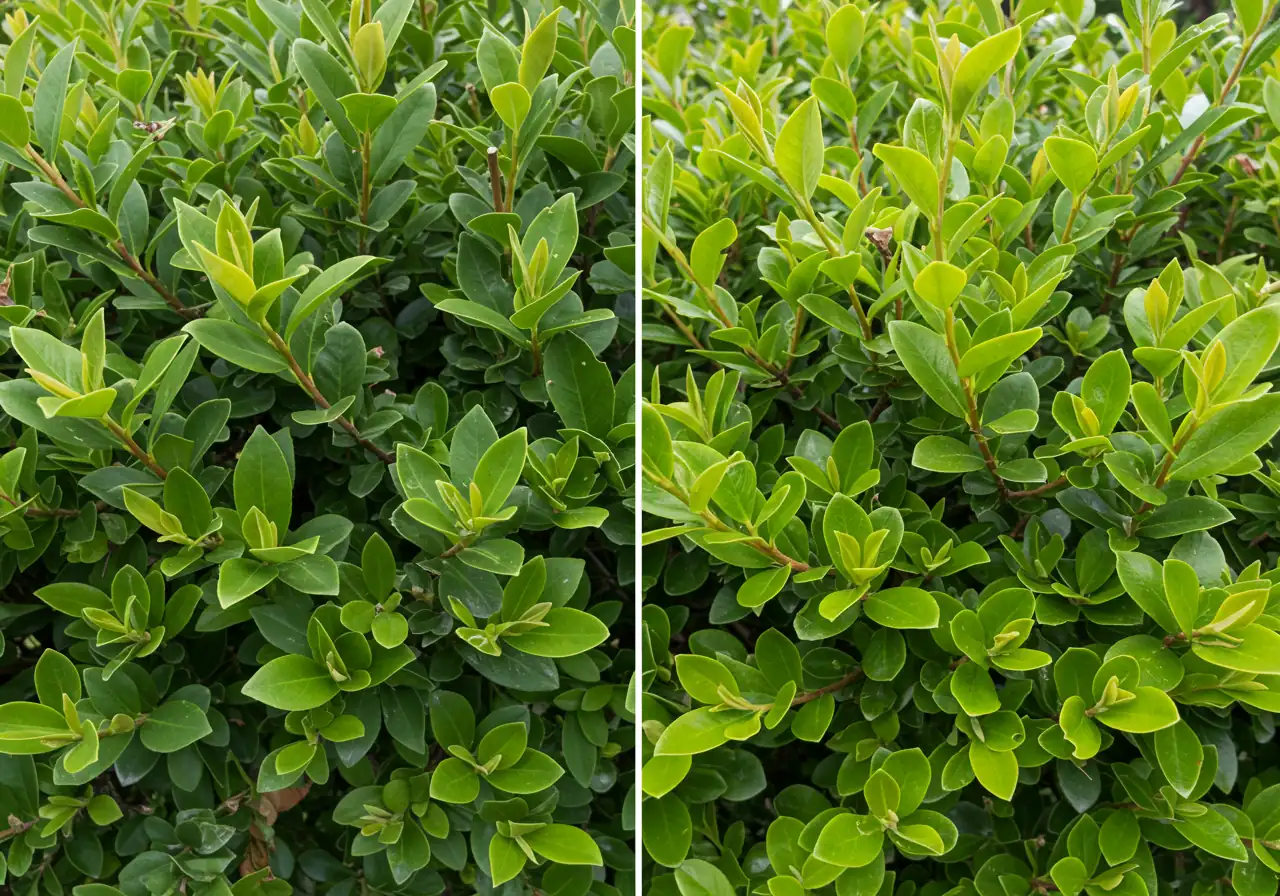
Okay, let's be honest. Sometimes pruning feels like just another chore on the gardening to-do list, right? Like giving your shrubs a haircut they didn't ask for. But trust us, there's some real science – and significant benefits – behind grabbing those shears, especially here in our lovely Ottawa climate. Think of it less as a chore and more as a health check-up and spa day for your plants!
So, why bother?
- Fighting Off the Funk (aka Diseases & Pests): We touched on airflow before, but let's dive a bit deeper. Imagine wearing a damp raincoat indoors – uncomfortable and a recipe for feeling gross, right? Plants feel the same! When branches are too crowded, moisture gets trapped. In Ottawa’s humid summers, that trapped moisture + lack of air circulation = a playground for fungal diseases like powdery mildew or black spot. Pests also love hiding out in dense, damp foliage. Pruning opens things up, letting air circulate and sunlight penetrate, drying leaves faster and making your plants much less inviting targets. Removing dead or diseased wood promptly is crucial, often part of a thorough spring cleanup routine.
- More Flowers, More Fruit, More Fun!: Ever wonder why some plants get bushier after a trim? There's a simple reason! Plants often focus energy on growing upwards from the tip of their main stems (a fancy term is apical dominance). When you snip that tip, the plant says, "Okay, plan B!" and sends growth hormones out to the side buds. This encourages bushier growth, more side branches, and often leads to way more flowers or fruit. It's also how you can guide plants into specific forms, even creating living art like espalier. So, that snip isn't just removing growth; it's redirecting the plant's energy for a better show!
- Building Strength for Tough Times: Ottawa winters can dump a lot of heavy snow. Weak, damaged, dead, or awkwardly crossing branches are accidents waiting to happen. They can easily snap under the weight, damaging the plant (sometimes severely) and potentially anything underneath. Proper pruning removes these weak points, creating a stronger, more resilient structure that can better withstand snow, ice, and strong winds. Keeping plants structurally sound ensures they don't encroach on walkways or patios, keeping plants tidy around your favourite fire pit area is both safer and looks better.
- Keeping Things Looking Sharp: Let's face it, aesthetics matter! Pruning helps maintain a plant's desired shape and size, preventing it from looking like a wild, tangled mess or outgrowing its space in your Barrhaven or Nepean garden. Well-shaped shrubs and trees contribute significantly to your home's curb appeal and overall landscaping design. They help define spaces and complement features like pergolas and patios, making your whole yard look more intentional and cared for. Check out our garden transformations for inspiration.
Pruning isn't about punishing your plants; it's about helping them thrive! It's a key part of smart gardening that pays off with healthier, stronger, and more beautiful plants. If tackling the pruning yourself feels daunting, you can always explore professional pruning and other landscaping services to get the job done right.
Air Circulation is Key
Dense foliage traps moisture, especially during humid Ottawa summers. This creates ideal conditions for fungal diseases like powdery mildew and black spot. Thinning out branches allows air to move freely, drying leaves quickly and reducing disease risk significantly. It also discourages pests from hiding.
Encouraging Blooms
Pruning, especially heading cuts, can stimulate the growth of lateral buds. This often leads to bushier plants with more branching, which in turn produces more flower buds on many species. Timing is critical – pruning spring-flowering shrubs after they bloom ensures you don't remove next year's flowers.
Building Resilience
Removing weak, dead, damaged, or crossing branches creates a stronger plant structure. This helps plants withstand heavy snow, ice, and strong winds common in Ottawa winters, preventing breakage and potential damage to property. It's preventive care for long-term plant health. For comprehensive care, consider our garden maintenance plans.
Timing is Everything: Your Barrhaven Pruning Calendar
Okay, let's talk timing! You wouldn't bake a cake without knowing how long it needs in the oven, right? Well, pruning is kind of the same – when you do it is just as important as how you do it for healthy, happy plants in your Barrhaven garden. Get the timing wrong, and you might accidentally give your favourite lilac a buzzcut right before its big flower show!
So, let's break down the "when" for common plants you might find around Barrhaven, Nepean, or even out towards Greely and Metcalfe (if you need services there, check our Metcalfe property cleanup page).
The Big Sleep: Dormant Pruning (Late Winter/Early Spring)
This is prime pruning time for many deciduous trees and shrubs (the ones that lose their leaves). Think late February to early April here in Ottawa, before the new growth really kicks off.
- Why then?
- Visibility: No leaves means you can clearly see the plant's structure – finding crossed branches, deadwood, or weird growth is much easier.
- Less Stress: Pruning when the plant is dormant is less shocking to its system.
- Disease Reduction: Open wounds heal faster as growth starts, and nasty fungi and bacteria are less active in the cold. You can find helpful resources on plant health from the Master Gardeners of Ottawa-Carleton.
- Sap Flow: For trees like maples or birches, pruning before the sap starts running heavily avoids messy 'bleeding' (though it rarely harms the tree significantly, it looks alarming!).
- Who gets pruned now? Most shade trees (Maples, Oaks, Lindens), fruit trees (Apples, Pears – essential for good fruit production!), summer-flowering shrubs like Potentilla and some Hydrangeas (like Smooth Hydrangea 'Annabelle'), and many roses. This late winter pruning is often a key part of getting your yard ready for spring, much like a thorough Barrhaven spring yard cleanup service prepares the entire space.
Growing Season Touch-Ups (Spring/Summer/Fall)
Some plants prefer or need pruning when they are actively growing.
- Why then?
- Post-Flowering Trim: This is crucial for spring-flowering shrubs. They form next year's flower buds shortly after they finish blooming. If you prune them late, you cut off the potential flowers!
- Shaping & Size Control: Light pruning during the growing season can help maintain shape, encourage bushiness, or remove wayward branches.
- Deadheading: Removing spent flowers encourages more blooms on some plants (like roses) and keeps things looking tidy. This is part of regular garden maintenance.
- Who gets pruned now?
- Spring-Flowering Shrubs (Lilacs, Forsythia, Rhododendrons): Prune these immediately after they finish blooming. Wait too long, and bye-bye flowers next year!
- Evergreens (Pines, Spruces, Cedars, Junipers): These generally need minimal pruning. If shaping is needed, do it lightly in late spring or early summer *after* the new growth has emerged but before it hardens off. Avoid heavy cuts into old wood, especially on pines and spruces, as they may not regrow. Cedars, popular for hedges in Barrhaven, tolerate shearing better.
- Minor Corrections: Throughout the season, you can snip off any dead, damaged, or diseased twigs you spot on any plant.
Quick Barrhaven Pruning Guideline
Late Winter (Feb-Mar)
Focus on dormant pruning for most deciduous trees, fruit trees, and summer-flowering shrubs. Ideal time to see structure.
Early Spring (Apr)
Continue dormant pruning before significant bud swell. Tackle roses. Prepare for spring cleanup services like those offered in Ottawa.
Late Spring (May-June)
Prune spring-flowering shrubs (Lilac, Forsythia) RIGHT AFTER blooming finishes. Lightly shape evergreens after new growth appears.
Summer (July-Aug)
Deadhead spent flowers. Perform light shaping or corrective pruning as needed. Remove any storm damage. Consider city garden maintenance service for upkeep.
Fall (Sept-Oct)
Avoid heavy pruning which can stimulate vulnerable new growth. Focus on removing dead or broken branches. Plan fall cleanup.
Pruning correctly takes practice, and some plants have very specific needs. If you're feeling unsure, especially with valuable trees or shrubs, seeking professional advice is wise. Sometimes, if a plant has suffered from years of incorrect pruning, replacement might be considered, which involves careful plant and material selection suitable for our local conditions. For complex jobs or just peace of mind, exploring professional landscaping and garden care services can save you time and potentially save your plant! Planning your garden tasks, including pruning? If you look into getting help, clear communication is important – we certainly value feedback, even having an estimate feedback form available. And when you interact with services like ours, know that your personal information is handled respectfully, as detailed in our company privacy policy and terms and conditions.
Making the Cut: Pruning Techniques Demystified
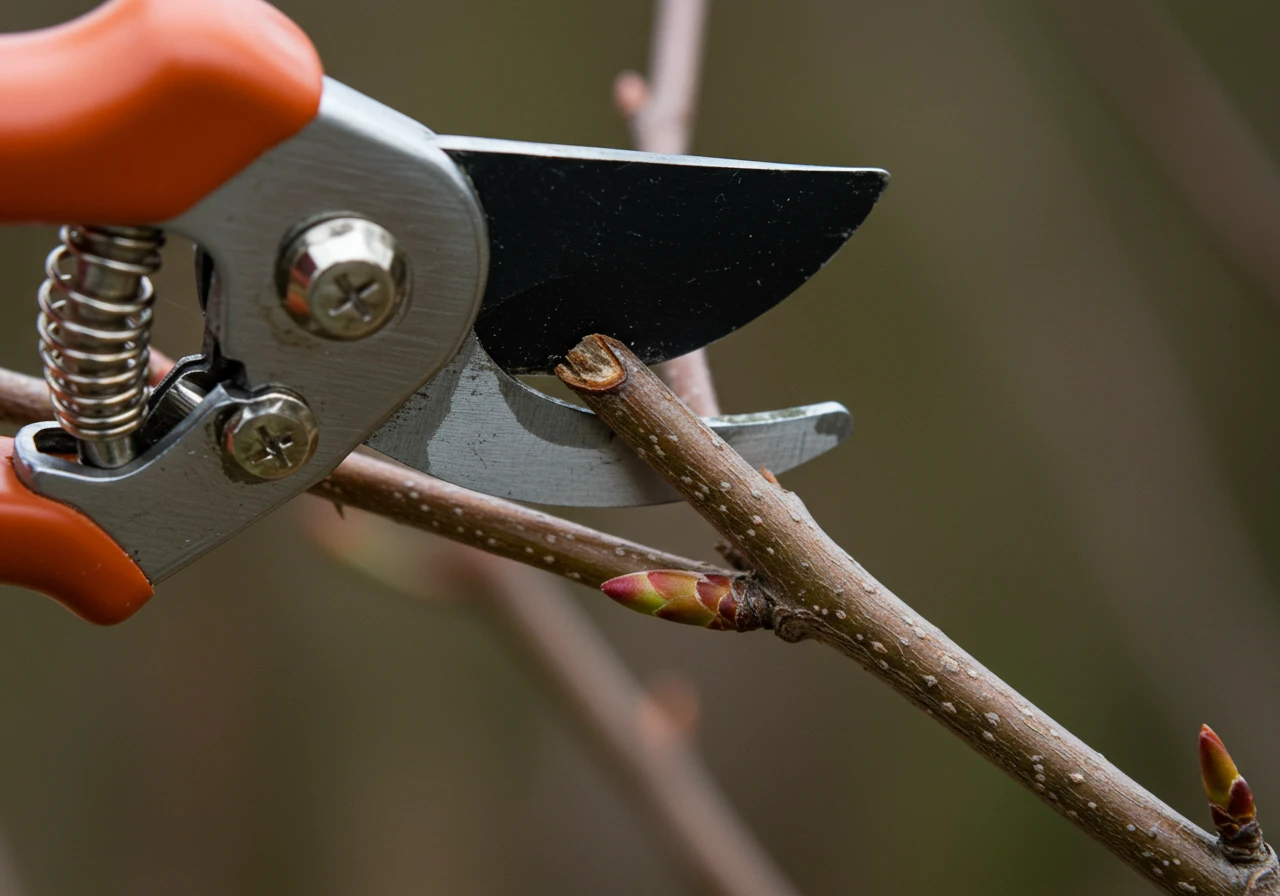
Alright, let's roll up our sleeves and talk about how to actually prune. Don't worry, it's less complicated than assembling flat-pack furniture, promise! Getting the technique right is key to happy, healthy plants in your Ottawa garden, whether you're in Manotick or anywhere else nearby (we also serve areas like Marionville). Think of it as skilled gardening, not just hacking away!
First Things First: The 3 D's
Before you make any fancy cuts, always start by removing the obvious problems. We call this tackling the 3 D's:
- Dead: Brown, brittle branches? Snip 'em out. They're doing nothing good.
- Diseased: Spotty leaves, weird growths, cankers? Cut these branches off well below the affected area to stop the spread.
- Damaged: Broken, cracked, or rubbing branches? Remove the damaged part or the weaker of the rubbing branches. These are entry points for pests and diseases.
The Two Main Cuts: Thinning vs. Heading
Most pruning involves one of two basic types of cuts:
- Thinning Cuts: This is usually your go-to cut. You remove an entire branch right back to its point of origin – either where it joins a larger branch, the main trunk, or sometimes right down to the ground.
- Why? It opens up the plant, improves airflow, reduces crowding, and directs growth to remaining branches without stimulating excessive bushy regrowth right at the cut point. It’s great for shaping and maintaining a natural look.
- Heading Cuts (or Heading Back): This involves cutting a branch back to a healthy bud or a side branch, not removing the whole thing.
- Why? It encourages growth from buds below the cut, making the plant bushier. This is often used for formal hedges or to encourage more flowers/fruit on certain plants. Be careful, though – overuse can lead to dense, twiggy growth prone to problems.
| Cut Type | Where to Cut | Effect |
|---|---|---|
| Thinning | Back to origin (trunk, larger branch, ground) | Opens up plant, improves airflow, natural shape. |
| Heading | Back to a bud or side branch | Encourages bushier growth below the cut. |
Making the Right Cut:
- Angle Matters: When cutting back to a bud, make your cut about 1/4 inch above the bud, slanting away from it at roughly a 45-degree angle. This helps water run off, preventing rot right above the new growth point.
- Cut to an Outward-Facing Bud: Choose a bud that points in the direction you want the new growth to go (usually outwards, away from the center of the plant) to avoid crisscrossing branches later.
- Clean Tools are Crucial! Seriously, this is non-negotiable. Dirty pruners spread diseases faster than gossip at a garden party. Wipe your blades with rubbing alcohol or a disinfectant wipe between plants, especially if you've cut out diseased wood. Keeping tools clean prevents spreading diseases, which is vital for successful landscaping. Speaking of good practice, we value transparency in all our operations, much like in our detailed company privacy policy.
Simple Shrub Pruning Example (e.g., Potentilla or Spirea):
- Step Back & Assess: Look at the shrub's overall shape.
- Remove the 3 D's: Clean out any dead, diseased, or damaged wood first.
- Thin it Out: Remove a few of the oldest, thickest stems right down to the ground. This rejuvenates the plant. Maybe remove 1/4 to 1/3 of the oldest stems each year.
- Shape Lightly (if needed): Use heading cuts sparingly to shorten any overly long or wayward branches, cutting back to an outward-facing bud.
- Clean Up: Rake up all the clippings. Proper disposal is important, similar to the debris removal included in an Ottawa garden clean up service or even a Metcalfe garden clean up service.
Regular pruning is a key element of good holistic garden maintenance practices. It keeps things looking tidy and promotes plant health. While we're focused on shrubs here, remember a stunning yard often balances nicely pruned plants with a vibrant lawn – you can explore tips for that over on our expert lawn care advice page.
Feeling a bit overwhelmed or short on time? Pruning takes practice! If you'd rather leave it to the pros, don't hesitate to ask for help. You can easily get in touch via our Contact Us page. We're always happy to chat about keeping your Ottawa garden looking its best! Check out our reviews on Google My Business!
Gearing Up: Choosing and Caring for Your Pruning Tools
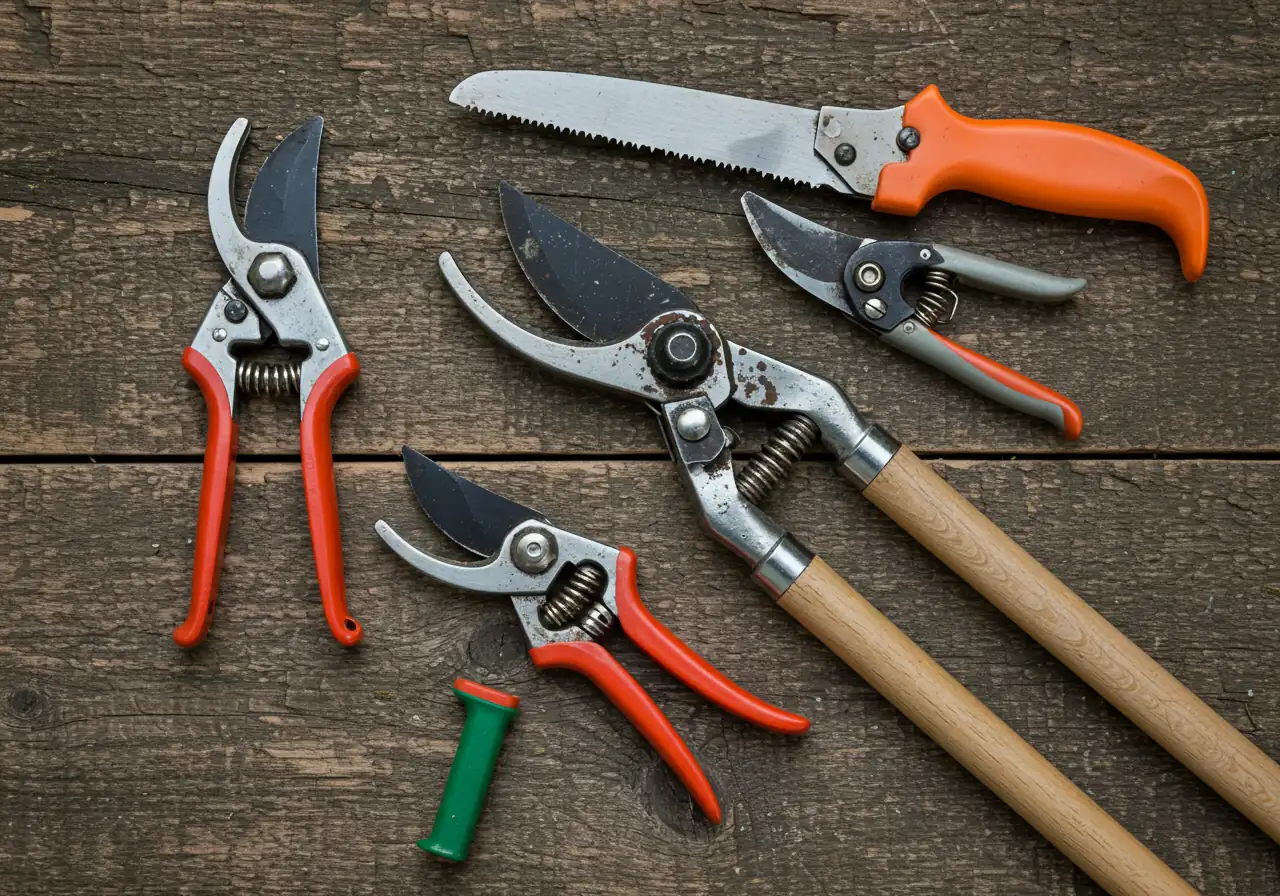
Alright, let's talk tools! Just like you wouldn't try to chop veggies with a butter knife (well, maybe once?), using the right tools for pruning makes a huge difference. Good tools mean cleaner cuts, healthier plants, and less frustration for you. Trying to wrestle a thick branch with flimsy pruners is nobody's idea of fun gardening!
Here’s the lowdown on your essential pruning arsenal:
- Hand Pruners (Secateurs): Your go-to for stems up to about ¾ inch thick. Perfect for flowers, small shrubs, and precise work.
- Loppers: Like hand pruners but with long handles for more leverage. Ideal for branches up to 1.5 inches or slightly more, especially those harder-to-reach ones.
- Pruning Saw: For branches too thick for loppers. Choose a saw designed for green wood; they have teeth that cut efficiently on the pull stroke.
Bypass vs. Anvil: What's the Deal?
This is a common question! Think of it this way:
- Bypass Pruners: These work like scissors, with two curved blades passing each other. They make a clean, precise cut, which is best for live wood as it minimizes crushing damage and helps the plant heal faster. This is usually your best bet for most garden pruning.
- Anvil Pruners: These have one straight blade that closes onto a flat surface (the anvil), like a knife on a cutting board. This action can sometimes crush stems, so they're generally better suited for dead wood, where a clean cut is less critical.
For healthy shrubs and trees in Ottawa, stick with bypass pruners and loppers whenever possible. Those clean cuts help ensure your plants look great alongside neat features like defined garden beds, which you can achieve with services like professional mulching and edging.
Choosing Quality Tools:
- Feel the Fit: Hold the tool. Does it feel comfortable and balanced in your hand? Not too heavy, not too flimsy?
- Blade Quality: Look for high-carbon steel blades – they hold an edge longer. Replaceable blades are a bonus! A good source for quality tools might be Lee Valley Tools, headquartered nearby (Lee Valley Tools).
- Solid Construction: Avoid tools that feel wobbly or loose. Quality lasts longer and is safer.
Care is King (or Queen)!
Your tools work hard; treat them right!
- Clean After Every Use: Sap and debris gum up blades and can spread disease. Wipe them down with a cloth and maybe some rubbing alcohol, especially if pruning diseased plants.
- Keep 'Em Sharp: Dull blades tear, they don't cut cleanly. Sharpen them regularly with a whetstone or diamond file. Sharp tools make healthier cuts, crucial for long-term plant health, just like proper preparation is key for a successful new garden installation.
- Dry and Oil: After cleaning, dry your tools thoroughly to prevent rust. A light spray of penetrating oil on the blades and pivot points keeps things moving smoothly. Store them in a dry place.
Safety First, Always!
Seriously, folks – protect yourself!
- Gloves: Wear sturdy gardening gloves to protect against thorns and blisters.
- Eye Protection: Safety glasses are a must. A stray twig whipping back can cause serious injury. This focus on safety is standard practice in professional work, like when our teams perform an Ottawa yard cleanup service or a city yard cleanup service.
Eco-Friendly Nudge:
Consider tools with handles made from sustainably sourced wood or recycled materials. Buying high-quality tools that last for years is also more sustainable than replacing cheap ones frequently. Taking care of your tools is part of responsible landscaping stewardship. After a big pruning session, if the cleanup feels overwhelming, remember that services like a Metcalf property cleanup service can handle the debris removal professionally.
Got questions about the best tools for your specific Ottawa garden needs, maybe in Nepean or Manotick? Don't hesitate to reach out! You can easily find our details on the Contact Us page. Happy (and safe) snipping!
Common Pruning Times (Conceptual)
Note: Height indicates relative 'peak' pruning activity period. Always check specific plant needs.
The Aftermath: Eco-Friendly Pruning Disposal in Ottawa
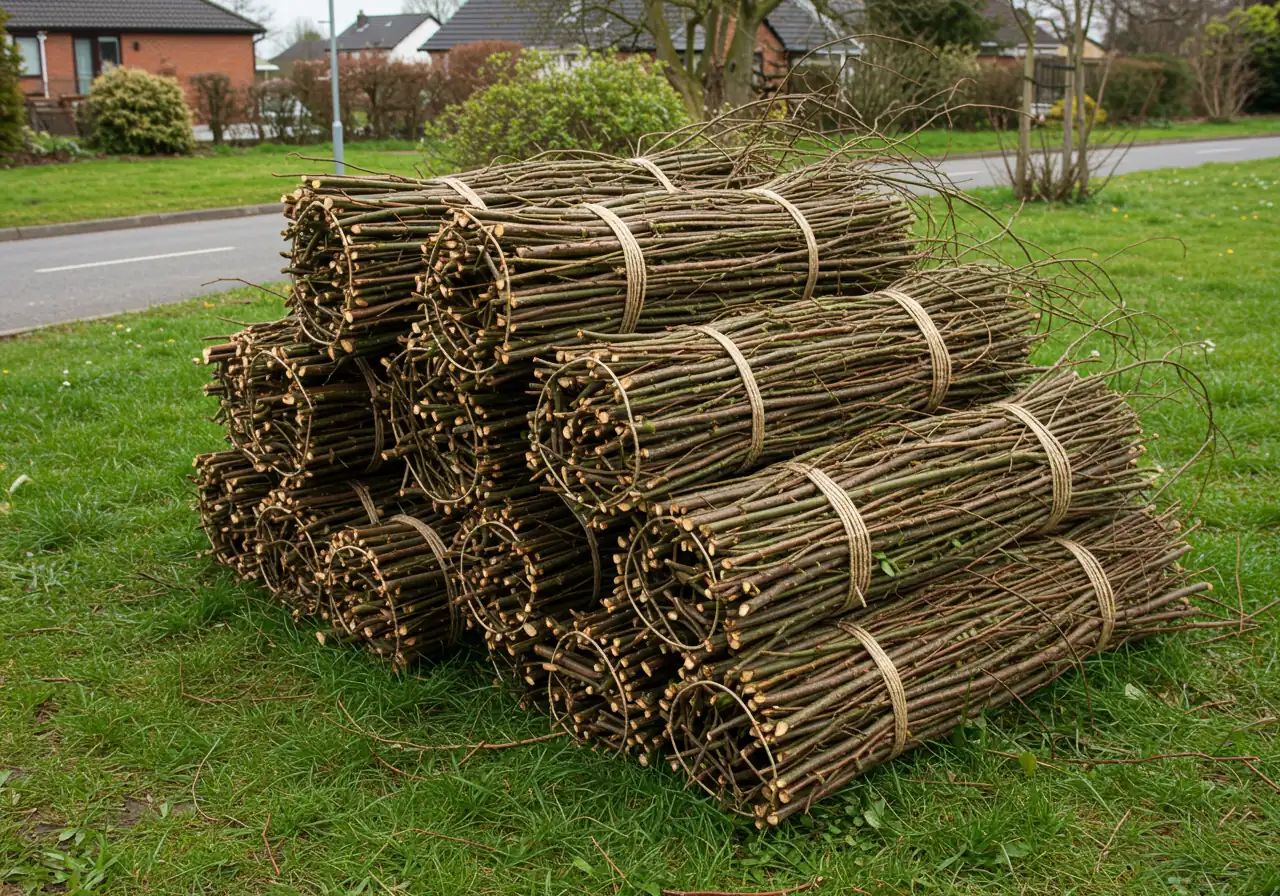
Okay, you've done the hard work, channeled your inner garden ninja, and pruned like a pro! But now... you're staring at a pile of branches that seems to have magically multiplied. Don't worry, dealing with the debris doesn't have to be a landscaping headache, especially here in Ottawa. Let's talk about smart, earth-friendly ways to handle those clippings, whether you're in Barrhaven, Greely, or anywhere in between.
- Feed Your Compost (Carefully!): Home composting is fantastic for smaller twigs, leaves, and soft green cuttings. It breaks down into wonderful food for your gardening efforts later on!
- Do: Chop things up a bit first – smaller pieces decompose faster. Mix greens (leaves) with browns (twigs).
- Don't: Toss in thick, woody branches (they take ages!), diseased plant material (you don't want to spread problems), thorny branches (ouch!), or anything you suspect might be an invasive species. Absolutely no treated wood.
- Chip, Chip, Hooray!: Got bigger branches? Renting or buying a wood chipper or shredder turns that bulky pile into valuable wood chip mulch! This is great for garden beds, suppressing weeds, and retaining moisture. It’s a fantastic recycling loop right in your own yard. Plus, clearing out big debris is essential before starting new garden installations or completing soil preparation.
- Ottawa's Green Bin Program to the Rescue: Our city program is a great resource! Here’s the gist for branches and yard waste:
- Bundle branches securely with natural twine (no plastic or wire).
- Keep bundles under 1 meter (39 inches) long and 60 cm (24 inches) wide.
- Individual branches shouldn't be thicker than 7.5 cm (3 inches).
- Place bundles or paper yard waste bags (NO plastic bags!) beside your green bin on collection day.
- Always check the City of Ottawa's website for the most current rules and weight limits – they can change! Properly managing waste is key, especially when dealing with larger areas which might require something comprehensive like a city property cleanup service or Ottawa property cleanup service.
- Drop It Off: For amounts too large for the curbside program, you can take yard waste to the City's Trail Waste Facility. Check their hours and any potential fees before you go.
- Invasive Species Alert!: This is super important! If you've pruned invasive plants like Buckthorn or Dog-Strangling Vine, do not compost them or leave them lying around where they can re-root or spread seeds. The best practice is often to put them in paper yard waste bags for Green Bin collection (check city guidelines!) or take them directly to the Trail facility, ensuring they are disposed of properly to prevent further spread. Handling this correctly is part of responsible yard care, similar to how a thorough Marionville garden clean up service or city garden clean up service would manage different types of waste.
Feeling Overwhelmed by the Pile?
Sometimes, especially after a major pruning session, the cleanup can feel like a bigger job than the pruning itself! If tackling that mountain of branches isn't your cup of tea, remember that help is available. Opting for a professional property clean up means we handle the trimming and the tidy-up, disposing of everything responsibly. You can learn more about our team and our commitment to leaving your space clean and green. We even offer cleanup in various locations like Metcalfe!
Disposing of pruning waste thoughtfully keeps our Ottawa communities looking great and protects our local environment. Happy gardening!
Barrhaven Pruning Power-Ups: Quick Tips
Feeling ready to tackle those twigs? Awesome! Here are a few quick-fire pruning pointers to keep your Barrhaven gardening game strong:
- Remove the 3 D's First: Always start your pruning session by cutting out any Dead, Diseased, and Damaged wood. Get the problem spots out before you think about shaping. Health first!
- Time Your Trims Wisely: Remember, timing is crucial! Prune spring bloomers (like lilacs or forsythia) right after they finish flowering. Tackle most other deciduous trees and shrubs in late winter or early spring (dormant season) here in Ottawa. When in doubt, look up your specific plant!
- Cut Cleanly & Use the Right Tools: Use sharp, clean bypass pruners for live wood to make clean cuts that heal fast. Angle cuts slightly away from an outward-facing bud. Avoid leaving stubs!
- Clean Up Green: Don't let cuttings pile up! Compost smaller twigs and leaves (if disease-free). Bundle larger branches according to Ottawa's Green Bin rules, or consider chipping them for useful mulch. Dealing with a massive pile after a big job? A professional property clean up can handle the debris disposal efficiently, whether you need a city yard cleanup service or something more suited to areas like Metcalfe, such as a Metcalf yard cleanup service. Remember, a tidy yard looks best, right down to the lawn – which might need attention like professional sod installation to match your beautifully pruned plants.
- Ask When Unsure: Seriously, don't guess, especially with beloved trees or shrubs! A wrong cut can take years to fix (or worse!). Proper pruning is a key part of successful landscaping. If you're feeling hesitant, getting professional advice can prevent costly mistakes and lead to incredible garden transformations. We're here to help, check out our thank you page after contacting us!
Your Barrhaven Pruning Questions Answered (FAQ)
Got questions about snipping and clipping your way to a healthier, happier garden in Barrhaven? You're not alone! Here are some common head-scratchers we hear from fellow Ottawa gardening enthusiasts, along with our best advice.
For cedar hedges popular in Barrhaven and Nepean, light shaping is best done in late spring or early summer, just after the new, bright green growth appears. Avoid cutting back into the old, brown wood as it likely won't regrow. Stick to trimming the new growth to maintain shape. A neat hedge really frames a property, complementing a healthy lawn which might need attention like professional sod installation services for that perfect look.
Oh dear, that's a common Ottawa woe! Lilacs bloom on last year's wood. This means they set their flower buds shortly after they finish blooming in the spring. The golden rule is: prune lilacs within a few weeks after they flower. Pruning in fall or winter removes next year's buds. Don't worry, it should bloom again the following year if you prune at the right time!
Black knot is a pesky fungal disease common in the Ottawa region. The best approach is vigilant pruning during late winter (dormant season). Cut affected branches at least 4-6 inches below the visible knot. Crucially, disinfect your pruners between cuts (rubbing alcohol works!) and dispose of the diseased branches immediately – don’t compost them. For significant infections or cleanup help, consider a Marionville property cleanup service to ensure proper disposal.
Don't despair! Many deciduous shrubs (like spirea or dogwood) tolerate 'renovation pruning' – cutting them back hard in late winter/early spring to rejuvenate them. Others prefer gradual thinning over several years. Severely pruning stresses plants, so boosting their recovery with attention to basics like good soil preparation techniques around their base can really help them bounce back stronger in your Barrhaven garden. Identify the shrub first to choose the right method!
Yes, tidying up after gardening is more than just aesthetics! Removing pruned debris reduces hiding spots for pests and decreases the chance of diseases spreading from fallen leaves or branches. Whether you compost (disease-free material only!), use the City's green bin, or need help clearing a larger volume, a clean finish is key. For thorough tidying, services like a Marionville yard cleanup service can make short work of the aftermath.
Conclusion: Healthier Plants, Happier Barrhaven Gardens
So there you have it! Giving your plants a little snip-snip with smart pruning isn't just about looking tidy – it's one of the best things you can do for their health and vitality right here in Barrhaven. From boosting blooms and fruit to warding off pesky diseases and strengthening branches against rough Ottawa weather, the benefits are clear. Better airflow, stronger structure, and directed energy mean your shrubs and trees will thank you with lush growth and beauty.
Taking the time for proper gardening care like pruning can feel really rewarding. It connects you to your green space and pays off with a yard that truly shines. Think of it as a high-five for your hydrangeas!
But hey, we know life gets busy, or maybe tackling that tangled vine feels more daunting than delightful. If you'd prefer to sit back, relax, and let someone else handle the secateurs, we're here to help! Our professional landscaping team provides expert pruning services throughout Barrhaven, Nepean, and surrounding communities like various parts of the city. We know local plants and how to make them thrive.
Ready to unlock your garden's full potential without lifting a finger? Give us a call or visit our website today to discuss your pruning needs and get a free, no-obligation quote via our contact form. Here's to healthier plants and happier Barrhaven gardens!