Red Thread Alert: ID & Treat Barrhaven Lawn Fungus Fast
Quick Summary
- What it is: Red Thread is a common lawn fungus (*Laetisaria fuciformis*) causing pink/red threads on grass blades and patchy areas.
- Main Cause: Low nitrogen fertility in the soil is the primary trigger.
- Conditions: Thrives in cool (15-25°C), damp weather, common in Ottawa's spring and fall.
- Treatment Focus: Primarily involves proper fertilization (nitrogen boost) and good lawn care practices (mowing, watering, aeration).
- Severity: Usually cosmetic; rarely kills the entire lawn.
Seeing pink on your green? Don't let Red Thread ruin your Barrhaven lawn's look. Request a free quote today for expert lawn assessment and treatment!
Introduction: Seeing Red (Literally!) on Your Barrhaven Lawn?
Hey Barrhaven neighbours! Strolling across your lawn lately and spotted something… odd? Maybe some strange reddish or pinkish threads clinging to your grass blades, creating weird-looking, almost *rusty* patches? If you're seeing red (literally!) on your usually lush green turf, you're not alone in our corner of Ottawa. Don't hit the panic button just yet! It sounds like you've likely encountered Red Thread, a common lawn fungus that loves to make an appearance, especially when certain weather conditions align. While it can definitely mess with your lawn's perfect *curb appeal* and look a bit alarming, the good news is it's often more of a temporary nuisance than a serious, long-term threat to your grass. Stick with us as we dive into what causes this colourful lawn guest and, more importantly, provide practical tips and advice on how to manage it and get your beautiful Barrhaven lawn back to its healthy, green glory. For comprehensive solutions beyond fungus, check out our full range of landscaping services.
What in the Blazes is Red Thread? Unmasking the Pink Invader
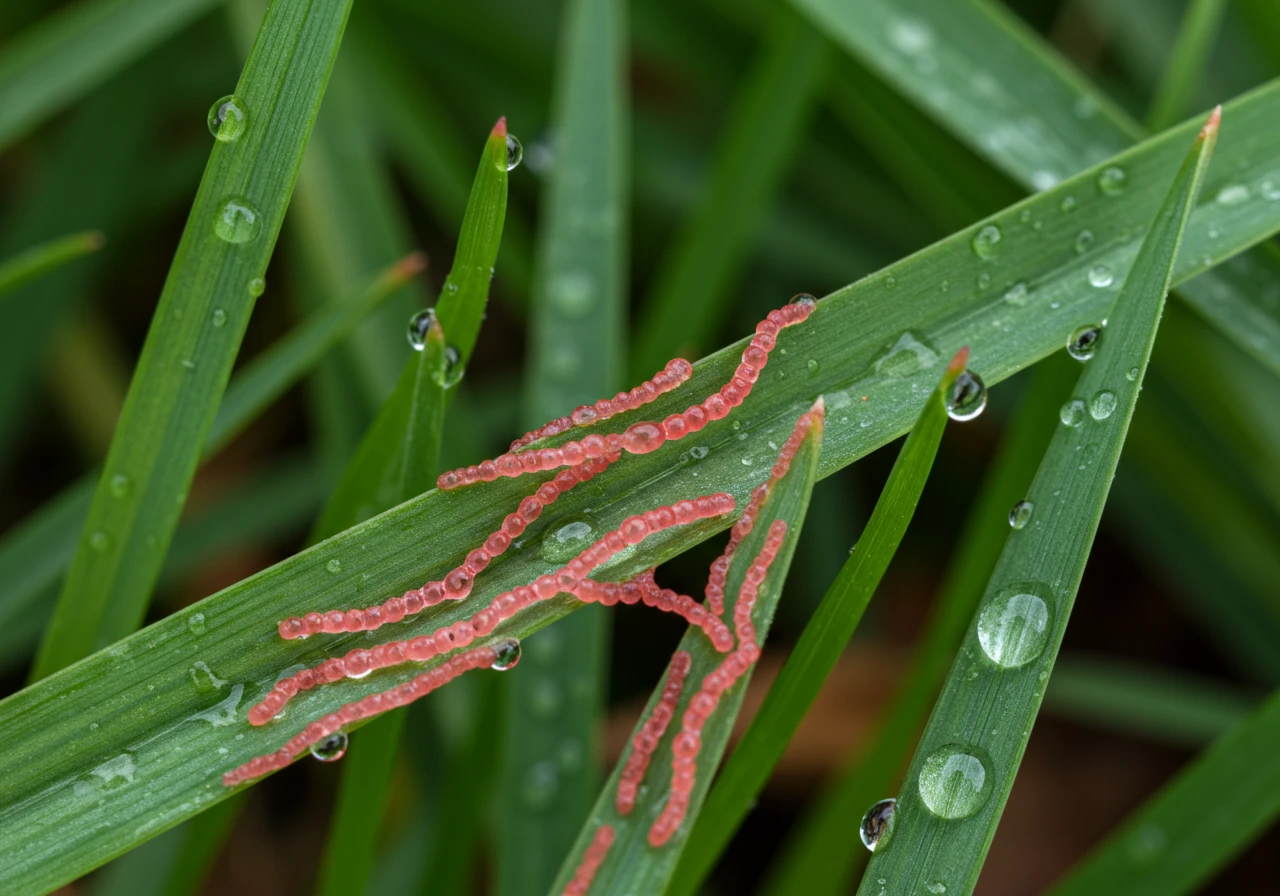
Alright, let's get down to brass tacks. So, you've seen these weird pinkish-red patches mucking up your otherwise lovely lawn? That, my friend, is likely Red Thread. Think of it as an uninvited guest showing up to your lawn party – specifically, a fungal guest named *Laetisaria fuciformis*. It doesn't usually kill your grass outright, but it sure can make it look sick and tired.
So, what does this party crasher actually look like? You'll typically spot two main signs:
- The "Threads": These are tiny, antler-like or thread-like growths (called stromata) that are reddish-pink. They stick out from the tips of the grass blades. Very distinctive!
- The "Pink Fluff": Sometimes, especially when it's damp, you might see pink, cottony growth (mycelium) binding the grass blades together.
Affected grass blades often look ragged and bleached, eventually dying back from the tips. This creates those unsightly circular or irregular patches, anywhere from a few inches to a couple of feet across.
Now, why does Red Thread decide *your* lawn is the place to be? Like any fungus, it thrives under specific conditions, which, wouldn't you know it, pop up quite often here in Ottawa and neighbouring areas like Nepean and Osgoode. The main culprits are:
- Low Nitrogen: This is the big one. Grass that isn't getting enough nitrogen is weak and stressed, making it way more susceptible. Think of nitrogen as your lawn's essential multivitamin. Managing soil fertility is key, though it can be tricky, especially with challenging conditions like heavy clay soil found in areas like Embrun. Effective soil preparation can improve nutrient availability.
- Prolonged Moisture: Red Thread loves dampness. Extended periods of rain, high humidity, heavy morning dew, or even just watering your lawn late in the day can create the perfect environment for it to spread. It’s similar to how managing water is crucial when preparing a Russell pond for winter involves managing water levels.
- Cooler Temperatures: While it can appear at other times, Red Thread often kicks into high gear during cooler, wetter weather, typically when temperatures are hovering between 15°C and 25°C – sound familiar for an Ottawa spring or fall? This often coincides with the need for general fall garden care needed after summer stress, like work done in Kenmore.
The fungus itself survives in the thatch layer or soil and can spread through spores carried by wind, water, or even your lawnmower. Proper cleanup, much like our dedicated Kenmore yard cleanup service, helps reduce fungal spread by removing infected clippings. Maintaining overall yard health, just like how proper pruning benefits shrubs like lilacs in Metcalfe, contributes to a more resilient lawn. If dealing with lawn diseases and overall *landscaping* feels overwhelming, exploring professional landscaping services can provide expert help and tailored solutions for your *gardening* needs.
Is it Red Thread or Something Else? Spotting the Signs in Your Ottawa Lawn
Okay, Ottawa lawn enthusiasts, let's play detective! You've got strange patches showing up, maybe in Richmond or out near Metcalfe, and you're wondering, "Is this *really* Red Thread, or is my lawn pulling a fast one on me?" It's a fair question because several lawn issues can look surprisingly similar. Getting the diagnosis right is key to treating it effectively.
How to Be a Lawn Detective: The Inspection Process
First things first, grab your magnifying glass (okay, maybe just get down on your hands and knees) and take a closer look. Don't just glance from the patio!
- Timing is Everything: Early morning, when there's still dew on the grass, is often prime time to spot fungal activity like the fluffy mycelium of Red Thread or Dollar Spot.
- Examine the Blades: Look at individual grass blades in the affected areas and on the edges of the patches. Are they dying from the tip down? Do they look bleached or water-soaked? Are there visible threads or spots?
- Note the Colour: Is it distinctly pink or reddish? Or is it more tan, white, or yellow? Red Thread has that signature reddish-pink hue, especially visible on the "threads" (stromata).
- Check the Patch Pattern: Are the patches small and distinct, large and irregular, or something else? Red Thread usually forms irregular patches a few inches to maybe two feet across.
- Feel the Texture (Carefully!): Sometimes, you can feel the slightly gelatinous threads or the cottony mycelium, especially when damp.
Taking clear photos can also be super helpful, both for your own records and if you need to ask for advice later. Proper identification is the first step towards targeted *gardening* care and avoids wasting time and effort on the wrong problem. Good overall lawn health, supported by regular garden maintenance, makes your grass more resilient, but sometimes these invaders sneak in anyway. Sometimes, the best defense is a healthy, well-maintained lawn, which starts with good practices like core aeration and proper mowing, and ensuring lawn debris is removed – tasks often included in a thorough city garden clean up service.
Red Thread vs. The Usual Suspects
It's easy to mistake Red Thread for other lawn woes common in our Ottawa climate. Here’s a quick comparison using a responsive table:
| Feature | Red Thread | Dollar Spot | Pink Snow Mold |
|---|---|---|---|
| Key Sign | Pink/red threads (stromata) from blade tips; pink cottony growth (mycelium) sometimes. | Small, tan spots (~dollar size); white cobwebby mycelium in dew; hourglass lesions on blades. | Circular bleached/matted patches post-snowmelt; pinkish/grey ring at edge; slimy feel. |
| Patch Look | Irregular, bleached, ragged patches (2" to 2'). | Small, distinct tan circles, can merge. | Circular, matted patches (4"-12"), can merge. |
| Season | Cool, wet (15-25°C), Spring/Fall. | Warm days, cool/humid nights, heavy dew (Late Spring-Fall). | Late Winter / Early Spring (snowmelt). |
| Main Cause | Low Nitrogen fertility. | Low Nitrogen, leaf wetness critical. | Fungus active under snow cover near freezing. |
Accurate identification means you can choose the right approach, whether it's adjusting your fertilizing schedule, improving drainage, or knowing when professional help might be needed. Removing debris in fall, perhaps as part of a Marionville garden clean up service or similar efforts elsewhere, can sometimes help reduce severity by improving air circulation as snow melts. If fungal diseases become a recurring nightmare despite your best efforts, considering resistant grass types during a garden install could be a long-term solution. And hey, figuring out lawn problems takes effort, so we want to say thank you for investing the time to keep your slice of Ottawa green! Remember, if things look really bad or you're just not sure, snapping photos and seeking advice is always a good idea – sometimes even a simple Kenmore yard cleanup service can reveal underlying issues previously hidden by leaves or thatch.
Operation: Banish the Blush - Treating Red Thread Effectively
Alright, team green thumb, let's talk strategy for Operation Banish the Blush! You've identified the pinkish-red culprit crashing your lawn party – now, how do we politely (or maybe not-so-politely) show Red Thread the door? Good news: often, you don't need heavy artillery. It's usually more about giving your lawn the TLC it's craving.
The Star Player: Nitrogen Power!
Remember how we said Red Thread often picks on lawns that are low on nitrogen? Think of nitrogen as your lawn's energy drink. When nitrogen levels are low, your grass gets weak and sluggish, making it easy for fungi like Red Thread to move in. It’s basically *hangry* grass!
The *best* first step is often a simple nitrogen boost.
- Feed Me, Seymour: Applying a balanced lawn fertilizer with a good amount of nitrogen can often be enough to help the grass outgrow the fungus. Look for slow-release nitrogen sources – these feed your lawn steadily, preventing rapid, weak growth and providing longer-term benefits. Check out our material selection guide for tips.
- Timing is Key: For Ottawa lawns, applying fertilizer according to a recommended schedule (often late spring, summer, and crucially, late fall) helps maintain consistent nutrient levels. Avoid over-fertilizing, though, as that can cause other problems! Our Lawn Care services follow optimal timing.
- Get Specific: Soil testing can tell you exactly what your lawn needs, removing the guesswork. [Link to Ottawa Soil Testing Lab - placeholder]
Supporting Cast: Smart Lawn Care Habits
Beyond fertilizer, your regular *landscaping* and *gardening* practices play a huge role:
- Mow Like a Pro: Keep your mower blades sharp! Dull blades tear grass, creating entry points for disease. Don't cut the grass too short, especially during stress periods; aim for around 3 inches to encourage healthy roots. During an active Red Thread outbreak, consider bagging your clippings to remove the fungal threads and prevent spreading it across the lawn or into neighbouring yards in areas like Kars. Removing infected material is a key part of any good cleanup, much like the thoroughness of our Ottawa garden clean up service.
- Water Wisely: Water deeply but infrequently, encouraging deep roots. The best time to water is early morning, giving the grass blades plenty of time to dry before nightfall. Red Thread loves prolonged dampness, so avoid evening watering. More tips are available from resources like the [City of Ottawa Water Conservation page - placeholder].
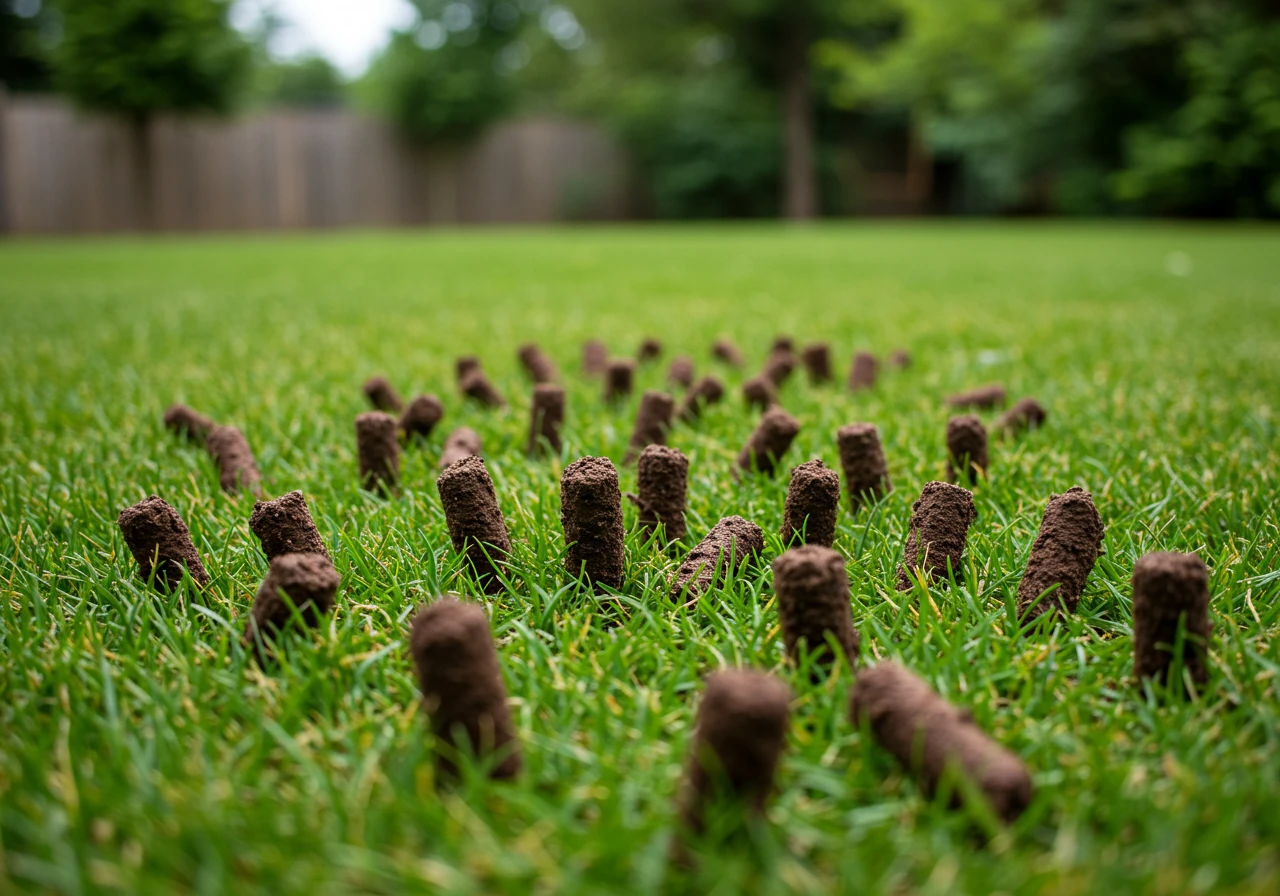
- Let it Breathe - Aeration & Dethatching: This is *super* important, especially with some of the heavier clay soils we find around Ottawa. Core aeration (pulling out small plugs of soil) reduces compaction, allowing air, water, and nutrients (like that nitrogen!) to reach the roots more easily. Dethatching removes the thick layer of dead organic matter that can build up, harbouring fungus and blocking essentials. Improved soil health can be part of bigger projects, sometimes even involving a new garden install for other areas of your yard. Proper soil preparation is fundamental, whether it’s for your lawn or managing planting beds.
The Backup Plan: Fungicides
Honestly? Fungicides are rarely the first or necessary step for Red Thread in home lawns. It's often considered more of a cosmetic issue that good *lawn care* resolves. However, if you have a severe, persistent case that isn't responding to cultural practices, or if you're managing high-value turf, a fungicide application might be considered.
- Proceed with Caution: Fungicides require careful handling and application. Always follow label directions precisely. For details on service specifics and responsibilities when using such products, you can always review our company's terms and conditions.
- Professional Help: If you think fungicides are needed, it’s often best to consult with lawn care professionals like those found on reputable directories or through our Google Business Profile. They can confirm the diagnosis and apply treatments safely and effectively.
Long-Term Victory:
The best way to banish Red Thread for good is to focus on overall lawn health. Consistent fertilization, proper mowing and watering, and regular aeration/dethatching create a strong, resilient lawn that’s much less likely to succumb to disease. Think of it as building your lawn's immune system! You can see the amazing difference consistent care makes in our gallery of lawn transformations. Sometimes, a comprehensive approach like our city property cleanup service can tackle multiple issues at once, getting your entire yard back in shape.
Feeling overwhelmed by the pink invasion or just want a hand getting your lawn back to its green glory? Don't hesitate to reach out. We're here to help! You can easily contact us for advice or to discuss service options.
Keep Ottawa Green: Long-Term Prevention Strategies
Okay, let's talk about playing the long game! Keeping Red Thread and other lawn party crashers away permanently isn't about frantic fixes; it's about building a lawn that's naturally strong, healthy, and resilient. Think of it as giving your Ottawa lawn a black belt in self-defense! This proactive approach saves you headaches down the road and keeps your slice of Winchester, Russell, or anywhere else in our beautiful region looking fantastic.
Strong Roots Start with Super Soil
You wouldn't build a house on shaky ground, right? Same goes for your lawn! Healthy soil is the absolute foundation for preventing lawn diseases. If your soil is compacted, lacking nutrients, or just generally grumpy, your grass will be stressed and vulnerable.
- Give it Some Air: Regular core aeration (usually spring or fall) is like a deep-tissue massage for your lawn. It breaks up compacted soil, letting air, water, and nutrients reach the roots where they're needed most. Clay soils, common around areas like Embrun, especially benefit from this.
- Feed the Foundation: Healthy soil needs good food. Adding organic matter like compost improves soil structure and provides slow-release nutrients. And don't forget regular fertilization! A consistent feeding schedule, part of good overall lawn care, keeps nitrogen levels steady, preventing the deficiency that Red Thread loves. Proper soil preparation is key before starting a new lawn area or significant overseeding.
Choose Your Grass Wisely
Not all grass is created equal, especially when facing down fungal foes. Some grass varieties are naturally tougher against diseases like Red Thread.
- Resistance is Key: When overseeding or starting a new lawn, look for grass seed blends recommended for the Ottawa climate that contain disease-resistant cultivars. Perennial ryegrasses and certain fine fescues often have better resistance. Check resources like the [University of Guelph Turfgrass Institute - placeholder] for recommendations.
- Overseed for Strength: Regularly overseeding your existing lawn (fall is ideal) helps introduce these stronger grass types and keeps your turf thick and dense, crowding out weeds and potential disease spots.
- Instant Green: If you're establishing a new lawn area and want quick results with quality grass, professional sod installation using disease-resistant turfgrass is a great option.
Your Year-Round Ottawa Lawn Care Playbook
Consistency is your secret weapon. Here’s a simplified seasonal guide visualized as a timeline:
Spring (April-May)
Wake up call! Clean up winter debris thoroughly – think the kind of detailed work seen in a dedicated Metcalf property cleanup service. Rake gently. Aerate if needed. Apply light spring fertilizer & overseed thin areas.
Summer (June-August)
Maintain momentum. Mow high (~3 inches) with sharp blades. Water deeply but infrequently (early morning). Monitor for issues. Avoid heavy fertilizing in heat unless necessary.
Fall (September-October)
Prime time! Most important season. Aerate again if needed. Overseed. Apply fall fertilizer (aids winter storage & root growth). Keep mowing & manage leaves. Consider a full property clean up.
Winter (November-March)
Let it rest. Avoid walking on frozen grass. Dream of green! Plan next year's garden maintenance.
Eco-Friendly = Lawn-Friendly
Being kind to the environment often means being kind to your lawn too!
- Grasscycling: Leave the clippings on the lawn after mowing (if there's no active disease outbreak). They decompose quickly, returning valuable nitrogen and organic matter to the soil. Free fertilizer – score!
- Smart Watering: Water only when needed, checking the soil moisture first. Consider rain barrels to conserve water. Consult [local horticultural societies like the Ottawa Horticultural Society - placeholder] for tips.
- Healthy Yard Habits: Keeping garden beds neat with good mulching and edging reduces weed competition and improves overall airflow around the lawn perimeter. This is often included in our Marionville yard cleanup service.
Building a truly resilient, green lawn takes time and consistent effort, but the payoff is a beautiful, healthy outdoor space that's less prone to problems like Red Thread. If you need a hand implementing these strategies or just want expert advice tailored to your specific lawn, don't hesitate to get in touch. You can easily reach out to us for help. Let's keep Ottawa green, one healthy lawn at a time!
Barrhaven Red Thread Rapid Response Kit
Spotted pinkish threads crashing your Barrhaven lawn party? Don't despair! Here's your quick cheat sheet:
- Spot the Signs: Look closely for *pink or reddish threads* sticking out from grass blade tips. Affected areas often look ragged, bleached, and patchy.
- Feed the Need: Red Thread *loves* hungry lawns. Low nitrogen is usually the main cause. Fertilize appropriately! Need help choosing the right stuff? Our guide offers Material Selection Guidance.
- Quick Fixes: Mow slightly higher than usual and consider *bagging clippings* during an outbreak to stop the spread. Water *only* in the early morning. Keeping lawn edges clear helps too – good Mulching and Edging Services reduce spots where fungus might linger.
- Watch the Weather: This fungus thrives in *cool, wet* conditions (15-25°C) – prime time is often spring and fall here in Ottawa.
- When to Call for Backup: If it's really taking over, removing infected debris is key. A thorough cleanup might be in order. Our general Ottawa Yard Cleanup Service Overview or the more extensive Ottawa Property Cleanup Service Details cover effective debris management. See a Metcalf Garden Clean Up Service Example of tackling tough yard issues! Also relevant for City Yard Cleanup Services.
Note: Relative importance can vary. Low Nitrogen is typically the primary factor.
FAQs: Your Barrhaven & Ottawa Red Thread Questions Answered
Got questions about that pesky pink stuff popping up on your lawn? You're not alone! Here are answers to some common queries we hear from homeowners around Barrhaven and across Ottawa.
Ah, the classic lawn comparison! While Red Thread can pop up anywhere in Ottawa, factors like microclimates, specific soil composition (some Barrhaven areas have interesting soil!), and even past *gardening* practices can make a difference. Lower nitrogen levels are the main trigger, but things like poor drainage or thatch buildup also contribute. Consistent lawn care, adapted to *your* specific yard, is key! You can learn more about our approach to lawn health by reading about our dedicated team.
Take a deep breath! Usually, Red Thread is more of a cosmetic problem than a lawn death sentence. It mainly affects the grass blades, making them look ragged and discoloured, but it typically doesn't kill the roots or crown of the grass plant. With proper care, especially a nitrogen boost, your lawn should recover just fine. Think of it as a temporary lawn cold, not the lawn flu!
Sometimes it takes a little while for the fertilizer to work its magic, especially slow-release types. Make sure you're also practicing good mowing (sharp blades, not too short!) and watering (morning only!). If it persists, check your thatch layer – aeration might be needed. Getting a professional eye on it can definitely help diagnose any underlying issues. If you've previously received a quote from us, we always appreciate hearing back; you can provide feedback on your estimate experience.
Yes, it certainly can help! Removing excess thatch and infected grass clippings reduces the amount of fungus lurking in your lawn. A thorough cleanup gets rid of the material where the fungus survives. Services like our Metcalf Yard Cleanup Service or the comprehensive Marionville Property Cleanup Service focus on removing debris that can contribute to lawn diseases, improving overall *landscaping* health.
That's a completely understandable concern! We take your privacy very seriously. When you request information or services, any personal details you share are handled securely and used only to provide you with the best possible service and communication. You can read the full details in our company privacy policy.
Conclusion: Reclaim Your Lawn and Keep Barrhaven Beautiful
Okay, Barrhaven neighbours, let's wrap this up! Seeing those funky pink threads on your lawn can be a bit discouraging, almost like finding out your favourite garden gnome moonlights as a party crasher. But remember, Red Thread is mostly a temporary guest, especially common here in Ottawa and even out towards Greely when conditions are right (cool and damp!). It's usually more of an annoying cosmetic issue than a lawn-destroying disaster.
The big takeaway? *You've got this!* Good *lawn care* habits are your superpower against this pink invader. Keeping your grass well-fed (think nitrogen!), mowing properly, watering smart in the mornings, and managing thatch buildup usually sends Red Thread packing. Consistent *gardening* and *landscaping* practices focused on building healthy soil and strong grass are the keys to preventing its return. Don't let a little fungus dim your beautiful Barrhaven curb appeal!
Feeling like you need some backup in the battle against the blush, or just want your lawn looking its absolute best?
- Ready for professional help? Let our team bring their expertise to your yard. Contact us today for a personalized consultation and expert lawn care services tailored to Ottawa conditions. Reach out via our contact form or find our details easily.
- See proof? Check out our past project transformations!
Let's work together to reclaim your lawn and keep Barrhaven, and all of Ottawa, looking green and gorgeous, one healthy blade of grass at a time!