
Barrhaven Xeriscape Care: Thrive Not Just Survive Tips
Introduction: Beyond Survival - Making Your Barrhaven Xeriscape Flourish!
Quick Summary: Want a beautiful Barrhaven garden that uses less water? This guide covers key xeriscape care tips:
- Choose drought-tolerant plants suitable for Ottawa (Zone 5).
- Improve clay soil with organic matter.
- Use mulch to conserve water and suppress weeds.
- Water deeply but infrequently once plants are established.
- Follow simple seasonal maintenance tasks.
Ready to create a stunning, water-wise landscape? If you need expert help getting started or transforming your yard, request a personalized quote today!
Okay Barrhaven neighbours, let's chat about gardening! You know, that lovely pastime that sometimes feels like a battle against the wild Ottawa weather? One minute we're dodging downpours, the next our lawns are looking rather crispy under that summer sun, right? If you dream of a beautiful yard without being permanently tethered to a garden hose, then xeriscaping might just be your new best friend.
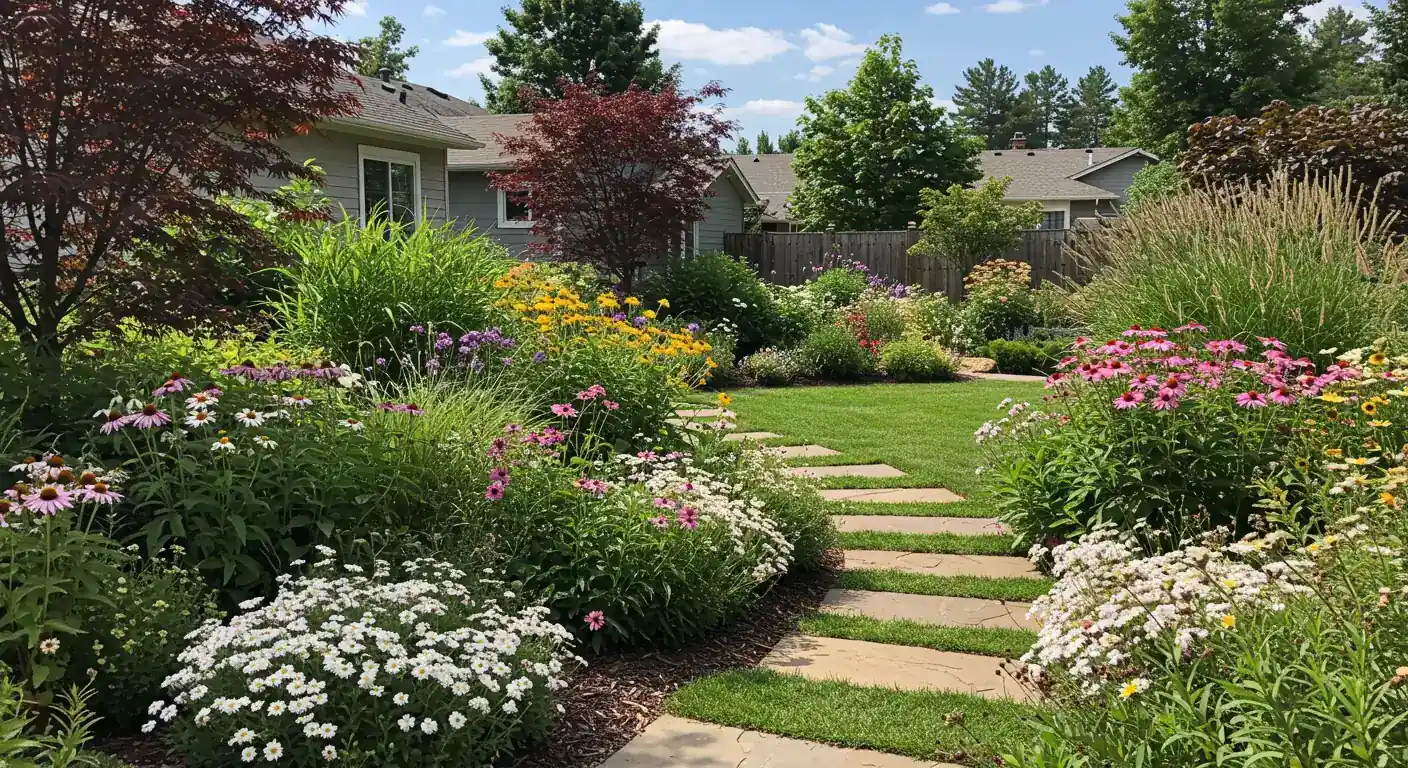
Don't let the slightly science-y name fool you! Xeriscaping is simply smart, *water-wise landscaping*. It's about creating stunning gardens that need much less water to look amazing. Forget the idea of a barren, rocky wasteland – we're aiming way higher than that! This guide is all about moving *beyond survival* for your plants. We want your Barrhaven xeriscape to truly *flourish*, showcasing gorgeous textures and colours that thrive in our specific climate, from chilly winters to potential summer dry spells – much like gardens in nearby Nepean face too!
Think less work, less water, more beauty. Sounds pretty good, eh? In the sections ahead, we'll dig into choosing the right tough-but-terrific plants, simple design tips, the magic of mulch, and smart watering techniques. Get ready to create a landscape that practically takes care of itself!
Decoding Xeriscaping: The 7 Principles for Ottawa Success
Alright, let's break down this xeriscaping magic into seven bite-sized pieces. Think of these as the secret ingredients to creating a gorgeous, water-smart garden that thrives right here in Ottawa, whether you're in Manotick, Barrhaven, or anywhere in between! Forget wrestling with thirsty plants – let's garden *smarter*, not harder.
1. Smart Planning and Design: Your Garden Blueprint
- What it is: Before you even *think* about digging, grab a notepad! This principle is all about mapping out your yard. Consider sun exposure (which areas bake all day?), shade, slopes, and how you actually *use* your space. Do you need a play area? A spot for relaxing? Maybe you're dreaming of designing functional outdoor spaces like fire pit areas? Group plants with similar water and light needs together – this is called "hydrozoning."
- Ottawa Angle: Our intense summer sun and sometimes-soggy spring conditions mean knowing your microclimates is key. That south-facing wall gets *way* hotter than the shady spot under your maple tree. Planning also includes considering hardscaping (patios, walkways) which reduces water-needy lawn areas. Thinking about structures early, like planning hardscape elements like pergolas, helps integrate them seamlessly into a water-wise design.
- Actionable Tip: Sketch your yard. Mark sunny/shady zones, existing features, and desired use areas. Note where water naturally pools or runs off. This simple map is your foundation for success! Find inspiration and local resources at City of Ottawa Water Wise Gardening.
2. Soil Improvement: Giving Your Plants a Happy Home
- What it is: Healthy soil is the bedrock (sometimes literally!) of a thriving garden. It needs to hold *some* moisture but also drain well enough to prevent root rot. Adding organic matter like compost is usually the answer. Learn more about the importance of soil preparation.
- Ottawa Angle: Ah, Ottawa clay. It can be great at holding nutrients, but drainage? Not always its strong suit. And sometimes, we have sandy patches! Improving your specific soil type is crucial. Adding compost helps break up heavy clay *and* helps sandy soil retain water better. It’s a win-win!
- Actionable Tip: Get friendly with compost! Mix a generous amount (a few inches) into your garden beds before planting. This improves structure, drainage, and nutrient availability, making plants more resilient to dry spells.
3. Practical Turf Areas: Lawn Smarts
- What it is: Xeriscaping doesn't mean *no* lawn, but it does mean being realistic about how much lawn you *need* and choosing the right type. Lawns are often the thirstiest part of a landscape. Perhaps consider professional sod installation for functional areas using drought-tolerant varieties.
- Ottawa Angle: Traditional Kentucky bluegrass needs a fair bit of water to stay green through an Ottawa summer drought. Consider reducing lawn size to only functional areas (where kids play, pets roam). Replace non-essential lawn with groundcovers, mulched beds, or patios.
- Actionable Tip: Evaluate your lawn usage honestly. Could that tricky slope or narrow side yard become a beautiful bed of low-water perennials or shrubs instead? Consider drought-tolerant grass mixes if you *are* seeding a lawn area. Explore options like fescue blends recommended by Landscape Ontario members.
4. Appropriate Plant Selection: Choosing the Right Team
- What it is: This is where the fun really starts! Picking plants that are naturally suited to your site's conditions (sun, shade, soil) and *local climate* is the core of xeriscaping. Think native species and drought-tolerant varieties.
- Ottawa Angle: We're in Plant Hardiness Zone 5a/5b. Plants need to handle our cold winters *and* potential summer heatwaves/droughts. Look for perennials like Sedum (Stonecrop), Echinacea (Coneflower), Rudbeckia (Black-eyed Susan), Heuchera (Coral Bells), and ornamental grasses. Many shrubs like Potentilla, Juniper, and Sumac are also tough contenders. You can even get creative with creative planting techniques like espalier using suitable fruit trees or vines against a wall.
- Actionable Tip: Visit local nurseries and look for plants labelled "drought-tolerant" or native to Eastern Ontario. Group plants with similar water needs together (remember hydrozoning from Principle 1?). Don't be afraid to ask nursery staff for recommendations! Check resources like the Rideau Valley Conservation Authority for native plant suggestions.
5. Efficient Irrigation: Water Wisely, Not Wastefully
- What it is: When you *do* need to water, make every drop count. This means watering deeply and less frequently to encourage deep root growth, rather than shallow, frequent sprinkling. Avoid watering during the heat of the day when evaporation is high.
- Ottawa Angle: Our summers *can* have dry spells. Established xeriscape plants might need little to no supplemental water, but new plantings will need help getting established. Rain barrels are fantastic for capturing free water! Drip irrigation or soaker hoses deliver water directly to the roots with minimal waste, unlike sprinklers that spray everywhere (including the sidewalk!).
- Actionable Tip: Water early in the morning. Check soil moisture before watering – stick your finger in a few inches; if it's damp, wait! Consider installing a rain barrel or using soaker hoses in your main garden beds.
6. Use of Mulches: The Garden's Protective Blanket
- What it is: Mulch is like a superhero cape for your soil! A layer of organic material (like shredded bark, wood chips, or compost) or inorganic material (like gravel or stone) spread over the soil surface. Proper mulching and edging creates a finished look.
- Ottawa Angle: Mulch is brilliant for our climate. It keeps soil cooler in summer, reduces water evaporation significantly, suppresses weeds (yay, less work!), and organic mulches slowly break down, improving the soil over time. In winter, it provides insulation for plant roots against our freezing temperatures.
- Actionable Tip: Apply a 2-4 inch layer of organic mulch over your garden beds, keeping it slightly away from plant stems and tree trunks to prevent rot. Wood chips or shredded bark are excellent, readily available options.
7. Appropriate Maintenance: Keeping it Looking Good (Easily!)
- What it is: A well-designed xeriscape is low-maintenance, not *no*-maintenance. This means occasional weeding (mulch helps a lot!), pruning to keep plants healthy and shaped, and monitoring for pests or diseases. Consider seasonal garden maintenance plans.
- Ottawa Angle: Spring and fall cleanups are still important. Removing dead foliage helps prevent disease, and a tidy-up just makes everything look sharp. Tasks like efficient spring garden preparation set your xeriscape up for success all season long. Because you chose appropriate plants, you'll spend less time fighting problems and more time enjoying your beautiful, water-wise yard. If tackling the big seasonal jobs or the initial setup feels overwhelming, exploring professional landscaping services can be a great way to get started or keep things on track. Find local professionals like those listed on Clean Yards on Google.
- Actionable Tip: Stay on top of weeds *before* they get established. Deadhead spent flowers on some perennials to encourage more blooms. Do a proper fall cleanup to prepare plants for winter. Enjoy the reduced workload compared to a traditional garden!
By embracing these seven principles, you're well on your way to creating a stunning, sustainable, and successful xeriscape right here in Ottawa. Happy gardening!
Xeriscape Plant Types: A Quick Look
Drought-Tolerant Perennials
These plants return year after year and form the colorful heart of many xeriscapes. Once established, they need minimal watering.
- Coneflower (Echinacea): Daisy-like flowers, attract pollinators, many native varieties.
- Stonecrop (Sedum): Fleshy leaves store water, great late-season interest.
- Yarrow (Achillea): Ferny foliage, flat flower clusters, tolerates poor soil.
- Daylily (Hemerocallis 'Stella de Oro'): Tough, reliable rebloomer, surprisingly drought tolerant once established.
Hardy Shrubs
Shrubs provide structure and year-round interest. Choose varieties known for toughness in Ottawa's climate.
- Potentilla: Long blooming season, thrives in sun and dry conditions.
- Juniper: Evergreen, various forms (groundcover to upright), very drought tolerant.
- Sumac (Rhus typhina or 'Gro-Low'): Native options offer great fall color and texture.
- Barberry (Berberis - select non-invasive types): Colorful foliage, thorny (deer resistant), handles tough spots.
Ornamental Grasses
Grasses add movement, texture, and winter interest. Many are exceptionally drought-tolerant.
- Feather Reed Grass (Calamagrostis 'Karl Foerster'): Upright, popular, reliable performer.
- Little Bluestem (Schizachyrium scoparium): Native, beautiful blue-green summer foliage turns reddish-bronze in fall.
- Switchgrass (Panicum virgatum): Native, airy plumes, many cultivars available.
Low-Water Groundcovers
Replace thirsty lawn in challenging areas with tough, spreading groundcovers.
- Creeping Thyme: Fragrant, walkable (light traffic), sun-loving.
- Low-Growing Sedums (e.g., Sedum spurium, Sedum kamtschaticum): Colorful, fleshy leaves, cover ground quickly in sunny spots.
- Snow-in-Summer (Cerastium tomentosum): Silvery foliage, white flowers, spreads well.
Plant Power! Choosing Champions for Your Barrhaven Xeriscape
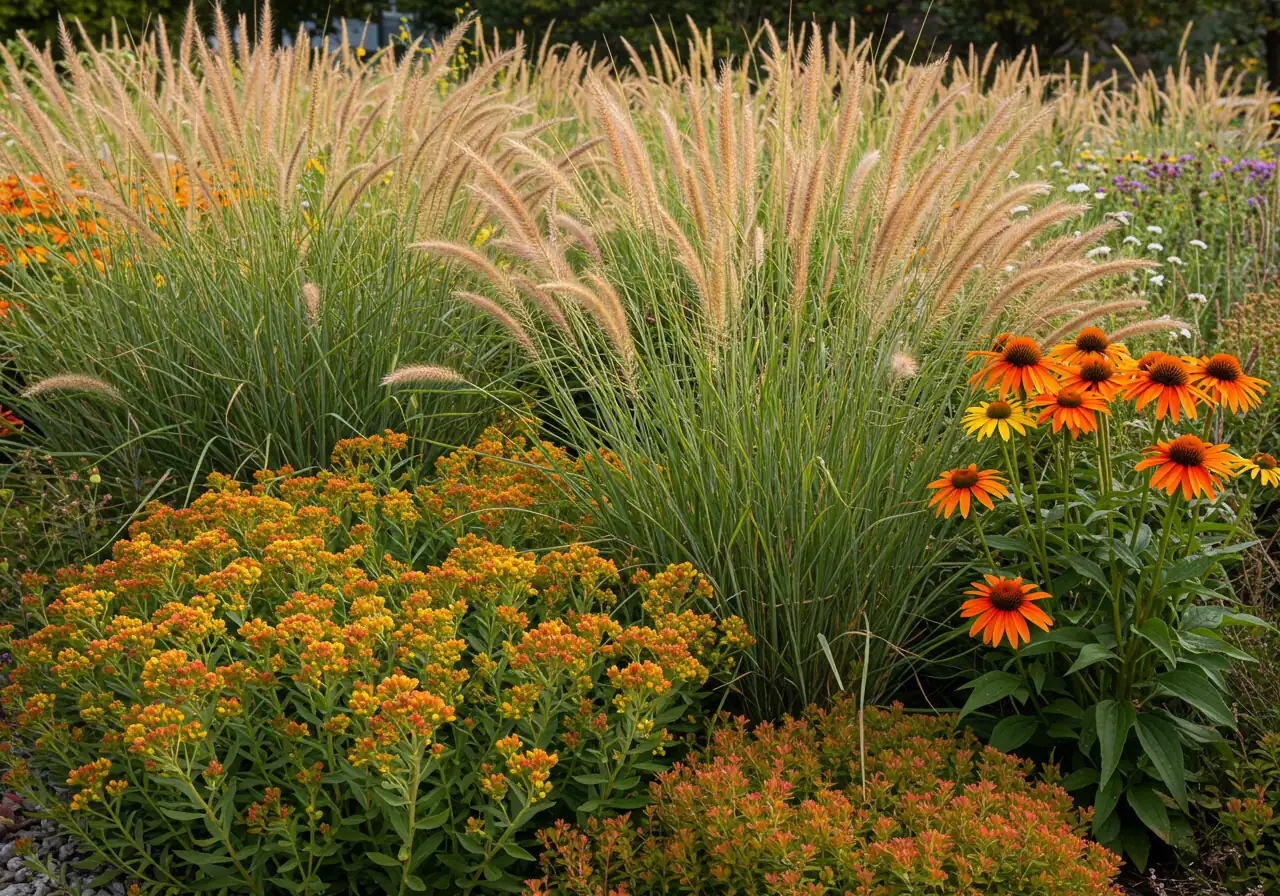
Okay, plant enthusiasts of Barrhaven, let's talk about the fun part: choosing the actual *green* (and purple, and yellow, and silver!) things that will make your xeriscape shine! We need plants that laugh in the face of an Ottawa summer dry spell but also shrug off our frosty winters. It’s about picking champions that are tough *and* terrific looking. Forget diva plants that demand constant attention; we want the low-maintenance superstars!
Know Your Zone (and Micro-Zone!)
First things first, Barrhaven sits comfortably (or sometimes uncomfortably, depending on the polar vortex) in Canadian Plant Hardiness Zone 5a/5b. This means any plant you choose *must* be rated for Zone 5 or lower (like Zone 4 or 3) to survive our winters.
But wait, there's more! Your specific yard has its own little weather patterns, or microclimates. That sunny spot against a south-facing brick wall? It's practically tropical compared to the shady, breezy corner near your neighbour's fence. Maybe you're in a slightly windier spot, similar to some areas out towards Greely or needing services like Metcalf property cleanup. Pay attention to sun, shade, wind, and soil type in different parts of your garden *before* you buy. Grouping plants with similar needs makes everyone happier (especially you!).
Meet Your Xeriscape All-Stars:
Choosing the right plants is key to a successful, low-water landscape. Here are some reliable performers that generally do well in our area:
- Perennials (Come back year after year!)
- Coneflower (Echinacea): These beauties come in various colours, attract pollinators, and handle drought like champs once established. Bonus: Many are native!
- Stonecrop (Sedum): From low spreaders to tall 'Autumn Joy', Sedums store water in their fleshy leaves. Super tough and great for late-season colour.
- Yarrow (Achillea): Ferny foliage and flat-topped flowers in yellow, white, pink, or red. Doesn't mind poor soil or dry conditions.
- Daylily (Hemerocallis - specific varieties): While some daylilies like moisture, many modern hybrids are surprisingly drought-tolerant once established. Look for varieties known for toughness, like 'Stella de Oro'.
- Shrubs (The backbone of the garden)
- Potentilla: A workhorse shrub with long-lasting blooms (yellow, white, pink, orange) that thrives on neglect. Seriously, it *likes* sun and dry soil.
- Juniper: Evergreen options galore, from groundcovers to upright forms. Very drought-tolerant and provides year-round structure.
- Sumac (Rhus - especially 'Gro-Low'): Native options offer stunning fall colour and texture. 'Gro-Low' is a fantastic, low-spreading variety for covering ground.
- Ornamental Grasses (Movement and texture)
- Feather Reed Grass (Calamagrostis 'Karl Foerster'): Tall, upright plumes that look great almost all year. Very popular for good reason – it's tough and beautiful.
- Little Bluestem (Schizachyrium scoparium): A beautiful native grass with blue-green summer foliage turning russet-red in fall.
- Groundcovers (The living mulch)
- Creeping Thyme: Fragrant, tough, walkable (in light traffic areas), and handles sun and drought. Great between stepping stones.
- Sedum varieties (low-growing): Many low-growing sedums make excellent, colourful groundcovers for hot, dry spots.
Native Plant Power!
Whenever possible, consider plants native to Eastern Ontario. They're already adapted to our climate and soil, support local wildlife, and often require the least fuss. Coneflowers, Little Bluestem, and certain Sumacs are great examples.
Where to Find Your Champions
Visit local nurseries! They'll stock plants suited for our zone. Read plant tags carefully – look for terms like "drought-tolerant," "low-water," or "xeriscape." Don't be afraid to ask the experts there for advice tailored to your specific Barrhaven conditions. If planning a significant garden overhaul seems daunting, remember that professional garden installation services can help bring your xeriscape vision to life with the right plants from the start.
Quick Comparison:
| Plant | Sun Needs | Approx. Height | Key Feature | Water Needs (Established) |
|---|---|---|---|---|
| Coneflower | Full Sun | 2-4 ft | Pollinator magnet | Low |
| Sedum 'Autumn Joy' | Full Sun | 2 ft | Late-season colour | Low |
| Feather Reed Grass | Full Sun | 3-5 ft | Upright structure | Low to Medium |
| Creeping Thyme | Full Sun | 2-4 inches | Fragrant groundcover | Low |
Pro Tip: You don't have to do it all at once! Start by converting one section of your yard to xeriscape principles. Maybe tackle that tricky strip along the driveway first. And remember, even drought-tolerant plants need regular watering their first year to get established. Proper site prep, including a good spring tidy-up, sets the stage for success. If you need help getting beds ready, consider a Barrhaven yard cleanup service to clear the way. Similar help is available across the region, ensuring folks even out in areas like Marionville can access professional property cleanup services or a Marionville yard cleanup service. When hiring any service, it's always wise to review their policies, such as the Clean Yards Terms and Conditions, so you know what to expect.
Choosing the right plants is empowering! With these hardy heroes, you'll be well on your way to a beautiful, water-wise Barrhaven landscape that thrives.
Estimated Water Savings with Xeriscaping
Compared to a traditional thirsty lawn and garden, a well-established xeriscape can significantly reduce outdoor water usage.
*Estimates vary based on plant choices, climate, and irrigation methods.
Water Wisely: Quenching Your Xeriscape's Thirst Efficiently
Alright, let's talk hydration! You've picked your tough, beautiful xeriscape plants, maybe even got some help with professional garden installation services to get everything perfectly placed. Now, how do you water this water-wise wonderland?
First things first, let's bust a myth: xeriscaping doesn't mean *never* watering. Think "water-smart," not "water-zero." Especially when plants are getting settled in their first year, they need regular drinks to establish strong roots. But the *way* you water makes all the difference. Forget the old sprinkler splashing water everywhere (including the sidewalk!). We're aiming for efficiency.
The Golden Rule: Deep and Infrequent
Imagine your plants having tiny straws. Watering deeply encourages those roots (straws) to grow way down into the soil, searching for moisture. This makes them incredibly resilient during those inevitable Ottawa summer dry spells. Watering a little bit every day? That just encourages shallow roots that panic at the first sign of heat.
- Deep Soaks: When you *do* water, water thoroughly. Let the water soak down several inches into the soil.
- Let it Dry Out: Allow the top inch or two of soil to dry out between waterings. This tells the roots, "Hey, time to reach deeper!"
Smart Watering Methods:
- Drip Irrigation & Soaker Hoses: These are your best friends! They deliver water slowly and directly to the root zone, minimizing evaporation and runoff. It's like a targeted hydration system for your garden beds.
- Hand Watering: Perfect for spot-watering new additions or containers. Use a watering can or a hose with a gentle nozzle aimed at the base of the plant.
- Timing is Everything: Water early in the morning. This gives the plants time to absorb the moisture before the sun gets intense and evaporation kicks in. Watering in the evening can sometimes encourage fungal issues if foliage stays wet overnight.
How Do You Know WHEN to Water? The Finger Test!
Don't guess – check! Here’s the super-scientific method:
- Stick your finger about 2-3 inches into the soil near your plants (avoiding the main stem).
- Feel the soil. Is it cool and damp? Your plants are probably fine. Hold off on watering.
- Is it dry and dusty? Time to give them a good, deep drink!
Ottawa Context & Getting Established
Remember, even drought-tolerant champions need help settling in. Your first growing season is crucial. Water new plantings regularly (checking soil moisture first!) until they show signs of strong growth. As they mature, you can gradually reduce the frequency. Keeping weeds down also helps, as they compete for precious water. A thorough spring spruce-up, perhaps with help from an Ottawa yard cleanup service, ensures your plants aren't fighting weeds for resources from the get-go. This is true across the region, whether you're in Barrhaven or need a Metcalf garden clean up service or a Metcalf yard cleanup service – tidy beds mean less water competition.
Water conservation is important here in Ottawa. By watering wisely, you're not just saving time and money; you're helping conserve a valuable resource. Your established xeriscape will need significantly less supplemental water than a traditional lawn or garden, making it an environmentally friendly landscaping choice.
Got specific watering questions or wondering how to set up a drip system? Don't hesitate to reach out! You can always contact us for advice tailored to your landscape. And seriously, thank you for choosing to garden more sustainably! Watering wisely is a huge part of that success.
Mulch Magic & Soil Secrets for Barrhaven Gardens
Alright Barrhaven gardeners, let's get down to the nitty-gritty – literally! We're talking about the stuff *under* your beautiful xeriscape plants: mulch and soil. Getting these right is like giving your garden a secret superpower, especially with the unique soil challenges we sometimes face around here and in nearby areas like Nepean.
Mulch: Your Garden's Best Friend
Think of mulch as a cozy blanket for your garden beds. It’s not just for looks (though it does make things look tidy!); it’s a workhorse in a water-wise garden. Here’s why mulch is magic:
- Water Saver Supreme: A good layer of mulch dramatically slows down evaporation from the soil surface. This means more moisture stays where your plant roots need it, reducing the need to water as often. Cha-ching for your water bill and the environment!
- Weed Warrior: Mulch blocks sunlight from reaching weed seeds, making it much harder for them to sprout. Less weeding? Yes, please!
- Temperature Tamer: It keeps the soil cooler in the scorching Ottawa summer sun and provides insulation against our frosty winters, protecting plant roots.
- Soil Improver (the organic kind): Organic mulches slowly break down, adding valuable organic matter to your soil over time.
Types of Mulch:
- Organic: These come from once-living materials. Think shredded bark, wood chips, cedar mulch, compost, or even chopped leaves (after a good fall cleanup!). They offer all the benefits above, including improving the soil as they decompose.
- Inorganic: These include materials like gravel, pea stone, or river rock. They are excellent for longevity, don't decompose, and can create a very clean, modern look. They are fantastic for heat-loving plants but don't add nutrients to the soil.
How to Apply Mulch:
Spread a layer about 2-4 inches (5-10 cm) deep over your garden beds. *Crucially*, keep mulch pulled back an inch or two from the stems of plants and tree trunks. Piling mulch right against the base (sometimes called "volcano mulching") can trap moisture and lead to rot or disease. Don't smother your plants!
Soil Secrets: Tackling Barrhaven Clay
Now, let's talk soil. Many parts of Barrhaven are blessed (or cursed, depending on your perspective!) with heavy clay soil. While clay holds nutrients well, it can drain slower than a sleepy sloth, leading to soggy roots – not ideal, even for some drought-tolerant plants. It can also bake hard and crack in dry weather.
The not-so-secret secret? *Organic matter!* Amending your clay soil with compost, well-rotted manure, or leaf mold is *essential* for xeriscaping success here. Organic matter works wonders:
- It improves drainage by helping clump clay particles together, creating larger pore spaces for water (and air!) to move through.
- It improves soil structure, making it easier for roots to penetrate.
- It adds nutrients and encourages beneficial soil microbes.
Amending Your Soil:
Before planting a new bed, spread several inches (aim for 3-6 inches) of compost or other organic matter over the top and gently mix it into the top 6-12 inches of existing soil. You can't really overdo it with compost! For existing beds, you can "top dress" by spreading a layer of compost around plants each spring, letting worms and weather slowly work it in. Preparing beds properly can be hard work; if you're tackling a large area, getting help from a city garden clean up service can make the task much easier. This kind of prep work is often part of a larger seasonal tidy-up, similar to what a city yard cleanup service might handle.
Investing time in improving your soil and applying mulch correctly pays off big time with healthier, more resilient plants that need less water and less fuss. Got questions about the best mulch or soil amendments for your specific spot? Feel free to Contact Us – we're happy to chat! Your privacy is important to us when you reach out; you can view our commitment to protecting your information in our Privacy Policy. And if you've received an estimate from us for soil or mulch work, we always appreciate your thoughts via our estimate feedback form. Happy digging!
Your Barrhaven Xeriscape Calendar: Thriving Through the Seasons
So, you've embraced the water-wise ways of xeriscaping in your Barrhaven yard! High five! One of the best perks is *less work*, but "low-maintenance" doesn't mean "no-maintenance." Think of it as a relaxed partnership with your garden. Here’s a simple seasonal guide to keep your xeriscape looking sharp throughout our unique Ottawa weather cycle.
Spring (April - May): The Wake-Up Call
Clean up debris, cut back dead foliage, check for winter damage. Nab early weeds. Refresh mulch layer if needed. Check irrigation systems. Need help with the big spring task? Consider an expert Ottawa garden clean-up service or even one further out like a Marionville garden clean-up service.
Summer (June - August): Coasting and Observing
Water wisely (deeply, infrequently) focusing on new plants. Minimal weeding needed thanks to mulch. Optional deadheading. Monitor for pests/diseases.
Fall (September - November): Tidying Up and Tucking In
Rake leaves, decide on perennial cut-back (or leave for winter interest). Final weed patrol. Plant spring bulbs or divide perennials. Water evergreens deeply before freeze-up if dry. Overwhelmed by leaves? A professional property clean-up can help.
Winter (December - March): Rest and Planning
Relax! Let snow insulate plants. Gently remove heavy snow from shrubs if necessary. Plan next season's garden projects. Considering larger cleanups next year? Look into a comprehensive city property cleanup service or check our Ottawa property cleanup service details.
Following this simple calendar helps ensure your beautiful, water-wise Barrhaven garden stays healthy and happy year after year, with minimum fuss! Remember to review our Privacy Policy when contacting us.
HIGHLIGHT BOX: Barrhaven Xeriscape Quick Wins
Ready to dip your toes into water-wise landscaping without feeling overwhelmed? You betcha! Creating a beautiful, low-water garden in Barrhaven doesn't have to be complicated. Here are a few quick wins to get you started on the path to xeriscape success:
- Pick Proper Plants: This is huge! Choose perennials, shrubs, and grasses known to be *drought-tolerant* and hardy for our Ottawa climate (Zone 5 or lower). Think Coneflowers, Sedum, or Feather Reed Grass. Forget the water-guzzling divas! Making the right choices from the start saves headaches later; explore our guide on smart plant and material selection for help picking winners suited for xeriscaping.
- Mulch Generously: Don't skimp on the mulch! Apply a *2-4 inch layer* of organic mulch (like shredded bark or wood chips) over your garden beds. This magic blanket saves water by reducing evaporation, keeps weeds down (hooray!), and improves your soil over time. Just remember to keep it pulled back slightly from plant stems. Consistent upkeep, including mulch management, is often part of regular yard care, similar to what's included in a city garden maintenance service.
- Water Smarter, Not Harder: Once your xeriscape plants are established (give them a year!), water *deeply but infrequently*. Let the soil dry out a bit between waterings to encourage strong, deep roots. Water early in the morning right at the base of the plants, using a soaker hose or watering can instead of a sprinkler that wastes water. This focus on efficiency aligns with sustainable practices, something you can learn more about us and our commitment to eco-friendly landscaping.
- Rethink Your Lawn: Honestly, how much grass do you *really* need? Lawns are thirsty! Consider reducing the size of your turf area, especially in tricky spots like slopes or narrow side yards. Replace it with beautiful low-water garden beds, groundcovers, or even a patio. You can check out some amazing landscape transformations to see how less lawn can mean more beauty and less work!
- Amend That Clay Soil: If you're gardening in typical Barrhaven clay, give it a boost! *Mix in generous amounts of compost* before planting. This improves drainage and structure, making roots happier and more resilient during dry spells. Good soil is the foundation of a great xeriscape, and proper bed preparation is key – sometimes this is tackled during a larger city property cleanup service when overhauling a space.
Implementing even one or two of these quick wins will make a noticeable difference in your Barrhaven garden's water needs and overall health. Happy xeriscaping!
Barrhaven Xeriscape FAQs: Your Ottawa-Specific Questions Answered
Got questions about making xeriscaping work right here in Barrhaven and the wider Ottawa area? You're not alone! Let's tackle some common queries with practical, local answers.
Not at all! Forget visions of just rocks and sand. A well-designed Ottawa xeriscape bursts with colour and texture from diverse plants like waving ornamental grasses, vibrant Coneflowers, and hardy Sedums. The beauty comes from smart plant choices and layout, creating year-round interest that’s anything but dull – it’s about dynamic, resilient beauty!
Generally, yes! You'll spend way less time watering established plants and likely less time mowing if you shrink turf areas – a welcome change from constant lawn care chores. But it's not *zero* maintenance. Some weeding (mulch helps a lot!), seasonal tidying, and occasional pruning are still needed. Some people find using a city garden maintenance service periodically helps with bigger tasks like spring prep or keeping up with expert mulching and edging for that polished look.
Your local garden centres right here in Ottawa or neighbouring communities like Manotick are your best bet! Look for plants clearly labelled "drought-tolerant," suitable for Zone 5 or colder, and ideally native to Eastern Ontario. Don't hesitate to chat with the nursery staff – they can offer fantastic advice for plants that will thrive in *your* specific yard conditions.
Absolutely! Many plants that tolerate dry spells are inherently tough cookies. The varieties recommended for Ottawa xeriscaping are specifically chosen because they can handle *both* our potential summer droughts *and* our frosty winters (Zone 5 or lower). Ensuring good drainage (especially important over winter) and choosing hardy species means they’ll usually bounce back beautifully each spring.
Yes, it absolutely can, but success hinges on improving that clay first! Heavy clay holds water, which can drown roots. The non-negotiable first step is amending the soil generously with organic matter like compost. Excellent soil preparation before you plant improves drainage and structure, giving those water-wise roots the healthy environment they need to establish and thrive, even in our challenging local soil.
Conclusion: Ready to Thrive? Start Your Barrhaven Xeriscape Journey!
Well folks, that's the scoop on creating a Barrhaven xeriscape that doesn't just hang on for dear life, but truly *thrives*! We've journeyed through the smarts of water-wise landscaping – from picking champion plants that shrug off Ottawa's quirky climate to understanding the secrets of great soil and magical mulch. The payoff is huge: a stunning garden that asks for significantly less water, demands less of your precious weekend time (goodbye, endless mowing and watering!), and gives you so much more beauty in return. Imagine relaxing and enjoying vibrant textures and colours, knowing your yard is gorgeous, resilient, *and* eco-friendly. It’s all about creating an outdoor space you love, perfectly suited for life right here in Barrhaven.
Ready to swap the hose-hauling hassle for some horticultural harmony? You don't have to tackle it alone! If you'd like a helping hand designing, planting, or maintaining your dream water-wise garden, our team provides expert landscaping services across Barrhaven, Manotick, Nepean, and surrounding Ottawa areas. Contact us today to discuss your xeriscape project and get a personalized quote!
Want to keep learning? Sign up for our newsletter for ongoing gardening tips, or download our free Barrhaven Xeriscape Quick Start Guide to keep these ideas handy! (Note: Newsletter/Guide links would need to be implemented separately).