
Tailor Embrun Garden Care: Microclimate Mgmt Secrets
Ready to transform your Embrun garden into a thriving oasis? Understand its unique needs first! Need expert help? Request a free quote today!
Quick Guide to Embrun Microclimates:
- Your Embrun garden has unique "mini-climates" (microclimates) based on sun, shade, wind, structures, and soil.
- Understanding these zones helps select plants that thrive, not just survive, in Ottawa's Zone 5 climate.
- Map sun exposure (full sun, part shade, full shade) to match plants to light levels.
- Use windbreaks (hedges, fences) to protect plants in exposed areas.
- Improve common clay soil with compost for better drainage and root health.
- Observe water patterns (wet/dry spots) and group plants with similar water needs.
Introduction: Your Embrun Garden - More Than Meets the Eye!
Hello Embrun green thumbs! Ever feel like your garden has a mind of its own? Maybe one flower bed thrives while another sulks, or perhaps your neighbour's tomatoes in nearby Russell seem to ripen a week earlier? It might not be pure luck (or neighbourly espionage!). It's likely the fascinating world of microclimates at play.
While we know the broader Ottawa region generally sits in a specific climate zone (hello, Zone 5b challenges!), your unique Embrun property isn't just a tiny piece of that bigger picture. It has its own mini weather patterns happening right under your nose! Think about that sheltered, sunny spot against your house versus the windy corner by the hedge. These small variations create different growing conditions, impacting everything from soil temperature to frost pockets.
Understanding these subtle differences – these garden secrets – is a game-changer for successful gardening and smart landscaping choices in our area. It's the key to selecting plants that don't just survive, but truly thrive. Ready to look beyond the surface and discover how to make your Embrun garden reach its full, gorgeous potential? Let's dig in!
Decoding Your Patch: Understanding Embrun & Ottawa's Climate Quirks
Okay, let's get down to the nitty-gritty of what Mother Nature throws our way here in Embrun and the wider Ottawa region. Officially, we mostly garden in Plant Hardiness Zone 5a or 5b. Sounds simple, right? Ha! If only gardening were that straightforward.
Think of the Zone as a starting point. It tells us we have real winters (no kidding!) with temperatures that can dip well below freezing, and a relatively short growing season compared to, say, southern Ontario. This means we need tough plants – perennials, shrubs, and trees – that can handle the cold and bounce back after winter hibernation. It also means timing is everything. Planting tender annuals too early in spring can lead to heartbreak when a surprise late frost rolls through, a common occurrence from Ottawa to Winchester.
Now, let's zoom into our local "patch." While the whole region shares the Zone 5 title, places like Embrun, Russell, and even Metcalfe can have slight variations. Maybe you're in a slightly lower-lying area prone to collecting cold air (hello, frost pocket!), or perhaps your Greely property gets blasted by winds sweeping across open fields. These aren't huge shifts, but they matter when choosing where to plant sensitive species. Understanding the journey of your plants is key; check out this helpful guide on the Kars Plant Growth Stages & Care Guide for insights applicable across our region.
One of the biggest quirks we contend with is our soil. Oh, the clay! While not universal, heavy clay soil is super common from Nepean to Osgoode and right here in Embrun. Clay holds moisture (sometimes too much!) and can compact easily, making life tough for plant roots seeking air and drainage. Working with clay often means amending it with organic matter like compost. If you're battling soggy spots, learning how to Kars Rehabilitate Waterlogged Clay Soil Drainage can be a lifesaver. For help improving your soil structure, consider our Soil Preparation services.
Our winters don't just bring cold; they bring freeze-thaw cycles and potentially heavy snow load. This can damage shrubs and expose plant crowns. Even hardy plants can suffer winter kill, especially if they went into winter stressed or are planted in less-than-ideal, soggy soil. Protecting vulnerable plants is crucial. For specific advice on winter woes, especially in clay, take a look at these tips for Kenmore Shrub Care Winter Kill Clay Soil.
And let's not forget the critters and diseases! Our humid summers can sometimes encourage fungal issues, while various insects decide our gardens are their personal buffet. Knowing how to respond quickly is important; these Kars Garden Pest Infestation Recovery Tips offer practical steps.
Decoding your specific patch means observing: Where does snow melt first? Where does water pool after rain? Which spots get full sun all day versus dappled shade? Understanding these local climate quirks helps you make smarter planting choices and tackle challenges proactively. It might seem like a lot, but working with our unique Embrun & Ottawa climate, rather than fighting it, is the secret sauce to a beautiful, thriving landscape. If you need a hand figuring it all out, expert help is available through various Clean Yards Landscaping Services. Explore our work on our Google My Business page!
What's a Microclimate? Mapping Your Embrun Garden's Secret Zones
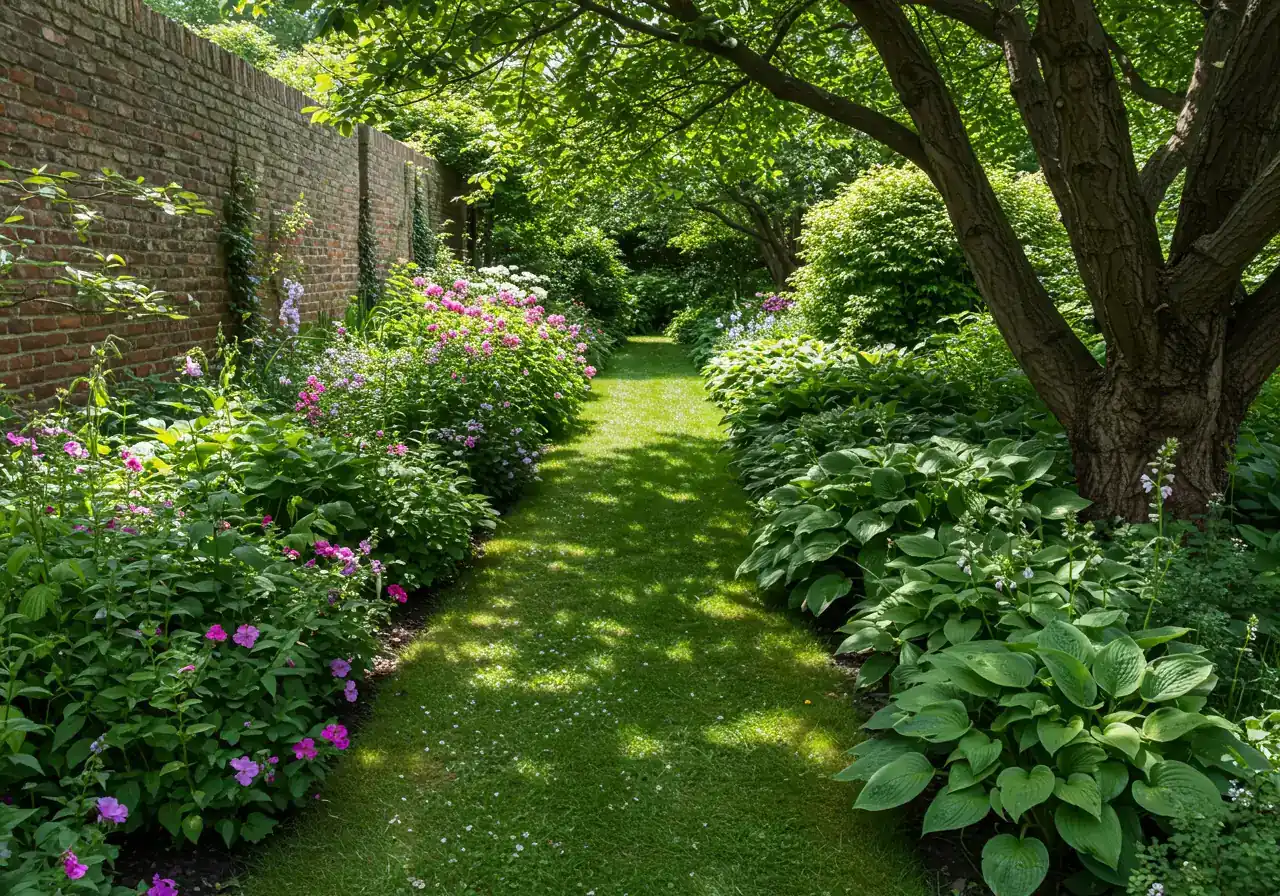
Ever noticed how the snow melts faster near your house foundation? Or how that one corner seems to zap the life out of delicate plants while another spot acts like a cozy haven? Welcome to the wonderful world of microclimates – your garden's very own collection of tiny weather pockets!
Think of it like this: while Embrun shares the general Ottawa climate, your specific backyard has its own unique "mini-climates" based on its particular features. A microclimate is simply a small area within your yard where the temperature, moisture, wind, and light conditions are slightly different from the surrounding areas. It’s like having secret zones with their own rules!
What creates these garden secrets? Several factors are usually at play:
- Sun Exposure: This is a big one! A south-facing brick wall absorbs heat all day, creating a toasty spot perfect for heat-loving tomatoes or herbs. Conversely, the north side of your house or the area under a big maple tree might be significantly cooler and shadier.
- Wind Patterns: Fences, hedges, or even your house can block wind, creating sheltered spots. Open areas, especially corners, might be windier, drying out soil and stressing plants more quickly. Whether you have a sprawling lot in Kars or a more compact yard in Barrhaven, windbreaks make a difference.
- Structures & Surfaces: Buildings, patios, pathways, and even large rocks absorb and radiate heat. Dark mulch warms the soil faster than light-coloured stone. Paved areas can increase temperatures nearby.
- Water & Drainage: Low spots might collect water and stay damp (sometimes becoming frost pockets in spring and fall), while sloped areas drain quickly and stay drier. Areas near downspouts will naturally be wetter.
- Soil Differences: Even within one yard, soil can vary. A patch amended with lots of compost might hold moisture differently than untouched soil nearby.
Understanding these variations is key to smart gardening and landscaping. Why fight to grow shade-lovers in baking sun? Why put a frost-tender plant in your coldest spot? Mapping helps you work with your yard, not against it.
Become a Garden Detective: Mapping Your Microclimates
Ready to uncover your yard's secrets? It’s easier than you think! This process can be integrated into regular Garden Maintenance routines.
- Sketch Your Yard: Draw a simple map of your property. Include the house, garage, fences, large trees, pathways, and existing garden beds. Before mapping, getting things tidy can help you see clearly; sometimes a thorough clear-out, like what an Osgoode Garden Clean Up Service provides, makes features more obvious.
- Observe Sun: Over a sunny day (or several days!), note which areas get full sun (6+ hours), partial shade (4-6 hours), and full shade (less than 4 hours). Mark these zones on your map.
- Feel the Wind: On a breezy day, walk around. Where does it feel noticeably windier? Where is it calm and sheltered? Add wind arrows or notes to your map.
- Watch the Water: After a good rain, where do puddles form? Which areas seem to dry out super fast? Note these wet and dry spots. Even smaller urban lots, the kind often needing a City Yard Cleanup Service, show these differences near downspouts or patios.
- Combine Your Notes: Look at your map. You'll start seeing patterns – maybe a "hot, dry, sunny spot" by the patio, or a "cool, shady, sheltered zone" behind the shed. These are your microclimates!
Knowing these zones helps you choose the right plants for the right place, leading to healthier growth and less frustration. It makes ongoing Garden Maintenance much more targeted and effective. Once you've identified a spot perfect for a new bed, some focused Property Clean Up might be needed to get it ready. If mapping feels daunting or you want expert eyes on your unique situation, professional Clean Yards Landscaping Services can definitely help analyze your Embrun property's potential. Check our Privacy Policy regarding site visits and consultations.
Microclimate Secret #1: Playing with Sunshine & Shadows

Alright, let's talk about the star player in your garden's microclimate game: the sun! Just like us needing sunscreen on a bright Ottawa day, your plants have very specific preferences for how much sunshine they soak up. Understanding and using the sunny and shady spots in your yard is fundamental to successful gardening and smart landscaping. Think of it as putting the right plant in the right place so it doesn't get metaphorical sunburn (or the opposite, shivering in the shade!).
Becoming a Sun Detective
Remember mapping your yard's secret zones? Now, focus specifically on the sun's journey. Which areas get blasted from dawn till dusk (full sun, 6+ hours)? Which get gentle morning sun or dappled afternoon light (part shade, 4-6 hours)? And which spots barely see direct rays, maybe tucked under a dense spruce or on the north side of your house (full shade, less than 4 hours)? Knowing this is crucial, whether you're planning a new flower bed in Nepean or choosing shrubs for a Barrhaven backyard.
Matching Plants to the Light
Once you know your zones, you can choose plants that will thrive, not just survive. Fighting the light conditions is a recipe for sad plants and frustrated gardeners! Here are some reliable Zone 5 options for the Ottawa region:
- Full Sun Champions (6+ hours): These plants love to bake! Think hot spots next to driveways or south-facing walls.
- Perennials: Coneflower (Echinacea), Black-Eyed Susan (Rudbeckia), Sedum 'Autumn Joy', Daylilies (Hemerocallis), Peonies.
- Shrubs: Potentilla, Spirea (some varieties), Juniper.
- Veggies/Herbs: Tomatoes, peppers, cucumbers, basil, rosemary.
- Part Shade Pals (4-6 hours): Ideal spots often get morning sun and afternoon shade, or dappled light under tall trees.
- Perennials: Hosta (many varieties!), Astilbe, Bleeding Heart (Dicentra), Coral Bells (Heuchera).
- Shrubs: Hydrangea (some varieties, especially 'Annabelle'), Rhododendron/Azalea (with protection), Yew (Taxus).
- Full Shade Survivors (Less than 4 hours): These spots can be tricky, often with drier soil due to tree roots or dampness near foundations.
- Perennials: Ferns (many types), Hosta (some tolerate deep shade), Brunnera ('Jack Frost'), Lungwort (Pulmonaria).
- Groundcovers: Pachysandra, Vinca Minor (use with caution, can be invasive).
Quick Guide: Sun Needs
| Light Level | Characteristics | Zone 5 Plant Examples |
|---|---|---|
| Full Sun | 6+ hours direct sun | Coneflower, Sedum, Tomatoes |
| Part Shade | 4-6 hours sun (often morning) | Hosta, Astilbe, Bleeding Heart |
| Full Shade | < 4 hours direct sun | Ferns, Brunnera, Pachysandra |
Tips for Sunny Spots
Maximize your sunniest areas! Improve soil drainage if needed, water deeply but less frequently, and choose heat-tolerant varieties. Consider adding mulch to retain moisture. Check out our Mulching and Edging services for a professional finish.
Tips for Shady Spots
Shade gardens can be lush and beautiful. Focus on foliage texture and color. Amend soil with compost, especially under trees where roots compete for nutrients. Be mindful of dry shade vs. moist shade. Need help clearing a shady corner? A targeted Marionville Garden Clean Up Service might be just the ticket.
Maximizing Warmth & Creating Coolness
Got a spot that's almost warm enough for something borderline hardy? Maximize heat by planting near south or west-facing walls (brick is great!), using dark mulch, or incorporating landscape rocks. Preparing these special spots might involve some dedicated Property Clean Up to ensure the best conditions. Clearing out a large, neglected sunny patch on a bigger property might even feel like a job for a dedicated team, similar to what a Marionville Yard Cleanup Service handles.
Need more shade? Plant trees and larger shrubs! This is a long-term strategy but incredibly effective. An eco-friendly tip: plant deciduous trees (ones that lose leaves in fall) on the south and west sides of your house. They'll provide cooling shade in summer, reducing air conditioning needs, but let the warming winter sun through. Remember, adding trees changes the light patterns over time and will impact your Lawn Care routine underneath. If you're redesigning beds to suit new shade levels, getting help from a Marionville Garden Clean Up Service can make the transition smoother. When engaging professionals for significant planting or landscaping changes, it’s always good practice to review the company's service agreements; you can find ours here: Clean Yards Terms and Conditions.
By playing matchmaker between your plants and your yard's unique sunshine levels, you're unlocking one of the biggest secrets to a thriving, beautiful Ottawa garden! For more resources on Ottawa gardening, visit the City of Ottawa Tree Planting page or the Rideau Valley Conservation Authority website.
Microclimate Secret #2: Working With (or Against!) Wind & Temperature
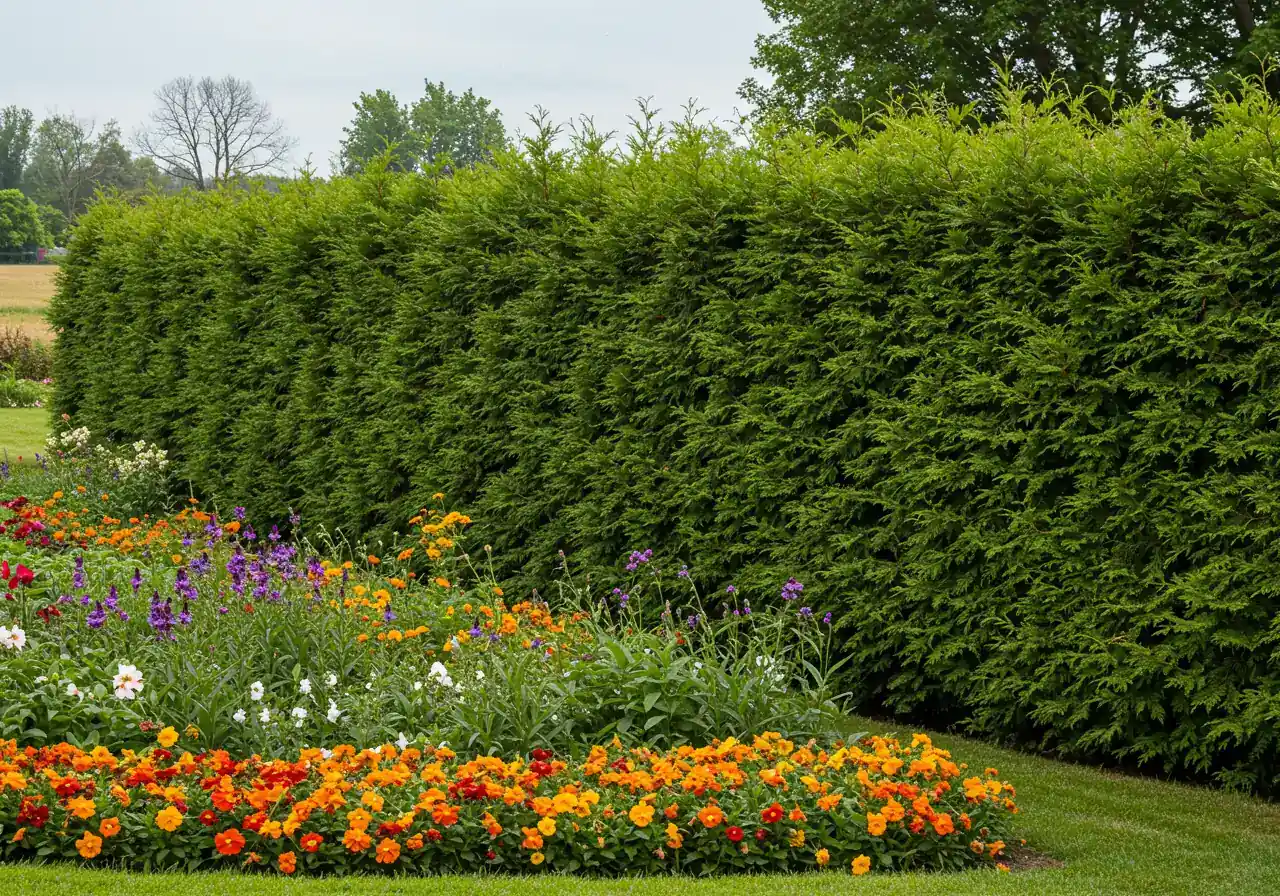
Okay, so we've tackled the sunbeams and shadows. Now, let's chat about two other invisible forces shaping your garden's destiny: wind and temperature swings. Sometimes they work together, like wind chill making a cool spot even colder. Understanding how these elements play out on your specific Ottawa property is another key to unlocking garden success.
Taming the Breeze (or Just Rolling With It)
Ever feel like your plants are having a permanent bad hair day? Wind can be a real bully in the garden. It dries out soil and leaves faster than you can say "watering can," potentially leading to windburn (yes, that's a thing!). Strong gusts can physically damage delicate stems and blossoms, and in winter, it dramatically increases the chill factor, stressing even hardy shrubs and trees. Areas exposed to open fields, like some properties in Embrun or Kenmore, can really feel the brunt of it.
But fear not, wind warrior! You have options:
- Plant Smart: Choose tougher, wind-tolerant plants for exposed areas. Think sturdy grasses, junipers, or plants with smaller, leathery leaves. Avoid placing plants with huge, easily shredded leaves (like some hostas) in wind tunnels.
- Build a Barrier (Windbreaks): This is your secret weapon!
- Living Windbreaks: Planting dense hedges (shrubs like cedar or caragana) or rows of trees is fantastic long-term. They filter wind rather than stopping it dead (which can cause turbulence). They look great but require space and ongoing care, similar to regular City Garden Maintenance Service. Preparing the area might involve a significant tidy-up; calling an Ottawa Garden Clean Up Service can get the ground ready.
- Non-Living Windbreaks: Fences (especially solid ones, though slightly permeable is better), walls, or even temporary structures like burlap screens can offer immediate protection. Consider the aesthetics and local bylaws! If you're thinking about installing something substantial, getting professional input might be wise. Feel free to share your ideas when you request information via our Estimate Feedback form.
A mix of strategies often works best, gently guiding the wind rather than creating a solid wall.
Playing the Temperature Game
Temperature fluctuations are part of life here. Think about the difference between a spot baking beside an asphalt driveway versus the cool earth under a dense maple. Hard surfaces (patios, walls, rocks) absorb heat during the day and release it slowly at night – this is called thermal mass. It can create warmer pockets, sometimes extending your growing season slightly for nearby plants, but can also overheat sensitive roots in summer.
Conversely, low-lying areas can become frost pockets, where cold air settles on calm nights, potentially nipping tender plants in spring or fall long before your neighbour's higher ground gets hit. Even preparing areas known for late frosts might require specific seasonal work, perhaps like the thoroughness provided by a Metcalf Yard Cleanup Service.
How to cope?
- Use Thermal Mass Wisely: Plant heat-lovers near south-facing walls. Avoid planting things that hate "hot feet" right next to scorching pavement.
- Mulch is Your Friend: A good layer of organic mulch helps insulate the soil, keeping it cooler in summer, warmer in winter, and moderating moisture levels – all good things! It also benefits the surrounding turf, complementing your Lawn Care efforts.
- Cover Up: For extending the season or protecting vulnerable perennials from unexpected frosts, use row covers, cloches (like mini-greenhouses), or even old blankets overnight. Remember to remove them when the sun comes out strongly!
- Observe Drainage: Improve drainage in low spots prone to cold air pooling and soggy winter soil to reduce frost heave risk.
By observing where the wind howls and where the frost lingers (or heat radiates), you can make strategic planting choices and use simple techniques to work with these invisible forces, creating a happier, healthier garden environment.
Microclimate Secret #3: Solving the Moisture & Soil Puzzle
Alright garden explorers, let's dig into the dirt – literally! The third big secret to microclimate mastery lies beneath your feet: understanding your yard's unique relationship with water and soil. Get this right, and you’re well on your way to happier plants and less head-scratching. Get it wrong, and well, you might feel like you're gardening in either concrete or soup!
Water, Water Everywhere (or Nowhere?)
Just like sunshine and wind, water doesn't behave uniformly across your property. You've probably noticed this already!
- Slopes: Higher ground tends to drain faster, leading to drier conditions. Water naturally flows downhill, sometimes creating soggy spots at the bottom.
- Low Spots: These areas collect water and can stay damp long after rain, potentially becoming prone to frost or waterlogged roots.
- Downspouts & Hardscaping: Areas near downspouts or next to patios often receive extra runoff, making them much wetter microclimates.
- Tree Canopies: Dense trees can create surprisingly dry patches underneath, as their leaves intercept a lot of rainfall.
Observing where water lingers and where it disappears quickly helps you understand another layer of your garden's secret zones.
The Ottawa Soil Situation (Looking at You, Clay!)
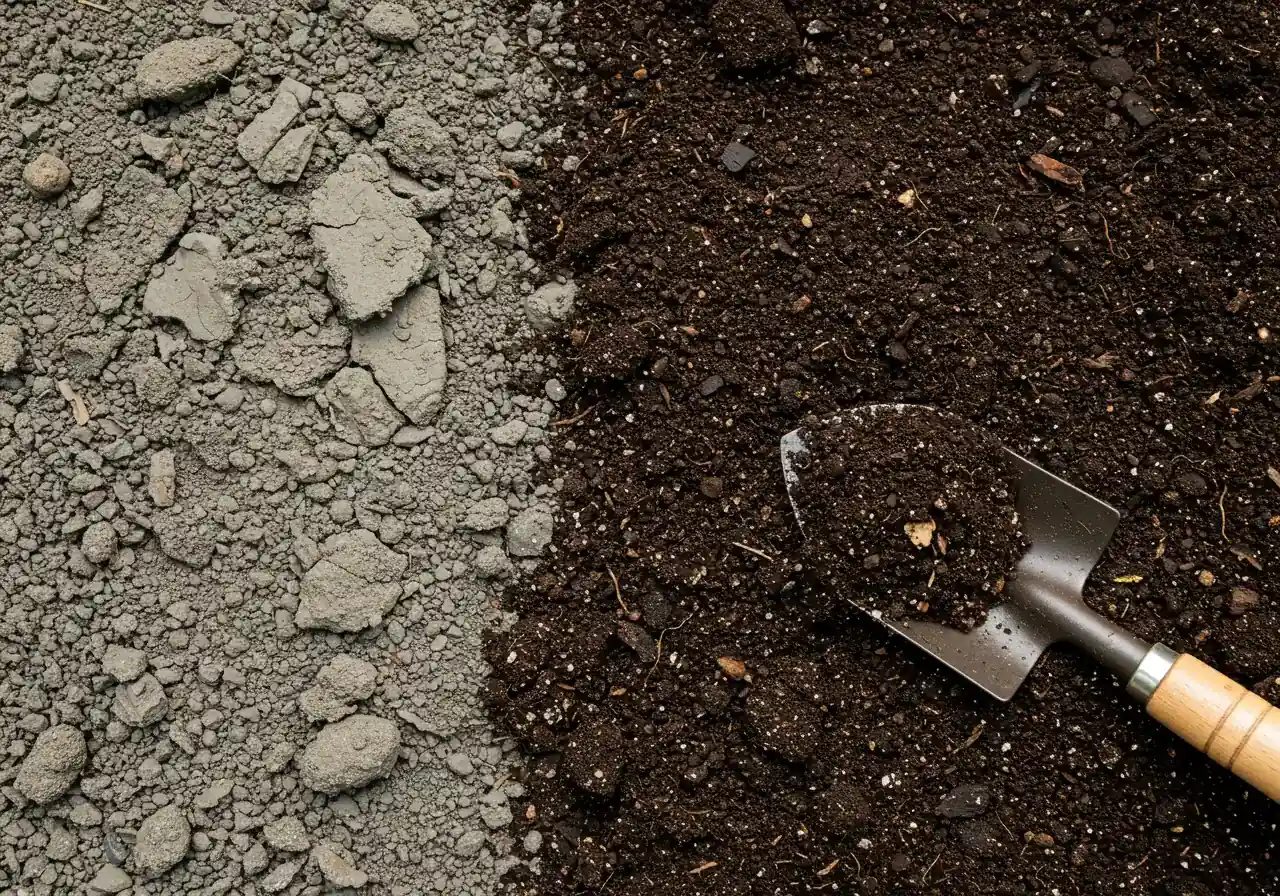
Ah, soil. It’s the foundation of every successful gardening venture. Here in the Ottawa region, many of us wrestle with clay soil. From Barrhaven to Metcalfe, clay is a common character in our garden stories. It’s not all bad – clay holds onto nutrients really well! But, it can also compact easily, making it tough for roots to breathe, and it often drains very slowly. Trying to dig in wet clay can feel like battling sticky peanut butter. Conversely, when it dries out in summer, it can bake into brick-like hardness. Fun times!
The absolute best, most eco-friendly way to improve clay soil (or almost any soil, really) is by adding organic matter, especially compost. Compost works miracles:
- It improves drainage in heavy clay by separating the tiny particles.
- It helps sandy soil hold more moisture.
- It adds essential nutrients.
- It encourages beneficial soil life (like earthworms!).
Regularly amending your beds with compost is key. For detailed guidance on getting your beds ready, check out these tips on Effective Soil Preparation Strategies. If you're tackling a large area or dealing with heavily compacted soil, sometimes a thorough initial overhaul is needed, maybe even involving professional help like a Metcalf Property Cleanup Service can provide for significant ground preparation.
Water-Wise Wonders: Smart Watering Strategies
Dealing with varying moisture levels and our sometimes-soggy-sometimes-dry conditions calls for smart watering:
- Hydrozoning: This fancy word just means grouping plants with similar water needs together. Put thirsty perennials in one spot and drought-tolerant shrubs in another. This prevents over- or under-watering parts of your flower bed.
- Mulch Magic: We mentioned mulch for temperature moderation, but it's also a superstar for moisture retention. A 2-3 inch layer slows evaporation from the soil, meaning you water less often. Our Mulching and Edging service can help.
- Rain Barrels: Collect that free water falling from the sky! Connecting a rain barrel to your downspout gives you a ready supply of chlorine-free water for your plants.
- Go Native! Consider planting species native to the Ottawa Valley. These plants are naturally adapted to our rainfall patterns and soil types, often requiring less supplemental water once established. The folks behind Clean Yards have a wealth of experience with local flora; learn more about our team and philosophy here: About Clean Yards.
- Install Efficient Irrigation: For larger areas or specific needs, consider drip irrigation or soaker hoses to deliver water directly to the root zone, minimizing waste. This can be part of a comprehensive Sod Installation or garden setup.
When In Doubt, Go Up! Raised Beds to the Rescue
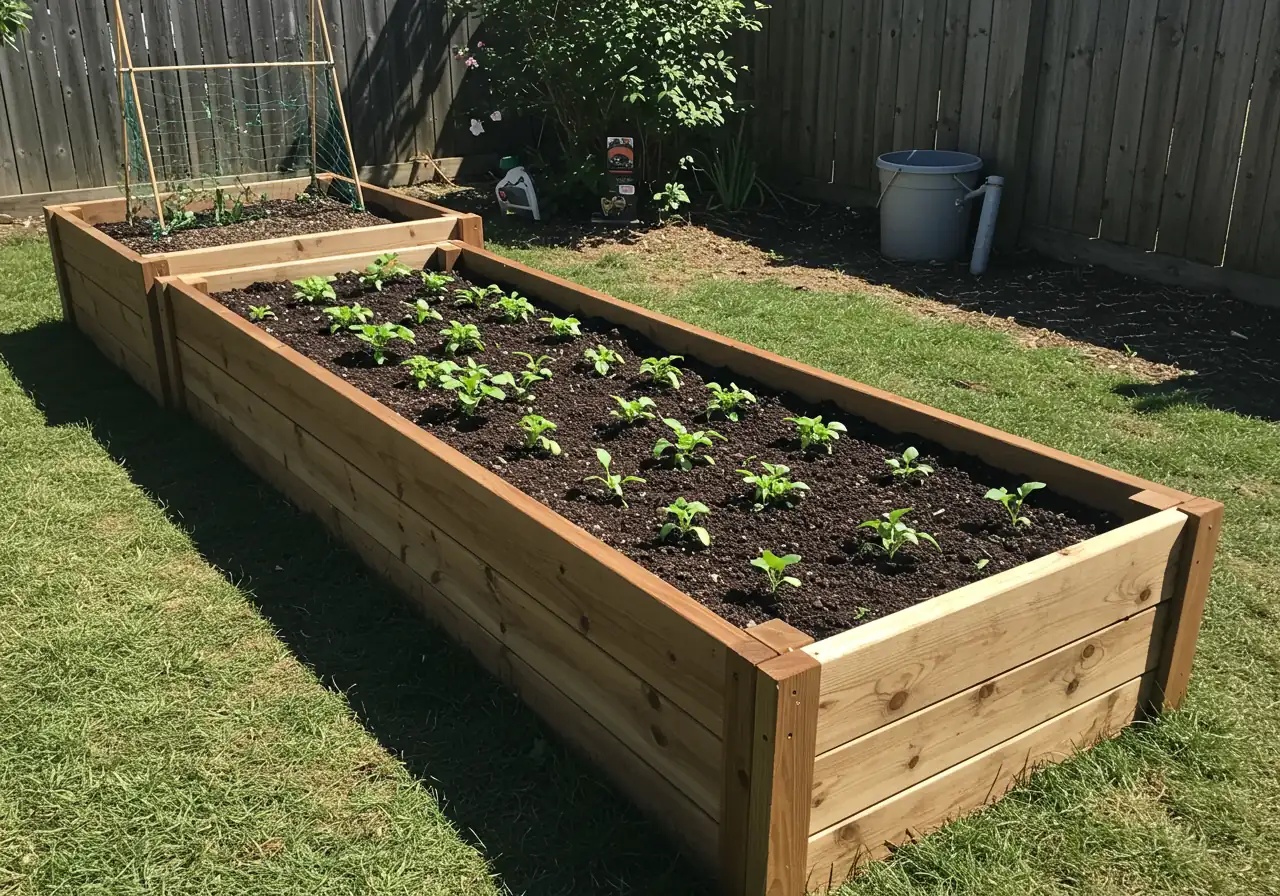
If you're facing truly challenging drainage or compacted soil issues, raised beds are a fantastic solution. They allow you to instantly create the perfect soil mix and ensure excellent drainage, bypassing problem ground altogether. They’re perfect for veggies, cutting flowers, or any plants that hate wet feet. Setting up new beds is an exciting step; if you need assistance with the whole process, from clearing the space – maybe a job similar in scope to needing a Marionville Property Cleanup Service for larger site prep – to the final planting, professional Garden Install Services can bring your vision to life.
Quick & Easy DIY Soil Drainage Test
How to Test Your Soil Drainage:
Step 1: Dig a Hole
Choose a spot in your garden bed. Dig a hole ~1 foot wide and 1 foot deep.
Step 2: First Soak
Fill the hole with water and let it drain completely to saturate the surrounding soil.
Step 3: Test Fill & Time
Immediately refill the hole. Track how long it takes for the water level to drop using a ruler.
Step 4: Interpret Results
Ideal: 1-2 inches/hr. Fast (>2"/hr): May need compost for moisture retention. Slow (<1"/hr): Likely clay/compaction - add compost!
By understanding and addressing the unique moisture and soil conditions across your property – your specific microclimate puzzle pieces – you empower yourself to make smarter planting choices and use water more effectively. Happy digging! Our Thank You page reflects our appreciation for clients engaging with these sustainable practices.
Highlight Box: Embrun Microclimate Quick Wins
Feeling overwhelmed by microclimates? Don't be! Working with your Embrun garden's secret zones doesn't have to be complicated. Here are some easy wins to get you started:
- Become a Sun Spotter: Grab your coffee and take a quick walk around your yard – morning, noon, and late afternoon. Notice where the sun blasts and where shade hangs out. Just knowing this helps you place sun-loving plants (like tomatoes or coneflowers) and shade dwellers (like hostas) correctly. Easy peasy!
- Harness Wall Heat: Got a south or west-facing wall, especially brick? Bingo! That spot absorbs and radiates heat, creating a warmer zone. It's perfect for giving heat-loving perennials or veggies a boost, maybe even stretching the season a tiny bit here in the Ottawa region.
- Play Puddle Detective: After the next good rain, see where water lingers and where the soil dries out first. This instantly tells you about your drainage. Avoid planting things that hate wet feet in soggy spots, or choose moisture-lovers for those areas. Big drainage issues might need more work, perhaps tackled during a larger project like a full Ottawa Yard Cleanup Service.
- Make the Mighty Mulch Move: This is a huge win for minimal effort! Applying a 2-3 inch layer of organic mulch around your plants helps keep soil temperature even, conserves precious moisture (less watering!), and suppresses weeds. Plus, it looks fantastic! It’s a core technique in professional Mulching and Edging.
- Start New Plantings Smart: Found that perfect microclimate spot for a new shrub or flower bed? Excellent! Give those new additions the best possible start in their ideal mini-environment. If you want it done just right, considering expert help with Garden Install Services ensures perfect placement and soil prep.
- Get a Clear View: Sometimes, the best way to spot microclimates is to simply tidy up! Clearing weeds and clutter can reveal subtle slopes, sunny patches, or damp corners you hadn't noticed. Whether it's your own space or even tidying the boulevard with a City Property Cleanup Service, a clean slate helps. In smaller urban yards, where every square foot counts, a specialized City Garden Clean Up Service can make identifying these zones much simpler.
See? Just a few simple observations and actions can make a big difference in how well your Embrun garden performs. Happy gardening!
FAQ: Your Embrun & Ottawa Garden Questions Answered
Ah, that infamous Ottawa-area clay! It holds nutrients well but drains like molasses sometimes. The best long-term fix is adding lots of organic matter – compost is your best friend! Mix it generously into new garden beds or top-dress existing ones each year. Try to avoid digging or walking on it when it's really wet. Raised beds are another fantastic option to bypass tricky soil altogether. For large scale amendment projects, ensuring the area is clear first is key; sometimes tackling neglected boundaries or edges requires specific attention, similar to needing a City Property Cleanup Service before major work begins. An Ottawa Property Cleanup Service can also handle large-scale prep work.
You've discovered your garden's secret zones! The trick is 'right plant, right place'. Observe those spots closely – how much sun do they really get? Is it windy? Does water pool there? Then, match the plant's needs to the spot's conditions. Put sun-lovers (like Sedum) in hot, bright areas and shade-tolerant plants (like Hostas) in cooler spots. Choose moisture-loving perennials for damp areas. If you're stumped finding the perfect plant for a tricky microclimate, feel free to Contact Us for personalized advice.
That's the million-dollar question! While warm days can tempt us in early May, the golden rule for frost-sensitive annuals in the Ottawa region is usually the Victoria Day long weekend (around the third weekend in May). Even then, keep an eye on the forecast! A surprise late frost can still happen. If frost threatens after you've planted, cover tender plants overnight with old sheets or buckets. Better safe than sorry!
Great idea! Native plants are adapted to our local climate and soil, often needing less water and care once established, plus they support local pollinators. Some reliable choices for our Zone 5 gardens include Purple Coneflower (Echinacea purpurea), Black-Eyed Susan (Rudbeckia hirta), Joe Pye Weed (Eutrochium maculatum), Foamflower (Tiarella cordifolia), and shrubs like Serviceberry (Amelanchier). Using natives can be part of amazing garden redesigns; check out some inspirational Stunning Garden Transformations that incorporate beautiful, hardy plants. Many require less intervention than typical Lawn Care.
Good question! Our winters can be tough on hardscaping. For durability, choose materials designed to handle freeze-thaw. Properly installed interlocking pavers are popular and effective, as the slight gaps allow for movement. Natural flagstone set on a well-prepared gravel base is also beautiful and durable. Even well-compacted crushed stone or pea gravel paths can work well if properly edged and maintained. The key for any material is a deep, properly compacted base layer to prevent heaving. Choosing the right look and durability is crucial; explore options in our guide to Landscaping Material Selection.
Conclusion: Become the Microclimate Master of Your Embrun Oasis
Phew! We've dug deep into the fascinating world of garden microclimates, haven't we? From sun-baked spots beside the patio to shady nooks under that big maple tree, your Embrun property is brimming with unique little climate zones. It might seem like a lot, but understanding these garden secrets – the warm patches, the windy corners, the damp zones – is truly the ticket to unlocking your gardening and landscaping success here in the Ottawa region.
Think of the benefits: healthier plants, less guesswork, smarter choices for shrubs and perennials, and ultimately, a yard that feels less like a struggle and more like the beautiful, thriving oasis you envision. No more scratching your head wondering why one flower bed thrives while another sulks! By simply observing your yard's specific sun, wind, moisture, and soil conditions, you gain the power to place the right plants in the right spots. You've got the know-how now to work with your Embrun landscape, not against it. For comprehensive yard care, consider our Property Clean Up services.
Ready to take your microclimate knowledge to the next level?
- Get Personalized Advice: Want expert eyes on the unique microclimates of your Embrun, Russell, Greely, or Metcalfe property? Contact Clean Yards today for a friendly consultation! We love helping local gardeners succeed.
- Download Our Free Planting Guide: Need help choosing plants suited for our tricky Zone 5 conditions? Grab our complimentary [Specific Planting Guide Name - e.g., Ottawa Tough Plants Guide] for ideas. *(Link Placeholder - Add actual link when available)*
- Connect & Share Online: Discovered a surprisingly warm spot perfect for tomatoes? Found the ultimate shade plant? Share your microclimate wins (or challenges!) with fellow gardeners and tag us on Facebook or Instagram!
Go on, embrace your inner garden detective and become the microclimate master of your own Embrun oasis. Happy gardening!