Embrun Garden Log System: Boost Long-Term Plant Success
Quick Guide to Garden Logging Benefits:
- Track plant performance (what thrives/fails).
- Record planting dates, locations, and varieties.
- Monitor watering, fertilization, and maintenance tasks.
- Document pest/disease issues and effective treatments.
- Note weather patterns (frost dates, heatwaves).
- Plan future gardening efforts based on past results.
- Improve success specifically for Ottawa Valley conditions (clay, climate).
Ready to take control of your garden's success? Before diving in, if you know you need professional help getting your yard into shape, request a free quote today!
Introduction: Ditch the Guesswork, Get Growing with an Embrun Garden Log!
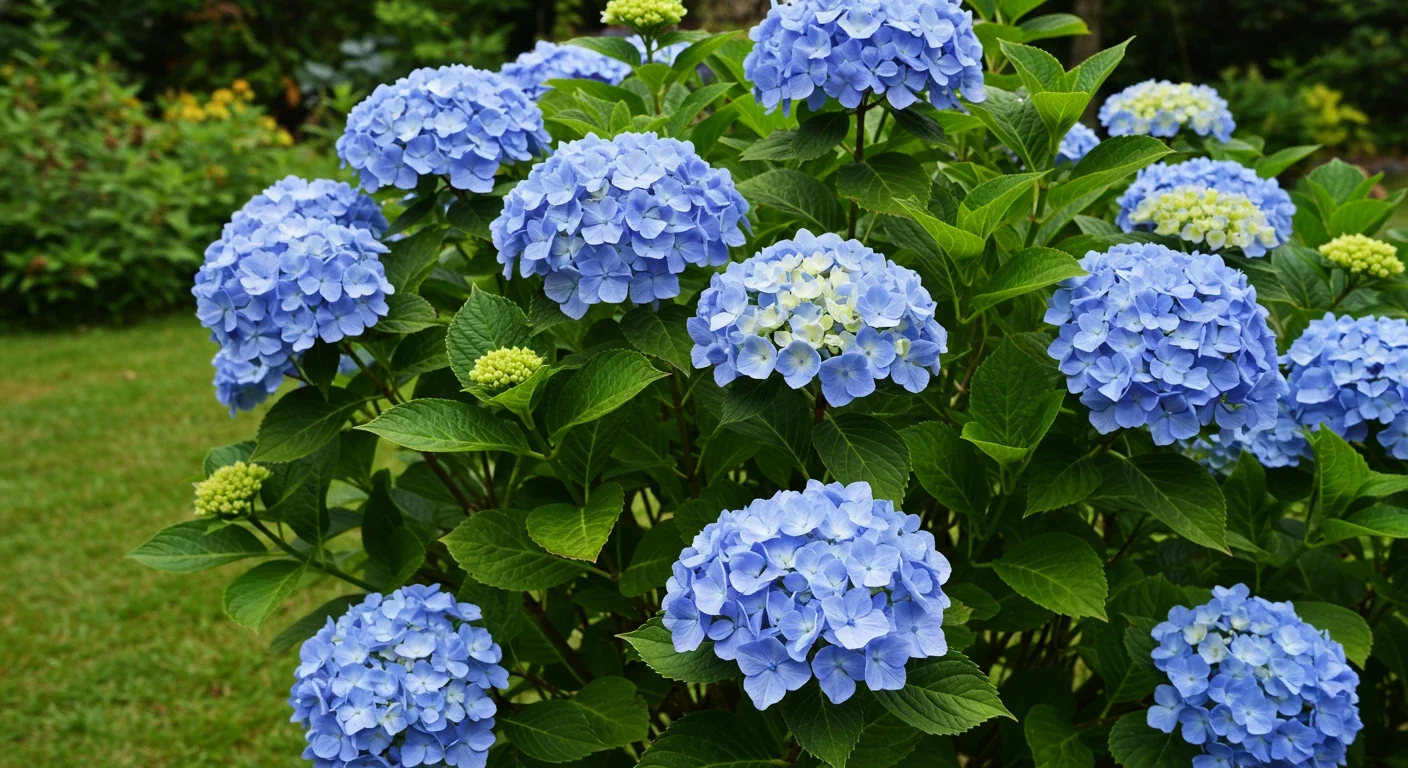
Ever feel like your garden has a secret plan you're just not privy to? One year your hydrangeas are the talk of the neighbourhood, the next they're looking a bit…meh. Or maybe you can't quite remember *which* tomato variety absolutely thrived, and which one sulked all summer. You're not alone! Gardening, especially here in the unique climate around Embrun and the wider Ottawa area, can feel like a bit of a guessing game. From surprise late frosts that sneak up on us in Manotick to the specific soil challenges we might face in Greely or Russell, our growing conditions keep us on our toes.
That's where keeping an Embrun Garden Log comes in – it’s your secret weapon! Think of it as a simple diary for your *entire* landscape, from lawn care notes to vegetable patch victories. Instead of relying on fuzzy memories, a garden log helps you track:
- What you planted, where, and when.
- Watering schedules and rainfall amounts.
- Fertilizer applications (what kind, how much).
- Pest or disease problems and what worked (or didn't!).
- Blooming times and harvest dates.
- Those brilliant (or maybe not-so-brilliant) landscaping ideas you had last fall.
Keeping track helps you learn *your* specific garden's needs, repeat your successes, and avoid making the same mistakes twice. It transforms gardening from guesswork into a rewarding, ever-improving journey. Ready to stop guessing and start *knowing*? Let’s get growing!
Why Bother Logging? The Surprising Perks of a Garden Diary
Okay, let's be honest. Adding *another* task to your gardening to-do list might sound about as appealing as wrestling a thistle patch in July. Keep a garden diary? Seriously? Between battling weeds, remembering to water, and figuring out why those fancy perennials you planted look suspiciously crispy, who has the time? But stick with us here, because keeping a simple garden log or diary isn't just busywork – it's your secret weapon for a less frustrating and more fruitful garden, especially dealing with Ottawa's four-season rollercoaster!

Here are the surprising perks of jotting down a few notes:
- Become Your Own Garden Detective: Why did the 'Celebrity' tomatoes go gangbusters last year, but the 'Early Girl' variety sulked this year? Was it the weird spring weather? Did you try a different fertilizer? Your garden diary holds the clues! Tracking simple things like planting dates, weather patterns (hello, unexpected May frost!), watering frequency, and pest sightings helps you solve the mysteries of your *specific* yard. You'll start seeing patterns you'd otherwise forget by next season. That garden brain fog is real, folks!
- Dodge Those Déjà Vu Disasters: Remember that time you hopefully planted delicate annuals right before a late spring cold snap zapped them? Or perhaps you realized, too late, that a certain shrub *really* hates the heavy clay soil common in parts of Barrhaven or Embrun? A garden log is your memory bank. Note down what thrived, what failed, and *why*. This helps you avoid repeating mistakes, saving you time, money, and heartache. You can even track how amendments improve your soil over time, helping you better tackle tricky clay soil challenges.
- Plan Like a Pro (Even if You Don't Feel Like One): Looking ahead becomes so much easier. Your notes will tell you the best time to start seeds indoors for *your* microclimate, when specific flowers reliably bloom, or the ideal window for lawn maintenance. Did overseeding in late August give you the best results? Make a note! Knowing these details helps you get timing right for overseeding your lawn next year, or remember the positive impact of aeration. You'll have a record showing the importance of lawn aeration for soil health in your specific turf.
- Outsmart Pests & Diseases: Noticing aphids earlier means dealing with them before they explode. Did that soapy water spray work on the spider mites? Which plants seemed most resistant to powdery mildew? Tracking pest and disease appearances, and the success (or failure) of your treatments, builds invaluable knowledge. You can even note the success of preventative strategies, like trying out organic pest control methods like trap cropping.
- Maximize Your Efforts (and Budget!): Knowing what truly works in *your* landscape helps you invest wisely. Buy more of the seeds that flourished, skip the plants that struggled despite your best efforts. It also highlights which tasks yield the biggest rewards, and maybe which ones aren't worth the sweat equity. If your log consistently shows certain big jobs feel overwhelming, like that massive fall leaf collection, it might even help you decide where professional help makes sense. Perhaps it’s time to explore our professional landscaping services or simply schedule your essential Embrun yard cleanup to free up your time for the gardening tasks you truly enjoy. Find us on Google here: Clean Yards Google Profile.
It doesn't need to be fancy – a simple notebook, a spreadsheet, or even a dedicated app works. Just start jotting things down. You might be surprised how quickly your garden diary becomes your most valuable landscaping tool!
The 'What': Essential Entries for Your Embrun Garden Log
Okay, so you're sold on the *idea* of an Embrun garden log, but now you're staring at a blank page (or screen) wondering, "What on earth do I actually *write* down?" Don't worry, you don't need to write a novel about every earthworm sighting! Think of it as your garden's highlight reel, with a few crucial behind-the-scenes notes.
Here are the essential entries to make your garden log super helpful:
1. The Foundation: Setting the Scene
Before you even plant a seed, capture the basics. This is like the establishing shot in your garden movie:
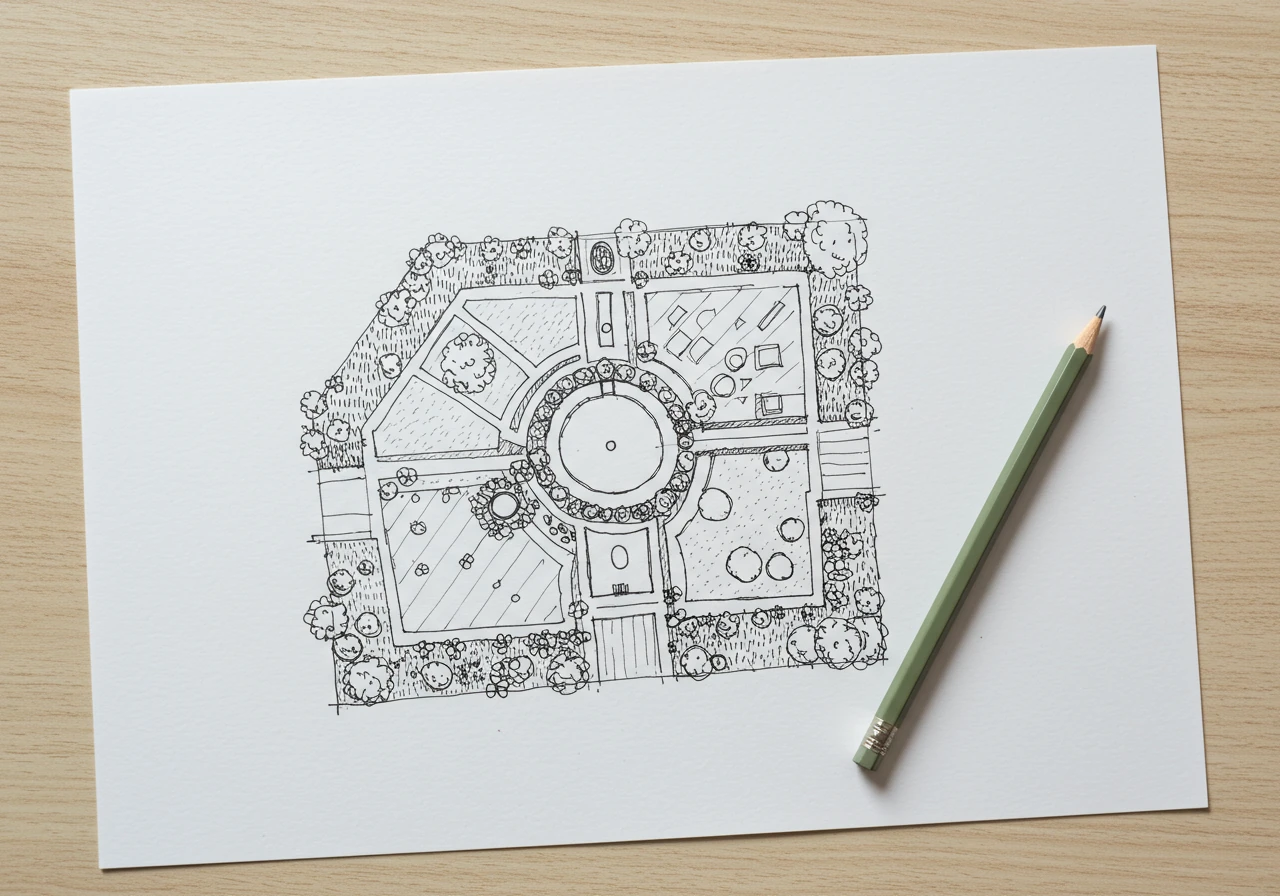
- Garden Map: A simple sketch is perfect! Label different areas – "Sunny Veggie Patch," "Shady Perennial Border," "That Mysterious Wet Spot." This helps track where things are planted year after year (crop rotation, anyone?).
- Soil Secrets: What kind of soil are you working with? We know areas around Embrun and nearby Osgoode can have significant clay. Jot down your initial assessment (clay, sand, loam?) and any amendments you add, like compost or manure during soil preparation. If you do a soil pH test (check resources like the OMAFRA guide), record the results! Knowing your starting point is key.
- The Starting Lineup: Note any existing major players – trees, shrubs, established perennials. Maybe give them a quick condition rating (Happy, Okay, Needs TLC).
2. The Growing Season Diary: Action & Observation
This is where the regular notes happen. Don't overthink it; bullet points are your friend!
- Planting Intel:
- What: The specific plant name AND variety (e.g., Tomato 'Beefsteak', not just 'Tomato'). This is crucial!
- When: Date planted (indoors or out).
- Where: Which section of your map?
- Source: Where did you get the seeds or plants? (Good for tracking quality).
- Care & Feeding Schedule:
- Watering: Note dates, especially during dry spells. Did Mother Nature handle it, or did you water? How much?
- Fertilizing: Date, type (e.g., fish emulsion, 10-10-10 granules), amount used, and which plants got the treat.
- Maintenance Tasks: Log dates for weeding (maybe add a 'Weed Annoyance Level' from 1-5!), pruning, deadheading, applying mulching and edging. Tracking regular garden maintenance helps you see what makes a difference. Also note bigger jobs like seasonal tidying. Did you tackle a massive leaf pile yourself, or decide that calling for an Embrun yard cleanup service was the sanity-saving choice this year? Maybe you needed help with a specific big task, like booking the Metcalf yard cleanup service after that big storm. Logging these major property clean up efforts helps plan for next year. Check out some amazing transformations for inspiration.
- Pest Patrol & Disease Diary:
- Date you spotted the issue (e.g., aphids on roses, powdery mildew on squash).
- What treatment you used (soap spray, neem oil, pruning affected leaves, loud sighing).
- Did it work? Be honest!
- Weather Watch: Major events matter! Record first and last frost dates (vital in the Ottawa region!), heatwaves, heavy downpours, hail. "Unexpected snow squall May 15th - oops" is a *very* useful note. Check local weather resources like Environment Canada.
- Growth Milestones & Harvest: Note germination dates, when things started flowering, first and last harvest dates for veggies/fruit, and maybe a quick note on yield or taste ("Zucchini explosion week 3," "These beans were actually delicious!").
3. The Wrap-Up & Future Plans:
At season's end, take a few minutes to reflect:
- Hits & Misses: What absolutely thrived? What was a dud? Why do you think that was? (Weather, pests, wrong spot?).
- Lessons Learned: "Note to self: Plant cucumbers further apart next year." Or perhaps, "Realized that getting professional help for the final Ottawa garden clean up service saved my aching back." Perhaps a major cleanup is needed, consider the Marionville property cleanup service or the city property cleanup service depending on your location.
- Ideas for Next Year: New varieties to try, landscape changes, reminders to divide perennials, etc. Maybe even plan for sod installation if the lawn needs a major overhaul.
Eco-Friendly Bonus Points: Track things like your composting efforts, rain barrel usage, pollinator sightings, and reliance on organic methods. It’s rewarding to see your green efforts documented! Need help with materials? Check our material selection info.
Don't feel pressured to record every single detail every single day. Even logging major events and weekly summaries provides invaluable insights. Your future gardening self will thank you! And remember, these notes are primarily for you; if you ever use services where data might be shared, it's always wise to review their Privacy Policy. Happy logging!
The 'How': Finding Your Perfect Logging Style (Pen vs. Pixel)
Alright, garden enthusiast, you know *why* you should keep a log and *what* to jot down. Now for the million-dollar question (okay, maybe the five-dollar question): *How* do you actually do it? Pen and paper, or fancy-pants digital? Let's break it down, because spoiler alert: there's no single "right" way, just *your* way! Whether you're tending a small balcony garden in Nepean or managing a larger plot out near Richmond, the best logging method is the one you'll stick with.
The Old School Cool: Pen and Paper
There's something undeniably satisfying about putting pen to paper, maybe even with a few authentic muddy fingerprints for character!
- Pros: Simple, tactile, no batteries or Wi-Fi needed. Easy to sketch layouts or doodle observations. Doesn't feel like *more* screen time after a day staring at screens.
- Cons: Can get messy (hello, rain smudges!). Harder to search quickly for specific info from last year. Risk of losing the *one* notebook! Might not be ideal if your handwriting resembles ancient hieroglyphics.
Tip: Grab a sturdy, weather-resistant notebook. Keep it with your gardening gloves so you actually remember to use it! Maybe after a big cleanup by the Metcalf garden clean up service you'll have more time for notes.
The Tech-Savvy Gardener: Digital Delights
Apps, spreadsheets, even simple notes on your phone – the digital world offers options galore.
- Pros: Easily searchable (*when* did I plant those beans?!). Can quickly add photos (proof of that prize-winning pumpkin!). Many apps integrate weather data automatically. Backups mean less risk of losing everything. Can set reminders.
- Cons: Requires a device (and battery life). Can feel less organic or relaxing than writing. Some apps have a learning curve or cost money. Potential for "app overload."
Tip: Look for gardening-specific apps, or simply create a spreadsheet with columns for your key data points (Date, Plant, Action, Observation, Weather). If managing a large property feels digital, maybe the city garden maintenance service can help physically.
Pen vs. Pixel: The Showdown
| Feature | Pen & Paper | Digital (Apps/Spreadsheets) |
|---|---|---|
| Ease of Start | Super Easy | Easy to Moderate |
| Searchability | Low (requires flipping pages) | High |
| Photos | Difficult (tape them in?) | Easy |
| Portability | Good (one notebook) | Good (if you have your device) |
| Durability | Okay (watch out for water!) | High (with backups) |
| Cost | Low (cost of notebook/pen) | Free to Moderate (app costs) |
| Sketching | Easy | Varies (some apps allow) |
| Weather | Manual Entry | Often Automatic |
Ready to Start Logging? Your Quick-Start Guide
Getting started is easier than wrestling bindweed. Seriously!
- Pick Your Player: Notebook or App/Spreadsheet? Don't overthink it – just choose one to try *today*. You can always switch later if it feels clunky.
- Log *One* Thing: Did you water? Fertilize? Spot a cool new beetle? Plant something? Jot it down. Date, what you did/saw, maybe a quick note. That's it! Your log tracking can even help with planning bigger jobs, like noting when it's time for your annual Ottawa yard cleanup service or making better notes about your specific lawn care successes and failures.
- Aim for 'Good Enough': Don't strive for perfection. A few notes consistently are way better than a detailed entry once a month. Maybe you note that the mulch you chose during your material selection process is breaking down nicely, or perhaps you realize you definitely need help with next year's big spring tidy-up and should budget for the Ottawa garden clean up service. Logging these small details builds a powerful picture over time. It can even help justify when you need more comprehensive help, like a full city yard cleanup service to get things back under control.
Choosing the right logging method is like choosing the right plants – it takes a bit of trial and error, but the results are worth it. Once you find your groove, your future self will definitely send a mental Thank You note your way for the helpful records. Happy logging!
Tailoring Your Log for Ottawa Valley Success: Climate, Critters & Clay
Gardening in the Ottawa Valley is a unique adventure, isn't it? From Embrun to Winchester to Kenmore, we share some specific quirks that make keeping a tailored garden log extra valuable. It’s not just about remembering plant names; it’s about understanding *our* local conditions – the chilly climate, the hungry critters, and yes, often, *that* clay soil. Let’s fine-tune your logging to tackle these local challenges head-on!
Climate Control: Wrangling Zone 5a/4b
Our neck of the woods dances between hardiness zones, meaning we get lovely distinct seasons, but also a shorter growing window and the occasional nasty surprise.
- Frost Forensics: This is *huge* here. Dedicate space in your log for the first and last frost dates *in your specific yard*. Note down those unexpected late spring chills that threaten tender seedlings or early autumn dips that zap your beans. Also, map your microclimates! Does one corner always get hit first? Is the spot near the house more protected? Knowing this helps you place plants wisely and know when to cover up.
- Beat the Clock: Log planting dates alongside maturity times listed on seed packets or plant tags. Did those 'Early Wonder' beets really live up to their name? Which tomato variety actually ripened before frost? This data helps you select faster-maturing varieties next year, maximizing our shorter season.
Critter Chronicles: The Uninvited Guests
We share our beautiful valley with lots of wildlife, some cuter than others when they’re eyeing your prize hostas!
- Who’s Nibbling?: Log sightings and damage. Deer browsing? Rabbit munching? Japanese beetles having a party on your roses? Skunk digging for grubs (and maybe leaving behind the need for an Ottawa property cleanup service intervention!)? Note it down.
- Defense Diary: Record what deterrents you used (fences, sprays, companion planting) and *how well they worked*. Did that deer spray actually repel Bambi, or just make your shrubs smell funny? Which plants seemed naturally resistant? This info is gold for future planning.
Clay Conundrums: Working With What You’ve Got
Ah, clay soil. Common in many parts of the Valley, it can be both a blessing (holds nutrients!) and a curse (drainage? what drainage?).
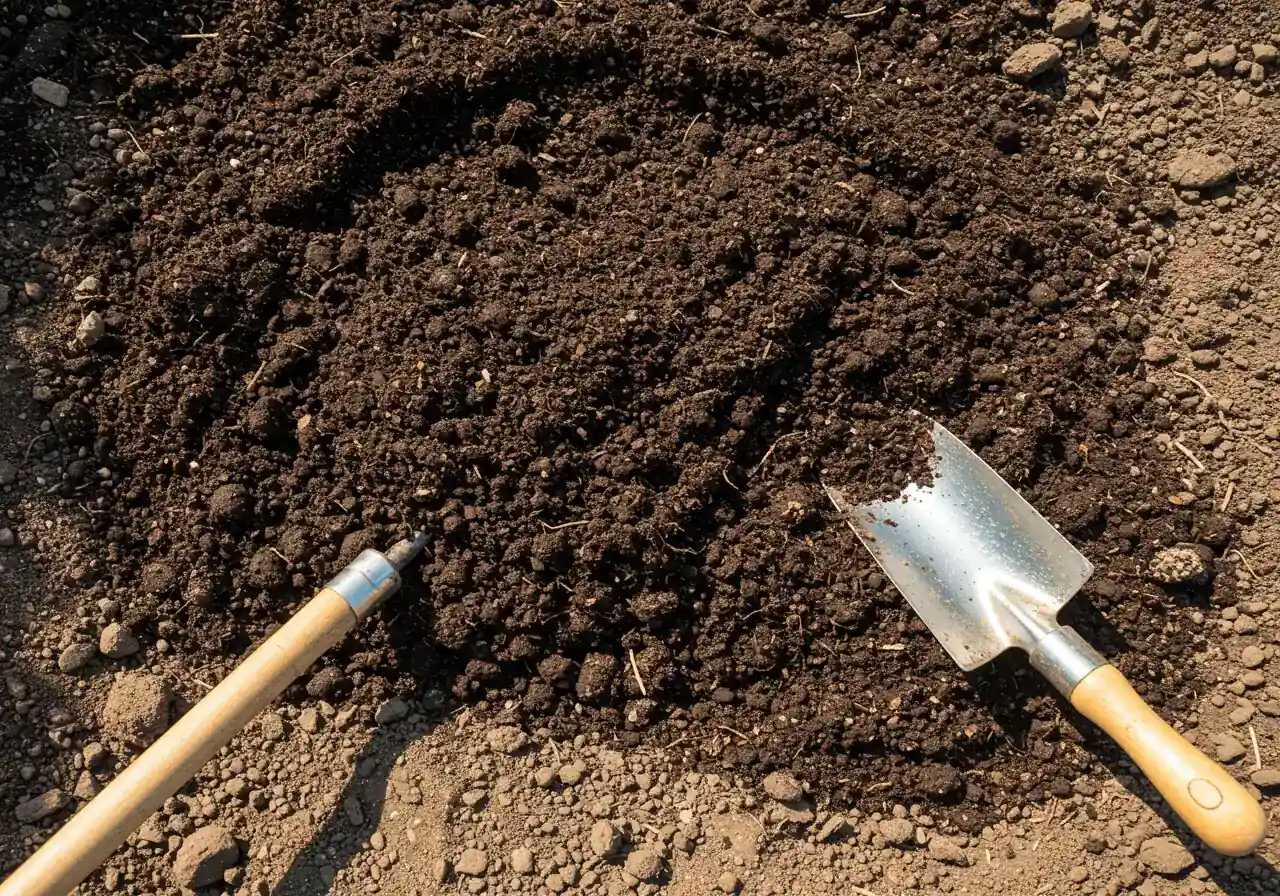
- Amendment Adventures: Seriously track your soil improvement efforts. Log *when* and *how much* compost, manure, peat moss, or other organic matter you add to specific beds. Note changes over time – is the soil easier to dig? Does it drain better after rain? This confirms your hard work is paying off.
- Clay Champions: Keep a running list of plants that *thrive* in your clay versus those that constantly struggle. This is invaluable info when planning your next garden installation project or deciding which perennials need relocating. Don't fight the clay unnecessarily – work with plants that tolerate it!
Example: Tracking Soil Improvement (Compost Added vs. Workability Rating)
(Illustrative: Higher bar = easier soil workability rating after compost additions)
Putting it All Together
Your tailored log might have entries like: "May 18: Light frost overnight near back fence - tomatoes okay under cover." or "July 5: Japanese beetles arrived. Hand-picked & soapy water. Need more diligence - maybe delegate this to the dependable city garden maintenance service next year if it gets worse?" or "Sept 1: Added 3 wheelbarrows of compost to Bed #2. Soil texture noticeably improved since spring." This detailed tracking lets you see patterns, refine your strategies, and witness the amazing landscape transformations you create year after year. It also helps clarify expectations if you hire help; understanding exactly what a service includes is always wise – it never hurts to review the provider's service terms and conditions.
By focusing your notes on these local factors, your garden log becomes more than just a diary; it’s your personalized roadmap to success in the unique conditions of the Ottawa Valley. Your future gardening self will definitely send a mental thank you note for these detailed observations!
Key Insights: Your Garden Log Cheat Sheet
Feeling overwhelmed? Don't be! Think of this as your super-quick guide to garden logging mastery. Here are the golden rules to remember:
- Keep it Simple & Accessible: Notebook by the back door, app on your phone – whatever you choose, make it *easy* to grab and jot things down quickly. Consistency beats complexity!
- Dates Are Crucial: Seriously, write down the date for *everything* – planting, fertilizing, first bloom, pest sightings. Your future self trying to remember *when* things happened will thank you profusely.
- Be Specific (Enough!): Note plant *varieties* (e.g., 'Beefsteak' tomato), not just the type. What pest was it? What *exactly* did you spray? These details turn vague memories into actionable data.
- Log the Good, the Bad, and the Ugly: Celebrate your gardening triumphs! But also record the flops – they teach you the most. Why did the cucumbers croak? This log acts as your personal feedback on gardening efforts.
- Use it to Plan: Your log isn't just history; it's a planning tool. Spot patterns, schedule reminders, and anticipate needs – like realizing you'll definitely need the city garden clean up service next fall, or perhaps specialized help like the Metcalf property cleanup service for that overgrown corner. Maybe you're closer to Marionville and need the Marionville yard cleanup service instead.
- Make it Yours: This is *your* garden story, tailored to your Nepean nook or Kars acreage. Adapt these tips to what works for you, just like our own story is shared in the About Us section. Be clear in your notes – it helps avoid confusion later, much like reading the Clean Yards Terms and Conditions clarifies service expectations.
Example Garden Log Timeline
March 15: Seed Starting Indoors
Started 'Beefsteak' Tomato & 'Sweet Banana' Pepper seeds under grow lights. Logged germination rates.
May 5: Soil Prep & Amendment
Tilled main veggie patch. Added 2 bags of composted manure to improve clay structure, as noted in last year's log needed for soil preparation.
May 25: Planting Out
Hardened off seedlings. Planted tomatoes, peppers, beans, lettuce. Recorded layout on garden map. Last frost *seems* past (fingers crossed!).
June 20: First Pest Sighting
Noticed aphids on bean plants. Sprayed with insecticidal soap (logged effectiveness: Moderate). Referenced last year's successful use of trap cropping from this article.
July 15: First Harvest!
Harvested first batch of lettuce and radishes. Beans setting flowers. Tomatoes growing well. Logged approximate yield.
August 30: Fall Planning
Reviewed log. Tomatoes were excellent, beans okay (pest issue). Plan: order different bean variety next year. Schedule fall Marionville garden clean up service if needed.
FAQs: Your Embrun & Ottawa Garden Log Questions Answered
Relax, daily notes aren't usually necessary unless you love that level of detail! Aim for weekly check-ins during the main growing season (May-September). *Definitely* log major events like planting, first/last frost, fertilizing, pest outbreaks, and harvests. Note big seasonal tasks too – it helps plan if you might need a thorough Marionville garden clean up service next time. Consistency beats quantity!
For our unique climate swinging between Manotick and Russell, tracking *frost dates* (your specific first and last) is crucial. Also, log planting dates vs. actual harvest or bloom times for *your* yard. This tells you which varieties beat the clock and helps you time protective measures like proper mulching and edging before the cold truly sets in.
Perfect question! Note *when*, *where*, and *what* amendments (like compost, peat, manure) you add. Record your observations over time – is the soil easier to work? Does water drain better after rain? Tracking these details shows the real impact of your efforts and guides future soil preparation for better gardening results on challenging clay.
Keep it simple and accessible! Put your notebook right by the garden tools or use an easy phone app. Try linking logging to another garden chore, like watering. Set a weekly phone reminder! If your log consistently shows certain big jobs feel overwhelming, like huge leaf piles, it might be time to consider help like the Marionville yard cleanup service to free up your energy.
Absolutely! Your log becomes a record of what works, what doesn't, and what consistently bugs you (pesky weeds in one area? A shrub that always struggles?). Seeing these patterns helps you make smarter decisions for future planting, redesigns, or identifying where investing in professional landscaping help for installation or major changes would provide the most value.
Hey, that's valuable information! A log showing you're consistently short on time or facing persistent issues (like drainage problems or tricky pruning) is a signpost. It clarifies where you might benefit from expert advice or hands-on help. Don't hesitate to reach out when you need support – just get in touch with us to chat about your landscaping challenges!
Conclusion: From Logbook to Lush Garden – Start Your Success Story Today!
So there you have it! Your garden log isn't just another chore; it's your personal cheat sheet to cracking the code of your own backyard paradise, especially navigating Ottawa's unique four-season gardening adventures. Think of it – less head-scratching over why those prize-winning tomatoes suddenly sulked in Nepean, and more celebrating what *actually* thrives year after year! By tracking your planting triumphs, soil experiments (hello, clay!), watering wins, and even those pesky pest encounters, you transform gardening guesswork into confident know-how. You learn, you plan smarter, and you avoid repeating those "oops, planted too early" moments that our climate loves to surprise us with.
The best part? You don't need a fancy degree, just a willingness to observe and jot things down. Start simple, start *today*. Even noting down one small thing is progress! Turn that blank notebook page or new phone note into the first chapter of your landscape's success story. Your future, less-stressed gardening self will definitely thank you for it.
Ready to swap confusion for clarity? If your newfound logging habit reveals some bigger tasks or tricky spots that need a professional touch – from major property cleanups to new garden installations – remember, Clean Yards is here to lend a hand.
Happy logging, and happy growing!