Embrun: Feed Soil Microbes for Healthier Clay Gardens
- Clay soil is common in Embrun/Ottawa, characterized by stickiness when wet and hardness when dry.
- Improvement focuses on feeding soil microbes, not replacing the soil.
- Add organic matter (compost, aged manure, leaf mold) regularly – this is key!
- Use organic mulch to protect soil, retain moisture, and feed microbes slowly.
- Minimize tilling to preserve soil structure and fungal networks.
- Avoid harsh chemicals that harm beneficial microbes.
- Fall is the best time for significant soil amendment.
Ready to transform your challenging clay soil into a thriving garden bed? Get personalized advice and professional help tailored to Embrun conditions. Request your free quote today!
Introduction: Hey Embrun! Let's Talk Dirt (The Good Kind!)
Hey Embrun! Are you dreaming of lush flower beds or a bumper crop of veggies this year? We all love spending time in our yards, making things beautiful and maybe even growing something tasty. But let's face it, sometimes our local soil feels like it has other plans, doesn't it? If you've ever battled soil that turns into sticky goo after rain or hardens like a brick in the summer sun, you've likely encountered our common neighbourhood challenge: clay soil. It’s a familiar story for many gardeners here and in nearby areas like Russell.
This heavy soil can be tricky. It holds onto water tightly, sometimes leading to soggy roots, and when it dries, it can become compacted, making it tough for plant roots to spread out and breathe. But here’s the good news! The secret to unlocking the amazing potential hidden within that clay isn't about replacing it all, but about working *with* it. The key lies underground, with billions of tiny, invisible helpers: beneficial soil microbes.
Think of these microbes as the microscopic superheroes of your garden. They are essential for creating healthy, living soil. This article is all about showing you *how* to feed these amazing little guys. We'll explore simple, practical ways you can encourage microbial life, improve your soil structure naturally, boost drainage, and ultimately help your Embrun garden thrive like never before. Let's get ready to build some beautiful soil together!
Clay Soil Conundrum: Understanding Your Embrun Garden's Foundation
Okay, let's dig into the nitty-gritty of what's underfoot here in Embrun and many surrounding spots like Greely or Winchester. Yep, we're talking about clay soil. If you've ever felt like you're gardening in peanut butter after a rainstorm or trying to chisel concrete during a dry spell, you know *exactly* what we mean. Clay soil particles are super tiny and packed tightly together. Think of it like dense, sticky fudge – smooth and moldable when wet, but potentially rock hard once it dries out.

This density brings some unique challenges, especially with our classic Ottawa weather patterns. Heavy spring rains or sudden summer downpours? Clay drains notoriously slowly. This can lead to waterlogged soil and unhappy, soggy plant roots – definitely not a recipe for success! Then, when the sun beats down, clay can bake into a hard, cracked surface. This makes it tough for delicate roots to push through, for water to soak in properly, and for essential air to circulate. This lack of air pockets is known as *compaction*, and it’s a major headache for gardeners. Improving compaction is key, often involving techniques discussed in resources about Embrun lawn aeration and its importance for soil health. Our region's lovely freeze-thaw cycles in winter and early spring can also cause heavy clay soil to heave, which can disturb shallow plant roots. Lawns, in particular, can struggle on compacted clay, often needing extra help like overseeding your Embrun lawn for thicker grass once you start improving the soil structure beneath. Even established trees aren't immune; compacted soil around their base can restrict root growth and health, impacting everything from water uptake to the overall stability that might necessitate specific care like certain tree shaping techniques like pollarding.
But wait, don't throw in the trowel just yet! Clay soil isn't the garden villain it's often made out to be. Because those tiny particles cling together so effectively, clay is actually fantastic at holding onto essential nutrients. Plants *love* nutrients! It also retains moisture well, which can be a surprising bonus during drier stretches, *if* we can improve its structure so plants can actually access that water and their roots don't drown. The secret lies in learning how to manage it, not fight it. Adding lots of organic matter (like compost) is crucial for breaking up that dense structure and improving drainage. You can find useful strategies and timing tips in guides focused on fall plant care and clay soil solutions. Sometimes, getting a handle on heavy soil requires a bit more muscle, whether it's digging in amendments or just clearing away smothering leaf litter – tasks where Embrun yard cleanup services can certainly lend a hand. And remember, if tackling tricky soil or other garden challenges feels overwhelming, exploring professional landscaping services is always a great option to get things on the right track.
So, take heart! Your Embrun clay soil has amazing potential. With a little understanding and the right approach (mostly involving adding yummy organic stuff!), you can transform that challenging foundation into a wonderfully fertile base for the garden of your dreams.
Meet Your Soil's Tiny Superheroes: The Mighty Microbes!
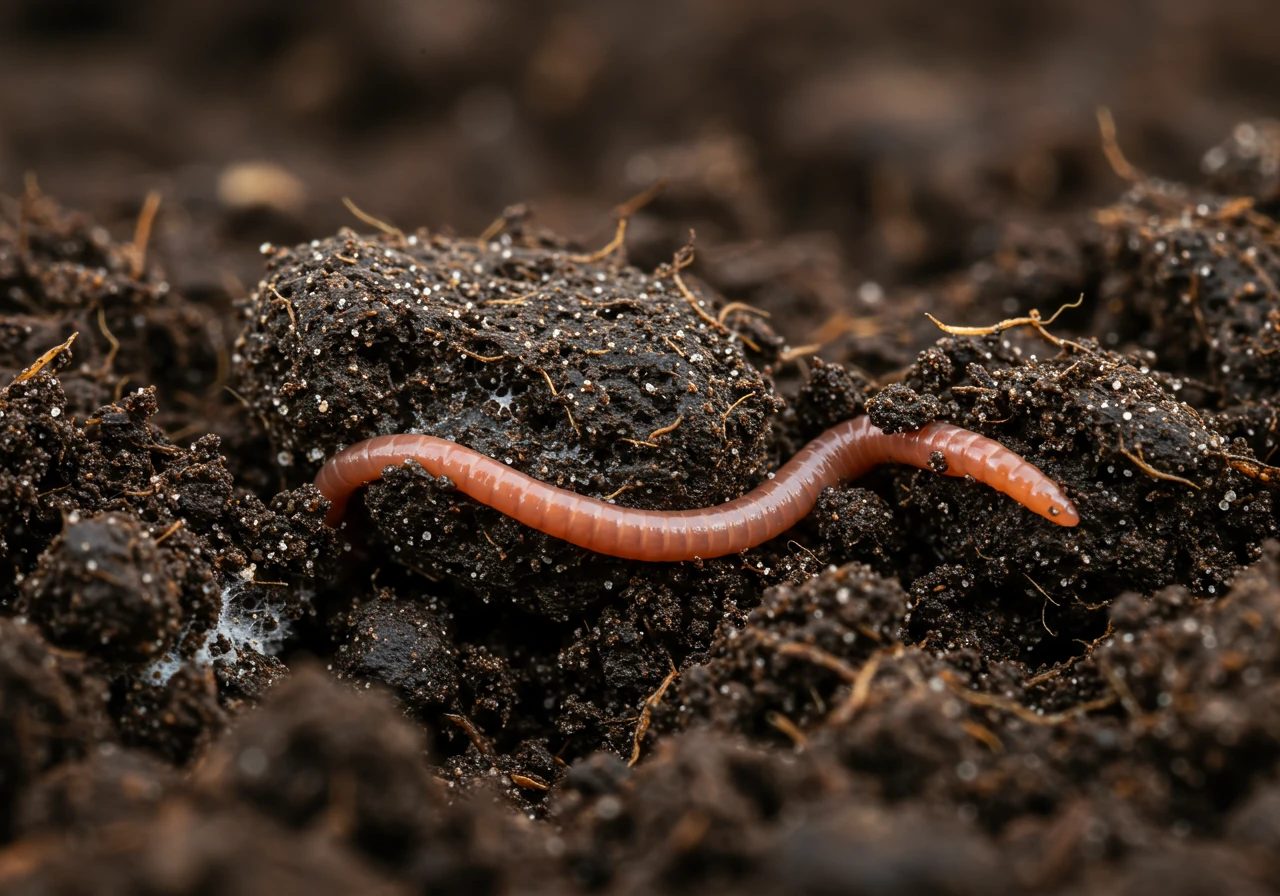
Okay, picture this: right under your feet, in every handful of your Embrun garden soil, there's a bustling metropolis teeming with trillions of tiny residents. No, we're not talking about worms (though they're great too!). We're talking about *microbes* – bacteria, fungi, protozoa, and other microscopic critters that are the unsung heroes of healthy soil. Think of them as your garden's invisible workforce, working 24/7, rain or shine! You can't see them without a microscope, but trust us, they're busy bees... or maybe busy bacteria?
So, what exactly do these tiny powerhouses do? Well, pretty much everything essential for happy plants!
- Nature's Recyclers: Got fallen leaves, dead roots, or leftover grass clippings? Microbes are the ultimate cleanup crew. They munch on this organic matter, breaking it down into *humus* – that dark, crumbly goodness plants adore. This process also releases vital nutrients back into the soil, making them available for your plants to slurp up. Keeping your garden tidy through services like an Ottawa garden clean up service actually helps prepare the ground so microbes can get to work more effectively on the good stuff you add later.
- Soil Architects: This is *huge* for our clay soils here in Ottawa and nearby areas like Barrhaven. Certain fungi weave thread-like networks (called hyphae) through the soil, binding tiny clay particles together into larger clumps, or *aggregates*. Bacteria also produce sticky substances that act like glue. This creates spaces for air and water to move through, fighting compaction and improving drainage. Goodbye, sticky mud! Hello, happy roots! A general fall city yard cleanup service can remove smothering leaf layers, allowing better air exchange which these microbes need.
- Nutrient Liberators: Clay soil holds onto nutrients tightly, sometimes *too* tightly. Microbes act like tiny keys, unlocking these trapped nutrients and converting them into forms that plants can easily absorb. They're basically the soil's personal chefs, whipping up gourmet meals for your plant roots!
Why diversity matters:
Just like a city needs doctors, builders, and chefs, your soil needs a diverse *team* of microbes. Different types perform different tasks. Some bacteria are great at fixing nitrogen from the air, while certain fungi excel at extending root reach to find water and phosphorus. The more variety you have, the more resilient and fertile your soil becomes, leading to the kind of amazing results you might see in galleries of successful landscaping transformations. Preparing your specific garden beds with a focused city garden clean up service ensures you're starting with a clean slate to build this vital diversity. Even tasks handled by an Embrun yard cleanup service, like removing diseased plant matter, indirectly help by favouring beneficial microbes over pathogens. Understanding your soil's needs, including its microbial health, helps us tailor our approach – your feedback on estimates and services is always valuable in this process. You can also check out our Google My Business page for reviews and updates.
So, let's give it up for the mighty microbes! They might be small, but their impact is enormous. By learning how to support them (which we'll dive into next!), we can work *with* our Embrun soil, turning challenging clay into the black gold every gardener dreams of.
The Microbe Buffet: Delicious Ways to Feed Your Soil Critters
Okay, so we know our soil is teeming with tiny superheroes, the microbes. But like any hardworking crew, they need food to keep going strong! Think of it like this: you wouldn't expect your favorite Ottawa Senators players to win games on an empty stomach, right? Same goes for your soil critters. Luckily, feeding them is easier (and less sweaty) than a hockey game. Let's whip up a delicious menu for your underground helpers!
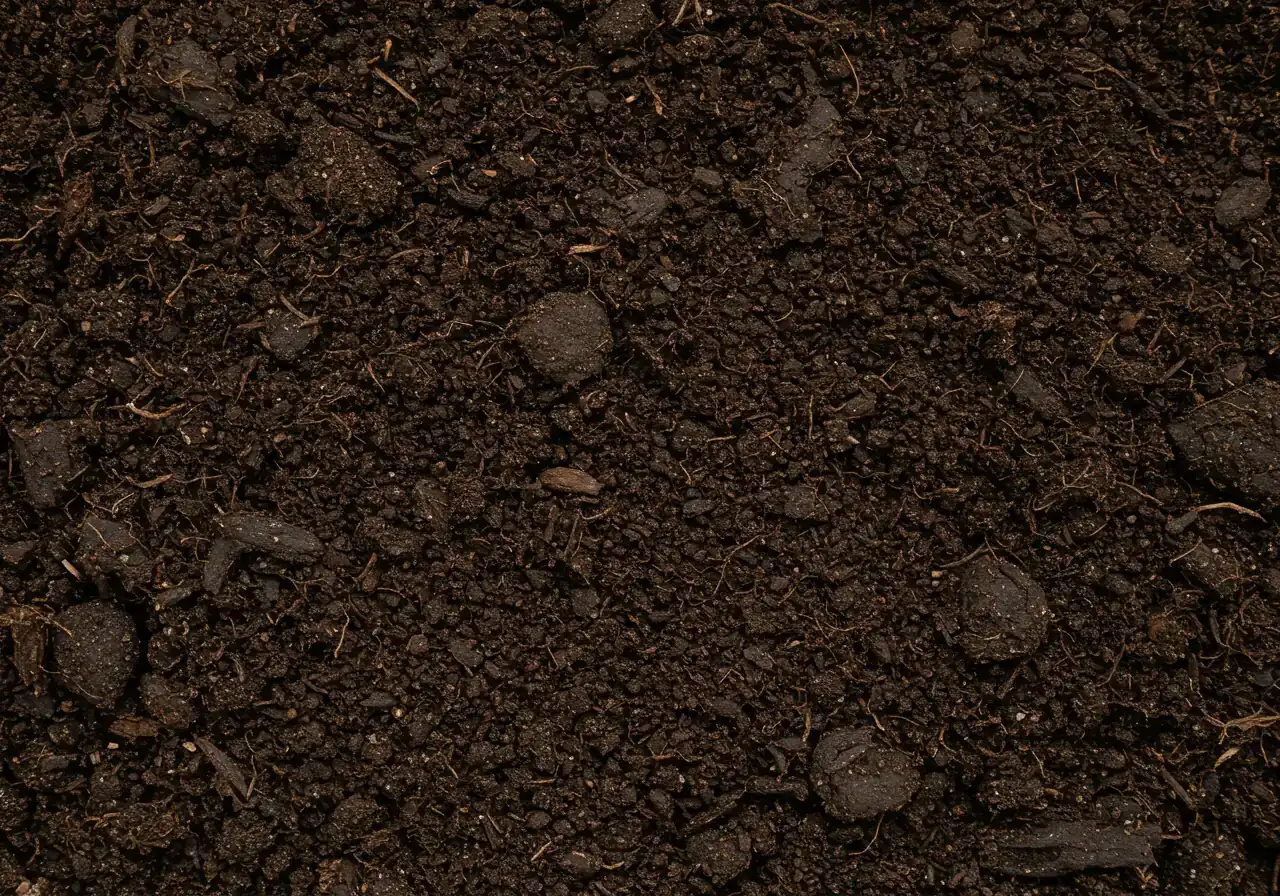
The Main Course: Organic Matter Galore!
This is the absolute *foundation* of feeding your soil microbes. Organic matter is basically anything that was once living – think plants, leaves, and yes, even manure (aged, please!). Microbes chow down on this stuff, breaking it down and releasing nutrients for your plants. It's the ultimate win-win. Here are some top choices:
- Compost: Ah, black gold! Compost is decomposed organic matter, packed with stable nutrients and teeming with beneficial microbes already. Adding compost is like giving your soil a probiotic boost *and* a gourmet meal. You can make your own (check City of Ottawa composting resources!) or purchase high-quality compost. When choosing amendments, understanding the source is important; our guide on selecting the right landscape materials can offer insights into quality sourcing for things like compost and topsoil. Spread a layer (2-5 cm) on your garden beds each spring or fall and gently mix it into the top few centimeters, or just let the worms and rain work it in.
- Aged Manure: Animal manure (from herbivores like cows, horses, or chickens) is a fantastic source of nutrients and organic matter *once it's properly aged or composted*. Fresh manure can be too strong and burn plants. Let it sit for at least 6 months, or use bagged, composted manure. Like compost, spread a layer and gently incorporate it. Remember, a little goes a long way!
- Leaf Mold: Don't throw away those autumn leaves, especially if you're in a leafy area like Manotick! Piled up and left to decompose for a year or two (just kept moist), leaves break down into wonderful leaf mold. It's particularly amazing for improving soil structure and water retention, and fungi *love* it. If raking feels like too much, remember services like a Metcalf yard cleanup service can handle the heavy lifting, potentially providing you with raw materials for your leaf mold pile!
Living Mulch: Cover Crops
Think of cover crops as a living blanket for your soil, especially during the off-season. These are plants like oats, rye, clover, or buckwheat that you grow specifically to benefit the soil, not for harvesting (usually). Here’s why they’re great microbe food:
- Roots Feed Below: While growing, their roots release sugars that feed microbes directly.
- Green Manure: When you cut them down (before they set seed) and leave the foliage on the surface or lightly till it in, they decompose, adding a big boost of fresh organic matter.
- Protection: They prevent erosion from wind and rain and suppress weeds.
Choosing the right cover crop depends on your goals and planting time. Planting cover crops can be a fantastic step before starting a new garden area, a process similar to the preparation involved in a professional garden bed installation project.
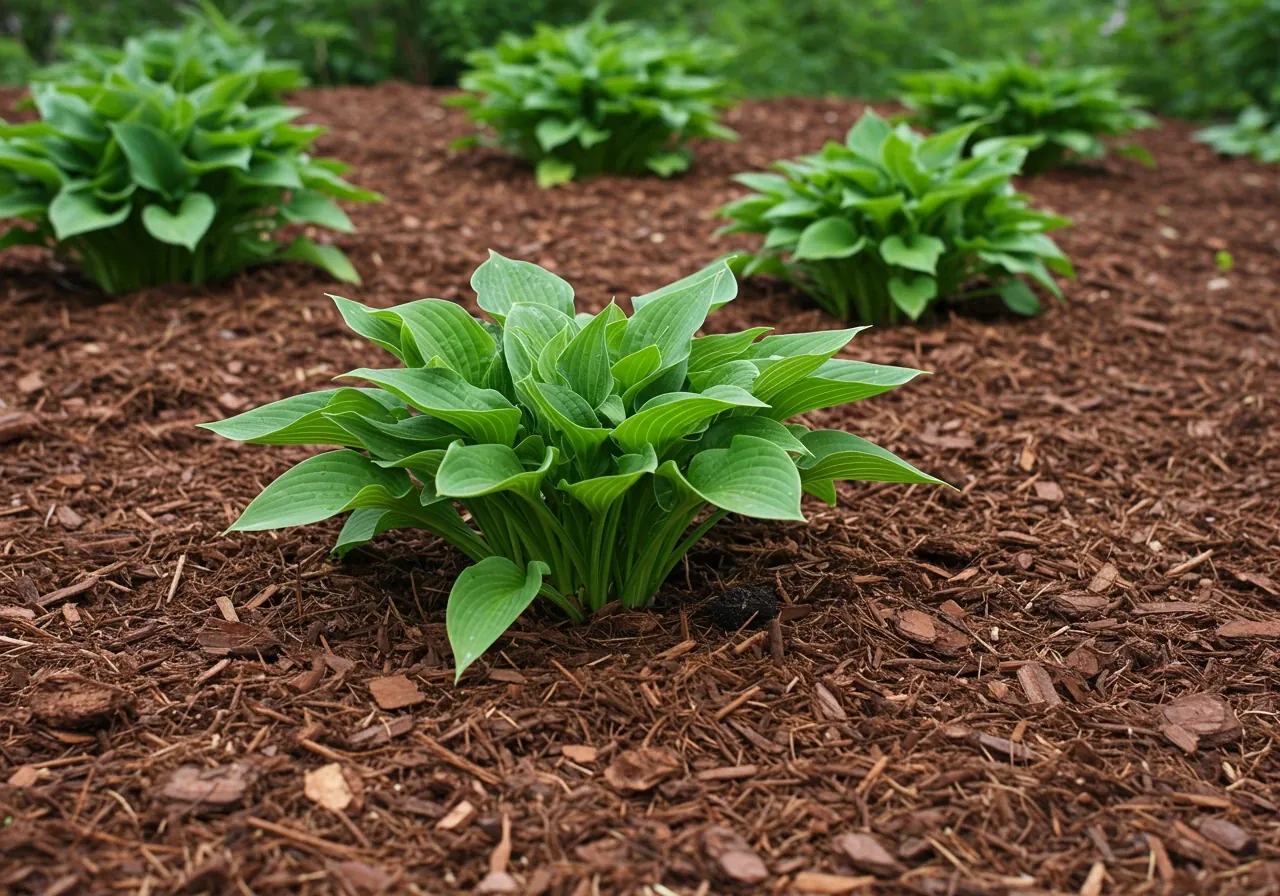
Blanket Protection: Mulching
Putting a layer of mulch (like wood chips, straw, or shredded leaves) on top of your garden soil is like tucking your microbes into bed. Explore options with our mulching and edging services.
- Regulates Temperature & Moisture: Mulch keeps the soil cooler in summer and warmer in winter, and helps retain moisture – creating a stable, comfy environment for microbes.
- Slow-Release Food: As organic mulches slowly break down at the soil surface, they provide a steady, long-term food source.
- Weed Suppression: Less competition from weeds means more resources for your desired plants and soil life. Be mindful of where your mulch comes from – using herbicide-treated grass clippings from intensive lawn care programs directly on veggie gardens isn't always recommended, so stick to untreated clippings or other mulch types.
Easy Does It: Reduce Tilling
Remember those fungal networks we talked about? Heavy tilling or digging breaks them apart, destroys soil structure, and disrupts the microbial habitat. While some soil mixing is sometimes needed, especially in heavy clay, try to minimize disturbance. Adopt a "no-dig" or "minimal-dig" approach where possible. Add your compost and organic matter to the *top* layer and let nature's engineers (worms and microbes) do the mixing for you. Your microbes will thank you for not constantly wrecking their home!
Say No to Harsh Chemicals
Synthetic pesticides, herbicides, and even some strong chemical fertilizers can be like poison bombs to your beneficial soil microbes. They can kill off good guys along with the bad, disrupting the delicate soil food web. Opt for natural pest control methods (like those suggested by OMAFRA IPM resources), build healthy soil that supports strong plants less prone to disease, and use organic fertilizers if needed. If you're hiring help, look for services that prioritize eco-friendly methods, like a specialized Marionville garden clean up service known for its careful approach. Ensuring contractors use gentle practices is key; don't hesitate to provide feedback on service estimates regarding your preference for microbe-friendly techniques.
By consistently offering this "microbe buffet," you'll gradually improve your soil structure, boost fertility, and create a thriving garden ecosystem right here in the Ottawa area, whether you're in Barrhaven, Manotick, or beyond. Happy microbes mean happy plants! We also offer garden maintenance and city garden maintenance services to keep things thriving.
The Power of Compost
Compost is arguably the single best amendment for clay soil. It adds diverse organic matter, introduces beneficial microbes, improves soil structure by helping clay particles aggregate, enhances water retention *and* drainage, and provides a slow release of essential plant nutrients. Aim for finished compost that smells earthy and looks dark and crumbly.
Using Aged Manure
Aged manure is rich in nutrients, especially nitrogen. Ensure it's well-rotted (at least 6 months old) to avoid burning plants. Cow and horse manure are generally balanced, while chicken manure is potent and best used sparingly or well-composted. Mix it into the top few inches of soil rather than leaving large clumps on the surface. Check out our soil preparation services for professional amendment incorporation.
Leaf Mold's Secret Weapon
Leaf mold, created by decomposing leaves, is fantastic for improving soil structure and water retention. It's particularly high in calcium and magnesium and beloved by fungi, which are crucial soil architects. Simply pile leaves (shredded decompose faster) in a corner, keep moist, and wait 1-2 years. It makes an excellent mulch or soil conditioner. Need help with leaf removal? See our Ottawa yard cleanup service.
Your Ottawa & Embrun Soil Health Calendar: A Seasonal Guide
Okay, garden superheroes of Ottawa and Embrun! Keeping your soil healthy and your microbes happy isn't a one-shot deal; it's more like a year-round relationship. Think of it as a spa schedule for your dirt! Here’s a seasonal guide to help you keep things thriving, whether you're in Nepean, tending a patch in Osgoode, or right here in Embrun.
Spring (April - May): Gentle Awakening
Resist digging wet clay! Wait for soil to dry slightly. Gently rake in a thin layer of compost around awakening plants. Prep new beds now for services like sod installation.
Summer (June - August): Maintain & Protect
Apply 2-3 inches of organic mulch to conserve moisture and feed microbes. Water deeply, less frequently. Minimize walking on beds. Consider about us to learn more about our sustainable practices.
Fall (September - November): The MAIN EVENT!
Prime time for soil amending! Add generous layers of compost, aged manure, or leaf mold. Rake leaves onto beds or start a leaf mold pile (or use a Metcalf yard cleanup service). Sow cover crops in empty beds. Thorough property clean up removes dead matter. Consider Metcalf property cleanup service or Marionville property cleanup service for large areas.
Winter (December - March): Rest & Plan
Keep beds protected with mulch or snow cover. Avoid walking on frozen/soggy soil. Plan next year's improvements! Need ideas? Contact us.
Note: Illustrative example. Actual % increase depends on soil type, climate, and amendment practices.
Highlight Box: Clay-Busting Microbe Power-Ups!
Got that infamous Ottawa clay soil? Don't despair, garden warrior! The secret to transforming heavy, sticky soil into a planting paradise lies with your tiniest allies: soil microbes. Think of these points as your cheat sheet to powering them up:
- Feed the Crew: Microbes *love* organic matter! Regularly adding compost, aged manure, or leaf mold is like serving them a five-star buffet. This is the #1 way to improve clay structure and fertility.
- Mulch is Magic: A layer of organic mulch (wood chips, straw, shredded leaves) keeps the soil environment stable, conserves moisture, and provides a slow-release food source as it breaks down. Happy microbes = happy roots!
- Easy Does It on Digging: Those amazing fungal networks that help create good soil structure? Heavy tilling rips them apart. Minimize soil disturbance whenever possible – let the worms and microbes do the mixing.
- Organic Matter Prep: Sometimes you need a clean slate before adding amendments. Clearing thick leaf litter or overgrown areas helps ensure your compost makes good contact with the soil. If you're facing a big job, like preparing a large Barrhaven property, professional help for the initial property clean up can be a lifesaver. Even targeted seasonal help from an Ottawa yard cleanup service makes adding those beneficial materials easier. Consider our services for City property cleanup or Marionville yard cleanup if you're in those areas.
- Think Long-Term: Building fantastic soil doesn't happen overnight. Consistency is key! Keep feeding those microbes, and you'll see improvements season after season. For larger scale clearings, perhaps like those handled by a dedicated Metcalf property cleanup service, remember that the real soil building starts *after* the area is prepped.
Working *with* nature and these microscopic powerhouses is the smartest way to conquer clay. For details on how we handle your information when you contact us or book a service, please review our Privacy Policy. Understanding the scope and agreement for any professional landscaping work is also important; you can find our service guidelines in the Terms and Conditions.
Embrun & Ottawa Clay Soil FAQs: Your Questions Answered!
Oh yes, clay soil is definitely a signature feature for many of us in Embrun and across the Ottawa region, from Richmond to Russell! The easiest test? Grab a handful of moist (not soaking wet!) soil and squeeze it. If it forms a tight ball that holds its shape, or you can even roll it into a ribbon, congratulations – you've got clay! It often feels sticky when wet and turns hard like a brick when dry.
Hold your horses (and your bags of sand)! That's actually a common myth, and it can make things *worse*. Mixing sand directly into heavy clay often creates a substance like concrete – even harder for roots and water to penetrate. Stick with the good stuff: organic matter like compost. It works *with* the clay particles to improve structure naturally, rather than fighting against them.
Improving clay soil is more of a marathon than a sprint, but you *will* see progress! Adding compost or other organic goodies consistently each year (especially in the fall!) makes a difference. You might notice easier digging and better drainage within the first season or two, especially in the top few inches. Truly deep improvement takes several years of consistent effort, sometimes starting with foundational work like that handled by an Ottawa property cleanup service to clear the way.
Compost truly is king for improving clay! But other fantastic options include well-rotted manure (aged at least 6 months), shredded leaves or leaf mold (gold for soil structure!), and cover crops (like fall rye) planted in empty beds. Regular top-dressing with these goodies feeds the soil microbes. Additionally, consistent mulching and edging using organic mulch like wood chips adds slow-release organic matter right where it's needed, helping gardens in areas like Kars thrive.
Absolutely! Many plants can adapt, especially if you give them a good start. When planting, dig a wider hole than the root ball and mix compost into the soil you removed before backfilling. This gives roots an easier transition. Some plants even prefer heavier soil! For significant garden makeovers, properly preparing beds with a Metcalf garden clean up service first can set the stage for successful planting by removing old debris and weeds before you amend the soil.
Waterlogged clay is frustrating! Short term: Avoid walking on soggy soil at all costs to prevent compaction. Ensure water isn't pooling due to poor grading – sometimes reshaping the area slightly helps. Long term, the key is consistent addition of organic matter to improve drainage. Raised beds are also a fantastic solution. Getting the area cleared properly first might involve help from a Marionville yard cleanup service if you're nearby, making it easier to then build up or amend the soil. Sometimes a general city property cleanup service can help identify drainage issues obscured by clutter.
Conclusion: Happy Microbes, Happy Embrun Garden!
So, there you have it! The secret to transforming that sometimes stubborn Embrun clay soil isn't about complicated chemistry or back-breaking removal. It’s all about showing some love to the trillions of tiny, invisible helpers already living there – your soil microbes! By consistently feeding them a delicious buffet of organic matter like compost and leaf mold, using protective mulches, and reducing harsh tilling, you’re essentially empowering them to become your garden's MVPs (Most Valuable Particles-binders?).
These mighty microbes will work tirelessly to improve soil structure, boost drainage (goodbye, soggy roots!), unlock nutrients, and fight compaction. The result? Healthier soil, happier plants, and a much happier gardener – whether you're digging in Embrun, Vernon, Kenmore, or anywhere else in the beautiful Ottawa region. It really boils down to this: *happy microbes make for a happy, thriving garden*. Check out our thank you page to see some feedback from satisfied clients!
Ready to put these tips into action? Start small – maybe by adding a layer of compost this fall or committing to mulching next spring. Your soil superheroes will thank you!
Feeling a bit overwhelmed or want to fast-track your journey to amazing soil? Let us lend a hand! Contact Clean Yards today for a consultation on how our professional landscaping services can improve your soil health and create the beautiful, thriving Embrun garden you deserve. Get your free estimate now and let's build better soil together!