
/* Ensure styles are self-contained */ .trap-cropping-article-container { /* Brand Colors */ --primary-green: #93C020; --dark-text: #2D2C2C; --light-gray-bg: #EBEBEB; --accent-green: #287734; --white: #FFFFFF; --black: #000000; --highlight-green: #B7FE00; /* Use cautiously for accents */font-family: system-ui, -apple-system, BlinkMacSystemFont, 'Segoe UI', Roboto, Oxygen, Ubuntu, Cantarell, 'Open Sans', 'Helvetica Neue', sans-serif; line-height: 1.6; color: var(--dark-text); background-color: var(--white); margin: 0; padding: 0; }/* --- Base Styles --- */ .trap-cropping-article-container * { box-sizing: border-box; }.trap-cropping-article-container .article-content { max-width: 900px; margin: 20px auto; padding: 20px; background-color: var(--white); }/* --- Headings & Text --- */ .trap-cropping-article-container h1, .trap-cropping-article-container h2, .trap-cropping-article-container h3, .trap-cropping-article-container h4 { color: var(--accent-green); margin-top: 1.5em; margin-bottom: 0.8em; line-height: 1.3; }.trap-cropping-article-container h1 { font-size: 2.5rem; text-align: center; margin-top: 0; border-bottom: 2px solid var(--light-gray-bg); padding-bottom: 0.5em; }.trap-cropping-article-container h2 { font-size: 2rem; border-bottom: 1px solid var(--light-gray-bg); padding-bottom: 0.3em; }.trap-cropping-article-container h3 { font-size: 1.5rem; color: var(--primary-green); }.trap-cropping-article-container h4 { font-size: 1.2rem; color: var(--dark-text); }.trap-cropping-article-container p { margin-bottom: 1em; color: var(--dark-text); }.trap-cropping-article-container a { color: var(--accent-green); text-decoration: none; transition: color 0.3s ease; }.trap-cropping-article-container a:hover { color: var(--primary-green); text-decoration: underline; }.trap-cropping-article-container ul, .trap-cropping-article-container ol { margin-bottom: 1em; padding-left: 25px; }.trap-cropping-article-container li { margin-bottom: 0.5em; }.trap-cropping-article-container strong { color: var(--dark-text); }.trap-cropping-article-container em { font-style: italic; color: #555; }/* --- Images --- */ .trap-cropping-article-container figure { margin: 25px auto; text-align: center; }.trap-cropping-article-container figure img { max-width: 100%; height: auto; border-radius: 5px; box-shadow: 0 2px 5px rgba(0, 0, 0, 0.1); }.trap-cropping-article-container figure figcaption { font-size: 0.85rem; /* Corrected from 13px for consistency */ color: #777; margin-top: 5px; }/* --- Progress Bar --- */ .trap-cropping-article-container .progress-container { width: 100%; background-color: var(--light-gray-bg); height: 8px; position: fixed; top: 0; left: 0; z-index: 1000; }.trap-cropping-article-container .progress-bar { height: 8px; background-color: var(--primary-green); width: 0%; transition: width 0.1s linear; }/* --- Back to Top Button --- */ .trap-cropping-article-container .back-to-top { position: fixed; bottom: 20px; right: 20px; background-color: var(--primary-green); color: var(--white); border: none; border-radius: 50%; width: 50px; height: 50px; font-size: 24px; cursor: pointer; display: none; /* Hidden by default */ justify-content: center; align-items: center; box-shadow: 0 2px 5px rgba(0, 0, 0, 0.2); z-index: 999; transition: background-color 0.3s ease, opacity 0.3s ease, visibility 0.3s ease; opacity: 0; visibility: hidden; }.trap-cropping-article-container .back-to-top.show { display: flex; opacity: 1; visibility: visible; }.trap-cropping-article-container .back-to-top:hover { background-color: var(--accent-green); }/* --- Highlight Box --- */ .trap-cropping-article-container .highlight-box { background-color: #f5fff5; /* Lighter green background */ border-left: 5px solid var(--accent-green); padding: 15px 20px; margin: 20px 0; border-radius: 4px; }.trap-cropping-article-container .highlight-box h4 { margin-top: 0; color: var(--accent-green); }/* --- Call to Action (CTA) --- */ .trap-cropping-article-container .cta-section { text-align: center; padding: 25px; background-color: var(--light-gray-bg); border-radius: 5px; margin: 30px 0; }.trap-cropping-article-container .cta-button { display: inline-block; background-color: var(--primary-green); color: var(--white); padding: 12px 25px; font-size: 1.1rem; font-weight: bold; border: none; border-radius: 5px; cursor: pointer; text-decoration: none; transition: background-color 0.3s ease; margin-top: 10px; }.trap-cropping-article-container .cta-button:hover { background-color: var(--accent-green); color: var(--white); text-decoration: none; }/* --- Responsive Table --- */ .trap-cropping-article-container .table-container { overflow-x: auto; margin: 20px 0; border: 1px solid var(--light-gray-bg); border-radius: 5px; }.trap-cropping-article-container table { width: 100%; border-collapse: collapse; min-width: 600px; /* Ensure table has minimum width for scrolling */ }.trap-cropping-article-container th, .trap-cropping-article-container td { padding: 12px 15px; text-align: left; border-bottom: 1px solid var(--light-gray-bg); }.trap-cropping-article-container th { background-color: var(--accent-green); color: var(--white); font-weight: bold; }.trap-cropping-article-container tr:nth-child(even) td { background-color: #f9f9f9; /* Zebra striping for rows */ }.trap-cropping-article-container tr:hover td { background-color: #f1f1f1; }/* --- Collapsible Sections (FAQ) --- */ .trap-cropping-article-container .collapsible { margin-bottom: 10px; border: 1px solid var(--light-gray-bg); border-radius: 5px; overflow: hidden; }.trap-cropping-article-container .collapsible-toggle { background-color: var(--light-gray-bg); color: var(--dark-text); cursor: pointer; padding: 15px; width: 100%; border: none; text-align: left; outline: none; font-size: 1.1rem; font-weight: bold; display: flex; justify-content: space-between; align-items: center; transition: background-color 0.3s ease; }.trap-cropping-article-container .collapsible-toggle:hover { background-color: #ddd; }.trap-cropping-article-container .collapsible-toggle::after { content: '+'; /* Plus sign for collapsed */ font-size: 1.5rem; font-weight: bold; color: var(--accent-green); transition: transform 0.3s ease; }.trap-cropping-article-container .collapsible-toggle.active::after { content: '−'; /* Minus sign for expanded */ transform: rotate(180deg); /* Animate plus to minus */ }.trap-cropping-article-container .collapsible-content { padding: 0 18px; max-height: 0; overflow: hidden; transition: max-height 0.4s ease-out, padding 0.4s ease-out; background-color: white; }.trap-cropping-article-container .collapsible-content.active { /* Adjust max-height based on expected content */ /* JS will set this dynamically or use a large enough value */ max-height: 500px; /* Adjust if needed */ padding: 15px 18px; }/* --- Tab Interface --- */ .trap-cropping-article-container .tab-container { border: 1px solid var(--light-gray-bg); border-radius: 5px; overflow: hidden; margin: 20px 0; }.trap-cropping-article-container .tab-buttons { display: flex; background-color: var(--light-gray-bg); border-bottom: 1px solid var(--light-gray-bg); /* Ensure separation */ }.trap-cropping-article-container .tab-button { padding: 12px 20px; cursor: pointer; border: none; background-color: var(--light-gray-bg); color: var(--dark-text); font-size: 1rem; font-weight: 600; /* Make labels clearer */ transition: background-color 0.3s ease, color 0.3s ease, border-bottom 0.3s ease; border-bottom: 3px solid transparent; /* Indicator space */ flex-grow: 1; /* Make buttons share space */ text-align: center; /* Center text */ }.trap-cropping-article-container .tab-button:hover { background-color: #ddd; color: var(--black); }.trap-cropping-article-container .tab-button.active { background-color: var(--white); color: var(--accent-green); border-bottom: 3px solid var(--primary-green); /* Active indicator */ }.trap-cropping-article-container .tab-content { display: none; /* Hidden by default */ padding: 20px; background-color: var(--white); animation: fadeIn 0.5s ease; /* Fade-in animation */ }.trap-cropping-article-container .tab-content.active { display: block; }@keyframes fadeIn { from { opacity: 0; } to { opacity: 1; } }/* --- Timeline Component --- */ .trap-cropping-article-container .timeline { position: relative; margin: 30px auto; padding: 20px 0; list-style: none; }.trap-cropping-article-container .timeline::before { content: ''; position: absolute; top: 0; bottom: 0; left: 50%; width: 3px; background-color: var(--light-gray-bg); margin-left: -1.5px; }.trap-cropping-article-container .timeline-item { padding: 10px 40px; position: relative; margin-bottom: 30px; width: 50%; }.trap-cropping-article-container .timeline-item::after { content: ''; position: absolute; width: 20px; height: 20px; right: -10px; background-color: var(--white); border: 4px solid var(--primary-green); top: 15px; border-radius: 50%; z-index: 1; }.trap-cropping-article-container .timeline-item:nth-child(odd) { left: 0; text-align: right; /* Align text for left items */ } .trap-cropping-article-container .timeline-item:nth-child(odd)::after { right: -11.5px; /* Adjust position */ }.trap-cropping-article-container .timeline-item:nth-child(even) { left: 50%; text-align: left; /* Align text for right items */ }.trap-cropping-article-container .timeline-item:nth-child(even)::after { left: -11.5px; /* Adjust position */ }.trap-cropping-article-container .timeline-content { padding: 15px 20px; background-color: var(--light-gray-bg); position: relative; border-radius: 6px; box-shadow: 0 1px 3px rgba(0,0,0,0.1); } .trap-cropping-article-container .timeline-content h4 { margin-top: 0; color: var(--accent-green); }/* Timeline Responsive adjustments */ @media screen and (max-width: 768px) { .trap-cropping-article-container .timeline::before { left: 20px; /* Move line to the left */ }.trap-cropping-article-container .timeline-item { width: 100%; padding-left: 50px; /* Adjust padding */ padding-right: 10px; text-align: left; /* Force left alignment */ left: 0 !important; /* Override alternating styles */ }.trap-cropping-article-container .timeline-item::after { left: 8.5px; /* Position circle on the line */ right: auto; /* Reset right positioning */ } .trap-cropping-article-container .timeline-item:nth-child(odd) { text-align: left; } .trap-cropping-article-container .timeline-item:nth-child(even) { text-align: left; } .trap-cropping-article-container .timeline-item:nth-child(odd)::after, .trap-cropping-article-container .timeline-item:nth-child(even)::after { left: 8.5px; } }/* --- Bar Chart Visualization --- */ .trap-cropping-article-container .chart-container { padding: 20px; background-color: var(--light-gray-bg); border-radius: 5px; margin: 20px 0; text-align: center; } .trap-cropping-article-container .chart-container h4 { margin-top: 0; margin-bottom: 20px; color: var(--accent-green); }.trap-cropping-article-container .bar-chart { display: flex; justify-content: space-around; align-items: flex-end; height: 200px; /* Adjust height as needed */ border-bottom: 2px solid var(--dark-text); padding-bottom: 5px; }.trap-cropping-article-container .bar { width: 40px; /* Adjust bar width */ background-color: var(--primary-green); position: relative; transition: height 1s ease-out; height: 0; /* Start height at 0 for animation */ border-radius: 3px 3px 0 0; } .trap-cropping-article-container .bar.animate { /* Height will be set via inline style by JS */ }.trap-cropping-article-container .bar-label { position: absolute; bottom: -25px; left: 50%; transform: translateX(-50%); font-size: 0.8rem; color: var(--dark-text); white-space: nowrap; } .trap-cropping-article-container .bar-value { position: absolute; top: -20px; left: 50%; transform: translateX(-50%); font-size: 0.8rem; color: var(--accent-green); font-weight: bold; opacity: 0; transition: opacity 0.5s ease 0.8s; /* Fade in after bar grows */ } .trap-cropping-article-container .bar.animate .bar-value { opacity: 1; }/* --- General Responsive --- */ @media (max-width: 768px) { .trap-cropping-article-container .article-content { padding: 15px; }.trap-cropping-article-container h1 { font-size: 2rem; }.trap-cropping-article-container h2 { font-size: 1.7rem; }.trap-cropping-article-container h3 { font-size: 1.3rem; }.trap-cropping-article-container .tab-buttons { flex-direction: column; /* Stack tabs on mobile */ } .trap-cropping-article-container .tab-button { border-bottom: 1px solid #ccc; /* Add separator between stacked buttons */ text-align: left; padding: 12px 15px; } .trap-cropping-article-container .tab-button.active { border-bottom: 1px solid #ccc; /* Match inactive */ border-left: 5px solid var(--primary-green); /* Indicate active with side border */ background-color: #e8e8e8; /* Slightly different background */ } }@media (max-width: 480px) { .trap-cropping-article-container h1 { font-size: 1.8rem; }.trap-cropping-article-container .back-to-top { width: 40px; height: 40px; font-size: 20px; bottom: 15px; right: 15px; } .trap-cropping-article-container .bar-chart { height: 150px; } .trap-cropping-article-container .bar { width: 30px; } }/* Summary Bullets */ .trap-cropping-article-container .article-summary { background-color: #f9f9f9; border: 1px solid var(--light-gray-bg); padding: 15px 20px; margin-bottom: 25px; border-radius: 5px; } .trap-cropping-article-container .article-summary h3 { margin-top: 0; margin-bottom: 10px; font-size: 1.2em; color: var(--accent-green); } .trap-cropping-article-container .article-summary ul { padding-left: 20px; margin-bottom: 0; } .trap-cropping-article-container .article-summary li { margin-bottom: 5px; } { "@context": "https://schema.org", "@type": "Article", "headline": "Organic Pest Control Embrun: Try Trap Cropping Now", "description": "Discover trap cropping, an effective organic pest control strategy for Embrun gardeners. Learn how to select, plant, and manage trap crops to protect your garden naturally.", "image": "https://cleanyards.ca/wp-content/uploads/2025/04/Split_view_garden_scene__Left__9941.webp", "author": { "@type": "Organization", "name": "Clean Yards", "url": "https://cleanyards.ca/" }, "publisher": { "@type": "Organization", "name": "Clean Yards", "logo": { "@type": "ImageObject", "url": "https://cleanyards.ca/wp-content/uploads/2023/11/Clean-Yards-Icon.svg" } } } { "@context": "https://schema.org", "@type": "HowTo", "name": "How to Implement Trap Cropping in Your Garden", "description": "A step-by-step guide to using trap cropping for organic pest control in your Ottawa-area garden.", "image": "https://cleanyards.ca/wp-content/uploads/2025/04/Slightly_elevated_angle_photog_7894.webp", "step": [ { "@type": "HowToStep", "name": "Sketch Your Garden Battle Plan", "text": "Map your main crops, identify pest hotspots, and decide where trap crops will be most effective, ideally intercepting pests before they reach main plants." }, { "@type": "HowToStep", "name": "Choose Your Layout Strategy", "text": "Select a layout: Perimeter Planting (border around main crops), Intercropping (mixing within rows), or Sacrificial Row/Patch (concentrated patch nearby)." }, { "@type": "HowToStep", "name": "Time Your Planting", "text": "Plant trap crops so they are established and attractive before or when your main crop is vulnerable. Consider local frost dates and potentially succession planting." }, { "@type": "HowToStep", "name": "Plant Correctly", "text": "Ensure good soil contact and provide adequate water for trap crops to make them lush and appealing to pests." }, { "@type": "HowToStep", "name": "Observe and Manage", "text": "Regularly check trap crops for pests. Monitor main crops for effectiveness. Remove heavily infested trap crops promptly and dispose of them properly (not composting)." } ] } { "@context": "https://schema.org", "@type": "FAQPage", "mainEntity": [ { "@type": "Question", "name": "Does trap cropping really work, or is it just a nice idea?", "acceptedAnswer": { "@type": "Answer", "text": "It really does work! Trap cropping is a proven organic pest control method. It works best as part of a healthy garden plan but genuinely lures pests away by planting their preferred snack nearby. Success depends on choosing the right trap crop for the specific pest." } }, { "@type": "Question", "name": "Isn't planting more stuff just going to attract more pests overall?", "acceptedAnswer": { "@type": "Answer", "text": "Generally no. Trap crops intercept and concentrate pests already present or arriving, rather than summoning more. This makes pests easier to manage as they gather on the trap crop instead of being scattered." } }, { "@type": "Question", "name": "What if the pests ignore the trap crop and go for my main plants anyway?", "acceptedAnswer": { "@type": "Answer", "text": "This can happen if the chosen trap crop isn't preferred, planting time was off, or pest pressure is very high. Double-check your pest ID and trap crop choice. For overwhelming situations, consider professional help like a cleanup quote request to reset." } }, { "@type": "Question", "name": "How much extra space do I need for trap crops in my smaller Barrhaven garden?", "acceptedAnswer": { "@type": "Answer", "text": "Not necessarily much space. In smaller yards, use intercropping (planting trap plants amongst main crops) or a single perimeter row. Many trap crops are compact. Clever placement is key. Keeping the garden tidy helps; a Residential Property Clean Up can manage clutter." } }, { "@type": "Question", "name": "When do I remove the trap crop, and what do I do with it?", "acceptedAnswer": { "@type": "Answer", "text": "Remove the trap crop when heavily infested but *before* pests migrate to main plants. Pull or cut plants, bag securely, and put in municipal garbage (not compost). For large amounts, an Ottawa Yard Cleanup Service or specialized services like Metcalfe Property Cleanup can handle disposal." } } ] }

Organic Pest Control Embrun: Try Trap Cropping Now

Battling garden pests in Embrun? Get effective, organic solutions from Clean Yards. Request your free quote today!

Request a Free Quote

Quick Guide to Trap Cropping:

  • Trap cropping uses decoy plants (trap crops) to lure pests away from valuable plants (cash crops).
  • It's an organic, eco-friendly alternative to chemical pesticides, safe for families and beneficial insects.
  • Choose trap crops specifically preferred by your target pests (e.g., nasturtiums for aphids).
  • Plant strategically (borders, intercropping) and often slightly before your main crop.
  • Monitor trap crops and remove/destroy them when heavily infested.
  • Integrate with other organic methods like healthy soil and beneficial insects for best results.

Introduction: Pesky Pests Got You Down in Embrun? Try This Organic Trick!

Hey Embrun gardeners! Are those tiny terrors making a meal out of your meticulous landscaping efforts again this year? Whether it's aphids partying on your roses or squash bugs treating your veggie patch like their personal buffet (we hear you nodding over in Russell and Metcalfe!), dealing with garden pests can really take the fun out of things. It often feels like a losing battle, doesn't it? You put all that love and effort into your beautiful flowers and promising vegetable garden, only for uninvited critters to crash the party.

But before you think about reaching for harsh chemicals, let's talk about a *smarter*, truly organic pest control strategy perfect for our area. Ever heard of *trap cropping*? It's a brilliant, eco-friendly gardening technique. Think of it like setting up a decoy snack bar for pests! You strategically plant something they absolutely adore *away* from your prized plants, drawing them off target. It's surprisingly effective, protects beneficial insects like bees and ladybugs, and is well-suited to the sometimes tricky Ottawa Valley climate. Ready to outsmart those critters and keep your garden thriving? We'll dive into the practical tips next!

What Exactly IS Trap Cropping, and Why Should Ottawa Gardeners Care?

Okay, let's break down this clever gardening trick called trap cropping. Imagine you're trying to protect your delicious birthday cake from your snack-loving relatives at a family gathering. What do you do? Maybe you put out a *huge* bowl of their absolute favourite chips right by the door! That's basically trap cropping for your garden pests.
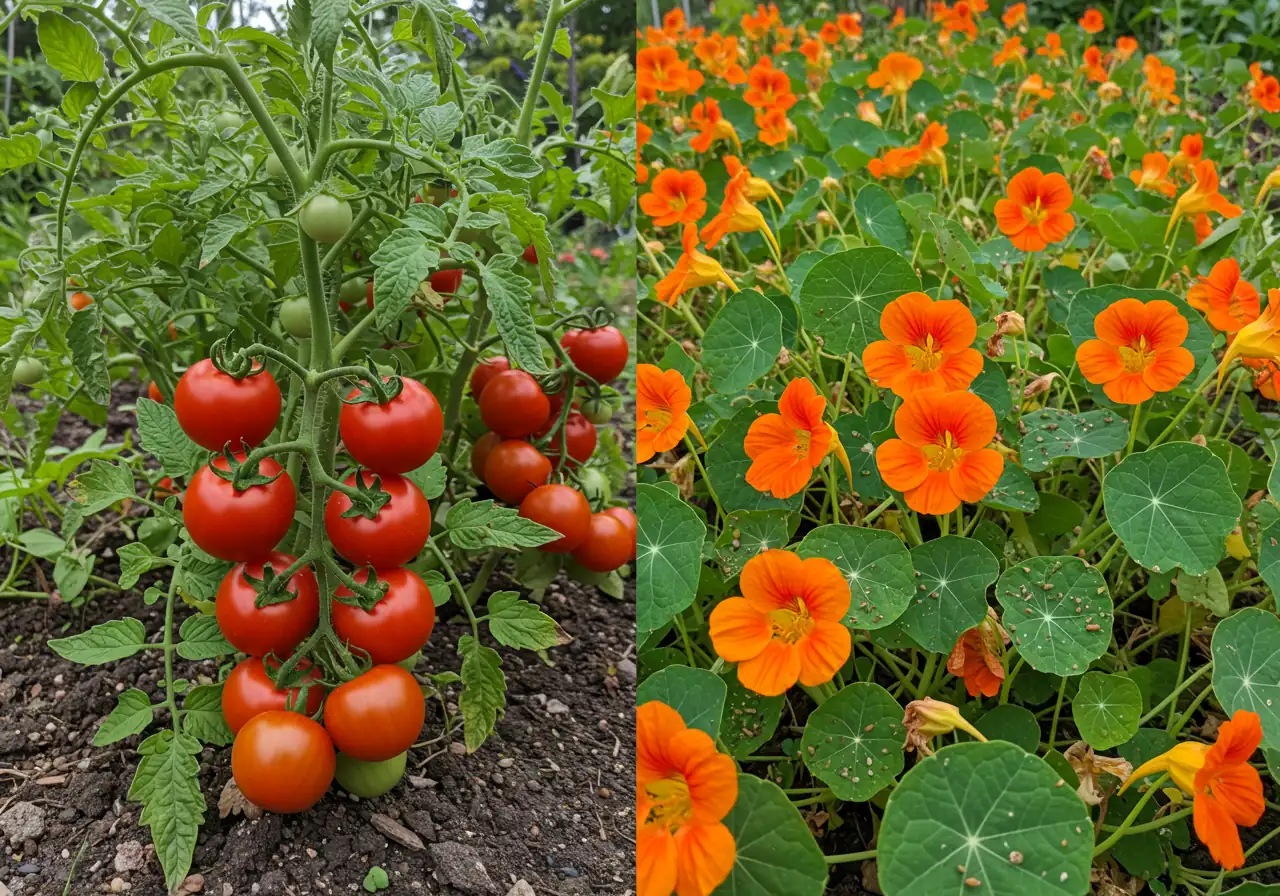
A visual representation of the trap cropping concept. Shows a clear distinction between a protected main crop (like tomatoes) and a nearby sacrificial trap crop (like nasturtiums) visibly attracting pests (aphids). This helps readers immediately grasp the 'lure and sacrifice' idea.
Trap crops act as decoys, drawing pests away from your main garden plants.

The Big Idea: Lure and Sacrifice

At its heart, trap cropping is about planting something pests find *absolutely irresistible* (the "trap crop") right near the plants you actually want to protect (your "cash crop," even if it's just your prize-winning tomatoes!). The pests flock to their favourite snack, leaving your main plants alone, or at least *less* bothered. Think of the trap crop as a sacrifice – you're offering it up so your valuable plants can thrive. It's a bit like saying, "Hey pests, dinner's over here!"

Why It Beats Chemicals (Especially for Ottawa Families)

Now, why should folks gardening in places like Osgoode or Nepean care? Well, think about spraying chemical pesticides. Sure, they might kill the bad bugs, but they often harm beneficial insects like bees and ladybugs too. Plus, many Ottawa families are (rightfully!) concerned about chemicals drifting onto play areas or getting into the soil and water. Nobody wants that residue near their kids, pets, or veggies! Trap cropping is a fantastic *organic* approach. It works *with* nature, not against it. It keeps your garden ecosystem healthier, which can be especially important if you're dealing with challenging conditions like managing Kars organic garden care in clay soil during spring. A healthy soil structure, often tricky in our region, benefits greatly from avoiding harsh chemicals. This method avoids harmful residues, making your backyard haven safer for everyone.

Perfect for Our Neck of the Woods

Trap cropping is surprisingly well-suited for typical Ottawa pests and gardens. Dealing with flea beetles on your eggplants? Plant some radishes nearby – flea beetles often prefer them! Got Japanese beetles skeletonizing your roses? Try planting geraniums or zinnias as a trap. Even in smaller urban gardens found in parts of Nepean or suburban plots in Greely, you can often find space for a small border of trap crops. It fits right into a holistic approach to gardening, complementing things like building healthy soil – a key topic covered in our guides like Nepean organic lawn care tips for clay soil in spring and even summer lawn strategies like these Russell organic lawn care clay soil summer tips. A healthy garden starts with healthy soil and smart, organic pest management. It's all part of creating a vibrant landscape, similar to how you might maintain your lawn with an Embrun organic lawn care plan for healthy grass.

Remember, trap cropping might require a bit of planning and occasional cleanup (removing the infested trap crop sometimes), which ties into general garden maintenance. If managing pests *and* regular upkeep feels overwhelming, exploring professional landscaping and cleanup services can be a huge help. For larger tasks, dedicated help like a Kenmore property cleanup service can get things back in shape, letting you focus on the fun parts of gardening, like harvesting pest-free veggies thanks to your clever trap crops!

Need help selecting and planting trap crops, or managing overall garden health?

Get Professional Help With Your Garden Maintenance

Your Garden's Bouncers: Choosing the Right Trap Crops for Embrun Pests

Okay, so you're ready to hire some "bouncers" for your Embrun garden party – the kind that politely (or maybe not so politely!) redirects those rowdy pest guests. Choosing the *right* trap crop is key; think of it as picking a bouncer who knows exactly who to keep an eye on. You wouldn’t hire a chihuahua to stop a bear, right? Same idea here!

A close-up example illustrating a specific pest congregating on its preferred trap crop mentioned in the table, like squash bugs on Blue Hubbard Squash. This reinforces the effectiveness of choosing the right 'bouncer' and shows the pests being drawn to the decoy.
Pests like these squash bugs are drawn to their preferred trap crop, Blue Hubbard Squash.

Step 1: Identify Your Unwanted Guests

First things first: who are the troublemakers crashing *your* specific garden bash? Are aphids having a rave on your roses in Richmond? Are flea beetles turning your eggplants into Swiss cheese over in Manotick? Different pests have different favourites. Take a close look at the damage and the critters causing it. Knowing your enemy is half the battle! If you're unsure, snapping a picture and checking local Ottawa gardening resources or forums can help. *(Placeholder: Link to a reputable local resource like Ottawa Master Gardeners or OMAFRA pest ID guide here)*

Step 2: Pick Their Poison (Well, Their Preferred Snack)

Once you know the culprit, you need to find a plant they love *even more* than your prized vegetables or flowers. This is your trap crop! The idea is to plant this decoy nearby, drawing the pests away.

Here’s a handy guide to some common pairings that work well in our area:

Common PestLoves to Munch On... (Cash Crop)Try This Bouncer! (Trap Crop)Notes
AphidsRoses, Tomatoes, Peppers, KaleNasturtiums, Mustard GreensNasturtiums are pretty *and* tasty (for you!). Easy to grow.
Flea BeetlesEggplant, Radishes, BroccoliRadishes (especially Daikon)Plant radishes as a border *before* your main crop emerges.
Squash BugsSquash, Pumpkins, ZucchiniBlue Hubbard SquashThese bugs *really* prefer Blue Hubbard. Plant it around your patch.
Japanese BeetlesRoses, Beans, Grapes, RaspberriesGeraniums, Zinnias, Four O'ClocksThey get stunned or deterred by geraniums. Zinnias are just attractive.
Colorado Potato BeetlePotatoes, Eggplant, TomatoesPotatoes (early variety)Plant a sacrificial row of early potatoes away from your main patch.
Cabbage MothsCabbage, Broccoli, KaleCollard Greens, MustardPlant these around your brassicas to attract the egg-laying moths.

Step 3: Planting Your Bouncers Strategically

Don't just toss seeds randomly! Plant your trap crops *around* the plants you want to protect, or in a row nearby. Timing is also important – often, you'll want the trap crop to be established *before* your main crop is vulnerable. Good soil preparation is just as crucial for your trap crops as for your main garden; give them a good start so they're attractive to pests. Remember, you *want* the pests to find them!

Finding the Goods & Local Considerations

You can usually find seeds or starts for common trap crops like radishes, nasturtiums, and mustards at local garden centres around Ottawa and Embrun. Consider your local soil – while trap crops are often tough, extremely heavy clay or very sandy soil might influence your choice or require some amendment. *(Placeholder: Link to a local garden center directory or City of Ottawa soil info page here)*

Managing Your Decoys

Trap cropping isn't entirely set-and-forget. You’ll need to monitor your trap crops. Once they become heavily infested, you have a choice:

  1. Remove and Destroy: Pull the infested plants and dispose of them (don't compost heavily infested plants!). This removes a large chunk of the pest population.
  2. Targeted Treatment: If necessary, you *could* use an organic pesticide *only* on the trap crop, minimizing impact elsewhere.

This process is part of regular garden maintenance. It takes a bit of effort, but it's a fantastic organic strategy. Trap cropping requires a certain commitment; make sure you understand what's involved, much like reviewing the terms and conditions before starting a service. If removing heavily infested plants feels like too much, remember that help is available. Services like a Metcalf garden clean up service or even a broader Kenmore property cleanup service can handle the heavy lifting of garden refuse removal.

Choosing the right trap crops is a smart, eco-friendly way to manage pests, reflecting the kind of thoughtful landscaping approach we believe in (you can learn more about us and our philosophy). Give it a try and watch your garden thrive!

Trap Cropping Strategies in Detail

Perimeter Planting: The Outer Guard

This involves planting your trap crop in a border completely surrounding your main crop area. It acts as the first line of defense, intercepting pests moving in from outside the garden bed. Ideal for mobile pests like squash bugs or flea beetles and generally better suited for larger plots. Ensure the border is dense enough to be attractive.

Best for: Larger gardens, mobile pests (flea beetles, squash bugs), protecting distinct beds.

Intercropping: Mixing it Up

Here, you plant individual trap crop plants amongst your main crops within the same bed or row. For example, planting a nasturtium every few feet among tomato plants to draw aphids away. This strategy works well in smaller gardens where space is limited and can target less mobile pests effectively.

Best for: Smaller gardens, less mobile pests (aphids), maximizing space.

Sacrificial Patch/Row: The Dedicated Decoy

This method involves planting a dense patch or a specific row of the trap crop slightly away (e.g., 5-15 feet) from the main crop. The goal is to create a highly concentrated, irresistible lure. This is very effective for pests with strong preferences, like using Blue Hubbard squash to draw squash bugs away from zucchini.

Best for: Pests with very strong preferences (Colorado potato beetle, squash bugs), situations where you want to concentrate pests for easy removal.

Putting it into Practice: A Step-by-Step Trap Cropping Guide for Your Garden

Okay, you've scouted the enemy (pesky pests!) and chosen your garden's bouncers (the trap crops!). Now it's time to put this brilliant plan into action. Don't worry, it's easier than assembling that flat-pack furniture, we promise! Here’s your step-by-step guide to implementing trap cropping in your Ottawa-area garden:
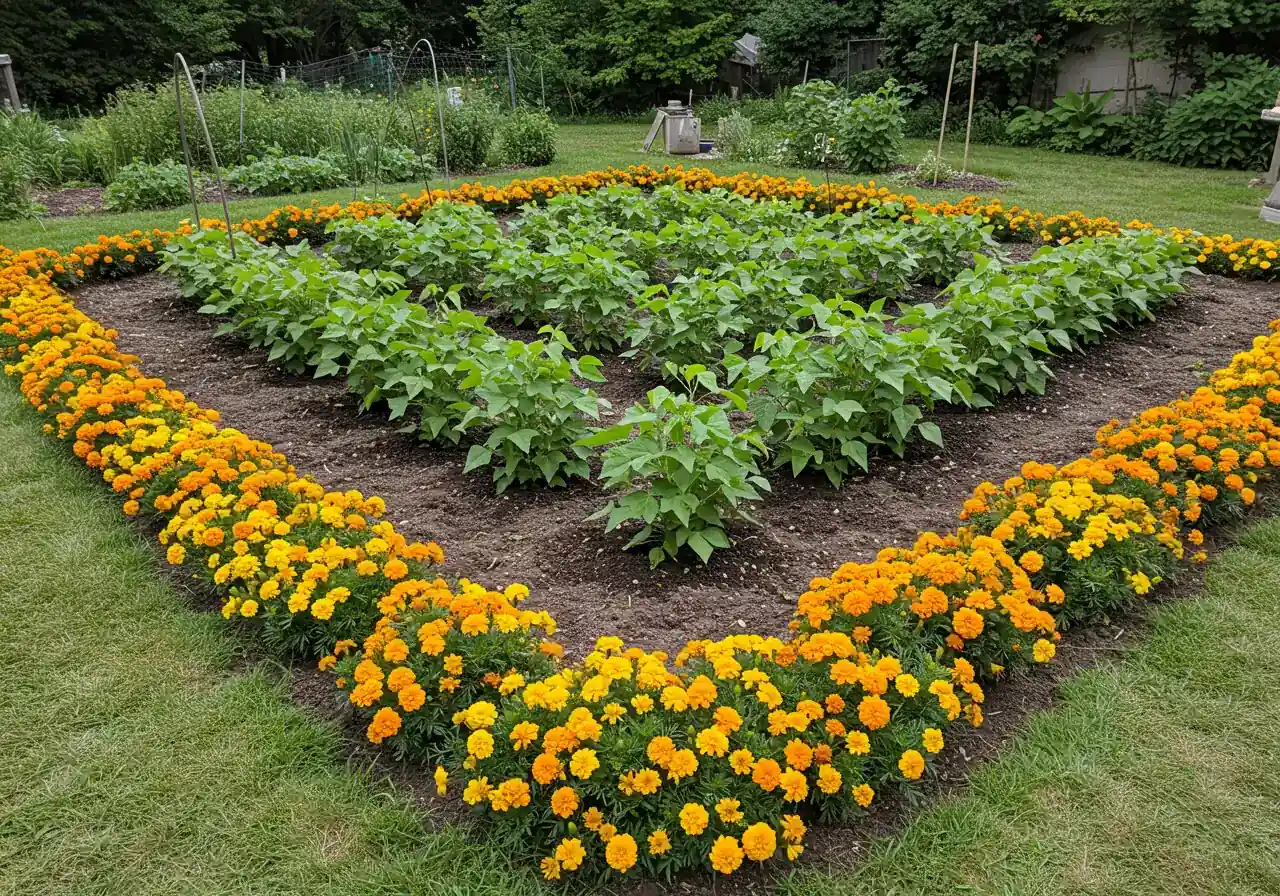
An image illustrating one of the planting layout strategies, such as perimeter planting. Shows a garden bed with the main crop clearly surrounded by a border of the trap crop, making the abstract concept concrete.
Perimeter planting is one effective layout strategy for trap crops.
  • Step 1: Sketch It Out - Your Garden Battle Plan

    Grab pencil and paper! Map main crops, pinpoint likely pest hotspots, and decide trap crop placement to intercept pests *before* they reach the main course.

  • Step 2: Choose Your Layout Strategy

    Select your approach: Perimeter Planting (border), Intercropping (mixed in), or Sacrificial Row/Patch (nearby decoy). Consider garden size and target pests. Effective layouts can benefit from clear mulching and edging.

  • Step 3: Timing is Everything (Especially in Kars and Vernon!)

    Plant traps to be ready *before* main crops are vulnerable. Check local frost dates. Some traps need early planting (radishes), others same time (nasturtiums). Succession planting might be needed for season-long pests.

  • Step 4: Plant 'Em Right

    Give trap crops good soil contact and water. Healthy, lush plants are better decoys. Good overall lawn care reduces nearby pest habitats, complementing your efforts, similar to preparing for new sod installation.

  • Step 5: Observe and Manage (The Ongoing Mission)

    Scout traps regularly. Check main crops too. Remove heavily infested traps *promptly* and dispose of them properly (trash, not compost). Services like Ottawa garden clean up service or Metcalf garden clean up service can help with disposal. Remember data privacy; see our Privacy Policy.

By following these steps, you’ll be well on your way to becoming a trap cropping pro! It takes a little planning and observation, but the payoff – a healthier garden with fewer pests, achieved organically – is fantastic. Your main crops will surely send you a mental Thank You note!

Visualizing Pest Reduction Potential

Estimated Pest Attraction: Trap Crop vs. Main Crop*

80% Trap Crop
20% Main Crop

*Illustrative example. Actual results vary based on pest, crop choice, and conditions.

Beyond the Trap: Integrating Trap Cropping into a Resilient Ottawa Garden Ecosystem
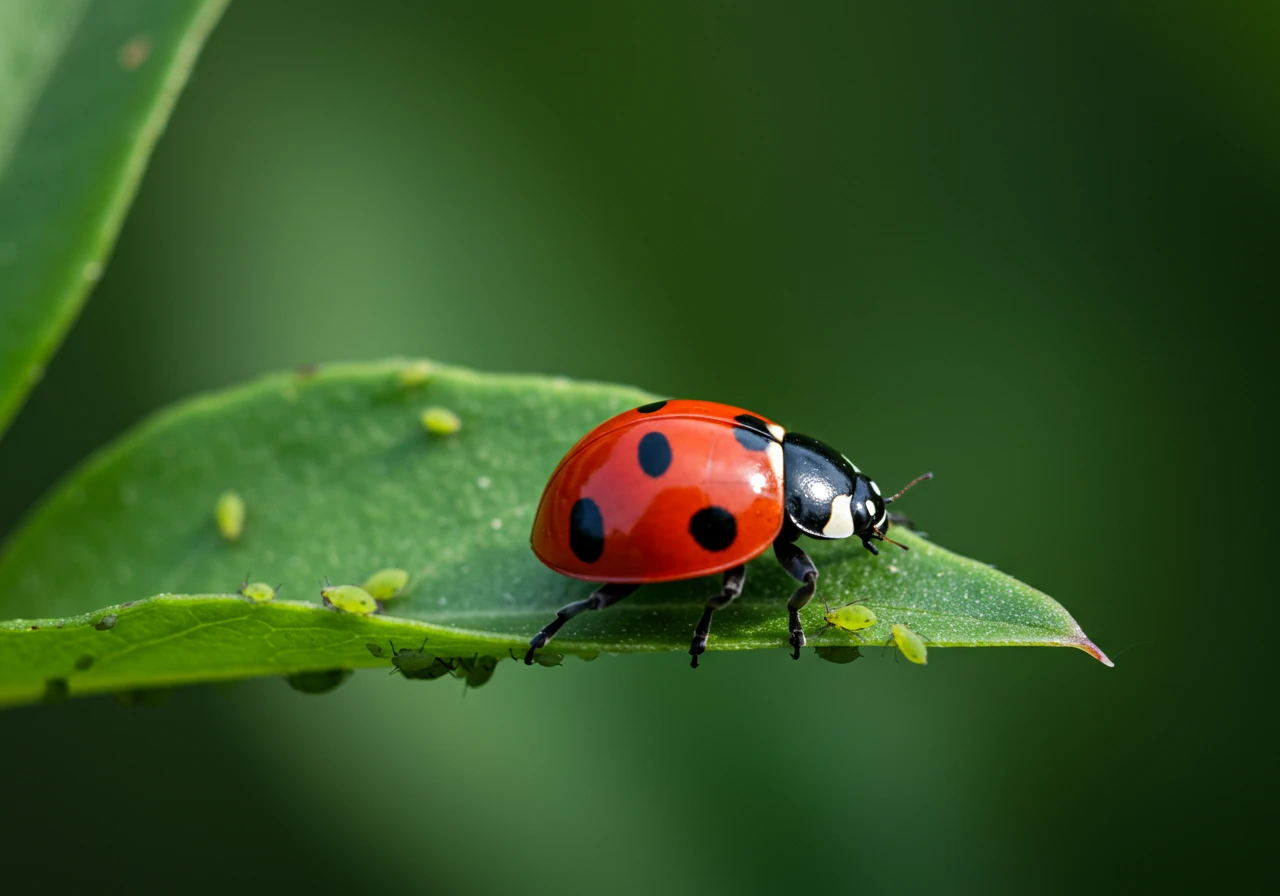
A close-up of a beneficial insect, like a ladybug, on a plant, potentially near pests like aphids. This visually supports the idea of Integrated Pest Management and encouraging natural predators as part of a healthy garden ecosystem.
Encouraging beneficial insects like ladybugs is key to a resilient garden.

Okay, trap cropping is pretty neat, right? Like having designated bouncers for your garden party. But here's the scoop: those bouncers work best when they're part of a whole *security team*. Think of trap cropping as just one player in a bigger game plan called Integrated Pest Management, or IPM – the organic, Ottawa-friendly way. It's all about building a garden that’s tough, smart, and naturally resilient, kind of like those beautiful, established yards you see in Nepean or Metcalfe that seem to handle anything nature throws their way with minimal fuss. A truly healthy landscape is more than just one trick.

So, besides setting those clever traps, what else is on the team roster for your garden's defence?

  • Inviting the Good Guys (Beneficial Insects): Think ladybugs munching aphids, lacewings loving leafhoppers, and praying mantises waiting patiently for their next meal. Planting a variety of flowers (especially native ones!) throughout your garden provides food and habitat, inviting these natural pest controllers to stick around. They're your garden's free, live-in security force! Find local native plant suggestions from resources like the Fletcher Wildlife Garden.
  • Building Super Soil: Forget the chemical fertilizers for a sec. Focusing on building rich, healthy soil with compost and organic matter is *huge*. Why? Because healthy soil grows strong, vigorous plants. And just like us, healthy plants are naturally better at shrugging off attacks from pests and diseases. Pests often target the weaklings first! Learn more about soil health from organizations like Canadian Organic Growers.
  • Using Simple Barriers: Sometimes, the best defence is a physical one. Lightweight row covers draped over hoops can stop cabbage moths from laying eggs on your kale. Cardboard collars around young seedlings can foil cutworms. It’s low-tech but surprisingly effective!
  • Planting Clever Companions: Ever heard that marigolds keep certain pests away from tomatoes? That's companion planting! While not always a magic bullet, some plant pairings can help deter specific pests or mask the scent of their favourite meal. It adds another layer of defence and biodiversity.

When you combine these strategies – building fantastic soil, putting up physical roadblocks, encouraging helpful critters, using companion plants, *and* deploying trap crops – you create a powerful synergy. Each element supports the others, leading to a more balanced and biodiverse garden ecosystem right here in Ottawa. This holistic approach means you'll likely spend less time battling pests and more time enjoying your garden bounty.

Of course, managing all these elements, plus essential garden tasks like removing heavily infested trap crops or dealing with autumn leaves that can harbour overwintering pests, takes consistent effort. If the seasonal upkeep feels like a bit much, specialized help is available. A dedicated Marionville garden clean up service can handle specific garden tasks, while a broader Marionville yard cleanup service can manage general tidiness crucial for pest reduction. Keeping the whole property clear of potential pest habitats supports your garden's health; an Ottawa property cleanup service tackles those larger-scale jobs, and even in denser areas, a city yard cleanup service can help maintain that crucial balance. Build this multi-layered, resilient system, and your thriving garden will practically send you a Thank You note! Feeling inspired but maybe a little overwhelmed putting it all together? Don't hesitate to Contact Us – we're happy to chat about creating a healthier, happier ecosystem for your specific Ottawa property. Check out our reviews on Google!

Trap Cropping Quick Wins!

  • ID Your Villain: Know *exactly* which pest you're targeting before choosing your trap crop. Specificity is key!
  • Pick the Perfect Decoy: Choose plants pests love *more* than your main crop. Smart plant material selection is crucial for creating an irresistible lure they can't ignore.
  • Plant Smart: Position traps strategically (borders or nearby patches work well in spots like Greely) and plant them slightly *before* your main crop needs protection. Think ahead during your initial garden install.
  • Monitor Like a Hawk: Check traps often! Remove heavily infested plants *promptly* to prevent pests spreading. This critical step is part of good upkeep, something our city garden maintenance service handles regularly for clients.
  • Dispose Properly: Don't compost heavily infested trap crops! Bag 'em and trash 'em to avoid spreading the problem. If you generate a lot of garden debris, remember a city yard cleanup service can handle the removal.
  • Think Bigger Picture: Trap cropping works best alongside healthy soil and inviting beneficial insects. It's a fantastic tool contributing to overall garden health and larger landscape transformations towards a truly resilient yard.

FAQs: Your Embrun & Ottawa Trap Cropping Questions Answered

Okay, let's tackle those burning questions about using trap crops in your Embrun or Ottawa garden! We get it, sometimes new gardening techniques sound great, but you want the real dirt.

It really does work! Think of it like setting out cheap chips so guests don't devour the fancy dip. Trap cropping is a proven organic pest control method used worldwide. It works best as *part* of a healthy garden plan (good soil, beneficial insects), but planting a pest's favourite snack nearby genuinely lures them away from your prized plants. Success often depends on choosing the *right* trap crop for your specific pest problem.

That's a common worry, but generally no! Trap crops don't usually summon *more* pests to your general area. Instead, they intercept and concentrate the pests already present or arriving naturally. This actually makes the pests *easier* to manage because they're gathered in one spot (your trap crop) instead of scattered all over your precious veggies or flowers. It’s about strategic redirection, not sending out a general party invitation!

Ack, frustrating! Sometimes pests can be picky eaters. This might happen if you chose a trap crop they don't *actually* prefer over your main plant, if the timing was off (trap wasn't appealing when pests arrived), or if pest pressure is just *really* high. Double-check your pest ID and trap crop choice. If things get overwhelming and you need help getting a major infestation cleared out, you can always Request a Cleanup Quote to help reset the situation.

Not necessarily much! You don't need huge fields. In smaller spaces like many Barrhaven yards, try intercropping – planting a few trap plants (like nasturtiums for aphids) right amongst your main crops. Or, use perimeter planting with a single row around the bed edge. Some trap crops are quite compact. It’s more about clever placement than vast amounts of space. Plus, keeping the garden tidy overall helps, and a Residential Property Clean Up can manage clutter that might otherwise harbour pests.

Remove the trap crop when it's heavily infested but *before* the pests start migrating significantly to your main plants – timing is key! Carefully pull or cut the plants, bag them securely, and put them in your municipal garbage, *not* your compost bin (you don't want pests or eggs surviving). For larger amounts of infested material, an Ottawa Yard Cleanup Service can handle the disposal properly. If you're in Metcalfe and facing a big cleanup job from trap crops, specific help like Metcalfe Property Cleanup is available. Proper disposal keeps things tidy, especially near public areas; maintaining those spots might even fall under city property cleanup service standards like those in Ottawa which has rules for city garden clean up service needs, and general Marionville property cleanup service standards apply regionally.

Ready to Outsmart Pests Naturally? Give Trap Cropping a Go in Embrun!

So there you have it – trap cropping in a nutshell! It’s a genuinely clever and eco-friendly way for gardeners in Embrun, Winchester, Kenmore, and across the Ottawa region to get the upper hand on those pesky invaders *without* reaching for harsh chemicals. Think smarter, not harder, right? By strategically planting decoys, you protect your favourite flowers and veggies, contribute to a healthier garden ecosystem, and make your backyard a safer place for kids, pets, and beneficial bugs. It might seem like a little extra planning, but the payoff in peace of mind and a thriving garden is totally worth it.

Feeling inspired to give trap cropping a try but maybe need a hand with the planning, planting, or the essential garden maintenance that keeps everything running smoothly? Or perhaps you're looking to overhaul your entire landscape for better resilience?

Get in touch with Clean Yards today! We offer comprehensive landscaping, garden care, and organic lawn care solutions throughout the Ottawa area. Let us help you create the beautiful, pest-smart garden you’ve been dreaming of.

Request Your Free Estimate

// Ensure all JS is contained and executes after DOM is ready document.addEventListener('DOMContentLoaded', function() { const articleContainer = document.querySelector('.trap-cropping-article-container'); if (!articleContainer) return; // Exit if container not found// --- Progress Bar --- const progressBar = document.getElementById('progressBar'); function updateProgressBar() { const scrollTotal = document.documentElement.scrollHeight - document.documentElement.clientHeight; const scrolled = window.scrollY; const progress = (scrolled / scrollTotal) * 100; if (progressBar) { progressBar.style.width = progress + '%'; } }// --- Back to Top Button --- const backToTopBtn = document.getElementById('backToTopBtn'); function toggleBackToTopButton() { if (backToTopBtn) { if (window.scrollY > 300) { backToTopBtn.classList.add('show'); } else { backToTopBtn.classList.remove('show'); } } } if (backToTopBtn) { backToTopBtn.addEventListener('click', () => { window.scrollTo({ top: 0, behavior: 'smooth' }); }); }// --- Collapsible Sections (FAQ) --- const collapsibles = articleContainer.querySelectorAll('.collapsible-toggle'); collapsibles.forEach(button => { button.addEventListener('click', function() { this.classList.toggle('active'); const content = this.nextElementSibling; if (content.style.maxHeight && content.style.maxHeight !== '0px') { // Collapse: Set maxHeight to 0 after transition ends for accessibility content.style.maxHeight = '0px'; content.classList.remove('active'); // Remove active class for padding etc. // Optional: Add listener for transition end if needed for complex logic // content.addEventListener('transitionend', () => { ... }, { once: true }); } else { // Expand: Set maxHeight to scrollHeight for full expansion content.classList.add('active'); // Add active class first for transitions content.style.maxHeight = content.scrollHeight + 'px'; } }); });// --- Tab Interface --- const tabContainer = articleContainer.querySelector('.tab-container'); if (tabContainer) { const tabButtons = tabContainer.querySelectorAll('.tab-button'); const tabContents = tabContainer.querySelectorAll('.tab-content');tabButtons.forEach(button => { button.addEventListener('click', () => { const tabId = button.getAttribute('data-tab');// Remove active class from all buttons and content tabButtons.forEach(btn => btn.classList.remove('active')); tabContents.forEach(content => content.classList.remove('active'));// Add active class to the clicked button and corresponding content button.classList.add('active'); const activeContent = tabContainer.querySelector(`#${tabId}`); if (activeContent) { activeContent.classList.add('active'); } }); }); }// --- Bar Chart Animation --- const chart = articleContainer.querySelector('#pestChart'); if (chart) { const bars = chart.querySelectorAll('.bar'); const observer = new IntersectionObserver((entries) => { entries.forEach(entry => { if (entry.isIntersecting) { bars.forEach(bar => { const value = bar.getAttribute('data-value'); // Set height after a short delay to ensure transition works setTimeout(() => { bar.style.height = value + '%'; bar.classList.add('animate'); // Add class to trigger value display etc. }, 100);}); observer.unobserve(chart); // Stop observing once animated } }); }, { threshold: 0.5 }); // Trigger when 50% visibleobserver.observe(chart); }// Attach scroll listeners window.addEventListener('scroll', () => { updateProgressBar(); toggleBackToTopButton(); });// Initial calls on load updateProgressBar(); toggleBackToTopButton();}); // End DOMContentLoaded
Share This Article
Facebook
X
Pinterest
Email
Print

Thank you for sharing!

Contact Us Today

To request a quote, kindly fill out the form below.

Where Can we Reach you?
Which Service Do You Require? (Click all that apply)
Provide a Breif Description of The Work You'd Like Done

Before You Go

We’re confident in our services, we offer a 30-day money-back guarantee. Not 100% satisfied? We’ll swiftly refund all labor costs. Your satisfaction is our top priority!

Get in touch today for expert service and satisfaction guaranteed. You won't regret it!

Where Can we Reach you?
Which Service Do You Require? (Click all that apply)
Provide a Breif Description of The Work You'd Like Done
Where Can we Reach you?
Which Service Do You Require? (Click all that apply)
Provide a Breif Description of The Work You'd Like Done
Where Can we Reach you?
Which Service Do You Require? (Click all that apply)
Provide a Breif Description of The Work You'd Like Done