
Extend Kars Blooms: Advanced Deadheading Technique Guide
Keep your Kars garden blooming beautifully all season! Need help achieving stunning results? Request a free quote today!
Quick Guide to Longer Blooms:
- What is Deadheading? Removing faded flowers to encourage more blooms.
- Why Do It? Extends blooming season, tidies gardens, improves plant health.
- Basic Technique: Pinch or snip spent flower heads back to the nearest leaves.
- Advanced Techniques: Selective stem removal, shearing large areas.
- Key Timing: Regularly throughout the blooming season, adjusting for plant type.
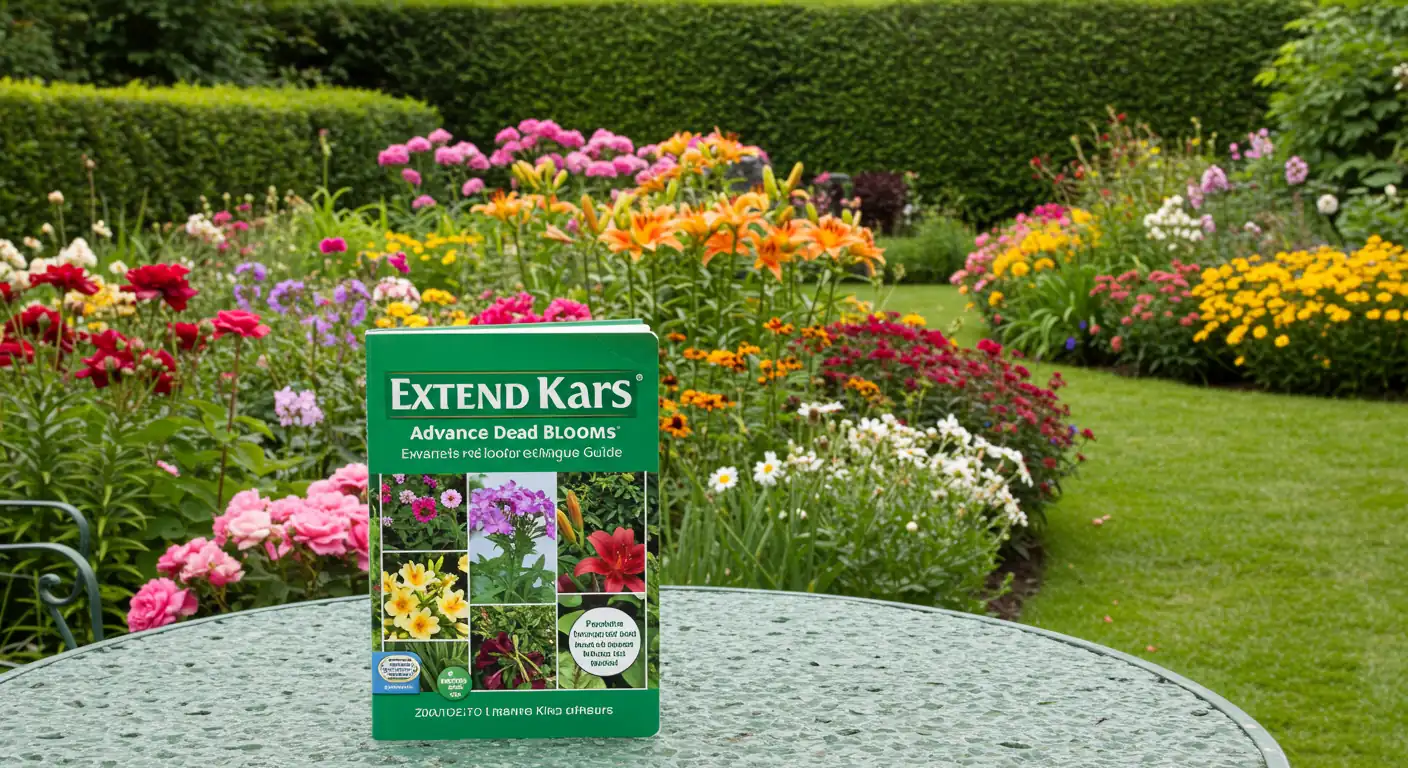
Introduction: Blooming Brilliant in Kars – Why Deadheading is Your Garden's Best Friend
Picture this: it's mid-summer in beautiful Kars, and flower gardens are exploding with vibrant colours that seem to last forever. Stroll over towards Manotick, and you see the same thing – lush flower beds and containers just *full* of blossoms. What’s one of the secrets behind these stunning landscaping transformations? Often, it’s a simple technique called deadheading.
Now, "deadheading" might sound a bit grim, but trust us, it's your garden's cheerful best friend! In simple terms, it just means removing the old, faded flowers from your plants. Think of it like giving your plants a little haircut to encourage new growth.
Why bother? Because deadheading tricks your plants into producing *more* flowers for a *longer* period! Instead of putting energy into making seeds, they focus on dazzling you with fresh blooms. It’s the key to keeping that brilliant colour going strong throughout our unique Ottawa growing season. We'll show you the easy basics and even hint at some clever tricks the pros use. Ready to make your garden the envy of the neighbourhood? Let's get snipping!
Deadheading 101: The Refresher You Didn't Know You Needed
Okay, let's roll up our sleeves for Deadheading 101! Think of this as your friendly reminder about why snipping off those spent flowers is such a game-changer for your Ottawa garden. It’s less of a chore and more like a secret weapon for awesome blooms.
So, why does deadheading work? Plants have one big goal in life: make seeds to reproduce. Once a flower starts to fade, the plant thinks, "Mission accomplished!" and pours all its energy into developing those seeds. Deadheading basically interrupts that process. By removing the fading flower *before* it makes seeds, you trick the plant into thinking, "Oops, gotta try again!" This redirects its energy back into producing *more* gorgeous flowers. It's like hitting the bloom reset button!
The benefits are pretty fantastic:
- More Flowers: This is the big one! You encourage the plant to keep blooming.
- Longer Blooming Season: Keep those colours coming for weeks longer, which is precious in our shorter growing season. For more ways to keep the show going, check out these secrets to extend blooms through summer.
- Tidier Gardens: Let’s be honest, dead flowers look messy. Snipping them off keeps your landscaping looking sharp and clean. A tidy garden enhances your whole property, much like our property clean up services.
- Healthier Plants: Sometimes, dead blooms can invite pests or diseases. Removing them helps keep your plants robust. Consider reviewing our practices via our privacy policy and terms and conditions.
- Control Self-Seeding: Prevents overly enthusiastic plants from spreading everywhere (unless you want them to!).
For many common flowers you see brightening up gardens in places like Barrhaven – think petunias, marigolds, zinnias – a simple pinch or snip of the old flower head and its stem, usually back to the nearest set of healthy leaves, does the trick. It doesn't get much easier than that! You can find more simple tricks for extending flower blooms with these basic methods.
But why might you need *more* than just the basics? Well, different plants have different structures. Some require cutting back further down the stem, while others might stop blooming altogether after their main show. Knowing when and how to deadhead specific plants, especially as the season changes, becomes important. For instance, understanding specific fall deadheading techniques for garden plants can help prepare them for winter, which ties into knowing about part of preparing your garden with fall frost protection tips.
Feeling a bit overwhelmed or just short on time? Keeping up with deadheading and other garden tasks can be a lot. That's where our professional garden maintenance services can step in to help keep your garden looking its absolute best all season long, whether you're in Kars or need a city garden maintenance service.
Level Up Your Snip Game: Advanced Deadheading Techniques Explained
Okay, so you've mastered the basic snip-snip of Deadheading 101. Feeling pretty good, right? Ready to graduate from Garden Padawan to Deadheading Jedi? Excellent! Let's dive into some advanced techniques that will make your Ottawa garden neighbours whisper, "How *do* they do it?!" These aren't complicated, but knowing *when* and *how* to use them takes your landscaping game to the next level.
1. Selective Stem Removal: Going Deeper
Remember how we talked about snipping off the faded flower head? Selective stem removal takes it a step further. Instead of just nipping the bloom, you follow that flower stem *all the way down* and remove it at its base, or near the main plant stem, often just above a set of healthy leaves or a new bud.
Why do this?
For certain plants, especially perennials that send up distinct flower stalks (think Daylilies, Hostas (after flowering), Salvia, or Delphiniums), removing the *entire* spent stem encourages the plant to produce *new* stems and potentially more blooms from the base (basal growth). It also keeps the plant looking much tidier than leaving a bunch of headless green sticks poking up! For plants like Daylilies, which are popular in areas like Osgoode, diligently removing the whole spent scape (flower stalk) makes a huge difference in appearance. You can see examples of well-maintained gardens on our Google Business Profile.
How to do it:
Use clean pruners or garden scissors. Identify the stem that held the faded flower(s). Trace it back towards the main clump of leaves. Make a clean cut close to the base, being careful not to damage emerging new growth or buds. Proper lawn care complements a well-deadheaded garden.
2. The Shear Madness: When Speed Trumps Precision
Got plants covered in masses of tiny flowers, like Creeping Phlox, Alyssum, Candytuft, or maybe even Nepeta (Catmint) after its first big show? Individually deadheading each tiny bloom would take roughly forever and might test the patience of a saint (or at least, a busy gardener!). Enter shearing!
What is it?
Shearing involves using garden shears (like small hedge shears) to give the whole plant a "haircut," removing the top layer of spent flowers and maybe an inch or two of foliage. It sounds drastic, but many plants bounce back vigorously.
Why & When:
Do this right after the main flush of blooms starts to fade. It tidies the plant *fast* and often stimulates a new, albeit sometimes smaller, wave of blooms and fresh foliage. Be brave! Yes, it might look a bit stubbly for a week or two, but the regrowth is usually quick, especially with adequate water. This is a great technique for tidying up large groundcover areas efficiently. If shearing leaves a lot of clippings, consider a thorough cleanup; our Metcalf yard cleanup service handles tasks like this efficiently, similar to our Ottawa yard cleanup service.
3. Pinching vs. Deadheading: Know the Difference
These terms sometimes get confused, but they serve different purposes:
- Pinching: This is done *before* flowering, usually early in the season. You literally pinch off the growing tips of young stems. This encourages the plant to branch out, creating a *bushier*, fuller plant with potentially more flowering points later on. Think Coleus, Petunias, Basil, or Mums early in their growth. Proper pinching contributes to a successful garden installation.
- Deadheading: This is done *after* flowering, removing spent blooms to encourage *more* flowers or prevent seed formation, as we've discussed.
So, pinching shapes the plant for future glory; deadheading extends the current show. Both are valuable tools in your gardening toolkit!
Annuals, Perennials, Shrubs: Tailoring Your Approach
| Plant Type | Typical Deadheading Goal | Common Techniques | Notes |
|---|---|---|---|
| Annuals | Maximize continuous blooms all season | Pinching (early), Single bloom removal | Consistent deadheading is key as they only live one season. Great for brightening up spaces after city yard cleanup. |
| Perennials | Encourage rebloom (if possible), Tidy up | Selective stem removal, Shearing, Single bloom removal | Varies *hugely* by species. Some rebloom, others don't. Focus on tidiness for non-rebloomers. Improves appearance alongside regular garden maintenance. |
| Shrubs | Encourage rebloom (on specific types), Tidy up | Single bloom removal (carefully) | Crucial *not* to remove buds for next year on old-wood bloomers (like some Hydrangeas, Lilacs). Often done just for looks. Professional care can help, like our Marionville property cleanup service. |
Mastering these advanced techniques takes a bit of practice and observation. Pay attention to how *your* specific plants respond. Sometimes, especially with larger properties or more complex landscaping, keeping up can feel like a full-time job. If you're feeling overwhelmed or just want expert care for your garden beds in areas like Kenmore or Metcalf, remember that professional help is available. Check out the range of our professional garden maintenance services or specific offerings like the Kenmore garden clean-up service or the Metcalf property cleanup service. For details on how we operate, you can always review our terms and conditions. Happy snipping!
Gearing Up & Getting Timely: Tools and Calendars for Ottawa Gardeners
Okay, let's talk tools and timing! Getting your deadheading done right doesn't require a complicated toolkit, but having the right gear and knowing *when* to use it makes all the difference in your Ottawa garden. Think of it like cooking – the right utensils and timing turn simple ingredients into something amazing!
Gearing Up: Your Deadheading Arsenal
You don't need much, honestly! Here are the essentials:
- Your Fingers: Yep, the original multi-tool! For soft-stemmed plants like Petunias or Coleus, simply pinching off the spent bloom between your thumb and forefinger is often quickest and easiest.
- Snips or Garden Scissors: For slightly woodier stems or when you want a cleaner cut (think Marigolds, Zinnias). Keep them sharp and clean! Wiping them with rubbing alcohol between plants can help prevent spreading any potential diseases. Clean tools are part of good Ottawa garden clean up.
- Hand Pruners (Secateurs): Your best friend for thicker stems like those on Roses, Coneflowers, or Peonies. Again, sharp and clean is the name of the game. Bypass pruners (which cut like scissors) usually make cleaner cuts than anvil types (which crush the stem).
- Garden Shears: Useful for that "shear madness" technique on groundcovers or mass plantings we talked about earlier.
Spotting the Spent Blooms: What to Look For
It's usually pretty obvious! Look for flowers that are:
- Faded in colour
- Wilted or drooping
- Losing petals
- Starting to form a seed pod where the flower used to be
Don't confuse a spent bloom with a new bud! Buds are typically tightly closed, often point upwards, and look plump and ready to burst with colour. Spent flowers look, well, *spent*. Good observation skills are key, just like when assessing soil for soil preparation.
Getting Timely: The Ottawa Deadheading Calendar (Timeline Visualization)
Our Ottawa growing season is enthusiastic but relatively short! Timing your deadheading helps maximize blooms before the first frosts, which can creep up surprisingly early in areas like Metcalfe or Vernon. Regular deadheading keeps the flower show going strong. Neglecting it can mean a less vibrant display, and more work later; it often becomes part of a necessary city garden clean up service in the fall if left too long. Here’s a general guide:
Early Summer (Late June - July)
Focus on spring bloomers finishing up (Peonies, Iris, Columbine). Tidy these to make way for summer stars. Good material selection (compost, mulch) helps recovery.
Mid-Summer (July - August)
Peak time! Consistently deadhead annuals (Petunias, Marigolds) and reblooming perennials (Coreopsis, Salvia, Daylilies). Essential during the garden install follow-up phase.
Late Summer / Early Fall (Late Aug - Oct)
Continue with annuals until frost. Decide on perennials like Sedum, Rudbeckia: deadhead for tidiness or leave for winter interest/birds. Fall cleanup resembles work by Metcalf property cleanup service or Marionville yard cleanup service.
Remember, this is just a guideline. Observe *your* plants in your specific Ottawa microclimate. Consistent, timely deadheading is one of the easiest ways to boost your garden's performance and keep your landscaping looking sharp all season long!
Plant-Specific Playbooks: Deadheading Favourites from Kars to Kanata*
Alright, garden gurus! We've covered the *why* and the *how* in general terms. Now, let's zoom in on some familiar faces you likely have blooming in your yards, whether you're enjoying the river views in Kars, tending a patch in Nepean, or landscaping in Russell. Each plant has its little quirks, but mastering their deadheading needs is easier than parallel parking downtown on a Friday night. Check out some local resources like the Friends of the Central Experimental Farm for inspiration.
Annual All-Stars: Keep the Colour Coming!
Annuals are the sprinters of the garden world – they give their all in one season. Consistent deadheading is key to keeping them performing like champs, especially after new additions like sod installation nearby.
- Petunias & Calibrachoa (Million Bells): These popular container fillers and bedding plants get sticky, but deadheading prevents them from going to seed and looking leggy.Mini Guide: Petunia Pinching
- Spot the faded flower. Follow its little stem back to where it joins the main stem.
- Using your thumb and forefinger, *pinch* it off right at the base. Try to get the little swelling behind the flower (that's the potential seed pod) too!
- Repeat regularly – like, every few days during peak bloom. Easy peasy!
- Marigolds & Zinnias: These cheerful blooms are pretty straightforward. Snip off the faded flower head along with its stem, cutting back to the next set of leaves or a visible side bud. This encourages more branching and flowers.
Perennial Powerhouses: Playing the Long Game
Perennials return year after year, so deadheading can be about encouraging rebloom, maintaining tidiness, or managing energy for next year. Results vary – some rebloom reliably, others less so. Consider professional city property cleanup service if maintenance becomes too much.
- Daylilies (Hemerocallis): A staple in many Ottawa gardens! While each flower only lasts a day, the *scape* (flower stalk) holds multiple buds. Once all buds on a scape have bloomed and faded, it's time to act.Mini Guide: Daylily Stalk Removal
- Identify a flower stalk (scape) where all the flowers have finished and look shriveled.
- Follow the stalk all the way down towards the base of the leafy clump.
- Using clean pruners, cut the *entire stalk* off as close to the base as possible without damaging the surrounding leaves.
- This keeps the plant looking tidy and directs energy back to the roots and leaves. Similar tidiness is achieved with Ottawa property cleanup service.
- Hostas: Primarily grown for foliage, their flower stalks (often lavender or white) can be removed once faded just for appearance's sake. Cut the entire stalk near the base, similar to daylilies.
- Coneflowers (Echinacea) & Black-Eyed Susans (Rudbeckia): You *can* deadhead these for tidiness and potentially a few more late-season blooms by snipping off spent flowers back to a leaf node. However, many gardeners in areas like Richmond or Winchester *leave* the seed heads standing through fall and winter. Why? They provide crucial food for birds like finches, adding life to the winter landscape and supporting our local Ottawa Valley ecosystems via organizations like the Rideau Valley Conservation Authority. It’s a personal choice!
- Peonies: Once those gorgeous, often fragrant, blooms fade, snip them off just behind the flower head to prevent seed formation. You can cut the stem back to a strong leaf later if you like, but avoid removing too much foliage, as the plant needs it to store energy for next year's show. Remember, good soil structure is key for perennials; gardeners in areas like Greely often battle clay soil, making smart material selection for garden health crucial for plant vigour. Learn more about us about us page.
Shrubs: A Careful Approach
- Roses: Deadheading roses encourages more blooms. Cut the spent flower stem back to the first five-leaflet leaf, making the cut just above the leaflet on an angle.
- Hydrangeas: *Be careful here!* Some hydrangeas (like 'Annabelle' types or Panicle hydrangeas) bloom on new wood, so deadheading spent blooms is fine. Others (like Bigleaf Hydrangeas) bloom on old wood – deadheading might remove next year's buds! If unsure, it's often best to just remove the faded petals carefully or leave them until spring. Check the City of Ottawa's gardening and tree resources for local tips.
Shrub care can be complex, feel free to give us estimate feedback if you've used our services.
Eco-Friendly Deadheading: Waste Not, Want Not!
What do you do with all those snipped bits? Don't just toss them in the garbage! Most spent flower heads and stems are fantastic additions to your compost bin. They break down beautifully, returning nutrients to the soil. Avoiding diseased plant material in the compost is wise, though.
Leaving seed heads, as mentioned for Coneflowers, is another great eco-friendly practice. It supports local wildlife and adds winter interest, reducing the need for extensive fall clean-ups – though sometimes a tidy-up is still desired, similar to the work done by a Marionville garden clean up service for prepping beds.
Keeping your garden beds tidy through deadheading also complements neat borders, which can be maintained through techniques like mulching and edging techniques. If managing these specific plant needs feels like a bit much, remember that professional help is always an option. Our comprehensive garden maintenance plans can take the guesswork out of it for you. We hope these specific tips help your Kars to Kanata garden thrive, and we want to say thank you for considering Clean Yards for keeping your outdoor spaces beautiful!
Deadheading Impact: Estimated Bloom Extension (Weeks)
*Illustrative chart showing potential bloom extension with regular deadheading vs. none. Actual results vary by plant and conditions.
Expert Deadheading Hacks for Maximum Blooms
Ready to take your deadheading from routine to *remarkable*? These pro tips will help you squeeze every last gorgeous flower out of your plants here in Ottawa. Think of them as your secret gardening superpowers!
- Go for the Chop! For bushy perennials like Catmint or Hardy Geraniums, after the first big flower show fades, don't just snip the tips. Shear the whole plant back by about a third. It feels bold, maybe even brutal (we won't tell!), but it encourages lush new growth and often a second wave of blooms. This can create a bit of debris, similar to what might be gathered during a thorough Ottawa yard cleanup service, but the payoff in your landscaping is worth it!
- Feed 'Em After You Weed 'Em (the Dead Stuff!) Deadheading tells your plant to make more flowers, but it needs fuel! Especially for heavy-blooming annuals in pots or beds, give them a little liquid fertilizer snack right after a good deadheading session. Think of it as rewarding their good behaviour. Keeping plants fed is part of good garden upkeep, much like the services offered by a Metcalf garden clean up service which ensure overall plant health.
- Stop the Spread, Sharpen Your Snips! Seriously, dirty or dull pruners can crush stems and spread diseases between plants like gossip in a small town. Wipe your blades with rubbing alcohol, especially if you suspect a plant might be sick or you're moving between different types. Sharp tools make clean cuts that heal faster, keeping your plants healthy and reducing future problems – clean tools contribute to a clean property, which is the goal of any good Ottawa property cleanup service.
- Beat the Seed Pod Bulge: Don't wait until the flower is totally brown and crispy! The *best* time to deadhead is just as the flower starts to fade, *before* the plant puts serious energy into making that seed pod. Catching it early redirects energy back to bloom production much faster. It's proactive care, similar to how a timely Marionville garden clean up service prevents bigger issues later.
- Become a Plant Detective: Not sure *exactly* how far back to cut on that specific perennial you inherited? Watch it! See where new buds are forming below the old flower. Experiment a little – cut one stem short, one long. Your plants are the best teachers for what works in your specific Ottawa microclimate, whether you're in Barrhaven or beyond. If you're ever really stumped or need tailored advice for your garden, don't hesitate to ask the experts – you can always contact us for gardening advice!
Frequently Asked Questions (FAQ)
Deadheading is the gardening practice of removing faded or dead flower heads from a plant. This encourages the plant to produce more blooms instead of putting energy into seed production, extends the flowering season, and keeps the plant looking tidy.
In areas with a shorter growing season like Kars and Ottawa, deadheading is crucial for maximizing the number and duration of blooms. It helps plants focus energy on creating more flowers during the available warm months, leading to a more vibrant and longer-lasting garden display. It's a key part of services like our Metcalf garden clean up service.
No, not all plants require deadheading. Some plants are sterile or don't rebloom significantly. Others, like Coneflowers or Sedum, are often left with their seed heads for winter interest and to provide food for birds. Annuals and many reblooming perennials benefit most from regular deadheading. Understanding plant needs is central to our company philosophy.
Basic deadheading can often be done simply by pinching with your fingers. For tougher stems, garden snips or scissors are useful. For thicker stems like those on roses or shrubs, bypass hand pruners (secateurs) are recommended. For mass plantings like groundcovers, garden shears can be used for efficiency. We use professional tools in all our services.