
/* --- Global Styles & Variables --- */ :root { --brand-primary: #93C020; /* Light Green */ --brand-dark: #2D2C2C; /* Dark Gray */ --brand-darker: #000000; /* Black */ --brand-light: #EBEBEB; /* Light Gray */ --brand-accent: #287734; /* Dark Green */ --brand-white: #FFFFFF; /* White */ --brand-highlight: #B7FE00; /* Bright Lime */--text-color: var(--brand-dark); --heading-color: var(--brand-darker); --link-color: var(--brand-accent); --link-hover-color: var(--brand-primary); --button-bg: var(--brand-accent); --button-text: var(--brand-white); --button-hover-bg: var(--brand-primary); --button-hover-text: var(--brand-darker); --progress-bar-bg: var(--brand-light); --progress-bar-fill: var(--brand-primary); --back-to-top-bg: var(--brand-accent); --back-to-top-hover-bg: var(--brand-primary); --highlight-box-bg: #f5fced; /* Lighter green tint */ --highlight-box-border: var(--brand-primary); --tab-bg: var(--brand-light); --tab-active-bg: var(--brand-white); --tab-active-border: var(--brand-primary); --tab-text: var(--brand-dark); --tab-active-text: var(--brand-darker); --timeline-dot: var(--brand-accent); --timeline-line: var(--brand-light); --table-header-bg: var(--brand-accent); --table-header-text: var(--brand-white); --table-border: var(--brand-light);--spacing-unit: 1rem; /* 16px */ }/* --- Scoping Wrapper --- */ .companion-planting-article { font-family: -apple-system, BlinkMacSystemFont, "Segoe UI", Roboto, Helvetica, Arial, sans-serif, "Apple Color Emoji", "Segoe UI Emoji", "Segoe UI Symbol"; line-height: 1.7; color: var(--text-color); background-color: var(--brand-white); margin: 0; padding: 0; font-size: 16px; }/* --- Base Elements Styling --- */ .companion-planting-article * { box-sizing: border-box; }.companion-planting-article .container { max-width: 800px; margin: 0 auto; padding: calc(var(--spacing-unit) * 1.5) var(--spacing-unit); /* 24px 16px */ }.companion-planting-article h1, .companion-planting-article h2, .companion-planting-article h3, .companion-planting-article h4 { color: var(--heading-color); margin-top: calc(var(--spacing-unit) * 2); /* 32px */ margin-bottom: var(--spacing-unit); /* 16px */ line-height: 1.3; font-weight: 600; }.companion-planting-article h1 { font-size: 2.5rem; /* 40px */ border-bottom: 2px solid var(--brand-primary); padding-bottom: calc(var(--spacing-unit) * 0.5); /* 8px */ }.companion-planting-article h2 { font-size: 1.8rem; /* 28.8px */ margin-top: calc(var(--spacing-unit) * 3); /* 48px */ border-bottom: 1px solid var(--brand-light); padding-bottom: calc(var(--spacing-unit) * 0.3); /* ~5px */ }.companion-planting-article h3 { font-size: 1.4rem; /* 22.4px */ margin-top: calc(var(--spacing-unit) * 2.5); /* 40px */ }.companion-planting-article h4 { font-size: 1.1rem; /* 17.6px */ }.companion-planting-article p { margin-bottom: var(--spacing-unit); /* 16px */ }.companion-planting-article a { color: var(--link-color); text-decoration: none; transition: color 0.2s ease; }.companion-planting-article a:hover { color: var(--link-hover-color); text-decoration: underline; }.companion-planting-article ul, .companion-planting-article ol { margin-bottom: var(--spacing-unit); padding-left: calc(var(--spacing-unit) * 1.5); /* 24px */ }.companion-planting-article li { margin-bottom: calc(var(--spacing-unit) * 0.5); /* 8px */ }.companion-planting-article figure { margin: calc(var(--spacing-unit) * 1.5) auto; /* 24px */ text-align: center; }.companion-planting-article figcaption { font-size: 0.85rem; /* 13.6px */ color: #777; margin-top: calc(var(--spacing-unit) * 0.5); /* 8px */ }.companion-planting-article img { max-width: 100%; height: auto; border-radius: 5px; }.companion-planting-article .summary-box { background-color: var(--brand-light); border-left: 5px solid var(--brand-primary); padding: var(--spacing-unit); margin: calc(var(--spacing-unit) * 1.5) 0; border-radius: 0 5px 5px 0; } .companion-planting-article .summary-box h3 { margin-top: 0; font-size: 1.1rem; color: var(--brand-accent); } .companion-planting-article .summary-box ul { padding-left: var(--spacing-unit); margin-bottom: 0; }/* --- Progress Bar --- */ .companion-planting-article .progress-container { width: 100%; height: 8px; background-color: var(--progress-bar-bg); position: fixed; top: 0; left: 0; z-index: 1000; }.companion-planting-article .progress-bar { height: 100%; width: 0%; background-color: var(--progress-bar-fill); transition: width 0.1s linear; }/* --- Back to Top Button --- */ .companion-planting-article .back-to-top { position: fixed; bottom: 20px; right: 20px; background-color: var(--back-to-top-bg); color: var(--brand-white); border: none; border-radius: 50%; width: 50px; height: 50px; font-size: 24px; cursor: pointer; opacity: 0; visibility: hidden; transition: opacity 0.3s ease, visibility 0.3s ease, background-color 0.2s ease; z-index: 999; display: flex; align-items: center; justify-content: center; }.companion-planting-article .back-to-top.visible { opacity: 1; visibility: visible; }.companion-planting-article .back-to-top:hover { background-color: var(--back-to-top-hover-bg); }/* --- Collapsible Sections (FAQ) --- */ .companion-planting-article .faq-item { border-bottom: 1px solid var(--brand-light); margin-bottom: var(--spacing-unit); } .companion-planting-article .faq-item:last-child { border-bottom: none; }.companion-planting-article .faq-toggle { background: none; border: none; width: 100%; text-align: left; padding: var(--spacing-unit) 0; font-size: 1.1rem; font-weight: 600; cursor: pointer; color: var(--heading-color); position: relative; padding-right: 30px; /* Space for icon */ transition: color 0.2s ease; }.companion-planting-article .faq-toggle:hover { color: var(--brand-accent); }.companion-planting-article .faq-toggle::after { content: '+'; position: absolute; right: 0; top: 50%; transform: translateY(-50%); font-size: 1.5rem; color: var(--brand-accent); transition: transform 0.3s ease; }.companion-planting-article .faq-toggle.active::after { content: '−'; transform: translateY(-50%) rotate(180deg); }.companion-planting-article .faq-content { max-height: 0; overflow: hidden; transition: max-height 0.4s ease-out, padding 0.4s ease-out; padding: 0 var(--spacing-unit); }.companion-planting-article .faq-content.expanded { max-height: 500px; /* Adjust as needed, large enough for content */ padding: var(--spacing-unit) var(--spacing-unit) calc(var(--spacing-unit)*1.5) var(--spacing-unit); transition: max-height 0.5s ease-in, padding 0.5s ease-in; } .companion-planting-article .faq-content p:last-child { margin-bottom: 0; }/* --- Tab Interface --- */ .companion-planting-article .tabs-container { margin: calc(var(--spacing-unit) * 2) 0; border: 1px solid var(--brand-light); border-radius: 5px; overflow: hidden; } .companion-planting-article .tab-buttons { display: flex; background-color: var(--tab-bg); border-bottom: 1px solid var(--brand-light); }.companion-planting-article .tab-button { padding: calc(var(--spacing-unit)*0.8) calc(var(--spacing-unit)*1.2); cursor: pointer; border: none; background-color: transparent; font-size: 1rem; font-weight: 500; color: var(--tab-text); transition: background-color 0.3s ease, color 0.3s ease, border-bottom 0.3s ease; flex-grow: 1; /* Make buttons share space */ text-align: center; border-bottom: 3px solid transparent; /* Placeholder for active border */ }.companion-planting-article .tab-button:hover { background-color: #e0e0e0; /* Slightly darker than tab-bg */ color: var(--brand-darker); }.companion-planting-article .tab-button.active { background-color: var(--tab-active-bg); color: var(--tab-active-text); font-weight: 600; border-bottom: 3px solid var(--tab-active-border); }.companion-planting-article .tab-content-panels { padding: calc(var(--spacing-unit) * 1.5); background-color: var(--brand-white); }.companion-planting-article .tab-panel { display: none; }.companion-planting-article .tab-panel.active { display: block; animation: fadeIn 0.5s ease; }@keyframes fadeIn { from { opacity: 0; } to { opacity: 1; } }/* --- Responsive Data Visualization (Bar Chart) --- */ .companion-planting-article .chart-container { margin: calc(var(--spacing-unit) * 2) 0; padding: var(--spacing-unit); border: 1px solid var(--brand-light); border-radius: 5px; } .companion-planting-article .chart-title { text-align: center; margin-bottom: calc(var(--spacing-unit)*1.5); font-weight: 600; }.companion-planting-article .bar-chart { display: flex; justify-content: space-around; align-items: flex-end; height: 200px; /* Set a fixed height for the chart area */ border-left: 1px solid var(--brand-dark); border-bottom: 1px solid var(--brand-dark); padding: 0 var(--spacing-unit); position: relative; } /* Add Y-axis labels (optional) */ .companion-planting-article .bar-chart::before { content: 'High Pest Reduction'; position: absolute; left: -10px; top: -5px; font-size: 0.7rem; transform: translateX(-100%) rotate(-90deg); transform-origin: left top; color: #777; } .companion-planting-article .bar-chart::after { content: 'Low'; position: absolute; left: -5px; bottom: -5px; font-size: 0.7rem; transform: translateX(-100%); color: #777; }.companion-planting-article .bar { width: 15%; background-color: var(--brand-accent); margin: 0 1%; display: flex; flex-direction: column; align-items: center; justify-content: flex-end; position: relative; height: var(--bar-height, 0%); /* Controlled by JS */ transition: height 1s ease-out; border-radius: 3px 3px 0 0; }.companion-planting-article .bar span { /* Label */ font-size: 0.8rem; color: var(--brand-dark); margin-top: 5px; position: absolute; bottom: -25px; /* Position below the x-axis */ left: 50%; transform: translateX(-50%); white-space: nowrap; } .companion-planting-article .bar::after { /* Value Label */ content: attr(data-value) '%'; position: absolute; top: -20px; left: 50%; transform: translateX(-50%); font-size: 0.8rem; font-weight: bold; color: var(--brand-accent); opacity: 0; transition: opacity 0.3s ease 0.8s; /* Fade in after bar grows */ }.companion-planting-article .bar-chart.animate .bar { height: var(--bar-height); /* Trigger transition */ } .companion-planting-article .bar-chart.animate .bar::after { opacity: 1; }/* --- Timeline Component --- */ .companion-planting-article .timeline { position: relative; max-width: 700px; /* Adjust as needed */ margin: calc(var(--spacing-unit) * 3) auto; padding: calc(var(--spacing-unit) * 2) 0; }.companion-planting-article .timeline::after { /* The vertical line */ content: ''; position: absolute; width: 3px; background-color: var(--timeline-line); top: 0; bottom: 0; left: 50%; margin-left: -1.5px; /* Center the line */ }.companion-planting-article .timeline-item { padding: var(--spacing-unit) calc(var(--spacing-unit) * 2); position: relative; background-color: inherit; width: 50%; margin-bottom: var(--spacing-unit); }/* Circle (dot) on the timeline */ .companion-planting-article .timeline-item::after { content: ''; position: absolute; width: 15px; height: 15px; right: -9px; /* Adjust to align with line */ background-color: var(--brand-white); border: 4px solid var(--timeline-dot); top: calc(var(--spacing-unit) + 5px); /* Align with content */ border-radius: 50%; z-index: 1; }/* Place items to the left */ .companion-planting-article .timeline-item.left { left: 0; padding-right: 40px; /* Add padding for arrow and spacing */ }/* Place items to the right */ .companion-planting-article .timeline-item.right { left: 50%; padding-left: 40px; /* Add padding for arrow and spacing */ }/* Adjust dot position for right items */ .companion-planting-article .timeline-item.right::after { left: -6px; /* Adjust to align with line */ }/* Arrow pointers */ .companion-planting-article .timeline-item::before { content: " "; height: 0; position: absolute; top: calc(var(--spacing-unit) + 10px); /* Align with dot */ width: 0; z-index: 1; border: medium solid var(--brand-white); /* Match content background */ }.companion-planting-article .timeline-item.left::before { right: 30px; /* Pointing right */ border-width: 10px 0 10px 10px; border-color: transparent transparent transparent var(--brand-light); }.companion-planting-article .timeline-item.right::before { left: 30px; /* Pointing left */ border-width: 10px 10px 10px 0; border-color: transparent var(--brand-light) transparent transparent; }.companion-planting-article .timeline-content { padding: var(--spacing-unit); background-color: var(--brand-white); position: relative; border-radius: 6px; border: 1px solid var(--brand-light); box-shadow: 0 1px 3px rgba(0,0,0,0.1); } .companion-planting-article .timeline-content h3 { margin-top: 0; font-size: 1.1rem; color: var(--brand-accent); }/* --- Highlight Box --- */ .companion-planting-article .highlight-box { background-color: var(--highlight-box-bg); border: 1px solid var(--highlight-box-border); border-left-width: 5px; padding: calc(var(--spacing-unit) * 1.5); margin: calc(var(--spacing-unit) * 2) 0; border-radius: 0 5px 5px 0; } .companion-planting-article .highlight-box h3 { margin-top: 0; color: var(--brand-accent); font-size: 1.3rem; } .companion-planting-article .highlight-box p:last-child, .companion-planting-article .highlight-box ul:last-child { margin-bottom: 0; }/* --- Call to Action (CTA) Button --- */ .companion-planting-article .cta-button-container { text-align: center; margin: calc(var(--spacing-unit) * 2) 0; }.companion-planting-article .cta-button { background-color: var(--button-bg); color: var(--button-text); padding: calc(var(--spacing-unit)*0.8) calc(var(--spacing-unit)*1.8); border: none; border-radius: 25px; /* Pill shape */ font-size: 1.1rem; font-weight: 600; cursor: pointer; text-decoration: none; display: inline-block; transition: background-color 0.3s ease, color 0.3s ease, transform 0.2s ease; }.companion-planting-article .cta-button:hover { background-color: var(--button-hover-bg); color: var(--button-hover-text); transform: translateY(-2px); text-decoration: none; }.companion-planting-article .cta-prompt { text-align: center; font-style: italic; color: #555; margin-bottom: var(--spacing-unit); }/* --- Responsive Table --- */ .companion-planting-article .table-container { overflow-x: auto; /* Enable horizontal scroll on small screens */ margin: calc(var(--spacing-unit) * 1.5) 0; -webkit-overflow-scrolling: touch; /* Smooth scrolling on iOS */ }.companion-planting-article table { width: 100%; border-collapse: collapse; border: 1px solid var(--table-border); }.companion-planting-article th, .companion-planting-article td { padding: calc(var(--spacing-unit) * 0.75); /* 12px */ text-align: left; border-bottom: 1px solid var(--table-border); }.companion-planting-article th { background-color: var(--table-header-bg); color: var(--table-header-text); font-weight: 600; white-space: nowrap; /* Prevent header text wrapping */ }.companion-planting-article tr:nth-child(even) { background-color: #f9f9f9; /* Subtle striping */ } .companion-planting-article tr:hover { background-color: #f1f1f1; }/* --- Responsive Adjustments --- */ @media (max-width: 768px) { .companion-planting-article h1 { font-size: 2rem; } .companion-planting-article h2 { font-size: 1.6rem; } .companion-planting-article h3 { font-size: 1.3rem; } .companion-planting-article .container { padding: var(--spacing-unit); }/* Adjust Timeline for Mobile */ .companion-planting-article .timeline::after { left: 20px; /* Move line to the left */ margin-left: 0; } .companion-planting-article .timeline-item { width: 100%; padding-left: 50px; /* Space for dot and line */ padding-right: var(--spacing-unit); /* Reset right padding */ left: 0 !important; /* Force all items to left */ margin-bottom: calc(var(--spacing-unit)*1.5); } .companion-planting-article .timeline-item.left::before, .companion-planting-article .timeline-item.right::before { left: 35px; /* Pointing left from content */ border-width: 10px 10px 10px 0; border-color: transparent var(--brand-light) transparent transparent; }.companion-planting-article .timeline-item::after { left: 12.5px; /* Align dot with the line */ }/* Bar Chart adjustments */ .companion-planting-article .bar span { font-size: 0.7rem; bottom: -30px; } /* Smaller label, more space */ .companion-planting-article .bar-chart::before { display: none; } /* Hide vertical label */ .companion-planting-article .bar-chart::after { display: none; } /* Hide Low label *//* Tab Button adjustments */ .companion-planting-article .tab-buttons { flex-direction: column; /* Stack tabs vertically */ } .companion-planting-article .tab-button { border-bottom: 1px solid var(--brand-light); border-left: 3px solid transparent; /* Use left border for active state */ border-bottom-width: 1px; /* Override default bottom border */ text-align: left; padding-left: var(--spacing-unit); } .companion-planting-article .tab-button.active { border-bottom-color: var(--brand-light); /* Keep bottom line consistent */ border-left: 3px solid var(--tab-active-border); background-color: #f8f8f8; /* Slight distinction */ } .companion-planting-article .tab-button:last-child { border-bottom: none; }} @media (max-width: 480px) { .companion-planting-article { font-size: 15px; } .companion-planting-article h1 { font-size: 1.8rem; } .companion-planting-article h2 { font-size: 1.4rem; } .companion-planting-article .back-to-top { width: 40px; height: 40px; font-size: 20px; bottom: 15px; right: 15px; } .companion-planting-article .cta-button { font-size: 1rem; padding: calc(var(--spacing-unit)*0.7) calc(var(--spacing-unit)*1.5); } .companion-planting-article .bar span { display: none; } /* Hide labels on very small screens if needed */ .companion-planting-article .bar::after { font-size: 0.7rem; top: -15px; } } { "@context": "https://schema.org", "@graph": [ { "@type": "Article", "headline": "Greely: Companion Planting Plan to Deter Pests Naturally", "author": { "@type": "Organization", "name": "Clean Yards" }, "image": "https://cleanyards.ca/wp-content/uploads/2025/04/close_up_photograph_of_vibrant_7688.webp", "datePublished": "2024-05-16", // Placeholder date, not displayed visually "dateModified": "2024-05-16", // Placeholder date "publisher": { "@type": "Organization", "name": "Clean Yards", "logo": { "@type": "ImageObject", "url": "https://cleanyards.ca/wp-content/uploads/2024/01/cleanyards-logo-e1705916264634.png" } }, "description": "Learn how to use companion planting in your Greely garden to naturally deter pests, attract beneficial insects, and create a healthier, more productive landscape. Includes plant pairing ideas suitable for the Ottawa climate.", "mainEntityOfPage": { "@type": "WebPage", "@id": "https://cleanyards.ca/blog/greely-companion-planting-pest-deterrent/" // Assuming this will be the final URL } }, { "@type": "HowTo", "name": "Design a Pest-Proof Garden Using Companion Planting", "description": "A step-by-step guide to planning and planting a garden in Greely (Ottawa area) using companion planting techniques to naturally deter pests.", "step": [ { "@type": "HowToStep", "name": "Assess Your Garden Site", "text": "Evaluate sunlight, water access, and soil conditions (especially clay content common in Ottawa). Determine your Canadian Plant Hardiness Zone (approx. 5a/5b)." }, { "@type": "HowToStep", "name": "Select Your Main Plants", "text": "Choose the primary vegetables or flowers you want to grow, focusing on varieties suited for the Ottawa climate and your site conditions." }, { "@type": "HowToStep", "name": "Identify Local Pests", "text": "Research or recall common pests that affect your chosen plants in the Ottawa region (e.g., aphids, cabbage moths, tomato hornworms)." }, { "@type": "HowToStep", "name": "Pick Companion Plants", "text": "Select companion plants based on their ability to repel target pests (e.g., marigolds, basil), attract beneficial insects (e.g., dill, alyssum), or act as trap crops (e.g., nasturtiums)." }, { "@type": "HowToStep", "name": "Design Your Layout", "text": "Sketch a garden plan, deciding where to place main plants and companions (interplanting vs. borders). Ensure adequate spacing for air circulation." }, { "@type": "HowToStep", "name": "Prepare and Plant", "text": "Amend soil if necessary (especially clay with compost). Plant according to your layout map after the last frost date." }, { "@type": "HowToStep", "name": "Observe and Adapt", "text": "Monitor your garden's progress. Observe pest levels and beneficial insect activity. Adjust practices based on results for future seasons. Ensure consistent watering and weeding." } ] }, { "@type": "FAQPage", "mainEntity": [ { "@type": "Question", "name": "Do companion planting strategies need adjusting for Ottawa's shorter growing season?", "acceptedAnswer": { "@type": "Answer", "text": "Yes. Focus on fast-growing companions or those providing benefits quickly, like radishes near carrots. Starting tender companions like basil indoors gives them a head start before planting out after the last frost." } }, { "@type": "Question", "name": "Will companion planting really stop deer or rabbits in areas like Manotick or Barrhaven?", "acceptedAnswer": { "@type": "Answer", "text": "It helps deter them but isn't foolproof. Strongly scented plants (marigolds, lavender) can make gardens less appealing, but fencing is the most reliable defence against deer and rabbits, especially near green spaces. Companion planting is most effective against insect pests." } }, { "@type": "Question", "name": "My Ottawa soil is heavy clay. Does this affect companion planting choices?", "acceptedAnswer": { "@type": "Answer", "text": "Yes. Heavy clay impacts drainage and root growth. Choose companions tolerant of these conditions or that help improve soil (like deep-rooted daikon radish as a cover crop). Always amend clay soil generously with compost before planting to improve conditions for all plants." } }, { "@type": "Question", "name": "What are some bad companion plant combinations to avoid in Ottawa gardens?", "acceptedAnswer": { "@type": "Answer", "text": "Avoid planting fennel near most garden plants (inhibits growth). Beans generally don't mix well with onions, garlic, or chives (onions stunt bean growth). Keep potatoes and tomatoes separate due to competition and shared diseases like blight." } }, { "@type": "Question", "name": "Can companion planting help manage common Ottawa garden pests like Japanese beetles?", "acceptedAnswer": { "@type": "Answer", "text": "It contributes to the defence strategy. Geraniums can act as a trap crop (temporarily paralyzing beetles). White flowers like alyssum attract parasitic wasps that target beetle grubs. A tidy garden maintained through services like a City Garden Clean Up Service (https://cleanyards.ca/city-garden-clean-up-service/) also reduces hiding spots." } }, { "@type": "Question", "name": "Where can I get specific advice for my own Nepean garden layout and companion planting plan?", "acceptedAnswer": { "@type": "Answer", "text": "Local garden centres, horticulturalists, or professional landscaping services like Clean Yards (check our Estimate Feedback system: https://cleanyards.ca/estimate-feedback/) can provide tailored advice. Starting with a clean slate via a City Property Cleanup Service (https://cleanyards.ca/city-property-cleanup-service/) can also make implementation easier." } } ] } ] }

Greely: Companion Planting Plan to Deter Pests Naturally

Planning your Greely garden? Need help keeping pests away naturally?

Quick Summary: Companion Planting Pest Control

  • Companion planting uses specific plant pairings to naturally deter pests, attract beneficial insects, and improve plant health.
  • Key strategies include using repellent scents (marigolds, basil), attracting predators (dill, alyssum for ladybugs), and using trap crops (nasturtiums for aphids).
  • Popular pairings for Ottawa include Tomatoes & Basil, Carrots & Onions, and Beans & Corn.
  • Combine companion planting with healthy soil, mulching, wise watering, and crop rotation for best results.
  • This guide provides a step-by-step plan and answers common questions for Greely gardeners.

Introduction: Greely Gardens Getting Bugged? Go Natural!

Hey Greely neighbours! Is something *literally* bugging you about your beautiful garden this year? You've put in the effort – digging, planting, watering – dreaming of vibrant flowers or maybe some tasty veggies right here in our lovely corner of Ottawa. Whether you’re tending a large plot like some over in Manotick or a neat backyard patch, it’s super frustrating when uninvited guests (we’re talking aphids, slugs, and those munching beetles!) decide to throw a feast on your hard work.

Before you reach for harsh chemicals, let's talk about a smarter, friendlier way to handle these pests. Ever heard of *companion planting*? It’s a fantastic, all-natural gardening strategy that’s been around for ages, and it works wonders right here in our climate. Think of it as assembling a friendly neighbourhood watch, but with plants!

Companion planting is all about pairing certain plants together in your landscaping design to naturally help each other thrive. Some plants repel pests, others attract beneficial insects (like ladybugs that eat aphids!), and some can even improve the soil or flavour of their neighbours. It’s an effective, eco-friendly approach to pest management that keeps your garden healthy and buzzing – with the *right* kind of buzz! Let's explore how you can turn your Greely garden into a thriving, naturally protected oasis.

What Exactly is Companion Planting? (Hint: It's Not Plant Speed Dating)

Okay, let's clear this up first: companion planting *isn't* about setting your lonely tomato plant up on a blind date hoping it finds love with a basil plant (though they *do* make a great couple!). It's much more practical and less awkward than plant speed dating.
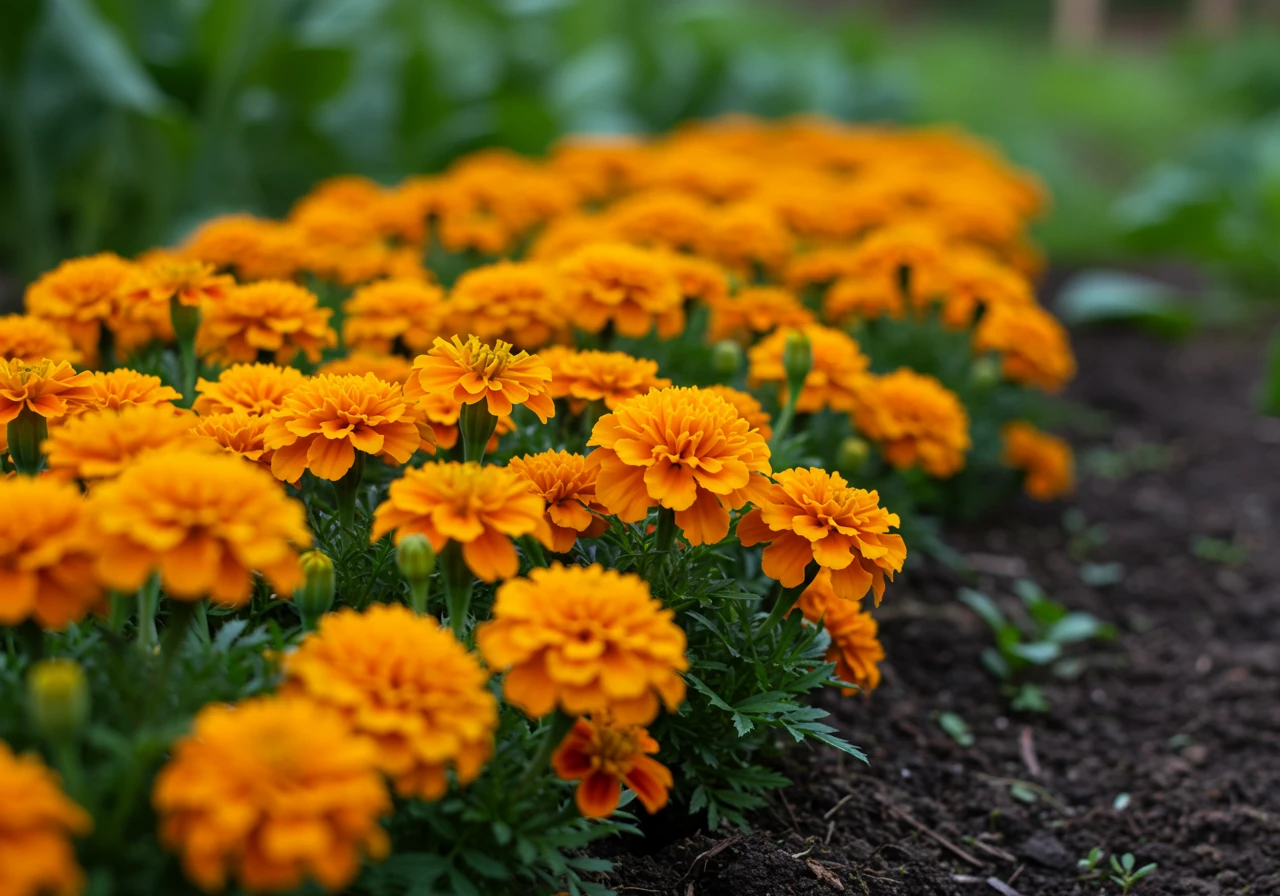
A close-up, vibrant image showcasing bright orange and yellow marigold flowers planted densely at the edge of a vegetable garden bed. The focus is on the marigold blooms, symbolizing their role as pest repellents, with blurred vegetable plants like leafy greens or tomato stems visible in the background under natural sunlight.
Marigolds are classic companion plants known for deterring pests.

So, what *is* it? Think of companion planting as smart, neighbourly gardening. It’s the practice of placing specific plants near each other because they offer mutual benefits. It’s like having that helpful neighbour who waters your plants when you're away, except these neighbours are rooted right next door! This approach helps create a healthier, more balanced garden ecosystem, reducing the need for chemical interventions. It's a key part of sustainable landscaping, whether you're in Barrhaven, Nepean, or right here in Greely.

How do these plant pals help each other out? One major way is pest control. Some plants, like marigolds or basil, release strong scents that many common Ottawa garden pests – think aphids, tomato hornworms, or even bunnies – just can't stand. They act like natural 'keep away' signs. Others might visually confuse pests, like planting onions near carrots to mask the carrot smell from the pesky carrot rust fly.

It's not just about repelling the bad guys; it's also about attracting the good ones! Certain flowers, like dill or alyssum, attract beneficial insects – ladybugs, lacewings, hoverflies – that happily munch on aphids and other pests. Think of them as your garden's tiny security force. Some clever gardeners even use "trap crops," like nasturtiums, which pests *love*. They act as decoys, drawing pests away from your prized vegetables. Keeping track of which pairs work best in your specific spot is key; maintaining good notes can really help, much like the advice found in these Greely summer garden record keeping tips.

Other benefits happen below the surface or structurally. Legumes (like beans or peas) pull nitrogen from the air and "fix" it into the soil, enriching it for nearby heavy feeders like corn. Tall plants like sunflowers can provide shade for sensitive greens or support for vining plants like cucumbers. While companion planting focuses on garden beds, remember that overall yard health matters too. Improving challenging soil for larger projects, like understanding Greely sod installation in clay soil, or following proper techniques for Greely tree planting in clay soil during spring, complements your garden efforts. Both proper Sod Installation and Soil Preparation are crucial first steps.

Healthy, supported plants are naturally more resilient. But even with companion planting, good garden hygiene is crucial. Always keep your Greely garden tools sharp and clean to prevent disease spread, ensuring your plant buddies stay happy. Integrating companion planting is just one part of creating a thriving landscape; for broader support with your garden maintenance and yard care needs, check out our full range of landscaping and property maintenance services.

Essentially, companion planting is about creating a diverse, cooperative plant community in your garden, leveraging nature's own strategies for a healthier, more productive space. It takes a bit of planning, but the payoff in reduced pests and vibrant plants is well worth it!

Meet the Good Guys: Attracting Beneficial Bugs to Your Ottawa Oasis
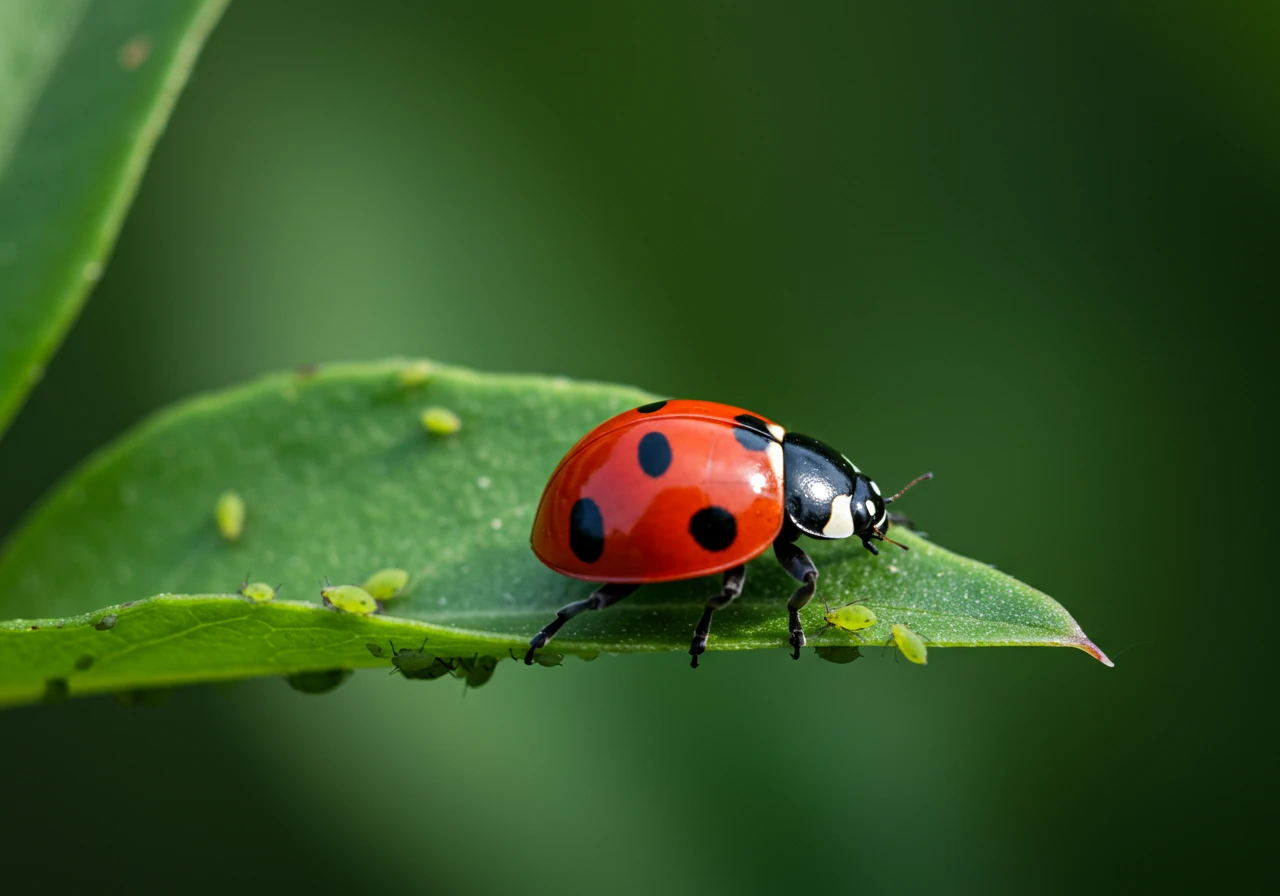
A detailed macro shot capturing a bright red ladybug with distinct black spots resting on a lush green leaf, potentially a leaf from a common garden plant like a rose or tomato. Tiny aphids could be subtly visible on the leaf nearby, emphasizing the ladybug's role as a predator. The background should be softly blurred green foliage.
Ladybugs are voracious predators of aphids and welcome garden visitors.

Alright, let's talk bugs! Now, before you grab the nearest rolled-up newspaper, we're not talking about the party crashers munching on your prized petunias. We're inviting the *cool* bugs, the tiny superheroes of the garden world – beneficial insects! Think of them as nature's pest control crew, working tirelessly (and for free!) right here in your Ottawa backyard. Inviting these good guys is a cornerstone of eco-friendly landscaping and a fantastic way to keep your garden naturally healthy.

Why roll out the welcome mat for bugs? Because they're your allies! These beneficial critters prey on common garden nuisances like aphids, mites, and caterpillars. By encouraging them, you drastically reduce the need for chemical pesticides, which is not only better for your plants and your family but also helps protect our local environment, from the Rideau River right down through communities like Osgoode. It's about creating a balanced little ecosystem where nature helps keep things in check. Check out local resources like the Friends of the Rideau for more on local conservation.

So, who are these helpful heroes buzzing around Ottawa?

  • Ladybugs (or Lady Beetles): These iconic red-and-black beetles (and their alligator-like larvae!) are voracious aphid eaters. A single ladybug can devour thousands of aphids in its lifetime!
  • Lacewings: Delicate and green, lacewing larvae (often called 'aphid lions') have a huge appetite for aphids, thrips, mites, and insect eggs.
  • Hoverflies (or Syrphid Flies): These bee mimics are fantastic pollinators as adults. Their slug-like larvae, however, are serious predators of aphids and other soft-bodied pests.
  • Parasitic Wasps: Don't panic! These are tiny, non-stinging wasps that lay their eggs inside pests like aphids or caterpillars, effectively stopping them in their tracks.
  • Ground Beetles: Often large and dark, these nocturnal hunters patrol the soil surface, munching on slugs, snails, cutworms, and other ground-dwelling pests.

Okay, how do we invite these VIPs (Very Important Predators) to *your* garden party? Companion planting is key!

  1. Plant Power: Beneficial insects are often drawn to specific types of flowers. They love tiny flowers clustered together, especially those with umbrella shapes (umbels) like dill, fennel, cilantro, caraway, and parsley. Flat-topped flowers like yarrow and sweet alyssum are also big hits, providing easy access to nectar and pollen. Asters, cosmos, and sunflowers are also excellent choices.
  2. Offer Water: A shallow dish filled with pebbles and water provides a safe drinking spot for thirsty beneficials without becoming a mosquito nursery.
  3. Go Easy on the Chemicals: Broad-spectrum pesticides kill the good guys along with the bad. Try targeted solutions first, or better yet, let your beneficial army handle it! Before using any treatment, organic or otherwise, always understand its potential impact – it’s like reading the fine print, such as the details found in our Service Terms and Conditions, to know exactly what you’re applying. Always check our Privacy Policy too.
  4. Provide Shelter: Leave some leaf litter or mulch in less conspicuous areas over winter. Many beneficials hibernate in these materials. Maintaining a healthy yard overall contributes to a good habitat. Need help getting things tidy but not *too* sterile? Consider a professional touch with services like Greely Yard Cleanup Service or Metcalf Yard Cleanup Service to manage debris responsibly. A general City Yard Cleanup Service can also help establish the right balance across Ottawa. We also offer services in Marionville and Ottawa.

Building a haven for beneficial insects takes a little patience, but it's a rewarding part of sustainable gardening. By incorporating these strategies, alongside our other Landscaping and Property Maintenance Services, you can create a vibrant, resilient Ottawa oasis that largely polices itself. Happy gardening!

Your Greely Game Plan: Designing a Pest-Proof Paradise
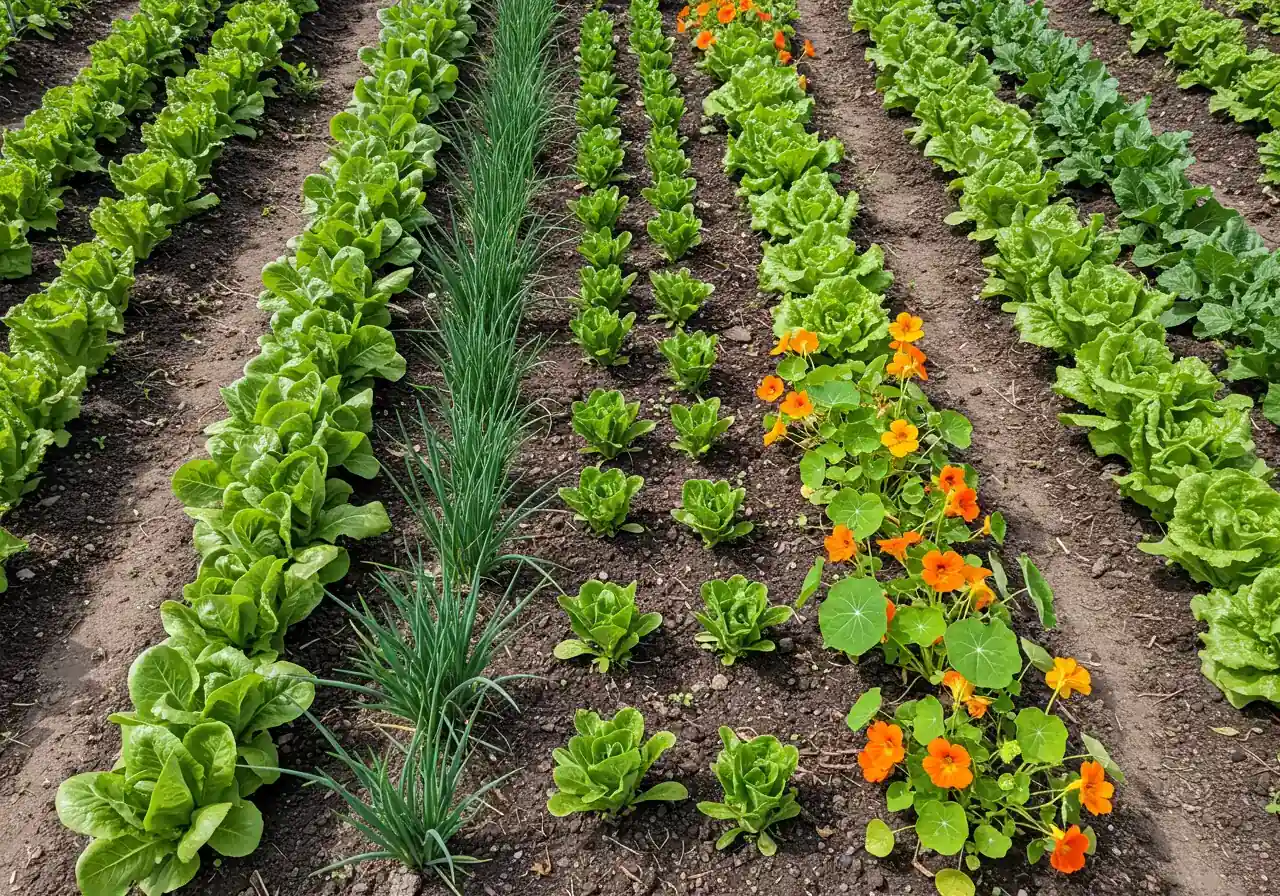
An angled overhead view of a small section of a well-planned vegetable garden demonstrating interplanting. Show neat rows or groupings of different plants mixed together, for example, lettuce growing alongside taller onions or chives, perhaps with a few colourful nasturtium flowers tucked in. The variety and proximity should be clear, suggesting intentional design.
Thoughtful layout and interplanting are key to companion planting success.

Alright, Greely gardeners, let's roll up our sleeves and map out a strategy! Creating a garden that naturally discourages pests using companion planting isn't magic, but it *is* smart planning. Think of it as setting up your plants for success from the get-go. Here’s a step-by-step game plan to design your very own pest-proof paradise, right here in our corner of Ottawa.

Step 1: Know Your Battlefield

Assess sun, water, and soil (especially clay). Note your hardiness zone (Ottawa is ~5a/5b).

Step 2: Choose Your Champions

List the main plants you want to grow, suited for Ottawa's climate and your site.

Step 3: Identify Usual Suspects

Know common local pests for your chosen plants (aphids, cabbage moths, etc.).

Step 4: Assemble Your Allies

Pick companions to repel pests (basil, marigolds), attract beneficials (dill, alyssum), or act as traps (nasturtiums).

Step 5: Map It Out

Sketch your garden layout. Decide on interplanting vs. borders. Ensure good spacing.

Step 6: Prepare and Plant

Amend soil (add compost!). A clean start helps; consider an Ottawa Property Cleanup Service or specific help like Metcalf Garden Clean Up Service if needed. Plant according to your map.

Step 7: Observe and Adapt

Monitor plant health, pest levels, and beneficials. Consistent Garden Maintenance and good Lawn Care help. Learn and adjust for next year. Check our Service Terms and Conditions for details on our services.

Follow these steps, and you’ll be well on your way to creating a beautiful, productive, and naturally pest-resistant garden right here in Greely!

Top Plant Pals: Winning Combinations for Ottawa's Climate
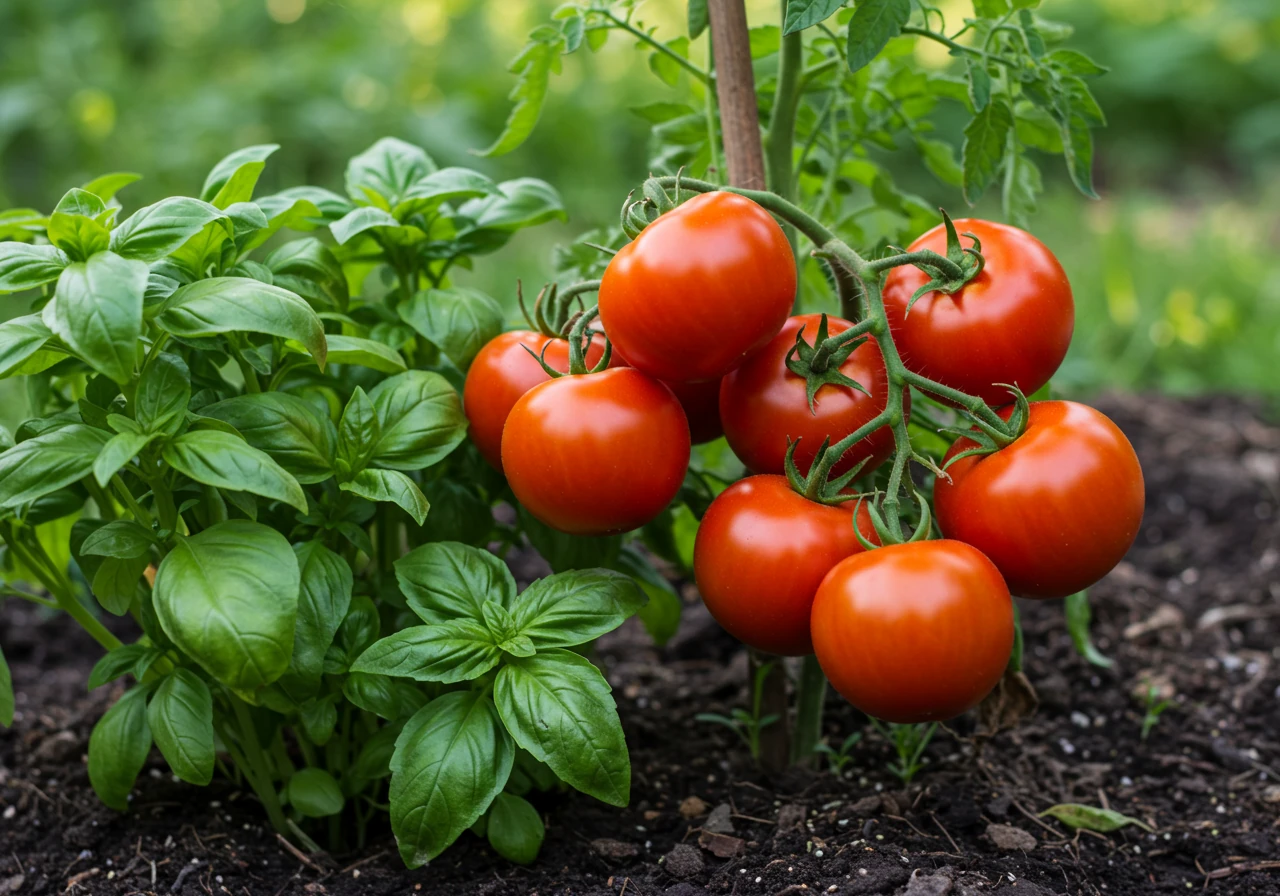
An eye-level shot illustrating the classic tomato and basil pairing. Show healthy, ripening red tomatoes on the vine growing closely alongside robust, leafy green basil plants in a garden bed or container. The image should convey synergy and health, bathed in warm, natural sunlight.
Tomatoes and basil are a classic, beneficial pairing.

Ready to play matchmaker in your garden? Finding the right plant pairings can make a huge difference, especially with our sometimes tricky Ottawa weather! Think of these combinations as superstar teams ready to help each other thrive, reduce pests, and maybe even make your veggies taste better. These ideas work brilliantly whether you're gardening in Metcalfe, Winchester, Russell, or anywhere else in our region like near our location on Old Prescott Rd.

Here are some winning combinations that do well in our climate:

  1. Tomatoes & Basil: This is a classic power couple! Basil helps to repel pesky insects like tomato hornworms and whiteflies – critters that *really* love tomatoes. Plus, some gardeners swear that basil improves tomato flavour (we’ll let your taste buds be the judge!). Both enjoy plenty of sun and similar watering, making them easy neighbours. *Planting Tip:* Tuck basil plants in between your tomatoes after the risk of frost has passed, usually late May or early June here in Ottawa.
  2. Carrots & Onions (or Chives): Ever had trouble with the carrot rust fly? Those little pests can ruin your harvest. Planting onions or chives nearby helps mask the scent of carrots, confusing the flies. In return, carrots might help deter some pests that bother onions. It’s a win-win for your root veggie patch! Keeping the area tidy helps maximise this effect, something our regular City Garden Maintenance Service can assist with if you're busy.
  3. Beans & Corn (with Marigolds): This trio works beautifully. Beans are legumes, meaning they pull nitrogen from the air and add it to the soil – a nutrient corn loves! Corn provides a natural stalk for pole beans to climb. Adding marigolds around the base helps deter bean beetles and nematodes in the soil. Good Soil Preparation with compost before planting gives this team the best start.
  4. Cucumbers & Nasturtiums: Nasturtiums act like colourful bodyguards for your cucumbers. They are known to repel cucumber beetles and aphids. Even better, they sometimes work as a "trap crop," meaning aphids might flock to the nasturtiums instead of your cucumbers. Just keep an eye on the nasturtiums and remove pests if they get overloaded. Vining cucumbers can take up space, so ensure the area is clear; sometimes a targeted cleanup like our Marionville Property Cleanup Service is needed to prep a neglected spot.
  5. Lettuce & Radishes: Planting radishes amongst your lettuce can help deter aphids and some beetles. Radishes grow quickly and are often harvested before the lettuce fully matures, which naturally loosens the soil for the lettuce roots. This quick turnover helps keep the garden bed productive. Maintaining healthy surroundings, including good Lawn Care, often reduces overall pest pressure on your garden beds.
  6. Peppers & Marigolds: Similar to their work with beans, marigolds planted near peppers can help ward off nematodes and various beetles. Their strong scent is a general pest deterrent, making your pepper patch less appealing to unwanted visitors. Ensuring the planting area is free of debris from the previous season is key; services like our Metcalf Property Cleanup Service can handle that fall or spring property clean up.

Quick Reference: Ottawa Plant Pals

Main PlantCompanion(s)Key Benefit(s)
TomatoesBasilRepels hornworms, whiteflies; may improve flavour
CarrotsOnions, ChivesMasks carrot scent from rust flies
BeansCorn, MarigoldsBeans fix nitrogen for corn; marigolds deter pests
CucumbersNasturtiums, DillRepels beetles, aphids; Dill attracts beneficials
LettuceRadishesDeters aphids; radishes loosen soil upon harvest
PeppersMarigoldsRepels nematodes, beetles

Remember, companion planting is a fantastic tool, but it works best as part of a healthy gardening approach that includes good soil, proper watering, and observation. Happy planting!

Companion Planting Power-Ups

Attracting Beneficial Insects

Maximize your garden allies! Plant clusters of small-flowered plants like Sweet Alyssum, Dill, Fennel, and Yarrow. These provide nectar and pollen for ladybugs, lacewings, and tiny parasitic wasps. Create diverse heights and textures for habitat. Remember a shallow water source!

Boosting Pest Repellency

Amplify the 'keep away' signal. Interplant strongly scented herbs like Rosemary, Sage, Mint (in containers to control spread!), and Lavender throughout your garden beds, not just at the edges. Catnip repels flea beetles. Garlic and Chives planted near roses can deter aphids.

Strategic Use of Trap Crops

Sacrifice a few plants to save the many! Nasturtiums are famous for luring aphids away from beans and brassicas. Check trap crops regularly and remove heavily infested parts or spray with insecticidal soap to prevent pests from migrating back to your main crops. Early Radishes can sometimes lure flea beetles away from eggplants.

Visualizing Potential Pest Reduction

Estimated Pest Reduction with Key Companions

Marigolds (Nematodes)
Basil (Hornworms)
Onions (Carrot Fly)
Alyssum (Attracts Predators)

Note: Chart shows hypothetical estimates for illustrative purposes. Actual results vary based on conditions.

Beyond Buddies: Eco-Friendly Practices for a Thriving Greely Garden

Okay, so we've chatted about how companion planting turns your garden into a friendly neighbourhood watch. High five for that! But making your Greely garden truly *thrive* while being kind to Mother Earth involves a bit more than just pairing up plant pals. Think of companion planting as one key player on a whole team of eco-friendly gardening superstars. Let's look at some other game-changers for your Ottawa landscape.

First up: Soil Health. Happy plants start with happy soil! Instead of just feeding the plants, focus on feeding the soil itself. This means adding organic matter like compost. Lucky for us in Ottawa, the city's Green Bin program makes composting food scraps easy, turning waste into garden gold. Amending our often-heavy clay soil with compost improves drainage and structure, giving roots room to breathe and making your companion plants stronger and more resilient to pests. If you're starting from scratch or doing a major overhaul, proper soil preparation is foundational; it's a key part of any professional Garden Install.

Next, let's talk Mulching. Think of mulch as a cozy blanket for your soil. A layer of organic mulch (like shredded leaves, straw, or bark chips) helps keep moisture in the ground (less watering – yay!), suppresses weeds (less competition for your plants!), and keeps soil temperature even. It eventually breaks down, adding more goodness to the soil. Before applying mulch, especially in spring, a good tidy-up helps. If you need a hand clearing out winter debris in surrounding areas like Marionville, consider help from a service like the Marionville Garden Clean Up Service to get a clean start. Proper Mulching and Edging can make a huge difference.

Water Wisely. Plants need water, but *how* you water matters. Aim for deep, less frequent watering rather than shallow daily sprinkles. This encourages deeper root growth. Watering early in the morning is best, so leaves dry quickly, reducing disease risk. Consider using rain barrels to capture runoff – free water! Efficient watering reduces plant stress, making them less attractive targets for pests. Regular garden care, including smart watering, is part of what keeps things looking great; ongoing support like a City Garden Maintenance Service can incorporate these practices. The Conservation Ontario website often has tips on water conservation.

Don't forget Crop Rotation! This sounds fancy, but it's simple: try not to plant the *exact* same type of vegetable (like tomatoes or potatoes) in the *exact* same spot year after year. Rotating crops helps prevent specific pests and diseases from building up in the soil and avoids depleting the same nutrients. It keeps the soil balanced and gives pests a harder time finding their favourite meal ticket. This is especially important in dedicated vegetable patches. Keeping the garden beds clear between seasons supports this practice; an overall Ottawa Garden Clean Up Service can tackle end-of-season clearing. Check out our past Transformations to see how we rejuvenate spaces.

Finally, even with all these great practices, you might still face a pest problem. Remember to use the *least toxic* approach first. Often, a strong spray of water knocks aphids off, or hand-picking larger bugs does the trick. Rely on your beneficial insects and companion plants first! Need help choosing the right approach or materials? Our Material Selection guidance might be useful.

Putting these practices together – healthy soil, mulching, smart watering, and crop rotation – creates a resilient, beautiful garden. It's not just good for your Greely backyard; it contributes to a healthier environment for all of us, from here to Vernon and beyond. Got questions about implementing these greener gardening strategies? Feel free to Contact Us – we love talking plants! You can learn more about us and our commitment to sustainable practices.

Greely Gardener's Quick Companion Planting Wins

Ready for easy companion planting wins in Greely or nearby Manotick? Start simple! (Psst... a tidy garden helps – maybe a quick property clean up first?) Here are a few speedy tips:

  • Marigold Power: Pop 'em near tomatoes and peppers to bug the bad bugs. They're cheerful bodyguards!
  • Basil Buddy: Pair with tomatoes for potential pest defence and maybe tastier fruit. Super easy!
  • Mulch is Key: Protects soil around your plant pals, less weeding for you! Smart mulching and edging is crucial. Choose wisely – our tips on material selection can guide your mulch choice too.
  • Welcome Good Bugs: Plant dill or alyssum; their tiny flowers attract helpful insects like ladybugs. Learn more about us and our love for natural gardening solutions!

Confused or need a hand getting started? No worries! Just contact us for advice – we're happy to help Ottawa gardeners succeed. Don't forget to check our Thank You page after contacting us or see our Estimate Feedback process!

FAQs: Your Ottawa Companion Planting Questions Answered

Absolutely! Since our season is shorter, focus on fast-growing companions or ones that provide benefits quickly. For example, plant radishes (quick harvest, deter pests) near slower growers like carrots. Also, start tender companions like basil indoors to give them a head start before planting out. Planning helps maximise the benefits before frost arrives, similar to planning a thorough fall property clean up before winter settles in.

Honestly, it helps but isn't foolproof for larger critters like deer or rabbits, especially in areas bordering green spaces like Manotick. Strongly scented plants like marigolds, lavender, or chives *can* deter them somewhat, making your garden less appealing buffet-style. However, fencing is often the most reliable defence against these determined munchers. Companion planting shines brightest against insect pests.

Yes, it definitely can. Heavy clay soil impacts drainage and root growth, which affects plant health. Choose companions that tolerate these conditions or even help improve them. Plants with deep taproots (like daikon radish, planted as a cover crop) can help break up compacted clay. Always amend clay soil generously with compost *before* planting companions to give both plants their best shot. Resources like the Master Gardeners of Ottawa-Carleton often have soil advice.

Great question! Avoid planting fennel near most garden plants, especially tomatoes and beans, as it can actually inhibit their growth (talk about unfriendly neighbours!). Beans and onions (or garlic/chives) generally don’t mix well either – the onions can stunt the beans' growth. Also, keep potatoes and tomatoes separate as they compete heavily and can easily share diseases like blight.

It can certainly contribute to your defence strategy! While no single plant is a magic bullet against Japanese beetles, certain companions make your garden less inviting. Geraniums reportedly act as a trap crop, temporarily paralyzing beetles that nibble them. Planting white flowers like alyssum attracts beneficial parasitic wasps that target beetle grubs in the soil. A tidy garden helps too; a regular City Garden Clean Up Service removes debris where pests might hide or overwinter.

For tailored advice, local garden centres in the Nepean area or experienced horticulturalists are fantastic resources. The Ottawa Gardeners Facebook group can also be a source of community knowledge. If you're considering professional landscaping help for garden design or ongoing care, ensuring clear communication about the plan and costs is key. You can see how we handle this through our transparent Estimate Feedback system. Sometimes getting help setting up the space, maybe even starting with a comprehensive City Property Cleanup Service for a clean slate, makes implementing a new planting plan much easier.

Conclusion: Grow a Healthier, Happier Garden in Greely, Naturally!

Well, there you have it, folks! Companion planting isn't some mystical gardening secret; it's just smart teamwork for your plants. Think of it as giving your Greely garden its own little neighbourhood watch program, powered by nature. By pairing the right plants together, you can naturally kick pests to the curb, invite helpful bugs for backup, and grow stronger, healthier flowers and veggies. It's a fantastic, eco-friendly approach that works wonders right here in our Ottawa climate, whether you're tending a patch in Greely, landscaping in Manotick, or gardening down near Metcalfe.

The best part? You don't need a degree in botany to get started! Simple pairings like basil with tomatoes or marigolds around your beans can make a real difference. It’s all about creating a balanced, thriving little ecosystem in your own backyard, reducing the need for chemicals and making your *gardening* efforts more rewarding.

Ready to put these *landscaping* and *gardening* tips into action but feeling a bit overwhelmed? Or maybe you want help creating that perfect garden oasis from the ground up? We're here for you!

Go on, give companion planting a try – your Greely garden (and the good bugs) will thank you!

// Wrap all JS in a function to avoid global scope pollution (function() { // Make sure the DOM is fully loaded before running scripts document.addEventListener('DOMContentLoaded', function() {// --- Progress Bar --- const progressBar = document.getElementById('progressBar'); if (progressBar) { const updateProgressBar = () => { const scrollTotal = document.documentElement.scrollHeight - document.documentElement.clientHeight; const scrollPosition = window.scrollY; const progress = (scrollPosition / scrollTotal) * 100; progressBar.style.width = `${progress}%`; }; window.addEventListener('scroll', updateProgressBar); updateProgressBar(); // Initial update }// --- Back to Top Button --- const backToTopBtn = document.getElementById('backToTopBtn'); if (backToTopBtn) { const toggleBackToTopButton = () => { if (window.scrollY > 300) { backToTopBtn.classList.add('visible'); } else { backToTopBtn.classList.remove('visible'); } };window.addEventListener('scroll', toggleBackToTopButton); toggleBackToTopButton(); // Initial checkbackToTopBtn.addEventListener('click', () => { window.scrollTo({ top: 0, behavior: 'smooth' }); }); }// --- Collapsible Sections (FAQ) --- const faqToggles = document.querySelectorAll('.companion-planting-article .faq-toggle'); faqToggles.forEach(toggle => { toggle.addEventListener('click', function() { const content = this.nextElementSibling; const isExpanded = content.classList.contains('expanded');// Optional: Close other FAQs when one opens // document.querySelectorAll('.companion-planting-article .faq-content.expanded').forEach(openContent => { // if (openContent !== content) { // openContent.classList.remove('expanded'); // openContent.previousElementSibling.classList.remove('active'); // } // });this.classList.toggle('active'); content.classList.toggle('expanded'); }); });// --- Tab Interface --- const tabContainer = document.querySelector('.companion-planting-article .tabs-container'); if (tabContainer) { const tabButtons = tabContainer.querySelectorAll('.tab-button'); const tabPanels = tabContainer.querySelectorAll('.tab-panel');tabButtons.forEach(button => { button.addEventListener('click', function() { const targetTabId = this.getAttribute('data-tab');// Update buttons tabButtons.forEach(btn => btn.classList.remove('active')); this.classList.add('active');// Update panels tabPanels.forEach(panel => { if (panel.id === targetTabId) { panel.classList.add('active'); } else { panel.classList.remove('active'); } }); }); }); }// --- Bar Chart Animation --- const pestChart = document.getElementById('pestChart'); if (pestChart) { const bars = pestChart.querySelectorAll('.bar');const animateChart = (entries, observer) => { entries.forEach(entry => { if (entry.isIntersecting) { pestChart.classList.add('animate'); // Set CSS variable for height from data-value bars.forEach(bar => { const value = bar.getAttribute('data-value'); bar.style.setProperty('--bar-height', `${value}%`); }); observer.unobserve(pestChart); // Animate only once } }); };const chartObserver = new IntersectionObserver(animateChart, { root: null, // relative to document viewport rootMargin: '0px', threshold: 0.5 // 50% visible });chartObserver.observe(pestChart); }// --- Timeline Animation (Optional - fade in on scroll) --- const timelineItems = document.querySelectorAll('.companion-planting-article .timeline-item'); if (timelineItems.length > 0) { const revealTimelineItem = (entries, observer) => { entries.forEach(entry => { if (entry.isIntersecting) { entry.target.style.opacity = '1'; entry.target.style.transform = 'none'; // Reset transform observer.unobserve(entry.target); } }); };const timelineObserver = new IntersectionObserver(revealTimelineItem, { root: null, rootMargin: '0px 0px -50px 0px', // Trigger slightly before fully visible threshold: 0.1 });timelineItems.forEach(item => { // Initial state for animation item.style.opacity = '0'; if (item.classList.contains('left')) { item.style.transform = 'translateX(-30px)'; } else { item.style.transform = 'translateX(30px)'; } item.style.transition = 'opacity 0.6s ease-out, transform 0.6s ease-out'; timelineObserver.observe(item); }); }}); // End DOMContentLoaded })(); // End IIFE
Share This Article
Facebook
X
Pinterest
Email
Print

Thank you for sharing!

Contact Us Today

To request a quote, kindly fill out the form below.

Where Can we Reach you?
Which Service Do You Require? (Click all that apply)
Provide a Breif Description of The Work You'd Like Done

Before You Go

We’re confident in our services, we offer a 30-day money-back guarantee. Not 100% satisfied? We’ll swiftly refund all labor costs. Your satisfaction is our top priority!

Get in touch today for expert service and satisfaction guaranteed. You won't regret it!

Where Can we Reach you?
Which Service Do You Require? (Click all that apply)
Provide a Breif Description of The Work You'd Like Done
Where Can we Reach you?
Which Service Do You Require? (Click all that apply)
Provide a Breif Description of The Work You'd Like Done
Where Can we Reach you?
Which Service Do You Require? (Click all that apply)
Provide a Breif Description of The Work You'd Like Done