
/* Basic Reset and Font */ :root { --brand-green: #93C020; --brand-black: #000000; --brand-dark-gray: #2D2C2C; --brand-light-gray: #EBEBEB; --brand-dark-green: #287734; --brand-white: #FFFFFF; --brand-lime: #B7FE00; /* Accent color */ --text-color: #333; --heading-color: var(--brand-dark-gray); --link-color: var(--brand-dark-green); --link-hover-color: var(--brand-green); --border-color: #ddd; --container-padding: 20px; }/* Self-containment wrapper */ #greely-article-wrapper { font-family: -apple-system, BlinkMacSystemFont, "Segoe UI", Roboto, Helvetica, Arial, sans-serif, "Apple Color Emoji", "Segoe UI Emoji", "Segoe UI Symbol"; line-height: 1.6; color: var(--text-color); background-color: var(--brand-white); margin: 0; padding: 0; box-sizing: border-box; }*, *::before, *::after { box-sizing: inherit; }/* Progress Bar */ #progress-bar-container { position: fixed; top: 0; left: 0; width: 100%; height: 5px; background-color: var(--brand-light-gray); z-index: 1000; }#progress-bar { height: 100%; width: 0; background-color: var(--brand-green); transition: width 0.1s linear; }/* Back to Top Button */ #back-to-top { position: fixed; bottom: 20px; right: 20px; background-color: var(--brand-dark-green); color: var(--brand-white); border: none; border-radius: 50%; width: 50px; height: 50px; font-size: 24px; line-height: 50px; text-align: center; cursor: pointer; opacity: 0; visibility: hidden; transition: opacity 0.3s, visibility 0.3s, background-color 0.3s; z-index: 999; box-shadow: 0 2px 5px rgba(0,0,0,0.2); }#back-to-top:hover { background-color: var(--brand-green); }#back-to-top.show { opacity: 1; visibility: visible; }/* Main Content Container */ #greely-article-wrapper .article-container { max-width: 900px; margin: 40px auto 20px auto; /* Added top margin for progress bar */ padding: var(--container-padding); background-color: var(--brand-white); border-radius: 8px; box-shadow: 0 0 15px rgba(0,0,0,0.05); }/* Typography */ #greely-article-wrapper h1, #greely-article-wrapper h2, #greely-article-wrapper h3, #greely-article-wrapper h4, #greely-article-wrapper h5, #greely-article-wrapper h6 { color: var(--heading-color); margin-top: 1.5em; margin-bottom: 0.8em; line-height: 1.3; font-weight: 600; }#greely-article-wrapper h1 { font-size: 2.5em; margin-top: 0; color: var(--brand-dark-green); border-bottom: 2px solid var(--brand-light-gray); padding-bottom: 0.3em; }#greely-article-wrapper h2 { font-size: 2em; border-bottom: 1px solid var(--brand-light-gray); padding-bottom: 0.2em; }#greely-article-wrapper h3 { font-size: 1.5em; color: var(--brand-dark-green); }#greely-article-wrapper h4 { font-size: 1.2em; }#greely-article-wrapper p { margin-bottom: 1em; }#greely-article-wrapper a { color: var(--link-color); text-decoration: none; transition: color 0.3s; }#greely-article-wrapper a:hover, #greely-article-wrapper a:focus { color: var(--link-hover-color); text-decoration: underline; }#greely-article-wrapper ul, #greely-article-wrapper ol { margin-bottom: 1em; padding-left: 1.5em; }#greely-article-wrapper li { margin-bottom: 0.5em; }/* Images */ #greely-article-wrapper figure { margin: 25px auto; text-align: center; }#greely-article-wrapper img { max-width: 100%; height: auto; border-radius: 8px; box-shadow: 0 2px 8px rgba(0,0,0,0.1); }#greely-article-wrapper figcaption { font-size: 0.9em; color: #777; margin-top: 5px; font-style: italic; }/* Highlight Box */ #greely-article-wrapper .highlight-box { background-color: #f0f9e8; /* Light green background */ border: 1px solid var(--brand-green); border-left: 5px solid var(--brand-green); padding: 15px 20px; margin: 2em 0; border-radius: 5px; }#greely-article-wrapper .highlight-box h3, #greely-article-wrapper .highlight-box h4 { margin-top: 0; color: var(--brand-dark-green); }/* Call to Action (CTA) Buttons */ #greely-article-wrapper .cta-section { text-align: center; margin: 2em 0; padding: 1.5em; background-color: var(--brand-light-gray); border-radius: 8px; }#greely-article-wrapper .cta-button { display: inline-block; background-color: var(--brand-dark-green); color: var(--brand-white); padding: 12px 25px; border-radius: 5px; text-decoration: none; font-weight: bold; transition: background-color 0.3s, transform 0.2s; border: none; cursor: pointer; font-size: 1.1em; }#greely-article-wrapper .cta-button:hover, #greely-article-wrapper .cta-button:focus { background-color: var(--brand-green); color: var(--brand-white); text-decoration: none; transform: translateY(-2px); }/* Collapsible Sections (FAQ) */ #greely-article-wrapper .faq-item { border: 1px solid var(--border-color); margin-bottom: 10px; border-radius: 5px; overflow: hidden; /* Needed for smooth animation */ }#greely-article-wrapper .faq-question { background-color: var(--brand-light-gray); padding: 15px; cursor: pointer; display: flex; justify-content: space-between; align-items: center; font-weight: bold; color: var(--heading-color); border: none; width: 100%; text-align: left; } #greely-article-wrapper .faq-question::after { content: '+'; font-size: 1.5em; transition: transform 0.3s ease; }#greely-article-wrapper .faq-item.active .faq-question::after { transform: rotate(45deg); }#greely-article-wrapper .faq-answer { max-height: 0; overflow: hidden; transition: max-height 0.4s ease-out, padding 0.4s ease-out; background-color: var(--brand-white); padding: 0 15px; }#greely-article-wrapper .faq-item.active .faq-answer { /* max-height will be set by JS */ padding: 15px; }/* Tab Interface */ #greely-article-wrapper .tabs-container { margin: 2em 0; border: 1px solid var(--border-color); border-radius: 5px; overflow: hidden; }#greely-article-wrapper .tab-buttons { display: flex; background-color: var(--brand-light-gray); border-bottom: 1px solid var(--border-color); overflow-x: auto; /* For mobile */ -webkit-overflow-scrolling: touch; /* Smooth scrolling on iOS */ }#greely-article-wrapper .tab-button { padding: 12px 20px; cursor: pointer; border: none; background-color: transparent; font-size: 1em; color: var(--text-color); transition: background-color 0.3s, color 0.3s, border-bottom 0.3s; white-space: nowrap; /* Prevent wrapping */ border-bottom: 3px solid transparent; /* Placeholder for active state */ margin-bottom: -1px; /* Overlap border-bottom */ }#greely-article-wrapper .tab-button.active { background-color: var(--brand-white); color: var(--brand-dark-green); font-weight: bold; border-bottom: 3px solid var(--brand-green); } #greely-article-wrapper .tab-button:not(.active):hover { background-color: #e0e0e0; /* Slightly darker gray on hover */ }#greely-article-wrapper .tab-content { padding: 20px; background-color: var(--brand-white); }#greely-article-wrapper .tab-pane { display: none; }#greely-article-wrapper .tab-pane.active { display: block; animation: fadeIn 0.5s ease-in-out; }@keyframes fadeIn { from { opacity: 0; } to { opacity: 1; } }/* Bar Chart Visualization */ #greely-article-wrapper .chart-container { margin: 2em 0; padding: 20px; border: 1px solid var(--border-color); border-radius: 5px; background-color: #f9f9f9; position: relative; /* For labels */ }#greely-article-wrapper .chart-title { text-align: center; margin-bottom: 20px; font-weight: bold; color: var(--heading-color); }#greely-article-wrapper .chart { display: flex; justify-content: space-around; align-items: flex-end; height: 200px; /* Adjust as needed */ border-bottom: 1px solid #ccc; position: relative; }#greely-article-wrapper .bar { width: 12%; /* Adjust for number of bars */ background-color: var(--brand-dark-green); transition: height 1s ease-out; position: relative; /* For value display */ border-radius: 3px 3px 0 0; } #greely-article-wrapper .bar:hover { background-color: var(--brand-green); }#greely-article-wrapper .bar-label { text-align: center; font-size: 0.9em; margin-top: 5px; color: var(--text-color); }/* Timeline Component */ #greely-article-wrapper .timeline { position: relative; max-width: 700px; margin: 2em auto; padding: 20px 0; }#greely-article-wrapper .timeline::after { content: ''; position: absolute; width: 3px; background-color: var(--brand-green); top: 0; bottom: 0; left: 50%; margin-left: -1.5px; }#greely-article-wrapper .timeline-item { padding: 10px 40px; position: relative; background-color: inherit; width: 50%; }/* Circle marker on timeline */ #greely-article-wrapper .timeline-item::after { content: ''; position: absolute; width: 15px; height: 15px; right: -9px; /* Adjust for circle size and line width */ background-color: var(--brand-white); border: 3px solid var(--brand-green); top: 15px; border-radius: 50%; z-index: 1; }/* Left item */ #greely-article-wrapper .timeline-item.left { left: 0; }/* Right item */ #greely-article-wrapper .timeline-item.right { left: 50%; }/* Adjust marker position for right item */ #greely-article-wrapper .timeline-item.right::after { left: -6px; /* Adjust for circle size and line width */ }/* Content box */ #greely-article-wrapper .timeline-content { padding: 15px 20px; background-color: var(--brand-light-gray); position: relative; border-radius: 6px; border: 1px solid #ccc; } #greely-article-wrapper .timeline-content h4 { margin-top: 0; color: var(--brand-dark-green); }/* Responsive Tables */ #greely-article-wrapper .table-container { overflow-x: auto; margin: 1.5em 0; border: 1px solid var(--border-color); border-radius: 5px; }#greely-article-wrapper table { width: 100%; border-collapse: collapse; }#greely-article-wrapper th, #greely-article-wrapper td { padding: 12px; text-align: left; border-bottom: 1px solid var(--border-color); }#greely-article-wrapper th { background-color: var(--brand-light-gray); font-weight: bold; color: var(--heading-color); }#greely-article-wrapper tr:last-child td { border-bottom: none; } #greely-article-wrapper tr:hover td { background-color: #f5f5f5; }/* Responsive Adjustments */ @media screen and (max-width: 768px) { #greely-article-wrapper h1 { font-size: 2em; } #greely-article-wrapper h2 { font-size: 1.7em; } #greely-article-wrapper h3 { font-size: 1.3em; }/* Timeline adjustments */ #greely-article-wrapper .timeline::after { left: 20px; /* Move line to the left */ }#greely-article-wrapper .timeline-item { width: 100%; padding-left: 60px; /* Make room for line and marker */ padding-right: 15px; left: 0 !important; /* Override inline style */ }#greely-article-wrapper .timeline-item::after { left: 12.5px; /* Position marker on the line */ right: auto; }/* Chart adjustments */ #greely-article-wrapper .chart { height: 150px; } #greely-article-wrapper .bar-label { font-size: 0.8em; }/* General Padding */ #greely-article-wrapper .article-container { padding: 15px; margin-top: 25px;}/* Back to top smaller */ #back-to-top { width: 40px; height: 40px; font-size: 20px; line-height: 40px;} } /* Specific styles for Snippet Summary */ #greely-article-wrapper .snippet-summary { background-color: #f8f9fa; border-left: 4px solid var(--brand-green); padding: 15px; margin: 1.5em 0; font-size: 0.95em; } #greely-article-wrapper .snippet-summary ul { padding-left: 1.2em; margin-bottom: 0; } #greely-article-wrapper .snippet-summary li { margin-bottom: 0.3em; } { "@context": "https://schema.org", "@type": "Article", "headline": "Greely Garden Log Secret: Plan for Continuous Bloom Now", "author": { "@type": "Organization", "name": "Clean Yards" }, "publisher": { "@type": "Organization", "name": "Clean Yards", "logo": { "@type": "ImageObject", "url": "https://cleanyards.ca/wp-content/uploads/2024/03/Clean-Yards-Logo-Website-300x100-1.png" } }, "image": "https://cleanyards.ca/wp-content/uploads/2025/04/Photorealistic_image_of_a_lush_9095.webp", "datePublished": "2024-05-16", "dateModified": "2024-05-16", "description": "Discover the Greely Garden Log Secret: a practical planning method using succession planting to achieve continuous bloom in your Ottawa garden from spring through fall.", "mainEntityOfPage": { "@type": "WebPage", "@id": "https://cleanyards.ca/blog/greely-garden-log-secret-plan-continuous-bloom/" } } { "@context": "https://schema.org", "@type": "HowTo", "name": "How to Plan for Continuous Bloom in Your Garden", "description": "A step-by-step guide to designing a garden with non-stop blooms throughout the growing season.", "step": [ { "@type": "HowToStep", "name": "Know Your Stage (Site Assessment)", "text": "Assess your garden beds for sunlight exposure (full sun, part shade, shade), soil type (clay, loam, sand), drainage, and existing features like trees or structures.", "url": "https://cleanyards.ca/blog/greely-garden-log-secret-plan-continuous-bloom/#step-1-know-your-stage", "image": "https://cleanyards.ca/wp-content/uploads/2025/04/garden_assessment_icon.png" }, { "@type": "HowToStep", "name": "Map It Out (Garden Sketch)", "text": "Create a simple sketch of your garden area, marking sunny/shady zones and existing plants. This helps visualize gaps and potential planting locations.", "url": "https://cleanyards.ca/blog/greely-garden-log-secret-plan-continuous-bloom/#step-2-map-it-out", "image": "https://cleanyards.ca/wp-content/uploads/2025/04/garden_sketch_icon.png" }, { "@type": "HowToStep", "name": "Consult the Calendar & Choose Your Cast (Bloom Times & Plant Selection)", "text": "Research plants suitable for your zone (e.g., zone 5 for Ottawa) and note their bloom times (early spring, late spring, summer, fall). Select plants to ensure overlap and continuous flowering. Consider native plants.", "url": "https://cleanyards.ca/blog/greely-garden-log-secret-plan-continuous-bloom/#step-3-consult-the-calendar", "image": "https://cleanyards.ca/wp-content/uploads/2025/04/plant_selection_icon.png" }, { "@type": "HowToStep", "name": "Layer Like a Lasagna (Plant Placement)", "text": "Arrange plants considering height (shorter in front, taller in back), spread, texture, and form. Tuck spring bulbs among perennials and use annuals to fill gaps.", "url": "https://cleanyards.ca/blog/greely-garden-log-secret-plan-continuous-bloom/#step-4-layer-like-a-lasagna", "image": "https://cleanyards.ca/wp-content/uploads/2025/04/garden_layering_icon.png" }, { "@type": "HowToStep", "name": "Log It & Learn (Record Keeping & Refinement)", "text": "Keep a garden log (like the 'Greely Garden Log') to track bloom times, plant performance, issues, and successes. Use these notes to refine your plan each year.", "url": "https://cleanyards.ca/blog/greely-garden-log-secret-plan-continuous-bloom/#step-5-log-it-learn", "image": "https://cleanyards.ca/wp-content/uploads/2025/04/garden_log_icon.png" } ], "totalTime": "PT4H" } { "@context": "https://schema.org", "@type": "FAQPage", "mainEntity": [ { "@type": "Question", "name": "Help! My spring bulbs finished, and now there's a big ugly gap in my Manotick garden bed before the summer flowers start. What can I do?", "acceptedAnswer": { "@type": "Answer", "text": "Quick fixes include tucking in colourful annuals like pansies or snapdragons. For a longer-term solution, plant late-spring/early-summer blooming perennials like Catmint (Nepeta) or Salvia nearby. Consistent garden maintenance like trimming back bulb foliage once it yellows also helps keep things tidy while you wait for the next act." } }, { "@type": "Question", "name": "What are some really low-maintenance perennials for continuous colour in Ottawa? I want beauty without being chained to my garden!", "acceptedAnswer": { "@type": "Answer", "text": "For sunny spots in areas like Barrhaven, try Sedum 'Autumn Joy' (great fall colour), Daylilies (many varieties bloom for weeks), and Coneeflowers (Echinacea). They're tough, handle our climate well, and don't demand constant fuss. Even low-maintenance gardens benefit from seasonal tidying." } }, { "@type": "Question", "name": "Continuous bloom sounds great for summer, but can I get any winter interest in my Nepean garden besides snow?", "acceptedAnswer": { "@type": "Answer", "text": "Absolutely! Think beyond flowers. Ornamental grasses like Feather Reed Grass ('Karl Foerster') stand tall all winter, adding texture and movement. Shrubs with interesting bark (like Dogwood) or persistent berries (like Winterberry) add colour. Evergreens provide structure. Planning for four-season interest helps achieve truly stunning garden transformations that look great year-round." } }, { "@type": "Question", "name": "I've planned my continuous bloom garden. Do I need to change things every year? How often should I update the plan?", "acceptedAnswer": { "@type": "Answer", "text": "Your garden is a living thing! Review your 'Greely Garden Log' notes each fall or winter. See what worked, what didn't, and what maybe got too big or didn't thrive. You likely won't need huge changes yearly, but tweaking – adding a new perennial, dividing an old one, maybe removing something – is normal." } }, { "@type": "Question", "name": "We just moved to a place near Osgoode with existing garden beds, but I have no idea what plants are there or when they bloom! How do I start planning for continuous colour?", "acceptedAnswer": { "@type": "Answer", "text": "It's like a garden mystery! Take photos throughout the first growing season. Note when different plants flower. Use plant ID apps or local nursery resources to identify them. This gives you a baseline 'bloom calendar'. Once you know what you have, you can plan additions. Sometimes starting fresh after a comprehensive property cleanup can be easier if the beds are very overgrown." } } ] }

Greely Garden Log Secret: Plan for Continuous Bloom Now

Ready to transform your garden into a season-long spectacle? Get a personalized quote for your landscaping needs!

Request Your Free Quote
Quick Summary: Unlock Continuous Bloom
  • Tired of bloom gaps? The 'Greely Garden Log Secret' uses smart planning for non-stop garden colour.
  • Master succession planting: Choose plants with staggered bloom times (spring, summer, fall).
  • Understand Ottawa's climate (Zone 5) and clay soil challenges.
  • Keep a 'Garden Log' to track bloom times and performance for future planning.
  • Select the right mix of bulbs, perennials, shrubs, and annuals for year-round interest.
  • Follow a step-by-step plan: Assess site, sketch, select plants, layer, and log results.

Introduction: Unlock Year-Round Colour with the Greely Garden Log Secret!

Let's be honest, fellow Ottawa gardeners: coaxing year-round colour out of our landscaping can sometimes feel like trying to predict... well, Ottawa weather! One minute it's glorious spring blooms everywhere, the next your garden beds look a bit, shall we say, sleepy? If you're tired of this bloom-and-bust cycle and dream of a garden that offers fantastic visual interest from snowmelt right through to the first frost, we've got fantastic news.

Right here in Greely, we've developed and perfected a not-so-secret weapon we affectionately call the Greely Garden Log Secret. Now, don't worry, it's not some mystical garden enchantment (though that would be nice!). It's a straightforward, practical planning methodology. Think of it as our tested approach to smart garden design, focusing on clever succession planting and choosing the right mix of perennials, shrubs, bulbs, and even annuals to ensure something is always putting on a show. Ready to turn your garden into a season-long celebration of colour? Let's unlock the secret together!

Embracing the Ottawa Garden Scene: Climate, Clay, and Community Charm

Okay, let's dig into what makes gardening in Ottawa so... unique!

Welcome to gardening in Ottawa! If you've ever tried to grow things here, you know it’s an adventure. We’ve got character-building weather, soil that likes to stick around (literally!), and a fantastic community of fellow gardeners who understand the struggle and the joy. Let's break down what makes our local scene tick.

Our Climate: Short Season, Big Personality

First things first, Ottawa sits mostly in plant hardiness zone 5a or 5b. What does that mean? It tells us which perennials and shrubs are most likely to survive our chilly winters. Choosing plants rated for zone 5 or lower gives them the best fighting chance. But it's not just the cold! We have a relatively short growing season bookended by surprise frosts. One day it's beautiful spring weather in Nepean, the next... frost warning! Then comes summer, bringing potential heatwaves and sometimes dry spells that test our plants (and our watering cans). Keeping track of these ups and downs is key; learning some Greely summer garden record keeping tips can really help you plan better for next year's blooms and challenges. Early fall frosts can also sneak up, reminding us to enjoy those late-season flowers while we can.

Let's Talk About Clay (Because We Have To!)

Ah, the soil. Across much of Ottawa, including areas like Greely, Barrhaven, and parts of Kanata, we're blessed with heavy clay soil. If you've ever dug into it, you know. It’s dense, drains slowly (hello, puddles!), and can bake hard in the summer sun. But hey, it’s not all bad news! Clay is actually rich in nutrients. The trick is improving its structure and drainage. Adding lots of organic matter like compost, peat moss, or aged manure works wonders over time. This helps break up the dense clay, allowing roots to breathe and water to drain more effectively. Whether you're attempting a new lawn or planting favourites, understanding how to work with it is crucial. If you're putting in grass, check out this helpful Greely sod installation clay soil lawn guide. Thinking bigger, like adding trees? There are specific techniques, like those detailed in this guide for Greely tree planting in clay soil during spring, that make a huge difference. Tackling heavy soil amendment can be a big job, sometimes calling for professional landscaping services or a thorough Greely yard cleanup service to properly prepare your garden beds.

Community Charm: We're In This Together!

Despite the climate quirks and clay challenges, Ottawa has a vibrant gardening community. From Manotick to Russell, gardeners love to share tips, swap plants, and commiserate over slug damage. There's a real spirit of "we'll figure this out together." Don't hesitate to chat with neighbours, join local gardening groups online (like the Ottawa Gardening Group on Facebook), or visit local nurseries. You'll find plenty of local wisdom! And remember, keeping your tools in good shape makes any gardening task easier and safer for your plants; it's smart to regularly keep Greely garden tools sharp and clean to prevent disease.

Understanding these local conditions – our zone, our weather swings, and our common soil type – is the first step towards creating a thriving garden that delivers that sought-after continuous bloom. It helps you choose the right plants, plant them at the right time, and give them the care they need to shine all season long. Find reliable local gardening advice from resources like the Master Gardeners of Ottawa-Carleton.

The 'Greely Garden Log' Unpacked: Succession Planting for Non-Stop Wow

Okay, let's pull back the curtain on this "Greely Garden Log" idea and talk about the magic behind it: Succession Planting. It sounds fancy, but think of it like planning a fantastic relay race for your garden beds! Instead of one runner (or plant) doing all the work and then collapsing, you have a team ready to grab the baton of beauty and keep the show going.
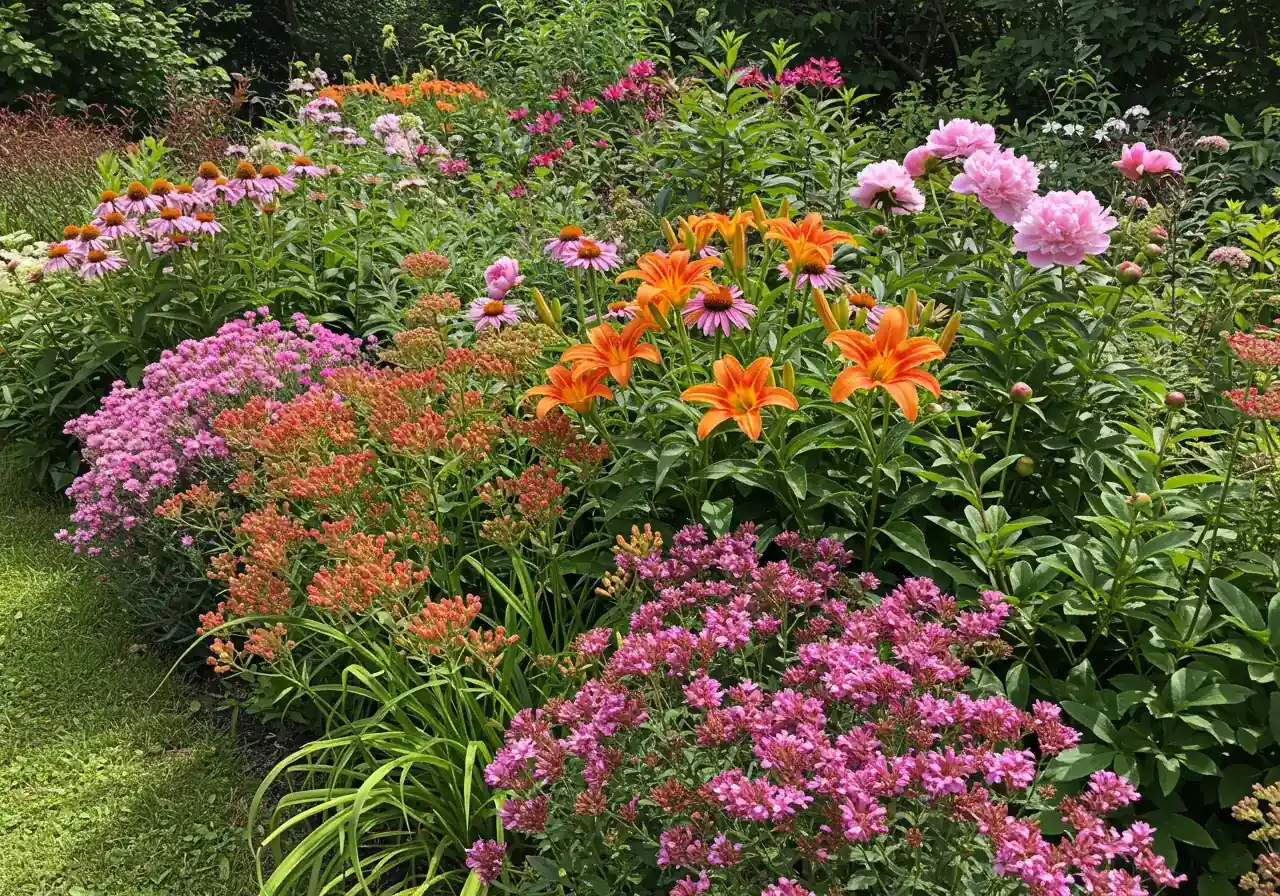
A vibrant photograph of a well-planned garden border showcasing the concept of succession planting in action during mid-summer. It should feature a mix of perennials with different bloom times - some flowers might be peaking (e.g., coneflowers, daylilies), while others nearby are just starting to bud (e.g., sedum) or slightly fading (e.g., late peonies), demonstrating continuous floral interest and effective layering.
Succession planting ensures continuous colour, like this mid-summer border showing different bloom stages.

What Exactly *Is* Succession Planting?

Simply put, succession planting is the art and science of choosing plants with different bloom times and strategically placing them so that as one type finishes flowering, another begins. It's about layering your planting schedule throughout the growing season. You might start with early spring bulbs (like tulips and daffodils), followed by spring-blooming perennials (like peonies), then move into summer showstoppers (like lilies and coneflowers), and finish strong with fall beauties (like asters and sedum). We can even weave in colourful annuals to fill gaps and vibrant shrubs that offer seasonal interest with flowers, foliage, or berries.

The goal? To avoid that dreaded "June Jumble" where everything blooms at once, followed by... well, mostly green for the rest of the summer and fall. It’s about creating continuous visual interest, a non-stop wow factor from the first thaw right up until the snow flies again, whether you're gardening in Greely, Kars, or Vernon.

Why Bother? The Brilliant Benefits

Why go to this planning effort? Oh, let us count the ways!

  • Non-Stop Colour: This is the big one! Say goodbye to boring gaps in your garden display.
  • Season Extension: Get the absolute most out of Ottawa's sometimes frustratingly short growing season.
  • Garden Health: Rotating plants can sometimes help manage pests and diseases.
  • Constant Discovery: There’s always something new popping up, keeping your landscaping fresh and exciting.
  • Attracting Pollinators: A continuous supply of blooms keeps bees, butterflies, and hummingbirds happy all season long. (Learn more about pollinator gardens from the City of Ottawa).

Enter the 'Greely Garden Log': Your Secret Weapon

Now, how do you orchestrate this garden relay race without plants tripping over each other or forgetting their cue? That’s where the "Log" part comes in. The Greely Garden Log isn't a physical book we sell (though you can certainly make one!). It's the methodology – the crucial practice of planning and tracking.

Think of it as your garden's performance diary. Each year, you note down:

  • What bloomed, and exactly when? (e.g., "Peonies 'Sarah Bernhardt' - full bloom June 10-25")
  • How tall did it get? Did it flop over?
  • Did it spread more than expected?
  • Were there any pest or disease issues?
  • Did the colour combination work with its neighbours?
  • How did it handle the specific conditions that year (e.g., drought, excessive rain)?

This log becomes your personalized guide for future garden design choices. Maybe those tulips finished earlier than you thought, leaving a gap before the alliums pop. Your log tells you: "Need to plant some late-blooming daffodils or early perennials here next year!" Perhaps a certain plant combination looked stunning – make a note to repeat it!

Proper planning starts before you even plant. Ensuring your beds are ready is key; this involves good Soil Preparation to give every plant its best start. As the season progresses and one 'relay runner' finishes its bloom, a quick tidy-up keeps things looking sharp. If managing this turnover feels daunting, professional help like a Greely Yard Cleanup Service can make maintaining that succession seamless. This meticulous planning extends to choosing the right performers for your garden's stage – our guide to Material Selection can help you pick plants with staggered bloom times that suit our climate.

Keeping these detailed records, year after year, turns guesswork into informed decisions. It helps you refine your plant choices, tweak timings, and truly master the art of continuous bloom in your own backyard. It ensures your beautifully blooming garden beds perfectly complement other aspects of your yard, like a healthy lawn maintained with proper Lawn Care. For larger properties or those needing end-of-season clearing beyond Greely, remember services like the Marionville Garden Clean Up Service operate on the same principles of timely maintenance. Don't just take our word for how planning pays off; see what others say about our approach by checking out our Estimate Feedback page or our profile on Google.

So, the 'Greely Garden Log' isn't just about succession planting; it's about smart succession planting, informed by your own garden's unique story, year after year. Time to start your log and plan for non-stop wow!

Your Bloom Brigade: Choosing Plants for Ottawa's Four-Act Play

Okay, garden directors, let's cast the stars for your Ottawa property's big performance! Choosing the right plants for our unique four-act climate play is key to achieving that non-stop colour we talked about. Think of your garden beds as stages, and these plants as your talented actors, each knowing exactly when to shine. Forget the drama of a bare garden – let's build your "Bloom Brigade"!

Act 1: Early Spring Awakening (Snowmelt - May)

This is when the real troopers take the stage, often peeking through the last bits of snow. They bring that first, glorious splash of colour and hope after a long winter.

  • The Groundbreakers (Bulbs): Crocus, Snowdrops (Galanthus), Siberian Squill (Scilla siberica), and early Daffodils ('Tête-à-Tête') are the undisputed champions here. Plant them in drifts the fall before, and watch them magically appear.
  • Early Perennial Power: Lungwort (Pulmonaria) offers lovely spotted foliage and delicate blue/pink flowers, great for shadier spots. Pasque Flower (Pulsatilla vulgaris) is another fuzzy, fascinating early bloomer, tough enough even for Winchester winters.
  • Shrub Spotlight: Forsythia is the classic screaming yellow beacon of spring. Plant it where you can see it from a window!

Act 2: Late Spring / Early Summer Extravaganza (May - June)

Now the party really gets started! The weather is (usually) warming up, and the colours get bolder and bigger. This is prime time for many classic perennials.

  • Wow Factor Flowers: Peonies are queens of the June garden – choose early, mid, and late varieties to extend their reign. Alliums ('Purple Sensation', 'Globemaster') add funky, spherical punctuation marks. Irises (Siberian and Bearded) bring elegance, while Columbine (Aquilegia) adds delicate charm. Bleeding Hearts (Dicentra spectabilis) are a shade garden favourite.
  • Smart Prep: These spring stars need good footing. Giving them well-drained, fertile ground is crucial, especially in our clay soil. Investing time in proper Soil Preparation before planting pays off with healthier, happier blooms for years to come.

Act 3: Mid-Summer Sizzle (July - August)

As the heat cranks up, you need plants that can take it. This act features long-blooming perennials and cheerful annuals that keep the energy high.

  • Heat Lovers: Coneflowers (Echinacea - tons of colours now!), Daylilies (Hemerocallis – reliable performers from Russell to Embrun), Bee Balm (Monarda – attracts pollinators!), Garden Phlox, and Black-Eyed Susans (Rudbeckia hirta) are staples for sunny spots.
  • Annual All-Stars: Don't forget annuals like Petunias, Marigolds, Zinnias, or Coleus (for foliage!) to fill gaps and provide reliable colour right through till frost. They're perfect for containers or tucking into garden beds.
  • Mid-Season Tidy: As spring blooms fade, deadheading (removing spent flowers) keeps things looking neat and encourages more flowers on some plants. If the garden feels overwhelming, a professional City Garden Clean Up Service can help refresh the stage for the next act.

Act 4: Late Summer / Fall Finale (August - Frost)

Don't let the show fizzle out! Many plants save their best for last, providing crucial colour and texture as the days shorten.

  • Autumn Anchors: Sedum 'Autumn Joy' or 'Autumn Fire' are absolute must-haves, transitioning from pink to deep russet. Asters (New England or New York varieties) bring cheerful purples and pinks. Goldenrod (choose well-behaved cultivars like 'Fireworks', not the roadside weed!) adds bursts of yellow.
  • Grasses and Foliage: Ornamental grasses (like Feather Reed Grass 'Karl Foerster' or Switchgrass 'Shenandoah') add movement and texture that lasts into winter. Some shrubs like Serviceberry offer great fall foliage colour and berries for birds.
  • Curtain Call Prep: As the season winds down, planning your fall cleanup ensures garden health for next year. Whether it's general leaf removal or more involved tasks, a good Property Clean Up sets the stage for spring's return. Folks in the southern rural areas might even look into options like the dedicated Metcalf Property Cleanup Service or the Marionville Property Cleanup Service.

By layering plants from each of these "acts," you create that coveted continuous bloom. Need help putting this plan into action? Professional Garden Install services can bring your vision to life, ensuring the right plants go in the right place for a season-long performance. Let's give a big Thank You to these hardy plants that work so hard to beautify our Ottawa landscapes!

Quick Reference: Bloom Times for Popular Ottawa Perennials (Zone 5)
PlantApprox. Bloom TimeLight Needs
CrocusEarly Spring (Mar-Apr)Full Sun/Part Shade
PeonyLate Spring/Early Summer (June)Full Sun
Daylily (Hemerocallis)Mid-Summer (July-Aug)Full Sun/Part Shade
Coneflower (Echinacea)Mid-Summer (July-Sept)Full Sun
Sedum 'Autumn Joy'Late Summer/Fall (Aug-Oct)Full Sun
Aster (New England/NY)Fall (Sept-Oct)Full Sun

Need expert help selecting and planting for non-stop colour?

Get Professional Help With Your Garden Installation

Blueprint for Beauty: Your Step-by-Step Continuous Bloom Plan

Okay, let's roll up our sleeves and draw up that "Blueprint for Beauty"! Creating a garden that delivers continuous blooms isn't magic, it's just smart planning. Think of yourself as the garden architect – here's your step-by-step guide to designing a season-long flower show right here in Ottawa.

Step 1: Know Your Stage (Site Assessment)

First things first, you need to understand your canvas. Grab a notepad (or your phone) and scout your garden bed locations.

  • Sunlight Sleuth: How much sun does each area get? Full sun (6+ hours), part shade (4-6 hours), or mostly shade? Be honest!
  • Soil Check: Remember clay? Assess drainage and texture. Amend if needed.
  • Existing Features: Note trees, shrubs, paths that affect conditions.

Step 2: Map It Out (Garden Sketch)

You don't need to be a Van Gogh! Just sketch your garden area roughly. Mark the sunny and shady zones. Indicate existing plants. This visual map helps you see gaps and plan placements.

Step 3: Consult the Calendar & Choose Your Cast (Bloom Times & Plant Selection)

This is the succession planting core.

  • Bloom Time Chart: Research plant bloom times for Zone 5. Aim for overlap across seasons.
  • Eco-Smart Choices: Consider native plants. Group plants with similar water needs. Use techniques like Mulching and Edging to conserve water. Learn more About Us and our commitment to sustainable practices.

Step 4: Layer Like a Lasagna (Plant Placement)

Think in layers (time and space).

  • Front to Back: Shorter plants in front, taller in back.
  • Weave in Bulbs: Tuck spring bulbs amongst perennials.
  • Mix Textures & Forms: Combine different leaf shapes/textures. Use annuals for gaps.

Step 5: Log It & Learn (Record Keeping & Refinement)

Remember the Greely Garden Log concept? This is it in action! Keep notes on bloom times, performance, pests. Use this log to tweak your plan annually. Regular maintenance keeps the display sharp. Consider seasonal help like an Ottawa Yard Cleanup Service or specific area services like Metcalf Yard Cleanup Service or City Property Cleanup Service. Always review service Terms and Conditions.

Following these steps turns your continuous bloom dream into an achievable reality, creating a beautiful, dynamic landscape that delights all season long!

Highlight Box: Ottawa Gardener Quick Wins

Feeling short on time but want your garden looking sharp? Hey, we get it! Life in Ottawa is busy. Here are a few speedy tricks to keep your landscaping looking great and support that continuous bloom dream, even if you only have a few minutes:

  • Mulch Magic Touch-Up: Quickly spread an inch or two of fresh mulch around plants in your Nepean garden beds. It instantly neatens the look, holds moisture (less watering!), and suppresses weeds. Bam! Instant improvement via Mulching and Edging.
  • Speedy Snips: Got 10 minutes? Deadhead spent flowers on annuals like petunias or perennials like daylilies. Removing faded blooms encourages more flowers and keeps things tidy. Think of it as a mini version of an Ottawa Garden Clean Up Service.
  • Edge Definition Dash: Grab a spade or edger and quickly redefine the line between your lawn and garden border. Crisp edges make the whole yard look more polished and intentional, a key part of any professional Ottawa Yard Cleanup Service.
  • Feed Fast: Give container plants or hard-working bloomers a quick dose of liquid fertilizer according to package directions. It's like an energy drink for your flowers! Consistent care is crucial for ongoing beauty, a core principle of our City Garden Maintenance Service. Want more personalized tips? Feel free to Contact Us – your details are always handled according to our Privacy Policy.
Sample Bloom Duration (Weeks)
Crocus
Peony
Daylily
Coneflower
Sedum AJ

Note: Actual duration varies by variety and conditions.

FAQs: Your Ottawa Continuous Bloom Questions Answered

Ah, the dreaded bloom gap! Quick fixes include tucking in colourful annuals like pansies or snapdragons. For a longer-term solution, plant late-spring/early-summer blooming perennials like Catmint (Nepeta) or Salvia nearby. Consistent garden maintenance like trimming back bulb foliage once it yellows also helps keep things tidy while you wait for the next act.

We hear you! For sunny spots in areas like Barrhaven, try Sedum 'Autumn Joy' (great fall colour), Daylilies (many varieties bloom for weeks), and Coneeflowers (Echinacea). They're tough, handle our climate well, and don't demand constant fuss. Even low-maintenance gardens benefit from seasonal tidying – think of it like a boost from a city yard cleanup service to keep things looking sharp.

Absolutely! Think beyond flowers. Ornamental grasses like Feather Reed Grass ('Karl Foerster') stand tall all winter, adding texture and movement. Shrubs with interesting bark (like Dogwood) or persistent berries (like Winterberry) add colour. Evergreens provide structure. Planning for four-season interest helps achieve truly stunning garden transformations that look great year-round.

Your garden is a living thing! Review your 'Greely Garden Log' notes each fall or winter. See what worked, what didn't, and what maybe got too big or didn't thrive. You likely won't need huge changes yearly, but tweaking – adding a new perennial, dividing an old one, maybe removing something – is normal. A big seasonal refresh, like the kind offered by the Metcalf garden clean up service, is a perfect time to assess and plan tweaks. Similar services exist for other areas, like the Marionville Yard Cleanup Service or Ottawa Property Cleanup Service.

It's like a garden mystery! Take photos throughout the first growing season. Note when different plants flower. Use plant ID apps or local nursery resources to identify them. This gives you a baseline 'bloom calendar'. Once you know what you have, you can plan additions. Sometimes starting fresh after a comprehensive property cleanup like the Marionville property cleanup service or even a complete Sod Installation if the lawn is also involved, can be easier if the beds are very overgrown.

Conclusion: Start Your Continuous Bloom Story Today!

Well, there you have it! You've navigated the quirks of Ottawa's climate, braved the idea of tackling clay soil, and peeked behind the curtain at the 'Greely Garden Log' secret. See? Achieving that coveted continuous bloom in your landscaping isn't some mystical gardening superpower – it's all about smart planning and thoughtful plant selection. No more staring sadly at dormant garden beds in August! By embracing succession planting and keeping track of what shines when, you can orchestrate a season-long flower show that brings joy from the first crocus to the last aster.

Ready to transform your patch of Ottawa into a vibrant, ever-changing tapestry of colour? Your continuous bloom story starts now. Don't feel you need to overhaul everything at once; even planning one border or container makes a difference. The most important step is the first one.

Ready to bring continuous colour to your garden?

Get Your Free Landscaping Quote Today!

Or explore our full range of Gardening and Cleanup Services.

Of course, if mapping out bloom times and getting your hands dirty sounds more like a chore than a charm, we're here to help! Our professional landscaping team loves bringing continuous bloom designs to life. Whether you're dreaming of a dazzling display in Greely, Manotick, Nepean, Barrhaven, or Osgoode, let us handle the planning and planting. Reach out today for a friendly consultation via our Contact Us page and let's create a garden that keeps on giving, all season long!

document.addEventListener('DOMContentLoaded', () => { const wrapper = document.getElementById('greely-article-wrapper'); if (!wrapper) return; // Exit if wrapper not found// --- Progress Bar --- const progressBar = document.getElementById('progress-bar'); const body = document.body; const html = document.documentElement;function updateProgressBar() { const scrollHeight = Math.max(body.scrollHeight, html.scrollHeight, body.offsetHeight, html.offsetHeight, body.clientHeight, html.clientHeight); const clientHeight = html.clientHeight; const scrollTop = window.pageYOffset || html.scrollTop || body.scrollTop || 0; const scrollPercent = (scrollTop / (scrollHeight - clientHeight)) * 100; if (progressBar) { progressBar.style.width = scrollPercent + '%'; } }// --- Back to Top Button --- const backToTopButton = document.getElementById('back-to-top'); const scrollThreshold = 300; // Pixels to scroll before showing buttonfunction toggleBackToTopButton() { if (window.pageYOffset > scrollThreshold) { backToTopButton?.classList.add('show'); } else { backToTopButton?.classList.remove('show'); } }backToTopButton?.addEventListener('click', () => { window.scrollTo({ top: 0, behavior: 'smooth' }); });// --- Combined Scroll Listener --- window.addEventListener('scroll', () => { updateProgressBar(); toggleBackToTopButton(); });// Initial calls updateProgressBar(); toggleBackToTopButton();// --- Collapsible Sections (FAQ) --- const faqItems = wrapper.querySelectorAll('.faq-item');faqItems.forEach(item => { const questionButton = item.querySelector('.faq-question'); const answerPanel = item.querySelector('.faq-answer');if (questionButton && answerPanel) { questionButton.addEventListener('click', () => { const isActive = item.classList.contains('active');// Optional: Close other open items // faqItems.forEach(otherItem => { // if (otherItem !== item && otherItem.classList.contains('active')) { // otherItem.classList.remove('active'); // otherItem.querySelector('.faq-answer').style.maxHeight = null; // otherItem.querySelector('.faq-answer').style.padding = '0 15px'; // } // });item.classList.toggle('active');if (item.classList.contains('active')) { // Set max-height to the scroll height for smooth opening answerPanel.style.maxHeight = answerPanel.scrollHeight + 'px'; answerPanel.style.padding = '15px'; // Add padding back } else { answerPanel.style.maxHeight = null; // Collapse answerPanel.style.padding = '0 15px'; // Remove padding } });// Recalculate max-height on window resize if needed (for dynamic content) window.addEventListener('resize', () => { if (item.classList.contains('active')) { // Temporarily remove transition for instant recalculation const currentTransition = answerPanel.style.transition; answerPanel.style.transition = 'none'; answerPanel.style.maxHeight = 'none'; // Reset to get natural height const scrollHeight = answerPanel.scrollHeight; answerPanel.style.maxHeight = scrollHeight + 'px'; // Restore transition after a short delay setTimeout(() => { answerPanel.style.transition = currentTransition; }, 10);} }); } });// --- Tab Interface --- const tabContainers = wrapper.querySelectorAll('.tabs-container');tabContainers.forEach(container => { const tabButtons = container.querySelectorAll('.tab-button'); const tabPanes = container.querySelectorAll('.tab-pane');if (tabButtons.length > 0 && tabPanes.length > 0) { tabButtons.forEach(button => { button.addEventListener('click', () => { const targetTabId = button.getAttribute('data-tab'); const targetPane = container.querySelector(`#${targetTabId}`);if (targetPane) { // Update buttons tabButtons.forEach(btn => btn.classList.remove('active')); button.classList.add('active');// Update panes tabPanes.forEach(pane => pane.classList.remove('active')); targetPane.classList.add('active'); } }); }); } });// --- Animate Bar Charts --- const charts = wrapper.querySelectorAll('.chart');function animateBars() { charts.forEach(chart => { const bars = chart.querySelectorAll('.bar'); // Check if chart is in viewport (simple version) const rect = chart.getBoundingClientRect(); const isInView = rect.top = 0;if (isInView && !chart.classList.contains('animated')) { bars.forEach(bar => { const value = bar.getAttribute('data-value'); // Calculate percentage height relative to chart height const chartHeight = chart.offsetHeight; // Assuming max value relates to 100% of chart height (adjust logic if needed) const maxValue = 12; // Example: Max weeks shown const heightPercent = (value / maxValue) * 100; // Set height after a short delay for transition to work setTimeout(() => { bar.style.height = `${Math.min(heightPercent, 100)}%`; // Cap at 100% }, 100); }); chart.classList.add('animated'); // Mark as animated } }); }// Animate bars on load and potentially on scroll animateBars(); // Initial animation check window.addEventListener('scroll', animateBars); // Re-check on scroll});
Share This Article
Facebook
X
Pinterest
Email
Print

Thank you for sharing!

Contact Us Today

To request a quote, kindly fill out the form below.

Where Can we Reach you?
Which Service Do You Require? (Click all that apply)
Provide a Breif Description of The Work You'd Like Done

Before You Go

We’re confident in our services, we offer a 30-day money-back guarantee. Not 100% satisfied? We’ll swiftly refund all labor costs. Your satisfaction is our top priority!

Get in touch today for expert service and satisfaction guaranteed. You won't regret it!

Where Can we Reach you?
Which Service Do You Require? (Click all that apply)
Provide a Breif Description of The Work You'd Like Done
Where Can we Reach you?
Which Service Do You Require? (Click all that apply)
Provide a Breif Description of The Work You'd Like Done
Where Can we Reach you?
Which Service Do You Require? (Click all that apply)
Provide a Breif Description of The Work You'd Like Done