Keeping garden records helps track plant performance, soil conditions, and pest issues specific to your Ottawa/Greely garden.
Choose a method that works for you: simple notebooks, detailed spreadsheets, gardening apps, or photos.
Key information includes plant names/varieties, locations, planting dates, soil amendments, watering/feeding schedules, pest/disease occurrences, and weather notes.
Seasonal tracking helps align tasks with Ottawa's unique climate challenges and opportunities.
Consistent records prevent mistakes, save money, improve planning, and ultimately lead to healthier, more successful plants.
Ready to take control of your garden's success? Understanding your space is the first step. If you're looking for expert help to implement changes or tackle bigger projects, request a free estimate today!
Ever stand in your garden, trowel in hand, completely blanking on *what* exactly you planted in that sunny spot last year? Or was it shady? And did those tulips pop up *before* or *after* that surprise May frost we always seem to get? If you're nodding along, you're not alone! Managing the details of our gardening efforts can feel like wrangling squirrels sometimes, especially here in Ottawa.
But what if there was a simple way to conquer this trowel chaos? Good news – there is! It's all about keeping garden records. Think of it less like tedious homework and more like your secret weapon for landscaping success. By noting down what you plant, where you plant it, how it grows, and what challenges it faced (hello, specific Ottawa climate!), you create a personalized roadmap to better plants year after year. Knowing what thrives in your particular soil, whether you're nurturing flower beds in Greely or battling clay elsewhere, is invaluable. Find expert lawn care tips on our Google My Business page.
This guide is here to help you set up easy, practical record-keeping systems. We'll explore simple ways to track your gardening journey, turning past guesses into future gardening triumphs. Let's get organized and make next season your best one yet! Need help with lawn care?
Why Bother? The Surprising Perks of Playing Garden Detective
Okay, let's dig into why becoming a garden detective is totally worth your time. You might think keeping notes about your plants is just *another* chore, right up there with untangling the hose or pulling endless weeds. But trust us, channeling your inner Sherlock Holmes in the backyard unlocks some surprisingly awesome benefits, especially dealing with Ottawa's unique gardening quirks.
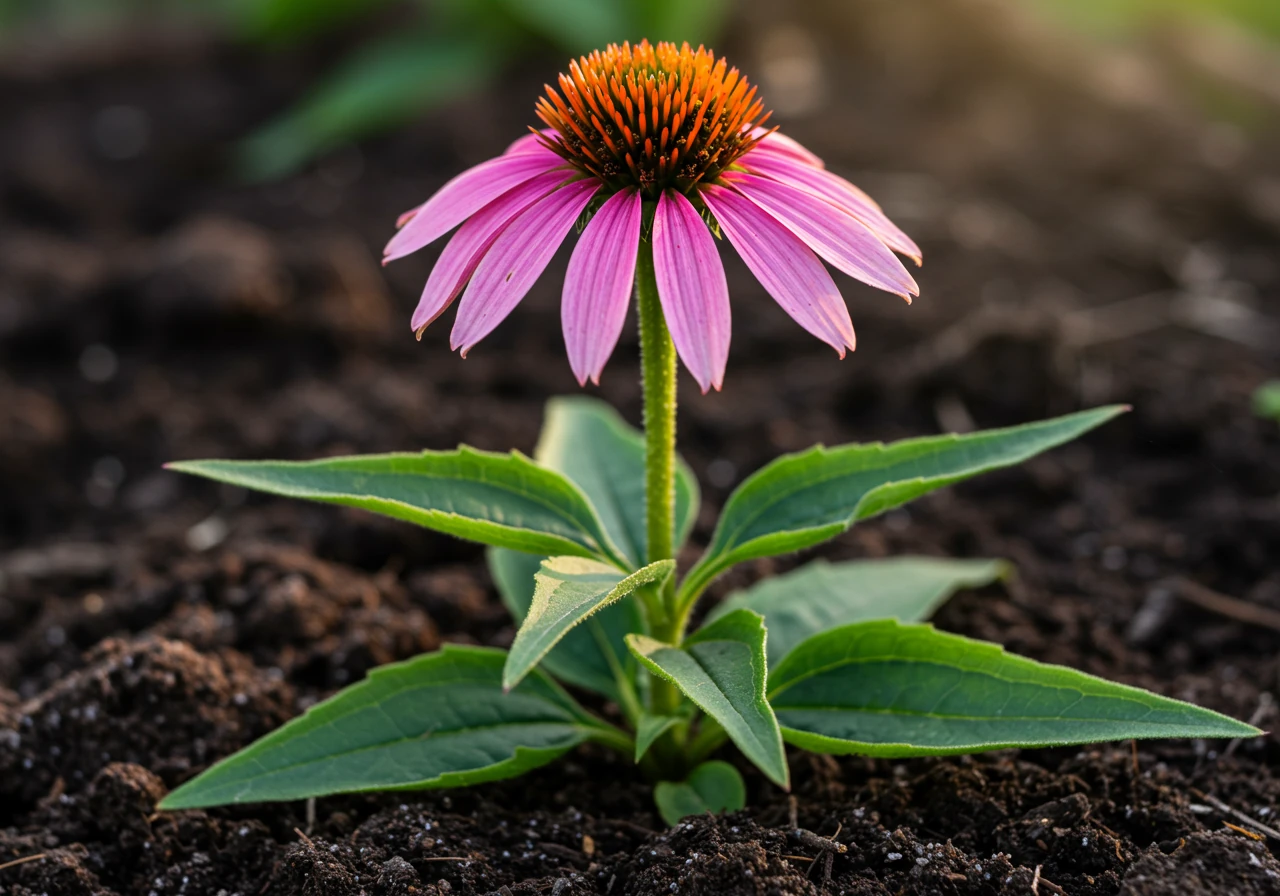
Healthy plants are the reward for good record-keeping.
Think about it: your garden has secrets! Why did those tomatoes thrive last year but sulk this year? What *exactly* is that bug munching on your prize-winning petunias in Nepean? Keeping simple records turns frustrating mysteries into valuable clues.
Become a Plant Whisperer (Sort Of): Your notes become your personalized garden encyclopedia. You’ll start seeing patterns – "Ah, the beans *always* do better in *that* spot," or "Okay, peonies need way more sun than I thought." This knowledge is gold, especially when battling challenging conditions. Knowing which perennials thrived despite that tough clay patch helps you make smarter choices next time, much like following expert advice for planting trees in Greely's clay soil during spring. You learn *your* garden's specific needs and preferences. Need regular upkeep? Consider our garden maintenance services.
Outsmart Pests and Diseases: Spotting trouble early is key! Did aphids show up right after that heatwave? Did blight appear on the same plants two years running? Your notes act like a case file. You might notice powdery mildew hits your squash *every* July unless you prune for better airflow. Good notes remind you! Plus, they reinforce the importance of prevention, like knowing how to keep your garden tools sharp and clean to prevent spreading disease. Catching issues early saves headaches (and plants!). For help maintaining your garden in the city, check out our city garden maintenance service.
Garden Smarter, Not Harder (or Pricier): Remember buying those gorgeous, full-sun perennials, only to realize your backyard gets mostly shade after 1 p.m.? *Oops.* Records prevent repeat mistakes and impulse buys that aren't suited for your space. You'll know what *actually* works, saving money and effort. Your notes might reveal you overspent on seeds that failed in dense shade, guiding you towards shade-tolerant groundcover or even considering options like sod, especially if you're dealing with tricky conditions – understanding how to approach sod installation on clay soil in Greely can save costly errors.
Plan Like a Pro: With past performance data (fancy, right?), planning next season's garden becomes way easier and more successful. You can map out crop rotation, decide where to move struggling plants, or know exactly when to expect certain blooms based on *your* previous years. Embracing your inner garden detective truly pays off. For more practical ideas on *how* to track everything, check out these Greely summer garden record-keeping tips.
Playing garden detective isn't about creating homework; it's about making your gardening journey more rewarding and less confusing. And if deciphering your garden's clues feels overwhelming, or your detective work highlights the need for a big refresh, remember there are professional landscaping and yard maintenance services available to help. Sometimes calling in the experts, like a reliable Greely yard cleanup service, is the smartest clue to follow for setting the stage for future success. We also serve nearby areas like Marionville property cleanup and Metcalf property cleanup.
Choosing Your Weapon: From Mud-Stained Notebooks to Slick Apps
Choose the record-keeping tool that suits your style.
Alright, garden warriors, you're convinced keeping records is a smart move. Now, how do you actually *do* it? Fear not! There isn’t one *right* way. It’s about finding the tool – your trusty sidekick – that fits *you* and your gardening style. Let's explore the arsenal, from old-school charm to digital wizards.
The Classic Crusader: Notebooks & Binders
Ah, the feel of paper! A simple notebook or a binder stuffed with pages, sketches, and seed packets has a certain romance.
Pros: Low-tech, no batteries required, easy to personalize with drawings or pressed leaves, feels tangible. Great for quick notes while your hands are dirty.
Cons: Can get messy (hello, mud stains!), finding specific info later can mean lots of flipping, susceptible to water damage (oops, left it out in the rain again?).
It's perfect for jotting down quick reminders about amendments needed, which ties directly into effective soil preparation for Ottawa gardens.
The Digital Dynamo: Spreadsheets, Apps & Photos
Your phone is probably already in your pocket, right? Spreadsheets (like Google Sheets or Excel) let you organize and sort data easily. Dedicated gardening apps offer specialized features like planting reminders, pest identification help, and layout planning. And don't underestimate the power of photos – a visual timeline of your garden's progress is priceless!
Pros: Searchable, easily backed up, often accessible anywhere, apps offer handy reminders and tools, photos provide clear visual records. Spreadsheets are fantastic for tracking fertilizer schedules or harvest yields.
Cons: Requires a device (and battery!), can feel less personal, potential learning curve for some apps or software, screen glare on sunny Ottawa days can be annoying. Some apps have costs or ads.
If digital records highlight a specific flower bed needing serious intervention, consider getting help with a targeted Metcalf garden clean up service to reset that space.
Comparison: Notebooks vs. Digital
Feature
Notebooks/Binders
Digital (Apps/Spreadsheets/Photos)
Accessibility
Physical, requires carrying
On device (phone/tablet), cloud sync
Searchability
Manual flipping
Easy search function
Durability
Susceptible to dirt, water
Device dependent, easily backed up
Data Analysis
Difficult, manual review
Easy sorting, filtering (spreadsheets)
Visual Records
Sketches, pressed items
Easy photo integration
Cost
Minimal (notebook cost)
Free options, potential app costs
Ease of Use
Very low tech barrier
Requires tech comfort, potential learning curve
So, Which One is for You?
Honestly? It depends! No judgment here.
Your Style: Are you a pen-and-paper person or a tech enthusiast?
Garden Size: Managing sprawling flower beds across a Manotick property might benefit more from a detailed spreadsheet or app than tending a few pots on a Richmond balcony, where a simple notebook could be perfect.
Tech Comfort: Choose what feels easiest and most sustainable *for you*. The fanciest app is useless if you never open it.
The Goal: If detailed tracking for crop rotation or pest patterns is key, digital might win. If it's more about remembering what you planted where, a notebook might suffice.
Sometimes, documenting reveals a bigger project than you thought, like needing a comprehensive city property cleanup service before you can even think about planting next season, or realizing the whole yard needs attention, making a full Metcalf yard cleanup service a good investment. Perhaps you're in a nearby community and need a similar overhaul, like what a Marionville yard cleanup service offers.
The best weapon is the one you'll consistently use. Maybe it's a hybrid approach – a notebook for in-the-moment thoughts and photos synced to the cloud. Experiment and see what sticks! If your notes consistently scream "overwhelmed," don't hesitate to call for backup like a professional Greely yard cleanup service to help you reset.
The Gardener's Logbook: What Exactly Should You Be Scribbling Down?
Okay, future gardening guru! You've chosen your recording tool, whether it's a fancy app or a notebook destined for glorious mud stains. Now, the big question: what exactly *should* you be noting down? Don't worry, it's not about writing a novel. Think of it as creating cheat sheets for your future self! Here’s a breakdown using a handy FAQ format (though we have a more detailed FAQ section later!):
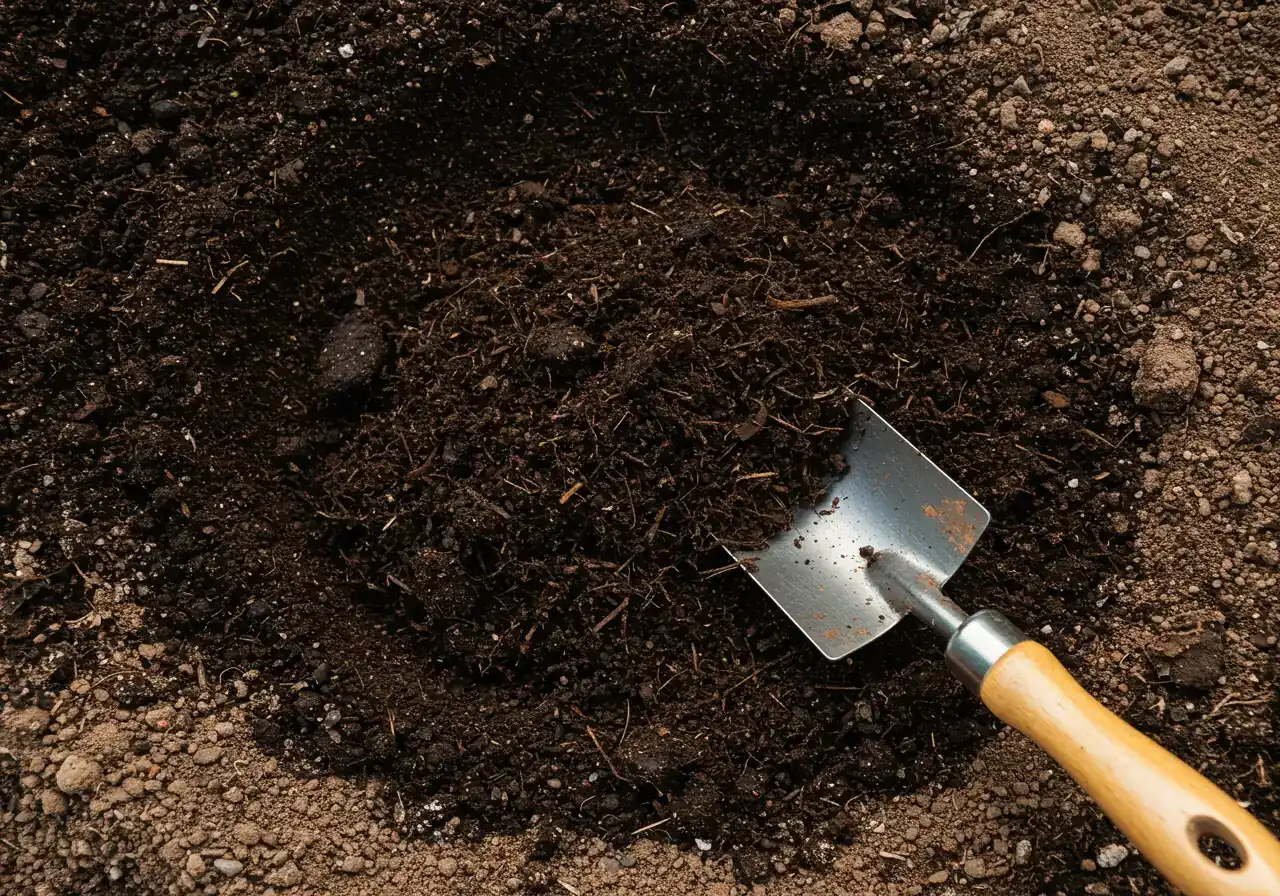
Tracking soil amendments is crucial for understanding plant health.
Plant Basics: What is it (name/variety)? Where did you plant it (location/map)? When did you plant it (date)? Where did it come from (source)?
Soil Prep: What amendments did you add (compost, manure, fertilizer)? When did you add them? How much (roughly)? Consistent notes might reveal the need for a major soil overhaul, perhaps even prompting a large-scale Ottawa yard cleanup service to bring in better topsoil.
Watering & Feeding: Note frequency and amount of watering. Record fertilizer type, application dates, and amounts. If struggles persist despite care, consider an Ottawa garden clean up service for tasks like mulching.
Pests & Diseases: What was the problem? When did you see it? What action did you take? Identifying patterns helps with prevention.
Weather Events: Note first/last frost dates, heatwaves, droughts, major storms. Crucial for understanding plant reactions in Ottawa's climate. For local weather forecasts, check Environment Canada - Ottawa.
Photos: Yes, photos count! Capture progress, problems, and successes throughout the season. A photo diary might reveal the need for a thorough Metcalf yard cleanup service. Before hiring, review the company's terms and conditions.
Visualizing Your Garden's Progress
Sometimes, seeing the data makes patterns clearer. Imagine tracking tomato yields over two years after implementing better record-keeping and soil management based on your notes:
Tomato Yield Improvement (lbs)
Year 1
Year 2
*Illustrative data showing potential yield increase.*
A Year in Your Garden Journal: An Ottawa Seasonal Guide
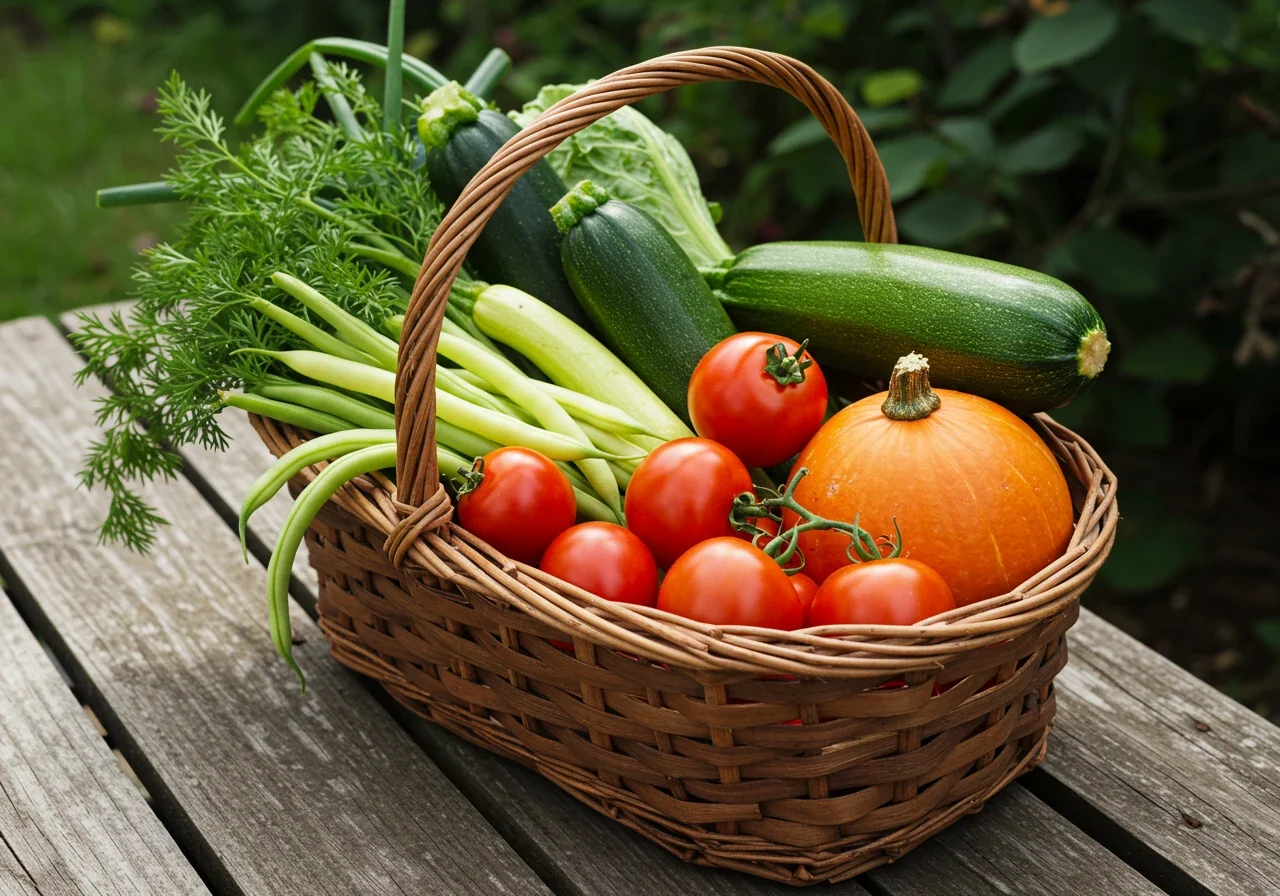
Track your harvests season by season.
Alright, Ottawa gardeners, let's talk seasons! Our gardening year isn't just one long stretch; it's more like four very distinct acts in a play, each demanding different things from us and our plants. Keeping your garden journal updated through each act helps you make sense of our unique climate – from those "will they/won't they" late spring frosts to the deep freeze of winter. Think of this as your seasonal cheat sheet for what to track and when!
Spring (April - June): The Grand Awakening
Unpredictable energy! Ground thaws, urge to plant is strong.
Track: Actual last frost, soil conditions, planting dates/locations, early pests.
Notes: Record pruning details, winter cleanup needs. Major cleanup? Consider a spring property clean up service.
Tasks: Review ALL notes, browse catalogues, sketch plans, clean/sharpen tools. Start seeds indoors late season.
Notes: Summarize successes/failures, draft layouts, list seeds ordered, note tool maintenance. Reflection time! Send a virtual thank you to garden helpers. Consider resources like the Friends of the Central Experimental Farm for inspiration.
By following the rhythm of Ottawa's seasons in your garden journal, you’ll build an invaluable, personalized guide to making your little patch of earth thrive year after year!
Quick Tips for Record-Keeping Resilience
Keeping garden records shouldn't feel like homework assigned by a grumpy gnome! Here are a few tricks to make it easy-peasy and actually helpful:
Keep It Simple, Superstar: Focus on core info: plant names, locations, dates, major successes/failures.
Find Your Groove: Use the method you'll actually stick with (notebook, app, photos). Consistency is key, even after a big city yard cleanup service.
Make It a Habit: Link note-taking to existing tasks (watering, post-weeding tea break). A city garden clean up service can provide a fresh start.
Winter Wins: Use downtime to review notes and plan. This helps guide future material selection.
Guard Your Gold: Back up digital files, keep notebooks dry. Your garden history is valuable! We protect your data too, see our privacy policy.
FAQs: Your Ottawa & Greely Garden Record Questions Answered
Here are some common questions about garden record keeping, specifically tailored for the Ottawa and Greely area:
Great question! Ottawa's sprint-like summer means timing is everything. Your notes are key! Track *exactly* when you plant seeds or transplants and when you get your first harvest. Note the *actual* last spring frost and first fall frost dates at *your* house (they vary!). This helps you choose faster-maturing varieties next year or know precisely when to start seeds indoors. Recording which plants tolerated that surprise cool snap in June tells you who the tough guys are. It also reminds you when professional help, like a timely Marionville garden clean up service, might be needed to get beds ready *fast* in the spring.
Ah, Ottawa clay, we know it well! Definitely track *what* soil amendments you add (compost, peat moss, manure) and *when*. Note how the soil feels afterward – did drainage improve even a little? Track which plants *thrive* despite the clay (hello, Coneflowers!) and which ones sulk. Observing water pooling or runoff after rain is also useful info. Over time, your notes might reveal if minor tweaks are working, or if you need a bigger change, potentially even exploring garden transformations involving raised beds or significant soil replacement. For tips on dealing with clay, resources like the Ottawa Horticultural Society can be helpful.
Lawn struggles are common! Track your watering frequency and duration – is it enough? Too much? Note when and what you fertilize with. Are specific weeds constantly popping up? Document shady areas versus sunny spots and how the grass performs in each. Consistent notes showing thin patches, persistent weeds, or poor drought recovery might indicate the soil is compacted or the existing grass type isn't suitable. This data is invaluable when deciding if investing in professional sod installation is the best path forward for a lush, healthy lawn.
We feel you! Keeping track of *when* specific weeds tend to invade helps you anticipate and tackle them earlier. Note which perennials spread aggressively and might need more frequent dividing or relocating. Also, track how long mulch lasts before breaking down or washing away. Consistent notes about messy edges or rampant weeds often point towards needing better definition and suppression tactics. Investing in professional mulching and edging can make a huge visual difference, creating clean lines and reducing weed headaches. If the mess feels overwhelming, your notes might signal it's time for a reset with a thorough Metcalf property cleanup service.
Conclusion: Turn Your Garden Notes into Garden Triumphs!
So there you have it! We've journeyed from trowel confusion to the clarity of garden logs. Keeping notes isn't just busywork; it's your secret weapon for truly understanding *your* specific patch of Ottawa earth. It really does boil down to this simple truth: Better Systems, Better Plants. Your records become your personalized guide, helping you outsmart pests, improve tricky soil, and make confident planting choices next season. No more mystery seedlings or repeating costly mistakes! Think of your journal as the roadmap to your future garden triumphs.
Feeling inspired by your well-kept notes but maybe seeing a bigger project emerge than you expected? Sometimes, documenting everything makes it clear where professional help can make the biggest difference. If your garden diary points towards needing a major soil boost in your Barrhaven beds, or perhaps a complete garden redesign to finally nail that perfect look in Greely, we're here to help turn those insights into reality. Let us handle the heavy lifting!
Ready to transform insights into action?Contact us for expert garden design and landscaping installation based on what *you* know works (or doesn't!) in your yard.
To request a quote, kindly fill out the form below.
Before You Go
We’re confident in our services, we offer a 30-day money-back guarantee. Not 100% satisfied? We’ll swiftly refund all labor costs. Your satisfaction is our top priority!
Get in touch today for expert service and satisfaction guaranteed. You won't regret it!