
/* CSS Reset/Base */ *, *::before, *::after { box-sizing: border-box; margin: 0; padding: 0; }:root { --brand-primary: #93C020; /* Lime Green */ --brand-dark: #000000; /* Black */ --brand-grey-dark: #2D2C2C; /* Dark Grey */ --brand-grey-light: #EBEBEB; /* Light Grey */ --brand-green-dark: #287734; /* Dark Green */ --brand-white: #FFFFFF; /* White */ --brand-accent: #B7FE00; /* Bright Lime */ --font-primary: system-ui, -apple-system, BlinkMacSystemFont, "Segoe UI", Roboto, Oxygen, Ubuntu, Cantarell, "Open Sans", "Helvetica Neue", sans-serif; }html { scroll-behavior: smooth; font-size: 16px; /* Base font size */ }body { font-family: var(--font-primary); line-height: 1.6; color: var(--brand-grey-dark); background-color: var(--brand-white); }/* Progress Bar */ #greely-resilience-progress-bar-container { position: fixed; top: 0; left: 0; width: 100%; height: 8px; background-color: var(--brand-grey-light); z-index: 1000; }#greely-resilience-progress-bar { height: 100%; width: 0; background-color: var(--brand-primary); transition: width 0.1s ease-out; }/* Main Article Container - Isolates Styles */ #greely-resilience-article { max-width: 900px; margin: 40px auto 20px auto; /* Add top margin for progress bar */ padding: 20px; background-color: var(--brand-white); /* No border or shadow needed for standalone page */ }/* Typography */ #greely-resilience-article h1, #greely-resilience-article h2, #greely-resilience-article h3, #greely-resilience-article h4 { color: var(--brand-green-dark); margin-top: 1.5em; margin-bottom: 0.8em; line-height: 1.3; }#greely-resilience-article h1 { font-size: 2.5rem; margin-top: 1em; text-align: center; color: var(--brand-dark); }#greely-resilience-article h2 { font-size: 1.8rem; border-bottom: 2px solid var(--brand-primary); padding-bottom: 0.3em; }#greely-resilience-article h3 { font-size: 1.4rem; color: var(--brand-grey-dark); }#greely-resilience-article h4 { font-size: 1.1rem; font-weight: bold; color: var(--brand-grey-dark); }#greely-resilience-article p { margin-bottom: 1em; color: var(--brand-grey-dark); }#greely-resilience-article ul, #greely-resilience-article ol { margin-left: 20px; margin-bottom: 1em; padding-left: 15px; }#greely-resilience-article li { margin-bottom: 0.5em; }#greely-resilience-article a { color: var(--brand-green-dark); text-decoration: none; transition: color 0.3s ease; }#greely-resilience-article a:hover, #greely-resilience-article a:focus { color: var(--brand-primary); text-decoration: underline; }#greely-resilience-article strong, #greely-resilience-article b { font-weight: bold; color: var(--brand-dark); }#greely-resilience-article em, #greely-resilience-article i { font-style: italic; color: var(--brand-green-dark); }/* Responsive Images */ #greely-resilience-article figure { margin: 25px auto; text-align: center; } #greely-resilience-article img { max-width: 100%; height: auto; border-radius: 5px; } #greely-resilience-article figcaption { font-size: 0.85rem; /* 13px approx */ color: #777; margin-top: 5px; font-style: italic; }/* Highlight Box */ #greely-resilience-article .highlight-box { background-color: var(--brand-grey-light); border-left: 5px solid var(--brand-primary); padding: 20px; margin: 2em 0; border-radius: 4px; } #greely-resilience-article .highlight-box h3 { margin-top: 0; color: var(--brand-dark); font-size: 1.3rem; } #greely-resilience-article .highlight-box ul { list-style-type: disc; /* Use standard bullets */ padding-left: 20px; /* Indent list */ margin-left: 0; /* Reset default margin */ } #greely-resilience-article .highlight-box li { margin-bottom: 0.6em; }/* CTA Buttons */ #greely-resilience-article .cta-button-container { text-align: center; margin: 2em 0; } #greely-resilience-article .cta-button { display: inline-block; background-color: var(--brand-primary); color: var(--brand-dark) !important; /* Important to override default link color */ padding: 12px 25px; border-radius: 5px; text-decoration: none !important; /* Important to override default link style */ font-weight: bold; transition: background-color 0.3s ease, transform 0.2s ease; border: none; cursor: pointer; font-size: 1.1rem; } #greely-resilience-article .cta-button:hover, #greely-resilience-article .cta-button:focus { background-color: var(--brand-accent); transform: translateY(-2px); color: var(--brand-dark) !important; /* Keep text dark on hover */ }/* Collapsible Sections (FAQ) */ #greely-resilience-article .collapsible-trigger { background-color: var(--brand-grey-light); color: var(--brand-dark); cursor: pointer; padding: 15px; width: 100%; border: none; text-align: left; outline: none; font-size: 1.1rem; font-weight: bold; margin-top: 10px; border-radius: 4px; position: relative; transition: background-color 0.3s ease; } #greely-resilience-article .collapsible-trigger:hover { background-color: #ddd; /* Slightly darker grey */ } #greely-resilience-article .collapsible-trigger::after { content: '+'; font-size: 1.5rem; color: var(--brand-green-dark); position: absolute; right: 15px; top: 50%; transform: translateY(-50%); transition: transform 0.3s ease; } #greely-resilience-article .collapsible-trigger.active::after { content: '−'; transform: translateY(-50%) rotate(180deg); /* Rotate for minus */ } #greely-resilience-article .collapsible-content { padding: 0 18px; background-color: white; max-height: 0; overflow: hidden; transition: max-height 0.4s ease-out, padding 0.4s ease-out; border: 1px solid var(--brand-grey-light); border-top: none; border-radius: 0 0 4px 4px; } #greely-resilience-article .collapsible-content.active { padding: 15px 18px; /* Add padding back when active */ /* max-height is set by JS */ } #greely-resilience-article .collapsible-content p:last-child { margin-bottom: 0; }/* Tab Interface */ #greely-resilience-article .tab-container { margin: 2em 0; } #greely-resilience-article .tab-buttons { display: flex; flex-wrap: wrap; /* Allow wrapping on small screens */ border-bottom: 2px solid var(--brand-grey-light); margin-bottom: 15px; } #greely-resilience-article .tab-button { padding: 10px 20px; cursor: pointer; border: 1px solid transparent; border-bottom: none; margin-right: 5px; margin-bottom: -2px; /* Overlap border-bottom */ background-color: var(--brand-grey-light); color: var(--brand-grey-dark); border-radius: 4px 4px 0 0; font-weight: bold; transition: background-color 0.3s ease, color 0.3s ease, border-color 0.3s ease; } #greely-resilience-article .tab-button:hover { background-color: #ddd; } #greely-resilience-article .tab-button.active { background-color: var(--brand-white); color: var(--brand-green-dark); border-color: var(--brand-grey-light) var(--brand-grey-light) var(--brand-white); /* Top, sides, bottom */ border-width: 1px 1px 2px 1px; border-style: solid; position: relative; bottom: -1px; /* Adjust position slightly */ } #greely-resilience-article .tab-content { display: none; padding: 15px; border: 1px solid var(--brand-grey-light); border-top: none; border-radius: 0 0 4px 4px; background-color: var(--brand-white); } #greely-resilience-article .tab-content.active { display: block; animation: fadeIn 0.5s ease-in-out; } @keyframes fadeIn { from { opacity: 0; } to { opacity: 1; } }/* Responsive Data Visualization (Bar Chart) */ #greely-resilience-article .chart-container { background-color: var(--brand-grey-light); padding: 20px; border-radius: 5px; margin: 2em 0; } #greely-resilience-article .chart-title { text-align: center; margin-bottom: 20px; font-weight: bold; color: var(--brand-dark); } #greely-resilience-article .chart { display: flex; justify-content: space-around; align-items: flex-end; /* Align bars to the bottom */ height: 200px; /* Fixed height for the chart area */ border-bottom: 2px solid var(--brand-grey-dark); padding-bottom: 5px; } #greely-resilience-article .bar { width: 15%; /* Relative width */ max-width: 60px; /* Max width for wider screens */ background-color: var(--brand-primary); height: 0; /* Initial height for animation */ text-align: center; position: relative; transition: height 1s ease-out; /* Animation */ border-radius: 3px 3px 0 0; } #greely-resilience-article .bar-label { position: absolute; bottom: -25px; /* Position label below the bar */ left: 50%; transform: translateX(-50%); font-size: 0.85rem; color: var(--brand-grey-dark); white-space: nowrap; } #greely-resilience-article .bar-value { position: absolute; top: -20px; /* Position value above the bar */ left: 50%; transform: translateX(-50%); font-size: 0.8rem; color: var(--brand-dark); font-weight: bold; opacity: 0; /* Hide initially */ transition: opacity 0.5s ease-out 0.8s; /* Fade in after bar animates */ } /* Animation Trigger */ #greely-resilience-article .chart-container.animate .bar { /* Height set by JS */ } #greely-resilience-article .chart-container.animate .bar-value { opacity: 1; }/* Timeline Component */ #greely-resilience-article .timeline { position: relative; max-width: 800px; margin: 2em auto; padding: 20px 0; } #greely-resilience-article .timeline::after { content: ''; position: absolute; width: 4px; background-color: var(--brand-primary); top: 0; bottom: 0; left: 50%; margin-left: -2px; } #greely-resilience-article .timeline-item { padding: 10px 40px; position: relative; background-color: inherit; width: 50%; margin-bottom: 20px; /* Space between items */ } /* Circle markers */ #greely-resilience-article .timeline-item::after { content: ''; position: absolute; width: 18px; height: 18px; right: -11px; /* Adjusted for 4px line width + half circle */ background-color: var(--brand-white); border: 4px solid var(--brand-green-dark); top: 15px; border-radius: 50%; z-index: 1; } /* Left side items */ #greely-resilience-article .timeline-item.left { left: 0; } /* Right side items */ #greely-resilience-article .timeline-item.right { left: 50%; } /* Adjust marker position for right side items */ #greely-resilience-article .timeline-item.right::after { left: -7px; /* Adjusted for 4px line width + half circle */ } /* Content box styling */ #greely-resilience-article .timeline-content { padding: 15px 20px; background-color: var(--brand-grey-light); position: relative; border-radius: 6px; border: 1px solid #ccc; } #greely-resilience-article .timeline-content h4 { margin-top: 0; color: var(--brand-green-dark); font-size: 1.1rem; } #greely-resilience-article .timeline-item.left .timeline-content { text-align: right; } #greely-resilience-article .timeline-item.right .timeline-content { text-align: left; }/* Responsive Tables */ #greely-resilience-article .table-container { overflow-x: auto; /* Enable horizontal scroll on small screens */ margin: 1.5em 0; border: 1px solid var(--brand-grey-light); border-radius: 4px; } #greely-resilience-article table { width: 100%; border-collapse: collapse; min-width: 500px; /* Ensure table has minimum width for scrolling */ } #greely-resilience-article th, #greely-resilience-article td { padding: 10px 12px; text-align: left; border-bottom: 1px solid var(--brand-grey-light); } #greely-resilience-article th { background-color: var(--brand-green-dark); color: var(--brand-white); font-weight: bold; } #greely-resilience-article tr:nth-child(even) { background-color: var(--brand-grey-light); } #greely-resilience-article tr:hover { background-color: #ddd; /* Slightly darker grey on hover */ }/* Back to Top Button */ #greely-resilience-back-to-top { position: fixed; bottom: 20px; right: 20px; background-color: var(--brand-green-dark); color: var(--brand-white); border: none; border-radius: 50%; width: 50px; height: 50px; font-size: 24px; text-align: center; line-height: 50px; cursor: pointer; opacity: 0; visibility: hidden; transition: opacity 0.3s ease, visibility 0.3s ease, background-color 0.3s ease; z-index: 999; } #greely-resilience-back-to-top:hover { background-color: var(--brand-primary); color: var(--brand-dark); } #greely-resilience-back-to-top.show { opacity: 1; visibility: visible; }/* Featured Snippet Summary */ #greely-resilience-article .snippet-summary { background-color: #f9f9f9; /* Very light grey */ border: 1px solid var(--brand-grey-light); padding: 15px; margin: 1.5em 0; border-radius: 4px; } #greely-resilience-article .snippet-summary ul { margin-left: 15px; padding-left: 10px; margin-bottom: 0; } #greely-resilience-article .snippet-summary li { margin-bottom: 0.4em; }/* Responsive Adjustments */ @media (max-width: 768px) { #greely-resilience-article h1 { font-size: 2rem; } #greely-resilience-article h2 { font-size: 1.6rem; } #greely-resilience-article h3 { font-size: 1.3rem; }/* Timeline: Stack vertically */ #greely-resilience-article .timeline::after { left: 20px; /* Move line to the left */ margin-left: 0; } #greely-resilience-article .timeline-item { width: 100%; padding-left: 60px; /* Make room for line and marker */ padding-right: 10px; left: 0 !important; /* Override inline style */ margin-bottom: 30px; /* Increase space */ } #greely-resilience-article .timeline-item::after { left: 11px; /* Position marker on the line */ right: auto; } #greely-resilience-article .timeline-item.left .timeline-content, #greely-resilience-article .timeline-item.right .timeline-content { text-align: left; /* Align all content left */ } /* Remove arrows for mobile */ #greely-resilience-article .timeline-item::before { display: none; }/* Bar Chart: Adjust spacing/labels if needed */ #greely-resilience-article .chart { height: 180px; /* Slightly smaller */ } #greely-resilience-article .bar-label { font-size: 0.75rem; } }@media (max-width: 480px) { html { font-size: 15px; /* Adjust base font for small screens */ } #greely-resilience-article { padding: 15px; } #greely-resilience-article h1 { font-size: 1.8rem; } #greely-resilience-article h2 { font-size: 1.4rem; } #greely-resilience-article .tab-button { padding: 8px 12px; /* Smaller buttons */ font-size: 0.9rem; } #greely-resilience-article .cta-button { padding: 10px 20px; font-size: 1rem; } #greely-resilience-back-to-top { width: 40px; height: 40px; font-size: 20px; line-height: 40px; bottom: 15px; right: 15px; } } { "@context": "https://schema.org", "@graph": [ { "@type": "Article", "headline": "Boost Greely Plant Resilience: Cultural Care Prevents Loss", "description": "Discover how fundamental cultural care practices—proper soil management, wise watering, effective mulching, and strategic pruning—can significantly enhance plant resilience in Greely and the wider Ottawa area, reducing plant loss and fostering healthier gardens.", "image": "https://cleanyards.ca/wp-content/uploads/2025/03/close_up_detailed_photograph_o_4678.webp", "author": { "@type": "Organization", "name": "Clean Yards", "url": "https://cleanyards.ca/" }, "publisher": { "@type": "Organization", "name": "Clean Yards", "logo": { "@type": "ImageObject", "url": "https://cleanyards.ca/wp-content/uploads/2024/01/Clean-Yards-Landscape-Maintenance-Logo.png" } }, "mainEntityOfPage": { "@type": "WebPage", "@id": "https://cleanyards.ca/blog/greely-plant-resilience-cultural-care/" // Assumed URL - replace if needed } // "datePublished": "YYYY-MM-DD" - Omitted as per instruction }, { "@type": "FAQPage", "mainEntity": [ { "@type": "Question", "name": "My plants survived the Ottawa winter, but they look so weak! How can I help them bounce back quickly in the spring?", "acceptedAnswer": { "@type": "Answer", "text": "Give them a gentle start! Once the ground thaws, clear away any dead leaves or winter debris smothering the crowns. Wait for signs of new growth before cutting back perennials too hard. Ensure the soil isn't waterlogged, and maybe offer a light feeding with compost once growth really starts. A good spring prep, much like what's involved in a professional city yard cleanup service, can make a huge difference for plant vigor." } }, { "@type": "Question", "name": "I live in Greely, and the clay soil is tough. What are the absolute *best* low-maintenance, resilient perennials for this area?", "acceptedAnswer": { "@type": "Answer", "text": "You're right, Greely clay needs tough plants! Think Daylilies (Hemerocallis), Hostas (especially thicker-leaved varieties), Coneflowers (Echinacea), and Sedum 'Autumn Joy'. These handle clay reasonably well once established. Amending the planting hole with compost helps give any new perennial a better start in heavy soil. Remember, even tough plants appreciate good landscaping practices!" } }, { "@type": "Question", "name": "Pests seem to love my garden in Barrhaven! Are there any natural ways to discourage them without using harsh chemicals?", "acceptedAnswer": { "@type": "Answer", "text": "Absolutely! Prevention is key. Keep your gardening beds tidy – pests love hiding in debris. Healthy plants are less attractive to pests, so focus on good soil and watering. Encourage beneficial insects like ladybugs by planting dill or yarrow. Often, a strong spray of water knocks off aphids. Remember, any thorough cleanup, like the comprehensive Marionville yard cleanup service, helps reduce pest hiding spots significantly." } }, { "@type": "Question", "name": "We get strong winds sometimes near Osgoode. What can I do to protect my taller plants from wind damage?", "acceptedAnswer": { "@type": "Answer", "text": "Wind can be rough! For taller perennials like delphiniums or sunflowers, staking early provides support before they flop. Planting taller, more vulnerable plants near a fence, wall, or sturdy shrubs can create a natural windbreak. Also, consider choosing shorter, sturdier varieties of your favourite flowers if wind is a constant issue in your Osgoode garden." } }, { "@type": "Question", "name": "My yard feels overwhelming after winter melts or leaves fall. What does a typical seasonal cleanup involve to help my plants thrive?", "acceptedAnswer": { "@type": "Answer", "text": "A good seasonal cleanup sets your plants up for success! This usually includes removing fallen leaves and debris from garden beds and lawns, cutting back dead perennial stems, trimming damaged branches on shrubs, edging garden beds for a neat look, and clearing walkways. It's about removing potential problems and improving air circulation – tasks covered by a thorough city property cleanup service." } }, { "@type": "Question", "name": "I'm new to gardening in this climate. Where can I find reliable advice specific to the Ottawa region?", "acceptedAnswer": { "@type": "Answer", "text": "Welcome! Local resources are fantastic – check out established Ottawa garden centers, the Master Gardeners of Ottawa-Carleton website (e.g., https://mgottawa.ca/), or local horticultural societies. They understand our unique climate challenges. Reputable online sources focused on Canadian gardening are also helpful (e.g., https://savvygardening.com/ - Note: example, ensure relevance). For personalized property advice, you can learn more about our team's local expertise on our about us page. Happy gardening!" } } ] }, { "@type": "HowTo", "name": "How to Water Plants Wisely for Resilience", "description": "Follow these steps for smart watering to conserve water, save time, and grow tougher, happier plants.", "step": [ { "@type": "HowToStep", "name": "Check First", "text": "Always test the soil moisture before watering. Stick your finger about 2 inches down. If it feels dry, it's time to water. If it's damp, hold off." }, { "@type": "HowToStep", "name": "Water Deeply", "text": "Apply water slowly until the top 6-8 inches of soil are moist. This might mean running a soaker hose for an hour or more, depending on your soil type." }, { "@type": "HowToStep", "name": "Water the Roots", "text": "Focus water delivery at the base of the plants, directly onto the root zone, not on the leaves. Soaker hoses or drip irrigation are ideal for this." }, { "@type": "HowToStep", "name": "Water Less Often", "text": "Allow the soil to dry slightly between deep waterings. This encourages plant roots to grow deeper in search of moisture, increasing drought tolerance." }, { "@type": "HowToStep", "name": "Mulch Magic", "text": "Apply a 2-3 inch layer of organic mulch around plants (keeping it away from stems) to help retain soil moisture and reduce the frequency of watering needed." } ] } ] }

Boost Greely Plant Resilience: Cultural Care Prevents Loss

Quick Summary:
  • Improve plant resilience in Greely & Ottawa through smart "cultural care".
  • Focus on soil health, proper site selection, and wise watering techniques.
  • Use mulch effectively to conserve moisture, suppress weeds, and regulate soil temperature.
  • Prune correctly to enhance plant vigor, shape, and air circulation.
  • Employ preventative measures against pests and diseases for long-term health.
  • Need help? Request a quote for professional garden care.

Hey neighbours! Ever feel like your Greely garden is staging a minor rebellion? Maybe your Manotick perennials look a bit stressed, or your Osgoode shrubs seem… well, less than thrilled? Don't worry, you're not alone in the quest for a gorgeous yard! The secret to a beautiful, thriving landscape often comes down to encouraging plant resilience. Think of resilience as a plant's natural toughness – its ability to shake off challenges like Ottawa's unpredictable weather, shrug off minor pest issues, or bounce back after a dry spell. It’s what makes some plants thrive while others struggle.

So, how do we help our plants toughen up? Through smart cultural care. That might sound technical, but it’s simply about the basic, smart ways we look after our plants every day. It includes things like:

  • Choosing the right plant for the right spot (sun vs. shade).
  • Watering properly (deeply, but not too often!).
  • Improving your soil.
  • Keeping an eye out for pests *before* they become a big problem.

Honestly, focusing on good cultural care is the best way to prevent plant loss. It’s like giving your plants a healthy lifestyle – it makes them stronger and better able to defend themselves. This proactive approach saves you time, money, and the heartache of trying to rescue a failing plant later. Especially here in the Ottawa area, where our plants face everything from icy winters to humid summers, smart care is the foundation for a truly resilient and beautiful garden. For more tips on local gardening, check out the Ottawa Horticultural Society.

Section 1: Ground Control to Major Tom(ato) - Mastering Ottawa Soil & Site Selection
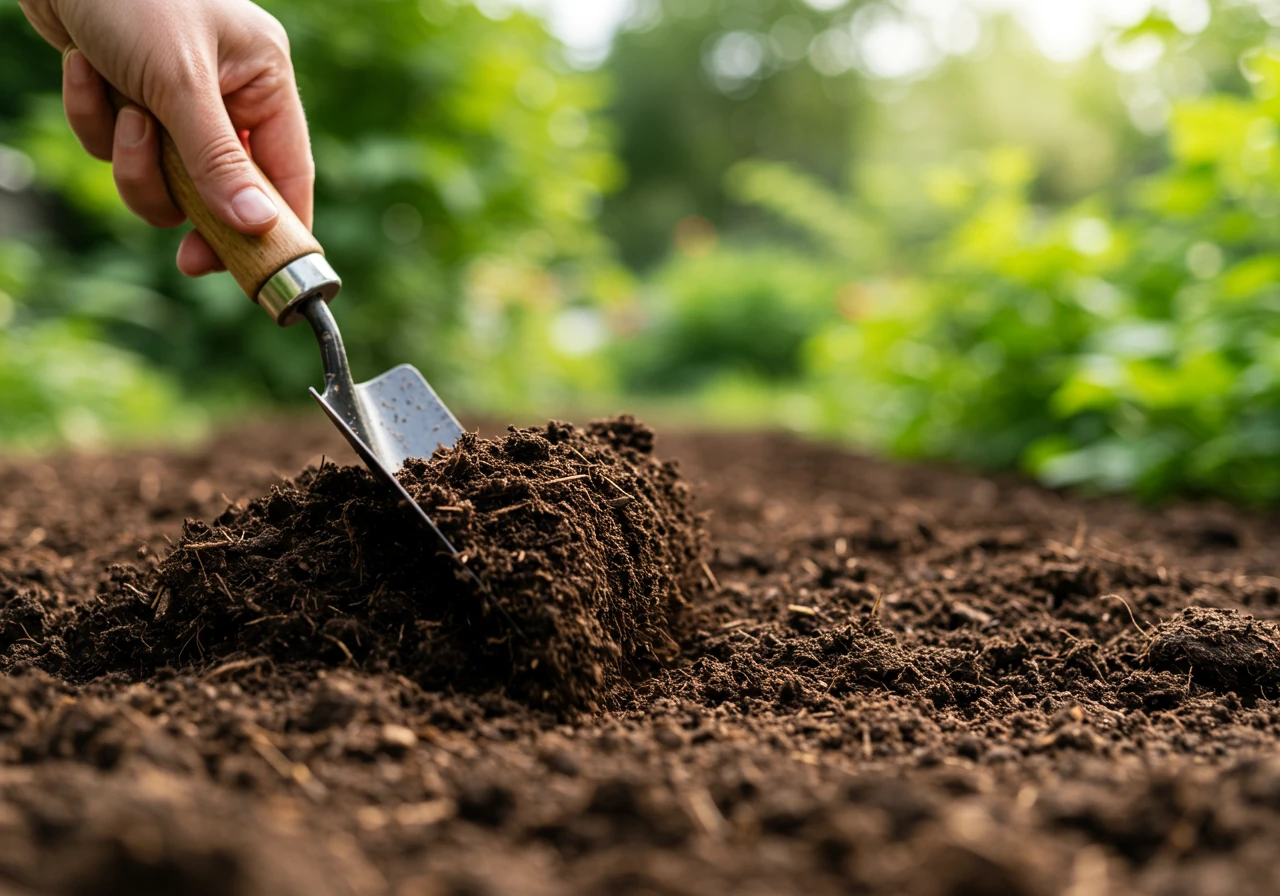
A close-up, textured photograph showcasing dark, rich garden soil heavily amended with compost. The soil looks crumbly and healthy, ready for planting, perhaps with a small trowel resting nearby (no hands visible) to imply recent work.
Rich, amended soil is the foundation for resilient plants.

Alright, aspiring green thumbs, let's talk dirt! No, really. Before you even *think* about planting that prize-winning tomato (or anything else!), understanding your soil and site is mission control for garden success here in the Ottawa region. Get this right, and your plants will thank you with lush growth. Get it wrong, and well, Houston, we might have a problem.

Much of the Ottawa area, from parts of Greely to Metcalfe, often deals with heavy clay soil. It holds water well (sometimes *too* well) and can bake hard in the summer. Other spots, maybe towards Richmond or sandy stretches near Vernon, might have the opposite issue – sandy soil that drains faster than you can water it and doesn't hold onto nutrients. Knowing your soil type is the first step. How does it feel? Does water pool or disappear instantly? Observing and keeping track of your Greely garden's needs helps you understand your specific conditions.

The good news? You can improve almost any soil! Forget harsh chemicals; let’s talk eco-friendly amendments. Adding organic matter is key. Think compost (black gold!), well-rotted manure, or leaf mold. These goodies improve soil structure (breaking up clay, helping sand hold water), boost drainage, and feed the beneficial microbes that help plants thrive. Work this organic matter into the top few inches of your soil before planting. Our soil preparation services can help get you started. You can use a summer garden record-keeping guide to note what amendments you added and how your plants respond year over year.

Simple Soil Boosters:

  • Compost: Best all-around. Improves structure, adds slow-release nutrients. Apply spring or fall.
  • Aged Manure: Nutrient powerhouse. Great for hungry plants, but make sure it's well-rotted (at least 6 months old) to avoid burning roots. Best worked in a few weeks before planting.
  • Leaf Mold: Excellent conditioner. Great for improving moisture retention and soil structure. Takes time to make but worth it! Apply anytime.

Beyond the soil itself, look at your site. This is the "right plant, right place" mantra. Does the spot get blazing afternoon sun, or is it mostly shady? Watch the sun's path throughout the day. Don't forget wind, especially in more open areas around Kenmore or rural Ottawa – strong winds can dry out and damage plants. Are there buildings or fences creating microclimates? Even considering structures like pergolas in Barrhaven impacts light and shelter. Assessing your site properly is just as crucial as amending soil beds, and often part of a thorough spring cleanup involves preparing these planting areas.

Choosing plants suited to your actual soil type, sun exposure, and wind conditions saves you so much struggle later. If understanding your soil profile or assessing the perfect spot feels overwhelming, don't hesitate to explore our comprehensive landscaping services for expert guidance tailored to your Ottawa property. Happy planting!

Section 2: Water Wisely, Not Wildly – Hydration Strategies for Resilient Roots

Okay team, let's talk H2O! Keeping your plants happy isn't about drowning them daily. It’s about watering wisely, encouraging those roots to dig deep and become tough. Think of it less like giving your plants a quick shower and more like a long, satisfying drink that encourages them to grow strong, especially during those unpredictable Ottawa summers. This is key for building that resilience we talked about.
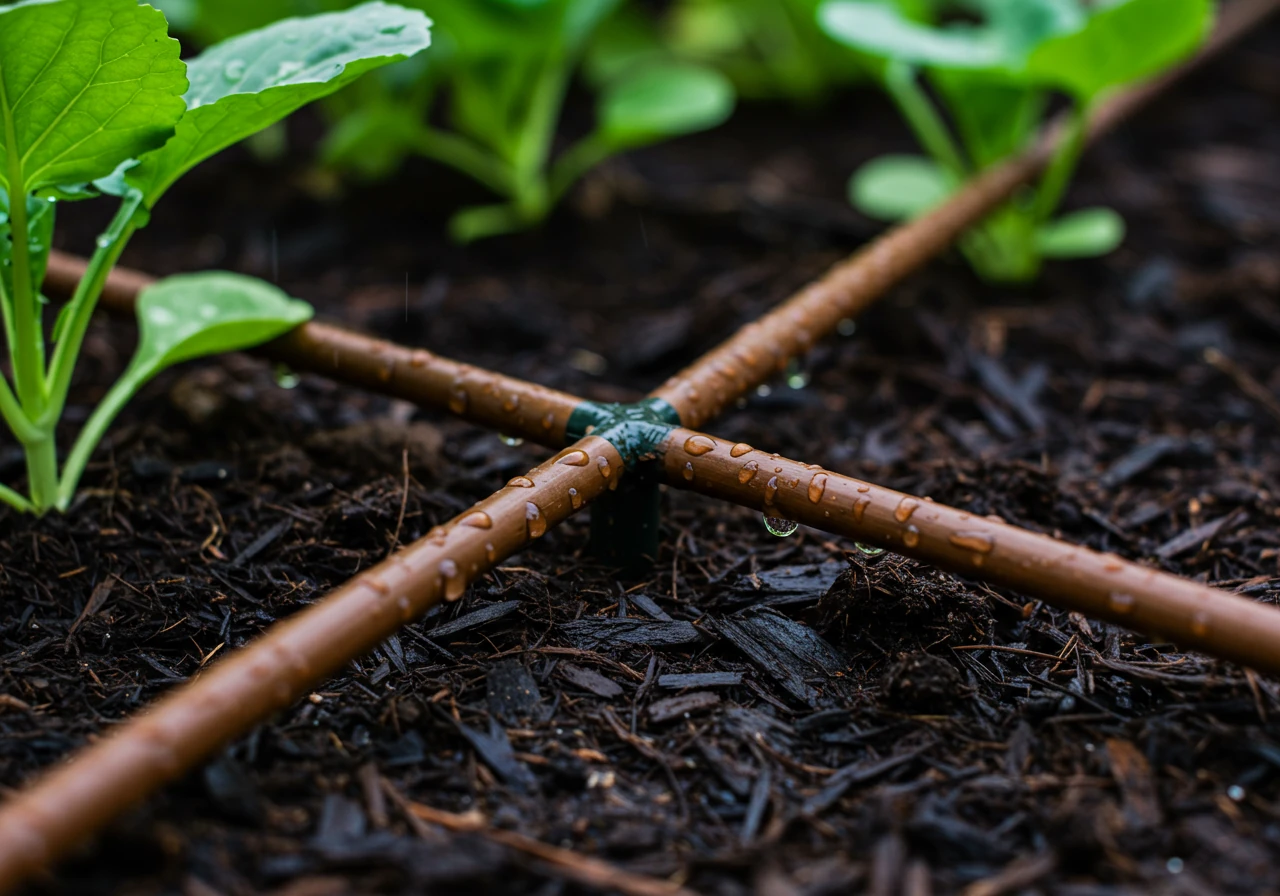
A detailed image of a brown soaker hose laid neatly between healthy perennial plants in a mulched garden bed. Small droplets of water are visibly seeping from the hose directly onto the soil near the plant bases, illustrating efficient root-zone watering.
Soaker hoses deliver water directly to the roots, promoting efficiency and health.

The Deep Drink Difference

Shallow, frequent watering keeps roots near the surface, making plants wimpy and prone to drying out fast. Deep watering, on the other hand, means soaking the soil thoroughly but less often. This encourages roots to grow downwards searching for moisture, creating a stronger, more drought-tolerant plant. How deep? Aim for the water to penetrate at least 6-8 inches into the soil. This is particularly important in areas with clay soil, like parts of Greely, which holds water but needs time to absorb it deeply. Getting this right is a fundamental aspect of good garden maintenance.

Watering Weapons of Choice

  • Sprinklers: Easy for large areas, but can be inefficient (evaporation!) and wetting leaves can encourage disease. Best used early morning.
  • Hand Watering: Great for containers or specific thirsty plants. Takes time, but very targeted.
  • Soaker Hoses/Drip Irrigation: The efficiency champs! They deliver water slowly, directly to the root zone, minimizing waste. Perfect for garden beds and hedges. If setting up a system seems complex, exploring our range of landscaping services might offer solutions.

When and How Much? Timing is Everything!

Water early in the morning. This gives plants time to absorb moisture before the midday sun heats things up, reducing evaporation and allowing leaves to dry, which helps prevent fungal issues. Forget a rigid schedule! Water needs change with weather, plant type, and soil. Instead of guessing, check the soil. Stick your finger about 2 inches down. If it feels dry, it's time to water. If it's damp, hold off. Keeping the planting area clear of excessive weeds and debris, often handled during an Ottawa yard cleanup service, also ensures water gets where it needs to go. Useful tips on water conservation can often be found on the City of Ottawa's website.

Simple Steps for Smart Watering:

  1. Check First: Always test the soil moisture before watering.
  2. Water Deeply: Apply water slowly until the top 6-8 inches of soil are moist. This might mean running a soaker hose for an hour or more, depending on your soil.
  3. Water the Roots: Focus water at the base of the plants, not on the leaves.
  4. Water Less Often: Let the soil dry slightly between waterings to encourage deep roots.
  5. Mulch Magic: Remember Section 1? Mulch helps retain soil moisture, reducing how often you need to water! Good watering practices complement other seasonal tasks, like those included in a Winchester garden clean up service, ensuring your plants are healthy year-round. Healthy, well-watered plants significantly boost your property's overall appeal, a major goal of any thorough property clean up.

By watering wisely, you'll conserve water, save time, and grow tougher, happier plants ready to handle whatever our Ottawa climate throws their way!

Section 3: Mulch Ado About Nothing? Think Again! Protecting Your Plant Investment

A clear photograph showing the base of a healthy shrub in a garden bed. A layer of natural shredded bark mulch, approximately 2-3 inches deep, covers the soil but is pulled back about 2 inches from the shrub's main stem, clearly demonstrating the 'no mulch volcano' technique.
Proper mulching protects soil and plant health, keeping mulch away from the stem.

Alright garden pals, let's tackle a topic that sometimes gets overlooked but is actually a secret weapon for happy plants: mulch! You might think, "Mulch? Isn't that just decorative wood chips?" While it does make your garden beds look tidy, thinking it's "much ado about nothing" is a big mistake for your plant investment. Mulch is like a protective shield, especially vital here in Ottawa where our plants face everything from scorching Barrhaven summer days to frosty Nepean nights. It’s a simple step with huge benefits!

So, what’s the big deal about spreading some bark around? Our Mulching and Edging services demonstrate the difference it makes. Let’s break down the magic:

  • Moisture Manager: Mulch acts like a lid on your soil, significantly slowing down evaporation. This means the moisture from your wise watering (remember Section 2?) stays where the roots need it longer, reducing your watering chores.
  • Weed Warrior: A good 2-3 inch layer of mulch blocks sunlight, making it much harder for annoying weeds to sprout. Less weeding? Yes, please! This alone can greatly simplify your garden maintenance routine.
  • Temperature Tamer: It insulates the soil, keeping roots cooler in the summer heat and warmer during winter freezes. This buffering effect reduces stress on your plants.
  • Soil Supporter: Organic mulches (like shredded bark, wood chips, compost, or even straw) slowly decompose, adding valuable organic matter back into the soil. This continuously improves soil structure and fertility, building on the foundation laid by careful soil preparation.
  • Finishing Touch: Let's be honest, it just looks good! Mulch provides a neat, uniform appearance that makes your plants pop and gives beds a professional finish. It's often an essential step after a new garden installation to protect those newly placed plants.

When choosing mulch, organic options are generally fantastic because they feed the soil as they break down. Inorganic mulches like stone or gravel have their place in certain designs but don’t offer the same soil-improving benefits.

Applying Mulch Like a Pro:

  1. Weed First: Get rid of existing weeds so they don't just poke through.
  2. Spread Evenly: Apply a layer about 2-3 inches deep. Too thin won't do much; too thick can suffocate roots and become soggy.
  3. Give Space!: This is super important! Pull mulch back 1-2 inches away from the base of shrubs, perennials, and tree trunks. Piling mulch right against stems (we call this a "mulch volcano") traps moisture, invites pests, and encourages rot. No volcanoes!

Spring, after the soil has warmed up a bit, is a great time to apply or refresh mulch. A fall application can also help insulate roots over winter. Seeing the difference mulch makes is often a highlight in stunning garden transformations. Need a hand? Applying mulch properly is often part of our professional city garden maintenance service.

So, don't underestimate the power of mulch. It’s a simple, effective way to protect your plants, save water, reduce work, and keep your Ottawa garden looking its best!

Key Care Practices Overview

Wise Watering Recap

Remember the core principles: Water deeply but infrequently, check soil moisture first, water early in the morning, and target the root zone. This builds drought tolerance and prevents fungal issues. Essential for surviving Ottawa's variable weather!

Consider tools like soaker hoses for maximum efficiency in garden beds. Check out our garden maintenance page for tips.

Mulch Magic Recap

A 2-3 inch layer of organic mulch is your garden's best friend. It conserves moisture, suppresses weeds, regulates soil temperature, and improves soil over time. Always keep mulch pulled back slightly from plant stems to prevent rot. Explore options like shredded bark or compost with our mulching services.

Purposeful Pruning Recap

Pruning removes dead/diseased wood, improves air circulation, encourages blooms, and shapes plants. Know *when* to prune based on flowering time (before growth for summer bloomers, after flowering for spring bloomers). Use clean, sharp tools. This vital task is part of many seasonal cleanups like our Ottawa garden clean up service.

Section 4: The Kindest Cut: Pruning and Maintenance for Plant Vigor

Okay, let's talk about giving your plants a little haircut! The idea of pruning can make some gardeners nervous – taking sharp tools to your beloved plants feels wrong, right? But trust us, making the kindest cut is often one of the best things you can do for their long-term health and plant vigor. Especially here in Ottawa, where our plants need to be tough, proper pruning and maintenance are key parts of their cultural care. It’s all about helping them thrive, not just survive.
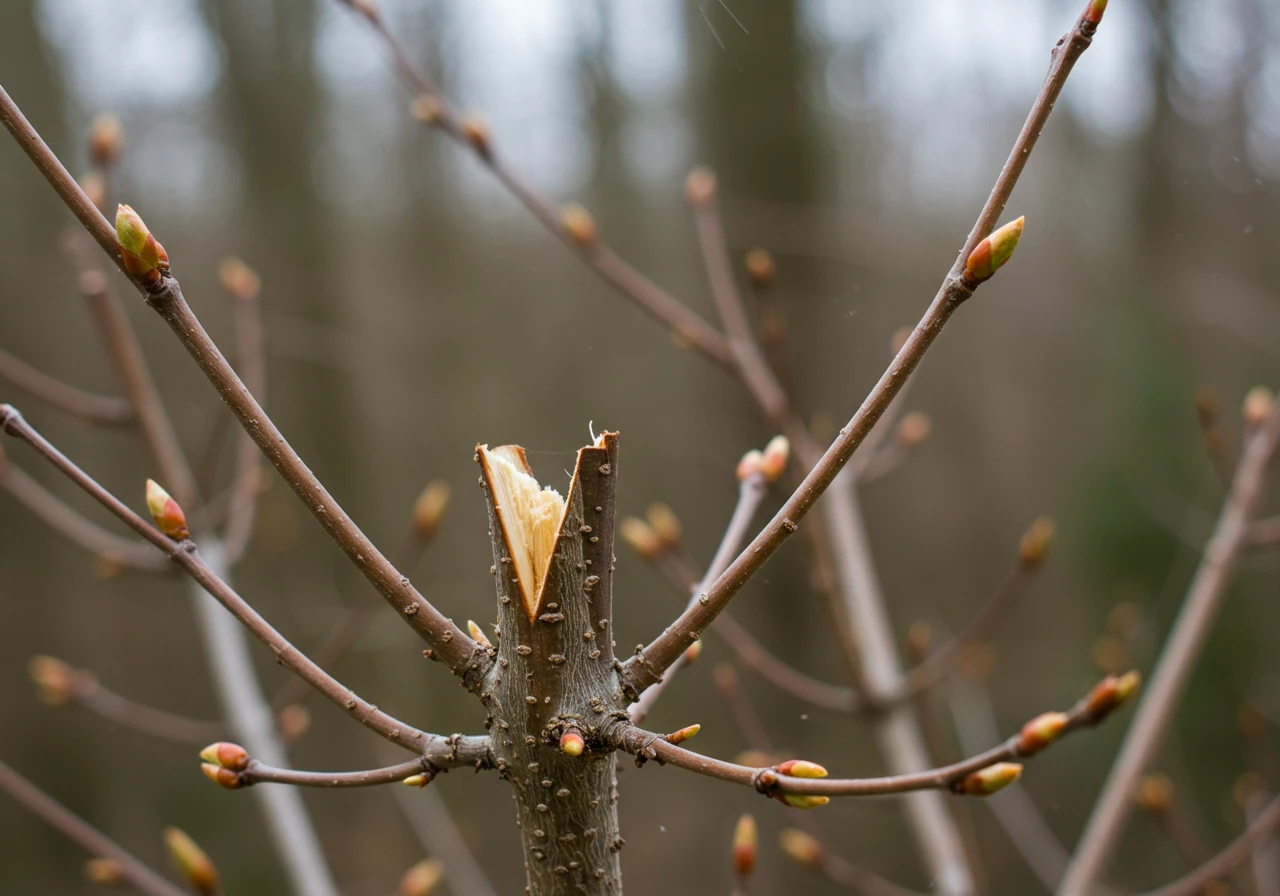
Image focusing on a recently pruned deciduous shrub in late winter/early spring (dormant state, no leaves). The cuts are clean, angled slightly, and made just above outward-facing buds, showcasing good pruning form and improved air circulation through the thinned branches. No tools or hands visible.
Clean pruning cuts made at the right time promote healthy growth and flowering.

So, why break out the pruners? Think of it as a spa day for your shrubs and perennials:

  • Health Check: Removing dead, diseased, or damaged branches prevents problems from spreading and lets the plant focus energy on healthy growth. Clean cuts heal faster!
  • Flower Power: For many shrubs and perennials, pruning encourages more blooms or fruit. Who doesn't want more flowers?
  • Air Flow: Thinning out crowded branches improves air circulation. This is a big help in preventing fungal diseases – a common headache in humid Nepean summers, like powdery mildew on lilacs or phlox.
  • Shape Up: Pruning helps control size and maintain an attractive shape, keeping your landscaping looking intentional and tidy, rather than like a plant free-for-all.

Knowing when to prune is crucial. Pruning at the wrong time can mean sacrificing those beautiful flowers you waited all year for! Here’s a very general gardening guide for timing in the Ottawa area:

TimingWhat to PruneReason
Late Winter/Early Spring (Before new growth)Summer-flowering shrubs (e.g., potentilla, spirea), most deciduous trees, roses, ornamental grassesBlooms on new wood; easier structure visibility; stimulates growth
Spring (Immediately *after* flowering)Spring-flowering shrubs (e.g., lilacs, forsythia)Blooms on old wood; avoids removing flower buds
SummerDeadheading perennials, light shaping, removing suckers/water sproutsEncourage rebloom, maintain shape, direct energy
FallDead annuals, some perennials (optional), dead/broken limbsTidiness, winter preparation, remove hazards

How to Make the Cut:

Always start by removing the 3 Ds: Dead, Diseased, and Damaged wood. Use clean, sharp tools! Seriously, wipe your pruner blades with rubbing alcohol or a disinfectant wipe between plants (or even between major cuts on a diseased plant). This is super important to prevent spreading trouble around your yard. Make cuts just above an outward-facing bud or back to a main branch, often at a slight angle so water runs off. For perennials, deadheading is as simple as snipping off the faded flower stem down to the next set of leaves or buds.

Regular maintenance also includes keeping an eye out for pests or diseases as part of good cultural care. Catching issues like aphids or black spot early makes them much easier to manage before they require major intervention. This vigilance, combined with choosing appropriate, healthy plants from the start – making smart choices during material selection for disease-resistant varieties can save headaches later – forms the core of preventative plant care.

If tackling overgrown shrubs or a major seasonal cleanup feels overwhelming, remember that proper pruning is often part of our Metcalfe garden clean up service. For ongoing, tailored care specific to your plants and property, consider our expert city garden maintenance service. We're happy to help keep your green investments looking their best! Please note that our terms and conditions outline service specifics. Still have questions about pruning techniques or timing for your specific garden challenges? Feel free to get in touch via our contact us page. A little snip here and there really does go a long way towards a thriving, resilient, and beautiful Ottawa garden!

Estimated Water Savings: Smart Watering vs. Sprinkler

30% Soaker Hose
20% Drip Irrigation
5% Hand Watering (Careful)
0% Typical Sprinkler

*Estimated % water saved compared to typical overhead sprinkler use due to reduced evaporation and targeted delivery. Actual savings vary.

Section 5: Beating the Bad Bugs (and Diseases) Before They Start

Okay, let's talk about outsmarting those pesky critters and annoying plant diseases *before* they crash your garden party! Prevention is always easier (and less stressful!) than trying to kick out unwanted guests after they've settled in. This is where smart cultural controls – basically, good gardening habits – really shine. Think of it as Integrated Pest Management (IPM) lite: using common sense and nature-friendly tactics first.
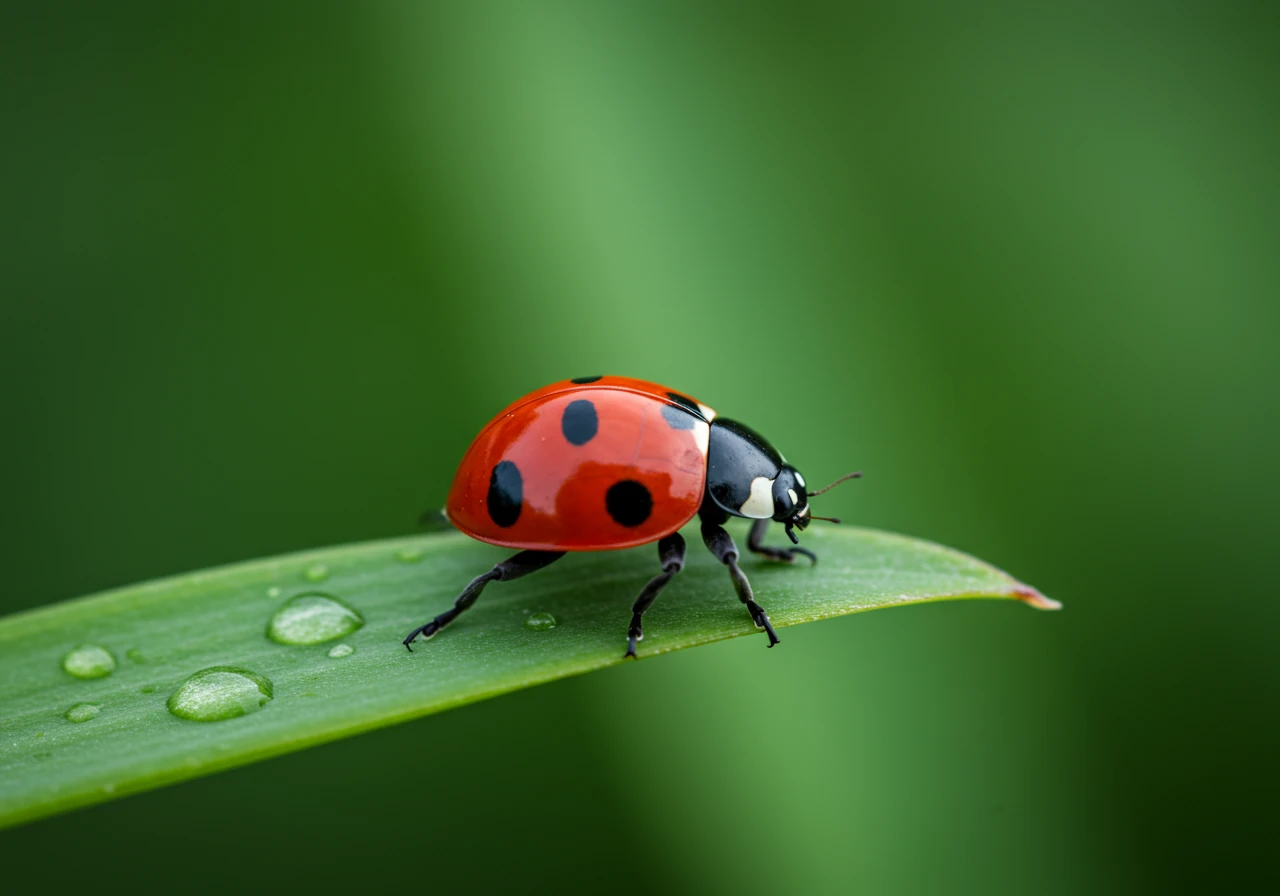
A vibrant close-up photograph of a bright red ladybug crawling on a healthy green plant leaf. This image illustrates the concept of beneficial insects helping with natural pest control in the garden.
Encouraging beneficial insects like ladybugs helps control pests naturally.

The absolute best defense starts way back when you're choosing what to plant. Opting for disease-resistant varieties is like giving your garden a head start. When you're browsing plants, look for labels that mention resistance to common Ottawa problems like powdery mildew or certain blights. Taking the time for thoughtful material selection can save you a world of trouble down the road.

Next up: keep things tidy! Pests and diseases love hiding places. Dead leaves, weeds, and plant debris left lying around are like rolling out the welcome mat. Regular cleanup is crucial. Removing diseased plant parts promptly prevents spores from spreading. Don't compost diseased material unless you have a very hot compost pile; it's often better to dispose of it. Consistent tidiness, perhaps like the thoroughness found in a professional Metcalfe yard cleanup service, removes overwintering spots for many bugs and disease spores. Even focusing on dedicated lawn care helps, as a healthy lawn is less likely to harbor pests that might migrate to your garden beds.

Good Habits for Healthy Plants:

  • Scout Regularly: Take walks through your garden often. Look under leaves, check stems. Catching a few aphids early is much easier than dealing with a full-blown invasion.
  • Water Wisely: Remember Section 2? Watering the soil, not the leaves, especially early in the day, helps prevent many fungal diseases that thrive on damp foliage.
  • Give 'Em Space: Don't overcrowd plants. Good air circulation (remember pruning in Section 4?) helps leaves dry quickly and makes it harder for diseases to take hold.
  • Attract the Good Guys: Encourage beneficial insects! Ladybugs love aphids, and tiny parasitic wasps (don't worry, they don't bother people!) attack caterpillars. Planting things like dill, fennel, or yarrow can attract these garden helpers. Find local advice on beneficials from resources like the Rideau Valley Conservation Authority.

Sometimes, despite our best efforts, problems pop up. If they do, reach for the gentlest solution first. A strong spray of water can knock off aphids. Insecticidal soap is effective for many soft-bodied insects. Avoid reaching for harsh chemicals unless absolutely necessary, as they can harm beneficial insects too. End-of-season tidiness is also key – removing spent annuals and diseased perennial foliage, a task often included in a Marionville garden clean up service, reduces problems next year. This type of thorough cleaning across the whole yard, similar to our Marionville property cleanup service, makes a big difference for homeowners everywhere, from Ottawa suburbs like Barrhaven to more rural spots like Russell or Embrun.

By focusing on these preventative steps, you're building a stronger, more resilient garden ecosystem that's less likely to need rescuing later!

Greely Garden Gold - Your Cultural Care Cheat Sheet

Think of this as your shortcut to happy, resilient plants here in the Ottawa area! Good cultural care is all about smart habits:

  • Right Plant, Right Spot: Match plants to your specific Greely soil and sun conditions. Less stress from the very beginning!
  • Water Deeply, Less Often: Encourage strong roots by soaking the soil thoroughly when you do water. Always check soil moisture first, and remember mulch is your moisture-saving buddy!
  • Tidy Beds = Fewer Pests: Regular cleanup removes hiding spots for bugs and diseases. It's a core principle behind our effective Marionville garden clean up service and contributes to the overall health achieved with our Marionville yard cleanup service.
  • Prune with Purpose: Snip off dead, diseased, or damaged bits at the right time. Proper shaping keeps things healthy and looking good, often a key component in a thorough Metcalf property cleanup service.
  • Scout Often, Act Gently: Keep an eye out for trouble and use the mildest solutions first. Sometimes a healthy backdrop, like a lush lawn established through expert sod installation, complements thriving garden beds.

Follow these simple steps, and your garden will reward you. We appreciate you taking the time to learn with us – thank you!

Seasonal Care Timeline

Early Spring (Mar-Apr)

Clean up winter debris. Prune summer-flowering shrubs & dormant trees. Assess soil & amend if needed. Edge beds. Consider a professional spring cleanup.

Late Spring (May-Jun)

Plant annuals & tender perennials after frost risk. Apply mulch. Prune spring-flowering shrubs *after* bloom. Start regular watering checks & scouting for pests. Plan your garden maintenance schedule.

Summer (Jul-Aug)

Water deeply as needed, especially during dry spells. Deadhead flowers for rebloom. Continue pest scouting. Light shaping/pruning if necessary. Enjoy your garden!

Fall (Sep-Oct)

Plant spring bulbs. Cut back *some* perennials (leave others for winter interest/wildlife). Remove annuals after frost. Rake leaves (compost them!). Consider a fall property cleanup.

Late Fall/Winter (Nov-Feb)

Protect sensitive plants if needed (burlap wrap). Ensure mulch layer is sufficient. Water evergreens deeply before ground freeze if fall was dry. Plan next year's garden projects. Check our feedback page for ideas.

FAQ: Your Greely & Ottawa Plant Resilience Questions Answered

Give them a gentle start! Once the ground thaws, clear away any dead leaves or winter debris smothering the crowns. Wait for signs of new growth before cutting back perennials too hard. Ensure the soil isn't waterlogged, and maybe offer a light feeding with compost once growth really starts. A good spring prep, much like what's involved in a professional city yard cleanup service, can make a huge difference for plant vigor.

You're right, Greely clay needs tough plants! Think Daylilies (Hemerocallis), Hostas (especially thicker-leaved varieties), Coneflowers (Echinacea), and Sedum 'Autumn Joy'. These handle clay reasonably well once established. Amending the planting hole with compost helps give any new perennial a better start in heavy soil. Remember, even tough plants appreciate good landscaping practices!

Absolutely! Prevention is key. Keep your gardening beds tidy – pests love hiding in debris. Healthy plants are less attractive to pests, so focus on good soil and watering. Encourage beneficial insects like ladybugs by planting dill or yarrow. Often, a strong spray of water knocks off aphids. Remember, any thorough cleanup, like the comprehensive Marionville yard cleanup service, helps reduce pest hiding spots significantly.

Wind can be rough! For taller perennials like delphiniums or sunflowers, staking early provides support before they flop. Planting taller, more vulnerable plants near a fence, wall, or sturdy shrubs can create a natural windbreak. Also, consider choosing shorter, sturdier varieties of your favourite flowers if wind is a constant issue in your Osgoode garden.

A good seasonal cleanup sets your plants up for success! This usually includes removing fallen leaves and debris from garden beds and lawns, cutting back dead perennial stems, trimming damaged branches on shrubs, edging garden beds for a neat look, and clearing walkways. It's about removing potential problems and improving air circulation – tasks covered by a thorough city property cleanup service.

Welcome! Local resources are fantastic – check out established Ottawa garden centers, the Master Gardeners of Ottawa-Carleton website (e.g., https://mgottawa.ca/), or local horticultural societies. They understand our unique climate challenges. Reputable online sources focused on Canadian gardening are also helpful (e.g., Savvy Gardening). For personalized property advice, you can learn more about our team's local expertise on our about us page. Happy gardening! You can also check our Google My Business page for reviews and updates. Our privacy policy details how we handle information.

Conclusion: Cultivate Resilience, Reap Rewards in Your Ottawa Garden

So, we've dug deep into the secrets of a thriving Ottawa garden, haven't we? From tackling tricky soil in Greely to giving plants the right kind of haircut in Nepean, the running theme is clear: building resilience starts with smart, consistent cultural care. It’s not about quick fixes, but those steady habits – good soil, wise watering, magical mulch, purposeful pruning, and staying one step ahead of pests – that truly make the difference. Think of it as giving your plants a superpower suit against whatever Ottawa weather throws their way!

The payoff for this effort? A gorgeous, robust garden that brings you joy, not headaches. You get to relax and enjoy the beauty you've helped create, whether you're in Barrhaven or out near Manotick. So here’s a challenge: pick one tip from this guide and try it out this week. Maybe it's checking soil moisture before grabbing the hose, or finally adding that layer of mulch you've been meaning to. Small steps cultivate big results! Consider our city garden clean up service if you need a starting point.

Of course, if life gets busy or you're dreaming of a bigger landscaping change, remember we're here to lend a hand. For everything from expert gardening maintenance to complete yard transformations across Ottawa, including Greely, Nepean, Barrhaven, Manotick, and surrounding communities like Winchester (garden cleanup) or Metcalfe (garden cleanup), don't hesitate to reach out. Let's grow something beautiful together!

document.addEventListener('DOMContentLoaded', function() {// --- Progress Bar --- const progressBar = document.getElementById('greely-resilience-progress-bar'); const body = document.body; const html = document.documentElement;function updateProgressBar() { const scrollTotal = Math.max(body.scrollHeight, body.offsetHeight, html.clientHeight, html.scrollHeight, html.offsetHeight) - html.clientHeight; const scrolled = window.pageYOffset || html.scrollTop || body.scrollTop || 0; const percentage = (scrolled / scrollTotal) * 100; progressBar.style.width = percentage + '%'; } window.addEventListener('scroll', updateProgressBar); updateProgressBar(); // Initial call// --- Back to Top Button --- const backToTopButton = document.getElementById('greely-resilience-back-to-top'); const showButtonOffset = 300; // Pixels scrolled before showing buttonfunction toggleBackToTopButton() { if ((window.pageYOffset || html.scrollTop || body.scrollTop || 0) > showButtonOffset) { backToTopButton.classList.add('show'); } else { backToTopButton.classList.remove('show'); } } window.addEventListener('scroll', toggleBackToTopButton); backToTopButton.addEventListener('click', () => { window.scrollTo({ top: 0, behavior: 'smooth' }); }); toggleBackToTopButton(); // Initial check// --- Collapsible Sections (FAQ) --- const collapsibles = document.querySelectorAll('#greely-resilience-article .collapsible-trigger'); collapsibles.forEach(button => { button.addEventListener('click', function() { this.classList.toggle('active'); const content = this.nextElementSibling; if (content.style.maxHeight && content.style.maxHeight !== '0px'){ content.style.maxHeight = '0px'; content.classList.remove('active'); // Remove active class for padding adjustment } else { content.classList.add('active'); // Add active class first content.style.maxHeight = content.scrollHeight + "px"; // Then set max-height } }); });// --- Tab Interface --- const tabButtons = document.querySelectorAll('#greely-resilience-article .tab-button'); const tabContents = document.querySelectorAll('#greely-resilience-article .tab-content');tabButtons.forEach(button => { button.addEventListener('click', function() { const targetId = this.getAttribute('data-target'); const targetContent = document.getElementById(targetId);// Remove active class from all buttons and contents tabButtons.forEach(btn => btn.classList.remove('active')); tabContents.forEach(content => content.classList.remove('active'));// Add active class to the clicked button and target content this.classList.add('active'); if (targetContent) { targetContent.classList.add('active'); } }); });// --- Bar Chart Animation --- const chartContainer = document.getElementById('water-savings-chart'); const bars = chartContainer.querySelectorAll('.bar');const observerOptions = { root: null, // relative to document viewport rootMargin: '0px', threshold: 0.5 // 50% of target visible };const observerCallback = (entries, observer) => { entries.forEach(entry => { if (entry.isIntersecting) { chartContainer.classList.add('animate'); bars.forEach(bar => { const value = bar.getAttribute('data-value'); // Use percentage height relative to the chart container height const maxHeight = chartContainer.querySelector('.chart').offsetHeight; const barHeight = (value / 35) * maxHeight; // Adjust 35 if max possible value changes bar.style.height = `${Math.min(barHeight, maxHeight)}px`; // Cap height at max }); observer.unobserve(entry.target); // Stop observing once animated } }); };const chartObserver = new IntersectionObserver(observerCallback, observerOptions);if (chartContainer) { chartObserver.observe(chartContainer); }});
Share This Article
Facebook
X
Pinterest
Email
Print

Thank you for sharing!

Contact Us Today

To request a quote, kindly fill out the form below.

Where Can we Reach you?
Which Service Do You Require? (Click all that apply)
Provide a Breif Description of The Work You'd Like Done

Before You Go

We’re confident in our services, we offer a 30-day money-back guarantee. Not 100% satisfied? We’ll swiftly refund all labor costs. Your satisfaction is our top priority!

Get in touch today for expert service and satisfaction guaranteed. You won't regret it!

Where Can we Reach you?
Which Service Do You Require? (Click all that apply)
Provide a Breif Description of The Work You'd Like Done
Where Can we Reach you?
Which Service Do You Require? (Click all that apply)
Provide a Breif Description of The Work You'd Like Done
Where Can we Reach you?
Which Service Do You Require? (Click all that apply)
Provide a Breif Description of The Work You'd Like Done