
Replacing Old Plants? Greely End-of-Life Garden Guide
Quick Guide Highlights:
- Identify plants showing major dieback, chronic illness, poor growth, or structural issues.
- Plan your replacement by assessing sun, soil, and your goals for the space.
- Safely remove plants by calling Ontario One Call first and using proper tools.
- Improve soil health significantly by amending with compost before replanting.
- Choose new plants suitable for Ottawa's climate (Zone 5a/5b) and your site conditions.
- Spring and fall are the ideal seasons for plant removal and replacement in our region.
Need a hand reviving your garden? Request a quote today!
Introduction: Giving Your Greely Garden a Graceful Goodbye (and a Fresh Start!)
Okay, let's be honest, saying goodbye can be a bit tough – even when it's to that overgrown shrub that’s hogging all the sunlight or the perennials that didn't quite make it through our last Ottawa winter. Your Greely garden is like part of the family, and sometimes, even our favourite plants reach the end of their blooming good run. It’s not you, it’s them (or maybe the voles, or that surprise frost!).
Here in the Ottawa region, our unique climate – from chilly winters that test even the hardiest greenery to surprisingly warm summers – means plants sometimes just get tired, diseased, or simply outgrow their welcome. You might see this in your own yard, or perhaps notice neighbours in nearby Manotick or Osgoode doing some landscaping updates and gardening makeovers. Removing old or unwanted plants isn't about failure; it's about smart garden management and making way for new beauty.
This friendly guide is here to help you through the process of plant removal. We'll cover *why* giving certain plants a graceful exit is good gardening practice, the *best techniques* for removal (without necessarily needing heavy machinery!), and how to prep that valuable soil for exciting new growth and fresh planting. Think of it less as a final farewell, and more as making space for a vibrant fresh start!
Reading the Leaves: Signs It's Time for Plant Retirement
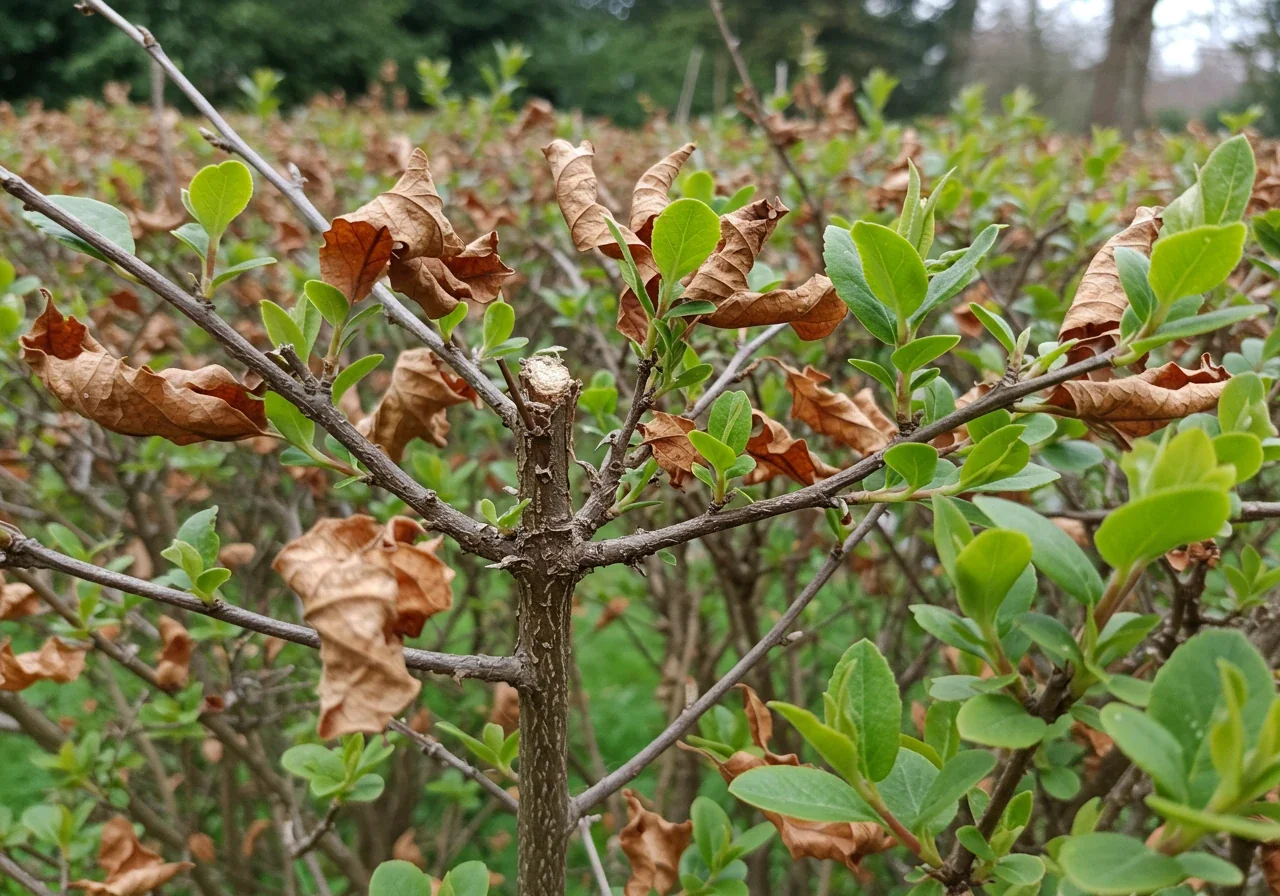
Knowing when to say "farewell" to a plant can be tricky. Is it just having a bad year, or is it truly time for it to hang up its gardening gloves? Unlike that favourite sweater you *might* wear again someday (we've all been there!), some plants reach a point where removal is the kindest option – for them and for your garden's overall health. Here in Ottawa, our plants face tough winters and sometimes challenging summers, so knowing the signs of permanent decline versus temporary stress is key.
Here’s how to read the signals and decide if a plant is ready for retirement:
- Major Dieback: We're not talking about a few dead twigs after winter. If more than half the plant is dead, brown, or refusing to leaf out for a second or third year running, that’s a big red flag. Pruning might buy time, but if the core is struggling, it's likely downhill from here. Sometimes, despite even applying essential fall garden frost protection tips for Metcalfe, a plant just can’t bounce back from repeated cold snaps.
- Chronic Sickness or Pests: Is your rose bush *always* covered in black spot, no matter how much you treat it? Does that shrub seem to attract every aphid in Nepean? Sometimes, a plant is just genetically susceptible or too stressed to fight off invaders. Constantly battling common summer garden problems in Manotick on the same plant might mean it's time to choose a more resistant variety.
- Failure to Thrive: Remember when that perennial used to burst with blooms? If it now produces only a few sad flowers or hardly any new growth despite good soil, water, and sun, it might simply be exhausted or past its prime. This is different from a single off-year; look for a consistent pattern of decline.
- Structural Weakness or Damage: Severe storm damage, major trunk splitting, or a dangerous lean that threatens pathways or buildings are serious concerns. Sometimes, a plant becomes unstable because it wasn't suited to its location, like putting a fragile tree in an exposed area. Careful planning, like selecting plants suitable for Barrhaven's windy spots, can prevent this, but sometimes removal is the only safe option. A compromised root system, perhaps visible through heaving or instability, might also fail at its job, potentially worsening drainage issues instead of helping – unlike plants used effectively in erosion control methods for Richmond soil washouts.
- It's Just Too Big (aka The Garden Bully): Has that cute little shrub turned into a monster that’s swallowing its neighbours, blocking windows, or cracking your walkway? Sometimes, plants simply outgrow their space, and constant, aggressive pruning just stresses them (and you!) out. Retirement might be the best landscaping decision.
Deciding to remove a plant isn't giving up; it's smart gardening. It frees up resources like sunlight, water, and nutrients for other plants and gives you a chance to refresh your space. If tackling a large shrub or tree feels daunting, remember that help is available. Consider exploring our professional plant removal services to handle the heavy lifting safely and efficiently.
The Grand Plan: Strategizing Your Garden Makeover Before Digging In
Alright, you’ve decided some plants need to pack their bags. Awesome! But hold your horses (or shovels) just a moment. Diving headfirst into ripping things out without a plan is like trying to bake a cake by just throwing ingredients in a bowl – messy and unlikely to end well. Before you start the great garden excavation, let's talk strategy. A little planning now saves a *lot* of head-scratching (and potentially back-breaking work) later. Think of this as drawing the treasure map *before* you go looking for gold.
First up: play detective in your own yard. Grab a notepad (or your phone) and observe the area where the old plant lived. How much sun does it *really* get throughout the day? Is it baking hot sun all afternoon, or dappled morning light? What’s the soil like? In Ottawa, we see everything from heavy clay to sandier spots. Does water drain well after rain, or does it puddle like a mini-lake? Knowing these details, especially for areas like Metcalfe which can have variable soil, is crucial. This intel helps you choose new plants that will actually *thrive*, not just survive. The initial step might feel like a big tidy-up; think of it like preparing for a Marionville garden clean-up service but focused on gathering information.
What's the big picture for this revamped space? Are you dreaming of a low-maintenance patch of hardy shrubs? A vibrant explosion of pollinator-friendly perennials? Maybe some added privacy from the neighbours? Perhaps you want to integrate the garden better with your lawn, simplifying your overall lawn care routine? Defining your goals helps narrow down plant choices and keeps the project focused. Write down your top one or two priorities for the area.
This leads us to the golden rule of gardening: *Right Plant, Right Place*. Don't fall in love with a sun-loving desert plant for that shady, damp corner behind the garage – it’s just horticultural heartbreak waiting to happen. Use your site assessment notes to match plants to the conditions. Check plant tags or reliable online resources for their needs. Also, be realistic about your budget. Plants, good soil amendments, mulch, and maybe some cool garden gloves add up. If the scope feels large, involving significant clearing or soil work, getting professional help might be worthwhile. Clearing out the old and prepping for the new can be intensive; sometimes a thorough Barrhaven property cleanup service is just the ticket to get a clean slate. For focused garden bed prep, especially after removing stubborn roots, you might even envision needing something like a Metcalf garden clean-up service to get the soil just right.
Feeling overwhelmed? You don't have to do it all at once! Consider phasing the landscaping project. Maybe this year you tackle removing the old plants and preparing the soil. Next spring, you do the fresh planting. Breaking it down makes it more manageable and budget-friendly. Don't forget local resources! Ottawa has fantastic nurseries and garden centres staffed by knowledgeable folks who understand our specific growing conditions. Check out resources like the Master Gardeners of Ottawa-Carleton or the Ottawa Horticultural Society. They can offer plant suggestions and advice. If the whole process from removal to planting feels like too much, remember you can explore professional landscaping and garden makeover services to bring your vision to life.
Operation Extraction: Removing Old Plants Safely and Sustainably

Okay, boots on the ground time! Removing old plants, or "Operation Extraction" as we like to call it, doesn't have to be a wrestling match. With the right approach and a little muscle (or maybe a helpful neighbour!), you can clear the way for new growth safely and responsibly. Let’s dig in!
First things first: safety! Before you plunge that shovel into the earth for anything bigger than a small annual, you absolutely must contact Ontario One Call. Call them at 1-800-400-2255 or visit their website at least five business days *before* you plan to dig. They’ll arrange to have underground utility lines (gas, hydro, internet – the important stuff!) marked on your property for free. Trust us, hitting a buried line is *not* the kind of garden excitement you’re looking for. While you’re at it, grab some sturdy gloves, wear closed-toe shoes (no flip-flop gardening!), and consider safety glasses, especially if branches might whip back.
Now, gather your tools of the trade. For most plant removal jobs in your Ottawa yard, you'll likely need:
- A sharp spade or pointed shovel
- Hand trowel for smaller plants
- Strong loppers for cutting roots
- A pruning saw for thicker roots or branches
- Maybe a wheelbarrow for hauling the plant away
Ready to Extract? Here’s the Game Plan:
- Hydrate (the Soil, Not Just You!): If tackling a larger shrub or small tree, water the ground around it thoroughly a day or two before you plan to remove it. Moist soil is *way* easier to dig than dry, compacted earth.
- Clear the Decks: Trim back some of the top growth if the plant is large and bushy. This gives you better access to the base and makes it less unwieldy.
- Dig a Trench: Start digging a circle around the plant’s base. How far out? Depends on the size, but give yourself some working room – maybe a foot or two out for a decent-sized shrub. Dig down, aiming to get under the main root ball.
- Root Wrestling: As you dig, you’ll encounter roots. Use your loppers or saw to cut through thicker ones cleanly. For smaller plants, like tired perennials, you might just need to loosen the soil all around with your spade or trowel and gently lift them out.
- The Wiggle & Lever: Once you’ve dug around and severed the main anchoring roots, try rocking the plant back and forth to loosen it. Use your shovel as a lever under the root ball to help lift it out. Get a friend to help with heavy lifting – teamwork makes the dream work (and saves your back!).
Sustainable Send-Off: Dealing with the Debris
You did it! The old plant is out. Now what? Thankfully, Ottawa makes landscaping waste disposal pretty straightforward.
- Green Bin Power: Most disease-free plant material – leaves, stems, smaller roots, and branches (cut to fit!) – can go right into your City of Ottawa Green Bin to be composted. Easy peasy.
- Home Composting: If you have a backyard composter, even better! Add the green materials (leaves, soft stems) and woody bits (chop them small). *Avoid composting diseased plants* or invasive weeds, as your home compost might not get hot enough to kill the pathogens or seeds.
- The Aftermath: Removing established plants can leave behind a fair bit of debris. Dealing with it all can sometimes feel like a bigger job than the extraction, almost like needing a full Marionville property cleanup service if you've tackled a significant clearing.
Once the space is clear, take a moment to admire your work! Now you can focus on improving the soil, maybe adding some lovely compost or enriched topsoil – consider this part of your thoughtful garden material selection for the exciting fresh planting stage. Getting the spot perfectly prepped for its next chapter might even inspire you to ensure a really tidy finish, the kind of attention to detail you'd expect from a professional Metcalf garden clean-up service. Think of the old plant making way for the new as its final gift, a sort of botanical 'thank you' for its time gracing your garden. You've successfully completed Operation Extraction! Find us easily on Google for more tips and services.
Foundation for the Future: Prepping Soil Like an Ottawa Pro
Alright, you wrestled that old shrub out – go you! But hold on a sec before you plonk a new plant in that spot. Think of the soil left behind like a messy bedroom after a teenager finally moves out. It needs some serious TLC before the new tenant (your lovely fresh plant!) moves in. Skipping soil prep is like building a house on shaky ground; it just won't end well for your gardening ambitions. Getting this step right is the *foundation* for future success.
Here in Ottawa, and across areas like Kars or Vernon, we often deal with two main soil characters: heavy clay or sandy loam. Clay soil, while rich in nutrients, can be dense, drain slower than molasses in January, and turn brick-hard when dry. Roots can struggle to push through. Sandy soil, on the other hand, lets water and nutrients drain away faster than you can say "where'd my fertilizer go?". Neither is ideal straight out of the box, especially after the compaction and disturbance from plant removal.
The superhero solution for both? Compost! Seriously, this stuff is magic. Adding generous amounts of good quality compost works wonders:
- For Clay Soil: Compost helps break up the heavy particles, improving drainage and aeration so roots can breathe and grow.
- For Sandy Soil: Compost adds organic matter, acting like a sponge to help retain moisture and nutrients where plants need them.
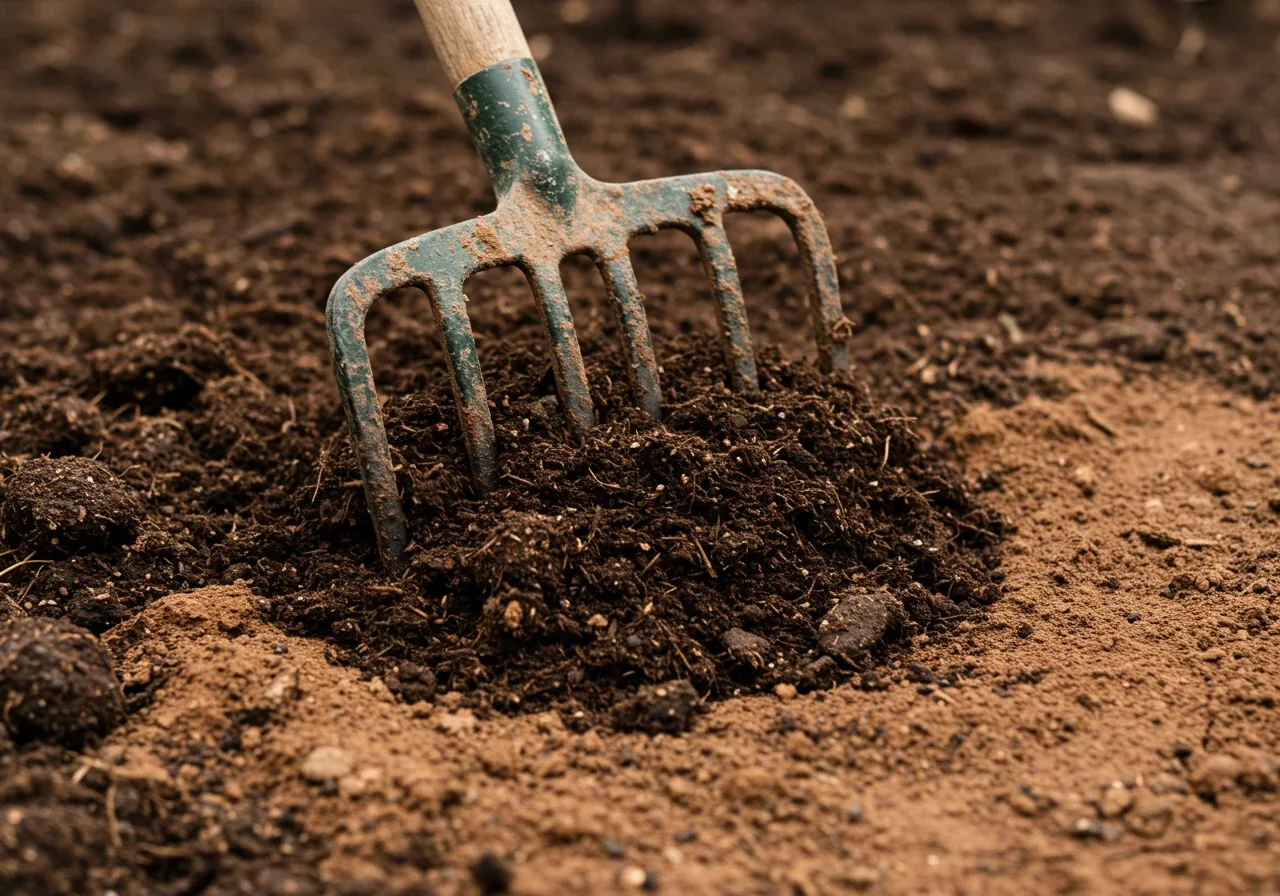
Before you add the good stuff, make sure you’ve removed any lingering large roots or rocks left over from the previous occupant. Clearing out leftover roots and debris is key before amending – think of it as the final step of the removal, almost like getting a professional Ottawa garden clean up service for that specific spot. Then, spread a good few inches of compost over the area and gently work it into the top 6-12 inches of existing soil with a spade or garden fork. Don't just layer it on top; mix it in!
Wondering if your soil needs more specific help? You could do a simple home soil testing kit or send a sample to a lab to check the pH and nutrient levels. This tells you exactly what your soil might be missing. If your soil seems really challenging, or you'd just like a professional opinion on the best amendments, don't hesitate to get in touch with us for personalized advice. Getting the soil right now makes planting easier and sets the stage for healthier, happier plants, complementing any routine city garden maintenance service you might use later. Once your soil is beautifully amended and ready for planting, remember that finishing touches like expert mulching and edging services can really protect your soil investment and make your new greenery stand out. Happy prepping!
Choosing Wisely: Picking New Plants That Will Thrive in Greely and Beyond

Okay, the old has made way for the new – now comes the fun part: choosing your garden’s next stars! With that empty space beckoning, it’s tempting to grab the first pretty bloom you see at the nursery. But wait just a sec! A little thoughtful selection now means less gardening guesswork and more glorious growth later. Think of it as matchmaking for your yard – finding the perfect partners for your Greely garden’s specific conditions.
Before you dash off to the nursery, let's revisit your detective work. Remember those notes about sun, shade, and soil moisture? They're your shopping list guide! Choosing plants rated for Ottawa's hardiness zone (generally 5a or 5b) is your absolute first step. This number tells you if a plant can handle our chilly winters. Picking zone-appropriate plants saves you the heartbreak of watching your new green friend perish after the first deep freeze. Clearing the decks properly after removal, perhaps even needing a thorough Ottawa property clean up if things were really overgrown, gives you a clear view to plan these new additions effectively.
Consider going native! Plants that naturally evolved right here in the Ottawa region are basically superheroes in disguise. Think Coneflowers (Echinacea) bringing bursts of colour, elegant Serviceberry shrubs offering spring flowers and tasty berries, or vibrant Butterfly Weed (Asclepias tuberosa) attracting monarchs. Native plants are already adapted to our climate and soil, usually require less water and fertilizer once established, and provide vital food and habitat for local wildlife you might see buzzing around Greely or Nepean. They just *get* our weather.
Think beyond just summer blooms – aim for year-round interest!
- Spring: Early bloomers like Forsythia or Magnolias.
- Summer: Colourful perennials like Hostas (great for shade!), Daylilies, or Black-Eyed Susans.
- Fall: Foliage stars like Burning Bush (use sparingly, can be invasive) or Sumac, plus late bloomers like Sedum 'Autumn Joy'.
- Winter: Plants with interesting bark (like Dogwood), persistent berries (like Winterberry), or evergreen structure (like Boxwood or Dwarf Pines).
Match the plant to the place. That sun-loving lavender won't be happy in the shady spot behind the garage, and moisture-loving ferns will sulk in dry, sandy soil. Read plant tags carefully! They provide crucial info on light, water, and size requirements. And don't forget about mature size – that cute little shrub might eventually swallow your walkway if planted too close. Getting realistic about costs is also key; seeing what fits your budget, perhaps after getting feedback on landscaping estimates, helps narrow down your plant list.
Maybe you need a tough, low-maintenance shrub border? Or perhaps a patch of vibrant, drought-tolerant perennials? For shrubs especially, comparing options side-by-side can be helpful.
Hydrangea (e.g., Annabelle, Limelight)
Size: Varies (3-8 ft tall/wide)
Light: Part sun to full sun (morning sun preferred)
Features: Large, showy blooms (white, pink, lime). Reliable bloomers. Needs consistent moisture. Good for foundation planting or borders.
Potentilla (Shrubby Cinquefoil)
Size: Compact (1-4 ft tall/wide)
Light: Full sun
Features: Very hardy and drought-tolerant once established. Long blooming season (yellow, white, pink, orange flowers). Low maintenance. Good for mass plantings or low hedges.
Weigela
Size: Varies (2-6 ft tall/wide)
Light: Full sun for best flowering
Features: Trumpet-shaped flowers (pink, red, white) attract hummingbirds. Some varieties have colourful foliage (burgundy, variegated). Generally easy care. Works well as a specimen or in mixed borders.
When you do plant, give your new green buddy the best start. Dig a hole that’s wider than the pot, gently loosen any circling roots, and ensure the spot is welcoming. Giving your new plant a pristine home, much like the attention to detail you'd expect from a professional Metcalf yard clean up service, sets it up for success. If you're tackling a bigger landscaping project with multiple new plants, getting the whole area properly prepared might even feel like a job for a dedicated Metcalf property cleanup service to create that perfect blank slate before planting begins. Our team can also handle the complete garden installation for you.
Choosing wisely means happy plants, a beautiful garden, and less work for you down the road. Happy planting!
Your Year-Round Refresh: A Seasonal Guide to Plant Replacement
Okay, let's talk timing! Just like you wouldn't wear shorts in January here in Ottawa (well, most of us wouldn't!), your garden tasks have ideal seasons too. Timing your plant removal and fresh planting right makes the job easier and sets your new greenery up for success. Messing with plants during stressful weather, like peak summer heat or deep winter freeze, is like asking them to run a marathon right after waking up – not ideal!
Generally, the best times for plant removal and replacement in our region, whether you're in Barrhaven or Kars, are spring and fall.
Spring (April - Early June)
Ground is thawing/workable. Cooler temps reduce stress. Plants waking up. Good time to remove before summer growth spurt & plant new additions.
Summer (Mid June - August)
Removal possible (small plants) but requires diligent watering. High heat = plant stress. Focus on maintenance & enjoying the garden.
Fall (September - October)
Cooler temps, often more rain. Ideal for planting new items (roots establish before winter). Great time to remove old plants, prep beds for spring.
Winter (November - March)
Frozen ground makes digging impossible. Focus on planning, tool maintenance, and winter protection for existing plants.
Summer removal *can* be done, especially for smaller plants, but be prepared to water diligently, as the heat stresses both the removed plant's neighbours and any new arrivals. Winter removal? Forget about it – frozen ground makes digging nearly impossible! A good seasonal approach helps manage your landscaping tasks effectively. Imagine a simple guide: Spring - cleanup & early planting; Summer - maintain & water wisely; Fall - prime planting & removal time, maybe incorporating a thorough Ottawa yard cleanup service to prep for winter; Winter Prep - protect vulnerable plants. This approach turns daunting tasks into manageable steps, leading to fantastic garden transformations. When planning bigger projects or seeking help, it's always wise to be clear on expectations; reviewing details like service terms upfront helps. And rest assured, any information shared during consultations is handled carefully, as detailed in our privacy policy.
Impact of Soil Prep on New Plant Success (Example)
*Illustrative data showing estimated first-year survival/thriving rate based on soil preparation level.
Key Takeaways for Your Garden Refresh
Okay, garden warriors, ready to turn that tired patch into a triumphant plot? Here are the quick hits – the key takeaways to remember for your garden refresh project. Consider this your cheat sheet to success!
- Plan Before You Pluck: Honestly, winging it rarely works! Before you grab the shovel, take a moment to *really* look at the spot. How much sun does it get? Is the soil soggy or sandy? Knowing these details helps you choose new plants that won’t just survive, but *thrive*, whether you're gardening in Barrhaven or anywhere else in Ottawa. Match the plant to the place!
- Safety First, Always: Before digging *anything* bigger than a tiny annual, call Ontario One Call (1-800-400-2255) to locate underground utilities. It’s free and prevents disastrous oopsies! Also, wear gloves and sturdy shoes – your toes will thank you.
- Feed That Soil!: After removing the old plant and clearing away leftover roots and debris, don't just plonk the new one in! Amend the soil generously with compost. This is crucial for both clay and sandy soils here. Getting the soil properly prepared after a removal is key; if you've cleared a large area, sometimes getting help from an Ottawa property cleanup service ensures you have the perfect blank slate before adding that good stuff.
- Choose Plants Like a Pro: Pick plants rated for Ottawa's Hardiness Zone (usually 5a/5b) so they can handle our winters. Think about year-round interest (bark, berries, structure!) not just summer flowers. Native plants are often a fantastic, low-fuss choice. Making smart selections is vital for success, whether you plant them yourself or opt for a professional garden installation service.
- Timing Matters: The best times for major plant removal and replanting in our climate are generally spring and fall. The milder temperatures and moisture reduce stress on the plants (and the gardener!). Summer jobs require extra watering vigilance.
- Finish Strong: Deal with the plant debris responsibly (hello, Green Bin!). Ensure the planting area is truly ready, perhaps giving it the detailed final prep similar to what a dedicated city garden clean up service offers. And if your landscaping excavation accidentally roughed up the surrounding lawn? No worries, options like quick sod installation can patch things up beautifully.
Frequently Asked Questions (FAQs) for Ottawa Gardeners
Great question! Generally, spring (after the ground thaws but before summer heat) and fall (when it's cool but before the ground freezes) are your golden windows in the Ottawa area. The *soil* is usually workable, and it’s less stressful for both you and the plants. Trying to wrestle a shrub out in July's humidity or chipping away at frozen ground in January? Not recommended! Planning your *landscaping* changes for these milder seasons makes life much easier.
Ah yes, the post-removal soil blues – often compacted and depleted! The undisputed champion is adding organic matter. Grab a few bags of good quality compost or well-rotted manure. Spread a generous layer (think 2-4 inches) over the area and gently mix it into the top 6-12 inches of your existing *soil*. This helps break up clay, adds nutrients, and improves drainage. It’s the single best thing you can do for your new plant's future success. Consider reviewing soil preparation techniques for more detail. Consistent soil health is also a key part of good long-term ongoing garden maintenance plans.
Good job tackling that juniper! For the debris, Ottawa's Green Bin program is your friend for most *gardening* waste. Cut branches and roots into manageable sizes (check the city's specific size limits) to fit in the bin. Leaves and smaller stems are perfect green bin fodder. However, if you have a massive amount, like an entire large shrub's worth, it might overwhelm your bin or exceed collection limits. For really big jobs, you might consider looking into a professional city yard cleanup service as they handle disposal of larger volumes of yard waste efficiently. Diseased plant material should also ideally go in the garbage, not the green bin, to prevent spreading issues.
Absolutely! Sometimes the cleanup after the main event is the most tiring part. If you're looking at a pile of leftover roots, soil clumps, and general garden debris that feels overwhelming, specialized help is available. Services focused on tidying specific areas, much like a targeted Marionville yard cleanup service might handle accumulated leaves and branches, can definitely tackle post-removal messes. Getting the site perfectly clean ensures your *fresh planting* has the best possible start. General property clean up options cover various needs.
Yes, definitely. When *plant removal* is part of a bigger refresh or dealing with neglected areas, the scope can expand beyond just one garden bed. If you need cleanup across a wider section of your yard – maybe removing overgrown brush along a fence, clearing fallen branches, and generally tidying the whole perimeter – you’d be looking for something more comprehensive. Think along the lines of a full city property cleanup service designed to tackle larger-scale tidying and debris removal across your entire lot. We also offer consultations to assess the scope, learn more about us here.
Conclusion: Embrace the Change, Refresh Your Outdoor Space!
Well, folks, we've journeyed from identifying those plants ready for retirement to plotting your glorious garden comeback! Giving your Greely garden, or maybe your patch in Russell or Kenmore, a refresh by removing tired greenery isn't about loss – it's about *opportunity*. It's your chance to embrace change and breathe new life into your landscaping. Think of it less as *plant removal* and more as making space for vibrant *fresh planting* and renewed beauty. After all, even the best gardens need a little nip and tuck sometimes to stay fabulous!
Remember those key steps we chatted about: scoping out your spot before you dig, always calling Ontario One Call for safety, giving that *soil* some serious love with compost (it’s like a spa day for dirt!), and choosing new plants that will actually thrive in our unique Ottawa climate. Taking on a *gardening* project like this can feel like a big step, but breaking it down makes it totally doable, and the reward is an outdoor space you'll absolutely adore spending time in.
So, are you ready to trade that tired shrub for some fresh new faces? Don't let those over-the-hill plants cramp your garden's style any longer! *Visit our website* at CleanYards.ca to explore our services and get more inspiration, or contact us directly for personalized advice or a helping hand. Go ahead, embrace the change, roll up your sleeves (or let us do it for you!), and get ready to enjoy your revitalized outdoor haven!