Improve Kars Clay Soil Structure: Multi-Year Log Tips
Struggling with heavy, sticky clay soil in your Kars garden? Transforming it takes time and the right approach. Ready to improve your soil structure, drainage, and plant health? Request a free quote today to see how our expert team can help with soil amendment and preparation!
Quick Tips for Kars Clay Soil Improvement:
- Clay soil holds nutrients but drains poorly due to fine, tightly packed particles.
- Improving structure is a multi-year process (marathon, not sprint).
- **Key Strategy:** Consistently add organic matter (compost, aged manure) annually.
- Avoid adding sand (can worsen compaction).
- Use cover crops (like rye or buckwheat) to protect soil and add organic matter.
- Choose plants adapted to heavier soils.
- Observe changes (drainage, texture, worms) and adapt your plan.
Introduction: Tackling Kars' Clay Soil - A Marathon, Not a Sprint!
Hello Kars neighbours! Dreaming of vibrant flower beds and a lush lawn that doesn't double as a temporary pond after every rainfall? We understand completely. Let's have a friendly chat about the star (or maybe the stubborn character?) of many local yards – our infamous Kars clay soil. You know the drill: it's sticky enough to sculpt with when wet, yet can bake harder than a forgotten brick in the summer sun. Honestly, sometimes it feels like it has a mind of its own!
Folks in nearby communities like Manotick and Osgoode often share similar soil stories. The truth is, transforming this dense, heavy earth into prime gardening real estate isn't a quick weekend job. Improving clay soil structure and boosting drainage is definitely a marathon, not a sprint. Forget instant gratification; this is about patience and persistence over multiple seasons.
Think of consistently adding organic matter – like compost or well-rotted manure – year after year. It might seem like slow progress initially, but the long-term benefits for your landscaping are huge! We're talking healthier, happier plants with stronger roots, far less waterlogging issues, and soil that's actually a pleasure to work with. So, grab your gardening gloves and a positive attitude – improving Kars clay is a long game, but one you can absolutely win! Let's take the first steps together.
For insights into managing properties in the wider region, check out resources like the Ottawa Horticultural Society or the Rideau Valley Conservation Authority.
Understanding Your Kars Clay: More Than Just Mud Pies
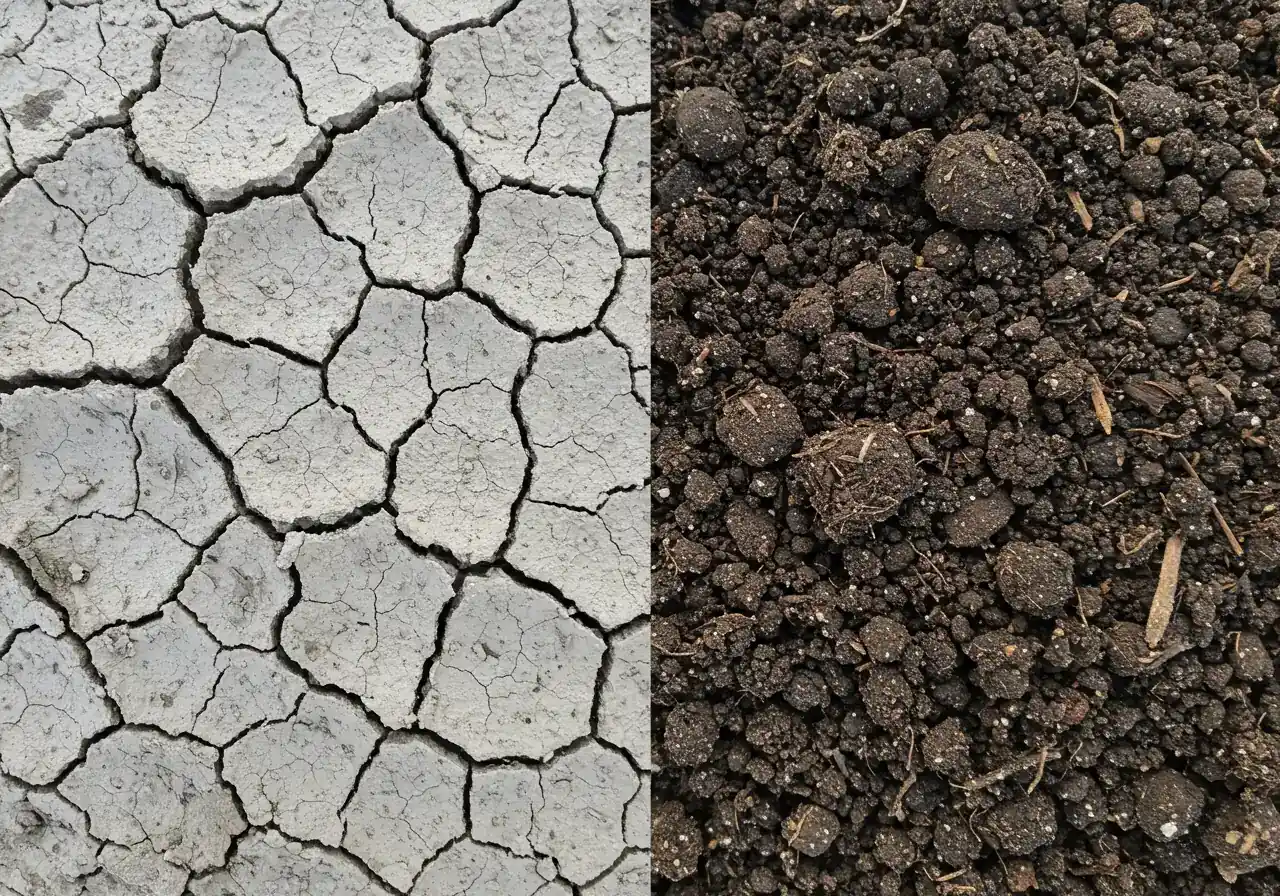
Alright, let's dig into the nitty-gritty of our local Kars soil. While it might feel like perfect material for mud pies (or maybe pottery!), understanding its unique personality is key to successful gardening and landscaping here in Ottawa. Clay soil is made up of super-fine mineral particles packed tightly together. Think of it like tiny, flat plates stacked closely.
This dense structure has its pros and cons. On the plus side, clay is fantastic at holding onto water and nutrients – way better than sandy soil. That means your plants have a steady supply... if they can access it. The downside? That tight packing leads to poor drainage and aeration. Water doesn't soak through easily (hello, puddles!), and air has a tough time reaching plant roots. This compaction is a real challenge, especially with Ottawa's weather extremes. Our freeze-thaw cycles can heave the soil, and heavy spring rains or summer downpours can turn it into sticky goo, while a dry spell can bake it solid and cracked. Many homeowners in areas like Barrhaven face these exact same battles!
Wondering just how much clay you're dealing with? Try the simple Ribbon Test:
- Grab a handful of moist (not soaking wet) soil.
- Squeeze it firmly in your hand.
- Try to push the soil between your thumb and forefinger, forming a ribbon.
- See how long you can make the ribbon before it breaks:
- Less than 1 inch: Likely not much clay (loam or sandy).
- 1-2 inches: Probably a clay loam – a decent mix.
- Over 2 inches: Yep, you've got significant clay content!
Knowing your soil type is the first step. Observing how it behaves through the seasons is also crucial; performing a Kars Soil Structure Fall Assessment can give valuable insights. Keeping track of your soil's condition and how your plants respond year after year is incredibly helpful. Consider using Osgoode Garden Record System Tips or explore how Vernon Garden Records Track Performance & Improve Success. Developing Metcalfe Garden Logs for a Long-Term Care Strategy can make managing clay soil less daunting over time. Tackling heavy clay can feel overwhelming, but remember, gradual improvements make a huge difference, and professional help is always an option through various landscaping Services.
The Long Haul: Why Patience (and Compost) Wins the Clay Game
Okay, let's talk about the long game when it comes to that stubborn Kars clay. We know you're eager to see results, maybe even some impressive garden transformations, but improving heavy clay soil isn't like instant pudding – it's more like a slow-simmered stew that gets better with time. Why the wait? Because we're fundamentally changing the soil structure, and that takes consistent effort over multiple seasons.
Think about it: those tiny clay particles we mentioned earlier are packed tight. Adding organic matter – the undisputed champion here is compost – works wonders, but it needs time and repetition. When you mix compost into clay, you're introducing food for beneficial soil microbes (bacteria, fungi, earthworms – the good guys!). As these tiny powerhouses feast, they help bind those minuscule clay particles together into larger clumps, called aggregates. This process creates little tunnels and pockets (pore space!) within the soil. Voila! Better drainage, more air for roots, and a much happier home for your plants. But this biological process doesn't happen overnight. One application helps, but it takes years of consistently adding compost or well-rotted manure to build up stable, long-lasting improvements. Experienced gardeners across Ottawa, from Greely to Metcalfe, will tell you the same thing: patience pays off.
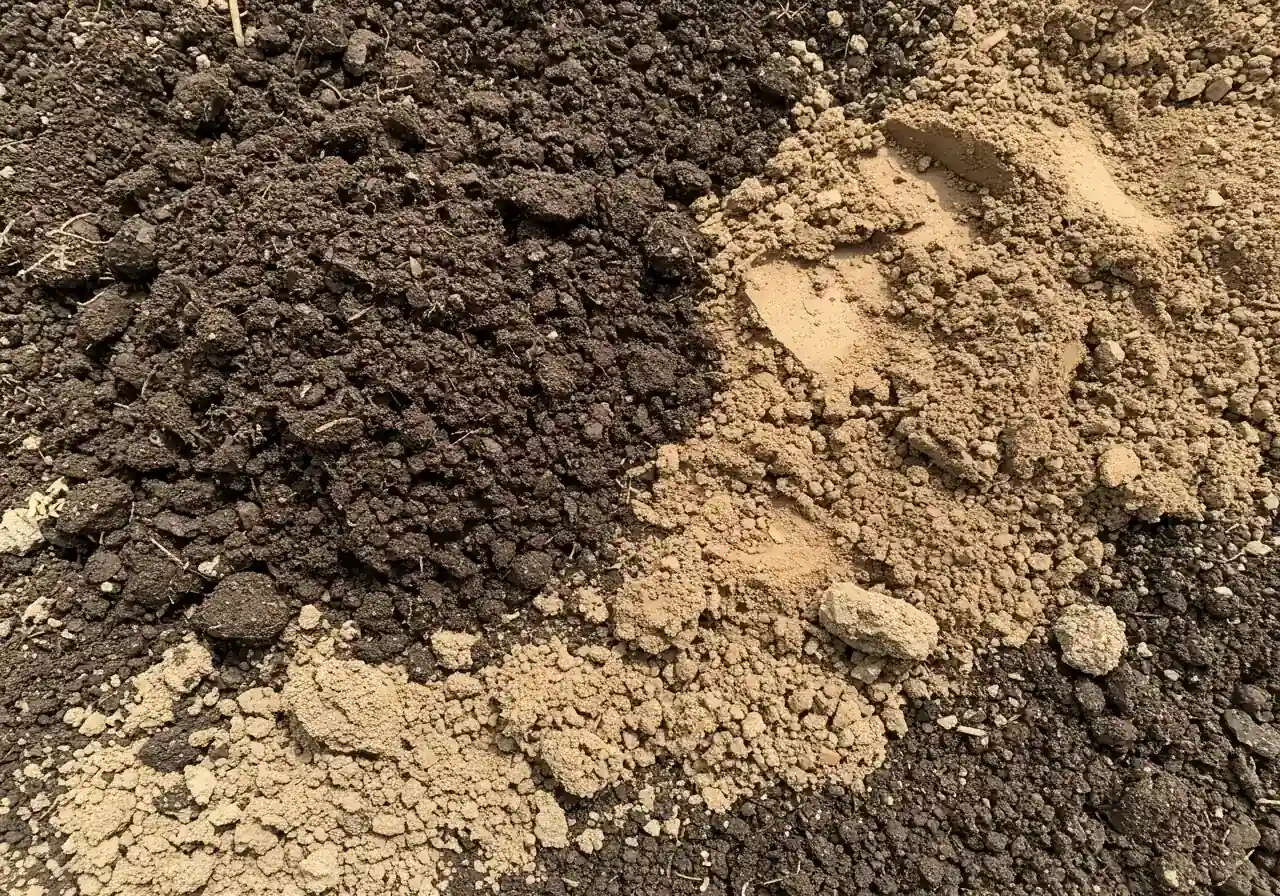
Important Note: Resist the urge to add sand directly to heavy clay. This often creates a concrete-like substance, making compaction and drainage *worse*, not better. Stick with organic matter!
Now, let's address a common myth: "Just add sand!" Please, please resist this urge. While it sounds logical (sand drains well, right?), mixing sand directly into heavy clay often creates something closer to concrete or low-grade brick. It can actually make compaction and drainage worse! Stick with organic matter. It’s the tried-and-true method.
Quick Fixes vs. The Long Haul
| Approach | Description | Outcome |
|---|---|---|
| Quick Fix Temptations | Excessive tilling, adding sand, using only chemical fertilizers. | Can damage structure, worsen compaction, offers only short-term plant feeding, doesn't improve soil health. |
| The Long Haul Winner | Consistently adding compost/organic matter, using mulch, planting cover crops, minimizing compaction. | Builds healthy, resilient soil structure, improves drainage and aeration, increases fertility, supports beneficial soil life for long-term success. |
Improving clay is a journey. It involves regular feeding of the soil, much like the ongoing care provided by a city garden maintenance service. Sometimes, getting started requires significant effort, perhaps even needing help similar to a Metcalfe property cleanup service to clear space or incorporate large amounts of initial amendments. Even smaller seasonal tasks, like managing fallen leaves for compost, are part of the process – much like the work done by a Winchester yard cleanup service. Remember, every bag of compost you add, every year you mulch, you're investing in the future health of your garden. If tackling this feels like too much, exploring professional Services can provide the expertise and labour needed to get your soil improvement plan on track. Keep at it – your patience (and compost!) will win the clay game.
Years 1-2: Operation Organic Overhaul
Alright folks, buckle up! The first couple of years are where we roll up our sleeves for the "Organic Overhaul." This is the heavy lifting phase, focused squarely on getting heaps of good stuff – organic matter – into that stubborn clay. Think of it as giving your soil a long-overdue feast!
Year 1: Laying the Foundation
- Know Your Starting Point: Before you add anything, consider getting a soil test. This tells you about the pH and nutrient levels, giving you a clearer picture beyond just knowing it's clay. You can grab kits from garden centres or use professional services. It helps tailor your approach! Local resources like Ontario accredited soil testing labs can provide detailed analysis.
- Choose Your Gold (Organic Matter): The undisputed champion is compost. Whether homemade or store-bought, it's packed with goodness. Well-rotted manure (aged for at least 6 months!), shredded leaves (especially after they've overwintered and started breaking down), or mushroom compost are also fantastic choices. Avoid fresh manure or wood chips, as they can temporarily rob the soil of nitrogen as they decompose.
- The Big Mix-In (Fall is Best!): Autumn in Ottawa is the perfect time for the initial big amendment. The freeze-thaw cycles over winter actually help break up the clay and integrate the organic matter.
- Clear the Decks: First, remove weeds and any existing unwanted vegetation. If you're dealing with a really overgrown area, getting some help clearing stubborn overgrowth like you might find needing a Metcalfe property cleanup service can save you a lot of backache. See examples of difficult clearings on our Google My Business page.
- Spread Generously: Lay down a good 2 to 4 inches (5-10 cm) of your chosen organic matter right on top of the soil surface across your garden beds. Don't be shy!
- Incorporate Gently: Now, you need to mix it into the top 6-8 inches (15-20 cm) of clay. A garden fork is often better than excessive tilling, which can harm the developing soil structure. You're aiming to blend, not pulverize. For larger areas, understanding proper soil preparation techniques is key to doing this effectively without causing compaction.
- Mulch Magic: After amending, apply a 2-3 inch layer of organic mulch (like shredded bark or straw) over the beds. This helps retain moisture, suppress weeds, and slowly adds more organic matter as it breaks down. Our Mulching and Edging services can help with this step.
Year 2: Keep the Good Stuff Coming
- Spring Assessment: See how things look after winter. The soil should feel a bit looser. Avoid working it when it's very wet – remember that sticky clay issue! Wait until it crumbles slightly when squeezed.
- Top Up, Don't Till Deep: In the second year (and beyond), you generally want to avoid deep digging if you can help it. Instead, "top dress" your beds each spring or fall by simply spreading a 1-2 inch layer of compost over the surface and letting worms and weather work it in. Gently fork it into the very top inch if you like.
- Lawn Areas: Clay soil impacts lawns too, often leading to compaction and poor drainage. While you can't easily dig compost into an existing lawn, annual core aeration combined with topdressing (spreading a thin layer of compost) helps gradually improve the soil underneath. This is a key part of ongoing lawn care in challenging soil conditions like we see in Kars or nearby Nepean. Considering a new lawn once the soil is better? Check out our sod installation services.
Remember, consistency is crucial. These first two years set the stage for long-term soil health. It might seem like slow progress, but you *are* making a difference. We believe in this patient, organic approach – you can learn more about our approach on our About Us page. Keep feeding that soil, and it will reward you!
Years 3+: Building Biology & Structure with Cover Crops & Smart Choices
Okay, deep breaths! You’ve survived the initial "Organic Overhaul" of Years 1 and 2. Your back might be slightly achy, but hopefully, your Kars clay soil is starting to show signs of appreciation – maybe it's a little less like pottery clay and a bit more like actual soil! Now, we move into the refinement phase. Years 3 and beyond are all about building that beautiful soil biology and structure, making smarter long-term choices, and maybe even letting nature do some of the heavy lifting.
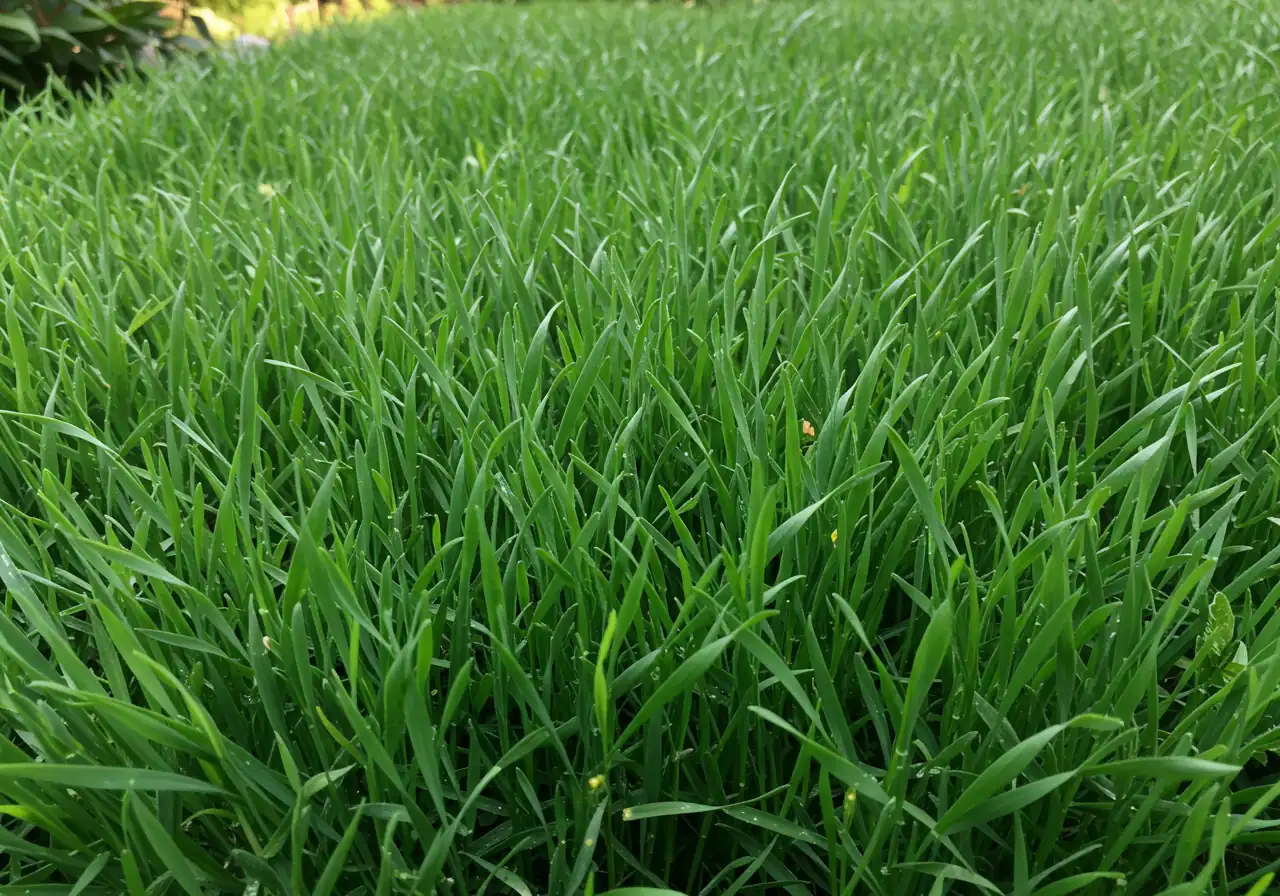
Giving Your Soil a Green Blanket: The Magic of Cover Crops
Think of cover crops as living mulch or a green manure – plants grown not for harvesting, but specifically to benefit the soil. They are absolute superstars for improving clay soil structure and boosting fertility, especially here in Ottawa (Zone 5).
Why Bother?
- Prevents Erosion: Bare soil, especially our clay, can wash away in heavy rains or blow away in dry winds. Cover crops hold it in place.
- Adds Organic Matter: When you cut them down and leave the residue (or gently incorporate it), they decompose, adding valuable organic matter right where you need it. Hooray for fewer bags of compost to haul!
- Improves Structure & Drainage: The roots of cover crops penetrate the clay, creating channels that improve aeration and drainage. Some, like daikon radish (tillage radish), have massive roots that act like natural biodrills!
- Suppresses Weeds: A thick stand of cover crops outcompetes weeds, meaning less work for you later.
- Feeds Soil Life: They provide food and habitat for earthworms and beneficial microbes – the unseen heroes building healthy soil.
Late Summer/Early Fall (Aug/Sept)
Winter Rye (Cereal Rye): Incredibly hardy, grows through fall, goes dormant, resumes growth in spring. Cut down in spring *before* it sets seed (usually before knee-high).
Hairy Vetch (Mix with Rye): Fixes nitrogen from the air, adding natural fertilizer! Best sown with a companion like rye for support.
Spring/Summer (For Fallow Beds)
Buckwheat: Super fast grower (flowers in 6-8 weeks), smothers weeds, attracts beneficial insects. Cut down just as it starts flowering. Can get 2-3 sowings per season.
Oats: Good weed suppression, less winter-hardy than rye, often winter-killed in Ottawa making spring management easier. Can be mixed with peas for nitrogen fixation.
How to Use Cover Crops
Broadcast seeds over prepared soil, rake lightly for good contact, water if dry. In spring (or before flowering for summer crops), cut down close to the ground. You can:
- Chop and Drop: Leave cuttings on the surface as mulch.
- Light Incorporation: Gently work cuttings into the top inch of soil.
Avoid deep tilling after cover crops to preserve the root channels they created.
Choosing Plant Pals That Play Nice with Clay
While we’ve been improving the soil, it’s still fundamentally clay-based. Instead of fighting it constantly, let's make smart choices! Selecting plants adapted to heavier soils (and our Zone 5 climate) makes gardening much easier and more successful. You'll find that many beautiful and hardy plants don't mind a bit of clay, especially once you've improved the drainage and added organic matter.
Think about perennials like Hostas, Daylilies, Coneflowers (Echinacea), Rudbeckia, Peonies, Siberian Iris, and Asters. Many shrubs also tolerate clay well, such as Serviceberry, Dogwood, Viburnum, Potentilla, and some varieties of Spirea and Weigela. For trees, consider resilient options like Freeman Maples, Oaks, or Lindens, but always research specific varieties. When planting, dig a wide, shallow hole and amend the backfill soil moderately with compost – avoid creating a "bathtub" of pure amended soil surrounded by dense clay, as this can hinder root growth outwards. Getting the plant choices right from the start is crucial; our guide on Material Selection Tips for Ottawa Gardens can help you pick winners suited to your improved soil conditions. Once your soil is ready, consider our Garden Installation services.
Keep the Goodness Coming: Compost & Mulch are Still Your Friends
Yes, even after years of improvement, that annual addition of organic matter is key. Think of it as topping up the fuel tank for your soil microbes. You likely won't need the massive amounts from Year 1, but an annual top-dressing of 1-2 inches of compost spread over the soil surface each fall or spring works wonders. Let the worms and weather do the mixing! This consistent feeding is essential for maintaining good soil structure.
And don't forget the mulch! A 2-3 inch layer of organic mulch (shredded bark, leaves, straw) continues to be invaluable. It conserves moisture (less watering!), suppresses weeds, moderates soil temperature, and slowly breaks down, adding – you guessed it – more organic matter. These practices aren't just good for your garden; they're eco-friendly strategies that build resilient landscapes, much like dedicated gardeners are doing in communities from Richmond to Winchester. This commitment to feeding the soil is all part of good Ongoing Garden Maintenance Practices, keeping things healthy year after year.
Maintaining Momentum (Even When Life Happens)
Building fantastic soil is a marathon, and sometimes life throws hurdles on the track. Keeping up with cover cropping, top-dressing, and general tidiness takes time. If you find yourself short on time or energy, remember that help is available. Tasks like cutting down cover crops or doing a thorough spring tidy can be managed efficiently. If you need a hand keeping things on track seasonally, consider our Ottawa Garden Clean Up Service for those periodic boosts. This kind of help is available across the region, including services like the Marionville property cleanup service or the City property cleanup service. And if you're contemplating larger planting projects now that your soil is behaving better, or simply want to understand the costs for ongoing support, check out our simple Estimate & Feedback Process to explore your options.
By Year 3 and beyond, you're moving from major renovation to smart stewardship. By incorporating cover crops, choosing appropriate plants, and continuing your compost and mulch routine, you'll cultivate not just a garden, but a thriving soil ecosystem that makes gardening in Kars a true pleasure. Keep at it – the rewards are worth the effort!
Your Kars Clay Journal: Observing, Adapting, and Enjoying the Process
Okay Kars neighbours, let's talk about becoming a bit of a soil detective in your own backyard! Improving that infamous clay is fantastic, but how do you *really* know if things are changing for the better? By keeping an eye on things and maybe jotting down a few notes – think of it as your Kars Clay Journal. It doesn't need to be fancy; a simple notebook or a file on your computer works perfectly!
Observing: What to Look For
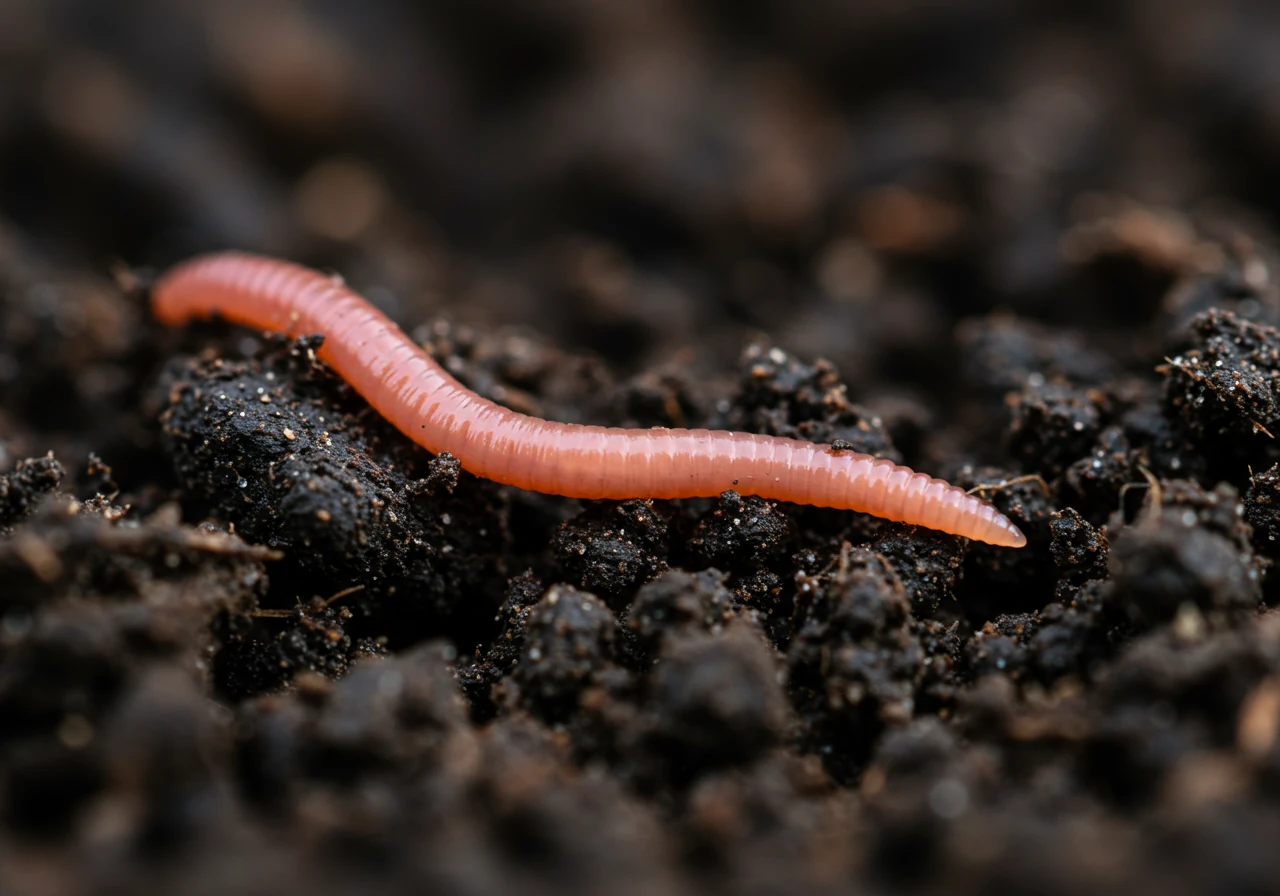
Start paying closer attention throughout the seasons. After a good Ottawa rain, how quickly does water soak in compared to last year? Are those persistent puddles shrinking? When you dig in to plant something new, does the shovel slide in a little easier? Is the soil less sticky when wet and less like concrete when dry? Look for signs of life – more earthworms are a gold star for improving soil structure! Notice how your plants are doing. Are they looking perkier, greener, and more robust? These little clues tell you how your organic matter additions and efforts are paying off. Folks over in nearby Vernon are probably doing the same detective work on their own plots!
Your Simple Journal
Just note down the date and your observations. For example: "April 20th - Heavy spring rain yesterday, west bed drained much better than last year, only small puddles left." Or, "July 10th - Hot spell, soil holding moisture better under the mulch, less cracking." Also, track what you do: "October 15th - Added 2 inches of compost to all gardening beds." This simple record helps you see patterns and remember what worked (or didn't!). You might find inspiration in systems like Osgoode Garden Records or Metcalfe Garden Logs.
Year 1 (Fall)
Initial assessment (Ribbon test). Cleared weeds. Added 3 inches compost + rototilled gently. Applied bark mulch.
Year 2 (Spring)
Soil noticeably looser, fewer puddles. Top-dressed with 1 inch compost. Planted clay-tolerant perennials.
Year 2 (Fall)
Planted winter rye cover crop after vegetable harvest. Top-dressed other beds with 1 inch compost.
Year 3 (Spring)
Chopped down rye. Soil structure much improved, earthworms present! Planted more diverse species.
Adapting Your Plan
This journal becomes your guide for adapting your approach. Noticing drainage is still slow in one area despite your efforts? Maybe next fall, you focus more organic matter there or consider gentle core aeration if it's lawn. Seeing signs of compaction returning after summer foot traffic? Make a note to mulch thicker next year or redirect pathways. If even amended soil dries out fast in our hot summers, perhaps you choose more drought-tolerant plants for that spot next planting season. Improving soil is a continuous learning process. Once your soil improves significantly, tasks like successful lawn replacement with new sod installation become much more achievable.
Enjoying the Journey
Remember, this is a marathon. Observing and adapting is part of the landscaping adventure! Celebrate the small victories – the first earthworm sighting, a patch of lawn that stays green longer, a flower that thrives. Don't get discouraged by setbacks; just learn from them and adjust. Sometimes adapting means a bit more seasonal prep, and our Ottawa yard cleanup crew is ready to help if you need an extra hand tackling those bigger adjustment tasks. And if you're ever really scratching your head about your observations, feel free to get in touch with us for advice. When adapting your plan, especially if you decide to bring in professional help for certain steps, make sure you understand the scope of work – you can review details like our service terms and conditions beforehand. Keep observing, keep learning, and enjoy watching your Kars clay transform!
Visualizing Improvement: Potential Soil Changes Over Time
Note: Chart represents potential relative improvement over several years with consistent effort, not precise scientific measurements.
Kars Clay Busters: Quick Reference Tips
Okay, neighbours, let's cut to the chase! Improving that Kars clay soil is a journey, but here are some quick pointers to keep you on the right track. Think of this as your cheat sheet for happier soil and plants!
Top Tip: The single most effective thing you can do is consistently add organic matter (especially compost) every year!
Question: Honestly, how long is this clay improvement thing going to take? My back already hurts just thinking about it!
Answer: Patience, grasshopper! Improving heavy clay soil structure is definitely a marathon, not a sprint. Think years, not weeks. Adding organic matter consistently feeds the soil microbes that slowly create better drainage and aeration. You'll likely see some improvement after the first year or two, but the real magic happens with persistence over multiple seasons. Keep at it!
Question: What's the absolute best stuff to add to my sticky Kars clay?
Answer: Compost is your superhero! Seriously, it's the gold standard for improving clay soil. Well-rotted manure (aged at least 6 months!), shredded leaves (leaf mould), or mushroom compost are also fantastic organic matter additions. Spread a generous layer (2-4 inches) when starting, especially in the fall, then top up annually.
Question: My neighbour swears by adding sand to break up clay. Should I try it?
Answer: Hold your horses! Please don't add sand directly to heavy clay. While it sounds logical, it usually backfires, creating something closer to concrete and making compaction and drainage problems worse. Stick with organic matter – it’s the tried-and-true method that actually works with soil biology.
Question: When is the best time to dig amendments into clay soil? And when should I definitely NOT touch it?
Answer: Fall is generally the prime time for incorporating larger amounts of compost or other organic matter into new beds. Ottawa's winter freeze-thaw cycles can help integrate it. The most important rule? *Never* work clay soil when it’s soaking wet and sticky. Wait until it's just moist enough to crumble slightly when squeezed. Working wet clay ruins its structure.
Question: I busted my hump adding compost last year. Do I really need to do it again?
Answer: You betcha! Consistency is the name of the game. Think of it like needing regular tidying – an annual top-dressing of 1-2 inches of compost spread over the surface each spring or fall keeps feeding the soil life. Let the worms and weather gently mix it in. Maintaining a 2-3 inch layer of organic mulch (like shredded bark or straw) is also crucial. These ongoing efforts are key, much like how a reliable dependable city yard cleanup service keeps properties looking sharp season after season.
Question: My yard is a bit of a disaster zone before I even think about the soil. Help!
Answer: Deep breaths! It's okay. Sometimes the biggest hurdle is just clearing the decks. If you're dealing with significant weeds, overgrown shrubs, or old debris that makes gardening impossible, tackling that first is essential. Getting professional help for a thorough property clean up can remove that initial overwhelm and let you focus directly on improving the soil beneath.
Question: Are there any plants that won't just give up and die in my improved-but-still-clay-ish soil?
Answer: Absolutely! While improving the soil helps immensely, choosing plants suited to heavier soils (and our Ottawa climate, Zone 5) sets you up for success. Many beautiful perennials like Hostas, Daylilies, Coneflowers (Echinacea), Peonies, and Siberian Iris do well. Shrubs like Serviceberry, Dogwood, and Viburnum can also thrive. Do a little research for clay-tolerant varieties – it makes landscaping much more enjoyable! Check our material selection tips for ideas.
Question: How can I tell if my hard work is actually making a difference? What are the signs?
Answer: Become a soil detective! Look for positive changes: Does water soak in quicker after rain instead of puddling? Is the soil less sticky when wet and less like a brick when dry? Are you spotting more earthworms (a fantastic sign!)? Are your plants looking healthier and greener? These observations confirm your efforts are paying off. Moving and spreading large amounts of compost can be a big task, similar in scale to the projects handled by a Marionville property cleanup service, so noticing the positive results makes it all worthwhile!
Question: This sounds like a serious workout, especially the first couple of years. What if I need a hand?
Answer: Don't be a hero if you're feeling overwhelmed! Improving clay soil, particularly the initial stage of incorporating lots of organic matter, is physically demanding landscaping work. If clearing space, digging, hauling, and spreading feels like too much, calling in professionals is a smart move. Services familiar with heavy-duty tasks, like a dedicated Metcalf yard cleanup service, can handle the labour-intensive parts, saving your back and giving your soil improvement plan a massive boost. You might also consider help from our Metcalf garden clean up service or the Marionville garden clean up service teams depending on your location.
Your Kars Clay Questions Answered
We get it – dealing with Kars clay soil can bring up a lot of questions! It behaves differently than the soil in sandy areas, and sometimes it feels like it has a personality all its own (a stubborn one, perhaps?). Here are answers to some common questions we hear from folks around Ottawa and neighbouring areas like Greely, using collapsible sections for easy reading.
Great question! Look for physical clues. Is the soil darker and crumblier? Does your shovel slide in easier? After rain, does water soak in better instead of puddling for ages? You might also spot more earthworms – a fantastic sign! Healthier, more vigorous plant growth is the ultimate proof that your compost additions are improving the soil structure and overall gardening conditions.
Besides the classic "adding sand" blunder (which creates concrete!), probably the biggest mistake is working the soil when it's too wet. Kneading or digging sticky, saturated clay destroys its delicate structure, leading to severe compaction and worsening drainage issues. Always wait until it's just moist enough to crumble before you start any landscaping or planting tasks.
Sadly, there's no instant fix for heavy clay drainage. Consistent, yearly additions of organic matter like compost are the most effective long-term strategy. Core aeration helps for lawns. While there's no magic bullet, consistent effort like that provided by a professional Marionville yard cleanup service focused on incorporating amendments is the best bet for gradually improving soil structure over time.
Yes! That rock-hard summer soil happens because tiny clay particles bake together tightly when dry. Adding compost builds better soil structure by creating small clumps (aggregates) with air spaces. This improved structure helps the soil retain moisture more effectively and prevents it from cementing together quite so badly. Preparing the area might need significant effort, sometimes requiring an efficient Ottawa property cleanup service before you can amend.
It’s tempting, but often not the best idea! Simply layering good soil over dense clay can create drainage problems right at the boundary, forming a "perched water table" where water gets trapped. Roots might also hesitate to penetrate the heavy clay below. It's much better to improve the existing clay by thoroughly mixing in plenty of organic matter. If existing beds need tidying alongside this soil work, a focused Metcalf garden clean up service can help manage the overall project efficiently.
Feeling overwhelmed by a big landscaping project, especially with challenging soil, is totally normal! Our best advice? Start small. Pick just one gardening bed or section of your yard this season. Focus your efforts there, amending it well with compost. Seeing success in one area builds momentum. Taking that first step is key, and eventually, you'll look back with satisfaction. We appreciate you reading, and you can explore more resources or drop us a line via our contact and thank you page.
Healthier Soil, Happier Garden: Your Kars Success Story Starts Now!
So, there you have it, Kars neighbours! Tackling that infamous clay soil might feel like a huge challenge, almost like wrestling a stubborn garden gnome, but remember – you can win this. As we've discussed, it’s all about patience and persistence, especially consistent additions of organic matter like compost. Think of it as slowly building a five-star hotel for your plant roots! Many folks in nearby Russell and Embrun share similar soil stories, and trust us, the transformation is worth the effort.
Imagine sinking your trowel into rich, crumbly earth instead of fighting sticky goo or rock-hard clumps. Picture vibrant flowers and robust veggies thriving because their roots can breathe and easily access nutrients and water, with improved drainage preventing soggy feet. That happier, healthier garden with fantastic soil structure is absolutely achievable right here in Kars! It starts with understanding your soil and committing to that long-term "feed the soil" strategy using compost and smart gardening practices.
Ready to kickstart your soil transformation journey but maybe feeling a tad overwhelmed by the initial workload? Sometimes a clean slate is the best motivator. If clearing out old weeds or debris feels like step one, check out our City Garden Clean Up Service or the specific Ottawa Garden Clean Up Service – we can help prepare your beds so you can focus on the fun part: improving the soil! Maybe you're ready to add that crucial organic matter but the thought of hauling and digging makes your back ache? We get it! Explore our full range of landscaping Services or contact us directly to get a free, no-obligation estimate for handling the heavy lifting of soil amendment for you.
Once you've made progress, remember that ongoing care is key. Protect your investment and boost soil health further with a fresh layer of mulch. Our professional Mulching and Edging services not only make your garden beds look sharp but also help retain moisture and continue feeding that precious soil life. Assistance is available across the region, similar to how residents might utilize a dedicated Marionville Garden Clean Up Service.
Curious about other ways to enhance your outdoor space or need more specific advice tailored to your Kars property? Dive into our helpful Blog articles for more tips and tricks on Ottawa gardening and landscaping. And whenever you're ready to discuss your project, big or small, don't hesitate to reach out! We're happy to chat about your vision and how we can help bring it to life. We always respect your privacy when you get in touch – you can review our commitment in our Privacy Policy.
Your Kars garden success story is waiting to be written. Improving that clay soil is a journey, but one that leads to beautiful results. Let's get digging (or let us help you with the digging)!