
Kars Plant Growth Stages: Tailor Care for Peak Health
Ensure your Kars garden thrives year-round! Request a free quote for expert plant care today.
Get My Free QuoteQuick Guide to Plant Stages & Care:
- Seedling Stage: Protect indoors (Ottawa climate), provide bright light, gentle water, sterile mix.
- Vegetative Stage: Focus on nitrogen for leafy growth, ensure consistent water.
- Flowering/Fruiting Stage: Switch to phosphorus & potassium, maintain water, deadhead flowers.
- Maturity/Dormancy Stage: Perform fall cleanup, mulch after first freeze, water evergreens before ground freeze.
Introduction: Giving Your Kars Garden the VIP Treatment
Think of raising plants a bit like raising kids (minus the requests for car keys!). You wouldn't give a baby the same meal as a teenager, right? Well, giving your Kars garden the real VIP treatment means understanding that your plants have different needs at different points in their lives too. It's all about knowing their plant growth stages.
Why does this matter? Because understanding these stages – from tiny seedling to mature bloomer – is the secret to truly successful gardening. It helps you provide the right care at the right time, ensuring your plants don't just survive, but actively thrive in our unique Ottawa region climate. Whether you're planning a stunning landscaping project in nearby Greely, tending pots in Manotick, or nurturing your own patch right here in Kars, getting these stages right makes all the difference. Let's dive into some practical tips to help your garden put on its best show! (For insights into local projects, visit our Google My Business page).
Why Bother with Stages? Smarter Gardening for Ottawa's Climate
Okay, let's be real. "Plant growth stages" might sound a bit like something from a dusty textbook. Why add another layer of complexity to your gardening chores, especially when Ottawa weather already keeps us on our toes? Well, here’s the secret: understanding these stages actually makes gardening easier and more successful, particularly in our neck of the woods. Think of it as having the inside scoop on what your plants really need, right when they need it.
Our Ottawa growing season is notoriously short, bookended by the very real threat of frost. Knowing if your plant is a delicate seedling versus a sturdy, established perennial changes everything. A seedling needs maximum protection from late spring chills, careful watering, and maybe some starter fertilizer. Trying to give that same babying treatment to a mature shrub is like trying to feed a teenager strained peas – unnecessary and slightly weird.
Understanding stages helps you pinpoint crucial care moments. For instance, young plants just getting established in tricky soil – maybe that heavy clay common in parts of Nepean or Barrhaven – need specific support. Getting that initial root growth right is key, something crucial when tackling spring tree planting, especially in challenging clay soil.
As plants mature, their needs shift. That beautiful flowering perennial hitting its peak bloom requires different nutrients than it did during its leafy growth spurt. Providing the right support during this phase is how you achieve those stunning blooms in your garden beds. Later, heading into autumn, knowing how to prepare plants for dormancy is vital for winter survival. This might involve specific watering techniques or amending the soil, particularly if you're dealing with difficult conditions and need fall plant care strategies for clay soil challenges.
Recognizing these stages also helps diagnose problems. Is your plant struggling in the summer heat? Knowing its stage helps determine if it's typical mid-season stress or something more serious, allowing you to implement an effective plant health care plan to combat summer stress.
Ultimately, paying attention to growth stages means smarter landscaping and gardening:
- Using resources wisely: No more over-watering dormant plants or fertilizing when it won’t be used.
- Healthier, tougher plants: Meeting their needs at each step builds resilience against pests, diseases, and our wild Ottawa weather. Find more about resilience building in our guide to soil preparation.
- Better results: More flowers, bigger harvests, and lusher foliage!
It’s about working with your plant's natural lifecycle, not against it. And if deciphering these stages feels like too much homework, remember there are professional landscaping and gardening services that can give your plants exactly what they need, stage by stage.
Stage 1: The Seedling Sprout - Tiny Plant, Big Needs
Okay, let's talk about Stage 1: The Seedling Sprout! Think of this phase as the plant world's adorable, slightly demanding toddler stage. Your seed has popped, sent out a root, and pushed up its first tiny leaves (called cotyledons), soon followed by its first true leaves which look more like the mature plant. It’s official – you have a baby plant! And like any baby, it has some very specific needs. Ignore them, and you might have a botanical tantrum on your hands (read: a sad, droopy plant).

Why Start Indoors in Ottawa?
Here in the Ottawa region, with our famously short growing season and unpredictable spring frosts, starting many seeds indoors is practically a necessity, not a luxury. Trying to direct-sow a heat-loving tomato or pepper seed in Kars in early May is a recipe for disappointment. Starting indoors gives your seedlings a crucial head start, protecting them from the cold while they gain strength. Aim to start most seeds 6-8 weeks before our last average frost date (usually late May). For more local climate tips, check out [City of Ottawa's Gardening Resources](https://ottawa.ca/en/living-ottawa/environment-water-and-waste/gardening).
Tiny Plant, Big Needs: Seedling Care 101
These little guys are delicate! Here’s what they crave:
- Water Wisely: Seedlings need consistent moisture, but hate soggy feet. Too much water invites "damping off," a fungal disease that rots the stem right at the soil line (cue tiny plant funeral music). Water gently from the bottom if possible, or use a fine spray mister. Let the top of the soil slightly dry out between waterings. Using the right growing medium is key; don't just dig up soil from your Manotick garden bed. Opting for quality, sterile seed-starting mix makes a huge difference – thoughtful material selection for gardening projects prevents many common issues right from the start.
- Let There Be Light (Lots of It!): Seedlings need bright light, typically 12-16 hours a day. A sunny windowsill often isn't enough in early spring and can lead to "leggy" seedlings – tall, pale, and weak sprouts stretching desperately for light. Supplement with grow lights kept just a few inches above the plant tops. Adjust the light height as they grow. Proper lighting is non-negotiable for sturdy growth.
- Cozy Temperatures: Most seedlings like it comfortably warm, similar to your house temperature (around 18-24°C). Avoid drafty spots or placing them directly on cold windowsills. A heat mat under the trays can help speed up germination and early growth for heat-lovers like peppers.
Common Seedling Setbacks & Eco-Friendly Fixes:
- Legginess: Usually means not enough light. Move them closer to the grow light or get a stronger one. A gentle fan can also encourage thicker stems (think of it as plant aerobics!).
- Damping Off: Caused by fungus thriving in wet, cool conditions. Prevention is key: use sterile mix, avoid overwatering, ensure good air circulation (that fan helps here too!), and don't overcrowd your seedlings.
- Yellowing Leaves: Can be lack of nutrients (once true leaves appear, a very diluted liquid fertilizer can help) or sometimes overwatering.
Nurturing seedlings takes attention, but seeing them thrive is incredibly rewarding. Trust us, we know the challenges and the triumphs firsthand – you can learn more about us and our local experience helping Ottawa gardens flourish. If juggling grow lights and watering schedules feels overwhelming amidst other spring tasks, remember that professional landscaping and gardening services are available to help manage your garden's needs.
Next Steps: Toughening Up!
Once your seedlings are looking sturdy and have a few sets of true leaves, you can't just toss them out into the garden! They need to gradually acclimate to the great outdoors – a process called "hardening off." This involves slowly introducing them to sunlight, wind, and cooler temperatures over a week or two. (We'll cover a step-by-step guide on this crucial transition soon!). While they're toughening up, it’s a good time to ensure their final planting spot is prepped, maybe even requiring a thorough Richmond yard cleanup service or similar work across town like a Marionville property cleanup service to get garden beds ready for their new occupants. Get this stage right, and you're well on your way to a thriving Ottawa garden!
Stage 2: Vegetative Growth - Leafing Out and Branching Up!
Okay, let's get into Stage 2: Vegetative Growth - Leafing Out and Branching Up!
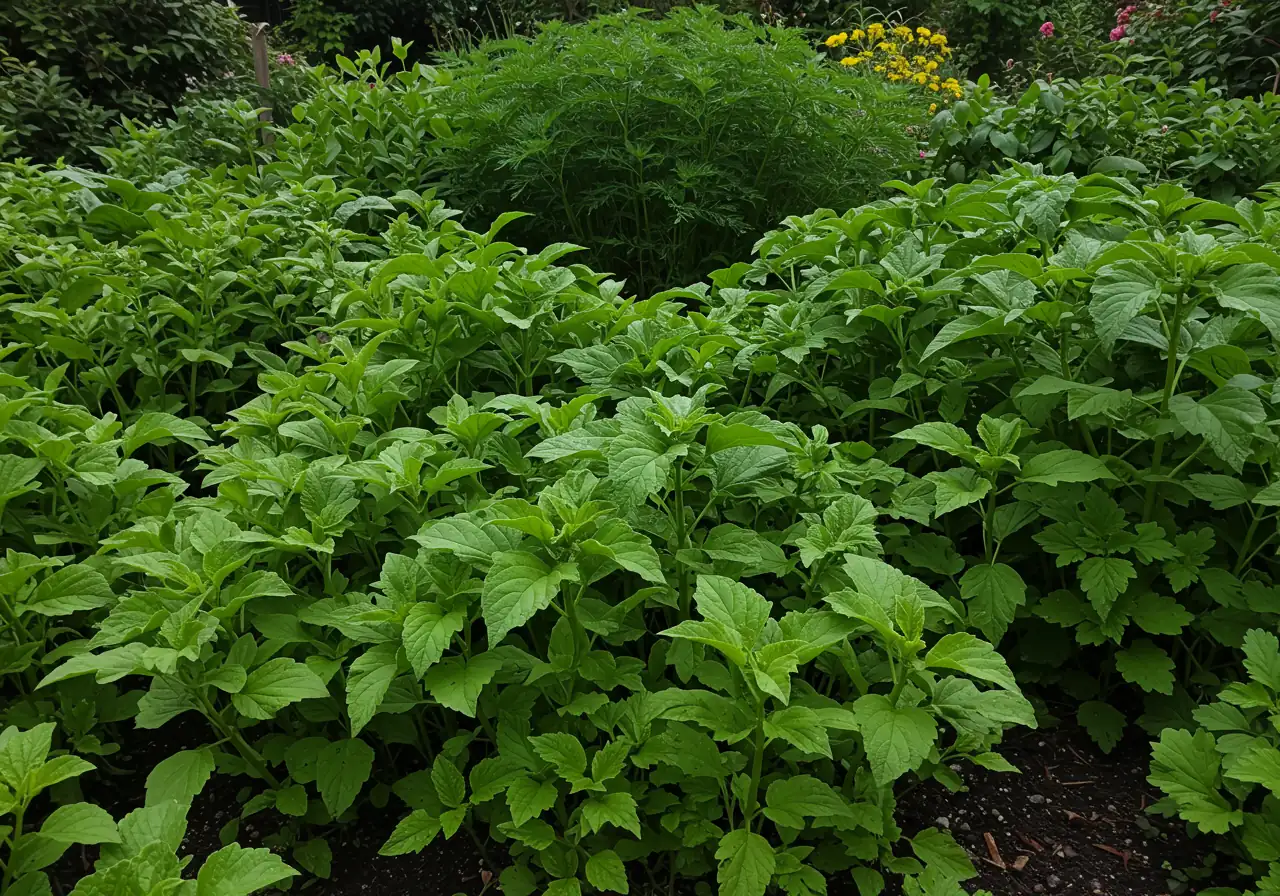
If the seedling stage was the baby phase, think of vegetative growth as the plant's energetic teenage years (maybe without the eye-rolling, hopefully!). After establishing those first true leaves, your plant's main mission shifts. It's not focused on flowers or fruit just yet; right now, it’s all about building a strong foundation – pumping out leaves, stretching stems, and developing a robust root system. This is where your plant really starts to look like itself, gaining size and structure. In our Ottawa climate, this stage is a sprint to bulk up during the precious warm months.
Fueling the Green Machine: Nutrients and Water
During this powerhouse phase, your plants are hungry! Their primary craving is Nitrogen (N). Nitrogen is the superstar nutrient for building chlorophyll (the green stuff!) and promoting lush, leafy growth. Think of it as the protein shake for your plant's muscles – its leaves and stems.
- Feeding Time: Ensure your plants have access to nitrogen-rich food. This could be through compost mixed into the soil or a balanced fertilizer. If using fertilizer, follow the package directions – more isn't always better! For many garden plants, a balanced feed works great, but giving them a little extra nitrogen boost during this phase can really encourage that green growth. Healthy soil is the foundation for everything; getting this right from the beginning, perhaps during a professional garden installation ensures healthy starts, makes feeding easier later on.
- Water Works: As plants get bigger, their water needs increase significantly. They're building lots of new tissue, and water is essential for moving nutrients and maintaining structure. Aim for consistent, deep watering that encourages roots to grow downwards, rather than frequent shallow sprinkles. The soil should be moist but not waterlogged. Want to know the secret signs your plant is thirsty? We'll cover watering wisdom in a separate tip box!
Keeping the Party Crashers Out: Pest Management
Unfortunately, lush new growth can look like a buffet to uninvited guests. Common Ottawa pests that love this stage include aphids clinging to tender stems and slugs munching on leaves, especially in damper areas. Keeping an eye out, particularly in suburban gardens like those in Richmond or Metcalfe, is key.
- Eco-Friendly Defense: Forget harsh chemicals! Try these gentler approaches:
- Aphids: A strong spray of water can knock them off, or use insecticidal soap. Encourage ladybugs – they love aphids!
- Slugs: Handpick them in the cool mornings or evenings. Barriers like crushed eggshells or diatomaceous earth can deter them. Keeping garden areas tidy helps reduce hiding spots; regular upkeep, like that offered by a city yard cleanup service, can make a difference. Even more specific tidying, such as the focused work done by a Marionville yard cleanup service, removes debris where pests overwinter. For more on eco-friendly pest solutions, visit the [Ontario Ministry of Agriculture, Food and Rural Affairs (OMAFRA) gardening pages](https://www.ontario.ca/page/gardening).
- Healthy Plants = Fewer Pests: Often, the best defense is a healthy plant that can withstand minor attacks. Proper watering and feeding contribute hugely to plant resilience. This focus on vegetative health applies equally to your turf; achieving that deep green colour relies on similar principles found in our expert lawn care advice.
This vegetative stage is all about building a strong, leafy framework. Give your plants the right fuel and keep an eye out for trouble, and they'll be well-prepared for the next exciting phase: flowering and fruiting! If you ever need tailored advice for your specific garden challenges, feel free to reach out – your personal information is always handled carefully, as outlined in our website privacy policy.
Stage 3: Flowering & Fruiting - The Big Show!

Alright, folks, welcome to the main event! After all that leafy growth in Stage 2, your plant is ready for its moment in the spotlight. Stage 3 is all about reproduction – creating those gorgeous flowers we love or the delicious fruit and veggies we anticipate. Think of it as the plant putting on its party dress or flexing its muscles for the harvest. This is often the most exciting stage for us gardeners!
Shifting Gears: What Plants Crave Now
Remember how Nitrogen (N) was the star during vegetative growth? Well, now the spotlight shifts. While plants still need some nitrogen, their focus turns to:
- Phosphorus (P): This nutrient is crucial for developing strong roots, promoting abundant blooms, and setting fruit. Think 'P' for Petals and Production!
- Potassium (K): Potassium is the all-around wellness guru. It helps with overall plant vigour, disease resistance, water regulation, and improving the quality and flavour of fruit. Think 'K' for Quality!
Many gardeners switch to a "bloom booster" fertilizer during this stage, which has lower nitrogen and higher phosphorus and potassium numbers. (*Confused about N-P-K fertilizer numbers? Don't worry, we'll break down exactly what those ratios mean in a handy comparison guide soon!*)
Flowering Stage Soil Needs
Ensure soil has adequate Phosphorus (P) and Potassium (K). Amend with compost or use a bloom-booster fertilizer. Good drainage is still vital to prevent root rot, especially for fruit-bearing plants.
Flowering Stage Watering
Consistent moisture is key. Avoid letting the soil dry out completely, as this stresses the plant and can cause blossom drop or poor fruit development. Water deeply at the base of the plant, preferably in the morning.
Flowering Stage Pest Watch
Keep an eye out for aphids on buds, Japanese beetles on flowers/leaves, and spider mites in hot, dry conditions. Pollinators are welcome guests - avoid broad-spectrum pesticides!
Water: Keep it Coming Consistently!
Just like a performer needs hydration, your flowering and fruiting plants need consistent water. Letting them dry out completely, especially when flowers are forming or fruit is developing, can cause stress. This might lead to blossoms dropping off prematurely or problems like blossom end rot on tomatoes or peppers. Aim for deep, consistent watering that keeps the soil moist but not soggy. Proper watering is a key part of any effective city garden maintenance service, ensuring plants have what they need during this critical time.
Potential Party Poopers: Challenges to Watch For
Even the best shows can have hiccups. Here are a couple common ones in Ottawa gardens:
- Bolting: This happens when a plant (often cool-season crops like lettuce, spinach, or cilantro) flowers prematurely due to stress, usually heat. Instead of tasty leaves, you get a bitter flower stalk. Darn it! When plants bolt, it's usually best to pull them out. Dealing with bolted plants or other garden mishaps often requires a good tidy-up, something a city garden clean up service can handle efficiently.
- Frost: Our Ottawa region weather loves to keep us guessing! A late spring frost can zap hopeful flower buds, while an early fall frost can ruin developing fruit, a real concern for gardeners out in areas like Winchester. Covering sensitive plants during frost warnings is crucial. If frost does damage parts of your garden, getting things cleaned up promptly helps prevent disease; this is where an Ottawa property cleanup service becomes really useful.
Tips for a Standing Ovation (Maximum Blooms & Harvest!)
- Deadhead Religiously: For many flowering plants, removing spent blooms (deadheading) signals the plant to produce more flowers instead of putting energy into seed production. Keep those snips handy!
- Welcome Pollinators: Bees, butterflies, and other pollinators are essential for many plants to produce fruit. Plant a variety of flowers to attract these helpful critters throughout the season. A vibrant garden contributes to a healthy overall property aesthetic, which includes more than just the beds – don't forget about keeping the grass looking good with reliable professional lawn care services. Learn about pollinator-friendly plants from organizations like the [Ottawa Horticultural Society](https://ottawahort.org/).
- Provide Support: Plants heavy with fruit (like tomatoes or large peppers) often need staking or caging to prevent stems from breaking.
- Keep it Tidy: Removing diseased leaves or fallen fruit promptly helps prevent problems from spreading. Regular tidying, whether you do it yourself or use a local service like a Metcalf yard cleanup service if you're in that area, keeps your garden healthy and productive during its big performance.
Enjoy the show! This stage is the culmination of your gardening efforts, bringing colour, beauty, and maybe even dinner to your landscaping.
Relative Nutrient Needs by Growth Stage
Illustrative example for Flowering/Fruiting Stage.
Stage 4: Maturity & Dormancy - Winding Down for the Ottawa Winter
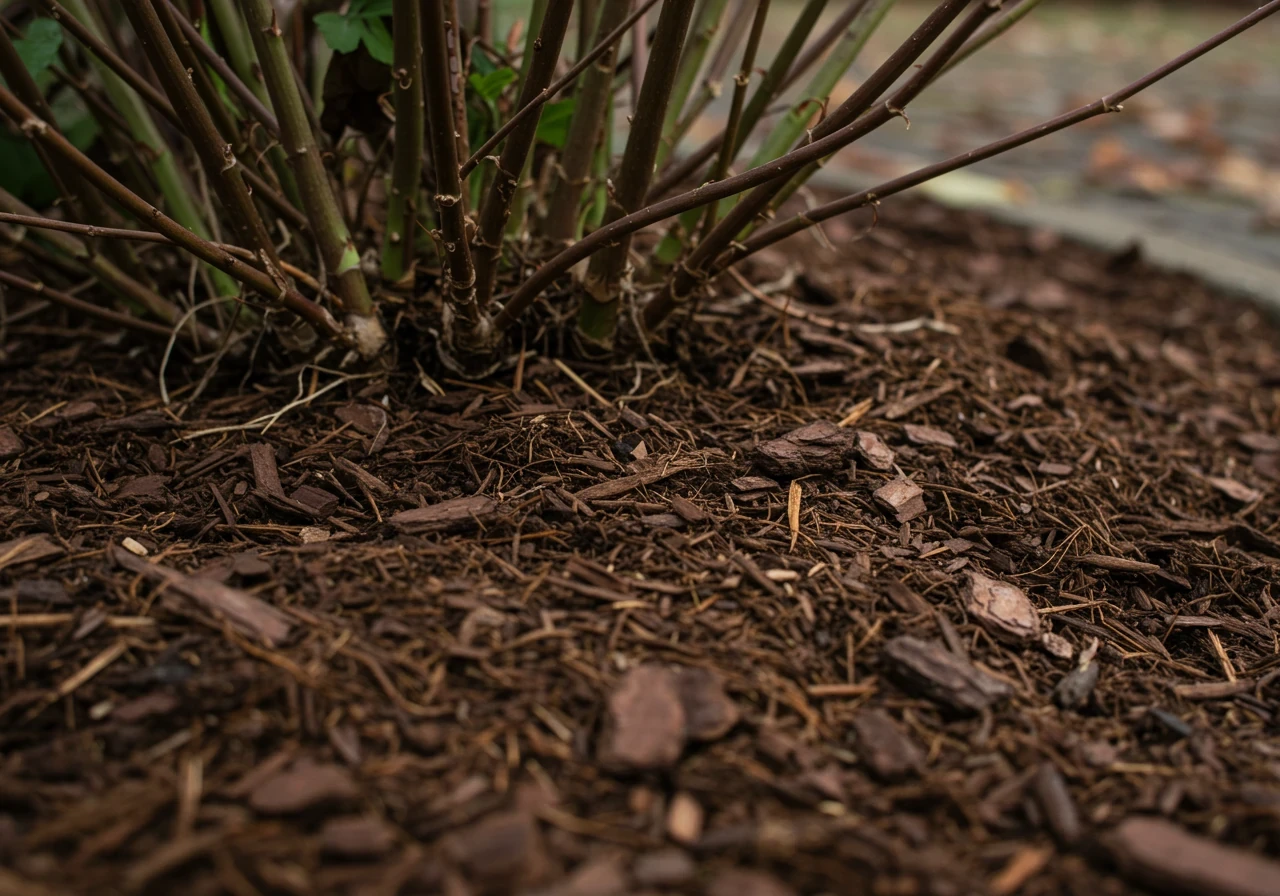
Well, the fireworks of Stage 3 are over, the big show has wrapped up, and now it's time for the plant equivalent of putting on comfy pajamas and winding down for a long sleep. Welcome to Stage 4: Maturity and Dormancy! For annuals, this stage means setting seed for the next generation before bowing out. For perennials, shrubs, and trees, it's all about prepping for the big chill – our notorious Ottawa winter. Think of it as their energy-saving mode, getting ready to survive until spring's alarm clock rings.
The Season's End: Maturity & Seed Set
As temperatures cool and daylight hours shorten, plants get the hint. Growth slows dramatically. Many perennials might push out a final few flowers, but their main focus shifts. They start pulling energy down from their leaves and stems into their roots for storage. This is why leaves change colour – the green chlorophyll breaks down, revealing other pigments. Some plants are busy maturing seeds, ensuring their legacy continues next year.
Tucking In for Winter: Essential Dormancy Prep
Okay, plants, time for your winter spa treatment! Preparing your garden for dormancy is crucial for survival in our climate. Ignoring fall landscaping tasks is like sending your plants out into a blizzard wearing only flip-flops – not recommended!
Here’s your Ottawa winter prep checklist:
- The Big Clean-Up: This isn't just about looking tidy! Removing dead leaves, fallen fruit, and spent annuals is vital. Pests and diseases love to overwinter in garden debris. Rake up leaves (especially diseased ones like those with black spot on roses) and remove dead plant matter. This kind of thorough tidying is a cornerstone of good fall garden care, whether you handle it yourself or rely on a professional Marionville garden clean up service if you're out that way. Similarly, folks needing help closer to the city's south end might look for a reliable Metcalf property cleanup service or perhaps an Ottawa yard cleanup service for broader needs.
- Eco-Friendly Disposal: Don't just bin that debris! Healthy plant material (no diseased stuff, please!) makes fantastic compost. Turn garden "waste" into black gold for next year's soil.
- Mulch is Magic: Apply a layer (5-10 cm or 2-4 inches) of organic mulch (like shredded bark, straw, or chopped leaves) around the base of perennials, shrubs, and trees *after* the ground starts to freeze lightly. Why wait? Mulching too early can keep the ground too warm, delaying dormancy, or provide cozy homes for mice. Mulch acts like a winter blanket, insulating roots from freeze-thaw cycles, retaining moisture, and suppressing early spring weeds. Check out our mulching and edging services for professional application.
- Wrap It Up: Some plants need extra protection. Tender roses, young trees with thin bark (prone to sunscald or deer nibbling), and certain evergreens (prone to windburn) benefit from being wrapped in burlap or specialized tree wrap. Think of it as their winter coat!
- Late Season Watering: Give your evergreens and any newly planted shrubs or trees a good, deep watering before the ground freezes solid. Evergreen foliage continues to lose moisture during winter, and frozen ground means they can't replenish it.
- Soil Prep for Spring: Fall is a fantastic time to amend your garden beds, especially in areas like Russell or Embrun where you might be working with clay or sandy soil. Adding compost or manure now allows it to break down over winter, improving soil structure for spring planting. This proactive approach is part of smart city garden maintenance service planning.
(Psst... wouldn't a simple, month-by-month Ottawa fall garden checklist be super helpful? We think so too! Look for that soon on our blog.)
Taking these steps helps ensure your plants don’t just survive the winter but emerge healthy and ready to burst back into growth next spring. Before engaging any professional help for these tasks, it's always a good idea to understand the scope of work by reviewing the provider's service terms and conditions. We sincerely appreciate you following along with this guide to plant growth stages – if our tips inspire you to book a service, you'll typically land on our website confirmation and thank you page afterwards! Happy gardening through the final stage!
Seasonal Task Timeline (Simplified)
Early Spring (Post-Frost)
Clean up winter debris. Start seeds indoors (Stage 1). Prep beds, amend soil.
Late Spring / Early Summer
Harden off seedlings. Plant out. Focus on vegetative growth (Stage 2) - nitrogen, consistent water.
Summer
Support flowering/fruiting (Stage 3) - P&K fertilizer, deep water, deadhead, pest watch.
Fall (Pre-Freeze)
Harvest final crops. Begin fall cleanup (Stage 4). Plant spring bulbs. Water evergreens.
Late Fall (Post-Light Freeze)
Apply winter mulch. Wrap sensitive plants. Final cleanup. Consider sod installation for lawn repairs before winter.
Highlight Box: Kars Gardener's Cheat Sheet
Okay, fellow Kars green thumbs (and neighbours in Manotick and Greely!), gardening in the Ottawa region has its quirks. Here’s a quick cheat sheet hitting the highlights for keeping your plants happy through their lifecycle:
- Baby Plants Need Babysitting: Remember those tiny seedlings? Give them a strong start indoors under grow lights (windowsills are often too weak!) about 6-8 weeks before the last frost. Water gently and use a proper seed-starting mix, not heavy garden soil. Strong beginnings prevent headaches later!
- Feed the Need (for Green!): When your plants are focused on getting leafy and big (vegetative stage), nitrogen is their best friend. A little compost or balanced fertilizer helps them build those essential leaves and stems. Consistent watering is also crucial as they grow.
- Switch Gears for the Big Show: As plants prepare to flower or fruit, ease off the nitrogen and focus on phosphorus (P) and potassium (K) – think "bloom boosters." Keep watering consistently; drying out now can mean fewer flowers or stressed fruit. Success here is super satisfying – almost as good as seeing our website confirmation and thank you page after scheduling some help!
- Fall Cleanup Isn't Just Tidy, It's Healthy: Don't let dead leaves and spent plants hang around over winter! Rake them up and remove annuals to prevent pests and diseases from getting a cozy winter home in your Kars garden beds. This is a vital part of annual garden maintenance – whether you tackle it yourself or explore professional garden maintenance options.
- Tuck 'Em In With Mulch (Timing is Key!): A layer of organic mulch is like a winter blanket for your perennials and shrubs. BUT, wait until the ground starts to freeze lightly before applying it. Mulching too early can confuse plants or shelter critters. Proper mulching protects roots from those wild Ottawa freeze-thaw cycles.
- Learn & Adapt: Every season teaches us something new! Take note of what thrived and what struggled. Just like we appreciate feedback on landscaping estimates to refine our services, use your observations to plan for next year. Need some visual motivation? Check out these stunning local garden before & after transformations for inspiration! And if you hit a snag or have specific questions about your landscaping project, feel free to contact us for advice. Happy gardening!
FAQs: Your Ottawa Plant Stage Questions Answered
Great question! Think of it like feeding hungry teenagers vs. picky toddlers. Early on (vegetative stage), focus on nitrogen for lush leafy growth. As plants gear up to flower or fruit (Stage 3), switch to fertilizers higher in phosphorus and potassium (often called bloom boosters). Avoid heavy feeding late in the Ottawa season when plants are winding down for winter dormancy. Getting the soil healthy from the start makes feeding much easier!
Our short season puts plants on a tight schedule! Starting frost-sensitive plants indoors (Stage 1) gives them a vital head start. We need to maximize leafy growth (Stage 2) quickly during our precious warm weather. Understanding stages helps you provide timely care, like essential fall prep (Stage 4) before the frost hits hard, ensuring better survival rates for your perennials and shrubs in our tricky Ottawa climate.
Oh, those sneaky late frosts! They get us almost every year. Cover your tender young plants overnight with floating row covers, old buckets, or even bedsheets propped up so they don't weigh down the foliage. Just remember to uncover them in the morning sun! Getting your garden beds tidy beforehand, perhaps with a thorough spring property clean up, lets you focus solely on protecting the plants when frost looms.
Clay soil definitely presents challenges! It holds water well (sometimes too well!) and can compact, making it tough for tiny roots to spread during the seedling and early vegetative stages. Amending your soil generously with compost before planting is crucial. This improves drainage and structure, giving roots a fighting chance to establish and leading to healthier landscaping. You'd be surprised what can grow with proper soil preparation – check out some amazing local garden transformations for inspiration!
Ah, the uninvited dinner guests! In Manotick and across Ottawa, aphids often adore clustering on tender flower buds, and Japanese beetles can turn leaves and petals into lace pretty quickly. Slugs might also nibble low-hanging blossoms. Keeping the garden tidy reduces hiding spots – sometimes a comprehensive fall or spring city property cleanup service can make a big difference. Stay vigilant and tackle pests early using eco-friendly methods!
While tempting, leaving garden debris over winter is like rolling out the welcome mat for pests and diseases! Dead leaves and stems provide cozy overwintering spots. A good fall cleanup removes this habitat, significantly reducing problems next spring. It’s essential preventative gardening! If time is tight, professional help like a Metcalf garden clean up service (or similar service in your neighbourhood like the Ottawa garden clean up service) can tackle this vital pre-winter landscaping task for you.
Conclusion: Grow Like a Pro in Your Kars Oasis
Okay, so we've journeyed through the whole plant lifecycle, from tiny sprouts demanding attention to mature beauties prepping for their winter nap! The big takeaway? Understanding these plant growth stages isn't just fancy gardening jargon – it's your secret weapon for creating a truly thriving green space, whether you're in Kars, Manotick, or anywhere across Ottawa. Knowing what your plants need when they need it helps you tackle our tricky climate, leading to stronger roots, lusher leaves, more stunning blooms, and maybe even a bigger harvest* for the table. Think of it as finally getting the instruction manual your plants forgot to bring! It replaces guesswork with confidence, making your landscaping efforts way more successful and enjoyable.
Ready to turn that knowledge into a gorgeous reality but short on time or unsure where to start?
- Get expert advice: Ask us your toughest questions for solutions tailored to your Kars garden soil and sunlight.
- Book hands-on help: Schedule our crew for seasonal maintenance like a city garden maintenance service, planting projects, or that big property cleanup.
- Plan your dream space: Let's chat about designing and installing the landscaping you've always envisioned. See our full list of services.
Let's make your Kars garden the envy of the neighbourhood!
Request Your Free EstimateGo forth and grow like a pro – your beautiful Kars oasis is within reach! We're here to help make it happen.