
Stop Gooseneck Loosestrife Takeover in Kars Gardens
Overwhelmed by aggressive plants? Let us help restore balance to your garden. Request Your Free Quote Today!
Quick Guide: Dealing with Gooseneck Loosestrife
- Identify: Look for graceful, bending white flower spikes and lance-shaped leaves. The real issue is the aggressive white underground runners (rhizomes).
- Problem: Spreads rapidly via rhizomes, outcompeting desirable plants. Tolerates various Ottawa soil types (including clay) and Zone 5b winters.
- Removal: Requires deep, thorough digging to remove *all* rhizome pieces. Bag waste; do NOT compost. Persistence is crucial.
- Alternatives: Consider well-behaved plants like Culver's Root, Garden Phlox 'David', or Bugbane.
- Need Help? Professional removal ensures thoroughness. Explore garden maintenance services.
Introduction: That Charming Thug Taking Over Kars Gardens
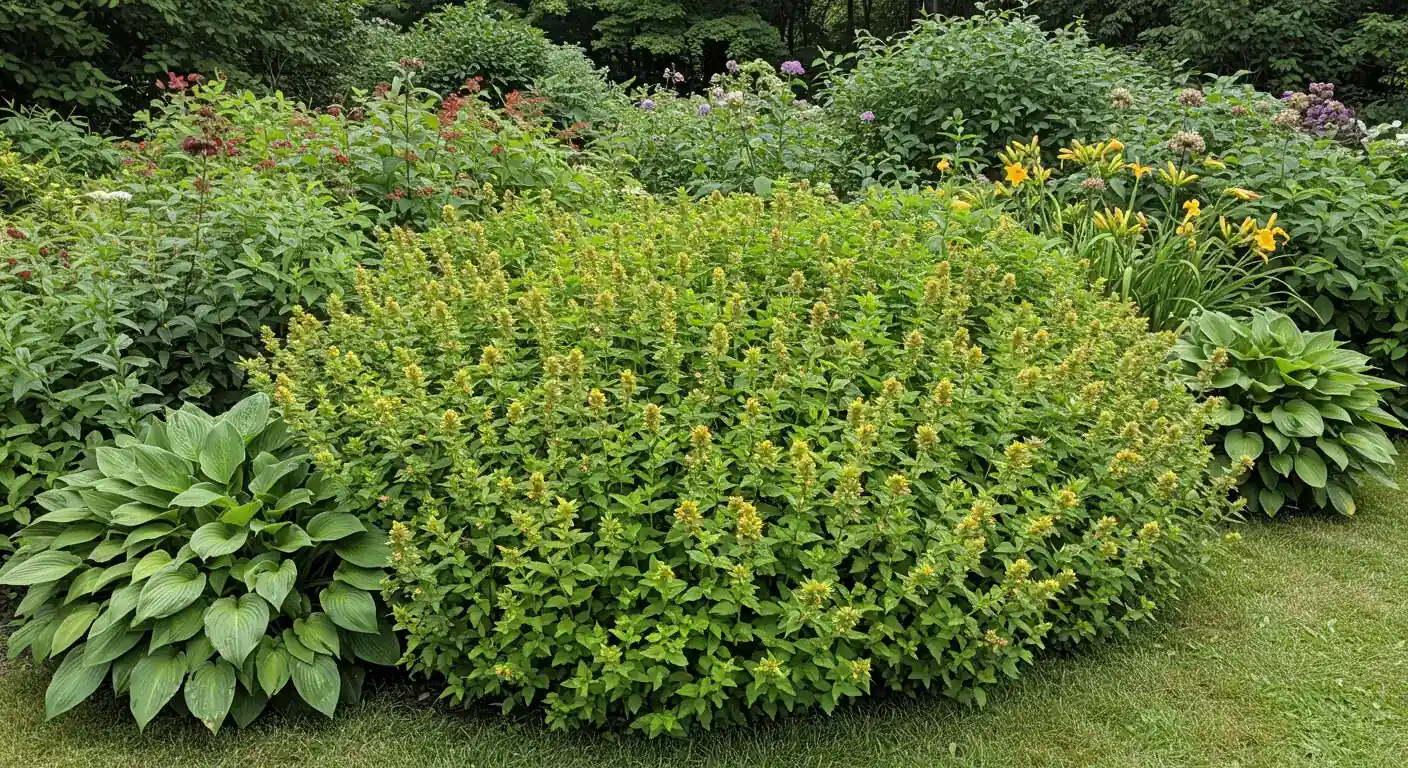
Hello Kars gardeners! We all love a beautiful flower bed, right? Adding unique plants to our landscaping brings such joy. But sometimes, a plant that looks like a perfect angel turns out to be a bit of a garden bully. Let’s talk about one such character that might be charming its way into *your* Kars garden: Gooseneck Loosestrife (*Lysimachia clethroides*).
With its elegant, bending white flower spikes, it's easy to see the appeal. It looks so graceful! But don't let its good looks fool you. This plant is a *master* spreader. Under the soil, it sends out tough runners, called rhizomes, that pop up new plants everywhere, quickly overwhelming less aggressive neighbours. It’s like inviting a polite guest for dinner who then decides to move in permanently... with their entire extended family! We've seen this charming thug getting a little too comfortable in gardens around Kars, and even causing similar head-scratching moments over in nearby Manotick. Managing its spread is key to keeping your garden balanced and beautiful. Let's explore how to handle this sneaky spreader.
Meet the Culprit: Identifying Gooseneck Loosestrife
Okay, let's get up close and personal with this garden Houdini, Gooseneck Loosestrife (*Lysimachia clethroides*). Knowing exactly what you're dealing with is the first step to managing it, so you don't accidentally dig up the wrong plant (we've all been there!). Photos would definitely help here, so try searching for images online too!
Here’s what to look for:
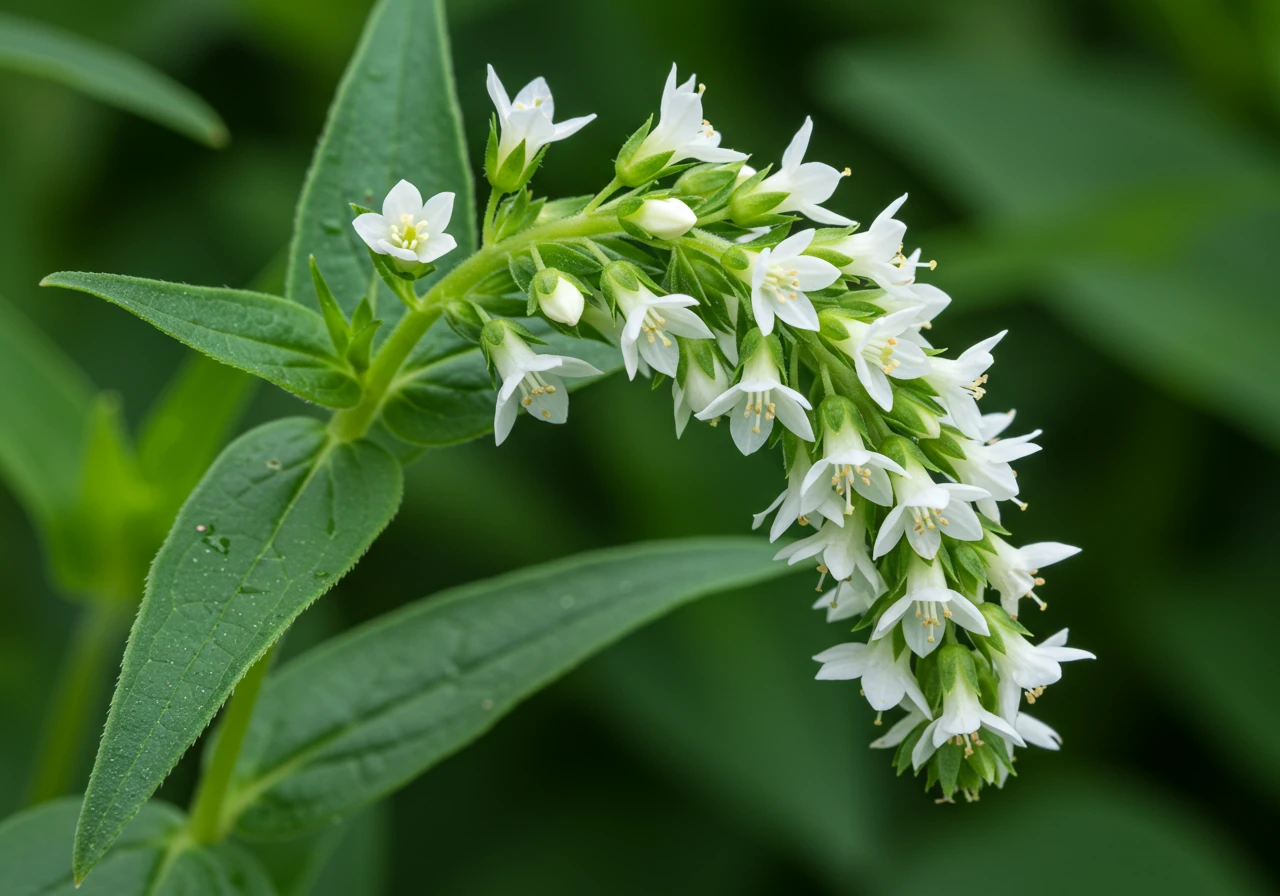
- The Signature Bend: Its most famous feature is the flower spike. It's covered in tiny, star-shaped white flowers and gracefully arches over, looking just like – you guessed it – a goose's neck. These usually appear mid-to-late summer in Ottawa gardens. While pretty, they can quickly disrupt carefully planned Osgoode Flower Bed Designs for Vibrant Colour if left unchecked.
- Leaf Lowdown: The leaves are simple, smooth-edged (or very finely toothed), lance-shaped or oval, and usually a pleasant medium green. They grow alternately along the stem, which stands about 2-3 feet tall.
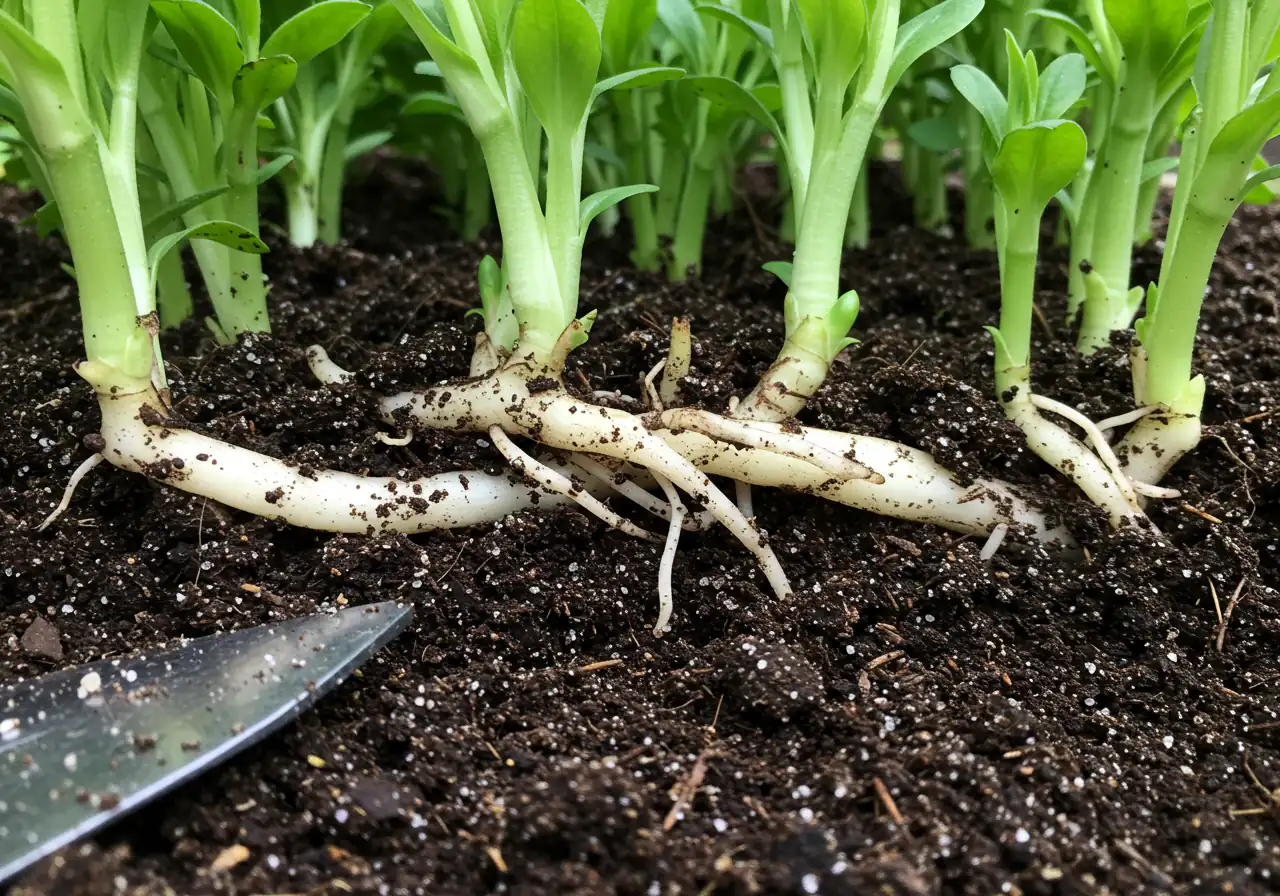
- The Underground Network: This is the *real* troublemaker. Gooseneck Loosestrife spreads like wildfire using vigorous, white, underground stems called rhizomes. Dig around the base of a clump, and you'll likely find these fleshy runners heading off in all directions. These rhizomes are tough cookies, easily surviving our winters, unlike some plants needing help with Kars Frost Damaged Plant Garden Recovery. They're a key reason why proper Winchester Fall Garden Care for Winter Survival often involves containing aggressive spreaders *before* winter.
Why is Accurate ID So Important?
Mistaking this plant for something less invasive could mean you let it get a serious foothold before realizing the problem. Conversely, you don't want to rip out a well-behaved plant by mistake! In the Greely or Osgoode areas, some gardeners might momentarily confuse the flower spikes with certain varieties of Speedwell (Veronica) or maybe even white Garden Phlox, but Phlox has more rounded flower clusters held upright, and different leaf arrangements. Gooseneck Loosestrife also thrives in various conditions, even tolerating trickier soils like clay, which requires specific knowledge like these tips for Richmond Plants for Clay Soil Lifecycle Care.
Knowing it's Gooseneck Loosestrife tells you *immediately* that containment or complete removal is necessary if you don't want it staging a coup in your flower beds. If wrestling with these rhizomes sounds like too much hard work, exploring professional Landscaping and Gardening Services might be a good next step.
Why Kars? Understanding Loosestrife's Success in Our Ottawa Climate & Soil
Okay, so we know Gooseneck Loosestrife can be a bit of a garden hog, but *why* does it seem to love our Kars gardens, and really, the whole Ottawa area, so much? It's not just bad luck; this plant is perfectly suited to our neck of the woods.
First off, let's talk about our climate. Ottawa sits comfortably in Plant Hardiness Zone 5b. This basically means our winters get cold, but not *so* brutally cold that they kill off tougher perennial plants. Gooseneck Loosestrife? It shrugs off Zone 5 winters like a Canadian wearing shorts in April. Those underground runners, the rhizomes we mentioned, are well-protected beneath the soil and snow, ready to burst back to life come spring. While we're babying some other plants, Loosestrife is basically saying, "Is that all you got, winter?"
Next up: soil. Ottawa and its surrounding areas, including communities like Nepean or Barrhaven, are known for having quite a mix of soil types, with heavy clay being pretty common. Guess what? Gooseneck Loosestrife isn't fussy! While some plants throw a tantrum in clay soil, Loosestrife often says, "Sure, I can work with this." It thrives in average, well-drained soil but tolerates a surprisingly wide range, including damp spots and, yes, even that stubborn clay. This adaptability gives it a huge advantage in many local *landscaping* situations. For information on suitable plants for local conditions, you might consult resources from local horticultural groups or the City of Ottawa's tree planting initiatives (often linked to soil health).
But the *real* secret weapon? Those rhizomes and how they spread. Think of them like an underground superhighway system. They push outwards, sending up new shoots wherever they please. Here’s the sneaky part: *fragmentation*. When you dig in a bed where Loosestrife lives – maybe you're dividing other perennials, planting something new, or even trying to *remove* the Loosestrife – if you break up those rhizomes and leave even small pieces behind, *each piece can sprout into a whole new plant*. Yikes! Tilling the soil can be like chopping it up and spreading it everywhere – the exact opposite of what you want.
This means our own *gardening* practices in Kars can accidentally help it spread. Sharing plants with neighbours without meticulously checking for hitchhiking rhizome pieces, or not disposing of dug-up plants properly (never just toss them on the compost heap!), can move the problem around. Dealing with such aggressive spreaders sometimes requires more muscle than expected, making a comprehensive Ottawa yard cleanup service a consideration for larger infestations. Ensuring thorough removal is crucial, whether you're in the city core or need a specific Metcalf yard cleanup service or even help further out, like a Marionville garden clean up service. Similarly, if you're in areas with challenging soil like Barrhaven, a targeted Barrhaven yard cleanup service understands the local conditions. Tackling these runners effectively is key, and sometimes calling in professional landscaping and gardening services is the best way to ensure it's done right.
Operation Loosestrife Removal: Your Step-by-Step Battle Plan
Okay, gardeners, it's time to roll up our sleeves and reclaim our flower beds! Gooseneck Loosestrife might be pretty, but it plays dirty in the *gardening* world. Don't worry, we've got your back with "Operation Loosestrife Removal." Think of this as your friendly, step-by-step guide to showing that charming thug the door (or, rather, the yard waste bag).
Your Step-by-Step Battle Plan: Manual Removal
This is often the most effective, albeit sweat-inducing, method. Patience and thoroughness are your secret weapons here. Let's get digging!
- Gear Up & Pick Your Moment: Grab your sharpest spade or digging fork, gloves, and maybe some knee pads (your back will thank you later!). The best time to tackle this is when the soil is moist but not soaking wet – usually spring or fall in Ottawa. Moist soil makes digging easier and helps those sneaky rhizomes slide out more readily. Avoid digging right after a downpour, as you'll just make a muddy mess. Proper soil preparation includes knowing when it's workable.
- The Wide Berth Approach: Don't just dig right at the base of the visible stems. Remember those underground runners? They spread *outwards*. Start digging at least a foot *away* from the outermost visible shoots, creating a wide circle around the clump.
- Go Deep & Sift Like a Detective: You need to dig *deep* – likely 8-12 inches or more – to get under the main rhizome network. Carefully lift the soil, trying to keep the root system as intact as possible. Now, the crucial part: gently shake off the excess soil and meticulously *sift* through it with your fingers. You're hunting for every single piece of those fleshy, white rhizomes. They look a bit like pale ginger roots or thick spaghetti. *Even tiny fragments left behind can resprout!* Be incredibly thorough.
- Bag It, Don't Bin It (or Compost It!): This is *critical*. Do NOT put Loosestrife rhizomes or stems in your backyard compost bin. They will likely survive and spread from there. Bag all plant material securely in heavy-duty yard waste bags. Check Ottawa's municipal waste guidelines (often via the Green Bin program) for proper disposal of invasive plant material. Sometimes, specific bagging or disposal instructions apply. Handling this kind of stubborn debris might feel like a bigger job than usual, similar to needing a full thorough property clean up after a big storm.
- Vigilante Vigilance (The Follow-Up): You probably won't get every single piece on the first try. That’s okay! Keep a close eye on the area for *months* (even the next growing season). Any new shoots that pop up should be dug out immediately, tracing them back to any missed rhizome pieces. Consistent follow-up is key and is a core part of effective ongoing garden maintenance.
Containing the Beast: Root Barriers
If complete removal feels too daunting, or if you *want* to keep a small, controlled patch (brave soul!), installing a root barrier can help. This involves digging a trench around the area you want to contain and sinking a solid barrier (like heavy-duty plastic or metal edging) at least 18-24 inches deep. This physically blocks the rhizomes from spreading outwards. It's hard work upfront but can prevent future headaches, although vigilance is still needed to ensure runners don't eventually hop over or find a gap.
Chemical Controls: The Last Resort
We generally recommend avoiding herbicides if possible, especially for environmental reasons and potential impact on nearby desirable plants. However, for severe infestations where digging is impractical (maybe it’s tangled in tree roots or covers a huge area in Nepean), a systemic herbicide *might* be considered as a last resort.
- Use Extreme Caution: ALWAYS read and meticulously follow the product label instructions. Choose a systemic herbicide (like one containing glyphosate) that is absorbed by the leaves and travels down to kill the roots. Apply it carefully, directly to the Loosestrife leaves, avoiding spray drift onto other plants or your lawn, which needs its own specific type of Ottawa lawn care.
- Regulations Matter: Be aware of local bylaws regarding pesticide use, which can vary. What's permissible or the recommended approach in a denser area like city garden clean up service might differ from requirements out in Metcalfe. If you're considering this route, especially for larger areas, getting professional advice is wise. Dealing with specific local challenges might even warrant looking into a specialized service, like a dedicated Metcalf yard cleanup service that understands rural property needs. Consider consulting resources like the Ontario Invasive Plant Council for management best practices.
- Professional Help: If you're unsure or uncomfortable using chemicals, contact us or another licensed professional. They have the knowledge and equipment to apply treatments safely and effectively. When reaching out for quotes or advice, rest assured reputable companies handle your information responsibly, as outlined in their Privacy Policy.
Weighing Your Options
You might find it helpful to jot down a quick comparison:
| Method | Pros | Cons |
|---|---|---|
| Manual Removal | Eco-friendly, highly effective if thorough | Labour-intensive, requires persistence, easy to miss fragments |
| Root Barriers | Contains spread (if installed properly), allows keeping small patch | Hard physical installation, requires deep barrier, needs monitoring for breaches |
| Chemical Control | Less physical labour for large areas, can be effective | Environmental risks, potential harm to non-targets, regulations apply, may need re-application, LAST RESORT |
Removing Gooseneck Loosestrife is definitely a workout, but taking back control of your garden is incredibly satisfying. Good luck, fellow Ottawa gardeners – you've got this! Check out our Google My Business page for reviews from neighbours who've tackled similar challenges.
Seasonal Management Approach
Focus heavy digging efforts in Spring (moist soil, less foliage) and Fall (before ground freeze). Use Summer for vigilant patrol and removal of any new shoots that appear. Cut flower heads before they fully mature to prevent potential (though less common) seeding. Winter is for planning and tool sharpening!
Containment Strategies
If complete removal isn't feasible, install a solid root barrier (plastic or metal) at least 18-24 inches deep around the desired area. Overlap seams if using sections. Regularly check the edges inside and outside the barrier for any runners trying to escape over or under. This is still a significant undertaking and requires ongoing monitoring.
Proper Disposal is Crucial
Do NOT compost any part of the Gooseneck Loosestrife plant, especially the rhizomes. Seal plant debris securely in heavy-duty yard waste bags. Follow City of Ottawa guidelines for invasive plant disposal – often requires bagging for regular garbage or specific yard waste instructions. Check the city website or contact us if unsure about local rules.
A Loosestrife Management Calendar for Your Kars Garden
Okay Kars gardeners, dealing with Gooseneck Loosestrife isn't a one-and-done affair, it’s more like a recurring character in your garden's story. But with a plan, you can keep it from becoming the main villain! Here’s a simple seasonal calendar to help manage this persistent perennial in our unique Ottawa climate.
Spring (Post-Thaw Power Play)
When: April/May (workable soil).
Action: Prime time for deep digging! Target emerging shoots. Remove all rhizomes meticulously.
Goal: Reduce main clumps. Consider a spring city yard cleanup service for big jobs.
Summer (Vigilant Vigilante)
When: June-August.
Action: Patrol regularly! Dig out *any* new sprouts immediately. Cut flower spikes before maturity.
Goal: Prevent spread, weaken plants. Part of essential ongoing city garden maintenance service.
Fall (The Final Showdown... For Now)
When: Oct/Early Nov (before freeze).
Action: Last chance for major digging. Repeat spring removal effort. Install/check root barriers.
Goal: Maximize rhizome removal before winter. Combine with fall property clean up.
Winter (Planning & Prep)
When: Dec-March (ground frozen).
Action: Rest & plan! Research alternatives, barriers, or professional help. Consider material selection for spring projects.
Goal: Strategize for next season. Learn more about us and our services.
Keeping this cycle in mind helps make managing Gooseneck Loosestrife in your Kars garden a much less daunting task!
*Illustrative comparison of aggressive spreading potential (higher bar = more aggressive spread by runners).
Plant This, Not That! Beautiful & Well-Behaved Alternatives
Okay, so you've bravely decided Gooseneck Loosestrife needs to find a new home (preferably far, far away!). But that doesn't mean you have to leave a gap in your beautiful Kars garden. Let's talk about upgrading! Choosing well-behaved plants means less wrestling with runaway roots and more time enjoying your outdoor space. Think of it as smart *gardening* – all the beauty, none of the thuggish behaviour.
Ready for some fantastic alternatives that thrive right here in Ottawa (Zone 5b) and won't try to take over your entire property like some botanical bully? Here are a few stellar picks:
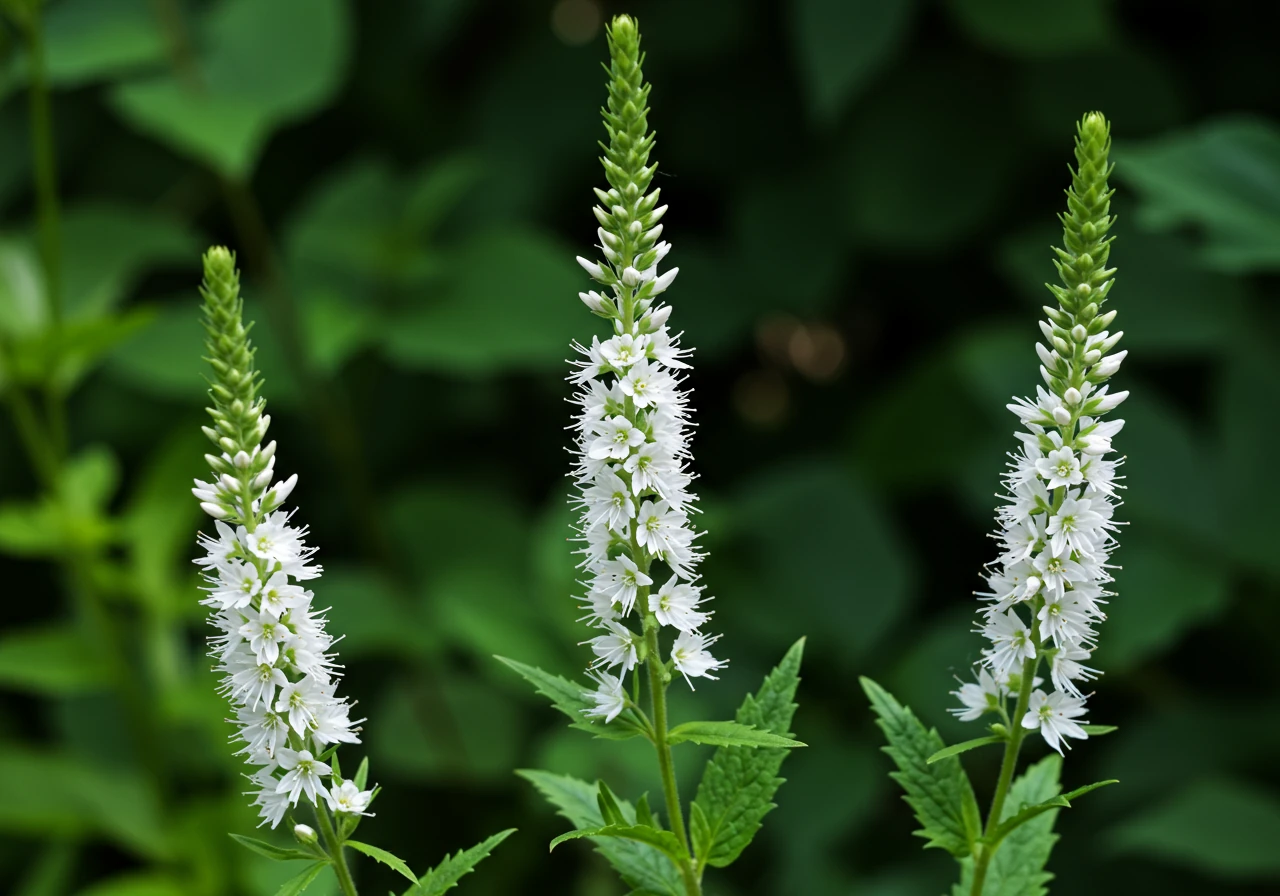
- Culver's Root (*Veronicastrum virginicum*): Want that tall, elegant spire look? Culver's Root delivers! It sends up impressive stems (4-6 feet tall) topped with candelabra-like spikes of tiny white flowers in mid-to-late summer. It prefers full sun to light shade and average to moist soil. It’s stately, attracts pollinators, and stays put – a perfect well-mannered substitute, looking great in gardens from Greely to Nepean.
- Garden Phlox 'David' (*Phlox paniculata 'David'*): A classic for a reason! 'David' boasts large, fragrant clusters of pure white flowers on sturdy, upright stems (3-4 feet tall) from mid-summer on. It loves sunshine and good air circulation (which helps prevent powdery mildew, a common Phlox issue). It forms a nice clump but doesn't spread aggressively by runners. Perfect for a traditional flower bed look. Before you start planting these beauties, ensure the area is completely free of old invasive roots – sometimes a reliable city yard cleanup service can give you that essential clean slate.
- Bugbane / Black Cohosh (*Actaea racemosa* or similar species): Looking for late-season drama, especially in part shade? Meet Bugbane! It features tall (4-7 feet!), slender, bottlebrush-like spikes of fragrant, creamy-white flowers that seem to float above deeply cut, dark foliage. It prefers moist, rich soil and adds fantastic texture and height where Gooseneck Loosestrife might have thrived but *without* the invasive roots. Getting these properly situated can transform a shady spot; consider a professional garden install to ensure they get the best start.
- Astilbe (*Astilbe species/cultivars*): While not strictly spiky like Gooseneck, Astilbes offer beautiful feathery plumes in summer, including lovely white varieties ('Deutschland' is a popular one). They come in various heights (1-4 feet) and thrive in partial shade and consistently moist soil – perfect for those damper spots in your yard. They form neat clumps and add a soft texture. Finishing off the bed with expert mulching and edging around your new Astilbes helps keep that moisture in.
Choosing Wisely & Planting Happily
When selecting your new plants, always try to source them from reputable local nurseries. They'll offer healthy specimens suited to our Ottawa climate. Remember, creating a beautiful, low-stress garden is about making smart choices from the start. If removing a large patch of the old invasive feels like too big a task before you can even think about replanting, looking into a thorough city property cleanup service might be worthwhile. Remember to check our thank you page after contacting us and provide estimate feedback to help us improve!
Swapping out garden bullies for these charming alternatives lets you build a stunning, manageable *landscape* you can truly enjoy. Need more tailored suggestions for your specific spot? Don't hesitate to contact us for personalized advice.
Kars Gardener's Quick Tips for Loosestrife Control
Hey Kars neighbours! Got Gooseneck Loosestrife trying to stage a coup in your *garden*? Don't panic! This charming thug might look innocent, but we know its sneaky ways. Here are five quick pointers to help you manage this pretty-but-pushy plant right here in the Ottawa area:
- Know Your Enemy: Spot those graceful, bending white flower spikes? That's the easy part. The real troublemakers are the aggressive, white, spaghetti-like runners (rhizomes) hiding underground. If you confirm it's Gooseneck Loosestrife, it's time for action! Don't let its charming looks fool you – this one’s a *landscaping* bully in disguise, spreading faster than neighbourhood gossip in Greely.
- Dig Like You Mean It: Forget gently teasing it out! Grab your sharpest spade and dig deep (at least a foot!) and wide around the clump. Getting the soil preparation right by making sure it's moist but not soggy can make the digging process a bit less of a wrestling match. Your mission, should you choose to accept it, is to remove *every single piece* of those white rhizomes. Seriously, even tiny bits left behind will resprout like determined little botanical zombies!
- Trash It, Don't Compost It: This is super important, folks! Never, ever toss Loosestrife roots or stems into your backyard compost bin – they'll likely survive and turn your lovely compost into Loosestrife central. Bag all plant material securely in heavy-duty yard waste bags. If you've unearthed a mountain of the stuff, it might feel like you need a full Ottawa property cleanup service just to handle the disposal! Always check local Ottawa rules for invasive plant disposal – proper handling is vital, and like any service, understanding the details matters (you can see our approach outlined in our service terms and conditions).
- Patience, Grasshopper (Er, Gardener!): Winning the war against Loosestrife is rarely a one-battle affair. You probably won't get every last piece on the first try (those rhizomes are sneaky!). Be prepared to patrol the cleared area like a hawk for weeks, months, and possibly even into the next growing season. Dig out any new shoots the *moment* you spot them, tracing them back to the source if possible. Keeping the area tidy with good mulching and edging can make spotting these unwelcome reappearances much easier. Persistence is truly your best friend in this *gardening* challenge!
- Plant Nice, Not Naughty: Once you've banished the beast (or at least contained it!), reward yourself by filling the space with beautiful, *well-behaved* plants that thrive in our Kars climate. Think Culver's Root for height, Garden Phlox 'David' for fragrance, or maybe some lovely Astilbes for shady spots. These alternatives offer fantastic visual appeal without the world-domination plans. Choosing wisely prevents future *landscaping* headaches. If you're sourcing plants or need advice tailored to specific conditions, especially if you're a bit further out, sometimes local knowledge helps, similar to how a dedicated Marionville yard cleanup service understands the unique challenges of properties in that area, or a Metcalf property cleanup service / Marionville property cleanup service / Ottawa garden clean up service for specific needs.
FAQs: Your Gooseneck Loosestrife Questions Answered (Ottawa Edition)
While not officially listed on Ontario's invasive species list *yet*, its aggressive spreading behaviour makes it a major problem in Ottawa gardens. It quickly outcompetes other plants, disrupting local ecosystems within flower beds. If it's taking over large areas of your property, tackling it might require significant effort, similar to needing a reliable Ottawa property cleanup service for other big yard jobs.
Bag it, don't compost it! Those rhizomes (roots) can easily survive composting and spread further. Seal all plant parts securely in heavy-duty yard waste bags. Check the latest City of Ottawa guidelines for disposal of invasive or noxious plant materials, as specific instructions sometimes apply. Proper disposal is key to preventing further spread in our community.
Oh dear, the dreaded creeping neighbour! First, have a friendly chat. Explain the situation and perhaps suggest installing a deep root barrier (18-24 inches down) along the property line. Maybe offer to help install it? Sometimes boundary issues need a coordinated approach; for unique property line challenges, a specialized service like a Metcalf garden clean up service understands managing larger or rural landscapes.
Honestly, it's tough! Gooseneck Loosestrife rhizomes break easily, and even tiny pieces left behind can resprout. Diligent, repeated digging and sifting are your best bet. Persistence pays off! If you manage to clear a significant patch completely, you might consider laying down a fresh lawn using sod installation to quickly establish ground cover and discourage regrowth or other weeds.
Systemic herbicides can work but should be a last resort due to environmental concerns and potential harm to nearby plants. Always follow label directions *exactly*, apply carefully only to the target plant, and check City of Ottawa bylaws regarding pesticide use. Protective gear is a must. If unsure, professional application is the safest route for your *gardening* space.
It definitely can be! Removing Gooseneck Loosestrife, especially established patches, is labour-intensive and requires thoroughness to prevent regrowth. Professionals have the tools, experience, and knowledge of proper disposal. It saves you time and backache, letting you enjoy the results faster. Check out some examples of the stunning garden transformations possible once problem plants are properly dealt with!
Conclusion: Enjoy Your Kars Garden Again, Loosestrife-Free!
Whew! Tackling Gooseneck Loosestrife, that charming but rather bossy garden guest, is definitely a workout for any Kars gardener. We've walked through identifying this sneaky spreader, understanding why it loves our Ottawa area soil, and mapping out your battle plan for removal. Remember, the key weapons in your *gardening* arsenal are vigilance, digging deep (and then deeper!), careful disposal of those pesky rhizomes, and choosing beautiful, *well-behaved* plants to take its place.
It might take persistence, maybe even a season or two of careful patrolling, but reclaiming your flower beds *is* possible! Imagine enjoying your beautiful outdoor space, perhaps sipping coffee overlooking a peaceful Manotick-worthy border or planning your next *landscaping* project in Greely, without constantly battling those aggressive runners. That peace of mind is priceless!
Feeling like the Loosestrife is winning the battle, or just want that space cleared and replanted beautifully?
- Need help with removal? Don't let those rhizomes wear you down! Contact us for a professional removal consultation – we tackle tough jobs in Kars and across Ottawa.
- Ready for a fresh start? Let's design a stunning, Loosestrife-free garden bed filled with plants that play nice. Ask about our garden design and installation services.
Explore more helpful tips and services: Lawn Care, Garden Maintenance, Property Clean Up.