Read Kars Bark: Spot Hidden Tree Health Issues Early
Quick Summary: Why Bark Matters
- Tree bark acts as protective armor against weather, pests, and physical damage.
- Changes in bark color (black, white, orange) can indicate issues like pests, sunscald, or fungi.
- Cracks (especially frost cracks), holes (signaling borers), and wounds compromise tree health.
- Unusual growths like fungal conks often mean internal decay.
- Regular seasonal checks help catch problems early in Ottawa's climate.
Worried about your tree's health? Request a quote for a professional assessment today!
Introduction: Hey Kars, Let's Talk Tree Bark!
Hey Kars neighbours, let's chat about something often overlooked in our yards: tree bark! No, really, stop and take a closer look next time you're out doing some gardening. That bark isn't just decoration; it's like your tree's personal health report card, and it tells quite a story. Especially here in the Ottawa area, our trees face some serious weather whiplash – think scorching summer humidity followed by those deep freezes that can make even us crack!
Whether you're right here in Kars or enjoying the river views in nearby Manotick, these climate extremes can stress our leafy friends, and the bark is often the first place to show it. Weird colours, peeling patterns, cracks, or suspicious holes aren't just quirks; they can be early warning signs or cries for help! Our goal here isn't to make you a certified arborist overnight, but to give you the confidence to spot potential issues early. Consider this your friendly introduction to understanding your tree's 'skin' and keeping your landscape looking healthy and happy for years to come. Let's learn what your tree bark is trying to tell you!
Bark Basics: Why Your Tree's 'Skin' is a Big Deal
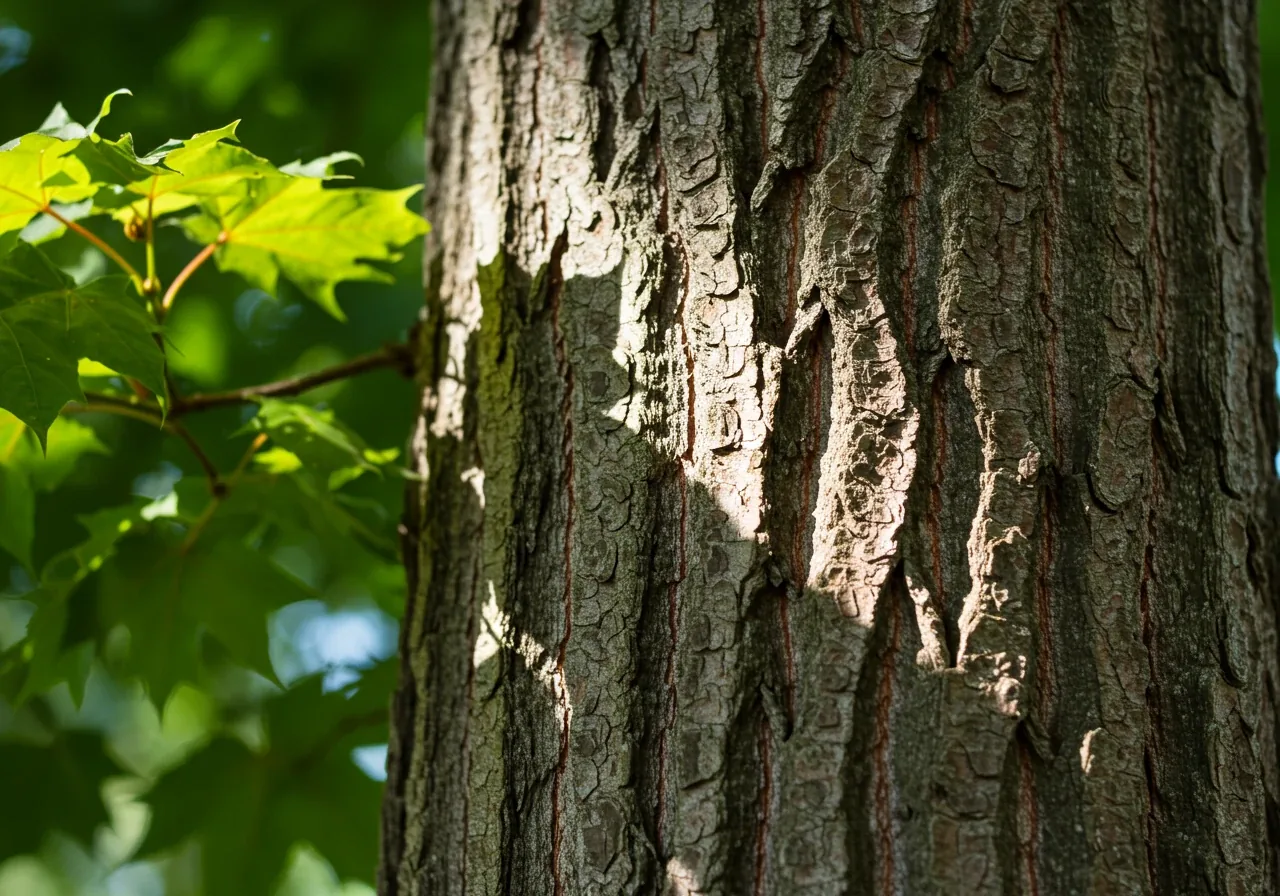
Okay, let's peel back the layers (pun intended!) on why your tree's bark is more than just its rugged good looks. Think of bark as your tree's multi-functional, heavy-duty skin. It's working way harder than you might realize, especially dealing with the wild weather swings we get here in Ottawa!
So, what's bark really doing?
- The Bodyguard: First and foremost, bark is armor. It protects the sensitive, living tissues just underneath from all sorts of threats. This includes bumps and scrapes (think rogue lawnmowers or enthusiastic hockey pucks!), drying winds, scorching sun, and yes, those notorious Ottawa freeze-thaw cycles that can cause splits called frost cracks. It’s like a tough winter coat and sunscreen rolled into one. For trees common in areas like Nepean and Osgoode, such as Maples and Oaks, this protective layer is crucial for surviving temperature rollercoasters.
- The Gatekeeper: Healthy, intact bark is a barrier against unwanted guests. Many insects and diseases can only invade a tree through wounds or weak spots in the bark. Keeping the bark healthy is like locking the door against pests. Performing regular checks, similar to how you'd approach an Embrun Early Pest Scan for Garden Fall Damage Prevention, can help you spot breaches early. Even small vulnerabilities can eventually be exploited, much like how vigilant Greely Early Aphid Detection in Garden Plants for Spring prevents bigger issues later. Proper lawn care practices nearby also reduce potential pest habitats.
- The Pipeline Protector: Just beneath the outer bark lies the phloem – the tree's plumbing system for transporting sugars (food!) made in the leaves down to the rest of the tree. The bark shields this vital pipeline. If the bark and the phloem underneath get seriously damaged all the way around the trunk (called girdling), it's game over for the tree because its food supply chain is cut off.
- An Eco-Haven: From an eco-friendly landscaping perspective, bark isn't just vital for the tree; it's part of the ecosystem! Mosses and lichens grow on it, insects shelter in its crevices (providing food for birds), and when it eventually sheds or the tree dies, it decomposes, returning nutrients to the soil. Healthy soil is foundational, just like addressing issues detailed in Osgoode Clay Soil Garden Care Fall Tips helps your whole garden thrive. Good soil preparation is key.
Paying attention to bark health is a fundamental part of tree care and overall gardening success. When you're out handling other spring tasks, maybe deciding when to tackle Russell Divide Perennials Spring Overcrowding, take a moment to give your tree trunks a quick once-over. Keeping this 'skin' healthy means keeping your whole tree happy. If you spot significant damage or changes that worry you, remember that professional help is available through various Landscaping and Yard Care Services.
Need help assessing your tree's bark or overall health?
Explore Our Tree Care ServicesColour Clues: Decoding Bark Discoloration
Okay, let's put on our detective hats and investigate those colourful clues your tree bark might be showing. Bark discoloration isn't just random graffiti by Mother Nature; it's often a sign pointing to what’s happening underneath the surface or in the tree's environment. Decoding these colours can help you keep your leafy giants healthy and happy, whether you're in bustling Barrhaven or enjoying the quieter pace elsewhere in Ottawa.
Spotting the Spectrum: What Bark Colours Might Mean
Think of your tree's bark like its skin – changes in colour can tell you a lot! Here are some common discolorations you might notice:
- White or Pale Patches: Seeing white or very light patches? Don't panic just yet! Often, these are harmless lichens (a cool partnership between algae and fungi) just hanging out. They usually don't hurt the tree. However, large, bleached-looking patches, especially on the south or west side of younger trees or thin-barked species, could be sunscald. This is like a tree sunburn, often happening in late winter when the sun reflects intensely off Ottawa snow, warming the bark cells, only for them to freeze again overnight. Ouch!
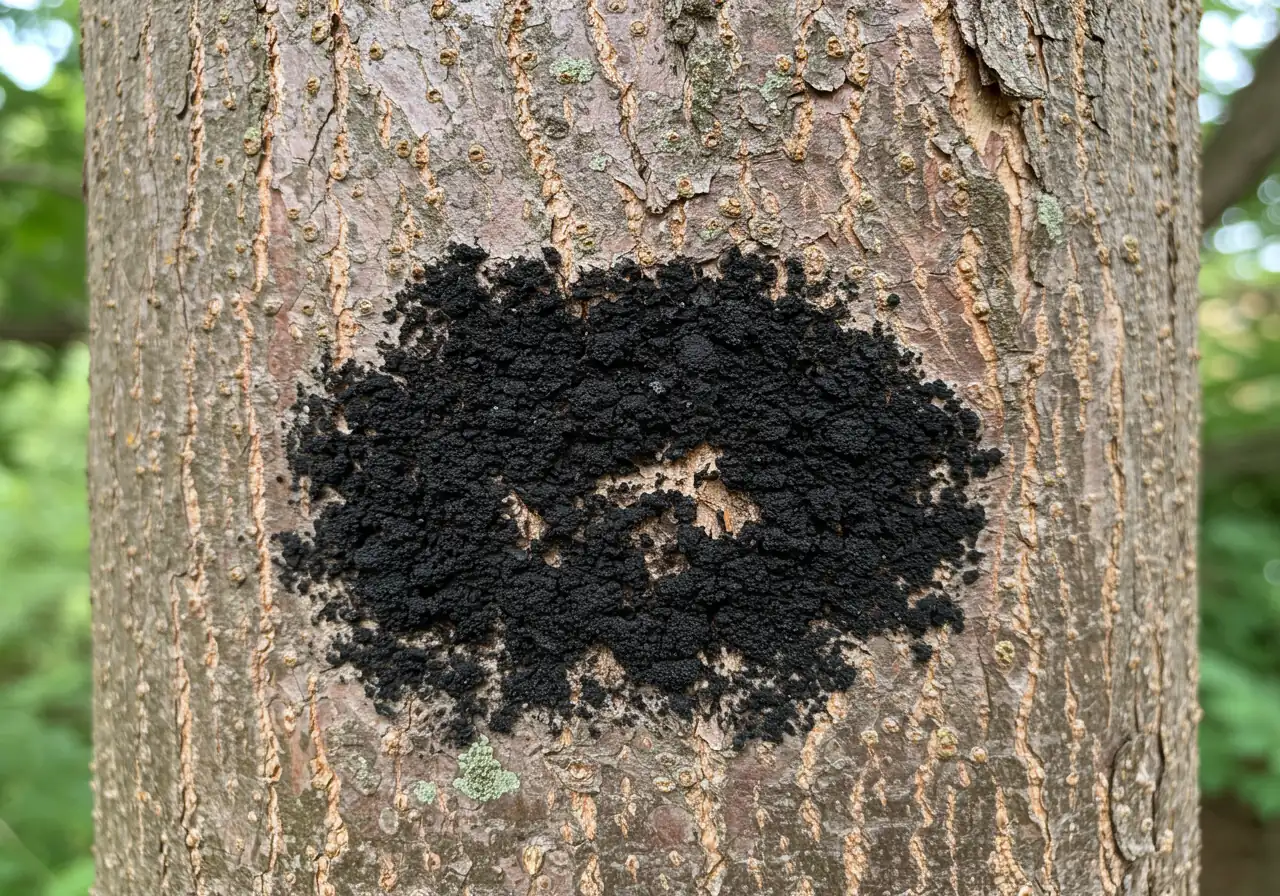
- Black, Sooty Coating: If the bark looks like it's covered in fireplace soot, you likely have Sooty Mold. This black fungus doesn't attack the tree directly but feeds on the sugary waste (called honeydew) left behind by sap-sucking insects like aphids or scale. So, black bark often means you have a pest problem higher up! Addressing the bugs is key. Sometimes, a thorough City Garden Clean Up Service can help remove associated debris where pests might overwinter.
- Orange, Yellow, or Rusty Spots: Bright, powdery patches in shades of orange, yellow, or rust often point towards fungal diseases, aptly named 'rusts'. Different fungi cause different coloured spots. Identifying the specific fungus usually requires a closer look, sometimes even by a professional. For reliable local information, check resources from the City of Ottawa Forestry Services.
- Green Sheen: Seeing green? That’s usually algae or moss, especially common in damp, shady areas with poor air circulation. Like lichens, they're typically harmless freeloaders, but they can indicate that the spot stays consistently wet, which might encourage other issues over time. Improving drainage or performing a Richmond Yard Cleanup Service to remove dense underbrush could improve airflow.
- Dark Streaks or Stains (Often Wet): Dark, damp-looking vertical streaks weeping down the bark might be bacterial wetwood or 'slime flux'. This happens when bacteria get into wounds or cracks and cause fermentation inside, leading to pressure that forces out a slimy, often smelly liquid. It indicates internal stress or injury.
- Gray or Silvery Appearance: While some trees naturally have grayish bark, a sudden shift to gray or a silvery sheen on parts of the bark that weren't before could signal underlying decay or certain fungal infections affecting the wood beneath.
The Ottawa Salt Factor
Living here, especially in suburban areas like Barrhaven with lots of roads and driveways, we have to consider road salt. Splashed salt spray or salty meltwater soaking into the ground can damage bark near the base of trees, often causing a bleached or abnormally darkened appearance and contributing to overall tree stress. Improving the ground conditions around your trees through proper Soil Preparation can sometimes help mitigate minor salt impacts by improving drainage.
Simple Summary Table:
| Colour | Possible Cause(s) | Quick Note |
|---|---|---|
| White/Pale | Lichen (harmless), Sunscald | Location matters (check sunny side) |
| Black Soot | Sooty Mold (feeding on honeydew) | Look for pests (aphids, scale) |
| Orange/Yellow/Rust | Fungal Rusts | May need closer ID |
| Green | Algae/Moss | Usually harmless, indicates dampness |
| Dark Wet Streaks | Bacterial Wetwood/Slime Flux | Sign of internal stress/wound |
| Gray/Silver | Normal aging, Fungal issue, Decay | Compare to healthy bark |
What to Do?
Observe carefully! Note the colour, texture, and location of the discoloration. Is it just on the surface, or does the bark underneath seem damaged? Is it spreading? For things like sooty mold, gently washing the bark (after dealing with the pests!) can help. For potential sunscald, consider protective tree wraps in winter for young, vulnerable trees.
If you see significant or concerning discoloration, especially if paired with other signs of tree stress like wilting leaves or dead branches, getting a professional opinion is wise. Experts offering comprehensive Landscaping and Yard Care Services can help diagnose the problem and suggest solutions. Whether it's a simple fix or requires more involved care, addressing bark issues early is key – just like catching garden problems early during a Marionville Garden Clean Up Service helps ensure a healthier season. Keeping an eye on these colour clues is a simple yet effective part of your overall gardening and landscaping routine!
Cracks, Splits, and Wounds: When Bark Integrity is Compromised
Okay, let's talk about those times when tree bark gets more than just a weird colour – when it actually gets cracked, split, or wounded. Think of it like getting a cut or scrape; it breaks the protective barrier and leaves the tree vulnerable. Keeping an eye out for this kind of physical damage is a key part of good gardening and landscaping care.
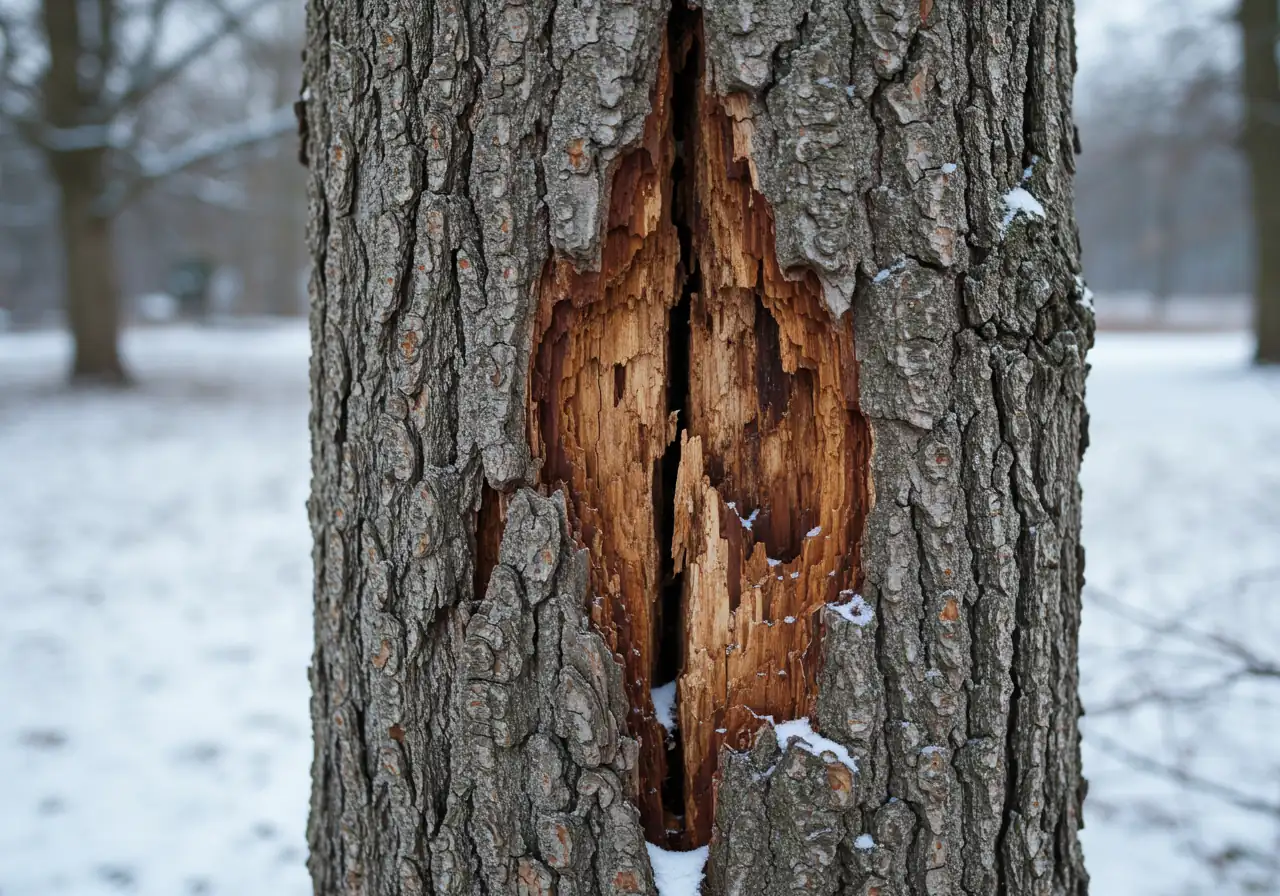
Frost Cracks: Ottawa's Winter Souvenir
Living here in Ottawa, we're all too familiar with those wild temperature swings, especially in winter. When the sun warms the trunk during the day, causing it to expand slightly, and then temperatures plummet overnight, causing rapid contraction – crack! You can get vertical splits called frost cracks, often found on the south or southwest side of the trunk. These can look alarming, sometimes running quite long. While trees can often seal these off over time, they remain weak points susceptible to pests and disease.
Pesky Pests and Their Hideouts: Holes and Borers
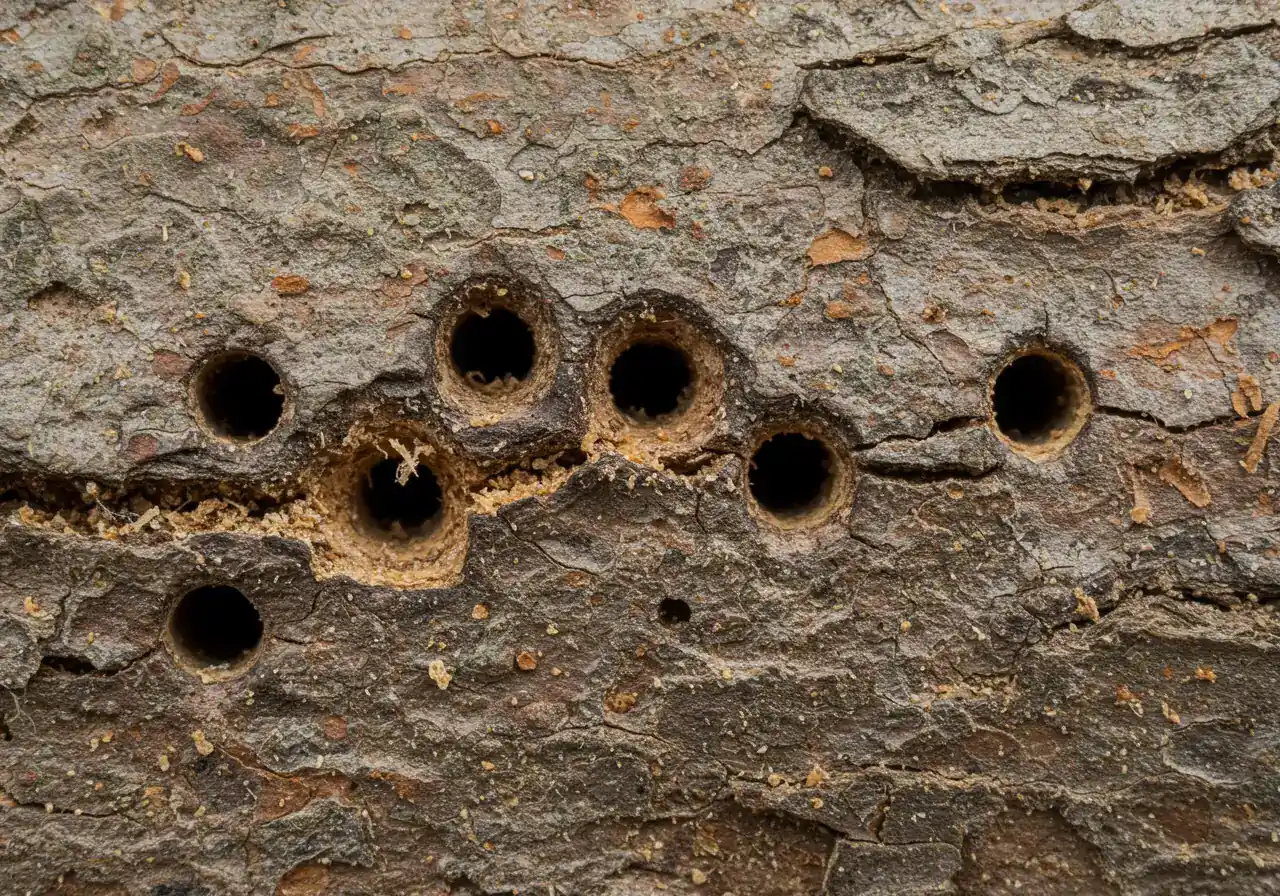
Tiny holes, sometimes in patterns, or sawdust-like frass near the base or on branches? Uh-oh. This often signals insect borers munching away inside. The Emerald Ash Borer (EAB) is infamous around here for the D-shaped exit holes it leaves in ash trees, but other borers attack different species. These pests tunnel under the bark, disrupting the tree's nutrient and water transport systems – serious stuff! Keeping your yard tidy can sometimes help spot infestations early; think of the detailed attention given during a Marionville Yard Cleanup Service – that same level of observation helps. If you suspect borers, prompt action is usually needed. A comprehensive Ottawa Yard Cleanup Service can also help by removing potential hiding spots for overwintering pests in fallen leaves and debris.
Oops! Mechanical Damage and Cankers
Then there's damage we accidentally cause – the classic "oops" moments. Think rogue lawnmowers bumping the trunk, weed whackers stripping bark at the base, accidental pruning injuries, or even damage during construction. This is common everywhere, including developing areas around Richmond or Metcalfe. These wounds are open invitations for trouble. Sometimes, fungal or bacterial infections get into these wounds and create cankers – sunken, dead areas on the bark that can grow and potentially girdle (choke off) a branch or even the main trunk. Using protective edging or mulch rings can help prevent mower and trimmer damage; thoughtful Material Selection around trees makes a difference.
How to Assess a Wound (Simple Steps):
Got a wound? Don't panic, just investigate:
- Gentle Clean: If there's dirt, gently rinse the area with plain water. Avoid soaps or chemicals.
- Look Closely: Check the size and depth. Are the edges ragged or smooth? Can you see insect holes or frass (sawdust)? Is there any oozing or discoloration spreading from the wound?
- Monitor: Keep an eye on it over the coming weeks and months. Healthy trees will start forming 'callus tissue' – like a scar – around the edges, slowly closing the wound. If the wound seems to be getting larger, weeping, or attracting lots of insects, it's time to worry.
Important: What Not to Do!
Whatever you do, please resist the urge to slap on wound paint, tar, or sealant! This is old-school advice that's now known to be unhelpful, even harmful. Trees have their own amazing way of healing, called compartmentalization – they wall off the damaged area internally. Paints and sealants can interfere with this process, trapping moisture and creating a cozy home for decay fungi and insects. Let the tree handle it naturally. Proper planting techniques during a Garden Install can also set a tree up for better health and resilience against minor injuries later on.
If a wound looks severe, covers a large area, shows signs of spreading infection, or if the tree just seems unwell overall, it's best to get professional advice. Sometimes, significant damage might even prompt thoughts about larger landscape changes or Transformations, especially if a major tree needs removal. But for minor bumps and scrapes, careful observation is often your best tool.
Common Types of Bark Damage
Be vigilant for these common issues:
- Frost Cracks: Vertical splits from freeze-thaw cycles.
- Sunscald: Bleached/dead patches on sun-exposed sides (esp. winter).
- Mechanical Wounds: Scrapes/gouges from mowers, trimmers, vehicles.
- Girdling Roots: Roots wrapping around the trunk base, constricting growth (check near soil line).
- Animal Damage: Gnawing from rodents (low), antler rubs from deer (higher).
Bark Signs Pointing to Pests
Your bark can reveal insect invaders:
- Exit Holes: Small holes (round, oval, or D-shaped like EAB).
- Frass: Sawdust-like material in crevices or at the base.
- Pitch Tubes/Gummosis: Oozing resin/sap, often the tree's defence against borers.
- Galleries: Tunnels visible under loose or peeling bark.
- Sooty Mold: Black coating indicating honeydew from sucking insects above. Check out our tips on early aphid detection.
How Trees Heal Bark Wounds
Trees don't heal like we do; they compartmentalize:
- Callus Tissue: Rolled tissue forming around wound edges, slowly closing over the opening.
- Compartmentalization (CODIT): The tree forms internal barriers to wall off decay from spreading into healthy wood.
- No Wound Paint: Sealants hinder this natural process. Avoid them!
- Focus on Health: Proper watering, fertilization (if needed), and avoiding further stress helps the tree heal effectively. Consider professional property cleanup to reduce overall stress.
Bumps, Growths, and Ooze: Interpreting Unusual Bark Features
Okay, so we've looked at bark colour and physical damage like cracks. But what about those weird bumps, funky growths, or mysterious ooze that sometimes show up? It's like your tree decided to try out some questionable accessories! Don't worry, most aren't cause for panic, but some definitely warrant a closer look. Let's decode these oddities you might find on your Ottawa trees.
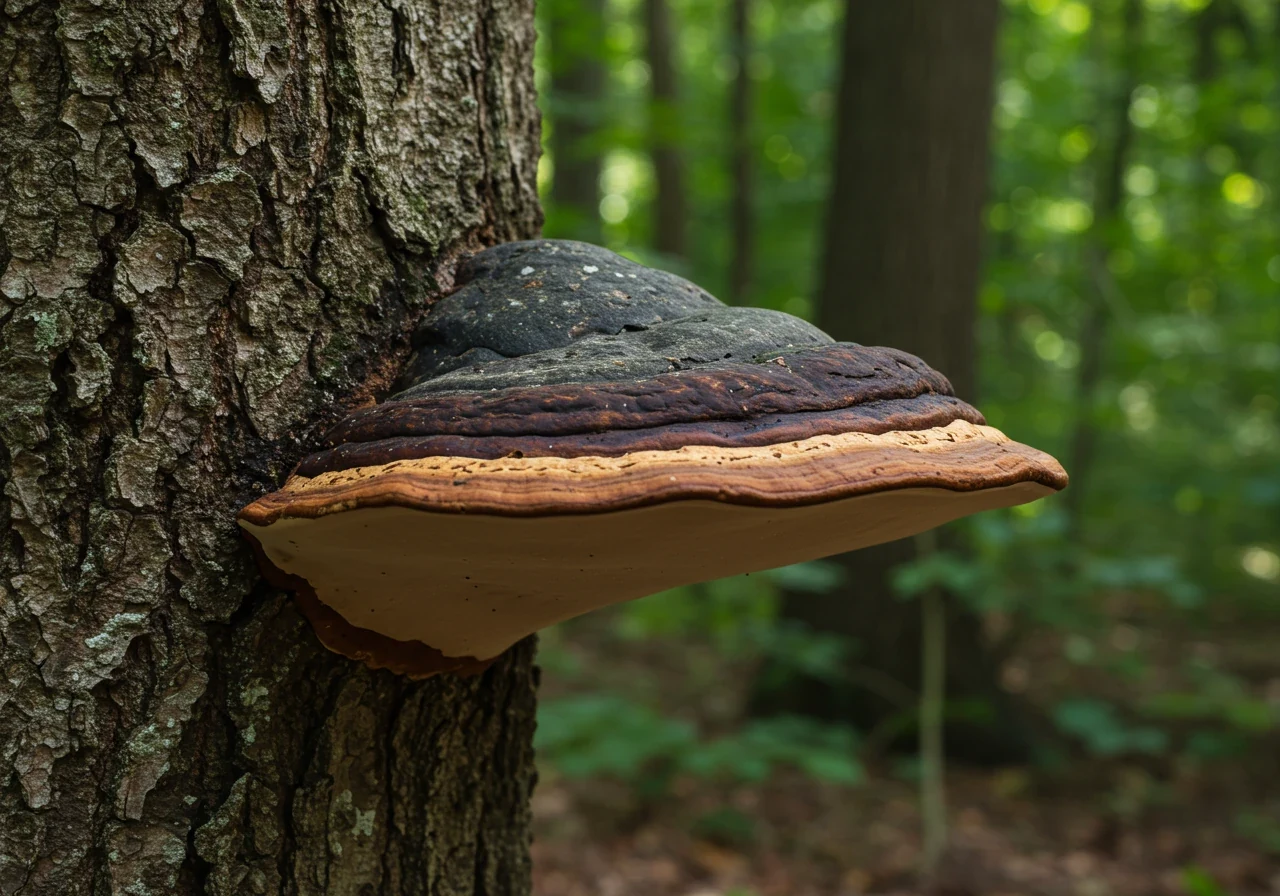
- Fungal Conks (aka Shelf Fungus): See something that looks like a hard mushroom or shelf growing right out of the trunk or a major branch? Pay attention! These are called conks, and they are the fruiting bodies of decay fungi feasting on the inside of your tree. While the conk itself isn't the problem, its presence means significant internal rot is happening. This can seriously weaken the tree structure, making it a potential hazard, especially during Ottawa storms. It's often a sign the tree is under stress, possibly from past injuries or poor conditions, something to consider during overall landscaping planning.
- Galls (Weird Swellings): Have you noticed strange bumps or knobby growths on twigs, branches, or even the trunk? These are galls, and they're usually caused by insects, mites, bacteria, or fungi triggering abnormal plant growth. Think of it as the tree's localized, slightly over-the-top reaction. The good news? Most galls are more bizarre-looking than harmful to the tree's overall health. However, some specific types can cause branch dieback or stress the tree if they become very numerous. Careful observation during your regular gardening rounds is key to noticing if they're spreading rapidly.
- Moss and Lichen Overload: As mentioned before, a bit of moss or lichen is usually just fine, adding a touch of rustic charm. But if your tree trunk, especially down near the base in areas like Winchester which can deal with heavier clay soil holding moisture, looks like it's wearing a thick green carpet, it might indicate consistently damp conditions or poor air circulation around the trunk. While not directly harming the tree, it's a clue about the environment that might favour less desirable fungi or pests over time. Sometimes improving drainage or scheduling a thorough Metcalf Yard Cleanup Service to clear away dense, low-hanging vegetation can help air things out around the base.
- Oozing Sap: A little clear sap weeping from a fresh pruning cut or minor wound is often normal – it’s like the tree’s version of a scab forming. But if you see excessive, bubbly, foul-smelling, or discoloured ooze (remember slime flux?), or sap coming from lots of small holes, that's usually a red flag. It could signal internal bacterial infections, significant stress, or unwelcome insect visitors like borers. Speaking of borers...
- Frass (The Telltale Sawdust): Finding piles of sawdust-like material (called frass) at the base of your tree, stuck in bark crevices, or puffing out of small holes? This is a classic, undeniable sign of wood-boring insects munching away under the bark or deeper within the wood. This is never a good sign and usually requires prompt professional assessment and action to determine if the tree can be saved. Spotting this early during routine checks, perhaps even while you’re out planning a beautiful new Garden Install nearby, is crucial for the tree's chances.
What's the Verdict?
Quick Check: Harmless vs. Serious
- Generally Harmless: Small amounts of lichen/moss, most common galls, minor clear sap weep from known injuries.
- Serious Warning Signs: Fungal conks growing from trunk/major limbs, any sign of frass, excessive or discoloured/foul ooze, large rapidly expanding cankers.
If you see the serious signs, don't wait and hope they go away. Getting a professional arborist's opinion is your best bet. Sometimes, issues are only revealed after clearing away clutter, which is where a good City Yard Cleanup Service can be helpful. Even if you're focusing ground-level improvements like planning for Sod Installation, make it a habit to look up and check your trees' bark for these unusual features. We really appreciate you taking the time to understand your trees better – a big Thank You for helping care for Ottawa's valuable green canopy!
Common Bark Issues by Frequency (Illustrative)
While actual frequency varies, here's a general idea of common bark-related issues observed in urban/suburban Ottawa trees:
*Illustrative percentages based on common observations.*
Your Ottawa Seasonal Bark Watch Calendar
Think of checking your tree bark like a regular health check-up – doing it seasonally helps you catch potential problems early before they become big headaches! Here in Ottawa, with our dramatic weather shifts from humid summers to frosty winters, a little vigilance goes a long way in your gardening and landscaping efforts. Here’s a simple calendar to help you keep your trees’ 'skin' in tip-top shape, whether you're enjoying life in Kenmore, Russell, or anywhere else in our lovely region.
Winter (Dec - Feb)
Focus on frost damage and critters.
- Look for new frost cracks (vertical splits) on sunny sides.
- Check near the base for rodent gnawing.
- Ensure tree wraps aren't too tight.
Spring (Mar - May)
Inspect as snow melts; pests awaken.
- Look for hidden winter damage.
- Check for new borer holes or frass.
- Watch for abnormal oozing (slime flux). A Marionville Yard Cleanup Service can reveal base issues.
- Avoid soil compaction around roots.
Summer (Jun - Aug)
Monitor for activity damage and stress signs.
- Watch for mower/trimmer damage at the base.
- Look for sooty mold (indicates pests above).
- Fungal conks may become visible. An Ottawa Garden Clean Up Service keeps the area tidy for inspection.
- Ensure adequate watering during dry spells. Consider mulching and edging.
Fall (Sep - Nov)
Final checks before winter; cleanup is key.
- Re-check for fungal growths, new cracks, or frass.
- Perform thorough Property Clean Up, removing leaves from tree bases.
- Ensure mulch isn't piled against the trunk ('volcano mulching'). A Metcalf Property Cleanup Service helps prepare for winter.
- Check our Google Business Profile for reviews and location!
Following this simple seasonal calendar helps maintain the health and beauty of your valuable trees. Consistent observation is your best tool! We really appreciate you taking the time to learn more – a big Thank You for helping care for Ottawa's precious green canopy!
Key Takeaways: Bark Reading Quick Tips
Bark Reading Cheat Sheet
- Big Cracks are a Big Deal: Especially vertical frost cracks. Vulnerable points!
- Holes + Sawdust = Bad News: Tiny holes (esp. D-shapes on Ash) or powdery frass signal Borers! Act fast.
- Fungal Friends? Nope!: Shelf-like mushrooms (conks) = serious internal decay. Hazard risk!
- Sunken, Oozing, or Weeping Areas: Dark streaks (slime flux), dead zones (cankers), or weird ooze indicate infection/stress.
- Suspicious Colour Changes: Large bleached patches (sunscald) or black soot (sooty mold/pests) need investigation.
- Mower Munchies: Base wounds from equipment are common entry points for problems. Protect the base!
Regular checks, especially seasonally, are your best defence! Catching issues early, perhaps during your annual fall Property Clean Up, can make a huge difference. Not sure what you're looking at? The friendly folks you can learn About Us page have seen it all, from Manotick maples to Barrhaven birches. Remember, understanding your service scope is also important, so check our Terms and Conditions and Privacy Policy. If you spot significant issues, especially on trees near public areas that might require a broader City Property Cleanup Service perspective, or just want a professional eye after checking our estimate feedback process, feel free to Contact Us. Keep looking up (and down the trunk)!
Frequently Asked Questions (FAQs) for Ottawa Tree Owners
Usually, no! Think of moss and lichen as harmless hitchhikers adding a bit of character. However, if there's a lot of it, especially near the base, it might mean the area stays too damp. Improving airflow around the trunk, sometimes achieved by clearing dense undergrowth like during a Metcalf garden clean up service, can help manage excessive moisture in your landscape.
Those are likely frost cracks – unwelcome souvenirs from Ottawa’s classic freeze-thaw cycles! Rapid temperature drops after sunny winter days can cause the bark to split. Trees often compartmentalize (seal off) these cracks over time, but they remain weak points. Just keep an eye on them for signs of pests or disease entering.
Yes, worry! Tiny, D-shaped exit holes are the telltale sign of the Emerald Ash Borer (EAB), a highly destructive pest common across Ottawa, including neighbourhoods like Nepean. EAB infestations are very serious. Please contact a certified arborist immediately to assess the tree and discuss potential options. Check resources from organizations like the Canadian Food Inspection Agency for more EAB info.
Please don't! That's old advice. Tree wound paints or sealants can actually trap moisture and hinder the tree's natural healing process, potentially encouraging decay or pests. Just keep the wounded area clean and let the tree compartmentalize (wall off) the damage itself. Nature knows best!
Ah, the dreaded mower munchies! Create a protective mulch ring several inches wide around the tree base – just make sure the mulch doesn't actually touch the trunk! This buffer zone keeps equipment away. Being mindful during gardening and trimming helps prevent these common, easily avoidable injuries, especially important in areas like Barrhaven with lots of yard work. Proper Mulching and Edging is key.
It can! Heavy Ottawa clay tends to hold moisture. If the soil stays consistently wet around the base, the bark can remain damp, potentially encouraging moss, algae, or fungal growth. Ensure good drainage and never pile soil or mulch up against the trunk. Good overall yard upkeep, like that from a thorough Marionville property cleanup service, helps keep the base area healthier.
Those strange lumps and bumps are probably galls. They're usually caused by tiny insects or mites tricking the tree into growing abnormally around them. Most galls look weirder than they are and don't seriously harm the tree. Noticing changes is part of good observation, similar to what happens during routine City garden maintenance service checks. Worry only if they become excessive.
Not necessarily! Small scrapes often heal fine on their own. However, you should definitely call a certified arborist for large wounds, any signs of borers (like holes or sawdust), shelf-like fungi growing on the trunk (conks), or concerning ooze. It's also wise if a damaged tree might affect neighbours or require a City property cleanup service perspective because of its location near public land. When in doubt, get an expert opinion! You can always Contact Us for advice.
Conclusion: Keep Your Kars Trees Happy and Healthy!
Alright, Kars crew and neighbours across Ottawa! Give yourselves a pat on the back – you're now equipped with the know-how to decode your tree's bark. Think of it as learning your tree's secret language! Whether it's spotting concerning cracks, weird colours, tell-tale holes, or funky growths, you now understand these aren't just random quirks, but vital clues to your tree's health, especially dealing with our local climate swings.
Taking a few moments during your regular gardening or landscaping walkabouts to check the trunks is truly powerful. You're the first line of defence! Catching issues early, whether you're in Kars, Embrun, Russell, or anywhere nearby, often means easier solutions and keeps your leafy giants happy for the long haul. Remember, healthy trees make for beautiful yards and contribute so much to our communities.
Feeling like a confident bark watcher? Fantastic! But if you spot something that makes you scratch your head or raises a red flag – maybe those spooky fungal conks or definite signs of borers – don't stress about going it alone. That's what we're here for! *Contact Clean Yards today* for professional assessments, expert advice, or hands-on tree care help. Let's work together to keep your Kars trees (and all their Ottawa cousins, maybe even those needing Ottawa property cleanup service!) healthy and looking their best for years to come!
Ready to ensure your trees are thriving?
View All Our Yard Care Services