
Build a Kenmore Insect Hotel: Boost Garden Pollinators
Ready to enhance your garden's ecosystem but need a hand? Request a quote for our expert landscaping services today!
Quick Guide to Insect Hotels
- Insect hotels provide essential shelter for beneficial garden insects like solitary bees, ladybugs, and lacewings.
- They boost pollination and offer natural pest control, reducing the need for chemicals.
- Building one is easy using untreated wood and natural materials (bamboo, drilled logs, pinecones).
- Place it in a sunny, sheltered spot near flowering plants.
- Leave it outdoors year-round, especially during Ottawa winters.
Introduction: Buzzworthy Backyards - Welcome to the Kenmore Insect Hotel!
Hey Ottawa gardeners! Ever feel like your backyard could use a little more… *buzz*? We're not talking about uninvited neighbours (though we can't help much there!), but about the amazing little critters that make our local landscapes thrive. Welcome to the fascinating world of insect hotels – think of them as cozy little condos or welcoming B&Bs designed specifically for beneficial bugs! Right here in Kenmore, and across nearby Ottawa communities like Greely, our pollinators and pest-patrollers like native bees, ladybugs, and lacewings are *essential*. They work tirelessly behind the scenes, helping our gardening efforts succeed, from blooming flowers to bountiful veggie patches. Need help keeping your garden looking its best? Check out our City Garden Maintenance Service.
Sadly, many of these tiny but mighty helpers are facing challenges, and their populations need support. But here's the cheerful news: you can easily lend a hand! Setting up an insect hotel is a simple, rewarding landscaping addition that provides crucial shelter for these important guests. It's a fantastic way to boost biodiversity right in your own yard and give nature a little nudge. Ready to roll out the welcome mat and become a backyard hero in Kenmore? Let's explore how to make your garden the most buzzworthy spot on the block!
Why Your Ottawa Garden is Calling for a Bug B&B
Okay, so you've heard about insect hotels, maybe seen one in a neighbour's yard in Nepean or looking a bit lonely over in Barrhaven. But *why* should *your* Ottawa garden have one? Isn't it just… letting bugs move in? Well, yes, but the *right* kind of bugs! Think of it less like inviting random couch surfers who leave crumbs everywhere and more like hosting helpful houseguests who actually *do* the garden chores.
First up: **Pollination Power!** Many of our amazing native bees (not just honeybees) are super-pollinators. They're often fuzzy little buzzers perfectly built to pollinate our local flowers, fruits, and veggies right here in Ottawa. Without them, your tomato plants might be less productive, and your flower beds could look a little sad. An insect hotel gives solitary bees, like industrious mason bees, a safe place to lay their eggs. This ensures the next generation of pollinators is ready for your garden next spring. This is extra important as natural nesting sites like old logs or bare ground get harder to find, especially in developing areas. We can all pitch in by consciously creating mini wildlife corridors with native plants right in our own backyards, and a bug B&B is a fantastic piece of that puzzle. For information on native plants, check resources from the Ottawa Horticultural Society.
Next, meet your **Natural Pest Patrol!** Ladybugs and lacewings *love* munching on garden pests like aphids and mites. Seriously, they're like tiny, hungry, six-legged vacuum cleaners for the annoying critters that damage your precious plants. Providing them shelter in a bug hotel encourages them to stick around your landscape and keep your garden cleaner, naturally. This means you can rely less on chemical pesticides. It’s a key part of embracing brilliant natural pest control strategies like beetle banks. Imagine fewer aphids on your roses, all thanks to your new beneficial bug residents!
Ottawa's unique climate also makes these shelters super important. Our chilly winters can be tough on tiny creatures trying to survive until spring. An insect hotel provides vital nooks and crannies – cozy little insulated rooms – for beneficial insects to safely overwinter. They then emerge right where you need them when the weather warms up. It also offers refuge from those sudden heavy summer rains or scorching sunny days. Creating this welcoming habitat really starts from the ground up – ensuring you have proper site preparation for healthy soil benefits your plants *and* the beneficial bugs that help them thrive. Good soil preparation is foundational.
Thinking about adding one to your garden? It doesn't have to be a massive undertaking. You can easily tuck one into a quiet corner or make it a feature. Need help picturing how it might look amongst your gardening beds? You could even visualize your garden design with 3D landscape plans to see exactly how it fits. Adding a bug B&B is a simple, rewarding, and effective way to boost your garden's health, support local wildlife here in Ottawa, and make your little patch of the city even more beautiful and productive. If you're planning a larger garden makeover, remember that incorporating eco-friendly features like this is something our landscaping services can easily help you integrate. Go on, give your garden the tiny, helpful guests it deserves!
Meet Your Garden Guests: Ottawa's Beneficial Bug All-Stars
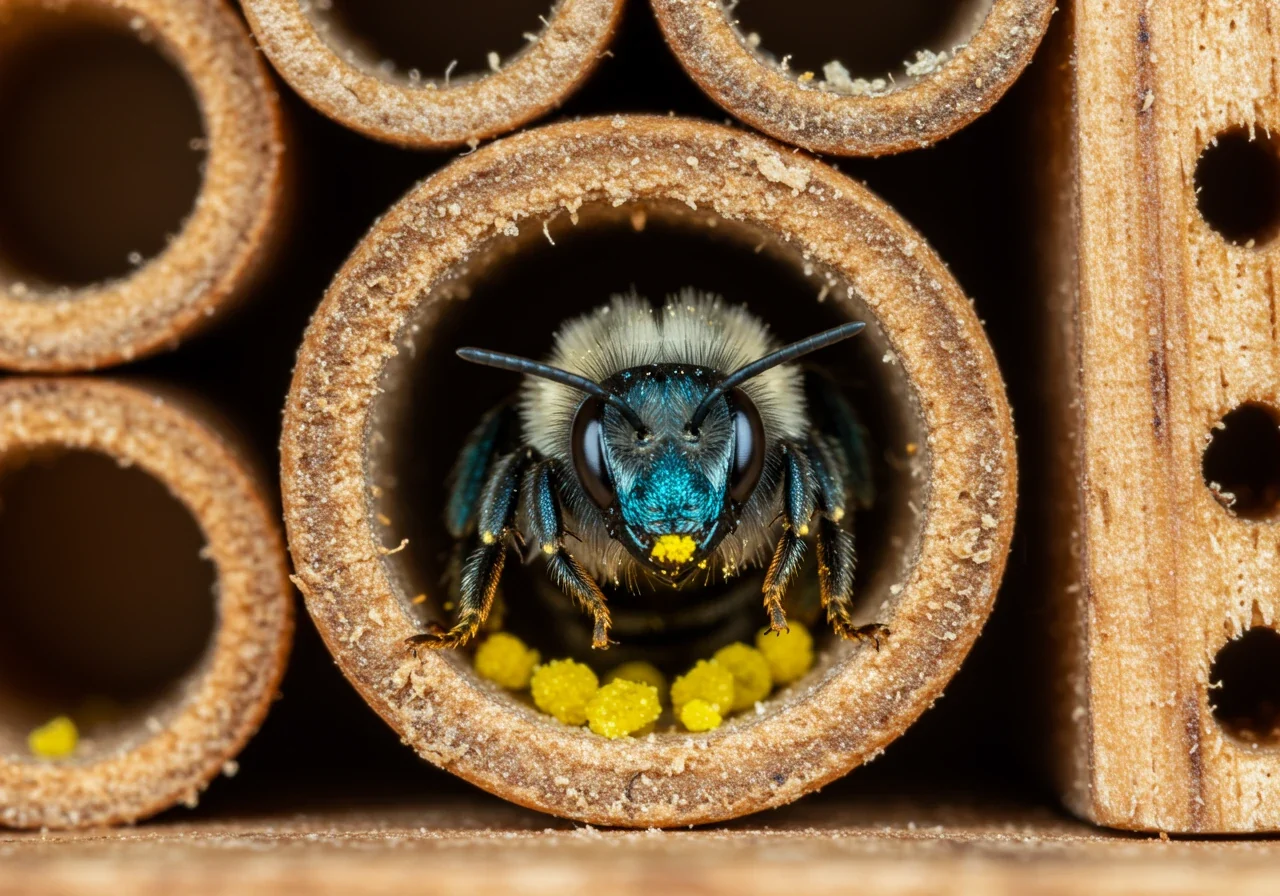
Alright, let's roll out the tiny welcome mat! Your Ottawa garden, whether it's a sprawling space in Manotick or a cozy corner in Greely, is already home to some fantastic little helpers. An insect hotel just gives them a five-star place to stay. Think of these bugs as the VIPs (Very Important Pollinators and Predators) of your backyard ecosystem. Getting to know them helps you appreciate why providing shelter is so crucial. Here are a few of the key players you might attract:
1. Mason Bees (The Super Pollinators)
- Who they are: Gentle, fuzzy bees, often metallic blue or black. They don't live in hives like honeybees; they're solitary. You'll see them buzzing around early spring blossoms.
- Their job: These guys are *amazing* pollinators, especially for fruit trees and spring flowers. They belly-flop onto blossoms, getting covered in pollen!
- Why the hotel? Female mason bees look for narrow, pre-existing tunnels (like hollow stems or beetle burrows) to lay their eggs. They seal each egg in its own little room with mud "masonry." Your hotel's bamboo tubes or drilled wood blocks are *perfect* nesting cavities for them. Providing these nesting spots is a key part of good garden maintenance if you want great pollination.
2. Leafcutter Bees (The Crafty Pollinators)
- Who they are: Similar in size to honeybees, but they carry pollen on their bellies, not their legs. You'll know they've visited if you see perfect semi-circles snipped out of leaves (don't worry, it rarely harms the plant).
- Their job: Excellent pollinators for summer flowers and some veggies. That leaf material they snip? They use it to build cozy little sleeping bags for their eggs.
- Why the hotel? Just like mason bees, leafcutters need tunnel-like cavities for nesting. They line these tunnels with the leaf pieces they cut. Your hotel offers ready-made nesting tubes, saving them a house-hunt. Encouraging these native pollinators is something we consider in our eco-conscious landscaping services.
3. Lacewings (The Aphid Annihilators)
- Who they are: Delicate, green insects with beautiful, lacy wings. The *adults* often sip nectar, but their *larvae* are ferocious predators. Larvae look like tiny alligators – seriously!
- Their job: Lacewing larvae are voracious eaters of aphids, mites, thrips, and other soft-bodied pests. They're like the tiny superheroes of pest control in your gardening beds.
- Why the hotel? Adults need shelter, especially during bad weather or for overwintering. The compartments filled with straw, dried leaves, or pinecones in your hotel provide cozy spots for them to hide and rest. Careful fall tidying is important; a professional city garden clean up service knows how to clean up without destroying these vital overwintering spots. Perhaps you need help in Ottawa, Marionville, or Metcalf?
4. Ladybugs / Lady Beetles (The Cheerful Pest Patrol)
- Who they are: Everyone recognizes these iconic red or orange beetles with black spots! Both adults and their alligator-like larvae are beneficial.
- Their job: Famous for gobbling up huge numbers of aphids, scale insects, and mites. A single ladybug can eat thousands of aphids in its lifetime!
- Why the hotel? Ladybugs often hibernate in groups during Ottawa's cold winters. The compartments filled with natural materials like pinecones or bark in your hotel offer crucial protection, helping them survive until spring. Clearing out invasive species that crowd out beneficial habitats is sometimes needed; specific help like a Kenmore property cleanup service can manage this carefully. We offer similar services like Ottawa property cleanup and general city property cleanup.
5. Solitary Wasps (The Misunderstood Pest Hunters)
- Who they are: Okay, hear us out! We're *not* talking about aggressive yellowjackets. Many species of solitary wasps (like potter wasps or digger wasps) are non-aggressive towards humans and *incredibly* beneficial. Learn more about local insects from resources like the Ottawa Field-Naturalists' Club.
- Their job: They are fantastic predators! Different species specialize in hunting specific pests like caterpillars, spiders, or grasshoppers, which they paralyze and provide as food for their young.
- Why the hotel? Similar to solitary bees, many solitary wasps need cavities or tunnels to build their nests and lay eggs, often provisioning them with paralyzed prey. The tubes and drilled holes in your hotel offer ideal nesting sites. Managing yard debris is important, especially in larger properties like those needing a Metcalfe property cleanup service or Marionville property cleanup service, to ensure natural nesting spots aren't accidentally removed.
Key Pollinators for Your Hotel
Focus on providing tunnels for these VIPs:
- Mason Bees: Need tubes 6-10mm wide and 15cm deep. Love mud nearby!
- Leafcutter Bees: Use similar sized tubes, but line them with leaves. Plant roses or other soft-leaved plants nearby (they only take small circles!).
These bees are gentle and crucial for fruit and flower pollination.
Key Predators for Your Hotel
Offer nooks and crannies for these pest controllers:
- Lacewings: Adults and larvae eat aphids. Provide straw or dried leaves for shelter.
- Ladybugs: Aphid munchers! Need pinecones, bark, or leaves for hibernation.
- Solitary Wasps: Hunt caterpillars, spiders. Use similar tubes to bees, or provide pithy stems.
These insects help keep your garden healthy naturally.
Blueprint for Bliss: Planning Your Kenmore Insect Abode
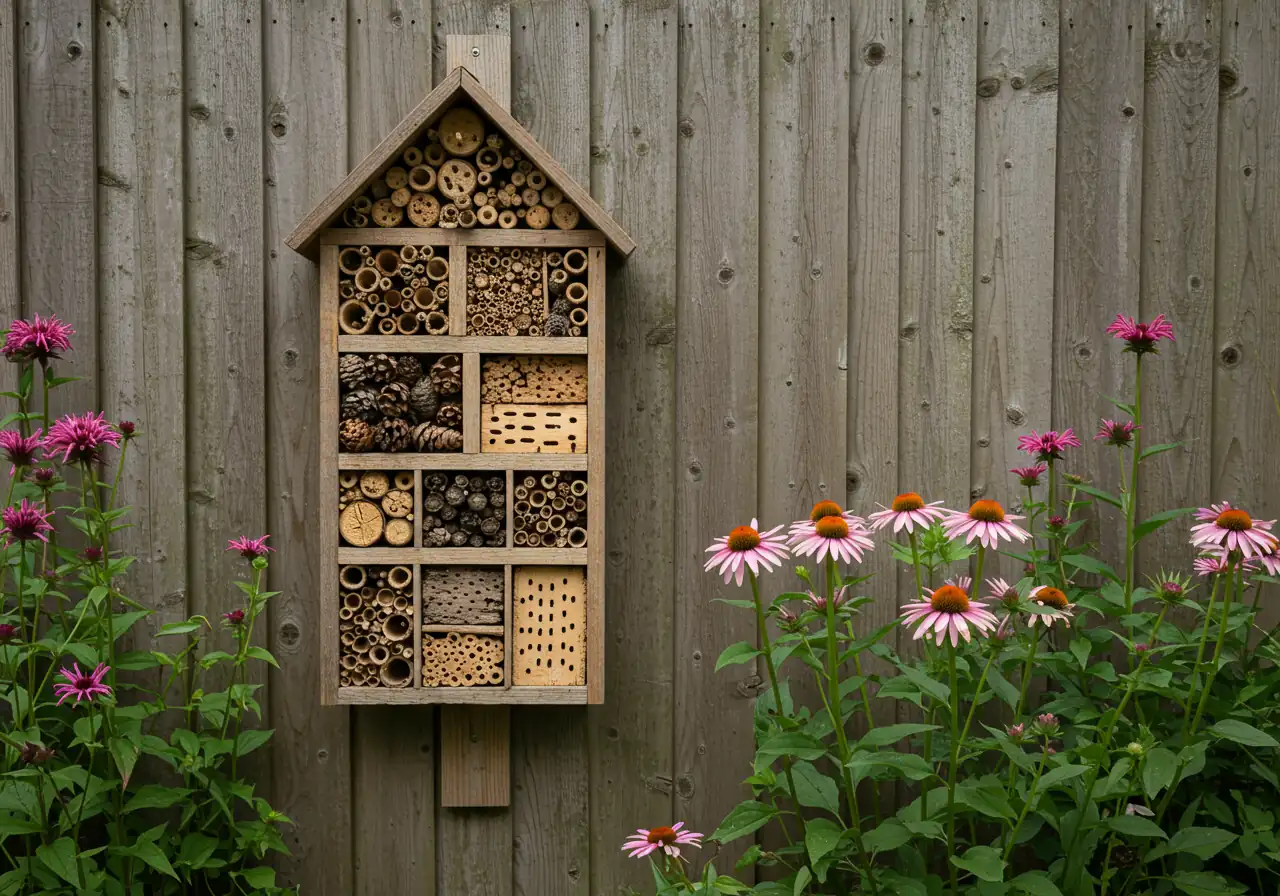
Okay, future bug landlord, let's get down to brass tacks! Building an insect hotel for your Kenmore or Greely garden isn't complicated, but a little planning goes a long way to making it a five-star resort instead of a vacant shack. Think of this as drawing up the blueprints for bug bliss – it’s fun, easy, and ensures your tiny guests will actually want to check in.
Location, Location, Location (Even for Bugs!)
Where you place your hotel is probably the most important decision. Your beneficial buddies have preferences, you know!
- Sun Seekers: Aim for a spot that gets morning sun. Like us Ottawans emerging after winter, insects need warmth to get moving. A location facing southeast is often ideal. However, try to avoid the blazing afternoon sun, which can overheat the hotel.
- Weather Warriors: Ottawa weather can throw curveballs – think strong winds or heavy downpours. Your hotel needs some shelter. Place it against a fence, hedge, shed wall, or even under the eaves of your house (as long as it’s not too dark). This keeps the fillings dry and the residents cozy.
- Food Proximity: Place your hotel reasonably close (within sight, ideally) to nectar-rich flowers, shrubs, or your veggie patch. It’s like putting a B&B next to the best restaurant in town!
- Elevation: Mount your hotel about 1 to 1.5 meters (roughly 3-5 feet) off the ground. This helps protect it from ground moisture, splashes, and some curious critters (though maybe not squirrels – they’re crafty!).
Size It Up
Don't feel pressured to build a towering bug skyscraper right away. Start with a manageable size – maybe like a sturdy birdhouse or a small crate. You can always add more later! Consider the space in your landscaping and how much effort you want to put into finding materials and occasional maintenance. Bigger isn't always better if it becomes neglected.
Designing Your Bug Condo
Remember those different guests we talked about? They like different digs. Your design should offer variety:
- Sections: Divide your hotel frame into several compartments.
- Fillings: Plan to fill these sections with various natural materials: hollow bamboo canes or reeds (great for mason bees), drilled logs or wood blocks (also for bees), bundles of twigs, straw or hay (for lacewings), pinecones, rolled cardboard, or dry leaves (for ladybugs and others). Variety is the spice of life, and the key to a popular hotel! Consider our material selection advice for other projects too.
Gathering Your Goodies (Naturally!)
This is where your gardening skills meet scavenger hunt!
- Go Natural: Use untreated, natural materials *only*. Avoid wood treated with preservatives, painted surfaces, or plastics, as these can harm insects.
- Source Smart: Look around your own yard first! Fallen branches (drill holes in them!), pruned raspberry canes (hollow stems!), leftover bamboo stakes, pinecones, bark chips. Make sure anything you gather is free from pesticides. Sometimes, after clearing out an overgrown area – perhaps a job similar to what a Marionville property cleanup team might tackle – you can find excellent natural materials. Just be sure to set aside the good stuff *before* everything gets hauled away by, say, a Marionville yard cleanup service. Having a generally tidy yard, maybe maintained with help from a general city yard cleanup service (we offer this service specifically too!), can actually make it easier to spot and collect useful, clean materials when they become available. Even larger jobs, like those handled by a property cleanup service in Metcalfe (check here), can yield usable logs or branches if you ask to keep some pesticide-free bits.
With a good plan for location, size, design, and materials, you’re well on your way to creating a welcoming haven. Your beneficial bug guests will surely send you a silent thank you for providing such excellent accommodations right here in Ottawa! Now, let's get building!
Get Your Buzz On: Building Your Insect Hotel (Step-by-Step)
Okay, roll up your sleeves, Ottawa! It’s time to turn those blueprints into a buzzing reality. Building your own insect hotel is easier than assembling most furniture (we promise!) and way more rewarding. Let’s get those tools out and build a welcoming little haven for our six-legged garden helpers.

What You'll Need (Your Bug-Building Kit):
- The Frame: Untreated wood planks or scraps are ideal (old pallets, fence boards, offcuts). Avoid pressure-treated or painted wood – it’s yucky for bugs. Size depends on your ambition, but something around 30cm x 40cm x 15cm deep (12" x 16" x 6" deep) is a great start. You could even repurpose an old wooden crate or drawer if it's sturdy and untreated!
- Tools: Saw (hand or power), drill with various bit sizes (including some long ones, maybe 8-10mm or 1/3 inch for bee tunnels), measuring tape, screws or nails, sandpaper (optional, just to smooth rough edges). Safety first: wear gloves and eye protection!
- Fillings (The Good Stuff!):
- Bamboo canes or hollow reeds (cut into lengths matching your frame's depth)
- Logs or thick branches (untreated, ready for drilling)
- Pinecones
- Strips of bark
- Straw or dry grass (pesticide-free!)
- Rolled-up corrugated cardboard
- Twigs
- Roofing Material (Optional but Recommended): A small piece of wood, old shingle, or slate slightly larger than the top of your frame.
Step 1: Build the Box
Cut your wood planks to create a simple, open-fronted box. Assemble the back, top, bottom, and two sides. Secure them together firmly with screws or nails. Remember, using natural, untreated wood is key – think of it as part of the 'house rules' for a healthy bug hotel, kind of like reading the general terms and conditions before starting a big project!
Step 2: Add Some Floors
To keep your fillings organized and offer different 'room' types, add one or two shelves inside your box, dividing it into compartments. Secure these shelves from the sides or back. This helps keep materials like pinecones from tumbling down onto the bee tunnels.
Step 3: Prep Your Fillings
Drilled Wood: Drill holes (3-10mm wide, 10-15cm deep, not all the way through!) into logs/branches. Smooth entrances. You might find suitable branches after bigger clear-outs, perhaps like the kind a Metcalf yard cleanup service handles.
Bamboo/Reeds: Cut to fit frame depth, ensure ends are clear. Hollow stems from perennials cleared during fall gardening – maybe with help from a Metcalfe garden clean up service if your beds are extensive – work great too.
Other Bits: Gather dry, clean pinecones, bark, twigs, straw. Check your yard after seasonal tidying – maybe even after using a helpful Marionville yard cleanup service or Ottawa yard cleanup service – for usable natural materials.
Step 4: Pack It In!
Now for the fun part! Start packing your prepared fillings tightly into the different compartments. Place drilled logs and bamboo/reed bundles with open ends facing outwards. Pack them snugly. Fill other sections tightly with pinecones, straw, bark, or rolled cardboard. Aim for variety. Pack firmly but allow some air circulation.
Step 5: Put a Lid On It
To help keep the fillings dry, add a small roof. Attach your roofing piece (wood, shingle, etc.) to the top, ensuring it overhangs the front slightly. A little slant backwards helps rainwater run off.
Step 6: Grand Opening!
Find that perfect spot: morning sun, sheltered, near flowers, 1-1.5m high. Securely mount your hotel to a fence post, shed wall, or stake. Make sure it's stable. And *voilà*! If you're thrilled with how your landscaping project turned out, that's the best kind of project feedback! Welcome to being a beneficial bug landlord!
Hotel Management: Keeping Your Bug Guests Happy Year-Round in Ottawa
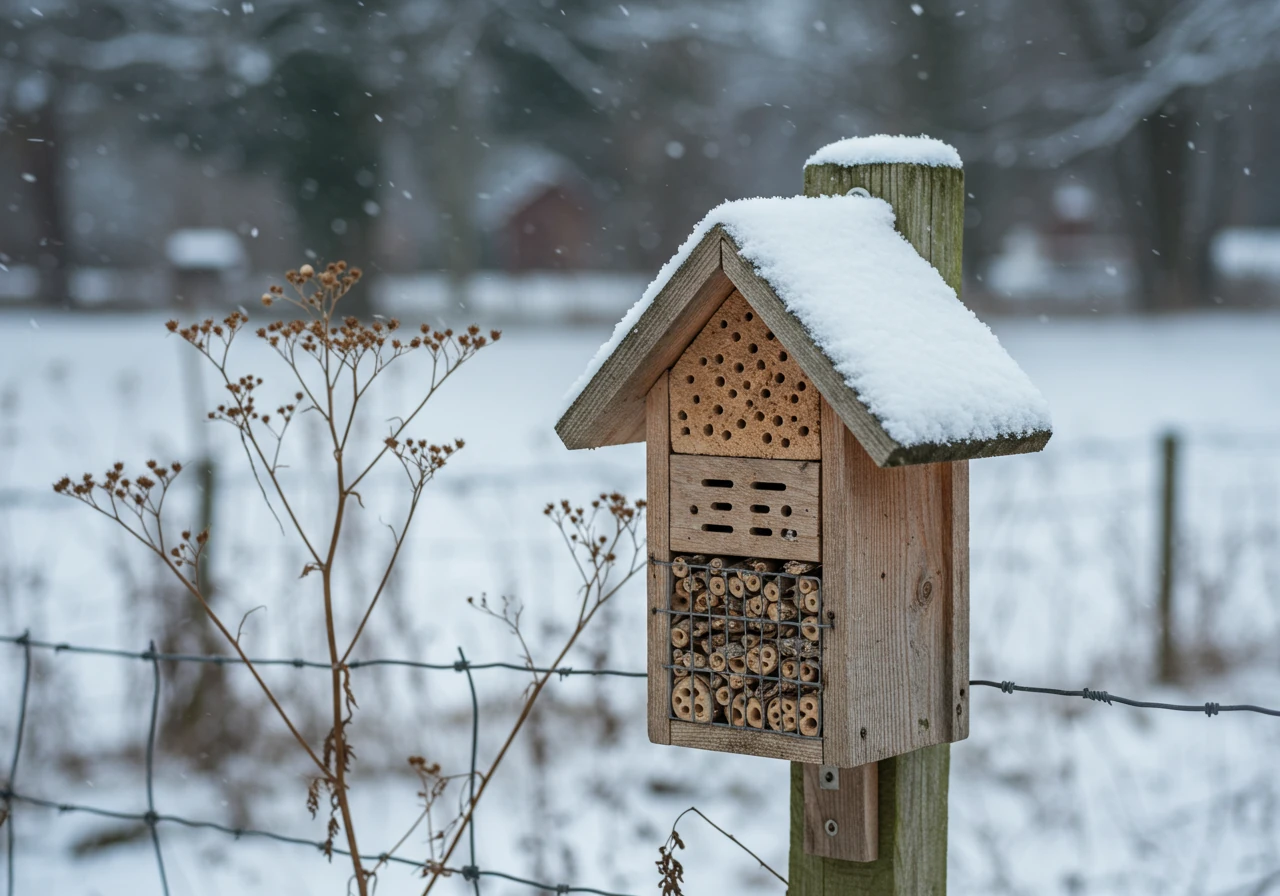
So, you've built your amazing insect hotel – congratulations! You're officially a bug landlord in Ottawa. But like any good hotelier, you need a plan to keep the place running smoothly and your tiny guests happy, season after season. Don't worry, it's much easier than managing a human hotel (no tiny towels to wash!). Here’s your year-round guide to bug hotel management, Ottawa style.
Spring Awakening (Late March - April)
- Gentle Wake-Up Call: Inspect for winter damage. Gently brush away external cobwebs.
- Check for Vacancies (Carefully!): Remove only *loose* debris. **LEAVE PLUGGED TUBES ALONE!** These contain developing insects. We value privacy in our work, just like how responsible websites handle information as outlined in our site privacy policy, so give your bug guests their space too.
- Minor Repairs: Replace badly rotten fillings if needed, but minimal disturbance is key. This isn't the time for a major overhaul like you might hire a Marionville garden clean up service for; think minimal disturbance.
Summer Buzz (May - August)
- Peak Season: Observe and enjoy the activity!
- Provide Amenities: Ensure nearby flowers. Keep the area pesticide-free. A nearby shallow water dish with pebbles helps in dry spells. Find local gardening tips on the Ottawa Gardeners Facebook Group.
- Hands Off: Let the bugs do their thing. Don't poke or rearrange.
Fall Prep (September - October)
- Getting Ready for Winter: Check the roof is secure. Ensure fillings are dry.
- Extra Blankets: Gently add more dry leaves/straw to *open* compartments for insulation.
- Resist the Tidy-Up Urge: Don't clean out plugged tubes. This 'mess' is vital. Your hotel isn't like general yard waste that a city property cleanup service might haul away; it's a nursery.
Winter Hibernation (November - March)
- Leave It Outside! Critical rule for Ottawa winters. The hotel *must* stay outdoors in the cold. Bringing it inside is harmful. They need the natural cold. Consider it part of the agreement – you provide shelter, nature provides timing. Sticking to guidelines ensures success, much like understanding the operating terms and conditions before using a service.
- Snow is Okay: Snow acts as insulation. They are adapted.
Don't Forget the Buffet! (Year-Round Planting)
Keep nectar-rich, native plants near your hotel. Plants like Coneflowers, Milkweed, Asters, and native Sunflowers are excellent for the Ottawa area. Good foundation work with soil preparation helps these vital plants thrive, providing food close to home for your bug guests. Consider visiting resources like the Rideau Valley Conservation Authority for native planting guides.
Pro Tip: A simple laminated chart tacked up in your shed, outlining these seasonal tasks, can be a great visual reminder!
By following these simple seasonal steps, your Ottawa insect hotel will be a thriving hub of beneficial activity, adding life and natural pest control to your landscaping for years to come. Happy hosting! Find inspiration checking out our Google My Business page too!
Kenmore Bug Hotel: Quick Tips for Success
- Sun & Shelter: Morning sun, sheltered spot (southeast facing often best).
- Go Natural, Seriously: *Untreated* wood & natural fillings only. Smart natural material selection is key. No chemicals!
- Variety is Key: Mix materials: tubes, drilled wood, pinecones, straw for diverse guests.
- Keep it Pesticide-Free: Plant nectar-rich flowers nearby. Avoid pesticides, even in general lawn care programs nearby.
- Tidy Base, Wild Hotel: Keep grass back with mulching and edging, but *don't* clean out plugged hotel tubes. This isn't a general city property cleanup.
- Hands Off in Winter: *Most importantly*: Leave hotel outside all winter. Don't disturb nests like during an Ottawa property cleanup service.
Your Ottawa Insect Hotel FAQs
Will my new insect hotel accidentally attract pests like aggressive wasps or even termites?
That's a fair question! Thankfully, the cozy tunnels and crevices in a properly built insect hotel are designed for solitary bees and beneficial bugs, not social wasps like yellowjackets or hornets who prefer building large paper nests elsewhere. Termites aren't typically interested either, especially if you use solid, untreated wood and mount the hotel off the ground. You're rolling out the welcome mat for garden heroes, not party crashers!
Do I need a special permit to put up an insect hotel in my Ottawa yard, and can you remind me of the best spot?
Good news – no permit needed for a small landscaping feature like this in Ottawa! For placement, think like a bug: find a spot that gets morning sun (facing southeast is often ideal) but is sheltered from the worst wind and driving rain. Against a fence, shed wall, or under eaves works well. Mount it about 1 to 1.5 meters (3-5 feet) off the ground. You can always check the City of Ottawa website for specific building codes, but for something this small and beneficial, you're typically good to go. As local landscaping folks – you can learn more about us and our connection to the Ottawa area – we haven't seen permits needed for these.
You keep saying leave it outside all winter! Won't Ottawa's snow and freezing temperatures destroy the hotel or kill the bugs inside?
We know it sounds counterintuitive with our chilly winters, but yes, leave it outside! Native beneficial insects are perfectly adapted to survive Ottawa's cold. They *need* that cold period (overwintering) to complete their life cycle properly. Bringing them indoors can fatally confuse them. Snow actually acts as a helpful insulating blanket. As long as your hotel is made of sturdy, untreated wood, it should withstand the weather fine. Freezing is natural for them – they’re tougher than they look! This isn't like needing a major Ottawa property cleanup service after a big storm; the hotel and its residents are built for our climate.
When is the best time to put up my insect hotel? Is it too late if I missed the spring buzz?
Not at all! While spring is great for catching nesting solitary bees, you can install an insect hotel anytime. Putting one up in summer or early fall provides crucial shelter for beneficial insects like ladybugs and lacewings looking for a safe place to overwinter. Bugs are *always* house-hunting! So, whenever you're ready is a good time. If you're planning some garden work anyway, perhaps incorporating it after some general property clean up, it's easy to add this fantastic feature.
What are some specific native plants you recommend planting nearby, especially for gardens in areas like Russell or Embrun?
Great idea – providing a 'buffet' near the 'hotel' is key! For gardens across Ottawa, including areas eastward like Russell and Embrun, native plants are fantastic choices. Think about adding Black-Eyed Susans (Rudbeckia hirta), Wild Bergamot (Monarda fistulosa, also called Bee Balm), native Asters (like New England or Sky Blue), Goldenrods (choose well-behaved varieties!), and perhaps some Canada Anemone. These provide vital pollen and nectar. Good gardening practices, like ensuring healthy soil which might even involve preparing areas properly before new sod installation nearby, will help these plants thrive and support your new bug guests.
Conclusion: Become a Pollinator Paladin in Your Own Backyard!
So there you have it! From understanding why your Ottawa garden needs a bug B&B to meeting your helpful insect guests and actually building their new digs, you're now armed with the know-how to make a real difference. Adding an insect hotel is a simple yet powerful way to boost pollination, welcome natural pest controllers like ladybugs, and support biodiversity right in your own backyard landscaping. It's a win for your garden, a win for our local ecosystem, and honestly, it's pretty cool watching who checks in!
Feeling inspired? Grab some untreated wood, bamboo, and pinecones this weekend and build your own bug paradise! It’s a fantastic project, and your garden’s future bees and beetles will thank you.
Or, if DIY isn't your jam, or you're dreaming bigger about integrating eco-friendly features into your gardening and landscaping plans, we're here to help! Our team designs and builds beautiful, sustainable landscapes across Ottawa, including neighbourhoods like Manotick and Metcalfe. Give us a buzz to chat about creating your own pollinator haven.
Either way, taking this step makes *you* a Pollinator Paladin. Go forth and make your corner of Ottawa a little wilder and a lot more wonderful!