Best Aquatic Plants for Manotick Ponds: Thrive Locally
Quick Guide: Thriving Manotick Ponds
- Choose aquatic plants suited for Ottawa's climate (Zone 5 or lower).
- Balance plant types: Oxygenators, Floaters, and Marginals for a healthy ecosystem.
- Consider sun exposure and pond depth when selecting plants.
- Use proper planting techniques with aquatic pots and heavy soil.
- Perform seasonal maintenance for year-round beauty and health.
- Address common issues like algae and pests proactively.
Ready to enhance your pond? Request your free quote today!
Introduction: Dive into the Beauty of Manotick Ponds
Welcome, fellow pond enthusiasts! Ever gaze at your backyard water feature here in lovely Manotick, or perhaps nearby in Greely or Barrhaven, and feel it's missing a certain spark? Maybe it needs a bit more life than just the occasional dragonfly (though we love those too!)? Well, you've paddled into the right place! Adding aquatic plants is the secret sauce in landscaping a truly stunning and healthy pond ecosystem. Let's face it, nobody wants a pond that looks like sad, forgotten soup.
But hold your cattails! Choosing the right greenery for your water garden isn't just about pretty flowers or interesting leaves. Here in the greater Ottawa area, our pond plants need to be real troopers – tough enough to handle our dramatic seasons, from frosty winters to humid summers. Selecting plants suited to our local climate, especially hardy perennials and beneficial native plants, is crucial. It means less fuss for you and happier, healthier plants that actually come back year after year!
This guide will dive into the essentials of local pond planting. We’ll explore fantastic plant options that thrive right here, offer practical gardening tips for success, and help you create a water feature that becomes the vibrant, beautiful heart of your backyard haven. Let's get planting!
Understanding Your Pond & Ottawa's Quirks: Setting the Stage
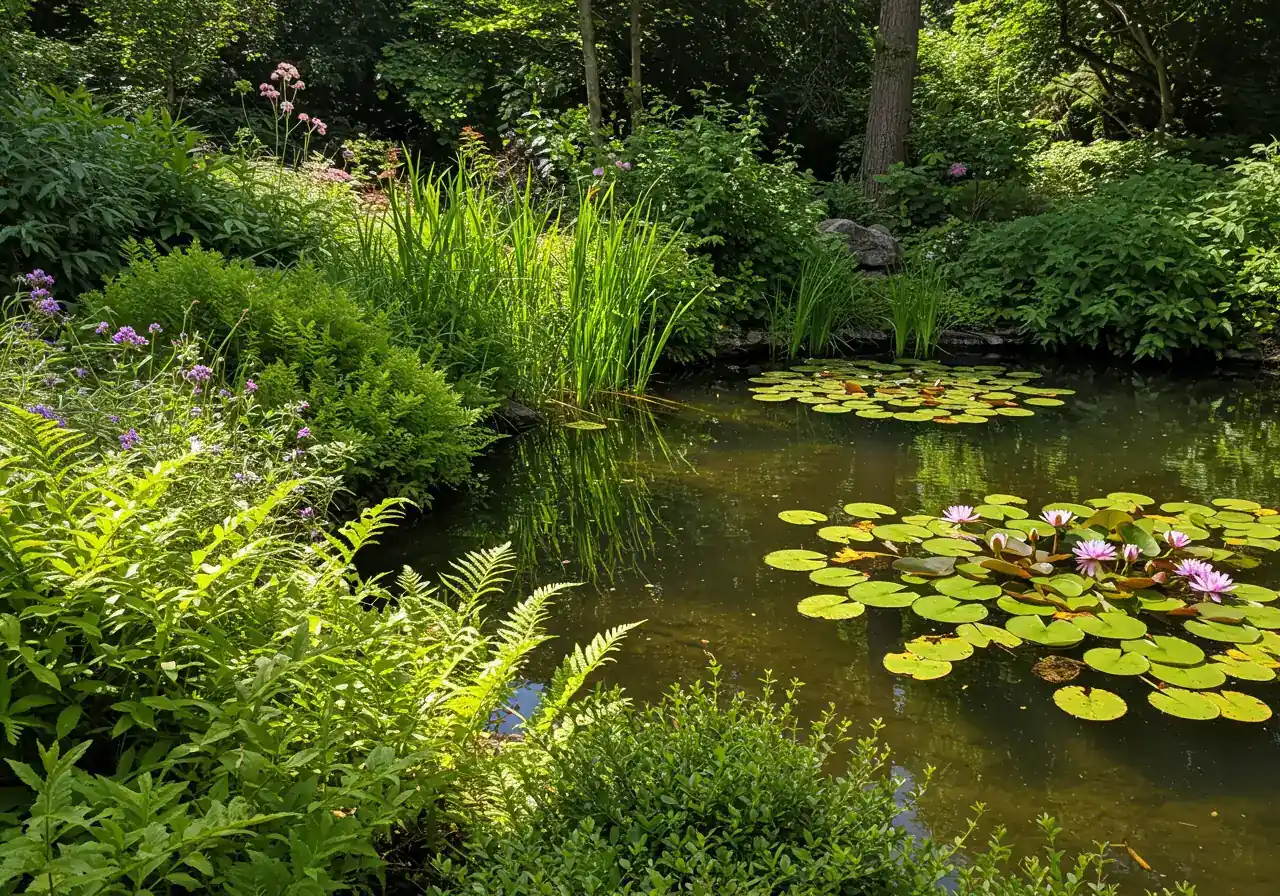
Alright, before we get our hands muddy choosing the perfect pond plants, let's chat about your specific water feature and its place in the world – particularly here in the sometimes-wild Ottawa region. Think of this as the pond's personality profile. Knowing its quirks helps ensure the plants you pick will actually thrive, saving you headaches (and maybe a few bucks!) down the road. Ignoring these factors is like trying to grow a palm tree in Manotick during January – ambitious, but likely doomed!
Sunshine Superstar or Shady Character?
First, how much sun does your pond really get? Grab a chair and observe for a day.
- Full Sun (6+ hours direct sunlight): Great for vibrant bloomers like water lilies, but you'll need enough plant coverage (aim for 50-60% surface coverage) to help control algae growth. Too much sun + too few plants = pea soup pond. Nobody wants that. If natural shade is scarce, creative landscaping solutions might help; exploring options like Russell pergola designs for a summer shade oasis could spark ideas for adding strategic shade near your pond.
- Part Shade (4-6 hours): A sweet spot for many marginal plants (those that grow at the edges) and some lilies.
- Mostly Shade (Less than 4 hours): Focus on foliage plants like ferns, hostas (near the edge, not in the water!), and certain irises adapted to lower light.
How Deep is Your Pond? (No, really!)
Pond depth isn't just about aesthetics; it's crucial for plant health and, if you have fish, their survival.
- Shallows & Shelves: Most ponds have ledges or shallower areas (6-12 inches deep) perfect for marginal plants like cattails or pickerel weed.
- Deeper Zones: Water lilies and lotus need deeper water (18 inches to 3 feet, depending on variety) for their roots.
- Ottawa Winter Factor: For fish like Koi or goldfish to potentially survive our winters outdoors, a depth of at least 2 feet (preferably more in colder spots like rural Osgoode or Greely) is generally recommended below the freeze line.
Tackling Ottawa's Climate Challenges
Ah, Ottawa weather. Never boring, right? Our climate throws a few curveballs at pond owners:
- Hardiness Zone Hurdle: We're mostly in Zone 5a or 5b. This dictates which perennial plants will reliably survive winter freezes and come back. Always check the plant tag for its hardiness rating! Tender tropicals are lovely but treat them as annuals unless you plan to overwinter them indoors.
- The Sprint of Summer: Our growing season feels short! Plants need time to establish roots and foliage. Choosing healthy, established plants helps them make the most of it.
- Winter Ice Capades: Thick ice can prevent oxygen exchange, which is bad news for fish. Using a pond heater or aerator to maintain a small opening in the ice is often essential. Good drainage around the pond is also key to prevent frost heave and water issues – similar principles apply as discussed in this Barrhaven rain garden and clay soil drainage guide. Ensuring water flows away properly can prevent damage, a concept crucial even in larger projects like needing spring site grading to prevent water damage in new builds in Embrun.
Remember, pond gardening often involves reaching, bending, and lifting. Be kind to your body by using proper techniques – maybe even check out some Kenmore ergonomic garden tools tips to save your back!
Getting a handle on these elements – sun, depth, and our unique climate – is the foundation for creating a beautiful, balanced pond ecosystem. If analyzing your site or planning modifications feels daunting, don't hesitate to explore professional help through our landscaping and pond care services. You can also check our reputation on Google My Business.
The Pond Posse: Types of Aquatic Plants and Their Roles
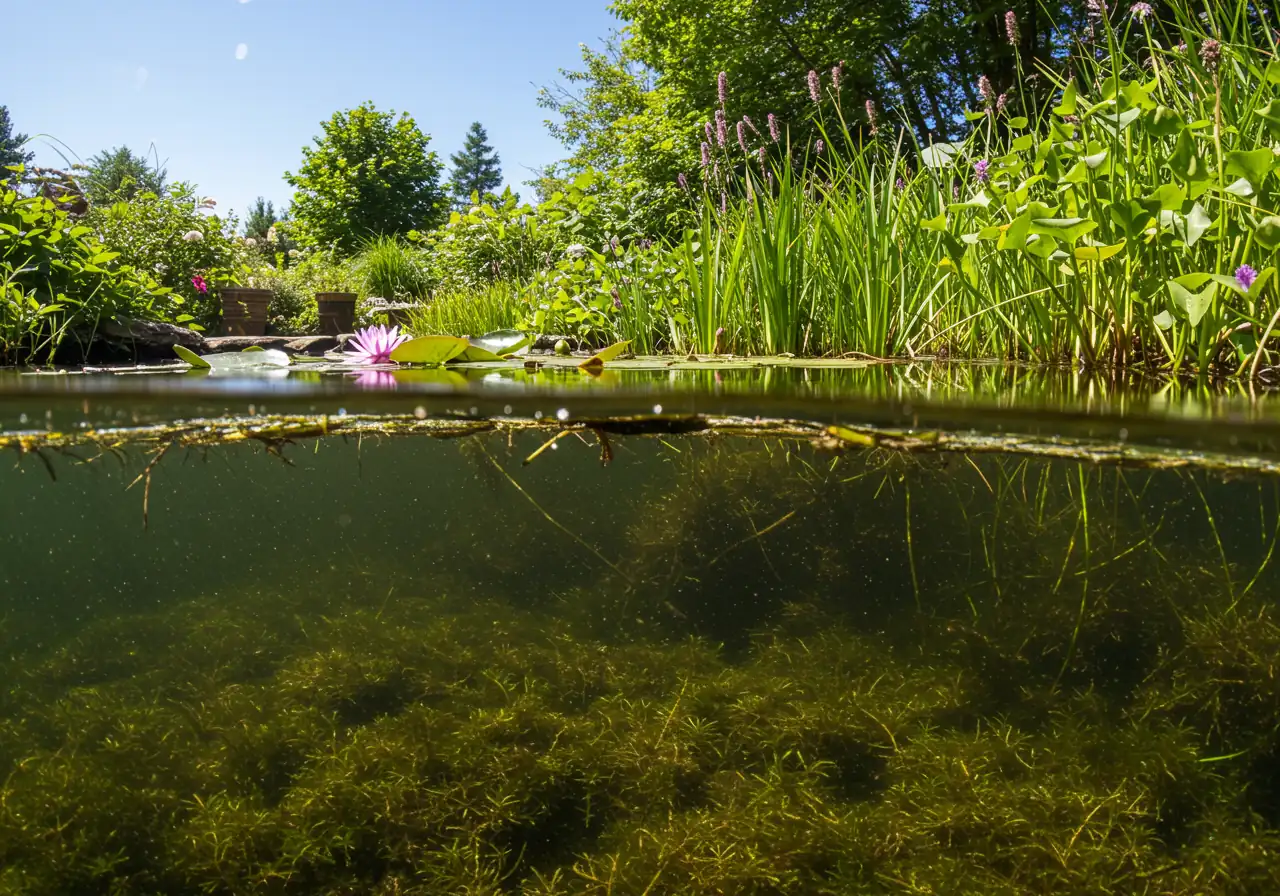
Alright, let's assemble your pond's dream team – the "Pond Posse"! Just like any good posse, each member has a specific job to do, working together to keep the peace (and the water clear!). Having a mix of different aquatic plant types isn't just about looks; it's the secret to a healthy, balanced pond ecosystem right here in Ottawa. Think of it as nature's little filtration and beautification crew.
Here are the main players you'll want to recruit:
1. The Oxygenators (Submerged Plants)
- Role: These are the unsung heroes living mostly underwater. Think of them as the pond's lungs. They release oxygen directly into the water, which is vital for fish and for breaking down muck. They also compete with algae for nutrients, helping keep that dreaded green stuff in check.
- Examples: Hornwort (Ceratophyllum demersum), Anacharis (Elodea canadensis).
- Tip: You don't need tons of these, but having some anchored at the bottom is crucial. They often don't add much visual pizzazz above the water, but their work below is essential.
2. The Floaters (Floating Plants)
- Role: These plants, surprise surprise, float on the surface! Their leaves provide shade, keeping the water cooler in summer and limiting sunlight that algae needs to thrive. Their roots dangle beneath, soaking up excess nutrients directly from the water column. Plus, they offer cover for fish, protecting them from predators (like that pesky heron eyeing your goldfish!).
- Examples: Water Hyacinth (Eichhornia crassipes - treat as an annual in Ottawa), Duckweed (Lemna minor - can be aggressive, use cautiously!), Water Lettuce (Pistia stratiotes - also an annual here). Hardy water lilies also provide surface coverage.
- Tip: Aim for about 50-60% surface coverage with floating leaves (lilies count!) to effectively manage algae and provide shade.
3. The Emergents & Marginals (Edge Plants)
- Role: These plants grow in the shallower water around the pond's edge or on plant shelves, with their roots submerged but their stems and leaves rising above the water. They are fantastic natural filters, absorbing nitrates and phosphates. They also provide crucial habitat and food for beneficial insects, frogs, and birds, adding life and biodiversity. Plus, they beautifully blend the pond into your surrounding landscaping. Keeping the surrounding garden tidy complements these edge plants; this is where services like Metcalfe garden clean up assistance can help integrate the pond visually.
- Examples: Pickerel Weed (Pontederia cordata), Cattail (Typha species - choose dwarf varieties unless you have lots of space!), Cardinal Flower (Lobelia cardinalis), Blue Flag Iris (Iris versicolor).
- Tip: These are often the most visually striking plants, offering height, texture, and colourful blooms. Choose a variety for interest throughout the season.
Why the Mix Matters:
Think of it like a balanced diet for your pond. Oxygenators provide the air, floaters offer shade and nutrient uptake from the water itself, and marginals filter water at the edges while adding beauty and habitat. Relying too heavily on one type can lead to imbalances, like rampant algae or insufficient oxygen. A diverse posse ensures all ecological bases are covered. It also makes your pond look much more natural and interesting! Choosing native or non-invasive species is also the eco-friendly way to go, ensuring your gardening efforts support local wildlife without causing problems downstream.
Keeping the whole property looking good enhances the pond's beauty too. If fallen leaves or debris are an issue, especially in areas like Nepean known for mature trees, considering a seasonal cleanup with Nepean property cleanup service providers can prevent excess organic matter from entering your pond. Similarly, maintaining the broader landscape around your pond, perhaps with help from Metcalfe yard cleanup specialists, contributes to the overall health and aesthetic. Comprehensive property clean up is often beneficial.
Feeling a bit overwhelmed by the choices? Don't worry! Understanding these basic roles helps immensely. You could even sketch out a simple table comparing the types, their roles, and potential plant examples to help visualize your plan. If you'd like personalized advice tailored to your specific pond setup, exploring professional pond design and maintenance services is a great option. We're always happy to provide guidance, and if you request an estimate, we genuinely appreciate hearing your thoughts via our estimate feedback form.
Ottawa's All-Stars: Top Hardy Aquatic Plants for Your Pond
Okay, team, let's get down to the fun part: the plant shopping spree... well, the planning part first! We know what kinds of plants our Ottawa ponds need (thanks, Pond Posse!), now let's meet some specific, hardy superstars guaranteed to survive our unique climate capers, from Barrhaven to Richmond. Remember, choosing plants rated for Zone 5 or lower is key to avoid disappointment come springtime. Nobody wants to replant everything every year unless they really love shopping.
Underwater Workhorses (Oxygenators):
These guys aren't flashy, but they're vital. Think of them as the efficient backstage crew.
- Hornwort (Ceratophyllum demersum):
- Description: Feathery, rootless stems that float freely underwater or can be lightly anchored. Looks a bit like a fancy green pipe cleaner.
- Hardiness: Zone 4 - Tough as nails!
- Light/Depth: Adaptable, prefers sun to part shade. Drops to the bottom to overwinter.
- Benefits: Excellent oxygenator, outcompetes algae for nutrients. Provides shelter for tiny critters.
- Notes: Doesn't root, so it's easy to manage. Just toss it in (gently!).
- Canadian Waterweed / Anacharis (Elodea canadensis):
- Description: Leafy green stems that can be anchored or left floating. Common in local waterways (use pond-grown sources!).
- Hardiness: Zone 4 - Native and hardy.
- Light/Depth: Sun to part shade, typically 1-3 feet deep.
- Benefits: Great oxygenator, nutrient absorber.
- Notes: Can grow vigorously; may need occasional thinning to prevent it from taking over smaller ponds.
Surface Stars (Hardy Floaters):
These provide shade and beauty on the water's surface.
- Hardy Water Lilies (Nymphaea hybrids):
- Description: The classic pond plant! Beautiful round leaves (pads) and stunning flowers in various colours (pinks, yellows, whites, reds).
- Hardiness: Zone 3-5 (check specific variety). Many are very reliable in Ottawa.
- Light/Depth: Full sun is best for flowering. Plant tubers in pots 1-3 feet below the surface.
- Benefits: Shade cools water, reduces algae, provides cover for fish. Gorgeous blooms!
- Notes: Choose varieties suited to your pond size. They die back in winter and regrow from the tuber in spring. Check out pond plant options during material selection for your project.
- Yellow Pond Lily / Spatterdock (Nuphar variegata):
- Description: Native plant with heart-shaped leaves that often stand slightly above the water, and simple yellow globe-like flowers.
- Hardiness: Zone 3 - Very tough!
- Light/Depth: Sun to part shade. Tolerates variable depths, even relatively shallow water.
- Benefits: Extremely hardy, provides shade and habitat. Interesting foliage.
- Notes: Less showy flowers than hybrid lilies, but incredibly resilient and great for natural-looking ponds.
Edge Enhancers (Emergents & Marginals):
These beauties thrive in the shallows, adding height, colour, and filtration.
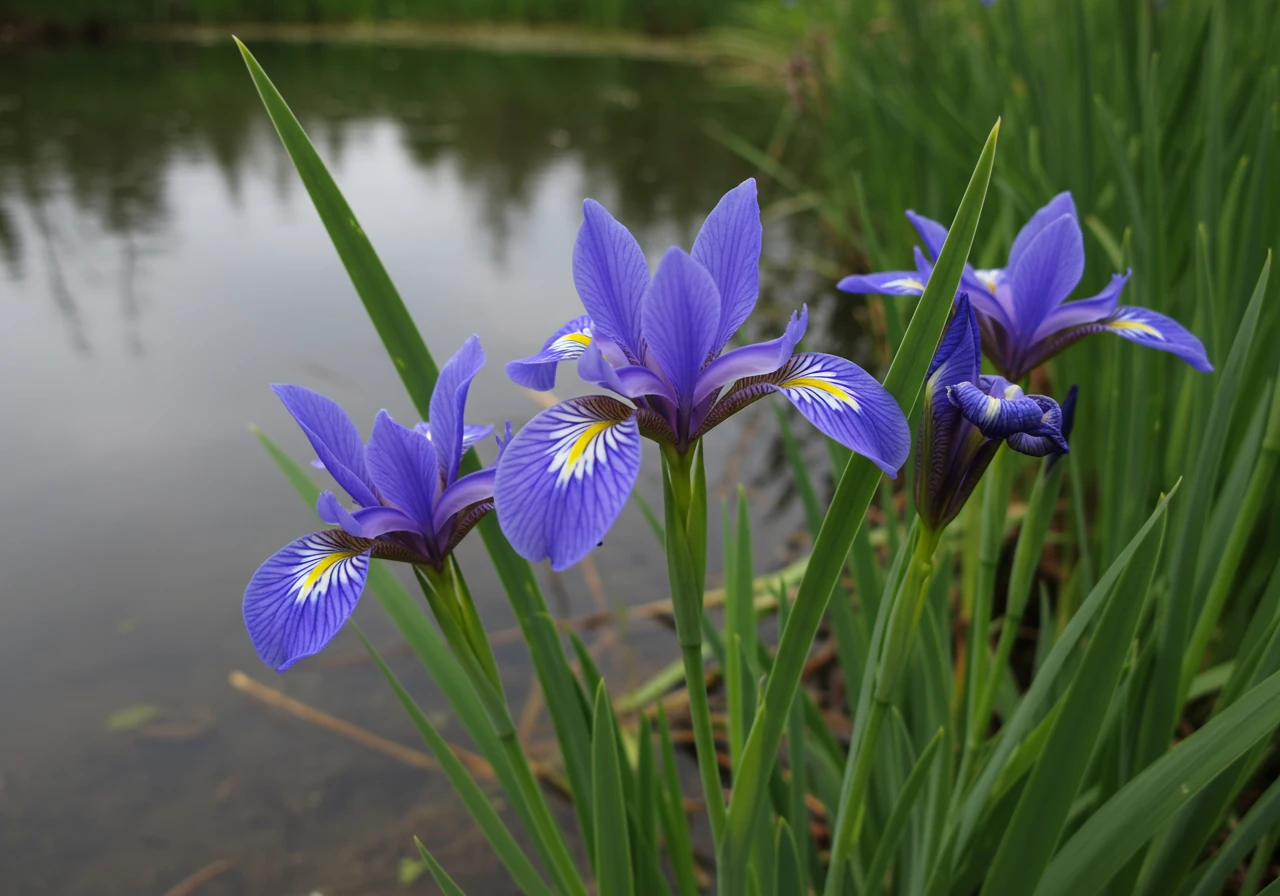
- Blue Flag Iris (Iris versicolor):
- Description: Clumps of sword-like leaves with beautiful violet-blue flowers in early summer. A true Manotick marsh stunner if you ever see it wild!
- Hardiness: Zone 3 - Native champion.
- Light/Depth: Full sun to part shade. Grows in moist soil or shallow water (up to 6 inches deep).
- Benefits: Gorgeous flowers, attracts pollinators, excellent nutrient uptake. Great for softening pond edges in your landscaping.
- Notes: Spreads gradually via rhizomes. Deadheading spent flowers keeps it looking tidy.
- Pickerel Weed (Pontederia cordata):
- Description: Glossy, heart-shaped leaves and spikes of small purple-blue flowers throughout summer.
- Hardiness: Zone 3 - Another tough native.
- Light/Depth: Full sun. Prefers shallow water (3-8 inches deep).
- Benefits: Long blooming season, attracts bees and butterflies, good vertical accent.
- Notes: Plant in pots to control spread in smaller ponds or let it naturalize in larger ones.
- Cardinal Flower (Lobelia cardinalis):
- Description: Tall spikes of brilliant scarlet red flowers in late summer. A hummingbird magnet!
- Hardiness: Zone 3/4 - Generally hardy but appreciates winter snow cover.
- Light/Depth: Sun to part shade. Needs consistently moist soil or very shallow water (edge only, doesn't like its crown submerged).
- Benefits: Stunning colour, attracts hummingbirds like nothing else.
- Notes: Can be short-lived but often self-seeds in happy conditions. Ensure the base stays moist. Consider adding this during a garden installation project.
Planting & Care Quick Tips:
- Most marginals and lilies do best planted in aquatic pots filled with heavy loam or clay soil (avoid regular potting mix - it floats away!). Top with gravel to keep soil in and fish out. Careful material selection for landscaping projects ensures your plants have the right foundation, whether it's soil for pots or decorative stone for the edges.
- Acclimatize new plants gradually if moving them between different water conditions. Don't shock the poor things!
- Regular upkeep, like removing yellowing leaves and spent flowers, is part of good pond stewardship and overall garden maintenance programs. A fall cleanup, trimming back dead foliage, can prevent excess decay over winter – sometimes this task aligns well with broader fall services like the comprehensive Ottawa yard cleanup service many homeowners utilize before winter hits.
- Actually getting these beauties situated might feel like a project, especially positioning heavy lily pots. If you need a hand with the digging, planting, and placement, our expert garden install services can help integrate your pond plants seamlessly into your water feature.
Comparing Your Options:
To make selection easier, consider creating a simple comparison table listing these plants (and any others you're considering!), their light/depth needs, bloom times, mature size, and key benefits. It's like creating a lineup card for your pond's all-star team!
Quick Plant Comparison:
| Plant | Type | Hardiness (Zone) | Light Needs | Key Benefit |
|---|---|---|---|---|
| Hornwort | Oxygenator | 4 | Sun/Part Shade | Oxygen & Algae Control |
| Hardy Water Lily | Floater | 3-5 | Full Sun | Shade & Blooms |
| Blue Flag Iris | Marginal | 3 | Sun/Part Shade | Flowers & Filtering |
| Pickerel Weed | Marginal | 3 | Full Sun | Long Bloom & Habitat |
Choosing the right hardy plants is a rewarding part of pond gardening in Ottawa. With a bit of planning, you'll have a vibrant, healthy water feature that brings joy year after year. And hey, if you decide to get professional help with installation or maintenance and have thoughts on our service or estimate, please share them via our easy estimate feedback form – we genuinely value hearing about your experience!
Making a Splash: Planting & Year-Round Care Calendar
Okay, let's roll up our sleeves and get those aquatic beauties settled into their new home! Planting pond plants isn't rocket science, but doing it right sets them up for success in our sometimes-fickle Ottawa climate. Then, we'll map out a year-round plan to keep your water garden looking sharp.
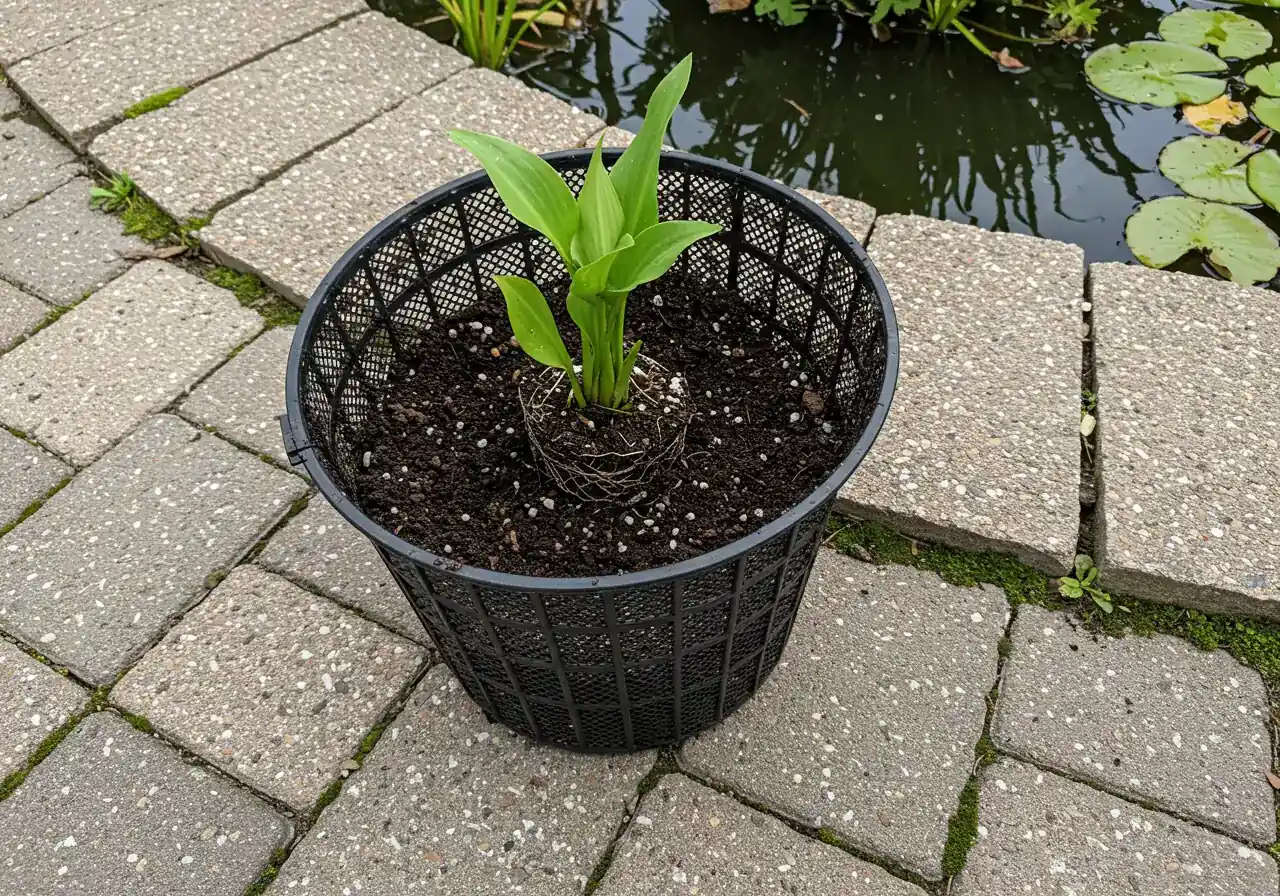
Getting Your Hands Dirty: Planting Aquatic Plants
Ready to make a splash? Here’s the lowdown on planting:
- Choose the Right Container: Unless you have natural planting pockets, use aquatic planting baskets or solid plastic pots without drainage holes (or minimal side holes). This controls spread and makes maintenance easier.
- Soil Matters: Forget fluffy potting mix – it’ll just float away and cloud your pond! Use a heavy topsoil, clay loam, or specialized aquatic planting soil. Think dense mud pie consistency. Avoid soils rich in peat or manure, which add too many nutrients initially. Proper soil preparation is crucial here.
- Planting Time: Gently place the plant roots into the soil, ensuring the crown (where roots meet stem) is at the correct level – usually just at or slightly above the soil line. Fill soil around the roots, tamping lightly. Don't plant too deep!
- Top It Off: Add a layer (about 1 inch) of pea gravel or small river stones over the soil. This stops soil from washing out and discourages curious fish from digging.
- Water Gently: Thoroughly water the potted plant before placing it in the pond. This helps settle the soil.
- Placement Power: Slowly lower the pot into the pond to the correct depth for that specific plant type (check the plant tag!). Marginal plants go on shelves or shallow edges, while lilies need deeper spots. Acclimatize plants by placing them slightly higher initially and lowering them over a few days if moving to much deeper water.
Your Ottawa Pond Care Calendar: A Year at a Glance
Keeping your pond pristine isn't a huge chore if you follow the seasons. Here’s a typical year in, say, Manotick or Greely:
Spring (April-May)
Clean up debris, divide/repot plants, restart pumps/filters, add new hardy plants. Consider a full Ottawa yard cleanup or specific cleanups like Marionville property cleanup.
Summer (June-August)
Trim/deadhead plants, top up water, skim debris, fertilize lilies. Enjoy the beauty! Keep surrounding areas tidy with city garden maintenance service and lawn care.
Fall (September-November)
Cut back dying foliage, remove annuals, net pond if needed, move hardy plants deeper, winterize equipment. See our About Us page to learn about our seasonal expertise.
Winter (December-March)
Let pond rest, ensure ice opening for fish (use de-icer/aerator), check equipment, plan for next season's amazing pond transformations.
Following this calendar helps keep your pond ecosystem balanced and beautiful all year round, integrating seamlessly into your overall landscaping efforts, potentially including services like mulching and edging around the pond area. Happy pond-ering!
Troubleshooting Common Pond Problems in the Capital Region
Okay, even the most picturesque pond can sometimes throw a curveball. Don't worry, most issues are fixable! Here are some common head-scratchers pond owners face in the Capital Region, along with some practical tips.
Factors Contributing to Pond Issues (%)
Question: Help! My pond looks like pea soup! What's with all this green algae?
Answer: Ah, the dreaded algae bloom. It's usually caused by too much sunlight hitting the water and/or excess nutrients (like fish waste or decaying stuff). First, check your plant coverage – aim for 50-60% surface shade from lily pads or floaters. This blocks sunlight. Next, review nutrients. Are you overfeeding fish? Is lawn fertilizer running into the pond? Ensure proper filtration and consider adding more submerged oxygenating plants to compete for nutrients. Adding barley straw extract or bundles can also help naturally combat algae. Sometimes, excess leaves and debris from the surrounding yard contribute nutrients as they break down; keeping things tidy with a regular Ottawa property cleanup service can make a surprising difference.
Question: My pond water is murky, but it's not green algae. What gives?
Answer: Murky water can be stirred-up sediment or suspended particles. Check if your pump is positioned correctly – it shouldn't be sucking muck from the bottom. Ensure fish aren't constantly digging (often happens if they're looking for food or the pond bottom is too bare). Adding gravel can help. Sometimes, runoff from surrounding bare soil after heavy rain, like we can get in spring around Metcalfe, can cause cloudiness. Addressing drainage or adding edge planting helps filter this. A general spring clean can set things right; consider looking into a Metcalf property cleanup service if yard runoff seems to be the culprit. Proper filtration is key here too.
Question: Uninvited guests (raccoons, herons) are treating my pond like a buffet! How do I deter them?
Answer: Pesky critters! For raccoons, ensure there are no easy 'ramps' into the pond (like rocks sloping gently) and consider motion-activated sprinklers. Herons are tricky. Fish caves or tunnels give your fish hiding spots. A decoy heron *might* work, but sometimes it just invites a friend! Stringing fishing line crisscross over the pond surface can deter landings. Keeping the surrounding area clean and free of potential food scraps also helps make your yard less attractive overall – a good reason for a seasonal city property cleanup service if garbage or clutter is an issue nearby.
Question: I'm worried about my pond and plants surviving our Ottawa winters. What's essential?
Answer: Winter prep is crucial here! For fish survival, especially in potentially colder areas like Osgoode or rural Manotick, ensure a portion of the pond is deep enough (at least 2-3 feet) and use a pond de-icer or aerator to maintain an opening in the ice for gas exchange. Trim back dead perennial foliage in late fall to prevent it decaying in the water over winter – dealing with this is often part of a thorough Ottawa garden clean up service. Move potted hardy plants to the deepest part of the pond. Remove tender/tropical plants. Preventing masses of leaves from blowing in during fall is also vital; if you're in an area with lots of trees, like parts of Marionville, ensuring a good fall cleanup via something like a Marionville property cleanup service prevents that organic overload which can harm water quality over winter. For reputable local resources, check the City of Ottawa's environment page or the Rideau Valley Conservation Authority.
Quick Wins for a Wonderful Water Feature
Want a stunning Manotick pond without pulling your hair out? Keeping your water feature wonderful doesn’t have to be complicated! Here are a few quick gardening wins for Ottawa pond lovers:
- Hardy Heroes: Save yourself springtime sorrow! Choose plants rated Zone 5 or lower. They’re tough enough for our Ottawa winters and will come back year after year.
- Sun Strategy: Match plants to their sun needs. Got full sun? Pick sun-lovers like lilies. Shady spot? Go for foliage plants. It's like matchmaking for greenery!
- Potting Perfection: Use aquatic pots with heavy loam or clay soil – good soil preparation prevents messy float-aways! Top with gravel to keep fish from digging.
- Tidy Edges, Tidy Pond: Regularly skim leaves and trim dying plants. A clean perimeter means less muck in the pond. If the surroundings need serious help, an city yard cleanup service can tackle the bigger mess, while focused care like a city garden clean up service handles specific garden zones.
- Holistic Harmony: Remember the pond is part of your larger landscaping. Keeping the whole yard neat enhances the view. A regular Marionville yard cleanup service helps maintain that overall polished look.
- Know Before You Book: When seeking assistance or info online, it's wise to understand how your data is used – feel free to review our company's Privacy Policy for details.
FAQs: Your Manotick & Ottawa Pond Questions Answered
Late spring into early summer is prime time! Aim for planting once the water temperature is consistently above 10°C and the risk of frost has passed, usually May or June here in Ottawa. This gives your new gardening additions plenty of time to establish strong roots before facing their first Canadian winter.
Hold your horses... or, uh, pond snails! While some plants like Hornwort are happy floaters, most marginals and lilies do best in aquatic pots. This controls their spread (especially important in smaller ponds!), makes maintenance easier, and lets you use the right heavy soil mix. Plus, quarantining new arrivals briefly helps prevent unwanted hitchhikers like pests or diseases.
Plants are your best friends in the fight against algae! Aim for 50-60% surface coverage with things like water lily pads or hardy floaters. This shade cools the water and limits the sunlight algae craves. Too many nutrients can also come from lawn fertilizer runoff, so ensuring you have healthy grass right up to the edge, perhaps even considering professional Ottawa sod installation services if needed, can help reduce bare soil runoff.
Great question! A beautiful pond deserves a beautiful setting. Consider adding marginal plants right at the edge to soften the transition. Mulching nearby garden beds, adding some decorative rocks, or even creating a small seating area can make a huge difference. A neat pond looks best in a neat yard! Integrating the pond with attractive landscaping is key. If the whole area needs a refresh, a service like our Marionville yard cleanup service can tackle leaves, debris, and general tidiness that might otherwise end up in* your pond.
Absolutely! Keeping the gardening beds around your pond looking sharp enhances the whole feature. Our crews can certainly help with weeding, edging, and tidying those bordering areas as part of our maintenance services. Check out details on our Marionville garden clean up service. Just be sure to review our company’s terms and conditions to understand service specifics and what's included.
Conclusion: Making Waves in Your Manotick Garden
So, are you ready to make some serious waves – the good kind! – in your Manotick garden? Transforming that backyard water feature from "meh" to magnificent is absolutely achievable right here in the Ottawa area. We've dipped our toes into the essentials: understanding your pond's personality, choosing the right types of aquatic plants for balance, and picking those hardy superstars that can tough out our local climate. Remember, a well-planted pond isn't just prettier; it's a healthier, thriving ecosystem that adds incredible beauty and life to your landscaping. Whether you're near the Rideau River in Manotick or out towards Greely, these principles hold true for creating your own little piece of watery paradise.
Feeling inspired to roll up your sleeves and start planning your pond's plant posse? Excellent! Use the tips we've shared, sketch out your ideas, and enjoy the gardening journey. Creating beauty with your own hands is incredibly rewarding. Check out some of our past transformations for inspiration!
But hey, if the thought of wrestling lily pots or figuring out filter maintenance makes your head spin, don't sweat it! Sometimes, calling in the cavalry is the quickest way to aquatic bliss. Our team loves getting their hands dirty (so you don't have to!) and can help with everything from design and planting to ongoing pond care.
Ready for Professional Pond Care?
Let Clean Yards bring your Manotick pond vision to life with expert landscaping and maintenance services.
Call us at (613) 601-6121 or visit our Services Page.
Request Your Free EstimateYour satisfaction is important, we hope you have a great experience like those who left us feedback on our Thank You page!
Go ahead, take the plunge! Your spectacular Manotick water feature awaits.