/* CSS Reset & Base Styles */ *, *::before, *::after { box-sizing: border-box; margin: 0; padding: 0; }/* Brand Color Variables */ :root { --brand-primary: #93C020; --brand-dark: #000000; --brand-text: #2D2C2C; --brand-light-gray: #EBEBEB; --brand-secondary: #287734; --brand-white: #FFFFFF; --brand-accent: #B7FE00; --brand-border-gray: #ddd; }/* Encapsulating Container */ .article-container { font-family: -apple-system, BlinkMacSystemFont, "Segoe UI", Roboto, Helvetica, Arial, sans-serif, "Apple Color Emoji", "Segoe UI Emoji", "Segoe UI Symbol"; font-size: 16px; line-height: 1.6; color: var(--brand-text); background-color: var(--brand-white); max-width: 800px; /* Max width for readability */ margin: 0 auto; /* Center the container */ padding: 20px 15px 50px 15px; /* Add padding, more at bottom */ overflow-x: hidden; /* Prevent horizontal scroll on container */ }/* Responsive Typography */ .article-container h1, .article-container h2, .article-container h3, .article-container h4, .article-container h5, .article-container h6 { color: var(--brand-secondary); margin-top: 1.5em; margin-bottom: 0.8em; line-height: 1.3; font-weight: 600; }.article-container h1 { font-size: 2.2rem; /* ~35px */ margin-top: 0; text-align: center; color: var(--brand-dark); }.article-container h2 { font-size: 1.8rem; /* ~29px */ border-bottom: 2px solid var(--brand-light-gray); padding-bottom: 0.3em; }.article-container h3 { font-size: 1.4rem; /* ~22px */ }.article-container p { margin-bottom: 1.2em; }.article-container a { color: var(--brand-secondary); text-decoration: none; transition: color 0.2s ease; }.article-container a:hover { color: var(--brand-primary); text-decoration: underline; }.article-container ul, .article-container ol { margin-bottom: 1.2em; padding-left: 25px; }.article-container li { margin-bottom: 0.5em; }/* Images */ .article-container figure { margin: 30px auto; text-align: center; }.article-container figure img { max-width: 100%; height: auto; border-radius: 8px; box-shadow: 0 4px 8px rgba(0, 0, 0, 0.1); }.article-container figcaption { font-size: 0.85rem; color: #777; margin-top: 8px; font-style: italic; }/* Progress Bar */ #progressBarContainer { position: fixed; top: 0; left: 0; width: 100%; height: 5px; background-color: var(--brand-light-gray); z-index: 1000; }#progressBar { height: 100%; width: 0; /* Initially 0, updated by JS */ background-color: var(--brand-primary); transition: width 0.1s linear; }/* Back to Top Button */ #backToTopBtn { display: none; /* Hidden by default */ position: fixed; bottom: 20px; right: 20px; z-index: 999; border: none; outline: none; background-color: var(--brand-secondary); color: var(--brand-white); cursor: pointer; padding: 12px 15px; border-radius: 50%; font-size: 1rem; line-height: 1; opacity: 0.8; transition: background-color 0.3s, opacity 0.3s; }#backToTopBtn:hover { background-color: var(--brand-primary); opacity: 1; }/* Call to Action (CTA) Buttons */ .cta-button-container { text-align: center; margin: 30px 0; }.cta-button { display: inline-block; background-color: var(--brand-primary); color: var(--brand-white); padding: 12px 25px; border: none; border-radius: 5px; font-size: 1.1rem; font-weight: bold; text-align: center; text-decoration: none; cursor: pointer; transition: background-color 0.3s ease, transform 0.2s ease; box-shadow: 0 2px 4px rgba(0,0,0,0.1); }.cta-button:hover { background-color: var(--brand-secondary); color: var(--brand-white); /* Ensure text remains white on hover */ transform: translateY(-2px); box-shadow: 0 4px 8px rgba(0,0,0,0.15); text-decoration: none; /* Remove underline on hover */ }/* Highlight Box */ .highlight-box { background-color: #f0f8ff; /* Light Alice Blue */ border-left: 5px solid var(--brand-primary); padding: 20px; margin: 30px 0; border-radius: 5px; }.highlight-box h3 { margin-top: 0; color: var(--brand-secondary); }/* Tabs Interface */ .tabs-container { margin: 30px 0; border: 1px solid var(--brand-border-gray); border-radius: 5px; overflow: hidden; /* Contain borders */ }.tab-buttons { display: flex; background-color: var(--brand-light-gray); border-bottom: 1px solid var(--brand-border-gray); flex-wrap: wrap; /* Allow tabs to wrap on smaller screens */ }.tab-button { padding: 12px 18px; cursor: pointer; border: none; background-color: transparent; font-size: 1rem; font-weight: 500; color: var(--brand-text); transition: background-color 0.3s, color 0.3s, border-bottom 0.3s; border-bottom: 3px solid transparent; /* For active indicator */ flex-grow: 1; /* Allow buttons to grow */ text-align: center; /* Center text in buttons */ margin-bottom: -1px; /* Overlap border-bottom */ }.tab-button.active { background-color: var(--brand-white); color: var(--brand-secondary); font-weight: 600; border-bottom: 3px solid var(--brand-primary); }.tab-button:hover:not(.active) { background-color: #ddd; /* Slightly darker gray on hover */ color: var(--brand-dark); }.tab-content { display: none; /* Hidden by default */ padding: 25px 20px; background-color: var(--brand-white); animation: fadeIn 0.5s ease-in-out; }.tab-content.active { display: block; }@keyframes fadeIn { from { opacity: 0; } to { opacity: 1; } }/* Collapsible Sections (FAQ) */ .faq-item { border-bottom: 1px solid var(--brand-light-gray); } .faq-item:last-child { border-bottom: none; }.faq-question { width: 100%; background: none; border: none; text-align: left; padding: 15px 10px; font-size: 1.1rem; font-weight: 600; cursor: pointer; color: var(--brand-secondary); display: flex; justify-content: space-between; align-items: center; }.faq-question:hover { background-color: #f9f9f9; }.faq-question::after { content: '+'; /* Plus sign */ font-size: 1.5rem; font-weight: bold; color: var(--brand-primary); transition: transform 0.3s ease-out; }.faq-item.active .faq-question::after { content: '−'; /* Minus sign */ transform: rotate(180deg); }.faq-answer { max-height: 0; overflow: hidden; transition: max-height 0.4s ease-out, padding 0.4s ease-out; padding: 0 15px; background-color: var(--brand-white); }.faq-item.active .faq-answer { /* max-height needs a large enough value */ max-height: 500px; /* Adjust as needed */ padding: 10px 15px 20px 15px; transition: max-height 0.5s ease-in, padding 0.5s ease-in; }/* Responsive Bar Chart */ .chart-container { margin: 40px auto; padding: 20px; border: 1px solid var(--brand-border-gray); border-radius: 5px; background-color: #fdfdfd; overflow-x: auto; /* Allow horizontal scroll if needed */ text-align: center; /* Center chart elements */ }.chart-title { font-size: 1.2rem; font-weight: 600; margin-bottom: 20px; color: var(--brand-secondary); }.bar-chart { display: flex; justify-content: space-around; align-items: flex-end; height: 200px; /* Fixed height for chart area */ border-bottom: 2px solid var(--brand-dark); padding-bottom: 5px; min-width: 300px; /* Ensure minimum width */ }.bar-item { display: flex; flex-direction: column; align-items: center; flex: 1; /* Distribute space */ margin: 0 5px; /* Spacing between bars */ }.bar { width: 80%; /* Relative width of bar */ max-width: 40px; /* Max width */ background-color: var(--brand-primary); height: 0; /* Initial height for animation */ transition: height 1s ease-out; border-radius: 3px 3px 0 0; /* Rounded top */ position: relative; /* For value display */ }.bar::after { /* Display value on top */ content: attr(data-value); position: absolute; top: -20px; /* Position above the bar */ left: 50%; transform: translateX(-50%); font-size: 0.8rem; color: var(--brand-text); opacity: 0; /* Hidden initially */ transition: opacity 0.3s 0.8s ease-out; /* Fade in after bar animates */ }.chart-container.in-view .bar { /* Height set by JS */ }.chart-container.in-view .bar::after { opacity: 1; }.bar-label { margin-top: 8px; font-size: 0.85rem; color: var(--brand-text); text-align: center; word-wrap: break-word; /* Wrap long labels */ }/* Timeline Component */ .timeline { position: relative; margin: 40px auto; padding: 20px 0; }.timeline::before { /* Central line */ content: ''; position: absolute; top: 0; bottom: 0; left: 50%; width: 3px; background-color: var(--brand-light-gray); transform: translateX(-50%); }.timeline-item { position: relative; margin-bottom: 40px; width: 50%; padding: 10px 30px; }/* Alternating Items */ .timeline-item:nth-child(odd) { left: 0; padding-right: 50px; /* Space from center line */ text-align: right; }.timeline-item:nth-child(even) { left: 50%; padding-left: 50px; /* Space from center line */ text-align: left; }/* Timeline Content Box */ .timeline-content { background-color: var(--brand-white); padding: 15px; border-radius: 6px; border: 1px solid var(--brand-border-gray); box-shadow: 0 2px 5px rgba(0,0,0,0.08); position: relative; /* For arrow */ }.timeline-content h4 { margin-top: 0; color: var(--brand-secondary); font-size: 1.1rem; margin-bottom: 0.5em; }.timeline-content p { font-size: 0.95rem; margin-bottom: 0; }/* Timeline Point/Icon */ .timeline-item::after { content: ''; position: absolute; width: 15px; height: 15px; background-color: var(--brand-primary); border: 3px solid var(--brand-white); border-radius: 50%; top: 15px; /* Adjust vertical position */ z-index: 1; box-shadow: 0 0 0 3px var(--brand-primary); }.timeline-item:nth-child(odd)::after { right: -8px; /* Position on the line */ }.timeline-item:nth-child(even)::after { left: -8px; /* Position on the line */ }/* Timeline Arrow */ .timeline-content::before { content: ''; position: absolute; width: 0; height: 0; border-style: solid; top: 15px; }.timeline-item:nth-child(odd) .timeline-content::before { right: -10px; /* Pointing right */ border-width: 10px 0 10px 10px; border-color: transparent transparent transparent var(--brand-border-gray); } .timeline-item:nth-child(odd) .timeline-content::after { /* Inner arrow color */ content: ''; position: absolute; width: 0; height: 0; border-style: solid; top: 16px; right: -9px; border-width: 9px 0 9px 9px; border-color: transparent transparent transparent var(--brand-white); }.timeline-item:nth-child(even) .timeline-content::before { left: -10px; /* Pointing left */ border-width: 10px 10px 10px 0; border-color: transparent var(--brand-border-gray) transparent transparent; } .timeline-item:nth-child(even) .timeline-content::after { /* Inner arrow color */ content: ''; position: absolute; width: 0; height: 0; border-style: solid; top: 16px; left: -9px; border-width: 9px 9px 9px 0; border-color: transparent var(--brand-white) transparent transparent; }/* Responsive Tables */ .table-responsive { overflow-x: auto; /* Enable horizontal scroll on small screens */ margin: 25px 0; -webkit-overflow-scrolling: touch; /* Smooth scrolling on iOS */ }.article-container table { width: 100%; border-collapse: collapse; min-width: 500px; /* Ensure table has minimum width */ }.article-container th, .article-container td { border: 1px solid var(--brand-border-gray); padding: 10px 12px; text-align: left; vertical-align: top; }.article-container th { background-color: var(--brand-light-gray); font-weight: 600; color: var(--brand-secondary); }.article-container tr:nth-child(even) td { background-color: #f9f9f9; /* Subtle striping */ }/* Snippet Summary */ .snippet-summary { background-color: #f8f9fa; border-left: 4px solid var(--brand-secondary); padding: 15px 20px; margin: 20px 0; font-size: 0.95rem; } .snippet-summary ul { padding-left: 20px; margin-bottom: 0; }/* Responsive Adjustments */ @media (max-width: 768px) { .article-container { padding: 15px 10px 40px 10px; }.article-container h1 { font-size: 1.9rem; }.article-container h2 { font-size: 1.6rem; }.article-container h3 { font-size: 1.3rem; }/* Timeline - Stack items vertically */ .timeline::before { left: 15px; /* Move line to the left */ }.timeline-item { width: 100%; padding-left: 50px; /* Consistent padding from line */ padding-right: 15px; left: 0 !important; /* Override alternating positioning */ text-align: left !important; /* Override text alignment */ }.timeline-item:nth-child(odd), .timeline-item:nth-child(even) { padding-left: 50px; left:0; text-align: left; }.timeline-item::after { left: 8px !important; /* Position dot on the line */ right: auto !important; }.timeline-content::before, .timeline-content::after { /* Adjust arrow for stacked layout */ left: -10px !important; right: auto !important; border-width: 10px 10px 10px 0 !important; border-color: transparent var(--brand-border-gray) transparent transparent !important; } .timeline-content::after { border-color: transparent var(--brand-white) transparent transparent !important; left: -9px !important; border-width: 9px 9px 9px 0 !important; }/* Tabs - Wrap buttons better */ .tab-buttons { justify-content: flex-start; /* Align wrapped items left */ } .tab-button { flex-grow: 0; /* Don't force growth */ flex-basis: 50%; /* Try 2 per row initially */ font-size: 0.9rem; padding: 10px 12px; } }@media (max-width: 480px) { .article-container h1 { font-size: 1.7rem; } .article-container h2 { font-size: 1.4rem; } .article-container h3 { font-size: 1.2rem; } .article-container { font-size: 15px; }.tab-button { flex-basis: 100%; /* Stack tabs */ }#backToTopBtn { bottom: 15px; right: 15px; padding: 10px 13px; font-size: 0.9rem; } } { "@context": "https://schema.org", "@type": "Article", "headline": "Cloud Pruning Junipers in Manotick: Unique Garden Style", "author": { "@type": "Organization", "name": "Clean Yards", "url": "https://cleanyards.ca/" }, "image": [ "https://cleanyards.ca/wp-content/uploads/2025/04/photorealistic_wide_shot_of_an_9444.webp", "https://cleanyards.ca/wp-content/uploads/2025/04/detailed_close_up_photograph_o_9344.webp", "https://cleanyards.ca/wp-content/uploads/2025/04/photograph_of_a_healthy__matur_6616.webp" ], "datePublished": "2024-05-15", // Placeholder Date - As per instruction, no date shown on page, but needed for schema. "dateModified": "2024-05-15", // Placeholder Date "description": "Discover the art of cloud pruning (Niwaki) for junipers in Manotick and the Ottawa area. Learn why junipers are ideal, step-by-step pruning techniques, and year-round care for this unique and elegant garden style.", "publisher": { "@type": "Organization", "name": "Clean Yards", "logo": { "@type": "ImageObject", "url": "https://cleanyards.ca/wp-content/uploads/2024/03/clean-yards-logo-ottawa.svg" } }, "mainEntityOfPage": { "@type": "WebPage", "@id": "https://cleanyards.ca/blog/manotick-cloud-pruning-junipers-unique-style/" // Assumed URL, replace if different } } { "@context": "https://schema.org", "@type": "HowTo", "name": "How to Cloud Prune Junipers", "description": "A step-by-step guide to sculpting junipers into cloud shapes (Niwaki style).", "step": [ { "@type": "HowToStep", "name": "Choose Your Juniper", "text": "Select a healthy juniper with interesting branching structure. Ensure it's established and suitable for pruning.", "url": "#step-1-choose-your-canvas-the-juniper", // Link to relevant section ID "position": 1 }, { "@type": "HowToStep", "name": "Gather Sharp Tools", "text": "Use clean, sharp bypass pruners, loppers, and potentially a small pruning saw. Wear gloves.", "url": "#step-2-gather-your-tools-sharp-is-key", "position": 2 }, { "@type": "HowToStep", "name": "Observe and Plan", "text": "Study the juniper's structure. Identify main branches and visualize desired cloud pad locations. Mark branches if helpful.", "url": "#step-3-observe-and-plan-think-before-you-snip", "position": 3 }, { "@type": "HowToStep", "name": "Initial Clearing", "text": "Remove dead, diseased, damaged, crossing, or weak branches. Clear growth around the main trunk and structural branches.", "url": "#step-4-the-initial-rough-cut-clearing-the-way", "position": 4 }, { "@type": "HowToStep", "name": "Define the Clouds", "text": "Thin foliage from below the chosen cloud pads. Prune growth between pads to expose branches. Lightly shape the pad edges.", "url": "#step-5-defining-the-clouds-the-finesse-work", "position": 5 }, { "@type": "HowToStep", "name": "Clean Up", "text": "Rake up all clippings to prevent pests and disease.", "url": "#step-6-clean-up-your-masterpiece-and-the-mess", "position": 6 }, { "@type": "HowToStep", "name": "Aftercare and Maintenance", "text": "Prune lightly annually (late spring/early summer) to maintain shape. Water appropriately and monitor plant health. Be patient!", "url": "#step-7-patience-and-aftercare-the-long-game", "position": 7 } ] } { "@context": "https://schema.org", "@type": "FAQPage", "mainEntity": [ { "@type": "Question", "name": "Will heavy Ottawa snow damage my beautifully pruned juniper clouds?", "acceptedAnswer": { "@type": "Answer", "text": "Junipers are generally tough and flexible. The open structure from cloud pruning often helps shed snow better than dense shrubs. Gentle brushing after very heavy, wet snow can help, but they typically handle Ottawa winters well, especially hardy varieties." } }, { "@type": "Question", "name": "Okay, honestly, how hard is cloud pruning for a gardening newbie?", "acceptedAnswer": { "@type": "Answer", "text": "It requires more thought and patience than basic hedge trimming, but it's doable. Start small if nervous. Focus on revealing the plant's natural structure rather than forcing a shape. You can always prune more later." } }, { "@type": "Question", "name": "How often do I really need to trim my cloud pruned juniper to keep it looking sharp?", "acceptedAnswer": { "@type": "Answer", "text": "Usually less often than tightly clipped topiary. Plan for one main shaping session per year (late spring/early summer) to refine new growth and maintain cloud definition. Minor touch-ups might be needed occasionally." } }, { "@type": "Question", "name": "My juniper looks like a giant green meatball right now. Can it still be cloud pruned?", "acceptedAnswer": { "@type": "Answer", "text": "Possibly! It depends on the branch structure hidden inside. Careful pruning might reveal interesting branches underneath. This initial clearing can generate significant green waste." } }, { "@type": "Question", "name": "When should I just call for backup instead of trying this myself?", "acceptedAnswer": { "@type": "Answer", "text": "Call professionals if you feel overwhelmed, have a large or precious juniper, or want an expert artistic eye. They can handle tricky initial pruning or provide ongoing maintenance." } } ] }

Cloud Pruning Junipers in Manotick: Unique Garden Style

Quick Look: Cloud Pruning Junipers
  • Cloud pruning (Niwaki) is a Japanese technique creating "cloud-like" foliage pads on exposed branches.
  • Hardy junipers are excellent candidates for this style in Ottawa's climate.
  • The process involves selective pruning to reveal structure, not just shearing.
  • Requires patience and annual maintenance for best results.
  • Offers a unique, artistic alternative to traditional shrub shapes.

Interested in adding this unique style to your garden? Request a quote from Clean Yards today!

Introduction: Beyond the Boxwood - Discover Cloud Pruning in Manotick

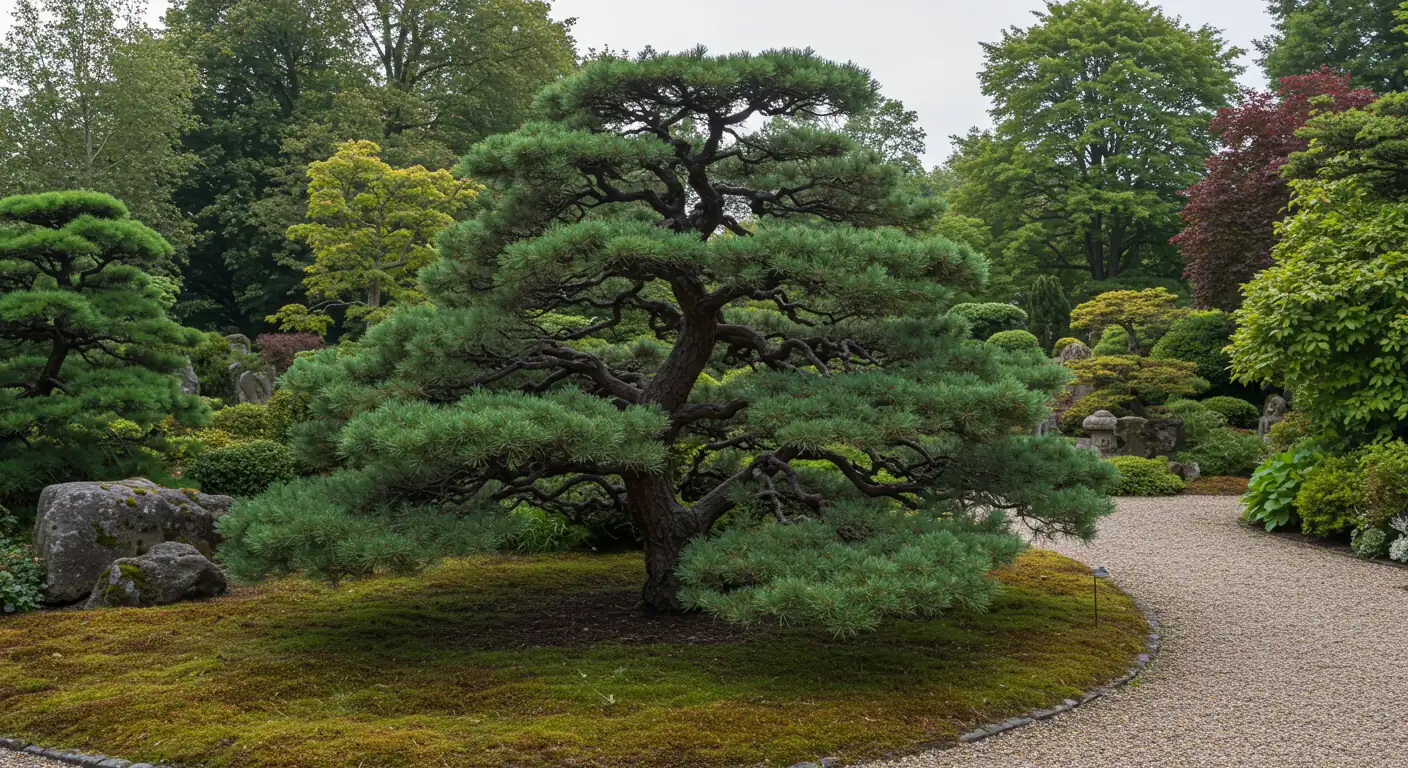
A striking photograph of a mature, beautifully sculpted cloud pruned juniper standing as a focal point in a well-maintained garden. The image should clearly show the distinct 'cloud' pads of foliage and the gracefully exposed branch structure, illustrating the artistic Niwaki style mentioned.

Alright, Manotick neighbours, let's talk landscaping. Are your garden shrubs looking a bit... well, boxy? Boxwoods and perfectly sheared hedges have their place, but what if your soul craves something a little more artistic, a touch more Zen? Let us introduce you to the wonderful world of cloud pruning! It's a traditional Japanese gardening technique, also known as Niwaki, where trees and larger shrubs are carefully sculpted over time to resemble stylized clouds drifting across the branches. Think living sculpture, not just a green blob!

Imagine bringing this unique beauty to your Manotick property, or maybe turning heads over in nearby Kars. Forget rigid topiary; cloud pruning creates a sense of graceful age and natural artistry. And guess what? Hardy junipers, which practically laugh in the face of our tough Ottawa winters, are absolutely perfect candidates for this stunning pruning style. They offer interesting structure and tolerate the careful shaping needed. Ready to explore how to give your landscape that "wow" factor beyond the usual green suspects? Let's learn about cloud pruning!

What Exactly IS Cloud Pruning? (Hint: It's Not Weather Control)

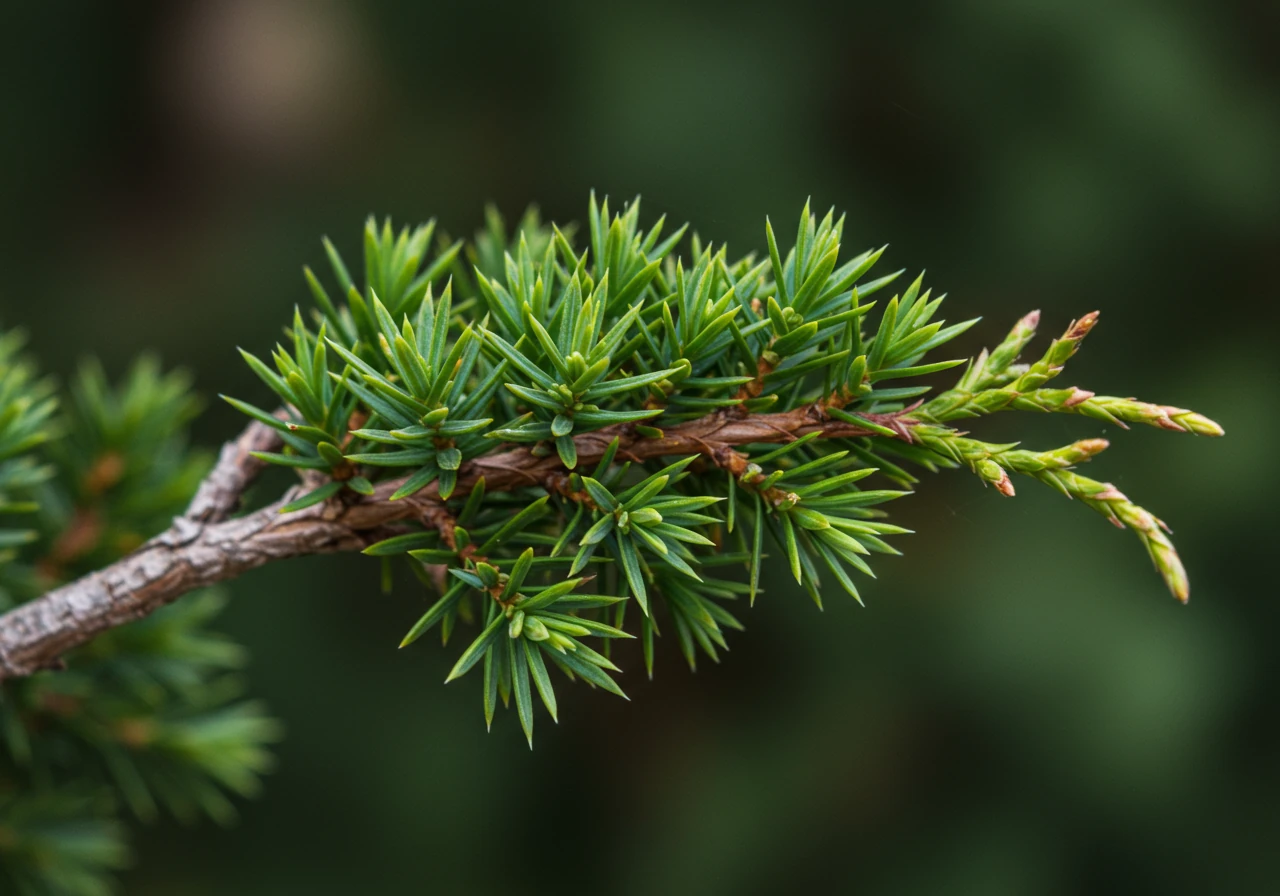
A detailed close-up shot focusing on one section of a cloud pruned shrub. This image should highlight the contrast between the dense, rounded foliage 'cloud' pad and the clean, bare branch supporting it, visually defining the technique.

Okay, let's clear the air – despite the name, cloud pruning has absolutely *nothing* to do with predicting rain or sunshine over Ottawa! So, what *is* it? Think of it as giving your shrubs and small trees a very special, artistic haircut. It’s a landscaping technique, rooted in the Japanese tradition of Niwaki (which translates to 'garden trees'), where plants are carefully shaped over time to look like stylized clouds floating on the branches. The goal isn't to create perfect geometric shapes like cones or balls (that's topiary), but rather to sculpt the plant into a living piece of art that suggests age, character, and the beauty of nature itself. It’s about highlighting the plant’s structure and creating distinct pads, or "clouds," of foliage separated by beautifully exposed branches.

Unlike traditional shearing where you just cut the outside surface into a shape, cloud pruning is more selective and thoughtful. It involves carefully removing specific branches and needles or leaves to define those cloud-like pads and showcase the underlying trunk and branch framework. It takes patience and a good eye, almost like being a sculptor but with living wood and leaves! You're essentially revealing the plant’s inner beauty rather than just imposing a shape onto it. It creates a stunning focal point in any garden, bringing a unique sense of peace and artistry you might see in admired gardens around Barrhaven or even inspiring Vernon Cloud Pruning Pines Unique Garden Style.

Now, how do you get started or maintain such a feature? First, choose the right plant – evergreens like pines, junipers, and some yews work wonderfully. Remember, a healthy plant is key for any specialized pruning. This means keeping up with overall garden care, like knowing Greely When to Fertilize Lawn Best Results (healthy lawn, healthy surroundings!) and practicing things like Richmond Summer Deadheading More Blooms on other plants to keep the whole garden thriving.

Cloud pruning isn't a one-time job; it requires ongoing touch-ups to maintain the shape as the plant grows. This becomes part of your regular garden routine, much like doing seasonal checks – for instance, you wouldn't want to miss your Barrhaven Fall Garden Check Plant Problems before winter hits. If you're intrigued but hesitant to make the first cuts, or need help maintaining your landscape art, exploring professional help might be a good idea. Many tasks, from initial shaping to seasonal tidying, fall under general Our Landscaping Services. And if you're preparing a spot for a feature plant or just need a general tidy-up in the area, something like a Barrhaven Property Cleanup Service can set the stage beautifully.

Why Junipers are Ottawa's Cloud Pruning Champions

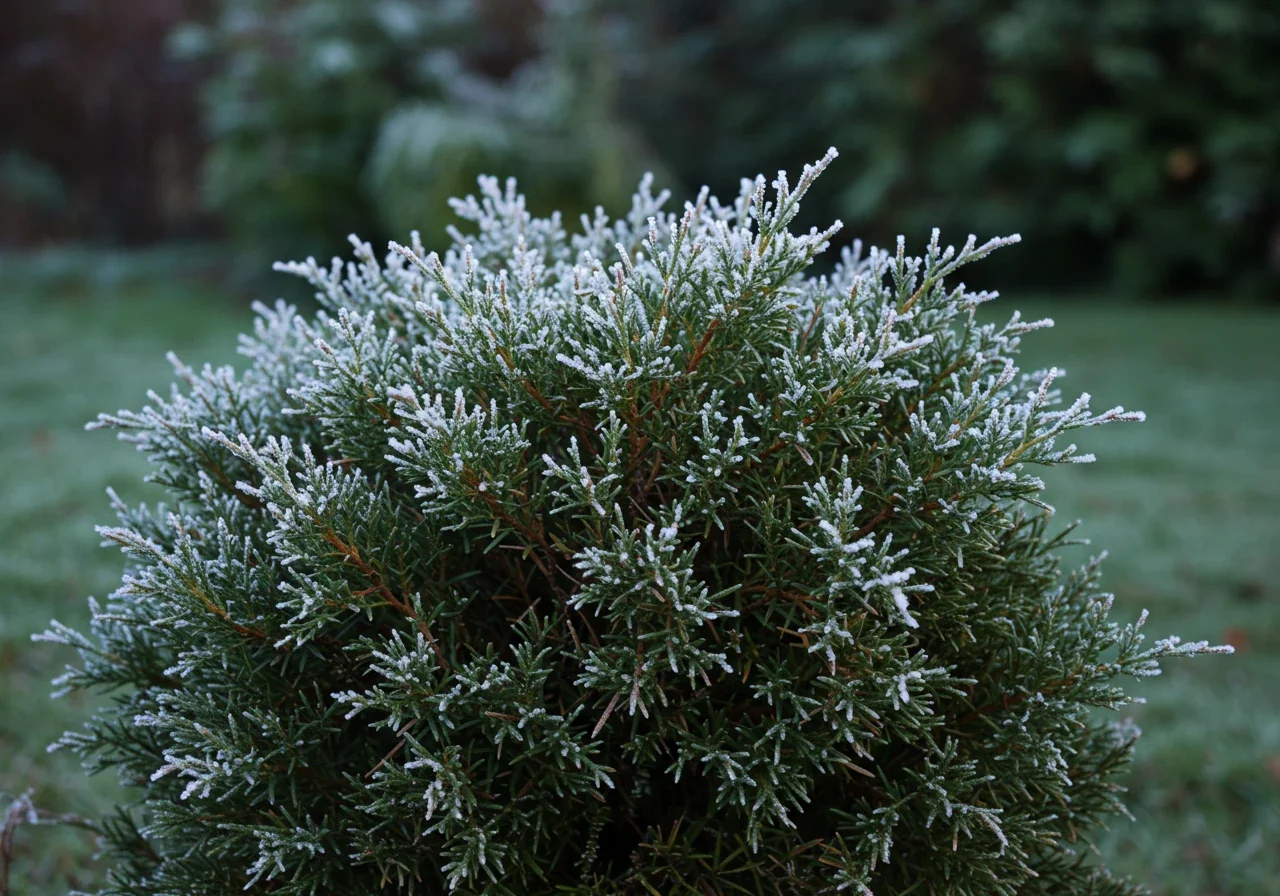
Image of a robust, healthy juniper shrub thriving outdoors, perhaps lightly dusted with frost or standing firm against a backdrop suggesting a cool climate, emphasizing its hardiness and suitability for the Ottawa weather described.

So, you're intrigued by cloud pruning, but wondering which plants can actually *handle* this artistic shaping, especially here in Ottawa? Let's talk about the undisputed champions for this style in our climate: Junipers! These tough evergreens are practically tailor-made for becoming living sculptures in our gardens, and here’s why they stand out.

  • Hardiness: They generally shrug off our Zone 5 winters without batting an eyelid. Ottawa's cold snaps don't faze most juniper varieties.
  • Resilience: Junipers often have flexible branches that handle heavy snow better than brittle plants, reducing breakage risk.
  • Natural Structure: Many varieties naturally grow with interesting, irregular forms, providing a great starting point for sculpting. Good candidates include Pfitzer Juniper or 'Blue Star'.
  • Soil Adaptability: While preferring well-drained soil (consider Soil Preparation for clay), they tolerate various Ottawa soil types once established.
  • Drought Tolerance: Once established, they require less watering during dry summers.
  • Eco-Benefits: Provide shelter for birds and winter food (cones on female plants).

Choosing the right juniper and getting it started is essential. If you're planning a new feature, our Garden Install services can help. Maintaining the shape requires ongoing attention, part of a regular upkeep routine offered by our City Garden Maintenance Service. Whether tidying up with our Barrhaven Property Cleanup Service or needing extensive clearing like our Metcalf Property Cleanup Service, preparing the stage is important. Learn more About Us and our commitment to beautiful Ottawa gardens.

For a stunning, artistic, and *Ottawa-tough* cloud pruning subject, junipers are definitely the way to go! Need help with general tidying first? Check out our Ottawa Property Cleanup Service or view client feedback on our Google My Business page.

Essential Tools for Cloud Pruning

You don't need a complex arsenal, but the right tools, kept clean and sharp, make all the difference for healthy cuts:

  • Bypass Pruners: Your primary tool for smaller stems (up to ~3/4 inch) and detailed shaping work. Ensure blades bypass each other for a clean cut.
  • Loppers: Provide more leverage for branches too thick for hand pruners, typically up to 1.5 inches in diameter. Choose bypass-style loppers here too.
  • Small Pruning Saw: Essential for removing larger branches cleanly without damaging the collar (where the branch joins the trunk). A curved blade saw often works well in tight spaces.
  • Gloves: Junipers can be quite prickly! Protect your hands with sturdy gardening gloves. Leather or reinforced synthetic gloves work well.
  • Optional - Rubbing Alcohol/Cleaner: Useful for wiping down blades between cuts, especially if working on multiple plants or if you suspect any disease, to prevent spreading issues.

Investing in good quality, sharp tools makes the job easier, safer, and better for the plant's health. Regular maintenance of your tools, like cleaning and sharpening, is also crucial. Need help with larger garden tasks like Mulching and Edging or Sod Installation? We offer those too!

Cloud Pruning vs. Regular Shearing

Understanding the difference between cloud pruning (Niwaki) and standard shearing or topiary is key:

FeatureCloud Pruning (Niwaki)Regular Shearing/Topiary
GoalCreate artistic, naturalistic "cloud" pads; highlight branch structure; suggest age/character.Create dense, uniform geometric shapes (balls, cones, hedges); conceal branch structure.
TechniqueSelective removal of branches/foliage; thinning from below; defining pads; exposing structure.Cutting only the outer layer of new growth to maintain a defined shape; uniform surface.
LookOpen, airy, sculptural, emphasizes form and space.Dense, solid, formal, emphasizes external shape.
MaintenanceAnnual or semi-annual selective pruning to maintain shape and definition.Frequent shearing (often multiple times per season) required to keep lines crisp.
Plant HealthCan improve air circulation; requires careful cuts.Can lead to dense outer growth shading interior, potential for "dead zones" inside if not managed.

Both techniques require skill, but cloud pruning focuses on collaboration *with* the plant's natural form, while shearing imposes a shape *onto* it. If you're aiming for that unique, sculpted look, cloud pruning is the way to go. For help deciding or implementing, check our range of Garden Maintenance options.

Ready to Sculpt? Your Step-by-Step Guide to Cloud Pruning Junipers

Alright, aspiring garden artists, feeling inspired to try your hand at cloud pruning? Fantastic! Transforming a regular juniper into a living sculpture is incredibly rewarding. It takes patience (this isn't speed gardening!), a keen eye, and a willingness to learn. Remember, it’s more about revealing beauty than forcing a shape. Let's break it down.

Step 1: Choose Your Canvas (The Juniper!)

Pick a healthy juniper with some character – interesting branching, some maturity. Look for strong main branches. Maybe scout existing plants or select one with potential. Ensure it’s healthy! Need site prep? An Ottawa Property Cleanup Service can help.

Step 2: Gather Your Tools (Sharp is Key!)

You need clean, *sharp* tools: bypass pruners, loppers, maybe a small saw. Gloves are essential (junipers are prickly!). Optional: rubbing alcohol for cleaning.

Step 3: Observe and Plan (Think Before You Snip!)

Crucial step! Study the plant. Identify main branches for your "clouds." Visualize the final form, noting branches to keep and remove. Consider balance and flow. Maybe tie ribbons.

Step 4: The Initial "Rough Cut" (Clearing the Way)

Start removing the obvious: dead/diseased/damaged branches, crossing/rubbing ones, weak growth (especially near base/main limbs), suckers. Focus on revealing main trunk & chosen branches. This might involve removing larger limbs. Similar debris levels to needing a Property Clean Up.

Step 5: Defining the "Clouds" (The Finesse Work)

Focus on kept branches. Remove twigs growing down/inwards. Prune foliage *between* desired pads to expose the connecting branch. Lightly shape pad edges – think fluffy clouds, not perfect spheres. Avoid cutting into bare old wood.

Step 6: Clean Up Your Masterpiece (and the Mess!)

Rake up all clippings promptly to deter pests/disease. Depending on volume, you might need more than your green bin; consider options like a City Garden Clean Up Service or specific area services like Marionville Garden Clean Up Service or an Ottawa Yard Cleanup Service.

Step 7: Patience and Aftercare (The Long Game)

Don't overdo it first time (max 25-30% removal). Annual light pruning (late spring/early summer) maintains shape. Keep juniper healthy (water/feed). Understand service agreements if getting help, like our Terms and Conditions.

There you have it! Your journey into cloud pruning has begun. Enjoy the process and the unique Ottawa landscape feature you're creating!

Juniper Suitability for Cloud Pruning

Hardiness
Natural Structure
Pruning Tolerance
Manageable Growth
Drought Resilience

Year-Round Care for Your Cloud Pruned Juniper in the Ottawa Valley

So, you’ve got a stunning cloud-pruned juniper adding artistic flair to your Ottawa landscape – congratulations! Keeping that living sculpture looking its best isn't a huge chore, but it does appreciate a little TLC throughout our distinct seasons. Think of it like checking in on a cool, quiet friend – consistency is key! Here’s how to care for your juniper year-round, from the snowy streets of Nepean to the quieter corners of Greely or even near communities like Metcalfe where we offer Metcalf Yard Cleanup Service.

Spring Awakening (April-May)

  • Clean Up Crew: Gently rake debris from base. For bigger messes, consider an Ottawa Garden Clean Up Service.
  • Damage Assessment: Prune any winter-broken branches.
  • Soil Check-in: Ensure good drainage. Amend if needed using proper Soil Preparation.
  • Hold the Shears: Wait for new growth before major pruning.

Summer Shaping (June-July)

  • The Main Event: Perform main shaping prune after initial growth hardens. Snip new shoots blurring cloud definition.
  • Keep it Light: Remove just enough new growth to maintain shape. Don't over-prune.
  • Eco-Tip: Water deeply during prolonged drought, especially younger plants. Good surrounding Lawn Care helps.

Fall Tuck-In (September-October)

  • Final Tidy: Clean around the base one last time. Consider a Marionville Property Cleanup Service for larger fall tasks.
  • Mulch Magic: Apply 2-3 inches of natural mulch around base (away from trunk). Proper Material Selection is key.
  • Hydration Station: Water deeply before ground freeze if fall is dry.
  • Winter Protection? Usually not needed for established junipers, but young/exposed plants might benefit from burlap. Review service details like our Terms and Conditions if hiring help.

Winter Watch (November-March)

  • Snow Patrol: Gently brush *heavy*, wet snow off branches (upward motion).
  • Patience: Avoid pruning frozen branches.
  • Plan Ahead: Admire the form and plan next year's pruning. Need advice? Contact Us.

Pro Tip: Sticking to this routine ensures your cloud-pruned juniper remains a healthy, beautiful focal point. For external resources, check out the City of Ottawa's Tree Care guide or the Friends of the Central Experimental Farm for local gardening events.

Cloud Pruning Cheat Sheet

Keep this quick cheat sheet handy for your Ottawa juniper project:

  • Start Smart: Choose a healthy juniper with good bones. Good surrounding Lawn Care helps.
  • Tools Matter: Use *sharp*, clean bypass pruners, loppers, or a small saw.
  • Timing is Everything: Best time for main shaping is late spring/early summer.
  • Think Like a Sculptor: Focus on *revealing* branch structure. Remove foliage *between* pads and downward twigs.
  • Patience, Padawan: Remove max 25-30% at once. It’s a long game.
  • Stay Sharp: Annual touch-ups are essential. This requires ongoing attention, like in our Comprehensive Garden Maintenance.
  • Need a Big Start? For major prep, consider Metcalf Garden Clean Up Service or a full Metcalf Yard Cleanup Service. Let us know how estimates look via Estimate Feedback!

FAQs: Your Cloud Pruning Questions Answered (Ottawa Edition)

Great question! Junipers are generally tough customers and quite flexible. The more open structure created by cloud pruning can actually help shed snow *better* than super dense, formally sheared shrubs. A gentle upward sweep with a broom after *very* heavy, wet snow can help prevent breakage, but usually, they handle our winters well, especially hardy varieties common in areas like Barrhaven. See our Privacy Policy.

Let's be real, it takes more thought and artistic flair than just buzzing a hedge into shape! But it's definitely *doable*, especially if you're patient. Start small on a less prominent plant if you're nervous. Remember the golden rule: you can always prune *more* off later, but you can't easily stick branches back on! Focus on revealing the plant's natural structure. Think of it as slow art, not speed trimming.

Good news – probably less often than you think! Unlike tightly clipped topiary that needs constant shearing, cloud pruning is more about maintaining a naturalistic, aged look. Plan for one main shaping session per year, usually in late spring or early summer, to snip back the new growth and keep those clouds defined. You might do a tiny touch-up later if a stray branch bothers you. Keeping the surrounding area neat with something like a regular City Yard Cleanup Service also helps your living sculpture stand out!

It’s possible! It really depends on what kind of branch structure is hiding inside that green blob. Sometimes, you can carefully prune away the dense outer layers to reveal interesting, flowing branches beneath – like an archaeological dig for your garden! This initial clearing can create quite a bit of green waste, potentially needing a good tidying up with a City Property Cleanup Service afterwards. Take a peek at some before-and-after Transformations to get inspired by what might be hiding in there!

If you're feeling overwhelmed by the process, have a very large or particularly treasured juniper, or simply want that professional artistic eye from the get-go, calling in experienced help is a smart move. Experts can handle the crucial initial structural pruning, which is often the trickiest part, or take care of the ongoing maintenance for you. We also manage larger projects, like integrating pruning into a broader site tidy-up similar to our Marionville Yard Cleanup Service but tailored to your needs. Getting expert help can bring peace of mind – we often hear sighs of relief via our Thank You page feedback!

Conclusion: Ready to Elevate Your Manotick Garden with Unique Style?

Well, there you have it – the journey from standard shrubbery to stunning living sculpture! We've explored the unique artistry of cloud pruning and why our tough Ottawa Valley junipers are such fantastic candidates for this distinctive landscaping style. Imagine adding that touch of Zen and character to your own garden, creating a focal point that stops neighbours in their tracks, whether you're in Manotick, Barrhaven, or even out near Greely. It's a world away from the everyday hedge!

Feeling inspired and maybe a little adventurous? Go for it! With the steps we outlined, some sharp pruners, and a healthy dose of patience (remember, it’s a marathon, not a sprint!), you can definitely try shaping your own juniper masterpiece. It's incredibly satisfying to watch your unique style take shape.

But hey, maybe precision pruning isn't your cup of tea, or perhaps you want that professional touch right from the start? No problem at all! If you prefer to leave the sculpting to seasoned hands, we’re here to help bring that cloud-pruned elegance to your property. Homeowners across Ottawa, including Manotick, Barrhaven, Osgoode, and surrounding communities, can rely on our expertise. Let us transform your juniper into a work of art.

Ready to chat about your garden vision? Get in touch with us today!

(function() { // Ensure the DOM is fully loaded before running scripts document.addEventListener('DOMContentLoaded', function() {// --- Progress Bar --- const progressBar = document.getElementById('progressBar'); function updateProgressBar() { const scrollTotal = document.documentElement.scrollHeight - document.documentElement.clientHeight; const scrollPosition = window.scrollY; const scrollPercentage = (scrollPosition / scrollTotal) * 100; progressBar.style.width = scrollPercentage + '%'; }// --- Back to Top Button --- const backToTopBtn = document.getElementById('backToTopBtn'); const showButtonThreshold = 300; // Pixels scrolled downfunction toggleBackToTopButton() { if (window.scrollY > showButtonThreshold) { backToTopBtn.style.display = 'block'; } else { backToTopBtn.style.display = 'none'; } }function scrollToTop() { window.scrollTo({ top: 0, behavior: 'smooth' }); }// --- Collapsible Sections (FAQ) --- const faqItems = document.querySelectorAll('.article-container .faq-item');faqItems.forEach(item => { const button = item.querySelector('.faq-question'); const answer = item.querySelector('.faq-answer');button.addEventListener('click', () => { const isActive = item.classList.contains('active');// Optional: Close other open items // faqItems.forEach(otherItem => { // if (otherItem !== item && otherItem.classList.contains('active')) { // otherItem.classList.remove('active'); // otherItem.querySelector('.faq-question').setAttribute('aria-expanded', 'false'); // } // });item.classList.toggle('active'); button.setAttribute('aria-expanded', !isActive); }); });// --- Tabs Interface --- const tabButtonsContainer = document.querySelector('.article-container .tab-buttons'); const tabContents = document.querySelectorAll('.article-container .tab-content'); const tabButtons = document.querySelectorAll('.article-container .tab-button');if (tabButtonsContainer) { tabButtonsContainer.addEventListener('click', (event) => { const clickedButton = event.target.closest('.tab-button'); if (!clickedButton) return; // Exit if click wasn't on a buttonconst targetTabId = clickedButton.getAttribute('data-tab'); if (!targetTabId) return; // Exit if button has no data-tab// Deactivate all buttons and content tabButtons.forEach(button => button.classList.remove('active')); tabContents.forEach(content => content.classList.remove('active'));// Activate clicked button and corresponding content clickedButton.classList.add('active'); const targetContent = document.getElementById(targetTabId); if (targetContent) { targetContent.classList.add('active'); } }); }// --- Bar Chart Animation --- const charts = document.querySelectorAll('.article-container .chart-container');const observerOptions = { root: null, // relative to document viewport rootMargin: '0px', threshold: 0.5 // Trigger when 50% of the element is visible };const chartObserver = new IntersectionObserver((entries, observer) => { entries.forEach(entry => { if (entry.isIntersecting) { const chartContainer = entry.target; chartContainer.classList.add('in-view'); // Add class to trigger CSS transitionsconst bars = chartContainer.querySelectorAll('.bar'); bars.forEach(bar => { const value = bar.getAttribute('data-value'); if (value) { // Delay setting height slightly to ensure transition occurs setTimeout(() => { bar.style.height = value; }, 100); } }); // Optional: Stop observing once animated // observer.unobserve(chartContainer); } else { // Optional: Reset animation if it scrolls out of view // const chartContainer = entry.target; // chartContainer.classList.remove('in-view'); // const bars = chartContainer.querySelectorAll('.bar'); // bars.forEach(bar => { // bar.style.height = '0'; // }); } }); }, observerOptions);charts.forEach(chart => { chartObserver.observe(chart); });// --- Event Listeners --- window.addEventListener('scroll', () => { updateProgressBar(); toggleBackToTopButton(); });if (backToTopBtn) { backToTopBtn.addEventListener('click', scrollToTop); }// Initial calls on page load updateProgressBar(); toggleBackToTopButton();}); // End DOMContentLoaded })(); // End IIFE
Share This Article
Facebook
X
Pinterest
Email
Print

Thank you for sharing!

Contact Us Today

To request a quote, kindly fill out the form below.

Where Can we Reach you?
Which Service Do You Require? (Click all that apply)
Provide a Breif Description of The Work You'd Like Done

Before You Go

We’re confident in our services, we offer a 30-day money-back guarantee. Not 100% satisfied? We’ll swiftly refund all labor costs. Your satisfaction is our top priority!

Get in touch today for expert service and satisfaction guaranteed. You won't regret it!

Where Can we Reach you?
Which Service Do You Require? (Click all that apply)
Provide a Breif Description of The Work You'd Like Done
Where Can we Reach you?
Which Service Do You Require? (Click all that apply)
Provide a Breif Description of The Work You'd Like Done
Where Can we Reach you?
Which Service Do You Require? (Click all that apply)
Provide a Breif Description of The Work You'd Like Done