
Manotick: Pro Perennial Division Technique Guide Fall
Quick Guide: Fall Perennial Division Essentials
- Why Fall? Cooler air reduces stress; warm soil encourages root growth before frost.
- When? Late Aug - late Sept/early Oct in Ottawa (4-6 weeks before ground freeze).
- Who? Divide spring/early summer bloomers (Hostas, Daylilies, Peonies) in fall.
- How? Lift clump, separate sections (with roots/shoots), discard center, replant at same depth, water well.
- Aftercare: Water until ground freeze, mulch after first frosts to prevent heave.
Need expert help rejuvenating your garden beds? Request a free quote today!
Introduction: Give Your Manotick Garden a Fall Refresh!
Hey there, fellow Manotick and Ottawa area garden enthusiasts! Isn't fall in our region just gorgeous? The crisp air, the stunning colours along the Rideau River... it almost makes you forget about the raking! As the vibrant hues take over, it’s the perfect time to think about giving your garden beds a little TLC before winter settles in. One fantastic way to do this is through fall perennial division.
Sounds fancy, maybe? It’s actually a simple landscaping trick that works wonders. Think of it as a spa day for your hardworking perennials! Dividing plants like Hostas, Daylilies, or Peonies in the fall helps them stay healthy, encourages more flowers next spring, and prevents them from getting too crowded – like rush hour traffic in Nepean, but with roots! Plus, bonus plants! Dividing gives you freebies to expand your garden or share with neighbours in nearby spots like Greely or Kars. Getting professional advice can make a huge difference, see what we offer on our services page.
So, grab your trusty trowel and let's talk about how splitting up your plants now leads to a more beautiful, thriving garden next year. We'll guide you through the why, when, and how for our specific Ottawa climate. Considering a bigger garden makeover? Check out our past transformations for inspiration.
Why Fall is Prime Time for Perennial Division in Ottawa (Yes, Even with Winter Coming!)
Okay, let's tackle the big question: why choose fall for dividing perennials in Ottawa, especially when we know snow isn't that far away? It might seem counterintuitive, like planning a picnic during a snowfall warning, but trust us, there’s solid gardening logic behind it! For many of our favourite plants, fall is actually the perfect time for this garden chore.
Here’s the dirt on why:
- Cooler Air, Less Stress: Remember those scorching summer days? Your plants do! Trying to recover from being dug up and split during intense heat puts a lot of stress on them. Fall offers cooler air temperatures, which means less shock for your newly divided perennials. They can focus their energy on settling in, not just surviving the heat. It's like asking them to move house on a pleasant autumn day versus a sweltering July afternoon – much more comfortable!
- Warm Soil, Happy Roots: While the air is cooling down, the soil in our Ottawa gardens usually stays relatively warm well into the fall. Think of it as a cozy blanket for the roots! This warmth encourages active root growth before the ground freezes solid. The plant isn't trying to produce leaves or flowers; its main job is establishing a strong root system in its new spot. This sets it up beautifully for a vigorous start next spring, potentially minimizing issues you might spot during your Manotick spring garden scan for winter damage.
- Nature's Watering Can: Fall often brings more reliable rainfall compared to the sometimes-dry spells of summer. Consistent moisture is crucial for newly divided plants to establish their roots. While you still need to monitor watering, especially if it's dry, nature often lends a helping hand. This is a welcome change after diligently doing your Manotick irrigation checks to save water in summer. If you have heavy clay soil, like many spots around Osgoode, dividing can also be a good time to amend the planting hole slightly to improve water penetration – something to consider alongside tips for a Manotick rain garden for clay soil drainage. Find helpful tips on the City of Ottawa's gardening pages.
- Timing is Key (Before the Freeze!): The sweet spot for fall division in Ottawa is typically late August to late September, or even early October, depending on the year and the specific plant. You want to give those roots about 4-6 weeks to get established before the ground freezes hard. Don't wait until the snowflakes are actually flying!
- Part of the Bigger Picture: Dividing perennials fits perfectly into your overall autumn yard tasks. While you're already out tidying up, cutting back certain plants, and generally getting things ready for the colder months, you can tackle division too. It’s an essential step in a comprehensive Manotick fall cleanup and winter lawn prep plan. Learn more about our approach on our About Us page.
So, while the idea of gardening with winter nipping at our heels might seem odd, dividing perennials in the fall gives them a fantastic head start. They get to settle into their new homes without the stress of summer heat, focus entirely on root growth in warm soil, and often benefit from autumn rains. It’s a smart landscaping move that pays off big time come spring! If the task seems daunting or you're unsure which plants to tackle, remember that professional help is available through companies offering comprehensive landscaping and garden care services. Check our reviews on Google!
Best Choices for Fall Division (Ottawa Climate)
Generally, divide plants that bloom in spring or early summer during the fall (late Aug - late Sept/early Oct). This gives them time to establish roots before winter without the stress of flowering.
- Peonies (Early Fall ONLY - aim for September)
- Daylilies (Hemerocallis)
- Hostas
- Bearded Iris (Late Summer/Early Fall is ideal)
- Siberian Iris
- Astilbe
- Garden Phlox (Phlox paniculata)
- Coral Bells (Heuchera) - Can often do spring too
Fall division is often part of a routine Manotick yard cleanup service.
Best Choices for Spring Division (Ottawa Climate)
Divide plants that bloom in late summer or fall as soon as new growth emerges in the spring. This gives them the entire growing season to recover before flowering.
- Fall Asters
- Chrysanthemums ('Mums')
- Sedum (like 'Autumn Joy')
- Most Ornamental Grasses
- Coneflower (Echinacea)
- Black-Eyed Susan (Rudbeckia)
- Bee Balm (Monarda)
- Yarrow (Achillea)
Consistent city garden maintenance service helps spot plants needing spring division early.
Signs Your Perennials Need Dividing
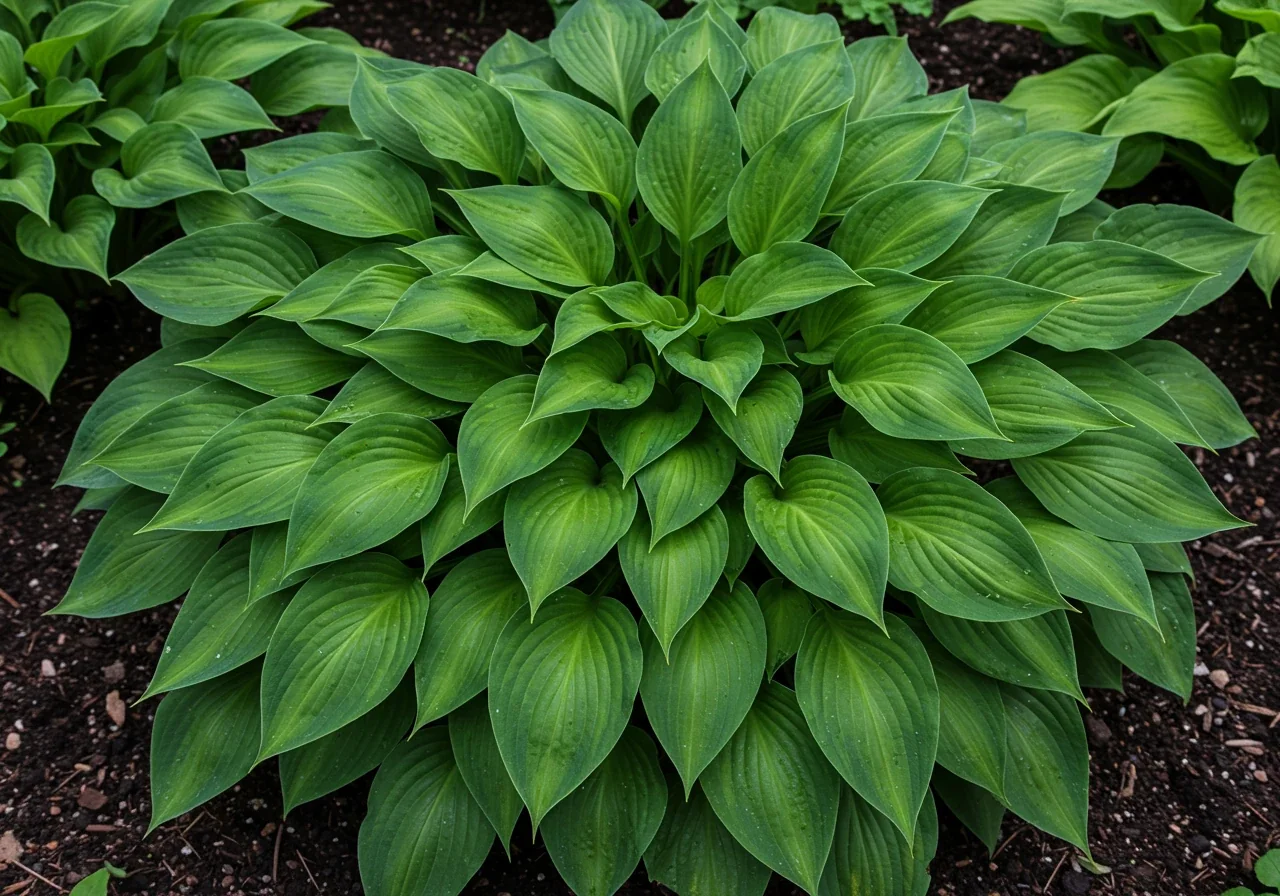
Your plants often signal when they're feeling crowded or tired:
- The Dreaded Doughnut: Healthy outer ring, dead or sparse center. The oldest part is exhausted.
- Reduced Flowering: Fewer or smaller blooms than usual indicates overcrowding and resource competition.
- Outgrowing Space: The plant is simply too large for its spot or is encroaching on neighbours.
- Smaller Growth: Leaves and stems are noticeably smaller than previous years, signaling stress.
For cleanup after major division, consider our Metcalfe property cleanup service or Marionville property cleanup service if you're in those areas.
Not All Heroes Wear Capes: Identifying Which Perennials Need Dividing (and When!)
Okay, let's dive into the detective work of figuring out which of your garden troopers need a little personal space. Not every perennial needs dividing every year, and knowing *which* ones need it and *when* is key to keeping your garden looking sharp, whether you're in Manotick, Barrhaven, or anywhere else in the Ottawa area! Think of yourself as a garden detective, looking for the clues.
Signs Your Perennials Are Sending an SOS:
Your plants are pretty good at telling you when they're feeling crowded or tired. Here’s what to look for:
- The Dreaded Doughnut: See a ring of healthy growth around the outside, but the middle looks dead or sparse? That's the classic sign! The center of the clump is the oldest part and eventually runs out of steam (and nutrients). Time to divide!
- Flower Power Failure: Is your usually bloom-tastic Daylily or Iris putting on a less-than-stellar show? Fewer flowers, or maybe smaller ones, often mean the plant is overcrowded and competing with itself for resources.
- Taking Over the Neighbourhood: Some perennials are enthusiastic growers (we're looking at you, Bee Balm!). If a plant is simply getting too big for its spot or bullying its neighbours, dividing it brings it back down to size and gives you extras.
- Shrinking Violet Syndrome: Are the leaves and stems noticeably smaller than in previous years? This can signal stress from overcrowding and lack of nutrients.
Fall vs. Spring Division: The Great Debate (Ottawa Edition)
So, when's the best time to perform this plant surgery? The general rule of thumb is: divide plants in the season opposite their bloom time.
- Spring/Early Summer Bloomers: Divide these guys in the fall. This gives plants like Peonies (do these very early fall!), Daylilies, Hostas, and Siberian Iris plenty of time to establish roots in the still-warm soil before winter, without worrying about supporting flowers or foliage growth. This is often tackled during general autumn yard work, much like the tasks included in a Manotick yard cleanup service.
- Late Summer/Fall Bloomers: Divide these in the spring, as soon as new growth emerges. This includes plants like fall Asters, Chrysanthemums, Sedum 'Autumn Joy', and most Ornamental Grasses. Dividing them in spring gives them the entire growing season to recover before they need to put on their fall flower show.
Why the Rule Isn't Always Rigid:
Our Ottawa climate throws in a few curveballs. While the rule is helpful, some tough cookies can handle division in either season if needed. However, sticking to the guideline generally causes less stress for the plant. Improving soil structure when you divide is also key, especially if you have heavy clay like some parts of Ottawa or sandier soil like areas around Richmond. Adding compost helps either situation! If you're ever unsure or the task feels too big, remember professional landscaping and garden care services are available to help. You can read about our service commitments in our Terms and Conditions.
Quick Guide: Who Gets Divided When in Ottawa?
| Timing | Examples (Common Ottawa Perennials) |
|---|---|
| Divide in FALL (Late Aug - Late Sept/Early Oct) | Peonies (Early Fall ONLY), Daylilies (Hemerocallis), Hostas, Bearded Iris (Late Summer/Early Fall ideal), Siberian Iris, Astilbe, Garden Phlox (Phlox paniculata), Coral Bells (Heuchera)* |
| Divide in SPRING (As new growth appears) | Fall Asters, Chrysanthemums ('Mums'), Sedum ('Autumn Joy'), Most Ornamental Grasses, Coneflower (Echinacea), Black-Eyed Susan (Rudbeckia), Bee Balm (Monarda), Yarrow (Achillea) |
*Coral Bells can often be divided successfully in either spring or fall.
Keeping track of your plants' needs is part of ongoing garden care. Consistent city garden maintenance service can help identify these issues early. And remember, while these are solid guidelines based on experience in areas from Metcalfe (we offer Metcalfe property cleanup service too!) to Kanata, every garden has its own quirks. Always observe your specific plants! For local gardening advice, the Master Gardeners of Ottawa-Carleton are a great resource.
So, put on your detective hat, check your perennials for the signs, and schedule their spa day for the right season. Happy dividing!
Your Perennial Division Toolkit: Gearing Up for Garden Surgery
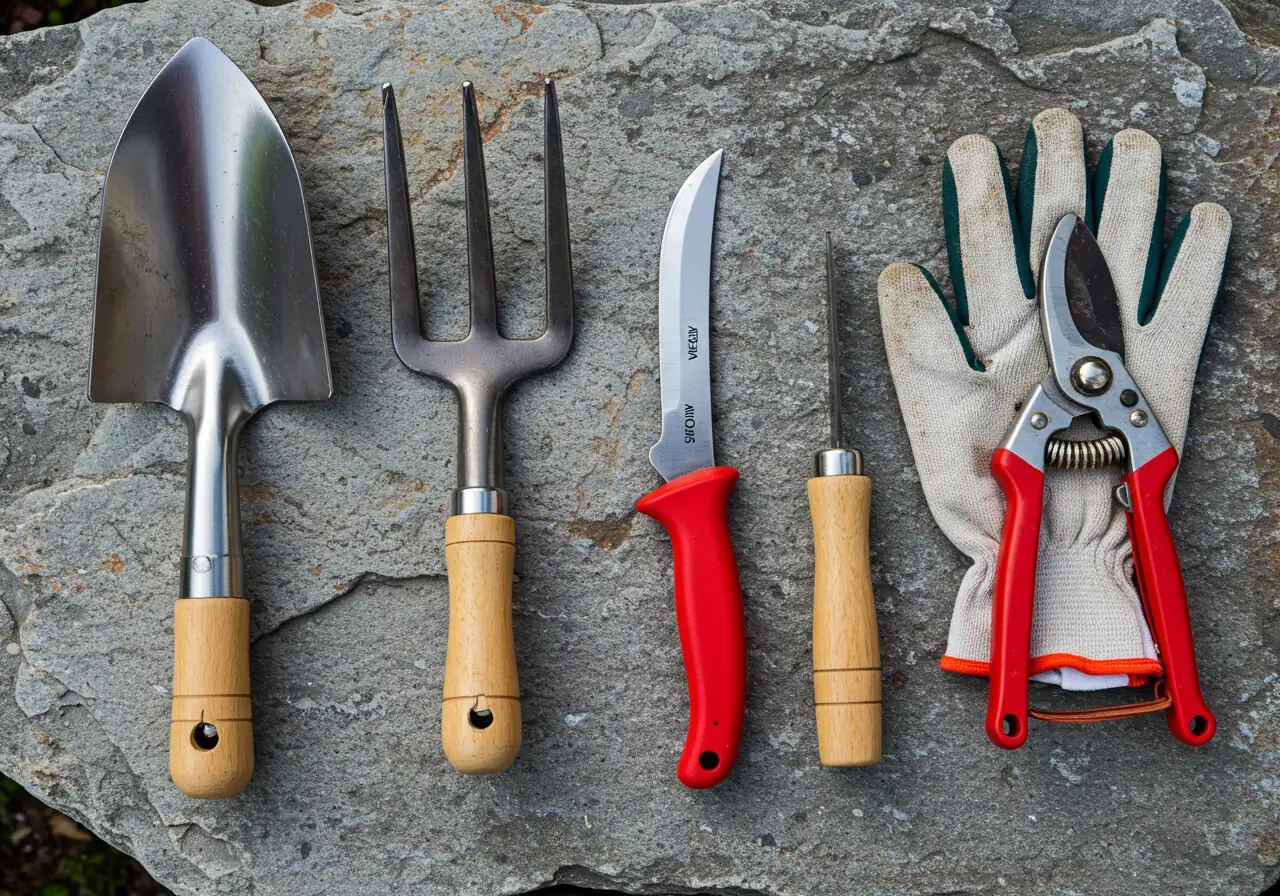
Alright, let's talk tools! Performing perennial division is a bit like garden surgery – you want the right instruments, clean and ready to go. Being prepared makes the whole process smoother and less stressful for both you and your plants. Don't worry, you don't need a fancy operating theatre, just a few trusty items. Think of it as getting ready for a satisfying workout for your green thumbs (and maybe your back muscles) in your Ottawa garden.
Here’s your essential toolkit:
- Digging Tools: A sturdy shovel or spade with a sharp edge is crucial for lifting the plant clump. A garden fork (or even two used back-to-back) is brilliant for prying apart roots with less damage, especially for tough, fibrous clumps. Seriously, the fork is your best friend here.
- Cutting Tools: Sometimes roots need persuasion! A clean, sharp knife (an old serrated bread knife works wonders!), strong pruners, or even a small hand saw for really woody roots can be necessary. Clean and sharp is the mantra – dull tools crush stems and roots, inviting disease. Dirty tools spread problems faster than gossip in Barrhaven!
- Transport & Tidiness: A tarp or wheelbarrow is handy for containing the soil and plant bits, making the general property clean up afterwards much easier. Keeping your work area tidy is part of the process, much like the pros ensure during an Ottawa yard cleanup service.
- Water: A watering can or hose nearby is essential for watering the divisions immediately after planting.
- Soil Goodies: Have some compost or other organic matter ready to mix into the soil when you replant. This gives your new divisions a great start. Check our guide on material selection for ideas.
Pro Tip: Before you start, give your tools a good clean, especially if you used them on diseased plants. A quick wipe with rubbing alcohol or a bleach solution (1 part bleach to 9 parts water) does the trick. Sharp tools make cleaner cuts, helping plants heal faster.
Eco-Friendly Tip: Don't just toss the old, dead centre of the clump or excess healthy bits you don't need! Healthy root and stem pieces can go straight into your compost bin. It's much better than needing a large-scale Marionville property cleanup service for loads of garden waste. Sometimes the effort involved in digging up large clumps feels comparable to the ground preparation done by crews offering Metcalfe yard cleanup service! Remember, dividing plants is also a fantastic, free way to fill bare patches in your beds, often delaying or avoiding the need for new sod installation. Gear up, get sharp, and get dividing!
The Main Event: Step-by-Step Perennial Division Like a Manotick Pro
Okay, garden gladiators, tools are sharp, the timing is right – let's get down to the nitty-gritty of dividing those perennials! It might look intimidating, but follow these steps, and you'll be multiplying your plants like a seasoned Manotick pro in no time. Ready? Let's dig in!
Step 1: Hydrate and Trim (Optional)
Water the plant thoroughly a day or two before dividing. If foliage is large/floppy (like Daylilies), trim leaves back by about half to reduce water loss and improve visibility.
Step 2: The Great Excavation
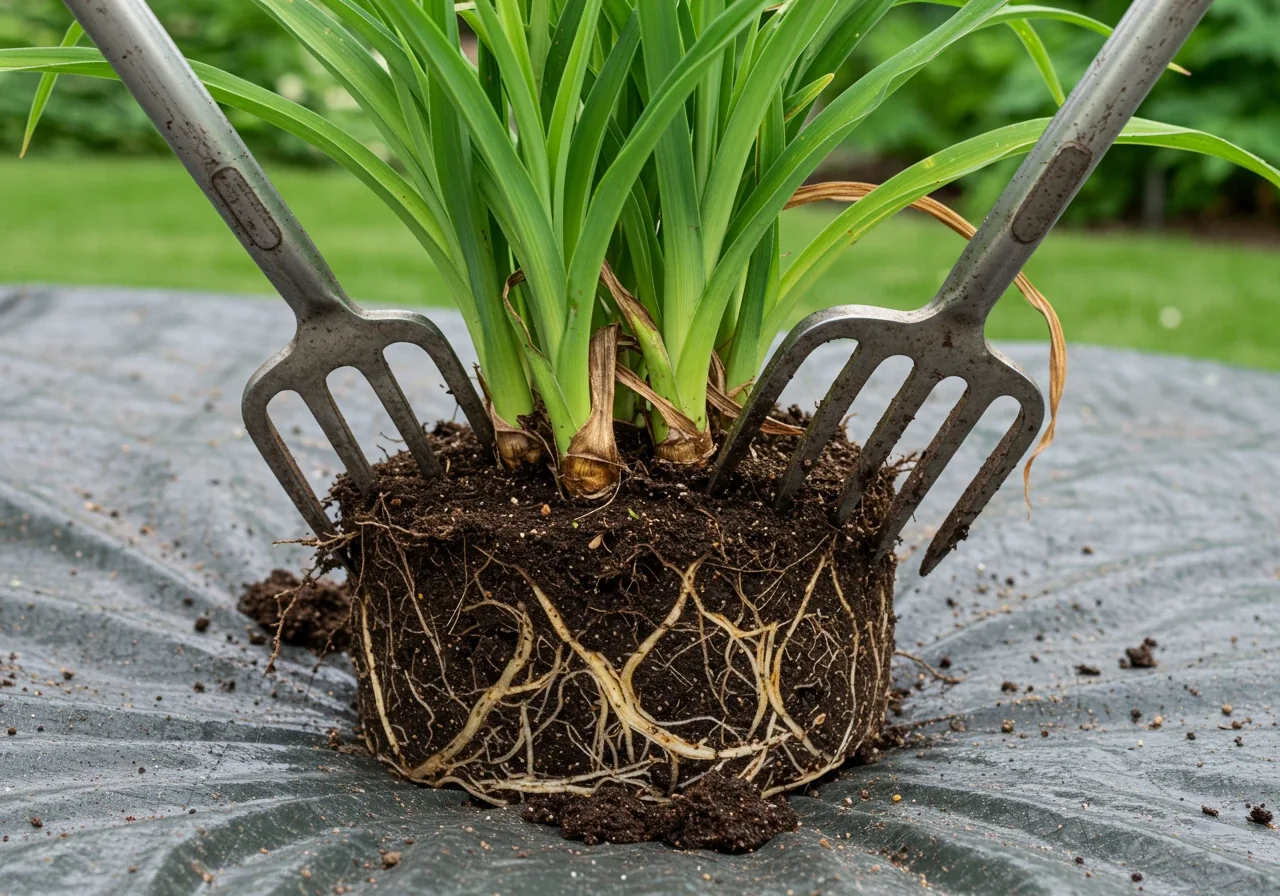
Dig around the entire clump, several inches away from the base. Use a shovel or fork to gently pry and lift the whole root ball out. Place it on a tarp.
Step 3: Divide and Conquer!
Shake off loose soil. Gently pull sections apart by hand or use two forks back-to-back. Use a sharp knife for tough roots. Create fist-sized divisions, each with healthy roots and several shoots (eyes). Discard the old, woody center.
This step can generate waste; ensure proper disposal or composting, similar to a city property cleanup service.
Step 4: Prepare the New Digs
Dig planting holes slightly wider than the root balls. Improve the soil by mixing in compost or well-rotted manure. Good soil preparation is key!
Step 5: Tuck Them In
Position divisions in the holes so the crown (where roots meet stem) is at the same level as it was before. Backfill with the amended soil, firming gently to remove air pockets. This is like a mini garden install.
Step 6: Water, Water, Water!
This is crucial! Water deeply immediately after planting to settle the soil. Keep the soil consistently moist (not soggy) for several weeks until the ground freezes.
Consider this part of your routine garden maintenance.
And that’s it! You've successfully divided your perennials. Tidy up any leftover soil and plant bits – keeping the area clean is part of good gardening practice, just like you’d expect from a professional city yard cleanup service. Now, pat yourself on the back and look forward to a healthier, more vibrant display next spring!
Key Factors for Fall Division Success
Relative importance of factors for successful overwintering of fall divisions (Illustrative %)
Tucking Them In: Post-Division Care for Ottawa's Winter
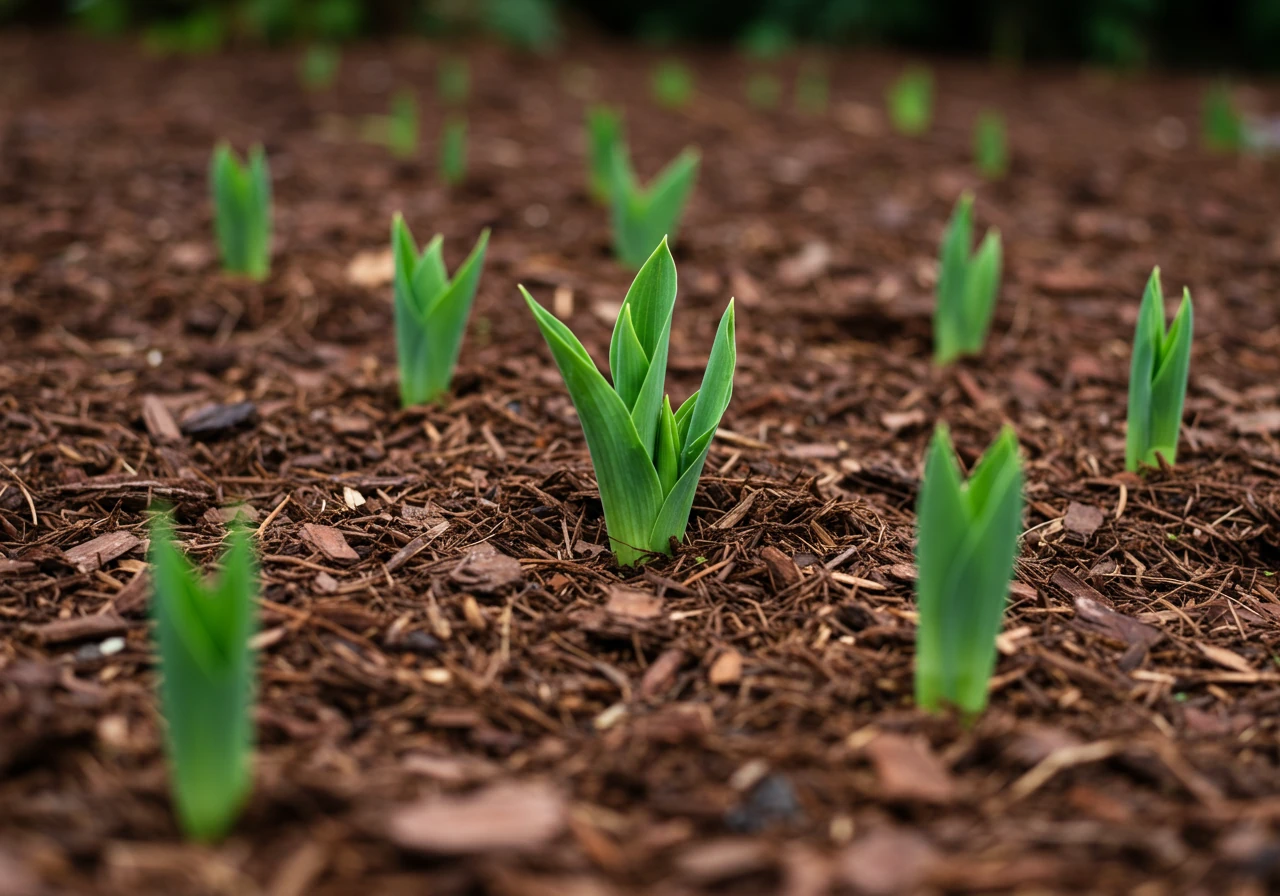
Okay, you’ve done the dividing – high five! That was the main workout. Now, let's talk about tucking those new plant babies in snugly for their first challenging Ottawa winter. It’s like putting the kids to bed after a big day; a little extra care now makes for happy campers (or happy perennials!) come springtime. Especially out in areas like Vernon or Winchester where the wind can really whip across open spaces, giving them a good, protected start is key.
First things first: keep watering! Yes, even though it's getting cooler and maybe even frosty some mornings. Keep watering your newly divided plants consistently, maybe once or twice a week if we don't get rain, right up until the ground freezes solid. Don't drown them, but ensure the soil stays moderately moist. Why bother? Because those roots are working hard underground, trying to get established before the deep freeze locks everything up. Think of it as their last big drink before a long winter nap. Proper hydration helps them withstand the drying winter winds and wild temperature swings.
Next up, the magic of mulch! Once the ground has had a few light freezes – usually late October or November around here – it’s time to add a cozy blanket of mulch. About 2-3 inches (5-7 cm) of shredded bark, straw, pine needles, or chopped leaves works beautifully. Our mulching and edging services can help with this. Super Important Note: The mulch isn't primarily to keep the roots *warm* like a winter coat. Its main job is to keep the soil temperature consistent. It acts like insulation for the ground, helping to prevent the damaging freeze-thaw cycles common in our region. These cycles can cause the ground to heave upwards (it’s called frost heave), potentially pushing your new, shallow-rooted divisions right out of the soil! Mulch helps keep the ground frozen once it gets properly cold, protecting those precious, developing roots. Taking the time for these steps can contribute to some truly wonderful garden transformations come next year.
Just remember not to pile the mulch right up against the plant stems or crowns – leave a little breathing room, maybe an inch or so, to prevent moisture buildup and potential rot. Cleaning up any stray leaves or debris before mulching is also a good idea. This final garden tidy-up might feel like less heavy lifting than a full city property cleanup service, but it’s critically important for your plants' health over winter. And hey, while you're focused on winter prep for your garden beds, don't forget your grass needs attention too – proper fall lawn care is essential for setting the stage for a lush green return in spring.
Taking these careful post-division steps shows the same dedication to plant health and property aesthetics that the Clean Yards team brings to every landscaping project. If you're ever scratching your head about specific plant needs, the best type of mulch for your soil, or just want a second opinion, feel free to contact us for advice. A little extra effort now ensures your newly divided perennials wake up strong, settled, and ready to thrive next season! You can learn more about local plant care at the Friends of the Experimental Farm.
Highlight Box: Fall Division Fast Facts
Need the quick version for dividing perennials this fall in Ottawa? Here are the absolute must-knows to get you digging with confidence:
- Timing is Everything (Almost!): Aim for late August through September, possibly sneaking into early October depending on the weather gods. You want about 4-6 weeks before the ground freezes solid. Keeping track is easier with consistent fall garden maintenance schedules.
- Divide Opposite Bloom Time: Generally, tackle spring and early summer bloomers (like Hostas, Daylilies, Peonies) in the fall. Wait until spring for the late summer/fall flowering crew (Asters, Mums, Sedum). This fits nicely alongside other autumn tasks, like ensuring proper fall lawn care for a healthy spring return.
- The Technique Teaser: Dig wide around the clump, lift gently (garden forks are amazing!), split into fist-sized sections (each with roots and shoots), and toss the dead middle bit. Tidy up the mess – dividing big clumps can generate surprising debris, almost enough to consider calling a Marionville garden clean up service!
- Replant Right & Tuck In Tight: Plant divisions at their original soil depth, mixing in some compost. Water them really well immediately and keep watering until the ground freezes. Apply mulch *after* a few light frosts (late Oct/Nov) to prevent frost heave – essential whether you're in Barrhaven or Metcalfe. If the whole process feels overwhelming, remember comprehensive help like a Metcalfe yard cleanup service exists.
- Bonus Plants & Tidy Spaces: Don’t forget the best part – free plants! Use divisions to expand your garden or share the love with neighbours. It’s a key part of keeping your whole yard looking sharp, contributing to the overall effect you'd achieve with a thorough Ottawa property cleanup service. Read our Privacy Policy to see how we handle your information.
FAQ: Your Manotick & Ottawa Perennial Questions Answered
I meant to divide my Hostas earlier, but life got busy! How late in the fall is *really* too late to divide perennials in the Ottawa area?
That's a common situation – fall can fly by! The general rule for successful fall perennial division is to give the plants about 4 to 6 weeks to establish some new roots before the ground freezes solid. In Manotick and Ottawa, this usually means finishing up by late September or *maybe* the first week or two of October, depending heavily on the year's weather. If we have a warm autumn, you might get away with it a bit later, but it's a gamble. Trying to divide when the ground is already starting to freeze is definitely too late. The roots won't have time to settle in, making the plant vulnerable to winter damage. When in doubt, earlier in the fall is always better!
Help! I just divided my Daylilies, and now they're calling for frost tonight! Did I doom them?
Don't panic! A light frost hitting the *leaves* shortly after division usually isn't a major problem for hardy perennials typically divided in fall. The plant's main focus after division is underground, establishing roots in the still-relatively-warm soil. Think of it like the roots are having a little underground party before winter! A light frost might nip the foliage, but the roots should be okay. The key things are: keep watering until the ground freezes, and *after* the ground has cooled down (following a few light frosts, usually late Oct/Nov), apply that protective layer of mulch to prevent frost heave. Consistent care is the best defense.
My garden is in Nepean, and the soil is mostly heavy clay. Does this change how I should divide and replant perennials?
Ah yes, Ottawa clay – we know it well! Heavy clay soil holds moisture (which can be good) but can also be slow to drain and compact easily, making it tough for new roots to spread. When you divide perennials in clay soil, it's the *perfect* opportunity to improve the planting area. Dig the new hole a bit wider and deeper than you normally might. Then, mix some compost, well-rotted manure, or other organic matter into the soil you removed before backfilling around your new division. This process, often part of good landscaping practice, helps break up the clay, improve drainage, and add nutrients. Don't add sand – that can make things worse, like concrete! Improving soil structure is a key part of long-term gardening success, and it's something addressed during a professional Ottawa garden clean up service.
Should I fertilize my newly divided perennials in the fall to give them a boost?
Great question, but hold off on the fertilizer for now! In the fall, the goal for your divided perennials is strong root development, not lush leafy growth. Adding fertilizer, especially nitrogen-heavy ones, can encourage tender new top growth that won't survive the winter and might even hinder root establishment. The compost you (hopefully!) added when replanting provides plenty of slow-release nutrients for the roots. Save the proper fertilizing for next spring when the plant is ready to put energy into leaves and flowers.
What exactly is transplant shock, and how can I stop my newly divided plants from getting it?
Transplant shock is basically the stress a plant experiences when it's moved. Symptoms can include wilting, yellowing leaves, or just looking generally unhappy (if plants could look unhappy!). While you can't eliminate it entirely during division, you can minimize it. Water the plant well a day or two *before* digging. Try to divide on a cooler, overcast day. Handle the root ball gently, keeping as many roots intact as possible (garden forks are great for this!). Don't let the roots dry out while they're out of the ground – keep them moist or shaded. Replant promptly into that nicely prepared hole, water thoroughly right away, and keep the soil consistently moist for the next few weeks. Good preparation and gentle handling are key! If tackling large or delicate plants feels daunting, you can always seek professional advice; after you submit a request through many online forms, you often land on a confirmation like our thank you page.
Okay, I divided my big patch of Bee Balm, and now I have... a lot of leftover bits and pieces. What do I do with it all?
Ha! Yes, enthusiastic perennials can multiply quickly. First, sort through your divisions. Pot up any healthy extras you want to keep, share with neighbours (a lovely gardening tradition!), or use to fill other spots in your yard. Discard the old, woody centers or any diseased-looking parts directly into your yard waste – don't compost diseased material. Healthy leftover roots and foliage can usually go into your compost bin. Remember to tidy up the soil and debris around the work area. Sometimes, especially after dividing several large clumps, the cleanup can feel significant. For really big jobs leaving lots of garden waste, you might even consider a service like an Ottawa property cleanup service to handle the removal, although usually, a standard city garden clean up service approach of bagging for municipal pickup or composting works just fine. Similar services include Metcalfe garden clean up service and Marionville yard cleanup service.
Conclusion: Set Up Your Manotick Garden for Spring Success!
Whew! We've dug deep into the world of fall perennial division, haven't we? From spotting the signs your plants need space to getting your tools ready and gently tucking those new divisions in for their winter nap, you're now armed with the know-how for a thriving Manotick garden. Remember, dividing those crowded Hostas or Daylilies now isn't just a chore – it's setting the stage for spectacular spring success! Healthier roots, more vibrant blooms, and free plants to boot – what's not to love?
Think of this fall garden care as a smart investment. A little effort now prevents overcrowding later and ensures your favourite perennials have the resources they need. Don't forget that crucial watering until the ground freezes and that cozy layer of mulch *after* the first frosts – they make all the difference in our unpredictable Ottawa winters.
Feeling a bit overwhelmed, or maybe your garden beds in Barrhaven or Greely need more than just division? If wrestling with root balls isn't quite your cup of tea, don't sweat it! Professional help is just a call or click away. Whether you need assistance with perennial division, a full fall cleanup, or planning other landscaping improvements, we're here to help homeowners in Manotick, Nepean, and surrounding areas like those needing city garden clean up services. Let us handle the heavy lifting so you can simply look forward to a beautiful spring display. Ready for expert garden care? Reach out for a consultation today! We appreciate feedback on our services via our estimate feedback form.