
Manotick Formal Garden Design: Classic Lines, Modern Appeal
Key Takeaways:
- Formal gardens blend classic elements (symmetry, structure) with modern needs.
- Design focuses on strong lines, geometric shapes, defined edges, and focal points.
- Modern adaptations include looser planting, mixed materials, and practicality for Ottawa living.
- Site analysis (sun, soil, water) and hardy plant selection are crucial for Zone 5.
- Proper hardscaping installation and regular maintenance are key to a sharp look.
Ready to bring structured elegance to your outdoor space? Request a Quote Today!
Introduction: Manotick Formal Gardens – Classic Charm Meets Modern Living
Welcome to the world of Manotick Formal Gardens! Now, hold on – when you hear "formal garden," do you picture something stiff and maybe a little... dusty? Let's clear that up! This isn't necessarily your great-aunt Mildred's high-maintenance maze (unless Mildred was secretly super cool!). Here in lovely Manotick, and spilling over into nearby areas like Greely and Barrhaven, we're seeing a fantastic blend of classic design charm meeting today's busy lives. Think of it as landscaping with elegance and practicality.
We're taking those gorgeous formal elements – like satisfying symmetry, crisp hedges, and inviting pathways – and adapting them for modern Ottawa living. It’s about creating structured, beautiful outdoor spaces using smart gardening techniques and even hardy local plants. Forget gardens that require a full-time staff; today's formal approach focuses on strong structure that looks great year-round, often with lower-maintenance plant choices. These are gardens that look amazing but still leave you time to actually enjoy them, whether you're hosting a barbecue or just relaxing with a good book. Ready to see how classic style gets a modern, Manotick twist?
Decoding the Classics: What Makes a Garden 'Formal'?
Okay, so we've chatted about how formal gardens aren't necessarily fussy relics of the past, especially here in the Ottawa area. But what *actually* makes a garden "formal"? It’s less about wearing a top hat to prune your roses and more about specific design choices that create a sense of order and elegance. Think of it as the difference between a neat, organized bookshelf and a charmingly chaotic pile of books – both can be great, but "formal" definitely leans towards the organized shelf!

At its heart, a formal garden is all about structure and control. Unlike more naturalistic styles that mimic wild landscapes, formal design uses human-imposed order. Here are the key ingredients you'll usually find:
- Symmetry is King (or Queen!): This is probably the biggest giveaway. Imagine folding the garden design in half down a central line – in a perfectly symmetrical formal garden, both sides would mirror each other. Like looking in a mirror, what's on the left is largely repeated on the right. This creates a feeling of balance and predictability that many people find very calming. It's planned, not random.
- Straight Lines Rule: Formal gardens often rely on strong axial lines. Fancy term, simple idea: think straight pathways or sightlines that draw your eye directly to a specific point, like a fountain, a bench, or a special plant. These lines act like the garden's skeleton, giving it a clear structure. You won't find many meandering, curvy paths here!
- Geometry Class Outdoors: Forget flowing, natural shapes. Formal gardens embrace geometry. Think square or rectangular flower beds, circular lawns, or pathways intersecting at perfect right angles. These clear shapes reinforce the sense of order.
- Clearly Defined Edges: Everything has its place. Crisp edges are crucial, whether it's neatly clipped hedges (boxwood is a classic choice), low brick walls, or sharp borders between the lawn and garden beds. This containment creates a tidy, polished look. Keeping these lines sharp is key, which is why tasks like thorough Manotick fall cleanup and winter lawn prep are important to maintain the structure year-round. After a tough Ottawa winter, it's also wise to perform a Manotick spring garden scan for winter damage to see if hedges or structures need repair to keep those lines neat.
- Focal Points: Those axial lines usually lead somewhere! Formal gardens often feature a central focal point – maybe a statue, an urn, a birdbath, or even a small, contained water feature. This gives the eye a destination.
- Orderly Planting: While plant choice can vary, formal gardens often use plants in repeated patterns or blocks of single colours. Think rows of the same flower or carefully placed shrubs. Keeping these plants looking lush often requires consistent moisture, making things like regular Manotick irrigation checks to save water in summer really helpful for maintaining that perfect look efficiently.
So, it's really about symmetry, straight lines, geometric shapes, and clear boundaries. Even in smaller spaces, like yards in Nepean or Manotick, applying just one or two of these principles can bring a touch of formal elegance. Good structure also needs good foundations – while a formal garden differs greatly in style from, say, a Manotick rain garden designed for clay soil drainage, all gardens benefit from understanding water movement and ensuring proper drainage from the start. Achieving that classic formal look takes planning and upkeep, but the results can be stunningly sophisticated. If you're inspired but unsure where to start, exploring professional landscaping and gardening services can help bring that structured vision to life.
Looser, Livelier Planting
Modern formal gardens often keep the strong structural lines (pathways, bed shapes) but fill them with softer, more textured plantings. Think ornamental grasses, flowing perennials, and shrubs that don't need constant shearing. This contrasts beautifully with the rigid framework.
Mixing Materials
While traditional formal gardens might heavily feature brick and boxwood, modern designs incorporate contemporary materials like sleek concrete pavers, Corten steel edging, or modern sculptures as focal points, blending classic structure with current architectural styles.
Practicality is Paramount
Today's formal gardens prioritize plants hardy for the local climate (like Ottawa's Zone 5) and relatively lower maintenance needs. Design choices consider ease of mowing, effective mulching for weed suppression, and materials that withstand freeze-thaw cycles.
The Modern Twist: Formal Gardens for Today's Ottawa Lifestyle
Okay, let's dive into how those classic formal garden ideas get a fresh, modern makeover perfectly suited for life here in Ottawa!
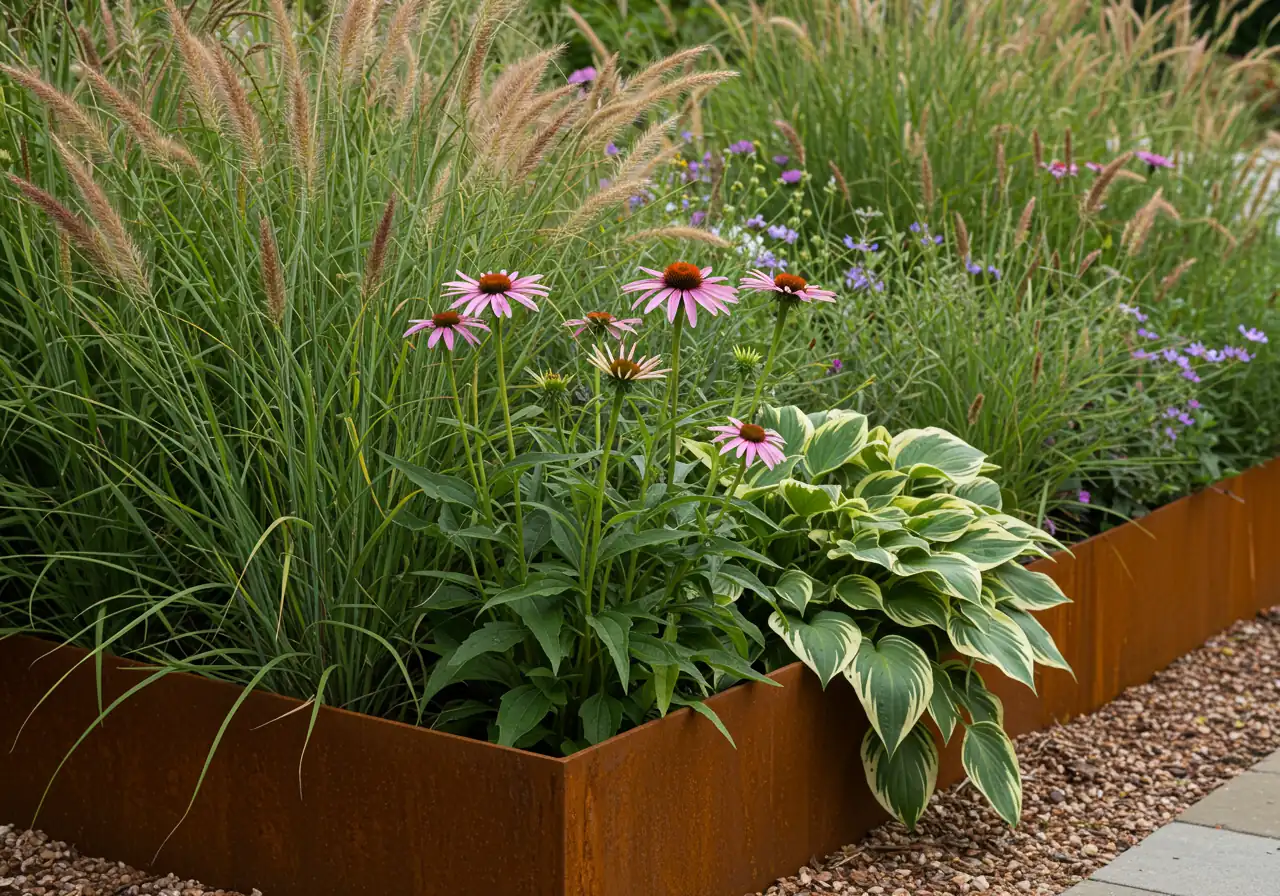
So, we've established that formal gardens aren't just for sprawling estates with teams of gardeners clipping away endlessly. Thank goodness, right? Because most of us juggling work, family, and maybe trying to catch an Ottawa Senators game just don't have time for that level of fuss! The brilliant thing is, we can steal the best bits of formal design – that lovely sense of order, the satisfying symmetry, the elegant structure – and adapt them for real life in places like Barrhaven, Nepean, or right here in Manotick. It's about creating outdoor spaces that look polished and intentional but still feel welcoming and, dare we say, relaxing.
Think of it as "Formal Garden: Lite Edition" or maybe "Formal Garden: Actually Usable Edition." Here’s how the modern twist works:
- Looser, Livelier Planting: This is a big one. While the structure (think crisp pathways or geometric garden beds) stays strong, the planting within that structure often gets softened up. Instead of rigid rows of identical plants or tightly clipped hedges everywhere (though a few well-placed ones are still great!), modern formal gardening embraces more texture and movement. Picture drifts of ornamental grasses that sway beautifully, hardy perennials offering waves of colour through the seasons, and maybe some lovely flowering shrubs that don’t require constant shearing. You keep the strong bones, but flesh it out with plants that are a bit more easy-going and nature-friendly. The key is selecting plants that work within the structure, which often benefits from ongoing garden maintenance to keep things looking intentional, not messy.
- Mixing Materials: Classic formal gardens often relied heavily on traditional materials like brick and boxwood. Today, we're mixing it up! Sleek concrete pavers might create a patio within a symmetrical layout. Corten steel or dark metal edging can provide that sharp definition for garden beds with a contemporary vibe. Maybe a modern sculpture replaces a traditional statue as a focal point. This blend allows the garden's design to complement modern home architecture often seen in developing Ottawa suburbs. Getting the base right is crucial, and sometimes that means a solid clear-out first; a Manotick yard cleanup service can provide that essential blank canvas.
- Designed for Living, Not Just Looking: This is perhaps the most important adaptation. Modern formal gardens are meant to be used. That inherent structure is fantastic for creating defined outdoor living areas. Imagine a perfectly centred patio for dining, flanked by matching raised garden beds. Or a straight pathway leading directly to a cozy fire pit area, balanced by a seating nook on the other side. The symmetry and order make the space feel organized and purposeful, integrating patios, decks, and seating seamlessly into the overall landscaping plan. Keeping these integrated spaces tidy is part of the appeal, and a reliable property cleanup service like those available in Marionville helps maintain that neat appearance.
- Practicality is Paramount: Let's face it, Ottawa winters (and sometimes springs... and falls...) mean we need plants and materials that can handle our climate. The modern approach prioritizes hardiness and relatively lower maintenance. This might mean choosing disease-resistant shrub varieties, using quality mulch to suppress weeds in garden beds, designing simpler lawn shapes for easier mowing, or incorporating more hardscaping. The goal is elegance *without* enslavement to the garden! Seasonal prep is still vital for structure, making an expert Ottawa garden clean up service a smart investment each spring and fall.
Ultimately, the modern formal garden blends classic order with contemporary needs. It acknowledges our busy lifestyles and desire for beautiful, functional outdoor spaces that enhance our homes without demanding every spare moment. If you love the idea of structure and elegance but want it tailored to *your* life, exploring professional landscaping and gardening services can help you achieve that perfect balance.
Designing for Manotick & Beyond: Site, Soil, and Season Savvy
Alright, you're dreaming of crisp hedges and perfect pathways for your Manotick home – fantastic! But hold your secateurs for just a moment. Creating a stunning formal garden that *thrives* here in the Ottawa region means we need to get savvy about our specific conditions. Think of it like dressing for the weather; you wouldn't wear shorts in January, and your garden needs the right 'outfit' too! Ignoring the local site, soil, and seasons is like trying to grow pineapples in Osgoode – possible with *a lot* of effort, but maybe not the smartest plan.
Let's break down what makes designing for Manotick, Greely, Metcalfe, and our neighbouring areas unique:
Our Ottawa Climate: Zone 5a/b Adventures
Welcome to Canadian Hardiness Zone 5a/b! This means we get lovely warm summers (sometimes downright humid!), but also seriously cold winters with temperatures dipping well below freezing. This affects everything in a formal garden:
- Plant Choices are Key: Forget those tender southern belles. We need hardy plants, shrubs, and trees that can survive our deep freezes and snow cover. Think sturdy evergreens for year-round structure, tough perennials that die back and return, and resilient deciduous shrubs. Boxwood, a formal garden classic, needs careful selection of hardy cultivars for our zone. Explore local resources like the Ottawa Horticultural Society for plant recommendations.
- Winter Woes: Heavy snow can damage hedges and shrubs if they aren't the right shape or species. Ice storms? Don't get us started! Freeze-thaw cycles in spring and fall can heave pavers in pathways and patios if they aren't installed correctly on a proper base. Winter protection for more sensitive plants might be necessary. Starting spring with a thorough check-up is crucial, something an expert Ottawa property cleanup service excels at.
- Summer Stress: Heat and potential drought mean choosing plants that won't faint at the first sign of summer sun, especially if your design features open, sunny areas. Efficient watering strategies become important. Resources like the Rideau Valley Conservation Authority often provide water level updates.
Getting Down to Earth: Our Soil Situation
Much of the Ottawa area, including parts of Manotick and stretching towards Richmond, is known for its heavy clay soil. If you grab a handful of moist soil and it easily forms a sticky ribbon, congratulations, you've likely got clay!
- Clay Challenges: Clay soil drains slowly (hello, puddles!), can compact easily (making plant roots unhappy), and can be tough to dig when dry or soggy. For formal gardens needing precise planting and healthy growth, this needs addressing.
- Clay Perks: On the plus side, clay holds onto nutrients well.
- Improving Clay: The magic word is organic matter. Adding compost, composted manure, or peat moss improves drainage and structure dramatically. Raised beds can also be a great solution for formal planting areas. Learn more about soil preparation techniques.
- Other Soils: Closer to the Rideau River or in pockets around areas like Greely, you might find loamier or sandier soil, which drains better but may need more watering and feeding. Knowing your soil is step one! Healthy soil is also the foundation for those neat lawn sections often found in formal designs, requiring good lawn care practices.
Typical Soil Composition Challenges in Area
*Illustrative breakdown - Actual composition varies significantly by specific location.
Know Your Plot: Basic Site Analysis
Before you sketch that perfect symmetrical layout, grab a notebook and play detective in your own yard. Understanding your specific site is non-negotiable:
- Sunlight Mapping: Where does the sun hit, and for how long? Morning sun? Blazing afternoon sun? Deep shade? This dictates plant placement. A formal design might look odd if one side thrives in sun while the mirrored side struggles in shade.
- Water Ways: Where does rainwater flow or puddle after a storm? Avoid planning key features like patios or delicate garden beds in soggy bottoms. Proper grading and drainage solutions might be needed.
- Wind Watch: Is your yard exposed to strong winds? This can dry out plants and damage structures. Consider windbreak plantings (using hardy shrubs!) as part of your design, especially on larger properties common towards Metcalfe. Sometimes, clearing overgrown areas to assess the site properly is needed; a dedicated [Metcalf yard cleanup service](https://cleanyards.ca/metcalf-yard-cleanup-service/) can handle that initial prep work.
- Existing Features: Note trees, slopes, utility lines, buildings, or even municipal property interfaces. You need to work with or around these. Understanding boundaries is important, especially if your design ideas go near the edge of your property line where you might need clarity on responsibilities, sometimes involving a city property cleanup service for adjacent public spaces.
- Your View: Where will you see the garden from most often (windows, patio)? Design with those viewpoints in mind!
When working with professional landscapers, they perform detailed analyses, taking precise measurements and creating scaled plans. They handle your site information carefully, respecting property lines and personal data, much like any reputable service outlines in their privacy policy.
Quick Homeowner Site Check:
- Sun Tracker: Sketch your yard. Visit it morning, noon, and late afternoon. Roughly shade areas based on sunlight duration (full sun = 6+ hours, part shade = 4-6 hours, full shade = less than 4 hours).
- Puddle Patrol: After a good rain, note where water collects and for how long.
- Soil Squeeze: Dig down a few inches in different spots. Grab a moist handful. Does it feel gritty (sandy), silky (loamy), or sticky and form a ribbon (clay)?
- Wind Direction: Notice the prevailing wind direction. Are certain areas more exposed?
- Feature Map: Mark existing trees, paths, sheds, septic fields (important!), overhead wires etc. on your sketch.
Taking these local factors into account from the start saves headaches later and ensures your Manotick formal garden is not only beautiful but also sustainable and well-suited to its Ottawa home.
Plant Palette Perfection: Hardy Choices for Ottawa's Formal Gardens
Okay, let's talk plants! Choosing the right green team members for your Ottawa formal garden is crucial. You want that crisp, elegant look, but Mother Nature in Zone 5a/b has opinions, especially during our notorious winters! Forget trying to coax delicate southern belles through the frost; we need tough cookies that look great doing it. Selecting hardy plants isn't just smart, it saves you heartache (and probably some money!) down the road.

Think of it like casting actors for specific roles. In a formal garden, some plants provide the structure, others the colour, and some just look fabulous year-round. Here’s a breakdown of hardy choices perfect for bringing formal flair to your Ottawa landscape:
The Structural Stars: Evergreens & Hardy Shrubs
These are the backbone of your formal garden, providing shape and presence even when buried under a blanket of snow.
- Evergreens: Absolutely essential for winter interest! While classic Boxwood can be fussy here, consider these champs:
- Hardy Yews: Cultivars like 'Hicksii' (upright) or 'Tauntonii' (spreading) handle cold well and tolerate shearing for those neat hedge shapes.
- Globe Cedars (Arborvitae): Varieties like 'Danica' or 'Little Giant' stay naturally rounded, minimizing pruning needs. Great for defining corners or pathway edges.
- Junipers: Some upright junipers ('Skyrocket') can create vertical accents, while spreading types offer groundcover texture. Choose wisely based on mature size!
- Deciduous Shrubs: Look for shrubs that hold a neat shape or offer winter interest with colourful stems or persistent berries.
- Dwarf Lilacs: Varieties like 'Miss Kim' stay compact and offer fragrant spring blooms.
- Certain Spireas: 'Goldflame' or 'Little Princess' offer seasonal colour and maintain a tidy mound shape.
- Red Osier Dogwood: While less "formal," its bright red winter stems can look stunning against snow, especially in larger designs or border areas. Requires space and occasional pruning to keep vibrant colour.
When seeking advice on specific cultivars best suited for your unique property, reputable landscaping services will offer guidance while respecting your personal information, as detailed in their commitment to client confidentiality (you can review standards like this privacy policy to understand how professionals handle data).
Adding Colour & Texture: Perennials
Use perennials within your geometric beds or along pathways to soften the edges and add seasonal interest. Stick to reliable performers that don't flop messily.
- Hostas: Perfect for shadier spots, offering bold leaf shapes and textures. Choose slug-resistant varieties!
- Daylilies: Tough, reliable bloomers in various colours. 'Stella d'Oro' is a classic rebloomer.
- Peonies: Offer gorgeous, classic spring blooms. Provide support as needed for heavy flower heads.
- Sedum 'Autumn Joy': Provides structure and late-season colour, looking great even into winter.
- Coral Bells (Heuchera): Valued primarily for colourful foliage in shades of purple, lime, and bronze. Great for edging.
- Hardy Geraniums (Cranesbill): Offer long bloom times and neat foliage mounds (avoid overly sprawling types).
Maintaining the neat appearance of perennial plantings within a formal design often requires consistent weeding and edging – tasks handled efficiently by a professional city garden maintenance service.
Focal Points: Small Trees
A well-placed small tree can act as a beautiful living sculpture in a formal design.
- Serviceberry: Offers lovely spring flowers, summer berries, and good fall colour. Multi-stem varieties can look particularly graceful.
- Ornamental Crabapples: Choose disease-resistant varieties for reliable spring blossoms and petite fruit.
Ottawa-Tough Swaps for Formal Favourites:
Sometimes the "classic" formal plant just won't cut it here. Try these instead:
| Classic Choice | Hardy Ottawa Alternative | Reason |
|---|---|---|
| Tender English Boxwood | Hardy Yew Varieties or Globe Cedars | Better winter hardiness (Zone 5) |
| Temperamental Lavender | Catmint (Nepeta 'Walker's Low') | Similar look, much hardier, longer bloom |
| Finicky Hybrid Tea Roses | Explorer or Parkland Series Shrub Roses | Disease resistant, cold tolerant |
Eco-Savvy Formal Planting
Formal doesn't mean ignoring Mother Nature!
- Native Cultivars: Look for cultivated varieties ('cultivars') of native plants. They often retain the toughness and wildlife benefits of natives but might have a tidier form suitable for formal designs. Check resources like Canadian Nursery Landscape Association for ideas.
- Drought Tolerance: Once established, many hardy plants are surprisingly drought-tolerant, which is great for conserving water, even in riverside communities like Kars. Proper material selection and soil preparation helps immensely. Ensuring your beds are ready might involve a thorough initial clearing; a comprehensive property clean-up gives you the best start. Sometimes, this means removing plants that haven't survived previous winters – if you're near Marionville, a dedicated [Marionville yard cleanup service](https://cleanyards.ca/marionville-yard-cleanup-service/) can help clear out the old to make way for hardier choices.
- Right Plant, Right Place: Respecting sun/shade needs reduces plant stress and water demands.
Protecting your investment through winter is also key. A meticulous fall cleanup helps prevent snow damage and disease. For properties needing preparation near Metcalfe, consider a specialized [Metcalf property cleanup service](https://cleanyards.ca/metcalf-property-cleanup-service/) to ensure beds and structural plants are ready for the cold.
Choosing plants wisely means your Ottawa formal garden will be both beautiful *and* resilient, giving you more time to enjoy its structured elegance!
Formal Garden Creation Timeline (Simplified)
1. Consultation & Design
Discuss vision, assess site (sun, soil, drainage), develop concept plan with structure & plantings.
2. Site Preparation
Clear area, amend soil (soil preparation), mark out beds & paths, install drainage if needed.
3. Hardscaping Installation
Build pathways, patios, walls, edging. Ensure proper base preparation for Ottawa's climate.
4. Planting & Mulching
Install trees, shrubs, perennials according to plan (garden installation). Apply mulch for aesthetics & weed control.
5. Finishing Touches
Add focal points, lighting, maybe sod installation for lawn areas. Final cleanup and initial watering.
Hardscaping Harmony: Building the Bones of Your Design
Okay, we've chatted about the lovely plants and overall design ideas, but now let's talk about the backbone of your formal garden – the hardscaping! Think of pathways, patios, walls, and features as the sturdy "bones" of your outdoor room. They provide the essential structure, define the space, and guide how you move through and use your garden. Get this right, and your carefully chosen shrubs and flowers will look even more stunning against a solid backdrop.
In a formal design, pathways aren't usually meandering little trails; they're often straight and purposeful, leading the eye (and your feet!) directly where you want them to go, perhaps towards a stunning focal point or a welcoming patio. Patios become defined outdoor living areas, perfect for that elegant bistro set or hosting friends in, say, your lovely Barrhaven backyard. Now, here in Ottawa, we have to contend with Mother Nature's annual freeze-thaw disco every spring and fall. Choosing the right materials and installing them correctly is absolutely crucial! Interlocking pavers or beautiful natural stone like flagstone look fantastic, but they *must* be laid on a deep, properly compacted base of gravel and sand. Skimping on the base is a recipe for bumpy paths and tilted patios faster than you can say "frost heave"! Keeping these surfaces looking sharp is also key to the formal aesthetic; regular sweeping and diligent weeding between stones might fall under the tasks handled by a dedicated city garden maintenance service.
Low walls, perhaps built from coordinating stone or high-quality pre-cast blocks, can create elegant raised garden beds (great for dealing with clay soil!) or subtly manage slopes within your design. Crisp edging along pathways and separating lawn areas from garden beds is practically non-negotiable for that sharp, tidy formal look – think durable options like buried steel, stone curbs, or concrete edging. These elements help contain mulch beautifully and reinforce those clean, geometric lines. Preparing the ground properly before installing walls or extensive edging, especially removing old structures or stubborn roots, might require significant site clearing, similar to the prep work provided by a thorough Marionville garden clean up service before major landscaping projects.
What’s a formal garden without a little elegant flair? A classic tiered birdbath, a small, bubbling fountain, or even a strategically placed stone urn can act as a perfect focal point, drawing the eye and adding sophistication. Just remember our chilly Ottawa winters! Any feature holding water *must* be properly winterized each fall. This usually means draining it completely, removing pumps and storing them safely indoors, and covering sensitive parts to prevent cracking from ice expansion. Ignoring this crucial step is simply asking for expensive trouble come springtime! Regular fall maintenance should definitely include this task; it’s often part of the comprehensive checklist for a reliable city garden clean up service.
When selecting materials like natural stone, consider sourcing from local suppliers where possible; sometimes quarries or landscape depots accessible from areas like Winchester or Vernon offer beautiful granite or limestone options that really suit our region’s character and hold up well. And don't forget lighting! Subtle, low-voltage landscape lighting can work wonders, highlighting a pathway for safety and ambiance, washing a wall with soft light, or accenting a feature tree or statue after dark. It truly extends the enjoyment of your garden and emphasizes its formal structure. Getting hardscaping right, especially ensuring that all-important base preparation for our climate, takes planning and often professional skill. On properties perhaps outside the main city core, like in Metcalfe, prepping the site might involve clearing significant brush or levelling areas, a task where a specialized [Metcalf garden clean up service](https://cleanyards.ca/metcalf-garden-clean-up-service/) could be beneficial before the hardscapers even arrive. When the paths are finally laid, the walls are built solid, and the features are perfectly placed, the transformation is truly amazing – it’s a real thank you moment from your yard, giving you beautiful, lasting structure for years of enjoyment. See examples of finished projects in our transformations gallery.
Insider Tips: Keeping Your Formal Garden Looking Sharp in Ottawa
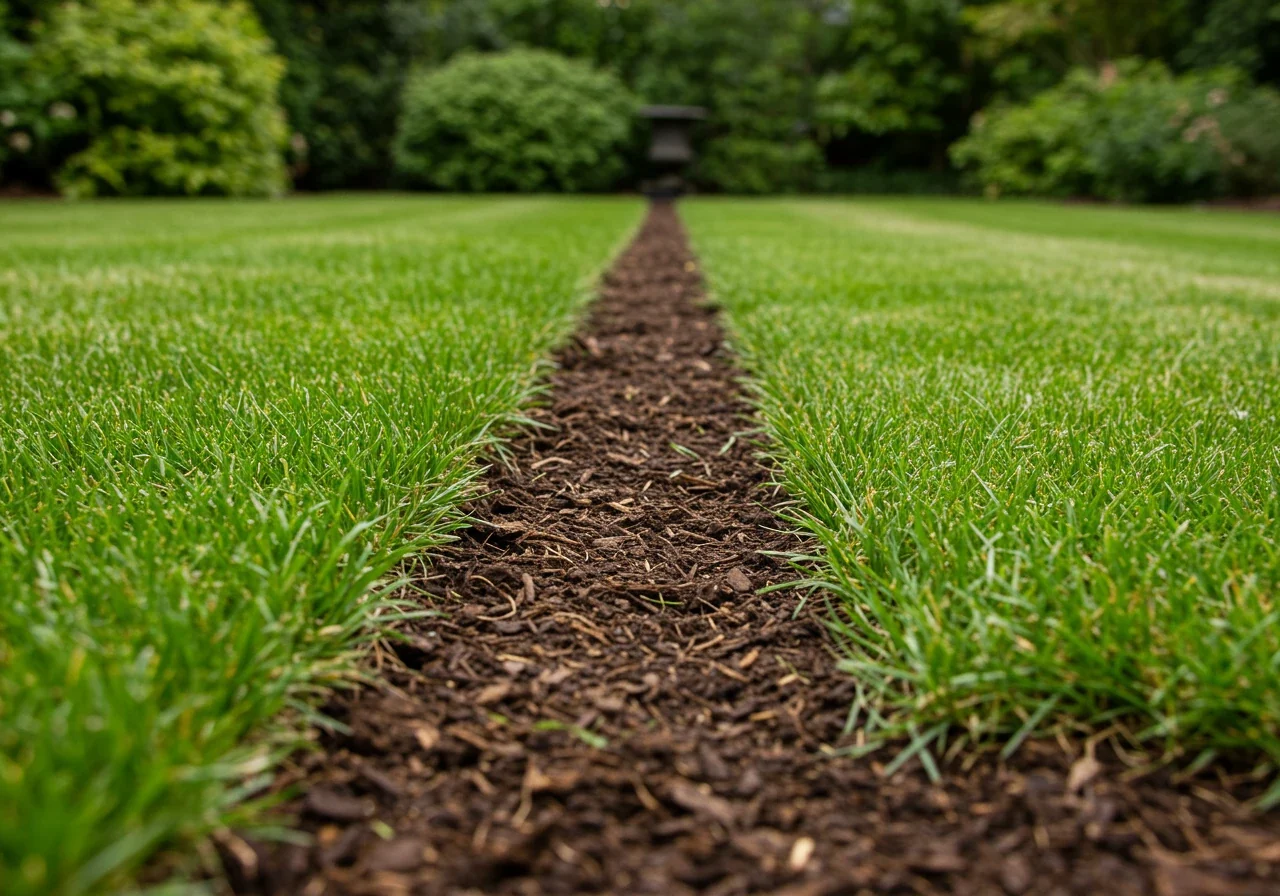
Alright, so you've embraced the elegance of a formal garden design for your Ottawa home – maybe in Manotick, Barrhaven, or another lovely spot. High five! The symmetry is soothing, the lines are crisp, and everything feels wonderfully intentional. But let's be honest, keeping that polished look takes a little know-how and consistent effort. It’s not quite "set it and forget it" landscaping (if only!). Think of it like maintaining a sharp suit – it needs regular pressing and care to look its best.
Don't worry, it doesn't have to be overwhelming! Here are some insider tips to help keep your formal garden looking impeccably sharp, even with our wacky Ottawa weather:
- Master the Art of the Trim: Those neat hedges and shaped shrubs are key players in your formal design*, but they won't stay crisp on their own (self-trimming technology isn't *quite here yet!). Regular, light trimming during the growing season is usually better than one drastic whack. Aim for slight tapering – wider at the base, narrower at the top – so sunlight reaches the lower branches, keeping them full. Timing matters! Generally, prune evergreen hedges like yew or cedar after the initial spring growth spurt, and deciduous ones after flowering or in late winter/early spring depending on the type. Consistency is your friend here.
- Enforce the Edges: Crisp edges are the unsung heroes of formal gardening. They define the lines between your lawn, garden beds, and pathways, reinforcing that all-important geometric structure. Whether you use a manual edger or a power tool, make maintaining these lines a regular part of your routine, especially during peak growing season. A sharp edge makes everything look instantly tidier and more deliberate. Don't let the grass sneak into the mulch – be vigilant! Learn more about professional mulching and edging.
- Declare War on Weeds (Strategically!): In a structured formal garden, weeds stick out like a sore thumb against the clean lines and often uniform plantings. Consistent weeding is non-negotiable. The best defence? A good offense! Apply a healthy layer of quality mulch* (like shredded bark or compost) in your *garden beds. This not only looks tidy and helps retain moisture but also suppresses weeds significantly. Replenishing mulch periodically also improves the soil structure over time, contributing to healthier plants. Think of it as preventative maintenance. If you're refreshing beds or addressing soil health directly, understanding proper soil preparation techniques is key to giving your plants the best foundation.
- Lawn & Order: If your formal design includes sections of lawn, keep them immaculate. Mow regularly, perhaps alternating directions for those satisfying stripes (very formal!). Keep the height consistent, and *always* maintain that sharp edge where the grass meets pathways or beds. A pristine lawn frame enhances the entire picture. Consider our lawn care programs.
- Seasonal Diligence is Non-Negotiable: Formal gardens *demand* attention during transition seasons. Spring cleanup needs to be thorough – removing winter debris, cutting back dead perennial foliage *precisely*, and assessing any winter damage to hedges or structures. Fall cleanup is equally critical for removing fallen leaves that can smother plants or lawns, and preparing sensitive plants or features (like fountains) for winter. Skipping these steps can quickly make a formal garden look neglected. For many homeowners, ensuring this gets done right is where professional help shines; a reliable city garden clean up service handles the essential tasks efficiently.
- Plan for Replacements & Refreshments: Even hardy plants sometimes need replacing, or perhaps you want to upgrade a section. Maintaining sharpness sometimes means editing! If a key structural shrub isn't thriving or looks out of place, replace it. When adding new elements or swapping plants, ensuring they are installed correctly is vital for them to establish well and maintain the garden's structure long-term. Professional services specializing in expert garden installation understand the nuances of planting for longevity and aesthetic precision.
- Know When to Call for Backup: Maintaining a truly sharp formal garden requires dedication – something the team behind Clean Yards understands well, as reflected in the pride we take in our work (you can learn more about us and our commitment or check our reviews on Google). If you find yourself short on time or unsure about specific tasks like intricate pruning or large-scale seasonal cleanups, don't hesitate to seek professional *gardening* help. A good landscaping company can tailor a *maintenance* plan to your garden's specific needs. When getting quotes, look for clear communication and transparency – check how they handle feedback to ensure you'll be happy with the service, much like reading estimate feedback from other clients can give you confidence. Investing in occasional professional help can be the secret weapon to keeping your formal garden looking effortlessly elegant year after year.
Keeping your formal garden sharp is an ongoing conversation with your space. By staying on top of these key tasks, you'll ensure its classic structure and beauty continue to shine in your Ottawa landscape!
Your Manotick Formal Garden Questions Answered (FAQ)
Absolutely! While clay soil needs some love, it holds nutrients well. The key is improving drainage and structure by adding lots of compost or other organic matter. Consider raised garden beds for specific planting areas – they look sharp and bypass the clay issue! Choosing plants known to tolerate heavier soils also helps ensure success.
They do require regular upkeep to maintain that crisp look – think trimming hedges, edging lawn areas, and consistent weeding. However, modern formal design often uses lower-maintenance plants and more hardscaping. It’s about consistent, focused effort rather than endless hours. For seasonal peaks, like spring or fall, leveraging an efficient Ottawa yard cleanup service can save you heaps of time.
Winter protection is crucial here! For potentially vulnerable hedges like some boxwood varieties, wrapping them in burlap can prevent winter burn and breakage from heavy snow. Fountains *must* be drained completely, pumps removed and stored indoors, and the basin covered to prevent ice damage. Choosing Zone 5 hardy plants from the start is your best defence!
Formal gardens can definitely be eco-conscious! Opt for hardy native cultivars that support local wildlife and require less water once established. Use natural mulch like shredded bark to conserve moisture and reduce weeds, minimizing the need for chemicals. Smart plant choices and water-wise gardening practices make a big difference, even within a structured design.
You're right to be concerned – proper installation is key in Ottawa! Freeze-thaw cycles demand a deep, well-compacted base for any pavers or stonework to prevent heaving. For precise structure and longevity, especially with intricate designs, engaging professionals skilled in expert garden installation techniques is often a wise investment. They ensure the foundation is solid.
Typically, you're responsible for maintaining everything on your property. While the city handles the public walkway itself, keeping your garden edge neat prevents encroachment and maintains that sharp formal aesthetic. For significant tidying near municipal boundaries, a professional city-area yard cleanup service understands how to work respectfully within those lines. Always good to be clear on service scope, which should be outlined in documents like their terms and conditions.
Conclusion: Bring Classic Elegance Home to Manotick
So, there you have it! Bringing that touch of classic elegance to your Manotick home with a formal garden doesn't mean you need a powdered wig and a team of topiary artists working around the clock (unless, you know, that's your secret dream!). We've explored how modern formal design beautifully blends timeless structure – think satisfying symmetry, crisp hedges, and purposeful pathways – with practical, Ottawa-friendly gardening. It’s all about creating stunning, organized landscaping that actually suits your lifestyle, whether you're in Manotick proper, lovely Greely, bustling Barrhaven, or nearby Nepean.
You absolutely *can* achieve that polished, sophisticated look using hardy plants, smart material choices, and clever design* without dedicating every waking moment to maintenance. Imagine stepping out to a space that feels both grand and inviting, perfectly framing your home and offering defined areas for relaxation and enjoyment.
Ready to swap garden guesswork for classic charm? Don't just daydream about those perfect lines and lush green textures. Let's talk about making structured beauty a reality right outside your door.
- Get Inspired: Browse our portfolio to see examples of elegant formal elements adapted for modern Ottawa homes.
- Start the Conversation: Contact Clean Yards today for a personalized consultation. We’ll discuss your vision, assess your property, and explore how we can bring enduring, classic elegance to your landscape.