Manotick Pet-Safe Yards: Functional Landscape Design
Ready to create a beautiful and safe outdoor space for your furry friends in Manotick? Get a personalized quote for your pet-friendly landscaping project!
Quick Summary: Creating a Pet-Safe Yard
- Identify and remove toxic plants (lilies, tulips, azaleas, yew).
- Choose safe mulches (avoid cocoa bean) and edging materials.
- Design designated zones for potty, play, and relaxation.
- Use durable, paw-friendly pathways (flagstone, pea gravel).
- Plant non-toxic flowers, shrubs, and grasses (snapdragons, sunflowers, Rose of Sharon).
- Opt for organic lawn care and pet-friendly pest control.
- Ensure adequate shade, fresh water access, and secure fencing.
Introduction: Happy Paws, Happy People in Manotick!
Hello fellow Manotick pet lovers! Isn't it the best watching your furry companions joyfully bounding around the yard? We certainly think so! Here in the lovely Ottawa area, our pets are cherished family members, and giving them a safe, enjoyable outdoor space is high on the priority list. But let's be honest, sometimes our landscaping and gardening efforts don't *quite* align with Fido's digging ambitions or Fluffy's plant-nibbling curiosity.
That's where thoughtful, pet-friendly design comes in! It’s about more than just a patch of grass; it’s creating a backyard oasis that works for *everyone*. We need spaces that are safe from toxic plants, have durable surfaces for playtime, and maybe even include features *just* for them. A yard that looks great *and* keeps your best friend out of trouble? That's the dream! Whether you're right here in Manotick, or over in nearby Greely or Barrhaven, achieving that perfect balance of beauty, safety, and fun is key. Let’s explore how smart landscaping choices lead to happy paws *and* happy people!
Why Pet-Safe Landscaping Isn't Just Fluff: Protecting Your Furry Family
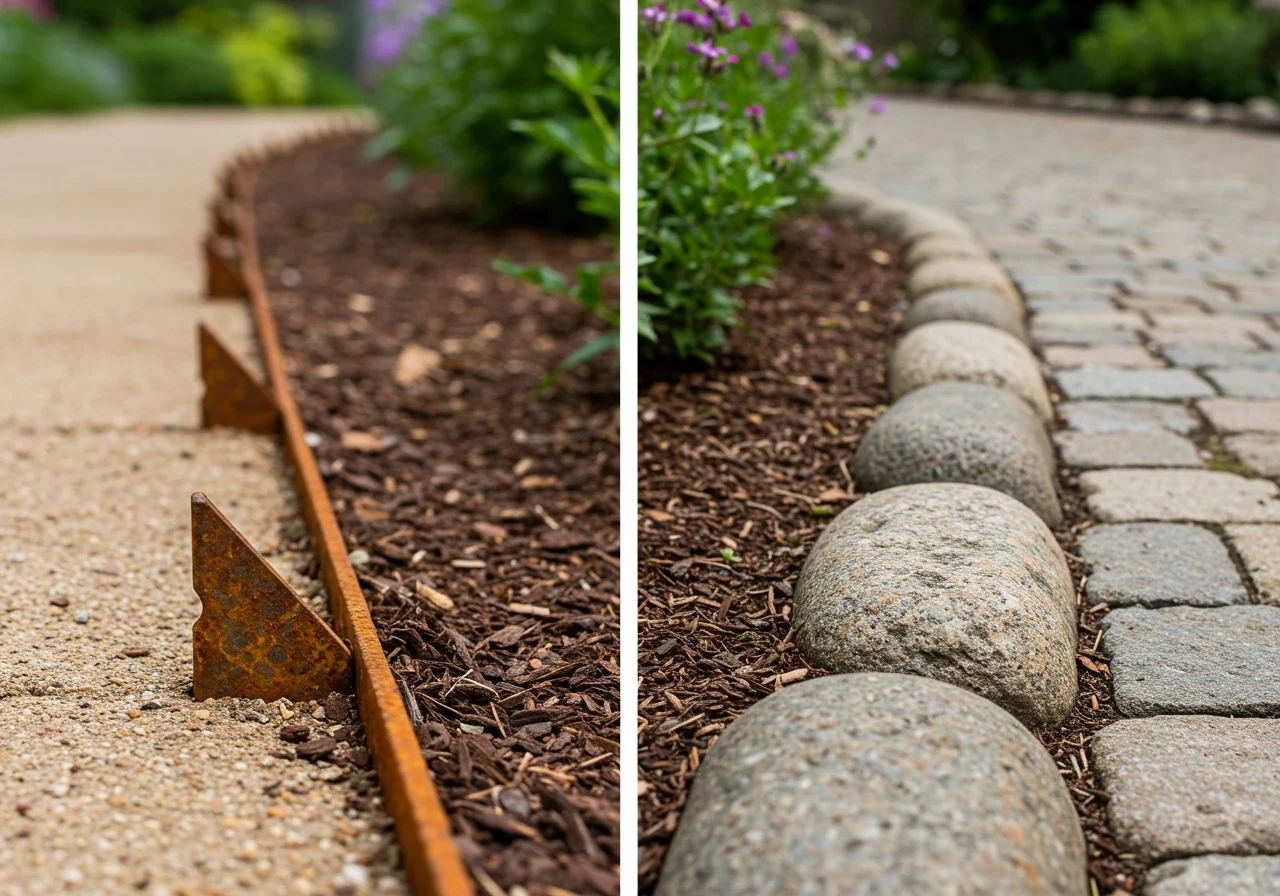
Think your backyard is totally safe for your four-legged friend? Sometimes, what looks like a green paradise to us can hold hidden dangers for curious critters. Pet-safe landscaping isn't just about aesthetics or keeping muddy paws off the patio (though that's nice too!); it's a vital part of protecting your furry family members from actual harm. Let's face it, our pets are basically curiosity cabinets on paws – they explore the world with their noses and mouths, and they aren't exactly reading warning labels on plants or pesticides! Creating a safe outdoor haven means looking at your yard through *their* eyes (and noses!).
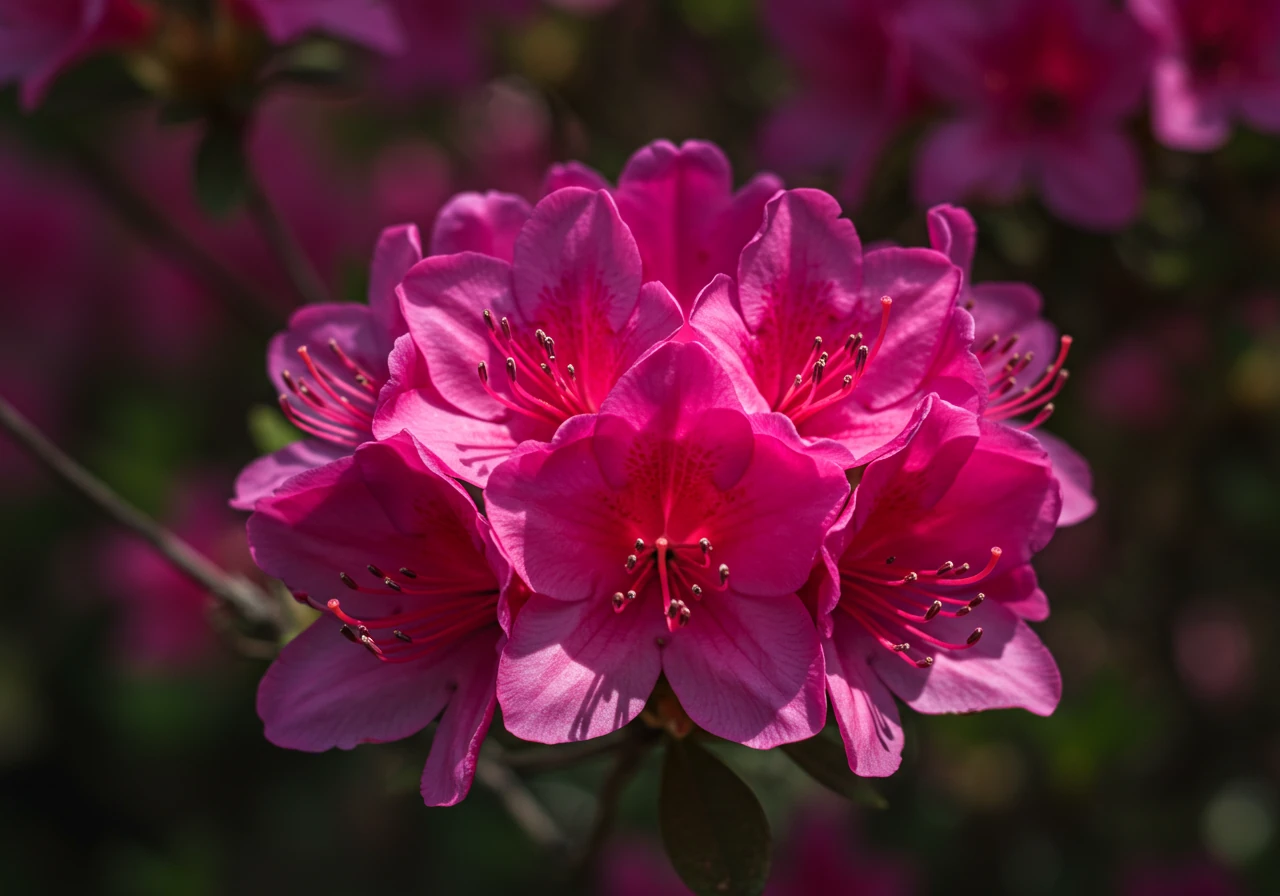
One of the biggest hidden dangers? Toxic plants. Many common gardening beauties like lilies, tulips, azaleas, sago palms, and rhododendrons can cause anything from mild tummy upset to severe poisoning if ingested by dogs or cats. After a long Ottawa winter, it's easy to forget what might pop up once the snow melts. Doing a thorough check for potentially hazardous greenery is key, much like when you perform a Manotick spring garden scan for winter damage to see what survived the cold – you need to know what plants are emerging. Beyond poisonous petals, think about lawn care chemicals. Pesticides, herbicides, certain fertilizers, and even some types of mulch can be incredibly harmful if licked off paws or grass. Even leftover winter salt residue tracked onto the lawn can irritate paws and be toxic if ingested in quantity. Planning ahead, perhaps during your Manotick fall cleanup and winter lawn prep, can involve choosing pet-safer products and strategies for the seasons ahead.
It's not just about what they might eat, either! Physical hazards lurk in many yards. Things to watch out for include:
- Sharp edging materials along garden beds or pathways
- Unstable rock walls or decorative items that could topple
- Tools or equipment left lying around
- Gaps in the fencing big enough for an escape artist – especially important in areas with larger properties like Osgoode or Metcalfe, where ensuring secure boundaries is crucial for keeping pets contained.
Poor drainage can also be more than just a muddy mess; standing water creates breeding grounds for bacteria and mosquitoes, and constantly wet soil isn't healthy for paws (or plants!). Improving soggy spots, maybe by exploring solutions like a Manotick rain garden for clay soil drainage challenges, makes the yard safer and more enjoyable. Don't forget water sources! Uncovered pools, ponds, or even buckets collecting rainwater can pose drowning hazards for smaller or less mobile pets. Ensuring your water features are secure, and performing regular Manotick irrigation checks to save water in summer also gives you a chance to spot potential risks associated with your watering system components.
See? Pet-safe landscaping goes way beyond just avoiding thorny bushes or planting tough grass. It's about proactively designing a space that minimizes risks from toxic plants, harmful chemicals, physical dangers, and water hazards. By thinking ahead and making conscious gardening and design choices, you create a backyard where your furry friend can roam, play, and relax safely. It’s peace of mind for you and a healthier, happier environment for them – definitely not just fluff! Need a hand assessing your yard's safety or implementing pet-friendly features? Check out our comprehensive landscaping and yard care services for expert help tailored to your needs.
The 'Ruff' Stuff: Plants, Mulches & Materials to Avoid in Ottawa Pet Yards
So, you want a backyard that wows your neighbours in Nepean but doesn't send your furry friend to the emergency vet? Good call! Creating a beautiful landscape is fantastic, but we need to be mindful of the potential hazards lurking in our gardens and yards. Let's dig into the common culprits – the real "ruff stuff" – that you should avoid for a truly pet-paradise.
First up: toxic plants. They might look pretty, but many popular garden additions are big no-nos for nibblers. Here in Ottawa, watch out for:
- Lilies (especially toxic to cats!)
- Tulips and Daffodils (the bulbs are particularly dangerous)
- Azaleas and Rhododendrons
- Yew (highly toxic)
- Foxglove
- Sago Palm (often a houseplant brought outdoors, but extremely toxic)
Ingesting even small amounts of these can cause serious problems. Before planting, do a quick search! The ASPCA Animal Poison Control Center has an excellent online database. A great idea is to create your own little comparison list: "Plants That Poison Pete" vs. "Plants Pete Can Party With." If you're unsure about existing plants or need help removing risky ones, a thorough cleanup like our Manotick yard cleanup service can identify and remove hazards, including fallen toxic leaves or berries.
Next on the list: mulches. Not all ground covers are created equal in the eyes (or mouths) of pets. The biggest offender is often cocoa bean mulch. It smells deliciously chocolatey (because it *is* related to chocolate!), but it contains theobromine, which is toxic to dogs. Also, be cautious with dyed mulches (chemicals!) and large wood chips that can cause splinters or choking. Safer bets include untreated, shredded hardwood mulch (smaller pieces are better), straw, or shredded leaves. Choosing the right ground cover is a simple switch that makes a big difference, something we focus on in our mulching and edging services.
Beyond plants and mulch, consider other materials. Sharp metal edging for garden beds can easily cut paws or noses. Some pesticides and herbicides are definite hazards – always look for pet-safe alternatives or consider manual weed control. Even things like fertilizers need careful application and storage. Keep garden tools stored securely, and ensure any water features are safely covered or inaccessible. If you're planning a bigger overhaul to remove unsafe features and bring in pet-friendly ones, you can see examples of beautiful pet-safe yard transformations for inspiration. Getting professional advice can also help ensure you're using the safest materials and methods; you can explore our range of yard care services tailored for safe and beautiful outdoor spaces. For larger properties, like some you might find out towards the Marionville area, ensuring a safe perimeter and removing hazards across the whole space is crucial, much like the work done through our expert property cleanup similar to our Marionville property cleanup service.
Choosing safe landscaping elements isn't about limiting your style; it's about making smart choices. By avoiding these common hazards, you're creating a fun, safe space for everyone in the family, two-legged and four-legged alike. Before engaging any service, it's always wise to review their approach and policies, like the commitments detailed in our service terms and conditions, to understand the materials and methods used.
Pet-Friendly Design Elements
Focus on creating functional zones: a designated potty area (pea gravel or artificial turf), a durable play zone (tough grass or soft mulch), and protected 'people places' like patios or delicate gardens. Use paw-friendly pathways (flagstone, smooth gravel) to direct traffic and prevent muddy trails. Ensure secure fencing, adequate shade, and constant access to fresh water.
Learn more about our garden installation and material selection process.
Pawsitively Safe Plant Choices
Opt for non-toxic plants that thrive in the Ottawa climate. Good choices include:
- Flowers: Snapdragons, Sunflowers, Zinnias, Pansies, Daylilies (Hemerocallis species only).
- Shrubs: Rose of Sharon, Forsythia, Mock Orange.
- Grasses/Groundcovers: Blue Fescue, Creeping Thyme.
- Herbs: Basil, Rosemary, Thyme, Sage, Catnip.
Always double-check plant toxicity before planting. Need help selecting the right plants? Contact our city garden maintenance service team.
Common Backyard Hazards to Avoid
Be vigilant about potential dangers:
- Toxic Plants: Lilies, Tulips, Daffodils, Azaleas, Yew, Sago Palm.
- Harmful Mulch: Cocoa bean mulch is toxic to dogs. Avoid dyed mulches.
- Chemicals: Pesticides, herbicides, some fertilizers, ice melt residue. Opt for pet-safe alternatives. Find helpful info at the Ottawa Humane Society Pet Safety page.
- Physical Hazards: Sharp edging, unstable features, tools left out, fence gaps, uncovered water sources.
- Pest Concerns: Standing water breeds mosquitoes (heartworm). Check local guidelines from the Ottawa Public Health regarding tick prevention.
Regular yard cleanup, like our Ottawa yard cleanup service, helps mitigate many of these risks.
Designing for Doggy Delights (and Human Harmony!)

Alright, let's talk about creating a backyard that makes both your tail-wagger *and* you happy. It sounds like a challenge, right? Like trying to keep squirrels out of the bird feeder! But with a bit of smart landscaping design, you can absolutely have a beautiful, functional Ottawa yard that accommodates zoomies, digging expeditions (hopefully in designated spots!), and your own relaxation needs. The secret? Thinking like your pet *and* like a homeowner.
First, let's consider zoning. No, not city bylaws, but creating specific areas in your yard. Think about:
- A Potty Patch: Designate a specific, easy-to-clean spot using materials like pea gravel or even artificial turf. This helps keep the main lawn cleaner and directs your dog's business. Regular maintenance is key here; keeping this spot tidy prevents odours and encourages consistent use. Sometimes, managing these areas is easier with help; our convenient city yard cleanup service can assist with general yard tidiness, including keeping designated zones fresh.
- A Play Zone: An open area, ideally with durable turf or soft ground cover, for fetch and frolicking.
- A People Place: Patios, decks, or delicate gardening beds where perhaps pets have limited or supervised access. Protecting these prized petunia patches might involve low decorative fencing or raised beds. Keeping these human-centric areas pristine is important, and a dedicated city garden clean up service focuses specifically on maintaining those beautiful beds.
Next up: pathways and hardscaping. Constant paw traffic can turn grass into mud paths faster than you can say "bad dog!" Consider durable, paw-friendly pathways using flagstone (with pet-safe filler like polymeric sand or small pebbles between), smooth pea gravel, or even brick pavers. These materials stand up well to Ottawa's freeze-thaw cycles and give paws a solid, comfortable surface. Avoid sharp gravel or scorching asphalt. Planning pathways also cleverly directs foot (and paw) traffic away from sensitive areas. If your redesign involves removing old, cracked concrete or unsafe structures first, a comprehensive property clean up can prepare the site for beautiful, pet-safe hardscaping.
Fencing is crucial for safety and containment, especially if you live near busier roads or have larger properties like some out in Kars where wildlife might also be a concern. Ensure your fence is tall enough (no escape artists!), has no gaps, and the latch is secure. You can find info on fencing bylaws from the City of Ottawa.
Don't forget the creature comforts! Shade is essential during our hot Ottawa summers. Mature trees are ideal, but pergolas, shade sails, or even a sturdy dog house provide welcome relief from the sun. Equally important is access to fresh water. A designated outdoor water bowl, checked and refreshed daily, is a must. Some folks even install self-filling bowls!
Thinking through these elements – zoning, durable materials, secure fencing, shade, and water – creates a blueprint for a harmonious yard. It involves planning, maybe even sketching out your ideas. For larger-scale transformations, perhaps clearing overgrown areas or integrating features across a bigger lot similar to properties you might find near Metcalfe, expert help can be invaluable. You might find services like our detailed Metcalfe property cleanup service offer the scale needed for such projects. Whatever path you choose, ensure you understand the scope of work; reviewing service details, much like reading our own terms and conditions, helps set clear expectations for a successful project. With thoughtful design, you *can* achieve that perfect balance – a delightful doggy domain and a harmonious human haven! Check out our Google My Business page for reviews and more info!
Common Backyard Pet Hazard Concerns
*Illustrative data based on common pet safety concerns.
Pawsitive Planting: Pet-Safe Flora That Flourishes Near the Rideau
Okay, let's get planting! Finding flora that's fabulous *and* Fido-friendly for our Ottawa climate can feel like finding a unicorn parking spot downtown. But don't worry, it's totally doable! We just need to choose plants that won't cause trouble if a curious snout (or mouth!) gets too close, and that can handle our sometimes-wonky weather, whether you're in Richmond, Winchester, or right along the Rideau.
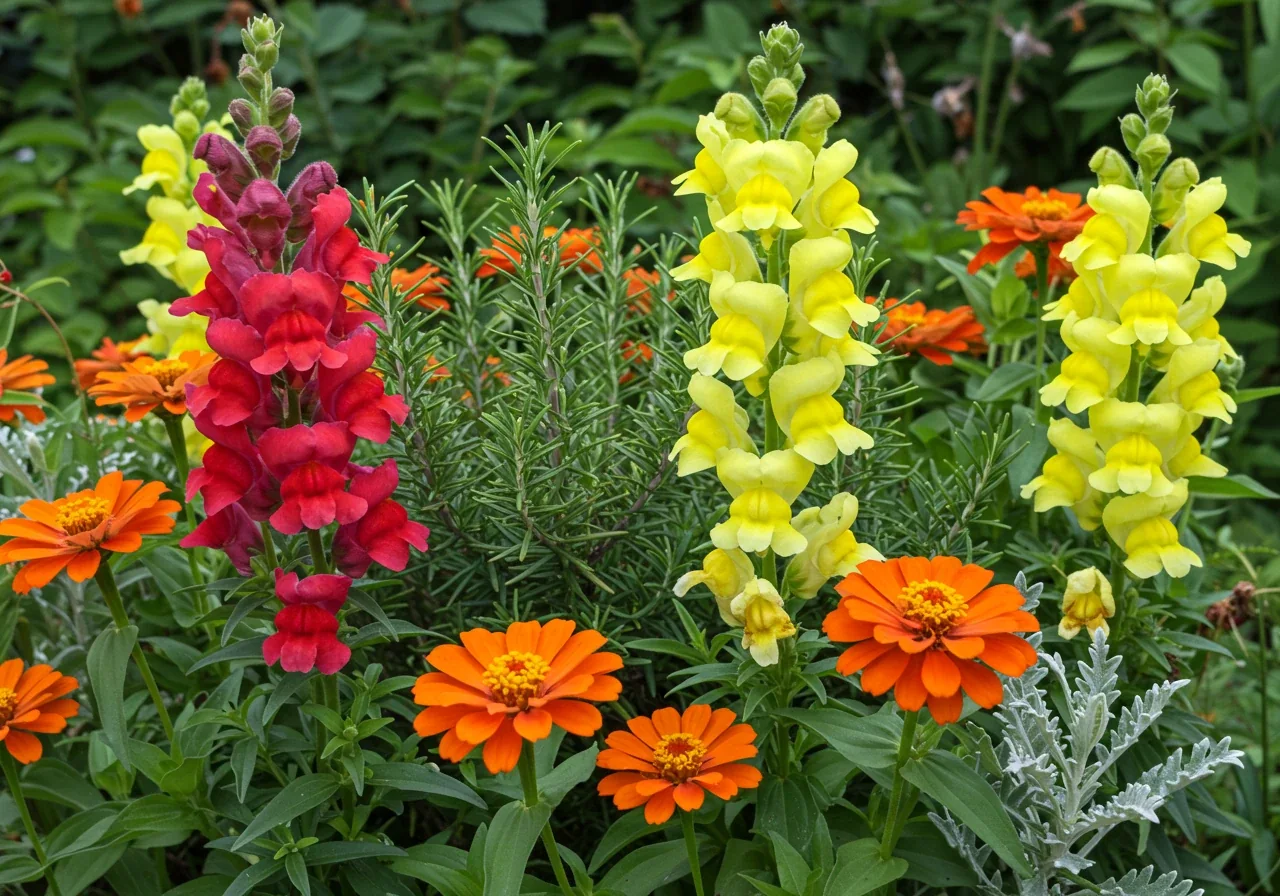
Here are some pawsitively perfect picks that thrive near the Rideau:
Flowers (Perennials & Annuals): Adding Colour Safely
- Snapdragons: These cheerful stalks of colour are non-toxic and add vertical interest to your garden. They come in almost every colour imaginable!
- Sunflowers: Big, bold, and generally safe (though excessive seed eating could cause tummy upset, the plant itself is okay). They love our sunny summers.
- Zinnias: Easy to grow from seed, these vibrant blooms attract pollinators (bonus!) and are safe for pets. Great for adding splashes of long-lasting colour.
- Pansies & Violas: Hardy little guys that can often withstand cooler spring and fall temps. Totally pet-safe for nibblers.
- Daylilies (Hemerocallis species ONLY): IMPORTANT NOTE: While true lilies (Lilium species) are highly toxic, especially to cats, Daylilies are generally considered safe for dogs and cats. Always double-check the specific variety! Adding these beauties requires good planning, something our team helps with during our professional garden installation service.
Shrubs: Structure and Safety
- Rose of Sharon (Hibiscus syriacus): These hardy shrubs produce beautiful blooms later in the summer and are considered non-toxic.
- Forsythia: Known for their brilliant yellow spring flowers, Forsythia bushes are generally safe and add lovely structure.
- Mock Orange (Philadelphus): Offers fragrant white flowers in late spring/early summer and is a pet-safe choice.
Grasses & Groundcovers: Tough Turf Alternatives
- Blue Fescue (Festuca glauca): A lovely ornamental grass that forms neat, blue-green mounds. It’s drought-tolerant once established and safe for pets.
- Creeping Thyme: A fragrant, low-growing groundcover that can handle some foot traffic. Perfect between stepping stones and safe if nibbled. Choosing the right groundcover is a key part of the process for material selection in landscaping.
Herbs: Fragrant & Functional
- Basil, Rosemary, Thyme, Sage: Most common culinary herbs are safe for pets in small quantities (and tasty for you!). Plant them in pots or designated herb gardens.
- Catnip (Nepeta cataria): Okay, this one's *specifically* for the kitties! Safe and entertaining for most felines.
Tips for Pawsitive Planting:
- Know Your Soil: Ottawa area soil can vary. Amend heavy clay or sandy soil with compost for better results. A healthy plant is often a more robust one.
- Consider Natives: Plants native to Eastern Ontario are often hardier, require less water, and support local wildlife. Think species like Purple Coneflower (Echinacea purpurea - generally safe) or Wild Geranium.
- Durability Matters: If your pet is a path-maker, choose tougher plants for borders or consider raised beds. Keeping these areas looking good is part of ongoing care; our expert garden maintenance services can keep everything thriving.
- Clear Existing Risks: Before planting anew, ensure any toxic plants are fully removed. Sometimes, a major overhaul is needed, perhaps requiring a significant effort like our detailed Metcalfe property cleanup service to prepare the ground safely.
Creating a pet-safe garden is all about informed choices. While this list is a great starting point, always double-check a plant's toxicity if you're unsure (the ASPCA has a great online resource). Ready to transform your yard into a safe haven? We'd love to help you plan your perfect pet-friendly paradise. Feel free to reach out and maybe even share your ideas or get an estimate through our feedback form – let's make your garden beautiful *and* worry-free! Don't forget our Ottawa garden clean up service for prep work!
Timeline: Planning Your Pet-Safe Yard Project
Phase 1: Assessment & Safety Check
Identify and list existing plants, checking toxicity (use ASPCA list). Assess physical hazards (fencing, edging, water sources). Note drainage issues and high-traffic areas. Maybe consult our Marionville yard cleanup service for an initial assessment.
Phase 2: Design & Zoning
Sketch your yard layout. Designate zones (potty, play, people). Plan pathways with paw-friendly materials. Decide on fencing needs and placement of shade/water features. Consider our about us page to learn our design philosophy.
Phase 3: Removal & Preparation
Safely remove toxic plants and hazardous materials. Prepare the soil (soil preparation is key!) in garden beds. Address drainage issues (e.g., install a rain garden). This might involve a property clean up.
Phase 4: Installation & Planting
Install hardscaping (pathways, edging), fencing, and features. Plant chosen pet-safe flora (garden installation). Apply safe mulch. If adding new lawn, consider sod installation.
Phase 5: Ongoing Maintenance
Regularly check for new hazards. Maintain potty areas. Water appropriately. Use pet-safe lawn care (lawn care) and pest control methods. Ensure ongoing tidiness with services like our city property cleanup service.
Going Green Without Making Fido Blue: Eco-Friendly Pet Yards
Wanting a gorgeous yard that’s kind to Mother Earth *and* safe for your four-legged family member? That’s the ultimate win-win! Going green in the garden doesn't mean sacrificing your pet's safety or happiness. In fact, many eco-friendly practices naturally create a healthier environment for everyone. Think of it as giving your yard (and your pet!) a wellness retreat, right here in Ottawa. Let's dig into how you can make your patch of paradise eco-conscious *without* giving your furry pal the blues (or worse!).
First, let's talk *organic lawn care*. Those perfectly manicured, chemically-treated lawns might look nice, but they often rely on pesticides and herbicides that are harmful to pollinators, waterways, and yes, our pets who love to roll and nibble on grass. Switching to organic methods means focusing on *soil health* with natural amendments like compost (more on that in a sec!). Aerate your lawn to let air and water penetrate, overseed with hardy grass varieties suited to our climate, and mow high to encourage deep roots and crowd out weeds. If you're starting fresh or patching areas, consider options for durable, eco-friendly sod installation using grass types that require less water and fewer inputs. It’s a greener choice for the planet and safer for paws.
Battling bugs and weeds without the harsh chemicals? Absolutely! Embrace natural pest control methods like introducing beneficial insects (ladybugs love aphids!), using horticultural oils, or companion planting (marigolds can deter some pests). For weeds, elbow grease (aka hand-pulling) is the most eco-friendly method, but mulching garden beds deeply also helps suppress them. If you're dealing with a larger infestation or invasive species removal, sometimes bringing in help for an initial thorough Ottawa yard cleanup service can give you a clean slate to implement natural methods more effectively.
Water conservation is another biggie, especially during our sometimes dry Ottawa summers. Installing rain barrels to capture runoff for watering plants is fantastic. Choosing drought-tolerant native plants reduces the need for constant watering once established. Water your lawn and gardens deeply but less frequently, preferably in the early morning to minimize evaporation. These practices are not just good for the environment; they also prevent muddy paws from constantly wet soil and reduce standing water where mosquitoes (heartworm carriers!) might breed. Maintaining these water-wise features is part of good stewardship, falling under regular expert garden maintenance.
Composting kitchen scraps and yard waste is recycling gold! However, be cautious. Some food scraps safe for compost (like onions, garlic, grapes, raisins, avocado pits) are toxic to dogs. Coffee grounds and mouldy food are also no-nos. Keep your compost bin securely covered or fenced off to prevent curious noses from investigating potentially harmful contents. If managing large amounts of yard waste feels overwhelming, consider a professional comprehensive Ottawa property cleanup service to handle it responsibly.
Finally, think about sustainable materials. Choose natural stone, reclaimed wood (untreated!), or recycled composite materials for pathways, decks, and garden beds. Avoid plastic edging or weed barriers where possible. Even small choices, like using biodegradable twine instead of plastic ties, add up. Making eco-conscious choices extends beyond your private yard; ensuring public-adjacent areas are also kept clean contributes to the community's green efforts, sometimes requiring a dedicated city property cleanup service for tidiness.
Creating an eco-friendly *and* pet-safe yard in areas like Russell or Embrun is entirely achievable. It’s about making conscious choices that benefit your pet’s health, reduce your environmental footprint, and still result in a beautiful, enjoyable outdoor space. Green living and happy pets? That’s a combination that truly makes tails wag! For complex cleanups consider our city garden clean up service.
Top Tips for a Tail-Waggin' Yard
Ready to turn your Ottawa outdoor space into a pet paradise? It's easier than teaching your cat to fetch! Keep these top tips in mind for a yard that keeps tails waggin' and humans happy:
- Ditch the Dangers First: Before anything else, do a safety sweep! Check your yard, whether you're in Nepean or out near Metcalfe, for common toxic plants (like lilies, tulips, yew), unsafe mulches (especially cocoa bean mulch!), sharp objects, or chemicals. Getting rid of hazards is priority number one. If the task seems daunting, a comprehensive Ottawa property cleanup service can help clear the decks, removing risky plants and debris for a safer start.
- Plant Smart, Not Sorry: Choose gardening greenery that's non-toxic if nibbled. Think cheerful sunflowers, snapdragons, hardy Rose of Sharon, or even pet-safe herbs like rosemary and thyme. Always double-check a plant's safety profile before planting. Need to clear out questionable shrubs or perennials before adding safe ones? Getting some Metcalfe garden clean up help ensures the old risks are gone before the new beauties arrive.
- Design with Paws in Mind: Create specific zones! A designated potty spot saves your lawn, while durable pathways prevent muddy trails. Provide shady spots for cooling off and always have fresh water available. Consider finishes carefully – think safe mulching and edging options like untreated wood mulch (not cocoa!) and smooth edging materials instead of sharp metal to protect paws and noses.
- Keep it Clean & Maintained: A tidy yard is generally a safer yard. Regularly scoop waste, put tools away securely, check fences for potential escape routes, and keep water features clean or covered. Ongoing tidiness prevents problems. For regular upkeep or seasonal tidying, especially in garden beds, booking a professional Ottawa garden clean up service can keep things looking great and minimize hazards.
- Go Green (Safely): Opt for pet-friendly lawn care and pest control. Organic methods, natural pest deterrents, and water-wise landscaping create a healthier environment for everyone. Reducing chemical use is a big win for pet safety. If you're starting an eco-friendly overhaul that involves removing lots of old landscaping materials or green waste, an expert Metcalfe yard cleanup service can handle the disposal responsibly. Check our thank you page after contacting us!
FAQs: Your Manotick & Ottawa Pet Yard Questions Answered
Got questions about making your Manotick or greater Ottawa yard the perfect playground for your furry pals? You're not alone! It's tricky balancing a beautiful landscape with the realities of paws, claws, and curious noses. Here are some common questions we hear, answered just for you.
That's a super important question! Around here, some common toxic troublemakers include Lilies (especially dangerous for cats!), Tulips and Daffodils (bulbs are bad news), Azaleas, Rhododendrons, and Yew shrubs. Even some houseplants brought outside for the summer, like Sago Palm, are extremely toxic. The best bet is to identify what you have growing in your garden. If you find potentially poisonous plants, it's safest to remove them completely, roots and all. If you need a hand identifying or removing risky vegetation, services like our expert Metcalfe garden clean up service can help ensure hazardous plants are properly dealt with.
Ah yes, the infamous Ottawa spring thaw mud bath! We feel your pain. For high-traffic areas, consider overseeding with tougher grass varieties known for resilience, or even mixing in some clover, which stands up well to use and fixes nitrogen in the soil. Creating designated pathways with paw-friendly materials like smooth flagstone or pea gravel can really help direct traffic. For dedicated potty spots, pea gravel or specific artificial turf designed for pets works wonders – much easier to clean! Avoid cocoa mulch (toxic!) and opt for shredded hardwood mulch instead. Improving drainage in soggy spots is also key to reducing mud.
Going chem-free is a fantastic goal for a pet-safe yard! For weeds, good old-fashioned hand-pulling is effective, if a bit tiring. Applying a thick layer of safe mulch (like cedar or shredded hardwood) in garden beds smothers many weeds. For pests, encourage beneficial insects like ladybugs, use physical barriers, or try companion planting (marigolds can deter some critters!). Strong jets of water can dislodge aphids. If you *must* use a product, carefully research pet-safe options and always follow instructions precisely, keeping pets away during application and drying time. For bigger jobs like clearing out overgrown areas prone to pests or weeds, sometimes getting professional help, like a thorough yard cleanup similar to our Marionville garden clean up service, can give you a fresh start for implementing natural methods.
It's all about smart design, even in smaller spaces! Think zoning. Create a designated potty area (pea gravel works well). Use durable surfaces like pavers or tougher grass for the main play zone. Protect your precious plants with raised garden beds or attractive, low fencing. Vertical gardening – using walls or trellises – maximizes growing space without sacrificing floor space. Ensure your main fencing is secure with no escape routes! Comfortable seating for you, shade (a retractable awning or large umbrella works great), and maybe a designated digging spot for your pup (a sandbox filled with loose soil) can create harmony for everyone. Consider our city garden maintenance service for small spaces.
That's a very understandable concern! Reputable companies prioritize professionalism and respecting your property and privacy. Our teams are trained to be mindful of your space, work efficiently, and minimize disruption. We understand that pets can be protective or nervous, and we always aim to work safely around them. For specifics on how client information is handled, you can review our company commitments, like those detailed in our privacy policy. We always recommend discussing any specific concerns you have about access, pets, or timing directly with the service provider beforehand. Open communication is key! If you have specific questions about our procedures, please don't hesitate to reach out through our contact us page.
Conclusion: Let's Create Your Pet's Perfect Manotick Paradise!
Okay, let's wrap this up and get those tails wagging! Creating that perfect backyard retreat in Manotick where your furry friend can safely romp while you relax doesn't require complex spells, just smart landscaping choices. We've sniffed out the essentials together: prioritizing safety by identifying and removing toxic plants and hazardous materials, designing durable zones for play and paws, selecting beautiful gardening options that are safe for curious critters, and even keeping things eco-friendly. Remember, a yard designed for happy pets often leads to happier humans too! Learn more about us and our passion for beautiful, functional yards.
Achieving this wonderful balance is absolutely within reach, whether you're right here in Manotick, enjoying life in nearby Greely or Barrhaven, or have a property further out in the lovely Ottawa region like Osgoode or Kars. It’s all about creating your family's unique outdoor paradise. Ready to stop dreaming about that perfect pet-friendly landscape and start creating it?
Here’s how we can help you get started:
- Explore Our Website: Dig into inspiring ideas in our Transformations gallery and see the full details of our pet-safe landscaping and gardening services designed for Ottawa homeowners.
- Request a Consultation: Let's chat! Contact us today for a friendly, no-pressure discussion about your vision and get a personalized plan tailored to your yard and your pet's needs using our estimate feedback form.
- See What We Offer: Browse our complete list of services to find exactly how we can help transform your outdoor space, from property clean up to full garden installs.
Let's work together to build that tail-waggin' paradise your best friend deserves. Your pet (and your peace of mind) will thank you for it! We offer services across the region, including Ottawa property cleanup service and specialized care in areas like Marionville and Metcalfe.