
Manotick Soil Temp Check: Guide Plant Timing This Spring
Quick Guide to Spring Planting in Manotick:
- Soil temperature is more critical than air temperature for seed germination and root growth.
- Use a soil thermometer to measure 2-6 inches deep in mid-morning.
- Cool-season plants (peas, lettuce) tolerate soil ~5-10°C.
- Warm-season plants (tomatoes, peppers) need soil ~15°C+.
- Ottawa's clay soil warms slower; patience and soil improvement help.
- This guide covers measuring temps, ideal ranges, and a local planting calendar.
Ready to get your garden beds prepped and planted perfectly this spring? Don't leave it to chance! Request your free quote today for professional garden preparation and planting services in the Manotick area.
Introduction: Spring Fever in Manotick? Don't Forget Your Soil Thermometer!
Ah, spring in Manotick! The snow finally melts along the Rideau, the birds are singing, and gardeners across the Ottawa region are practically buzzing with spring fever. It's so tempting, especially after our long winters, to see those first warm, sunny days and immediately want to start digging and planting. We get it! But hold your trowels for just a moment. While the air might feel wonderfully warm, your garden soil has its own timetable and could still be far too cold.
Rushing your planting based only on air temperature is a common mistake that leads to unhappy seeds and struggling plants. Think about it: those tiny roots need warmth to grow strong! Cold, damp soil stresses young plants and can stop germination altogether, leading to disappointment in your gardening efforts. Whether you're planning vegetable patches in Greely or beautifying your landscaping in Barrhaven, the same rule applies across our region.
The real key to successful spring garden kick-offs? Knowing your soil temperature! This simple measurement, easily taken with an inexpensive soil thermometer, tells you when the ground is truly ready for your precious plants and seeds. It's the difference between a gardening gamble and giving your plants the great start they deserve this spring.
Why Your Soil's Temperature Trumps the Air Temperature Every Time
Okay, let's talk soil temperature. You step outside in Manotick on a sunny April day, maybe shed your jacket, and think, "Perfect planting weather!" But hold on there, eager beaver gardener! While the air feels balmy, your soil might still be shivering from our long Ottawa winter. Why does this underground temperature matter so much more than the air temperature for getting your garden going?
Think of it like this: plants live most of their lives underground. Their roots are their lifeline – anchoring them, soaking up water, and grabbing essential nutrients. Air temperature affects the leaves, but soil temperature is mission control for the roots and the crucial first step: germination.
- Waking Up Seeds: Most seeds are like tiny alarm clocks set to a specific temperature. Until the soil reaches that magic number, they simply won't sprout, no matter how sunny it is above ground. Planting too early means your seeds just sit there in the cold, damp earth, possibly rotting or becoming a snack for critters. They need that gentle warmth to kickstart the germination process. It’s like trying to bake bread in a cold oven – nothing’s going to rise!
- Root Power: Roots hate being cold! Warm soil encourages roots to grow deep and strong, seeking out water and food. Cold soil makes roots sluggish; they grow slowly and don't spread out well. This means your young plants can't establish themselves properly, making them weak and vulnerable, especially if they're still recovering from winter's effects – a good reason to perform a thorough Spring Garden Scan for Winter Damage. Weak roots mean a weak plant, plain and simple.
- Nutrient Buffet: Soil is full of yummy nutrients, but plants can't always access them if it's too cold. Tiny soil microbes, which are essential helpers that break down organic matter into plant food, are much less active in cold soil. Think of them as tiny chefs who slow down when the kitchen's chilly. Plus, the roots themselves struggle to absorb nutrients when they're chilled. It’s like putting a delicious meal in front of someone with a stomach ache – the food is there, but they can't properly "eat" it! This is particularly relevant in areas like Greely or Barrhaven where soil types vary; for instance, heavier clay soils tend to warm up slower, which also impacts water movement – something to consider if you're looking into Solutions for Rain Gardens and Clay Soil Drainage.
- Water Woes: Here’s a tricky one: even if the soil feels moist, cold roots absorb water much less efficiently. This can lead to plants showing signs of thirst even when the ground is damp – confusing, right? They just can't drink effectively when their roots are cold. Later in the season, when the soil is warm, ensuring your plants get enough water without waste is key, which makes regular Summer Irrigation Checks to Save Water so important.
So, while that warm spring air feels great to us, your plants are waiting patiently (or not so patiently!) for the ground beneath them to get cozy. Ignoring soil temperature is like sending your kids to the bus stop in shorts when there's still frost on the ground – it sets them up for a struggle! Proper soil preparation, building on efforts like meticulous Fall Cleanup and Winter Lawn Prep, really sets the stage for spring success. Understanding your soil is absolutely fundamental to great landscaping and gardening. If you need help getting your garden beds ready or figuring out what your soil needs, remember there are expert Landscaping and Gardening Services available right here in the Ottawa area to lend a hand. Check out our great work on our Google My Business page!
Navigating Ottawa's Unique Spring: Climate Quirks & Soil Secrets
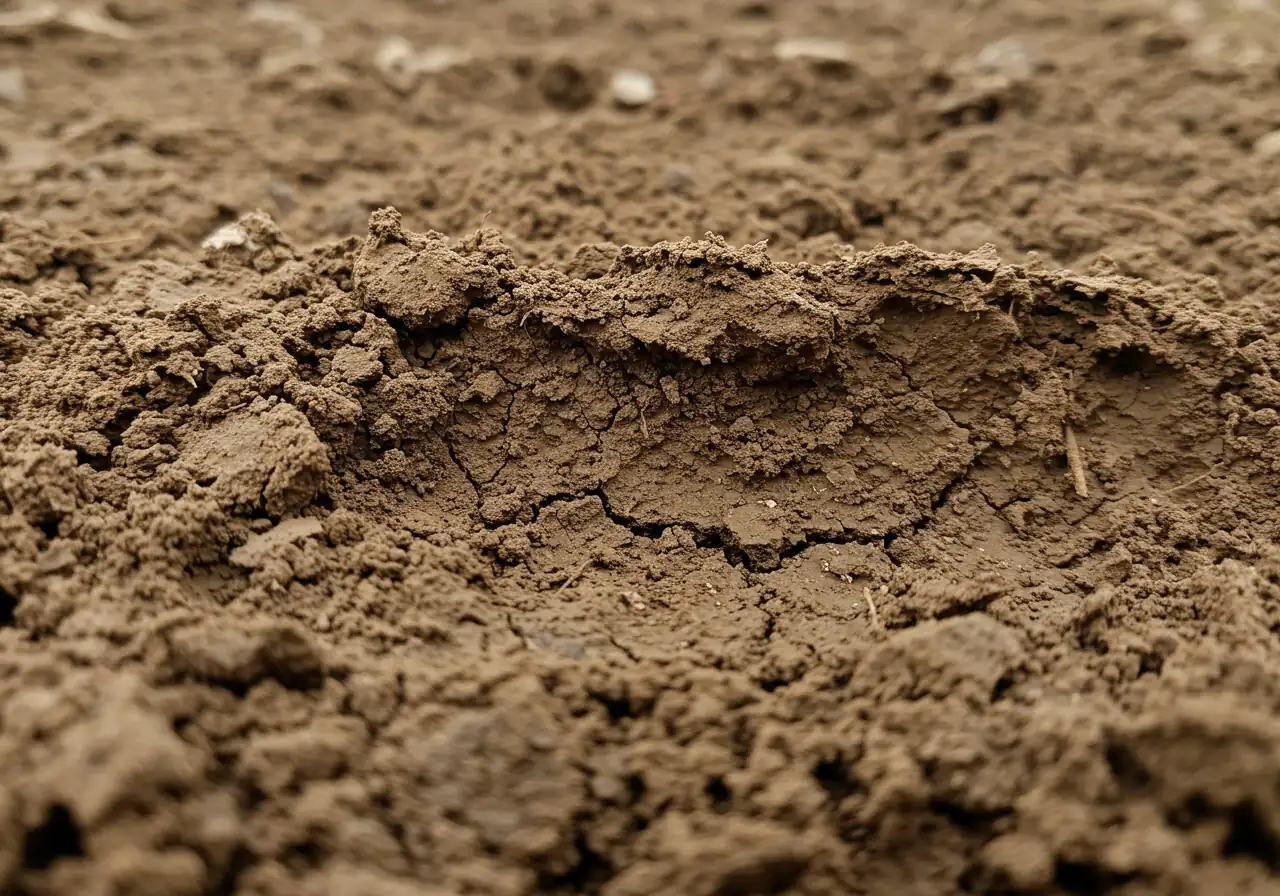
Ah, Ottawa spring. It's less a gentle awakening and more like a confused teenager hitting the snooze button repeatedly. One day it's glorious sunshine, the next we're dodging surprise snowflakes. This "spring rollercoaster" is our first big climate quirk, and it plays havoc with our gardening plans!
Those wild temperature swings, bouncing between freezing nights and warm afternoons, create a freeze-thaw cycle. This isn't just annoying for deciding whether to wear a coat; it's tough on your soil and plants. The ground expands and contracts, which can heave young plants right out of the soil if you plant them too early. It also makes judging the real soil temperature tricky. The top inch might feel warm in the sun, but just below, it could still be icy cold. This is why blindly trusting the air temperature is a recipe for disappointment here. Need help with assessment? Our Ottawa property cleanup service can help.
Then there are our soil secrets. Much of the Ottawa area, including parts of Nepean and Barrhaven, sits on Leda clay (sometimes called "quick clay"). Bless its heart, clay holds onto water like a toddler holds onto a favourite toy. This means it takes ages to drain and even longer to warm up in the spring. Trying to work wet clay is like wrestling sticky mud – it compacts easily, squeezing out air pockets vital for root growth. Planting too soon in cold, wet clay essentially suffocates your seeds and roots.
However, venture out towards areas like Manotick or Metcalfe, and you might find pockets of sandier loam. This soil drains faster and warms up quicker – hooray! But, it also dries out faster once the weather does consistently warm up. If you're in Metcalfe, our Metcalfe yard cleanup service or Metcalfe property cleanup service can assist with specific local needs.
So, what's a keen Ottawa gardener to do?
- Patience, Grasshopper: Resist the urge to plant based on one warm weekend. Wait until the soil temperature is consistently within the right range for your chosen plants, day and night. That soil thermometer is your best friend!
- Feel It Out: Besides checking the temperature, grab a handful of soil (if it's not frozen!). Does it crumble nicely, or does it form a dense, muddy ball? If it's sticky and wet, give it more time to dry out and warm up, especially if you have that classic Ottawa clay.
- Improve Structure: Adding organic matter like compost each year works wonders for both clay and sandy soils. It helps clay drain better and sandy soil hold more moisture. Think of it as a spa treatment for your garden beds. See our options for material selection.
- Clear the Way: Make sure your garden beds are clear of thick layers of winter mulch or debris that might be insulating the ground and keeping it cold. A thorough spring tidy-up is essential. If the task feels overwhelming, especially after a long winter, consider getting help from professionals offering services like a specific Manotick Yard Cleanup Service or services for other areas like Marionville or a general Ottawa Yard Cleanup Service to get things started right. Our City property cleanup service covers urban areas too.
- Protect When Ready: Once the soil is warm enough and you've planted, a fresh layer of mulch can help maintain that temperature and conserve moisture. Proper Mulching and Edging gives your garden a neat look while benefiting your plants.
Navigating our unique spring climate and soil takes a little local know-how. By understanding these quirks and paying close attention to your soil's actual readiness, you'll set your garden up for success. Whether you're in the heart of the city needing an Ottawa City Yard Cleanup Service or tending a larger lot further out, respecting the soil's timetable is key. Happy (patient) planting! For specialized garden help, consider our Ottawa garden clean up service or City garden clean up service.
Your Step-by-Step Guide: Taking Your Soil's Temperature Like a Pro
Okay, gardeners of Ottawa, let's get down to the nitty-gritty – literally! Taking your soil's temperature might sound fancy, but it's super easy and tells you exactly when your soil is ready for planting. Forget guesswork; let's measure like pros with this simple guide.
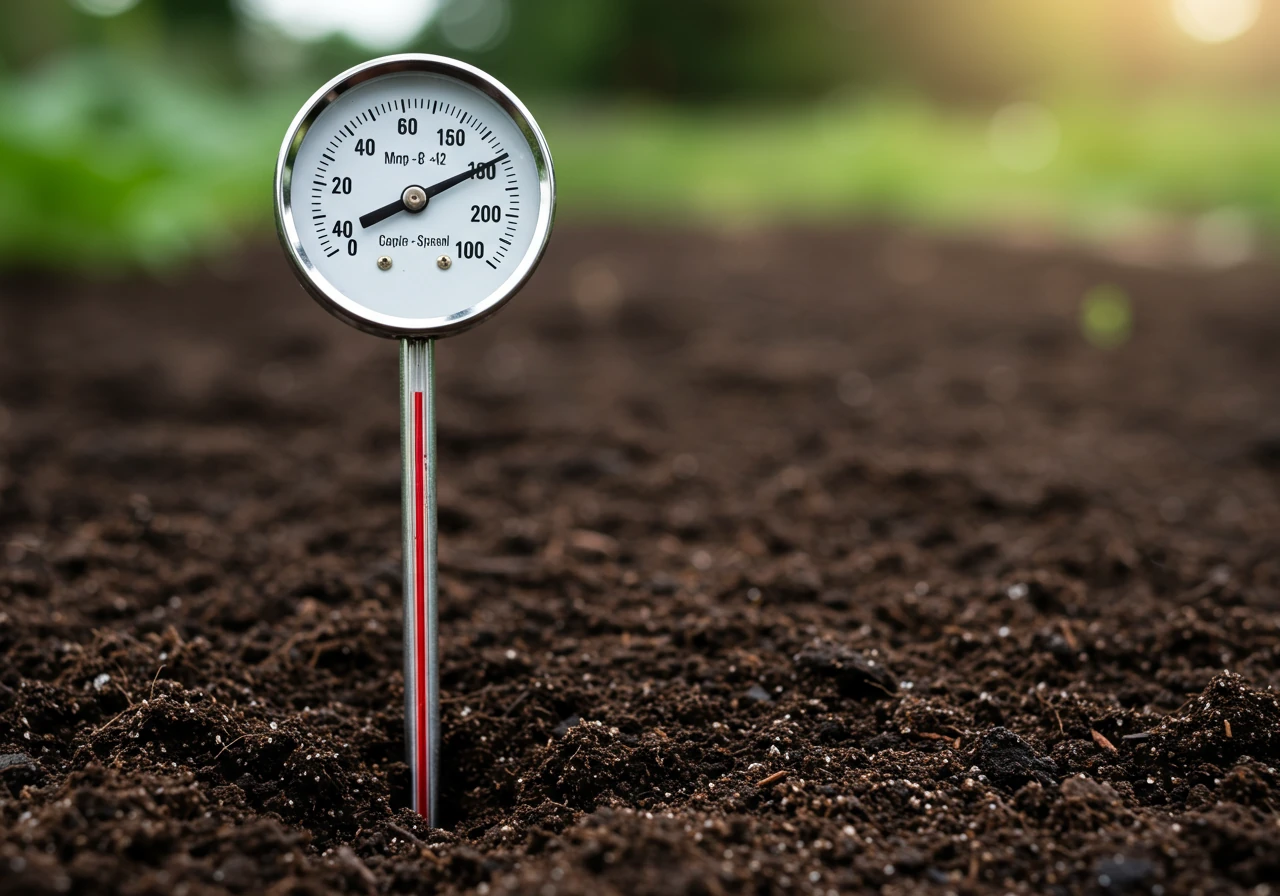
Ready to become a soil temperature ninja? Grab your trusty soil thermometer (a simple dial or digital one works great – please don’t use the one from your kitchen turkey!) and let's begin:
- Pick Your Spot(s): Don't just jab the thermometer anywhere! Your garden isn't uniform. Test a few different locations – a sunny spot, a shadier area, maybe that patch in Nepean that always seems a bit wetter. If you're comparing different beds, especially if you've recently had work done like a Comprehensive Ottawa Yard Cleanup Service to prepare them, check each one. The goal is to get a good average picture.
- Clear the Way: Before you measure, make sure the ground is clear of heavy mulch, leaves, or other debris that might be acting like a little insulating blanket. Ensuring your beds are prepped is key; sometimes getting a professional City Yard Cleanup Service can make all the difference in starting fresh.
- Depth Matters: For most seeds and young plants, you want to know the temperature where the roots will actually be living. Push the thermometer probe into the soil to the correct depth:
- For seeds: Aim for about 2-4 inches deep.
- For transplants: Go a bit deeper, maybe 4-6 inches.
- Be Patient, Young Padawan: Don't just poke and pull! Leave the thermometer in the soil for a good 2-5 minutes. This gives the sensor time to accurately register the temperature. Grab a coffee, admire your landscaping, just give it a moment to work its magic.
- Read and Repeat: Check the temperature before you pull the thermometer out of the ground. Jot it down if you like! Repeat this process in your chosen spots and ideally, around the same time each day for a few days to see the trend. Is it warming consistently?
- Timing is Everything: Soil temperature fluctuates throughout the day. For the most reliable reading relevant to germination and root growth, try measuring in the mid-morning, after the soil has had a chance to warm from the night's chill but before the peak afternoon sun heats the very top layer. Consistency is key!
Pro Tips for Extra Success:
- Cleanliness Counts: Wipe the probe clean between readings, especially if moving between different soil types or areas, like going from a clay patch in Barrhaven to a loamier spot near Metcalfe. Speaking of Metcalfe, if you need help prepping those specific beds, a dedicated Metcalfe Garden Clean Up Service can get them ready for testing and planting. Check out our Metcalfe property cleanup service too!
- Check Calibration: Occasionally test your thermometer in ice water (should read 0°C / 32°F) or boiling water (100°C / 212°F, be careful!) to ensure it's accurate.
- Mind the Mulch: Remember that organic mulches can keep the soil cooler in spring. Your choice during Mulch and Soil Material Selection impacts how quickly the soil underneath warms up. Factor this in!
- City Gardens Too: Even if you have a smaller urban plot, this applies! A quick check after your Specialized City Garden Clean Up Service prepares the space will tell you when it’s truly go-time. We also offer City garden maintenance services.
That's it! Taking your soil's temperature is a simple step that takes the gamble out of spring gardening in the Ottawa region. Happy measuring! Need professional garden maintenance? We can help.
Cool-Season Plant Needs
These plants are the early birds of the garden! They actually prefer cooler soil to get started and thrive in the gentle warmth of spring.
- Ideal Soil Temp Range: Approx. 5°C - 15°C (check specific plant needs).
- Examples: Peas, lettuce, spinach, radishes, kale, onions, potatoes, pansies, snapdragons.
- Why they like it cool: Their internal chemistry is optimized for growth at lower temperatures. Hot soil can cause them to bolt (go to seed quickly) or struggle.
- Ottawa Tip: These are often your best bet for early spring planting in our region, especially in heavier soils that warm slowly.
Warm-Season Plant Needs
These plants crave the heat and sulk in cold soil. They need consistent warmth to germinate and establish strong roots.
- Ideal Soil Temp Range: Approx. 15°C - 21°C or higher (check specific plant needs), plus warm nights.
- Examples: Tomatoes, peppers, cucumbers, beans, corn, squash, melons, marigolds, zinnias, petunias.
- Why they need warmth: Originating from warmer climates, their seeds won't germinate reliably, and roots won't grow actively in cold soil.
- Ottawa Tip: Patience is crucial! Wait until the soil is consistently warm (usually June) before planting these favourites to avoid disappointment. Consider using raised beds or protective covers to warm soil faster. Our garden installation services can help set up ideal conditions.
Decoding the Numbers: Ideal Soil Temps for Your Favourite Plants (Ottawa Edition)
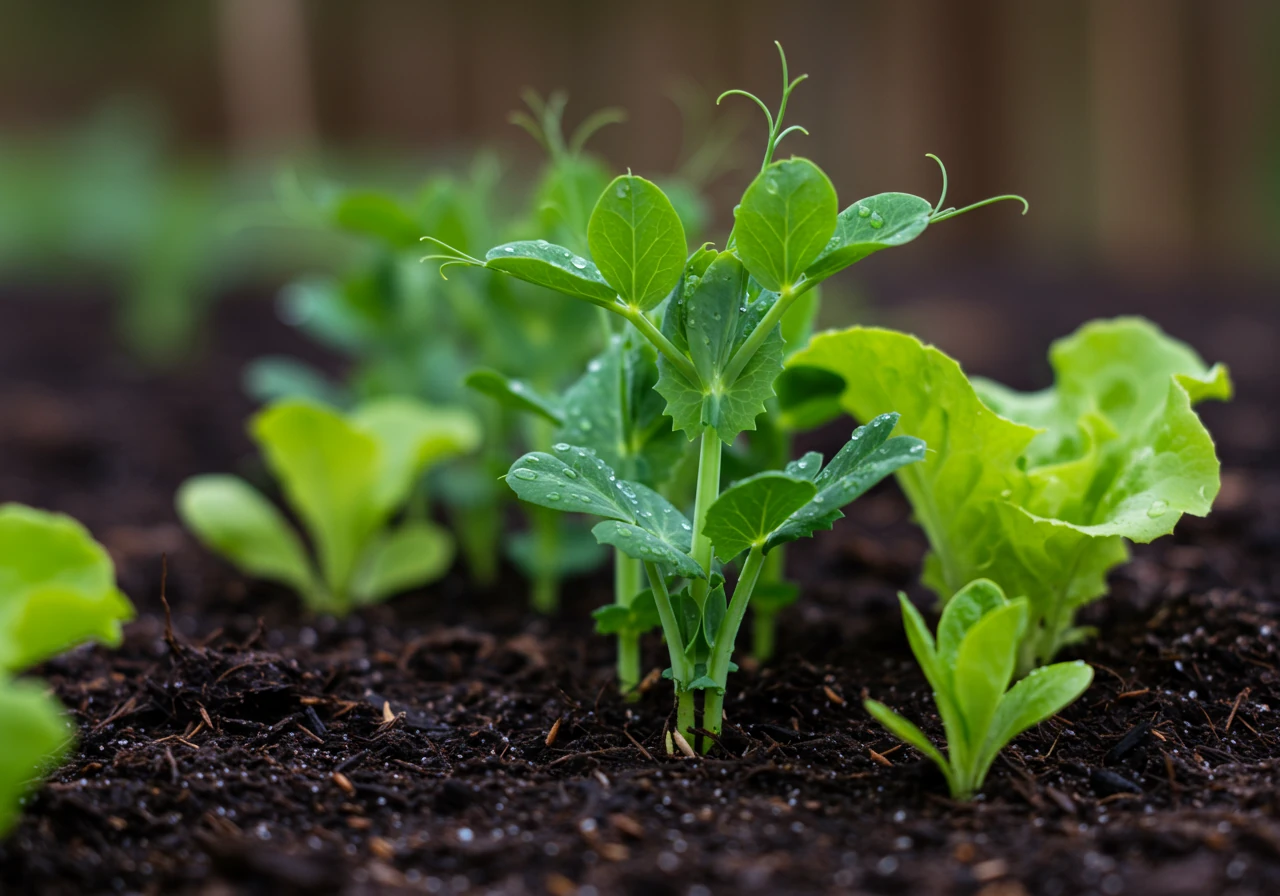
Alright, let's talk plant preferences! Just like your neighbour in Osgoode might crank the heat while you're happy in a sweater, plants have their own ideal temperature ranges, especially when it comes to the soil they live in. Not all seeds and roots are created equal – some are tough cookies happy to get going in cooler conditions, while others are total sun-worshippers that demand warmth before they’ll even think about sprouting.
Why the fuss? It often comes down to where the plant originally evolved. Cool-season champs, like spinach or pansies, hail from regions with milder summers and cooler springs. Their internal chemistry is literally wired to kickstart germination and growth at lower temperatures. Trying to plant them when the soil is too warm can actually stress them out!
On the flip side, warm-season favourites – think tomatoes, peppers, zinnias – have tropical or subtropical roots (even if they're grown locally now!). They need much warmer soil to wake up their seeds and get their roots growing vigorously. Planting them in cold Ottawa soil, even after a thorough spring Property Clean-up, is like asking them to run a marathon barefoot in the snow – they’ll struggle, stall, or might even give up entirely.
So, what are the magic numbers for common plants grown around here, from Manotick to Metcalfe? Here’s a handy guideline – but remember, always check your specific seed packet or plant tag for the most accurate info! These are good starting points:
| Plant Category | Ideal Minimum Soil Temp (°C) | Examples |
|---|---|---|
| Cool-Season Veggies | Approx. 5°C - 10°C | Peas, lettuce, spinach, radishes, kale, onions, potatoes |
| Warm-Season Veggies | Approx. 15°C - 21°C+ | Tomatoes, peppers, cucumbers, beans, corn, squash, melons |
| Cool-Season Flowers | Approx. 7°C - 12°C | Pansies, violas, snapdragons, calendula, poppies |
| Warm-Season Flowers | Approx. 15°C+ | Marigolds, zinnias, petunias, cosmos, impatiens, geraniums |
| Lawn Seed (Cool-Season Grasses) | Approx. 10°C - 18°C | Kentucky Bluegrass, Fescue, Ryegrass mixes (Lawn Care Info) |
What About Eco-Friendly & Native Choices?
Choosing native plants is fantastic for supporting local ecosystems and often means less fuss in your gardening efforts. Many Ontario native wildflowers and grasses are adapted to our climate and can generally tolerate cooler soil temperatures typical of our spring. However, "native" covers a wide range! Some prairie natives might still prefer warmer, drier conditions to germinate. As always, research the specific plant. Considering natives is a great step when you're planning your garden layout and thinking about sustainable Choosing the Right Plants and Soil Materials. For reliable local information, check resources like Landscape Ontario or the City of Ottawa's gardening tips. If you're curious about companies that prioritize local knowledge and sustainable practices, you can often find details on their website; for instance, you can Learn More About Our Approach on our site.
The Golden Rule: Check the Tag!
These temperatures are great guidelines, but your seed packet or plant tag is the ultimate authority. It provides the specific requirements for that particular variety. And remember, trust reliable sources for information – just like you'd expect transparency from businesses (you can always view our company's Privacy Policy for how we handle data). Use your soil thermometer, check those tags, and give your plants the warm (or cool!) welcome they need to thrive in your Ottawa garden this year!
Manotick & Area Planting Calendar: A Rough Guide Based on Soil Temps
Okay, let's try to put this calendar together for our Manotick-area gardeners! Remember, this is like predicting Ottawa weather – a fun challenge, but you absolutely need your trusty soil thermometer to confirm what's really happening in your backyard, whether you're in Kars, Vernon, or closer to Embrun. Soil can vary wildly even across short distances! Think of this as a very loose suggestion, not gospel. Always check the forecast from reliable sources like Environment Canada for Ottawa.
Early Spring (Late April - Early May... Maybe!)
Soil Temp: 5°C - 10°C (Chilly!)
Ground waking up, frost risk high. Finish spring property clean-up, clear beds, maybe add compost if soil isn't muddy.
Plant: Hardy stuff! Peas, spinach, lettuce, radishes, kale, onion sets, maybe pansies. Bare-root trees/shrubs.
Mid-Spring (Mid-May - Early June)
Soil Temp: 10°C - 15°C (Warming)
Greening up, soil warming but nights can be cool. Harden off indoor seedlings.
Plant (Check temps!): More cool-season veggies (potatoes, beets, carrots), hardy annuals (snapdragons). Maybe start lawn seeding. Ideal Sod Installation often better later.
Late Spring (June - Watch Frost Date!)
Soil Temp: 15°C+ (Consistent Warmth)
Frost danger likely past. Main planting season for many!
Plant: Heat lovers! Tomatoes, peppers, beans, corn, squash, cucumbers, tender annuals (marigolds, zinnias). Time to see those Amazing Outdoor Transformations. Planning big changes? See how we handle Estimate Feedback.
Eco-Friendly Tip: Patience is a green virtue! Resist the urge to plant heat-loving veggies and flowers too early. Waiting for the right soil temperature avoids stressing plants, reduces the risk of loss, and ultimately conserves resources like water because the plants establish strong, healthy roots right from the start. It’s about working with nature's schedule, not fighting it.
Again, this calendar is just a helpful guess – your soil thermometer is the real boss! Use it often. Happy planting, and a big Thank You for Considering Our Advice as you plan your beautiful garden this year! Need help in Marionville? Check our Marionville yard cleanup service and Marionville garden clean up service.
Soil Temp Quick Tips
Okay, feeling a bit overwhelmed by all this temperature talk? No worries! Here are the absolute must-know takeaways to get your Ottawa garden thriving this spring. Think of this as your cheat sheet:
- Trust the Thermometer, Not the Sunshine: Forget relying only on those lovely warm spring days! Your soil temperature is what really matters for happy seeds and roots. Get a soil thermometer and check 2-6 inches deep where the action happens. It's ground zero for successful gardening.
- Match Plants to Temps: Different plants have different preferences (picky, aren't they?). Cool-season champs like peas and spinach are okay with soil around 5°C - 10°C. Your sun-loving tomatoes, peppers, beans, and most annual flowers need it much warmer, usually 15°C or more. Always double-check your seed packets or plant tags!
- Give Soil a Head Start: Help your garden beds warm up! Clear away any thick layers of old mulch, soggy leaves, or winter debris that might be insulating the ground and keeping it chilly. Ensuring thorough Soil Preparation is key. If last season left a big mess, getting professional help, whether it’s a dedicated Metcalf Yard Cleanup Service for your specific area or a broader Marionville Property Cleanup Service if you're elsewhere, can clear the way for spring sunshine to do its job.
- Patience Prevents Plant Pouting: Seriously, resist the urge to plant those tender veggies and flowers too early! Cold, damp soil stresses plants, leading to poor germination, weak roots, and potential rot. Waiting for consistent warmth pays off big time, whether you're planting tiny seeds, nurturing transplants, or planning projects like Sod Installation where strong root development is critical. Adapting your timing and techniques based on conditions is also vital for long-term success, a principle understood by any good City Garden Maintenance Service.
Manotick Gardeners Ask: Spring Soil Temp FAQs
Ah, that infamous Ottawa clay! Patience *is* key, but you can help it along. Consistently adding organic matter like compost during your annual Soil Preparation improves drainage and helps it warm slightly faster over time. For a quicker boost, try covering prepared, moist beds with clear plastic for a week or two before planting – it acts like a mini-greenhouse, trapping solar heat.
Great question! Frost risk (air temperature) and soil temperature are related but distinct problems for plants. A late frost can zap tender leaves, but warm-season plants like tomatoes primarily need consistent soil warmth (usually 15°C+) for strong root growth and germination. Use your thermometer! Wait until *both* the major frost danger has passed *and* the soil is consistently warm enough at planting depth.
Yes, it absolutely matters! Grass seeds won't germinate properly if the ground is too cold. Most cool-season lawn mixes common in Ottawa need soil temperatures consistently between 10°C and 18°C. Seeding on cold, damp ground often leads to patchy results and wasted seed. Proper timing based on soil temp is crucial for achieving that lush green carpet, whether seeding small spots or undertaking larger lawn aspects of a Garden Install.
Hold your horses and trust that thermometer! Microclimates and soil types can vary significantly, even between nearby spots like Greely and Manotick. Their garden might get more sun, have sandier soil that warms faster, or be more sheltered. Planting heat-lovers like peppers in soil below 15°C often leads to stunted growth or failure. If you're facing unique challenges or uncertainties, you can always Contact Us for personalized landscaping advice.
Absolutely! Raised beds are a fantastic solution for Ottawa gardening. The soil in raised beds typically drains better and warms up significantly faster than the surrounding ground-level soil because it's exposed to sun on more sides. This is especially helpful if you're dealing with slow-draining clay. It definitely gives you a jump start on the planting season for many crops.
Improving soil health and structure definitely increases your chances of success and helps soil warm more readily! However, gardening always involves Mother Nature's cooperation. Think of it like understanding service agreements; knowing the science helps, just like reading our company's Terms and Conditions clarifies what to expect from a service. Good practices significantly improve odds, but weather variations always play a role!
Conclusion: Get Grounded This Spring for Your Best Manotick Garden Yet!
So there you have it, fellow Manotick garden enthusiasts! This spring, let's ditch the guesswork and truly get grounded. Trading that early spring fever impatience for a little soil thermometer wisdom is your secret weapon for healthier plants and a garden that doesn’t just survive our tricky Ottawa springs, but truly thrives. From the sometimes stubborn clay near Nepean to the lovely loam pockets around Osgoode, understanding your unique soil conditions and respecting its temperature timetable makes all the difference between a so-so gardening season and achieving your best Manotick garden yet! No more shivering seedlings or seeds stubbornly sleeping in the cold.
Feeling a bit buried by the details, short on time, or just want a professional hand getting your landscaping looking sharp this season? Whether you need help testing your soil, expert advice on the perfect planting times for our climate, prepping your garden beds, or tackling a full spring clean-up in Manotick, Greely, or the surrounding areas, we’re ready to dig in. Let us handle the groundwork so you can simply sit back and look forward to the blooms! Reach out to us today for a friendly chat and let’s work together to get your garden growing strong and beautiful this spring.