
Is your favourite shrub looking tired, overgrown, or woody? Don't replace it! Learn how renovation pruning can bring it back to life.
Ready to give your shrubs professional attention?
to Shrub Renovation
- Renovation pruning revitalizes old, overgrown deciduous shrubs.
- It involves cutting old stems near the ground to stimulate new growth.
- Best time: Late winter/early spring (before buds break) for most; after flowering for early bloomers (Lilac, Forsythia).
- Saves money and effort compared to replacement.
- Benefits plant health, appearance, and wildlife.
- Consider DIY or professional help based on shrub size and your comfort level.
Introduction: Giving Your Old Manotick Shrubs a Second Lease on Life
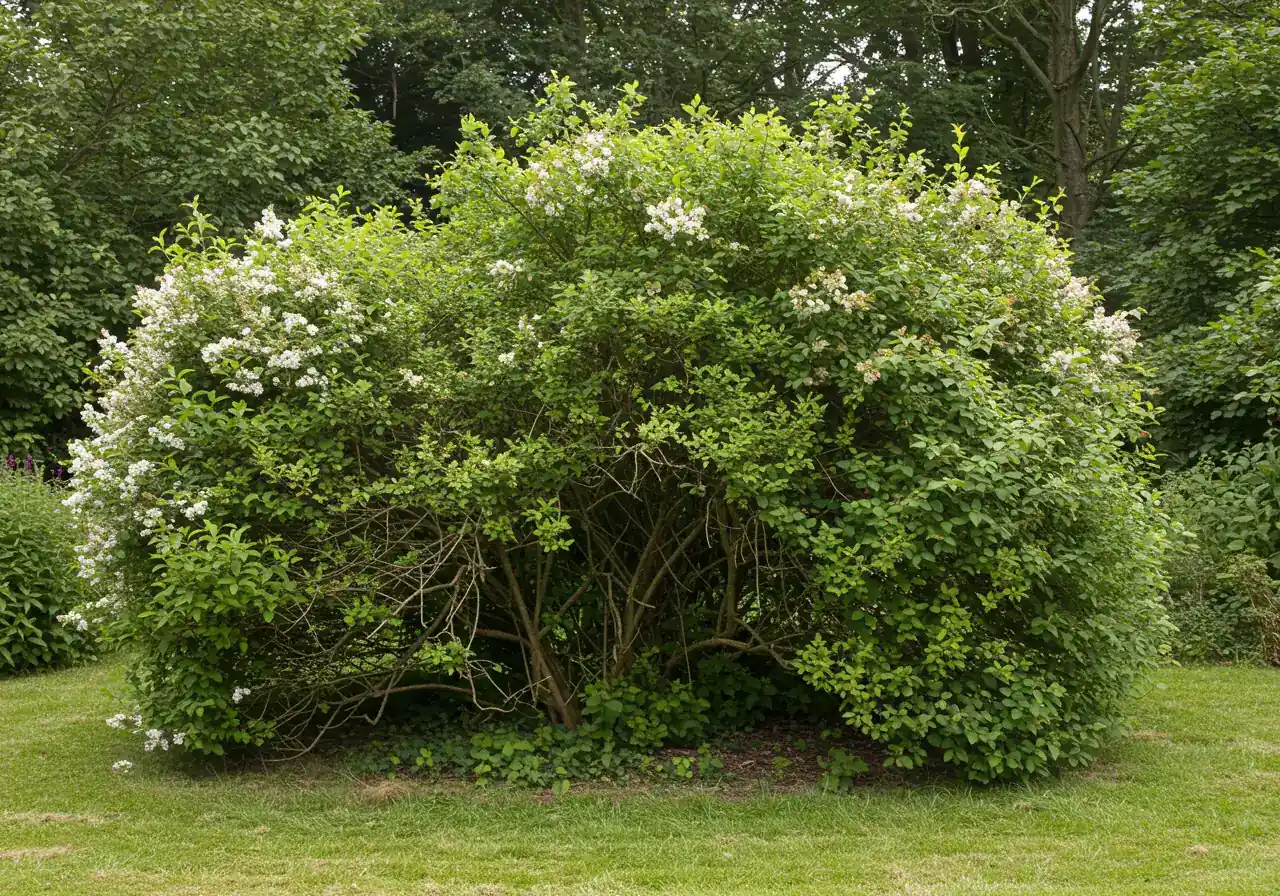
Let's be honest, strolling through beautiful Manotick is a delight, but maybe when you get back home, your own shrubs look a little... well, enthusiastic? Perhaps they've grown so large they're blocking windows, or look more woody than leafy? Are your foundation shrubs looking less like elegant landscaping accents and more like they wrestled a raccoon... and lost? Don't despair, and definitely don't reach for the chainsaw just yet!
Before you consider the costly and labour-intensive process of ripping out established plants and starting over, there's a fantastic gardening technique called renovation pruning. Think of it as a targeted revitalization plan specifically for older, overgrown shrubs. It's a way to encourage vigorous new growth right from the base, restoring a more youthful, manageable shape and size. Especially here in the Ottawa area, where our beloved plants face challenging freeze-thaw cycles and unpredictable weather, knowing how to properly rejuvenate them can save you significant money and effort compared to full replacement. Give those tired veterans a chance to shine again!
Why Bother Saving Old Shrubs? The Untapped Value in Your Yard
Okay, let's be real. Sometimes you look at that massive, overgrown shrub that came with the house - maybe it's blocking the path, hasn't flowered in years, or just looks plain shaggy - and your first instinct is to grab the shovel and declare, "It's gotta go!" We get it. But before you sentence that established plant to the green bin, let's talk about why saving it might be the smartest move you make in your yard this year. There's often serious untapped value hiding under those tangled branches.
First off, think about your wallet and your weekend. Ripping out large, mature shrubs is hard work! Then there's the cost of disposal, buying appropriately sized replacements (which can be pricey!), and planting them. Renovation pruning, where you strategically cut back the old growth to encourage new, healthy shoots, uses the plant you already have. It's like giving your landscape a significant upgrade for a fraction of the cost and effort of starting over. Plus, mature shrubs provide instant impact and structure that takes brand-new plants years to develop. They bring a sense of history and character to your garden - something especially valuable in lovely, established Ottawa neighbourhoods like Manotick or Richmond.
Beyond the practical stuff, these older shrubs are often environmental champions right under our noses. Their extensive root systems are fantastic for stabilizing soil and often mean they're more drought-tolerant once re-established (though keeping an eye on watering needs is always smart; performing Manotick Irrigation Checks Can Save Water in Summer is key). More importantly, they provide vital food sources and shelter for local wildlife like birds and beneficial insects - think of them as bustling little nature hubs! Replacing them means disrupting that local ecosystem. Find local wildlife resources from the Rideau Valley Conservation Authority.
Planning a garden redesign? Don't automatically see old shrubs as obstacles. They can be incredible anchors and focal points in your landscape plans. Incorporating them thoughtfully can save you time and money when considering your overall Manotick Garden Design: Creating Your Dream Backyard.
Proper pruning techniques can truly work magic, rejuvenating tired plants and bringing them back to their former glory. Of course, after a good prune, ensuring the shrub is ready for the changing seasons is important. Preparing your whole yard correctly helps everything thrive, as detailed in our tips for Manotick Fall Cleanup and Winter Lawn Prep Essentials. If the idea of tackling a big renovation prune feels overwhelming, remember that professional help is available. Experts can assess your shrubs and perform the right cuts as part of comprehensive Yard Care Services. And giving pruned shrubs the best chance to survive winter is crucial; our detailed Manotick Fall Cleanup and Winter Prep Guide outlines essential steps for plant protection.
So, before you write off that scraggly old Spirea or overgrown Potentilla, pause and consider its hidden potential. With a bit of know-how and care, you might just uncover a beautiful, valuable asset already thriving in your yard. Check out our reviews on Google My Business to see how we've helped others!
Typical Renovation Pruning Outcomes
Renovation Pruning Explained: More Than Just a Trim!
So, you know how sometimes your hair just needs a little tidy-up, maybe take an inch off the ends? That's like regular pruning for your shrubs - keeping things neat and encouraging flowers. But then there are times when things have gotten... wild. Maybe your favourite Lilac is looking more like a dense thicket of old, unproductive wood, or that Spirea by the walkway in your Barrhaven home has tripled in size. That's when you need renovation pruning. Think of it less like a trim and more like hitting the reset button for your plant!
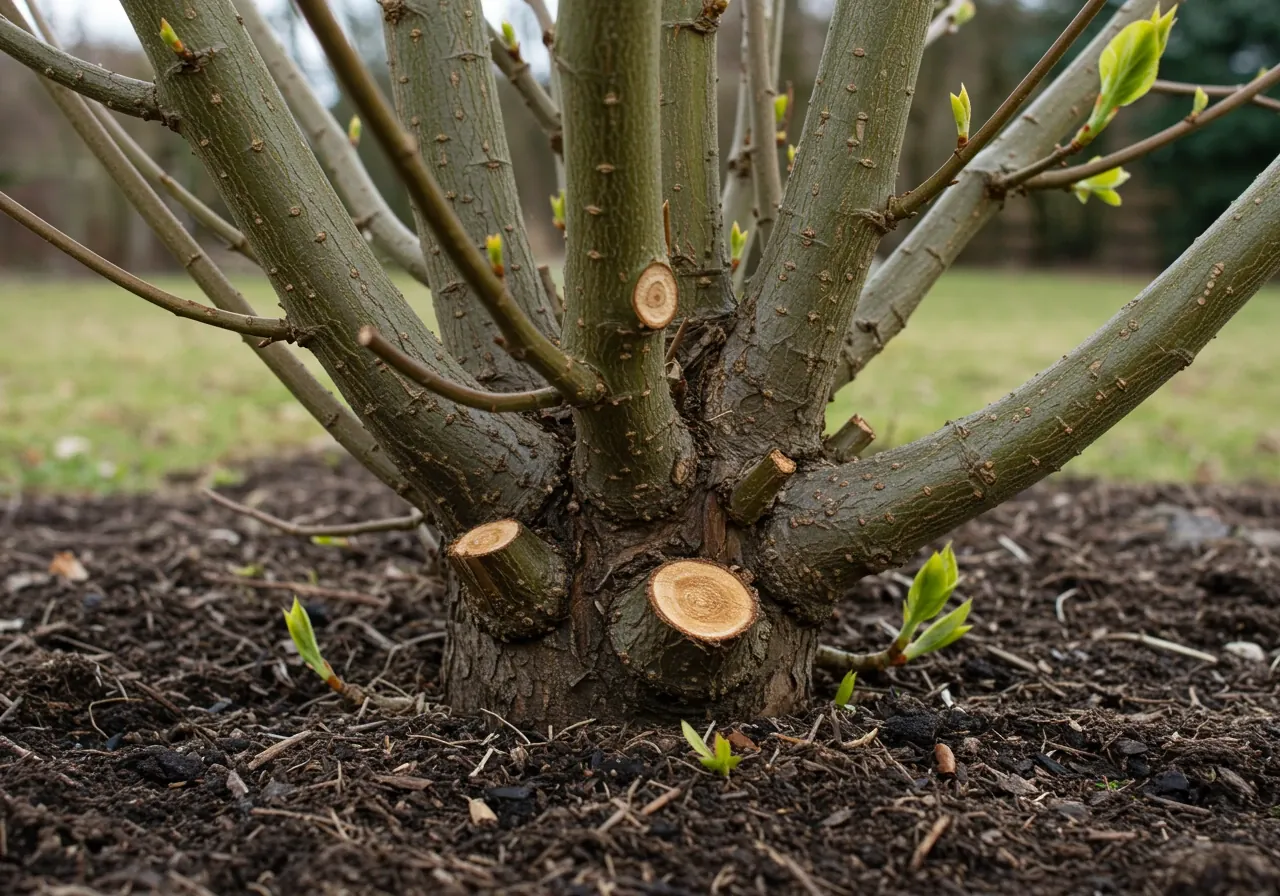
Renovation pruning is a more dramatic approach used on certain older, overgrown deciduous shrubs. Instead of just snipping the tips, you're often cutting the oldest, thickest stems right down to near ground level. Why the drastic measure? It shocks the plant (in a good way!) into action. Most of these shrubs have dormant buds hiding at their base or along the lower parts of old stems. Removing the tall, aging growth allows sunlight and the plant's energy to flood these buds, stimulating vigorous, new growth. It's the plant's way of starting fresh, resulting in a healthier, more manageable, and often better-flowering shrub in the long run.
How do you know if your shrub is asking for rejuvenation?
- Lots of old, thick, woody stems with few leaves or flowers.
- Leaves and flowers are mostly just at the very tips of the branches.
- The centre of the shrub looks bare and twiggy.
- It's become way too large for its space, maybe blocking a window in your Greely home.
- Flowering has significantly decreased over the years.
Many shrubs common in Ottawa gardens respond beautifully to this technique, including Forsythia, Lilac, Red Osier Dogwood, Spirea, Ninebark, and some types of Hydrangea. For specific advice on local plants, the Master Gardeners of Ottawa-Carleton website is a great resource.
This type of major pruning can create a fair bit of debris. Don't worry about the mess; comprehensive Yard Care Services often include hauling away the cuttings. Whether you need a full Ottawa Property Cleanup Service or specific help like our Manotick Yard Cleanup Service, getting rid of the branches is part of the job. Our teams handle cleanup efficiently, even reaching areas like Marionville with our dedicated Marionville Yard Cleanup Service. Sometimes, rejuvenating shrubs dramatically improves a garden bed, making you realize the surrounding lawn could also use a refresh with professional Sod Installation Services to complete the transformation.
When to Prune in Ottawa
Late Winter/Early Spring (March-April, before buds swell): Ideal for most deciduous shrubs like Spirea, Dogwood, Ninebark, Potentilla, Hydrangeas (new wood bloomers). The plant is dormant, structure is visible, and energy reserves are ready.
Immediately After Flowering (Late Spring/Early Summer): Crucial for early bloomers that flower on last year's wood, such as Lilac, Forsythia, Weigela, Mockorange. Pruning earlier removes flower buds.
Avoid: Mid-winter (risk of cold damage) and late spring/summer after leaf-out (wastes plant energy).
Tools for the Job
- Sharp Bypass Loppers: For stems up to 1.5 inches thick. Bypass blades make clean cuts like scissors.
- Pruning Saw: For thicker, older stems loppers can't handle. Choose one with a comfortable grip.
- Hand Pruners (Secateurs): For smaller stems and detailed cleanup. Again, bypass style is preferred.
- Rubbing Alcohol or Bleach Solution: To sterilize blades between cuts, especially if disease is suspected, preventing spread.
- Gloves & Safety Glasses: Essential protection!
Shrubs That Respond Well
Many common multi-stemmed deciduous shrubs can be renovated:
- Spirea (most types)
- Potentilla
- Forsythia
- Lilac (Syringa)
- Dogwood (Cornus species, especially red-twig)
- Ninebark (Physocarpus)
- Weigela
- Mockorange (Philadelphus)
- Some Hydrangeas (e.g., Smooth Hydrangea 'Annabelle')
- Honeysuckle (Lonicera - shrub forms)
Note: This technique is generally NOT suitable for evergreens or single-trunk trees.
Timing is Key: The Ottawa Calendar for Shrub Renovation
Alright, let's talk timing. Trying to perfectly time anything with Ottawa weather can feel like predicting a Senators winning streak - exciting, but tricky! When it comes to giving your shrubs that major renovation prune, timing is absolutely crucial for success. Get it right, and your plant bounces back beautifully. Get it wrong, and you might stress it out or even miss out on those lovely blooms.
For most deciduous shrubs (the ones that lose their leaves in winter), the renovation sweet spot in our region, whether you're in Nepean or out in Greely, is late winter to very early spring. Think March or early April, before the buds start to swell and burst open. Why then?
- Dormancy: The shrub is still mostly snoozing. Pruning now is less of a shock to its system compared to cutting it when it's actively growing.
- Visibility: No leaves! You can clearly see the shrub's structure, making it way easier to identify those old, thick stems that need to go.
- Energy Reserves: The plant has stored energy in its roots over winter, ready to fuel vigorous new growth from the base once you make the cuts and the weather warms up.
- Quick Healing: As spring growth begins, the plant quickly callouses over the pruning wounds, reducing the chance of disease or pests getting in. For information on dealing with yard waste like pruned branches, check the City of Ottawa's Green Bin and Leaf/Yard Waste guidelines.
The Big Exception: Early Spring Bloomers
Now, here's the catch - for shrubs that bloom early in the spring on last year's wood (think Forsythia, Lilac, Weigela), hold your horses! If you prune these beauties in March, you'll be cutting off all the flower buds. Talk about a disappointing spring show! For these early bloomers, the rule is: prune them immediately after they finish flowering. This gives them the rest of the growing season to produce the wood that will carry next year's flowers.
Risks of Bad Timing
Pruning too early (like mid-winter) can expose fresh cuts to severe cold and drying winds, potentially causing dieback. Pruning too late, once the shrub has leafed out, forces the plant to waste energy it already put into those leaves, weakening it. It also makes the cleanup job bigger - more leaves and stems means more debris to handle. Tackling that big pile of branches is something our Ottawa Yard Cleanup Service teams handle regularly. Whether it's a specific area needing attention, like our Metcalfe Yard Cleanup Service, or a smaller space requiring a City Garden Clean Up Service, dealing with pruning aftermath is part of the process.
Sometimes, rejuvenating shrubs highlights other areas. You might clear out an overgrown giant only to reveal a patchy lawn needing help. It could be the perfect time to consider Professional Sod Installation Services for that instant green carpet effect.
| Pruning Time | Shrub Type | Examples |
|---|---|---|
| Late Winter/Early Spring (Before Bud Break) | Most Deciduous Shrubs (bloom on new wood) | Spirea, Dogwood, Ninebark, Potentilla, Smooth Hydrangea |
| After Flowering (Late Spring/Early Summer) | Early Spring Bloomers (bloom on old wood) | Lilac, Forsythia, Weigela, Mockorange |
If you're ever unsure about timing or how aggressively to prune, getting professional advice is a smart move. Before booking any service, it's wise to understand the scope, easily found in details like our company's Terms and Conditions. Getting the timing right sets your shrubs up for a fantastic comeback!
DIY Disaster or Pro Perfection? Choosing Your Pruning Path
Okay, that overgrown shrub needs a serious haircut - renovation pruning it is! Now comes the big question: do you channel your inner lumberjack and tackle it yourself, or call in the cavalry (aka, professional landscapers)? It's the classic DIY vs. Pro showdown, and the best path for your Ottawa garden depends on a few things. Let's break it down.
The DIY Daredevil Approach:
Going the DIY route definitely has its appeal. You save money upfront, get some exercise (maybe more than you bargained for!), and feel that satisfying sense of accomplishment when you're done. Plus, it's a great way to learn more about your plants hands-on.
However, let's be honest. Renovation pruning isn't just random hacking.
- Risk: Do you really know which stems to cut, how many, and how far back without accidentally harming or even killing your shrub? One wrong move on a beloved lilac can be heartbreaking.
- Skills & Tools: Do you have sharp, clean bypass loppers, pruning saws, and potentially even heavy-duty cutters? Using dull or improper tools can damage stems and invite disease.
- Effort & Cleanup: Wrestling with thick, stubborn branches can be tough work and potentially lead to strains or cuts. And the cleanup? That pile of branches can get surprisingly large, often requiring more effort than just stuffing them in the green bin.
The Professional Pruning Path:
Hiring professionals costs more initially, no doubt. But think of it as an investment in your landscape's health and beauty.
- Expertise: Experienced gardeners know which shrubs respond best to renovation, when to do it for our Ottawa climate, and how to make the cuts that encourage vigorous, healthy regrowth. They understand plant biology. You can learn more about our team and our commitment to horticultural best practices.
- Efficiency & Tools: Pros have the right, professional-grade tools for the job, making clean cuts efficiently and safely. They're equipped to handle large shrubs and tricky situations.
- Local Knowledge: They understand factors like dealing with heavy clay soil common in Barrhaven or Nepean during cleanup versus the sandier stuff found near Manotick or Kars. They can also advise on crucial follow-up care, like ensuring proper soil preparation around the newly pruned shrub to give it the best chance to thrive.
- Peace of Mind: Especially for valuable mature shrubs or complex situations, professional expertise minimizes risk. Booking a professional service involves trust; reputable companies value transparency and client confidentiality, often detailing how they handle your information in their Privacy Policy. The work can also be integrated into a wider regular garden maintenance plan for ongoing plant health.
- Cleanup Included: Professionals typically handle the removal and disposal of all the pruned branches, sometimes as part of a larger professional city garden clean up service, leaving your yard tidy.
Making the Choice:
You could almost make a little comparison table in your head: DIY offers cost savings but carries higher risks and requires effort/tools. Pro means a higher upfront cost but brings expertise, efficiency, and peace of mind.
If you're feeling uncertain, dealing with a particularly large or important shrub, have multiple plants needing attention, or simply lack the time, tools, or inclination for a potentially strenuous job, calling in experts is often the smartest path to ensuring your shrubs get the best possible second chance. Ready for a quote? Visit our Contact Us page or check our Thank You page after submission.
The Renovation Process: A Simplified Step-by-Step
Okay, so you've decided your shrub needs more than a light trim - it needs the full spa treatment! Renovation pruning might sound intense, but let's break it down into easy steps using a timeline approach for the gradual method.
Step 1: Assess & Plan (Prep Year)
Identify oldest stems (dark, thick, peeling). Note dead/damaged wood. Decide method (gradual recommended for beginners/large shrubs). Ensure you have sharp, clean tools.
Step 2: Remove 3 D's (Anytime)
Start by cutting out Dead, Damaged, and Diseased wood right to the base or healthy tissue. This is basic Property Clean Up.
Step 3: Year 1 Pruning (Gradual Method)
In late winter/early spring (or after flowering for early bloomers), remove about 1/3 of the oldest, thickest stems at ground level.
Step 4: Year 2 Pruning (Gradual Method)
Repeat Step 3, removing another 1/3 of the remaining oldest stems. You should see strong new growth emerging from the base.
Step 5: Year 3 Pruning (Gradual Method)
Remove the last 1/3 of the original old stems. Thin out any crossing/weak new shoots to improve structure. This relates to good Mulching and Edging practices for airflow.
Step 6: Hard Pruning Alternative
For shrubs like Spirea or Dogwood, cut ALL stems to 6-12 inches in one go (at the correct time). Looks drastic, but recovery is often quick.
Step 7: Cleanup & Aftercare
Dispose of debris properly (consider City Property Cleanup Service or regional options like Marionville Garden Clean Up Service). Water well, especially during dry spells. Good Soil Preparation helps recovery.
Follow these steps, be patient, and watch your old shrub spring back to life! For planting new companions, consider our Material Selection and Garden Install services.
Top Tips for Shrub Revival Success
Ready to give that old shrub a new lease on life? It's easier than you might think! Keep these key gardening points in mind for your Ottawa landscape, whether you're in Barrhaven or closer to the city core:
- Timing Triumph: Get the timing right! Prune most deciduous shrubs in late winter/early spring before new growth starts. Wait until after flowering for early spring bloomers like Forsythia or Lilac.
- Sharp & Sterile is Smart: Your shrub isn't impressed by rusty, dull tools. Use clean, sharp bypass loppers and saws for healthy cuts that heal quickly.
- Cut with Confidence: Don't be timid, especially when hard pruning shrubs that tolerate it. Removing old wood spurs amazing new growth. Need proof? Check out some successful shrub Transformations!
- Aftercare Counts: Give your pruned shrub some love! Water it well, especially if things get dry. Consistent attention helps it bounce back beautifully and might be part of a regular City Garden Maintenance Service.
- Plan for the Pile: Renovation pruning creates branches - sometimes a lot! Have a plan for the cleanup, whether it's bundling for city pickup or calling in a City Yard Cleanup Service. For larger properties or bigger jobs, specialized teams like the Marionville Property Cleanup Service can handle the haul-away. Consider our Lawn Care services for the surrounding area.
FAQs: Your Ottawa & Manotick Shrub Questions Answered
Conclusion: Breathe New Life into Your Manotick Landscape
So there you have it! That unruly shrub doesn't have to be an eyesore or a candidate for the green bin. Renovation pruning is your secret weapon for turning tired, overgrown plants into vibrant stars of your garden once again. Think of the benefits: you save money compared to replacement, keep the character of mature landscaping, and give your plants a chance to thrive with renewed vigour. It's a smart gardening move that boosts curb appeal and brings long-term health back to your valued shrubs, whether you're in Manotick, enjoying the countryside near Russell or Winchester, or tending a garden in Embrun.
Don't let uncertainty stop you from revitalizing your yard. Give those leafy veterans the glow-up they deserve!
Reach out today for a free consultation and estimate! Let our experienced team assess your shrubs and discuss the best path forward. Visit our Contact Us page.
Want to explore more Ottawa gardening tips and see how our yard care services can transform your outdoor space?
Visit our Services page for detailed information and inspiration! Explore everything from Garden Maintenance to full Landscape Transformations.
We proudly serve Manotick and surrounding areas including Ottawa, Metcalfe, Marionville, and offer City-wide Yard Cleanup Services. See our Privacy Policy and Terms & Conditions.