
Stop Aggressive Spreaders: Metcalfe Growth Control Tips
Need help taming your garden? Request a free quote today!
Get Professional Garden Cleanup HelpIntroduction: Your Metcalfe Garden Shouldn't Be a Battlefield!
Hey Metcalfe gardeners! Does your dream garden sometimes feel more like a battlefield? You lovingly plant beautiful flowers and shrubs, only to find certain ones are trying to conquer every square inch, pushing out everything else you planted with care. Sound familiar?
We're talking about aggressive spreaders – plants that are simply too good at growing for the average garden setting. They might look lovely at first, but they spread rapidly underground through roots (rhizomes) or scatter seeds with wild abandon, often overwhelming less vigorous neighbours and turning your careful landscaping into a bit of a tangle. Think of them as the party guests who decide to move in permanently... and invite all their relatives!
It’s a common challenge for homeowners here in Metcalfe, and across nearby Ottawa neighbourhoods from Greely to Osgoode. Choosing the wrong plant can lead to years of pulling, digging, and frustration. But don't despair! This article is your friendly guide. We’ll help you identify some common plant invaders known to cause trouble locally, understand why they grow so fast, and most importantly, give you practical, actionable tips to manage them if they're already present, or choose wiser, better-behaved alternatives for future planting. Let's bring peace back to your plot! Need lawn care help too? Check our lawn care services.
Quick Guide to Controlling Garden Spreaders:
- Identify the Culprit: Know if it spreads by roots (rhizomes) or runners (stolons). Common Ottawa offenders include Goutweed, Periwinkle, Lily of the Valley, Ajuga, Ribbon Grass, and Creeping Bellflower.
- Containment: Use deep (12"+) physical barriers or pots for plants you want to keep but control.
- Removal: Dig thoroughly, removing ALL root pieces. Smothering can work but takes time. Dispose of plant matter properly (not in home compost).
- Prevention: Choose non-aggressive plants, plant densely, maintain healthy soil with proper soil preparation, and use mulch.
Meet the Usual Suspects: Common Aggressive Spreaders in Ottawa Gardens

Alright, let's name names! Some plants are notorious garden thugs, especially here in Ottawa where they often survive our winters too well. They might start small and pretty, but give them an inch, and they’ll take your whole garden bed (and maybe try for the lawn too!). Knowing who you're dealing with is the first step to regaining control. Here are a few common culprits you might find taking over gardens from Nepean to Kanata:
Goutweed (Aegopodium podagraria 'Variegatum')
- Looks: Often sold for its attractive green and white variegated leaves. It forms a dense mat, usually under a foot tall. Some folks mistake it for Snow-on-the-Mountain, but Goutweed is much more aggressive.
- Spreads By: Underground stems called rhizomes. These roots spread everywhere, and even a tiny piece left behind when digging can sprout a whole new plant. It’s like the monster in a horror movie – you think you got it, but it keeps coming back!
- Why It's a Problem: It completely chokes out neighbouring perennials and can be nearly impossible to remove completely from a mixed garden bed without digging everything up. It laughs in the face of landscaping fabric.
Periwinkle (Vinca minor)
- Looks: A popular evergreen groundcover with glossy, dark green leaves and pretty purplish-blue flowers in spring. Looks lovely under trees or on slopes.
- Spreads By: Above-ground runners (stolons) that root wherever they touch the soil. It forms a thick, trailing carpet.
- Why It's a Problem: While useful in some spots, it can easily smother smaller plants and creep into lawns or neighbouring beds. Trying to untangle it from the plants you *do* want can feel like wrestling spaghetti.
Lily of the Valley (Convallaria majalis)
- Looks: Beloved for its incredibly fragrant, tiny white bell-shaped flowers in spring and lush green leaves. Grows about 6-8 inches tall.
- Spreads By: Underground rhizomes, forming dense colonies over time.
- Why It's a Problem: It's beautiful, yes, but very pushy. It will aggressively muscle out other shade perennials. Be aware: all parts of this plant are poisonous if eaten, so be careful with pets and kids. Its dense growth can sometimes make the area more prone to issues, reminding us of the importance of good Vernon Garden Pest & Disease Prevention practices even with tough plants.
Ajuga / Bugleweed (Ajuga reptans)
- Looks: A low-growing groundcover often with dark purple, bronze, or variegated leaves and spikes of blue or purple flowers in spring. Very common in garden centres.
- Spreads By: Above-ground runners (stolons), similar to Periwinkle. It roots readily as it creeps along.
- Why It's a Problem: It fills gaps *fast* – maybe too fast! It can quickly overrun rock gardens, pathways, and delicate alpine plants. While some cultivars are less aggressive, the common types need careful watching. If you're in Manotick and battling this one, check out our specific guide on Fall Ajuga Control Strategies in Manotick Gardens for timely tips.
Ribbon Grass (Phalaris arundinacea var. picta 'Feesey')
- Looks: An ornamental grass with attractive green and white striped blades, growing 2-3 feet tall.
- Spreads By: Aggressive underground rhizomes. It sends runners out far and wide.
- Why It's a Problem: This grass is infamous for taking over. It can pop up feet away from the original clump, invading lawns and other garden beds. Containment (like planting in a solid pot sunk into the ground) is essential but often fails over time. Its relentless spread is the opposite of the careful control needed for something like Summer Topiary Shaping Techniques in Barrhaven, where precision is key.
Creeping Bellflower (Campanula rapunculoides)
- Looks: Tall spikes (up to 3 feet) of nodding purple bell-shaped flowers in summer. The heart-shaped leaves at the base form a rosette. It often appears mysteriously in gardens.
- Spreads By: Both deep, persistent taproots and creeping rhizomes, plus it self-seeds generously. A triple threat!
- Why It's a Problem: It's incredibly difficult to eradicate. The roots break easily when pulled, leaving pieces behind to resprout. It can quickly dominate a flower bed, outcompeting more desirable plants. Its persistence reminds us that some garden challenges require a long-term view, much like developing a solid New Russell Homeowner's Winter Plant Care Plan ensures plant survival through tough conditions. You can find local service providers like us on Google.
Managing the Mayhem
Dealing with these garden bullies often involves persistent digging, careful removal of all root pieces, or sometimes installing deep underground barriers. For large infestations or if you're feeling overwhelmed by the constant battle, getting professional help might be the best route. Sometimes a fresh start is needed! You can learn more about how we tackle tough garden situations on our main Landscaping and Yard Cleanup Services page or review our terms and conditions.
Quick Summary: Aggressive Spreaders
| Plant Name | Spreads By | Why It's a Headache |
|---|---|---|
| Goutweed | Rhizomes (underground) | Extremely hard to remove, chokes everything |
| Periwinkle | Stolons (above ground) | Smothers smaller plants, creeps into unwanted areas |
| Lily of the Valley | Rhizomes (underground) | Pushes out other perennials, poisonous |
| Ajuga / Bugleweed | Stolons (above ground) | Overruns delicate plants and pathways quickly |
| Ribbon Grass | Rhizomes (underground) | Highly invasive, pops up far from original plant |
| Creeping Bellflower | Roots, Rhizomes, Seeds | Very hard to dig out completely, spreads rapidly |
Choosing plants wisely is key to a peaceful garden. Next time you're at the nursery, ask about growth habits before you buy!
Why So Pushy? Understanding How These Plants Take Over
Okay, so you've met the garden thugs – Goutweed, Periwinkle, and their pushy pals. But why are they so darn good at taking over your carefully planned garden beds? It's not personal (even though it feels like it!). These plants just have some sneaky, built-in survival skills that make them champion spreaders, especially here in Ottawa. Let's break down their takeover tactics:
The Underground Network (Rhizomes)
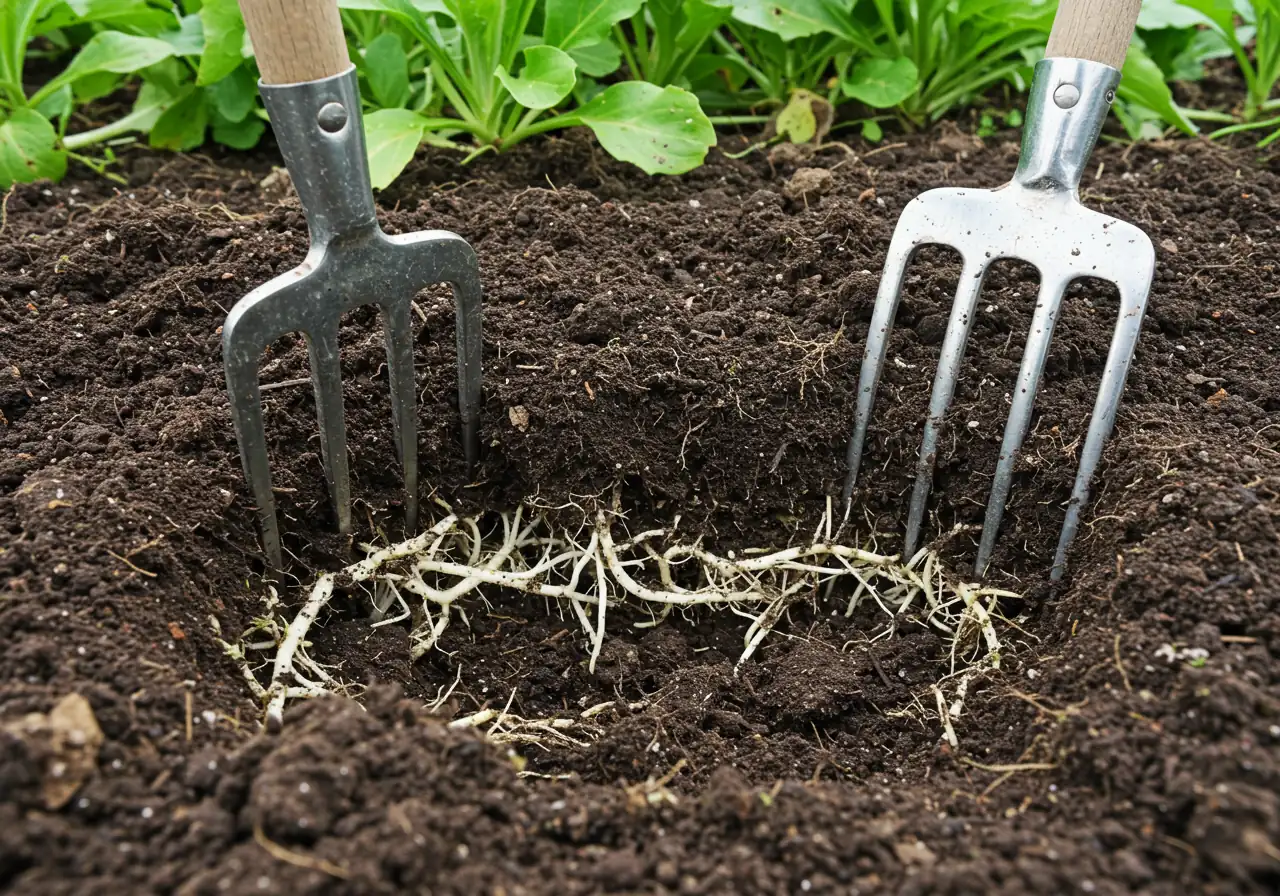
Imagine a plant sending out secret underground tunnels or roots in all directions. These are called rhizomes. Plants like Goutweed, Lily of the Valley, and the dreaded Ribbon Grass use this method.
- How it Works: These aren't just regular roots; they're modified stems that grow horizontally underground. New shoots and roots sprout up all along these rhizomes. Think of it like a subway system where new stations (plants) pop up unexpectedly far from the original!
- Why It's Trouble: When you try to dig them out, these rhizomes often break apart. And guess what? Even a tiny piece left behind can grow into a whole new plant. It’s like trying to get rid of glitter – you find it everywhere long after you thought you cleaned up! This makes complete removal incredibly difficult and often requires persistent digging. Getting every last piece requires serious diligence, the kind of thoroughness seen in a complete Vernon Property Cleanup Service tackling a big job.
The Surface Creepers (Stolons)
Some plants prefer to spread above ground, sending out long, creeping stems called stolons or runners. Periwinkle and Ajuga are masters of this technique.
- How it Works: These runners travel along the soil surface. Wherever they touch down and conditions are right, they put down new roots and start a new plantlet. It’s like they're sending out little explorers to claim new territory.
- Why It's Trouble: While you can often see these runners, they move fast! They quickly weave through your other plants, forming a dense mat that can smother less vigorous neighbours. Untangling them without damaging the plants you want to keep requires patience and careful work. Ignoring them can quickly lead to a tangled mess needing a serious overhaul, sometimes resembling the work involved in a Marionville Yard Cleanup Service when a yard has been neglected.
The Seed Scatter Bomb
And then there's the classic method: seeds! Some plants, like Creeping Bellflower (which also uses roots and rhizomes – talk about greedy!), produce tons of seeds that can be spread by wind, water, animals, or even accidentally by us gardeners!
- How it Works: These plants flower, produce seeds, and let nature (or your lawnmower!) spread them far and wide.
- Why It's Trouble: Seeds can lie dormant in the soil for years, waiting for the perfect moment to sprout. You might think you've cleared an area, only to have new seedlings pop up later. It requires ongoing vigilance to prevent them from establishing.
Why Do They Love Ottawa So Much?
Our local conditions here, from Richmond to Barrhaven, often give these aggressive plants an advantage:
- Hardiness: Many of these spreaders are incredibly tough. They handle our cold Ottawa winters and variable summers like champs, often better than the more delicate plants we wish would thrive.
- Few Natural Enemies: In their native lands, these plants might have specific pests or diseases that keep their growth in check. Here, they often escape these natural controls and can grow without limits. (Find info on local invasive species via the Ontario Invasive Plant Council).
- Happy Garden Homes: Ironically, our efforts to create nice garden beds with good soil, water, and maybe some fertilizer give these aggressive plants the perfect conditions to go wild! They take our kindness and, well, run with it.
Dealing with an established patch of these garden bullies can feel overwhelming. Trying to dig out deeply rooted rhizomes or untangle dense mats of stolons is hard work. Sometimes, the sheer volume of plant matter to remove is staggering, feeling like a job better suited for a dedicated Metcalfe Garden Clean Up Service. Whether you're dealing with these issues in a dense urban plot or a larger suburban yard, the aggressive nature of these plants is the same, often needing the kind of thorough approach provided by a City Garden Clean Up Service.
Understanding how these plants spread is the first step towards managing them. Whether it's persistent digging, installing barriers (though sometimes these fail!), or choosing less aggressive plants in the first place, knowledge is power! And if the invasion feels more like a war you're losing, remember that exploring professional Yard Cleanup and Landscaping Help is always an option to restore peace to your garden battlefield.
Building Fort Knox: Containment Strategies for Your Garden
Okay, so you’ve identified the garden gangsters trying to stage a hostile takeover. Now what? You don't necessarily have to evict every enthusiastic grower, especially if you actually like the plant (looking at you, Lily of the Valley!). Sometimes, all you need is a little garden jail – a way to keep those ambitious roots and runners contained. Let's build our own version of Fort Knox right here in your Ottawa garden!
Think Like a Prison Warden: Physical Barriers
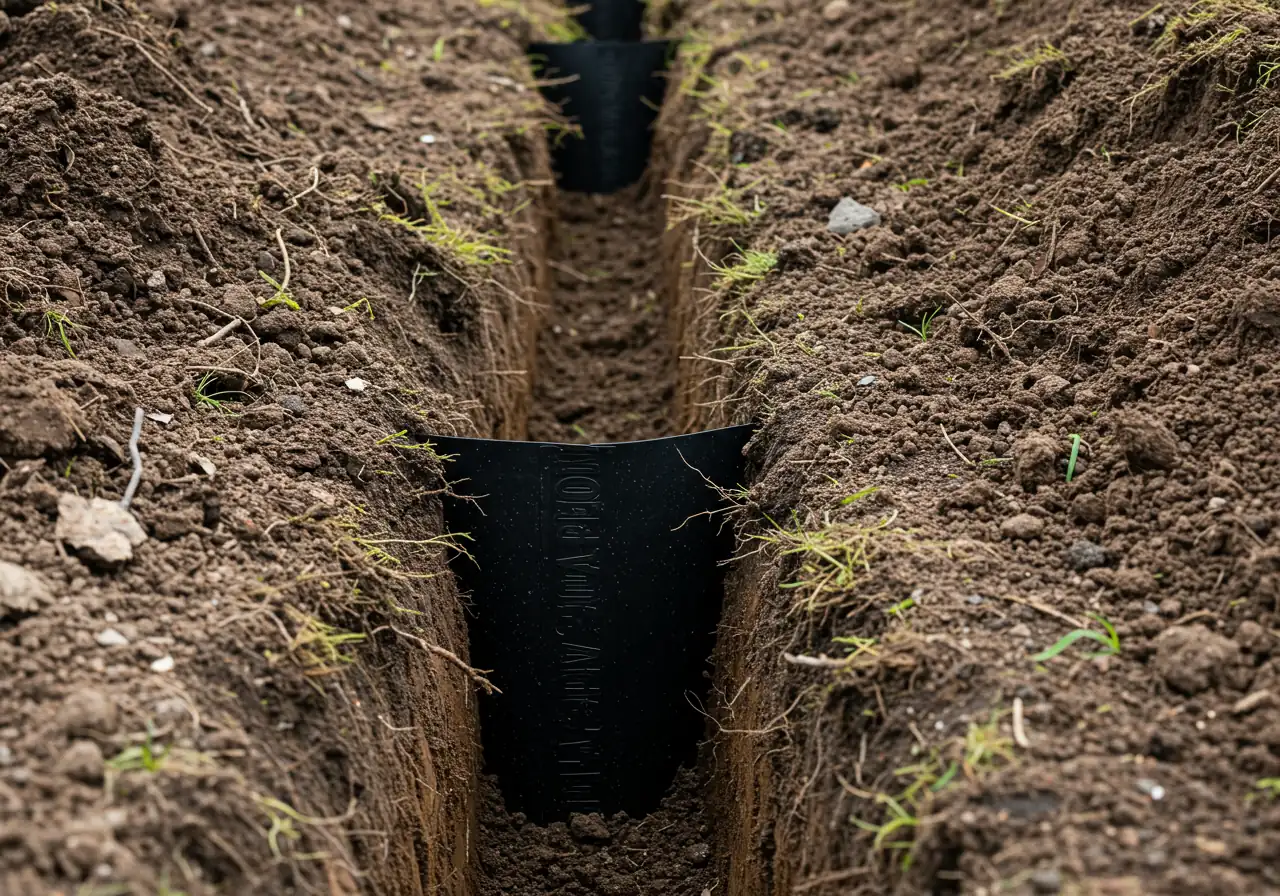
The most effective way to stop a spreader is to physically block its path. This means putting something solid in the ground that the roots or rhizomes can't easily penetrate or go under. It’s like building a wall they just can't tunnel through!
Here are your main options:
- Deep Edging: Forget that flimsy plastic stuff you push in an inch. We're talking serious business! For aggressive rhizome spreaders like Goutweed or Ribbon Grass, you need solid edging made of metal, heavy-duty plastic, or even concrete, sunk deep into the ground. How deep? At least 12 inches, and sometimes even 18-24 inches for the real villains. The top edge should stick up an inch or two above the soil to stop surface runners too. Think of it as a garden moat, but underground. Getting the right barrier is key; our guide on Proper Landscape Material Selection can help you choose durable options.
- Root Barrier Fabric: This is a specialized, thick geotextile fabric designed specifically to block roots. It's often made of woven or non-woven polypropylene. You install it vertically in a trench around the plant you want to contain (or around the bed you want to protect). Again, depth is crucial. If the rhizomes can dive under it, it's useless!
- Solid Underground Walls: Some gardeners in places like Kars or Russell, dealing with relentless spreaders near property lines, have even resorted to burying sheets of metal or thick plastic panels vertically. It’s labour-intensive, but effective if done correctly.
Installation Action Plan: Building Your Root Barrier
Let's say you want to keep that beautiful, but thuggish, patch of mint contained. Here’s a basic step-by-step for installing a vertical root barrier:
- Plan Your Perimeter: Decide exactly where you want the plant contained. Mark out the line.
- Dig a Trench: This is the hard part! Dig a narrow trench along your marked line. Aim for at least 12 inches deep, but deeper (18 inches) is better for serious offenders. Make the walls of the trench as straight and vertical as possible. The effort now saves headaches later. If the digging feels like too much, remember that professional help is available for this kind of grunt work – like the teams handling large Property Clean Up jobs.
- Prepare the Barrier: Cut your chosen barrier material (heavy edging, root barrier fabric) to the correct length, allowing for some overlap where the ends meet. Ensure it's tall enough to go to the bottom of the trench and stick up an inch or two above ground level.
- Install the Barrier: Place the barrier vertically into the trench. Make sure it’s snug against the "clean" side (the side you want to protect). Overlap the ends by at least 6-12 inches and secure them if possible (some systems have connectors, or you can use waterproof tape or even stainless steel bolts for solid panels). Ensure the top edge is slightly above the final soil level.
- Backfill Carefully: Fill the trench back in with soil, packing it firmly against both sides of the barrier as you go. This prevents roots from sneaking through loose soil later. Tamp it down well.
- Monitor: Keep an eye on the area, especially along the barrier edge. Occasionally, a determined runner might try to hop over the top. Snip these off immediately!
Thinking Inside the Box: Containers and Raised Beds
One of the simplest ways to enjoy potentially aggressive plants without fear is to keep them completely contained above ground (or mostly above ground).
- Pots and Containers: Plant that mint, lemon balm, or even Ribbon Grass in a large pot! Place the pot on a patio, deck, or even sink it partially into a garden bed (make sure the pot has drainage holes, but also place it on a solid paver base inside the hole if sinking, so roots can't escape through the bottom). This gives you the plant you like, totally under your control.
- Raised Beds: Building raised garden beds with solid bottoms (like wood, concrete board, or lined with multiple layers of heavy landscape fabric) can also work well. This creates a defined space that’s harder for underground runners to escape. Ensure the walls are solid and well-joined.
When Containment Isn't Enough
Sometimes, an invasion is just too widespread, or the plant is too difficult to contain effectively. If you're looking at a massive patch of Goutweed that's infiltrated your entire perennial border, installing barriers might be impractical without a total overhaul. Digging out every last root piece can feel like an archaeological dig gone wrong. In these situations, a major cleanup might be necessary. Tackling such a large project can be daunting; it might be worth getting input on the scope and cost. You can share details about your situation and see what others think or get professional input – much like how homeowners use our Estimate Feedback system to discuss project plans. For really tough jobs across the city, a dedicated Ottawa Yard Cleanup Service can help clear the area, remove the offending plants, and prepare the bed for a fresh, less aggressive start. Sometimes, a tactical retreat and reset is the best strategy for long-term garden peace, similar to the thorough work done by a specialized Marionville Property Cleanup Service or a Metcalf Property Cleanup Service when reclaiming overgrown spaces.
By choosing the right containment strategy, you can enjoy beautiful plants without letting them become garden bullies. Build your Fort Knox wisely!
The Great Purge: Effective (and Safe) Removal Techniques
Okay, the garden invaders have been identified, maybe containment failed, or perhaps you've just inherited a backyard battlefield in Nepean or Barrhaven. It's time for the Great Purge! Removing aggressive spreaders takes persistence, the right technique, and sometimes, just knowing when to call for backup. Let's roll up our sleeves and talk about evicting these overzealous growers safely and effectively.
Operation Dig-It-Out: The Manual Approach
For many situations, good old-fashioned digging is the first line of defense. But be warned: this isn't just casual weeding. To beat rhizome spreaders like Goutweed or Creeping Bellflower, you need to channel your inner garden detective and get every single piece of root.
- Get the Right Tools: A sturdy garden fork is often better than a spade for loosening the soil around the roots without chopping them into tiny, resprouting pieces. Hand trowels and hori-hori knives are great for meticulous work around plants you want to save.
- Dig Deep and Wide: Don't just pull the tops! Excavate the entire area where the plant is growing, going deeper and wider than you think you need to. Follow those sneaky rhizomes wherever they lead.
- Sift Like You Mean It: Once you've loosened the soil, carefully sift through it with your hands or the fork to pick out all visible root fragments. Remember, a tiny piece of Goutweed rhizome can start a whole new colony. It’s like hunting for buried treasure, except the treasure is trying to take over your yard!
- Persistence Pays: You'll likely miss some bits. Be prepared to monitor the area closely for weeks and months, digging out any new sprouts the moment they appear. This isn't a one-and-done job; it’s a campaign!
The Smother Method: Patience is a Virtue (and a Weapon)
If digging feels too daunting or the infestation is widespread, smothering can be effective, but it requires patience – sometimes a *lot* of patience. The goal is to block sunlight completely, starving the plants underneath.
- How It Works: Cut the offending plants down to ground level. Cover the entire area (plus a generous border around it) with layers of overlapping cardboard (remove all tape and labels!), thick black plastic sheeting, or old carpets (natural fibers preferred). Weigh down the edges securely with rocks, bricks, or soil.
- The Waiting Game: This isn't a quick fix. You'll need to leave the covering in place for at least one full growing season, maybe even two for really persistent offenders like Goutweed. The plants underneath will try to send up shoots, but without light, they'll eventually exhaust their energy reserves and die. Check periodically to ensure the cover remains intact.
- Post-Smothering: Once you remove the covering, the soil underneath will be bare. You might still need to dig out some stubborn survivors or remaining dead roots before replanting. This method requires commitment, but it avoids digging and chemicals.
Herbicides: The Last Resort (Handle With Extreme Care!)
Sometimes, especially with deeply rooted or vast infestations, herbicides might seem like the only option. However, this approach needs careful consideration, especially in urban and suburban areas like Ottawa.
- Know the Rules: The City of Ottawa has bylaws restricting the use of cosmetic pesticides. Always check current regulations before considering chemical controls (Info usually available on the City of Ottawa website). Focus on eco-friendlier options first, like horticultural vinegar (acetic acid), which can burn down top growth but often doesn't kill persistent roots without repeated application.
- Targeted Application is Key: If using a permitted herbicide, *never* just spray indiscriminately. This risks harming desirable plants, pollinators, and the environment. Instead, use a targeted approach: carefully paint the herbicide directly onto the leaves or cut stems of the offending plant using a small brush or dauber. This minimizes collateral damage. Always read and follow the product label instructions *exactly*.
- Safety First: Wear appropriate protective gear (gloves, eye protection, long sleeves) when handling any herbicide. Keep pets and children away from treated areas as directed by the product label.
- Consider Professional Help: Applying herbicides correctly and safely requires knowledge. If you're unsure, dealing with a large area, or concerned about bylaws and environmental impact, it's often best to consult with professionals. They have access to different products and application techniques and understand the regulations. If you're weighing the pros and cons of different removal methods, including chemical options, you can always get feedback on your removal plan to explore safe and effective strategies. Our Marionville garden clean up service team can assist.
Disposal Drama: Don't Spread the Problem!
This is crucial! Once you've dug out or cut down these aggressive plants, *do not* put them in your regular compost bin. Those tenacious roots, rhizomes, and seeds can easily survive the composting process and happily spread wherever you use the finished compost. Talk about an own goal!
- Bag 'Em Up: The safest way to dispose of aggressive spreaders in Ottawa is to put them in paper yard waste bags and leave them for curbside collection. The City's composting facilities reach higher temperatures that are more likely to kill the persistent parts. Clearly label the bags if possible, especially for known invasive species.
- Black Plastic Bag Method: Another option is to place the plant matter in black plastic garbage bags, seal them tightly, and leave them in the sun for several weeks or months to "cook." This solarization can help kill the plants before disposal in yard waste bags.
- Landfill as Last Resort (Check City Guidelines): For extremely noxious weeds or if unsure, check the City of Ottawa's waste explorer tool or website for specific disposal instructions. Sometimes, landfill disposal might be recommended for certain invasive species to prevent any chance of spread.
- Large Volumes: If you've undertaken a massive purge and have mountains of plant debris, you might need assistance beyond curbside pickup. A professional city property cleanup service can handle the removal and proper disposal of large quantities of yard waste, ensuring it's dealt with correctly. This applies to areas like Metcalfe too, where a Metcalf yard cleanup service can manage large disposals.
Timing Your Attack: A Seasonal Calendar
While you can tackle invaders anytime they appear, some seasons offer advantages:
Spring
Digging is often easier in moist soil. Plants are growing actively but haven't stored huge energy reserves. Early removal prevents seed production.
Summer
Hot, dry weather can make digging tough. Prime time for monitoring and pulling new sprouts missed earlier. Smothering works well under the summer sun.
Fall
Cooler temperatures make digging more comfortable. Plants draw energy down to roots, potentially making targeted (permitted) herbicide application more effective. Smothering started now benefits from winter cycles.
Year-Round
Vigilance! Regularly patrol your garden to catch any returning invaders or new seedlings immediately.
Removing aggressive plants is often a marathon, not a sprint. But with the right techniques and persistence, you can reclaim your garden space. Once the area is clear, consider refreshing the bed with professional mulching and edging to suppress any lingering weed seeds and prepare for replanting with well-behaved alternatives. Keep monitoring the area as part of your regular ongoing garden maintenance to nip any returning invaders in the bud. Seeing the cleared space, ready for new possibilities, is one of the most satisfying steps towards the beautiful yard you envision – check out some inspiring garden transformations for motivation! Good luck with your Great Purge!
Plant Smart: Eco-Friendly Alternatives and Prevention for Ottawa Gardens
Whew! We've talked about identifying the garden gangsters, understanding their sneaky tactics, containing them, and even launching the "Great Purge" when necessary. That can feel like a lot of work, right? Well, here’s the good news: the best way to deal with aggressive garden spreaders is to avoid planting them in the first place! An ounce of prevention is definitely worth a pound of pulling weeds later. Let's talk about planting smart, choosing friendly neighbours for your garden beds, and using eco-friendly tricks to keep the peace.
Swap the Thugs for Treasures: Better Plant Choices
Instead of wrestling with those notorious spreaders year after year, why not choose beautiful, well-behaved plants that play nicely with others? Here are some fantastic alternatives suitable for our Ottawa Zone 5 climate:
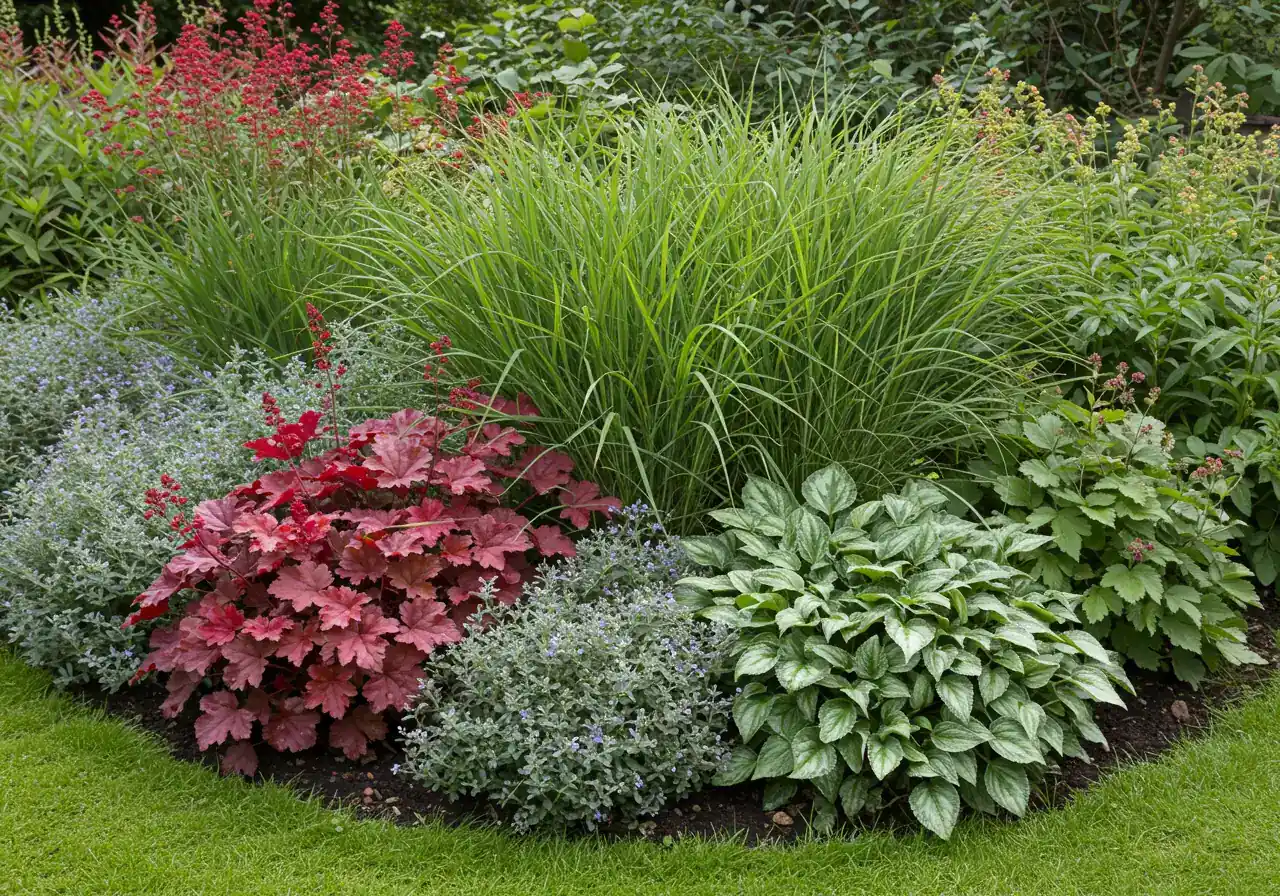
- Instead of Goutweed: For shady spots, try elegant Hostas (watch for slugs, though!), colourful Coral Bells (Heuchera), tough Barrenwort (Epimedium), or lovely clump-forming Cranesbill Geraniums like 'Rozanne' or 'Biokovo'. They fill space beautifully without staging a coup.
- Instead of Periwinkle (Vinca): As a groundcover, consider native options like Bearberry (Arctostaphylos uva-ursi) for sunnier, dry spots, charming Bunchberry (Cornus canadensis) for shade, or delicate Foamflower (Tiarella). Wild Ginger (Asarum canadense) also forms a lovely, polite patch in shade.
- Instead of Lily of the Valley: Get beautiful form and spring interest with Solomon's Seal (Polygonatum), interesting foliage with Lungwort (Pulmonaria), or striking silver and green leaves with Brunnera (especially 'Jack Frost'). They offer beauty without the bossiness.
- Instead of Ajuga: For sunny spots, Creeping Thyme varieties offer fragrance and flowers without the aggressive sprawl. Many varieties of Sedum make excellent, well-contained groundcovers. Sweet Woodruff (Galium odoratum) spreads gently in shade and is usually easier to manage, but stick to clump-forming perennials if you want zero spread.
- Instead of Ribbon Grass: Crave grassy texture? Choose stunning, clump-forming ornamental grasses! Feather Reed Grass 'Karl Foerster'* provides amazing vertical structure. Native Switchgrass (Panicum virgatum) cultivars and Little Bluestem (Schizachyrium scoparium) offer beauty and wildlife value without the invasion.
- Instead of Creeping Bellflower: For lovely purple bells without the headache, try the less aggressive Tall Bellflower (Campanula persicifolia), puffy Balloon Flowers (Platycodon), or the stunning vertical spikes of native Blazing Star (Liatris).
Choosing well-behaved plants is like picking polite party guests – they mingle nicely without taking over the whole house! Imagine a garden filled with beautiful plants that stay put! Check out some peaceful garden transformations for inspiration.
Visualizing Spreader Aggressiveness (Example)
Here's a conceptual chart showing the relative spread difficulty/aggressiveness of some common plants:
Plant Neighbours, Not Strangers! (Dense Planting)
Nature doesn't like empty space. Bare soil is an open invitation for weeds and aggressive spreaders to move in. One great preventative strategy is to plant your desirable flowers and shrubs relatively close together (following their mature size spacing guidelines, of course!).
- How it Helps: As your chosen plants grow, their leaves shade the soil surface. This makes it harder for unwanted seeds to sprout and discourages runners from finding a foothold. It creates a living mulch!
- Bonus: A densely planted garden often looks lusher and more cohesive, giving you that "full garden" look faster.
Healthy Soil, Happy (Polite) Plants
Think of good soil as the foundation for a healthy, resilient garden. Plants growing in rich, well-drained soil are stronger and better able to compete with potential invaders.
- Boost Your Soil: Adding compost or other organic matter improves soil structure, drainage, and nutrient availability. Healthy plants are less stressed and better equipped to hold their ground. Learn more about soil preparation techniques.
- Less Work Later: Strong, established plants mean less room and opportunity for aggressive species to muscle in.
Mulch Magic: Your Garden's Protective Blanket
Mulch is one of your best friends in preventing garden takeovers. Applying a layer of organic mulch (like shredded bark, wood chips, straw, or even shredded leaves) offers multiple benefits:
- Smothers Seedlings: A 2-3 inch layer of mulch blocks sunlight, preventing many weed seeds (including those of aggressive spreaders) from germinating.
- Retains Moisture: Mulch helps keep the soil evenly moist, reducing watering needs and stress on your desirable plants.
- Improves Soil: As organic mulch breaks down, it adds valuable organic matter to the soil. Explore our mulching services.
Keeping your chosen plants healthy and the mulch layer topped up is key to preventing new invaders. Regular upkeep, whether you do it yourself or get help from a city garden maintenance service, makes all the difference.
Shop Local, Plant Smart
Where you get your plants matters too! Consider sourcing plants from reputable local nurseries, perhaps in areas like Winchester or Embrun, or consult local resources like the Ottawa Horticultural Society.
- Local Adaptation: Plants grown locally are often better adapted to our specific Ottawa climate conditions.
- Knowledgeable Staff: Local nursery staff can be a great resource for recommending non-aggressive plants suitable for your specific garden conditions (sun, shade, soil type).
- Less Risk: Buying from trusted sources reduces the risk of accidentally bringing home invasive hitchhikers in the soil or pot.
Prevention is the Eco-Friendly Way
Choosing the right plants, planting densely, nurturing your soil, and using mulch are all fantastic eco-friendly strategies. They reduce the need for extensive digging, minimize garden waste from removed plants, and lessen (or eliminate!) the temptation to use chemical controls. You create a healthier environment for pollinators, beneficial insects, and your family.
Sometimes, the best prevention starts after a thorough clear-out of existing troublemakers. If your yard needs a reset before you can plant smart, an Ottawa property cleanup service can give you that clean slate.
Feeling a bit overwhelmed choosing the right plants or need advice tailored to your specific yard? Don't hesitate to contact us; we're happy to help you plant smarter! Think of smart planting as a gift to your future self – you'll be saying a big 'Thank You' years from now when you're relaxing instead of wrestling weeds!
Metcalfe Growth Control Cheat Sheet
Feeling overwhelmed by plants trying to take over your slice of Ottawa paradise? Keep this handy cheat sheet nearby! Here are the quick takeaways for keeping your Metcalfe garden peaceful and your landscaping looking sharp:
- Know Who You're Dealing With: First step? Identify those garden thugs! Is it Goutweed sneaking underground with rhizomes, or Periwinkle creeping on top with stolons? Understanding *how* they spread tells you the best way to fight back. Don't plant mystery gifts from neighbours without checking their aggressive tendencies first!
- Build Walls (Underground Ones!): Containment is your best friend for enthusiastic growers you *want* to keep (or perhaps inherited in your Greely yard). Use deep barriers – think 12 inches or even deeper for serious offenders – sunk vertically around the plant. Heavy-duty edging or specialized root barrier fabric works wonders. For real bullies like mint or Ribbon Grass, planting them in a sturdy pot (even one sunk into the ground) is often the safest strategy.
- Dig Like a Detective, Dispose Like a Pro: When removing invaders like Creeping Bellflower, you *must* aim to get *all* the root pieces. A garden fork is often better than a spade here. Sift the soil, be patient, and persistent – you'll likely need a few follow-up patrols. *Crucially*, never put these aggressive plants or their roots in your home compost bin! Bag them securely in paper yard waste bags for Ottawa's curbside pickup. Responsible disposal is key to preventing further spread – it's about handling things properly, much like reputable companies are transparent about handling your information, as detailed in our privacy policy.
- Prevention Beats Perspiration: Honestly, the easiest garden battle is the one you never have to fight! Choose well-behaved, non-aggressive plants right from the start. Ask questions at the nursery about growth habits. Planting desirable species fairly densely and using a good 2-3 inch layer of organic mulch helps shade out and smother potential weed seeds and discourage runners. Sometimes, the best path forward after clearing out invaders is a fresh start with a thoughtful new garden install featuring polite plants.
- Watch Your Borders (Especially the Lawn!): Aggressive garden plants rarely respect imaginary lines. Keep a close eye on the edges of garden beds, pathways, and especially where your landscaping meets the lawn. Many spreaders are notorious for creeping into turf, potentially causing damage that requires repair or even new sod installation after you've painstakingly removed them from the adjacent bed.
- Don't Go It Alone if Needed: If the green tide feels overwhelming, or you simply don't have the time or energy for the fight, professional help is a fantastic option. Whether it's signing up for a regular city garden maintenance service to catch invaders early or bringing in experts like an Ottawa garden clean up service to tackle a large-scale removal and restoration project, experienced teams can make a huge difference. Curious about how we approach these challenges? You can learn more about us and our commitment to creating beautiful, manageable yards.
Remember, a little smart planning, prevention, and prompt action go a *long* way in keeping your Metcalfe garden a relaxing retreat, not a wrestling ring with runaway roots! Happy gardening!
FAQs: Tackling Aggressive Spreaders in the Ottawa Area
Ah, Ottawa clay! It’s kind of a double-edged sword, isn't it? On one hand, really heavy clay, like you might find in parts of Nepean or Greely, can sometimes slow down the spread of shallow runners simply because it's so dense. However, for those plants with strong, deep rhizomes (like Goutweed or Creeping Bellflower), digging them out of compacted, sticky clay can feel like trying to excavate concrete! It makes getting every little root fragment extra challenging. Plus, clay soil holds moisture, which some spreaders absolutely love. Our advice? Dig when the clay is moist but not soaking wet (so it’s workable but not glue). And definitely amend the soil with compost *after* you’ve removed the offender to improve drainage and make life easier for the well-behaved plants you put in next.
There isn't one perfect magic moment, but spring and fall are generally your best bets here in Ottawa. In spring, the soil is usually moist and easier to dig, and the plants are actively growing, making them easier to spot. Catching them early also stops them from spreading further or setting seed. In fall, the cooler weather is nicer for heavy digging! Plus, plants are sending energy down to their roots, which can make certain treatments (like targeted, permitted herbicides if absolutely necessary) more effective. Summer isn't ideal for major digs in the heat, but it's prime time for vigilance – patrolling your garden weekly and pulling or digging out any new sprouts you missed is crucial!
Whoa there! Whatever you do, do not put aggressive spreaders like Periwinkle, Goutweed, Ribbon Grass, or their roots/rhizomes into your backyard compost bin. Those things are survivors! They can easily live through home composting and then happily spread wherever you use the finished compost. Talk about a garden nightmare! The best thing to do in Ottawa is to put them in paper yard waste bags and leave them for your regular curbside Green Bin collection. The City of Ottawa's composting facilities reach much higher temperatures that are more likely to destroy those stubborn roots and seeds. Just make sure you’re following the City’s guidelines for yard waste (check the City of Ottawa Green Bin info).
First off, take a deep breath! It happens to the best of us. Some of these plants are just incredibly persistent. If you're facing a sea of Goutweed or a tangled mess that feels impossible, you have a few options. You could try the smothering technique mentioned earlier (covering with cardboard or plastic for a season or two), but it takes time and patience. If digging feels like too much, or if the area is huge, honestly, calling in professionals is a really smart move. An experienced crew can assess the situation, efficiently clear out the offenders, and properly dispose of the waste. For widespread problems, a full Ottawa Garden Clean Up Service might be just what you need to reclaim your space and get a fresh start. Sometimes a large-scale clearing is necessary, similar to the work involved in a full City Yard Cleanup Service.
That’s super frustrating! Lawn invasion is a common problem with aggressive spreaders. The best approach is persistence. Try to carefully dig out the invading plants from the lawn, getting as much root as possible without creating huge holes. A small trowel or a weeding tool can work well. Do this regularly, as soon as you spot them. If you ignore it, they can quickly form dense patches that choke out the grass. If the invasion is really bad and has ruined large sections of your lawn, unfortunately, digging out the offenders might leave you with significant bare patches. In that situation, after ensuring the spreader is truly gone from the area, you might need to look into lawn repair, which could involve overseeding or even laying new turf with professional sod installation to restore a healthy, green lawn.
Absolutely! While the common culprits tend to be similar across the broader Ottawa region (from Barrhaven to Osgoode), local conditions and specific neighbourhood challenges can vary. Reputable landscaping and gardening companies serving the Metcalfe, Greely, and Osgoode areas will definitely be familiar with the usual suspects that thrive locally. They can offer tailored advice, help with identification, perform the tough removal work, and suggest suitable, non-aggressive replacement plants that do well in our specific conditions. If you're looking for hands-on help right in your neighbourhood, checking out services like a dedicated Metcalf Yard Cleanup Service or Metcalf Garden Clean Up Service ensures you're getting assistance from folks who know the local gardening scene and its particular challenges. Even nearby areas like Marionville have specific services, see Marionville Property Cleanup.
Conclusion: Reclaim Your Yard, Enjoy Your Metcalfe Garden!
So there you have it! Battling those garden bullies, from Goutweed to Creeping Bellflower, might feel like a chore, but you can win the war for your yard. Remember the key steps: correctly identify the offender, choose the right removal or containment strategy (digging deep, barriers, or even smothering), and most importantly, prevent future invasions by planting smart, well-behaved alternatives and using mulch. Your beautiful Metcalfe garden, or your slice of paradise in nearby Greely or Manotick, deserves to be a place of relaxation, not frustration!
Don't let aggressive spreaders dictate your landscaping dreams. Take control, apply these tips, and get ready to truly enjoy your outdoor space again. Feeling overwhelmed or need a hand turning the tide? We're here to help! Visit our website for more gardening tips or contact us today for a friendly consultation to discuss reclaiming your yard! Happy gardening!