
/* --- CSS Reset (Minimal) --- */ *, *::before, *::after { box-sizing: border-box; margin: 0; padding: 0; }/* --- Brand Color Variables --- */ :root { --brand-primary: #93C020; /* Bright Green */ --brand-black: #000000; --brand-dark-grey: #2D2C2C; --brand-light-grey: #EBEBEB; --brand-secondary: #287734; /* Darker Green */ --brand-white: #FFFFFF; --brand-accent: #B7FE00; /* Lighter Accent Green */ --text-color: #333; --link-color: #287734; --link-hover-color: #93C020; --border-color: #ddd; --highlight-bg: #f7fceb; /* Light green background for highlights */ }/* --- Base Styles --- */ html { scroll-behavior: smooth; font-size: 16px; /* Base font size */ }body { font-family: -apple-system, BlinkMacSystemFont, "Segoe UI", Roboto, Helvetica, Arial, sans-serif, "Apple Color Emoji", "Segoe UI Emoji", "Segoe UI Symbol"; line-height: 1.6; color: var(--text-color); background-color: var(--brand-white); -webkit-font-smoothing: antialiased; -moz-osx-font-smoothing: grayscale; }/* --- Progress Bar --- */ #progressBarContainer { position: fixed; top: 0; left: 0; width: 100%; height: 5px; background-color: var(--brand-light-grey); z-index: 1000; }#progressBar { height: 100%; width: 0; background-color: var(--brand-primary); transition: width 0.1s linear; }/* --- Main Container --- */ .article-container { max-width: 800px; margin: 40px auto; /* Add margin-top to account for progress bar */ padding: 20px; background-color: var(--brand-white); /* Optional: Add subtle shadow for depth */ /* box-shadow: 0 2px 10px rgba(0,0,0,0.05); */ border-radius: 8px; /* Soft corners */ }/* --- Typography --- */ .article-container h1, .article-container h2, .article-container h3, .article-container h4 { font-family: 'Segoe UI', Tahoma, Geneva, Verdana, sans-serif; /* A slightly more modern heading font */ color: var(--brand-dark-grey); margin-top: 1.5em; margin-bottom: 0.8em; line-height: 1.3; }.article-container h1 { font-size: 2.2rem; border-bottom: 2px solid var(--brand-light-grey); padding-bottom: 0.5em; color: var(--brand-secondary); /* Use darker green for main title */ }.article-container h2 { font-size: 1.8rem; color: var(--brand-secondary); }.article-container h3 { font-size: 1.4rem; }.article-container h4 { font-size: 1.1rem; font-weight: bold; }.article-container p { margin-bottom: 1em; font-size: 1rem; color: var(--brand-dark-grey); }.article-container ul, .article-container ol { margin-bottom: 1em; padding-left: 1.5em; /* Indentation for lists */ }.article-container li { margin-bottom: 0.5em; }.article-container strong { color: var(--brand-dark-grey); font-weight: 600; /* Slightly bolder */ }.article-container a { color: var(--link-color); text-decoration: none; transition: color 0.3s ease, background-color 0.3s ease; border-bottom: 1px dotted var(--link-color); /* Subtle underline */ }.article-container a:hover, .article-container a:focus { color: var(--brand-primary); border-bottom: 1px solid var(--brand-primary); }/* --- Responsive Images --- */ .article-container img { max-width: 100%; height: auto; border-radius: 5px; /* Slightly rounded corners for images */ }.article-container figure { margin: 2em 0; /* More space around figures */ text-align: center; }.article-container figcaption { font-size: 0.9rem; color: #777; margin-top: 0.5em; font-style: italic; }/* --- Highlight Box --- */ .highlight-box { background-color: var(--highlight-bg); border-left: 5px solid var(--brand-primary); padding: 1.5em; margin: 2em 0; border-radius: 0 8px 8px 0; /* Rounded corners on the right */ } .highlight-box h4 { margin-top: 0; color: var(--brand-secondary); } .highlight-box ul { padding-left: 1.2em; }/* --- Call to Action (CTA) Buttons --- */ .cta-button { display: inline-block; background-color: var(--brand-primary); color: var(--brand-white); padding: 12px 25px; border: none; border-radius: 25px; /* Pill shape */ font-size: 1rem; font-weight: bold; text-align: center; text-decoration: none; cursor: pointer; transition: background-color 0.3s ease, transform 0.2s ease; margin: 1em 0; /* Space around button */ border-bottom: none !important; /* Override default link style */ }.cta-button:hover, .cta-button:focus { background-color: var(--brand-secondary); color: var(--brand-white); transform: translateY(-2px); /* Subtle lift effect */ border-bottom: none !important; }.cta-center { display: block; text-align: center; margin-top: 1.5em; margin-bottom: 1.5em; }/* --- Back to Top Button --- */ #backToTopBtn { display: none; /* Hidden by default */ position: fixed; bottom: 20px; right: 20px; z-index: 99; border: none; outline: none; background-color: var(--brand-secondary); color: white; cursor: pointer; padding: 10px 15px; border-radius: 50%; /* Circle shape */ font-size: 18px; opacity: 0.8; transition: background-color 0.3s, opacity 0.3s, transform 0.3s; width: 50px; height: 50px; line-height: 30px; /* Center icon vertically */ text-align: center; }#backToTopBtn:hover { background-color: var(--brand-primary); opacity: 1; transform: scale(1.1); }/* --- Collapsible Sections (FAQ) --- */ .faq-item { border-bottom: 1px solid var(--border-color); margin-bottom: 1em; } .faq-item:last-child { border-bottom: none; }.faq-question { background-color: transparent; color: var(--brand-dark-grey); cursor: pointer; padding: 15px 0; width: 100%; border: none; text-align: left; outline: none; font-size: 1.1rem; font-weight: 600; position: relative; padding-right: 30px; /* Space for icon */ transition: background-color 0.3s ease; }.faq-question::after { content: '+'; /* Plus icon */ font-size: 1.5rem; font-weight: bold; color: var(--brand-primary); position: absolute; right: 5px; top: 50%; transform: translateY(-50%); transition: transform 0.3s ease; }.faq-question.active::after { content: "−"; /* Minus icon */ transform: translateY(-50%) rotate(180deg); }.faq-answer { padding: 0 15px; background-color: white; max-height: 0; overflow: hidden; transition: max-height 0.4s ease-out, padding 0.4s ease-out; /* Smooth transition */ } .faq-answer p { padding: 15px 0; margin-bottom: 0; color: var(--brand-dark-grey); }/* --- Tab Interface --- */ .tabs-container { margin: 2em 0; border: 1px solid var(--border-color); border-radius: 8px; overflow: hidden; /* Contain border radius */ background-color: var(--brand-white); }.tab-buttons { display: flex; flex-wrap: wrap; /* Allow wrapping on small screens */ background-color: var(--brand-light-grey); border-bottom: 1px solid var(--border-color); }.tab-button { padding: 12px 20px; cursor: pointer; border: none; background-color: var(--brand-light-grey); color: var(--brand-dark-grey); font-size: 1rem; font-weight: 500; transition: background-color 0.3s, color 0.3s; flex-grow: 1; /* Allow buttons to share space */ text-align: center; border-right: 1px solid var(--border-color); /* Separator */ } .tab-button:last-child { border-right: none; }.tab-button:hover { background-color: #ddd; /* Slightly darker on hover */ }.tab-button.active { background-color: var(--brand-primary); color: var(--brand-white); font-weight: bold; border-bottom: 2px solid var(--brand-secondary); /* Active indicator */ margin-bottom: -1px; /* Overlap border */ }.tab-content { display: none; /* Hide content by default */ padding: 20px; animation: fadeIn 0.5s ease-in-out; }.tab-content.active { display: block; }@keyframes fadeIn { from { opacity: 0; } to { opacity: 1; } }/* --- Data Visualization (Bar Chart) --- */ .chart-container { margin: 2em 0; padding: 20px; background-color: var(--brand-light-grey); border-radius: 8px; text-align: center; }.chart-title { font-size: 1.2rem; margin-bottom: 1.5em; color: var(--brand-dark-grey); font-weight: 600; }.bar-chart { display: flex; justify-content: space-around; align-items: flex-end; /* Bars grow upwards */ height: 200px; /* Fixed height for the chart area */ border-left: 2px solid #ccc; border-bottom: 2px solid #ccc; padding: 10px 0; }.bar { width: 15%; /* Adjust width as needed */ background-color: var(--brand-secondary); height: 0; /* Initial height for animation */ transition: height 1s ease-out; position: relative; margin: 0 2%; border-radius: 3px 3px 0 0; /* Rounded top */ }.bar-label { position: absolute; bottom: -25px; left: 50%; transform: translateX(-50%); font-size: 0.85rem; color: var(--brand-dark-grey); white-space: nowrap; }.bar-value { position: absolute; top: -20px; /* Position value above the bar */ left: 50%; transform: translateX(-50%); font-size: 0.8rem; font-weight: bold; color: var(--brand-primary); opacity: 0; /* Hidden initially */ transition: opacity 0.5s ease-out 1s; /* Fade in after bar animates */ }.bar.animate { /* Height set by JS */ } .bar.animate .bar-value { opacity: 1; }/* --- Timeline Component --- */ .timeline { position: relative; margin: 2em 0; padding: 1em 0; list-style: none; }/* The central line */ .timeline::before { content: ''; position: absolute; top: 0; left: 15px; /* Position left for mobile-first */ height: 100%; width: 4px; background: var(--brand-light-grey); z-index: -1; }.timeline-item { margin-bottom: 30px; position: relative; padding-left: 45px; /* Space for icon and distance from line */ }/* Circle marker on the line */ .timeline-item::before { content: ''; position: absolute; left: 8px; /* Adjust to center on the 4px line */ top: 5px; width: 15px; height: 15px; background: var(--brand-primary); border: 3px solid var(--brand-white); border-radius: 50%; z-index: 1; }.timeline-content { background: var(--brand-light-grey); padding: 15px; border-radius: 8px; position: relative; }.timeline-content h4 { margin-top: 0; margin-bottom: 0.5em; color: var(--brand-secondary); }/* Desktop styles - alternating */ @media (min-width: 768px) { .timeline::before { left: 50%; margin-left: -2px; /* Center the 4px line */ }.timeline-item { padding-left: 0; width: 50%; margin-bottom: 50px; /* More space between items */ }.timeline-item:nth-child(odd) { left: 0; padding-right: 45px; /* Space from center line */ text-align: right; }.timeline-item:nth-child(even) { left: 50%; padding-left: 45px; /* Space from center line */ text-align: left; }/* Marker positioning for desktop */ .timeline-item::before { left: 50%; margin-left: -10.5px; /* Adjust to center the 15px circle + 3px border */ top: 10px; }.timeline-content { text-align: left; /* Keep content left-aligned */ } .timeline-item:nth-child(odd) .timeline-content { text-align: right; }/* Arrow pointers for desktop */ .timeline-content::after { content: ''; position: absolute; top: 15px; width: 0; height: 0; border-style: solid; }.timeline-item:nth-child(odd) .timeline-content::after { right: -15px; /* Pointing right */ border-width: 10px 0 10px 15px; border-color: transparent transparent transparent var(--brand-light-grey); }.timeline-item:nth-child(even) .timeline-content::after { left: -15px; /* Pointing left */ border-width: 10px 15px 10px 0; border-color: transparent var(--brand-light-grey) transparent transparent; } }/* --- Responsive Tables --- */ .table-container { overflow-x: auto; /* Enable horizontal scrolling on small screens */ margin: 1.5em 0; -webkit-overflow-scrolling: touch; /* Smooth scrolling on iOS */ }.article-container table { width: 100%; border-collapse: collapse; margin-bottom: 1em; border: 1px solid var(--border-color); }.article-container th, .article-container td { border: 1px solid var(--border-color); padding: 10px 12px; /* Comfortable padding */ text-align: left; vertical-align: top; /* Align content top */ }.article-container th { background-color: var(--brand-light-grey); font-weight: bold; color: var(--brand-dark-grey); }.article-container tr:nth-child(even) { background-color: #f9f9f9; /* Subtle striping */ }/* --- Snippet Summary --- */ .snippet-summary { background-color: #f0f8ff; /* Light blue background */ border: 1px solid #cce5ff; border-left: 5px solid #007bff; /* Blue left border */ padding: 15px; margin: 1.5em 0; border-radius: 5px; } .snippet-summary h3 { margin-top: 0; margin-bottom: 0.5em; font-size: 1.2rem; color: #0056b3; /* Darker blue */ } .snippet-summary ul { margin-bottom: 0; padding-left: 1.2em; } .snippet-summary li { margin-bottom: 0.3em; font-size: 0.95rem; }/* --- Responsive Adjustments --- */ @media (max-width: 768px) { html { font-size: 15px; /* Slightly smaller base font on mobile */ } .article-container { margin: 30px auto; padding: 15px; } .article-container h1 { font-size: 1.8rem; } .article-container h2 { font-size: 1.5rem; } .article-container h3 { font-size: 1.2rem; } .tab-buttons { flex-direction: column; /* Stack tab buttons */ } .tab-button { border-right: none; border-bottom: 1px solid var(--border-color); } .tab-button:last-child { border-bottom: none; } .tab-button.active { border-bottom: none; /* No bottom border needed when stacked */ } }@media (max-width: 480px) { html { font-size: 14px; } .article-container h1 { font-size: 1.6rem; } .article-container h2 { font-size: 1.3rem; } .cta-button { padding: 10px 20px; font-size: 0.95rem; } #backToTopBtn { bottom: 15px; right: 15px; width: 45px; height: 45px; line-height: 25px; /* Adjust for smaller size */ font-size: 16px; } } { "@context": "https://schema.org", "@type": "Article", "headline": "Nepean Garden Trend Logs: Prevent Future Pest Damage", "author": { "@type": "Organization", "name": "Clean Yards", "url": "https://cleanyards.ca/" }, "publisher": { "@type": "Organization", "name": "Clean Yards", "logo": { "@type": "ImageObject", "url": "https://cleanyards.ca/wp-content/uploads/2023/11/Clean-Yards-Landscape-Maintenance-Logo.png" } }, "image": "https://cleanyards.ca/wp-content/uploads/2025/03/Macro_photograph_of_several_me_9964.webp", "url": "https://cleanyards.ca/blog/nepean-garden-trend-logs-prevent-pest-damage/", "mainEntityOfPage": { "@type": "WebPage", "@id": "https://cleanyards.ca/blog/nepean-garden-trend-logs-prevent-pest-damage/" }, "description": "Learn how keeping a simple garden trend log can help Nepean homeowners anticipate and prevent common garden pests, leading to healthier, more beautiful yards. Identify common pests and use your log to create proactive prevention strategies.", "articleSection": "Gardening Tips, Pest Control" // "datePublished": "YYYY-MM-DD" - Omitted as requested // "dateModified": "YYYY-MM-DD" } { "@context": "https://schema.org", "@type": "HowTo", "name": "Setting Up Your Nepean Garden Log", "description": "A simple guide to starting and maintaining a garden log to track plant progress and pest activity in your Nepean garden.", "step": [ { "@type": "HowToStep", "name": "Choose Your Log Format", "text": "Select a format that works best for you: a classic notebook, an organized binder, or a digital document/spreadsheet/app. The best tool is the one you'll consistently use." }, { "@type": "HowToStep", "name": "Define Key Information", "text": "Establish consistent categories for your entries: Date, Weather Notes (temperature, rain, sun), Observations/Plant Progress (blooms, growth, harvests), Pest/Disease Watch (what, where, how severe), and Actions Taken (watering, fertilizing, weeding, treatments)." }, { "@type": "HowToStep", "name": "Make it a Habit", "text": "Consistency is key. Keep your log accessible (e.g., near the door). Link logging to another routine (like watering). Aim for brief notes regularly (even weekly) rather than infrequent perfect entries. Include lawn observations too." } ] } { "@context": "https://schema.org", "@type": "FAQPage", "mainEntity": [ { "@type": "Question", "name": "Those tiny green bugs (aphids, I think?) are all over my roses in Barrhaven! What’s the easiest, most eco-friendly way to get rid of them?", "acceptedAnswer": { "@type": "Answer", "text": "Ah, aphids! They love new growth. Try a strong blast of water from the hose first – it often knocks them right off. If they return, insecticidal soap (available at garden centers) is a good next step. Encouraging ladybugs, their natural predators, also helps keep populations down long-term." } }, { "@type": "Question", "name": "Help! Japanese beetles are having a party on my bean plants and flowers. How can I stop these shiny pests without using harsh chemicals?", "acceptedAnswer": { "@type": "Answer", "text": "Japanese beetles are notorious! The most effective non-chemical method is hand-picking them early in the morning when they're sluggish. Just knock them into a bucket of soapy water. Consistency is key – get them before they multiply! Avoid those pheromone traps; they often attract more beetles to your yard than they catch." } }, { "@type": "Question", "name": "My lawn in Greely has weird brown patches that feel spongy. Could it be grubs, and what should I do?", "acceptedAnswer": { "@type": "Answer", "text": "It definitely could be grubs! Gently lift a section of the affected turf. If you see more than 5-10 white, C-shaped critters per square foot, you likely have a grub issue. Maintaining a healthy lawn helps it withstand some damage. For severe cases, applying beneficial nematodes at the right time (usually late summer) can be very effective." } }, { "@type": "Question", "name": "Slugs and earwigs are chewing up my hostas in Manotick! Any simple tricks to discourage them?", "acceptedAnswer": { "@type": "Answer", "text": "Slimy slugs and pinchy earwigs love damp, dark spots. Keeping things tidy is key, as they love hiding spots. Regular weeding and clearing debris helps immensely, and a thorough seasonal property clean-up can remove many overwintering pests. Try beer traps (shallow dishes of beer) for slugs or rolled-up damp newspaper to trap earwigs overnight (dispose in the morning!)." } }, { "@type": "Question", "name": "When’s the best time for a big garden clean-up to really help prevent pests next year?", "acceptedAnswer": { "@type": "Answer", "text": "Fall is definitely prime time! Removing dead plants, fallen leaves, and weed debris eliminates crucial overwintering spots for many pests and diseases before they settle in. Think of it like giving your garden a fresh start before winter hibernation. If the job feels too big, specialized services like a Metcalfe garden clean-up service or a Marionville garden clean-up service focus specifically on this vital task." } }, { "@type": "Question", "name": "I feel like I'm constantly fighting pests and losing. What can I do if I'm feeling overwhelmed?", "acceptedAnswer": { "@type": "Answer", "text": "It happens! If pests feel like they're winning the battle despite your best efforts, don't despair. Sometimes a fresh perspective or professional intervention is needed to break the cycle and reduce pest pressure for the long term. Feel free to get in touch with us to discuss your specific challenges and explore potential solutions for your Ottawa garden." } } ] }

Nepean Garden Trend Logs: Prevent Future Pest Damage

Struggling with garden pests? Let the experts help create a healthier yard for you. Request your free quote today!

Get a Free Quote

Introduction: Keeping Nepean Gardens Gorgeous (and Pest-Free!)

Hello fellow Nepean garden lovers! We all take pride in our beautiful yards, adding splashes of colour and life to our Ottawa neighbourhoods. Whether you're nurturing a balcony garden or tending a larger plot, creating that perfect outdoor space is a real joy. But let's be honest, sometimes our green havens attract some *unwanted* attention. You know the culprits – those aphids treating your roses like a personal juice bar, or maybe the squirrels who think your freshly planted bulbs are a gourmet snack just for them!

Keeping your lovely landscaping looking its best while managing these pesky visitors can feel like a bit of a juggling act. But what if you had a secret weapon? We're not talking about harsh chemicals, but something much simpler and smarter: a *garden trend log*.

Think of it like keeping a simple diary for your plants and yard. This guide is all about introducing you Nepean homeowners (and our friends across Ottawa, from Barrhaven to Kanata!) to this easy yet powerful prevention tool. By jotting down a few notes throughout the seasons – when things bloom, when pests appear, what the weather's doing – you can start to see patterns. This foresight helps you stay one step ahead, making smarter choices for a healthier, more vibrant, and blissfully less bothered garden. Let's dig in!

Quick Guide: Using Garden Logs for Pest Prevention

  • What it is: A simple diary to record garden observations (weather, plant growth, pest sightings, actions taken).
  • Why use it: Identify pest patterns, track effective solutions, anticipate problems, and make informed gardening decisions.
  • Key Pests: Be aware of common Ottawa pests like aphids, slugs, Japanese beetles, grubs, and earwigs.
  • Action Plan: Use log insights for proactive prevention: improve soil, choose right plants, practice good garden hygiene, use barriers/traps, and consider biological controls before chemicals.
  • Get Started: Choose a log format (notebook/digital), record observations consistently, and review notes seasonally.

Meet the Uninvited Guests: Common Pests in Nepean & Ottawa Gardens
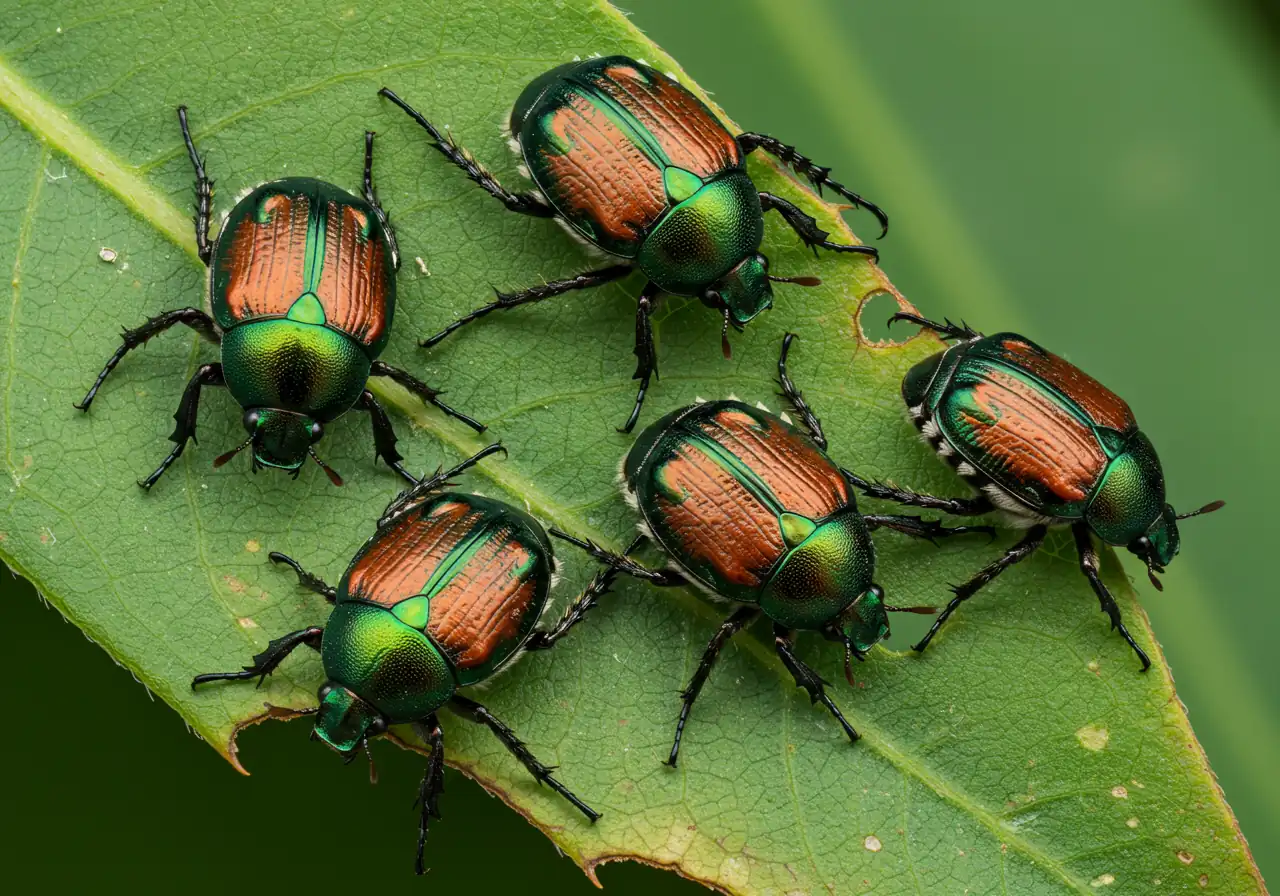
A clear, close-up image visually identifying one or two of the most common pests mentioned, like Japanese Beetles on a damaged leaf. This helps readers visually recognize the culprits discussed in the list.

Alright, let's chat about something every Nepean gardener faces eventually: the critters and creepy-crawlies who decide *your* beautiful landscaping is *their* personal buffet. While we love sharing our neighbourhoods, from Barrhaven to Manotick, with wildlife, some visitors are definitely overstaying their welcome in our flower beds and vegetable patches! Knowing who you're up against is the first step to keeping your garden thriving.

Our Ottawa climate, with its cold winters and warm, sometimes humid summers, plays a big role. While the deep freeze might slow some pests down, others cleverly overwinter in the soil or leaf litter, ready to emerge hungry in the spring. The summer humidity can also create ideal conditions for certain fungal diseases and pests like slugs.

Here are a few of the usual suspects you might find:

  • Aphids: Tiny, pear-shaped insects (often green, black, or brown) that cluster on new growth, sucking the life out of your plants. They seem to have a particular fondness for roses and vegetable plants across Ottawa.
  • Slugs & Snails: Slimy characters who love damp conditions. They chew irregular holes in leaves, often favouring tender plants like hostas and lettuce, leaving tell-tale silvery trails. Keeping garden beds tidy helps reduce their hiding spots.
  • Japanese Beetles: These metallic green and copper beetles arrive mid-summer and can skeletonize leaves on roses, grapes, and many other plants faster than you can say "Oh no!" They often feed in groups.
  • Grubs: White, C-shaped larvae living in the soil, feasting on grassroots. If you see patches of your lawn turning brown or notice more skunks or raccoons digging, grubs might be the culprits. Healthy soil can make a difference, and sometimes improving soil health with Nepean spring lawn aeration can help manage lawn stress that makes grub damage more apparent. Find more on our lawn care page.
  • Earwigs: Recognizable by the pincers on their back end, earwigs munch on leaves and flowers, often at night. They love hiding in dark, damp places. Thorough garden clean-ups are key; good Nepean fall garden prep helps eliminate overwintering spots. Our Ottawa garden clean-up service can handle this for you.
  • Four-Legged Foodies (Squirrels, Rabbits, Deer): Especially in areas bordering natural spaces, like parts of Manotick or Nepean near greenbelts, these larger visitors can cause significant damage, munching on everything from bulbs to shrubs.

Recognizing these pests early is crucial. Regular walks through your garden, turning over leaves, and checking the soil surface can make a huge difference. Stressed plants are often more susceptible to pests and diseases, so ensuring they have the right water (and avoiding winter damage by properly winterizing systems like Nepean irrigation winterization) helps them stay strong. Performing regular Nepean fall garden health checks can also help you spot potential problems before winter sets in.

Sometimes, despite our best efforts, pest problems can feel overwhelming. If you're finding it hard to manage, remember that help is available. You can always explore our professional landscaping services for tailored advice and solutions.

Quick Pest ID Chart

PestLooks LikeDamageSimple Tip
AphidsTiny, pear-shaped (green, black)Yellowing leaves, sticky residueBlast with water, insecticidal soap
Slugs/SnailsSlimy, shell or no shellIrregular holes in leaves, slime trailsKeep area tidy, beer traps
Japanese BeetlesMetallic green/copperSkeletonized leavesHand-pick early morning
GrubsWhite, C-shaped larvae in soilBrown/spongy lawn patchesHealthy lawn care, nematodes
EarwigsBrown, pincers on backChewed leaves/flowers (night)Remove hiding spots (debris)

Your Secret Weapon: What Exactly IS a Garden Trend Log?

An aesthetically pleasing image depicting the concept of a garden log. An open, simple notebook or journal resting on a rustic wooden surface or near garden tools, perhaps with a pencil beside it, suggesting observation and note-taking in a garden setting. No text should be visible on the pages.

So, you hear "garden trend log" and maybe picture something complicated, right? Relax! Think of it less like homework and more like being a friendly neighbourhood detective... for your own backyard! It's basically a simple diary or notebook where you jot down observations about your garden throughout the seasons. Seriously, it can be a spiral notebook, a fancy journal, or even just a file on your computer or phone. No complex equipment needed, just your eyes and a few minutes here and there. It's your secret weapon for understanding the unique story unfolding in your landscape.

What kind of clues should your garden detective log? Keep it simple, especially when you start. Here are the essentials:

  • Date: Obvious, but essential! This lets you track timing year after year.
  • Weather Notes: Was it scorching hot? Did we get a downpour? A surprise frost? Note the general conditions – sunny, cloudy, rainy, temperature trends. Weather heavily influences plant growth and pest activity in Ottawa.
  • Plant Progress: What's blooming? What are you harvesting? Did those new shrubs you planted finally show new growth? Note key milestones for your favourite plants.
  • Pest & Disease Sightings: *This is crucial!* Saw aphids on the roses? Japanese beetles munching the beans? Powdery mildew on the squash? Note *what* you saw, *where* (which plants?), and maybe a quick note on *how bad* it was (e.g., "a few" vs. "covered").
  • Critter Visitors: Did deer nibble the hostas again? Squirrels digging up bulbs? Keep track of your four-legged "admirers" too.
  • Your Actions: Did you fertilize? Put down mulch? Prune the hedges? Water deeply? Use an insecticidal soap? Record what you did and when. *Bonus points:* Note if it seemed to work! Check our mulching and edging services for ideas.

"Okay," you might be thinking, "but *why* bother?" Ah, the benefits are where this simple habit becomes powerful!

Over time, your garden log becomes a personalized instruction manual for *your* yard. You'll start seeing patterns emerge. Maybe you notice those aphids *always* appear on your Nepean roses in the second week of June. Boom! Next year, you can start inspecting *before* they get established. Perhaps you see that slug damage decreases dramatically after a thorough fall Nepean Yard Cleanup Service removed their hiding spots.

This log helps you:

  • Become Proactive, Not Reactive: Anticipate pest arrivals or disease conditions instead of scrambling when they hit full force.
  • Track What Works: Did that organic pest spray actually help last year? Did adding compost improve that tricky spot? Your log holds the answers.
  • Diagnose Problems Faster: See patterns of yellowing leaves? Your log might show it happens after heavy rain, pointing towards drainage issues.
  • Time Maintenance Better: Knowing *your* garden's specific schedule helps you plan tasks like pruning or applying preventative treatments more effectively. Maybe you note certain weeds pop up right before you usually schedule a seasonal Metcalfe property cleanup service, confirming the timing is perfect.
  • Make Smarter Choices: Understand which plants thrive and which struggle in *your* specific Ottawa microclimate. Consider our material selection advice for better results.
  • Communicate Effectively: If you need help, having detailed notes makes it much easier to explain the situation when exploring professional Ottawa property cleanup service or seeking advice about other landscaping care options. It's also good practice to review terms, like our Privacy Policy and Terms and Conditions, before engaging services.

Think of it this way: understanding your garden's specific patterns and needs helps you manage expectations for its care and success, much like reading the Terms and Conditions helps clarify expectations before engaging a service. We value transparency, much like you'd appreciate a clear thank you confirmation after contacting us.

Starting your log is easy. Grab a notebook today and just start observing. Even small notes make a difference. Your future, healthier, less pest-bothered garden (and your less-stressed self!) will definitely thank you.

Getting Started: Setting Up Your Nepean Garden Log (No PhD Required!)

Alright, garden detectives of Nepean, let's get down to brass tacks! We've talked about *why* a garden log is your secret weapon, now let's cover the *how*. And trust me, you don't need a fancy degree or expensive gadgets – just a willingness to observe your little patch of Ottawa paradise.

  • Step 1: Choose Your Weapon (Log Format, That Is!)

    There's no single "right" way. Pick what works best for *you*: The Classic Notebook, The Organized Binder, or The Digital Approach (doc, spreadsheet, app). The best tool is the one you'll actually *use*. Don't overthink it!

  • Step 2: What Goes Inside? Keep it Simple!

    Use consistent categories: Date, Weather (quick notes), Observations/Plant Progress (blooms, growth, new additions from a recent garden installation), Pest/Disease Watch (what, where, how bad?), Actions Taken (watered, weeded, treated - track success of regular garden maintenance).

  • Step 3: Making it a Habit (The Secret Sauce)

    Consistency is key! Keep it handy. Schedule it loosely (e.g., after watering). Don't aim for perfection – *something* is better than nothing. Include lawn notes to complement lawn care efforts. Understand service details like you would our terms and conditions.

Start today! Just grab your chosen log, head outside, and jot down what you see. Over time, flipping back through your pages will be incredibly rewarding as you witness the amazing progress and positive seasonal garden transformations you've nurtured. Happy logging! You might even share your success with us via our estimate feedback form later!

From Logbook to Action Plan: Preventing Pests the Smart Way

Okay, garden detectives, you've diligently kept your Nepean garden log, jotting down notes like a seasoned pro. You know *when* those pesky aphids decided your roses were the best juice bar in town, and *where* the slugs held their nightly slime conventions. Now what? It's time to turn those observations – your valuable intel – into a smart action plan! This is where we move from just watching to proactively preventing pests, the *smart* way.

Think of it like using a layered defence system for your garden, often called Integrated Pest Management (IPM). It sounds fancy, but it just means using common sense and starting with the gentlest methods first. Your log is the key to knowing *which* methods to use and *when*.

1. Cultural Controls: Setting the Stage for Success

This is all about creating a garden environment that *discourages* pests and *encourages* healthy plants. Healthy plants are naturally more resistant! Your log helps pinpoint areas for improvement:

  • Soil Health: Did your log note plants struggling? Improving soil with compost boosts plant health. Our soil preparation guide might help.
  • Right Plant, Right Place: Does your log show mildew consistently in a shady spot? Maybe that plant needs more sun or a different location.
  • Good Housekeeping: Remember noting where pests hid? Regular weeding and clearing debris removes hiding spots. A professional city property cleanup service or even a Marionville property cleanup service can make a huge difference, especially in fall.

2. Physical & Mechanical Controls: Hands-On Defence

If good practices aren't quite enough, the next step involves physical interventions. Your log tells you what to target:

  • Barriers: Log notes showing rabbit damage? Fencing or row covers might help. Slugs? Copper tape.
  • Traps: Logged flies near compost? Sticky traps. Slugs? Beer traps.
  • Hand-Picking: Saw those first few Japanese beetles in your log? Hand-pick them into soapy water early!

3. Biological Controls: Calling in the Good Guys

This involves using natural predators or parasites.

  • Attracting Beneficials: Plant flowers that attract ladybugs (aphid eaters!). Your log shows when to add attractive plants.
  • Introducing Predators: For consistent log entries about lawn grubs, introducing beneficial nematodes can work. Severe damage might warrant considering fresh sod installation after treatment.

4. Chemical Controls: The Last Resort

Sometimes, despite best efforts, a problem escalates. If your log shows repeated, severe infestations:

  • Identify Correctly:** Your log helps, but be sure!
  • Choose Least Toxic:** Insecticidal soaps or horticultural oils first.
  • Follow Ottawa Bylaws:** Check local regulations on pesticide use. (See: City of Ottawa Pesticide Rules)
  • Follow Label Directions Exactly:** Protect yourself and beneficials.

Your log transforms random encounters into predictable patterns, allowing proactive choices. Consistent monitoring, perhaps with a regular city garden maintenance service, keeps issues small, leading to resilient landscape transformations.

Hypothetical Pest Activity Peaks (Based on Log Trends)

Aphids 60%
J. Beetles 85%
Slugs 50%
Grubs (Lawn) 70%

Your Ottawa Garden Pest Calendar: A Seasonal Guide to Vigilance

Okay, let's get organized! Knowing *when* to look for *what* can make pest management way less stressful. Think of this as your personal cheat sheet for keeping an eye on things in your Ottawa garden throughout the year. Pests don't exactly send out invitations, but they do tend to follow a schedule based on our seasons. Staying vigilant means you can often nip problems in the bud (sometimes literally!).

Spring: The Great Awakening

As snow melts, pests wake up!

  • Watch For: Aphids on new growth, tent caterpillars, cutworms at soil level, slugs/snails, vole/mice damage near shrubs (check near Metcalfe if relevant).
  • Action Plan: Inspect buds, use seedling collars, start slug patrols. A thorough professional Ottawa yard cleanup service is key to remove overwintering spots. Monitor lawn for grub signs.

Consider seeking advice from resources like the Master Gardeners of Ottawa-Carleton.

Summer: Peak Pest Party

Warm weather means peak pest activity.

  • Watch For: Japanese beetles skeletonizing leaves, aphid explosions, spider mites (stippled leaves, webbing) in dry spells, earwigs, slugs/snails, lawn grub damage (spongy turf, brown patches - common near Kars/Winchester).
  • Action Plan: Regular garden walks! Hand-pick Japanese beetles. Water adequately. Monitor lawns closely; severe grub issues might need addressing before considering new lawn sod installation.

Fall: Preparing for Winter

Cooling temps, pests seek shelter.

  • Watch For: Slugs, snails, earwigs seeking cover. Late aphids. Mice exploring entry points near gardens.
  • Action Plan: *Crucial cleanup time!* Remove debris to eliminate overwintering habitats. A thorough fall yard clean-up (like provided by Marionville seasonal yard cleanup service) is vital. Inspect plants brought indoors. Check building foundations.

Winter: Rest, Review, and Plan

Most insects dormant, but stay watchful.

  • Watch For: Pests on houseplants brought inside. Rabbit/deer damage on outdoor woody plants (bark chewing near woodsy areas like Vernon).
  • Action Plan: Protect trees/shrubs with wrap/fencing. **Review your garden log!** What worked? Plan for next year. Research resistant varieties or different mulch/soil options. Planning now saves trouble later - it's like sending your future self a mental thank you note!

Learn about managing invasive species that might overwinter from the Invasive Species Centre.

Quick Tips for Pest-Proofing Your Plot

Keeping pests politely *out* is often easier than evicting them. Here are go-to strategies:

  • Play Garden Detective: Walk around regularly! Notice small changes. Log them. Knowing your garden's baseline is key.
  • Tidiness is Your Friend: Pests love messy hideouts (dead leaves, weeds). Regular clearing makes a huge difference. A professional Ottawa yard cleanup service helps immensely with seasonal tidying.
  • Feed the Soil, Not the Pests: Healthy plants are tougher. Invest in proper soil preparation with compost.
  • Act Fast, But Gently: Spot pests early? Try hand-picking, water blasts, traps first. Note effectiveness like providing estimate feedback to refine your strategy.
  • Know When to Call for Backup: Overwhelmed? Expert advice can help. Don't hesitate to contact us or consider a targeted city yard cleanup service. Read about us here. Check our reviews on Google!

FAQs: Your Nepean & Ottawa Garden Pest Questions Answered

Ah, aphids! They love new growth. Try a strong blast of water from the hose first – it often knocks them right off. If they return, insecticidal soap (available at garden centers) is a good next step. Encouraging ladybugs, their natural predators, also helps keep populations down long-term.

Japanese beetles are notorious! The most effective non-chemical method is hand-picking them early in the morning when they're sluggish. Just knock them into a bucket of soapy water. Consistency is key – get them before they multiply! Avoid those pheromone traps; they often attract more beetles to your yard than they catch.

It definitely could be grubs! Gently lift a section of the affected turf. If you see more than 5-10 white, C-shaped critters per square foot, you likely have a grub issue. Maintaining a healthy lawn helps it withstand some damage. For severe cases, applying beneficial nematodes at the right time (usually late summer) can be very effective.

Slimy slugs and pinchy earwigs love damp, dark spots. Keeping things tidy is key, as they love hiding spots. Regular weeding and clearing debris helps immensely, and a thorough seasonal property clean-up can remove many overwintering pests. Try beer traps (shallow dishes of beer) for slugs or rolled-up damp newspaper to trap earwigs overnight (dispose in the morning!).

Fall is definitely prime time! Removing dead plants, fallen leaves, and weed debris eliminates crucial overwintering spots for many pests and diseases before they settle in. Think of it like giving your garden a fresh start before winter hibernation. If the job feels too big, specialized services like a Metcalfe garden clean-up service, a City garden clean-up service or a Marionville garden clean-up service focus specifically on this vital task.

It happens! If pests feel like they're winning the battle despite your best efforts, don't despair. Sometimes a fresh perspective or professional intervention is needed to break the cycle and reduce pest pressure for the long term. Feel free to get in touch with us to discuss your specific challenges and explore potential solutions for your Ottawa garden.

Conclusion: Log Your Way to a Healthier Nepean Garden

Let's wrap this up, fellow Nepean green thumbs! We've journeyed through the sometimes buggy world of garden pests and unveiled your surprisingly simple secret weapon: the humble garden trend log. Forget complex spreadsheets or fancy apps (unless you want them!); we're talking about a basic notebook transforming into your garden's personal instruction manual.

By taking just a few moments here and there to jot down what's happening – when those pesky beetles make their grand entrance, how your tomatoes react to a heatwave, or what critters are taste-testing your hostas – you shift from reacting to problems to *anticipating* them. This simple habit is your key to understanding the unique rhythm of your own slice of Ottawa paradise, whether you're gardening in bustling Nepean or enjoying the space in nearby Richmond.

Keeping a log helps you make smarter choices, track what works (and what doesn't!), and ultimately nurture healthier, more resilient landscaping. It means less time battling pests and more time simply enjoying the beauty you've created. So, grab that notebook and start logging – your future, less-stressed gardening self will thank you!

Ready to level up your garden care or need a hand tackling persistent pest issues?

document.addEventListener('DOMContentLoaded', function() {// --- Progress Bar --- const progressBar = document.getElementById('progressBar'); function updateProgressBar() { const scrollTotal = document.documentElement.scrollHeight - document.documentElement.clientHeight; const scrolled = window.pageYOffset || document.documentElement.scrollTop; const progress = (scrolled / scrollTotal) * 100; progressBar.style.width = progress + '%'; } window.addEventListener('scroll', updateProgressBar); updateProgressBar(); // Initial call// --- Back to Top Button --- const backToTopButton = document.getElementById('backToTopBtn'); const scrollThreshold = 300; // Show button after scrolling 300pxfunction toggleBackToTopButton() { if (window.pageYOffset > scrollThreshold) { backToTopButton.style.display = 'block'; } else { backToTopButton.style.display = 'none'; } }backToTopButton.addEventListener('click', () => { window.scrollTo({ top: 0, behavior: 'smooth' }); });window.addEventListener('scroll', toggleBackToTopButton); toggleBackToTopButton(); // Initial check// --- Collapsible Sections (FAQ) --- const faqQuestions = document.querySelectorAll('.faq-question');faqQuestions.forEach(button => { button.addEventListener('click', () => { const answer = button.nextElementSibling; const isActive = button.classList.contains('active');// Close other open FAQs (optional) // faqQuestions.forEach(otherButton => { // if (otherButton !== button && otherButton.classList.contains('active')) { // otherButton.classList.remove('active'); // otherButton.nextElementSibling.style.maxHeight = null; // otherButton.nextElementSibling.style.padding = "0 15px"; // } // });button.classList.toggle('active');if (!isActive) { // Open the clicked one answer.style.padding = "0 15px"; // Add padding back first // Set max-height AFTER padding is applied and DOM updates requestAnimationFrame(() => { answer.style.maxHeight = answer.scrollHeight + 30 + 'px'; // 15px top + 15px bottom padding });} else { // Close the clicked one answer.style.maxHeight = null; // Remove padding after collapse starts answer.addEventListener('transitionend', () => { if (!button.classList.contains('active')) { answer.style.padding = "0 15px"; } }, { once: true }); } }); });// --- Tab Interface --- const tabButtons = document.querySelectorAll('.tab-button'); const tabContents = document.querySelectorAll('.tab-content');tabButtons.forEach(button => { button.addEventListener('click', () => { const targetId = button.getAttribute('data-target'); const targetContent = document.getElementById(targetId);// Remove active state from all buttons and content tabButtons.forEach(btn => btn.classList.remove('active')); tabContents.forEach(content => content.classList.remove('active'));// Add active state to clicked button and target content button.classList.add('active'); if (targetContent) { targetContent.classList.add('active'); } }); });// --- Bar Chart Animation --- const bars = document.querySelectorAll('.bar-chart .bar'); function animateBars() { bars.forEach(bar => { const value = bar.getAttribute('data-value'); if (value) { // Timeout to allow CSS to apply initial state before transition setTimeout(() => { bar.style.height = value + '%'; bar.classList.add('animate'); // Trigger value opacity transition }, 100); // Small delay } }); } // Trigger animation (could be tied to scroll into view later) animateBars();}); // End DOMContentLoaded
Share This Article
Facebook
X
Pinterest
Email
Print

Thank you for sharing!

Contact Us Today

To request a quote, kindly fill out the form below.

Where Can we Reach you?
Which Service Do You Require? (Click all that apply)
Provide a Breif Description of The Work You'd Like Done

Before You Go

We’re confident in our services, we offer a 30-day money-back guarantee. Not 100% satisfied? We’ll swiftly refund all labor costs. Your satisfaction is our top priority!

Get in touch today for expert service and satisfaction guaranteed. You won't regret it!

Where Can we Reach you?
Which Service Do You Require? (Click all that apply)
Provide a Breif Description of The Work You'd Like Done
Where Can we Reach you?
Which Service Do You Require? (Click all that apply)
Provide a Breif Description of The Work You'd Like Done
Where Can we Reach you?
Which Service Do You Require? (Click all that apply)
Provide a Breif Description of The Work You'd Like Done