Stop Nepean Garden Chaos: Proactive Size Control Tactics
Quick Summary: Keep Your Nepean Garden in Check
- Choose plants appropriate for your space by checking their mature size.
- Utilize dwarf varieties for smaller gardens.
- Prune regularly using thinning and heading back cuts, timing based on flowering season.
- Employ containment strategies like root barriers, division, and container gardening.
- Follow a seasonal maintenance calendar for timely size control actions.
Tired of battling overgrown plants? Request your free quote today!
Introduction: Taming the Nepean Jungle - Why Your Garden Feels Like It's Taking Over

Okay, fellow Nepean residents, let's be honest. Does your backyard sometimes feel less like a peaceful retreat and more like you need a machete to reach the patio? If your garden is starting to resemble a scene from a jungle adventure movie, you're definitely not alone! It happens – one minute you have charming flower beds and tidy shrubs, the next thing you know, garden monsters seem to be plotting world domination from behind the garage. Maybe that vigorous vine in Barrhaven is eyeing your neighbour's fence, or perhaps the cedars are staging a slow-motion takeover?
Ottawa's climate, with its surprisingly warm and humid summers, can really encourage enthusiastic growth. This often turns carefully planned landscaping into an overgrown challenge faster than you can say "where did the bird bath go?". Waving the white flag and letting the wilderness win isn't the answer! The real secret to reclaiming your outdoor space lies in proactive size control and regular maintenance. Keeping plants healthy, happy, and importantly, in check before they stage a coup is the key to a beautiful, usable garden. Let's dive into how to gently tame that Nepean jungle and keep your yard looking great without constant battles. Find local insights on our Google Business Profile!
The Root of the Problem: Why Ottawa Gardens Explode (Especially After Winter!)
Ah, spring in Ottawa! The snow finally melts, the birds are singing, and... wait, where did my garden path go? If you feel like your plants stage a hostile takeover bid every year between May and July, you're onto something. It's not just your imagination; Ottawa gardens do seem to explode with growth, especially right after our long, cold winters. But why does this happen? Let's dig into the main culprits behind this rapid expansion.
First, blame our dramatic weather! We live in Plant Hardiness Zone 5a/5b, which means plants have to be tough cookies to survive our frosty winters. They go dormant, saving up energy like squirrels hoarding nuts. Then, BAM! Spring arrives with longer days, warmer temperatures, and usually a decent amount of rain. All that stored energy gets unleashed, causing explosive growth. Think of it as a plant's version of finally getting outside after being cooped up all winter – they go a little wild!
Next up: Oops, I planted THAT? Choosing the right plant for the right spot is crucial in landscaping, but it's easy to get wrong. That cute little shrub from the nursery might secretly dream of becoming a neighbourhood-blocking behemoth. Planting vigorous vines or fast-spreading perennials without understanding their growth habits is a common ticket to Overgrowthville, whether you're in Greely or Barrhaven. Always check the mature size and spread before you plant! For help selecting suitable plants and ensuring proper material selection, expert advice can be invaluable.
| Growth Habit | Example Plants (Ottawa Climate) | Best Use |
|---|---|---|
| Slow & Steady Growers | Dwarf Lilac ('Miss Kim'), Boxwood, Coral Bells ('Palace Purple') | Tight spots, foundation plantings, borders |
| Room to Roam Crew | Many traditional Lilacs, Ostrich Fern, Sumac, Virginia Creeper | Large spaces, naturalized areas, background plantings (with caution!) |
Our soil plays a part too. While it varies, much of the Ottawa area has clay-based soil. Once established, plants in clay can access moisture and nutrients quite well, sometimes too well, fueling that rapid growth spurt, especially when the spring rains come. Proper soil preparation can sometimes mitigate extreme growth.
Finally, the biggest reason for jungle-like yards is often a lack of timely maintenance. Skipping crucial steps allows small problems to become big ones fast.
- Neglecting Spring Kickstart: Getting your garden beds and lawn ready in spring sets the tone. Things like clearing debris and maybe even considering Nepean Spring Lawn Aeration Ottawa help manage growth from the get-go.
- Forgetting Fall Checks: Identifying potential issues before winter is key. Performing simple Nepean Fall Garden Health Checks can spot plants that might get out of hand next year.
- Skipping Fall Cleanup: Proper Nepean Fall Garden Prep Colour Winter Tips involves cutting back specific perennials and removing dead growth, which prevents a messy, overgrown start in spring.
- Ignoring Irrigation: A damaged sprinkler system can lead to overwatering in some areas and underwatering in others, stressing plants and sometimes causing weird growth spurts. That's why proper Nepean Irrigation Winterization Avoid Pipe Damage is so important to prevent spring surprises.
Combine vigorous plants, a climate that encourages bursts of growth, decent soil, and maybe a few missed maintenance steps, and poof – instant jungle. Understanding these factors is the first step to keeping things under control. If tackling the explosion feels overwhelming, remember that professional help is available. Check out our range of Clean Yards Services designed to keep your Ottawa garden beautiful and manageable.
Size Matters: Choosing Wisely for Long-Term Harmony
Alright, let's talk plant shopping! It's easy to get swept away at the garden centre, grabbing that adorable little shrub or perky perennial. But fast forward a few years, and that cute little guy might be staging a hostile takeover of your walkway, mailbox, or even your entire front yard! Choosing plants that fit your space long-term is one of the smartest moves you can make for a beautiful, low-fuss garden. Think of it like adopting a puppy – you need to know if you're getting a chihuahua or a Newfoundland before you bring it home!
The absolute golden rule? Check the tag! Seriously, that little plastic tag is your crystal ball. It tells you the plant's mature size – how tall and wide it expects to get when it's all grown up. Ignore this info at your peril (or be prepared for a lot more pruning). If a shrub tag says "Grows 8-10 feet tall and wide," don't plant it two feet from your foundation or driveway unless you enjoy constant battles. This simple step saves so much future headache and keeps your garden looking intentional, not accidental. Your future self, relaxing instead of hacking back branches, will surely say thank you!
But what if you have a smaller space, like a townhouse garden in Barrhaven or a tight spot near the patio? Fear not! Plant breeders have worked wonders creating dwarf varieties of many popular plants. These cultivars are specifically bred to stay much smaller than their full-sized cousins, offering the same beauty in a more compact package. For our Ottawa climate, consider options like:
- Dwarf Lilacs: Like 'Miss Kim' or 'Palibin', which stay much smaller than traditional lilacs.
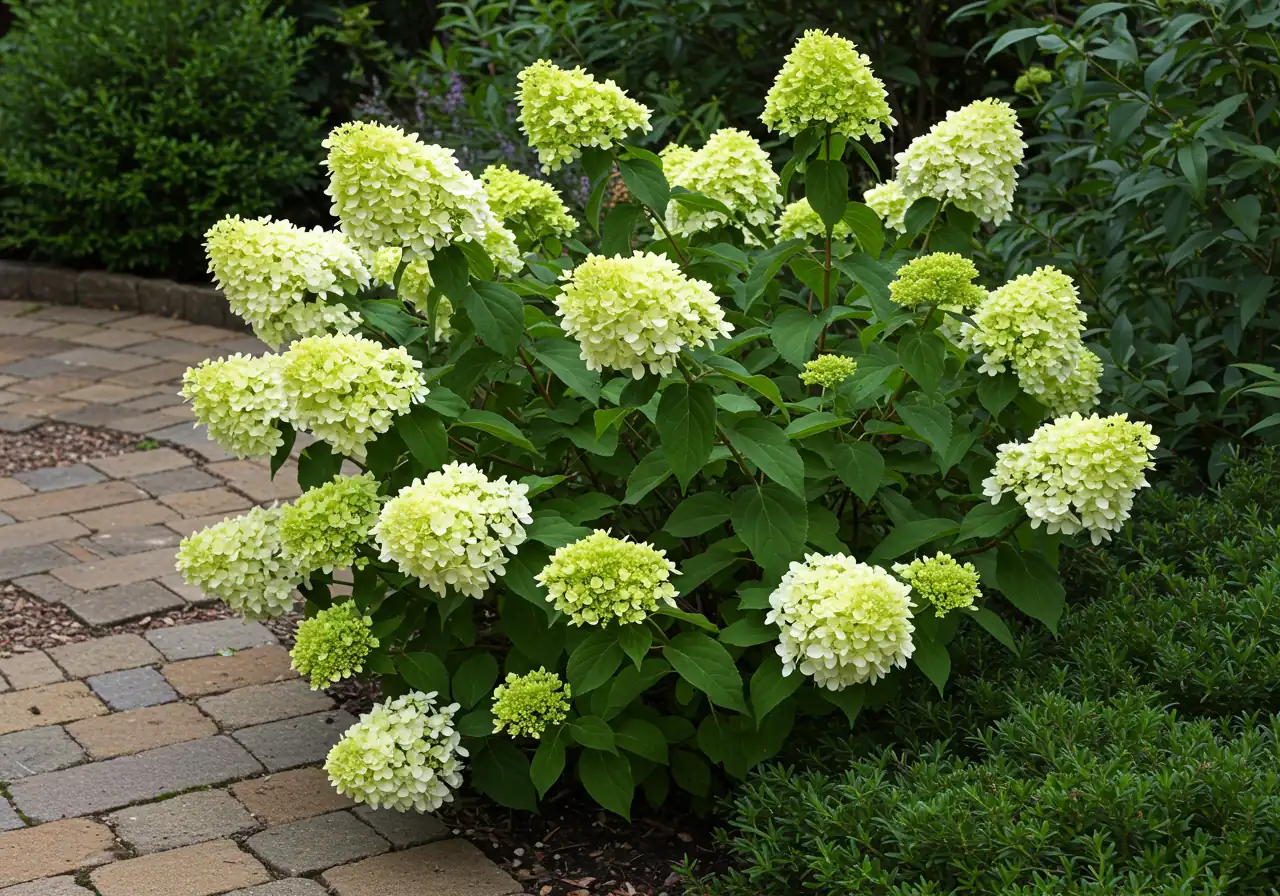
- Compact Hydrangeas: Varieties like 'Bobo' or 'Little Lime' offer big flower power on smaller frames.
- Smaller Evergreens: Look for dwarf spruce, pine, or juniper varieties perfect for foundation plantings.
Native plants are another great avenue to explore. Plants native to the Ottawa Valley are naturally adapted to our soil and climate. While some natives can be vigorous growers (so checking mature size still matters!), many offer beauty, attract pollinators, and often require less fuss once established. Think Serviceberry trees, Purple Coneflower, or Canada Anemone. For local advice, check resources like the Master Gardeners of Ottawa-Carleton.
Finally, think about layering and site conditions. Planting taller plants in the back, medium ones in the middle, and shorter ones in the front creates a pleasing, organized look and makes the space feel balanced. Also, remember that sun exposure, soil type, and moisture levels impact growth. A plant needing full sun might struggle and stay smaller in shade, while one loving moist soil might go wild if planted in a damp spot near Osgoode. Proper spacing and techniques like defining beds can also help maintain order; consider regular Mulching and Edging for Garden Beds to keep things looking sharp and contained.
Choosing the right size plant from the start means less work down the road, healthier plants, and a garden that feels harmonious, not chaotic. Of course, if you've inherited a garden where size already matters in a big way, sometimes a professional reset is needed. Dealing with seriously overgrown shrubs or crowded beds might require more than just pruning shears. Services like Nepean Yard Cleanup Service or even specialized help in areas like Metcalfe Yard Cleanup Service can tackle the big jobs. But ideally, planning ahead prevents these situations. For ongoing maintenance or help selecting the right plants, exploring comprehensive Landscaping and Gardening Services can provide the expertise you need for long-term garden success.
Pruning Power: Shaping Your Garden Without the Shear Terror
Okay, let's talk pruning. Does the word alone make you picture disastrous haircuts for your hedges or accidentally removing all the future flowers? Take a deep breath! Pruning doesn’t have to be terrifying. Think of it less like scary surgery and more like a gentle nudge in the right direction – a way to keep your plants healthy, happy, and importantly, fitting comfortably in their designated space in your Ottawa garden. Proactive pruning is your secret weapon against that feeling of being slowly swallowed by greenery, whether you're in Manotick or anywhere else our plants grow with such gusto!
Why Bother? Size Control is Key!
Remember how we talked about choosing the right size plant? Well, even well-chosen plants sometimes need a little guidance. Pruning for size helps:
- Prevent shrubs from blocking windows or pathways.
- Keep plants from competing aggressively with their neighbours.
- Maintain the desired shape and look of your landscaping.
- Encourage healthier growth and sometimes more flowers or fruit!
Simple Pruning Moves (No Black Belt Required):
You don't need a horticultural degree, just a few basic techniques:
- Thinning: This involves removing an entire branch or stem right back to its point of origin (either the ground, the main trunk, or a larger branch). It’s great for reducing bulk without drastically changing the plant’s natural shape. Think of it as letting some light and air into a crowded room.
- Heading Back: This means shortening branches back to a healthy bud or a side branch. This encourages the plant to become denser or bushier below the cut. Use this selectively to control height and spread. Avoid randomly shearing everything to the same length unless you want a very formal (and often high-maintenance) look.
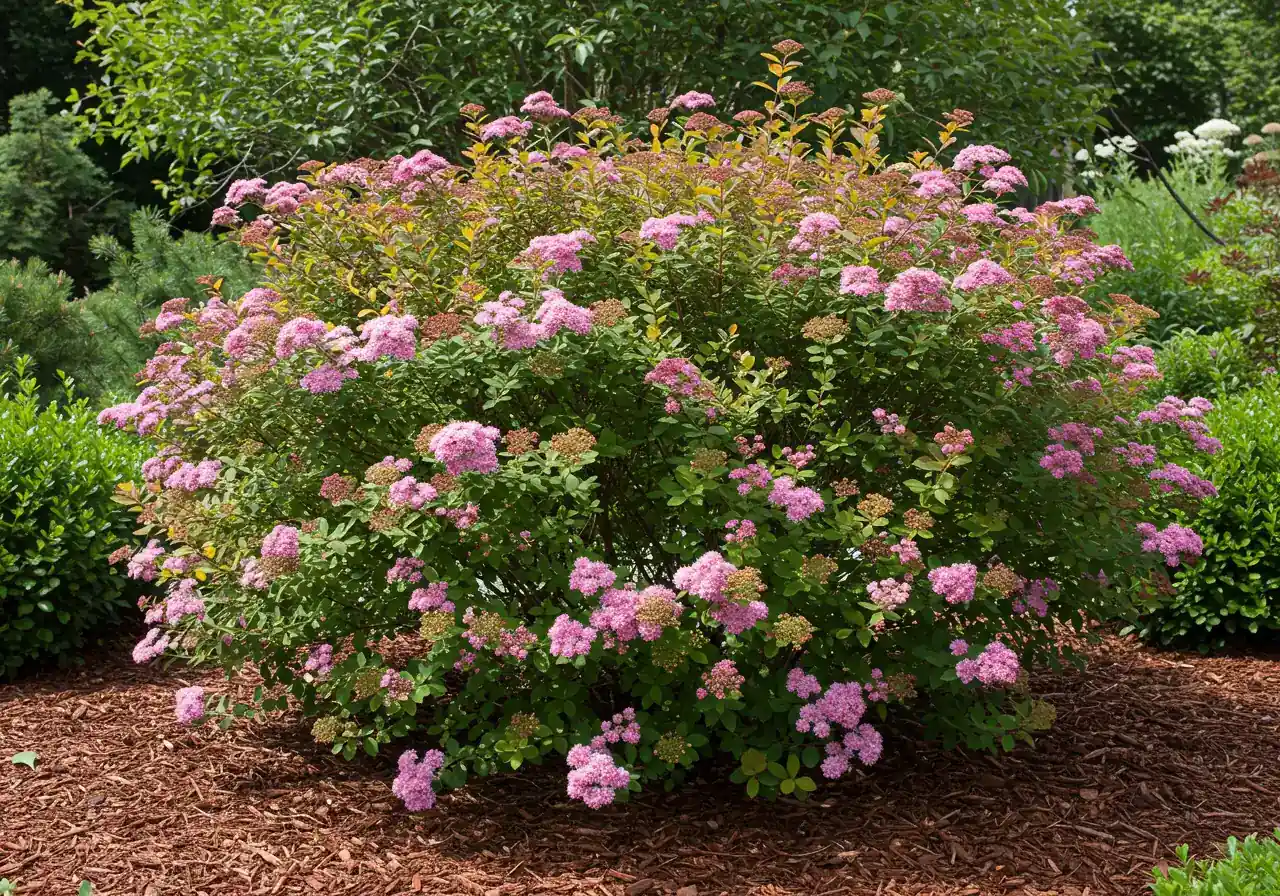
A Quick Guide: Taming a Basic Shrub (e.g., Spirea)
- Clean Up Crew: Always start by removing the "3 D's" – any dead, damaged, or diseased branches. Cut these back to healthy wood or right to the base. Use clean, sharp pruners!
- Untangle: Look for branches that are crossing over each other and rubbing. This can create wounds where disease can enter. Remove the weaker or poorly positioned branch.
- Thin it Out: To manage size, identify a few of the oldest, thickest stems (often darker wood) and cut them out completely, right down at the base of the shrub. This removes bulk and encourages fresh new growth from the bottom.
- Shape Up (Gently!): If needed, selectively shorten some of the remaining stems using heading cuts. Always cut back to just above an outward-facing bud to encourage growth away from the center of the plant.
Timing is Everything in Ottawa:
- Spring Flowers, Later Pruning: Shrubs that bloom in spring (like Lilacs, Forsythia) set their flower buds the previous year. Prune these *immediately after* they finish flowering, or you'll cut off next year's show!
- Summer Flowers, Early Pruning: Shrubs that bloom in summer on new growth (like many Spireas, Potentilla, some Hydrangeas) are best pruned in late winter or early spring *before* they start growing. This encourages vigorous new stems that will carry the flowers.
- Evergreens: Needles and cones? Generally, light shaping is best done after the main flush of spring growth, usually late spring or early summer. Avoid heavy pruning late in the season.
Need help determining the best time? Check out our City Garden Maintenance Service options.
Dealing with the Clippings (Eco-Friendly Style):
- Small twigs and leaves (if disease-free) can go in your compost.
- Bundle larger branches according to City of Ottawa yard waste guidelines for curbside pickup.
- Renting or owning a chipper/shredder turns larger branches into useful mulch.
- Please avoid dumping yard waste in parks, ravines, or on vacant land – keeping public spaces clean is everyone's job, and improper dumping might eventually require a City Property Cleanup Service. Our Privacy Policy outlines how we handle information related to service requests.
Sometimes, pruning can feel like a big job, especially if things have gotten a bit out of hand. If you're feeling overwhelmed by the scope of work, remember that professional help is available. Whether it's routine maintenance or tackling a larger project, services like Metcalfe Garden Clean Up Service or even more comprehensive options like Metcalfe Yard Cleanup Service can get things back under control. Even communities slightly further out, like Marionville, have access to expert assistance like Marionville Garden Clean Up Service. When considering any service, it's always wise to review the provider's approach and policies, such as our own Clean Yards Terms and Conditions.
But for routine upkeep, a little timely pruning goes a long way to keeping your garden gorgeous and manageable – no terror required!
Beyond Pruning: Smart Strategies for Containing the Chaos
Okay, so we've talked about choosing the right size plants and the power of pruning. But what if you want *even more* tricks up your sleeve to prevent your garden from turning into a botanical free-for-all? Snipping branches isn't the only way to maintain order! There are clever, non-pruning strategies that work wonders for keeping plants politely in their places, whether you're gardening on a compact Nepean lot or have a bit more elbow room out in Metcalfe or Kars. These approaches are all part of smart, ongoing Proactive Garden Maintenance.
Give 'Em Space! (Seriously)
This sounds basic, but it’s often overlooked in the excitement of planting. Remember that mature size on the plant tag? Respect it! Planting shrubs, perennials, or even trees too close together forces them to compete for light, water, and nutrients. This can lead to leggy, weak growth or an impenetrable thicket where nothing thrives. Giving plants their recommended space from the get-go allows them to reach their natural form and size without needing constant intervention. Think of it as respecting their personal bubble – happy plants, happy gardener!
Managing the Spreaders: Containing Enthusiasm
Some plants are just naturally ambitious spreaders – think mint (garden thug!), Bee Balm, or certain ornamental grasses. They spread via underground runners (rhizomes) or stolons (above-ground runners) and can quickly colonize areas where they aren't wanted. Instead of constant digging and pulling, consider:
- Root Barriers: For aggressive spreaders, installing a physical barrier underground can work wonders. Burying plastic or metal edging (at least 10-12 inches deep) around the planting area can contain the roots. Just make sure the barrier is solid and properly installed – sneaky roots will find any gap! Understanding the commitment involved is key, much like reading our Service Terms and Conditions helps set expectations for professional work.
- Regular Division: For clumping perennials that gradually get bigger (like Hostas or Daylilies), dividing the clump every few years is a great way to manage size and get free plants! Simply dig up the clump in spring or fall, gently pull or cut it into smaller sections, and replant them elsewhere or share with neighbours.
Pots and Planters: Gardening in Containment
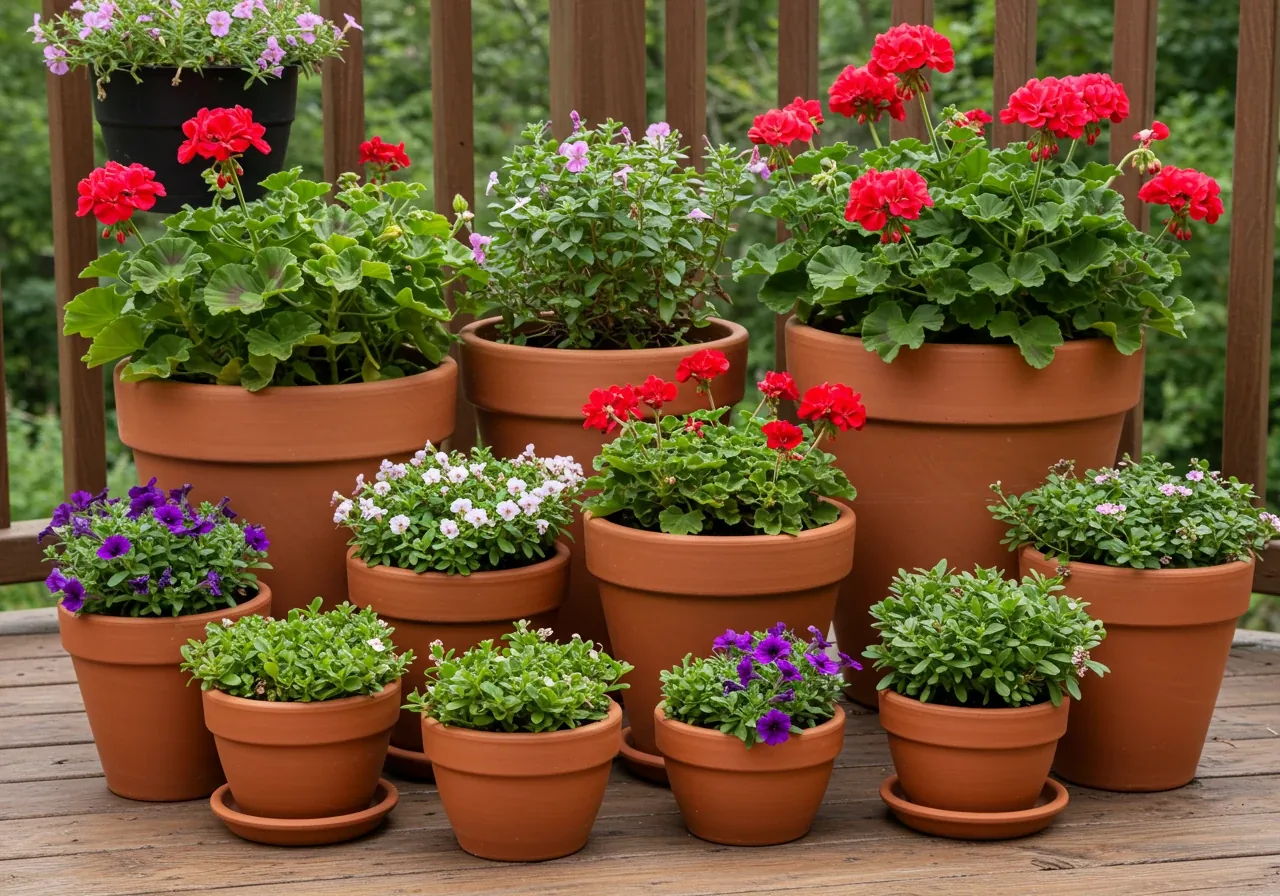
Container gardening is fantastic for controlling size! Growing plants in pots, troughs, or raised beds inherently limits their root run, which naturally restricts their overall size. This is perfect for:
- Aggressive plants you love but don't trust in the ground (hello again, mint!).
- Adding colour and interest to patios, balconies, or small spaces.
- Growing plants that might not love your specific Ottawa soil type.
- Easily changing up your garden look season by season.
Going Up! Vertical Gardening
When ground space is limited, think vertically! Trellises, arbors, wall planters, and hanging baskets allow you to grow vines, flowers, and even veggies upwards instead of outwards. This maximizes your growing area without contributing to ground-level crowding. Choose well-behaved climbers or annual vines for easy management. Using these smart space solutions contributes beautifully to overall yard appeal – you can See Garden Transformations where vertical elements play a key role.
Choose Groundcovers Wisely
Groundcovers are excellent for filling space and suppressing weeds, but choose carefully! Some groundcovers (like Goutweed – beware!) are incredibly invasive. Opt for well-behaved options suitable for our area, like Creeping Thyme, Sedum varieties, or certain Violets. These spread politely, covering the ground without taking over the entire garden. They can be a great alternative to mulch in some areas or even replace small, hard-to-mow patches of lawn, reducing the need for services like Professional Sod Installation in tricky spots.
By combining these strategies with smart plant choices and timely pruning, you can create a lush, beautiful garden that feels managed, not menacing. Of course, if things have already gotten a bit wild, tackling the overgrowth might require a more intensive effort. Don't hesitate to call in the cavalry with an Ottawa Yard Cleanup Service to get things back to a manageable state. Need help cleaning up a property anywhere in Ottawa? Consider our Ottawa Property Cleanup Service.
Relative Growth Rate Comparison (Illustrative)
Your Ottawa Size Control Calendar: Staying Ahead Season-by-Season
Okay, let's map out your year! Keeping plants perfectly sized in our wild Ottawa climate isn't a one-shot deal – it's more like a gentle guidance program throughout the seasons. Staying ahead means less wrestling with overgrown branches later. Think of this as your cheat sheet to prevent your Greely garden from staging a coup! Here's a simple seasonal calendar focused specifically on size control:
Early Spring (Apr/May)
Prune summer bloomers, assess winter damage, remove deadwood, edge beds before major growth.
Late Spring / Early Summer (May/June)
Prune spring bloomers *after* flowering, first hedge trim, monitor vigorous perennials.
Mid-Summer (July/Aug)
Maintain hedges, deadhead spent flowers, trim back encroaching growth.
Fall (Sept/Oct)
Divide overgrown perennials, selectively cut back foliage, manage yard waste (consider City Yard Cleanup Service if needed).
Winter (Nov-Mar)
Clean/sharpen tools, observe plant structures, plan major spring tasks or professional Property Clean Up if required. Learn About Us and how we can help next season.
Sticking to a seasonal schedule like this makes size control feel less like a battle and more like a friendly conversation with your plants, keeping everyone happy and in their designated space! This proactive approach aligns with good Ongoing Garden Maintenance practices.
Pro Gardener's Playbook: Quick Tips for Taming the Green
Alright team, let's get down to brass tacks! You want a garden that looks sharp, not like it's plotting to eat the house, right? Here are some quick-fire tips straight from the pros' playbook to keep your green oasis in check, whether you're battling enthusiastic shrubs in Manotick or just trying to keep things tidy in Ottawa.
Pro Tip: Consistent, small adjustments are often better than infrequent, drastic cuts. Think of it like regular trims versus a major chop!
Question: Help! My perennials seem determined to swallow my walkway whole. Is there a magic trick besides constantly hacking them back?
Answer: Ah yes, the perennial creep! Your best friends here are division and edging. Many common perennials (think Hostas, Daylilies, ornamental grasses) benefit from being dug up and divided every few years, usually in spring or fall. You literally split the clump, replant a piece, and gain free plants while controlling the size! Also, never underestimate the power of a crisp, well-defined edge between your garden bed and the walkway. It creates a visual 'stop' sign for plants and makes maintenance easier. Keeping that border clear is almost as crucial as regular Lawn Care and Mowing for a neat overall look.
Question: I inherited a garden that looks like it hasn't seen pruners since... well, ever. Where do I possibly start with those monster shrubs?
Answer: Deep breaths! Don't try to fix everything at once. Start simple: grab sharp pruners and remove the obvious '3 Ds' – anything Dead, Damaged, or Diseased. Cut those branches right back to healthy wood or the base. Next, look for the oldest, thickest stems (often darker wood) and thin out a few (maybe 1/3 of the oldest) by cutting them right down to the ground. This opens things up and encourages new growth from the bottom. If the job feels totally overwhelming, don't be afraid to call in reinforcements. Sometimes a professional reset via a Thorough City Garden Clean Up Service is the least stressful way to reclaim your space.
Question: My neighbour's supposedly 'well-behaved' vine is making a break for it over the fence! What's the quickest way to regain control (politely)?
Answer: First, have a friendly chat with your neighbour if it's their plant! If it's *your* vine being unruly, consistent pruning is key. Cut back the wandering stems regularly. For really aggressive types, you might need to prune harder, often best done right after flowering or in early spring before growth takes off. For future plantings, consider less aggressive vines or installing an underground root barrier. If you decide to remove and replace it, plan carefully during the New Garden Planting Process to choose something that plays nicer with boundaries. Perhaps even explore options with an Ottawa Garden Clean Up Service.
Question: I gave pruning my best shot, but now I'm worried I've made things worse. How do I know if it's time to call a pro?
Answer: Hey, gardening is a learning process! It's probably time for an expert opinion if: 1) The plant looks seriously unbalanced or butchered (we've all been there!), 2) You're not seeing healthy regrowth where you expected, or 3) The thought of tackling it again fills you with dread. Getting a professional assessment can provide peace of mind and a clear plan. When looking for help, it's smart to compare approaches; you can even use tools like our system to Provide Feedback on Quotes Received to help make your decision. For major rehab jobs, especially in areas further out requiring something like a dedicated Marionville Property Cleanup Service, professional expertise is often the fastest route back to a beautiful yard.
Question: What's the one tool you'd recommend for keeping most garden growth under control without breaking the bank?
Answer: Easy – a high-quality pair of bypass pruners! Not the anvil kind, but the ones with a blade that *passes* a thicker base, like scissors. Keep them clean and SHARP. A sharp cut is healthier for the plant and requires way less effort from you. They'll handle most everyday trimming of perennials, roses, and smaller shrub branches. Investing in a good pair will save you frustration and make those quick snips much more enjoyable!
Nepean Garden FAQs: Your Local Size Control Questions Answered
Sometimes, yes! Much of the Ottawa area, including parts of Nepean and Barrhaven, has clay-based soil. While it can be nutrient-rich, it also holds moisture well. Combine that with our decent rainfall, and established plants can get *really* comfortable and grow vigorously, making regular size control more necessary than in sandier soils. Think of it as giving your plants an all-you-can-eat buffet – they might overindulge!
For significant chopping back on *most* overgrown deciduous shrubs and trees (those that lose their leaves), late winter or very early spring is usually ideal. Prune before the sap starts running heavily, typically March or early April. However, *always* double-check the specific plant! Spring bloomers have different rules. If you're drastically cutting back something valuable and unsure of the timing, it's best to research the specific plant or even contact us for advice.
Great choice going native! While they're adapted to our climate, "native" doesn't automatically mean "small" or "slow-growing." Some local heroes, like Ostrich Ferns or certain Asters, can spread enthusiastically! It still pays to check the mature size and spread potential. Careful plant selection during the garden installation process is key, even with natives, to ensure they fit your space long-term without needing constant wrestling matches. For native plant resources, consider the Rideau Valley Conservation Authority.
Vigilance is your superpower! Learn to identify common invaders in our region. The *moment* you spot one, dig it out thoroughly, getting as much root as possible. Don't let it get established! For known runners, installing solid underground barriers around desirable plants *before* invasives arrive nearby can help. If a patch is already looking scary, professional help like a Marionville yard cleanup service might be needed for effective removal.
Think "small" from the start! Your best bets are choosing *dwarf* or *compact* varieties of shrubs and perennials specifically bred to stay petite. Container gardening is also fantastic – pots naturally restrict root growth, keeping plants smaller. Avoid planting vigorous growers unless you *really* enjoy pruning! If you've inherited overgrown giants in a small space, sometimes calling for a Metcalfe property cleanup service to create a blank slate is the easiest first step.
Conclusion: Reclaim Your Yard, Enjoy Your Nepean Oasis!
So, there you have it! Taming the Nepean jungle doesn't have to involve epic battles or waving the white flag. By choosing plants wisely from the start, getting comfortable with a little timely pruning (*before* things get scary!), using smart containment tricks, and following a simple seasonal plan, you can keep your garden looking less like a wilderness expedition and more like the beautiful, relaxing oasis you deserve. Imagine actually seeing your patio furniture again, or walking down your path without getting snagged by an overly friendly shrub – it’s totally possible!
Taking control isn't just about aesthetics; it's about creating a healthy, manageable outdoor space you can truly enjoy. Less wrestling with rogue branches means more time for barbecues, relaxing with a book, or just admiring your handiwork. Whether you're in Nepean, Barrhaven, or out enjoying the space in Manotick, a well-maintained yard is a happy yard.
Ready to enjoy your Nepean garden without the chaos? Clean Yards offers professional solutions tailored to your needs.
Feeling inspired but maybe a bit overwhelmed? Ready to trade the pruning shears for a lemonade? We get it! If your garden needs a reset or you'd just prefer the pros handle the ongoing landscaping and gardening maintenance, Clean Yards is here to help.
- Ready for a major overhaul? Ask about our Nepean Yard Cleanup Service.
- Need help keeping things tidy year-round? Check out our Ongoing Garden Maintenance options.
- Dreaming of a fresh start? Let's talk New Garden Planting!
Give us a call or visit our website today, and let's turn your outdoor space back into your personal Ottawa paradise! Explore our full range of landscaping and cleanup services.