Spot Iron Deficiency Chlorosis in Nepean Gardens Now
- The Problem: Iron Chlorosis - yellow leaves with green veins, common in Nepean & Ottawa due to alkaline soil (high pH).
- Why it Matters: Iron is needed for green chlorophyll (plant food production). Lack weakens plants.
- Key Sign: Yellowing starts on *newest* leaves first.
- Common Causes: High soil pH locking up iron, soil compaction, poor drainage.
- Solutions: Soil testing, foliar iron sprays (quick fix), soil amendments like chelated iron or sulfur (long-term), improving soil health with compost.
Introduction: Is Your Nepean Garden Looking a Bit... Yellow?
Hey Nepean neighbours! Are you strolling through your yard, maybe admiring your landscaping, and noticing things look a bit… off? Are some leaves looking more like pale lemons than vibrant emeralds? If your plants, shrubs, or even trees are showing yellow leaves while the veins stay green, you might be seeing iron chlorosis.
Don't worry, it sounds more complicated than it is! Basically, iron chlorosis means your plants are struggling to get enough iron from the soil. Iron is super important for making chlorophyll – the green stuff plants use to make food from sunlight. Without enough iron, they start to lose their healthy green colour.
This isn't uncommon around Ottawa, especially in areas like Nepean and nearby Barrhaven or Manotick. Our local soil sometimes has a high pH (is more alkaline), which can make it difficult for plants to absorb the iron that's already there. You might notice this yellowing most in the spring and early summer when plants are growing quickly. Find local gardening tips from resources like the Master Gardeners of Ottawa-Carleton.
But don't despair! Your garden isn't doomed to look sickly. Understanding why it's happening is the first step towards getting your green back. We're here to shed some light on this common issue and help your garden thrive again.
Decoding the Yellow: What is Iron Chlorosis Anyway?
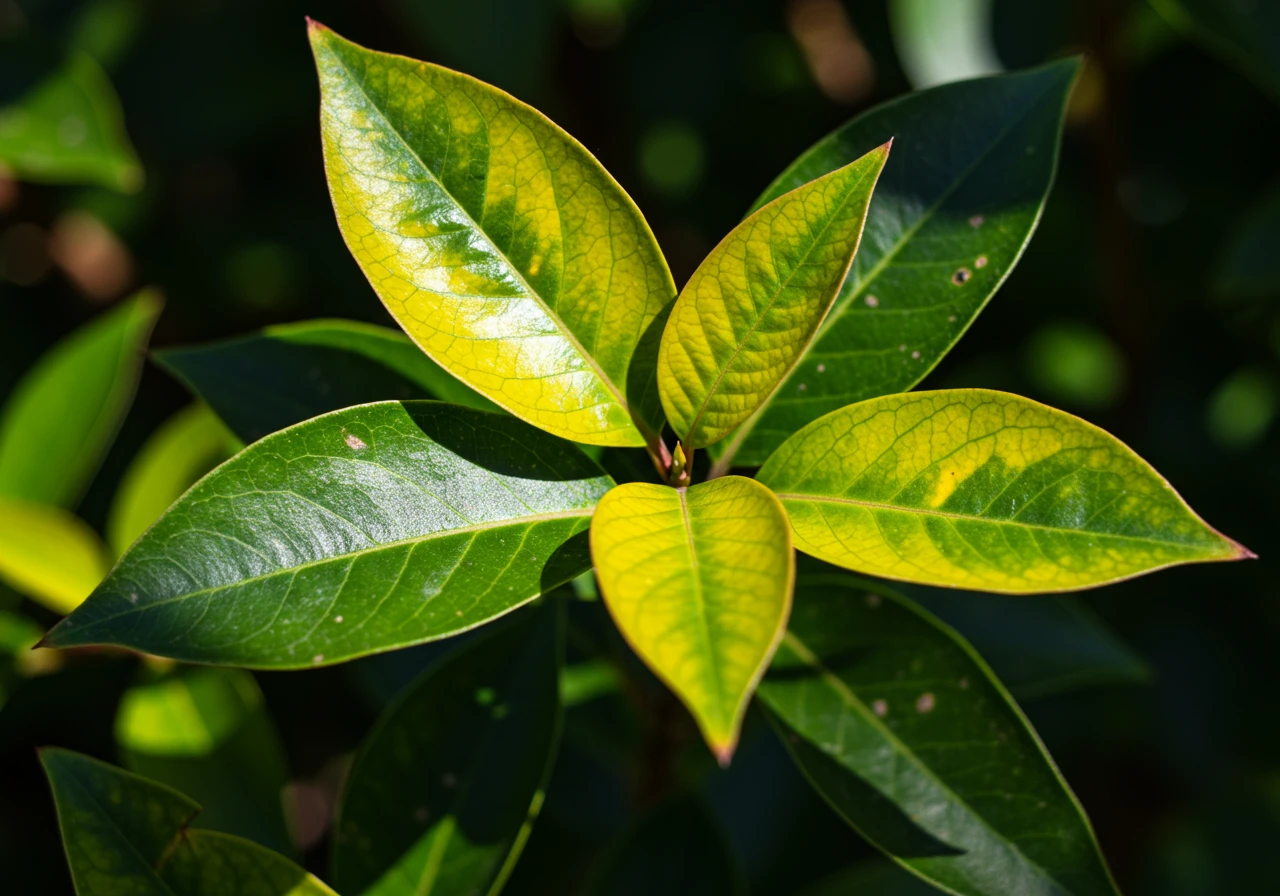
Alright, let's talk about this "iron chlorosis" thing. Fancy name, right? But don't let it scare you. Simply put, it means your plant isn't getting enough usable iron, even if there's plenty *in* the soil. Think of iron like tiny, essential workers inside your plant. Their main job? Helping to build chlorophyll – that magical green stuff plants use to turn sunlight into food (photosynthesis!). Without enough iron workers on the job, the chlorophyll factory slows down, and voilà – yellow leaves appear.
The most classic sign you'll see in your garden is called interveinal chlorosis. This means the leaf tissue between the veins turns yellow or pale, while the veins themselves stay stubbornly green. It often looks like a delicate green netting spread across a yellow background, usually starting on the newest, youngest leaves first. It's the plant equivalent of saying, "Houston, we have a nutrient problem!"
Now, here's the frustrating part, especially for us here in Ottawa and surrounding areas like Greely or Kars: often, the soil *has* iron, but the plants just can't grab it. This happens a lot in soils with a high pH (alkaline soil). The high pH essentially locks the iron up, making it unavailable for the plant roots to absorb. It's like having a pantry full of food, but someone lost the key!
It's easy to confuse iron issues with other problems. For instance, sometimes yellowing might point towards yellow leaves due to magnesium deficiency, or you might even be diagnosing manganese deficiency in maples, which can look similar. Poor soil conditions can also lead to things like leaf curl from calcium deficiency. Keeping an eye out for these specific symptoms is key, just like we advise in our Greely garden disease watch. Understanding the *exact* cause helps determine the right fix. If you're scratching your head trying to figure it out, remember that getting help from professional landscaping services can save you time and guesswork.
Playing Detective: Spotting Chlorosis in Your Nepean Garden
Alright, grab your magnifying glass (or just your reading glasses!) – it's time to play garden detective. Spotting iron chlorosis in your Nepean landscape is easier than you might think once you know the tell-tale signs. It’s all about observing the pattern of the yellowing.
The classic calling card of iron chlorosis is something called interveinal chlorosis. This is detective-speak for:
- The leaf tissue between the veins turns a pale green, yellow, or even whitish colour.
- The veins themselves remain noticeably greener, creating a stark contrast. Think of it like a delicate green netting or skeleton against a yellow background.
- Critically, this pattern usually shows up first on the newest leaves – the ones at the tips of the branches or the top of the plant. The older, lower leaves might still look perfectly healthy, at least initially.
Some plants around Ottawa seem to throw these yellow flags up more readily than others, especially if the soil pH is working against them. Keep a keen eye on these usual suspects in your garden beds:
- Maples: Especially Silver Maples and Red Maples.
- Oaks: Pin Oaks are particularly prone to showing chlorosis.
- Roses: These beauties can definitely let you know if they're unhappy with their iron intake.
- Hydrangeas: Especially those meant to be blue, as iron uptake affects bloom colour too.
- Raspberry Bushes and other Acid-Loving Shrubs: Like rhododendrons or azaleas if you grow them.
Now, hold on – yellow leaves don't always mean iron deficiency. Before you declare "Case Closed!", consider other possibilities:
- Nitrogen Issue? Look for more uniform yellowing (less vein contrast) that usually starts on the older, lower leaves.
- Waterlogged or Drought-Stressed? Leaves might yellow and wilt, droop, or feel crispy/mushy. The whole plant often looks unhappy.
- Pesky Pests or Disease? Check for spots, holes, webbing, sticky residue, distorted growth, or the actual critters themselves.
- Magnesium Deficiency? This can also cause yellowing between veins but sometimes starts on older leaves and might develop reddish or purplish edges.
Being a good garden detective means careful observation. Take a stroll through your yard, maybe admiring the neatness after using our Richmond garden clean-up service. Note which plants are affected and exactly how the leaves look. Is it widespread or isolated? Catching it early is key to a simple fix. If your whole property feels a bit neglected and issues are widespread, sometimes a broader approach like a holistic city property cleanup service can help reset the stage for healthier plants.
Still scratching your head? Don't guess! Misdiagnosing can lead to the wrong treatment. Sometimes, calling in the experts makes all the difference. Our team offering comprehensive garden services can help identify the root cause (pun intended!). Getting the right diagnosis is the first step towards seeing those healthy, green results you see in beautiful garden transformations. And remember, keeping things tidy with a dependable city garden clean-up service not only looks great but makes spotting these subtle clues much easier! Check out our Google reviews to see what neighbours say.
The Culprit Closer to Home: Why Ottawa Soils Can Cause Chlorosis
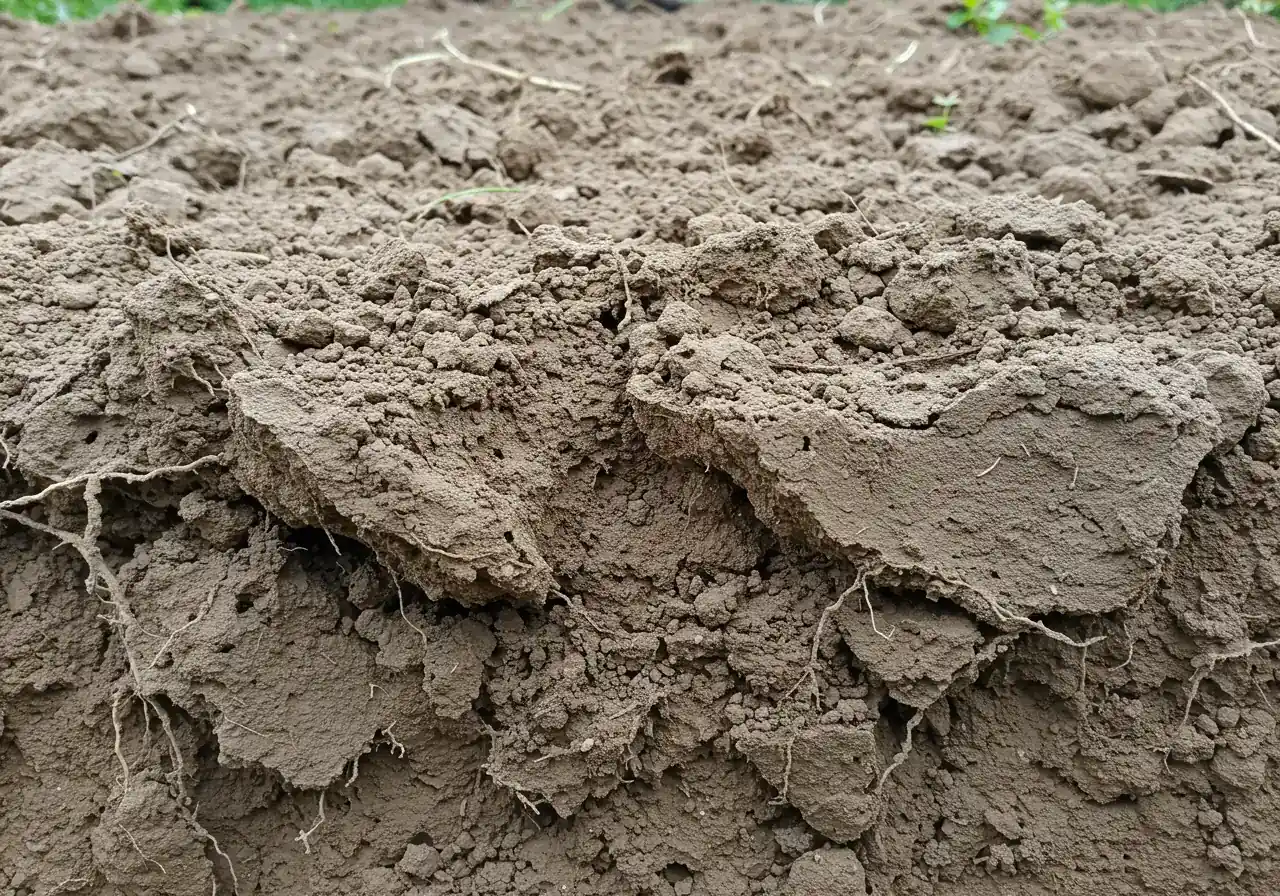
So, you've spotted those tell-tale yellow leaves with green veins, especially on your favourite maple or rose bush in Nepean. Before you blame the plant, let's look down – the real issue might be right under your feet! Our Ottawa soil has a few quirks that can sometimes make it tough for plants to get the iron they need.
The pH Problem – A Bit Too Basic?
One of the biggest culprits in the Ottawa region, including areas like Barrhaven and Nepean, is our soil's pH level. Thanks to underlying limestone bedrock, much of our soil tends to be alkaline, meaning it has a high pH (often above 7.0). Think of pH like a lock on nutrients. Even if there's plenty of iron *in* the soil, high pH keeps it locked up tight, chemically unavailable for plant roots to absorb. It's like having money in the bank but forgetting your PIN! This is probably the most common reason we see iron chlorosis around here. The City of Ottawa offers resources on local soil conditions.
Compaction Calamity – When Soil Gets Squished
Many parts of Ottawa also deal with heavy clay soil. Clay particles are tiny and pack together easily. Add our classic freeze-thaw cycles over winter, and you can end up with soil compaction – basically, soil that's squished down like concrete. Compacted soil makes it hard for roots to grow and explore. Worse, it reduces the air pockets roots need to breathe and function properly, hindering their ability to take up water and nutrients, including iron. If your whole yard feels compacted and stressed, sometimes a broader approach like a comprehensive city property cleanup service can help assess and address widespread soil issues.
Drainage Dilemmas
Compacted clay soil often leads to another headache: poor drainage. When water can't drain away easily, soil becomes waterlogged. Plant roots sitting in soggy conditions get stressed (imagine wearing wet socks all day!). Stressed roots don't work efficiently and struggle to absorb nutrients, again limiting iron uptake. You might notice this more in low-lying spots or areas with heavy clay.
Nutrient Imbalances – Too Much of a Good Thing?
Sometimes, having too much of another nutrient, like phosphorus or manganese, can interfere with a plant's ability to grab iron, even if the pH is okay. It's like neighbours getting in each other's way.
Stop Guessing, Start Testing!
So, how do you know exactly what's going on in your garden soil? You test it! A simple soil test is the absolute best way to diagnose the problem. It will tell you your soil's pH and reveal any major nutrient imbalances. Guessing can lead to adding the wrong things, which might make the problem worse or waste your money. Knowing your soil's specific needs is the crucial first step for proper soil preparation to fix the issue. You can even see what our clients say about our diagnoses and the solutions we've provided based on soil realities. Addressing these underlying soil problems is fundamental for long-term plant health, requiring consistent effort and ongoing garden maintenance. Whether you're in the heart of the city or need specific yard cleanup services in areas like Metcalfe, understanding your unique soil is key to beating the yellow leaf blues.
Comparing Treatment Options
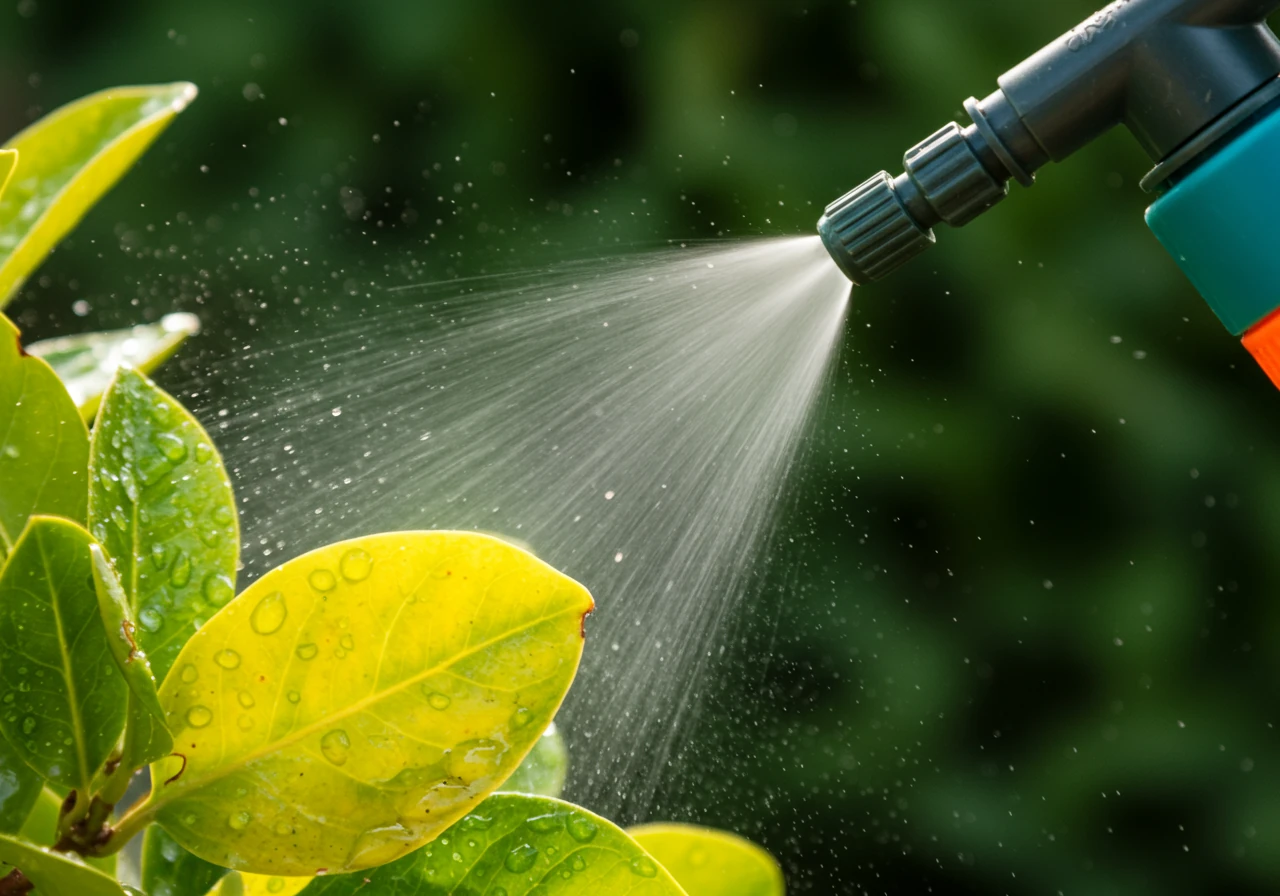
Foliar Iron Sprays
How it works: Spray iron solution directly onto leaves.
Pros: Fast visual results (days/weeks), bypasses soil issues.
Cons: Temporary fix (needs reapplication), can stain surfaces (concrete, siding), doesn't solve the root cause.
Best For: Quick green-up, small plants, situations needing immediate visual improvement.
Soil Amendments
Options: Chelated Iron (granules), Elemental Sulfur (lowers pH), Compost/Organic Matter.
Pros: Addresses the root cause (soil pH/health), provides lasting results, improves overall soil quality (compost).
Cons: Slower results (months/years for pH change), requires soil testing for accuracy, sulfur needs careful application.
Best For: Sustainable long-term health, improving overall garden resilience, situations where high pH is confirmed.
Consider services like mulching and edging along with soil amendment for optimal garden bed health.
Your Green-Up Game Plan: Treating Iron Chlorosis Locally
Okay, so your favourite shrub or tree is looking a bit peaky, sporting those yellow leaves with the green veins we talked about. Bummer! But don't worry, we've got a game plan to tackle iron chlorosis right here in Ottawa. Think of it as sending your plants to a nutrient spa day.
First things first: know thy soil! Before you start throwing treatments around, getting a soil test is still your best first step. It confirms if iron is the issue and tells you about your soil pH, which guides the best long-term fix. Guessing can waste time and money, or even make things worse.
Quick Fixes: Foliar Feeding Fun
Need a fast visual boost? Foliar sprays containing iron (usually iron sulfate or chelated iron) can be your go-to.
- How it Works: You spray the liquid directly onto the leaves. The plant absorbs the iron through its leaf pores, bypassing the grumpy soil altogether.
- Pros: You'll often see results (greener leaves!) within days or a couple of weeks. It's like a quick energy shot for your plant.
- Cons: It's temporary! You're treating the symptom, not the soil problem. You'll likely need to reapply it several times during the growing season. Also, be careful! Iron sprays can stain concrete, patios, fences, and siding – think rusty-looking spots. Always protect surrounding surfaces.
Simple Step-by-Step for Foliar Spray:
- Get an iron spray product (read the label – choose one safe for your specific plant).
- Mix it according to the instructions (usually with water in a sprayer). Accuracy counts!
- Choose a cool, overcast day or early morning/late evening to spray. Avoid hot sun or windy conditions.
- Spray the leaves thoroughly, covering both the tops and undersides, until they're wet but not dripping excessively.
- Clean your sprayer immediately afterwards.
- Keep an eye on your plant and reapply as needed (following product directions and our service Terms and Conditions regarding safe application practices if we're doing it for you).
Going Long: Soil Solutions for Lasting Green
For a more sustainable fix, you need to tackle the soil environment. This takes more patience but yields better long-term results.
- Chelated Iron: Think of chelated iron as iron wearing a protective coat. This coat helps keep the iron available for plants to absorb even in our higher pH Ottawa soils. It can be applied as granules to the soil around the root zone. It's more effective than plain iron sulfate in alkaline conditions but can be pricier. Our team can help with material selection for the right type.
- Elemental Sulfur: If your soil test confirms high pH is locking up iron, adding elemental sulfur can slowly lower the pH over time. As the pH drops, the iron already in your soil becomes more available. This is a slow process (months to years) and requires careful calculation based on your soil test – don't overdo it! Fall application is often best to let winter moisture help it start working. For large areas, like bigger properties often found out towards Winchester, getting the application rate right is crucial. If you're dealing with widespread soil issues across a large yard, a comprehensive Ottawa property cleanup service might be the first step to prepare for soil amendments.
- Compost & Organic Matter: Never underestimate the power of good old compost! While it won't drastically change pH overnight, adding organic matter improves soil structure, drainage, and encourages beneficial microbes. Healthier soil means happier roots that are better at absorbing all nutrients, including iron. This is a fantastic eco-friendly approach and benefits your entire garden. Integrating compost is a key part of sustainable lawn care and garden bed maintenance. Preparing the ground properly, maybe after a thorough cleanup like our Metcalfe yard cleanup service offers, ensures the compost integrates well.
Ottawa Timing Tips:
- Foliar Sprays: Apply during active growth, typically late spring through summer, when leaves can absorb nutrients.
- Soil Amendments (Sulfur/Chelated Iron): Early spring or fall are often good times. Fall gives sulfur more time to start working before the next growing season.
Sometimes, especially with stubborn cases or valuable trees, calling in the pros is the smartest move. Experienced professionals, like our team here at Clean Yards, can accurately diagnose the issue, interpret soil tests, and recommend and apply the most effective treatments safely. Getting your green back is possible – it just takes the right game plan!
Visualizing Soil Challenges
This chart illustrates common factors in Ottawa soils that can hinder iron uptake, leading to chlorosis.
*Illustrative percentages of potential impact severity.
Prevention Power: Keeping Chlorosis Out of Your Garden
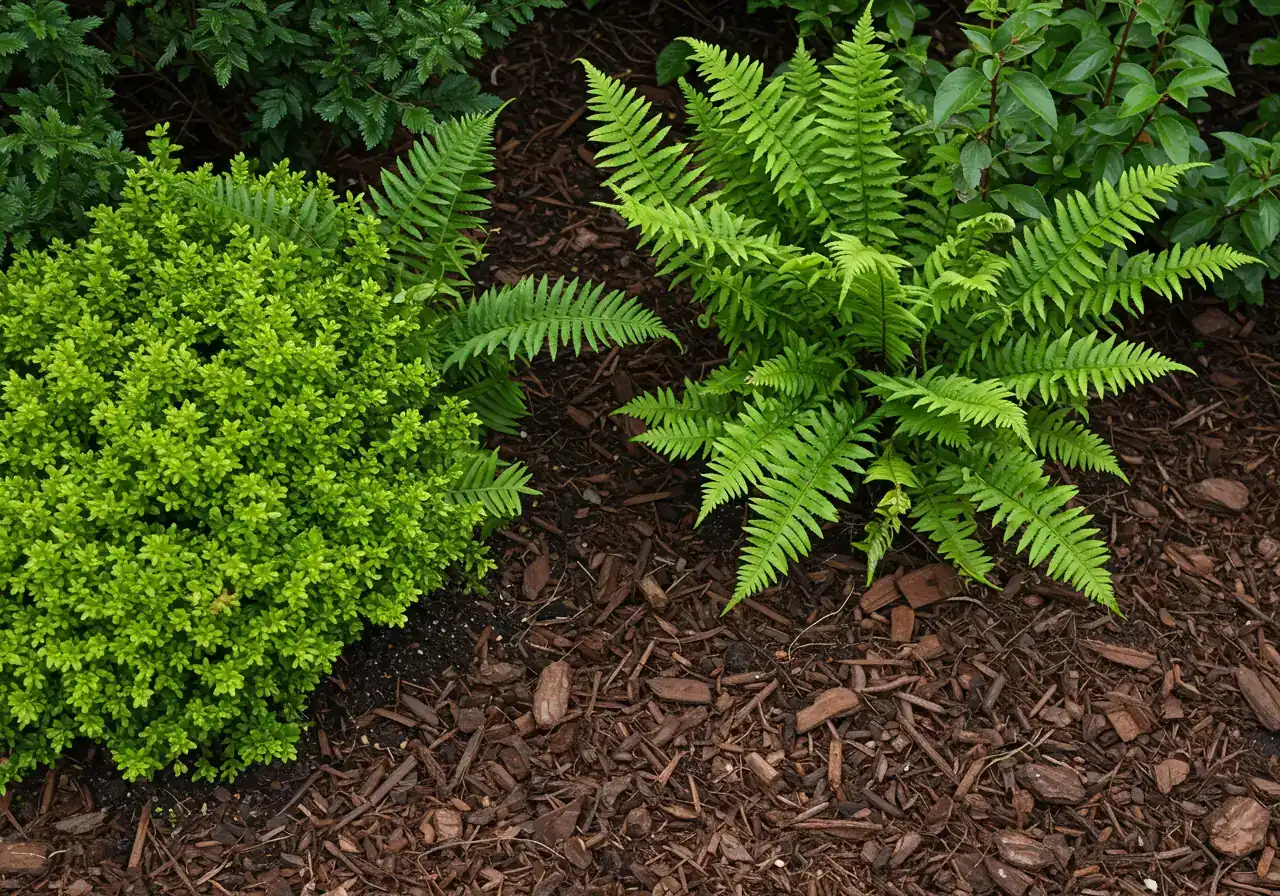
Alright, let's talk about playing the long game! While fixing chlorosis is good, preventing it from showing up in the first place is even better. Think of it as giving your garden superpowers against the yellow leaf blues. The good news? It often boils down to smart, sustainable gardening habits that benefit your whole landscape, whether you're in central Ottawa, Kenmore, or out near Embrun.
Timeline for a Resilient Garden
1. Choose Wisely
Select plants known to tolerate alkaline soil. Avoid planting acid-loving species unless you're prepared to significantly amend the soil (e.g., raised beds with custom soil).
2. Build Soil Health
Regularly add compost and organic matter (annually or bi-annually). This improves structure, drainage, and microbial life, aiding nutrient uptake. Consider a fresh start with our sod installation service if lawn health is poor.
3. Water Smartly
Water deeply and less frequently. Ensure good drainage to avoid waterlogged roots. Check soil moisture before watering.
4. Mulch Annually
Apply a 2-3 inch layer of organic mulch each spring. Keep mulch away from direct contact with plant stems/trunks. Mulching is often part of our city garden maintenance service.
5. Fertilize Mindfully
Avoid over-fertilizing, especially with high phosphorus. Use slow-release or organic fertilizers based on soil tests or plant needs. Get more info on soil health from Agriculture and Agri-Food Canada.
6. Aerate If Needed
If soil is compacted (heavy foot traffic, clay), consider core aeration for lawns or gently loosening garden soil to improve air and water penetration.
By focusing on these preventative steps, you're creating a healthier, more resilient garden ecosystem. It takes a bit of planning, but it’s far easier (and often cheaper!) than constantly battling yellow leaves. If your whole property needs a reset to implement these strategies effectively, consider starting with a comprehensive Ottawa property cleanup service to get a clean slate. Keep up these good habits, and you'll be well on your way to a gloriously green garden! You might even achieve results that make you want to share your thanks!
Nepean Gardener's Quick Cheat Sheet for Chlorosis
- Spot It: Look for yellowing between the leaf veins while the veins stay green. This usually starts on the newest leaves first.
- Test First, Treat Later: Don’t guess! A simple soil test is your best friend. It confirms if iron is low or locked up by high pH, a common issue in Ottawa soils.
- Quick Green-Up (Use Carefully!): Foliar iron sprays offer a fast, temporary fix by feeding the leaves directly. Heads up: Iron stains concrete and siding, so spray carefully! Making sure the area is clear, perhaps after an Ottawa garden clean up service, helps prevent mess.
- Love Your Soil Long-Term: Regularly add compost and organic matter. This improves soil structure and slowly helps nutrient availability – way better than quick fixes alone. Healthy soil is key after any big project like a complete property clean up.
- Plant Smart & Mulch Well: Choose plant varieties known to tolerate alkaline soil. Applying organic mulch helps retain moisture and improve the soil over time, a great practice for any existing beds or following a new garden install.
- When in Doubt, Call for Backup: If the problem persists or covers a large area, like needing attention similar to our Metcalfe property cleanup service, professional advice can pinpoint the exact issue and solution. Don't hesitate to get in touch with our team for help! Consider our Ottawa yard cleanup service for large scale issues.
FAQs: Your Ottawa Iron Chlorosis Questions Answered
It's frustrating! Often, especially in Ottawa soils, the problem isn't a lack of iron *in* the soil, but the soil's high pH (alkalinity). This locks up the iron, making it unavailable for your plants to absorb, even if you fertilize. Think of it like a locked pantry! A soil test can confirm if high pH is the sneaky culprit behind those yellow leaves.
Good question! While mild chlorosis mainly looks unsightly, severe or prolonged cases really stress your plants. It weakens them by reducing their ability to make food (photosynthesis), making them more susceptible to pests, diseases, and winter damage. So, while not instantly fatal, it's definitely best to address it for long-term plant health and vigour in your garden.
Ah, the old rusty nail myth! While nails contain iron, it's not in a form plants can easily use, especially in alkaline soil. It breaks down incredibly slowly. You're much better off using chelated iron or adjusting soil pH. If you're tackling various odd jobs around the yard, maybe consider professional help like a thorough Marionville property cleanup service to handle debris properly and focus on effective garden solutions. Ensure you understand our privacy policy when sharing information.
Some plants are just more sensitive to high pH soils common around Ottawa and Greely. Keep an extra eye on maples (especially silver and red), pin oaks, roses, hydrangeas, and acid-lovers like rhododendrons or blueberries. Spotting yellowing early, perhaps while doing routine maintenance like you'd get with a detailed Marionville garden clean up service, is key for quicker treatment.
It depends on your approach! Foliar iron sprays can show greening within days or weeks, but it's temporary. Addressing the underlying soil issue (like high pH or compaction) is a longer game, potentially taking months or even seasons for noticeable, lasting improvement. Patience and consistent soil care are key, especially when prepping larger areas after something like a dependable city yard cleanup service or Marionville yard cleanup service.
Nope, pruning the yellow leaves won't fix the root cause, which is the plant's inability to get enough iron. Focus on treating the underlying soil issue or using foliar sprays. Removing too many leaves can stress the plant further. Healthy growth comes from healthy roots and soil, which is vital whether caring for existing plants or planning a new beautiful garden install.
Conclusion: Greener, Healthier Gardens Ahead for Nepean!
So, there you have it, Nepean neighbours! Seeing yellow in your garden doesn't have to mean seeing red. Iron chlorosis might be common around Ottawa thanks to our sometimes-finicky soil pH, but it's definitely beatable. Remember the clues: yellow leaves with green veins, especially on the new growth. Now you're armed with the know-how, from quick-fix foliar sprays (just mind the patio!) to the long-term superpowers of improving soil health with compost and smart landscaping choices.
Greener, healthier gardens filled with vibrant plants are absolutely achievable, even here! Don't let those pale leaves dim your gardening spirits. Why not try some of these tips and show that chlorosis who's boss? But hey, if diagnosing soil issues or wrestling with sprayers sounds less fun than enjoying your weekend, we get it. Our team is happy to lend a hand with expert advice and services across the region, including Nepean, Russell, and Embrun. Ready for greener pastures (or garden beds)? Feel free to get in touch with us for a consultation or browse our website for more gardening guides and resources! Let's work together to make your Nepean garden the envy of the neighbourhood.