Nepean Right Plant, Right Place: Stop Garden Overcrowding
Is your garden feeling cramped? Let us help! Request a Quote Today
Quick Summary: Avoiding Garden Gridlock
- **Know Mature Size:** Plant based on how big plants will get, not their current size.
- **Match Plant to Place:** Consider sun, shade, soil type, and moisture levels in your yard.
- **Space Adequately:** Give plants room to grow to their full width to prevent competition.
- **Use Smart Layouts:** Layer plants by height and group them for impact.
- **Maintain Regularly:** Prune, divide perennials, and remove struggling plants proactively.
Introduction: Elbow Room for Your Azaleas! Why Nepean Gardens Need 'Right Plant, Right Place'
Okay, gardeners of Nepean, let's talk elbow room! Ever planted a cute little shrub, only to find it's staging a hostile takeover of your entire flower bed a few years later? We've all been there. It’s easy to get carried away at the garden centre, but cramming too much green goodness into your space is like trying to fit the entire Senators team into a phone booth – exciting at first, maybe, but ultimately uncomfortable for everyone!
This is where the landscaping secret weapon comes in: 'Right Plant, Right Place'. It sounds simple, but it's the absolute key to a happy, healthy Ottawa garden. It means thinking about what you're planting and where you're planting it. Does it love sun or shade? Does it need moist soil or dry? And crucially, how big will it actually get? A plant that thrives on a spacious Manotick property might completely hog the spotlight (and the water, and the nutrients!) in a more typical suburban Nepean or Barrhaven yard. Our approach always emphasizes this principle.
Choosing wisely avoids that overcrowded look, prevents future pruning nightmares, and ensures your plants have the space they need to truly flourish. Let’s give your azaleas – and all their garden buddies – the breathing room they deserve! For help planning your garden space, consider our wide range of services.
The Overcrowding Culprits: How Did My Greely Garden Get So Full?
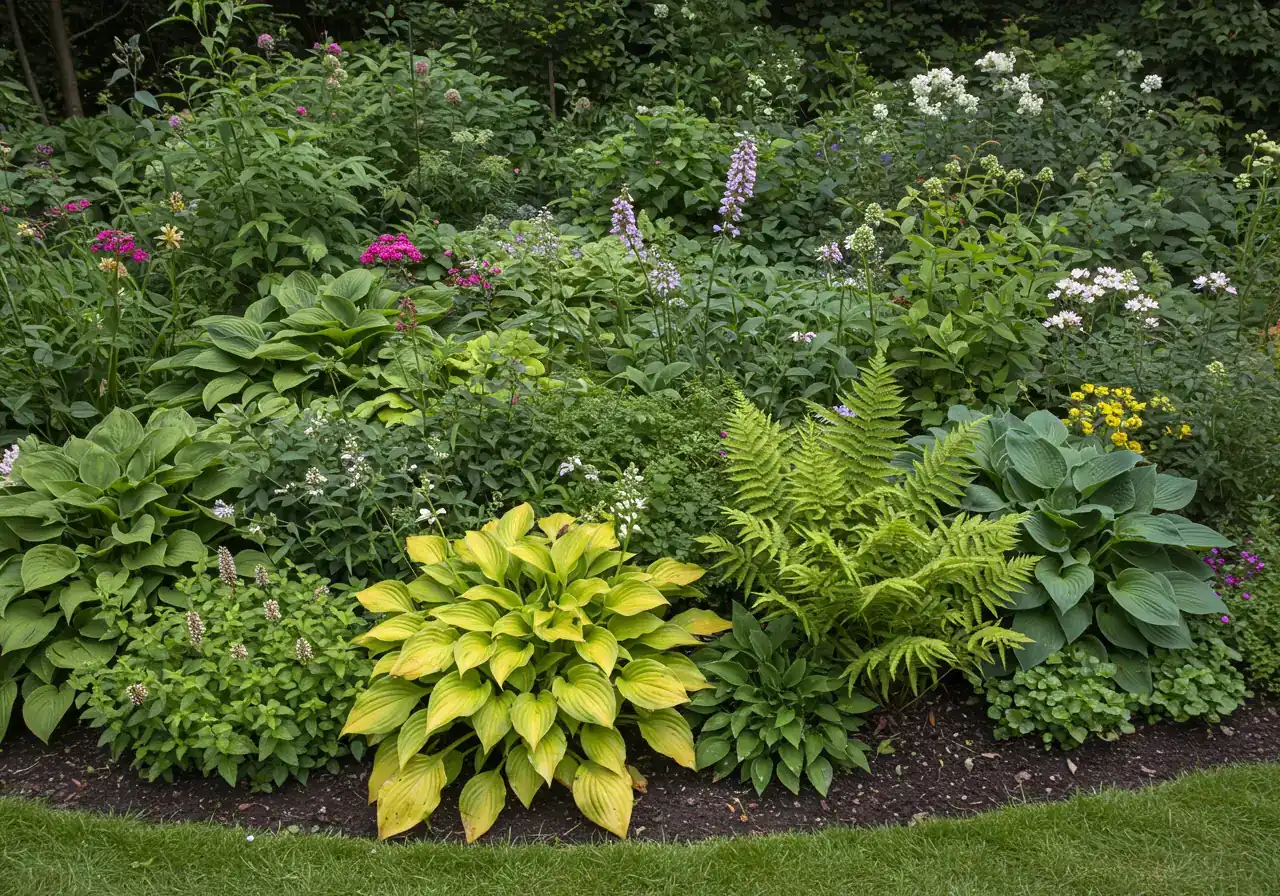
So, you stepped out into your Greely garden oasis the other day, perhaps with a lovely cup of coffee, ready to admire your handiwork... only to find it looks less like an oasis and more like a botanical free-for-all? Plants spilling over paths, bumping into neighbours, maybe even staging a leafy coup against your prize-winning rose bush? Yep, garden overcrowding sneaks up on the best of us. It's like inviting a few friends over, and suddenly the whole neighbourhood shows up! But how did this green chaos happen?
Let's look at the usual suspects:
- The "It Was So Small!" Deception: Remember that adorable little seedling or potted perennial you brought home? We often forget (or optimistically ignore) the mature size listed on the plant tag. That cute little shrub might eventually want the square footage of a small car. Planting based on current size, not future growth, is culprit number one.
- Over-Enthusiastic Spreaders: Some plants are just naturally ambitious. Groundcovers designed to cover ground will cover ground – sometimes more than you planned! Perennials like Bee Balm, some Hostas, or the notoriously adventurous Mint family can multiply underground or reseed themselves with gusto, quickly filling (and overfilling) a space.
- "Just One More" Syndrome: It’s easy to fall in love with new plants each season. Adding "just one more" here and there without considering the existing plants' growth or removing struggling ones eventually leads to a packed house. It’s like a slow-motion game of Tetris where the blocks start growing.
- Ignoring Nature's Cues: Sometimes, a plant just really loves the spot you chose and grows faster or larger than expected. Lucky you... sort of!
How can you tell if your garden's getting a bit too cozy? Look for these signs:
- Tangled Mess: Plants are physically growing into and through each other. It’s hard to tell where one plant ends and another begins.
- Yellowing Bottoms: Lower leaves on plants turn yellow or brown and die off. This is often because they aren't getting enough sunlight or air circulation down there in the garden mosh pit.
- Access Denied: You can barely walk between plants to weed, water, or deadhead without performing acrobatics. Good luck getting tools in there! Just like needing clear access for Spring Lawn Aeration in Ottawa Nepean, your garden plants need space for you to care for them.
- Pest & Disease Parties: Overcrowding reduces air circulation, creating damp conditions perfect for fungal diseases like powdery mildew. It also gives pests plenty of hiding spots. Regular Nepean Fall Garden Health Checks become crucial for spotting these issues early in packed beds.
The impact isn't just visual. Overcrowded plants compete fiercely for sunlight, water, and soil nutrients, leading to weaker, stressed plants overall. Maintenance becomes a frustrating chore instead of a pleasant pastime. It can even make tasks like accessing irrigation heads for crucial Nepean Irrigation Winterization to Avoid Pipe Damage a real headache.
While spacious lots common in areas like Greely or Osgoode might seem immune compared to denser spots in Nepean or Barrhaven, overcrowding can happen anywhere if planting isn’t planned. The principles remain the same – plants need their personal space! Thankfully, thinning the crowd is possible. Tasks like dividing perennials are often best done as part of your Nepean Fall Garden Prep for Colour and Winter Tips. If the thought of tackling the jungle feels overwhelming, remember professional help is available through various Landscaping and Yard Care Services, including specialized Ottawa garden clean up or a more general property clean up.
Know Your Zone (and Your Yard!): Assessing Your Ottawa Landscape
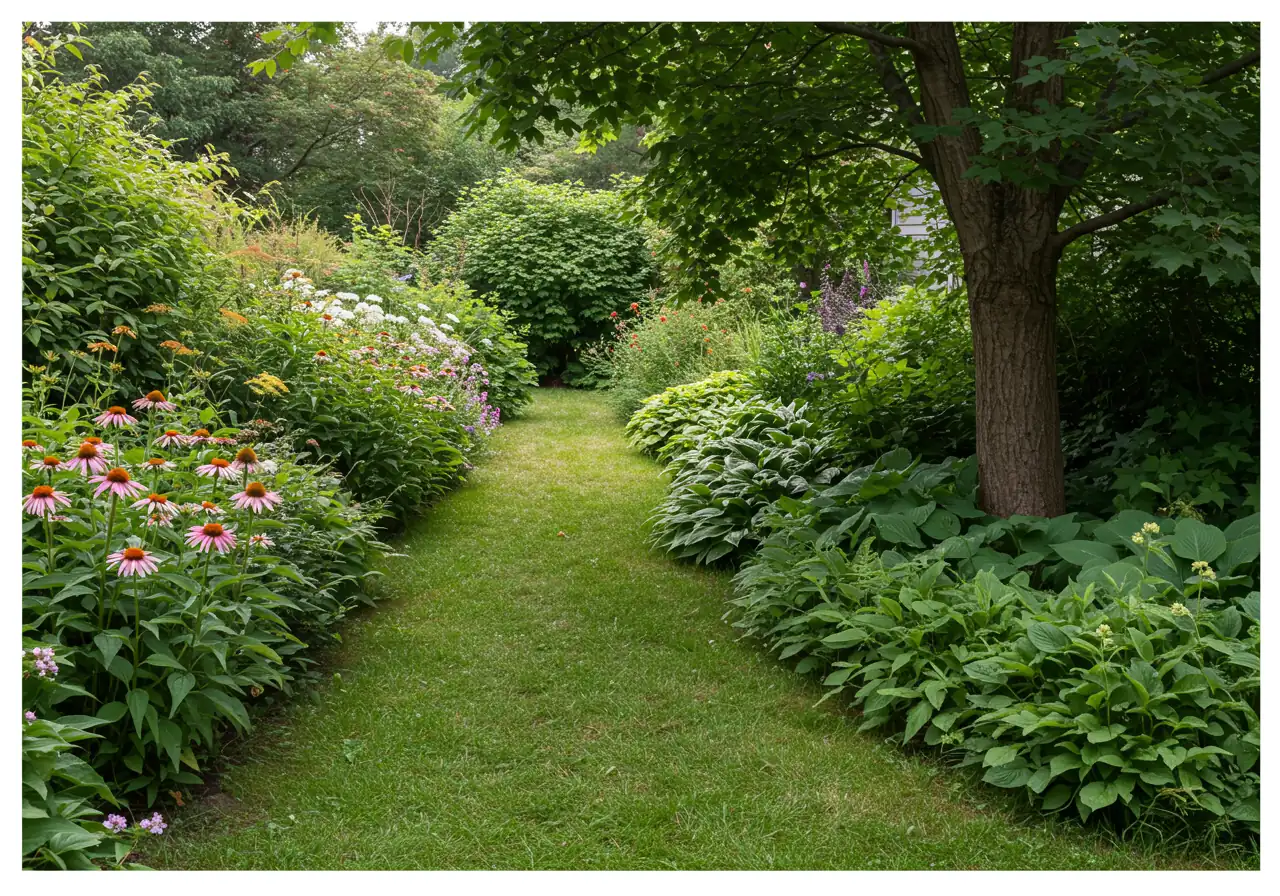
Okay, let's dig into the nitty-gritty of your own backyard! Before you even *think* about buying that gorgeous hydrangea, you need to play detective in your own space. Knowing your yard's personality is just as important as choosing the right plant.
First Up: The Famous Ottawa Hardiness Zone
You'll hear gardeners talk about "zones." Here in Ottawa, and surrounding areas like Nepean or Manotick, we're mostly in Plant Hardiness Zone 5a. What does that mean? Think of it like a coat rating for plants. Zone 5a tells us, on average, how cold our winters get (somewhere between -28.9°C and -26.1°C – brrr!). This helps us choose perennials, shrubs, and trees that can actually survive our Canadian winters without needing to be tucked into bed indoors. Choosing plants rated for Zone 5a or lower (like Zone 4 or 3) gives them the best shot at coming back year after year. For more gardening resources, check out the Master Gardeners of Ottawa-Carleton.
But Wait, There's More! Your Yard's Unique Quirks
The zone is just the starting point. Your specific yard has its own set of conditions. Let's break it down:
- Sunlight Savvy: Where does the sun hang out in your yard, and for how long? This is super important. Grab a notebook and observe:
- Full Sun: Gets 6 or more hours of direct sunlight per day. Most veggies and many flowers love this.
- Part Sun/Part Shade: Receives about 4-6 hours of direct sun, ideally morning or late afternoon sun (less intense). Many perennials thrive here.
- Full Shade: Less than 4 hours of direct sun, or just dappled light through trees. Think Hostas and Ferns.
- Tip: Watch how the sun moves across your yard at different times – morning, noon, and late afternoon. Obstructions like your house, fences, or large trees create shady spots. The Ottawa Horticultural Society often has great tips on sun mapping.
- Soil Secrets: Get your hands dirty! Ottawa soil can be quite varied. You might have heavy clay, common in areas like Barrhaven, which holds moisture (sometimes too much!) but is rich in nutrients. Or, closer to the Rideau River near Richmond or Kars, you might find sandier soil that drains quickly but needs more watering and compost. Information about local soil can sometimes be found via resources like the Rideau Valley Conservation Authority.
- The Squeeze Test: Grab a handful of slightly damp soil. Does it form a tight, sticky ball (clay)? Does it feel gritty and fall apart easily (sandy)? Or does it hold together loosely and feel slightly crumbly (loam – the dream!)?
- Why it Matters: Soil type affects drainage and what nutrients are available. Improving your soil is often key to happy plants. Understanding your starting point is crucial before beginning Soil Preparation.
- Space Check: How much room do you *actually* have? Measure your garden beds. Remember those plant tags warning about "mature size"? Believe them! Plan for how big plants will get eventually, not how cute they look in their tiny nursery pot. Getting a clear view of your space might involve tackling overgrown areas first; sometimes a significant Property Clean Up is needed to see the potential. This could involve a dedicated Ottawa Yard Cleanup Service.
- Microclimates – Your Yard's Mini-Zones: Even within your Zone 5a yard, you'll have warmer and cooler spots. The area next to a south-facing brick wall will be toastier. Underneath a large maple tree will be shady and dry. A low spot might collect water. These "microclimates" can influence which plants will thrive where.
- Water Works & Drainage: Where does water go when it rains? Does it pool up in certain areas (poor drainage)? Does it run off slopes immediately (potential erosion)? Knowing this helps you choose plants that like "wet feet" or prefer drier conditions. Clearing debris often helps reveal drainage patterns – sometimes a thorough Nepean Yard Cleanup Service can uncover hidden low spots where water collects.
- Eco-Tip: Consider rain barrels to collect water for your garden beds, and use mulch to help conserve soil moisture. Proper mulching is part of our garden maintenance approach.
Map it Out!
Grab a piece of paper and sketch a simple map of your yard. It doesn't need to be fancy! Mark sunny spots, shady areas, slopes, existing trees or structures, soggy spots, and maybe where the hose can reach. This visual guide makes planning much easier.
Understanding these elements helps you choose the right plants for the right places, leading to a healthier, happier garden that requires less wrestling and worry. If figuring all this out seems like a bit much, remember there are professional Landscaping and Gardening Services available to help assess your site. Once you've got your plan, a good tidy-up gets things ready – an Ottawa Garden Clean Up Service can help prepare your beds for planting success. For specific local needs, consider our City Garden Clean Up Service or even services in nearby communities like the Metcalf Garden Clean Up Service.
The Perfect Match: Choosing Plants That Will Thrive (Not Just Survive) in Metcalfe and Beyond
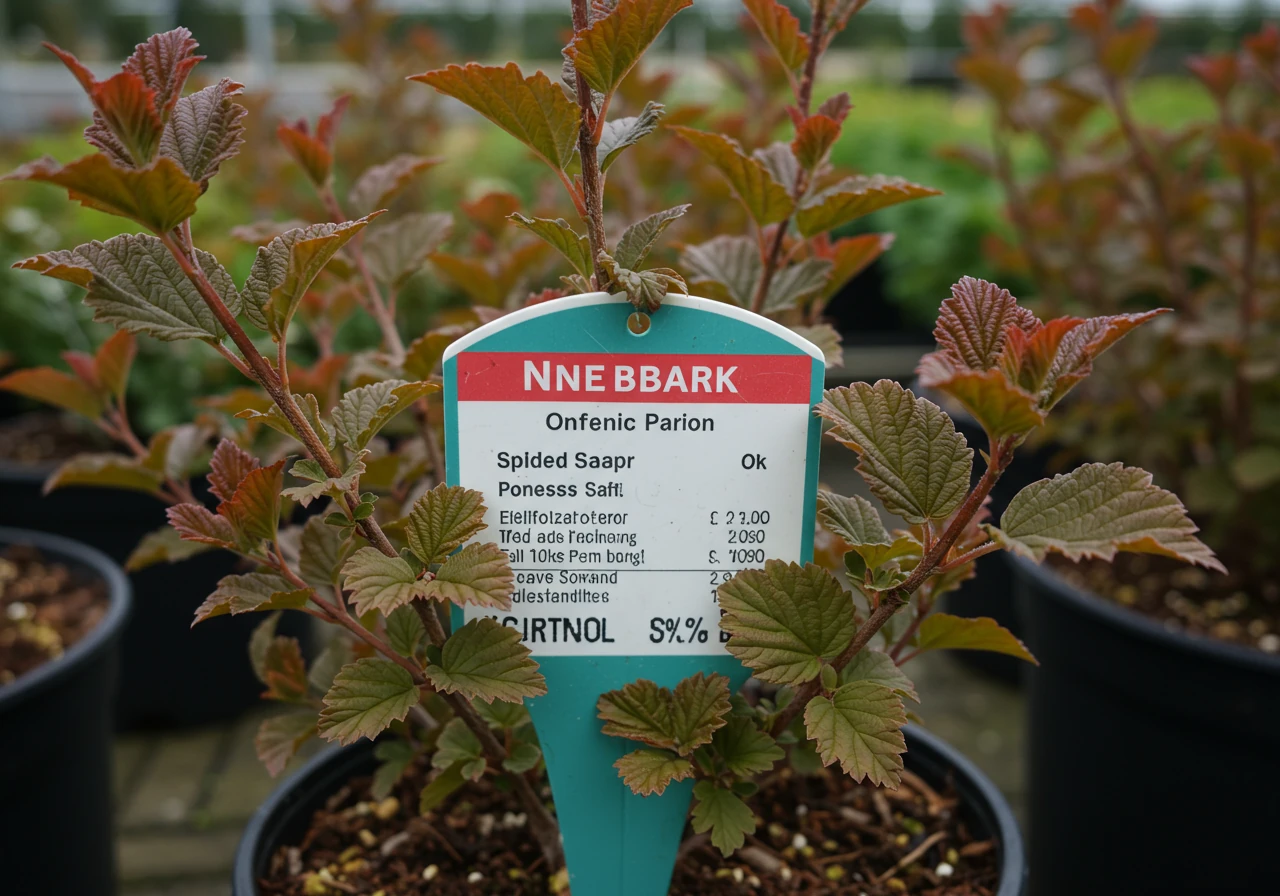
Alright, let's play matchmaker for your garden! We've figured out your yard's personality – its sun exposure, soil type, and how much space you really have (no cheating!). Now comes the fun part: picking plants that will absolutely love living there, not just cling to life like a forgotten houseguest. We want plants that thrive, putting on a show year after year in Metcalfe, Embrun, Russell, and all across our lovely Ottawa region.
Size Matters (Especially in the Future!)
Remember that adorable little spruce that looked perfect by the door? Fast forward ten years, and it might be blocking your windows and staging a coup against your gutters. The single biggest mistake gardeners make is ignoring the mature size listed on the plant tag.
- Read the Fine Print: That tag is your crystal ball! It tells you how tall and wide the plant wants to be. Believe it. Plan for its future self, not its current tiny pot size. Proper material selection includes choosing the right size plant from the start.
- Growth Habit: Does it grow upright like a soldier, weep gracefully, or spread outwards like it's claiming territory? Knowing this helps you place it correctly so it doesn’t bully its neighbours.
Playing the Matching Game: Site Conditions are Key
Think of it like online dating for plants. You wouldn't match a sun-worshipper with a shade-dweller, right?
- Sunlight: Full sun plants (6+ hours direct sun) like Coneflowers, Sedum, or Peonies will sulk and get leggy in shade. Shade lovers like Hostas, Ferns, and Astilbe will scorch in intense afternoon sun. Match the plant's light needs to your sunny and shady spots.
- Soil & Moisture: Does your spot have clay soil that stays damp, or sandy soil that drains faster than a leaky bucket? While excellent Soil Preparation can improve conditions, choosing plants naturally suited to your soil type is the easier path. Plants like Joe Pye Weed love moist spots, while Lavender prefers it drier. Trying to force a mismatch often leads to sad, struggling plants. Getting the planting area ready might involve clearing out old debris, a task suited for a targeted service like the Metcalf Yard Cleanup Service if you're local, ensuring your new plants have a fresh start.
Go Native (or Adapted)! Our Local Heroes
Plants native to Eastern Ontario or well-adapted to our Zone 5a climate are usually the happiest campers. They're used to our chilly winters and specific conditions. Plus, they're fantastic for supporting local wildlife! The City of Ottawa often promotes native species through programs like their tree planting initiatives.
- Ottawa Area All-Stars: Consider Serviceberry (Amelanchier) for spring flowers and berries, Purple Coneflower (Echinacea) for summer blooms and pollinators, Switchgrass (Panicum virgatum) for structure and fall interest, or Foamflower (Tiarella) for shady spots. These guys know how to handle our weather!
Plant with Purpose: What Job Does it Need to Do?
Why are you planting this particular plant?
- Screening/Privacy: Need to block the view of your neighbour's overflowing recycling bins? Tall, dense shrubs like Emerald Cedars (watch the mature size!) or fast-growing vines on a trellis can work.
- Groundcover: Want to suppress weeds on a slope? Creeping Thyme, Sedum varieties, or Bugleweed (Ajuga) can fill the space.
- Seasonal Colour: Aim for blooms throughout the season – spring bulbs, summer perennials, fall shrubs like Burning Bush (use responsibly, can be invasive), and evergreens for winter interest. Proper lawn care can complement seasonal garden colour.
- Problem Solvers: Got a soggy spot? Try Ostrich Ferns or Summersweet (Clethra). Dry shade under a maple? Barrenwort (Epimedium) might be your hero.
Sometimes, planting correctly means removing what doesn't belong first. If you're dealing with overgrown areas or need to clear space on a larger property before planting your carefully chosen selections, professional help like a City Property Cleanup Service can make a huge difference. This is also true for rural properties where prepping large garden beds might benefit from expert hands, similar to needing a Marionville Yard Cleanup Service, or for other areas requiring a City Yard Cleanup Service.
Beware the Bullies: Avoid Invasive Species
Some plants are too good at surviving and spread aggressively, crowding out native species and becoming garden thugs. Avoid planting known invasives like Goutweed (Aegopodium), Periwinkle (Vinca minor) in sensitive areas, Norway Maples, or Buckthorn. Check local resources or reputable nurseries if unsure. Removing these often requires a dedicated effort, like a thorough City Garden Clean Up Service to get rid of roots and prevent regrowth. Be sure to follow our privacy policy and terms and conditions when engaging services.
Quick Guide: Shrub Sizes for Zone 5a
| Size Category | Mature Size | Example Shrubs (Zone 5a Tolerant) |
|---|---|---|
| Small | Under 1m / 3ft | Spirea 'Little Princess', Potentilla, Dwarf Deutzia |
| Medium | 1-2m / 3-6ft | Hydrangea 'Annabelle', Weigela 'Wine & Roses', Ninebark 'Amber Jubilee' |
| Large | Over 2m / 6ft+ | Serviceberry (can be tree-form), Lilac (common), Dogwood (shrub forms like Red Osier) |
Local Know-How
Don't forget to tap into local resources! Reputable garden centres in and around Ottawa often have knowledgeable staff. Local horticultural societies are also fantastic sources of region-specific advice. And of course, you can always contact us for personalized guidance. You can also check our reviews on Google.
Choosing the right plants is an investment in your garden's future beauty and health. Take the time to match the plant to the place, and you'll be rewarded with a landscape that truly thrives! Our garden installation team can help bring your vision to life.
Plant Selection Examples (Tab Interface)
Full Sun Favorites (6+ hours direct sun)
- Coneflower (Echinacea): Hardy, daisy-like flowers beloved by pollinators. Various colours available. Mid-summer bloom.
- Sedum 'Autumn Joy': Succulent-like foliage, pink flowers aging to bronze in fall. Very drought tolerant once established.
- Peony (Paeonia): Classic large blooms in late spring/early summer. Needs well-drained soil. Give it space!
- Daylily (Hemerocallis): Wide variety of colours and forms. Generally easy care, though some varieties spread more than others.
- Lavender (Lavandula): Fragrant purple spikes, loves sun and well-drained (even gravelly) soil.
Shade Stars (Less than 4 hours direct sun)
- Hosta: King of foliage plants for shade. Huge variety in size, colour, and texture. Watch out for slugs!
- Astilbe: Feathery plumes of flowers in pink, red, or white. Prefers moist, rich soil.
- Ferns (various): Ostrich Fern, Maidenhair Fern, Japanese Painted Fern offer diverse textures for shady spots. Check moisture needs.
- Bleeding Heart (Dicentra spectabilis): Unique heart-shaped flowers in spring. Often goes dormant in summer heat.
- Foamflower (Tiarella): Native woodland plant with foamy white flowers and attractive foliage, tolerates dry shade better than many.
Clay Tolerant Choices (Improve clay with compost first!)
- Daylily (Hemerocallis): Many varieties handle clay well once established.
- Black-Eyed Susan (Rudbeckia hirta): Cheerful yellow flowers, relatively adaptable.
- Switchgrass (Panicum virgatum): Native ornamental grass that provides structure and tolerates heavier soils.
- Joe Pye Weed (Eutrochium): Tall native perennial that doesn't mind moist clay soils. Great for back of the border.
- Dogwood Shrubs (Cornus sericea): Native shrub valued for colourful winter stems, tolerates moist conditions and clay.
Note: Even clay-tolerant plants benefit from amending heavy clay soil with compost to improve structure and drainage. Our soil preparation services can help.
Layout Lifesavers: Design & Spacing Strategies for Harmonious Gardens
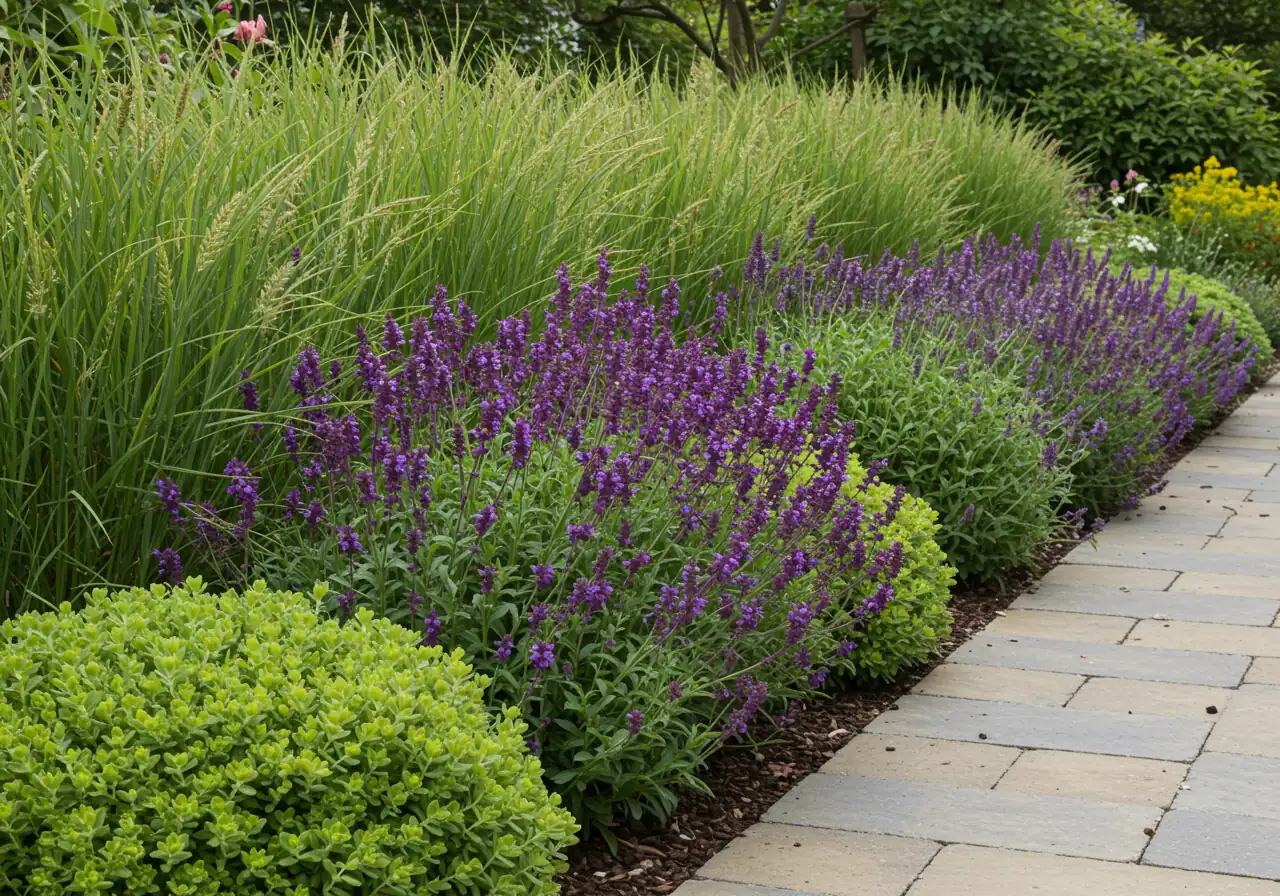
Okay, so we know why our gardens sometimes resemble a botanical mosh pit, but how do we prevent it? Fear not, fellow Ottawa gardeners! With a few clever layout tricks up our sleeves, we can create beautiful, breathable gardens where plants play nicely together, whether you're tending a spacious lot in Metcalfe or a cozy backyard in Barrhaven. Think of it as garden choreography – giving everyone the right steps and enough room to shine!
First rule of harmonious gardens? Respect the personal space bubble! Remember those mature size details on the plant tags we talked about? Take them seriously! Spacing plants based on their future width is key. Give them room to grow into their full glory without elbowing their neighbours. A good rule of thumb is to space plants so their mature edges will just touch or have a little gap. Crowding might look full initially, but it leads to stressed plants and maintenance headaches later. Getting your beds ready for thoughtful planting might even start with a thorough Ottawa Yard Cleanup Service to give you a clean slate. For those in more rural settings needing to clear larger areas before implementing a new layout, the Metcalf Yard Cleanup Service could be just the ticket, or consider our service for Marionville property cleanup.
Let's talk strategy:
- Layer Like a Lasagna: Arrange plants by height. Place taller shrubs or perennials at the back of the border, medium-sized plants in the middle, and shorter, ground-hugging ones at the front. This creates lovely visual depth and ensures everyone gets a slice of sunlight.
- Groupies Welcome: Instead of dotting single plants around like lonely islands, plant in drifts or groups of 3, 5, or 7 (odd numbers often look more natural). This creates bigger blocks of colour and texture for more impact. Plus, weeding a group is often easier than chasing single weeds around individual plants.
- Walk This Way: Don't underestimate the power of pathways! Clear, defined paths – whether stone, gravel, or just mulch – allow you to easily access your plants for watering, weeding, and admiring without trampling anyone. They also visually break up planting areas, creating structure and preventing that "everything-run-together" look. Proper Mulching and Edging is fantastic for keeping paths neat and garden beds contained.
- Container Magic: Tight on space? Containers are your best friends! Pots, window boxes, and hanging baskets let you add colour and interest without permanently taking up ground space. You can move them around, change them seasonally, and control the soil perfectly. They're a brilliant solution for patios, balconies, or adding accents.
- Smart Watering (Hydrozoning): Group plants with similar water needs together. Put the thirsty ones in one area and the drought-tolerant troopers in another. This eco-friendly approach saves water and keeps all your plants happier – no more drowning the cacti while the ferns wither!
A well-planned layout not only looks better but makes ongoing care much simpler. If your garden design feels overwhelming or keeping it tidy is a challenge, professional help is always an option. Consistent upkeep, like that offered by a City Garden Maintenance Service or our general garden maintenance programs, is easier when the bones of the garden are well laid out. Need help designing or implementing these ideas? Feel free to Contact Us to chat about your garden goals!
Visualizing Mature Plant Spread
*Approximate mature widths. Always check specific variety tags.
Keeping the Peace: Maintenance Tips to Prevent Future Jungle Takeovers
So, you’ve chosen the right plants and given them a good start with smart spacing – high five! But gardens, like teenagers, keep growing. Keeping things harmonious isn't a one-time job; it's about ongoing peacekeeping to prevent that leafy jungle from staging a comeback. Think of it as gentle diplomacy for your perennials! Here’s how to keep everything playing nicely in the sandbox:
- Pruning Power: Pruning isn't just for removing dead bits; it's your secret weapon for size control! Regularly trimming back shrubs and trees before they get enormous helps maintain their desired shape and prevents them from shading out or bullying their neighbours. Here in Ottawa, the best time for major structural pruning on many deciduous shrubs is late winter or early spring before the leaves emerge. Always use sharp, clean pruning tools!
- Divide and Conquer (Nicely!): Many perennials, like Hostas, Daylilies, or Bee Balm, grow outwards from the centre each year. Eventually, they can get too big for their boots (or roots!). Dividing them every few years (usually in spring or fall) gives the plant renewed energy, keeps its size in check, and bonus – you get free plants to share or relocate!
- Become a Garden Editor: Sometimes, despite our best efforts, a plant just doesn't work out. Maybe it got way bigger than expected, doesn't thrive in its spot, or you simply changed your mind. Don't be afraid to engage in garden editing! This means strategically removing or relocating plants that aren't contributing positively. It can feel ruthless, but it's essential for long-term garden health and aesthetics. You can see examples of how removing overgrown plants can revitalize a space in our Garden Transformations Gallery.
- Managing the Enthusiasts: Got plants that spread like gossip (looking at you, Mint and certain groundcovers)? Keep an eye on these ambitious growers. Sometimes, installing underground barriers can help contain them. For others, regular thinning or digging out the runners is necessary. Tackling unruly spreaders before they take over might need focused attention, like the kind provided by a Marionville Garden Clean Up Service, especially if they've gotten a bit out of hand.
- Seasonal Sweep-Up: Regular seasonal cleanup does more than just tidy things up. Removing spent flowers prevents unwanted self-seeding (which leads to surprise overcrowding!). Clearing away fall leaves and dead perennial tops reveals the structure of your garden, making it easier to spot plants that are getting too close for comfort. Consider a fall cleanup service like our Ottawa Property Cleanup.
- Annual Garden Walkabout: At least once a year, take a slow walk through your garden with a critical eye. Are pathways still clear? Are smaller plants being overshadowed? Are things feeling cramped? This is especially important for larger properties, perhaps like those found out near Winchester or Vernon. If your review reveals a bigger job than expected in terms of thinning things out, getting a clear plan is key; see what others say about our process on the Estimate Feedback Page.
Consistent care is the secret sauce. You can learn more about our approach to long-term garden health by checking out the Clean Yards About Us page. If keeping up with the peacekeeping feels like too much, don't hesitate to reach out for backup! Simply Contact Us to discuss how we can help keep your garden beautiful and balanced through our garden maintenance programs.
A Year in a Well-Spaced Garden: Timeline Example
Early Spring (April-May)
Assess winter survival. Prune deadwood from shrubs. Divide crowded late-summer/fall blooming perennials (like Hostas). Edge beds with proper edging.
Late Spring (May-June)
Plant annuals and new perennials, respecting mature spacing. Monitor growth of early starters. Apply mulch. Consider lawn aeration now too.
Summer (July-August)
Deadhead spent flowers to encourage more blooms and prevent self-seeding. Water deeply as needed. Lightly trim any shrubs getting unruly. Enjoy the space!
Early Fall (Sept-Oct)
Divide spring/early summer blooming perennials if needed. Plant spring bulbs. Begin garden cleanup. Perform fall health checks.
Late Fall (Oct-Nov)
Complete leaf cleanup. Cut back appropriate perennials. Protect sensitive plants. Prepare for winter with fall garden prep and irrigation winterization.
Highlight Box: Your Nepean 'Right Plant, Right Place' Cheat Sheet
Feeling a bit lost in the leaves? Don't fret, Nepean gardeners! Landscaping success really boils down to a few key ideas. Here’s your quick 'Right Plant, Right Place' cheat sheet to keep your garden thriving and looking sharp, not shaggy.
- Master the Mature Size: That cute little plant won't stay little! Always, *always* check the tag for its *final* height and width *before* you fall in love and buy it. Planning for its grown-up size is the #1 defense against future garden gridlock. Think long-term!
- Know Your Zone (and Your Yard!): Play detective in your own backyard. Is it mostly sun or shade? Is the soil heavy clay like parts of Barrhaven, or faster draining? Match the plant's needs (sun, water, soil type) to what your specific spot offers. Happy plants = less hassle!
- Give 'Em Elbow Room: Avoid the crammed look! Space plants based on their *mature* width, letting their edges just touch when fully grown. Layer heights (tall stuff in back!) and plant in groups for impact. Sometimes, achieving this means clearing out overgrown areas first – a task where an Expert Metcalfe Garden Clean Up Service can be invaluable if you're nearby. Proper spacing makes everything easier, leaving you room to maybe even dream about fresh turf with Professional Sod Installation Help.
- Be the Benevolent Editor: Your garden isn't static! Keep things in check with timely pruning, dividing perennial clumps (like Hostas or Daylilies) every few years, and don't be afraid to remove plants that aren't thriving or are causing crowding. It's about understanding the 'rules' of engagement – whether plant needs or service details, like our straightforward Clean Yards Terms and Conditions.
- Plant Smart for Ottawa: Choose plants known to thrive in our Zone 5a climate – natives and well-adapted cultivars are your friends. Steer clear of invasive thugs that spread aggressively. Need proof this approach works? Check out comments on our Estimate Feedback Page. Get these basics right, and your garden will thank *you* with beautiful, healthy growth! A Note of Thanks from Us for reading!
FAQs: Your Ottawa & Nepean Garden Spacing Questions Answered
Trust those tags! They list the mature width, which is key for avoiding future jungle vibes. Spacing for that full size prevents overcrowding, improves air circulation, and reduces disease risk later on. Giving plants their needed space from the start is crucial for a successful professional garden installation, ensuring long-term health and beauty in typical Nepean yards.
Heavy clay holds moisture and can restrict root growth. While spacing based on mature size is still vital, ensure good soil preparation with compost to improve drainage. Slightly wider spacing might help reduce root competition in very dense clay. Good mulch is also key, making careful material selection for your garden beds important for happy roots.
Absolutely! Heavy Ottawa snow sliding off a roof can crush delicate shrubs planted directly underneath the dripline. Keep plants known for brittle branches away from these drop zones. Place tougher, more flexible shrubs there, or better yet, leave a clear space. Consider this when planning planting locations near your foundation.
It's tempting, but stick close to the recommended mature spacing! While slight nudging might be okay for some annuals, overcrowding perennials or shrubs leads to competition for light, water, and nutrients, weakening them long-term. You'll spend more time fixing problems later. A healthy, well-spaced garden fills in beautifully over time.
Check the plant tag for its spread rate. Fast spreaders like Ajuga can be spaced further apart (maybe 30-45 cm) and will fill in quickly. Slower growers like Sedum might need closer spacing (15-20 cm) for decent coverage within a season or two. It’s a balance! Alternatively, for large areas, professional sod installation help offers instant green coverage.
Assess which plants are keepers and which are causing the most problems (too big, wrong spot, aggressive spreaders). Often, the best first step is removing the biggest offenders or dividing overgrown perennials in spring or fall. If it’s a major jungle, sometimes getting help clearing large areas, like with a Marionville property cleanup service, can give you a fresh start. You might also consider a general Ottawa property cleanup service or specific help for Metcalf properties. If you're in the city core, look into our City Property Cleanup Service.
Conclusion: Create Your Dream Garden (Without the Squeeze!) in Nepean
So there you have it! Creating a gorgeous, thriving garden in Nepean, Barrhaven, or even spacious spots like Manotick doesn't have to feel like stuffing ten pounds of potatoes into a five-pound sack. By remembering the golden rule – 'Right Plant, Right Place' – you're already halfway to landscaping success.
It really boils down to playing detective in your own yard, understanding your sunlight and soil, and crucially, respecting that mature size on the plant tag (no matter how tiny and cute it looks now!). Add some smart layout strategies, like layering and grouping, plus a little ongoing TLC with pruning and editing, and you'll swap garden chaos for harmonious beauty. The payoff? Healthier plants, less wrestling with overgrown shrubs, and more time actually enjoying your beautiful Ottawa outdoor space.
Feeling inspired to give your plants some breathing room? Go for it! Use these tips to plan your next planting project or tame your current leafy jungle.
But hey, if the thought of untangling that perennial predicament or designing the perfect layout feels a bit overwhelming, that's where we come in! Let the experts help you create the garden of your dreams – minus the crowding headaches. We offer professional landscaping, garden design, planting, and maintenance services throughout Nepean and the wider Ottawa area, including Kanata and Stittsville. Check out our comprehensive list of services to see how we can help.
Ready for a garden that wows without the workout? Get in touch with us today for a friendly chat about your landscaping needs!