Nepean Roadside Gardens: Spot Early Salt Stress Signs
Quick Guide to Salt Stress
- Road salt damages plants by causing dehydration, nutrient lockout, direct burns, and soil compaction.
- Early signs include brown leaf edges ("scorch"), yellowing needles (esp. lower/roadside), twig dieback, and stunted growth.
- Flush soil thoroughly with fresh water in early spring after thaw to wash away salt.
- Amend soil with compost to improve structure and health.
- Choose salt-tolerant plants for roadside areas.
- Use physical barriers like burlap or snow fencing in fall for protection.
Is winter salt taking a toll on your Nepean garden? Get expert advice and help restoring your landscape's health. Request a free quote today!
Introduction: Nepean's Green Edges vs. Winter's Salty Siege
Ah, Nepean! We take pride in our neighbourhoods, don't we? Driving through areas like Barrhaven, it’s wonderful seeing those lovely roadside gardens. Homeowners pour heart and soul into their landscaping, creating beautiful green borders along our streets that really boost curb appeal and make our community feel vibrant. These patches of green are a testament to dedicated gardening efforts.
But then, winter arrives in Ottawa. And winter means salt – mountains of it! While absolutely essential for keeping our roads safe during those icy months (check out City of Ottawa's winter maintenance info), the rock salt and salty brine kicked up by cars and plows wage a silent war on our poor roadside plants. It’s a yearly battle: our lush green edges versus winter's salty siege. Think of it as giving your precious plants an unwanted, super-salty bath they definitely didn't sign up for!
Come spring, you might notice some plants looking a bit worse for wear – browned leaves, stunted growth, or just generally unhappy. Salt damage is often the sneaky culprit. This article is your friendly field guide! We want to empower you, the Nepean homeowner, to spot the early warning signs of salt stress in your garden beds and soil. We’ll share practical tips and actionable advice to help you manage the impact and protect your green investments *before* serious damage takes hold. Let's work together to keep our slice of Ottawa looking green and gorgeous, one healthy garden edge at a time! Need help with post-winter tidying? Consider our Ottawa Yard Cleanup Service.
The Science Behind the Scorch: How Road Salt Harms Your Garden Plants
Okay, let's peek behind the curtain and see *why* that winter road salt is such a party pooper for our garden plants. It’s not just that salt looks messy; it actually causes some serious science-based trouble for our green friends, especially those lining driveways and roadsides here in Ottawa and surrounding areas like Greely. Think of salt like giving your plants way too much junk food – it messes things up chemically!
Here’s the lowdown on how that salty stuff causes harm:
- Serious Dehydration: Imagine trying to drink super salty water yourself – yuck, right? It would actually make you more thirsty. Salt does the same thing to plant roots. High concentrations of salt in the soil essentially pull water *out* of the roots, even if the ground seems damp from snowmelt. This chemical thirst leads to those tell-tale brown, dry, or "scorched" leaves and needles, especially visible on evergreens come springtime. Performing regular Nepean Fall Garden Health Checks can help you spot plants already under stress, which might be more vulnerable to salt dehydration later.
- Nutrient Lockout: Salt ions (mostly sodium and chloride) act like aggressive line-cutters in the soil. Plants need essential nutrients like potassium, calcium, and magnesium to thrive. But when excessive salt is present, the plant roots absorb the sodium and chloride instead because they are so abundant. This "locks out" the good nutrients the plant actually needs, essentially starving it even if the nutrients are technically in the soil. Proper Soil Preparation can sometimes mitigate this, but high salt levels override good soil.
- Direct Toxic Hit (The Burn!): When salt spray kicked up by plows and cars lands directly on leaves, buds, needles, or stems, it can cause direct tissue damage – think chemical burn. This is often most obvious on the side of the plant facing the road. We often see this kind of direct scorch damage when performing our Nepean Yard Cleanup Service after the snow melts, clearing away damaged foliage.
- Soil Structure Wreckage: Healthy soil has a nice, crumbly structure with spaces for air and water. Salt, particularly sodium, messes this up. It causes fine soil particles to clump together tightly, destroying the good structure. This leads to dense, compacted soil where water doesn't drain well, and roots struggle to penetrate and breathe. Improving soil health is vital. While focused on lawns, addressing compaction through services like Nepean Spring Lawn Aeration Ottawa highlights the importance of good soil structure, which salt actively degrades in garden beds too. Our Garden Maintenance programs often focus on improving soil over time.
Spray vs. Runoff: A Double Whammy
Salt damage comes in two main forms:
- Salt Spray: This is the salt carried by wind and vehicle spray, directly coating the above-ground parts of plants. It's responsible for the visible leaf scorch, bud damage, and twig dieback, usually worst on the road-facing side.
- Salt Runoff: This is the salty water that melts from roads and sidewalks and soaks into the soil. This is the invisible threat that causes root dehydration, nutrient lockout, and damages the soil structure over time. This can affect areas beyond the immediate roadside, sometimes requiring broader Property Clean Up efforts.
Protecting your plants starts before the salt even falls. Smart strategies discussed in our Nepean Fall Garden Prep Colour Winter Tips can include using barriers or choosing salt-tolerant species for vulnerable areas. And remember, comprehensive winter readiness goes beyond just the plants; ensuring tasks like Nepean Irrigation Winterization Avoid Pipe Damage are completed prevents other headaches. For broader solutions, check our main Services page.
Understanding these salty shenanigans is the first step to protecting your precious garden. If the aftermath of winter has left your yard looking stressed, don't hesitate to explore our professional Landscaping and Yard Care Services for help. We also serve nearby areas like Marionville (Marionville Yard Cleanup Service) and Metcalfe (Metcalf Garden Clean Up Service).
Garden Detective 101: Spotting the Sneaky Early Signs of Salt Stress
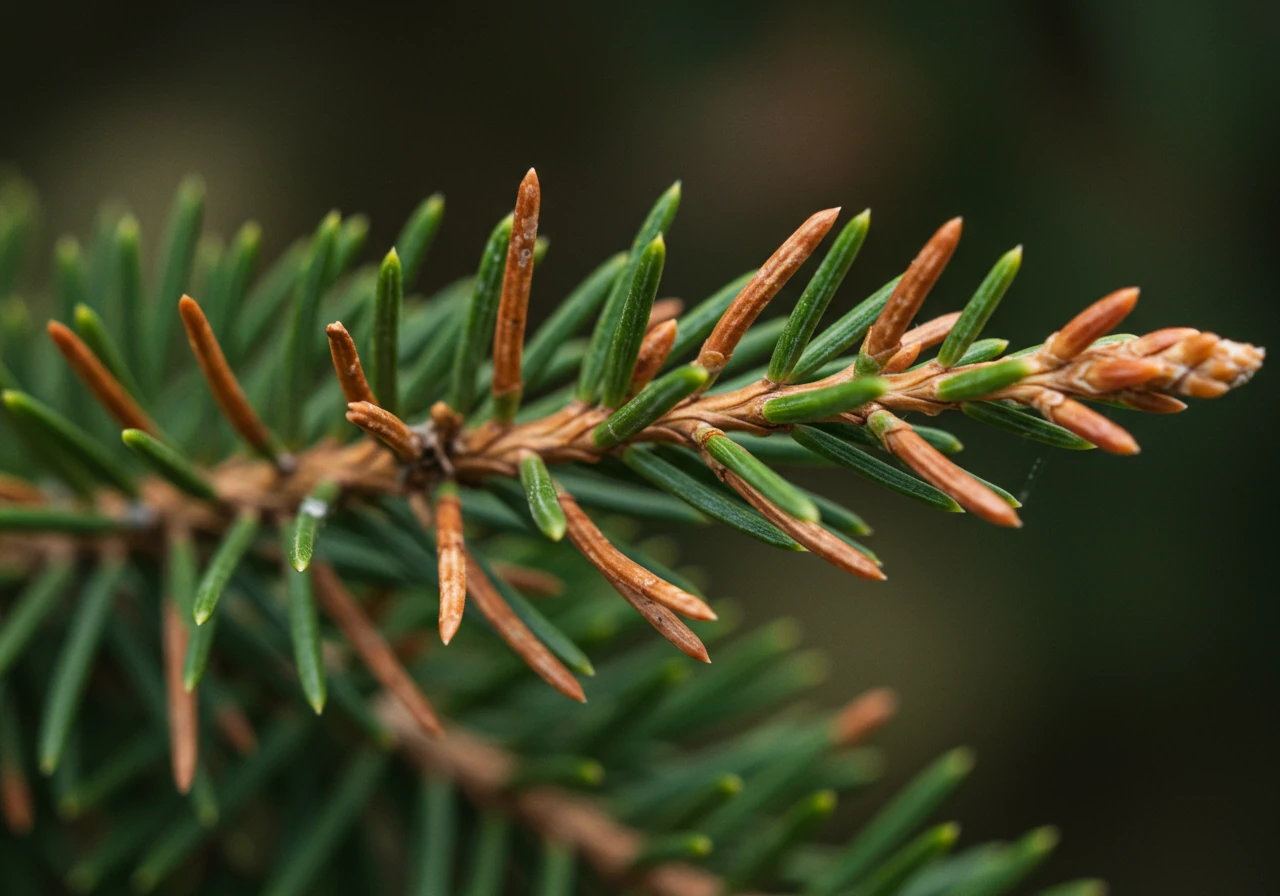
Alright, team, put on your garden detective hats! Winter’s gone, the snow (finally!) melts away in Ottawa, but that sneaky villain – road salt – might have left some troublesome clues behind. Spotting the early signs of salt stress in your landscaping, especially along those vulnerable roadside edges common in areas like Nepean and Manotick, is key to nipping problems in the bud before they really take hold. Let's investigate!
Think of your plants nearest the road or sidewalk as the prime suspects. They get the most direct exposure to salt spray and runoff. Here’s what to look for:
Clues on the Leaves and Needles:
- Browning Edges (The "Scorch"): This is a classic sign! Look for brown, dry, or crispy edges on leaves, especially on the side of the plant facing the street. On evergreens like pines or cedars, you'll see needle tips turning brown or yellow, often starting from the bottom and road-facing side upwards. It looks like they got a little too close to a campfire.
- Leaf Drop or Yellowing: Deciduous trees and shrubs (the ones that lose their leaves) might show premature yellowing or drop leaves earlier than usual in the season if salt stress is ongoing.
- Smaller Leaves: New growth might come in smaller than normal. The plant is struggling and can't support full-sized leaves.
Clues on Stems and Buds:
- Twig Dieback: Small branches and twigs, especially those facing the road, might fail to leaf out in spring or simply look dry and dead. You might see healthy growth further back on the plant, but the front looks sparse. Removing this dead material is often part of a good spring Nepean Yard Cleanup Service.
- Bud Damage: Flower or leaf buds might be killed over winter or fail to open properly in spring, leading to fewer flowers or leaves.
- Stunted Growth: The whole plant might just seem… sluggish. It’s not growing as vigorously as its neighbours further away from the salty action. This lack of vigour is something we also watch for during general Lawn Care, as stressed grass near driveways can show similar signs. If growth seems poor city-wide, consider our City Garden Maintenance Service.
Clues in the Soil (A Bit Trickier):
- White Crust: Sometimes, especially after a dry spell following snowmelt, you might see a faint white crust on the soil surface near the road. That’s salt residue left behind as the water evaporated.
- Compacted Soil: Salt damages soil structure, making it dense. It might feel harder to dig, and water might puddle instead of soaking in quickly. Improving soil with organic matter during a Garden Install can help build resilience.
Quick Comparison: Healthy vs. Early Salt Stress
| Feature | Healthy Plant/Soil | Early Salt Stress Signs |
|---|---|---|
| Leaves | Even colour, normal size | Brown edges/tips, yellowing, smaller size |
| Needles | Uniform green (species dependent) | Brown/yellow tips, especially lower/roadside |
| Growth | Vigorous, even | Stunted, sparse, twig dieback |
| Buds | Open normally, plentiful | Dead, fail to open, fewer flowers/leaves |
| Soil Surface | Normal appearance, drains well | Possible white crust, puddling, compacted |
Being observant is your best tool. Compare plants in salty zones to those in protected areas of your yard. If you see these early warnings, it’s a signal to take action, perhaps by improving drainage, adding gypsum (if appropriate for your soil type - check resources like the OMAFRA fact sheet on salt damage), or considering more salt-tolerant options during your next Material Selection for planting. Catching it early gives your plants a fighting chance! Even if you're outside the immediate Nepean area, perhaps needing a Marionville Garden Clean Up Service, these detective skills apply anywhere winter salt is used. Thanks for tuning into Garden Detective 101! We truly say Thank You for being proactive in caring for your Nepean landscape.
Planting Smart in Salt Zones: Choosing Resilient Beauties for Ottawa
Okay, so winter did its salty worst, and maybe your roadside garden in Greely or Osgoode is looking a bit sad after the thaw. Don't despair! The secret weapon in the fight against salt damage is *smart planting*. Choosing plants that can actually handle the tough conditions along Ottawa roadsides is like picking the right players for your garden team – you need the tough ones up front! You wouldn't send a goalie out without pads, right? Same idea for your garden beds facing the street.
Living in Ottawa means we're gardening in Zone 5a, which already requires hardy plants that can handle our cold winters. Add road salt spray and runoff to the mix, and you need *extra* tough cookies. Thankfully, Mother Nature (with a little help from plant breeders) has provided some resilient beauties that don't faint at the first sign of salt. Choosing the right species from the start can save you heartache and replanting costs, leading to amazing garden Transformations that look great year after year. You can find helpful plant lists from resources like the Landscape Ontario Horticultural Trades Association.
Here are some champions known for their salt tolerance, perfect for those challenging landscaping spots:
High Tolerance Superstars (The Front Line Defenders):
- Trees: White Spruce (Picea glauca - a tough native!), Austrian Pine (Pinus nigra), Honey Locust (Gleditsia triacanthos - bonus: lovely filtered shade and less dense than maple).
- Shrubs: Shrubby Cinquefoil (Potentilla fruticosa – workhorses that bloom forever!), Staghorn Sumac (Rhus typhina - cool fuzzy branches, but be aware it likes to spread!), Rugosa Rose (Rosa rugosa - tough as nails, thorny, and produces pretty flowers and hips).
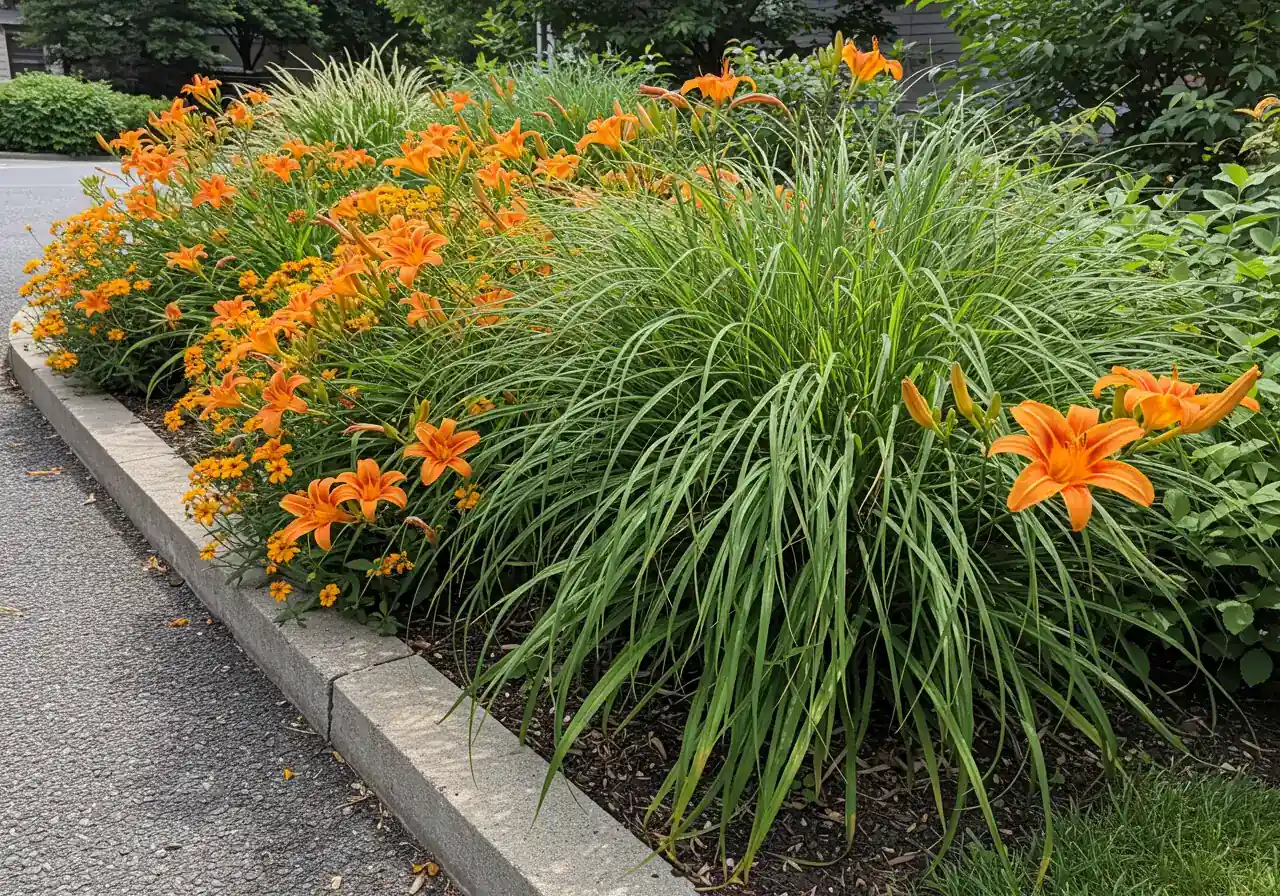
- Perennials: Daylilies (Hemerocallis - especially common varieties like 'Stella de Oro'), Sedum 'Autumn Joy' (Hylotelephium telephium 'Autumn Joy' - stands tall and provides late-season interest), Hostas (many varieties handle moderate salt, especially those with thicker, tougher leaves).
- Grasses: Switchgrass (Panicum virgatum – native and sturdy), Feather Reed Grass 'Karl Foerster' (Calamagrostis x acutiflora 'Karl Foerster' - very popular for its upright form that looks good even in winter). These grasses sway in the breeze, not surrender to the salt!
These plants are your best bet for areas receiving direct salt spray or runoff.
Moderate Tolerance Team Players (Good for Slightly Back):
These plants can handle *some* salt, maybe if they aren't right on the curb edge or if the area gets flushed well by spring rains and snowmelt.
- Serviceberry trees/shrubs (Amelanchier species)
- Many varieties of Lilacs (Syringa vulgaris)
- Purple Coneflowers (Echinacea purpurea)
- Juniper (some varieties are quite tolerant)
- Birch (Betula species - some tolerate moderate levels)
Our general City Garden Maintenance Service teams often see these performing reasonably well if they have a bit of protection or distance from the direct salt assault.
Sensitive Souls to Avoid (Plant These Further Back!):
Sadly, some common favourites just *hate* salt. They're the delicate flowers of the garden world when it comes to salty spray. Keep these beauties safely away from the splash zone:
- Eastern White Pine (Pinus strobus - needles brown up very easily)
- Sugar Maple (Acer saccharum - our beautiful national symbol prefers a less salty diet!)
- Yews (Taxus species often show significant browning near roads)
- Many types of delicate woodland plants like ferns and Astilbe.
- Red Maple (Acer rubrum - less tolerant than Sugar Maple, still sensitive)
- Most fruit trees
Planting these near roads often leads to disappointment and the need for replacement.
Quick Practical Tip: Even when you choose salt-tolerant plants, giving them a really good soaking with fresh water from the hose in early spring (as soon as the ground isn't frozen solid) can help wash away some of the accumulated salt from the root zone. Think of it as a detoxifying spa treatment for your plants! This flushing is often part of a thorough spring Ottawa Garden Clean Up Service. If you're out near Metcalfe, you know the post-winter routine – dealing with the gritty aftermath is key, much like the work involved in our dedicated Metcalf Yard Cleanup Service.
Choosing resilient plants is a fantastic, proactive step for successful roadside gardening and landscaping in Ottawa. It shows you're thinking ahead and setting your garden up for success. We truly say Thank You for taking the time to plant smart and contribute to a greener community! If you're ever scratching your head over plant choices or need a hand tackling those tricky salt-prone garden spots, feel free to learn more About Us and discover how we approach the unique gardening challenges here in the capital region (find us on Google!).
Your Action Plan: Protecting Plants and Healing Salty Soil
Okay, let's roll up our sleeves! You've spotted the signs, you know *why* salt is a garden grump, and maybe you've even picked some tougher plants. Now, it's time for action! This is your game plan for protecting your precious plants and helping that salty soil recover, whether you're tending a garden in central Ottawa, Richmond, or Metcalfe. Think of this as part prevention, part spa treatment for your soil.
Step 1: Play Defense (Fall & Winter Strategies)
Before the snow (and salt trucks) fly, you can take steps to minimize the salty assault:
- Barrier Up!: This is your frontline defense. Simple physical barriers can make a huge difference.
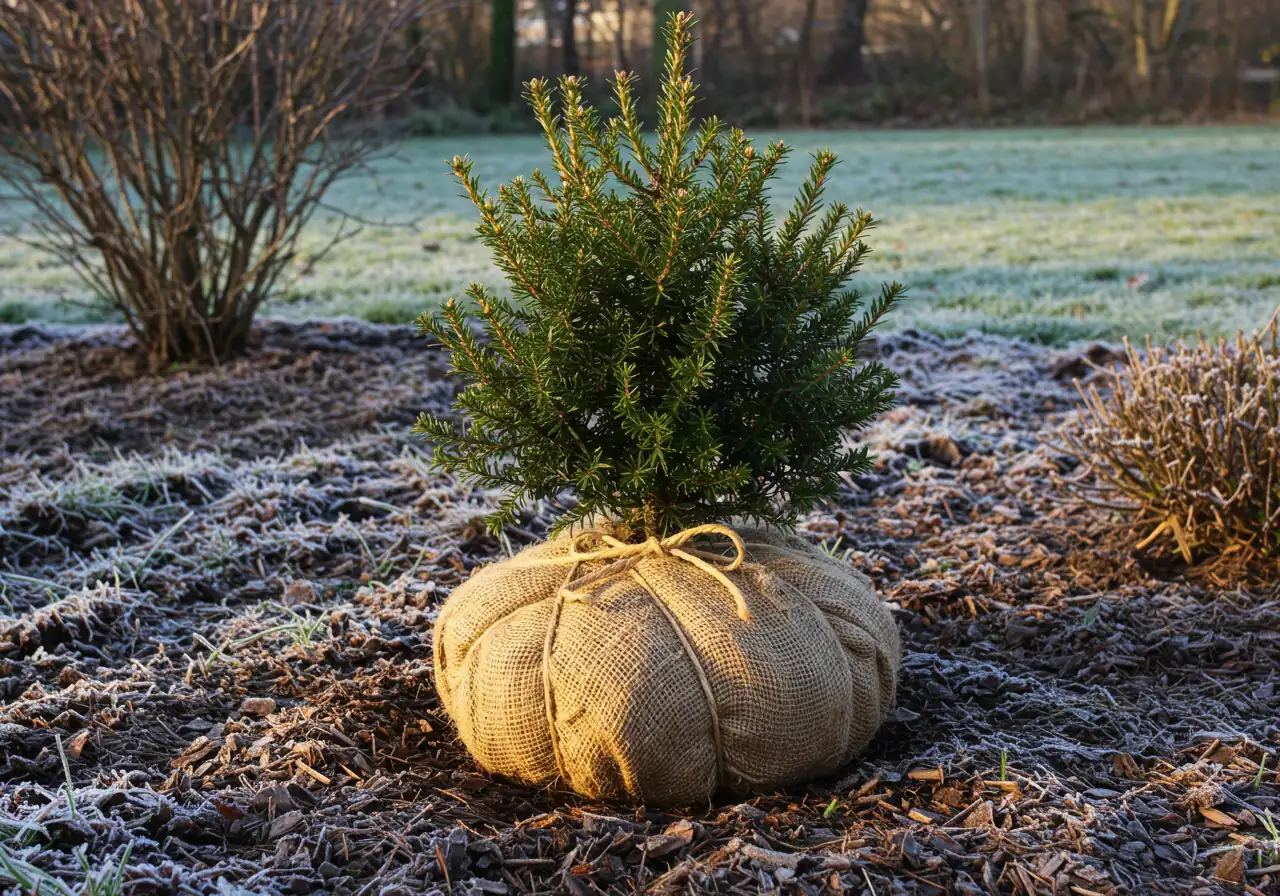
- Burlap Screens: Wrap vulnerable shrubs (especially evergreens like cedars or yews near the road) in burlap. Secure it to stakes placed around the plant, leaving a little air gap. It shields them from direct salt spray. Think of it as a cozy, protective winter coat!
- Snow Fencing: Installing temporary snow fencing along the road edge can help catch some salt spray and drifting snow, potentially reducing direct contamination of garden beds.
- Water Wisely in Fall: Ensure your plants, especially evergreens, go into winter well-hydrated. Water them deeply before the ground freezes solid. Healthy, hydrated plants are better equipped to handle winter stress, including salt. This aligns with tips from our Nepean Fall Garden Prep guide.
- Be Salt Smart (Yourself!): If you use de-icers on your own walkways or driveway, opt for alternatives considered less harmful to plants, like calcium magnesium acetate (CMA) or even just sand for traction. Use any de-icer sparingly – more isn't always better! This is an easy eco-friendly practice. Check our Terms and Conditions for info on material usage considerations.
Step 2: The Spring Detox (Remediation Time!)
Once the snow melts and the ground thaws (usually late March or April in Ottawa), it's time to help flush away the accumulated salt.
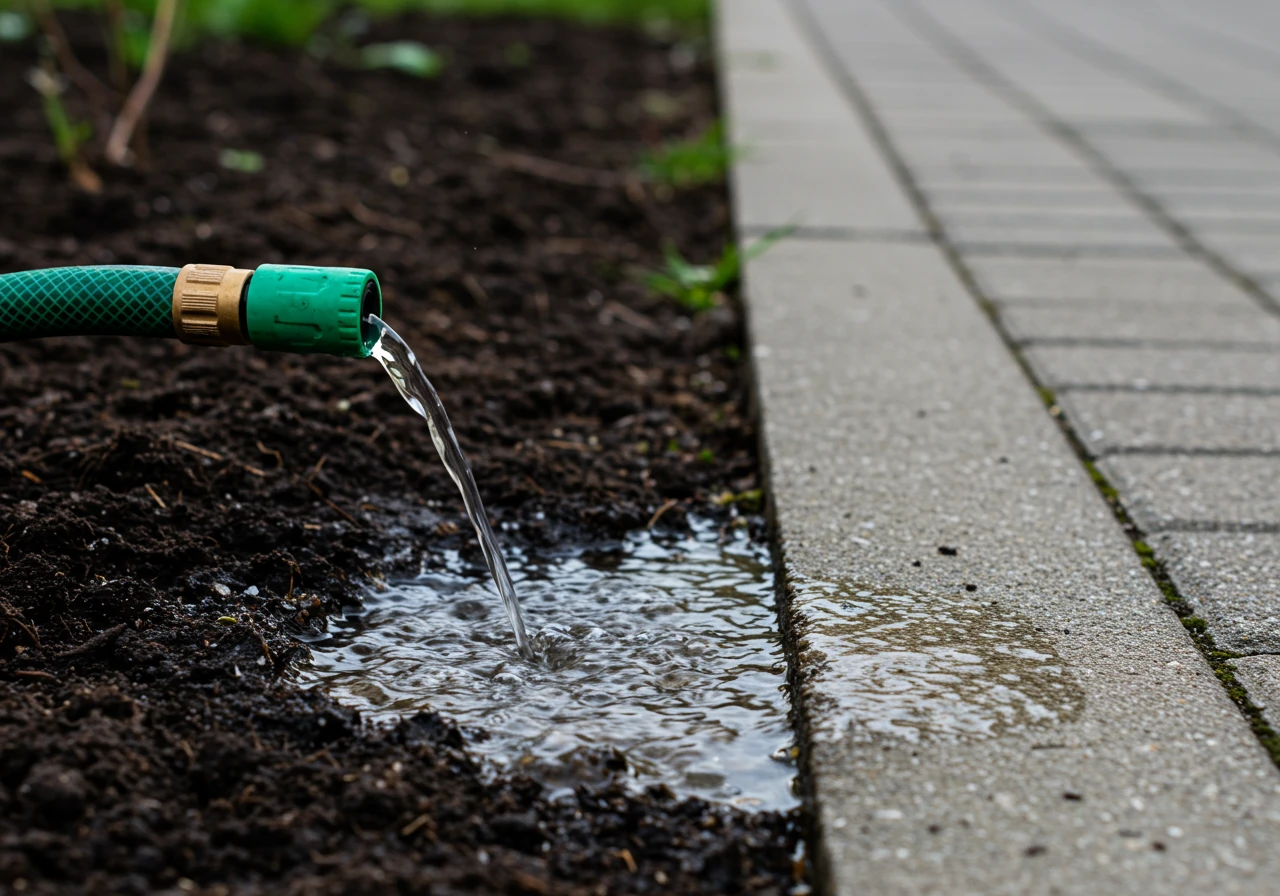
Operation: Soil Flush (Give it a Good Drink!)
- Wait for Thaw: Make sure the ground isn't frozen solid anymore. You want the water to actually soak *in*.
- Grab the Hose: Use a regular garden hose (without a harsh spray nozzle – a gentle shower setting or just the open end is fine).
- Soak Deeply: Apply about 5-6 cm (2 inches) of water slowly over the affected soil area near the road or sidewalk. Let it soak in gradually. You might need to do this over an hour or two for larger areas.
- Repeat (Maybe): For heavily salted areas, doing this flushing routine 2-3 times, a few days apart, can be beneficial. The goal is to push the dissolved salts down below the plant root zone.
Soil Sweeteners (Amendments to Help Healing):
- Compost Power: Adding a layer of good quality compost (1-2 inches) to the soil surface each spring is fantastic. Compost improves soil structure (fighting that salt-induced compaction), adds vital organic matter, boosts beneficial microbes, and helps drainage. It's like giving your soil a healthy smoothie! Consistent Garden Maintenance often involves incorporating compost.
- Gypsum (Calcium Sulfate): Think of gypsum as a salt displacer. The calcium in gypsum can help knock sodium ions off the soil particles, making the sodium easier to flush away and improving soil structure damaged by salt. Important: Gypsum is most effective in clay soils; a soil test can tell you if it's truly needed. Don't just add it without reason! It's not a cure-all fertilizer. Consider professional advice or soil testing first.
Step 3: Clean Up and Assess
- Clear Debris: Rake away any lingering salt residue, sand, or dead plant material from the winter. A thorough spring clean, like our Ottawa Yard Cleanup Service, often includes this step and helps you see the soil and plant bases clearly. This might be part of a larger City Property Cleanup Service.
- Prune Damage: Carefully prune away any branches or tips that are clearly dead from winterkill or salt scorch. This encourages new, healthy growth.
Your Seasonal Salt Strategy Timeline
Fall (Oct/Nov)
Install burlap barriers on sensitive shrubs. Water evergreens deeply before ground freeze. Plan for next year's fall prep.
Winter (Dec-Mar)
Use plant-friendlier de-icers (like CMA or sand) sparingly on your own paths. Monitor salt accumulation near roads.
Early Spring (Apr)
As soon as ground thaws, flush soil near roadsides thoroughly with fresh water. Repeat 2-3 times if needed.
Spring (May/June)
Apply compost. Prune dead/damaged growth. Assess plant health and consider replacing highly sensitive plants with tolerant ones.
Taking these steps helps create a healthier environment for your roadside landscaping. It requires a bit of effort, but your plants will thank you! Remember, building resilient soil takes time. If the post-winter situation feels overwhelming, or you're dealing with significant landscape recovery needs beyond simple cleanup, exploring options like a comprehensive Ottawa Property Cleanup Service might be worthwhile. These steps are helpful whether you're in central Ottawa or need something similar for properties further afield, maybe even requiring a specialized approach like a Marionville Property Cleanup Service. You can learn more About Us and our dedication to helping homeowners maintain beautiful, healthy yards across the region. And if you do reach out, know that we value your information; you can review our commitment in our Privacy Policy. Keep up the great gardening!
Key Takeaways: Your Quick Guide to Beating Salt Stress
Okay, feeling a bit overwhelmed by all that salty science and strategy? Don't sweat it (or should we say, don't *salt* it?). We've boiled it down to the essentials. Think of this as your quick-reference cheat sheet for keeping your Ottawa garden happy, even with our infamous winters. Whether you're in Barrhaven battling boulevard blues or closer to Richmond managing roadside recovery, here are the top 5 things to remember:
- Flush That Funk Away: As soon as the ground thaws in spring (usually April!), give the soil near roads and sidewalks a *long, slow drink* with fresh water. Seriously, let the hose run gently for a while. This helps wash excess salt down below the root zone. Think of it as a detox cleanse after a long winter party. It’s a key first step in any effective spring Property Clean Up.
- Feed the Soil, Not Just the Plants: After flushing, top-dress your garden beds with a layer of good compost. Healthy, organic-rich soil is more resilient! Don't forget the power of mulch – it protects soil, retains moisture, and looks sharp. Investing in proper Mulching and Edging can make a world of difference for plant health and curb appeal.
- Pick Your Players Wisely: If you're planting *new* things near the road, choose salt-tolerant champs like Daylilies, Hostas, or sturdy grasses. Trying to baby salt-sensitive plants in the splash zone is often a losing battle. If salt has *really* wrecked an area, sometimes replacing damaged turf nearby is needed too; services like Sod Installation can help restore those green spaces quickly.
- Winter Wardrobe is Key: Before winter hits, protect sensitive shrubs (especially evergreens!) with burlap wraps or set up temporary snow fencing along the road edge. It might seem like extra work in the fall, but preventing the salt spray from hitting plants directly saves you heartache (and plants!) come spring.
- Don't Ignore the Aftermath: Come spring, clear away any leftover salt, sand, or dead plant bits promptly. Assess the damage honestly. If your whole yard feels like it needs a serious refresh after winter's salty siege, calling in reinforcements for a thorough City Yard Cleanup Service can get things back on track. For widespread issues impacting the entire property, a comprehensive Ottawa Property Cleanup Service might be the best route to recovery.
Stick to these pointers, and you'll be well on your way to winning the war against winter salt damage. Happy gardening!
Visualizing Salt Impact (Conceptual)
Salt damage often shows a gradient – plants closest to the road are usually hit hardest. This conceptual chart illustrates how plant health might decline closer to a salted roadway.
Plant Health vs. Distance from Road
*Conceptual representation of relative plant health (%).
FAQs: Answering Your Burning (or Browning) Questions About Salt Damage in Ottawa
It's a prime suspect, especially in Ottawa! Browning leaves, scorched needles (particularly on the road side), and stunted growth are classic signs. Winter cold can cause damage too, but if the symptoms are worst near pavement where salt was used, salt stress is very likely. Not sure? Consider getting a professional opinion. For a personalized assessment, you can always reach out via our Estimate Feedback form.
Maybe not! If there's still green growth, there's hope. First, flush the soil well with fresh water in spring. Prune away clearly dead branches. Adding compost helps heal the soil. Some plants bounce back surprisingly well with TLC. For a serious assessment or help with recovery in areas like Metcalfe, our Metcalf Property Cleanup Service team can advise on specific plant revival strategies for your landscaping.
Hold your horses! Fertilizer adds *more* salts, which can worsen the problem initially. The priority is flushing out the bad road salt and improving soil structure. Focus on adding organic matter like compost first. Proper Soil Preparation involves more than just fertilizer – it's about creating a healthy foundation for roots to recover, especially after salt stress from winter treatments.
Physical barriers are your best bet! Wrapping vulnerable shrubs like cedars in burlap or using temporary snow fencing along your property edge in places like Barrhaven really limits direct salt spray. Also, watering plants well in the fall before the ground freezes helps them withstand winter stress, including salt exposure from nearby roads or walkways. Prevention is key!
Absolutely! Winter leaves behind more than just salt woes – think sand, gravel, dead leaves, and general debris coating your garden beds and lawn. A thorough spring cleanup tackles all of that. Our City Garden Clean Up Service can get your beds, lawn, and hard surfaces looking fresh and ready for the growing season, removing that gritty layer and tidying everything up beautifully.
While main city streets often see heavier salting, even quieter roads in areas like Richmond or Osgoode get treated. Plus, if you use de-icers on your own long driveway, that salt can impact adjacent garden plantings. It's always wise to monitor plants near *any* treated pavement and consider salt-tolerant species for those landscaping spots. Have specific concerns? Feel free to Contact Us to discuss your property's unique situation.
Conclusion: Growing Strong Gardens on Nepean's Doorstep
So, there you have it! Growing strong gardens right on Nepean's doorstep, even with Ottawa's salty winters, is totally possible. It might feel like your beautiful landscaping efforts face an annual salty smackdown, especially near busy roads, but now you're armed with the know-how! Remember the key steps: spot the early signs of trouble, choose tougher, salt-tolerant plants for those frontline spots (your garden superheroes!), and give your soil health a boost with flushing and compost. It takes a little planning, sure, but think of the payoff – gorgeous green borders that make strolling through Nepean, or maybe quieter spots like Kars, so much nicer. Your gardening efforts truly beautify our community!
Don't let winter win the war on your curb appeal. You've got this!
Ready to protect your landscape?
Let Clean Yards help you manage salt damage and keep your Nepean garden thriving.
Or explore our full range of Landscaping Services.
We also serve Metcalfe, Marionville, and the greater Ottawa area.