
Osgoode Gardens: Attract Ladybugs for Natural Pest Control
Quick Summary: Ladybug Power!
- Ladybugs (especially larvae) are voracious predators of garden pests like aphids.
- Attract them naturally with specific plants (dill, yarrow, cosmos, alyssum).
- Provide shelter (leaf litter, mulch, bug houses) and a shallow water source.
- Avoid broad-spectrum pesticides to protect these beneficial insects.
- Creating a ladybug-friendly habitat promotes a healthier, balanced garden ecosystem.
Ready for a pest-free garden the natural way? Request a free quote today!
Introduction: Welcome Nature's Pest Patrol to Your Osgoode Garden!
Hey there, fellow Osgoode green thumbs! Are you tired of battling those tiny terrors – aphids, mites, and other uninvited guests – that seem determined to turn your beautiful garden into their personal buffet? Before you wage war with harsh chemicals, let's chat about bringing in some charming backup: ladybugs! Think of it as recruiting the cutest pest control squad nature has to offer.
Here in Osgoode, and right across the Ottawa region (we see you, Greely and Manotick gardeners!), embracing natural solutions is a fantastic way to keep our gardens thriving and our local environment happy. Using ladybugs isn't just effective pest control; it's a smart gardening practice that works with nature, not against it. These little polka-dotted powerhouses have a huge appetite for common garden pests, making them tiny heroes for your flower beds and veggie patches. Learn more about our approach on our About Us page or check out our range of services.
In this article, we’ll dive into why ladybugs are such great allies for your landscaping efforts. We'll cover the benefits of welcoming these beneficial insects, share practical tips on how to attract them naturally to your yard, and give you the lowdown on how to successfully release purchased ladybugs if you want to give your garden an extra boost. Let's get ready to enlist nature's pest patrol!
Why Ladybugs are Your Garden's Best Friends (Especially in Ottawa!)
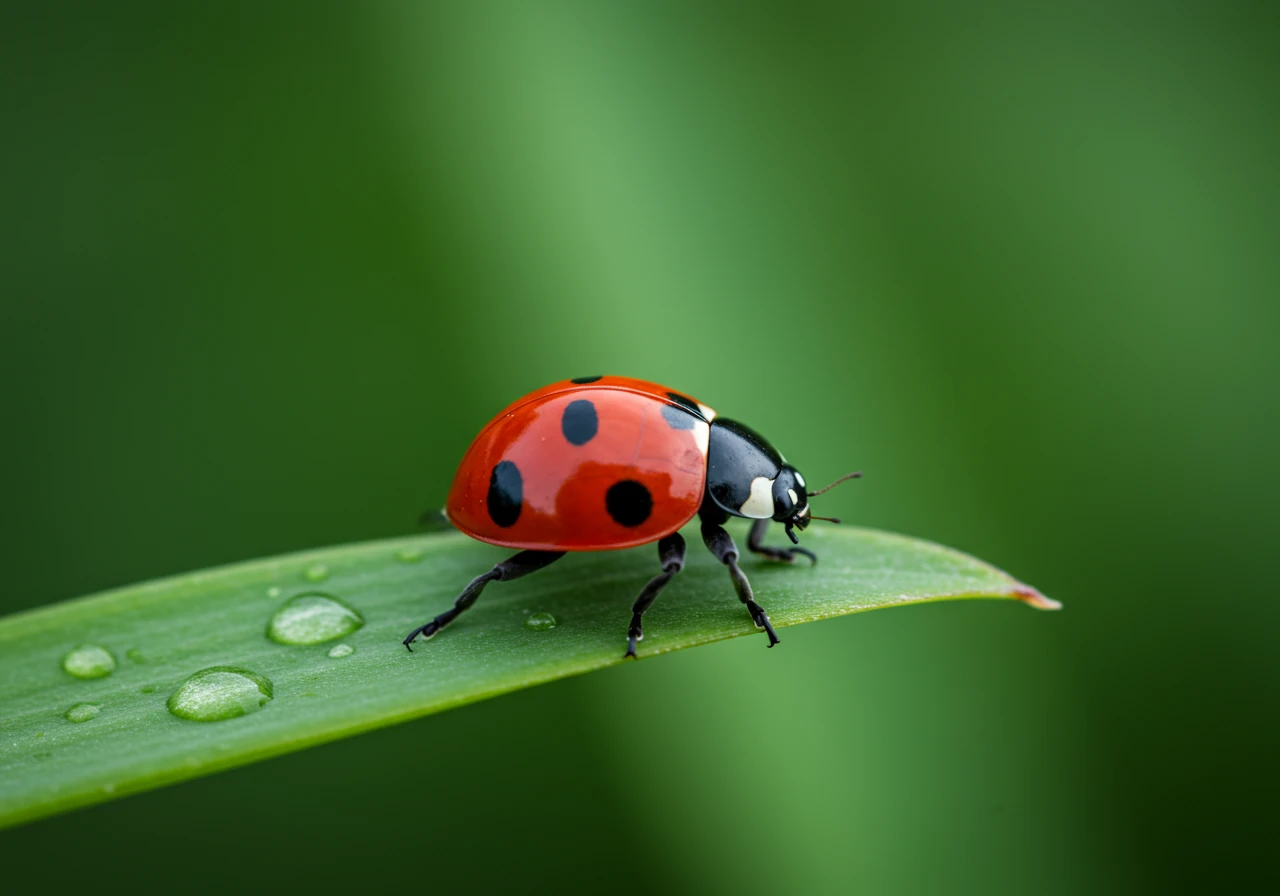
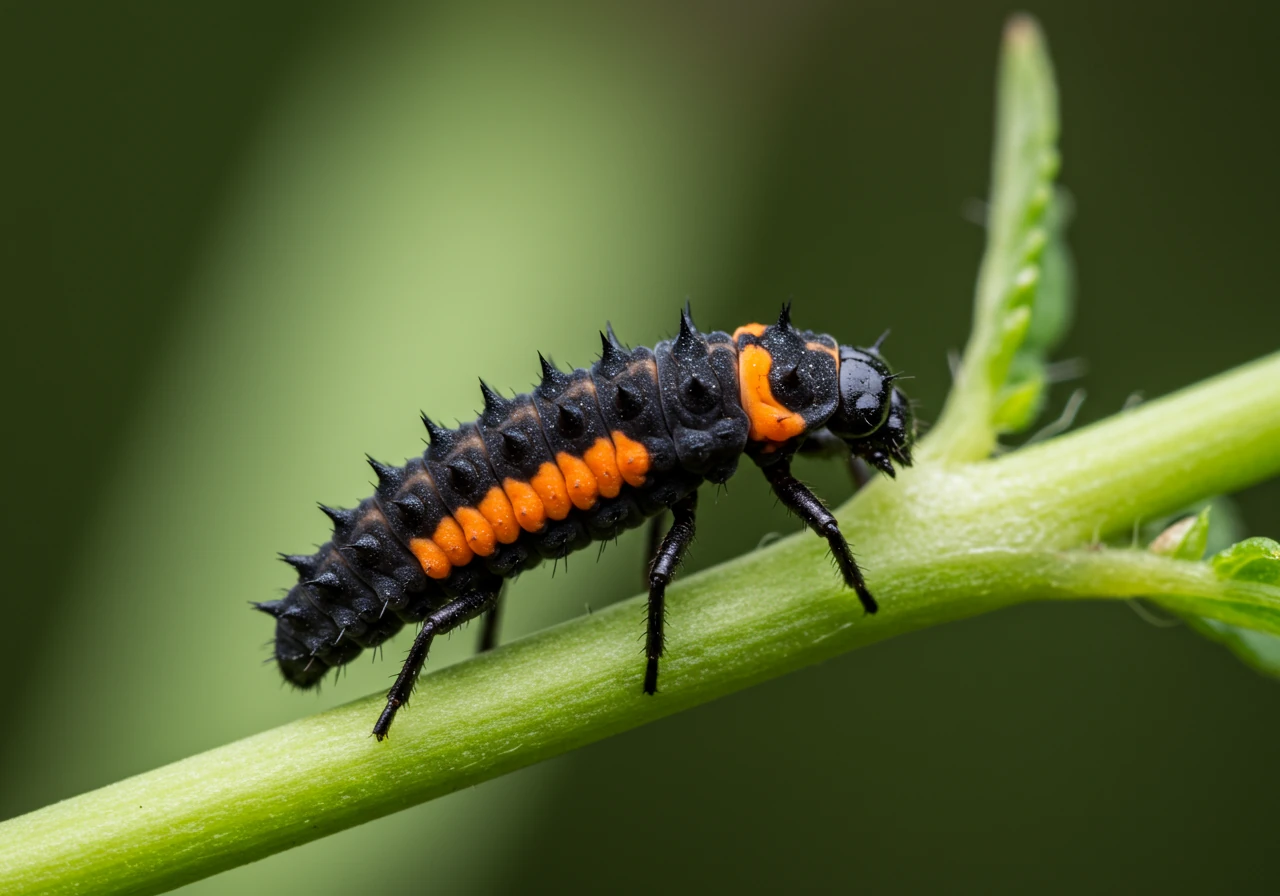
Okay, let's talk about why these little red beetles are absolute superstars in your garden. Forget fancy gadgets; ladybugs are nature's original pest control specialists, and they work for free (well, mostly for aphids!). Here in Ottawa, where our growing season can feel shorter than a squirrel's attention span, we need all the help we can get to keep our plants happy and healthy. For tips on keeping plants healthy year-round, check out our advice on winterizing your sprinkler system or fall tree pruning.
So, what makes them garden VIPs?
- They're Eating Machines: Seriously, these guys have huge appetites. An adult ladybug might munch down 50 aphids a day, but that's nothing compared to their kids! Aphids, mites, scale insects, thrips – if it's small, soft-bodied, and munching on your prized plants, chances are ladybugs find it delicious.
- Meet the Larvae (aka Tiny Terminators): Before they get their cute spots, ladybugs go through a larval stage. They look a bit like tiny, bumpy alligators – not quite as charming, maybe, but way hungrier. A single ladybug larva can devour hundreds upon hundreds of aphids and other pests before it even thinks about becoming an adult. They are the true workhorses of garden pest patrol! This is fantastic news for gardeners in areas like Barrhaven dealing with common Ottawa pests that seem to pop up overnight.
- Targeted Action: Unlike broad-spectrum chemical sprays that can wipe out everything (including vital pollinators like bees and other beneficial insects!), ladybugs focus on the troublemakers. They go straight for the pests, leaving your helpful critters alone. This natural approach helps maintain a balanced little ecosystem right in your backyard, which is crucial for sustainable gardening.
- Safe and Sound: Ladybugs are completely harmless to humans, pets, and your plants. No worrying about chemical residues on your homegrown tomatoes or keeping the dog inside after treating the roses. It’s a win-win for a healthier garden and peace of mind. Preparing your garden beds properly, perhaps by following some Osgoode clay soil garden care fall tips, creates a good foundation, and ladybugs help protect the plants that grow there naturally. Proper soil preparation is key.
Think about it: Instead of reaching for a chemical solution at the first sign of trouble, you're inviting in a self-sustaining army of helpers. A healthy garden environment, supported by good practices like proper watering and timely seasonal maintenance such as our garden maintenance services, makes your yard more resilient to pests in the first place. Even beautifully maintained plants, like those getting expert attention based on Osgoode topiary tips, can occasionally attract aphids – that's where ladybugs truly shine as part of your integrated pest management strategy. Integrating beneficial insects is a key part of smart, sustainable landscaping. If you need a hand creating that ideal, healthy garden environment that naturally deters pests and attracts allies like ladybugs, exploring professional landscaping and garden care services can provide the support you need. Find out more about keeping Ottawa yards clean and healthy with our Ottawa yard cleanup service.
So yes, ladybugs truly are tiny garden heroes, working tirelessly behind the scenes (and sometimes right out in the open!) to keep your Ottawa garden thriving naturally. They're proof that sometimes the best solutions come in the smallest, spottiest packages!
Know Your Spots: Identifying Helpful Ladybugs vs. Unwanted Guests
Okay, let's talk spots! You might think, "A ladybug is a ladybug, right?" Well, not quite! When it comes to your garden, especially here in the Ottawa area, knowing your beetles is key. Think of it like telling apart your friendly neighbour from that distant cousin who shows up unannounced and eats all the snacks. Not all spots are created equal!
Meet the Locals: Our Native Heroines
Our native Canadian ladybugs are the true MVPs (*Most Valuable Pest-eaters*) of the gardening world. They're generally a bit more reserved and often smaller than their invasive cousins.
- Appearance: You'll often find them in classic red or orange with a set number of distinct black spots. The Seven-spotted Ladybug (though technically introduced long ago, it's generally well-behaved) and the Two-spotted Ladybug are common examples. They usually look quite neat and tidy, like they've dressed properly for the garden party.
- Behaviour: These helpful critters are mostly content staying outdoors, diligently munching on aphids in your flower beds or veggie patch. They aren't known for staging massive home invasions come autumn. Keeping your garden healthy encourages them. Practices like thoughtful Metcalf garden clean up service can help maintain beneficial insect habitats without completely clearing away essential overwintering spots. You might also consider our Marionville garden clean up service or general city garden clean up service.
The Uninvited Guest: Asian Lady Beetles
Then there’s the Asian Lady Beetle (ALB). Introduced to North America for pest control (oops!), they've become a bit *too* successful.
- Appearance: These are the chameleons of the lady beetle world. They can range from tan or orange to deep red and might have many spots, few spots, or none at all! A key identifier? Look for a white "M" or "W" shape on the section right behind their head (the pronotum). They also tend to be slightly larger than many native species.
- Behaviour: While ALBs *do* eat aphids (gotta give them credit!), they're known for being pushy. They outcompete our native ladybugs for food and habitat. Worse, they're infamous for swarming homes in huge numbers in the fall, seeking warmth. If you've ever had dozens (or hundreds!) of ladybug-like beetles congregating on your windows in Metcalfe or Nepean, chances are they were ALBs. They can also emit a yellowish, stinky fluid when stressed and might even give a little nip (more startling than painful, usually).
Why Native is Nicer
While ALBs offer some pest control, their invasive nature disrupts the local ecosystem. They can displace our beneficial native species, reducing biodiversity. Plus, let's be honest, nobody wants beetles swarming their living room! Supporting native ladybugs contributes to a healthier, more balanced local environment. Preparing your property for fall, perhaps with help from an Osgoode yard cleanup service, can include sealing cracks and crevices where ALBs might try to enter your home. If you find yourself dealing with large numbers clustering on your building, thorough Metcalf property cleanup service might help identify and address entry points. Broader area services include Metcalf yard cleanup service and Marionville property cleanup service. When considering any professional help for your landscaping needs, from garden prep to dealing with nuisance insects, exploring available landscaping and garden care services is a good start; just remember it's always wise to review the provider's specific offerings and policies, often detailed in their service terms and conditions.
| Feature | Native Ladybugs (Generally) | Asian Lady Beetles (ALB) |
|---|---|---|
| Color | Red/Orange | Tan/Orange/Red (Variable) |
| Spots | Distinct, fewer spots | Variable (many, few, none) |
| Key Marking | Usually lacks prominent 'M'/'W' behind head | Often has white 'M' or 'W' behind head |
| Size | Often smaller, more rounded | Often slightly larger, more domed |
| Fall Behavior | Overwinter outdoors (leaf litter, etc.) | Tend to swarm buildings seeking warmth |
| Nuisance Factor | Low (beneficial garden dwellers) | High (home invasion, odor, potential nip) |
Keep an eye out for that "M" marking and remember: the polite, outdoor-loving beetles are usually the ones you *really* want cheering for in your garden team.
Setting the Table: Plants That Attract Ladybugs to Your Yard (From Greely to Kanata!)
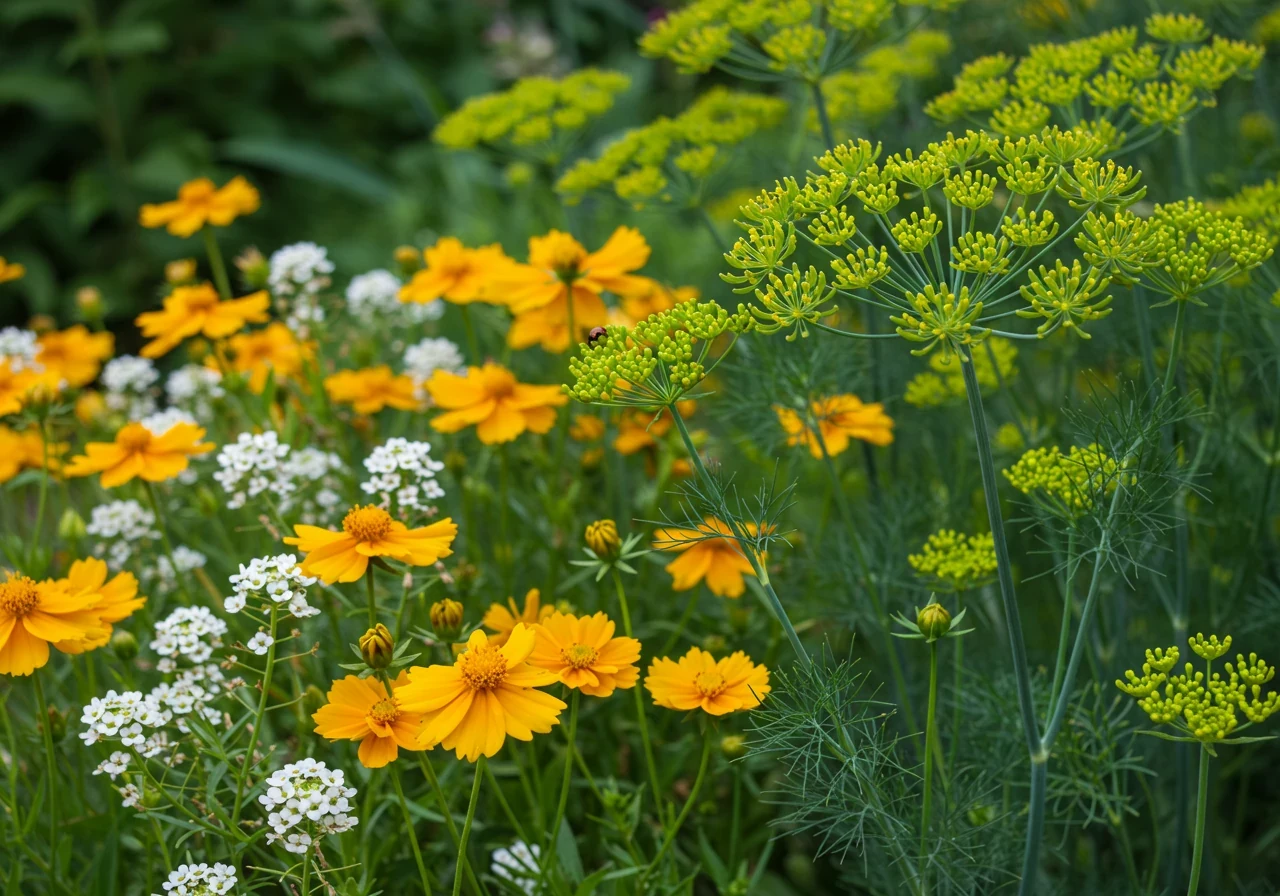
Alright garden pals, let's talk about rolling out the welcome mat – or rather, planting the welcome *garden* – for our favourite spotted friends! If you want ladybugs to hang out in your yard, whether you're tending roses in Greely or veggies in Kanata, you need to offer them something tasty. Think of it as setting a beautiful buffet table just for them. Luckily, their favourite dishes are plants that also happen to look great in our Ottawa gardens! For ideas on garden design, check out our transformations gallery.
Ladybugs aren't picky eaters in the grand scheme, but they *do* have preferences. They're drawn to plants that provide two main things:
- Pollen and Nectar: Adult ladybugs need these as food sources, especially when aphid populations are low.
- Aphids and Other Small Pests: The main course! Plants that tend to attract a *small*, manageable number of aphids can actually serve as a ladybug nursery, ensuring there's food for their hungry larvae.
So, what should you plant? Let’s break it down:
Herbs That Hum with Happiness:
Many common herbs pull double duty – delicious for us, delightful for ladybugs! Their tiny flowers are perfect for tiny beetle mouths.
- Dill: Easy to grow, feathery foliage, and its umbrella-shaped flower heads are ladybug magnets. Plus, fresh dill!
- Cilantro/Coriander: Let some plants bolt (go to flower)! Those small white flowers are irresistible.
- Parsley: Similar to cilantro, letting it flower offers great benefits for beneficial insects.
- Fennel: Lovely anise flavour, attractive foliage, and ladybug-loving flowers.
- Caraway: Another herb with those attractive flower clusters.
Flowers for Fluttering Friends:
Ladybugs seem particularly fond of flowers with flat tops or clusters of small blooms – think landing pads!
- Sweet Alyssum: Low-growing clouds of tiny white or purple flowers. Provides continuous blooms and ground cover. Smells amazing, too!
- Cosmos: Cheerful, daisy-like flowers in pinks, whites, and oranges. Easy to grow from seed.
- Coreopsis (Tickseed): Bright yellow, daisy-like flowers that bloom for ages. A reliable performer in Ottawa gardening.
- Yarrow (Achillea): Flat-topped clusters of flowers (often yellow, white, pink) on sturdy stems. Very hardy.
- Sunflowers: While big, the central discs offer pollen and nectar. Plus, who doesn't love sunflowers? They can tower over gardens from Barrhaven to the ByWard Market!
- Basket of Gold (Aurinia saxatilis): Brilliant yellow flowers in early spring.
For more plant inspiration and care, visit local resources like the Friends of the Central Experimental Farm or the Rideau Valley Conservation Authority for native plant suggestions.
Planting Strategies for Success:
Simply plopping one dill plant in a corner might not be enough. Think like a ladybug!
- Plant in Groups: Clusters or drifts of these plants are more attractive than single specimens.
- Mix it Up: Integrate ladybug-attracting plants throughout your flower beds and veggie patches. Plant dill near your roses or alyssum bordering your tomatoes.
- Aim for Season-Long Blooms: Try to have something flowering from spring through fall. Early bloomers like Basket of Gold, mid-summer stars like Coreopsis and Cosmos, and late bloomers like some Asters or Goldenrod provide a continuous food source. You could even sketch out a simple seasonal bloom calendar!
- Go Easy on the Tidying: While a full Ottawa garden clean up service is great for getting beds ready in spring, avoid overly aggressive tidying during the growing season. Sometimes leaving a few harmless aphids on a 'sacrificial' plant keeps ladybugs fed and happy.
Finding Your Plants:
You can find seeds or starter plants for most of these at local Ottawa nurseries. When choosing, pay attention to quality – opting for healthy, vigorous plants is key. Good material selection ensures you're starting off on the right foot. Whether you start from seed or buy plants, giving them a good home involves proper soil preparation. If you're overhauling a larger area, perhaps even converting some lawn space, you might find that general Ottawa yard cleanup service helps prepare the ground. And hey, if creating these inviting beds means rethinking your lawn layout, services like professional sod installation can help redefine those green spaces beautifully. Remember, when engaging with any service provider or even buying plants, taking a quick look at the company's service terms and conditions is always smart practice.
By adding a few of these ladybug favourites to your landscaping, you’re not just beautifying your yard; you’re inviting nature’s pest control experts to dinner!
Build It and They Will Come: Creating Ladybug-Friendly Habitats
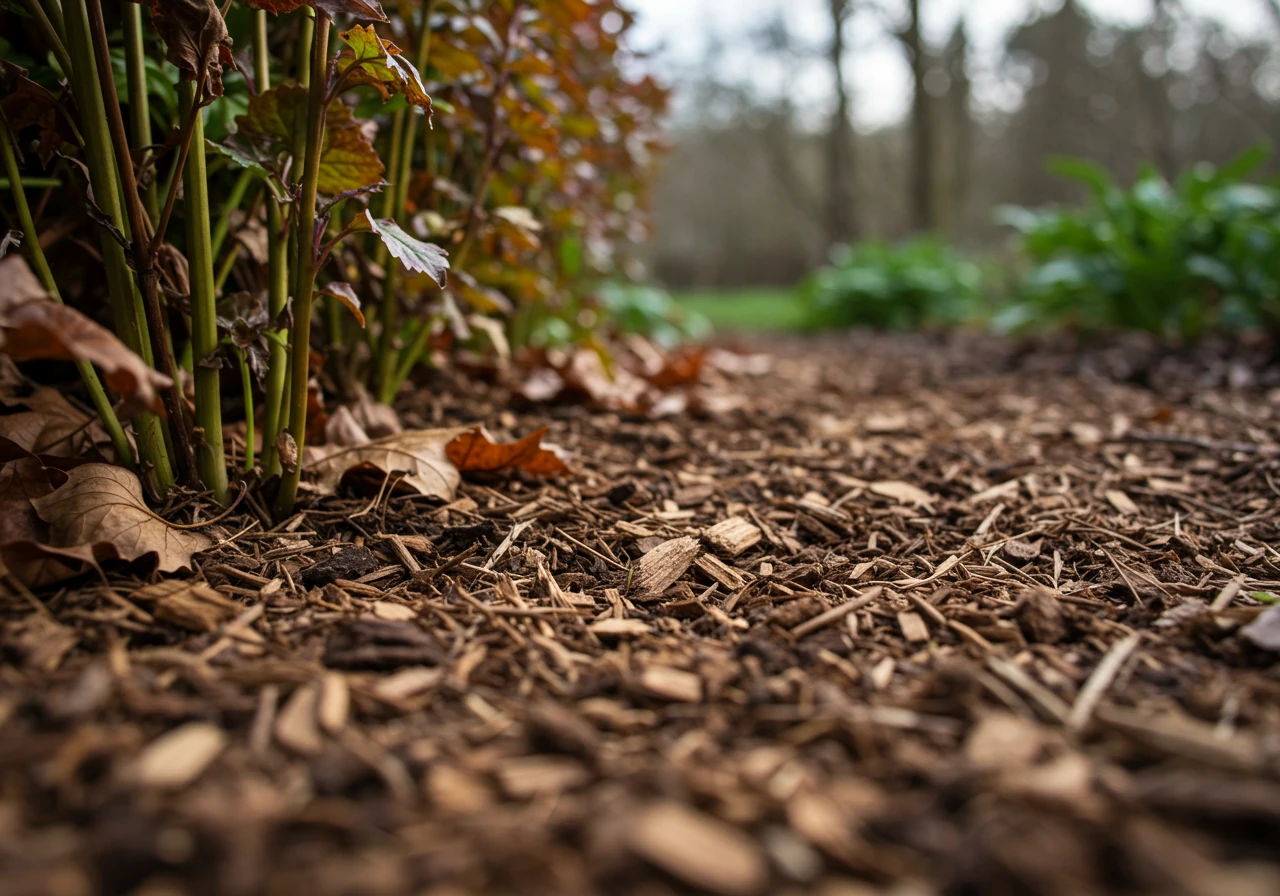
Okay, so we've tempted our little polka-dotted pals with a floral feast (see "Setting the Table: Plants That Attract Ladybugs"). But getting them to visit is one thing; convincing them to move in permanently? That takes a bit more hospitality! Think of it like this: you wouldn't invite friends over for dinner and then kick them out before dessert, right? Let’s create a comfy, safe neighbourhood for ladybugs right in your Ottawa yard, whether you're in Winchester, Kenmore, or anywhere in between.
Beyond the buffet of aphid-attracting plants, ladybugs need shelter, water, and most importantly, safety from harm. Creating this welcoming landscaping environment isn't just good for ladybugs; it benefits lots of other helpful critters too! Consider our comprehensive property clean up services to create a healthy baseline.
Offer Five-Star Accommodation (Beetle Style!)
Ladybugs need places to hide from predators, take shelter from harsh weather, and especially, overwinter.
- Leave the Leaves (Strategically): Resist the urge to make your garden spotless in the fall. A layer of leaf litter, especially around the base of shrubs and perennials, provides fantastic insulation and hiding spots. Similarly, leaving some hollow plant stems standing over winter offers refuge. When it's time for spring prep, consider a gentle approach. Services like a Marionville garden clean-up service can get your beds ready while being mindful of potential overwintering guests if you discuss your goals.
- Rock 'n' Roll (and Wood Piles): Small rock piles, logs, or even just a few pieces of bark tucked into garden corners offer nooks and crannies for shelter.
- Mulch Magic: A good layer of organic mulch, like wood chips or straw, does wonders for your soil *and* provides daytime hiding spots and overwintering potential for ladybugs. Proper mulching and edging not only looks sharp, defining your garden beds, but the mulch itself is a key habitat component.
Build a Ladybug House (A Tiny B&B!)
Want to get fancy? Build a simple ladybug house! It’s a fun little gardening project. Here are the steps:
- Get Your Box: Find a small wooden box – untreated wood is best. Something about 6x6x6 inches is plenty big. You can build one from scrap wood too.
- Create Entrances: Drill several small holes (about ¼ to ½ inch diameter) in the front and sides. Angle the holes slightly upwards to help keep rain out.
- Furnish the Inside: Loosely fill the box with natural materials like corrugated cardboard rolled up, small twigs, bamboo pieces (ensure ends are open), or pinecones. This gives them places to crawl into and hibernate.
- Add a "Lure" (Optional): You can place a raisin or two inside initially, or use a commercial ladybug lure, but often the structure itself is enough.
- Location, Location, Location: Mount your ladybug house on a post or fence, about 2-4 feet off the ground, preferably near plants where you've seen aphids. A spot with morning sun and afternoon shade is ideal.
Don't Forget the Drinks!
Like all living things, ladybugs need water. They can often get moisture from dew, but providing a reliable source helps, especially during dry spells.
- Shallow Water Dish: Place a shallow saucer or plant tray on the ground. Crucially, fill it with pebbles, marbles, or small stones so the ladybugs have places to land and drink without drowning. Keep the water level shallow.
- Sponge Method: A damp sponge placed in a dish can also work.
The Big No-No: Pesticides
This is HUGE. You can build the fanciest ladybug hotel and offer the finest floral buffet, but if you’re spraying broad-spectrum pesticides, you're essentially putting up a giant "KEEP OUT" sign (and likely poisoning your guests). Most chemical pesticides don't discriminate; they kill beneficial insects like ladybugs right along with the pests. Learn more about safe pesticide use from Health Canada.
- Embrace Integrated Pest Management (IPM): This means using the least toxic methods first. Try hand-picking pests, using strong water sprays, or employing insecticidal soaps specifically targeted at pests before even *thinking* about harsher chemicals.
- Read Labels Carefully: If you must use a pest control product, choose targeted, specific options and always follow instructions. Avoid "broad-spectrum" insecticides.
- Focus on Healthy Plants: Strong, healthy plants are less susceptible to pests. Good soil, proper watering, and the right plant choices are your first line of defense. This holistic approach makes your entire property more resilient. Managing the bigger picture, like through a comprehensive Marionville property cleanup service or even a broader city property cleanup service if needed, can help create a healthier baseline environment less prone to major pest outbreaks. Sometimes, redesigning involves lawn areas; professional sod installation can help establish new lawn spaces or replace areas being converted to more diverse garden habitats. We also offer lawn care solutions.
Creating a ladybug haven is all about balance. It’s about understanding that a little bit of "wildness" – some leaf litter, a few safe hiding spots – contributes to a healthier ecosystem right in your own backyard. By providing food, water, shelter, and safety, you’re not just helping ladybugs; you’re embracing a more sustainable, nature-friendly approach to gardening and landscaping that benefits everyone. So go ahead, build it, and watch your little pest patrol move in!
Ladybug Appetite Power: Aphids Eaten Per Day (Approx.)
Keeping Your Polka-Dotted Posse Happy: Maintaining Ladybug Populations
Okay, team, we've rolled out the welcome mat and built the cozy B&Bs for our ladybug friends. High five! But how do we keep this polka-dotted posse happy and patrolling our gardens year after year? It’s not just about inviting them; it’s about encouraging them to stick around through the seasons, especially with our distinct Ottawa weather patterns. Think long-term hospitality!
Ladybugs on the Ottawa Calendar
Our local ladybugs have their own schedule, tied to our gardening seasons:
Spring (April-May)
Overwintering adults emerge, hungry for early aphids and pollen. Hold off on harsh pest control. Ensure early bloomers like Alyssum are available.
Summer (June-August)
Prime time! Active feeding, mating, and egg-laying. Look for yellow eggs and alligator-like larvae. Maintain food (even a few aphids) and water sources. Consistent city garden maintenance service helps.
Fall (September-October)
Adults seek overwintering shelter. Leaving leaf litter and hollow plant stems is crucial. A mindful fall city yard cleanup service approach is key – tidy, but leave some natural debris.
Winter (November-March)
Ladybugs hibernate in sheltered spots like leaf litter, under bark, or in crevices. The habitat you left in the fall protects them until spring warmth returns.
Attract Locally vs. Buying Buddies
You *can* buy ladybugs, but honestly? It's often better to attract the local crowd. Ladybugs you buy might have been collected from somewhere else (like California!) and aren't adapted to our Ottawa climate. They tend to disperse quickly ("Thanks for the snack, gotta fly!"). Plus, there are concerns about disease transmission to native populations. Building a welcoming habitat encourages local ladybugs – who already know the neighbourhood – to settle down and raise families. A garden built on a foundation of good soil preparation grows healthier plants, which naturally supports a thriving local ecosystem, including native ladybugs. Find local expertise through resources like the Master Gardeners of Ottawa-Carleton.
Keeping Tabs on Your Tiny Tenants
How do you know if your efforts are paying off? Monitor!
- Look for Larvae: Seeing those tiny alligator-like larvae is the *best* sign! It means ladybugs aren't just visiting; they're breeding in your yard.
- Check Aphid Hotspots: Gently inspect plants that typically attract aphids (roses, milkweed, etc.). Are ladybugs or larvae present? Are aphid numbers staying manageable?
- Year-Over-Year: Do you seem to notice more ladybugs each year? Persistence pays off!
Sustaining the Welcome
Maintaining a ladybug population is an ongoing part of sustainable landscaping. Providing continuous food sources, water, and especially undisturbed overwintering sites (hello, strategic leaf litter and beneficial mulching and edging) makes your garden a true haven. Avoid broad-spectrum pesticides like the plague (pun intended!). By focusing on creating a healthy, balanced environment, you're giving your polka-dotted posse the best reason to call your garden home. If you have more specific questions about tailoring these strategies to your unique Ottawa property, please don't hesitate to get in touch with us. We love talking about happy gardens! Check out our Google reviews here: Clean Yards Google Profile.
Benefits of Ladybugs
Attracting ladybugs offers natural pest control, reduces the need for chemical pesticides, supports biodiversity, and contributes to a healthier garden ecosystem. They are harmless to humans and plants, focusing solely on consuming soft-bodied pests.
Top Attracting Plants
- Herbs: Dill, Cilantro, Fennel, Parsley
- Flowers: Alyssum, Cosmos, Coreopsis, Yarrow
- Others: Sunflowers (pollen/nectar)
Plant these in clusters and ensure something is blooming throughout the growing season.
Creating a Welcoming Habitat
Provide shelter with leaf litter, mulch, rock piles, or dedicated bug houses. Offer a shallow water source with landing spots (pebbles). Most importantly, avoid broad-spectrum pesticides which harm beneficial insects like ladybugs.
Quick Tips for a Ladybug Haven
Want to roll out the red (and black!) carpet for ladybugs in your Ottawa garden? It's easier than you think! Here are the fast facts to turn your yard into a beetle B&B:
- Plant Power: Include ladybug favourites like dill, yarrow, cosmos, or alyssum in your landscaping. Thinking about adding a new bed just for beneficials? A pollinator-focused garden install is a fantastic way to attract them right from the start.
- Offer Shelter & Water: A shallow dish filled with pebbles gives ladybugs a safe place to drink. Importantly, leave some leaf litter and spent plant stems standing over winter – resist overly aggressive fall property clean up that removes *all* their cozy hiding spots.
- Ditch Harsh Chemicals: Ladybugs and pesticides are *not* friends! Protect these helpful garden allies by skipping broad-spectrum sprays. Try hand-picking pests or using targeted insecticidal soaps only when absolutely necessary.
- Smart Seasonal Care: Whether you're tidying up yourself in Barrhaven or hiring help, remember those crucial overwintering habitats! Discuss leaving some natural debris in garden beds when arranging an Ottawa property cleanup service. Even a general city yard cleanup service can often leave specific areas undisturbed if requested. Your local beneficial insects (and your plants!) will definitely say thank you!
Frequently Asked Questions (FAQs) for Ottawa Gardeners
Great question! Native ladybugs hibernate during Ottawa winters, often tucking into leaf litter, under bark, or in rock crevices. You can help by *not* cleaning your gardening beds *too* thoroughly in fall. Leaving some leaves and hollow stems provides crucial overwintering shelter for these beneficial insects, ensuring they return next spring.
Ah, that sounds like the Asian Lady Beetle (ALB), the less-polite cousin. While they eat some pests, they often invade homes seeking warmth. Unlike native ladybugs, they can be a nuisance indoors. Improving window seals and exterior caulking can help keep them out – preventing unwanted guests is part of good property maintenance, sometimes seen in impressive transformations focused on home exteriors.
Focus on hardy plants with small, clustered flowers or flat tops. Dill, yarrow, cosmos, coreopsis, and sweet alyssum are excellent choices for our Ottawa climate and popular ladybug diners. Integrating these into your existing landscaping or even considering a dedicated pollinator garden install can create a season-long buffet for beneficial insects in your Greely garden.
Yes, most likely! Broad-spectrum pesticides are bad news for beneficial insects, killing ladybugs along with the pests. Try non-chemical pest control first, like water sprays or hand-picking. If you get a quote for pest management, don't hesitate to ask questions about the methods used or provide estimate feedback requesting ladybug-safe options for your Manotick yard.
While tempting, attracting local ladybugs native to the Osgoode area is often better. Purchased ladybugs might fly away quickly as they aren't adapted to our specific conditions. Focus on creating that welcoming habitat with the right plants, water, and shelter – it's a more sustainable approach for long-term gardening success and supports our local ecosystem. Check our Marionville yard cleanup service page for local service examples.
We take your privacy seriously! Any personal details you share when asking for landscaping advice or requesting a quote are handled carefully. You can always review our commitment to protecting your data in our detailed privacy policy for complete peace of mind.
Conclusion: Roll Out the Red Carpet (Naturally!) for Ladybugs
So there you have it! Inviting ladybugs into your Ottawa garden isn't just about adding some cute, spotty visitors – it's smart gardening. These tiny powerhouses are nature's very own pest control squad, working tirelessly to keep aphids and other nuisances in check without you having to lift a finger (or a spray bottle!).
Remember the keys to attracting these beneficial insects*: plant their favourite foods like dill, cosmos, or yarrow, provide a little shelter (leave some leaves!), offer a safe water source, and most importantly, ditch the harsh chemical pesticides. Creating this welcoming *habitat* makes your garden healthier and more resilient, whether you're tending flower beds in Barrhaven or growing veggies elsewhere in our region. It's a win-win: fewer pests, more biodiversity, and a prettier yard. We provide services across many areas, including city garden maintenance and Osgoode yard cleanup.
Making your landscaping ladybug-friendly is totally doable and makes a real difference. Ready to give your garden the natural boost it deserves?
- Need help designing a ladybug-attracting garden bed or choosing the right *plants*? Get in touch with us for a consultation!
- Have you successfully attracted ladybugs? Share your photos and tips with our gardening community on social media!
- Want more local *gardening* advice delivered straight to your inbox? Sign up for our newsletter for seasonal tips and tricks! (Link placeholder - add actual signup if available)
Let’s make our Ottawa gardens buzz with happy, helpful critters!