
Osgoode Winter Stems: Pruning Dogwoods for Vivid Colour
Brighten up the long Ottawa winters with the stunning colour of shrub dogwoods! Need help getting started or managing your landscape? Request your free quote today!
Quick Guide to Vibrant Dogwood Stems:
- Choose shrub dogwood varieties known for colourful winter stems (e.g., 'Arctic Fire' Red, 'Flaviramea' Yellow).
- Prune in late winter/early spring (late March-April in Ottawa) before leaves emerge.
- Remove ~1/3 of the oldest, thickest, dullest stems each year right down to the ground (Selective Renewal).
- Alternatively, cut all stems low (Coppicing) for maximum new growth (sacrifices one year of colour).
- Ensure plants get sun and adequate moisture for best colour.
Introduction: Banishing the Winter Blahs with Brilliant Dogwood Stems
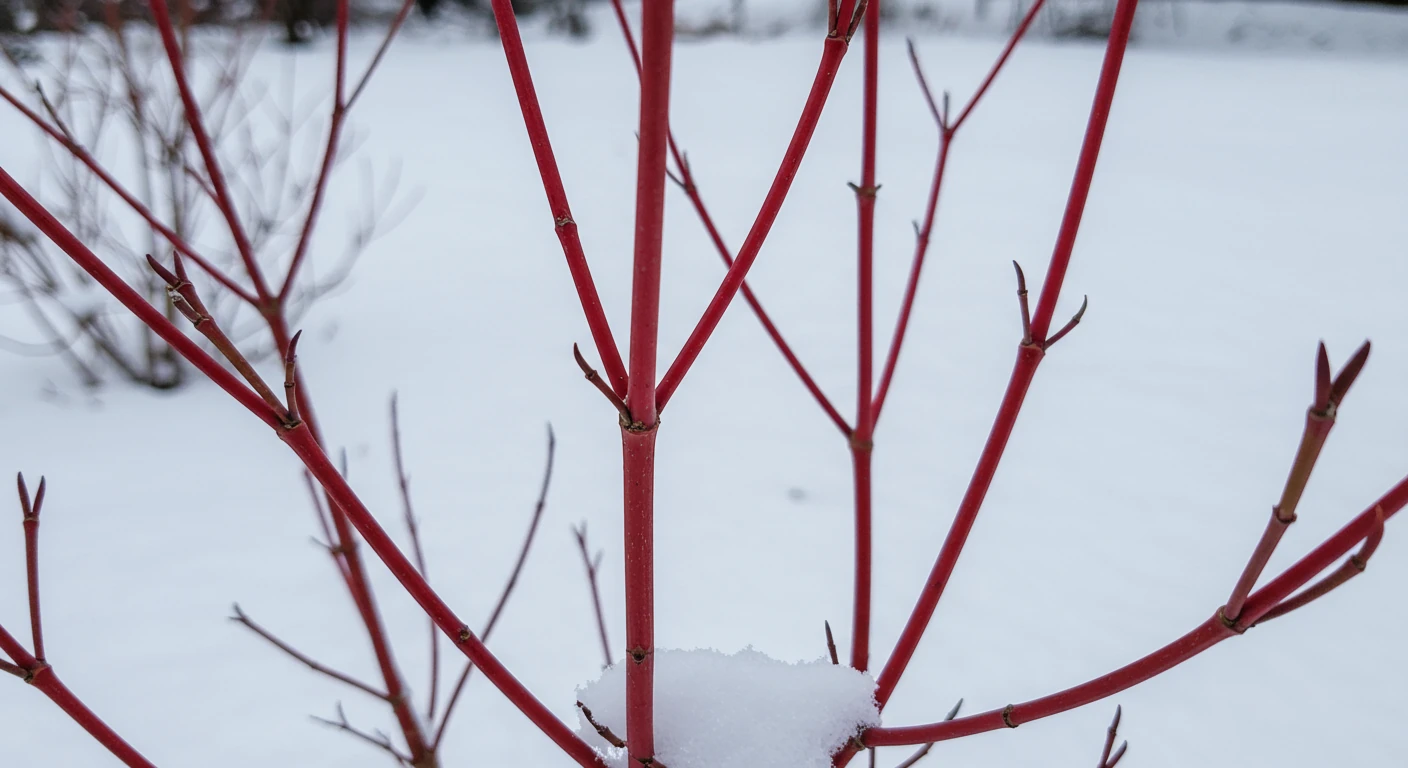
Let's face it, Ottawa winters can feel long. Really long. Once the glorious fall colours disappear, our gardens can sometimes look a little… bleak. If your Osgoode backyard starts feeling less like a vibrant oasis and more like a scene from a black-and-white movie between November and April, you're not alone! But fear not, fellow gardening enthusiasts, there's a fantastic way to inject some serious pizzazz back into your landscaping: colourful dogwood stems.
We're not talking about the big flowering dogwood trees here, but rather their super-hardy shrub cousins (Cornus species) famous for their incredible winter interest. Imagine looking out your window to see brilliant reds, vibrant yellows, or fiery oranges glowing against a blanket of fresh snow. These colorful stems are nature's own winter fireworks! Getting the most intense colour often involves a little strategic pruning – think of it as giving the plant a haircut to encourage those bright, young stems. Don't worry, it’s simpler than shovelling the driveway after a major snowfall! Ready to transform your winter view from drab to fab? Let's dive into the wonderful world of winter dogwoods.
Why Pruning Makes Dogwoods Blush (or Glow Gold!)
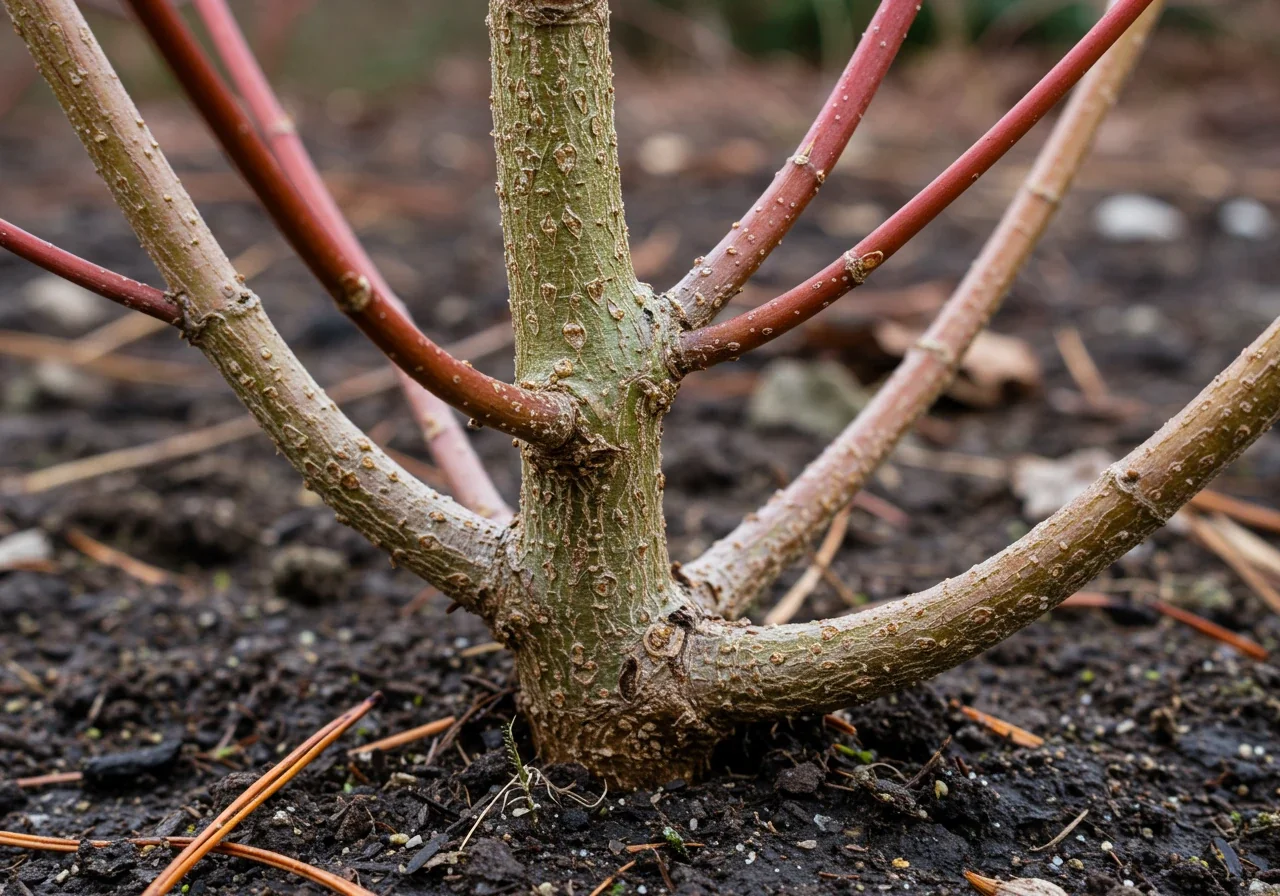
Ever wonder how those red twig or yellow twig dogwoods get such dazzling winter interest? It’s not magic, but it is clever gardening! The secret behind those brilliant crimson reds and sunny golds lighting up the winter scenery lies in the age of the stems. Think of it like this: the youngest, freshest stems wear the brightest colours. As the stems get older, maybe two or three years old, their colour starts to fade, often turning dull brown or grey. They've lost that youthful glow!
So, where does pruning come in? When you prune these types of dogwoods, you're essentially encouraging the plant to send up new growth from the base or lower branches. It’s these brand-new, one-year-old stems that pack the most colourful punch. By regularly removing some of the oldest, thickest, and dullest-looking stems (usually cutting them right down near the ground), you make space and stimulate the shrub to produce a fresh batch of vibrant replacements. It’s a bit like giving the plant a pep talk, saying, "Okay, time to show off your bright side again!"
This makes a huge difference in places like Ottawa and its surrounding communities, including Osgoode, where a splash of colour against the snow is always welcome. Imagine those fiery red stems against a backdrop of fresh white – it’s a landscaping masterpiece! While this type of pruning focuses on colour, it's different from the detailed shaping you might do for other plants; you can find helpful pointers in these Osgoode Topiary Tips: Shape Shrubs for Summer.
The best time for this rejuvenating prune is typically late winter or early spring, before the leaves emerge. This timing avoids stressing the plant during harsh weather and sets it up for vigorous spring growth. It's distinct from the tasks outlined in our guide to Osgoode Fall Tree Pruning Before Winter, which focuses on different goals for larger trees. Of course, healthy plants respond best to pruning. Ensuring your dogwood is happy, even if you're dealing with challenging soil conditions like those discussed in our Osgoode Clay Soil Garden Care Fall Tips, will maximize that colourful new growth. And remember, prepping your garden for the seasons involves various tasks, from pruning to essential steps like Osgoode Sprinkler System Winterization Blow Out.
Not sure about tackling pruning yourself? Getting the technique right ensures the best colorful stems year after year. If you need a hand, check out our professional Gardening and Landscaping Services – we're happy to help keep your dogwoods blushing!
Choosing Your Colour Crew: Top Dogwood Varieties for Ottawa Gardens
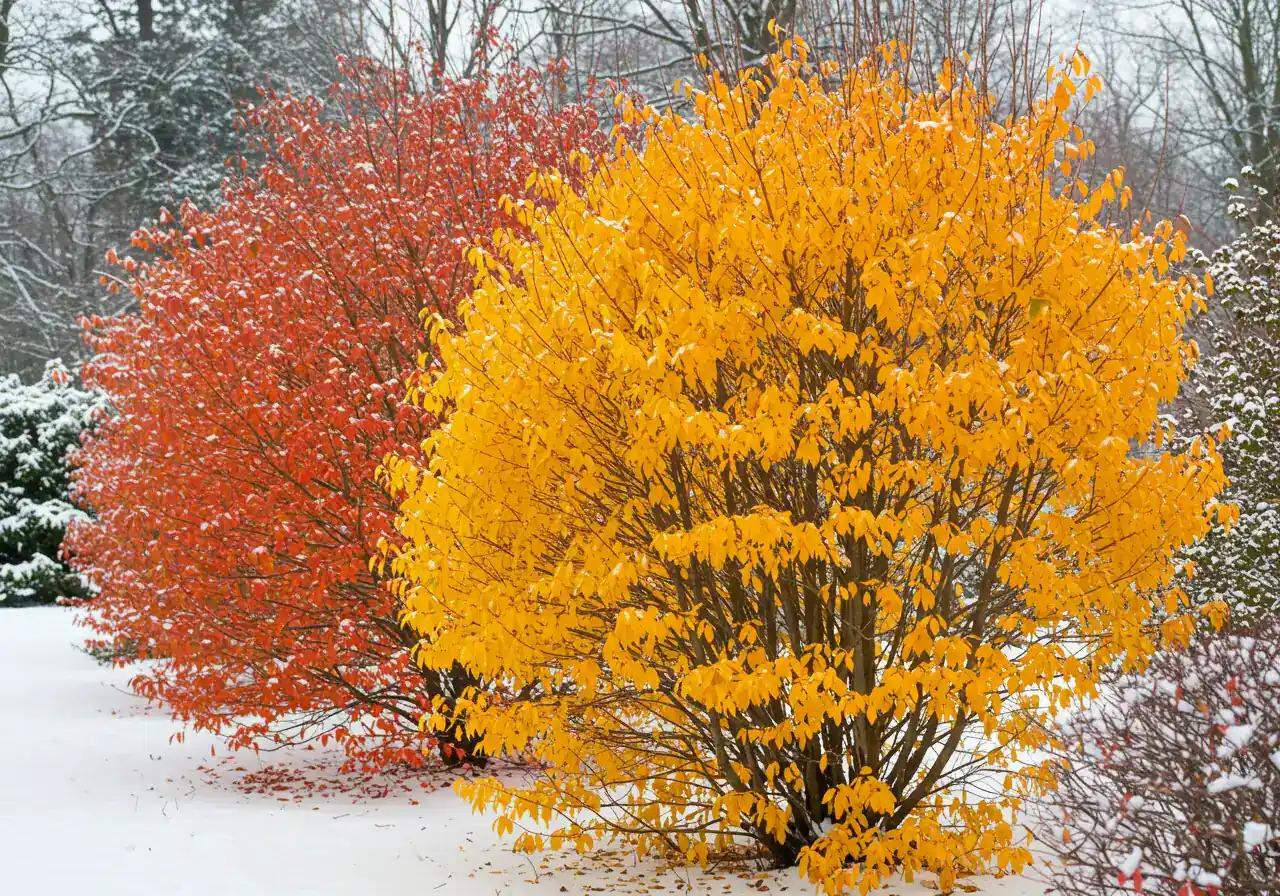
Okay, garden pals, ready to pick your winter colour champions? Choosing the right dogwood shrubs can turn your frosty Ottawa landscape from "meh" to "wowza!" We need tough contenders that can handle our chilly winters (hello Zone 4/5!) and still put on a dazzling show long after the leaves have dropped. Luckily, there are some fantastic shrub varieties well-suited for our region that fit the bill perfectly.
Most of the colourful stem stars you'll find belong to the Cornus sericea (Red Osier Dogwood) or Cornus sanguinea (Bloodtwig Dogwood) families. A big plus? The Red Osier Dogwood is actually native right here in North America! This generally means they're well-adapted to our local conditions and climate, making them a reliable choice for gardening success. Check out the Master Gardeners of Ottawa-Carleton website for more info on native plants.
Here are a few top picks to consider for adding vibrant winter interest to your yard:
-
For Knockout Reds (Cornus sericea types):
- 'Arctic Fire' Red: A fantastic, slightly more compact variety, making it perfect if you don't have acres of space in, say, your Barrhaven backyard. It delivers truly intense red colorful stems that practically glow against the snow. Its smaller size also makes annual pruning a bit less daunting!
- 'Cardinal': Another excellent red-stemmed choice, known for its bright, cheerful colour, especially on the youngest growth which, as we know, packs the most punch.
-
For Sunshine Yellow:
- Cornus sericea 'Flaviramea': Commonly known as Yellow Twig Dogwood, this classic offers brilliant golden-yellow stems. It creates stunning contrast when planted near red varieties or dark evergreens. Imagine that sunny yellow against a fresh snowfall!
-
For Fiery Blends:
- Cornus sanguinea 'Midwinter Fire': This one is a real showstopper! Its stems boast an incredible colour gradient, shifting from yellow at the base through vibrant orange to fiery reddish tips. It truly looks like a tiny bonfire warming up the winter landscape.
What do these colourful characters need to thrive?
Generally, they aren't too fussy! They perform best in full sun to light shade – more sun usually means more intense stem colour. They prefer soil that stays reasonably moist but can tolerate a range of conditions once established. Keeping the area around their base clear of weeds and fallen leaves helps them stay healthy and allows those stems to shine. This type of tidying is a key part of seasonal maintenance, much like the tasks included in our Osgoode Yard Cleanup Service or Metcalfe Garden Clean Up Service. For more urban settings, consider the City Garden Clean Up Service.
Pro Tip: Plant your colourful dogwoods where you can easily see them from a window during the winter months. Placing them against a dark background, like a fence or evergreen hedge, will also really make their vibrant stems pop! Ensuring the rest of your yard complements these winter stars involves consistent upkeep, including reliable Lawn Care Services during the growing season.
Choosing the right variety is the exciting first step to adding spectacular winter colour. If you need help selecting, planting, or maintaining these hardy shrubs as part of your overall garden vision, take a look at our comprehensive Gardening and Landscaping Services. Need help planning a new garden space? Explore our Garden Install options. Got questions about which dogwood would be the absolute best fit for your specific spot or soil conditions? Please don't hesitate to Contact Us – we love chatting about plants and helping Ottawa gardens look their best, year-round! Also, feel free to check out our work on our Google Business Profile.
Stem Colour Intensity vs. Age/Pruning
The Big Snip: When to Prune Dogwoods in the Ottawa Valley Climate
Alright, let's talk timing! When it comes to getting the most vibrant colourful stems from your shrubby dogwoods, giving them a haircut – or pruning – at the right moment is key. It’s like asking someone for a favour; timing can make all the difference, right? So, when is the magic window for snipping those dogwoods here in the sometimes-frosty Ottawa region?
The Sweet Spot: Late Winter to Early Spring
Think late March or early April for most Ottawa neighbourhoods, maybe stretching into mid-April depending on how long winter decides to hang around that particular year (you know how it is!). This is generally after the absolute worst of the winter cold has passed but before the plant really starts pushing out new leaves. Imagine a little window on your gardening calendar, right when the snow is finally melting for good, but the buds haven’t fully burst open. For local climate info, the City of Ottawa's climate change resources can be insightful.
Why This Timing Rocks for Ottawa Gardens:
- Dodging the Deep Freeze: Pruning creates small wounds. Snipping away in the dead of January leaves those fresh cuts exposed to brutal cold. Waiting until late winter minimizes this risk.
- Energy Boost: The plant is just waking up. Pruning now encourages it to put its spring energy into producing vigorous, new, brightly coloured stems – exactly what we want!
- Clear View: It’s easier to see the shrub's structure and identify the oldest, dullest stems before leaves emerge. Makes the job simpler whether you're in Manotick, Nepean, or needing Marionville Yard Cleanup Service.
When NOT to Prune (The Pruning Pitfalls):
- Fall Folly: Resist pruning these dogwoods in the fall! It removes the colourful stems you want to enjoy all winter and leaves cuts vulnerable.
- Summer Setback: Heavy summer pruning removes leaves needed for energy and can stress the plant. Light shaping is okay, but major rejuvenation should wait.
Making the Cut:
When that late winter/early spring window arrives, grab clean, sharp pruners. Aim to remove about one-third of the oldest, thickest stems near the ground each year (Selective Renewal). A total reset (Coppicing) is also an option for overgrown shrubs.
Dealing with the leftover branches is part of the process. Services like a Ottawa Yard Cleanup Service or the more extensive Metcalfe Property Cleanup Service can handle the debris. Remember, proper pruning timing differs from when you might start Reliable Lawn Care Services. Keeping track of seasonal tasks is crucial, and if it feels like too much, a City Garden Maintenance Service can help manage your gardening schedule.
Technique 2: Selective Renewal Pruning (The Gradual Refresh)
This method maintains the shrub's presence year-round by removing only a portion of the oldest stems each year. Aim to remove about one-third of the total stems annually.
- Step back and look at the whole shrub.
- Identify the oldest stems: thickest, dullest bark (grey/brown), maybe more side branches.
- Using loppers or saw, cut these selected oldest stems right back to the base, near the ground.
- Repeat until roughly one-third of the total stems (the oldest ones) are removed.
- Leave the younger, brightly coloured stems untouched – they provide winter colour!
Pros: Consistent winter interest, maintains natural shape/size, less stressful for the plant.
Cons: Requires identifying correct stems, colour might be slightly less uniform than coppicing.
Best for: Most gardens, maintaining shrub size, consistent annual colour.
Technique 1: Coppicing (The Hard Reset)
This is the most drastic method, involving cutting *all* the stems down relatively close to the ground (say, 10-15 cm or 4-6 inches).
How to do it: Select your height and cut every single stem straight across.
Pros: Maximum new, intensely coloured growth; simple method; great for rejuvenating old shrubs.
Cons: Sacrifices *all* colour for the first winter after pruning; less natural shape initially; reduces shrub size temporarily.
Best for: Maximum colour intensity (if you can wait a year), rejuvenating old plants, rotating between multiple shrubs.
Gear Up!
Before you make the first cut, gather your tools:
- Sharp, clean bypass pruners (for smaller stems)
- Sharp, clean loppers (for thicker stems)
- Small pruning saw (optional, for very thick stems)
- Sturdy gardening gloves
- Safety glasses (recommended!)
Why sharp and clean? Dull tools crush stems, inviting disease. Dirty tools spread problems. Wipe blades with rubbing alcohol. Quality tools, like quality landscape materials, make the job better and safer!
How-To Guide: Pruning Techniques for Maximum Winter Wow
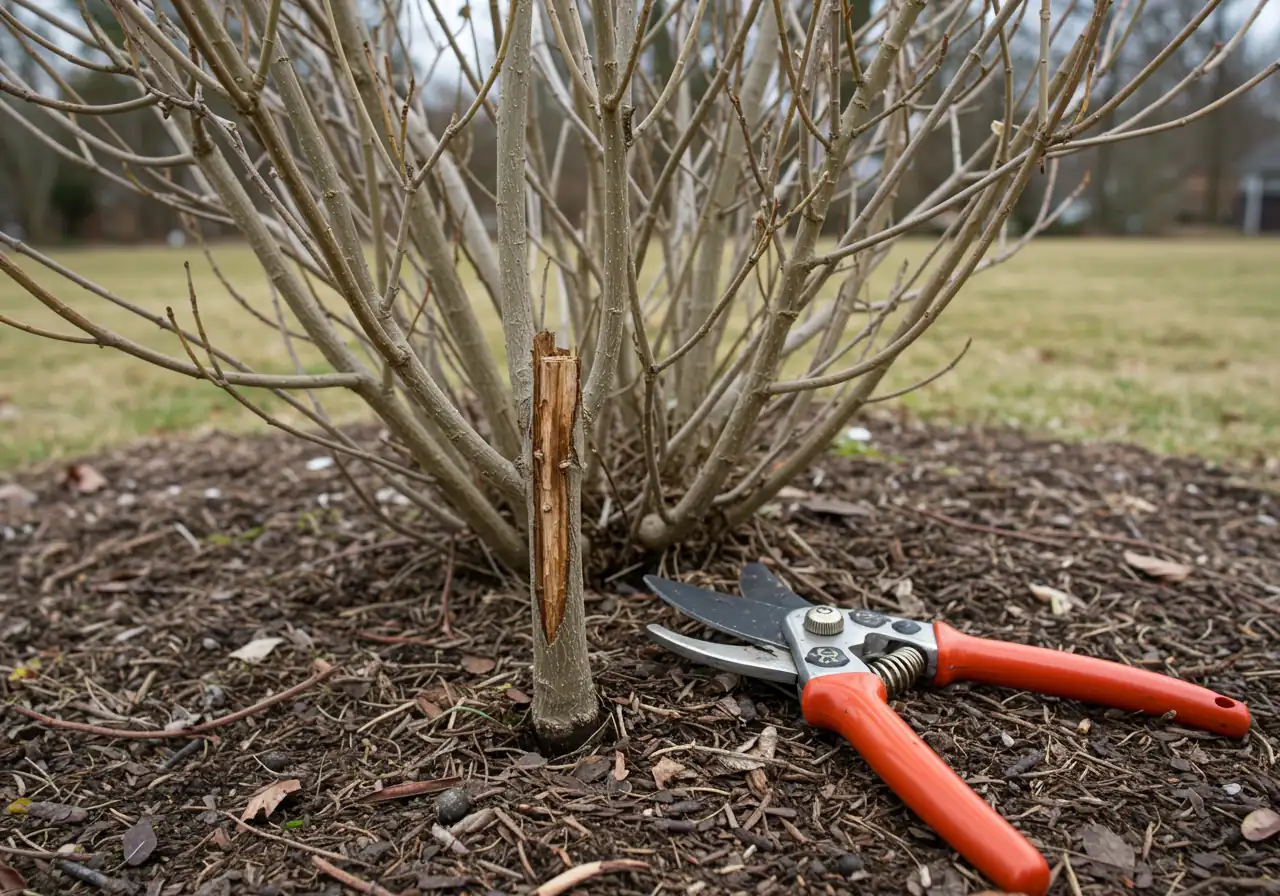
Alright, let's roll up our sleeves! We know *when* to prune (late winter/early spring in Ottawa), but *how* you prune impacts those glorious colourful stems. Choose between a hard reset (Coppicing) or a gradual refresh (Selective Renewal Pruning).
Refer to the **Tabs above** for detailed steps on each method ("Selective Renewal" and "Coppicing (Hard Reset)") and the essential "Tools Needed".
Which Method Is Right For Your Ottawa Garden?
If your dogwood is young or you prefer consistent colour, **Selective Renewal** is usually best. If you have an old, woody plant or prioritize the absolute brightest display (and can wait a year), **Coppicing** might be your answer. Consider a mix if you have several plants.
Safety Snippet & Cleanup:
Always cut away from yourself. Be mindful of spring-back. Gather pruned branches afterwards. This can generate significant yard waste! If tackling a large job or combining with other tidying, professional help is useful. Dealing with debris is part of the process, and comprehensive services like the Ottawa Property Cleanup Service or Marionville Property Cleanup Service can handle it efficiently.
Feeling unsure? Getting professional gardening advice or help is always an option. Reputable companies value your privacy; review their policies, like our Privacy Policy Commitment. Your input matters – providing feedback on landscaping estimates helps ensure clear communication.
Beyond the Cut: Caring for Your Colourful Osgoode Dogwoods
So, you’ve bravely wielded the pruners – high five! But like any star performer, these vibrant shrubs need ongoing TLC to truly shine year after year. Keeping them happy ensures they bounce back beautifully after pruning.
Keep Their Feet Happy (Watering & Soil)
Dogwoods prefer consistently moist soil, especially during dry Ottawa summers. They dislike bone-dry conditions. Many local areas, including Osgoode and Greely, have clay soil. While tolerant, ensure good drainage and water during droughts. Mulch (shredded bark/compost) around the base helps retain moisture, keeps roots cool, suppresses weeds, and improves clay structure over time. Good Soil Preparation is key.
Food Glorious Food? (Fertilizing)
These shrubs aren't heavy feeders. Healthy soil usually provides enough nutrients. Over-fertilizing can boost leaves at the expense of stem colour. A yearly top-dressing of compost is typically sufficient for successful gardening.
Keeping the Grumbles Away (Pests & Diseases)
While tough, dogwoods can sometimes get leaf spots or stem cankers. Best defence:
- Ensure good air circulation (don't plant too densely).
- Clean up fallen leaves/debris in fall. This is part of any good Property Clean Up.
- Prune out diseased stems immediately (dispose, don't compost).
If issues arise or you need help with seasonal tidying, whether needing a City Yard Cleanup Service or further out requiring the Metcalf Yard Cleanup Service, assistance ensures problems don't spread. Check service details; our Terms and Conditions outline expectations.
Eco-Friendly Flair & Wildlife Wins
Don't just toss colourful pruned stems! Thicker cuttings can sometimes be rooted; thinner twigs look great in winter arrangements. Many dogwoods also produce bird-loving berries in fall, adding life to your landscape.
Annual Dogwood Care Timeline (Ottawa Region)
Late Winter / Early Spring (Late Mar-Apr)
Pruning Time! Perform selective renewal or coppicing before leaf buds swell. Clean up debris.
Spring (May-June)
New growth emerges. Apply mulch around the base. Monitor watering needs as weather warms.
Summer (July-Aug)
Ensure consistent moisture, especially during dry spells. Enjoy leafy green foliage. Check for pests/diseases.
Fall (Sept-Oct)
Leaves may offer fall colour. Berries might form (bird food!). Clean up fallen leaves around base before heavy snow.
Winter (Nov-Mar)
Showtime! Enjoy the vibrant colourful stems against the snow. Plan for next year's pruning.
Quick Tips for Radiant Red (and Yellow!) Stems
- Start Strong! Choose shrub varieties known for brilliant winter stems (e.g., 'Arctic Fire' Red, 'Flaviramea' Yellow).
- Snip Smart! Prune late winter/early spring (late March/early April in Ottawa), after harsh cold, before leaves emerge.
- Cut with Confidence! Annually remove ~1/3 of the *oldest, thickest, dullest stems* near the ground (Selective Renewal).
- Keep 'Em Happy! Provide full sun for best colour and consistently moist soil (water during droughts, use mulch). Basic Garden Maintenance is key.
- Show Them Off & Tidy Up! Plant where visible in winter. They pop against snow/evergreens. A neat lawn provides contrast (consider expert sod installation if needed). Clear pruning cuttings; use a service like Ottawa Garden Clean Up Service for larger cleanups.
- Debris Duty! Manage pruned branches and waste effectively. A full City Property Cleanup Service ensures overall tidiness.
FAQs: Your Osgoode Dogwood Dilemmas Answered
Hold your pruners! That's a great question, and it highlights a common point of confusion. The hard pruning techniques we've discussed are specifically for *shrub* dogwoods grown for their colourful winter stems (like Red Osier or Yellow Twig Dogwood). Flowering dogwood *trees* (*Cornus florida*, *Cornus kousa*, etc.) are pruned very differently, usually just to remove dead, damaged, or crossing branches, and often after they flower. Pruning a flowering dogwood tree hard like a stem dogwood shrub would unfortunately remove the wood that produces those lovely spring blooms! So, stick to light, strategic cuts for your flowering tree, and save the vigorous *pruning* for the shrubby types if you have them.
You've perfectly captured the Ottawa spring experience! Yes, there's definitely some flexibility. The key is to prune *before* the leaf buds really swell and start to open, but *after* the absolute harshest freezing temperatures are behind us. Don't stress if you're a week "early" or "late" based on the calendar. Watch the weather and the plant itself. If the snow is mostly gone and daytime temperatures are consistently staying above freezing, you're likely in the safe zone. Waiting a bit longer, even into mid-April some years, is usually better than jumping the gun in early March if a sudden deep freeze is forecast. A little patience often pays off in gardening.
Don't give up hope! Neglected dogwoods are often surprisingly resilient. You have a couple of options. You could try the hard reset method (coppicing) we mentioned earlier, cutting all the stems down to about 4-6 inches from the ground in late winter/early spring. This forces completely new, vibrant growth, though you'll sacrifice colour for the first winter. Alternatively, you could tackle it over two or three years using selective renewal pruning – removing the oldest third each year. It might take longer to see dramatic results, but it's less shocking to the plant. It really depends on how drastic you want to be. We've seen some amazing rejuvenations; check out some inspiring garden transformations for ideas on what's possible with a bit of care!
It's totally understandable to be a bit hesitant! The good news is that shrub dogwoods are tough cookies. It's actually quite difficult to kill a healthy, established dogwood shrub through pruning alone, especially if you stick to the late winter/early spring timing. Cutting the "wrong" stem (e.g., a slightly younger one) might mean slightly less colour that year, but the plant will usually bounce back just fine. The biggest risks come from pruning at the wrong time of year (like mid-winter or high summer) or using dirty tools that spread disease. If you're really unsure, start small by removing just a few of the obviously oldest, thickest, dullest stems. Or, consider getting professional help the first time. You can learn more about our team and our approach to careful, knowledgeable plant care. We're happy to show you the ropes or handle the job for you. Maybe request a thank you call back to discuss options!
Pruning itself doesn't directly harm the soil, but it's a great opportunity to give the area around your dogwood some love! Removing some stems can make it easier to access the base of the plant. This is the perfect time to gently weed the area and, most importantly, apply a fresh layer of organic mulch (like compost or shredded bark) around the base, keeping it an inch or two away from the stems themselves. Mulching helps retain moisture (crucial for dogwoods!), suppresses weeds, and gradually improves the soil structure – especially helpful if you're dealing with challenging clay soils sometimes found near Osgoode or Greely. Good mulch is part of essential soil preparation for healthy plant growth and helps your dogwood recover beautifully from pruning.
Ha! Yes, enthusiastic pruning can definitely create a bit of debris. You have a few options. Thinner, brightly coloured twigs are fantastic for adding winter interest to outdoor containers or even indoor arrangements. Some people get creative and use them in garden crafts. For the bulk of the cuttings, check your local Ottawa waste collection guidelines for bundling brush or using yard waste bags. If the pile is substantial, or part of a larger spring cleanup involving leaf removal and general tidying, using a professional service can save you time and hassle. For example, our Metcalfe Yard Cleanup Service (and similar services like Marionville Garden Clean Up Service) is designed to handle exactly this kind of seasonal landscaping debris, leaving your yard neat and tidy.
Conclusion: Paint Your Osgoode Winter Garden with Living Colour
So, let's wave goodbye to those dreary winter views! As we've seen, those amazing shrub dogwoods are your secret weapon for injecting spectacular colour into the Ottawa landscape, even when everything else is sleeping under a blanket of snow. By simply giving them a strategic snip in late winter or early spring – trimming out those older, duller stems – you encourage a fresh flush of brilliant reds, sunny yellows, or fiery oranges that truly glow. Imagine that vibrant display brightening up your Osgoode or Manotick yard – it’s winter interest at its best!
It might seem like just another gardening task, but the payoff is huge. You’re not just pruning; you’re actively painting your winter canvas with living colour. Remember to keep their feet happy with adequate moisture and perhaps some good Mulching and Edging to help retain that moisture and keep weeds down.
Feeling inspired but maybe a bit overwhelmed by the cleanup afterwards, or perhaps considering adding *more* winter stars to your garden? Don't hesitate to get a helping hand. Whether it's tidying up pruning debris with a service like the Marionville Garden Clean Up Service or tackling a broader seasonal refresh with an Ottawa Property Cleanup Service, assistance is available. And if you're dreaming bigger, exploring options for a complete Garden Install can bring those colourful winter visions to life.
Go ahead, embrace the snip! You’ve got the know-how to turn your winter landscape from blah to breathtaking. Happy pruning!
Need Help Bringing Colour to Your Winter Landscape?
Let our expert team handle the pruning, planting, and cleanup to give your Ottawa-area garden stunning winter interest. We serve Osgoode, Manotick, Greely, Metcalfe, Marionville, and the wider city area.
Check out all our Landscaping Services or browse specific cleanup options like City Property Cleanup.