
Osgoode Garden Vigor: Regular Scans Prevent Big Issues
Quick Summary
- Regular garden scans (weekly during growing season) are key to preventing major issues.
- Early detection of pests, diseases, weeds, and damage saves time, money, and stress.
- Know what to look for: leaf discoloration, wilting, pests (under leaves), weeds, soil moisture, lawn patches, tree/shrub damage.
- Adjust your scan focus based on the Ottawa season (e.g., winter damage in spring, drought stress in summer).
- Prioritize eco-friendly solutions (IPM) when problems are found.
- Quick fixes like deadheading and spot weeding offer instant gratification.
Introduction: Your Osgoode Garden Deserves a Little TLC (and a Good Look-See!)
Hello Osgoode neighbours! Let's be honest, we put a lot of love (and maybe a bit of sweat!) into our yards here in the beautiful Ottawa region. Whether you're tending colourful flower beds right in Osgoode village, managing a larger property near Greely, or enjoying your slice of backyard paradise closer to Manotick, that green space is pretty special, isn't it?
But just like anything valuable, your garden deserves a regular check-up – a little Tender Loving Care and, crucially, a good look-see! Think of it like glancing under the hood of your car before a long trip, but instead, you're checking on your precious plants, shrubs, trees, and lawn. Why bother, you ask? Because catching small issues – like suspiciously yellowing leaves, sneaky pests moving in, or those pesky weeds trying to stage a quiet takeover in your garden beds – early is the secret sauce to successful and less stressful gardening.
This guide is all about that preventative magic. We'll explore simple, practical ways to scan your landscape regularly, spot potential trouble before it really digs its heels in, and keep your beautiful Osgoode garden thriving all season long. It’s about being proactive with your lawn care and plant health, not just reacting when things go sideways! Ready to become a garden detective? Let's explore the perks.

Why Bother? The Surprising Perks of Playing Garden Detective
Alright, let's be real. Adding "garden detective" to your already long to-do list might seem like just another chore. Why poke around your plants and lawn when you could be enjoying a cold drink on the patio? It's a fair question! But think of regular garden check-ins like visiting the dentist. You could skip it, hoping for the best. But catching a small issue early – like a tiny cavity, or in this case, a few sneaky aphids or a patch of odd-looking fungus – saves you a ton of hassle, expense, and heartache compared to dealing with a full-blown root canal (or a devastated flower bed!).
Honestly, spending just a few minutes each week playing plant CSI actually comes with some surprisingly great benefits, especially here in the Ottawa region with our unique climate challenges:
- Catching Pests and Diseases Super Early: Spotting unwanted guests like spider mites or the beginnings of powdery mildew before they really settle in makes dealing with them much, much easier. A quick scan under leaves or a peek at stems can reveal trouble you'd otherwise miss until your poor plant is crying for help. Early detection is crucial during our humid Ottawa summers, which can sometimes invite fungal issues to the garden party. Check local resources like the Ottawa Horticultural Society for common local pest identification.
- Winning the Weed War (Almost) Effortlessly: Let's face it, battling established, deeply rooted weeds is frustrating work. But spotting and pulling tiny weed seedlings when they first pop up? That’s a quick, satisfying task! Regular walks through your landscape help you stay ahead, keeping your garden beds looking tidy. If the weeds have already staged a bit of a coup, remember that a thorough Osgoode yard cleanup service can give you a fresh start.
- Decoding Your Plant's Needs: Are leaves looking a bit yellow? Suddenly droopy? Maybe crispy around the edges? Your detective work helps you decipher what your plants are trying to tell you. Maybe they need water, maybe less water, or perhaps it's time for some plant food. This is super helpful in areas like Osgoode or Greely where we often contend with challenging soil conditions. Understanding your soil is key, and you can find useful information on handling specific types like Osgoode clay soil garden care fall tips.
- Spotting Damage and Maintenance Opportunities: Did that last thunderstorm snap a branch on your favourite tree? Are your shrubs starting to look less 'intentionally shaped' and more 'wildly chaotic'? Regular scans highlight these issues early. Catching damage prevents further harm, and noticing when things need a trim keeps your garden healthy and looking sharp. It helps you know when it’s time for essential tasks like Osgoode fall tree pruning before winter or even getting artistic with some Osgoode topiary tips shape shrubs summer. You might also spot if a sprinkler head is broken before it floods one area and leaves another bone dry, reminding you about essential upkeep like Osgoode sprinkler system winterization blow out.
- Saving You Time, Money, and Stress (Seriously!): This is the big one. Preventing major plant loss, widespread disease, or an overwhelming weed invasion saves you hours of remedial work, the cost of replacement plants and treatments, and the sheer frustration of watching your beautiful garden struggle. Proactive gardening is happy gardening.
So, next time you're out in the yard, take those extra five minutes. Grab your metaphorical magnifying glass (or just squint a little!) and take a thoughtful stroll. It’s a tiny investment that protects your bigger investment of time and effort in your garden. And hey, if your detective work uncovers a bigger mystery than you want to solve alone, remember there are comprehensive landscaping and garden care services available to help crack the case. Find trusted local professionals, like those listed on resources such as our Google Business Profile.

Your Scan Strategy: What to Eyeball in Your Osgoode Oasis
Okay, garden detectives, grab your metaphorical magnifying glass (or just your regular glasses!) – it's time to patrol your personal Osgoode oasis. Knowing what to eyeball during your weekly wander makes all the difference. Think of it as a quick health check for your green space. Don't worry, it doesn't need to take ages! Here’s a simple scan strategy:
Your Garden Scan Checklist:
- The Green Stuff (Plants, Flowers & Veggies):
- Leaves: Look close! Are they the right colour? Yellowing might mean too much or too little water, or maybe a nutrient deficiency. Brown, crispy edges often signal underwatering, especially during those hot Ottawa summers. Spots (black, brown, white) could indicate fungus or disease. Are there holes? Someone munching might be nearby!
- Stems & Growth: Check for wilting – is it just thirsty, or is something else going on at the roots? Look for broken stems or stunted, weak growth compared to neighbouring plants. Are things looking generally vigorous and happy?
- Buds & Blooms: Are flowers forming as expected? Any signs of buds dropping off or being eaten?
- The Tall Stuff (Trees & Shrubs):
- Branches: Scan for dead, broken, or diseased branches. Catching these early prevents bigger problems (and potential hazards!). Are your shrubs getting wildly overgrown and need a bit of shaping? Proper garden maintenance includes timely pruning.
- Leaves & Bark: Similar to smaller plants, check leaf colour and condition. Look for unusual peeling, cracks, or holes in the bark – sometimes signs of pests or disease. For tree-specific concerns, consult resources like the City of Ottawa's Tree Care guide.
- The Carpet (Your Lawn):
- Colour & Texture: Are there distinct brown or yellow patches? Does the grass feel spongy or pull up easily in spots (a classic sign of grubs)? Are there thinning areas or completely bare spots? Sometimes, tackling large bare areas is best left to the pros with options like professional sod installation for that instant green look.
- Weeds: Spotting crabgrass, dandelions, or clover early makes them much easier to pull. Keep an eye out for invaders trying to muscle out your grass.
- The Foundation (Soil & Mulch):
- Moisture Check: Stick a finger into the soil (about an inch deep) in a few spots. Is it bone dry? Soggy? Aim for evenly moist, like a wrung-out sponge. This is crucial in areas around Ottawa, like parts of Metcalfe or Nepean, known for heavier clay soil that holds water differently than sandy soil.
- Mulch Level: Is your mulch layer looking thin (less than 2-3 inches)? Topping it up helps retain moisture and suppress weeds. Consider professional mulching and edging for a clean finish.
- Weeds & Compaction: Are weeds sneaking through the mulch? Does the soil seem hard-packed? Aeration might be needed down the line.
- The Uninvited Guests (Pests & Critters):
- Look Under: Gently flip over some leaves on susceptible plants (like roses or veggie plants). Check for tiny critters like aphids, spider mites (look for fine webbing), or slug trails (slimy!).
- Damage Signs: Look for chewed leaves (caterpillars, beetles), nibbled stems (rabbits?), or larger bites (deer?).
- The Bones (Hardscaping):
- Quick Glance: Check pathways, patios, fences, and decks for obvious damage, loose boards, or areas needing a good clean.
Putting it Together:
You don't need to spend hours on this! Just make it a habit during your regular yard strolls. Maybe focus on one area each time. Spotting something weird doesn't mean disaster – it just means you've caught it early! Consistent observation is key to successful gardening.
If your scan reveals a bit more work than you bargained for – maybe the weeds staged a coup while you were on vacation, or fallen leaves and debris have piled up – don't despair. Help is available! Whether you need a comprehensive Osgoode yard cleanup service for your local property, need assistance tackling a larger job on a property near Metcalfe with a dedicated Metcalfe property cleanup service, or even require help closer to the city core via a city garden clean up service, getting professional help can quickly restore order. Even neighbours in nearby communities like Marionville face similar seasonal tasks, and specific help like a Marionville yard cleanup service exists too. Remember, ongoing care through regular garden maintenance is the ultimate prevention strategy, making these scans less likely to reveal major emergencies. Happy scanning!

Timing is Key: An Ottawa Gardener's Seasonal Scan Calendar
Okay, Ottawa gardeners, let's talk timing! Just like you wouldn't wear shorts in January (well, most of us wouldn't!), your garden scan focus needs to change with the seasons. Our unique Ottawa climate throws everything from deep freezes to humid heatwaves at our poor plants. Knowing when to look for what helps you stay ahead of the game. Think of this as your cheat sheet for year-round garden vigilance!
Early Spring (March/April)
Focus: Winter damage (branches, salt), snow mould, critter evidence (chewing), heaving perennials, early weeds. Plan major cleanups if needed (Ottawa yard cleanup service).
Late Spring / Early Summer (May/June)
Focus: Pest patrol (aphids, caterpillars, early grubs), disease watch (mildew, black spot), intensifying weed watch, growth check (nutrient needs?), mulch level check (Mulching and Edging).
High Summer (July/August)
Focus: Drought stress (wilting, crispy leaves), peak pests (Japanese beetles) & diseases, heat-loving weeds (crabgrass), storm damage checks.
Fall (September/October)
Focus: Leaf buildup (City Yard Cleanup Service), cutting back tired perennials, lawn assessment (overseeding needs), checking for critter winter shelters. Consider property-wide cleanups (City Property Cleanup Service, Marionville Yard Cleanup Service).
Late Fall / Early Winter (Nov/Dec)
Focus: Final sweep for debris/tools, check winter protection (wraps, guards), ensure proper drainage before freeze-up.
Adapting your scan to the season helps you catch issues specific to Ottawa's climate swings. It keeps gardening proactive, not reactive! If you ever feel overwhelmed by what your seasonal scan uncovers, remember that help is available. You can learn more about us and how professional services can lend a hand. Happy scanning!
Common Scan Findings & Actions
Common Ottawa Pests
What to Look For: Holes in leaves, sticky residue (honeydew), webbing, visible insects (aphids under leaves, Japanese beetles on flowers/leaves), spongy lawn patches (grubs).
Quick Actions: Strong water spray for aphids/mites, hand-pick beetles (drop in soapy water), consider beneficial nematodes for grubs (apply at right time). Check resources from OMAFRA for specific pest advice.
Common Plant Diseases
What to Look For: White powdery coating (powdery mildew), black spots on leaves (black spot, often on roses), yellowing with fuzzy grey mould (botrytis), leaf spots with distinct margins.
Quick Actions: Improve air circulation (pruning), remove affected leaves immediately (do not compost), water at base of plants, consider appropriate fungicide for severe cases (use cautiously).
Pesky Weeds
What to Look For: Dandelions, crabgrass (especially in summer lawn), clover, thistle, plantain. Identify invaders early!
Quick Actions: Hand-pull when small (especially after rain), use mulch in beds, maintain dense healthy lawn to outcompete weeds. For widespread issues, consider targeted weed control or professional property clean up.
Plant Stress Signals
What to Look For: Wilting (check soil moisture first!), yellowing leaves (can be over/under watering, nutrient deficiency), brown/crispy edges (underwatering, heat stress), stunted growth.
Quick Actions: Check soil moisture (finger test), adjust watering schedule, consider applying compost or balanced fertilizer if deficiency suspected, ensure plant is suited for its location (sun/shade).
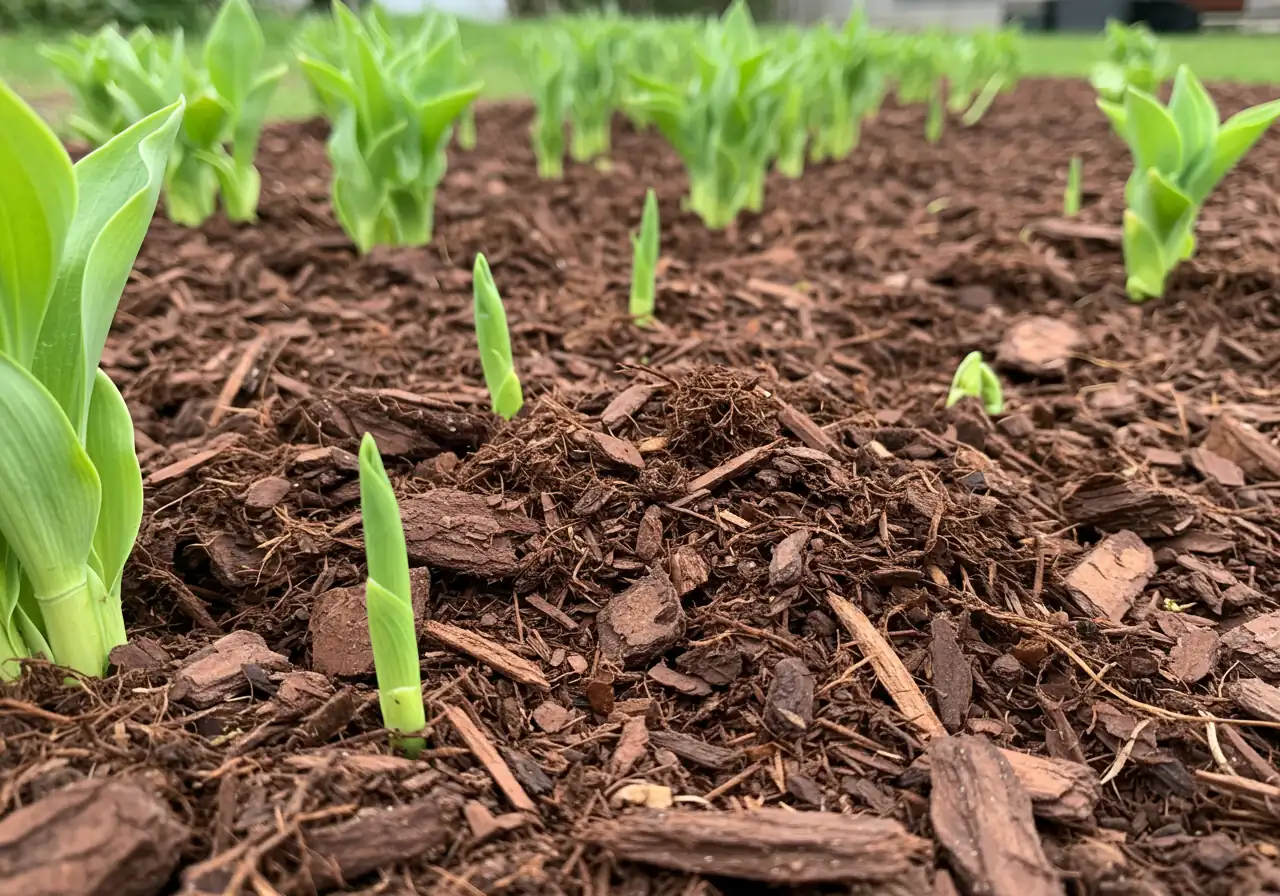
Scan, Solve, Sustain: Eco-Friendly Fixes for Common Finds
Okay, so your garden detective work turned up a few culprits – maybe some suspicious spots on leaves, unwelcome six-legged visitors munching on your prize petunias, or weeds trying to claim squatters' rights in your beautiful Nepean backyard. Before you panic or reach for the harshest chemicals, take a breath! Often, the most effective and earth-friendly solutions are simpler than you think. It's all about working with nature, not against it, using a strategy called Integrated Pest Management (IPM).
IPM: Your Eco-Friendly Toolkit (Simplified!)
Think of IPM as a smart, step-by-step approach that prioritizes gentle fixes first. The goal? Keep pests and problems below bothersome levels without harming the good guys (like bees and ladybugs) or messing up your garden's natural balance. We start with the easiest, greenest methods:
- Cultural Controls (Smart Gardening Habits): This is your first line of defense!
- Right Plant, Right Place: Choose varieties suited to Ottawa's climate and your yard's sun/shade/soil. Happy plants resist problems better. Need help with material selection?
- Boost Soil Health: Adding compost is like giving your plants a multivitamin. Healthy soil grows resilient plants. Investing in good Soil Preparation pays off all season long.
- Water Wisely: Water deeply at the base of plants, preferably in the morning. Wet leaves overnight invite disease.
- Keep it Tidy: Remove diseased leaves or heavily infested plants promptly. Sometimes, a major cleanup of debris that harbours pests or diseases is needed; if the task feels overwhelming, an Ottawa yard cleanup service can help reset the stage.
- Physical/Mechanical Controls (Hands-On Solutions): If problems appear, get physical!
- Hand-Picking: Pluck off larger bugs or weeds. Simple, effective, and strangely satisfying.
- Water Jet: A strong spray knocks aphids and spider mites off plants.
- Barriers: Row covers protect veggies; copper tape deters slugs.
- Mulching: A 2-3 inch layer of organic mulch smothers weed seeds and keeps soil moisture even – a non-negotiable for garden beds!
- Weed Tools: Use a hoe or hand-weeder, especially when soil is moist, to get the roots.
- Biological Controls (Nature's Pest Police): Encourage helpful critters!
- Attract Good Bugs: Plant dill, fennel, or yarrow to invite ladybugs (aphid eaters!), lacewings, and other beneficial insects.
- Avoid Harsh Chemicals: Broad-spectrum pesticides wipe out the good guys too. Check resources like David Suzuki Foundation for tips on bee-friendly gardening.
- Chemical Controls (Use Sparingly & Smartly - Last Resort): Only if other methods fail and the problem is severe.
- Targeted Options: Choose low-impact options like insecticidal soaps or horticultural oils, which smother specific pests but have less impact on beneficials. Always follow label directions exactly.
- Read the Fine Print: When considering any treatment or professional service, understanding the methods and materials used is key. For example, reviewing service details, like our Terms and Conditions, helps ensure alignment with your eco-friendly goals. Always review our Privacy Policy as well.
Key Insight: Healthy soil and smart watering are the foundations of preventative, eco-friendly garden care. Focus here first!
Foundation Fixes: Soil & Water
Seriously, focusing on healthy soil and smart watering prevents countless headaches. Compost improves structure and adds nutrients, making plants naturally tougher. Watering deeply but less frequently encourages strong roots better able to handle Ottawa's summer dry spells.
Sometimes, a garden needs more than just tweaks to become truly sustainable. If persistent problems suggest underlying issues like poor drainage or soil structure, viewing garden Transformations might inspire ideas for a more resilient landscape design. Getting professional help, perhaps via a dedicated service like a Metcalfe garden clean up service for larger properties needing significant compostable material removal or bed restructuring, can create a foundation for easier eco-friendly care moving forward.
By embracing this "Scan, Solve, Sustain" approach, you're building a healthier, more beautiful garden that works with the environment. We want to say Thank You for choosing greener solutions – it truly makes a positive impact!
Visualizing Scan Findings
Frequency of Issues Spotted in Weekly Scans (Example)
Note: Example data showing hypothetical frequency. Your findings will vary! This visualization helps show how common certain small issues can be, reinforcing the value of regular checks.
Quick Scan Wins: Easy Fixes for Instant Garden Gratification
Spotted a few minor things during your garden scan? Perfect! Don't let them linger – jump on these easy wins for that sweet, sweet instant gratification. Honestly, sometimes just 15 minutes can make a surprising difference. Think of these as the satisfying mini-makeovers for your yard:
- Weed Snatching: Pull those obvious, standalone weeds hogging the spotlight in your flower beds or lawn. Getting them before they multiply is a huge win and keeps things looking sharp. It's basic, preventative lawn care that pays off visually.
- Deadhead Duty: Snip off spent flowers (deadheading). It tidies up plants instantly and encourages more blooms. Your flowering shrubs and perennials will thank you! This simple task is part of good city garden maintenance service routines.
- Thirsty Plant Rescue: See a container plant or perennial looking dramatically droopy? Give it a good drink right at the base. Watching it perk back up within the hour is gardening magic!
- Edge Definition: Quickly trim the grass where it meets a walkway or garden bed. A crisp edge makes the whole area look instantly neater and more intentional – small effort, big impact, much like the inspiring changes seen in professional garden Transformations.
- Debris Dash: Quickly scoop up any fallen twigs, obvious leaf clumps, or stray bits of litter. This mini property clean up makes a noticeable difference and helps prevent bigger messes that might eventually require calling an Ottawa property cleanup service.
These quick hits keep your Ottawa garden, whether in Barrhaven or beyond, looking cared for and give you a nice little boost!
FAQs: Your Osgoode & Ottawa Garden Scan Questions Answered
Here are some common questions we hear about keeping an eye on gardens in the Osgoode and greater Ottawa area. Hopefully, these quick answers help you become a super garden scanner!
We totally get it! Aim for a quick walk-through once a week during the main growing season (late spring to early fall). It doesn't have to take long – 10-15 minutes is often enough to spot big changes. In early spring and late fall, you can scan less often, maybe every couple of weeks, just to check for major issues like winter damage or leaf pile-ups.
You bet! With heavy clay soil, common around Greely and parts of Osgoode, pay extra attention to drainage during your scan. Look for water pooling after rain or signs of root rot (yellowing, wilting plants). Also, check if the soil surface is cracking when dry or seems super compacted. Choosing plants that tolerate clay is key, but scans help you monitor how they're coping. Learn more about clay soil care: Osgoode Clay Soil Tips.
Oh, Ottawa has its usual suspects! Keep an eye out for Japanese beetles munching on leaves in mid-summer, powdery mildew (white dusting) on susceptible plants like phlox during humid spells, and signs of lawn grubs (spongy turf, critters digging). Aphids on new growth and slugs in damp areas are also frequent fliers. Early spotting makes dealing with them much easier!
Don't despair! If it feels overwhelming, break it down. Tackle one small section at a time. But if a storm left major debris or the weeds have staged a full takeover, calling in reinforcements might be your best bet. Professional help like an Ottawa garden clean up service can quickly reset things. Similar dedicated services exist for surrounding areas too, like a Metcalfe yard cleanup service or even a Marionville property cleanup service for larger jobs.
Absolutely! Regular scanning helps you understand your yard intimately. You'll notice where the sun hits best, which spots stay damp, where existing plants are thriving (or struggling!), and how much space you *really* have. This info is gold when planning things like a new garden installation, ensuring you choose the right spot and plants from the get-go.
Good catch! Try taking a clear photo. You can compare it online with common plant problems or show it at a local garden center like those found via Landscape Ontario's member search. If you're still stumped or concerned, reaching out for professional advice is wise. Sometimes, describing the issue when seeking input can help clarify things; providing details via something like an estimate feedback form can even be a starting point for getting expert eyes on the problem.
Conclusion: Cultivate Vigilance for a Thriving Osgoode Garden
So there you have it, folks! Your crash course in becoming a garden detective right here in beautiful Osgoode. It really boils down to this: cultivating a little vigilance goes a long way. Taking just a few minutes each week to scan your landscape isn't a chore; it's the secret handshake for keeping your slice of Ottawa paradise looking its best and truly thriving.
Remember, catching those sneaky pests or tiny weeds early saves you big headaches later. Regular scans help you understand what your plants and lawn truly need to flourish, whether you're tending your space in Osgoode village, out near Metcalfe, or enjoying your yard in Barrhaven. Think of it as simple, preventative maintenance for your happy place! A watchful eye helps ensure your garden beds stay beautiful and your plants stay healthy.
Why not start today? Take a five-minute stroll around your property and really look – you might be surprised what you notice! And hey, if your scan uncovers a bigger job than you want to tackle, or you'd simply prefer professional eyes keeping watch, remember that help is available. From expert garden maintenance and lawn care to complete landscape cleanups, reliable services are ready to assist homeowners throughout Osgoode, Manotick, Greely, Metcalfe, Marionville, and the wider Ottawa area. Now go forth, scan with confidence, and enjoy that gorgeous garden!