
Improve Osgoode Garden Mgmt: Simple Record System Tips
Ready to enhance your Osgoode garden but short on time? Get expert help!
Request Your Free Quote TodayQuick Tips for Better Garden Records:
- Choose a simple system you'll actually use (notebook, app, binder).
- Track key info: plant names/locations, planting/frost dates, soil amendments, pests/diseases, weather events, and harvest notes.
- Sketch a basic map of your garden layout.
- Make notes brief and integrate record-keeping into existing routines.
- Use records to repeat successes, avoid failures, and understand your garden's unique needs in the Ottawa climate.
Introduction: Taming Your Osgoode Oasis - Why Garden Records Aren't Just for Nerds
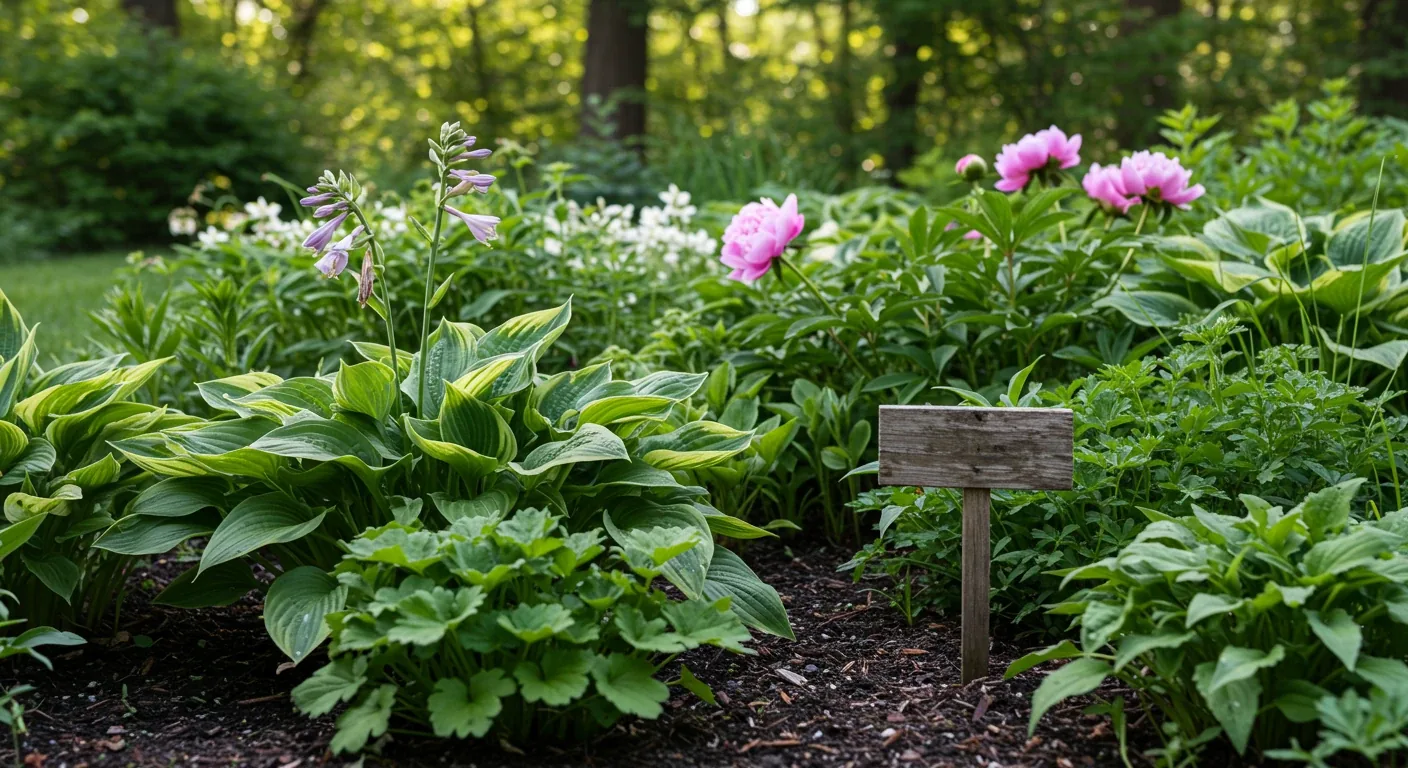
Alright, fellow Osgoode green thumbs! Ever stand in your garden, maybe admiring the landscape somewhere between here and Manotick, and completely forget which perennial you planted in that one promising spot last year? Or perhaps you vaguely recall something decimating your zucchini, but the culprit escapes you? You're definitely not alone!
Gardening in the greater Ottawa area, with its enthusiastic winters and sometimes unpredictable springs, is always an adventure. Taming your own slice of Osgoode paradise often involves navigating these unique climate challenges. That's precisely why keeping simple garden records isn't just for the ultra-meticulous – it’s plain smart gardening! For more ideas on maintaining your landscape, check out the services we offer, including garden maintenance and lawn care.
Think of it less like homework and more like a cheat sheet tailored specifically for your yard and our local conditions. Noting down simple things like planting dates, first or last frost sightings, which shrubs thrived, or even when those pesky aphids showed up helps you repeat successes and avoid past blunders. This isn't about needing complex charts or scientific journals (unless that’s your jam!); it's about practical, easy tips to make your planting and landscaping efforts flourish year after year. Let's dig into how simple notes can lead to a truly thriving Osgoode oasis. For insights on landscape transformations, see our past projects.
Beyond 'Oops, I Forgot Again': Real Benefits for Your Ottawa Garden
So, we've all had those moments staring blankly at a plant tag, wondering if that was the magical variety that thrived last year or the one the bunnies treated like an all-you-can-eat buffet. Keeping simple garden records goes way beyond just jogging your memory – it’s like having a secret weapon for your Ottawa garden, turning "Oops!" into "Aha!"
Let's dig into the real perks:
- Become a Plant Matchmaker: Ottawa's Zone 5 climate keeps us on our toes! What flourishes in sandy soil near Greely might sulk in the heavier clay common around Nepean. Your notes help you remember which perennials actually loved your specific sunlight and soil conditions. Did those fancy heirloom tomatoes flop while a hardier variety went gangbusters? Write it down! This is how you consistently track plant performance and boost your success. It’s like creating a personalized "Best Plants for My Yard" list. Learn more about our approach on our About Us page.
- Mastering Garden Timing: When did you really see the last frost last spring? When did the Japanese beetles arrive for their annual party on your roses? Knowing these dates from your own records is far more accurate for your microclimate than generic advice. It helps you schedule planting, know when to watch for pests, and plan your landscaping tasks more effectively. This historical data is invaluable for developing a smart long-term garden care strategy. Think of it as your garden's personal calendar. Consider local resources like the City of Ottawa Gardening page for general climate info.
- Building Better Soil, Brick by Brick (or Loam by Loam): Whether you're adding compost, manure, or specific soil amendments, keeping track lets you see what actually works over time. Noticing your soil is heavy? Make a note to focus on assessing your soil structure, especially in the fall. Consistent notes are key to understanding how your efforts impact drainage and fertility, crucial for good soil preparation. You can even dedicate part of your notes specifically to using a garden log system for better soil health. Healthy soil is the foundation of any great Ottawa garden! Need help with major soil work? Our property clean up services can assist.
- Smarter Pest & Disease Patrol: Remembering which pests showed up when and what treatment (organic or otherwise) actually worked saves you time and frustration. Saw powdery mildew on the squash mid-August? You'll know to watch for it earlier next year and maybe try a more resistant variety or improve air circulation before it takes hold.
- Saving Time and Money: Less guesswork means less wasted money on plants that aren't suited for your Barrhaven backyard or ineffective pest solutions. You'll know what seeds to buy, what shrubs are reliable performers, and where to focus your gardening energy for the biggest impact. Explore our material selection guide for landscaping insights.
Ultimately, garden records help you learn from your unique piece of Ottawa earth. It transforms gardening from a series of trial-and-error experiments into a more predictable and rewarding process. And hey, if keeping track feels like one task too many, remember that help is available to keep your outdoor space looking its best – check out our comprehensive garden and landscaping services. Happy gardening! You might also be interested in our Ottawa garden clean up service.
Choose Your Weapon: Finding a Record System That Works for You (Not Against You!)
Okay, so you're convinced that keeping garden records isn't just for folks with pocket protectors. Awesome! But now comes the big question: how exactly do you keep track without making it another dreaded chore? Choosing your record-keeping "weapon" is all about finding a system that meshes with your style and makes your gardening life easier, not harder. Let's explore some options.
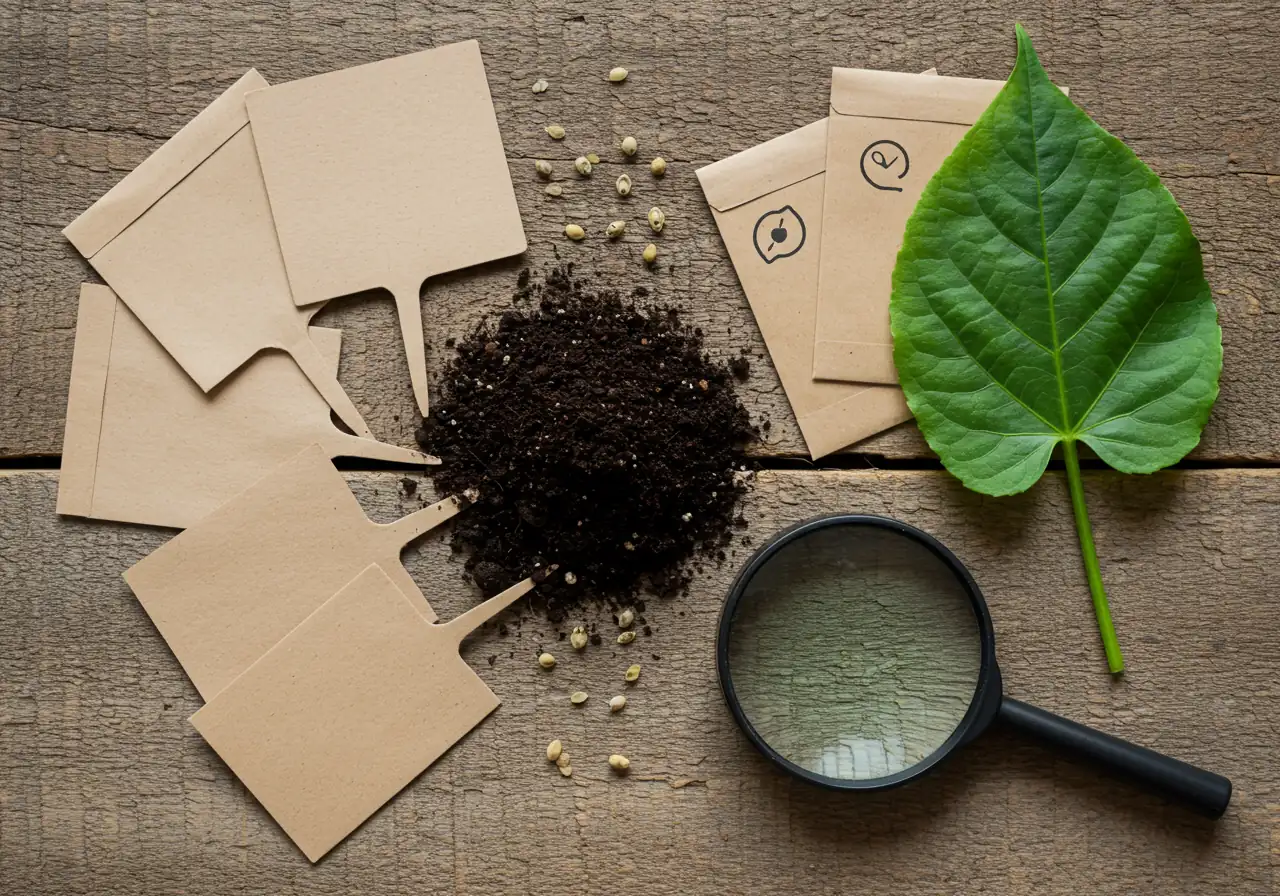
The Old School Cool: Notebooks and Binders
There’s something undeniably satisfying about pen and paper. If you like tangible notes, this might be your jam.
- Simple Notebook: Just grab a dedicated notebook (maybe a weatherproof one!) and start jotting. Date your entries, note what you planted where, when pests appeared, how much rain you got (or didn't get!). Easy peasy.
- The Organized Binder: A step up, perfect for those who love a bit more structure. Think of it as your garden's command center. It's great for organizing different types of info, maybe separating your perennial beds in Metcalfe from your veggie patch plans.
How to Set Up Your Garden Binder:
- Gather Supplies: Get a sturdy binder, dividers with tabs, lined paper, and maybe some plastic sleeves for plant tags or seed packets.
- Create Sections: Label your dividers. Good starting points are:
- Garden Map/Layouts
- Plant Profiles (One page per key plant?)
- Annual Planting Calendar/Log (What went in when)
- Soil Notes (Soil amendments added, test results)
- Pest & Disease Watch
- Wish List/Future Ideas
- Add Initial Info: Sketch a rough map of your garden beds. Tuck in last year's notes if you have them.
- Make it Habitual: Keep it handy! Jot down notes after planting sessions or when you spot something interesting (good or bad!). Keeping track helps you plan ahead, whether it's prepping for next year's planting or scheduling bigger tasks, kind of like planning for a thorough Ottawa property cleanup service in the fall or spring.
Low-Tech Pros: Simple, cheap, no batteries needed, great for visual thinkers who like sketching or taping in seed packets. You can easily dedicate a section to that tricky area needing specific attention, the same way you might target problem zones needing a Metcalfe garden clean up service.
Low-Tech Cons: Can get messy, harder to search quickly, risk of damage or loss, physically takes up space.
The Techie Gardener: Apps and Spreadsheets
If your phone is practically glued to your hand anyway, digital options might be perfect. Ideal for busy folks juggling gardening in, say, Barrhaven with a million other things.
- Gardening Apps: There are tons! Many let you map your garden, track plantings, set reminders, identify pests, and access plant databases. Some are free, some have subscriptions. Explore options like Gardenize, Gardena Smart System, or others.
- Spreadsheets: If you love data, a simple spreadsheet (Excel, Google Sheets) works wonders. Create columns for plant name, variety, source, planting date, location, notes, etc. The search and sort functions are super handy.
High-Tech Pros: Searchable, portable, often includes helpful features (reminders, weather integration), easy photo logging, potential for cloud backup.
High-Tech Cons: Requires a device, battery life matters, potential subscription costs, some apps can be overly complex, less tactile.
Low-Tech vs. High-Tech: Quick Comparison
| Feature | Low-Tech (Notebook/Binder) | High-Tech (Apps/Spreadsheet) |
|---|---|---|
| Cost | Low (Notebook, binder) | Free to Moderate (App subs) |
| Portability | Can be bulky | Highly portable (Phone/tablet) |
| Searchability | Manual flipping required | Quick digital search |
| Durability | Vulnerable to dirt, water, loss | Needs device/battery; backup? |
| Ease of Use | Simple, intuitive | Can have a learning curve |
| Extras | Tactile, space for sketches/tags | Photos, reminders, databases |
Finding Your Fit: The absolute *best* system is the one you'll actually *use*. Don't overcomplicate it! Start simple. A hybrid approach (app for photos, notebook for details) also works. If keeping detailed records feels overwhelming alongside your regular *landscaping* chores, remember professional help is available. You can always explore our wide range of Ottawa property maintenance services to free up valuable time. Don't be afraid to experiment! Sometimes focusing on one specific area needing attention is key, similar to needing an Embrun garden clean up service for a particular trouble spot. If you're still stuck or have questions about managing your specific garden challenges in the Ottawa area, feel free to get in touch with us for personalized advice. Pick a method, try it out, and see if it helps your garden thrive!
The 'What': Essential Intel to Gather for Your Osgoode Garden Log
Okay, you've picked your poison – notebook, app, carrier pigeon, whatever floats your gardening boat! Now, let's talk turkey... or rather, tomatoes. What vital intel should actually make it into your Osgoode garden log? Think of this as your garden's personal dossier, helping you crack the code to a thriving landscape right here in our corner of Ottawa.
Here’s the essential "what" to track:
- Who's Who and Where's Where:
- What: Plant names (common and botanical if you're feeling fancy), variety ('Celebrity' tomato vs. just 'tomato'), where you bought it, and exactly where you planted it. A simple map sketched in your log is gold! Consider our garden installation services if you're planning new beds.
- Why: Ever play "mystery perennial" in the spring? Yeah, us too. Knowing what's planted where helps you track performance year after year. Did the perennials from the local nursery outperform the big box store ones? Did that fancy shrub actually prefer the shadier spot near the Kars boundary line? This info is key for future planting decisions and essential if you're considering different options during material selection for landscaping projects. Plus, if you ever need help, knowing what's where makes explaining things for, say, a targeted Metcalfe garden clean up service, much easier.
- The Calendar of Events:
- What: Key dates! Planting dates (seeds, transplants), first and last frost dates you observe (not just the weather forecast!), when specific plants bloom, when pests arrive (looking at you, lily beetles!), and harvest times.
- Why: Our Ottawa growing season has its quirks! Knowing your specific frost dates is more accurate than general guidelines. Tracking bloom times helps plan for continuous colour. Noting pest arrivals helps you prepare next year. This builds your own simple seasonal calendar, crucial for timing everything from starting seeds indoors to knowing when the heaviest yard work might hit – perhaps aligning with when you'd schedule a city yard cleanup service. Check out the Ontario Horticultural Association for regional tips.
- Water Works & Tasty Treats (for Plants!):
- What: When and how much you watered (or relied on rain). What type of fertilizer, compost, or soil amendments you added, when, and how much.
- Why: Essential for eco-friendly gardening! Tracking water helps you practice water conservation and understand if your plants are truly thirsty or just dramatic. Noting amendments helps you see what actually improves your soil structure over time, whether you're dealing with clay near Richmond or sandier patches. Did adding your homemade compost make a difference? Track it! Good soil may also benefit from proper mulching and edging.
- The Uninvited Guests (Pests & Diseases):
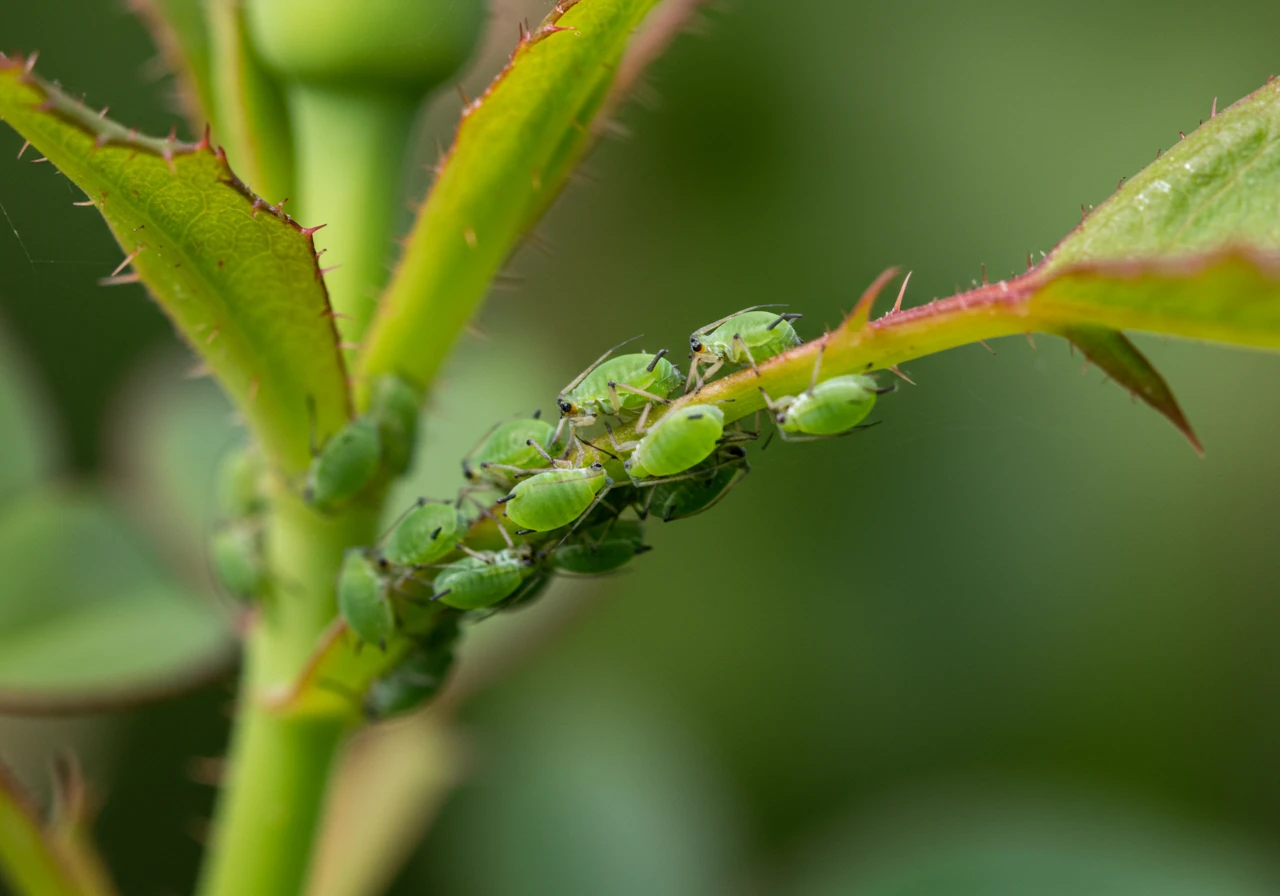
- What: What pest or disease showed up, when, which plants were affected, and what you did about it (soap spray? Neem oil? A stern talking-to?). Crucially, note if your solution worked.
- Why: Creates a historical record. If powdery mildew hits your squash every August, next year you can try preventative measures earlier. Knowing what worked saves you time and money on duds. Consistent pest issues might also flag areas needing more significant intervention or regular upkeep, something that could be handled by a reliable city garden maintenance service. Find local pest advice on our Google Business Profile.
- Weather Quirks:
- What: Major weather events – freak heatwaves, surprise hail, torrential downpours, early snowfalls.
- Why: Provides context! If your tomatoes suddenly wilted after a week of 35°C+, it might not be your fault. Helps explain unexpected plant behavior.
- The Bragging Rights & Learning Moments:
- What: Harvest yields (approximate is fine!), what absolutely thrived ("Best zinnias EVER!"), and what was a spectacular failure ("Note to self: Eggplant hates that spot"). Photos are great here too!
- Why: Reinforces successes and helps you avoid repeating mistakes. Maybe that failed section needs a complete overhaul, something you could tackle yourself or get help with, like using a Marionville property cleanup service if the area is large or particularly neglected. Celebrating wins keeps the gardening mojo high! We value feedback too!
Don't feel like you need to capture everything every single day. Focus on what seems most important for your specific goals and challenges in your Osgoode garden. Even noting down a few key details consistently will make a world of difference!
Example: Tracking Compost Impact on Tomato Yield (Hypothetical)
Visualizing data from your notes can highlight trends and the effectiveness of your efforts.
Make it Stick: Turning Record-Keeping from Chore to Habit
Okay, let's be real. You intended to keep amazing garden records. You bought the cute notebook or downloaded the fancy app. And then... life happened. Suddenly, keeping track feels less like smart gardening and more like homework after a long day battling weeds in Greely. Don't beat yourself up! Turning any new task into a habit takes practice, especially when the sun is shining and the actual planting or landscaping is calling. The trick is to make it easier than falling behind.
Here are a few tips to turn record-keeping from a groan-inducing chore into a genuinely useful habit:
- Keep it Simple & Accessible: Stash your notebook and pen right by the back door or keep your garden app on your phone's home screen during the growing season. If it’s out of sight, it’s out of mind (and probably getting buried under seed catalogues). Don't start by trying to track every single leaf unfurling. Start small!
- Piggyback the Habit: Link record-keeping to something you already do regularly. Do you wander the garden with your morning coffee? Take 60 seconds then to jot down anything new or snap a quick photo. Just finished watering your perennials? Make a quick note about which ones looked thirsty. It's like sneaking veggies into a smoothie – painless integration!
- Focus on Your 'Why': Remind yourself why you're doing this. Remember that mystery shrub disaster last year, or forgetting which tomato variety thrived? Notes prevent repeat performances and help you celebrate wins. Think of it like giving your garden feedback on its performance, similar to how we value client feedback – it helps you improve next time!
- Make it Quick: A short sentence ("Aphids spotted on roses - sprayed soap") or even just a photo with a date stamp is better than nothing. Trying to write a novel about every patch of soil is a fast track to burnout. Bullet points are your friend!
- Schedule It (Loosely): Maybe set a low-pressure "schedule" – like five minutes every Sunday evening to review the week's garden happenings and make notes. Consistency beats intensity.
- Don't Sweat Perfection: Missed a week? Or two? It happens to the best of us, whether gardening in Winchester or closer to the city core. Just pick it up again. Some notes are infinitely better than none. Think of it this way: consistent small notes help you manage your garden proactively, which can prevent small issues from snowballing into bigger jobs needing a major Marionville yard cleanup service. Keeping track also helps you plan other routine tasks, like noting when it’s time for specific lawn care treatments based on past observations or seasonal cues you've recorded. Reviewing your notes *before* undertaking seasonal tasks, like arranging an Ottawa garden clean up service, ensures you address recurring problems noted in previous years. And if keeping track consistently *still* feels like too much on top of everything else, remember that neglecting small observations can sometimes lead to larger, more time-consuming situations down the road, akin to needing a Metcalfe yard cleanup service to get things back under control. Our Terms and Conditions outline service details.
The goal is progress, not perfection. Find what works for you and stick with it (mostly!). Happy (and well-documented) gardening!
Kickstart Your Garden Records - 3 Simple Steps!
Feeling overwhelmed by the idea of keeping garden notes? Don't be! Think of it less like lab work and more like leaving helpful breadcrumbs for your future, slightly forgetful self. Here’s how to dip your toes into the record-keeping waters without getting soaked – it’s easier than parallel parking in Barrhaven during rush hour!
-
Grab Your Gear (Spoiler: It's Probably Already Nearby!)
Forget fancy software or binders thicker than your arm (unless that's your style!). Just grab one simple tool you'll actually use.
Action: Pick ONE: A basic notebook kept by the door, the 'Notes' app on your phone, or even a dedicated cheap calendar.
Why: Accessibility is key! If it's easy to grab, you're more likely to jot something down. Keep it simpler than trying to decipher overly complex instructions; think of these steps as accepting the *fun* terms and conditions for easier gardening – way less daunting than the usual fine print! Maybe you need a full clear out first with our city property cleanup service. -
Sketch a Mud Map (Emphasis on Mud)
No artistic talent required! Just a super basic layout of your landscaping areas.
Action: Draw a rough shape of your yard. Scribble in major garden beds, veggie patch location, key trees, or that sunny spot where nothing seems to grow. Label them simply ("Front Bed," "Shady Side," "Veggie Zone"). You could even note where you're planning future improvements, like that much-needed mulching and edging project around the roses, or planning for sod installation.
Why: Context! Knowing where something happened ("Squash bugs appeared in 'Veggie Zone'") is super helpful later. It turns vague memories into useful data for your Ottawa garden. -
Note Just ONE Thing This Week
Seriously, just one thing. Don't try to capture everything at first. Build the habit slowly.
Action: This week, jot down one simple observation. Examples: "Planted 'Early Girl' tomatoes today," "Saw first robin," "Roses look thirsty," "Weeded the front bed." Or note when you completed a task – it's a small step toward streamlining your overall approach to garden maintenance.
Why: Starting small prevents overwhelm! One note is infinitely better than zero notes. Recording what worked well is like giving your efforts positive feedback based on your garden's performance, reinforcing good choices.
Do these three ridiculously simple things consistently, and you've officially started! Trust us, next season, when you remember exactly which perennial thrived and which one sulked, your future self will definitely want to send you a huge thank you for making gardening smarter! Happy noting!
Example Timeline: A Year in the Osgoode Garden Log
Early Spring (April)
Noted last frost on April 28th (later than usual!). Started tomato/pepper seeds indoors. Added compost to veggie beds. Soil prep done.
Late Spring (May/June)
Planted out seedlings June 1st. Perennials 'Purple Coneflower' and 'Hostas' thriving in Front Bed. Lily beetles spotted June 15th - treated with insecticidal soap (worked!). Considering a Marionville garden clean up service for the back area.
Summer (July/August)
Heatwave July 10-15th, extra watering needed. First 'Celebrity' tomatoes harvested July 25th. Powdery mildew on squash Aug 5th - removed affected leaves, improved air flow. Checked privacy policy before sharing photos.
Fall (Sept/Oct)
Good Zinnia harvest. Planted garlic Oct 15th. First frost Oct 20th. Cleaned up beds, added leaf mulch. Scheduled Ottawa property cleanup service for major leaf removal.
FAQs: Your Ottawa & Osgoode Garden Record Questions Answered
Oh, that Ottawa clay – it builds character, right? Keeping records helps immensely! Note down when and what kind of soil amendments you add each year (hello, compost!). Track how your planting areas drain after heavy rain before and after adding organic matter. Over time, your notes will show what actually improves the soil structure for your specific Russell patch. Did adding leaf mould make a bigger difference than just compost? Write it down! This targeted info is way better than guessing each spring and refines your future soil preparation techniques. It’s like a long-term science experiment where your garden wins!
Great question! Those official weather station dates are useful, but your garden in Vernon might have its own little microclimate. Maybe it's in a slightly lower spot that holds cold air longer, or it gets more morning sun. Tracking your last (and first!) frost date gives you the most accurate timing for your specific yard. This helps prevent sad, frost-bitten seedlings and tells you precisely when it's safer to put out tender plants. Knowing your dates takes the guesswork out of crucial planting schedules for our sometimes tricky Ottawa seasons. Similar tracking helps plan for services like city garden clean up service.
Ah, the dreaded bean buffet! Notes are your secret weapon here. When you see damage, jot down: what the damage looks like (holes, chewed edges, slime trails?), when you first noticed it, and what pest you actually saw (if any!). Maybe snap a photo! Over a season or two, patterns emerge. You might realize Japanese beetles always show up the first week of July, or slugs are only a problem after rainy spells. This helps you anticipate threats and use the right control method before things get out of hand. Understanding pest* cycles is part of effective garden management; you can learn more about our dedicated team and approach to tackling yard challenges. Your notes build that personalized pest calendar! If pests become overwhelming, our Embrun garden clean up service can help reset affected areas.
It might seem that way at first, but think of it as an investment! Spending five minutes making notes after a gardening session can save you hours (and headaches!) next year. You won't waste time planting things that failed before, or trying pest solutions that didn't work. Your notes streamline decisions about planting, feeding, and troubleshooting. It makes your effort more effective! Plus, knowing what worked well is super rewarding. If record-keeping *plus* the actual landscaping feels like too much, focusing your energy might be key. Consider getting help with the bigger, time-consuming jobs through a reliable Ottawa yard cleanup service to free up your time for the parts of gardening you love most (like enjoying the results!).
If you track just one thing for your lovely Osgoode perennials*, make it Performance & Location. Simply note which perennial is planted where (a quick sketch helps!) and add a brief comment each year: "Thrived," "Okay," "Struggled," "Amazing blooms," "Got eaten." This helps you remember which varieties truly love your specific light and soil* conditions and which ones might need moving or replacing. It prevents you from accidentally digging up a dormant favourite or replanting a dud. If a whole section consistently underperforms based on your notes, it might signal a bigger issue needing attention, perhaps like the kind addressed by our Metcalfe property cleanup service for major resets or soil overhauls. Keep these simple notes, and your future self will send you a huge thank you for the helpful notes!
Conclusion: From Garden Guesswork to Green-Thumb Guru
So there you have it! Moving from garden guesswork to green-thumb guru status isn't about magic; it’s about paying a little attention. Whether you’re nurturing perennials* in Osgoode, tending shrubs* in Nepean, or figuring out the tricky soil* near Kenmore, simple notes are your superpower for smarter gardening* and landscaping*. They help you ditch costly mistakes, remember what planting* strategies or compost* additions actually worked, and make your efforts truly count.
Think of the frustration saved! Your notes might even reveal bigger tasks needing attention, like areas perfect for a fall property clean up to reset. And if keeping track feels like a chore on top of everything else, getting help with bigger jobs like an Ottawa yard cleanup service can free you up to focus on the fun stuff. Maintaining that hard-won success is easier too, perhaps with support from a regular city garden clean up service.
Ultimately, these simple records empower you* to learn from your unique patch of earth and create the beautiful, thriving Ottawa landscape you envision. Should you ever share details from your garden notes when seeking advice or services, know your information is handled respectfully; you can view our commitment to your privacy here. Now, go forth and garden smarter, not harder! Happy (and well-documented) gardening!
Ready to Dig Deeper?
Whew! Feeling inspired to turn over a new leaf (pun totally intended!) with your garden records? Awesome! Taking simple notes is a fantastic step towards a more rewarding gardening experience, turning guesswork into great results right here in Ottawa.
But hey, maybe reading all this has sparked some bigger ideas, or perhaps made you realize you'd rather spend less time wrestling with weeds and more time actually enjoying your beautiful space. If you're ready to take action but could use a helping hand, we're here for you!
- Need Expert Advice or a Hand with the Heavy Lifting? Whether you're dreaming up a new landscaping design, battling a persistent garden problem in Nepean, or just need reliable help maintaining your slice of paradise, let's chat! Get a free, no-obligation quote tailored to your specific needs and see how we can bring your garden vision to life.
- Curious About Other Ways to Enhance Your Yard? From seasonal cleanups to specialized lawn care, there's always more to explore. Discover the full range of ways we help Ottawa homeowners create and maintain beautiful, healthy outdoor spaces.
Taking that next step, whether it's grabbing a notebook or reaching out for professional support via our Contact Us page, is all part of the journey to creating a garden you truly love. Happy digging!