
Osgoode Garden Stream Design: Add Tranquil Sound Now
- Garden streams add soothing sounds, visual appeal, and wildlife benefits to your Osgoode property.
- Choose a style (rustic or modern) that fits your landscape.
- Consider pondless waterfalls for lower maintenance and safety.
- Plan carefully considering site, Ottawa's clay soil, and winter preparation.
- Decide between a DIY project or hiring professionals for installation.
- Maintain your stream eco-consciously using native plants and natural algae control.
Ready to transform your backyard into a peaceful oasis? Request your free quote today!
Get a Free Quote NowIntroduction: Hear That? It's Tranquility Calling Your Osgoode Garden
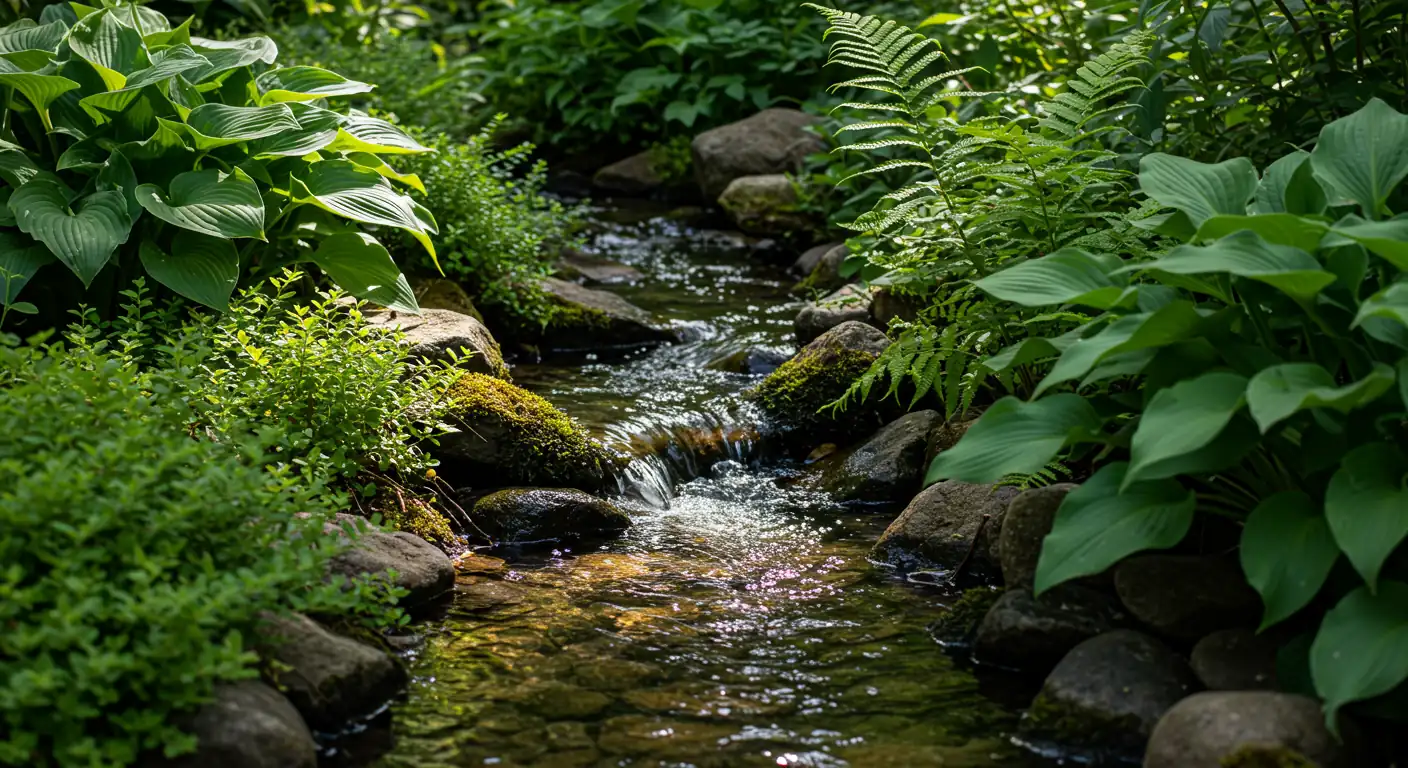
Okay, Osgoode neighbours, close your eyes for a second. Imagine stepping into your backyard... and *ahhh*. Hear that gentle gurgle? That’s not your neighbour’s questionable plumbing (we hope!), it’s the sound of pure peace trickling through your very own garden stream. Here in Osgoode, where we cherish our connection to nature and enjoy the quieter pace compared to bustling Ottawa central, wouldn't it be fantastic to have a little slice of waterfront serenity right outside your door? A beautifully designed water feature does more than just look pretty – it transforms your everyday landscaping. Picture sunlight sparkling on moving water, maybe even attracting a friendly dragonfly or two! Forget the distant hum of traffic or lawnmowers; let the soothing sounds wash your stress away. It’s a sensory upgrade for your *entire* garden space. This isn't just about advanced gardening; it's about crafting your personal oasis, a tranquil retreat just steps away. Let's dive into how a simple stream can bring big peace and added beauty to your Osgoode home.
Why Let a Stream Flow Through Your Ottawa Landscape?
Alright, let's chat about streams. Not the kind you binge-watch, but the delightful, watery kind that can meander right through your own backyard here in Ottawa! You might be thinking, "A stream? Isn't that a bit... extra?" Maybe! But it's the kind of *extra* that transforms your garden from just nice to *wow*. Think of it as giving your landscape its own soothing soundtrack.
So, why consider adding this liquid magic to your property, whether you're in leafy Manotick or enjoying the space in Greely?
- Ear Candy (The Good Kind): Forget traffic noise or the neighbour's enthusiastic lawn mowing at 7 AM on a Saturday. The gentle burble and trickle of a stream is nature's white noise machine. It’s incredibly relaxing, washing away stress and creating a peaceful vibe perfect for unwinding after a long day. Seriously, it's like a spa day for your ears, available 24/7.
- Eye Candy Too: Let's be honest, moving water is just plain pretty. It catches the sunlight, adds dynamic movement, and provides a beautiful contrast to static plants and hardscaping. It can visually connect different parts of your garden, guiding the eye (and maybe your feet) through the landscape. Imagine beautifully shaped shrubs framing the water's edge – for ideas on that, check out these Osgoode Topiary Tips: Shape Your Shrubs This Summer.
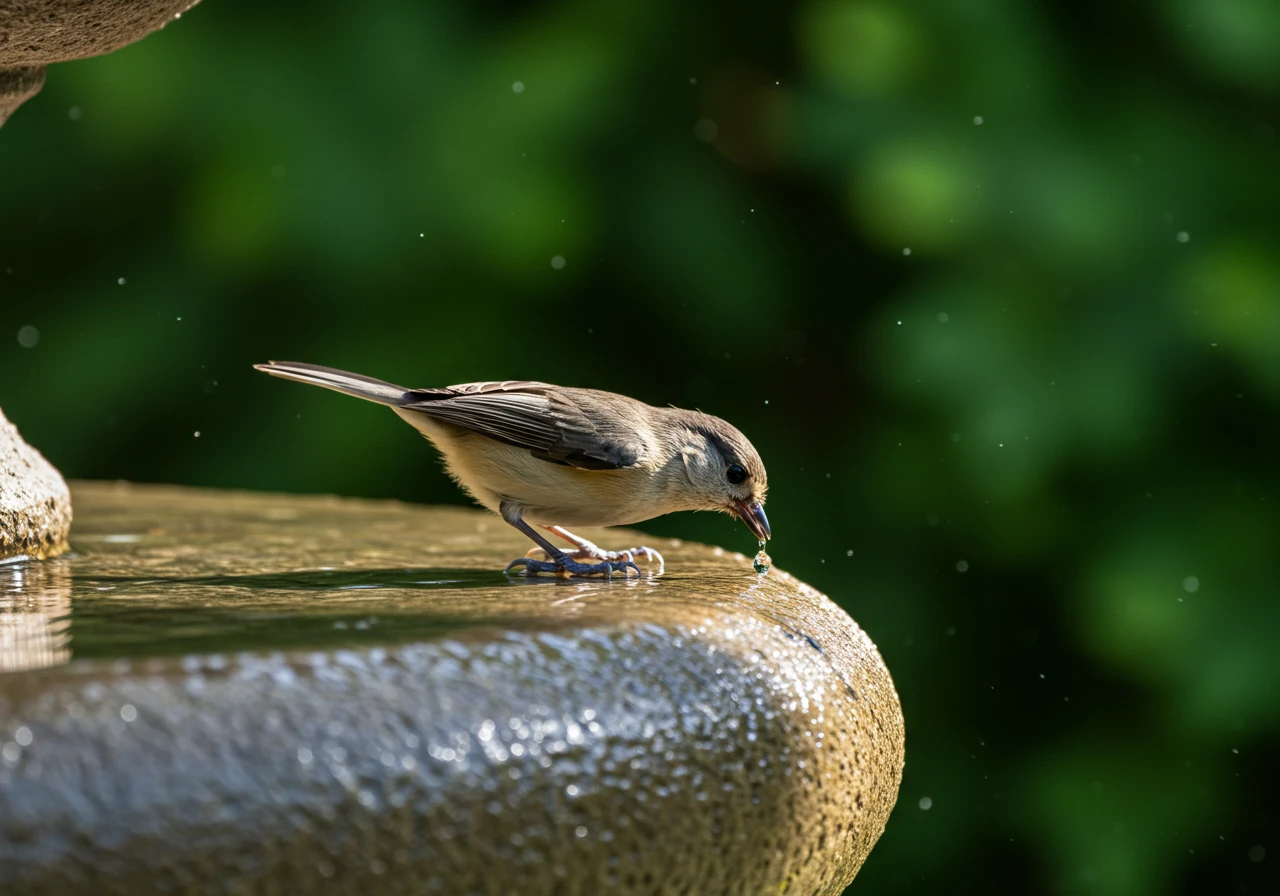
- Hello, Wildlife!: You'll be amazed at who pops by for a visit. Birds will appreciate a place to drink and bathe, dragonflies might dance over the surface, and maybe even a friendly frog will take up residence (free pest control!). It’s a fantastic way to support local ecosystems and bring more life (literally!) into your garden. Find local landscaping experts via our Google Business Profile.
- Cool Factor (Literally): On those humid Ottawa summer days, the moving water and evaporation can create a slightly cooler microclimate right around the stream. It might not be full air conditioning, but every little bit helps when you're enjoying your patio!
- Boosts Your Garden's 'Flow': A stream can solve landscaping puzzles. Got an awkward slope? A stream can make it a feature! Need to connect the patio to a far-off flower bed? A stream can be the beautiful, winding path that links them. It adds structure and purpose.
Now, adding a stream isn't *quite* as simple as just digging a ditch and turning on a hose (please don't do that!). You'll need to think about the surrounding landscape. Are there trees nearby that might drop leaves? Keeping them tidy is important, so learning about Osgoode Fall Tree Pruning Before Winter is a good idea. What about your soil type? Dealing with heavy Osgoode Clay Soil Garden Care Fall Tips requires different approaches than sandy soil when building stream banks or choosing nearby plants. And you’ll need to consider how the stream interacts with your overall water management, perhaps even affecting nearby lawn areas that rely on irrigation – something to keep in mind regarding Osgoode Sprinkler System Winterization Blow Out preparations later in the year.
It might sound like a bit of work, but the payoff in beauty and tranquility is huge. It's an investment in your home's appeal and your own relaxation. If the idea sparks joy but the planning feels daunting, remember there are experts who can help bring your watery vision to life. You can explore various landscaping options with professional Landscaping Services.
Designing Your Dream Stream: From Rustic Osgoode Charm to Modern Metcalfe Lines
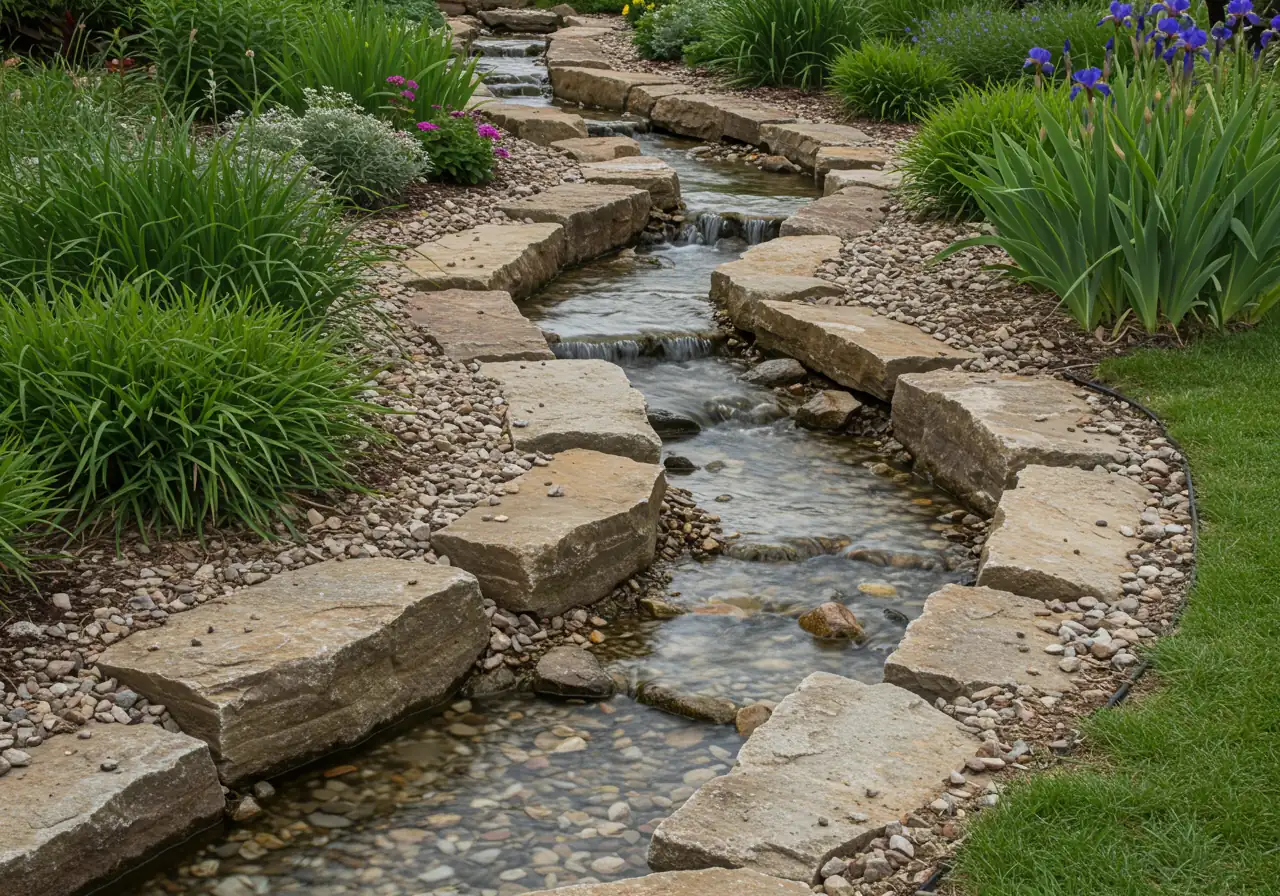
So, you're dreaming of adding a stream to your Ottawa garden? Fantastic! But hold your shovels – what *kind* of stream are we talking about? Just like landscaping styles vary across our lovely region, from the sprawling properties in Osgoode to the neat neighbourhoods in Nepean or Metcalfe, stream designs can be tailored to perfectly match your home's vibe and your personal taste. It's not one-size-fits-all; it's about creating *your* perfect water feature.
Rustic Osgoode Charm
Think meandering curves, maybe using natural fieldstone (bonus points for sourcing local stone!). The stream might tumble gently over irregular rocks, bordered by native grasses and moisture-loving perennials like ferns or irises. This style blends beautifully with larger lots and a more naturalistic garden design, feeling right at home in areas like Osgoode or even spilling over towards Vernon. Keeping this looking naturally beautiful involves managing surrounding plants and leaves, which is where regular upkeep like an Osgoode Yard Cleanup Service can really help maintain that effortless look.
- Natural, irregular shapes
- Uses fieldstone, river rock
- Soft, tumbling water flow
- Native, moisture-loving plants
- Blends seamlessly with surroundings
Modern Metcalfe Lines
This style often features cleaner lines, perhaps a straighter channel or more defined drops (sheer descents). Materials might include smoother, cut stones, slate, or even concrete elements. Planting is usually more restrained and architectural – think ornamental grasses, hostas, or strategically placed boulders rather than overflowing borders. This look fits well with modern homes or more structured landscapes you might find in parts of Metcalfe or newer Barrhaven developments. Keeping these sleek designs looking sharp often involves precise edging and debris removal, tasks handled by a dedicated Metcalfe Garden Clean Up Service.
- Cleaner, straighter lines
- Uses cut stone, slate, concrete
- Defined drops or sheer waterfalls
- Architectural, restrained planting
- Complements modern or formal landscapes
Key Ingredients for Your Stream:
No matter the style, you'll need a few key elements:
- Rocks and Boulders: These shape the stream, create drops for waterfalls (big or small!), and hide the liner. Mix sizes for a natural look. Choosing appropriate materials is key, explore options for Material Selection.
- Liner and Underlayment: The waterproof barrier that keeps the water where you want it. Crucial for longevity.
- Pump: The heart of the stream, circulating the water from the bottom back to the top. Needs to be sized correctly for your stream length and height.
- Basin/Reservoir: Where the water collects – this leads us to a common question...
Pond vs. Pondless Waterfall?
This is a big decision point! A traditional stream often ends in a pond, while a pondless system lets the water disappear into an underground reservoir covered with gravel. Here’s a quick comparison:
| Feature | Pond Waterfall | Pondless Waterfall |
|---|---|---|
| Water Body | Visible pool/pond at the base | Water disappears into gravel basin |
| Space Needed | Generally more space | More compact, fits smaller yards |
| Safety | Potential hazard for small kids | Much safer (no deep standing water) |
| Maintenance | Skimming debris, potential algae control | Lower; mainly topping up water, less algae |
| Cost | Can be higher initially (more excavation/liner) | Often less expensive to install |
| Wildlife | Supports fish, frogs | Attracts birds, dragonflies, insects |
Pondless waterfalls are super popular for their lower maintenance and safety, making them a great fit for many family yards across Ottawa, including nearby communities like Marionville which may need a Marionville Yard Cleanup Service to keep surroundings tidy.
Building a stream is a rewarding project, enhancing your garden's beauty and tranquility. Whether you DIY or get professional help, planning your design is the crucial first step. Explore different Landscaping Services to see how we can bring your vision to life. Got questions or ready to start planning your watery wonderland? Feel free to Contact Us!
Considering a stream or other water feature? Let our experts help!
Get Professional Help With Your LandscapingPlanning Your Osgoode Oasis: Site, Soil, and Snow Considerations
Okay, let's get down to the nitty-gritty! You're inspired, you've maybe even sketched out your dream stream on a napkin – awesome! But before you grab that shovel in your Osgoode backyard, let's talk practical planning. Building a beautiful water feature requires a bit more thought than just digging, especially here in the Ottawa region where we deal with everything from stubborn clay soil to, well, *enthusiastic* winters. This section covers the key site, soil, and snow considerations to make your Osgoode oasis a success story, not a soggy saga.
Choosing the Perfect Spot (Site Selection)
Finding the right location is like picking the best seat at a Sens game – it affects your whole experience! Consider these points:
- Visibility: Where will you enjoy it most? Viewable from a patio, kitchen window, or deck is ideal. You built it, you should see it!
- Sunlight: Full sun can encourage algae growth (more cleaning!), while deep shade might limit plant choices. Partial sun is often the sweet spot.
- Slope: A gentle slope is your friend! It helps create natural-looking flow and waterfalls. Too steep? You might face erosion issues. Totally flat? You'll need to build up banks or dig deeper pools to create drops.
- Trees & Roots: Big trees nearby mean falling leaves and potentially invasive roots. Site your stream accordingly or be prepared for regular upkeep. An Ottawa Yard Cleanup Service can definitely help manage those leaves!
- Utilities: *This is non-negotiable.* Before you even *think* about digging, call Ontario One Call (it's free!) to locate any underground hydro, gas, or water lines. Seriously, don't skip this step. Hitting a utility line is a bad day for everyone.
Tackling Our Terrific (or Terrible?) Soil
Much of the Osgoode, Greely, and surrounding Ottawa area sits on good old clay soil. It’s great for farming, but for digging a stream? Let's just say it can be… character-building. Our team has experience with effective Soil Preparation techniques.
- Digging: Clay is heavy and dense, especially when wet. It can be tough work excavating by hand. Plan accordingly – maybe invite some strong friends over (pizza bribery recommended) or consider renting equipment.
- Stability: Clay expands when wet and shrinks when dry. Ensure your liner has enough slack and your rocks are well-set to avoid shifting or damage. Proper underlayment beneath the liner is crucial.
- Planting: Most aquatic plants are fine, but for the edges, you might need to amend the soil with compost to help terrestrial plants thrive near your stream.
Bracing for the Big Chill (Snow & Winter)
Ah, Ottawa winters. They’re beautiful, but tough on water features if you don’t prepare. Ignoring winter prep is asking for trouble (and costly repairs). For information on local conservation areas which also deal with winter conditions, check the Rideau Valley Conservation Authority.
- Pump Protection: Your pump is the heart of the stream and *must* be protected from freezing. Before the first hard frost, disconnect the pump, pull it out, clean it, and store it indoors in a bucket of water (this keeps the seals moist).
- Pipes & Plumbing: Drain any water from the pipes to prevent cracking when ice forms.
- Liner Care: Lower the water level slightly if you have a pond base, or ensure your pondless reservoir has room for ice expansion. Avoid walking on the frozen stream area to prevent liner damage. Using a pond de-icer is an option for ponds, but usually unnecessary (and energy-consuming) for streams, especially pondless ones.
Permits and Professional Help
Generally, smaller backyard streams don't require permits from the City of Ottawa, but it *never* hurts to double-check, especially if you're planning something large or complex. Check the City of Ottawa's Planning, Development and Construction section for general building info. If the planning feels overwhelming, or the digging seems daunting (that clay!), don't hesitate to reach out for expert advice. The team behind Clean Yards (you can learn more About Us) has experience navigating local conditions. Any major excavation will create debris; planning for removal with an Ottawa Property Cleanup Service can save you headaches later. We also offer services in nearby areas like Metcalfe Property Cleanup Service and Marionville Property Cleanup Service.
Feeling ready to plan or still have questions? Don’t hesitate to Contact Us – we’re happy to chat. We respect your personal information; you can review our commitment to safeguarding it in our Privacy Policy. Proper planning now means years of peaceful enjoyment later!
Building Your Babbling Brook: DIY Dream or Pro Project?
Alright, you're envisioning that sparkling stream winding through your Ottawa garden. The big question now is: do you roll up your sleeves and make it a weekend warrior project, or call in the landscaping cavalry? Let's be honest, both paths have their puddles and peaks! Building a stream isn't *quite* like assembling flat-pack furniture (though sometimes just as puzzling!). It often involves significant Garden Installation work.
Here's a very quick fly-over of the general steps involved:
- Outline & Excavate: Mark out your stream's path and start digging! Remember our chat about Ottawa clay? This is where the real workout begins. Create different depths for visual interest and proper flow.
- Lay the Foundation: Put down protective underlayment fabric, followed by the waterproof liner, carefully folding it to fit the shape. Leave extra around the edges for now.
- Rock 'n' Roll (Literally): Place boulders and rocks to shape the stream bed, create waterfalls, and hide the liner edges. Start with the biggest ones first.
- Install the Plumbing: Set up the basin or reservoir at the bottom, install the pump inside it, and run the tubing back up to the starting point (often disguised by rocks).
- Just Add Water: Fill 'er up! Test the flow, adjust rocks as needed to get the sound and look you want, and trim the excess liner.
- Finishing Touches: Add gravel, plants, and maybe some Mulching and Edging around the edges to blend it into your landscape.
Sounds doable, right? Maybe! Now for the big debate:
The DIY Dilemma:
- Pros: Huge sense of accomplishment! You built that! Potentially lower *initial* cash outlay (if your time and Advil budget aren't factored in). You get exactly what you envision... maybe.
- Cons: It's *hard* physical work, especially the digging and rock moving. Mistakes can be costly (leaks!). It takes significant time – likely more than a single weekend. Achieving a truly natural, professional look takes skill. And what do you do with all that leftover soil and excavation debris?
Going Pro:
- Pros: They have the experience, the right tools, and the muscle! Professionals know how to handle site challenges (like that lovely clay in Greely or Barrhaven), ensure proper water flow, and avoid common pitfalls. It’s much faster, and you get a guaranteed result. They'll also handle the cleanup – companies offering an Ottawa Garden Clean Up Service or even more localized help like a Marionville Garden Clean Up Service often bundle this in or offer it alongside installation. Plus, reputable companies value your information; you can usually find details on how they protect it in their Privacy Policy. See some of our Transformations!
- Cons: It costs more upfront than doing it yourself. You need to clearly communicate your vision and provide feedback, maybe through an Estimate Feedback process.
The Verdict? If you love a serious physical challenge, have plenty of time, and possess a good eye for design (and maybe a strong back!), DIY can be rewarding. For most homeowners who want a beautiful, functional stream without the back-breaking labor and potential headaches, hiring professionals is often the smoother current to follow. They can integrate it seamlessly with your existing Garden Maintenance needs, perhaps even alongside regular Lawn Care.
Ottawa Stream Building & Maintenance Calendar:
Our unique climate dictates the best times for stream-related activities:
Late April - May (Spring)
Ideal Build Time! Ground thawed, pre-peak heat. Spring startup: check equipment, clean debris, start water flow. Time for initial Sod Installation around new features if needed.
June - August (Summer)
Enjoyment Time! Monitor water levels, top up as needed. Remove visible debris/algae. Covered by regular City Garden Maintenance Service.
September - October (Fall)
Prep for Winter! Remove leaves regularly before hard frost (mid-late Oct). Winter shutdown: pull/store pump, drain lines, trim aquatic plants.
November - March (Winter)
Dormancy. Stream rests. Keep heavy foot traffic off frozen area to protect liner. Dream about next spring!
Whether DIY or pro, a bit of planning goes a long way towards creating your perfect backyard escape.
Keeping it Green & Gorgeous: Eco-Friendly Stream Care in Ottawa
So, you've got your babbling brook – fantastic! Now, how do you keep it sparkling and healthy without waging chemical warfare or wasting precious resources? Easy peasy, mostly! Keeping your Ottawa garden stream eco-friendly is all about working *with* nature, not against it. Think of it as giving Mother Nature a helping hand, rather than an eviction notice. Here’s how to keep things green and gorgeous, whether you're in Winchester, Russell, or anywhere else in our lovely region.
Sip, Don't Guzzle: Water Conservation Tips
Your stream uses a pump to recirculate water, which is already pretty efficient. But you can still be water-wise:
- Check for Leaks: Occasionally inspect the stream edges, especially after winter thaw, to ensure your liner hasn't sprung a leak.
- Minimize Splash: Design your waterfalls thoughtfully. While the sound is lovely, excessive splashing outside the stream bed just wastes water through evaporation.
- Top Up Smartly: When water levels dip due to evaporation (hello, Ottawa humidity!), top up gently. Consider using rainwater collected in a rain barrel – your plants will love it!
Go Native! Plants for Local Charm
Choosing the right plants for your stream edge is crucial. Native Ottawa Valley plants are your best friends here! Why?
- They're already adapted to our climate (read: tougher!).
- They provide food and shelter for local wildlife like birds and beneficial insects.
- They generally require less fuss and water once established.
Consider beauties like Blue Flag Iris, Cardinal Flower, Joe Pye Weed, or Marsh Marigold for sunny spots, and ferns or Turtlehead for shadier areas. Making thoughtful choices about plants and bordering materials is part of smart Material Selection for a truly sustainable feature.
Maintenance Effort Comparison (Typical Year)
*Relative effort index based on typical tasks (cleaning, water management, winter prep).
Fighting the Green Slime (Naturally!)
Ah, algae. It happens. But before reaching for harsh chemicals (which can harm wildlife and downstream ecosystems), try these greener tricks:
- Plant Power: Add more aquatic plants! Floating plants like water lilies provide shade, cooling the water and starving algae of sunlight. Submerged plants compete for nutrients.
- Barley Straw: An old farmer's trick! Small bundles of barley straw (available at pond supply stores), added to the stream, slowly decompose and release substances that inhibit algae growth.
- Manual Labour: Sometimes, just scooping out string algae or scrubbing rocks is the simplest, greenest solution.
- Watch the Runoff: Excessive algae can sometimes be fed by fertilizer runoff. Ensuring responsible Lawn Care practices nearby can indirectly help your stream's health.
Welcome the *Right* Wildlife
Your stream will naturally attract critters. Encourage the desirable ones!
- Shallow Zones: Create pebbly, shallow areas where birds can safely drink and bathe.
- Landing Pads: Flat rocks near the edge give dragonflies and damselflies a place to rest.
- Avoid Temptation: If you're adding fish, be aware they can attract predators like raccoons or herons (especially in areas like Russell bordering green spaces). Pond netting might be needed seasonally.
Cleanliness is Next to Greenliness
Regular upkeep, like removing fallen leaves *before* they decompose in the water and release excess nutrients, is key. If the debris gets overwhelming, especially after a storm or during a big fall leaf drop, professional help ensures a thorough Property Clean Up without hassle. Keeping your own stream banks clear also contributes to a cleaner neighbourhood environment, unlike sometimes neglected bordering areas you might see needing attention similar to a City Property Cleanup Service.
Remember, working with a professional service for maintenance means agreeing on what they'll do. It's always smart to understand the scope of work, often detailed in their service agreements or Terms and Conditions.
By following these tips, your Ottawa stream won't just be beautiful – it'll be a healthy, thriving ecosystem that adds value to your garden and supports local nature. Now that's truly gorgeous!
Quick Tips for Stream Success
- Plan Before You Plunge: Think location, location, location! Consider views, sun exposure (afternoon shade is often best to limit algae), and *always* call Ontario One Call before digging. Remember our Ottawa region clay soil – it’s heavy work! Factor in winter prep *early*; pull that pump before the first deep freeze. Trust us, your future self will say Thank You for making winter prep easy!
- Match Your Style: Whether you're going for rustic Osgoode charm with natural rocks or sleek modern lines perhaps suited to Metcalfe, make sure your stream design fits your overall garden aesthetic. Choose rocks and plants that complement your home and existing landscaping.
- Go Pondless for Less Fuss: Pondless waterfalls, where water disappears into a gravel bed, are often easier to maintain and safer for yards with kids or pets compared to traditional ponds. Less skimming, more streaming!
- Keep it Clean (Naturally!): A little upkeep prevents big problems. Use native plants to outcompete algae and provide habitat. Regularly remove leaves and debris, especially in the fall, to keep the water clear and healthy. Don't let leaves decompose – consistent tidiness is key. If it gets overwhelming, a Property Clean Up can get things back in shape quickly.
- Know When to Call the Crew: DIY is rewarding but tough! Moving rocks and digging trenches isn't everyone's cup of tea. If you're feeling overwhelmed by the scope, potential leaks, or just the sheer amount of digging, don't hesitate to call in landscaping professionals. They have the tools and experience, plus they handle the debris removal – whether you need a general City Yard Cleanup Service or something more localized like a specific Metcalfe Yard Cleanup Service. Sometimes, even just seasonal help from a reliable City Garden Clean Up Service can make all the difference in keeping your oasis looking its best.
FAQs: Your Osgoode Garden Stream Questions Answered
Got questions about bringing the bubble and flow of a garden stream to your Osgoode home? You're not alone! Here are answers to some common queries we hear from folks around Ottawa, from Manotick to Metcalfe.
Honestly, less than you might think, especially pondless ones! Main tasks involve removing leaves or debris (especially in fall!), occasionally topping up water lost to evaporation, and ensuring the pump runs smoothly. Keeping edges tidy with good Mulching and Edging also helps. Think of it as regular light gardening – consistent care prevents bigger jobs. Many homeowners include this as part of their routine Comprehensive Garden Maintenance.
That's a bit like asking "how long is a piece of string algae?" Costs vary widely based on size, length, complexity (waterfalls add cost!), materials chosen via Material Selection, and whether you DIY or hire pros. A simple, short pondless stream might start in the low thousands, while elaborate designs can cost much more. Get quotes to compare for your specific landscaping vision.
Good news – usually no need to fully drain! The key is protecting the pump by removing and storing it indoors before freezing. Drain accessible plumbing lines too. The water in the stream or pondless basin can freeze solid; the liner is designed for this. Just avoid walking on the frozen surface to protect that liner! Winter prep prevents icy headaches later.
Actually, moving water *discourages* mosquitoes, which prefer stagnant water for breeding. You might see more dragonflies (they eat mosquitoes!) and birds visiting for a drink. Keeping the surrounding garden tidy helps deter unwanted critters. An Effective City Yard Cleanup Service can ensure fallen leaves or debris don't create pest-friendly spots nearby.
Generally, small, self-contained backyard water features like streams don't require City of Ottawa permits. However, rules can change, and larger projects might need approval. *Always* call Ontario One Call before any digging to locate underground utilities – that's non-negotiable for safety! When in doubt, a quick check with the city planning department is wise.
It presents a challenge, but not a dealbreaker! Clay soil is heavy to dig and can shift slightly when wet or dry. This means careful excavation (maybe hire help!) and ensuring your liner has some slack. Pros know how to handle it, ensuring stability with proper techniques and potentially amending surrounding soil for plants. Good Expert Soil Preparation makes a big difference.
Conclusion: Ready to Bring the Sound of Serenity to Your Osgoode Home?
Okay, Osgoode neighbours, has the idea of your own babbling brook gone from a maybe-someday thought to a *must-have* feature for your garden? We've journeyed through the wonderful benefits a stream can bring – that soothing sound, the visual appeal, the little wildlife visitors. We've explored designing a water feature that perfectly matches your landscaping style, whether that's charmingly rustic Osgoode or perhaps something akin to the lovely yards over in Embrun or Kenmore. We also touched on the practical side: smart planning around our unique Ottawa climate and soil, deciding between DIY and pro help, and keeping your stream sparkling with eco-friendly care.
Adding a stream is more than just a landscaping project; it's an investment in your home's atmosphere and your own peace of mind. It’s about creating that special corner of serenity, your personal oasis, right in your backyard. Imagine relaxing to those gentle sounds after a busy day – pretty great, right?
Feeling inspired but maybe a bit daunted by the thought of transforming your garden space? *Don't let the planning puzzle stop you!* Give us a call or drop us a line. We're happy to chat about your ideas, answer your questions, and offer some friendly, no-pressure advice.
Ready to take the plunge and turn that dream stream into a beautiful reality? Contact Clean Yards today to schedule a consultation.
Schedule Your ConsultationExplore all our Landscaping Services.