
Osgoode: Master Cane Pruning Roses for Healthy Growth
Quick Pruning Essentials:
- Best Time (Ottawa/Osgoode): Late April/Early May (watch for Forsythia bloom).
- First Step: Remove Dead, Damaged, Diseased canes (the 3 D's).
- Key Technique: Cut ~1/4 inch above an OUTWARD-facing bud at a 45° angle.
- Goal: Open the center for air circulation, encourage strong new growth.
- Tools: Sharp bypass pruners & sturdy gloves are essential.
Need expert help getting your roses ready? Request a free quote today!
Introduction: Blooming Beautiful Roses in Osgoode Starts with the Right Snip!
Welcome, fellow garden enthusiasts! If you're dreaming of stunning roses bursting with colour right here in Osgoode, you've come to the right place. Growing these beauties in the Ottawa region, whether you're in Osgoode, Manotick, or Greely, certainly has its rewards – and maybe a few head-scratching moments, especially after our chilly winters! One of the *biggest* secrets to achieving those breathtaking blooms and healthy bushes lies in mastering the art of pruning, specifically *cane pruning*.
Don't let the term scare you off – it's not as complicated as untangling holiday lights, promise! Think of it as giving your roses a strategic haircut. Proper cane pruning is essential landscaping care for roses in our climate. It helps remove winter damage, encourages vigorous new growth, prevents diseases by improving air circulation, and ultimately directs the plant's energy into producing more of those fabulous flowers we all adore. For more on keeping your plants looking their best, check out our tips on [garden maintenance](https://cleanyards.ca/garden-maintenance/). So grab your trusty pruners (we'll talk about those later!), maybe a cup of coffee, and let's get ready to snip our way to the best rose season ever. Your Osgoode garden (and your neighbours) will thank you!
Know Your Roses: Why Different Types Need Different Snips (Especially Here!)
Okay, let's dive into why treating all your roses the same way with the pruning shears is like trying to bake a cake using a bread recipe – you might get *something*, but probably not what you hoped for! Roses, bless their thorny hearts, come in different personalities, and understanding their type is key to giving them the right snip, especially here in the Ottawa region.

Think of it this way: you wouldn't give your towering climbing rose the same buzzcut you give your tidy little hybrid tea, right? It just wouldn’t make sense! Different rose varieties have different jobs and growth habits.
Here’s a quick rundown of the main characters you might find in your Osgoode or Barrhaven garden:
- Hybrid Teas & Grandifloras: These are often the divas, prized for those classic, long-stemmed single blooms perfect for cutting. They bloom best on *new* wood grown *this* season. Because of this, they usually need a harder prune in the spring, cutting canes back significantly to encourage that vigorous new growth which will produce the big flowers.
- Floribundas: These guys are more about the party, producing clusters of flowers. They still bloom on new wood but generally appreciate a slightly lighter touch than hybrid teas. Pruning aims to create a well-branched shrub that can support lots of blooms.
- Climbers: As the name suggests, these reach for the sky (or your trellis)! Pruning climbers is less about cutting them *back* and more about training their main structural canes and then pruning the side shoots (laterals) where the flowers form. Going snip-happy on the main canes can cost you a whole season of blooms! Proper structural care is vital. Need help designing support? Check out our [garden install](https://cleanyards.ca/garden-install/) services.
- Shrub Roses: This is a broad category, including many super hardy varieties popular in our sometimes-challenging climate (looking at you, Ottawa winters!). Think Canadian Explorer series or Parkland roses. They often require the least pruning – mostly just removing dead or old wood and some light shaping to keep them looking tidy. Much like getting your hedges just right, sometimes gentle shaping is key, similar to these Osgoode topiary tips.
Why Does This Matter *So* Much Here?
Our Ottawa climate throws curveballs. Winter can cause significant dieback, and the amount varies depending on the rose type and its hardiness. A hardy shrub rose might just need a quick trim, while a less hardy hybrid tea could need cutting back almost to the ground some years. Knowing the type helps you assess winter damage correctly and prune for recovery. See how we've revitalized gardens in our [transformations gallery](https://cleanyards.ca/transformations/).
Furthermore, our humid summers can encourage fungal diseases like black spot. Proper, type-specific pruning improves air circulation *through* the plant, which is crucial for keeping leaves dry and diseases at bay. This is just as important for plant health as ensuring your garden has good drainage, especially if you're dealing with tricky ground conditions like caring for gardens in Osgoode's clay soil. Similar considerations apply in neighbouring areas like Metcalfe, where a Metcalfe garden clean up service might address drainage issues.
Timing also relates to type and our climate. While the major pruning happens in spring after the worst frost danger, good fall cleanup is essential. This differs from the approach for Osgoode fall tree pruning before winter, as heavy rose pruning is best left for spring, but removing diseased leaves in fall is vital. Ensuring plants are healthy heading into the cold season helps them survive, just like protecting your irrigation is crucial with Osgoode sprinkler system winterization blow out services.
Actionable Tip: If you're unsure what type of roses you have, check any tags that might still be on the plant, look up the name if you know it, or take photos to compare with online resources or nursery catalogues like those found at resources like the Ottawa Horticultural Society. Knowing your rose is the first step to pruning perfection!
Feeling a bit overwhelmed by all the different snips for different stems? Don't worry, getting the hang of it just takes a little practice. And if you'd rather leave it to the experts to get your roses (and the rest of your garden) looking sharp, check out our professional landscaping and gardening services. We're happy to help!
Timing is Everything: The Ottawa Valley Rose Pruning Calendar
Okay, let's talk timing! When it comes to pruning roses in the Ottawa Valley, getting the timing right is like hitting the perfect note in a song – it makes all the difference. Our unique climate (hello, Zone 5a/b!) means we have specific windows for giving our roses their best haircut. Get it wrong, and you might be looking at fewer blooms or, worse, damaged plants. No pressure, right?
The Golden Rule: Prune in Early Spring
For most roses in our region, the main pruning event happens in *early spring*. But what does "early spring" actually mean in places like Ottawa, Russell, or Richmond, where winter sometimes likes to make a surprise comeback tour?
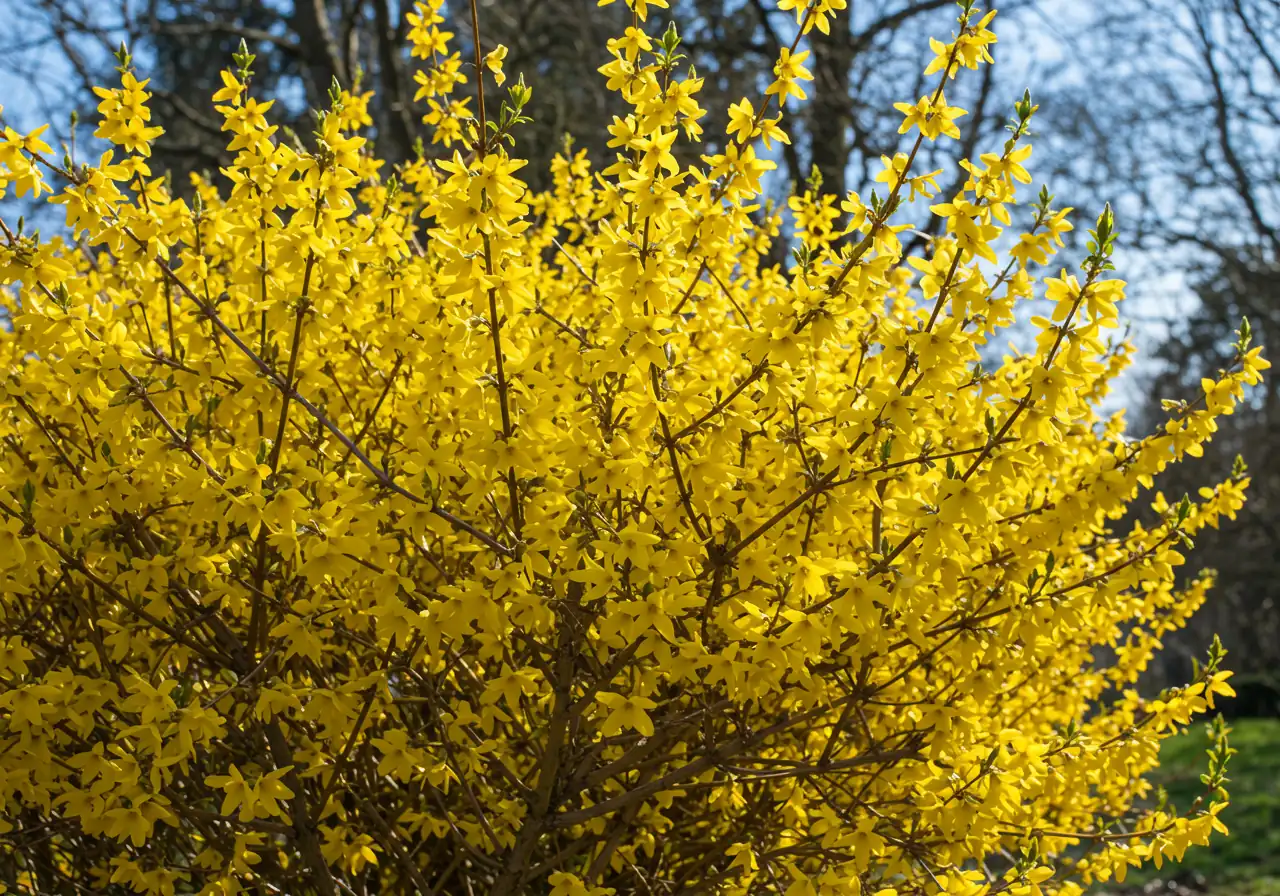
Think *late* April or *early* May. The key is to wait until the *worst* danger of hard frost has passed, but *before* the rose bushes really leaf out. You’ll want to see the little buds on the canes starting to swell – they often look like tiny red bumps getting ready to pop. This tells you the plant is waking up and ready for action.
Nature's Own Calendar: Watch the Forsythia!
A classic gardener's trick around here is to watch for the forsythia bushes. You know, those shrubs that explode with brilliant yellow flowers early in the spring? When the forsythia are in full bloom, it’s generally considered safe to start your major rose pruning. It's nature's way of saying, "Okay, the coast is *probably* clear!" Another great local resource for bloom times is the Friends of the Central Experimental Farm.
Why Not Prune Earlier or Later?
- Pruning Too Early (e.g., March): If you jump the gun and prune while hard frosts are still likely, those fresh cuts are vulnerable. A sudden cold snap can damage the newly exposed tissue, potentially killing back even more of the cane you were trying to save. It's like getting a haircut right before snowboarding without a hat – unnecessarily chilly!
- Pruning Too Late (e.g., June): If you wait until the rose has put out significant leafy growth, you're essentially making the plant waste energy. It's already invested resources into those leaves and stems you're about to cut off. Pruning late can also delay flowering.
Yearly Rose Care Timeline (Ottawa Focus)
Late Winter (Mar-Early Apr)
Hold off on major pruning. Focus on planning and general yard readiness. Clear heavy debris with an Osgoode yard cleanup service if needed.
Spring (Late Apr - Mid May)
PRIME PRUNING TIME! Forsythia blooms, buds swell. Perform main structural pruning. Ideal time for overall garden prep and perhaps a Ottawa garden clean up service.
Summer (Jun - Aug)
Focus on deadheading spent blooms to encourage re-blooming. Light shaping if needed. Ensure proper watering and consider mulching and edging to conserve moisture.
Fall (Sep - Oct)
Minimal pruning. *Crucial cleanup* of diseased leaves from plant and ground. Avoid heavy pruning. Prepare the whole yard for winter with a Marionville property cleanup service or similar.
Getting the timing right might feel like a bit of a dance with Mother Nature, but by watching the buds and maybe your neighbour's forsythia, you'll nail it. And if juggling pruning schedules with everything else feels like too much, remember there are expert landscaping and gardening services available to help keep your roses – and your entire yard, perhaps even with new sod installation – looking fabulous.
Gearing Up: Your Rose Pruning Toolkit (No Need for Fancy Gadgets!)
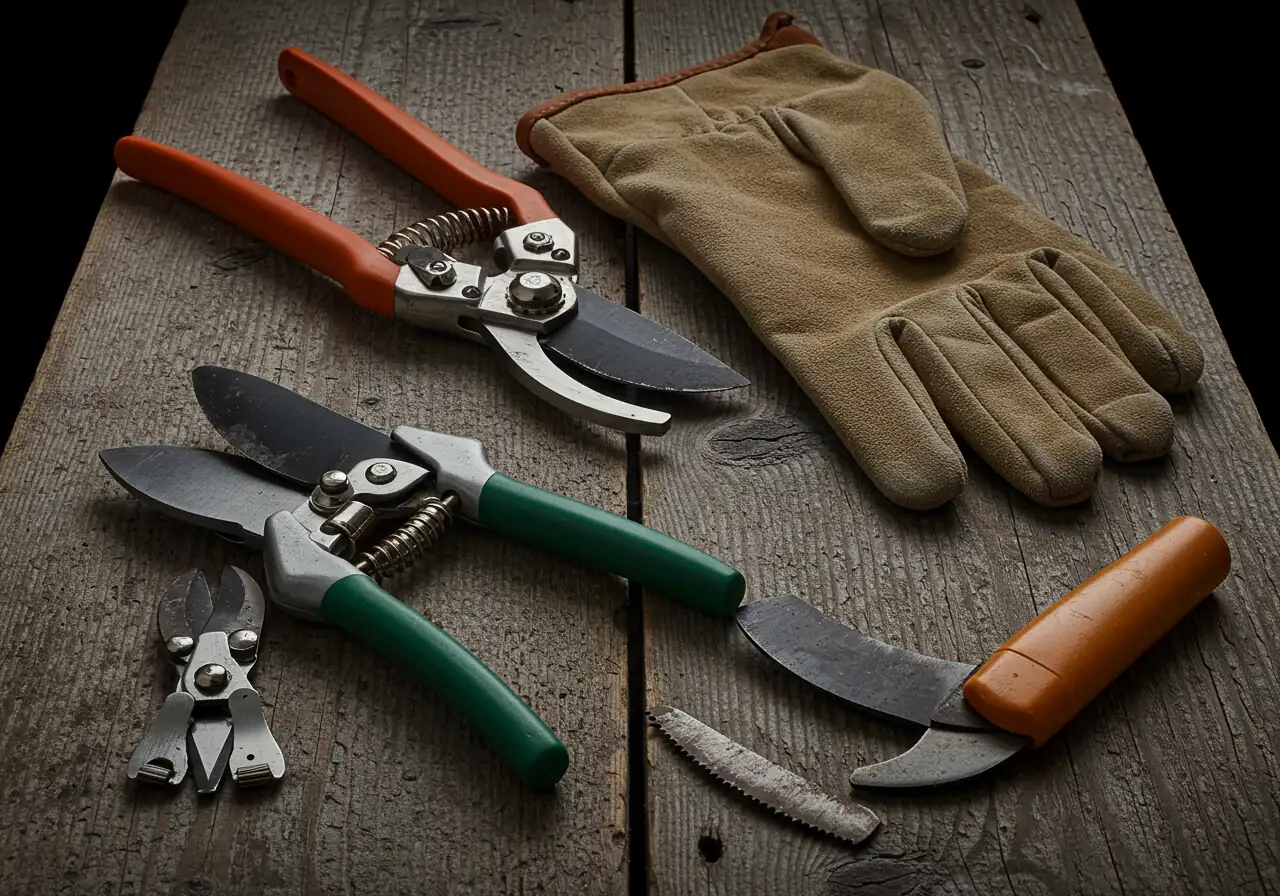
Alright, let's talk tools! When it comes to giving your roses their annual spa day (aka pruning), you really don't need a shed full of complicated, expensive gadgets. Forget the laser-guided snippers and sonic weed whackers (okay, maybe I made those up). For successful rose pruning right here in Ottawa, focusing on a few quality basics is the way to go. Think of these as your trusty gardening sidekicks:
- Bypass Pruners: These will be your best friend! Bypass pruners work like scissors, with one sharp blade sliding past a thicker, non-cutting base. This action makes a clean, precise cut on live stems (usually up to about thumbnail thickness) which helps the rose heal faster. They’re perfect for most of the canes you'll be dealing with. *Absolutely essential!*
- Loppers: Think of these as bypass pruners with long handles. That extra leverage lets you cut through thicker, woodier canes (maybe up to an inch or slightly more) that your hand pruners would struggle with. Great for tackling more established bushes or removing larger deadwood.
- Pruning Saw: Sometimes you encounter an old, super-thick cane (dead or alive) that even loppers just grunt at. That's when a small, sharp pruning saw comes in handy. A foldable one is easy to store and safe to carry around the garden.
- Sturdy Gloves: Seriously, don't even *think* about pruning roses without gloves unless you enjoy looking like you wrestled a grumpy porcupine. Rose thorns are no joke! Invest in a good pair of thick leather or heavy-duty synthetic gloves. Gauntlet-style gloves that protect your forearms are even better, especially for reaching into dense shrubs in your Nepean garden beds. Smart material selection applies to tools too!
The Golden Rules: Sharp, Clean, and Safe!
Having the tools is step one; keeping them in good shape is step two.
- Sharpness: Dull blades crush stems instead of cutting them cleanly. Crushed stems invite pests and diseases. A clean cut heals faster. Keep your blades sharp!
- Cleanliness: Dirty tools can easily spread diseases from one rose bush to another. Get in the habit of wiping your blades down, especially if you cut out diseased wood. A quick wipe with rubbing alcohol or a disinfectant wipe between plants is a great practice. Keeping your tools clean is just as vital as keeping the surrounding area tidy; a clean workspace prevents problems, much like how a thorough Metcalfe property cleanup service removes potential hiding spots for pests after major garden work.
- Safety: Remember, you're working with sharp objects and thorny plants. Wear your gloves, watch where you're putting your hands, and handle your tools carefully.
Using the right basic tools, kept sharp and clean, is a cornerstone of good landscaping. Ask anyone on the Clean Yards team about us, and they’ll confirm that professionals rely on these dependable basics far more than fancy gimmicks. These focused tools are key for rose care, complementing broader garden health strategies like consistent Ottawa lawn care practices. If you're ever unsure about the right tools or techniques, or just want an expert eye on your roses, feel free to get in touch with Clean Yards. Find us on Google here: Clean Yards Google Business Profile. And remember, cleaning up the cuttings afterwards is important too – just like keeping tools clean, a tidy site, perhaps managed with a post-pruning Marionville property cleanup service if you have significant debris, helps prevent disease spread.
So there you have it – your simple, effective rose pruning toolkit. No need to break the bank, just focus on quality basics and keep them ready for action!
The Art of the Cut: A Step-by-Step Guide to Cane Pruning
Alright, grab those gloves and pruners we talked about – it's time to get snipping! Cane pruning might sound fancy, but it’s basically giving your bush and shrub roses a purposeful haircut to keep them healthy and blooming like crazy. Don't overthink it like choosing paint colours; just follow these steps, and your roses will thank you.
Here's how we tackle it, step-by-step:
Step 1: The Three D's - Your Starting Point
First things first, we play detective and look for the obvious problems. You want to remove any cane that is:
- Dead: These will look brown, dried out, or black all the way through. They're doing nothing for the plant. Cut them right back to the base or to the nearest healthy tissue.
- Damaged: Look for canes that are broken, cracked, split (often from winter winds or snow load), or rubbing against each other causing wounds. Remove the damaged section or the entire cane if needed.
- Diseased: Spot any canes with dark spots, cankers (sunken areas), or unusual growths? Get rid of them to prevent the disease from spreading. Remember to clean your pruners after cutting diseased wood!
Removing the "3 D's" first clears the clutter and lets you see the basic structure you're working with. A general property clean up can often reveal these issues more clearly.
Step 2: Open Up the Center
Imagine your rose bush wants to breathe freely. Dense, crowded growth in the middle traps moisture and blocks sunlight, which can invite fungal diseases – not ideal, especially with the humidity we sometimes get near the Rideau River in areas like Kars.
To improve airflow, prune out any canes that are growing *inward* toward the center of the bush. Also, remove any canes that are crossing over and rubbing against healthier, stronger canes. Aim for a nice, open, vase-like shape if possible.
Step 3: Choose Your Champions (Selecting the Best Canes)
Now, look at the remaining canes. You want to keep the healthiest, most vigorous ones – typically those that are thicker (pencil-thick or more) and have healthy green bark.
- For Hybrid Teas and Floribundas, aim to keep about 3 to 5 strong, well-spaced canes.
- For hardier Shrub Roses, you might keep more, maybe 5 to 7 or even more, depending on the size and vigour.
Remove any thin, weak, spindly canes that won't produce much. Think quality over quantity! This selection process is key to directing the plant's energy effectively, a fundamental part of good year-round garden maintenance.
Step 4: Making the Cut - Precision Matters!
This is where the "art" comes in, but it's simpler than it sounds. For the canes you've decided to keep, you'll shorten them to encourage new growth where the flowers will form.
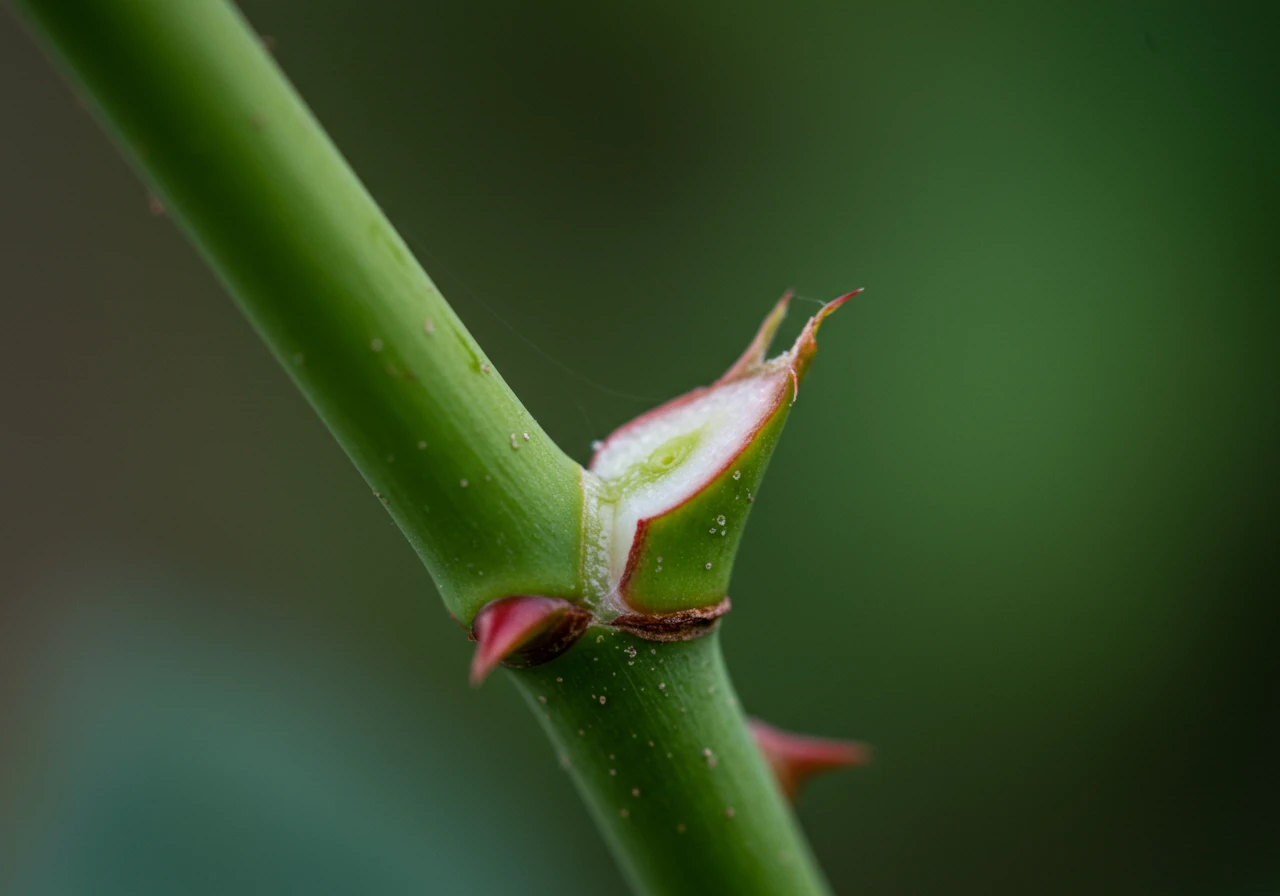
- Find Your Bud: Look for a healthy bud (a little bump on the cane) that is pointing *outward*, away from the center of the plant.
- The Angle: Make your cut about 1/4 inch (6 mm) *above* this outward-facing bud. The cut should be at a 45-degree angle, sloping *away* from the bud.
- Why? Cutting above an *outward-facing* bud directs the new growth outwards, reinforcing that open shape. The *angle* allows rainwater to run off easily, preventing rot right above the new growth point.
How short should you cut? It varies! For Hybrid Teas in Ottawa, cutting back to 12-18 inches (30-45 cm) is common, but adjust based on winter damage and the specific rose. Shrub roses usually need less severe shortening.
Hybrid Tea / Grandiflora Pruning
These bloom on new wood. Prune harder in spring.
- Remove 3 D's (Dead, Damaged, Diseased).
- Remove crossing/inward canes.
- Select 3-5 strong, healthy canes.
- Cut these selected canes back significantly, often to 12-18 inches, cutting above an outward-facing bud.
- Remove all weak/thin canes.
Consider professional city garden maintenance services for precise care.
Floribunda Pruning
Bloom on new wood, produce clusters. Prune moderately.
- Remove 3 D's.
- Remove crossing/inward canes.
- Select 5-7 strong canes for structure.
- Shorten these canes by about one-third to one-half, cutting above outward buds.
- Remove very old, unproductive wood and thin out weak stems.
Regular garden clean up in areas like Marionville helps maintain vigor.
Hardy Shrub Rose Pruning
Often very vigorous and hardy. Require less intense pruning.
- Focus primarily on removing the 3 D's.
- Thin out very old (grey, woody) canes at the base occasionally (maybe 1-2 per year on established plants) to encourage renewal.
- Lightly shape for size if needed, cutting back stems by up to one-third.
- Minimal shortening of remaining canes is usually needed.
These are often part of larger landscapes maintained by services like Ottawa property cleanup.
Climber Pruning
Focus on training main canes and pruning side shoots (laterals).
- Remove 3 D's, being careful not to remove main structural canes unless necessary.
- Tie in main canes horizontally or fanned out for best blooming.
- Prune the side shoots (laterals) that flowered last year back to 2-3 buds from the main cane.
- Avoid heavily shortening main canes.
Needs careful handling, often best left to those experienced in garden maintenance.
A Quick Note on Climbers:
Remember, climbers are different! Focus on removing the 3 D's and then lightly prune the *side shoots* (laterals) that come off the main structural canes, often back to 2-3 buds. Avoid drastically shortening the main canes unless they are damaged or you're trying to rejuvenate a very old plant.
Final Cleanup:
Rake up all the pruned canes and leaves from around the base of the rose. This removes potential homes for pests and diseases. Think of it like the final sweep-up after any good landscaping job; it’s essential. A clean finish helps everything thrive, similar to how regular Ottawa lawn care contributes to overall yard health.
And that's the core of cane pruning! Take your time, make clean cuts, and trust the process. Your roses will reward your efforts, a lovely way nature says thank you for the care! If you've tried our services before, we value knowing how things turned out; you can always share your thoughts via our estimate and feedback form. And remember, if you're ever using professional help for big garden projects, understanding the scope of work is important – clarifying details upfront, much like reviewing Clean Yards terms and conditions, ensures everyone is on the same page. Happy pruning!
Typical Pruning Severity by Rose Type (Ottawa Climate)
*Percentage indicates approximate amount of growth removed during main spring pruning. Varies greatly by specific variety and winter damage.*
Beyond the Cut: Eco-Friendly Pruning & Cleanup in Ottawa
Okay, you've bravely snipped and shaped your roses – nice work! But what happens *after* the cut? Just like tidying up after a party, the cleanup is key, and doing it the eco-friendly way keeps both your garden and Ottawa beautiful. Let's talk about being green *after* the green has been pruned!
First off, what to do with all those thorny branches? Most healthy rose clippings – the leaves and stems without obvious disease – can go straight into your City of Ottawa Green Bin. Yay for compost! This organic matter eventually becomes nutrient-rich goodness, which ties right back into healthy gardens. Good soil preparation and conditioning is the foundation, after all. However, if you removed canes showing signs of black spot, mildew, or other nasties, *don't* put them in the Green Bin. Bag those separately and put them in the regular garbage to avoid spreading disease through the municipal compost system. It’s a small step that makes a big difference.
Now, you might have heard old advice about sealing pruning cuts with paint or special goo. Generally, skip it! Roses usually heal just fine on their own. Those sealants can sometimes trap moisture and create *better* conditions for disease, which is the opposite of what we want. Letting the cut naturally callus over is often best. Remember how we talked about pruning for good air circulation? That technique *itself* is an eco-friendly win because it naturally helps prevent diseases, reducing the need for chemical sprays later. Healthy pruning equals less intervention needed!
Taking care of your garden waste responsibly is part of being a good neighbour, whether you're in Metcalfe or anywhere across the city. It contributes to a cleaner community environment. If you've done a major pruning session or a full seasonal tidy-up and have more clippings than your bin can handle, remember there are options. Sometimes a comprehensive property clean up service makes sense, especially if you're tackling leaves and other debris too. Handling large amounts of yard waste efficiently can be part of a bigger plan, maybe even using a dedicated city yard cleanup service to manage it all. For targeted garden debris removal after pruning, an Ottawa garden clean up service can ensure everything is disposed of properly. Making these green choices is a great way our gardens can say thank you for sustainable care to the planet!
Quick Tips: Your Osgoode Rose Pruning Cheat Sheet
Rose Pruning Fast Facts
- The 3 D’s First: Always start by removing any canes that are *Dead, Damaged, or Diseased*. Cut them back to healthy wood or the base. Got a mountain of clippings afterwards? An Ottawa garden clean up service can help clear the debris.
- Cut Clean & Angled: Use sharp bypass pruners for the cleanest cut. Snip about 1/4 inch above an *outward-facing* bud, angling the cut at 45 degrees *away* from the bud. Investing in good tools is part of smart landscaping material selection for long-term success.
- Open Up the Center: Improve air circulation by pruning out canes growing inward or crossing/rubbing against others. A tidy garden bed beneath the rose helps too, maybe tackled during your routine Ottawa yard cleanup service.
- Spring is Go Time (Ottawa): Do your main pruning in late April or early May, typically when the forsythia bushes are in full yellow bloom. If spring reveals a bigger mess than just roses, consider a full Ottawa property cleanup service to get your whole yard ready.
- Wipe Tools Clean: Prevent spreading potential diseases by wiping your pruner blades with rubbing alcohol or disinfectant wipes between bushes, especially if you cut out diseased wood. Keeping things tidy prevents lingering problems, much like a thorough Marionville yard cleanup service ensures a clean slate after major work. Services are also available nearby in the city core.
FAQs: Your Ottawa & Osgoode Rose Pruning Questions Answered
Great question! That late frost fear is real in the Ottawa region. The sweet spot for major pruning is usually late April to early May. You want to wait until the *worst* danger of hard frost has passed, but ideally *before* the rose bushes fully leaf out. Look for the little buds on the canes starting to swell. Another handy tip: watch for the bright yellow forsythia bushes – when they're in full bloom across Ottawa, it’s generally considered a good signal that it's safe to prune roses. Pruning too early just invites frost to nip those fresh cuts!
Ah yes, winterkill – our Ottawa specialty! It can be alarming, but often it's manageable. How you prune depends partly on the rose type. Hardy shrub roses common in our area often bounce back fine even if you have to cut them back hard. For less hardy types like some Hybrid Teas or Floribundas, significant dieback is common here. Don't despair! Just prune back all the dead (brown/black, dry) wood until you reach healthy green cane with a white pith inside, even if it's very low down near the base. Always make your final cut about 1/4 inch above a healthy, outward-facing bud. Also, ensure good fall cleanup to give them the best start next spring; a thorough end-of-season Ottawa yard cleanup service can help remove diseased leaves and potential overwintering spots for pests.
That's a thoughtful question! While our common clay soil mainly impacts things like drainage and root health (amending the soil with compost is always a good idea!), the actual *technique* of pruning doesn't change based on soil type. However, healthy roots supported by decent soil contribute to vigorous top growth, which responds better to pruning. So, indirectly, good soil care supports better pruning results. Focus on the pruning basics – removing the 3 D's (dead, damaged, diseased), opening the centre for air circulation, and making clean cuts above buds. Just make sure your roses aren't sitting in waterlogged soil, which clay can sometimes encourage. Learn more about clay soil care.
They can be prickly customers! Good news: most *healthy* rose clippings (stems and leaves without obvious disease spots) can go right into your City of Ottawa Green Bin to become compost. However, if you've specifically cut out canes showing signs of black spot, powdery mildew, or other diseases, it's best practice to bag those separately and put them in your regular garbage. This prevents potentially spreading the disease through the municipal compost. If you've done a massive pruning job and have more thorny waste than you can handle, sometimes getting professional help with the removal is easiest; consider looking into a local option like a dedicated Metcalfe yard cleanup service to haul it all away responsibly.
Hey, it happens to the best of us – those thorns can be intimidating! You should definitely consider calling for professional help if: you're unsure how to tell dead wood from live wood, you don't know what type of roses you have (as pruning needs vary), you have physical limitations that make bending and snipping difficult, or you simply don't have the time or desire to tackle the job. Professional gardeners understand how to prune different roses specifically for our Ottawa climate and can get the job done safely and effectively. Our teams offer comprehensive city garden clean up service options that include knowledgeable pruning by experienced staff. We always handle your booking information carefully, as detailed in our company privacy policy.
Conclusion: Enjoy Your Beautifully Pruned Osgoode Roses!
Well, there you have it! You've navigated the sometimes-prickly path of rose pruning, and now you're ready to give your Osgoode garden beauties the five-star treatment they deserve. Remember, the secret isn't some ancient gardening mystery; it's mostly about timing it right (hello, Ottawa spring!), making clean cuts, and clearing out the stuff your rose doesn't need – those dead, damaged, or diseased canes. Think of yourself as a rose sculptor, creating a masterpiece!
Don't be shy with those pruners now. Even if you feel a bit hesitant at first, taking the plunge and following the steps we outlined will make a huge difference. Improving air circulation and encouraging strong new growth leads directly to healthier plants and, best of all, *more* gorgeous blooms. Imagine sipping your morning coffee surrounded by perfectly pruned, thriving roses – that's the reward! Find inspiration for your garden in our past projects.
So, go ahead, put your newfound knowledge into practice and get ready to enjoy your stunning Osgoode roses. And hey, if life gets busy or you'd simply prefer to leave the thorny tasks to someone else, that's okay too! For expert landscaping and gardening help, including professional rose pruning in Osgoode, Metcalfe, Winchester, Kenmore, Vernon, and surrounding Ottawa areas, Clean Yards is always ready to lend a hand. Give us a shout, and we'll help make your garden dreams a reality!