Shape Young Vernon Shrubs: Formative Pruning Guide
Ready to give your landscape a professional touch? Request your free quote today!
Request a QuoteQuick Guide: Formative Pruning Essentials
- **What:** Light, strategic pruning during a shrub's first few years.
- **Why:** Builds strong structure, prevents future problems, promotes health, ensures good shape.
- **When (Ottawa):** Late winter/early spring for most; after flowering for spring bloomers; late spring for evergreens.
- **How:** Use clean, sharp bypass pruners. Focus on removing dead, damaged, diseased, and crossing branches (thinning cuts). Use heading cuts sparingly to encourage fullness.
- **Key Benefit:** Sets the foundation for a long-lasting, beautiful shrub.
Introduction: Give Your Young Vernon Shrubs the Best Start!
Hey there, Vernon homeowners and fellow gardening enthusiasts! So, you've welcomed some lovely new shrubs into your landscape? Fantastic choice! It's always exciting to add fresh greenery, whether you're in Vernon, over in neighbouring Greely, or anywhere across the wider Ottawa area. But just like bringing home a puppy, your young shrubs need a little guidance to grow up strong, healthy, and, well, *shapely*. We don't want them looking like they just rolled out of bed, permanently!
This is where something called *formative pruning* comes in. Don't let the fancy name scare you; it's simply the practice of light, strategic trimming during a shrub's early years. Think of it less like a drastic haircut and more like teaching your young plant good posture. It's different from the heavier pruning you might do on mature shrubs.
Why bother with these early snips? Because formative pruning is crucial for developing a strong framework of branches, encouraging vigorous growth, preventing future structural problems (like weak limbs that might snap under Ottawa's snow load!), and ensuring your shrub looks its absolute best as it matures. It’s the foundation for a long-lasting, beautiful addition to your garden. Let's get your young shrubs headed in the right direction from day one!
Why Bother Shaping? The Long-Term Perks of Formative Pruning
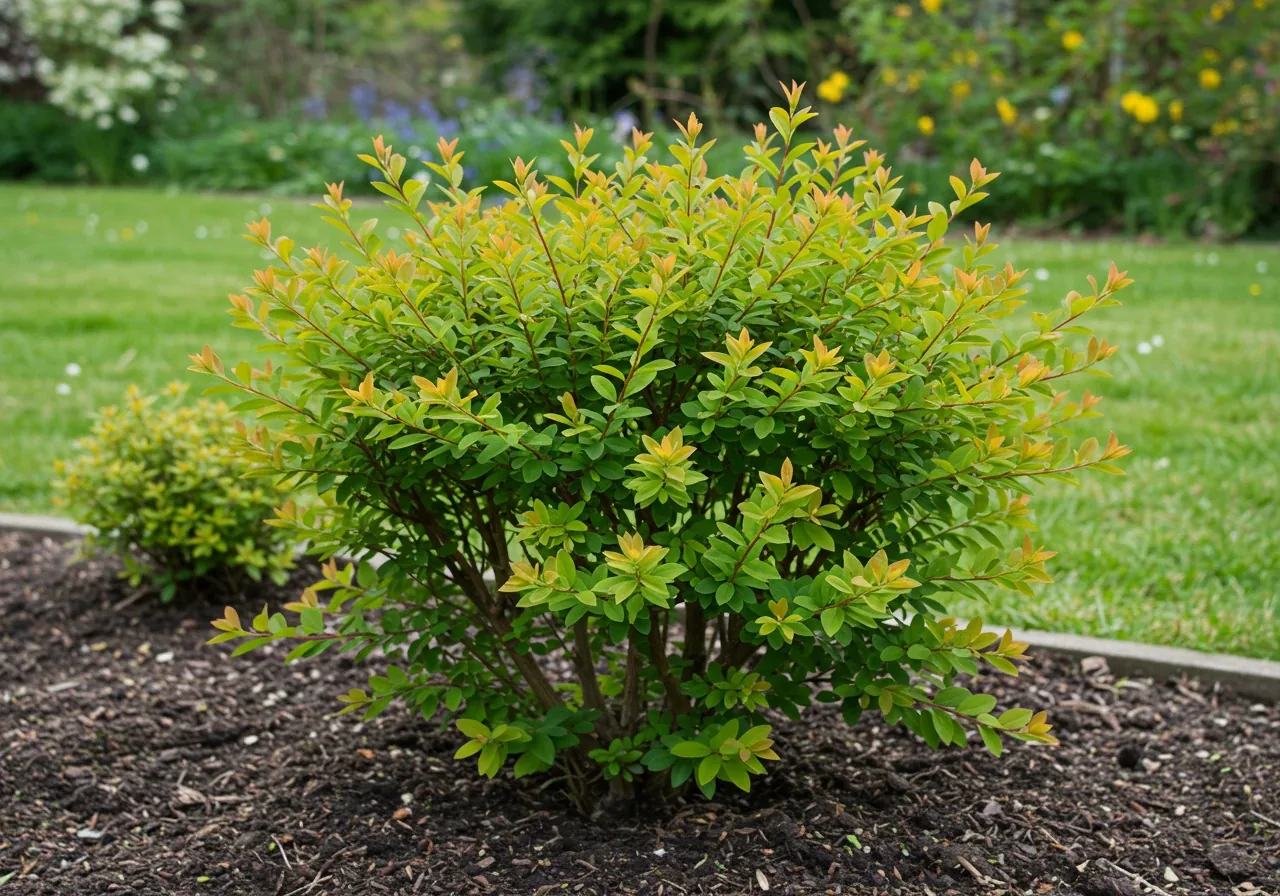
Okay, let's dive into why giving your young shrubs a little snip here and there early on is worth the tiny bit of effort. It might seem like extra work, but trust us, future you (and your future shrubs) will be sending thank-you notes!
So, you've planted your new shrubs, maybe in Barrhaven or elsewhere around Ottawa, and you're wondering, "Do I *really* need to prune them already? Can't they just... grow?" Well, they *can*, but letting them run wild from the start is like skipping the blueprint phase when building a house. Formative pruning is all about setting that solid foundation for a long, healthy, and beautiful life. Here’s why it’s a game-changer:
-
Building a Super-Strong Structure: This is the big one, especially here in Ottawa where heavy snow and gusty winds are just part of the package deal. Formative pruning helps:
- Prevent Weak Crotches: We encourage branches to grow at strong angles to the main stem, making them less likely to snap under snow load. Nobody wants a sad, broken shrub after a winter storm!
- Eliminate Crossing/Rubbing Branches: Branches rubbing together create wounds where disease and pests can sneak in. Early pruning removes these troublemakers.
- Develop a Sturdy Framework: We guide the shrub to develop a balanced structure that can support itself as it grows bigger and bushier. Think of it as preventative medicine against future floppiness. Understanding the importance of formative pruning for young trees and shrubs in areas like Russell is key to this strong start.
-
Looking Good Now and Later: Let’s be honest, we want our landscaping to look great! Formative pruning isn't about drastic reshaping (that comes later, perhaps). It’s about:
- Encouraging Fuller Growth: Light trimming encourages branching, leading to a denser, lusher shrub instead of a leggy, sparse one.
- Establishing a Pleasing Shape: You gently guide the plant towards its natural form, or even start training it for more specific designs down the road. Early tweaks are *much* easier than major corrective surgery on a mature, awkwardly shaped shrub. Techniques can range from simple guidance to more artistic approaches, like those used for creating beautiful shapes with summer shrub trimming or even planning for visual appeal year-round with advanced shaping techniques for fall and winter interest in Russell.
-
Boosting Overall Health: By removing any damaged, diseased, or poorly placed stems early on, you:
- Improve Air Circulation: Good airflow through the branches helps prevent fungal diseases.
- Direct Energy Wisely: The shrub focuses its resources on developing strong, healthy growth rather than supporting weak or unnecessary bits.
How is this different from pruning older shrubs?
Great question! Pruning mature shrubs is often about maintenance – controlling size, removing old wood to encourage new growth (rejuvenation), or maintaining a specific shape you’ve already established. Think about how summer hydrangea pruning in Winchester helps maintain shape – that’s often done on established plants. Formative pruning, however, is purely focused on those early years, setting the initial structure and pattern for all future growth. It's the essential training wheels phase for your shrubs!
Taking these few simple steps early on saves you headaches later and ensures your green investments thrive for years to come. If you're feeling unsure about making the right cuts, don't hesitate to look into professional shrub care services for guidance or assistance. It’s a small investment for decades of beauty!
Timing is Everything: Ottawa's Pruning Calendar for Young Shrubs
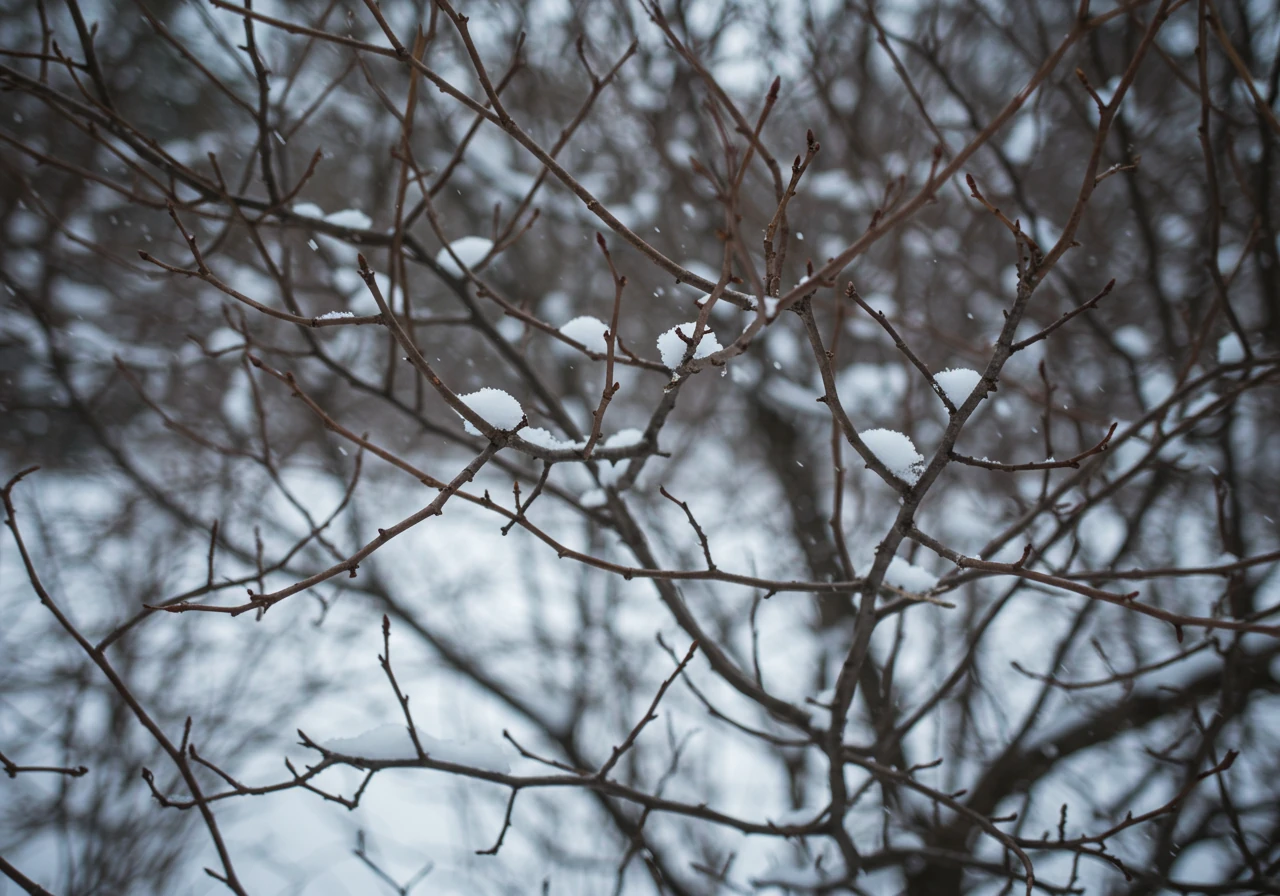
Alright, let's talk timing! When it comes to pruning your young shrubs, especially here in the Ottawa region, getting the timing right is like nailing the punchline of a good joke – it makes all the difference. Our unique climate, with its enthusiastic winters and blink-and-you'll-miss-it springs, dictates the best windows for giving your shrubs their formative trims. Mess up the timing, and you might accidentally snip off next year's flowers or stress the plant right before a cold snap. Nobody wants that!
So, when *is* the magic moment? It largely depends on the type of shrub you have. Here in Ottawa, our typical last frost is around mid-May, and the first one creeps in by late September or early October. This gives us a precious growing season to work with. Gardeners from Kars to Kenmore know you need to pay attention to these windows! For more local gardening insights, consider resources like the Master Gardeners of Ottawa-Carleton.
Here’s a simple breakdown:
- Most Deciduous Shrubs (The ones that lose their leaves): Think shrubs grown primarily for foliage or those that bloom on new wood (like many Potentillas or Spireas that flower later in summer). The best time for their formative pruning is late winter or very early spring – usually late March or April here in Ottawa. Why then? The shrub is still dormant (think sleepy!), the branches are bare making it easy to see the structure, and the cuts encourage vigorous new growth once things warm up. It’s often a key part of spring readiness, maybe even tackled during your big expert Ottawa yard cleanup service.
- Spring-Flowering Deciduous Shrubs: This is the exception! Think Lilacs, Forsythia, Weigela – the early show-offs. These guys bloom on last year's wood. If you prune them in early spring, you'll cut off all the flower buds! The rule here is simple: Prune them right after they finish flowering (usually late spring/early summer). This gives them the whole growing season to set buds for next year's display.
- Evergreens (Needled and Broadleaf): Yews, Junipers, Cedars, Boxwoods – these need a slightly different approach. Generally, the best time for light formative pruning is late spring (say, May), after the danger of a hard frost has passed but before the big summer growth spurt really kicks in. You can do some light shaping in mid-summer too, but avoid pruning evergreens in late fall. Any new growth stimulated won't have time to "harden off" before our Ottawa winter hits, making it vulnerable to damage.
Quick Tips for Young Shrub Pruning:
- Keep it light! Formative pruning is about gentle guidance, not a major hack-job.
- Always remove dead, damaged, or diseased wood first.
- Snip away branches that are crossing or rubbing against each other.
- Don’t forget to tidy up! Removing the pruned bits is part of good garden hygiene and offers reliable property clean up solutions.
Feeling a bit overwhelmed by the timing? It's okay! Understanding the nuances for each shrub type takes practice. If you'd rather leave it to the pros who know Ottawa's climate inside and out, exploring professional shrub care services is a great option. Many homeowners find peace of mind integrating this care with seasonal tasks, like arranging a Manotick spring yard cleanup service that gets everything looking sharp for the growing season. At the end of the day, we want your shrubs to thrive, and you can learn more about our team and commitment to helping Ottawa gardens flourish.
Get Snippy With It: Essential Tools & Basic Pruning Cuts
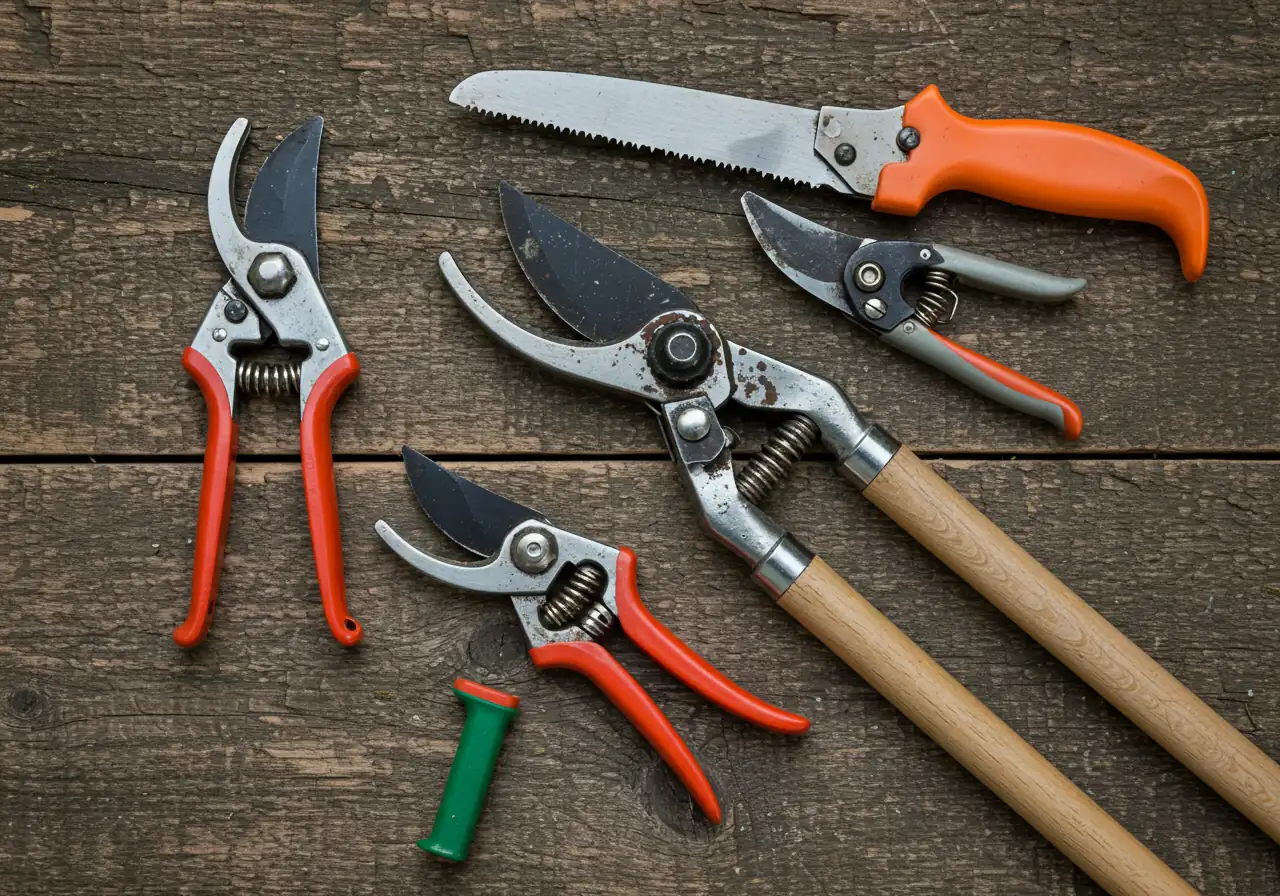
Ready to make the cut? Don’t worry, we’re talking shrubs, not surgery! But just like a good surgeon (or chef!), having the right tools makes all the difference in formative pruning. Using dull or dirty tools is like trying to chop veggies with a butter knife – frustrating and messy! For young shrubs, you don’t need a giant arsenal.
Your Pruning Toolkit Essentials:
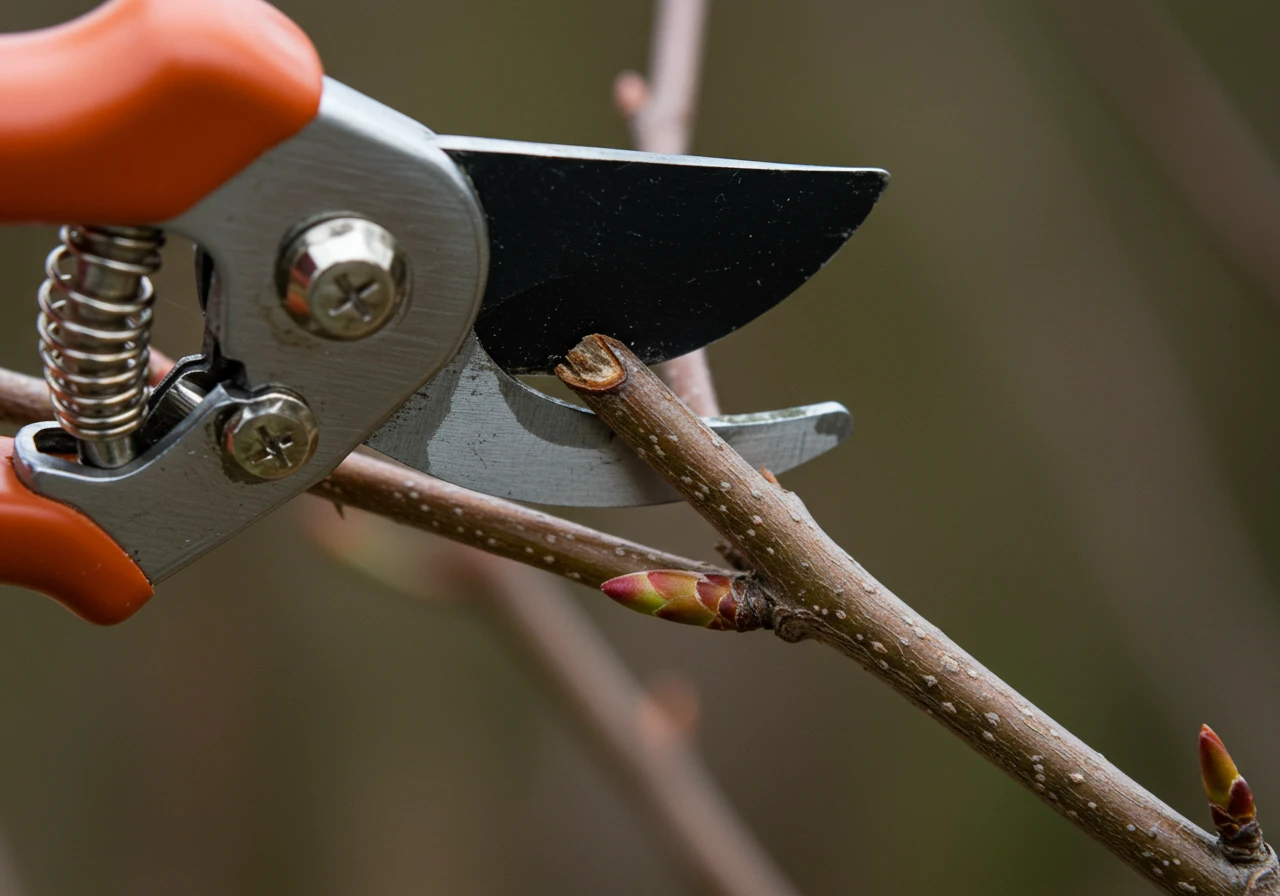
- Bypass Hand Pruners: These are your absolute must-have. They work like scissors, with one blade bypassing the other for a clean, precise cut that heals quickly. This is crucial for young, tender stems. Investing in a quality pair is like good material selection for lasting landscaping projects; it pays off in the long run.
- (Maybe) Loppers: If you encounter branches thicker than your thumb, bypass loppers (same scissor action, but with long handles for leverage) might be handy. But for most formative work on young plants, hand pruners are king.
Keep 'Em Sharp & Clean!
Sharp blades make clean cuts, which helps prevent crushing stems and allows the shrub to heal faster, reducing stress and disease risk. Think of it as first aid for your plants! Equally important is keeping them clean. Wiping your blades with rubbing alcohol or a diluted bleach solution (1 part bleach to 9 parts water) between plants, or even after cutting diseased wood, prevents spreading problems around your garden. It’s a simple, eco-friendly step towards healthier plants. Keeping things tidy, including cleaning up the clippings afterwards, is also key – much like needing reliable property clean up solutions for the rest of your yard.
The Two Main Moves: Heading vs. Thinning Cuts
Okay, tool in hand, let's talk technique. There are two basic cuts you'll use:
- Heading Cuts: Imagine shortening a branch. You cut part way along a stem, usually just above a healthy bud that’s pointing in the direction you want new growth to go. This encourages the buds below the cut to sprout, making the shrub bushier. Use these sparingly on young shrubs, mainly to control length or encourage fullness where needed.
- Thinning Cuts: This involves removing an entire branch right back to where it joins a larger stem or the main trunk. You cut just outside the slightly swollen area called the "branch collar," leaving it intact to help the wound seal. Thinning cuts are great for removing dead, damaged, weak, or crossing branches, improving air circulation, and opening up the plant without stimulating excessive bushy growth right at the cut point.
Your First Few Snips: A Beginner's Guide
Feeling nervous? Totally normal! Start simple:
- Observe: Look closely at your young shrub. Any obviously dead, broken, or sickly-looking twigs?
- Clean Tools: Give those pruners a quick wipe-down.
- The 3 D's: Make thinning cuts to remove any Dead, Damaged, or Diseased wood first. Cut back to healthy tissue or the branch base.
- Stop the Rub: See any branches crossing and rubbing against each other? Choose the weaker or poorly positioned one and remove it with a thinning cut.
- Assess: Step back. Does it look a little better? Often, that's enough for the first session! Remember, formative pruning is light. You can always take more off later, but you can't stick it back on!
This careful pruning promotes strong growth, which is always supported by good foundations, like proper soil preparation for Ottawa gardens. Think of these initial cuts as a vital part of your overall essential garden maintenance plan.
Where to Find Tools in Ottawa:
You can find good quality pruners at local garden centers and hardware stores throughout Ottawa and surrounding areas like Metcalfe. Look for comfortable grips and sturdy construction. And hey, if you've got a lot going on in the yard, remember that services like a Metcalf yard cleanup service can help manage the bigger tasks, leaving you more energy for the detailed work like pruning.
Local Legends: Pruning Popular Shrubs in Vernon & Ottawa Valley
Okay, let's chat about some familiar faces in our Vernon and Ottawa Valley gardens! We see certain shrubs thriving year after year, from the leafy streets of Greely to the more open spaces near Osgoode. But even these reliable beauties need a little guidance when they're young. Here’s the lowdown on formative pruning for a few local legends:
1. Smooth Hydrangeas (Like 'Annabelle')
- Why they're popular: Who doesn't love those giant, snowball-like blooms? They're tough and reliable performers in our region. Check out our work transforming gardens on our Transformations page!
- The Young Shrub Goal: Encourage strong, thick stems that won't flop under the weight of those massive flowers, especially after an Ottawa summer rain!
- How to Prune: These bloom on new wood, so timing is easy: late winter or early spring (March/April). For formative pruning, focus on thinning. Remove spindly stems right to the base. Select 3-5 of the strongest looking stems and keep those. You can lightly head back the remaining stems by about a third if you want to encourage some branching, but the main goal is selecting for strength. In heavier clay soil, ensuring good structure early is key as growth might be slightly less vigorous initially.
- Pro Tip: Resist cutting them *all* the way to the ground like some recommend for mature plants. You want to build that woody base in the early years.
2. Japanese Spirea (Like 'Goldflame' or 'Little Princess')
- Why they're popular: Hardy, adaptable, great foliage colour, and pretty summer flowers. They're practically bulletproof landscaping troopers! Great additions after effective lawn care makes space.
- The Young Shrub Goal: Encourage a dense, mounded shape and prevent legginess.
- How to Prune: These also bloom on new wood, so prune in late winter/early spring. Use thinning cuts to remove any dead twigs or weak stems at the base. Then, use light heading cuts on the remaining stems, trimming them back by a few inches to encourage bushiness. Aim for an even, rounded shape. Don't shear it flat like a hedge yet – just gentle shaping.
- Local Note: Spirea generally aren't deer favourites, which is a bonus if you're gardening near areas like Osgoode where deer browse can be an issue.
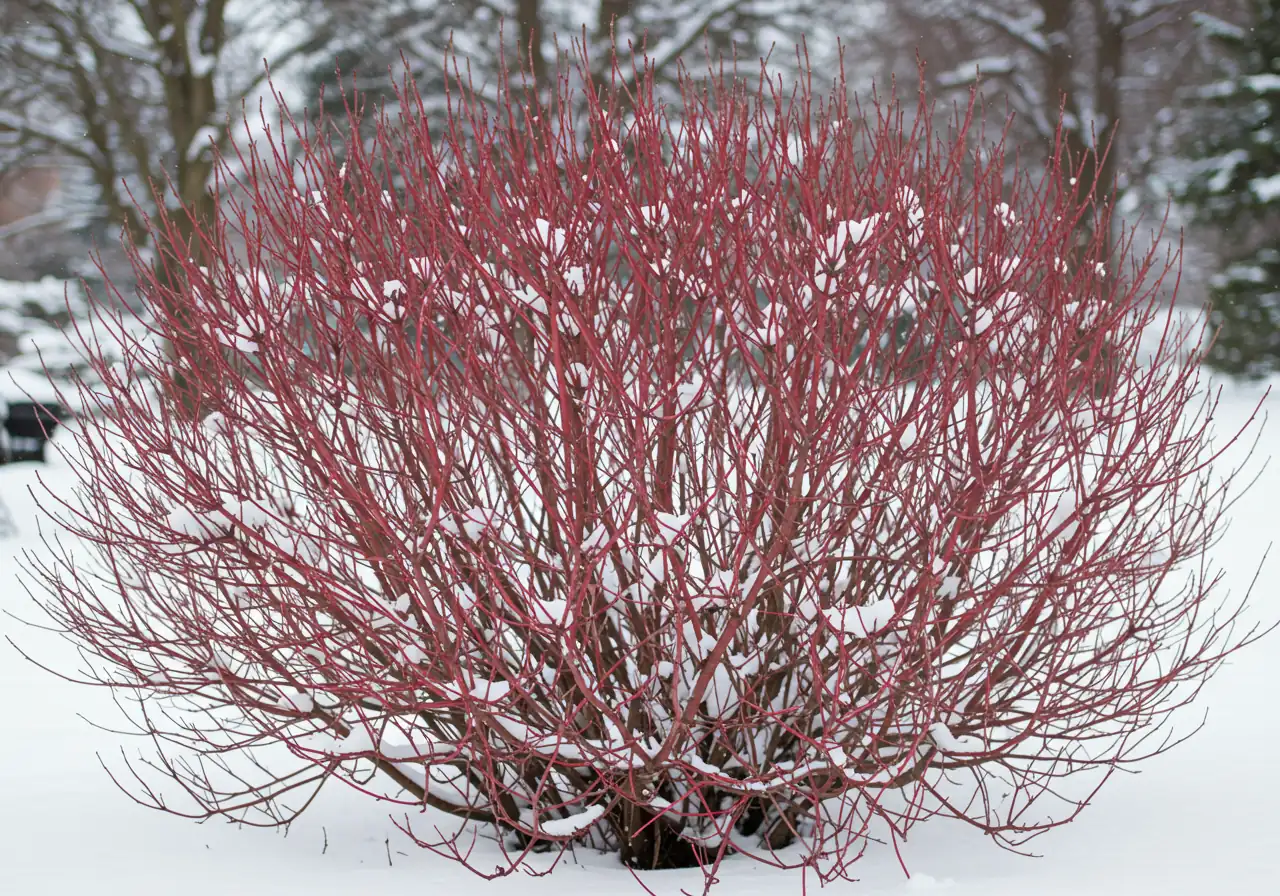
3. Red Osier Dogwood (Native)
- Why they're popular: Fantastic red stems provide amazing winter colour against the snow! Super hardy for our climate. Perfect for adding interest after a fall Ottawa property cleanup service.
- The Young Shrub Goal: Encourage lots of vibrant *new* stems (which have the best colour) and establish a clumping form.
- How to Prune: Prune in late winter/early spring before leaves emerge. The brightest red colour is on one- and two-year-old stems. For young plants, focus on removing any damaged or crossing branches first using thinning cuts. Then, to encourage new colourful growth, you can remove about a third of the *oldest*, thickest stems right down to the base each year. This keeps the plant vigorous and colourful without removing too much at once.
- Watch Out: Deer *do* browse dogwood, so if you're in a deer-prone area, you might find they do some "natural" pruning for you. Factor this in and maybe protect younger plants until established.
4. Common Lilacs
- Why they're popular: That fragrance! A classic Ottawa Valley spring staple. Often a feature in gardens needing detailed city garden clean up service.
- The Young Shrub Goal: Develop a strong multi-stemmed structure, encourage flowering, and prevent legginess.
- How to Prune: Okay, remember the rule: prune these *immediately after* they finish flowering (late spring/early summer). They bloom on old wood. For young plants, focus on removing any weak or crossing shoots at the base. Also, start selecting the main stems you want to keep for the long term. Snip off the spent flower heads unless you want seeds. Don't prune heavily; just guide the shape.
- Cleanup is Key: Lilac pruning debris can be bulky. Proper cleanup after pruning keeps things tidy and healthy. It’s the kind of task often included in a thorough Marionville garden clean up service or a broader Marionville property cleanup service if you're tackling multiple garden jobs.
| Shrub Name | Best Pruning Time (Ottawa) | Main Goal (Young Shrub) | Key Cut Type |
|---|---|---|---|
| Smooth Hydrangea | Late Winter / Early Spring | Strong stems, prevent flopping | Thinning (remove weak), Light Heading |
| Japanese Spirea | Late Winter / Early Spring | Dense, mounded shape | Thinning (weak), Light Heading |
| Red Osier Dogwood | Late Winter / Early Spring | Encourage new colourful stems | Thinning (oldest stems), remove crossing |
| Common Lilac | Immediately After Flowering | Strong structure, encourage buds | Thinning (weak/crossing), deadhead |
Finishing Touches: After pruning, giving your shrubs a nice layer of mulch is like putting a cozy blanket around them. Good professional mulching and edging not only looks sharp but helps retain moisture and suppress weeds around your newly shaped plants. It's often about choosing quality materials, similar to the careful material selection for lasting landscaping projects. This can be part of new garden installations or maintenance.
Feeling a bit hesitant to make those first cuts? That's perfectly okay! Sometimes it helps to get professional advice or see how it's done. When considering help, ensure you understand the scope of work – like getting feedback on landscaping estimates to know exactly what pruning services are included. Happy snipping!
Pruning Green: Eco-Friendly Practices for Ottawa Gardeners
Let's talk about keeping our pruning habits as green as our thumbs! Being an eco-conscious gardener here in Ottawa is totally doable, and frankly, feels pretty good. After you’ve snipped and shaped your shrubs to perfection, the question remains: what do you do with all those leftover bits and pieces without just chucking them in the landfill?
First off, embrace the power of compost! Small, leafy bits, green stems, and tiny twigs are like gold for your backyard composter. Mix them in with your kitchen scraps and other browns, and voilà – you're making black gold (aka free fertilizer!) for your garden beds. Mother Nature gives you a high five for that one.
For branches that are too chunky for your compost bin (think thicker than your finger), Ottawa's Green Bin program is your next best friend. Most woody yard waste can go in there. Just be sure to check the City of Ottawa's website for the latest rules on branch diameter, length, and how to bundle them if necessary. Following the rules ensures your green bin gets picked up without a hitch – unlike that awkward uncle at holiday dinners. Find out more about local services on our Google My Business page.
Eco-friendly pruning isn't just about disposal, though. It starts with *how* and *when* you prune:
- Integrated Pest Management (IPM): Pruning out diseased or damaged wood *promptly* is a fantastic way to manage potential pest and disease problems without reaching for harsh chemicals. See some black spot? Snip it out carefully! It’s like preventative healthcare for your plants.
- Right Plant, Right Place: Choosing shrubs that are naturally suited to our Ottawa climate (think cold-hardy, disease-resistant varieties recommended by groups like Landscape Ontario) often means they'll need less drastic pruning down the road. Less stress for them, less work for you! Gardeners in areas like Metcalfe know the value of picking tough, reliable plants. This is crucial for services like sod installation too.
- Water Wise: While not direct pruning, remember that healthy, properly pruned plants often use water more efficiently. Removing excess or weak growth means the plant supports less foliage.
- Wildlife Awareness: Be mindful of our local critters! Try to avoid major pruning during peak bird nesting season (generally spring through early summer). Disturbing a nest is a definite eco-faux pas. A quick check before you start snipping can make a big difference.
Dealing with a mountain of clippings after a big pruning session or seasonal tidy-up? Sometimes the green bin just won't cut it (pun intended!). If you need assistance managing larger volumes of yard waste responsibly, professional help is available. Options like a thorough Metcalf garden clean up service can handle the specific debris from your garden beds. For more extensive jobs across your entire property, looking into a Metcalf property cleanup service might be beneficial. Even if you're outside the immediate city core, similar help exists, such as a reliable Marionville yard cleanup service or a focused Marionville garden clean up service to ensure waste is handled properly. When hiring any service, it's always smart to understand exactly what's included – reviewing the company's terms and conditions can clarify details about waste removal and service scope. We ensure compliance with our privacy policy.
By incorporating these simple practices, your pruning routine can contribute positively to your garden's health *and* the local environment. Happy green gardening!
Typical Growth Focus After Pruning
Illustrative: Formative pruning directs energy towards establishing structure.
Formative Pruning Power-Ups
Think of this as your cheat sheet to giving young shrubs the VIP treatment! Here are the key takeaways to remember for happy, healthy growth here in Ottawa:
- Start Early for Structure & Style: Don't wait! Gentle pruning in the first few years builds a strong frame (bye-bye, snow damage!) and guides shape. It’s the foundation for amazing long-term visual landscape transformations.
- Master the Ottawa Timing: Prune most leafy shrubs in late winter/early spring *before* growth starts. For spring bloomers (like lilacs), wait until *right after* they flower. Keep those evergreens tidy in late spring, avoiding late fall cuts.
- Snip Smart & Clean: Use *sharp*, clean bypass pruners for healthy cuts. Focus first on removing Dead, Damaged, Diseased, or crossing branches. Light touches are key – you’re guiding, not hacking! This kind of attention is part of a great overall city garden maintenance service.
- Green Disposal is Good Karma: Compost small clippings, use Ottawa's Green Bin for bigger stuff, or if you've tackled a big job, consider professional help for responsible waste removal, like a specific Metcalfe property cleanup service or a broader city property cleanup service for larger volumes.
- Reap the Rewards: Investing a little effort now pays off with robust, beautiful shrubs you'll enjoy for years. It’s like getting a living thank you note from your garden for the TLC!
A Young Shrub's Pruning Journey (First 3 Years)
Year 1: Planting & Settling In
Minimal pruning needed. Remove only broken or damaged branches at planting time. Focus on watering and establishment. Let the shrub settle into its new home, perhaps after expert garden install.
Year 2: First Formative Snips
Prune in the correct season (late winter/early spring usually). Focus on removing the "3 D's" (Dead, Damaged, Diseased) and any crossing/rubbing branches. Begin establishing the main framework. Still very light!
Year 3: Refining the Structure
Continue removing unwanted branches (3 D's, crossing). Select the strongest, best-placed stems to keep. Thin out overly dense areas slightly for air circulation. Maybe light heading cuts to encourage fullness if needed. Maintain with services like Ottawa garden clean up service.
Beyond Year 3: Maintenance Pruning
Transition to more routine maintenance pruning based on the shrub's type and growth habit. Continue removing deadwood annually and prune to maintain desired size and shape.
FAQs: Pruning Problems in the Ottawa Area
Oh dear, timing mix-ups happen to the best of us! Don't panic. If you pruned your lilac *before* it flowered in spring, you likely just snipped off this year's flower buds. Sad, but not fatal! If you pruned it hard *late* in the summer or fall, it might stress the plant heading into our chilly winter. The good news? Lilacs are tough cookies, especially established ones. It will almost certainly survive. Just give it some TLC (water if dry) and prune it correctly *right after* flowering next year. You’ll probably miss the gorgeous blooms this season, but it should bounce back just fine.
Ah, the joys of an Ottawa winter! Heavy snow load can definitely flatten even sturdy shrubs, whether you're in Greely or Barrhaven. First, resist the urge to prune immediately while things are still frozen or soggy. Wait until spring when the snow is gone and the branches have thawed. Gently knock off heavy snow during winter if you can reach safely, but don't force brittle, frozen branches. Once spring arrives, assess the damage. Prune out any clearly broken or cracked branches, cutting back cleanly to a healthy side branch or the main stem. Sometimes, misshapen shrubs will surprisingly spring back on their own once the weight is off. Give them time and be patient!
It's amazing how quickly those clippings pile up, right? Your first stop is Ottawa's Green Bin program for smaller branches and leaves – just be sure to check the city's current guidelines on size limits and bundling requirements. Composting the softer green bits is also fantastic "black gold" for your garden. But if you've done a major pruning overhaul or tackled multiple shrubs, you might find yourself with more waste than the green bin can handle weekly. For those bigger jobs, utilizing a convenient city yard cleanup service can save you time and the hassle of multiple trips or waiting for pickup days. And if the pruning project was part of a larger property tidy-up, you might need assistance handling large scale pruning debris removal. Getting professional help ensures it's all managed responsibly.
Good eye! Catching potential problems early during your pruning routine is a major advantage. Weird spots, sticky residue (often "honeydew" from pests like aphids or scale insects), webs, or unusual growths could indicate pests or diseases trying to crash the party. First, make sure you clean your pruners with rubbing alcohol or a diluted bleach solution *before* cutting other plants to avoid spreading the issue. Prune out the affected branches if the problem seems localized, cutting back into healthy wood below the affected area. *Don't* compost diseased or heavily infested material – bag it securely for disposal according to City of Ottawa waste guidelines. Try to identify the specific problem if you can (a quick online search with a description or photo might help). If you're unsure what it is, it seems widespread, or you're worried about tackling it, don't hesitate to seek advice. You can always get in touch via our contact us page to ask questions or describe the issue. We value your privacy, and you can see how we protect your information according to our privacy policy when you reach out for assistance.
Ugh, those furry garden critics! It often feels like they have their own, very questionable, landscaping plans. Deer and rabbits can definitely do a number on young shrubs, especially in areas bordering fields or green spaces like around Winchester or Osgoode during a tough winter. Yes, you should still plan to prune them properly in spring. Once new growth starts to show you what's alive and viable, assess the damage. Use sharp, clean pruners to make neat cuts just below the ragged, chewed ends left by the critters – this helps the plant heal properly and prevents inviting disease. Remove any broken twigs they left behind. You might need to do some light reshaping to encourage more balanced growth if they seemed to favour one side buffet-style. Think of this pruning as damage control and redirecting the plant's energy. And definitely consider adding some protection like tree guards, fencing, or repellent sprays next fall *before* the snow flies to discourage repeat performances!
Conclusion: Shaping a Beautiful Future for Your Vernon Landscape
So there you have it! Giving your young shrubs in Vernon a little guidance through formative pruning isn't just about making them look neat *now*. It's like sending them to finishing school – teaching them good posture and building a strong foundation to handle whatever Ottawa weather throws their way, from heavy snow to gusty winds. Whether you're gardening here or over in neighbouring Russell or Embrun, taking the time for these early, gentle snips pays off big time with healthier, more robust, and frankly, *gorgeous* shrubs for years to come. You'll avoid awkward shapes, weak branches, and the dreaded "shrub flop" later on.
Think of it as setting your green investments up for success. It's about smart, strategic cuts, removing the troublemakers (dead, damaged, crossing branches), and gently encouraging the shape you want. Remember, a little snip now saves a lot of corrective surgery down the road!
Feeling inspired but maybe a little hesitant to make the first cut? Or perhaps your schedule is just too packed? No worries! Ensuring your young shrubs get the *perfect* start is what we do best.
- Ready for expert help shaping your shrubs? Let our skilled team handle the formative pruning for picture-perfect results.
- Want a comprehensive plan for your landscape's health and beauty? Explore our full range of professional shrub care and landscaping services.
Give your Vernon landscape the beautiful future it deserves.
Contact Us Today!