
Renew Old Metcalfe Viburnums: Expert Pruning Guide
Quick Guide to Viburnum Renewal
- Identify the Need: Look for bare lower stems, fewer flowers, tangled twigs, or excessive dead wood.
- Best Timing (Ottawa): Light pruning after flowering (late spring/early summer). Major rejuvenation in late winter/early spring (late March-April).
- Essential Tools: Sharp bypass pruners, loppers, and a pruning saw. Clean tools between cuts if disease is suspected.
- Rejuvenation Method: Gradually remove 1/3 of the oldest stems at ground level each year for 3 years.
- Aftercare: Water well, apply mulch (away from stems), and be patient for new growth.
Introduction: Giving Your Grand Old Metcalfe Viburnums a New Lease on Life
Hey there, Metcalfe neighbours! And hello to you folks over in Greely and Osgoode too! We all love our Viburnums, right? Those gorgeous blooms, vibrant berries, and lovely fall colours really make our Ottawa gardens and landscaping efforts shine. They're reliable performers in our yards, asking for little but giving so much beauty in return.
But let's be honest, sometimes even the most stalwart shrubs start showing their age. Maybe your once-proud Viburnum is looking a bit sparse down below, maybe it's gotten leggy and overgrown, or perhaps the flower show isn't quite what it used to be. It happens! Just like us, plants can get a bit tired after years of faithful service.
Don't reach for the shovel just yet! Your grand old Viburnum probably just needs some expert attention, not a one-way trip to the compost heap. Think of it as a spa day for your shrub! In this section, we're sharing straightforward, practical tips and pruning advice specifically for rejuvenating these beloved plants right here in our unique Ottawa climate. We'll help you understand how to safely trim back years of growth and encourage fresh, vibrant new life, bringing back the beauty you remember. Get ready to give that Viburnum a new lease on life!
Why Viburnums Deserve a Spot in Your Ottawa Garden (And Why Pruning Keeps Them There!)
Okay, let's talk about why Viburnums are practically rockstars in the Ottawa gardening scene and why giving them a little trim now and then keeps them headlining in your yard for years to come.
Why Viburnums Deserve a Spot in Your Ottawa Garden (And Why Pruning Keeps Them There!)
Seriously, if you're looking for a reliable, beautiful shrub that can handle our unique Ottawa climate – from chilly winters to surprisingly warm summers – Viburnums should be high on your list. Drive through established neighbourhoods like Nepean or check out newer landscaping in developing areas, and you're bound to spot these versatile plants putting on a show. They just work here.
So, what makes them so great for us?
- Four-Season Interest: This isn't a one-hit-wonder plant! Many Viburnums offer lovely (and often fragrant!) spring flowers, lush green summer foliage, stunning fall colour, and even attractive berries that can persist into winter, feeding local birds. Talk about getting bang for your buck! Check out some inspiring examples in our transformations gallery.
- Tough as Nails (Mostly!): Ottawa throws some curveballs weather-wise, but many Viburnum varieties are hardy enough to take it in stride. They tolerate a range of soil conditions and light levels, making them adaptable choices for different spots in your yard. For tips on hardy plants, see the resources from the Friends of the Central Experimental Farm.
- Variety Galore: Need something tall and stately? Short and rounded? A specific flower colour or berry type? There's likely a Viburnum for that. This variety makes them fantastic team players in any garden design.
But here's the thing: even superstars need a little maintenance to stay on top. That's where pruning comes in – it's not about being mean to your shrub; it's about keeping it healthy, happy, and looking its best. Think of it like a regular check-up and a good haircut rolled into one!
Why is pruning so important for your beloved Viburnums?
- Health Check: Pruning allows you to remove any dead, damaged, or diseased branches. This stops problems from spreading and improves air circulation within the plant, which helps prevent fungal issues – kind of like airing out a stuffy room!
- Shape Up!: Let's face it, some shrubs can get a bit wild over time. Pruning helps maintain a desirable shape and size, preventing your Viburnum from overwhelming its neighbours or blocking a walkway. Proper shaping ensures your plants fit beautifully into your landscape, similar to the careful controlling shrub size like we discuss for roses in Barrhaven.
- More Flowers, More Fruit!: Regular, appropriate pruning encourages the growth of new stems. For many Viburnums, these younger stems produce the most abundant flowers and fruit. It’s about rejuvenating the plant for peak performance, applying some of those essential spring pruning tips for vibrant renewal.
- Rejuvenation Station: Got an older Viburnum that’s looking sparse and woody at the base? A more drastic type of pruning, called rejuvenation pruning, can often bring it back to life, much like the process required for lilac renovation pruning needed for overgrown shrubs.
- Long-Term Value: Keeping your Viburnums healthy and attractive through smart pruning means they remain valuable assets to your property. It’s part of good plant management; indeed, having a smart pruning plan can even save money in the long run compared to neglecting shrubs and needing costly replacements later.
So, while Viburnums are wonderfully low-maintenance overall, strategic pruning is the key to unlocking their full potential and ensuring they grace your Ottawa garden for many years. It keeps them healthy, looking sharp, and performing their best. If tackling the pruning shears feels a bit daunting, don't hesitate to explore our professional shrub care services – we're always happy to help keep your landscape thriving! Read reviews from neighbours on our Google Business Profile.
Is Your Viburnum Crying Out for Help? Signs It's Time for Renewal Pruning
Okay, let's chat about your Viburnum. Is it looking a little... less vibrant than it used to? Like it stayed out too late partying in its youth and is now feeling the effects? It happens to the best of shrubs, especially those lovely, mature ones you see gracing established properties around Ottawa, maybe even in areas like Winchester or Vernon. These plants work hard for us, but sometimes they send out subtle (or not-so-subtle) signals that they need a serious refresh – what we call renewal pruning.
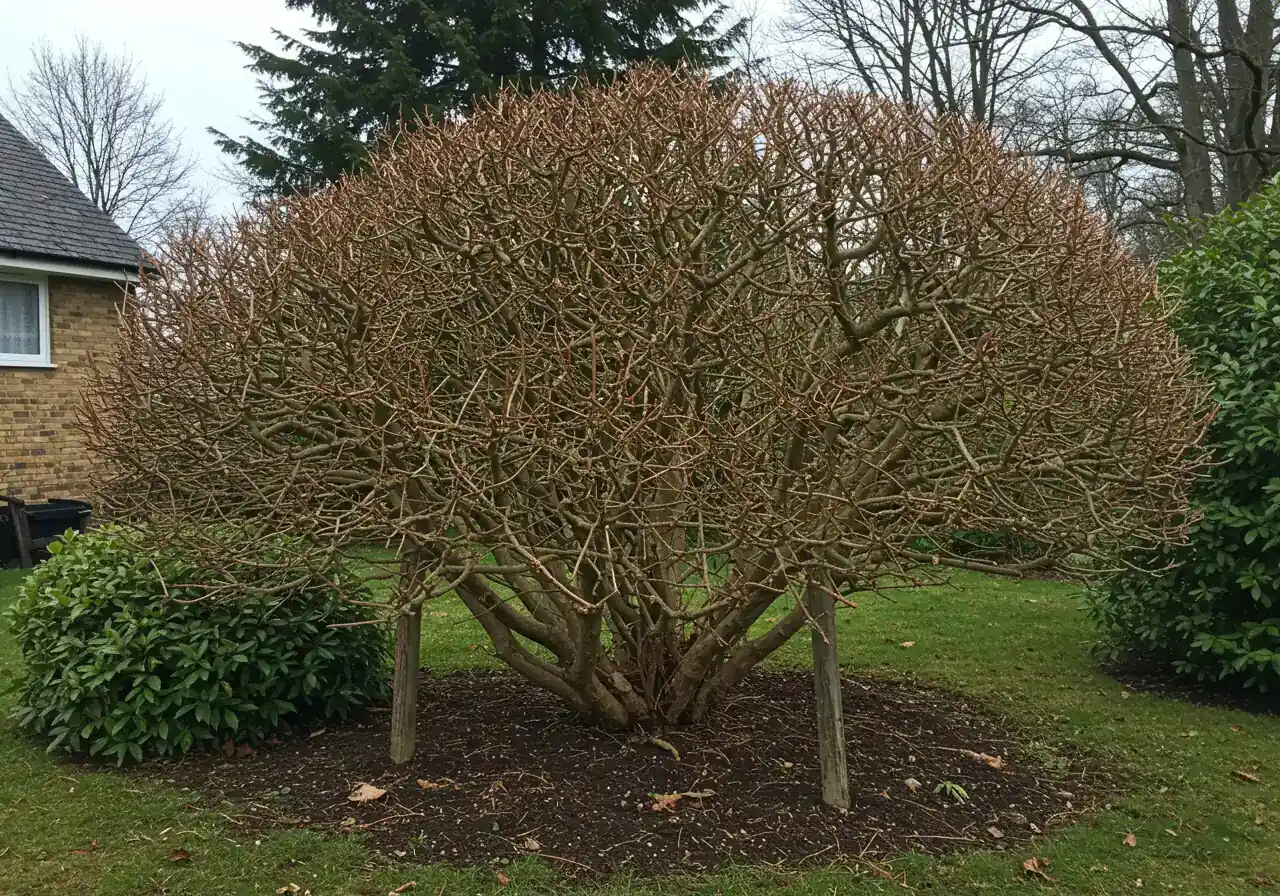
Think of it like this: your Viburnum is trying to talk to you. But since it can't exactly send you a text, you need to learn its language. Here are the key signs your shrub might be whispering (or shouting!) for help:
Is Your Viburnum Crying Out for Help? Signs It's Time for Renewal Pruning
- The "Bare Legs" Look: Does your Viburnum look full and leafy on top, but suspiciously sparse and woody near the ground? Like it forgot to put on its pants? This often happens when all the growth energy goes into the top, leaving the older, lower stems bare and unproductive. Renewal pruning helps encourage fresh new growth right from the base.
- Flower Power Failure: Remember those spectacular blooms your Viburnum used to boast? If the flower show has dwindled significantly, with fewer or smaller blossoms, it's a classic sign the plant needs rejuvenating. Many Viburnums flower best on younger wood. Old, tired stems just don't have the same floral firepower.
- A Tangle of Twigs: Peer inside the shrub. Do you see a dense collection of tiny, weak twigs, many of which might be dead? This "twiggy-ness" often indicates the shrub is overcrowded. The inner branches aren't getting enough light or air, leading to dieback and reduced vigour. Pruning thins things out, allowing sunlight and air to penetrate.
- It's Just... Lacklustre: Sometimes, there isn't one dramatic sign, but the whole shrub just looks generally unhappy, tired, or stressed. The leaves might seem smaller, the colour less vibrant, or the overall shape less robust than it once was. It’s lost its mojo! This often points to an accumulation of old, less efficient wood that isn't supporting vigorous, healthy growth.
- Too Much Dead Wood: While the odd dead twig is normal, are you noticing entire branches that are clearly dead, dry, and brittle? Especially thicker, older stems? This dead material is useless to the plant and can even invite pests or diseases. Removing it is crucial for plant health.
- The Overgrown Beast: Has your once-manageable Viburnum turned into a monstrous tangle that's crowding out neighbours or blocking paths? Sometimes, shrubs just get too big for their space over years of unchecked growth. Renewal pruning, often done gradually over a few seasons, can help bring it back to a more manageable size while stimulating fresh, healthy growth.
Why These Signs Matter:
These aren't just cosmetic issues. They often indicate that the oldest stems (the thick, woody ones, usually near the center or base) are no longer pulling their weight. They consume resources but produce fewer leaves, flowers, and berries. Renewal pruning strategically removes these oldest stems over time, making space and redirecting the plant's energy into producing vigorous, productive new stems from the base or lower down.
It's a vital part of good gardening practice and essential for keeping these valuable shrubs thriving in our unique Ottawa climate. Tackling a severely overgrown or neglected Viburnum can feel daunting. If you're looking at your shrub and thinking it needs more than just a light trim, exploring professional shrub pruning and other landscaping services might be a good idea. Getting expert help ensures the pruning is done correctly to promote health, not harm the plant. Often, this kind of significant pruning is best handled as part of a larger Barrhaven garden clean-up service or similar seasonal tidying, dealing with the debris effectively.
Keeping your Viburnums healthy through timely pruning should be seen as part of a comprehensive garden maintenance strategy, ensuring the long-term beauty and value of your landscaping. If you're considering getting professional help, you can learn more about how we handle your information in our privacy policy when you reach out. Wondering what's involved or how much it might cost? We aim for transparency; you can check out our estimate and feedback process to see how we work with homeowners like you.
So, take a close look at your Viburnum. If it's showing any of these signs, don't despair! A good renewal pruning might be just the ticket to bring back its youthful vigour and beauty for years to come.
Gearing Up: The Right Tools and Ottawa Timing for Viburnum Success
Okay, let's get down to brass tacks! You've decided your Viburnum needs some TLC, maybe even a serious rejuvenation. Fantastic! But before you charge out there like a gardening gladiator, let's make sure you have the right equipment and, crucially, the right timing for our unique Ottawa conditions. Getting this right is half the battle for Viburnum success!
Gearing Up: The Right Tools and Ottawa Timing for Viburnum Success
Think of this as your pre-pruning pep talk. Having the right tools makes the job easier, safer, and better for your plant. And timing? In Ottawa, with our distinct seasons (hello, Zone 5a/b!), timing is everything.
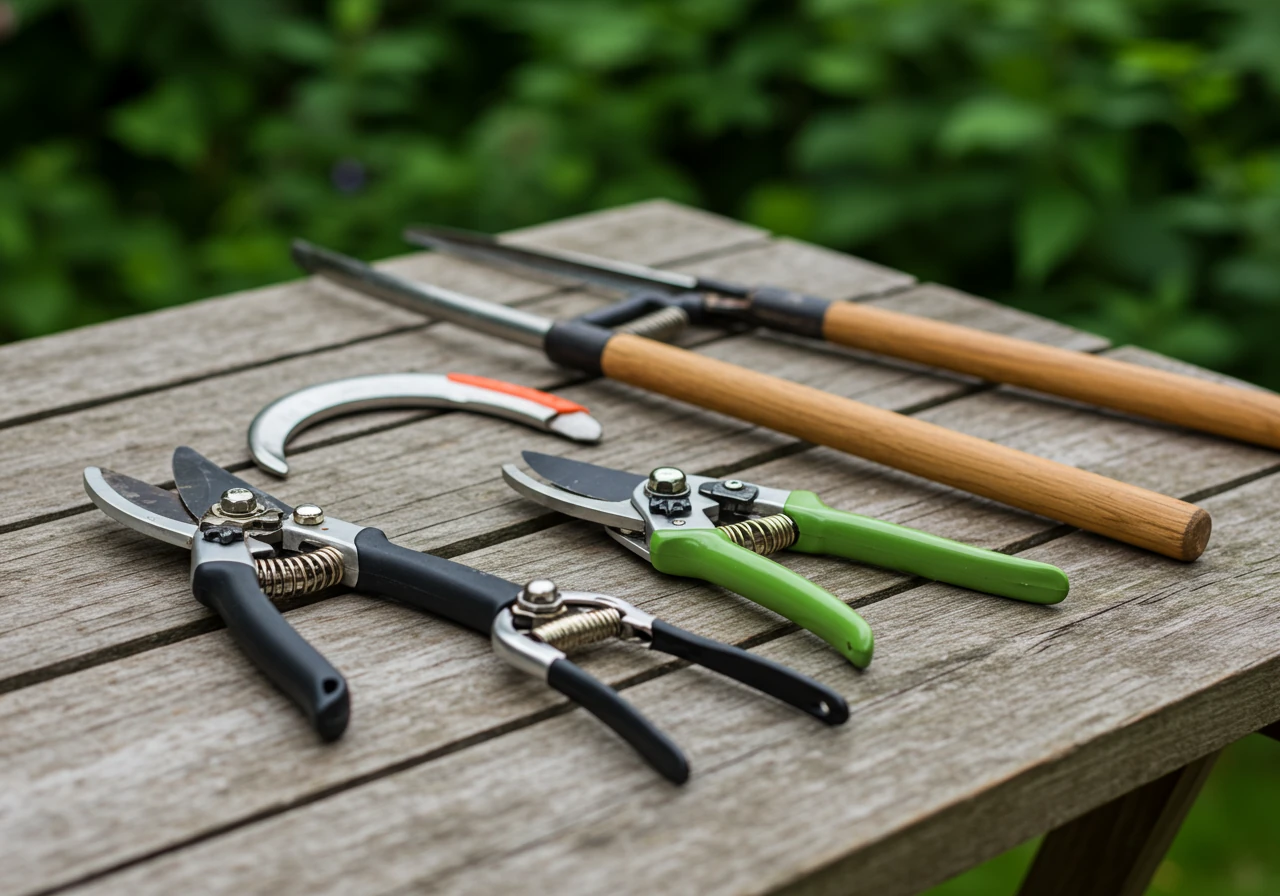
Your Pruning Toolkit Essentials:
You don't need a shed full of complicated gadgets. For most Viburnum pruning, these trusty tools will do the trick:
- Bypass Hand Pruners: Your go-to for smaller stems (usually up to finger thickness). "Bypass" means the blades sweep past each other like scissors, making a clean cut that heals quickly. Avoid "anvil" pruners (which crush stems) for live wood.
- Loppers: Basically long-handled pruners for thicker branches (maybe up to 1.5 inches, depending on the model). The extra leverage saves your wrists! Again, bypass style is best.
- Pruning Saw: For the big guns – those older, thicker stems at the base that loppers just laugh at. A small, curved saw often works wonders, getting into tight spots.
Tool TLC: Sharpness & Cleanliness are Key!
Listen, nobody enjoys wrestling with dull tools. It’s frustrating, tiring, and – worse – it damages your Viburnum!
- Keep 'em Sharp: Dull blades crush stems instead of cutting cleanly. Crushed stems heal slower and invite diseases. Sharpen your blades regularly (a simple sharpening stone works). Trust us, it makes a HUGE difference.
- Keep 'em Clean: Diseases can spread from plant to plant on dirty tools. After pruning a diseased branch (or just between plants), wipe your blades with rubbing alcohol or a disinfectant wipe. It’s like washing your hands – good hygiene for your garden!
The Million-Dollar Question: When to Prune in Ottawa?
Okay, here's where our Ottawa climate really comes into play. The best time depends slightly on why you're pruning.
- For General Shaping & Maintenance (Light Pruning): The ideal time for most Viburnums (especially those grown for flowers) is right after they finish flowering in late spring or early summer. Why? Most Viburnums set their flower buds for next year shortly after blooming. Pruning immediately after allows you to shape the plant without sacrificing next year's floral show. You get your cake and eat it too, bloom-wise!
- For Major Rejuvenation (Heavy Pruning): This is when you're removing those thick, old, unproductive stems right down to the ground (often about one-third of the oldest stems each year for three years). While you *can* do this after flowering, many gardening experts in colder climates like ours (think Manotick or even out towards Kars) prefer to tackle major rejuvenation in late winter or very early spring (late March/early April in Ottawa, before the leaves fully emerge).
- The Upside: It's much easier to see the plant's structure without leaves, allowing you to identify and remove the oldest, thickest stems strategically. The plant is dormant, so the shock is arguably less, and energy is readily available for new growth when spring truly hits.
- The Downside (Trade-off): Yes, pruning heavily in late winter *will* remove flower buds on the stems you cut. You'll sacrifice some (or most) of that year's flowers for the long-term health and vigour of the shrub. It's a temporary sacrifice for a big future payoff.
- Removing Dead, Damaged, or Diseased Wood: Do this anytime you spot it! There’s no point leaving unhealthy bits on the plant, regardless of the season.
Optimal Viburnum Pruning Times in Ottawa
Late Winter / Early Spring (Late March - Mid April)
Best for: Major Rejuvenation Pruning (removing old, thick stems). Easier structure visibility. Plant is dormant. Trade-off: Sacrifices current year's flowers on removed stems.
Late Spring / Early Summer (Immediately After Flowering)
Best for: General Shaping & Maintenance (light pruning). Preserves next year's flower buds. Keeps plant tidy.
Anytime
Best for: Removing the 3 D's - Dead, Damaged, or Diseased wood. Crucial for plant health regardless of season.
Dealing with the Debris (Ottawa Style):
Pruning, especially rejuvenation, can create a surprising amount of woody debris. Please don't just chuck it in the back corner!
- Ottawa Green Bin: Smaller twigs and leaves can go in your City of Ottawa green bin. Check their guidelines for size restrictions using the Waste Explorer tool.
- Leaf and Yard Waste Depots: For larger branches or bigger volumes, utilize the City's leaf and yard waste depots.
- Bundle It Up: Sometimes, bundling branches according to City specs for curbside pickup is an option during designated yard waste collection weeks.
- Consider a Cleanup Service: If you've done a major pruning job or it's part of a larger yard tidy-up, getting professional help might be the easiest route. An Ottawa property cleanup service can handle the removal efficiently. This is especially helpful if you're managing a larger property, perhaps needing something like a Marionville property cleanup service if you're outside the central city zone, or even a more focused city garden clean up service for typical urban lots. They handle the hauling, leaving you with just the beautifully pruned shrub.
Finishing Touches:
After pruning, give your Viburnum a little extra love. Ensure it's well-watered, especially if the weather is dry. Applying a fresh layer of mulch around the base (but not touching the stems!) helps conserve moisture and suppress weeds. This is a great time to consider professional mulching and edging services to really make the area look sharp and tidy after your hard work.
Feeling a bit overwhelmed by the prospect of tackling a major pruning job yourself, or just want to ensure it's done perfectly? Don't hesitate to reach out for expert advice. You can learn about our straightforward estimate and feedback process to see how we can help you make the best decisions for your landscape. Review our terms and conditions for service details.
So, sharpen those pruners, check the calendar, and get ready to give your Viburnum the care it deserves! Proper tools and timing are your keys to success right here in Ottawa.
The Pruning Playbook: From Gentle Touch-ups to Total Rejuvenation
Okay, let's dive into the nitty-gritty: how to actually prune your Viburnum! It might sound a bit scary, like performing surgery on your beloved shrub, but trust us, it’s usually much less dramatic. Think of it more like giving your plant a good haircut and maybe encouraging it to hit the gym. We’ll break down the different approaches, from a quick tidy-up to a full-blown makeover, so you can choose the right "play" for your plant.
The Pruning Playbook: From Gentle Touch-ups to Total Rejuvenation
Just like people, not all Viburnums need the same level of attention. Some just need a little annual sprucing up, while others might be screaming for a more serious intervention (remember those signs we talked about earlier?). Here’s how to figure out what your shrub needs:
1. The Gentle Touch-Up: Annual Maintenance Pruning
- Who needs it? Younger Viburnums, or mature ones that are generally healthy and well-shaped but could use a little tidying.
- Goal: Maintain health and shape, encourage good flowering, prevent problems. Basic preventative gardening care.
- When (Ottawa): Right after flowering (late spring/early summer).
- How:
- Use sharp bypass pruners.
- Remove Dead, Damaged, Diseased branches (the "3 D's").
- Remove crossing/rubbing branches.
- Thin a few oldest stems if crowded.
- Lightly shape by trimming awkward stems back to an outward-facing bud/branch.
- Vibe: Quick, easy, minimal. Refinement, not major removal. Similar to routine lawn care in its consistency.
2. The Shape-Shifter: Corrective Pruning
- Who needs it? Awkwardly shaped, lopsided, or slightly oversized Viburnums.
- Goal: Redirect growth, restore balance, reduce size moderately.
- When (Ottawa): After flowering often works. Late winter/early spring allows better structure view for bigger jobs (may sacrifice some flowers).
- How: More decisive cuts than maintenance. Use loppers if needed. Selectively remove/shorten problem branches, cutting back to a healthy bud, side branch, or main stem. Follow natural growth habit.
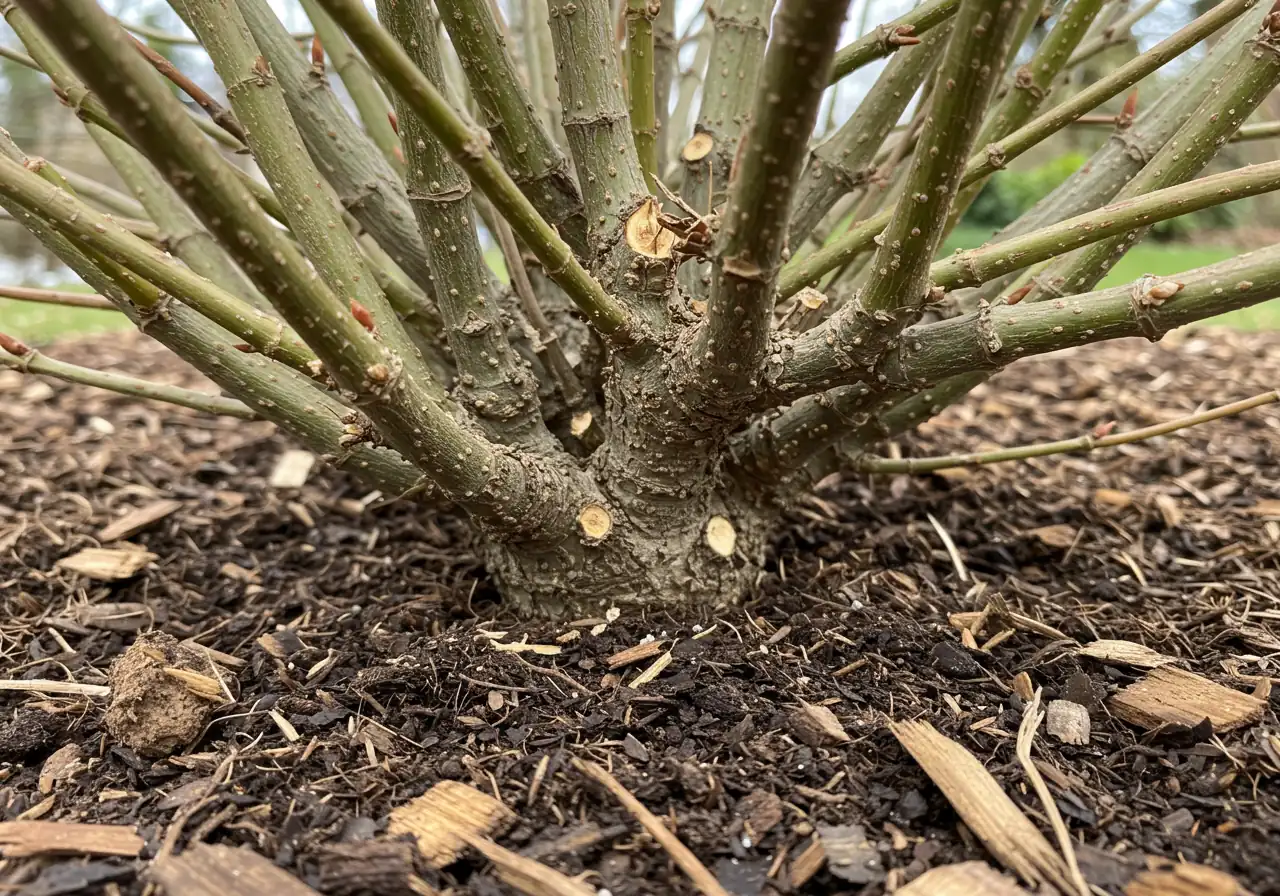
3. The Full Monty (Almost!): Three-Year Rejuvenation Pruning
- Who needs it? Old, tired Viburnums with bare legs, fewer flowers, tangled old wood (common in established areas like Nepean or Barrhaven).
- Goal: Revitalize by removing all old wood over 3 years, forcing vigorous new growth from the base.
- Why 3 years? Gradual approach is less shocking, maintains some cover, allows steady recovery. Patience yields better results!
- When (Ottawa): **Late winter / early spring** (Late March - April, before leaves emerge). Essential for targeting old wood easily. Sacrifices flowers on removed stems in year 1.
- How (The Three-Year Plan):
- Year 1: Identify oldest, thickest stems. Remove ~1/3 of these at ground level with loppers/saw. Clean up debris.
- Year 2: Next late winter/early spring. Remove another 1/3 (of original total) oldest stems at ground level. Clean up debris.
- Year 3: Final late winter/early spring. Remove the last of the original old stems at ground level. Clean up debris.
- Result: By end of Year 3, shrub has only 1, 2, and 3-year-old stems. Looks younger, fuller, flowers better. Switch back to annual maintenance pruning.
Adapting the Playbook:
Remember, this is a guide, not rigid dogma! Observe your specific Viburnum. Is it super dense? Maybe remove slightly more than a third each year during rejuvenation. Is it only slightly leggy? Maybe a less intense corrective prune is enough. If you're nervous, start lighter. You can always remove more later, but you can't stick branches back on! For professional advice tailored to your specific plant, feel free to contact us.
After the Snip: Post-Pruning TLC & Clean-up
Whether you did a light trim or major surgery, give your Viburnum some care:
- Water: Especially after heavy pruning, make sure the plant gets adequate water, particularly if spring is dry.
- Mulch: Applying a fresh layer of mulch around the base (keeping it away from the stems themselves) helps retain moisture and suppress weeds. Consider getting professional mulching and edging done to give the whole area a clean, finished look.
- Debris Duty: Pruning, especially rejuvenation, creates debris! Smaller twigs can go in your Ottawa green bin. Larger branches might need bundling for curbside pickup (check City rules) or a trip to the yard waste depot. If you've done a big job, or pruning is just one part of sprucing up your yard, calling in an Ottawa yard cleanup service can save you a ton of hassle. They handle the hauling and disposal. If you're out Metcalfe way, specific services like help with a Metcalfe garden clean up are available. Dealing with the mess efficiently is all part of achieving a tidy look through professional property clean up.
So there you have it – your Viburnum pruning playbook! Don't be intimidated. With the right approach and timing, you can keep your shrubs healthy, beautiful, and thriving for years to come in your Ottawa garden. Happy pruning!
After the Cut: Nurturing Your Viburnum Back to Glory in Ottawa Soil
Alright, deep breaths everyone! You did it. You faced the Viburnum, shears in hand, and made the cuts. Whether it was a gentle trim or a full-on rejuvenation prune worthy of a reality TV makeover show, the hard part is over. Now comes the equally important phase: the tender loving care to help your shrub recover and burst forth with renewed vigour. Think of it as the spa retreat *after* the intense workout. Especially here in Ottawa, with our sometimes-fickle weather and often clay-heavy soil (looking at you, parts of Barrhaven!), giving your Viburnum the right follow-up care is crucial.
Let's talk about how to pamper your pruned plant back to its glorious self:
Watering Wisdom: Give it a Good Drink!
Pruning, especially the heavy kind, can be a bit stressful for your shrub. Its root system is used to supporting more top growth, so helping it stay hydrated while it recovers is key.
- Why it matters: Water helps transport nutrients and keeps the remaining tissues healthy while the plant focuses energy on healing cuts and pushing out new growth. Ottawa summers can sometimes surprise us with dry spells, making consistent moisture important.
- Clay Soil Considerations: Many areas around Ottawa have clay soil. While clay holds water well (sometimes *too* well!), it can also compact easily and drain slowly. After pruning, you want consistent moisture, but avoid creating a soggy bog around the roots.
- How to water: Aim for deep, infrequent watering rather than light, frequent sprinkles. Give the soil a good soaking so water penetrates down to the root zone (at least 6-8 inches deep). Let the top inch or two of soil dry out before watering again. Check with your finger! A newly pruned shrub, especially one that lost a lot of leaves, might need *less* water initially than an unpruned one, but consistency is key once new growth starts. Don't forget to follow any local water restrictions! Find info on the City of Ottawa's website.
Mulching Magic: The Protective Blanket
Mulch is like a superhero cape for the soil around your Viburnum. Seriously, it does so much good!
- Benefits Galore: A 2-3 inch layer of organic mulch (like shredded bark, wood chips, or compost) helps retain soil moisture (less watering!), suppresses weeds that compete for resources, keeps the soil temperature more even (buffering against Ottawa's hot days and cool nights), and gradually improves soil structure as it breaks down.
- Apply it Right: Spread mulch around the base of the Viburnum, extending out to the drip line (the edge of the branches) if possible. But *crucially*, keep the mulch pulled back an inch or two from the actual stems or trunk. Piling mulch against the base ("volcano mulching") invites rot and pests. Think donut, not volcano! A fresh layer of mulch also gives the area a tidy, finished look, complementing other aspects of your yard, like a beautiful lawn maintained through comprehensive lawn care.
Feeding Finesse: Go Easy on the Fertilizer
Hold your horses on the fertilizer, especially right after a major rejuvenation prune! Your Viburnum needs time to recover, and bombarding it with high-nitrogen food can force weak, floppy growth before the roots are ready.
- Patience First: Let the shrub use its stored energy to push out initial new growth. Observe how it's doing.
- When and What: If you feel feeding is necessary (e.g., your soil is known to be poor), wait until you see healthy new growth emerging. Even then, less is more. Top-dressing with a thin layer of compost is often the best approach. If using fertilizer, choose a balanced, slow-release granular type and apply it lightly, following package directions. Avoid quick-release liquids right after pruning. Healthy soil is the goal, which supports healthy plants, reducing the need for constant fertilization. Learn about our approach to soil preparation.
- Soil Test: If you're really unsure about your soil's needs, consider a soil test. It's the best way to know exactly what, if anything, is lacking. The Master Gardeners of Ottawa-Carleton often have resources on local soil testing.
Patience, Grasshopper: Monitor and Wait
This might be the hardest part! Especially after a heavy rejuvenation prune where your Viburnum might look like a sad collection of sticks, you need to trust the process.
- Watchful Waiting: Keep an eye on your shrub. Look for swelling buds, the emergence of tiny new leaves, and eventually, new shoots growing from the base or along the remaining stems. This is the sign your TLC is working!
- Check for Stress: Also monitor for any signs of trouble – wilting (despite adequate water), unusual leaf spots, or pest infestations. Catching issues early is always best.
- It Takes Time: Remember, full recovery and lush regrowth, particularly after removing large, old stems, can take a full growing season or even longer. Don't expect miracles overnight. Your Viburnum is resilient; give it the time it needs. The reward of vibrant new growth is worth the wait, enhancing your whole property, whether you're tidying up a small city lot or undertaking a larger Marionville garden clean-up service.
Typical Viburnum Recovery After Rejuvenation
*Chart shows estimated percentage of full vigor/density regained each year after starting a 3-year rejuvenation prune. Actual results vary.
Simple Seasonal Care Reminders Post-Pruning:
Think of this as a quick cheat sheet for the year following your pruning efforts:
- Spring (Post-Pruning): Monitor for that exciting new growth! Ensure consistent moisture as temperatures warm up. Apply or top up mulch once the ground has thawed and warmed slightly. Hold off on fertilizer until you see good growth.
- Summer: Water deeply during dry spells. Keep watching for pests or diseases. Admire the new growth! Healthy shrubs really contribute to the overall appeal of your landscaping, working beautifully alongside features like a lush lawn, perhaps even one established through a sod installation project.
- Fall: Ensure the soil has adequate moisture before the ground freezes – this helps prevent winter damage. Check your mulch layer. Avoid any further pruning now; let the plant harden off for winter. Dealing with fallen leaves around your recovering shrub? If the volume is overwhelming, remember a city property cleanup service can handle leaf removal and other fall tasks.
- Winter: Let your Viburnum rest. Snow cover is actually great insulation! Dream of the beautiful blooms to come.
Nurturing your Viburnum back to health after pruning isn't complicated, but it requires a bit of attentiveness and patience. By providing the right watering, mulching, and monitoring, you’re setting your shrub up for success in our unique Ottawa environment. And soon, you’ll be rewarded with a healthier, happier, and more beautiful plant gracing your garden. If you ever feel overwhelmed or just want an expert hand, don't hesitate to reach out – sometimes it's nice to just simply say thank you by letting professionals like the Clean Yards team, proud members of Landscape Ontario, take care of the heavy lifting!
Viburnum Pruning Pro Tips
Alright, feeling ready to tackle that Viburnum? It's easier than you think! To keep things simple and help you avoid any "oops" moments (we've all been there!), here are some quick pro tips to remember. Think of this as your cheat sheet for happy, healthy shrubs right here in our Ottawa gardening world:
- Time it Right (Ottawa Style!): For most Viburnums, light shaping after flowering (late spring/early summer). Major *rejuvenation* (cutting old stems to ground) in late winter/early spring (before leaves), even if it costs blooms that year.
- Sharp Tools = Happy Shrubs: Sharp blades make clean cuts. Dull ones crush stems. Clean tools between plants if disease is suspected.
- Know Your Mission: For *rejuvenation*, remove only ~1/3 oldest stems each year for 3 years. Don't buzz-cut!
- No Stubs Allowed: Cut cleanly back to a main stem, side branch, or near ground level.
- The 3 D's Rule: Cut out Dead, Damaged, Diseased wood *anytime* you see it. Basic *landscaping* hygiene.
- Aftercare Matters: Water well post-pruning. Apply mulch around base (not touching stems). Quality material selection for mulch matters, supporting good soil preparation and health.
- Plan Your Escape (for the Branches!): Know Ottawa's green bin/yard waste rules. For big jobs or larger properties needing Metcalfe property cleanup services or even Marionville yard cleanup services, consider professional cleanup help.
Follow these tips, and you'll master Viburnum pruning. The reward? A beautiful shrub and the satisfaction of a job well done - a true gardener's 'thank you' from nature!
FAQ: Your Ottawa Viburnum Pruning Questions Answered
Conclusion: Enjoy Your Renewed Metcalfe Viburnum!
So there you have it! Armed with the right Ottawa timing, sharp tools, and our pruning playbook, you're all set to bring that lovely Metcalfe Viburnum back to its glorious best. It might take a little patience, especially after a major rejuvenation prune, but imagine the satisfaction and beauty next season – totally worth the effort! Successful gardening and landscaping is achievable, and you've got the know-how. Enjoy watching your shrub thrive!
Remember, you absolutely have the skills to tackle this pruning project. But if life gets busy, the job feels too big, or you'd simply prefer an expert hand known for quality shrub care right here in the Metcalfe area and across Ottawa (from Barrhaven to Greely!), we're ready to step in. Think of us as your local plant pit crew!
Ready for professional help or just want to explore options?
- Dive deeper into our Expert Shrub Pruning included in our Garden Maintenance Services.
- See everything we offer on our main Landscaping Services Page.
- Get personalized advice – Request Your Free Estimate Today!
Happy gardening, and get ready to truly enjoy that beautiful, renewed Viburnum!