Richmond Pollarding Guide: Shape Trees Uniquely Now
Quick Summary:
- Pollarding is a specialized pruning technique creating "knuckles" for annual regrowth.
- It must start on young, suitable trees (like Willows, Lindens).
- Best performed in late winter/early spring dormancy.
- Differs significantly from harmful tree topping.
- Requires consistent annual maintenance pruning.
- Ideal for size control and unique aesthetics in Richmond gardens.
- Professional help is strongly recommended, especially for setup.
Thinking about unique tree shaping or need expert pruning advice for your Richmond property? Request your free quote from Clean Yards today!
Introduction: Giving Your Richmond Trees a Unique Haircut – What is Pollarding?
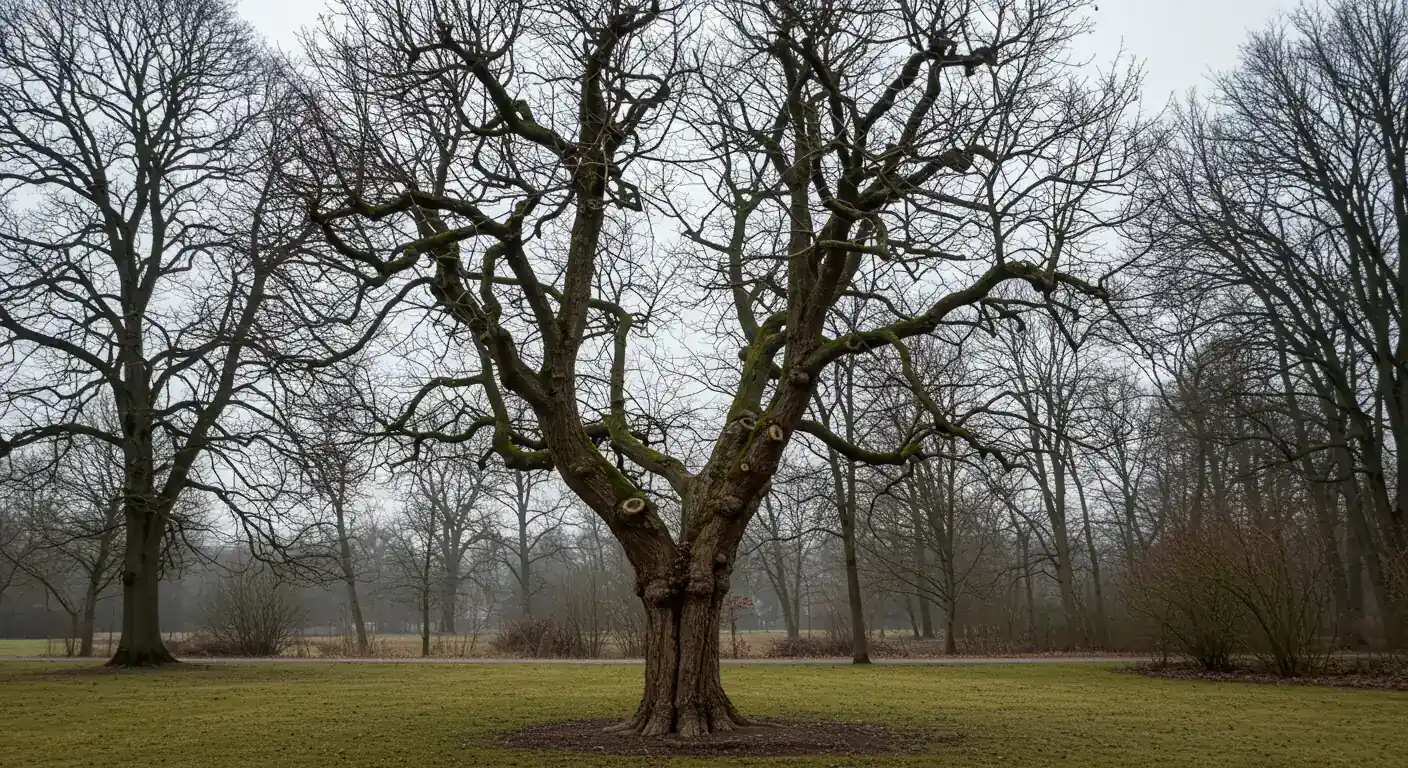
Hey there, Richmond neighbours! Ever feel like your trees need more than just a simple trim? Maybe a unique style, a sort of signature haircut that really makes a statement in your yard? Let's talk about a fascinating pruning technique called pollarding!
Imagine giving your tree a very specific, repeated prune right back down to the same main point on its trunk or branches, usually starting when the tree is young. This happens regularly, maybe every year or every few years. Over time, this encourages the tree to form distinctive swollen areas, often called "knuckles" or "pollard heads," where fresh, vigorous shoots sprout each spring. Think of it as a controlled burst of new growth from a very defined spot.
It's a tree care technique with deep historical roots, often seen across Europe, but it’s finding its place in modern landscaping right here in the Ottawa region too. Whether you're dealing with limited space in a Barrhaven backyard, aiming for a formal garden look in Manotick, or need to manage tree size near buildings or power lines right here in Richmond, pollarding offers a unique solution. It creates a very distinct aesthetic – some find it quirky, others elegant – and it’s definitely a conversation starter! Ready to explore if this bold gardening style could work for your trees? Let's dive in!
Pollarding vs. The Pruning Posse: Understanding the Difference
Alright, let's clear the air! When we talk about cutting trees and shrubs, it feels like there's a whole gang of terms out there – pruning, trimming, topping, coppicing, and our star player, pollarding. It’s easy to get them mixed up, but trust us, knowing the difference is crucial for happy, healthy trees in your Richmond yard. Think of it like understanding the players on a team; they all wear jerseys, but they have very different jobs! Let's break down the main members of this "Pruning Posse."
Regular Pruning: The Team Player
This is the everyday hero of tree care and gardening. Regular pruning involves carefully removing specific branches – maybe they're dead, diseased, crossing over each other, or just getting a bit unruly. The goal is usually to improve the tree's structure, let in more light and air, encourage flowers or fruit, or maintain a natural shape. It’s selective and done with the tree's long-term health in mind. This is very different from the dramatic reshaping of pollarding. For maintaining the health and look of your other woody plants, you might want to check out some essential summer shrub pruning tips for healthy gardens.
Topping: The Rule Breaker (Avoid This One!)
Okay, this one's important: Topping is NOT pollarding. Topping is the lazy, incorrect, and often harmful practice of cutting off large branches or the main trunk of a mature tree indiscriminately, leaving stubs. People sometimes do it thinking they're reducing the tree's size quickly, but it's a disaster for tree health.
- Why it's bad: Topping creates large wounds that invite decay and disease. The new shoots that sprout are weak, poorly attached, and prone to breaking. Plus, let's be honest, topped trees look butchered and unnatural. It ruins the tree's structure and shortens its life. Pollarding, when done correctly from a young age, works with the tree's biology to create stable points for regrowth. Topping just hacks away, causing stress and damage. Please, don't top your trees! For information on our professional approach, visit our Google Business Profile.
Coppicing: The Ground-Level Cousin
Coppicing is like pollarding's down-to-earth relative. Instead of cutting branches high up, coppicing involves cutting trees or shrubs right down to (or very near) ground level on a regular cycle. This encourages lots of new stems to shoot up from the base, called a "stool."
- The difference: Location, location, location! Pollarding cuts happen well above ground, creating those characteristic "knuckles" up high. Coppicing happens at the base. Historically, coppicing was used to produce a steady supply of wood for fuel, fencing, or crafts. You might see it used in some naturalistic landscaping styles, but it creates a very different look than pollarding.
Pollarding: The Specialist
As we learned earlier, pollarding is a specialist technique. It starts when a tree is young, cutting branches back to the same point repeatedly, usually high on the trunk or main limbs. This forms swollen "pollard heads" where vigorous new shoots grow each year.
- Key features recap: High cuts, repeated at the same spot, starts young, forms knuckles, controls size dramatically, unique aesthetic.
Let's Compare Quickly:
| Feature | Regular Pruning | Topping (Avoid!) | Coppicing | Pollarding |
|---|---|---|---|---|
| Cut Location | Selective branches | Indiscriminate, large cuts | Near ground level | High, same points yearly |
| Tree Age | Any age | Usually mature (bad idea) | Usually starts young | Must start young |
| Goal | Health, shape, light | Quick size cut (harmful) | Stem production, renewal | Size control, aesthetic |
| Result | Natural form, healthy tree | Weak regrowth, decay risk | Multi-stemmed shrub/tree | Knuckles, dense top growth |
| Health | Generally beneficial | Detrimental | Sustainable when managed | Sustainable when managed |
Understanding these differences is key to proper tree care in Ottawa. Choosing the right technique affects not just how your trees look, but their long-term health and safety. Pollarding, for example, is a specific style choice that really stands out and can be woven into unique garden plans. When thinking about how such a distinct feature fits your property, you might look into some Richmond landscape design ideas.
Remember, pollarding works best when initiated correctly on young trees. Giving your trees the right foundation starts from the beginning, which includes using proper tree planting tips for healthy growth.
Taking care of trees, whether through pollarding or standard pruning, is just one piece of the puzzle for a great-looking yard. You also have to manage other elements, like tackling those pesky Richmond lawn weeds. All these gardening tasks can add up! Significant pruning like pollarding can also leave behind branches and leaves. If the cleanup seems daunting, consider a Richmond yard cleanup service after pruning to handle the aftermath. Maybe you're closer to Marionville? Check out our Marionville property cleanup service.
Feeling unsure about what your trees need? Sometimes it's wise to consult professionals who understand the specific needs of trees in areas like Richmond or nearby Osgoode. You can explore our full range of yard care services or see examples of our work on the transformations page to find the right support for your landscaping goals. Knowing your pruning posse helps you make the best choices for your green companions! And for larger properties, we offer city property cleanup services too.
Is Your Ottawa Tree a Candidate for Pollarding? Species & Suitability
So, you're intrigued by pollarding? Cool! But hold your horses (or pruning saws!) – not every tree is cut out for this kind of dramatic, repeated haircut. Think of it like asking if your hair could handle being styled into liberty spikes every year. Some can rock it, others... well, not so much. Before you commit to this unique landscaping feature, let's figure out if your Ottawa tree is a good candidate for this specialized pruning style. It's about making sure your tree doesn't just survive, but thrives with its new 'do'.
The Right Stuff: Suitable Species Are Key
The absolute most crucial factor? The type of tree! Some species practically wave hello when you mention pollarding; they have dormant buds ready to burst into growth after cutting. Others will just get stressed, sickly, or potentially give up the ghost entirely. Trees that bounce back strong after cutting and can handle our often frosty Ottawa Zone 5a climate are your best bets.
Good candidates often include:
- Willows (Salix species): These guys practically invented fast regrowth. They're very tolerant of heavy pruning.
- Lindens/Basswood (Tilia species): Often used as street trees, they are tough and generally respond well.
- London Plane Tree (Platanus x acerifolia): Though less common here than in warmer climates, they are classic pollards where hardy.
- Catalpa (Catalpa species): Known for large leaves and vigorous growth, they can often handle pollarding.
- Certain Maples (Acer species like Manitoba Maple): Use caution here! While some vigorous maples might tolerate it, many, like our beloved Sugar Maple, absolutely do not take well to this treatment.
Species that generally hate pollarding and should usually be avoided for this technique include:
- Birches (Betula species) - They tend to bleed sap heavily and don't compartmentalize wounds well.
- Most Conifers (Pines, Spruces, Firs) - Their growth habits just aren't suited for this. Check resources like the Ontario Invasive Plant Council for suitable native species info.
- Oaks (Quercus species) - Generally don't respond well to repeated heavy cuts.
- Fruit Trees (Apple, Cherry, Pear) - While pruning is essential for fruit, pollarding isn't the right technique if you want a good harvest and usually harms the tree's structure.
Trying to pollard the wrong tree is a surefire recipe for poor tree health, disease, and an unhappy-looking specimen.
Beyond Species: Age, Health, Location & Local Conditions
Okay, you've got a potentially suitable species. What else?
- Age Matters: Remember from our previous chat, pollarding must start on a young, healthy tree. You cannot suddenly decide to pollard that grand, mature maple in your Kars backyard – that’s just harmful topping in disguise!
- Health is Wealth: The tree needs to be vigorous before you start. Pollarding requires the tree to constantly push out new growth, so it needs good energy reserves.
- Location, Location, Location: Where is the tree situated? Does it get enough sunlight to fuel that burst of new leaves each spring? Heavy clay soil, sometimes found in areas like Osgoode, might hold moisture differently than sandier soil, impacting root health and regrowth potential. Good overall gardening care, including soil health, plays a role. For tricky spots or general property upkeep, exploring options like a Marionville yard cleanup service or a Metcalf property cleanup service can ensure the surrounding environment supports your tree goals.
Know the Rules & Get Expert Eyes
Before embarking on significant tree care like pollarding, especially with larger trees, be aware of the City of Ottawa's Tree Protection By-law. There are regulations concerning the cutting or removal of certain trees, even on private property. It's always wise to check with the City of Ottawa Tree Protection By-law first – better safe than sorry! Understanding your responsibilities is part of good property stewardship, much like reviewing the terms and conditions before engaging professional services.
Expert Insight: Given the specific requirements for successful pollarding (species suitability, starting young, correct technique), consulting a certified arborist or experienced landscaper like Clean Yards is highly recommended before starting. They can assess your tree and site accurately.
Given all these factors – species, age, health, location, soil, aesthetic goals, and regulations – what’s the best piece of advice we can give? Talk to a professional! A certified arborist or a knowledgeable landscaping company with pollarding experience, potentially found through resources like Landscape Ontario, is your best resource. They can properly assess your specific tree and site, tell you honestly if pollarding is suitable, or suggest better alternatives for tree health and your desired look. They can also perform the initial, crucial cuts correctly. Pollarding generates yearly branch growth that needs removal, and managing this might require assistance; services like a city yard cleanup service or a Ottawa yard cleanup service can handle the debris efficiently. Don't forget the area around the base; keeping it tidy supports the tree, perhaps using a Marionville garden clean up service or Metcalf garden clean up service for integrated care. Getting expert advice ensures your tree gets the right 'do' for a long, healthy, and stylish life in your Ottawa yard!
Why Consider Pollarding?
- Size Control: Excellent for keeping trees compact in limited spaces (small yards, near buildings/wires).
- Unique Aesthetic: Creates a very distinct, formal, or architectural look with the prominent knuckles.
- Longevity (if done right): Can extend the life of certain trees in urban settings by managing size and stress.
- Dense Summer Canopy: Produces a thick flush of leaves each summer from the regrowth points.
- Historical Charm: Connects your landscape to a traditional European practice.
What to Keep in Mind
- Must Start Young: Cannot be initiated on mature trees (that's topping).
- Species Specific: Only works well on certain vigorous, tolerant species.
- Annual Commitment: Requires consistent yearly pruning during dormancy. Skipping years causes issues.
- Initial Cost/Effort: Proper establishment requires skill (often professional).
- Debris Management: Generates significant branch waste annually. Requires a plan for removal or reuse (e.g., via property clean up).
- Initial Appearance: The tree looks bare with prominent knuckles during winter dormancy.
Other Pruning Options
- Standard Structural Pruning: Maintains a natural tree shape while improving health and structure.
- Crown Reduction: Reduces the overall size of a mature tree's canopy carefully, preserving main branches (requires expertise).
- Crown Thinning: Selectively removes branches to increase light penetration and air circulation without changing size significantly.
- Coppicing: Cutting back to ground level for multi-stemmed regrowth (different look and purpose).
- Choosing Dwarf Varieties: Selecting naturally smaller tree species or cultivars if space is the primary concern. Explore material selection options.
The 'How-To' of Pollarding (Spoiler: Best Left to Pros, Especially at First!)
Okay, so you're still curious about how pollarding actually happens? Let's peek behind the curtain. But remember that spoiler alert in the title? We weren't kidding! While understanding the process is great, actually doing pollarding, especially getting it started, is usually a job for the experts. Think of it like trying complex home repairs after watching one online video – sparks might fly, and not necessarily in a good way for your beloved tree!
Step 1: The Crucial First Cut (The Establishment)
This is the make-or-break moment and why professional help is highly recommended. It happens on a *young*, suitable tree, as we discussed earlier.
- Goal: To set the permanent height and framework for future growth. This determines where those characteristic "knuckles" will form.
- How: The arborist or experienced landscaping pro carefully selects the desired height on the main stem or main branches. They then make clean, precise pruning cuts just above a growth node or a suitable side branch at that chosen height. Getting these initial cuts perfectly right is absolutely vital for the tree's structure, future aesthetic, and long-term tree health. It's the foundation for everything that follows.
Step 2: The Yearly Haircut (Maintenance Pruning)
Once the initial framework is established (usually after the first cut heals and sends out shoots), the real gardening rhythm begins.
- Goal: To remove the vigorous new shoots that grew from the knuckles during the previous growing season. This maintains the compact size and encourages that dense flush of regrowth next spring.
- How: Every year (or sometimes every 2-3 years, depending on the species, growth rate, and desired effect), all the new stems that sprouted from the established knuckles are pruned back cleanly. The cut should be made very close to the knuckle itself, without leaving stubs, but crucially, without cutting into the swollen knuckle tissue. You'll need sharp, clean tools for this – bypass loppers for smaller stems and a sharp pruning saw for thicker ones often do the trick. Clean cuts minimize entry points for disease.
Timing is Everything, Especially in Ottawa!
When should this yearly maintenance pruning happen? The absolute best window for pollarding in the Ottawa region (whether you're in Greely, Nepean, or closer to the core) is during the tree's dormant season.
- Ideal Time: Late winter to very early spring. Think roughly February through to early April, *before* the buds start to significantly swell and leaf out.
- Why then?
- Minimal Stress: The tree is resting, so the shock of pruning is reduced.
- Less Sap Flow: Deciduous trees bleed less sap during dormancy, reducing energy loss and messy cleanup.
- Clear View: No leaves obscuring the branches makes it easier to see the structure and make precise cuts back to the knuckles.
- Ready for Spring: Wounds made just before the spring growth spurt tend to start closing faster, aiding tree health.
Year 1: Establishment
Professional makes the crucial first cuts on a young, suitable tree during dormancy to set the pollard height and framework.
Year 1: Growing Season
Vigorous new shoots emerge from the cuts, starting to form the characteristic 'knuckles'.
Year 2 (Late Winter/Early Spring)
First maintenance prune: All shoots from Year 1 are cut back cleanly to the developing knuckles.
Year 2+ (Ongoing Cycle)
Repeat annually: Prune all new growth back to the established knuckles during dormancy (Feb-Apr). Monitor tree health.
Ongoing Care
Ensure proper watering, soil health, and plan for annual debris removal (consider Ottawa property cleanup).
Seriously, Call the Pros (Especially at First!)
We really can't stress this enough. Pollarding looks simple, but doing it wrong – bad cuts, wrong timing, attempting it on an unsuitable or mature tree – can lead to weak growth, disease, an ugly result, or even kill the tree. It requires more precision and knowledge than standard lawn care.
Professionals have the expertise to:
- Make the critical establishment cuts correctly.
- Identify the right points to cut back to each year.
- Use the proper techniques and tools safely, especially if height is involved.
Plus, let's be practical: pollarding generates a lot of branches and leafy debris every single year! Managing this pile often requires a dedicated property clean up. For Ottawa residents, booking an Ottawa yard cleanup service can be a lifesaver after the annual prune. Depending on your location and scale, a general city yard cleanup service or even a specific local team like a Metcalf yard cleanup service or Marionville yard cleanup service can efficiently handle the aftermath. Keeping the rest of your garden tidy complements the neat look of pollards; integrating services like a city garden clean up service or Ottawa garden clean up service can ensure the whole picture looks sharp.
So, while it's fascinating to understand the 'how-to', the most practical piece of actionable advice? Find a qualified local arborist or tree care specialist. Discuss your vision, let them assess your tree, and trust them, especially for establishing the pollard. It’s the best way to ensure you get that unique, stylish look without compromising the health of your tree.
Typical Regrowth Vigour (Suitable Pollarding Species)
*Use with caution, other maples unsuitable. Values are illustrative representations of regrowth potential.
Keeping Your Pollards Happy & Healthy: Maintenance and Eco-Considerations
Okay, you’ve got your pollarded tree looking sharp! High five! But like any stylish haircut, it needs regular upkeep to stay looking good and, more importantly, stay healthy. Pollarding isn’t a “set it and forget it” deal; think of it as signing your tree up for regular visits to the world’s slowest-growing barber. Here’s how to keep your unique trees happy in the Ottawa climate.
The Rhythm of the Prune: Consistency is King
This is the absolute cornerstone of pollard tree care. Remember those knuckles we talked about? Your main job is to remove all the new shoots that sprouted from them during the growing season.
- Frequency: Typically, this is done every year during the dormant season (late winter/early spring – February to early April is prime time here). Some slower-growing species might tolerate a two-year cycle, but annual is most common.
- The Cut: Cut the shoots back cleanly, very close to the knuckle, but without cutting into that swollen base tissue. Leaving stubs invites problems, and cutting the knuckle damages the source of regrowth. Sharp, clean tools are your best friends here!
Playing Doctor: Keep an Eye on Health
Because you're interacting with the tree so closely each year, you get a great chance to monitor its tree health. Look for:
- Signs of disease or fungus, especially around the knuckles.
- Insect infestations (dense summer growth can sometimes shelter pests).
- Weak or dying sprouts, which might indicate a problem below.
- Cracks or decay in the main trunk or branches.
Catching issues early makes treatment much easier!
Watering and Feeding: Fueling the Regrowth
Pollarding demands a lot of energy from a tree – it has to regrow its entire canopy each year!
- Water: Especially during dry Ottawa summers, ensure your pollard gets enough water. This is vital for young trees still establishing or trees planted in faster-draining soils, perhaps like some areas found in Barrhaven. Trees in heavier clay, sometimes seen around Metcalfe, might retain water longer, but still need monitoring during droughts. A good, deep watering once a week during dry spells is often better than frequent shallow sprinkles. Consider our soil preparation services for optimal conditions.
- Feeding: Usually, pollards don’t need heavy fertilizing if they’re in decent soil. Over-feeding can force weak growth. A layer of compost or natural mulch around the base (not touching the trunk!) is often sufficient. Bonus – this helps retain soil moisture too! Check out our mulching and edging services.
Integrating thoughtful care like this is part of holistic property upkeep, much like the tasks covered by a comprehensive city garden maintenance service.
Eco-Considerations: Handling the Yearly Haul
Okay, let's talk about the branches. Pollarding creates a lot of woody material each year! Tossing it all in the landfill isn’t the greenest option. Thankfully, you have choices:
- Chip It: Renting or owning a wood chipper turns branches into valuable mulch for your garden beds.
- Compost: Smaller twigs and leaves can be added to your compost pile.
- Green Bin: Ottawa’s Green Bin program accepts branches (check size limits!) and yard waste.
- Get Help: Honestly, the volume can be significant. Dealing with the aftermath is often the biggest chore. Scheduling a professional property clean up can save you time and hassle. For larger jobs or if you're located further out, perhaps near Metcalfe, a specific Metcalf yard cleanup service might be ideal. City-wide, an Ottawa property cleanup service is geared exactly for this kind of task.
Longevity and the Bigger Picture
Done correctly and maintained consistently, pollarding doesn't necessarily shorten a suitable tree's life. It's a specific management style. Ecologically, it creates a unique, dense summer canopy quickly but removes potential winter food/habitat sources with the annual cut. It's an aesthetic and spatial choice, perfect for controlling size in tight spots, whether in a dense urban setting or managing views in areas like Vernon or Kenmore. It's a commitment that, when done right, adds unique character. Thinking about adding features like this requires planning; while we offer expert garden installation services to build beautiful landscapes, maintaining specialized elements like pollards is key to their long-term success. Keeping these trees healthy contributes positively to our shared Ottawa environment, something we can all say thank you for!
Pollarding Pointers: Quick Tips for Ottawa Gardeners
Alright, feeling brave enough to consider pollarding, or just want the quick skinny on keeping it successful? Here are some rapid-fire tips to keep in mind for your Ottawa-area garden, whether you're in Manotick, Greely, or anywhere in between!
- Start 'Em Young: Seriously, this isn't a makeover for grumpy old trees! Pollarding must begin on young, vigorous trees, usually within the first few years of planting. Trying it on mature ones often spells trouble and isn't true pollarding.
- Pick Wisely for Ottawa: Not all trees dig our chilly winters *and* pollarding. Stick to proven hardy performers like certain Willows or Lindens that can handle both the Zone 5a cold and the cut. Unsure about the best species for your spot? Getting professional advice on tree and plant material selection can save future headaches!
- Timing is Everything (Especially Here!): Aim for late winter or very early spring (think February through to early April) *before* the buds really start to swell. Pruning dormant trees is less stressful for them and gives you a clear view of the branches – much easier than navigating summer foliage!
- Be Consistent – It’s an Annual Affair: Once you've established your pollard, stick to the pruning schedule! Removing the previous season's shoots back to the knuckle *every* year (or occasionally every two years for some species) is crucial. Treat it as a key part of your yearly essential garden maintenance routine.
- Cut Clean, Not Deep: Use super sharp, clean pruning tools (loppers, saws). Make your cuts *very close* to the swollen knuckle, but *do not* cut into the knuckle itself – that's the powerhouse for next year's growth! Precision prevents disease and ensures vigorous regrowth.
- Support Strong Regrowth: That burst of new growth needs fuel! Ensure your pollard gets adequate water, especially during dry Ottawa summers. Healthy trees start with healthy roots, and remembering good soil preparation techniques when planting pays dividends later. Applying mulch around the base (but not touching the trunk!) helps retain moisture; consider professional mulching and edging services to keep the area tidy and beneficial for the tree. Our sod installation services can also complement your landscape.
- Prepare for Branch-ageddon: We're not kidding, pollarding generates a surprising heap of branches each year! Have a disposal plan ready. Chipping them for garden mulch is fantastic, but if the volume feels overwhelming, remember that a dedicated efficient Ottawa property cleanup service is just a call away to handle the debris swiftly.
FAQs: Your Richmond & Ottawa Pollarding Questions Answered
Pollarding costs can vary quite a bit! Factors include the tree's size, its location (is it easy to get to in Richmond or Kars?), and whether it's the initial setup cut or annual maintenance pruning. Setting up the pollard is usually more intensive. For the clearest picture of costs for your specific tree, it's always best to get a personalized quote. You can easily request an estimate and share feedback here.
Great question! When done correctly – starting young on the right species and maintained consistently – pollarding is a sustainable tree care technique. It’s not the same as harmful topping. Problems usually pop up if the technique is wrong, done on mature trees, or if the yearly cuts aren't clean. We believe in proper techniques; you can learn more about our team and philosophy regarding responsible landscaping.
It’s best not to skip! Missing a year means the vigorous shoots get thicker and longer. This makes the pruning job much harder the following year and can put extra stress on the tree. It can also start to spoil the neat, controlled aesthetic you were going for. Consistent annual gardening maintenance is key to keeping pollards looking good and staying structurally sound.
You're right, pollarding generates a heap of branches! Smart options include chipping them for fantastic garden mulch, composting smaller twigs, or using Ottawa's Green Bin program (just check their size limits!). If dealing with the pile feels like too much landscaping work, cleanup services are lifesavers. Services like our Metcalf garden clean up service or the Marionville garden clean up service (and similar city/Ottawa options) can efficiently manage the debris across the Ottawa region.
We totally understand asking about privacy! When you reach out for tree care advice, gardening services, or anything else via our contact form, we treat your personal information with respect and care. Our commitment is to keep your data secure. We lay out all the details clearly in our data handling and privacy policy. Your trust is really important to us.
Conclusion: Ready to Reshape Your Richmond Landscape?
Well, there you have it – the lowdown on pollarding! We've explored this unique pruning technique, how it differs from just hacking away (we're looking at you, topping!), and why it creates such a distinct aesthetic. It’s a fantastic option for controlling tree size in tight spots or adding a touch of formal flair to your gardening design, but as we’ve seen, it’s not a casual weekend project. Think of it as advanced tree-hairdressing – best done with skill!
Pollarding requires the right tree, the right start (when young!), and consistent annual tree care. Doing it correctly is crucial for the tree's long-term health. Whether you're dreaming of transforming your yard in Richmond, Winchester, Russell, Embrun, or anywhere across the Ottawa region, getting specialized techniques like this right makes all the difference. You don't want your tree to look like it lost a fight with a lawnmower, right?
Feeling inspired, or maybe just a little intimidated? Don't sweat it! If you're curious about whether pollarding could work for your property or need professional help with any landscaping challenge:
- Give Clean Yards a call or contact us online! We'd love to chat about your vision and provide expert advice or a consultation.
- Hop over to our website to explore our full range of tree care and landscaping services designed for Ottawa homeowners.
Let's work together to make your landscape the envy of the neighbourhood!
Happy Gardening!