
Russell: Coppice Shrubs Now for Striking Winter Colour
Bring vibrant colour to your winter garden! Need help with coppicing or other garden tasks in Russell or the Ottawa area?
Request a Quote TodayQuick Guide to Winter Colour via Coppicing:
- Coppicing = cutting specific shrubs (Dogwood, Willow) hard in late winter/early spring.
- Encourages vibrant new stems (red, yellow, orange) for the following winter.
- Best time in Ottawa/Russell: Late March/Early April.
- Cut stems back to 4-6 inches from the ground.
- Provides striking colour contrast against snow.
Introduction: Banish the Winter Blahs in Russell with Vibrant Stems!
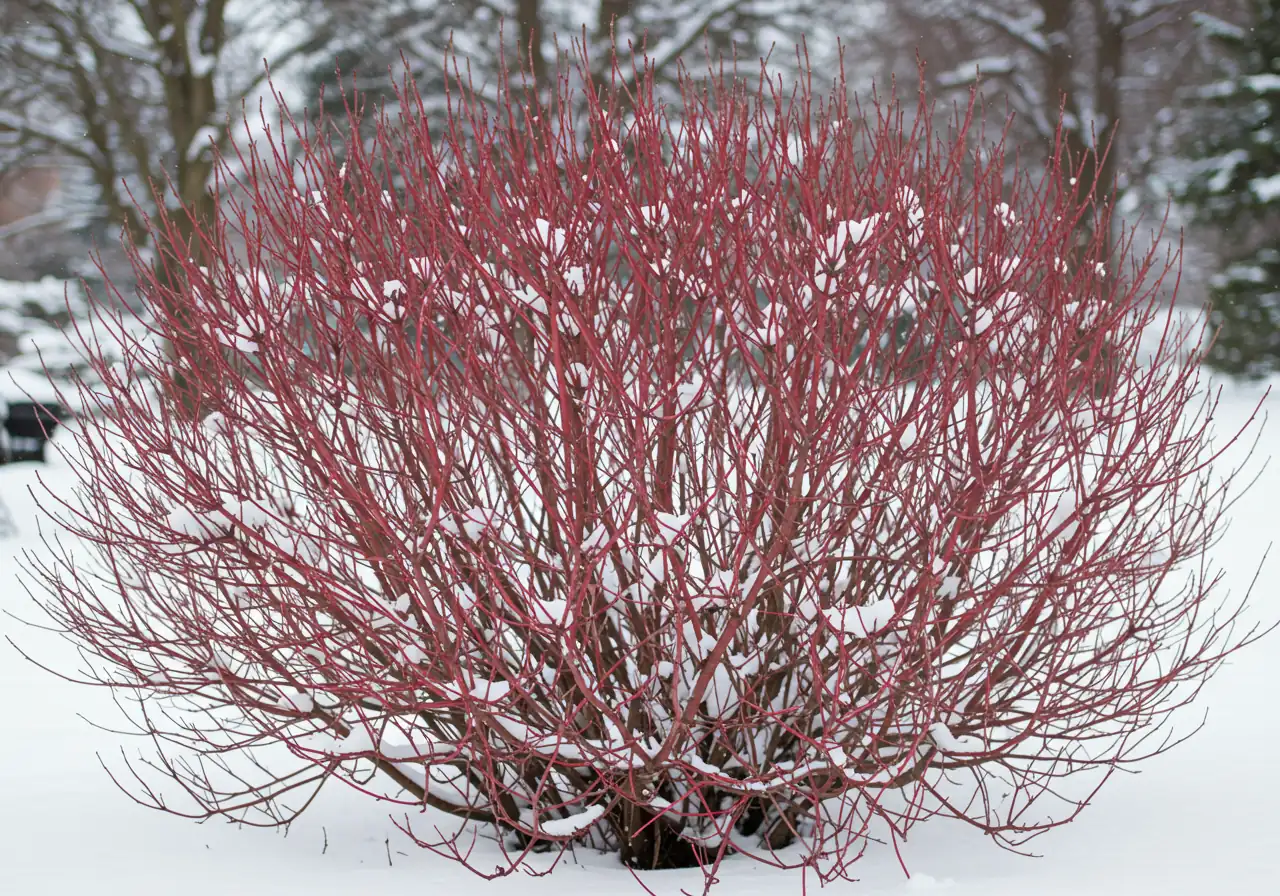
Okay, let's face it. Winter here in Russell, and across the wider Ottawa area including spots like Manotick and Embrun, can feel... well, a bit long and grey sometimes. After the glorious autumn colours fade, our gardens and landscaping can look rather drab, patiently waiting for spring's return. But what if your yard could boast dazzling colour right through the snowiest months? Good news – it absolutely can!
Say hello to the magic of colourful winter stems! This is a brilliant gardening technique perfect for adding visual punch when we need it most. The secret lies in a simple practice called coppicing. Don't let the term scare you; it basically means strategically cutting back specific types of shrubs, usually in late winter or early spring. This encourages them to send up fresh, new growth whose stems boast the most intense, eye-catching colours for the following winter.
Imagine brilliant red, sunny yellow, or even vibrant orange branches standing out boldly against a snowy backdrop. We’re primarily talking about certain varieties of Dogwood (Cornus) and Willow (Salix) shrubs, which are star performers for this purpose. It’s an easy and sustainable landscaping strategy to keep your Russell-area garden interesting year-round and chase away those winter blahs with nature's own vibrant palette. Proper garden care, including techniques like this, contributes to overall yard appeal, complementing services like expert lawn care.
What in the World is Coppicing? (Hint: It's Not Rocket Science!)
Question: So, what exactly *is* coppicing in plain English?
Answer: Okay, imagine giving certain shrubs a *really* short haircut, right down close to the ground. That's basically coppicing! It's an old gardening technique where you cut specific shrubs (like those colourful Dogwoods and Willows we mentioned) back hard, usually every 1 to 3 years. This encourages them to send up a whole bunch of brand new, young stems. It might sound drastic, but trust us, these plants are built for it. Think of it less like a gentle trim and more like hitting the reset button to get the best show next winter.
Question: How is coppicing different from just pruning my shrubs?
Answer: Great question! Regular pruning is usually about shaping a plant, removing dead or diseased bits, or maybe encouraging more flowers or fruit. You might snip off a branch here or there. Coppicing, however, is a *much* more dramatic cut. You're taking most (or all) of the stems right down to a few inches above the soil line. The *goal* is different too. With coppicing for winter colour, you're not aiming for flowers or a specific shape – you're specifically triggering the growth of those fresh, super-vibrant young stems that look amazing against the snow in places like Russell or Barrhaven. While general pruning maintains the existing structure, coppicing completely renews the top growth. This is quite different from managing Seattle Russell Garden Care for Established Plants where the focus might be on gradual shaping or health maintenance.
Question: Why bother coppicing? What's the big win?
Answer: The biggest win is definitely that *pop* of winter colour! Those young stems that shoot up after coppicing have the brightest, most intense reds, yellows, or oranges. Older stems tend to get duller and more bark-like. So, coppicing keeps the colour show fresh year after year. It also helps keep the shrubs vigorous and prevents them from getting too huge and woody. It's a fantastic, low-effort way to add serious visual interest to your landscaping during Ottawa's long winters when not much else is colourful. Plus, it’s a sustainable way to get beauty from your plants, unlike some annual plantings which require yearly replacement – think of it as maximizing what you already have, similar to knowing the Secrets to Perfect Russell Lawn Care: Your Ultimate Guide which focuses on optimizing your existing turf.
Question: When's the best time to coppice these shrubs in the Ottawa area?
Answer: The ideal time is late winter or very early spring, *before* the shrubs start actively growing. Think late March or early April around here, once the worst of the winter frost is over but before the leaf buds really swell. Doing it then ensures the plant puts all its energy into that vigorous new growth as spring arrives. Cutting too early might expose the cut ends to harsh winter damage, and cutting too late means you lose some of the stored energy meant for new shoots. It often coincides with other spring tasks, like deciding when to Toronto Divide Russell Ornamental Grass to Stop Die-Out, making it part of your overall spring garden prep.
Question: Is this hard to do? Any simple tips?
Answer: Honestly, it's surprisingly easy – definitely not rocket science! Here are a few pointers:
- Use the Right Tools: Sharp bypass loppers or a pruning saw are your best friends. Clean cuts heal faster.
- Cut Low: Aim to cut the stems back to about 4-6 inches (10-15 cm) from the ground. Don't be shy!
- Know Your Plant: Make sure you have a shrub variety that responds well to coppicing (like specific Dogwoods or Willows). Not all shrubs appreciate this treatment! Choosing the right plant for the job is key, just like selecting the best Russell Plants for Paths, Walls & Hot Spots.
- Start Small (Optional): If you're nervous, try coppicing just one-third of the stems the first year, another third the next, and so on. This way, you still have some older stems while the new ones grow.
- Clean Up: Rake up the cuttings afterwards. This is a perfect job to include if you're scheduling a Russell Yard Cleanup Service anyway!
- Need Help? If you're unsure about which plants to coppice or how to do it, don't hesitate to ask for professional advice. Check out our range of Landscaping and Gardening Services for expert help.
Let us handle the hard work! Our team provides expert shrub care and coppicing services.
Get Professional Help With Your Shrub CareChoosing Your Colour Champions: Top Coppicing Shrubs for the Ottawa Valley
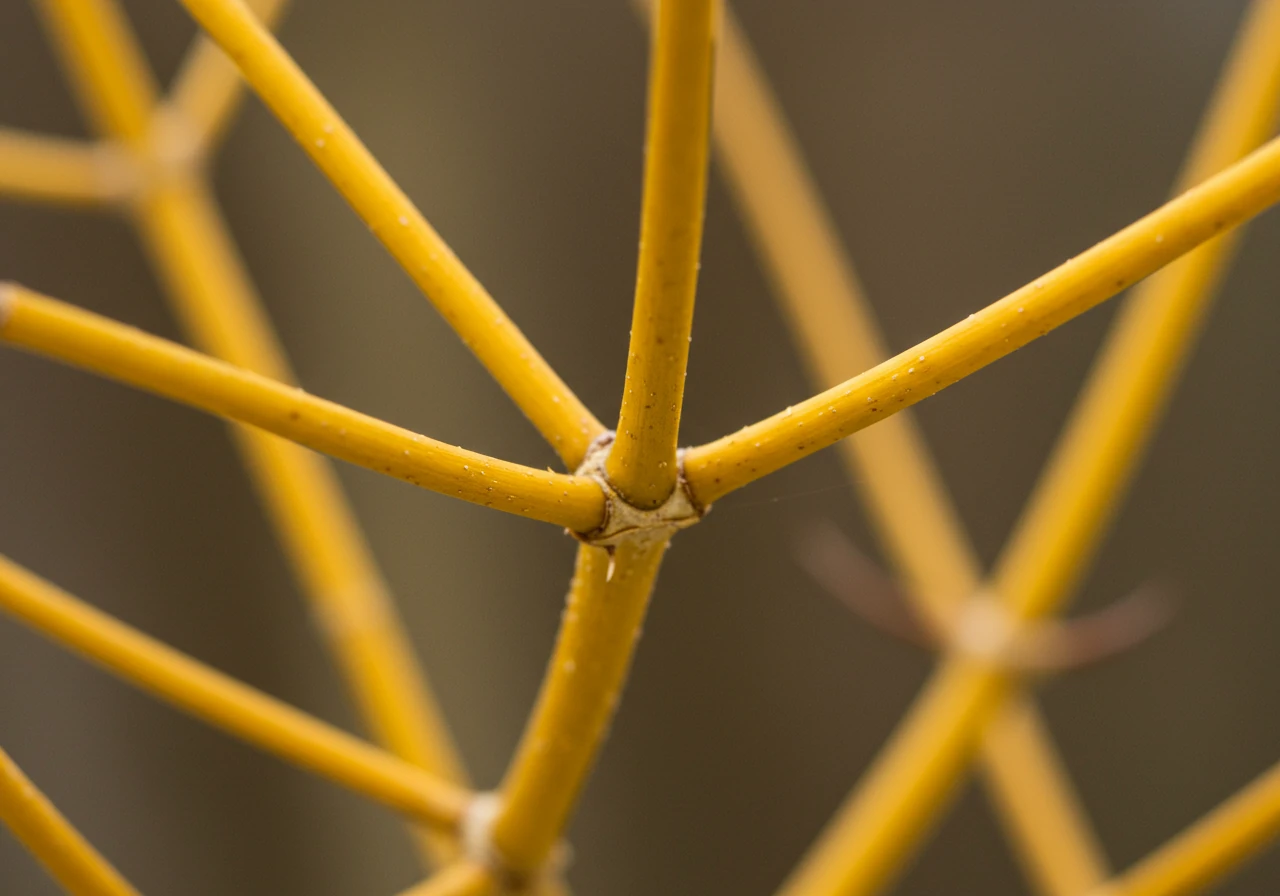
Alright, garden warriors, ready to pick the superstars that will light up your Ottawa Valley landscape when everything else is sleeping under a blanket of snow? Choosing the right shrubs for coppicing is key to getting that stunning winter display. We're mainly talking about specific types of Dogwood (Cornus) and Willow (Salix) – these guys are the MVPs of colourful winter stems and generally tough enough for our Zone 5a/4b climate.
Here are some top contenders that perform brilliantly around Ottawa and surrounding areas:
Dogwoods (Cornus): The Reliable Reds and Yellows
Dogwoods are fantastic choices, known for their sturdy nature and vibrant stems. The key is choosing varieties specifically grown for stem colour.
- Red Osier Dogwood (Cornus sericea/stolonifera): Native heroes! Look for cultivars like:
- 'Cardinal': Lives up to its name with brilliant cherry-red stems.
- 'Arctic Fire'® Red / 'Arctic Fire'® Yellow: More compact versions, packing a powerful colour punch in smaller spaces. The yellow offers a lovely sunny contrast.
- Tatarian Dogwood (Cornus alba): Another tough contender.
- 'Sibirica' (Siberian Dogwood): Famous for its striking, crimson-red winter stems. A classic choice!
- 'Ivory Halo'®: While known for variegated leaves, its winter stems are still a pleasing red, and it's a more compact plant.
Willows (Salix): Adding Fiery Oranges and Yellows
Willows often love moisture but many varieties are surprisingly adaptable. They can grow *fast*, making coppicing essential to keep them in bounds and promote the best colour.
- White Willow (Salix alba):
- 'Britzensis' (Coral Bark Willow): Offers stunning orangey-red stems that practically glow.
- 'Vitellina': A fantastic yellow-stemmed variety.
- Hybrid Willows:
- 'Flame': A popular hybrid willow known for its yellow stems turning fiery orange-red at the tips. It truly looks like flames in the snow!
Soil Smarts for Ottawa Neighbourhoods
Good news! Most of these colourful-stemmed Dogwoods and Willows are pretty adaptable. Whether you're dealing with the heavier clay soils sometimes found out in Greely, or the sandier loam closer to the river in areas like Manotick or Kars, these shrubs usually cope well once established. Dogwoods, especially the native Cornus sericea, are particularly forgiving. Willows often prefer consistent moisture but many cultivars tolerate average garden conditions surprisingly well. Just avoid planting them in bone-dry, sandy spots without amending the soil or planning to water regularly. Preparing the planting area well always pays off. Consider our soil preparation services for the best start. If you're clearing a spot for new shrubs, getting help from a Marionville Yard Cleanup Service for Bed Prep can make the job easier.
Quick Comparison Guide:
| Plant Type | Variety Example | Winter Stem Colour | Typical 1-Year Growth | Soil Tolerance |
|---|---|---|---|---|
| Dogwood | 'Cardinal' | Bright Red | 3-5 feet | Adaptable |
| Dogwood | 'Arctic Fire' Yellow | Bright Yellow | 2-4 feet | Adaptable |
| Dogwood | 'Sibirica' | Crimson Red | 3-5 feet | Adaptable |
| Willow | 'Britzensis' | Orange-Red | 4-6 feet | Prefers Moist, Adaptable |
| Willow | 'Flame' | Yellow to Orange-Red | 4-6 feet | Adaptable |
Note: Growth height is approximate after annual coppicing.
Hold Your Clippers! A Word of Warning
Now, before you get too excited and give all your shrubs a buzz cut, remember: coppicing is *specifically* for stimulating colourful *new* stems. Don't try this on shrubs that bloom on *last year's* growth (often called "old wood"). Think lilacs, forsythia, some hydrangeas, and rhododendrons. If you coppice those, you'll cut off all the flower buds for the upcoming season! Stick to the Dogwoods and Willows bred for stem colour for this particular technique. Proper shrub care is part of overall garden health, something a regular Ottawa Garden Clean Up Service can help maintain. Tidying up the cuttings is also important; if you generate a large pile after coppicing several shrubs, an Expert Russell Yard Cleanup Service or a broader City Yard Cleanup Service can handle the removal. Even in compact urban gardens, these colourful stems make a big impact, and keeping the space tidy with a City Garden Clean Up Service ensures they always look their best.
Choosing the right plants will reward you with seasons of beauty. We love seeing thriving gardens! Check out our Thank You Page for Client Feedback to see what happy customers say. Happy planting!
The Chop Shop: Your Step-by-Step Guide to Coppicing
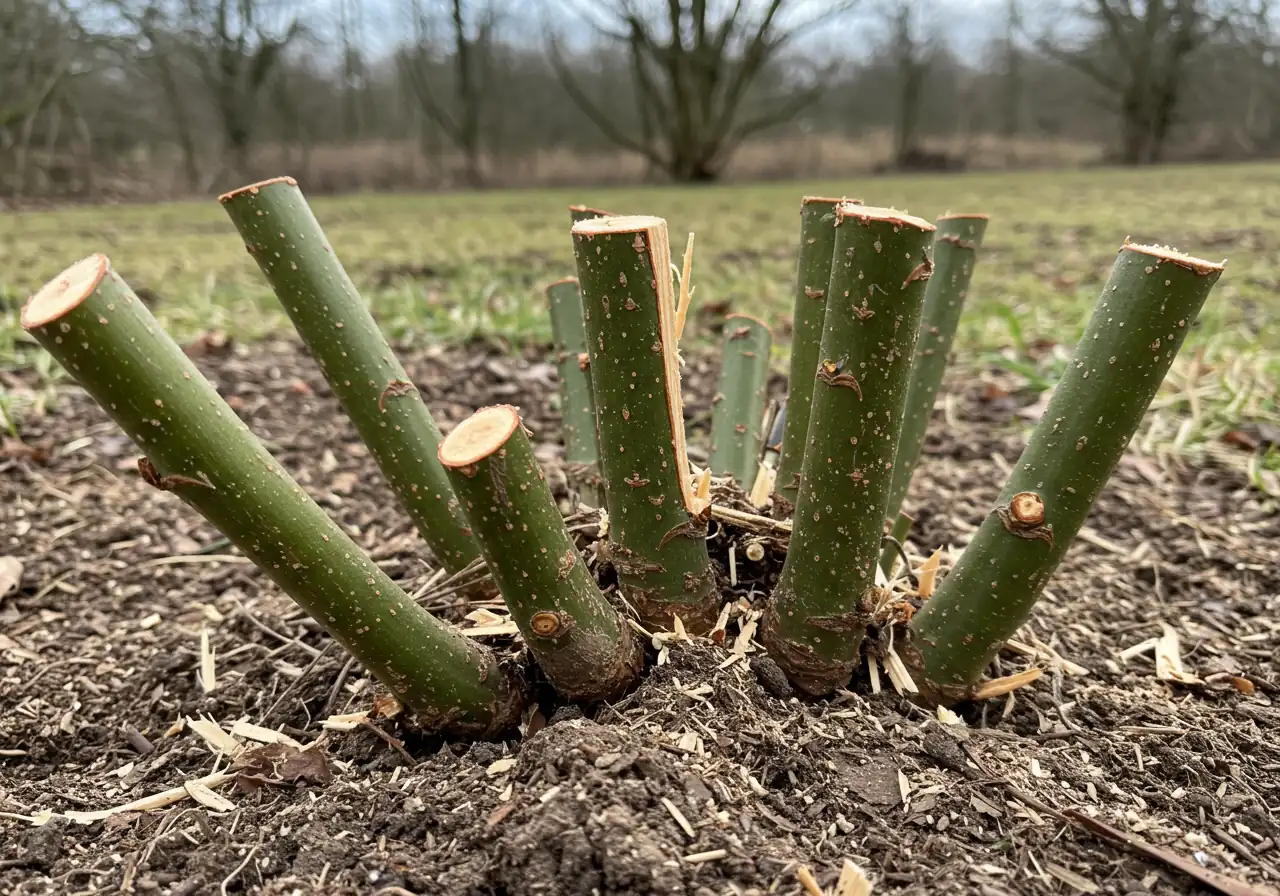
Alright, ready to give those special shrubs the ultimate haircut for maximum winter wow-factor? Welcome to the "Chop Shop"! Don't let the name spook you; coppicing is easier than assembling flat-pack furniture, and way more rewarding for your garden. Think of it as a spa day for your Dogwoods and Willows – a slightly intense one, maybe, but they'll come out looking refreshed and vibrant next winter! Here’s how to do it right:
Step 1: Timing is Everything (Especially in Ottawa!)
The sweet spot for coppicing in the Ottawa region, including areas like Richmond or Metcalfe, is late winter or very early spring. Aim for late March or early April, *after* the harshest frosts are done but *before* you see significant leaf bud swelling. This timing lets the plant heal quickly and channel all its spring energy into producing those glorious new stems. Cutting too early risks frost damage to the cuts; cutting too late wastes the plant's stored energy. Think of it as part of your big spring garden awakening, perhaps alongside scheduling a Marionville Garden Clean Up Service to get everything ready.
Step 2: Gear Up – The Right Tools for the Job
You don't need a complex arsenal, just the right tools for clean cuts: Sharp Bypass Loppers, Pruning Saw, Gloves, (Optional) Safety Glasses. Make sure your tools are clean and sharp. Our team, as you can learn on the About Us page, always emphasizes using the right, well-maintained equipment.
Step 3: The Big Cut – How Low Can You Go?
Identify the shrub (colourful-stemmed Dogwoods/Willows!). Cut *all* stems back to about 4-6 inches (10-15 cm) from the ground (the "stool"). Make clean, slightly angled cuts. Be brave! They will rebound. This dramatic renewal is quite different from the maintenance needed for your turf, which falls under general Lawn Care.
Step 4: How Often Should You Wield the Clippers?
For the best colour, coppice every 1 to 3 years. Annual coppicing gives the brightest colour. Every 2-3 years results in slightly thicker stems but still good colour. Experiment to see what you prefer. Revitalizing shrubs this way can be a great step before considering a larger Garden Install project.
Step 5: Tidy Up Time – What About the Cuttings?
Eco-conscious options: Chop for compost, use stems as plant supports (think creative Material Selection!), crafts, wildlife habitat (small piles), or bundle for yard waste pickup. For large jobs, consider a professional City Yard Cleanup Service for efficient removal.
And that's it! You've successfully coppiced your shrubs. Now, stand back, maybe give the plant a little pep talk ("You got this!"), and look forward to that spectacular winter colour show!
*Approximate height in ideal conditions. Actual growth varies.
TLC for the Toughest Shrubs: Post-Coppicing Care
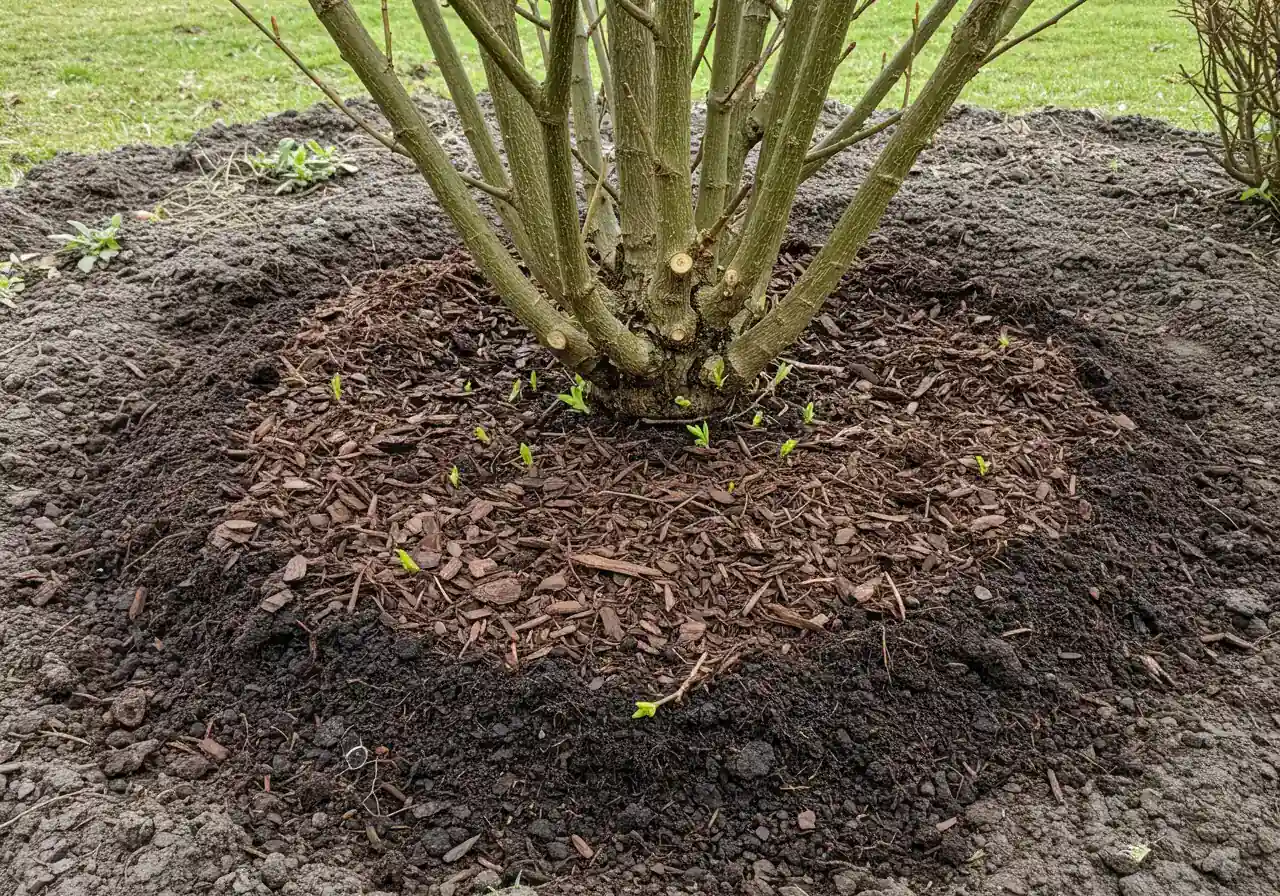
Okay, so you’ve bravely given your Dogwoods or Willows the "big chop." They might look a bit startled (if shrubs could look startled!), but don't worry – you've just set the stage for stunning winter colour! Now, let's talk about the tender loving care these tough guys need to bounce back stronger and more vibrant than ever. It’s pretty straightforward stuff, no white gloves required!
Water Wisely:
Think of it like this: your shrub just had major surgery (okay, maybe just a *very* short haircut). It needs hydration to heal and push out all that gorgeous new growth. Especially during the first growing season after coppicing, and during any dry spells Ottawa throws our way, give your shrub a good, deep soaking once a week if rain is scarce. Let the water sink right down to the roots. This is more effective than frequent light sprinklings. Keeping the root zone happy is key, much like ensuring good soil contact is vital for Professional Sod Installation nearby.
Mulch is Your Friend:
Seriously, don't skip the mulch! Applying a 2-3 inch layer of organic mulch (like shredded bark or compost) around the base of your coppiced shrub is a game-changer, particularly in our climate. It helps keep the soil consistently moist, suppresses weeds, and regulates soil temperature. Need help sourcing or applying mulch? An Ottawa Yard Cleanup Service can often include this, or check our Mulching and Edging services.
Feed Gently (If Needed):
Most established Dogwoods and Willows in decent soil don't need heavy fertilizer after coppicing. Top-dressing with compost or well-rotted manure in spring is usually enough. Good soil health benefits everything, contributing to better results for services like Comprehensive Lawn Care across your whole property.
Keep an Eye Out:
Glance them over occasionally during the growing season for pests or disease. Catching things early is easier. A tidy garden is often healthier; a regular Thorough Property Clean Up helps. Always ensure you understand service details; for our offerings, check the Terms and Conditions.
Design Ideas for Barrhaven & Nepean Yards:
- Plant in groups of 3 or 5 for a real colour punch.
- Use at the back of a border to shine after perennials die back.
- Contrast red/yellow stems against dark green evergreens.
- Plant where visible from a winter window.
These vibrant shrubs can be part of stunning garden makeovers; take a peek at some Inspiring Yard Transformations for ideas!
Simple Seasonal Care Reminder:
- Late Winter/Early Spring (Mar/Apr): Coppice! Cut stems back hard.
- Spring: Apply mulch. Water if needed.
- Summer: Water deeply during dry spells. Observe for pests/disease.
- Fall: Enjoy developing stem colour! Water if dry. Replenish mulch.
- Winter: Admire the vibrant show!
With just a little follow-up care, your coppiced shrubs will reward you with seasons of dynamic colour, proving they're some of the hardest-working (and best-looking) plants in your Ottawa garden. Find local gardening advice through resources like the Ottawa Horticultural Society or the Rideau Valley Conservation Authority for native plant information.
Coppicing Quick Tips for Ottawa Gardeners
Alright, let's boil it down! You want that fantastic winter colour without getting tangled up in complicated instructions. Perfect! Here are the essential quick tips for coppicing success right here in the Ottawa area, whether you're gardening in Nepean, Metcalfe, or anywhere in between. Think of this as your cheat sheet to vibrant winter stems!
- Time it Right (Ottawa Style!): Late March or early April, after worst frost, before buds pop.
- Know Your Plants: Stick to colourful-stemmed Dogwoods (Cornus sericea, C. alba) & Willows (Salix). Don't coppice Lilacs, Forsythia etc.
- Cut Low: Cut *all* stems to 4-6 inches (10-15 cm) from the ground.
- Sharp Tools Rule: Use sharp, clean bypass loppers or a pruning saw.
- Rinse and Repeat (Every 1-3 Years): Annually for brightest colour, every 2-3 years for slightly less work.
- A Little TLC: Apply organic mulch. Water deeply after cutting & during dry spells. Like prepping for expert sod installation in Ottawa, basics matter.
- Clean Up Crew: Compost cuttings, use as stakes, or bundle for pickup (check City of Ottawa Yard Waste rules). For big jobs near Metcalfe? Consider Metcalf property cleanup service or Metcalf garden clean up service. We value your input via our feedback form and protect your details per our privacy policy.
Follow these tips, and you'll be well on your way to enjoying a vibrant splash of colour in your Ottawa garden, even when the snow flies! Happy coppicing!
Coppicing FAQs for Russell & Area Gardeners
Ah yes, the classic Ottawa spring shuffle – snow one day, sunshine the next! Don't sweat it *too* much. Aim for that late March/early April window when the ground isn't frozen solid and the worst winter blasts seem over. Look at the plant – if the buds haven't started swelling significantly, you're generally good. A light frost after cutting usually won't harm established Dogwoods or Willows; they're tough customers used to our climate! If you're super nervous, wait until the first week of April just to be safe. It's more about avoiding cutting *during* a deep freeze or *after* the leaves have started unfurling.
Good question! Most colourful-stemmed Dogwoods (like the native Red Osier) are surprisingly adaptable and handle both clay and loam pretty well once established. Willows often prefer more moisture, which clay holds onto, but they can struggle if it's *constantly* waterlogged. Sandy soil drains fast, so you'll need to water more, especially after coppicing. The soil type doesn't really change *how often* you coppice for colour (that's about stem age), but amending your soil with compost when planting always helps give them the best start, regardless of whether it's Osgoode clay or Richmond sand!
Whoa there, hold those loppers! It's great you're enthusiastic, but *please* stick to the specific varieties of Dogwood and Willow bred for colourful stems for this *hard* coppicing technique. Things like Weigela, Lilacs, Forsythia, most Hydrangeas (especially the bigleaf ones), Spirea, and Potentilla bloom on older wood or just don't benefit from being cut to the ground. Coppicing them will remove flowers or potentially harm the plant. Proper pruning for *those* shrubs is different and part of overall good plant care. If you're unsure about pruning specific plants, focusing on regular expert garden maintenance can keep everything healthy and blooming appropriately.
Excellent question! Instead of just landfilling, you've got options. Chopping them into smaller bits for your compost pile is fantastic (they count as 'browns'). Straighter Willow stems make great free plant stakes. You could even get crafty! If the volume is just too much, check local Russell or Ottawa disposal guidelines for bundling. For larger amounts, especially if combined with other spring cleaning, professional help is efficient. For instance, a dedicated Marionville property cleanup service can handle rural property debris, while a comprehensive Ottawa property cleanup service covers various scenarios across the region, taking the load off your hands (and your curb!). Check out our Google Business Profile for reviews on our cleanup services.
We hear you! It *looks* harsh, like giving someone a buzz cut when they expected a trim. But think of it like this: these specific Dogwoods and Willows are naturally vigorous growers. Coppicing taps into their ancient survival strategy of regrowing strongly after being cut or damaged. They *will* bounce back, usually with even more vigour! That 'sad stumpy' look is temporary. Ensuring they have adequate water and mulch afterwards helps them recover quickly. Consistent care is key; if you ever feel overwhelmed maintaining your garden's health, engaging a professional city garden maintenance service can provide peace of mind and keep all your plants thriving, including your resilient coppiced champs.
Ah, the local wildlife! Deer *can* sometimes browse tender new growth, especially on Willows. If deer pressure is high in your area, you might consider a temporary wire cage around newly coppiced shrubs until the stems harden off a bit, or use deer repellent sprays. Generally, Dogwoods are less appealing to them. As for the cuttings, leaving a *loose* pile of branches *can* provide shelter for beneficial insects and maybe small critters like voles (less desirable!). If attracting rodents is a concern, it's best to chop the cuttings for compost or have them removed promptly. A thorough city-wide property cleanup service ensures debris doesn't pile up and become unintended habitat for pests you'd rather not host near the house.
Conclusion: Colour Up Your Russell Winter – Naturally!
So there you have it! No more resigning yourself to a drab winter landscape. By embracing the simple gardening magic of coppicing, you can transform your Russell yard – or garden space in nearby Winchester, Kenmore, or Greely – into a vibrant oasis, even when the snow flies. Choosing the right Dogwood and Willow shrubs and giving them that strategic 'short back and sides' haircut encourages those stunningly colourful stems that truly pop against a white backdrop. It’s a wonderfully sustainable and relatively low-effort way to bring four-season interest to your landscaping. Imagine those brilliant reds and yellows lighting up your view in Barrhaven or Nepean on a frosty morning!
Ready to banish the winter blahs for good?
- Give it a Go! Feeling adventurous? Pick out a suitable shrub, grab your sharpest loppers next late winter, and try coppicing yourself. Start small if you're nervous – you might just discover your new favourite gardening technique!
- Call in the Pros: Need a hand identifying the right shrubs, performing the cut, or managing the cleanup? Our expert team provides landscaping and gardening services throughout Ottawa, including Russell, Winchester, Kenmore, Greely, Barrhaven, Nepean, and surrounding communities like Metcalfe (Metcalf yard cleanup). Let us help bring colour to your winter!
- Show Us Your Stems! We'd love to see your results or hear your questions via our Contact Us page – let's get the whole Ottawa area glowing with colourful winter stems!
Transform your winter garden with vibrant colour! Explore all our yard care options.
Explore Our Services