
/* Reset and Basic Styling */ *, *::before, *::after { box-sizing: border-box; margin: 0; padding: 0; }/* Brand Color Variables */ :root { --primary-green: #93C020; /* Main accent, progress bar */ --black: #000000; --dark-text: #2D2C2C; /* Body text */ --light-gray: #EBEBEB; /* Backgrounds, borders */ --cta-green: #287734; /* Buttons */ --white: #FFFFFF; --highlight-lime: #B7FE00; /* Highlight accents */ --timeline-dot: #287734; --timeline-line: #EBEBEB; --tab-inactive-bg: #EBEBEB; --tab-active-bg: #FFFFFF; --tab-border: #ccc; --faq-border: #ddd; }/* Apply styles only within this container to prevent leakage */ .deadheading-article-container { font-family: -apple-system, BlinkMacSystemFont, "Segoe UI", Roboto, Helvetica, Arial, sans-serif, "Apple Color Emoji", "Segoe UI Emoji", "Segoe UI Symbol"; line-height: 1.6; color: var(--dark-text); background-color: var(--white); max-width: 800px; /* Limit content width for readability */ margin: 0 auto; /* Center the container */ padding: 20px; overflow-x: hidden; /* Prevent horizontal scroll */ }/* Headings */ .deadheading-article-container h1, .deadheading-article-container h2, .deadheading-article-container h3, .deadheading-article-container h4, .deadheading-article-container h5, .deadheading-article-container h6 { color: var(--dark-text); margin-top: 1.5em; margin-bottom: 0.7em; line-height: 1.3; font-weight: 600; }.deadheading-article-container h1 { font-size: 2.2em; border-bottom: 2px solid var(--primary-green); padding-bottom: 0.3em; }.deadheading-article-container h2 { font-size: 1.8em; color: var(--cta-green); }.deadheading-article-container h3 { font-size: 1.4em; }/* Paragraphs */ .deadheading-article-container p { margin-bottom: 1.2em; font-size: 1rem; /* Base font size */ }/* Links */ .deadheading-article-container a { color: var(--cta-green); text-decoration: none; transition: color 0.3s ease; }.deadheading-article-container a:hover { color: var(--primary-green); text-decoration: underline; }/* Lists */ .deadheading-article-container ul, .deadheading-article-container ol { margin-bottom: 1.2em; padding-left: 1.5em; /* Indentation */ }.deadheading-article-container li { margin-bottom: 0.5em; }/* Images */ .deadheading-article-container figure { margin: 25px auto; text-align: center; }.deadheading-article-container img { max-width: 100%; height: auto; border-radius: 8px; box-shadow: 0 4px 8px rgba(0,0,0,0.1); }.deadheading-article-container figcaption { font-size: 0.85em; color: #777; margin-top: 5px; font-style: italic; }/* Progress Bar */ .progress-container { position: fixed; top: 0; left: 0; width: 100%; height: 5px; /* Bar thickness */ background-color: var(--light-gray); z-index: 1000; }.progress-bar { height: 100%; width: 0%; /* Initial width */ background-color: var(--primary-green); transition: width 0.1s linear; /* Smooth width change */ }/* Back to Top Button */ #back-to-top-btn { position: fixed; bottom: 20px; right: 20px; display: none; /* Hidden by default */ background-color: var(--cta-green); color: var(--white); border: none; padding: 10px 15px; border-radius: 5px; cursor: pointer; font-size: 16px; opacity: 0.8; transition: opacity 0.3s ease, background-color 0.3s ease; z-index: 999; }#back-to-top-btn:hover { opacity: 1; background-color: var(--primary-green); }/* Call to Action (CTA) Buttons */ .cta-button { display: inline-block; background-color: var(--cta-green); color: var(--white); padding: 12px 25px; border-radius: 5px; text-decoration: none; font-weight: bold; text-align: center; transition: background-color 0.3s ease, transform 0.2s ease; border: none; /* Reset border */ cursor: pointer; /* Indicate clickable */ margin: 10px 0; /* Spacing */ }.cta-button:hover { background-color: var(--primary-green); color: var(--white); /* Ensure text color remains white on hover */ text-decoration: none; /* Remove underline on hover */ transform: translateY(-2px); /* Slight lift effect */ box-shadow: 0 4px 8px rgba(0,0,0,0.15); }.cta-center { text-align: center; margin: 2em 0; }/* Highlight Box */ .highlight-box { background-color: #f0f8ff; /* Light Alice Blue background */ border-left: 5px solid var(--primary-green); padding: 20px; margin: 2em 0; border-radius: 0 8px 8px 0; box-shadow: 2px 2px 5px rgba(0,0,0,0.05); }.highlight-box h3 { margin-top: 0; color: var(--cta-green); }/* Tab Interface */ .tab-interface { margin: 2em 0; border: 1px solid var(--tab-border); border-radius: 5px; overflow: hidden; /* Contain floats/flex */ background-color: var(--white); }.tab-buttons { display: flex; background-color: var(--light-gray); border-bottom: 1px solid var(--tab-border); }.tab-button { padding: 12px 20px; cursor: pointer; border: none; background-color: var(--tab-inactive-bg); color: var(--dark-text); font-size: 1rem; transition: background-color 0.3s ease, color 0.3s ease; flex-grow: 1; /* Make buttons share space */ text-align: center; border-right: 1px solid var(--tab-border); /* Separator */ } .tab-button:last-child { border-right: none; }.tab-button.active { background-color: var(--tab-active-bg); color: var(--cta-green); font-weight: bold; border-bottom: 2px solid var(--primary-green); /* Active indicator */ margin-bottom: -1px; /* Align with border */ }.tab-button:hover:not(.active) { background-color: #ddd; }.tab-content { display: none; /* Hide all content panels by default */ padding: 20px; border-top: none; animation: fadeIn 0.5s ease; /* Simple fade-in */ }.tab-content.active { display: block; /* Show the active panel */ }@keyframes fadeIn { from { opacity: 0; } to { opacity: 1; } }/* Collapsible Sections (FAQ) */ .faq-item { border-bottom: 1px solid var(--faq-border); margin-bottom: 10px; } .faq-item:last-child { border-bottom: none; }.faq-question { background-color: transparent; /* Make button background clear */ border: none; width: 100%; text-align: left; padding: 15px 10px; font-size: 1.1em; font-weight: bold; cursor: pointer; display: flex; justify-content: space-between; align-items: center; color: var(--dark-text); transition: background-color 0.2s ease; } .faq-question:hover { background-color: #f9f9f9; }.faq-question::after { content: '+'; /* Indicator */ font-size: 1.5em; color: var(--cta-green); transition: transform 0.3s ease; }.faq-question.active::after { transform: rotate(45deg); }.faq-answer { max-height: 0; overflow: hidden; transition: max-height 0.4s ease-out, padding 0.4s ease-out; /* Smooth animation */ padding: 0 15px; background-color: #fdfdfd; /* Slightly off-white */ }.faq-answer.active { max-height: 500px; /* Adjust as needed */ padding: 15px; border-top: 1px dashed var(--faq-border); }/* Responsive Data Visualization (Bar Chart) */ .chart-container { margin: 2em 0; padding: 20px; border: 1px solid var(--light-gray); border-radius: 8px; background-color: var(--white); box-shadow: 0 2px 4px rgba(0,0,0,0.05); }.chart-title { text-align: center; font-size: 1.2em; margin-bottom: 20px; color: var(--cta-green); }.bar-chart { display: flex; justify-content: space-around; align-items: flex-end; /* Bars grow upwards */ height: 200px; /* Chart height */ border-bottom: 2px solid var(--dark-text); /* X-axis line */ padding-bottom: 10px; }.bar { width: 15%; /* Adjust bar width */ background-color: var(--primary-green); height: 0; /* Initial height for animation */ transition: height 1s ease-out; /* Animation */ position: relative; border-radius: 3px 3px 0 0; }.bar-label { position: absolute; bottom: -25px; /* Position label below bar */ left: 50%; transform: translateX(-50%); font-size: 0.85em; color: var(--dark-text); text-align: center; width: 100%; }/* Timeline Component */ .timeline { position: relative; padding: 2em 0; list-style: none; margin: 2em 0; }.timeline::before { /* The central line */ content: ''; position: absolute; top: 0; bottom: 0; width: 3px; background: var(--timeline-line); left: 50%; margin-left: -1.5px; /* Center the line */ }.timeline-item { margin-bottom: 40px; position: relative; } .timeline-item:last-child { margin-bottom: 0; }.timeline-item::after { /* The circle on the line */ content: ''; position: absolute; width: 15px; height: 15px; border-radius: 50%; background: var(--white); border: 3px solid var(--timeline-dot); top: 15px; /* Adjust vertical alignment */ left: 50%; margin-left: -9px; /* Center the dot */ z-index: 1; }.timeline-content { position: relative; width: 45%; padding: 20px; background: var(--light-gray); border-radius: 8px; box-shadow: 0 3px 6px rgba(0,0,0,0.1); } .timeline-content h3 { margin-top: 0; color: var(--cta-green); font-size: 1.2em; } .timeline-content p { margin-bottom: 0; font-size: 0.95em; }/* Alternating sides */ .timeline-item:nth-child(odd) .timeline-content { left: 0; text-align: right; /* Align text to the right */ } .timeline-item:nth-child(even) .timeline-content { left: 55%; /* Position to the right of the line */ text-align: left; /* Align text to the left */ }/* Pointer arrows */ .timeline-content::before { content: ""; position: absolute; top: 20px; width: 0; height: 0; border-style: solid; } .timeline-item:nth-child(odd) .timeline-content::before { right: -10px; /* Arrow points right */ border-width: 10px 0 10px 10px; border-color: transparent transparent transparent var(--light-gray); }.timeline-item:nth-child(even) .timeline-content::before { left: -10px; /* Arrow points left */ border-width: 10px 10px 10px 0; border-color: transparent var(--light-gray) transparent transparent; }/* Responsive Table */ .table-container { overflow-x: auto; /* Enable horizontal scroll on small screens */ margin: 2em 0; -webkit-overflow-scrolling: touch; /* Smooth scrolling on iOS */ border: 1px solid var(--light-gray); border-radius: 5px; }.deadheading-article-container table { width: 100%; border-collapse: collapse; min-width: 500px; /* Ensure table has a minimum width */ }.deadheading-article-container th, .deadheading-article-container td { padding: 12px 15px; text-align: left; border-bottom: 1px solid var(--light-gray); }.deadheading-article-container th { background-color: var(--light-gray); color: var(--dark-text); font-weight: bold; white-space: nowrap; /* Prevent header text wrapping */ }.deadheading-article-container tbody tr:hover { background-color: #f9f9f9; /* Hover effect */ } .deadheading-article-container tbody tr:last-child td { border-bottom: none; }/* Responsive Adjustments */ @media (max-width: 768px) { .deadheading-article-container { padding: 15px; }.deadheading-article-container h1 { font-size: 1.8em; }.deadheading-article-container h2 { font-size: 1.5em; }/* Timeline adjustments */ .timeline::before { left: 20px; /* Move line to the left */ margin-left: 0; }.timeline-item::after { left: 20px; /* Move dots to the left */ margin-left: -9px; /* Adjust centering */ }.timeline-content { width: calc(100% - 60px); /* Adjust width */ left: 45px !important; /* Force all content to the right */ text-align: left !important; /* Force all text align left */ }.timeline-item:nth-child(odd) .timeline-content::before, .timeline-item:nth-child(even) .timeline-content::before { left: -10px; /* Arrow points left for all */ border-width: 10px 10px 10px 0; border-color: transparent var(--light-gray) transparent transparent; right: auto; /* Reset right positioning */ }/* Tab buttons stack vertically or wrap */ .tab-buttons { flex-direction: column; /* Stack buttons */ } .tab-button { border-right: none; border-bottom: 1px solid var(--tab-border); } .tab-button:last-child { border-bottom: none; } .tab-button.active { border-bottom: 2px solid var(--primary-green); border-left: 3px solid var(--primary-green); /* Indicate active on side */ margin-bottom: 0; } }@media (max-width: 480px) { .deadheading-article-container h1 { font-size: 1.6em; } .deadheading-article-container h2 { font-size: 1.3em; } .deadheading-article-container p, .deadheading-article-container li { font-size: 0.95rem; } .cta-button { padding: 10px 20px; font-size: 0.9rem; } #back-to-top-btn { padding: 8px 12px; font-size: 14px; } } { "@context": "https://schema.org", "@type": "Article", "headline": "Russell: Deadheading Secrets for Endless Summer Flowers", "author": { "@type": "Organization", "name": "Clean Yards" }, "image": [ "https://cleanyards.ca/wp-content/uploads/2025/04/photograph_of_a_lush__colourfu_9205.webp" ], "description": "Learn the simple technique of deadheading to keep your Russell garden flowers blooming all summer long. Discover why it works, how to do it, and which plants benefit most.", "mainEntityOfPage": { "@type": "WebPage", "@id": "CURRENT_PAGE_URL_PLACEHOLDER" } } { "@context": "https://schema.org", "@type": "HowTo", "name": "How to Deadhead Flowers for Continuous Blooms", "description": "Master the basic techniques of deadheading (pinching, snipping, shearing) to encourage more flowers on your plants.", "step": [ { "@type": "HowToStep", "name": "Pinching", "text": "Use your thumb and forefinger to pinch or snap off the spent bloom and its stem just above the first set of healthy leaves or a new bud. Best for plants with soft stems like Petunias or Impatiens. Ensure you remove the base of the flower.", "image": "https://cleanyards.ca/wp-content/uploads/2025/04/close_up_photograph_focusing_o_7526.webp", "url": "CURRENT_PAGE_URL_PLACEHOLDER#pinching" }, { "@type": "HowToStep", "name": "Snipping", "text": "Use clean, sharp pruning shears or snips for plants with tougher stems. Cut the spent flower stem just above a set of healthy leaves, a lateral bud, or back to a main stem for branching flowers. Ideal for Roses, Zinnias, Coneflowers, etc.", "image": "https://cleanyards.ca/wp-content/uploads/2025/04/close_up_photograph_focusing_o_7526.webp", "url": "CURRENT_PAGE_URL_PLACEHOLDER#snipping" }, { "@type": "HowToStep", "name": "Shearing", "text": "Use hedge shears for plants with masses of small flowers. After the main bloom flush fades, lightly trim the top few inches of the plant, removing most spent flowers and some foliage. Good for Catmint, Creeping Phlox, or Alyssum.", "url": "CURRENT_PAGE_URL_PLACEHOLDER#shearing" } ], "totalTime": "PT5M" } { "@context": "https://schema.org", "@type": "FAQPage", "mainEntity": [ { "@type": "Question", "name": "When should I stop deadheading my garden in Russell before winter sets in?", "acceptedAnswer": { "@type": "Answer", "text": "You can generally keep deadheading most annuals and repeat-blooming perennials right into September or even early October in the Russell area. However, as cooler weather approaches, consider leaving the last set of blooms on plants like Coneflowers (Echinacea), Black-Eyed Susans (Rudbeckia), and Sedum. Their seed heads provide winter interest and food for birds. If the pre-winter cleanup feels daunting, a professional Ottawa Yard Cleanup Service can help." } }, { "@type": "Question", "name": "What's the best way to dispose of all the spent flower clippings in Ottawa? Can they go in the green bin?", "acceptedAnswer": { "@type": "Answer", "text": "Yes, Ottawa's green bin program is perfect for disposing of non-diseased deadheaded flower clippings. They are also excellent additions to your home compost pile. Good compost relies on careful Material Selection to create nutrient-rich soil for next season." } }, { "@type": "Question", "name": "Deadheading all the flowers in my Barrhaven yard feels like a never-ending task! Any tips to make it easier, or is help available?", "acceptedAnswer": { "@type": "Answer", "text": "Focus deadheading efforts on high-impact plants like Petunias and Zinnias. Use shearing for plants like Catmint for speed. If it's overwhelming, professional help is available. Learn about our team on our About Us page. For larger jobs, consider a City Property Cleanup Service." } }, { "@type": "Question", "name": "Does deadheading really make a big difference with Ottawa's summer humidity?", "acceptedAnswer": { "@type": "Answer", "text": "Yes, it's arguably more important during humid weather. Removing spent blooms promptly prevents them from becoming soggy and potentially mouldy, improving air circulation and reducing disease risk. It still encourages the plant to produce more flowers. Review our service standards in our Terms and Conditions." } } ] }

Russell: Deadheading Secrets for Endless Summer Flowers

Quick Guide to Deadheading Success:

  • What: Deadheading is removing faded flowers before they set seed.
  • Why: Encourages plants to produce more blooms, extending the flowering season, and keeps gardens tidy.
  • How: Pinch soft stems, snip tougher ones, or shear mounding plants after peak bloom.
  • Who: Essential for annuals (Petunias, Zinnias) and many perennials (Coneflowers, Salvia, Daylilies).
  • When: Regularly throughout the growing season, especially peak summer.

Need expert help keeping your Russell garden beautiful? Request your free quote today!

Introduction: Blooming All Summer Long in Russell – It’s Easier Than You Think!

Okay, Russell neighbours, let's talk flowers! Do you ever gaze longingly at gorgeous gardens, wondering how they keep those colours popping all summer long? Especially here around Ottawa, where our growing season sometimes feels like it blinks and misses July! You plant beautiful flowers, enjoy them for a bit, and then... poof! They fizzle out faster than enthusiasm for shovelling snow in February.
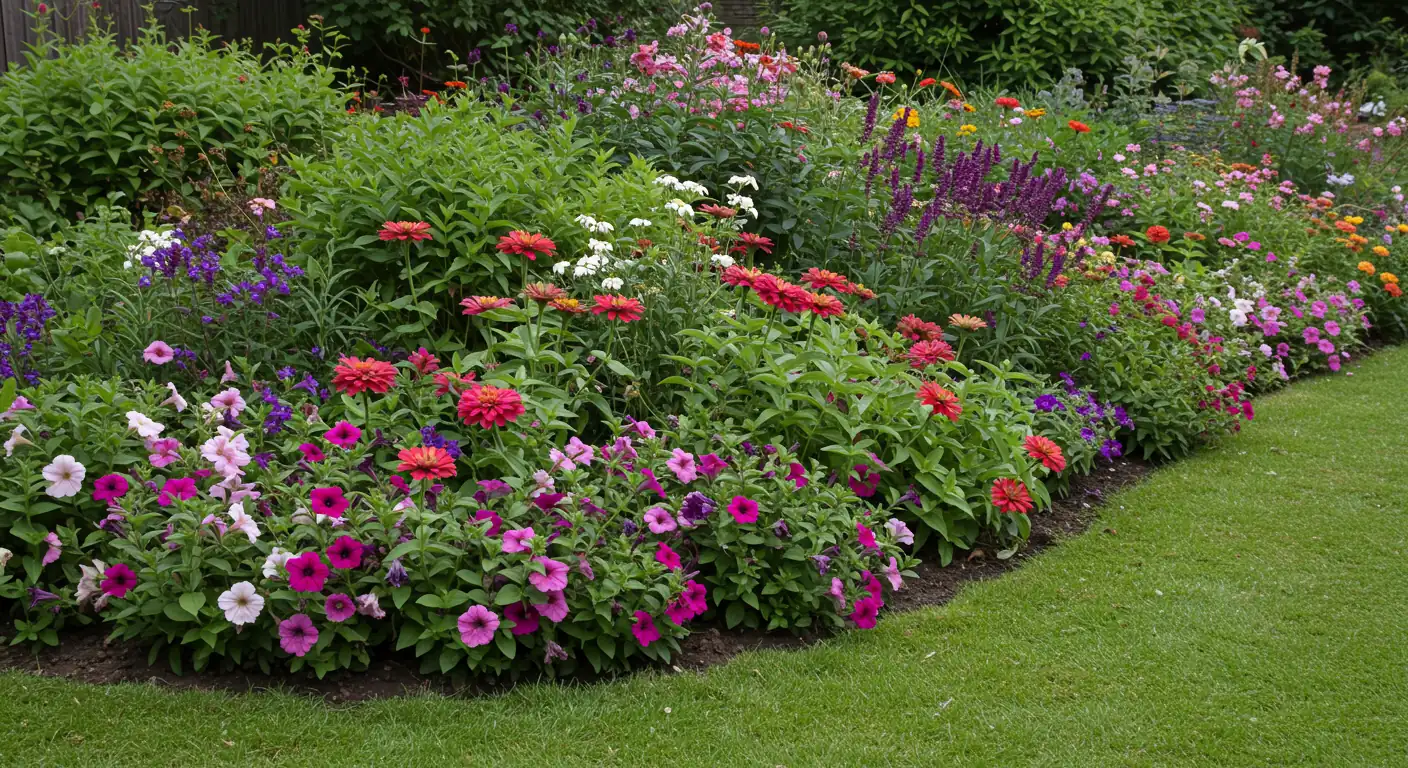
A vibrant, well-maintained garden bed bursting with colourful summer flowers like Petunias, Zinnias, and Salvia. The plants look healthy and full, showcasing the visual reward of practices like deadheading. The image should convey abundance and tidiness.

But guess what? Keeping your garden vibrant from spring right through to the first whispers of fall isn't some complicated secret whispered only by master gardeners. A huge part of the magic comes down to one simple task: deadheading. Yep, sounds a bit harsh, but snipping off those spent, faded blooms works wonders. Think of it as politely telling your plants, "Hey, job's not done yet, keep those pretty flowers coming!"

This simple chore encourages many plants to produce wave after wave of blooms. It’s truly one of the easiest ways to maximize flower power in your Russell landscape – and the same principles work beautifully for our friends in nearby Embrun and Metcalfe too. Ready to learn how this easy trick can transform your garden into a season-long flower show? Let's dig in!

What Exactly IS Deadheading (And Why Should My Ottawa Garden Care?)
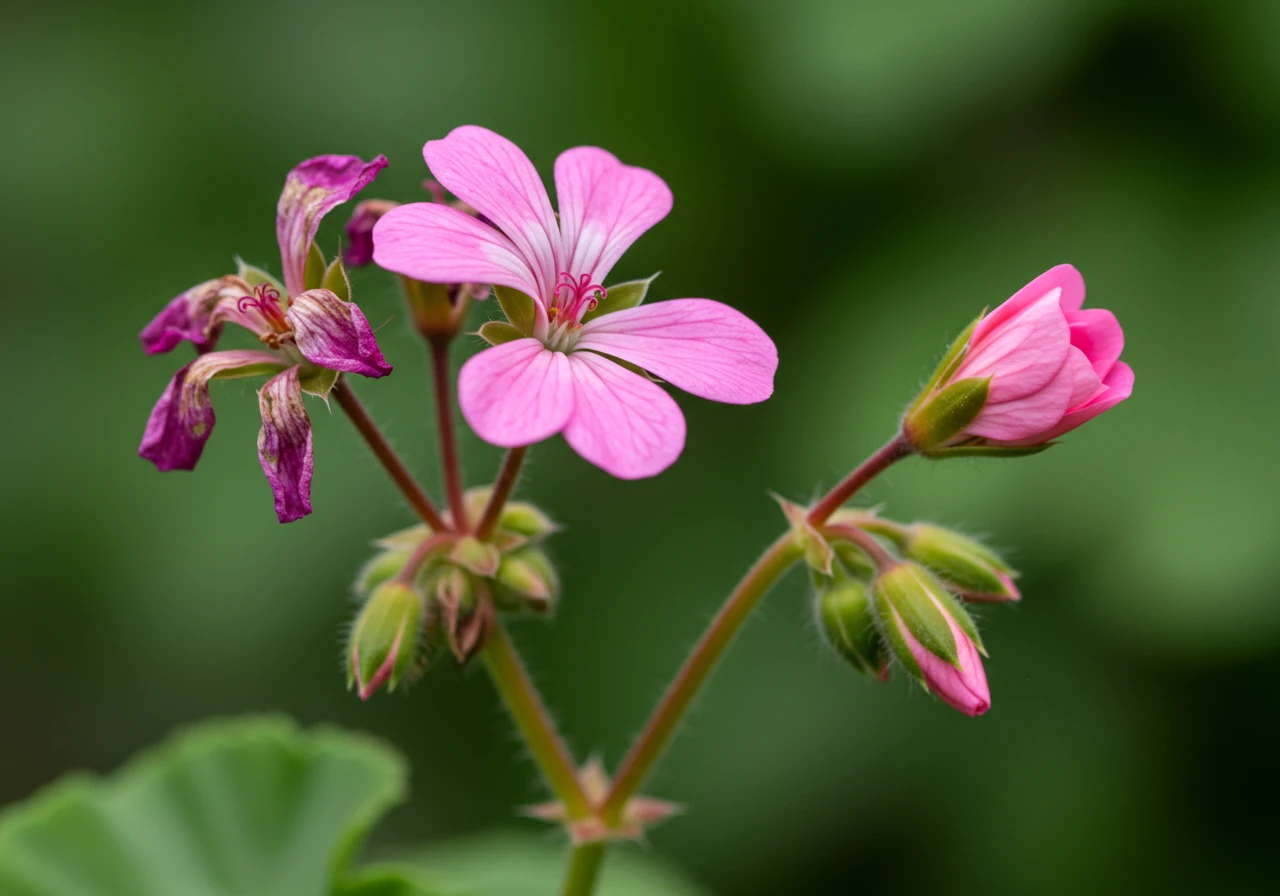
A clear, close-up comparison shot on a single plant stem (like a Geranium or Daylily). It should distinctly show a faded, spent flower head alongside a fresh, vibrant bloom or developing bud nearby on the same stem, illustrating the target for removal.

So, what's this "deadheading" business all about? Don't worry, it sounds much grimmer than it actually is! Think of it less like a garden execution and more like a gentle nudge for your flowering plants. Deadheading is simply the process of removing faded or spent flowers from a plant before they start developing seeds. You just snip, snap, or pinch off the old bloom, usually down to the first set of healthy leaves or the next emerging bud.

Why bother? Well, plants have one main goal in life: reproduce! Once a flower has bloomed and been pollinated, the plant thinks, "Mission accomplished!" and starts pouring all its energy into making seeds. For many annuals and perennials popular in Ottawa gardens (from Petunias to Peonies, Zinnias to Salvia), this signals the end of their flower production line.

But you want more flowers, right? Especially here in the Ottawa region, where we need to squeeze every last drop of colour out of our sometimes frustratingly short growing season! By deadheading, you essentially trick the plant. You remove the fading flower before it sets seed, telling the plant, "Uh oh, the mission isn't complete! Better make more flowers!" This encourages the plant to redirect its energy back into producing more blooms instead of seeds.

The benefits for your garden, whether you're in bustling Barrhaven or leafy Osgoode, are pretty fantastic:

  • More Flowers, Longer Show: This is the big one! Deadheading encourages repeat blooming, extending the flower show significantly through our summer and into the fall.
  • Tidier Appearance: Let’s be honest, dead, brown flowers aren't the prettiest sight. Snipping them off keeps your garden beds looking fresh, vibrant, and well-maintained – boosting that all-important curb appeal. This tidiness is a key part of overall garden health, much like practicing good Russell Garden Sanitation to Stop Disease Spread.
  • Healthier, More Vigorous Plants: By preventing seed production, the plant can use its energy reserves for stronger roots and foliage, leading to a healthier overall plant. A healthy plant foundation is crucial, supported by things like good soil, which can often be improved with Russell Mulch Tips for Clay Soil & Plant Health, and even proper yard drainage – sometimes requiring solutions like Russell Swale Design for Clay Yards & Erosion Control.
  • Prevents Unwanted Self-Seeding: Some plants are very enthusiastic self-seeders (looking at you, Columbine!). Deadheading stops them from spreading seeds everywhere if you prefer to keep them contained. Check out local resources like the City of Ottawa's plants page for info on common local varieties.

Think of deadheading as a specific technique for flower power, just as there are specific techniques for achieving lush grass detailed in the Secrets to Perfect Russell Lawn Care: Your Ultimate Guide. It's a simple task that yields big rewards. If keeping up with deadheading and other garden tasks feels like too much, remember there are always professional Landscaping & Yard Care Services available, including dedicated options like a Russell Yard Cleanup Service to help keep things looking sharp.

So, grab your snips and give it a try – your flowers will thank you with weeks of extra beauty!

Snip, Snip, Hooray! Mastering Deadheading Techniques

Okay, team, let's get tactical! You know *why* we deadhead, but *how* do you actually do it without feeling like you're giving your poor plants a bad haircut? Don't worry, it's simpler than parallel parking downtown on a Saturday. There are three main ways to tackle those faded flowers: pinching, snipping, and shearing. Choosing the right method depends mostly on the type of plant you're dealing with.
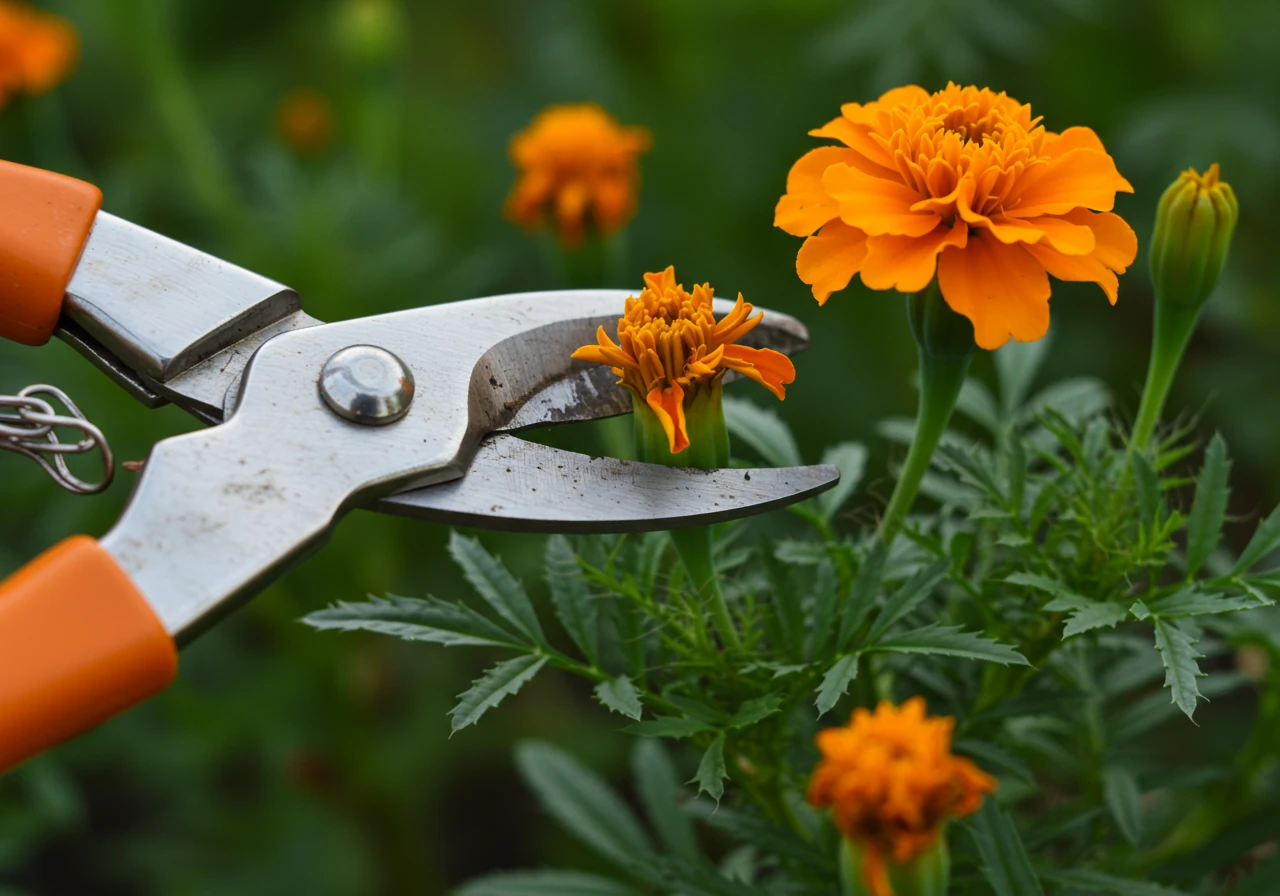
A focused action shot showing clean garden snips or shears precisely positioned to cut the stem of a spent flower (like a Marigold or Coneflower) just above a set of healthy leaves or a new bud. Emphasis on the tool and the correct cutting point.

1. The Pinch: Fingers Over Flowers

  • What it is: Exactly what it sounds like! This is the most delicate method, perfect for plants with soft, fleshy stems. You simply use your thumb and forefinger to pinch or snap off the spent bloom and its little stem. Think ninja fingers, quick and precise!
  • How to do it: Locate the faded flower. Follow its stem down to the first set of healthy leaves or a visible new bud. Gently pinch the stem right above this point. Pop! Off it comes.
  • Best for: Plants like Coleus (if they try to flower and you want foliage), Petunias, Impatiens, Pansies, Basil (when it flowers), and other tender annuals. Find great annuals at local nurseries like Richmond Nursery.
  • Heads up! Don't just pull the petals off – you need to remove the base of the flower where the seeds would form. Also, make sure your fingers are clean to avoid spreading any potential plant gunk (technical term!).

2. The Snip: Precision Tool Time

  • What it is: This is probably the most common method, using pruning shears, garden snips, or even sharp scissors for tougher stems that your fingers can't handle.
  • How to do it: Identify the spent flower. Follow its stem down. For single-stem flowers (like Zinnias or Roses), cut just above a set of healthy leaves or a lateral bud (a little nub where a new flower or leaf might grow). For flowers on branching stems (like Shasta Daisies or Coneflowers), cut the individual flower stem back to where it meets a larger stem or a cluster of leaves, without cutting off nearby buds. Aim for a clean cut.
  • Best for: The workhorses of the garden! Roses, Peonies, Daylilies (snip the whole stalk after all blooms fade), Coneflowers, Zinnias, Cosmos, Salvia, Geraniums, Marigolds, etc. Basically, most perennials and many annuals. Good Soil Preparation helps these plants respond vigorously to snipping.
  • Heads up! Use sharp, clean tools! Dull blades crush stems, and dirty ones can spread disease faster than gossip in a small town. Cut back far enough so you don't leave a bunch of awkward headless stems waving in the breeze.

3. The Shear: The Big Haircut

  • What it is: Sometimes, especially with plants that produce masses of small flowers, snipping individuals is just too tedious. Shearing involves using hedge shears or large hand pruners to give the whole plant, or sections of it, a light trim after the main flush of blooms fades. It’s like giving your plant a quick buzz cut to encourage fresh growth and sometimes a second wave of flowers.
  • How to do it: Wait until the main show of flowers is mostly finished. Take your shears and trim off the top few inches of the plant, removing the majority of the spent flower heads along with some foliage. Don't scalp it – just a light trim!
  • Best for: Mounding or spreading plants like Creeping Phlox, Basket-of-Gold (Alyssum), Catmint (Nepeta), Lavender (after blooming), and some types of Spirea. Particularly useful in larger garden beds, like those you might see in spacious Greely yards.
  • Heads up! Timing is key – shear right after blooming peaks. Shearing too late might remove buds for next year's flowers on some perennials. This method creates more debris, so having a plan for cleanup, whether DIY or using an Ottawa Garden Clean Up Service, is helpful. If you've done a major shearing across the yard, a full City Yard Cleanup Service might even be warranted.

Think of it like this: Pinching is for the softies, Snipping is the everyday standard, and Shearing is for the crowd control! Whichever method you use, regular deadheading is a key part of good gardening practice and contributes hugely to a beautiful, thriving landscape. It fits right into a regular City Garden Maintenance Service schedule. If tackling a big deadheading job, especially combined with other tidying, feels overwhelming, remember that help is available, like a dedicated Russell Yard Cleanup Service if you're in that area. Still unsure which technique is right for a specific plant? Don't hesitate to Contact Us – we're always happy to chat about flowers!

Boost Blooms & Beauty

Deadheading primarily encourages plants to redirect energy from seed production back into creating more flowers. This results in a longer blooming period and more vibrant displays throughout the season. It also keeps your garden looking neat and tidy by removing unsightly faded blossoms. Explore our past transformations to see the impact of regular care!

Choose Your Method

Pinching: Ideal for soft-stemmed annuals like Petunias. Use fingers to snap off the spent bloom just above leaves.

Snipping: Use sharp snips for sturdier stems like Roses or Zinnias. Cut above a leaf node or bud.

Shearing: Best for mounding plants (Catmint, Alyssum) after the main bloom. Trim the top layer lightly.

Proper technique is part of overall Garden Maintenance.

Plants That Love a Trim

Focus your deadheading efforts on these Ottawa favourites for maximum impact:

  • Annuals: Petunias, Marigolds, Zinnias
  • Perennials: Coneflowers (Echinacea), Salvia, Daylilies, Roses
  • Mounding: Catmint (Nepeta), Alyssum

Need help choosing the right plants? Check our Garden Install services.

Ottawa's Deadheading All-Stars: Plants That Love a Good Trim
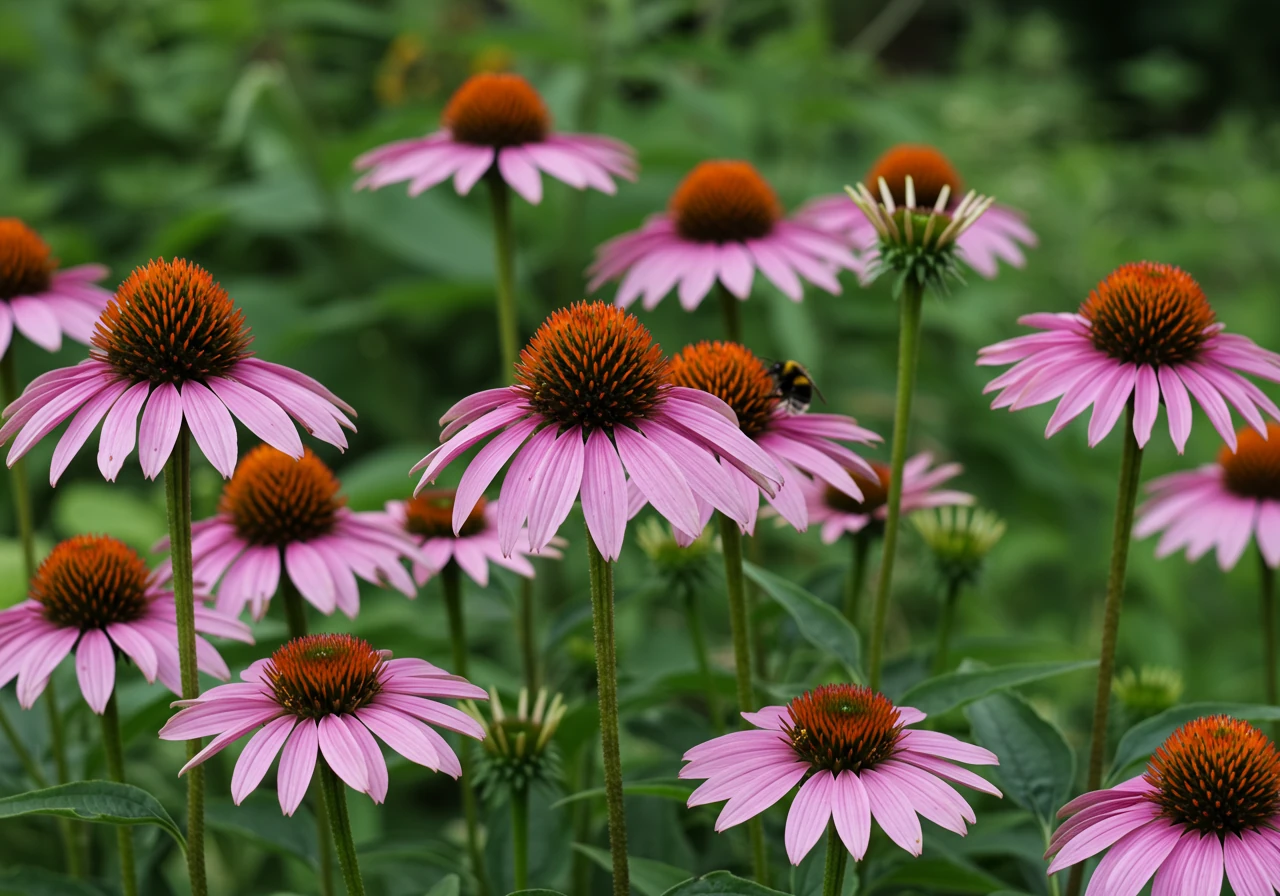
A medium shot showcasing a healthy clump of Coneflowers (Echinacea) in a garden setting. The image should clearly display several vibrant purple coneflowers in peak bloom contrasted with a few older, darker, spent seed heads still on their stems, visually demonstrating which part needs deadheading on this specific plant type.

Alright, let's talk about the real troopers in our Ottawa gardens – the plants that practically wave tiny flags saying, "Trim me, please! I've got more flowers waiting!" Deadheading isn't just busywork; for these plants, it's the key to unlocking a non-stop floral performance right through our precious growing season. Whether you're tending a balcony box in Nepean or sprawling beds out in Manotick, knowing *which* plants respond best makes all the difference.

Here are some common Ottawa favourites that absolutely adore getting their spent blooms snipped:

  • Petunias, Marigolds, Zinnias (The Annual Powerhouses): These cheerful guys are all about blooming their little hearts out. Once a flower fades, they immediately want to make seeds.
    • Why deadhead? To keep the flower factory running! Removing old blooms tells them, "Nope, party's not over, make more pretty petals!" It also keeps them looking much tidier.
    • How? Pinching works well for softer Petunias. For sturdy Marigolds and Zinnias, a quick snip just below the faded flower head and above the next set of leaves is perfect. Keeping annual beds looking sharp is a big part of garden enjoyment, and regular tidying helps avoid the need for a massive Ottawa Garden Clean Up Service later on.
  • Coneflowers (Echinacea) and Perennial Salvia (Sage): These dependable perennials are stars in sunny Ottawa spots, thriving even in the sometimes-challenging clay soils found around Barrhaven.
    • Why deadhead? You'll encourage more blooms throughout the summer and into fall. For Coneflowers, it stops them from wasting energy on seeds you might not want (though leaving a few late-season ones for birds is nice!). For Salvia, it prevents legginess and promotes bushier growth with more flower spikes.
    • How? Snip the individual spent flower stems back to the base or just above a branching point with new buds or leaves. This focused garden task is quite different from broader maintenance like Lawn Care, but both contribute to a great-looking yard. If deadheading reveals other areas needing attention, remember a full Ottawa Property Cleanup Service can tackle everything from weeds to leaves. Check out our Google Business Profile for reviews!
  • Catmint (Nepeta): This fluffy, purple haze is beloved by pollinators (and cats!). It blooms profusely early on.
    • Why deadhead? After the first big flush of flowers fades, the plant can look messy. Giving it a "haircut" encourages a second, often smaller, wave of blooms and neatens its appearance considerably.
    • How? Shearing is your friend here! Once most flowers are spent, use shears to trim the whole plant back by about a third or half. This creates a bit of debris, so plan for cleanup. If you're shearing multiple plants, a professional City Garden Clean Up Service can make quick work of the clippings.
  • Daylilies (Hemerocallis): Each flower lasts only a day, but they produce many buds per stalk (scape).
    • Why deadhead? Removing individual spent, mushy flowers daily looks tidier. Once *all* flowers on a stalk are finished, removing the entire stalk prevents seed pod formation and redirects energy to producing more stalks (on repeat bloomers) or strengthening the plant for next year. They grow well in many Ottawa areas, from sunny spots in Kars to riverside gardens in Richmond.
    • How? Pinch or snap off individual spent blooms daily. Snip the entire finished flower stalk close to the base of the plant. For gardeners in more rural zones needing assistance with larger properties, services like the Marionville Yard Cleanup Service cater specifically to those areas.
  • Roses: The classic beauty! Most modern roses will rebloom if deadheaded.
    • Why deadhead? Encourages faster repeat blooming and prevents the formation of rose hips (unless you want them!), channeling energy into new flowers.
    • How? Snip the spent bloom stem back to the first leaf with five leaflets, cutting just above that leaf junction. Effective Mulching and Edging also helps roses thrive.

Keeping up with these All-Stars ensures your garden stays vibrant! For easy reference, here's a quick table:

Plant TypeBest Deadheading MethodWhy Bother?Related Service
Petunias, Marigolds, ZinniasPinch/SnipContinuous Blooms, Tidy LookGarden Maintenance
Coneflowers, SalviaSnipMore Blooms, Plant VigorProperty Clean Up
Catmint (Nepeta)ShearNeaten Appearance, Second BloomCity Garden Clean Up
DayliliesPinch (daily), Snip Stalk (later)Tidiness, Plant EnergyMarionville Garden Clean Up
RosesSnipFaster RebloomMetcalf Garden Clean Up

If managing all this feels like a bit much alongside everything else life throws your way, professional help is always available to keep your landscape looking its best. We truly appreciate you considering ways to enhance your garden - Thank You!

Estimated Bloom Increase with Deadheading

Petunias
Zinnias
Salvia
Coneflower

*Relative increase in bloom duration/quantity (Illustrative)

Your Seasonal Deadheading Planner for Russell & Beyond

Alright, let's get strategic! Deadheading isn't just a whenever-you-feel-like-it task if you want maximum bloom power in our unique Ottawa climate. Timing is everything, folks! Here’s a rough guide to keep your Russell garden (and surrounding areas like Winchester or Vernon) looking fabulous from the first warm days to the first hint of frost.

  • Late Spring to Early Summer (May-June): The Kick-Off

    Snip faded blooms from early bulbs (leave foliage!). Deadhead Peonies after petals drop. Trim early perennials like Salvia. Keep tools clean for good Comprehensive Garden Maintenance Plans.

  • Peak Summer (July-August): The Main Event

    Prime time! Regularly deadhead annuals (Petunias, Marigolds) and perennials (Coneflowers, Daylilies, Roses) every few days. Prompt removal encourages continuous blooming. For large Metcalfe properties, consider cleanup help. A good foundation includes quality Sod Installation for Ottawa Homes.

  • Late Summer to Early Fall (Aug-Oct): The Wind-Down

    Continue deadheading most plants. Decide whether to leave seed heads (Coneflowers, Rudbeckia) for winter interest/birds. Stop deadheading these specific plants in Sept. Dispose of clippings in compost or green bin. Plan for fall cleanup with services like Marionville Property Cleanup Service. Provide Estimate Feedback if you've requested quotes.

Sticking to a seasonal plan makes deadheading less of a chore and more of a satisfying ritual. We truly appreciate you taking the time to learn about keeping your garden beautiful - Thank You! Happy snipping!

Quick Tips for Endless Blooms

Want your Ottawa or Manotick garden popping with colour all summer long? It's simpler than wrestling a racoon out of the green bin! Here’s the quick cheat sheet:

  • Snip Often: Check plants every few days and remove faded flowers before they make seeds. Be ruthless (in a nice way!).
  • Go Low: Don't just pull petals! Pinch or snip the entire spent flower base, usually down to the next leaves or bud.
  • Know Your Stars: Focus on plants that really respond, like Petunias, Zinnias, Salvia, and Coneflowers. Planning to add more? A professional Garden Install can help you pick winners.
  • Tidy Up: Keep beds neat by removing clippings. If deadheading leads to a bigger tidy-up, Property Clean Up services exist, even specialized ones like the Marionville Garden Clean Up Service. Beautiful beds look even better beside lush grass from quality Sod Installation.
  • Trust Matters: When seeking help, know we handle your information responsibly, as outlined in our Privacy Policy.

Russell & Ottawa Gardeners Ask: Deadheading FAQs

Great question! You can generally keep deadheading most annuals and repeat-blooming perennials right into September or even early October. However, as cooler weather approaches, consider leaving the last set of blooms on plants like Coneflowers (Echinacea), Black-Eyed Susans (Rudbeckia), and Sedum. Their seed heads provide winter interest in the garden and valuable food for birds. Think of it as winding down the flower show and getting ready for fall prep. If the pre-winter cleanup feels daunting, a professional Ottawa Yard Cleanup Service can handle cutting back perennials and tidying up.

Absolutely! Ottawa's green bin program is perfect for disposing of your deadheaded flower clippings, as long as the plants aren't diseased (diseased material is best bagged and put in the garbage). They also make fantastic additions to your home compost pile, breaking down nicely. Think of it as recycling garden goodness! Good compost relies on the right mix, and understanding careful Material Selection is key to creating that nutrient-rich 'black gold' for your garden beds next season.

We hear you – large gardens, especially with lots of flowers, can mean a lot of snipping! Try focusing your efforts on the plants that give the most bang for your buck, like Petunias, Zinnias, and repeat-blooming perennials. For plants like Catmint or Lavender, shearing after their main bloom is much faster than snipping individual flowers. And yes, if it just gets too much, help is definitely available! Our team loves tackling garden tasks; you can learn more about our approach on our About Us page. For really extensive jobs that go beyond just flowers, consider a full City Property Cleanup Service to get everything ship-shape.

Yes, it arguably makes more of a difference! Removing those spent blooms promptly prevents them from turning into soggy, potentially mouldy messes, especially during humid spells or after heavy rain common in areas like Kenmore. This improves air circulation around the plant, reducing disease risk. Plus, even with challenging weather, removing the faded flower still signals the plant to produce more blooms, keeping the colour going strong. We aim for reliable service, and you can always review our operational standards in our Terms and Conditions.

Conclusion: Keep Your Russell Garden Blooming!

So there you have it! Deadheading isn't some mystical garden secret, just a simple snip-snip that tells your plants, "More flowers, please!" It’s your ticket to extending that glorious burst of colour in your Russell garden, keeping things looking tidy and encouraging your plants to focus on beautiful blooms rather than setting seed. Think of all the extra weeks of flower power you can unlock – it’s one of the easiest ways to get more wow from your landscaping efforts.

Give it a whirl! Grab your snips and spend a few minutes tidying up those spent blossoms. You’ll likely see a difference sooner than you think. But hey, we get it – life in Ottawa and surrounding areas like Metcalfe and Winchester gets busy! If keeping up with deadheading, weeding, or other garden tasks feels like too much, or if you're dreaming bigger about your outdoor space, that's where we come in.

Ready for a garden that truly shines all season long?

Contact Clean Yards Today!

Whether you need regular garden maintenance, thorough yard cleanup services, or reliable lawn care, we’re here to help your Russell-area garden reach its full blooming potential. Let's make your yard the envy of the neighbourhood!

document.addEventListener('DOMContentLoaded', function() {// Progress Bar Logic const progressBar = document.getElementById('progressBar'); const body = document.body; const html = document.documentElement;function updateProgressBar() { const totalScroll = html.scrollHeight - html.clientHeight; const currentScroll = window.scrollY; const scrollPercent = (currentScroll / totalScroll) * 100; if (progressBar) { progressBar.style.width = scrollPercent + '%'; } }window.addEventListener('scroll', updateProgressBar);// Back to Top Button Logic const backToTopButton = document.getElementById('back-to-top-btn'); const scrollThreshold = 300; // Show button after scrolling 300pxfunction toggleBackToTopButton() { if (window.scrollY > scrollThreshold) { if (backToTopButton) backToTopButton.style.display = 'block'; } else { if (backToTopButton) backToTopButton.style.display = 'none'; } }function scrollToTop() { window.scrollTo({ top: 0, behavior: 'smooth' }); }window.addEventListener('scroll', toggleBackToTopButton); if (backToTopButton) { backToTopButton.addEventListener('click', scrollToTop); }// Collapsible Sections (FAQ) Logic const faqQuestions = document.querySelectorAll('.faq-question');faqQuestions.forEach(button => { button.addEventListener('click', () => { const answer = button.nextElementSibling; const isActive = button.classList.contains('active');// Optional: Close other open FAQs // faqQuestions.forEach(otherButton => { // if (otherButton !== button && otherButton.classList.contains('active')) { // otherButton.classList.remove('active'); // otherButton.nextElementSibling.classList.remove('active'); // otherButton.nextElementSibling.style.maxHeight = null; // otherButton.nextElementSibling.style.padding = "0 15px"; // } // });button.classList.toggle('active'); answer.classList.toggle('active');if (answer.classList.contains('active')) { // Set max-height to scrollHeight for smooth opening answer.style.maxHeight = answer.scrollHeight + 'px'; answer.style.padding = "15px"; // Add padding back } else { answer.style.maxHeight = null; // Collapse answer.style.padding = "0 15px"; // Remove padding } }); });// Tab Interface Logic const tabButtons = document.querySelectorAll('.tab-button'); const tabContents = document.querySelectorAll('.tab-content');tabButtons.forEach(button => { button.addEventListener('click', () => { const targetTabId = button.getAttribute('data-tab');// Deactivate all buttons and content panels tabButtons.forEach(btn => btn.classList.remove('active')); tabContents.forEach(content => content.classList.remove('active'));// Activate the clicked button and corresponding content panel button.classList.add('active'); const targetContent = document.getElementById(targetTabId); if (targetContent) { targetContent.classList.add('active'); } }); });// Bar Chart Animation Logic const chart = document.getElementById('bloom-chart'); const bars = document.querySelectorAll('.bar');const observerOptions = { root: null, // relative to document viewport rootMargin: '0px', threshold: 0.5 // 50% of element is visible };const observer = new IntersectionObserver((entries, observer) => { entries.forEach(entry => { if (entry.isIntersecting) { // Animate bars when chart comes into view bars.forEach(bar => { const height = bar.getAttribute('data-height'); bar.style.height = height + '%'; }); // Optional: Stop observing once animated // observer.unobserve(entry.target); } else { // Optional: Reset animation when out of view bars.forEach(bar => { bar.style.height = '0%'; }); } }); }, observerOptions);if (chart) { observer.observe(chart); }// Replace placeholder URL in structured data (if possible, otherwise needs server-side logic) const currentPageURL = window.location.href; const ldJsonScripts = document.querySelectorAll('script[type="application/ld+json"]'); ldJsonScripts.forEach(script => { try { let json = JSON.parse(script.textContent);// Update mainEntityOfPage.@id in Article schema if (json['@type'] === 'Article' && json.mainEntityOfPage) { json.mainEntityOfPage['@id'] = currentPageURL; } // Update url in HowTo steps if (json['@type'] === 'HowTo' && json.step) { json.step.forEach(step => { if (step.url && step.url.includes('CURRENT_PAGE_URL_PLACEHOLDER')) { step.url = step.url.replace('CURRENT_PAGE_URL_PLACEHOLDER', currentPageURL); } }); } // Add URL to FAQ questions if needed (example shows links in answers already)// Update script content script.textContent = JSON.stringify(json, null, 2); // Pretty print optional } catch (e) { console.error("Error processing JSON-LD: ", e); } });}); // End DOMContentLoaded
Share This Article
Facebook
X
Pinterest
Email
Print

Thank you for sharing!

Contact Us Today

To request a quote, kindly fill out the form below.

Where Can we Reach you?
Which Service Do You Require? (Click all that apply)
Provide a Breif Description of The Work You'd Like Done

Before You Go

We’re confident in our services, we offer a 30-day money-back guarantee. Not 100% satisfied? We’ll swiftly refund all labor costs. Your satisfaction is our top priority!

Get in touch today for expert service and satisfaction guaranteed. You won't regret it!

Where Can we Reach you?
Which Service Do You Require? (Click all that apply)
Provide a Breif Description of The Work You'd Like Done
Where Can we Reach you?
Which Service Do You Require? (Click all that apply)
Provide a Breif Description of The Work You'd Like Done
Where Can we Reach you?
Which Service Do You Require? (Click all that apply)
Provide a Breif Description of The Work You'd Like Done