/* Brand Colors */ :root { --brand-primary: #93C020; /* Main Green */ --brand-black: #000000; --brand-dark-grey: #2D2C2C; --brand-light-grey: #EBEBEB; --brand-secondary-green: #287734; /* Darker Green */ --brand-white: #FFFFFF; --brand-accent-lime: #B7FE00; /* Accent Lime */ }/* Basic Reset & Body Styling */ #russell-garden-log-article * { box-sizing: border-box; margin: 0; padding: 0; }#russell-garden-log-article body { font-family: -apple-system, BlinkMacSystemFont, "Segoe UI", Roboto, Helvetica, Arial, sans-serif; line-height: 1.6; color: var(--brand-dark-grey); background-color: var(--brand-white); }/* Container */ #russell-garden-log-article .article-container { max-width: 900px; margin: 40px auto 20px auto; /* Added top margin for progress bar */ padding: 20px; background-color: var(--brand-white); border-radius: 8px; box-shadow: 0 2px 10px rgba(0, 0, 0, 0.05); }/* Headings */ #russell-garden-log-article h1, #russell-garden-log-article h2, #russell-garden-log-article h3 { color: var(--brand-secondary-green); margin-bottom: 1rem; line-height: 1.3; }#russell-garden-log-article h1 { font-size: 2.2rem; border-bottom: 2px solid var(--brand-light-grey); padding-bottom: 0.5rem; margin-top: 1rem; /* Add space below progress bar */ }#russell-garden-log-article h2 { font-size: 1.8rem; margin-top: 2rem; }#russell-garden-log-article h3 { font-size: 1.4rem; margin-top: 1.5rem; color: var(--brand-dark-grey); }/* Paragraphs and Lists */ #russell-garden-log-article p { margin-bottom: 1rem; color: var(--brand-dark-grey); }#russell-garden-log-article ul, #russell-garden-log-article ol { margin-bottom: 1rem; padding-left: 25px; }#russell-garden-log-article li { margin-bottom: 0.5rem; }/* Links */ #russell-garden-log-article a { color: var(--brand-secondary-green); text-decoration: none; transition: color 0.3s ease; }#russell-garden-log-article a:hover, #russell-garden-log-article a:focus { color: var(--brand-primary); text-decoration: underline; }/* Images */ #russell-garden-log-article figure { margin: 25px auto; text-align: center; }#russell-garden-log-article figure img { max-width: 100%; height: auto; border-radius: 8px; box-shadow: 0 1px 4px rgba(0,0,0,0.1); }#russell-garden-log-article figcaption { font-size: 0.85rem; color: #777; margin-top: 5px; }/* Progress Bar */ #russell-garden-log-article #progressBarContainer { position: fixed; top: 0; left: 0; width: 100%; height: 6px; background-color: var(--brand-light-grey); z-index: 1000; }#russell-garden-log-article #progressBar { height: 100%; width: 0%; background-color: var(--brand-primary); transition: width 0.1s linear; }/* Back to Top Button */ #russell-garden-log-article #backToTopBtn { display: none; position: fixed; bottom: 20px; right: 20px; z-index: 99; border: none; outline: none; background-color: var(--brand-secondary-green); color: var(--brand-white); cursor: pointer; padding: 10px 15px; border-radius: 50%; font-size: 18px; transition: background-color 0.3s ease, opacity 0.3s ease; opacity: 0.8; }#russell-garden-log-article #backToTopBtn:hover { background-color: var(--brand-primary); opacity: 1; }/* Collapsible Sections (FAQ) */ #russell-garden-log-article .collapsible-button { background-color: var(--brand-light-grey); color: var(--brand-dark-grey); cursor: pointer; padding: 15px; width: 100%; border: none; text-align: left; outline: none; font-size: 1.1rem; font-weight: bold; border-radius: 5px; margin-bottom: 5px; transition: background-color 0.3s ease; position: relative; padding-right: 40px; /* Space for icon */ }#russell-garden-log-article .collapsible-button:hover { background-color: #ddd; }#russell-garden-log-article .collapsible-button::after { content: '+'; font-size: 1.5rem; color: var(--brand-secondary-green); position: absolute; right: 15px; top: 50%; transform: translateY(-50%); transition: transform 0.3s ease; }#russell-garden-log-article .collapsible-button.active::after { content: "−"; transform: translateY(-50%); }#russell-garden-log-article .collapsible-content { padding: 0 18px; max-height: 0; overflow: hidden; transition: max-height 0.3s ease-out; background-color: var(--brand-white); border: 1px solid var(--brand-light-grey); border-top: none; border-radius: 0 0 5px 5px; margin-bottom: 10px; /* Space between collapsed items */ } #russell-garden-log-article .collapsible-content p { padding: 15px 0; /* Add padding inside content */ margin-bottom: 0; /* Remove default p margin */ }/* Tab Interface */ #russell-garden-log-article .tab-container { margin-top: 2rem; border: 1px solid var(--brand-light-grey); border-radius: 5px; overflow: hidden; /* Contain border radius */ }#russell-garden-log-article .tab-buttons { display: flex; background-color: var(--brand-light-grey); border-bottom: 1px solid #ccc; /* Separator */ }#russell-garden-log-article .tab-button { padding: 12px 20px; cursor: pointer; border: none; background-color: var(--brand-light-grey); color: var(--brand-dark-grey); font-size: 1rem; transition: background-color 0.3s ease, color 0.3s ease, border-bottom 0.3s ease; flex-grow: 1; /* Make buttons fill space */ text-align: center; border-bottom: 3px solid transparent; /* Placeholder for active indicator */ }#russell-garden-log-article .tab-button:hover { background-color: #ddd; }#russell-garden-log-article .tab-button.active { background-color: var(--brand-white); color: var(--brand-secondary-green); font-weight: bold; border-bottom: 3px solid var(--brand-primary); /* Active indicator */ }#russell-garden-log-article .tab-content { display: none; padding: 20px; background-color: var(--brand-white); animation: fadeIn 0.5s ease; /* Simple fade-in */ }#russell-garden-log-article .tab-content.active { display: block; }@keyframes fadeIn { from { opacity: 0; } to { opacity: 1; } }/* Responsive Data Visualization (Bar Chart Example) */ #russell-garden-log-article .chart-container { margin: 2rem auto; padding: 20px; border: 1px solid var(--brand-light-grey); border-radius: 5px; background-color: #f9f9f9; text-align: center; } #russell-garden-log-article .chart-title { font-size: 1.2rem; margin-bottom: 1.5rem; color: var(--brand-dark-grey); } #russell-garden-log-article .chart { display: flex; justify-content: space-around; align-items: flex-end; height: 200px; /* Fixed height for chart area */ border-bottom: 2px solid var(--brand-dark-grey); padding-bottom: 5px; } #russell-garden-log-article .bar-wrapper { display: flex; flex-direction: column; align-items: center; width: 15%; /* Adjust as needed */ } #russell-garden-log-article .bar { width: 80%; /* Width relative to wrapper */ background-color: var(--brand-primary); height: 0; /* Initial height for animation */ transition: height 1s ease-out; position: relative; /* For value display */ } #russell-garden-log-article .bar-value { position: absolute; top: -20px; /* Position above the bar */ left: 50%; transform: translateX(-50%); font-size: 0.8rem; color: var(--brand-dark-grey); opacity: 0; /* Initially hidden */ transition: opacity 0.5s ease 0.5s; /* Fade in after bar animates */ } #russell-garden-log-article .bar.animated .bar-value { opacity: 1; } #russell-garden-log-article .bar-label { margin-top: 8px; font-size: 0.85rem; color: var(--brand-dark-grey); }/* Timeline Component */ #russell-garden-log-article .timeline { position: relative; max-width: 700px; margin: 3rem auto; padding: 20px 0; } #russell-garden-log-article .timeline::after { content: ''; position: absolute; width: 4px; background-color: var(--brand-light-grey); top: 0; bottom: 0; left: 50%; margin-left: -2px; z-index: 1; } #russell-garden-log-article .timeline-item { padding: 10px 40px; position: relative; background-color: inherit; width: 50%; z-index: 2; margin-bottom: 30px; /* Space between items */ } #russell-garden-log-article .timeline-item::after { /* The circle on the timeline */ content: ''; position: absolute; width: 20px; height: 20px; right: -12px; background-color: var(--brand-white); border: 4px solid var(--brand-primary); top: 15px; border-radius: 50%; z-index: 3; } /* Place items to the left */ #russell-garden-log-article .timeline-item.left { left: 0; padding-right: 20px; /* Adjust padding */ text-align: right; /* Align text right for left items */ } /* Place items to the right */ #russell-garden-log-article .timeline-item.right { left: 50%; padding-left: 20px; /* Adjust padding */ } /* Fix the circle for right items */ #russell-garden-log-article .timeline-item.right::after { left: -8px; /* Adjust position to overlap line correctly */ } /* Item content */ #russell-garden-log-article .timeline-content { padding: 15px; background-color: var(--brand-white); position: relative; border-radius: 6px; border: 1px solid var(--brand-light-grey); box-shadow: 0 1px 3px rgba(0,0,0,0.1); } #russell-garden-log-article .timeline-content h3 { margin-top: 0; /* Remove top margin for h3 inside timeline */ font-size: 1.2rem; color: var(--brand-secondary-green); }/* Highlight Box */ #russell-garden-log-article .highlight-box { background-color: #f0f9e8; /* Light green background */ border: 1px solid var(--brand-primary); border-left: 5px solid var(--brand-secondary-green); padding: 20px; margin: 2rem 0; border-radius: 5px; } #russell-garden-log-article .highlight-box h3 { margin-top: 0; color: var(--brand-secondary-green); font-size: 1.3rem; margin-bottom: 0.8rem; } #russell-garden-log-article .highlight-box ul { padding-left: 20px; /* Indent list slightly */ margin-bottom: 0; /* Remove bottom margin if it's the last element */ }/* Call to Action (CTA) Button */ #russell-garden-log-article .cta-button-container { text-align: center; margin: 2rem 0; } #russell-garden-log-article .cta-button { display: inline-block; background-color: var(--brand-primary); color: var(--brand-white); padding: 12px 25px; border: none; border-radius: 5px; font-size: 1.1rem; font-weight: bold; text-decoration: none; cursor: pointer; transition: background-color 0.3s ease, transform 0.2s ease; box-shadow: 0 2px 4px rgba(0,0,0,0.1); }#russell-garden-log-article .cta-button:hover, #russell-garden-log-article .cta-button:focus { background-color: var(--brand-secondary-green); color: var(--brand-white); transform: translateY(-2px); text-decoration: none; /* Keep underline off */ }/* Responsive Tables */ #russell-garden-log-article .table-container { overflow-x: auto; /* Enable horizontal scrolling on small screens */ margin: 1.5rem 0; border: 1px solid var(--brand-light-grey); border-radius: 5px; }#russell-garden-log-article table { width: 100%; border-collapse: collapse; min-width: 500px; /* Prevent extreme squishing */ }#russell-garden-log-article th, #russell-garden-log-article td { padding: 10px 12px; text-align: left; border-bottom: 1px solid var(--brand-light-grey); }#russell-garden-log-article th { background-color: #f8f8f8; /* Light grey header */ font-weight: bold; color: var(--brand-dark-grey); }#russell-garden-log-article tr:last-child td { border-bottom: none; /* Remove border from last row */ }#russell-garden-log-article tr:hover { background-color: #f5f5f5; /* Subtle hover effect */ }/* Responsive Design Adjustments */ @media (max-width: 768px) { #russell-garden-log-article .article-container { margin: 30px 10px 10px 10px; /* Adjust margins */ padding: 15px; }#russell-garden-log-article h1 { font-size: 1.8rem; }#russell-garden-log-article h2 { font-size: 1.5rem; }#russell-garden-log-article h3 { font-size: 1.2rem; }/* Timeline adjustments */ #russell-garden-log-article .timeline::after { left: 31px; /* Move line to the left */ } #russell-garden-log-article .timeline-item { width: 100%; padding-left: 70px; /* Space for icon and line */ padding-right: 15px; } #russell-garden-log-article .timeline-item.left, #russell-garden-log-article .timeline-item.right { left: 0%; /* Align all items */ text-align: left; /* Reset text alignment */ } #russell-garden-log-article .timeline-item.left::after, #russell-garden-log-article .timeline-item.right::after { left: 10px; /* Position circle on the line */ width: 18px; /* Slightly smaller circle */ height: 18px; }/* Tab button text might wrap */ #russell-garden-log-article .tab-button { font-size: 0.9rem; padding: 10px 8px; }/* Chart adjustments */ #russell-garden-log-article .chart { height: 150px; /* Smaller height */ } #russell-garden-log-article .bar-label { font-size: 0.75rem; } #russell-garden-log-article .bar-value { font-size: 0.7rem; top: -15px; } } @media (max-width: 480px) { #russell-garden-log-article h1 { font-size: 1.6rem; } #russell-garden-log-article h2 { font-size: 1.3rem; } #russell-garden-log-article h3 { font-size: 1.1rem; } #russell-garden-log-article .collapsible-button { font-size: 1rem; padding-right: 35px;} #russell-garden-log-article .collapsible-button::after { font-size: 1.3rem; right: 10px;} #russell-garden-log-article #backToTopBtn { padding: 8px 12px; font-size: 16px; bottom: 15px; right: 15px;} #russell-garden-log-article .cta-button { font-size: 1rem; padding: 10px 20px;} } { "@context": "https://schema.org", "@type": "Article", "headline": "Russell Garden Logs: Predict Pest Cycles, Prevent Loss", "author": { "@type": "Organization", "name": "Clean Yards" }, "datePublished": "2024-05-15", // Example date - adjust if needed, but keep for schema "image": "https://cleanyards.ca/wp-content/uploads/2025/03/macro_photograph_of_a_cluster__9870.webp", "description": "Learn how maintaining a garden log in Russell and the Ottawa area helps predict pest appearances, enabling timely, eco-friendly prevention strategies to protect your plants.", "mainEntityOfPage": { "@type": "WebPage", "@id": "https://cleanyards.ca/blog/russell-garden-logs-predict-pest-cycles-prevent-loss/" // Replace with actual URL when live } } { "@context": "https://schema.org", "@type": "FAQPage", "mainEntity": [ { "@type": "Question", "name": "What if I can’t identify the creepy-crawly snacking on my Nepean nasturtiums?", "acceptedAnswer": { "@type": "Answer", "text": "No worries! Snap a photo if you can, or just describe it (colour, size, where it hangs out). Note the damage type (holes? spots? slime?). Often, the pattern of damage and when it appears is enough info for your log to be useful later. Local Ottawa garden groups online can also be great for ID help!" } }, { "@type": "Question", "name": "Does my garden log entry need to be super detailed every single time?", "acceptedAnswer": { "@type": "Answer", "text": "Heck no! Keep it simple and sustainable. Just the date, plant affected, what you saw (pest/damage), and any action taken is usually plenty. Consistency beats detail. Think bullet points, not essays – you've got better things to do, like enjoying your Manotick garden, right?" } }, { "@type": "Question", "name": "Is a garden log only good for tracking insect pests?", "acceptedAnswer": { "@type": "Answer", "text": "Nope, it's a multi-tasker! Use it to track diseases (weird spots, wilting), watering schedules, fertilizer use, and even when you amended the soil. This gives a fuller picture of plant health, helping spot issues beyond bugs, especially crucial when dealing with tricky Ottawa soil which might need specific soil preparation. Check out our guide on Soil Preparation." } }, { "@type": "Question", "name": "Seriously, how often should I be writing in this garden log?", "acceptedAnswer": { "@type": "Answer", "text": "Aim for consistency, not constant updates. A quick walk-around once or twice a week during peak season in Russell, noting any changes, is great. Definitely log any pest sightings or treatments when they happen. Think of it as part of your regular Garden Maintenance routine – easy peasy!" } }, { "@type": "Question", "name": "My log keeps showing pests hiding in leaf piles and overgrown areas! Help?", "acceptedAnswer": { "@type": "Answer", "text": "Your log cracked the case! Tidiness really does deter pests by removing their cozy homes. Regular weeding and clearing debris helps immensely. If seasonal mess feels overwhelming, remember that a thorough City Yard Cleanup Service can tackle those major habitat zones for you, giving you a fresh start." } }, { "@type": "Question", "name": "If I use an app for my log or contact you about pest issues I've logged, is my info safe?", "acceptedAnswer": { "@type": "Answer", "text": "Absolutely. Whether you use digital tools or reach out for service, protecting your information is key. Reputable companies prioritize data security. For details on how we handle your information when you contact us or use our services, please check out our clear-as-mud (just kidding!) Privacy Policy." } } ] } { "@context": "https://schema.org", "@type": "HowTo", "name": "How to Use a Garden Log for Pest Prediction and Prevention", "description": "A step-by-step guide to setting up and using a garden log to effectively predict pest cycles and implement preventative measures in your garden.", "step": [ { "@type": "HowToStep", "name": "Choose Your Log Format", "text": "Select a method you'll consistently use: a weatherproof notebook, a gardening journal, a spreadsheet, or a phone app." }, { "@type": "HowToStep", "name": "Record Essential Details", "text": "For each entry, note the Date, Plant Affected (be specific!), Pest ID (or description/photo), Location in Garden, Damage Description, and Action Taken. Add Weather Notes for extra context." }, { "@type": "HowToStep", "name": "Be Consistent", "text": "Make brief notes regularly, especially when observing changes or applying treatments. Aim for consistency over perfect detail." }, { "@type": "HowToStep", "name": "Analyze Your Data", "text": "Review your log periodically (e.g., end of season, start of next season) to spot patterns. Look for correlations between pest appearances, weather, plant growth stages, and specific dates/weeks." }, { "@type": "HowToStep", "name": "Predict Pest Arrivals", "text": "Use identified patterns (e.g., aphids appear mid-June, slugs after rain) to anticipate when pests are likely to show up next year." }, { "@type": "HowToStep", "name": "Implement Preventative Actions", "text": "Based on predictions, deploy eco-friendly controls *before* pests arrive. Examples: Use row covers before cabbage moths appear, set slug traps before rain, attract beneficial insects early." }, { "@type": "HowToStep", "name": "Refine and Repeat", "text": "Continue logging your observations and the results of your preventative actions. Refine your strategies based on what works best in your specific garden environment." } ] }

Russell Garden Logs: Predict Pest Cycles, Prevent Loss

Quick Summary:

  • Keeping a garden log helps identify pests, track their timing, and understand damage patterns in your Russell or Ottawa garden.
  • Analyzing log data reveals predictable pest cycles linked to weather, plant growth, and time of year.
  • This predictive insight allows for proactive, targeted, and eco-friendly pest prevention strategies (Integrated Pest Management - IPM).
  • A log helps diagnose plant problems, repeat successful techniques, and plan smarter for future gardening seasons.
  • Need help managing pest habitats or implementing garden strategies? Request a free quote today!

Introduction: Pests Got You Seeing Red in Russell? There's a Log for That!

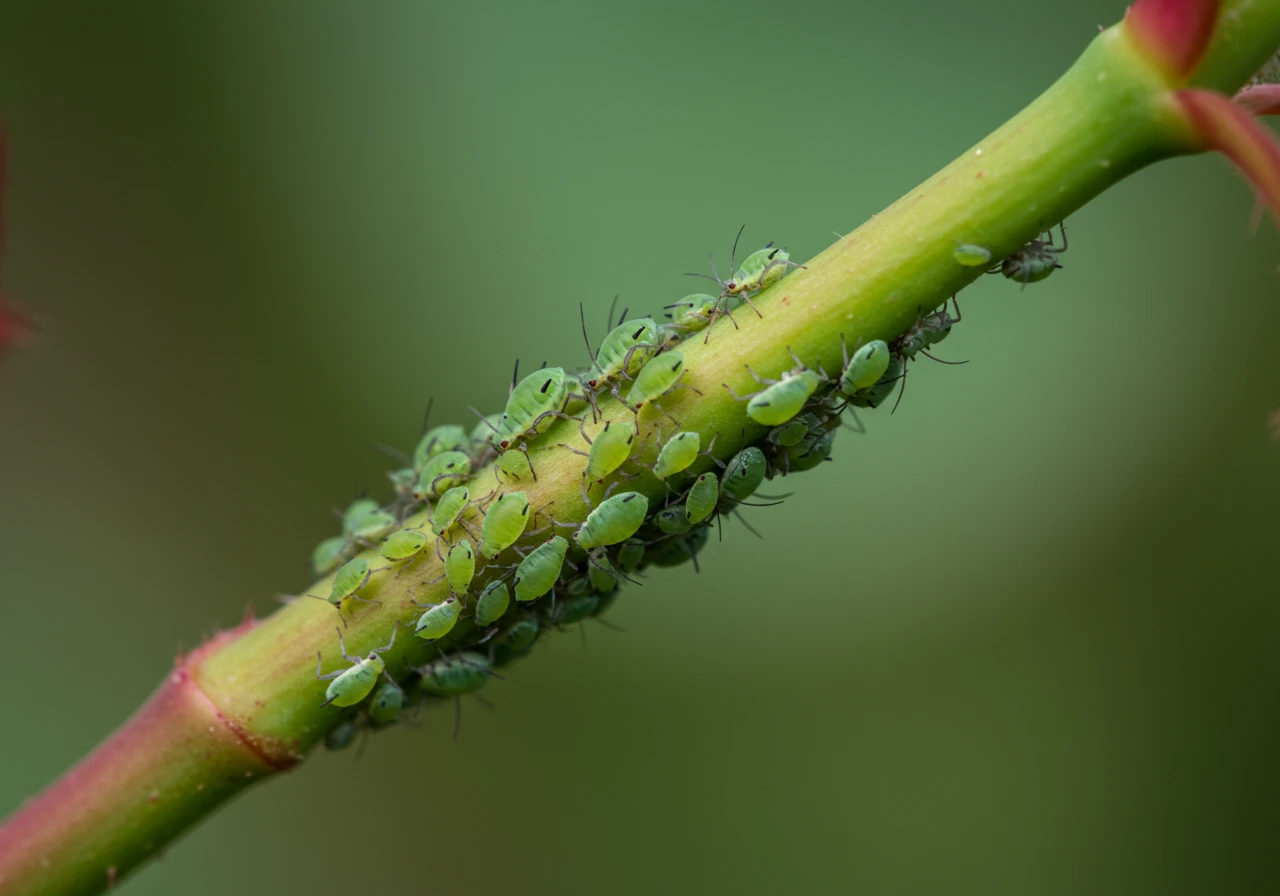
A detailed close-up photograph focusing on several small, green aphids clustered densely on the tender new growth of a vibrant pink rosebud. The surrounding leaves should be slightly blurred to emphasize the pests on the bloom, capturing the essence of an infestation taking hold.

Okay, fellow Russell gardeners, let's talk pests. You've spent hours planning your perfect backyard oasis, improving your soil, carefully planting those seedlings, and getting your landscaping just right. Then BAM! The aphids colonize your roses faster than neighbours arriving for a BBQ, slugs treat your hostas like an all-you-can-eat buffet, and something mysterious is decimating your tomatoes. Are you seeing red? We totally get it. From Russell to nearby Greely and across the wider Ottawa area, it's a battle every gardener faces.

But before you reach for the harshest fix, what if your best defence was already sitting on your desk? We're talking about a simple garden log! Seriously. Keeping track of which pests show up, when they appear, what damage they cause, and what you tried (successfully or not!) is surprisingly powerful. This log helps you spot patterns year after year, making your pest control smarter, not harder. Think of it as your garden's personal diary for defeating invaders and keeping those precious plants healthy. Let's dive into how this humble notebook becomes your secret weapon!

What Exactly IS a Garden Log, and Why Isn't My Memory Enough?

An overhead, flat-lay style image showing an open, slightly weathered, blank-paged notebook resting on a rustic wooden garden table or potting bench. Next to the notebook, place a clean hand trowel and a small, empty terracotta pot to suggest gardening activity without showing hands or writing.

Okay, let's break it down. Think of a garden log as your garden's personal diary or captain's log. It's a dedicated place – whether a simple notebook, a fancy journal, or even a spreadsheet on your computer – where you jot down everything related to your gardening adventures. This includes:

  • What you planted and exactly where.
  • When you planted it (down to the date!).
  • Watering schedules and rainfall amounts.
  • Fertilizer types and application dates.
  • Pest sightings (friend and foe!).
  • Disease symptoms and when they appeared.
  • Weather notes (first frost, heat waves).
  • Harvest dates and yields.
  • What worked brilliantly and what... well, didn't.

Now, you might be thinking, "Come on, I can remember that stuff!" And maybe you can remember some of it. But let's be honest, life gets busy, especially here in the Ottawa area. Between juggling work, family, maybe navigating traffic in Barrhaven, and trying to remember if you fed the dog, recalling the exact week you noticed those spots on your tomato leaves last July can be tricky.

Our memories, bless their cotton socks, are notoriously unreliable for fine details over time. Was it early June or late June when the slugs arrived last year? Did you use the organic fertilizer on the roses or the hydrangeas? Did that weird wilt happen before or after the heatwave? Trying to recall specific details from months or even years ago is like trying to remember what you had for lunch three Tuesdays ago – fuzzy at best!

A garden log takes the pressure off your brain. It's factual, chronological, and doesn't get swayed by wishful thinking ("I swear I watered those ferns..."). It helps you:

  • Spot Patterns: Notice that aphids always show up the third week of June? Now you can prepare! See a recurring disease on your squash? Maybe it's time to try a different variety or location.
  • Diagnose Problems: Looking back at your notes about weather, watering, and feeding can pinpoint why a plant suddenly looks stressed. Maybe you forgot to perform that crucial Russell Root Flare Check Tree Stress Signs you intended to log.
  • Repeat Successes (and Avoid Failures!): That bumper crop of cucumbers? Your log tells you exactly what you did right. Those sad, stunted peppers? Your notes might reveal you planted too early or used the wrong soil amendment, especially crucial info if you're working with challenging local soil like clay – something many Russell gardeners know well. Getting specific tips can make all the difference, like those found in guides about a Russell Veggie Garden Install Clay Soil Tips.
  • Plan Smarter: Your log becomes an invaluable resource for planning next year’s garden layout, crop rotation, and ordering seeds. It helps track not just plants, but also maintenance schedules for your whole yard, from knowing Secrets to Perfect Russell Lawn Care Your Ultimate Guide to remembering when you last checked your outdoor lighting fixtures, perhaps following some Russell Outdoor Lighting Design Safety Tips.
  • Manage Big Tasks: It even helps you keep track of larger landscaping projects or recurring maintenance that you might need help with, making it easier to schedule necessary Clean Yards Services.

So, while your memory is great for recalling funny family stories, let the garden log handle the horticultural details. Your plants (and your sanity) will thank you!

Ottawa's Unwanted Guests: Common Garden Pests in Russell & Beyond

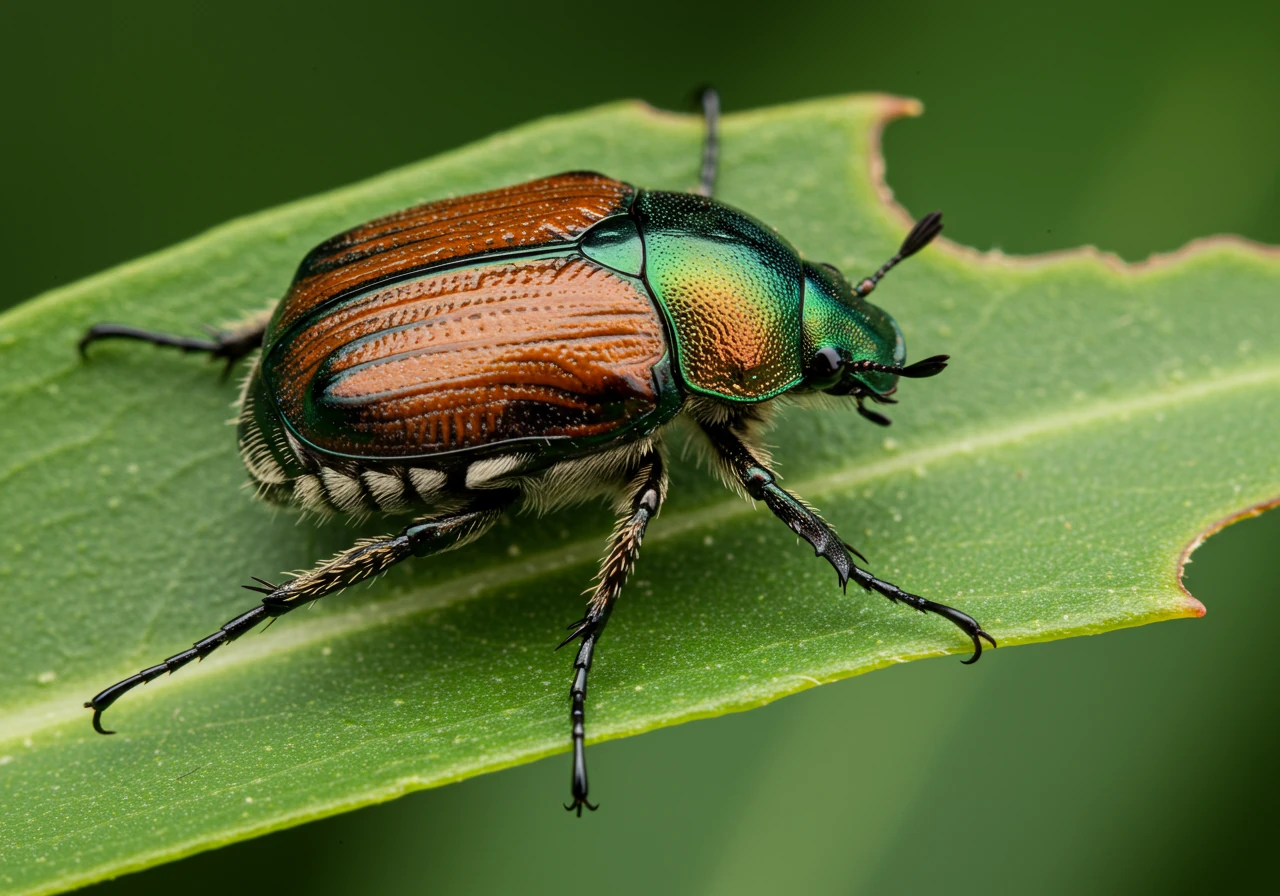
A vivid close-up shot of a single Japanese Beetle, showcasing its distinct metallic green and copper coloring, perched on a green leaf. The leaf should exhibit the characteristic 'skeletonizing' damage caused by this pest – where the tissue between the veins has been eaten away.

Ah, the joys of a lush garden! But sometimes, it feels like you've just put out an all-you-can-eat buffet sign for every creepy-crawly in the neighbourhood. Don't worry, you're not alone. Battling garden pests is a rite of passage for homeowners everywhere, including right here in Russell and nearby areas like Embrun. Here’s a rogues' gallery of common troublemakers you might encounter from Nepean to Metcalfe:

Aphids

These tiny, pear-shaped insects (often green, black, or brown) are the ultimate party crashers, usually showing up in crowds on tender new growth, like rosebuds or veggie stems, starting in late spring. They use piercing mouthparts to suck the life (sap) out of your plants, leading to yellowing, curling leaves, and stunted growth. Bonus annoyance: they excrete a sticky substance called "honeydew" that attracts ants and can promote sooty mold. Yuck. Check out local resources like the Master Gardeners of Ottawa Carleton for identification tips.

Slugs and Snails

Masters of slime! If you see ragged holes chewed in your hosta leaves or decimated seedlings, especially after a rain or overnight, these mollusks are likely suspects. They love damp conditions, common in our Ottawa springs and falls. They hide during the day under leaves, pots, or debris, making garden tidiness important. Sometimes, a really thorough spring or fall cleanup, like the kind offered by a Russell Yard Cleanup Service, helps reduce their hiding spots significantly.

Japanese Beetles

Oh, these guys. Arriving fashionably late, usually in July, these metallic green and copper beetles can descend en masse. They are voracious eaters, skeletonizing leaves (eating the tissue between the veins) on hundreds of plant species, with a particular fondness for roses, grapes, beans, and linden trees. They can turn a prize-winning plant into lace in no time. If persistent pests make you consider rethinking your entire garden design, exploring professional Garden Transformations might offer plant selections less appealing to these invaders. The Government of Canada provides fact sheets on managing invasive species like these.

Earwigs

Recognizable by the pincers on their back end (mostly harmless to humans!), earwigs are night feeders. They chew irregular holes in leaves and flowers, often targeting soft petals like those on zinnias or marigolds, usually during mid-summer. Like slugs, they hide in dark, moist places during the day. Keeping your garden beds clear of excessive mulch or debris is a good preventative step – something often included in comprehensive Clean Yards Services. We've seen earwig issues lessen after a good cleanup, whether it's a Metcalfe Yard Cleanup Service or even one further afield, like a Marionville Yard Cleanup Service.

Squash Vine Borer

The silent assassin of the squash world (cucumbers, zucchini, pumpkins). The adult is a moth that lays eggs near the base of the plant stem in early summer. The real damage comes when the larva hatches, burrows into the stem, and eats the plant from the inside out, causing sudden wilting and often plant death. Frustrating! You can find tips on managing common garden pests from resources like the Ontario Ministry of Agriculture, Food and Rural Affairs (OMAFRA).

What's Soil Got to Do With It?

While pests can attack even the healthiest plants, plants stressed by poor conditions are often more susceptible. Weak plants growing in compacted clay soil or nutrient-poor sandy soil might not have the resources to fend off or recover from pest attacks as effectively. Good soil preparation and health is a cornerstone of preventative pest control in your overall landscaping plan.

Keeping a keen eye out (and maybe jotting notes in that garden log we mentioned!) helps you catch these invaders early. Identifying who's munching on your plants and when they typically show up is your first line of defense!

Your Pest Detective Kit: Setting Up Your 'Russell Garden Log'

Alright, let's assemble your pest detective kit! The star of the show? Your very own 'Russell Garden Log'. Don't worry, this doesn't require fancy equipment or a trench coat (though feel free to wear one if it helps you get in the zone!). It’s all about creating a simple, effective system for tracking those garden invaders, whether you're in Russell, Kenmore, or anywhere else across Ottawa.

Think of this log as your gardening crime scene notebook. Making it useful is easier than you think:

  1. Choose Your Weapon (Uh, Notebook): Your log can be anything! A sturdy notebook, a journal, a spreadsheet, or a phone app. The best format is the one you'll actually use.
  2. Essential Clues to Record: Every time you notice something suspicious, jot down key details. See the table below for a suggested structure.
  3. Be Consistent, Not Perfect: Try to make quick notes whenever you're in the garden or shortly after. Even a 2-minute scribble is better than relying on memory weeks later.
CategoryDetails to NoteExample
DateThe exact date of observation.June 15, 2024
Plant AffectedSpecific plant and location.Rose Bush (Front Bed, left side)
Pest ID / DescriptionName, description, life stage, photo ref#.Small green pear-shaped insects, clustered on new buds (Aphids)
Location on PlantWhere the pest/damage is found.New flower buds, underside of young leaves
Damage DescriptionWhat does the damage look like?Yellowing leaves, sticky residue (honeydew)
Action TakenWhat you did in response.Sprayed with insecticidal soap; Checked nearby plants.
Weather NotesRelevant weather conditions.Warm (25°C), sunny, no rain for 3 days.
Related ServicesNote if professional help was involved.Scheduled Marionville Property Cleanup Service to reduce debris. Checked Estimate Feedback from last service.

Noting down larger interventions, like a professional Metcalf Property Cleanup Service to reduce hiding spots, is useful context. Even just tidying up debris, similar to what a focused Marionville Yard Cleanup Service might do, can be an action worth logging.

Setting up your log takes minutes, but the insights you'll gain over a season (and multiple seasons!) are invaluable for smarter, more effective landscaping and pest control. Your future self, enjoying a less-munched-on garden, will definitely thank you! And speaking of gratitude, we just want to say thanks for investing time in your garden's health – feel free to explore helpful resources or just browse around starting from our general Thank You page. Happy logging!

Decoding Your Data: Using the Log to Predict Pest Attacks

Alright, Detective Gardener, you've been diligently scribbling notes in your garden log – fantastic! You've gathered the clues about who’s munching on what and when. Now comes the fun part: cracking the code! Your log isn't just a history book; it’s your own personal pest crystal ball (okay, maybe slightly less sparkly, but way more useful). By looking back at your notes, you can start predicting when those unwanted guests are likely to crash your garden party *next* time.

The magic is in spotting patterns. Start connecting the dots between *when* pests appear, *what* the weather was like, and *what stage* your plants were in.

Hypothetical Pest Sightings (Last Season Log Data)

15
May
45
June
80
July
60
Aug
25
Sept
  • Weather Watch: Did slugs appear *every time* after significant rainfall? Did Japanese Beetles arrive during the first real heat wave in July? Your log reveals these triggers.
  • Plant Timing: Do aphids target roses just as buds swell? Does squash vine borer hit when zucchini vines get vigorous? Log notes highlight these crucial timings.
  • Year-Over-Year Clues: Did earwigs consistently appear the second week of July? Did cutworms attack seedlings in late May? Recurring dates are gold!

By analyzing this data, you build your own personalized Ottawa pest calendar. This allows proactive defense:

  • If aphids reliably show up mid-June, start checks in early June.
  • Knowing slugs love rain means setting traps *before* a downpour.
  • If pests overwinter in leaf litter (noted in your fall log), a thorough fall or early spring cleanup like a City Garden Clean Up Service or Marionville Garden Clean Up Service can make a huge difference.
  • Did lawn pests weaken turf before damage appeared? Log data helps time treatments or decide if new turf via Professional Sod Installation is warranted.
  • Persistent issues across a larger area noted in your log might point towards needing a broader approach, like a City Property Cleanup Service.

Using your log this way turns you from a reactive victim into a strategic defender. Solving these pest puzzles gives you a garden to be truly proud of, and we just want to say Thank You for investing that effort! Find us also on our Google My Business page! Happy predicting!

From Prediction to Prevention: Eco-Friendly Pest Control Powered by Your Log

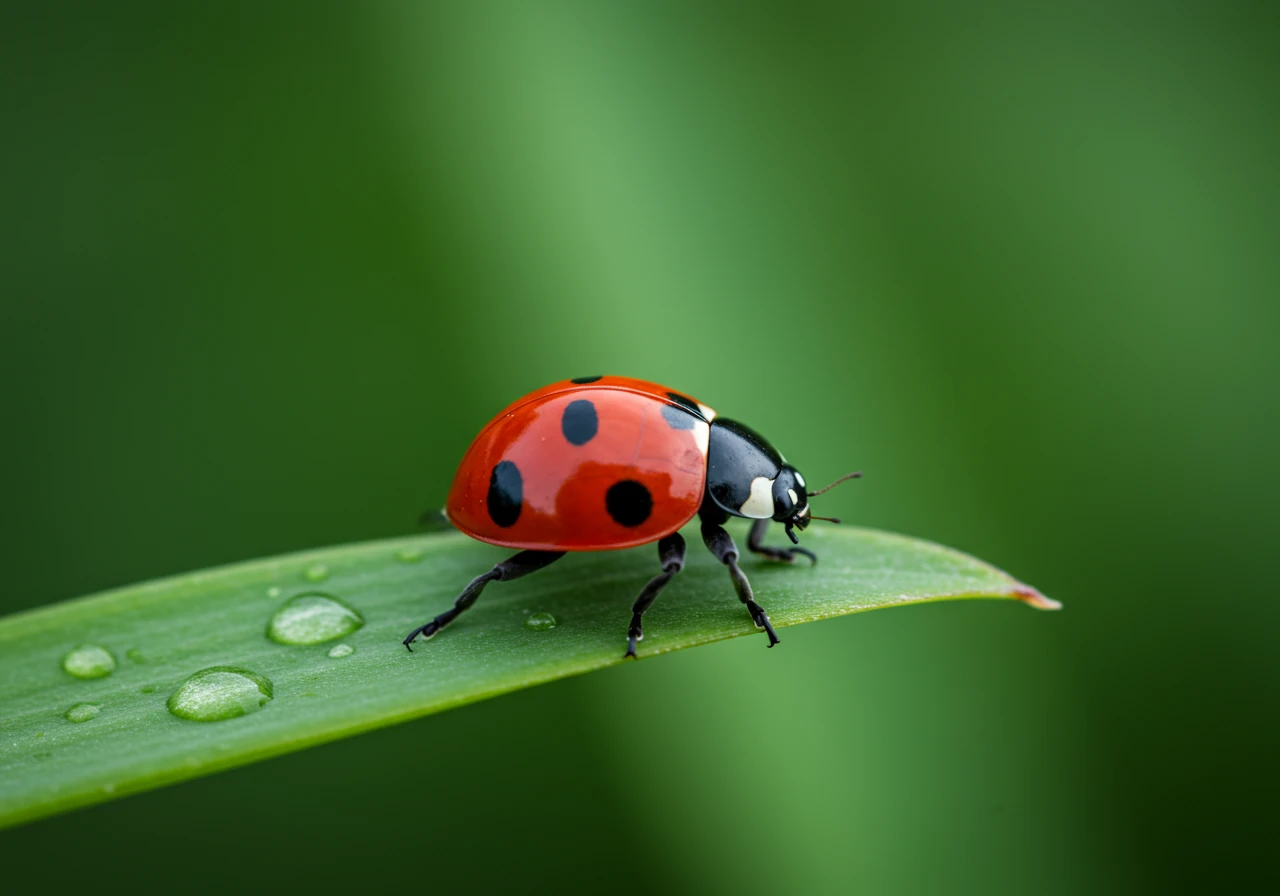
A macro photograph capturing a bright red ladybug with distinct black spots crawling purposefully on a lush green leaf. The background should be softly blurred, highlighting the ladybug as a symbol of beneficial insects and biological pest control in a garden setting.

So, your trusty garden log has turned you into a regular pest prognosticator – awesome! You know when the tiny terrors are likely to show up. Now, let's use that intel to build your garden fortress using smart, earth-friendly defenses. This approach is often called Integrated Pest Management (IPM): Use common sense and low-impact tactics *first*. Your log is the ultimate IPM playbook.

Early Spring (April/May)

Log Insight: Cutworms attacked seedlings last May. Pests overwintered in leaf litter near fence. Action: Place collars around new transplants. Perform thorough spring Ottawa Yard Cleanup Service focusing on logged debris areas.

Late Spring (June)

Log Insight: Aphids arrived on roses mid-June. Cabbage moths appeared June 5th. Action: Start daily aphid checks early June (have soap ready). Deploy row covers on brassicas by June 1st. Plant alyssum/dill nearby to attract ladybugs.

Mid-Summer (July)

Log Insight: Japanese Beetles arrived July 10th. Earwigs noted in marigolds mid-July. Squash Vine Borer symptoms appeared late July. Action: Begin hand-picking beetles early July. Set earwig traps (rolled newspaper). Inspect squash stems regularly for borer eggs/entry holes.

Late Summer (August)

Log Insight: Spider mites flared during August heatwave. Slugs active after heavy rains. Action: Monitor susceptible plants for mites during hot/dry spells (hose ready). Set slug traps proactively before forecasted rain. Consider a Metcalf Garden Clean Up Service if specific areas are messy.

Fall (Sept/Oct)

Log Insight: Noted powdery mildew on squash late season. Logged pest hibernation spots under fallen leaves. Action: Remove diseased plant material promptly. Conduct thorough fall Property Clean Up, paying attention to logged pest zones. Review Terms and Conditions for seasonal services.

Using your log transforms pest control from guesswork into a targeted strategy. It helps choose the right tactic at the right time. If certain tasks, like major cleanups informed by your log, become overwhelming, professional help like a Ottawa Garden Clean Up Service or even a specialized City Garden Maintenance Service can be part of your IPM plan. Need advice on persistent issues? Don't hesitate to Contact Us.

Highlight Box: Garden Log Gold - Key Insights

So, you've got the scoop on keeping a garden log, but what are the absolute must-remember takeaways? Here’s the gold we panned from all that info:

  • Ditch the Guesswork, Grab a Pen! Consistent logging beats unreliable memory for tracking garden villains.
  • Become a Pest Predictor: Your log reveals patterns, letting you anticipate attacks based on time of year, weather, etc.
  • Prevention Beats Reaction: Act *before* pests arrive using your log's timing clues for eco-friendly defenses.
  • Target Your Tactics (Gently!): Practice smart IPM – identify the pest/location, use the mildest effective control first.
  • Connect Pests to Overall Health: Logged data might link pests to watering, soil issues, or lawn health. Healthy plants, supported by expert Lawn Care, are more resilient.
  • Make Maintenance Meaningful: Logged pest hideouts make seasonal tidying (like Mulching and Edging or a full Property Clean Up) more effective. Consider an Ottawa Property Cleanup Service for larger jobs. Your data is safe per our Privacy Policy.

Use these insights, keep logging, and enjoy a healthier garden!

FAQs: Your Russell & Ottawa Garden Log Questions Answered

Got questions about keeping a garden log, especially for battling those pesky pests here in the Ottawa area? You're not alone! Here are some common queries we hear from gardeners from Russell to Manotick and beyond.

No worries! Snap a photo if you can, or just describe it (colour, size, where it hangs out). Note the damage type (holes? spots? slime?). Often, the pattern of damage and when it appears is enough info for your log to be useful later. Local Ottawa garden groups online, like the one hosted by the Friends of the Central Experimental Farm, can also be great for ID help!

Heck no! Keep it simple and sustainable. Just the date, plant affected, what you saw (pest/damage), and any action taken is usually plenty. Consistency beats detail. Think bullet points, not essays – you've got better things to do, like enjoying your Manotick garden, right?

Nope, it's a multi-tasker! Use it to track diseases (weird spots, wilting), watering schedules, fertilizer use, and even when you amended the soil. This gives a fuller picture of plant health, helping spot issues beyond bugs, especially crucial when dealing with tricky Ottawa soil which might need specific Soil Preparation or even new Material Selection for beds and Garden Install projects.

Aim for consistency, not constant updates. A quick walk-around once or twice a week during peak season in Russell, noting any changes, is great. Definitely log any pest sightings or treatments when they happen. Think of it as part of your regular Garden Maintenance routine – easy peasy! For more about us and our approach, see our About Us page.

Your log cracked the case! Tidiness really does deter pests by removing their cozy homes. Regular weeding and clearing debris helps immensely. If seasonal mess feels overwhelming, remember that a thorough City Yard Cleanup Service can tackle those major habitat zones for you, giving you a fresh start.

Absolutely. Whether you use digital tools or reach out for service, protecting your information is key. Reputable companies prioritize data security. For details on how we handle your information when you contact us or use our services, please check out our clear-as-mud (just kidding!) Privacy Policy.

Conclusion: Turn Your Garden Observations into Pest Prevention Victories

So there you have it, fellow Ottawa green thumbs! We've journeyed from the initial "What IS that bug?" moment to transforming your garden log into a powerful pest-prediction tool. Remember, that simple notebook or digital file isn't just a record; it's your personal intelligence agency for your backyard battles, whether you're tending flowers in Barrhaven or veggies out in Osgoode.

Keeping track turns everyday observations – noticing those first aphids, spotting slug trails after rain – into actionable knowledge. You learn the specific rhythms of pests in your garden, allowing you to shift from panicked reactions to proactive, eco-friendly prevention. It means deploying your defenses (row covers, traps, beneficial bug invitations!) at just the right time for maximum effect, keeping your landscaping healthier and saving you headaches. Think of it less as fighting pests, and more like outsmarting them!

But what happens when your log consistently points to overwhelming issues, like major debris piles acting as pest motels, or you simply need support maintaining a less pest-friendly environment? That’s where strategic action meets professional help.

  • If your log highlights specific zones where pests love to hide, our targeted Garden Maintenance can help keep those areas tidy and less inviting.
  • Noticed pests thriving in overgrown areas season after season? A comprehensive Property Clean Up might be the reset your landscape needs.

Stop letting pests dictate your gardening joy. Use your log insights, and when you need backup, reach out to Clean Yards.

document.addEventListener('DOMContentLoaded', function() {// Ensure scripts only target elements within the scoped container const scope = document.getElementById('russell-garden-log-article'); if (!scope) return; // Exit if the container doesn't exist// --- Progress Bar --- const progressBar = scope.querySelector('#progressBar'); const contentContainer = scope.querySelector('.article-container'); // Use article container for height calculationfunction updateProgressBar() { if (!contentContainer || !progressBar) return; const windowHeight = window.innerHeight; // Calculate scrollable height based on the content container, not the whole document const contentHeight = contentContainer.offsetHeight; // Adjust total scroll height considering the container's top margin const containerTop = contentContainer.offsetTop; const totalScrollableHeight = contentHeight + containerTop - windowHeight;const currentScroll = window.scrollY;if (totalScrollableHeight scrollThreshold) { backToTopBtn.style.display = 'block'; } else { backToTopBtn.style.display = 'none'; } }function scrollToTop() { window.scrollTo({ top: 0, behavior: 'smooth' }); }if (backToTopBtn) { backToTopBtn.addEventListener('click', scrollToTop); }// Add combined scroll listener window.addEventListener('scroll', () => { updateProgressBar(); toggleBackToTopButton(); }); // Initial calls updateProgressBar(); toggleBackToTopButton();// --- Collapsible Sections (FAQ) --- const collapsibles = scope.querySelectorAll('.collapsible-button');collapsibles.forEach(button => { button.addEventListener('click', function() { this.classList.toggle('active'); const content = this.nextElementSibling; if (content.style.maxHeight) { // Currently open, so close it content.style.maxHeight = null; content.style.borderTop = 'none'; // Re-hide border if needed } else { // Currently closed, so open it content.style.maxHeight = content.scrollHeight + "px"; content.style.borderTop = '1px solid var(--brand-light-grey)'; // Ensure top border is visible when open } }); });// --- Tab Interface --- const tabContainer = scope.querySelector('.tab-container'); if (tabContainer) { const tabButtons = tabContainer.querySelectorAll('.tab-button'); const tabContents = tabContainer.querySelectorAll('.tab-content');tabButtons.forEach(button => { button.addEventListener('click', function() { const tabId = this.getAttribute('data-tab');// Deactivate all buttons and content tabButtons.forEach(btn => btn.classList.remove('active')); tabContents.forEach(content => { content.classList.remove('active'); content.style.display = 'none'; // Explicitly hide });// Activate the clicked button and corresponding content this.classList.add('active'); const activeContent = scope.querySelector('#' + tabId); if (activeContent) { activeContent.classList.add('active'); activeContent.style.display = 'block'; // Explicitly show } }); });// Initialize: Ensure only the default active tab is shown tabContents.forEach(content => { if (!content.classList.contains('active')) { content.style.display = 'none'; } else { content.style.display = 'block'; } }); }// --- Bar Chart Animation --- const chartContainer = scope.querySelector('#pestChartContainer'); if (chartContainer) { const bars = chartContainer.querySelectorAll('.bar');const observerOptions = { root: null, // relative to the viewport rootMargin: '0px', threshold: 0.5 // Trigger when 50% of the element is visible };const observerCallback = (entries, observer) => { entries.forEach(entry => { if (entry.isIntersecting) { bars.forEach(bar => { const value = bar.getAttribute('data-value'); // Animate height based on data-value (assume max value corresponds to 100% height) // Let's assume max hypothetical value is 100 for simplicity const maxHeight = 100; const percentageHeight = (value / maxHeight) * 100; bar.style.height = percentageHeight + '%'; bar.classList.add('animated'); // Add class to trigger value display if needed }); observer.unobserve(chartContainer); // Stop observing once animated } }); };const chartObserver = new IntersectionObserver(observerCallback, observerOptions); chartObserver.observe(chartContainer); }});
Share This Article
Facebook
X
Pinterest
Email
Print

Thank you for sharing!

Contact Us Today

To request a quote, kindly fill out the form below.

Where Can we Reach you?
Which Service Do You Require? (Click all that apply)
Provide a Breif Description of The Work You'd Like Done

Before You Go

We’re confident in our services, we offer a 30-day money-back guarantee. Not 100% satisfied? We’ll swiftly refund all labor costs. Your satisfaction is our top priority!

Get in touch today for expert service and satisfaction guaranteed. You won't regret it!

Where Can we Reach you?
Which Service Do You Require? (Click all that apply)
Provide a Breif Description of The Work You'd Like Done
Where Can we Reach you?
Which Service Do You Require? (Click all that apply)
Provide a Breif Description of The Work You'd Like Done
Where Can we Reach you?
Which Service Do You Require? (Click all that apply)
Provide a Breif Description of The Work You'd Like Done