Russell Garden Sanitation: Stop Disease Spread This Season
Quick Guide to Garden Sanitation
- Garden sanitation involves keeping tools, soil, and the garden area clean to prevent plant diseases and pests.
- Key actions include removing debris, disinfecting tools, proper pruning, smart watering, and responsible waste disposal.
- Common Ottawa/Russell area diseases like powdery mildew, black spot, leaf spot, and root rot can be mitigated with good sanitation.
- Sanitation practices should be adapted seasonally for best results (spring cleanup, summer vigilance, fall removal).
- Eco-friendly disposal means composting healthy material and bagging diseased material for trash.
Keep your garden healthy! Need help? Request a Free Quote Today
Introduction: Your Russell Garden's Health Kick – Why Sanitation is Key!
Ever stared at your Russell garden, maybe near the Castor River, wondering why those beautiful perennials look a bit... sad? Or perhaps your Manotick vegetable patch seems to be attracting every pest this side of the Rideau? Don't despair, fellow green thumbs! Often, the secret weapon isn't some miracle grow-stuff, but simply *keeping things clean*. Welcome to your garden's essential health kick: Sanitation! Think of it as good hygiene for your flower beds and veggie plots. Keeping your garden tools, soil, and surrounding area tidy is crucial for preventing nasty plant diseases and uninvited pests from crashing the party. Especially here in the Ottawa region, our sometimes-muggy summers and tricky freeze-thaw cycles can be breeding grounds for trouble if we're not careful. This guide will walk you through simple, practical sanitation tips – from disinfecting your pruning shears like a pro to smart ways to handle fallen leaves and garden waste. Let's give your landscape the healthy glow-up it deserves! You can explore our full range of professional landscaping services if you need a hand.
Decoding Garden Grime: Why Sanitation Matters More Than You Think (Especially Here!)
Alright, let's talk dirt. We gardeners love getting our hands dirty, right? But there's good dirt, and then there's... *garden grime*. This isn't just about aesthetics, folks (though your neighbours in Greely might appreciate a tidy landscape!). Garden sanitation is the unsung hero of healthy plants, especially in our unique Ottawa climate. Think of it as preventative medicine for your petunias and peas.
So, why all the fuss about keeping things clean? It often boils down to something called the "Disease Triangle." Don't worry, it's simpler than it sounds! For a plant disease to take hold, you need three things:
- A susceptible plant (the Host).
- A disease-causing organism (the Pathogen – like fungi, bacteria, or viruses).
- The right environment for the pathogen to thrive.
Good sanitation practices are your secret weapon because they directly attack two sides of this triangle. By cleaning up fallen leaves, diseased plant parts, and disinfecting tools, you remove the pathogens before they can even start trouble. You also help change the environment – less soggy debris means less moisture, which many nasty fungi absolutely adore, especially during our humid Ottawa summers.
Our region's weather rollercoaster – warm, damp spells followed by potential dry heat or those tricky freeze-thaw cycles in spring and fall – creates prime conditions for certain problems. Fungal diseases like powdery mildew or black spot can run rampant if diseased leaves from last year are left lying around. Pests also love messy gardens! Piles of debris offer perfect hiding spots and overwintering headquarters for slugs, certain beetles, and other unwanted guests. Keeping things tidy helps in preventing unwelcome visitors like those discussed in dealing with Russell gardens rabbit damage.
Furthermore, understanding your local soil structure, whether you're dealing with heavier clay common in parts of Russell or Nepean, or richer loam, plays a role. Clay soils hold moisture longer, which can be great, but poor sanitation combined with poor drainage can lead to root rot and other moisture-loving diseases. Truly understanding your specific conditions through Russell soil test secrets helps tailor your approach. Sometimes, tackling persistent wetness might even involve improving drainage, perhaps through solutions like managing moisture, sometimes even needing solutions like Russell swale design for clay yards.
Ultimately, garden sanitation isn't an isolated chore; it's part of a holistic approach to yard health, including secrets to perfect Russell lawn care. It means cleaning tools between plants (especially if you suspect disease), promptly removing sick plants, managing weeds that can harbour pests, and dealing with garden waste responsibly. If the task feels overwhelming, remember you can always explore our professional yard clean-up services to get things back on track. Our lawn care options complement good garden hygiene.
Rogues' Gallery: Common Garden Diseases Plaguing Ottawa & Russell Gardens
Alright, let's face it, even the most well-loved gardens in Ottawa, from Russell to Richmond, sometimes get visited by unwanted guests – and I don't just mean the neighbour's cat! Plant diseases can sneak in and cause headaches for even experienced gardeners. Knowing what to look for is half the battle. Here are a few common culprits you might encounter in your landscape:
- Powdery Mildew: This one's easy to spot – it looks exactly like someone dusted your plant leaves, stems, and sometimes flowers with white or greyish powder. It’s a fungus that loves humid weather but, oddly enough, doesn't need soaking wet leaves to spread.
- Symptoms: White/grey powdery patches on leaves and stems. Leaves might yellow, curl, or drop prematurely.
- Common Targets: Phlox, bee balm (Monarda), lilacs, squash, cucumbers, roses.
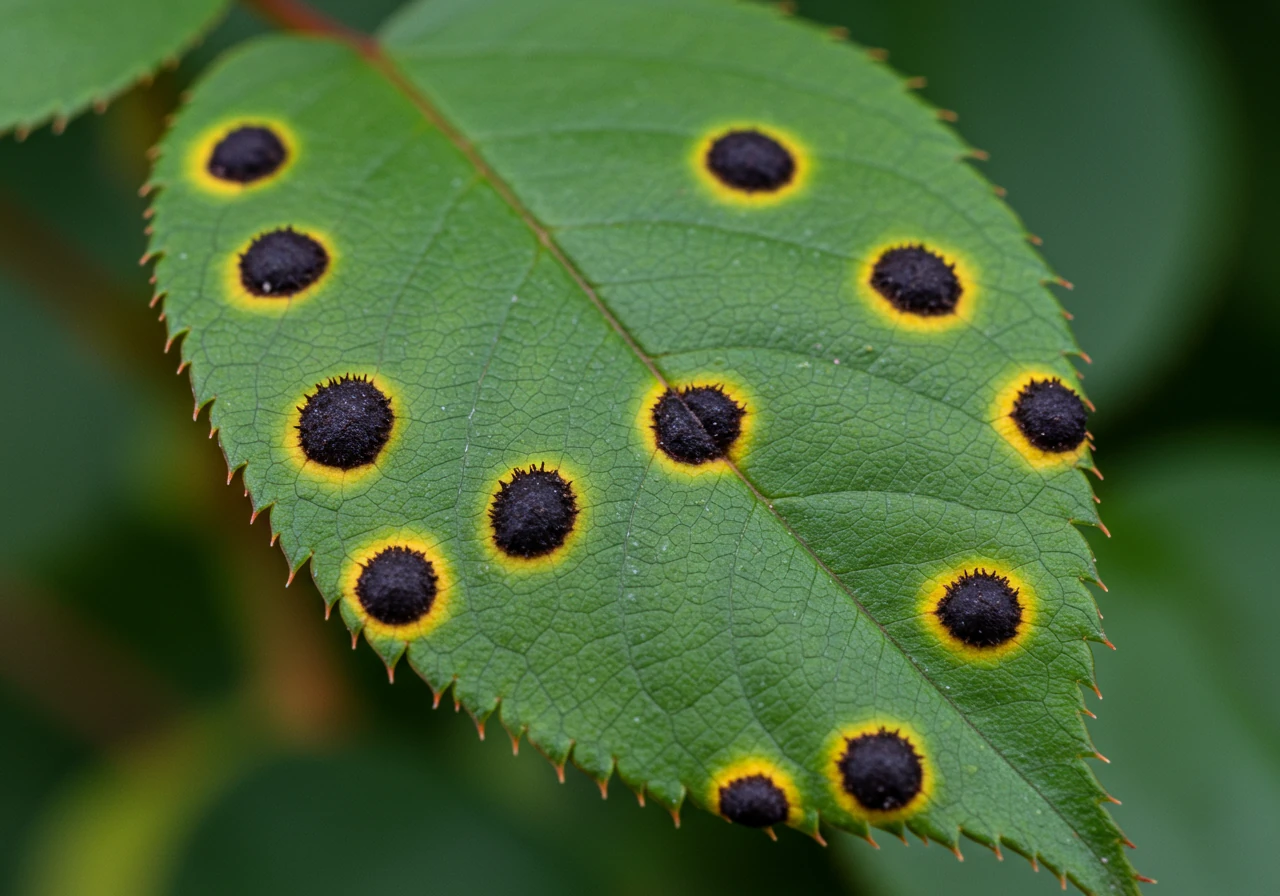
- Black Spot: Especially notorious on roses, this fungal foe causes (you guessed it!) black spots on the leaves. These spots often have fuzzy edges and are surrounded by a yellow halo. Infected leaves tend to yellow completely and fall off, weakening the plant. Our sometimes damp springs and summers can encourage it.
- Symptoms: Dark, circular spots (often fringed) on leaves, usually starting lower down. Yellowing around spots, leading to leaf drop.
- Common Targets: Roses are the classic victim, but other plants can occasionally show similar spotting.
- Leaf Spot (Septoria or Anthracnose): This is more of a catch-all term for various fungal or bacterial infections causing spots on leaves. The spots can vary in colour (brown, tan, black) and sometimes have tiny black dots inside (fungal spores!). Severe cases can lead to significant leaf drop. Tomatoes in gardens from Embrun to Barrhaven often suffer from Septoria leaf spot.
- Symptoms: Small, distinct spots on leaves, sometimes merging into larger blotches. Spots might have dark borders or centres that fall out, creating a "shot hole" look.
- Common Targets: Tomatoes, hydrangeas, maples, hostas, many perennials and vegetables. Consider our City Garden Clean-Up Service for managing urban garden issues.
- Root Rot: This sneaky problem happens below ground, often caused by soggy soil and various fungi. Plants might look wilted even when the soil *is* wet, seem stunted, or have yellowing lower leaves. If you gently dig up the plant, the roots will look brown, mushy, and unhealthy instead of firm and white. Proper drainage is key to prevention.
- Symptoms: Wilting (especially in heat), stunted growth, yellowing/dropping lower leaves, mushy brown roots.
- Common Targets: Almost anything planted in poorly draining soil – hostas, cedars, annuals, vegetables. Good mulching and edging practices can help manage soil moisture.
Dealing with these rogues involves good sanitation (remember our previous chat!), proper watering, and sometimes specific treatments. Removing infected leaves *promptly* is crucial. If things get overwhelming, remember that professional help is available. Our expert gardening services can help diagnose and manage issues, and a thorough Russell yard clean-up can remove diseased debris, setting the stage for healthier growth. We love seeing gardens bounce back – check out some inspiring garden transformations we've been a part of! Our approach focuses on sustainable health for your landscape; you can learn more about our team and our philosophy. Unsure what's bugging your plants? Feel free to reach out and get a free estimate and feedback – we're happy to help identify the problem.
Common Garden Diseases at a Glance
| Disease Name | Key Symptom | Common Targets |
|---|---|---|
| Powdery Mildew | White/grey powder on leaves/stems | Phlox, bee balm, lilacs, squash, roses |
| Black Spot | Black spots with yellow halos on leaves (esp. roses) | Roses primarily |
| Leaf Spot | Various coloured spots on leaves, sometimes with dots | Tomatoes, hydrangeas, maples, hostas |
| Root Rot | Wilting (even if soil is wet), stunted growth, mushy brown roots | Plants in poorly draining soil |
The 'Russell Clean Sweep': Your Step-by-Step Garden Sanitation Action Plan
Ready to give your garden the spa treatment it deserves? Think of this as your action plan – the "Russell Clean Sweep" – designed to banish garden grime and keep those pesky diseases and pests packing their bags. It's easier than you think! Let's break it down step-by-step:
- The Big Cleanup: Evicting the Riff-Raff
This is ground zero for sanitation. Get rid of anything that could harbour problems.
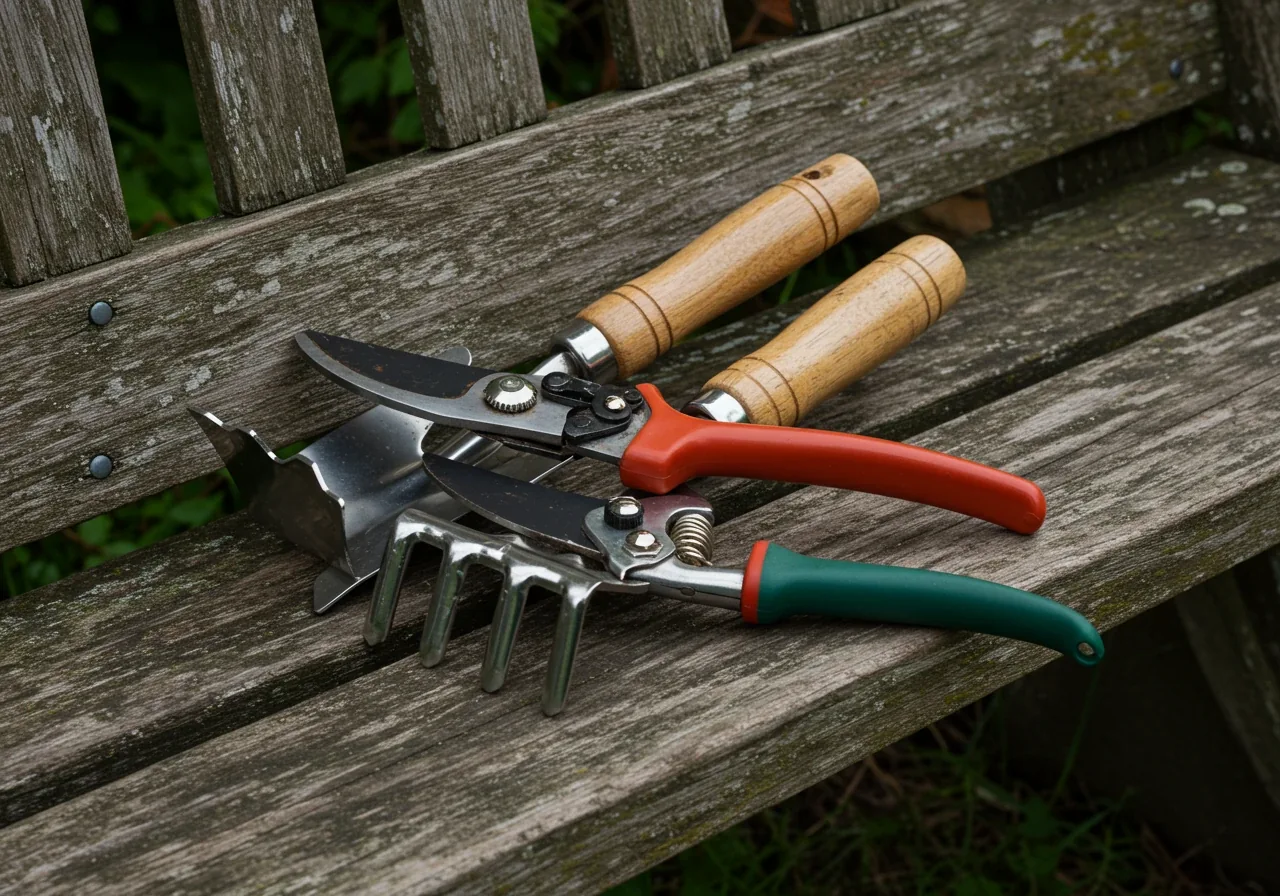
- Action: Regularly rake up fallen leaves, twigs, fruit drops, and spent flowers. Don't let debris pile up, especially heading into our snowy Ottawa winters – wet, decaying matter is a five-star hotel for fungi and pests. Pay special attention around the base of plants.
- Tip: Bag up and dispose of diseased plant material – do not compost it, as diseases can survive the process. If you find a whole area looking beyond help, sometimes a full clear-out is needed. For bigger jobs or if you're feeling overwhelmed, consider professional help like a thorough Marionville yard cleanup service to get a fresh start. Our Metcalf yard cleanup service covers nearby areas too.
- Prudent Pruning: Snip Snip, Hooray!
Proper pruning isn't just for looks; it improves air circulation, which discourages fungal diseases that thrive in damp, stagnant air (hello, Ottawa humidity!).
- Action: Trim away any dead, damaged, or diseased branches as soon as you spot them. Make clean cuts just above a healthy bud or branch junction. Thin out dense growth on shrubs and perennials to let the air flow through.
- Tip: Dispose of diseased prunings immediately (again, no composting!). Use sharp, clean tools (more on that next!). Need help with pruning? Consider our garden maintenance packages.
- Tool Time Tune-Up: Keep 'Em Clean!
Dirty tools are like dirty handkerchiefs – they spread germs! Disinfecting tools between plants is crucial, especially if you've been working on a sick plant.
- Action: After each use, scrape off dirt. Then, wipe down blades with rubbing alcohol, a bleach solution (1 part bleach to 9 parts water), or disinfectant wipes. Let them air dry before storing.
- Tip: This is super important when pruning things like roses (prone to black spot) or tomatoes (leaf spot suspects) across gardens from Russell to Metcalfe. A clean start is also vital for projects like new garden installations.
- Soil & Mulch Management: The Foundation
Healthy soil is less prone to issues, and mulch is great, but needs managing.
- Action: Remove old, potentially diseased mulch from around plants that suffered fungal issues last year. Before adding fresh mulch or planting anew, focus on good soil preparation for healthy roots. Ensure good drainage – soggy soil invites root rot. In some cases, removing large patches of diseased lawn might be necessary before considering options like professional sod installation for a healthy turf start.
- Tip: Avoid piling mulch right up against plant stems (the "mulch volcano"). Leave a little breathing room to prevent moisture buildup and potential rot. Explore our material selection advice for the best mulches.
- Smart Watering Wisdom: Drink Up, But Wisely
Watering seems simple, but how you water matters.
- Action: Water the soil, not the leaves. Wet foliage, especially overnight, is an open invitation for fungal diseases. Water early in the day so leaves have time to dry before evening. Drip irrigation or soaker hoses are fantastic for this.
- Tip: Check soil moisture before watering. Overwatering is just as bad as underwatering and contributes to root rot.
- Pest Patrol Post: Early Detection
Regularly inspect your plants for early signs of trouble.
- Action: Take a stroll through your garden every few days. Look under leaves, check stems, and keep an eye out for weird spots, wilting, or creepy crawlies. Catching problems early makes them much easier to manage.
- Tip: Not sure what you're seeing or how widespread the issue is? Snap some photos! You can always ask for advice or get a free estimate and expert feedback to help identify the problem and plan the next steps. Comprehensive care, like a full Marionville property cleanup service, often includes looking out for these issues across your entire landscape. Similar services are available, like our Metcalfe property cleanup service.
Following these steps consistently will make a huge difference in keeping your Russell garden healthy, happy, and beautiful. Happy cleaning!
Your Ottawa Garden Sanitation Calendar: Timing is Everything!
Okay, green thumbs of Ottawa! You know how timing is key for planting tulips or dodging black flies? Well, it's just as crucial for garden sanitation. Pests and diseases don't follow a human calendar, but their activity *does* line up with our distinct seasons. Keeping your garden tidy isn't a one-shot deal; it’s an ongoing effort that changes focus throughout the year. Think of this as your seasonal sanitation planner – helping you stay one step ahead of garden grime, whether you're tending a balcony box in Centretown or a sprawling backyard in Barrhaven.
Early Spring (March-April: The Great Thaw!)
As snow retreats, act fast before pests/diseases fully awaken.
- Rake & Remove: Clear lingering leaves, twigs, matted grass, debris.
- Cut Back Carefully: Trim dead/damaged branches, remove mushy annual/perennial remnants.
- Assess & Plan: Check for rodent damage/early disease. Need help? Consider an Ottawa city yard cleanup service.
- Tool Prep: Sharpen & disinfect tools.
Late Spring & Summer (May-August: The Growing Frenzy!)
Growth is rapid, so is potential for problems. Vigilance is key.
- Weed Warrior: Control weeds – they compete and harbour issues.
- Scout & Snip: Inspect regularly. Remove infected parts *immediately*. Disinfect tools.
- Water Wisely: Water soil, not leaves, in the morning.
- Deadhead Diligently: Remove spent flowers. Need ongoing help? Check our Ottawa garden clean up service.
Fall (September-October: The Wind-Down Clean-Up)
Tidy up before the ground freezes to reduce next year's problems.
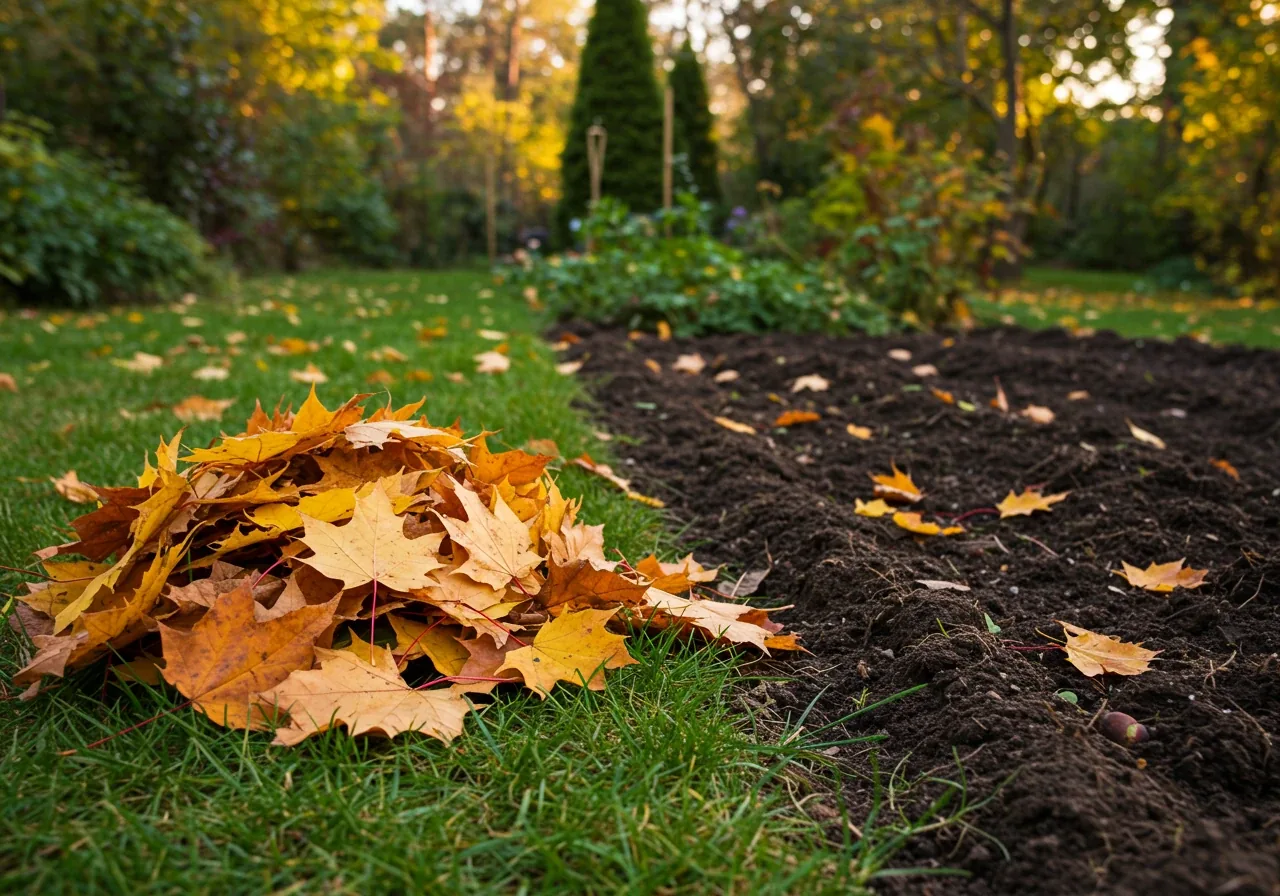
- Leaf Management: Rake leaves. *Dispose* of diseased leaves (no composting!).
- Remove Annuals: Pull spent/diseased annuals & veggies.
- Perennial Care: Cut back most perennials after frost (leave some for winter interest if disease-free).
- Pot Cleaning: Empty and clean pots/containers. Big job? Look into a complete property clean-up.
Winter Prep (Late October-November: Batten Down the Hatches!)
Final checks before snow flies.
- Final Debris Check: Last sweep for stray leaves/debris.
- Tool Storage: Clean, disinfect, and store tools properly.
- Drainage Check: Ensure clear gutters and drainage away from beds.
Once you've contacted us, you'll land on our thank you page!
Clean & Green: Eco-Friendly Sanitation and Waste Disposal in Our Community
Keeping our gardens tidy isn't just about looking good for the neighbours in Manotick or Greely – it's about being kind to Mother Earth too! Embracing eco-friendly sanitation means dealing with garden waste responsibly, minimizing our environmental footprint, and creating healthier green spaces for everyone in Ottawa. Let's ditch the harsh chemicals and work *with* nature, not against it.
Composting: Nature's Recycling Program
Ah, the compost bin – turning garden scraps into black gold! It's fantastic for recycling *healthy* plant matter.
- Include: Fallen leaves (disease-free!), grass clippings (in thin layers), vegetable scraps from the kitchen, coffee grounds, eggshells, and plant trimmings you *know* are healthy.
- Exclude: Diseased plants (big no-no!), pesky weeds that have gone to seed (they'll just sprout again!), meat, dairy, oily foods, and pet waste. These can attract pests, spread disease, or just make a stinky mess.
- Local Tip: The City of Ottawa's Green Bin program is great for food scraps, but specific rules apply to yard waste. Always check current municipal guidelines for what goes where!
Dealing with the "Garden Villains": Diseased Plant Disposal
So, what *do* you do with plants showing signs of black spot, powdery mildew, or blight? Definitely *don't* toss them in the compost!
- Best Bet: Bag them securely and put them in your regular garbage destined for the landfill. This contains the disease. Check the Ottawa Waste Explorer for specifics.
- Check Bylaws: For larger amounts, especially in more rural areas like Metcalfe or Winchester, check local bylaws regarding yard waste disposal or potential burning regulations (always prioritize safety and permits if burning is even allowed!). For large volumes of difficult waste, sometimes professional help is the greenest option to ensure proper handling; check out how a Metcalfe property cleanup service handles waste responsibly.
- Overwhelmed?: If you're facing a significant amount of potentially problematic plant debris, a thorough property clean-up can help remove it safely and efficiently. Check out our reviews on Google My Business!
Smarter Gardening is Greener Gardening
Eco-friendly sanitation also means preventing problems in the first place!
- Choose Wisely: Opt for disease-resistant plant varieties suited to our Ottawa climate. Less disease means less waste to deal with! Reputable sources like the Master Gardeners of Ottawa-Carleton often have recommendations.
- Give 'Em Space: Good air circulation is key to preventing fungal diseases. Don't overcrowd plants! Proper spacing is part of smart city garden maintenance service principles.
- Water Smart: Water the soil, not the leaves, preferably in the morning. This simple "cultural control" drastically reduces fungal spread without chemicals.
- Rotate Crops: In veggie gardens, avoid planting the same things in the same spot year after year to prevent soil-borne diseases from building up. Learn more from resources like the Ontario Invasive Plant Council on managing garden health.
By focusing on good sanitation – keeping tools clean, removing problems promptly, composting correctly, and choosing plants wisely – we dramatically reduce the need for chemical interventions. This protects beneficial insects, keeps our soil healthy, and ensures cleaner runoff into local waterways like those managed by the Rideau Valley Conservation Authority. If regular upkeep feels like too much, consider routine help like a Marionville garden clean-up service or Metcalf garden clean-up service to stay on top of things the green way. Being responsible extends to how we handle information too; you can review Our Commitment to Your Data Privacy anytime. Our Terms and Conditions are also available online. Let's work together to keep our Ottawa community gardens both clean *and* green!
Relative Effort of Sanitation Tasks
Quick Wins for a Healthier Russell Garden
Want a happier garden without pulling *all* your hair out? Focus on these easy but effective sanitation tips:
- Debris Duty: Make it a habit! Regularly clear away fallen leaves, spent flowers, twigs, and especially any plant bits that looked diseased. Don't let this stuff linger – bag and bin the bad bits, compost the good.
- Tool Time Tune-Up: Seriously, clean those tools! Wipe down pruners, trowels, etc., with rubbing alcohol or disinfectant wipes between plants, *especially* if you’ve cut something suspicious. It stops problems from spreading.
- Snip, Snip, Hooray!: See yellowing leaves, black spots, or dead branches? Snip them off ASAP. Remove them from the garden area entirely. Pruning also improves airflow, which fungi hate!
- Water Smart: Wet leaves are a welcome mat for disease. Water the *soil* at the base of your plants, not the foliage. Morning watering is best so things dry out before nightfall.
- Mulch Manners: Mulch is great, but don't pile it against plant stems like a tiny volcano – leave a little breathing room to prevent moisture buildup and rot. Remove old, potentially iffy mulch before adding fresh layers.
Just incorporating these few steps into your routine can make your Russell garden – and you! – breathe a whole lot easier. Happy gardening! If you need consistent help, check out our ongoing garden maintenance services. Even simple improvements like professional mulching and edging makes a difference.
We cover broad areas with services like our Ottawa yard cleanup service and specialized options like our dedicated city garden clean up service. Your privacy is important, see our privacy policy.
FAQs: Your Ottawa & Russell Garden Sanitation Questions Answered
Ha! Fair point, but think of it like using a tissue – you wouldn't share one after a sneeze! Ideally, give your pruners and trowels a quick wipe with rubbing alcohol or a disinfectant wipe between different plants, *especially* if one looks sickly. At the very least, clean them well after each gardening session. It stops nasty plant germs from hitchhiking across your garden beds!
It's possible, unfortunately! Fungal spores can travel on the wind, water splashes, or even shared tools (if you borrow a mower, for example). Densely packed neighbourhoods might see faster spread than areas with larger lots, like parts of Manotick. Good sanitation in your *own* yard is your best defence. Keeping your landscape tidy reduces places for diseases to land and take hold. While you can't control your neighbour's gardening habits, focusing on your own clean space is key. Sometimes tackling broader issues requires managing your whole yard effectively, maybe even needing help from an Ottawa wide property cleanup service to ensure your space is pristine.
Leaving diseased leaves lying around! Raking is great, but if those leaves had black spot (roses!), powdery mildew (phlox!), or tomato blight, composting them is like sending an open invitation for the problem to return next year. Bag up diseased material and put it in the garbage according to municipal guidelines. A thorough fall cleanup removes overwintering spots for pests and diseases. If the task feels overwhelming after a long season, our expert Ottawa yard cleanup service can handle the heavy lifting for you.
Hold your horses there! Compost is fantastic for *healthy* garden materials like grass clippings (in thin layers), vegetable scraps from the kitchen (check local rules!), and disease-free plant trimmings. But absolutely *do not* compost diseased plants, persistent weeds that have gone to seed, or known invasive species. Bag that stuff up for the trash. Always double-check the City of Ottawa's Green Bin and yard waste guidelines, as rules can change and differ slightly in surrounding areas. Dealing with tricky waste properly is part of responsible urban gardening; sometimes a professional city focused property cleanup service is helpful for managing large amounts correctly.
You bet they do! Pests and diseases aren't picky about altitude. The same sanitation principles apply: remove diseased plants promptly, clean your tools between beds, manage water well to avoid sogginess, and don't compost infected material from them. If you've had persistent disease issues in a raised bed, sometimes replacing the top few inches of soil before replanting can help break the cycle. Planning new beds? Proper setup and soil choice are crucial first steps, something important to consider during new garden bed installation projects.
Keep Your Russell Garden Thriving: Let's Get Cleaning!
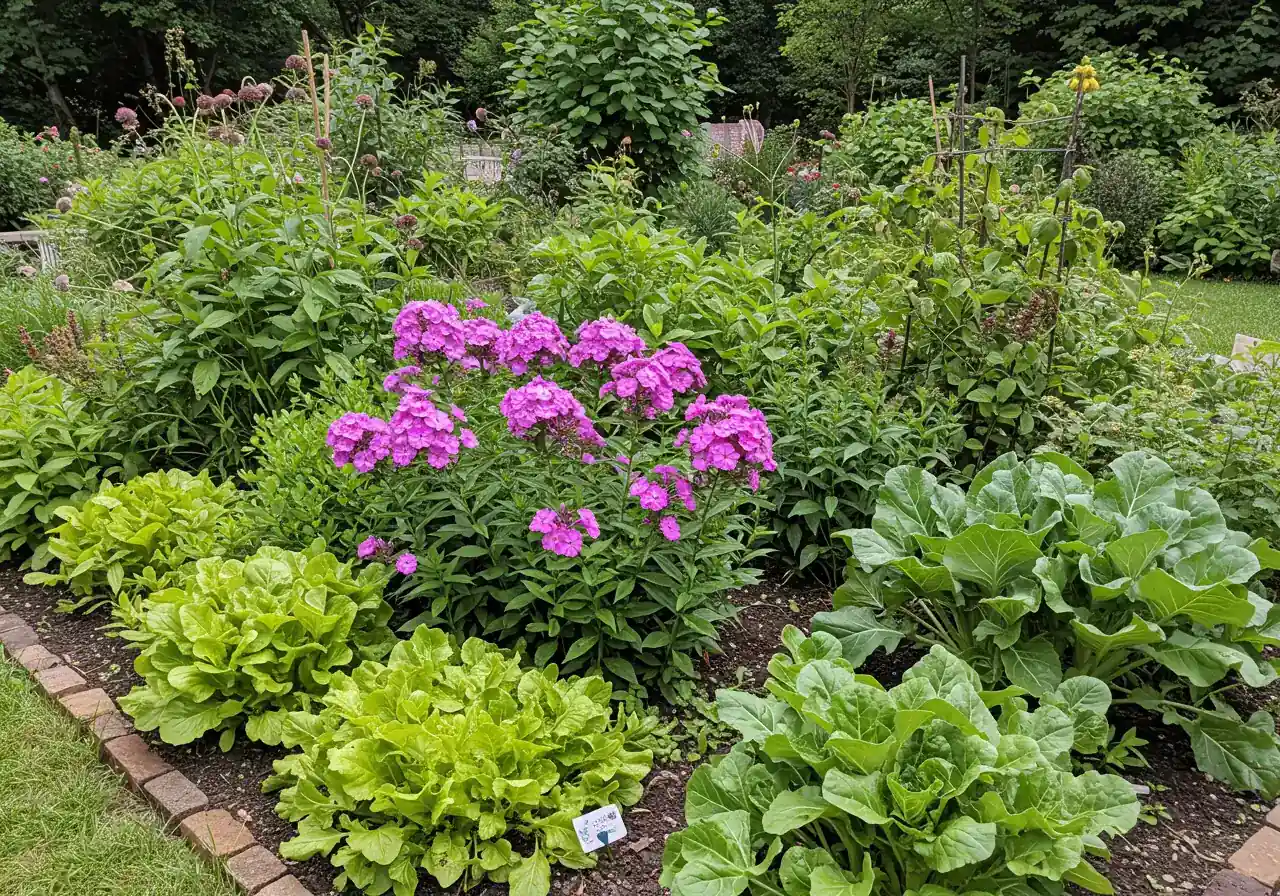
Whew! We've covered a lot of ground (pun intended!), digging into the nitty-gritty of garden sanitation. Keeping your Russell garden clean isn't just about appearances; it's the *foundation* for healthy, vibrant plants, especially with Ottawa's unique climate challenges. Think of it as preventative care – stopping pests and diseases *before* they spoil the party in your flower beds or vegetable patches.
From regular debris removal and tool disinfection to smart watering and mindful composting, these simple sanitation steps are your secret weapons. They disrupt the disease triangle, making your landscape less inviting to those unwelcome guests. Remember, a little tidiness goes a *long* way in preventing headaches down the road.
Feeling motivated but maybe a tad overwhelmed? Don't sweat it! Sometimes life gets busy, or a garden needs a bigger reset. That's where we come in.
Ready to give your garden the ultimate health boost?
- Book a clean-up: Let us handle the heavy lifting with our expert Russell Yard Clean-Up Service or a comprehensive Property Clean-Up.
- Get expert advice: Unsure where to start? Request a free estimate and consultation.
- Explore more: Visit our website or give us a call to learn about all our gardening and landscaping services.
We proudly serve homeowners throughout Russell, Manotick, Osgoode, Greely, Nepean, Metcalfe, Richmond, Winchester, Kars, Vernon, Kenmore, Embrun, and Barrhaven. Let's work together to make your garden the healthy, happy oasis you deserve!