
/* CSS Reset and Base Styles */ #mature-plant-care-article * { margin: 0; padding: 0; box-sizing: border-box; font-family: -apple-system, BlinkMacSystemFont, "Segoe UI", Roboto, Helvetica, Arial, sans-serif, "Apple Color Emoji", "Segoe UI Emoji", "Segoe UI Symbol"; line-height: 1.6; }/* Brand Color Variables */ :root { --brand-primary: #93C020; /* Bright Green */ --brand-dark: #2D2C2C; /* Dark Gray */ --brand-accent: #287734; /* Dark Green */ --brand-light-gray: #EBEBEB; /* Light Gray */ --brand-white: #FFFFFF; --brand-black: #000000; --brand-highlight: #B7FE00; /* Lime Green */ --text-color: #2D2C2C; --heading-color: #000000; --link-color: #287734; --link-hover-color: #93C020; --border-color: #ddd; }/* Apply styles only within the article container */ #mature-plant-care-article { color: var(--text-color); background-color: var(--brand-white); /* Ensure background is white */ }/* Progress Bar */ #mature-plant-care-article .progress-container { width: 100%; height: 8px; background-color: var(--brand-light-gray); position: fixed; top: 0; left: 0; z-index: 1000; }#mature-plant-care-article .progress-bar { height: 100%; width: 0%; background-color: var(--brand-primary); transition: width 0.1s linear; }/* Main Content Container */ #mature-plant-care-article .article-container { max-width: 800px; margin: 60px auto 40px auto; /* Add margin-top for progress bar */ padding: 20px; background-color: var(--brand-white); border-radius: 8px; /* box-shadow: 0 2px 10px rgba(0, 0, 0, 0.1); Remove shadow for cleaner look */ }/* Headings */ #mature-plant-care-article h1, #mature-plant-care-article h2, #mature-plant-care-article h3, #mature-plant-care-article h4, #mature-plant-care-article h5, #mature-plant-care-article h6 { color: var(--heading-color); margin-top: 1.5em; margin-bottom: 0.8em; font-weight: 700; }#mature-plant-care-article h1 { font-size: 2.5em; line-height: 1.2; text-align: center; margin-top: 0; /* Remove top margin for first H1 */ }#mature-plant-care-article h2 { font-size: 1.8em; border-bottom: 2px solid var(--brand-primary); padding-bottom: 0.3em; }#mature-plant-care-article h3 { font-size: 1.4em; color: var(--brand-accent); }/* Paragraphs and Lists */ #mature-plant-care-article p, #mature-plant-care-article ul, #mature-plant-care-article ol { margin-bottom: 1em; font-size: 1rem; /* Adjusted for better mobile readability */ color: var(--text-color); }#mature-plant-care-article ul, #mature-plant-care-article ol { padding-left: 40px; /* Standard indentation */ }#mature-plant-care-article li { margin-bottom: 0.5em; }/* Links */ #mature-plant-care-article a { color: var(--link-color); text-decoration: none; transition: color 0.3s ease; }#mature-plant-care-article a:hover, #mature-plant-care-article a:focus { color: var(--link-hover-color); text-decoration: underline; }/* Images */ #mature-plant-care-article figure { margin: 25px auto; text-align: center; }#mature-plant-care-article img { max-width: 100%; height: auto; border-radius: 5px; display: block; /* Remove extra space below image */ margin: 0 auto; /* Center image within figure */ }#mature-plant-care-article figcaption { font-size: 0.85em; /* Smaller caption */ color: #777; margin-top: 8px; font-style: italic; }/* Tables */ #mature-plant-care-article .table-container { overflow-x: auto; /* Enable horizontal scrolling on small screens */ margin-bottom: 1.5em; border: 1px solid var(--border-color); border-radius: 5px; }#mature-plant-care-article table { width: 100%; border-collapse: collapse; min-width: 600px; /* Ensure table has minimum width for scrolling */ }#mature-plant-care-article th, #mature-plant-care-article td { padding: 12px 15px; text-align: left; border-bottom: 1px solid var(--border-color); }#mature-plant-care-article th { background-color: var(--brand-light-gray); font-weight: 600; color: var(--heading-color); }#mature-plant-care-article tr:last-child td { border-bottom: none; }#mature-plant-care-article tr:hover { background-color: #f9f9f9; }/* Highlight Box */ #mature-plant-care-article .highlight-box { background-color: #f0f8e9; /* Lighter tint of primary green */ border: 1px solid var(--brand-primary); border-left: 5px solid var(--brand-accent); padding: 20px; margin: 2em 0; border-radius: 5px; } #mature-plant-care-article .highlight-box h3 { margin-top: 0; color: var(--brand-accent); font-size: 1.3em; } #mature-plant-care-article .highlight-box ul { padding-left: 20px; margin-bottom: 0; } #mature-plant-care-article .highlight-box li { margin-bottom: 0.5em; }/* Call-to-Action (CTA) Buttons */ #mature-plant-care-article .cta-button-container { text-align: center; margin: 2em 0; }#mature-plant-care-article .cta-button { display: inline-block; background-color: var(--brand-accent); color: var(--brand-white); padding: 12px 25px; border-radius: 25px; /* Pill shape */ text-decoration: none; font-weight: 600; font-size: 1rem; border: none; cursor: pointer; transition: background-color 0.3s ease, transform 0.2s ease; }#mature-plant-care-article .cta-button:hover, #mature-plant-care-article .cta-button:focus { background-color: var(--brand-primary); color: var(--brand-dark); text-decoration: none; transform: translateY(-2px); }/* Back to Top Button */ #mature-plant-care-article .back-to-top { position: fixed; bottom: 20px; right: 20px; background-color: var(--brand-accent); color: var(--brand-white); border: none; border-radius: 50%; width: 50px; height: 50px; font-size: 24px; line-height: 50px; /* Center arrow vertically */ text-align: center; /* Center arrow horizontally */ cursor: pointer; opacity: 0; visibility: hidden; transition: opacity 0.3s ease, visibility 0.3s ease, background-color 0.3s ease; z-index: 999; }#mature-plant-care-article .back-to-top.show { opacity: 1; visibility: visible; }#mature-plant-care-article .back-to-top:hover { background-color: var(--brand-primary); color: var(--brand-dark); }/* Collapsible Sections (FAQ) */ #mature-plant-care-article .faq-item { border-bottom: 1px solid var(--border-color); margin-bottom: 1em; } #mature-plant-care-article .faq-item:last-child { border-bottom: none; margin-bottom: 0; }#mature-plant-care-article .faq-question { background-color: transparent; border: none; width: 100%; text-align: left; padding: 15px 0; font-size: 1.1em; font-weight: 600; cursor: pointer; position: relative; color: var(--heading-color); transition: color 0.3s ease; } #mature-plant-care-article .faq-question:hover { color: var(--brand-accent); }#mature-plant-care-article .faq-question::after { content: '+'; font-size: 1.5em; position: absolute; right: 10px; top: 50%; transform: translateY(-50%); transition: transform 0.3s ease; color: var(--brand-primary); }#mature-plant-care-article .faq-question.active::after { content: '−'; transform: translateY(-50%) rotate(180deg); }#mature-plant-care-article .faq-answer { max-height: 0; overflow: hidden; transition: max-height 0.4s ease-out; padding: 0 10px; /* Add padding to avoid text touching edges */ }#mature-plant-care-article .faq-answer p { padding-bottom: 15px; /* Space below answer text */ margin-bottom: 0; /* Remove default paragraph margin */ }/* Tabs Interface */ #mature-plant-care-article .tabs-container { margin: 2em 0; } #mature-plant-care-article .tab-buttons { display: flex; flex-wrap: wrap; /* Allow wrapping on small screens */ border-bottom: 2px solid var(--border-color); margin-bottom: 1em; }#mature-plant-care-article .tab-button { padding: 10px 20px; cursor: pointer; background-color: var(--brand-light-gray); border: 1px solid var(--border-color); border-bottom: none; margin-right: 5px; margin-bottom: -1px; /* Overlap border-bottom */ border-radius: 5px 5px 0 0; font-weight: 600; color: var(--text-color); transition: background-color 0.3s ease, color 0.3s ease; position: relative; /* For active state indicator */ bottom: -1px; /* Adjust position for active state */ flex-grow: 1; /* Allow buttons to grow */ text-align: center; } @media (min-width: 600px) { #mature-plant-care-article .tab-button { flex-grow: 0; /* Prevent growing on larger screens */ } }#mature-plant-care-article .tab-button:hover { background-color: #ddd; }#mature-plant-care-article .tab-button.active { background-color: var(--brand-white); border-color: var(--border-color); border-bottom: 2px solid var(--brand-white); /* Hide bottom border */ color: var(--brand-accent); font-weight: 700; }#mature-plant-care-article .tab-content { display: none; padding: 20px; border: 1px solid var(--border-color); border-top: none; /* Connect with buttons */ border-radius: 0 0 5px 5px; background-color: var(--brand-white); }#mature-plant-care-article .tab-content.active { display: block; }/* Responsive Bar Chart */ #mature-plant-care-article .chart-container { width: 100%; margin: 2em 0; padding: 20px; background-color: var(--brand-light-gray); border-radius: 5px; } #mature-plant-care-article .chart-title { text-align: center; font-weight: 600; margin-bottom: 1.5em; color: var(--heading-color); } #mature-plant-care-article .chart { display: flex; justify-content: space-around; align-items: flex-end; height: 200px; /* Fixed height for comparison */ border-left: 2px solid var(--brand-dark); border-bottom: 2px solid var(--brand-dark); padding-left: 10px; /* Space for y-axis labels if needed */ position: relative; } #mature-plant-care-article .chart-bar { width: 15%; /* Adjust width as needed */ background-color: var(--brand-primary); text-align: center; color: var(--brand-white); font-weight: bold; height: 0; /* Initial height for animation */ transition: height 1s ease-out; position: relative; display: flex; flex-direction: column; justify-content: flex-end; /* Value at top */ } #mature-plant-care-article .chart-bar span { position: absolute; bottom: -30px; /* Position label below bar */ left: 50%; transform: translateX(-50%); font-size: 0.9em; color: var(--text-color); white-space: nowrap; }/* Timeline Component */ #mature-plant-care-article .timeline { position: relative; list-style: none; padding: 20px 0; margin: 2em 0; }#mature-plant-care-article .timeline::before { /* The central line */ content: ''; position: absolute; top: 0; bottom: 0; width: 3px; background: var(--brand-light-gray); left: 50%; margin-left: -1.5px; }#mature-plant-care-article .timeline-item { margin-bottom: 40px; position: relative; }#mature-plant-care-article .timeline-item::after { /* The circles */ content: ''; position: absolute; width: 15px; height: 15px; border-radius: 50%; background: var(--brand-white); border: 3px solid var(--brand-accent); top: 5px; /* Adjust vertical alignment */ left: 50%; transform: translateX(-50%); z-index: 1; }#mature-plant-care-article .timeline-content { padding: 15px 25px; background: var(--brand-light-gray); border-radius: 6px; position: relative; width: 45%; /* Adjust width to fit side */ }#mature-plant-care-article .timeline-content h3 { margin-top: 0; font-size: 1.2em; color: var(--brand-accent); }/* Alternating Items */ #mature-plant-care-article .timeline-item:nth-child(odd) .timeline-content { left: 0; text-align: right; } #mature-plant-care-article .timeline-item:nth-child(odd) .timeline-content::after { /* Arrow pointer */ content: ''; position: absolute; top: 15px; right: -15px; border-top: 15px solid transparent; border-bottom: 15px solid transparent; border-left: 15px solid var(--brand-light-gray); }#mature-plant-care-article .timeline-item:nth-child(even) .timeline-content { left: 55%; /* Position to the right */ text-align: left; } #mature-plant-care-article .timeline-item:nth-child(even) .timeline-content::after { /* Arrow pointer */ content: ''; position: absolute; top: 15px; left: -15px; border-top: 15px solid transparent; border-bottom: 15px solid transparent; border-right: 15px solid var(--brand-light-gray); }/* Summary Snippet */ #mature-plant-care-article .summary-snippet { background-color: #f9f9f9; padding: 15px; margin-bottom: 1.5em; border-left: 4px solid var(--brand-primary); border-radius: 4px; } #mature-plant-care-article .summary-snippet ul { padding-left: 20px; margin-bottom: 0; } #mature-plant-care-article .summary-snippet h3 { margin-top: 0; margin-bottom: 0.5em; font-size: 1.2em; color: var(--brand-accent); }/* Responsive Design */ @media (max-width: 768px) { #mature-plant-care-article .article-container { margin-top: 50px; /* Adjust for progress bar */ padding: 15px; }#mature-plant-care-article h1 { font-size: 2em; }#mature-plant-care-article h2 { font-size: 1.6em; }#mature-plant-care-article h3 { font-size: 1.3em; }#mature-plant-care-article p, #mature-plant-care-article ul, #mature-plant-care-article ol { font-size: 0.95rem; }/* Responsive Timeline */ #mature-plant-care-article .timeline::before { left: 15px; /* Move line to the left */ } #mature-plant-care-article .timeline-item::after { left: 15px; /* Move circles to the line */ } #mature-plant-care-article .timeline-item .timeline-content { width: auto; /* Full width minus padding */ left: 45px !important; /* Position all content to the right of the line */ text-align: left !important; /* Align all text left */ padding: 15px; } #mature-plant-care-article .timeline-item .timeline-content::after { /* Arrow pointers for mobile */ content: ''; position: absolute; top: 15px; left: -15px !important; /* Position arrow correctly */ right: auto !important; border-top: 15px solid transparent; border-bottom: 15px solid transparent; border-left: 0 !important; border-right: 15px solid var(--brand-light-gray) !important; /* Point right */ }#mature-plant-care-article .chart { height: 180px; /* Slightly smaller chart */ } #mature-plant-care-article .chart-bar { width: 22%; /* Wider bars */ } #mature-plant-care-article .chart-bar span { font-size: 0.8em; bottom: -35px; /* Adjust label position */ }/* Adjust tab buttons for mobile */ #mature-plant-care-article .tab-button { font-size: 0.9em; padding: 8px 12px; flex-basis: 48%; /* Roughly two buttons per row */ margin-bottom: 5px; /* Space between rows */ border-radius: 5px; /* Adjust radius for better look when wrapped */ border-bottom: 1px solid var(--border-color); /* Add bottom border back */ } #mature-plant-care-article .tab-button.active { border: 1px solid var(--brand-accent); /* Highlight active tab clearly */ background-color: var(--brand-primary); color: var(--brand-white); font-weight: 700; } #mature-plant-care-article .tab-content { border-top: 1px solid var(--border-color); /* Ensure border top */ border-radius: 5px; }/* Responsive Table - the container handles scroll */ }@media (max-width: 480px) { #mature-plant-care-article h1 { font-size: 1.8em; } #mature-plant-care-article h2 { font-size: 1.4em; } #mature-plant-care-article h3 { font-size: 1.2em; } #mature-plant-care-article .back-to-top { width: 40px; height: 40px; font-size: 20px; line-height: 40px; bottom: 15px; right: 15px; } #mature-plant-care-article .cta-button { padding: 10px 20px; font-size: 0.9rem; } #mature-plant-care-article .faq-question { font-size: 1em; } #mature-plant-care-article .tab-button { flex-basis: 100%; /* Stack buttons vertically */ } } { "@context": "https://schema.org", "@type": "Article", "headline": "Russell Mature Plant Care: Adjust for Peak Garden Health", "author": { "@type": "Organization", "name": "Clean Yards", "url": "https://cleanyards.ca/" }, "publisher": { "@type": "Organization", "name": "Clean Yards", "logo": { "@type": "ImageObject", "url": "https://cleanyards.ca/wp-content/uploads/2024/01/clean-yards-logo-ottawa.png" } }, "image": [ "https://cleanyards.ca/wp-content/uploads/2025/04/Photorealistic_close_up_of_sha_6983.webp", "https://cleanyards.ca/wp-content/uploads/2025/04/Macro_photograph_capturing_the_1382.webp" ], "datePublished": "2024-05-15", "dateModified": "2024-05-15", "description": "Learn how to adjust your gardening techniques for mature plants in Russell. Discover tips on pruning, soil health, seasonal care, and assessing plant vitality for long-lived garden health.", "mainEntityOfPage": { "@type": "WebPage", "@id": "https://cleanyards.ca/blog/russell-mature-plant-care-peak-health/" // Assuming this will be the final URL } } { "@context": "https://schema.org", "@type": "FAQPage", "mainEntity": [ { "@type": "Question", "name": "My lilac bush in Nepean is huge and doesn't bloom much anymore. Can I prune it way back?", "acceptedAnswer": { "@type": "Answer", "text": "Absolutely! Old, overgrown lilacs (and some other multi-stemmed shrubs) often benefit from a 'rejuvenation pruning' in late winter or very early spring. You can cut about a third of the oldest, thickest stems right down to the ground each year for three years, or cut the whole thing back to about 6-12 inches. It looks drastic, but encourages vigorous new growth. Just expect fewer blooms the first year after a hard prune! Dealing with the cuttings? A simple property clean up service can handle the debris." } }, { "@type": "Question", "name": "How often should I water my big, mature maple tree during a hot Ottawa summer?", "acceptedAnswer": { "@type": "Answer", "text": "Great question! Unlike thirsty new plantings, mature trees have deep roots. Instead of frequent shallow watering, give them a good, deep soak less often – maybe once every week or two during prolonged heatwaves with no rain. Let the hose run slowly near the drip line (outer edge of branches) for a longer time. This encourages roots to stay deep. Remember, healthy surrounding grass also helps; integrated lawn care programs support the whole landscape." } }, { "@type": "Question", "name": "Do my established perennials in Barrhaven still need fertilizer every year?", "acceptedAnswer": { "@type": "Answer", "text": "Not necessarily heavy doses! Mature perennials often need less 'oomph' than young ones. Focus on improving the soil health around them by top-dressing with compost each spring. This provides slow-release nutrients and improves soil structure. If plants look pale or aren't flowering well despite good sun and water, a balanced slow-release fertilizer might help, but often, compost is king for established gardening success." } }, { "@type": "Question", "name": "My cedars look brown and unhappy after winter. Are they goners? We had some harsh winds in Russell this year.", "acceptedAnswer": { "@type": "Answer", "text": "Don't give up hope just yet! Winter browning ('winter burn') on evergreens is common in our Ottawa climate due to harsh winds and sun while the ground is frozen. Wait until late spring/early summer to see if new green growth emerges from the buds. Prune out only the *confirmed* dead, brittle branches. Sometimes a major cleanup is needed after a tough winter; for large-scale clearing of winter debris across your property, a city yard cleanup service can be a lifesaver." } }, { "@type": "Question", "name": "I think I need professional help with some large old trees on my Metcalfe property, but I'm hesitant to share details online. How is my information handled?", "acceptedAnswer": { "@type": "Answer", "text": "That's a very valid concern! Reputable landscaping companies take data security seriously. When you inquire about services, especially for larger jobs like those handled by a Metcalf property cleanup service, reputable providers will have clear guidelines on data use. For peace of mind, always look for their online commitment to data security, usually outlined in their website privacy policy, which explains how your personal information is collected, used, and protected." } } ] } { "@context": "https://schema.org", "@type": "HowTo", "name": "How to Remove Deadwood Like a Pro", "description": "Steps for properly removing dead branches from mature plants to promote healing and plant health.", "step": [ { "@type": "HowToStep", "name": "Identify Dead Branch", "text": "Confirm the branch is dead (no buds/leaves in season, brittle, maybe different colour)." }, { "@type": "HowToStep", "name": "Locate Branch Collar", "text": "Find the slightly swollen ring of tissue where the dead branch meets the larger stem or trunk. This collar contains specialized cells that help the wound heal." }, { "@type": "HowToStep", "name": "Cut Cleanly", "text": "Using sharp loppers or a saw, cut *just outside* the branch collar. Don't cut flush *into* the collar, and don't leave a long stub. Angle the cut slightly so water runs off." }, { "@type": "HowToStep", "name": "Handle Large Branches (3-Cut Method)", "text": "For larger branches: 1) Undercut partway through, about 6-12 inches out from the collar. 2) Make the main cut slightly further out, cutting down until the branch falls. 3) Make the final, clean cut just outside the collar. This prevents the branch's weight from tearing the bark down the trunk." } ] }

Russell Mature Plant Care: Adjust for Peak Garden Health

Quick Guide to Mature Plant Care:

  • Mature plants need different care than young ones (deeper roots, focus on maintenance vs. growth).
  • Assess health by checking leaf color/condition, stems for deadwood/pests, and overall vigour.
  • Adjust seasonal care: deep, less frequent watering; maintenance pruning; focus on soil health.
  • Employ advanced techniques like rejuvenation pruning (for some shrubs) and Integrated Pest Management.
  • Prioritize root zone protection: avoid soil compaction and maintain good mulch cover.

Ready to give your established Russell garden the expert care it deserves? Request a free quote today!

Explore Our Garden Services

Introduction: Giving Your Established Russell Garden the TLC it Deserves

Hey Russell gardeners! Your established garden is looking fantastic, isn't it? All those years of planting, watering, and maybe whispering sweet nothings to your favourite hydrangeas have certainly paid off. That beautiful landscaping didn't happen overnight! But just like people reaching a certain *distinguished* age, mature gardens need a slightly different kind of TLC compared to brand-new plantings.

Think of it less like your plants are "getting old" and more like they've gained sophisticated plant wisdom! Your perennials aren't necessarily having a mid-life crisis (we hope!), but their needs *do* change over time. What worked wonders for your yard five years ago might need tweaking now. From the lovely gardens in Manotick to right here in Russell, we see gorgeous, established outdoor spaces that just need a refined approach to plant care to keep them thriving for many more seasons.

This section is all about giving your veteran plants the specific attention they deserve. We'll dig into smart pruning techniques (because that overgrown shrub isn't fooling anyone!), soil health tune-ups, and adapting your overall gardening routine to ensure your mature landscape stays healthy, vibrant, and continues to be the envy of the neighbourhood. Let's keep that beautiful space looking its absolute best! Need help with general upkeep? Our garden maintenance services can keep things tidy.

Why Your 'Old Timer' Plants Need a Different Playbook
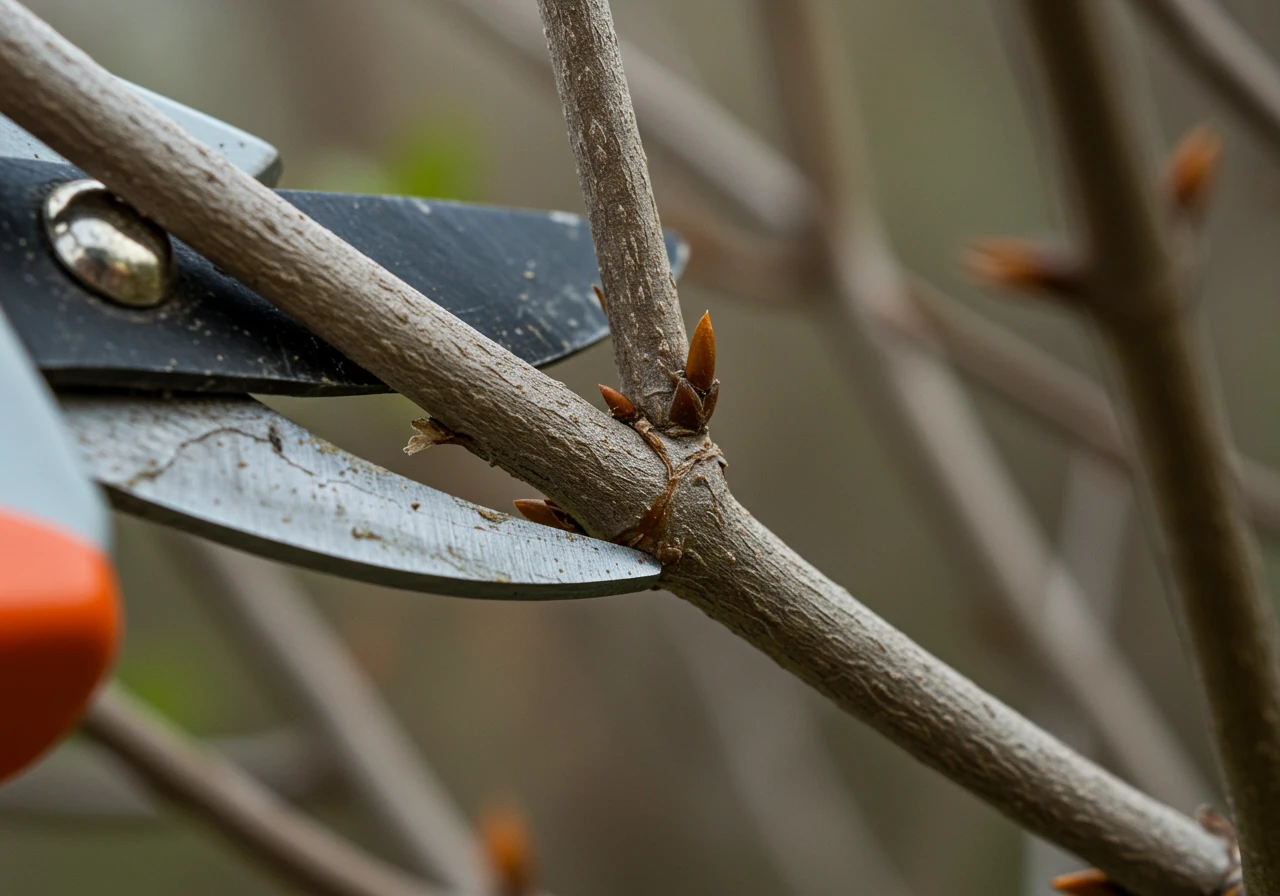
A detailed close-up image focusing on the act of pruning a dead branch from a mature shrub. This illustrates the shift in pruning focus from shaping young plants to maintenance (removing deadwood) for older ones, as discussed in this section.

So, your garden plants aren't exactly spring chickens anymore? That's fantastic! They've weathered Ottawa winters, maybe even survived that ice storm back in '98, and added years of beauty to your landscape. But just like us humans might need different vitamins or swap sprinting for brisk walks as we age, your established plants have different needs than those eager little seedlings you just planted. Their care strategy needs an update!

Think about their roots. Young plants are like hyperactive kids, sending out roots everywhere near the surface, desperate to grab water and nutrients to fuel their big growth spurt. Your mature plants, however, are the wise elders. They likely have deep, extensive root systems reaching way down, making them more drought-tolerant sometimes. But it also means surface watering might not reach where it's needed most, and fertilizer needs to be applied differently so those deep roots can access it.

Young plants are all about *growth, growth, growth*! They pour energy into getting bigger – more leaves, taller stems, wider reach. Your veteran shrubs and perennials, maybe those lovely peonies popular in Greely gardens, often shift their focus. They spend more energy on flowering, producing fruit (if that's their job – perhaps you have a thriving Russell vegetable garden), and just *maintaining* their stately size. They aren't putting on dramatic growth spurts like they used to.

This energy shift also changes how we prune. Remember when you carefully shaped those young saplings? That was all about establishing good structure. For mature plants, pruning is more about maintenance – removing dead or crossing branches, improving airflow to prevent disease, and sometimes encouraging fresh growth on really old wood. It's less about basic training and more about a health check-up. While young trees benefit greatly from careful shaping like detailed in Springfield formative pruning Russell trees shape, your older specimens need a different, more restorative touch.

Their soil needs might change too. After years in the same spot, they might have used up specific nutrients, or the soil structure could need improving with compost. Their watering needs can be less frequent but require deeper soaking. Even other garden features evolve; supporting an established pond ecosystem might involve different upkeep, like performing specific Russell pond pump maintenance summer checks.

Basically, your established garden operates on a different rhythm. It requires a strategy focused on sustenance, health maintenance, and appreciating its established character rather than just pushing for rapid expansion. Understanding these shifts is key to keeping your mature landscape thriving. It's not necessarily *harder* care, just *different*. If you're looking for ways to optimize the care for your entire yard, from the grass to the flowerbeds, exploring the secrets to perfect Russell lawn care can provide useful insights that complement your garden care. And remember, if tackling the specific needs of an older garden feels daunting, professional help is available. Check out our range of landscaping and garden care services or consider a dedicated Russell yard cleanup service to give your veteran plants the expert attention they deserve.

Mature vs. Young Plant Needs (Example)

Mature Plant
(Deep Roots)
Young Plant
(Shallow Roots)
Mature Plant
(Maintenance Focus)
Young Plant
(Growth Focus)

Illustrative comparison: Mature plants often need deeper watering (represented by 'Deep Roots' bar) and focus energy on maintenance rather than rapid growth.

Reading the Leaves: Assessing Your Mature Garden's Health in the Ottawa Area
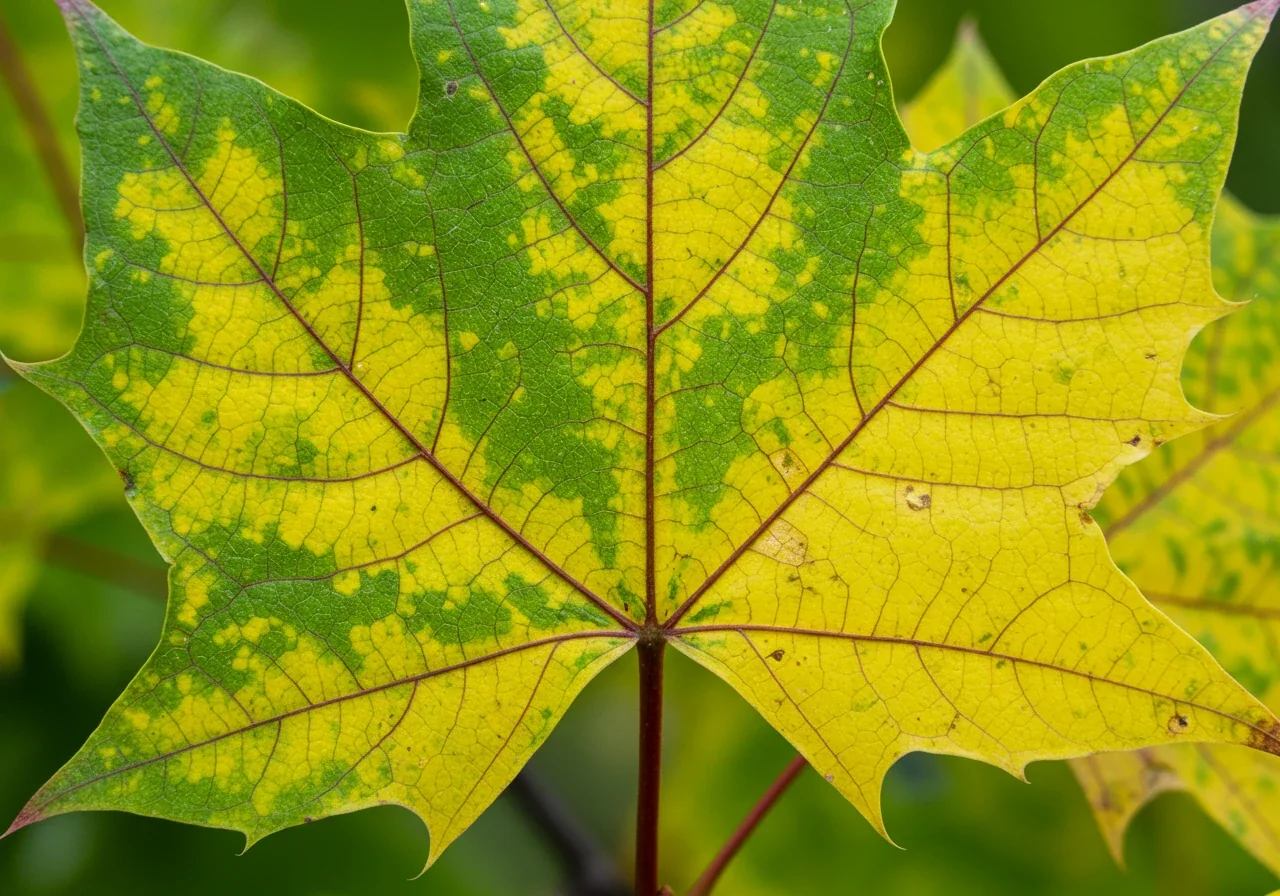
A clear, high-resolution image showing a common leaf problem described in the text, such as chlorosis (yellowing leaves with green veins), to help readers visually identify signs of potential nutrient deficiency or health issues in their own plants.

Okay, let's put on our garden detective hats! Your mature plants might not send you emails about how they're feeling (wouldn't that be something?), but they definitely give clues. Learning to "read the leaves" and stems is key to assessing the health of your established landscaping right here in the Ottawa area. Think of it as a regular check-up, but for your green friends! It’s easier than you think, and catching issues early can save you headaches down the road.

Become a Plant Inspector: What to Look For

Grab a notepad (or your phone) and take a stroll through your garden, paying close attention to your veteran plants. Here’s what to keep an eye out for:

  • Leaf Lowdown: Leaves are like the plant's billboard – they advertise what's going on inside.
    • Colour Check: Are they the *right* shade of green? Yellowing leaves (chlorosis) when they should be vibrant green can signal a lack of nutrients (often iron or nitrogen) or sometimes watering problems (too much or too little). Brown, crispy edges often point to underwatering, windburn, or salt damage – a common issue for plants near roads in wintery Ottawa.
    • Spots & Holes: Little holes might mean insects are snacking. Check the undersides of leaves too! Dark spots, powdery patches, or rusty marks could indicate fungal diseases, which can pop up, especially after damp periods like we sometimes get in the Barrhaven area.
    • Wilting Woes: Are leaves drooping even when the soil feels moist? This could signal root rot (often from overwatering or poor drainage) or more serious vascular diseases blocking water uptake.
  • Stem & Branch Scrutiny: Look beyond the leaves to the plant's structure.
    • Deadwood Detective: Gently bend smaller twigs. If they snap easily and look grey or brown inside, they're dead and should be pruned out. Look for larger dead branches too.
    • Bark Breakdown: Check for peeling or cracking bark (unless it's normal for that tree, like a birch!). Oozing sap, sunken areas (cankers), or unusual growths warrant investigation.
    • Pest Patrol: Scan stems and branches for pests. Tiny aphids often cluster on new growth. Scale insects look like small bumps stuck firmly onto stems. And sadly, for ash trees in our region, keep an eye out for the D-shaped exit holes of the Emerald Ash Borer – a devastating pest across Ottawa. Check out our Google My Business page for local updates and tips.
  • Overall Impression: Step back and look at the whole plant.
    • Vigour & Density: Does the plant look full and healthy, or is growth sparse and weak? Is one side thriving while the other looks sad? (This could indicate root issues on one side, or maybe uneven sunlight or that dreaded road salt).
    • Shape & Lean: Is the plant leaning more than usual? Has its shape become awkward or overly dense in the middle, blocking light and air? Proper pruning can often remedy this.

Don't Forget the Foundation: Soil Health

Healthy plants start with healthy soil. Poke around the base of your mature plants (carefully!).

  • Is the soil rock hard and compacted? Roots struggle in compacted soil.
  • Does water pool on the surface after rain, or does it drain reasonably well? Poor drainage leads to root rot.
  • Does the soil look depleted? Adding compost annually is fantastic for replenishing nutrients and improving soil structure for those deep-reaching roots of mature plants. Sometimes, specific soil conditions might require more intensive work; if your assessment reveals major soil structure issues or debris accumulation, preparing the ground might involve a service like a Metcalf garden clean up service particularly if you're dealing with challenging soil types common in certain areas. For ongoing soil health, consider services like mulching and edging.

Putting it All Together: Your Garden Health Checklist

Consider making a simple checklist for your key mature plants:

Plant NameLeaf Colour/ConditionStem/Branch IssuesPest SignsOverall VigourNotes/Action Needed
Example: Maple TreeSome yellowing leavesFew dead twigsNone seenGood overallMonitor yellowing, prune deadwood. Add compost?
Example: HydrangeaBrown spots on leavesNoneAphidsFairTreat aphids, improve air circulation.
Example: Mature CedarSlight winter burnNone obviousNone seenGood, denseMonitor recovery in spring. Ensure deep watering pre-freeze.

Don't panic if you see a few imperfect leaves! But *do* monitor trends. Is the yellowing getting worse? Are the spots spreading? Early detection is key. If your assessment shows things have gotten a bit overgrown or messy, perhaps requiring removal of diseased plant matter or significant pruning debris, starting with a general Ottawa garden clean up service can create a clean slate. For larger properties needing a more extensive overhaul after identifying widespread issues, a comprehensive city property cleanup service might be the way to go. Sometimes specific communities have unique needs or challenges, and targeted help like a Marionville property cleanup service can be invaluable. If your check-up reveals ongoing care is needed to keep things healthy, investigating a regular city garden maintenance service could be a wise next step. And for residents closer to Russell needing help after their assessment, the local Russell yard cleanup service offers dedicated assistance. Check reputable resources like the Ottawa Horticultural Society for local advice.

Regularly observing your plants is the best preventative medicine you can provide. Happy garden sleuthing!

The Russell & Area Seasonal Tune-Up: Year-Round Care for Mature Plants

Okay, let's keep those garden veterans happy all year round! Here’s a seasonal guide tailored for your established plants right here in the Russell area and surrounding Ottawa region (we’re mostly Zone 5a, give or take a chilly pocket!). Remember, mature plants often need *smarter*, not necessarily *harder*, care. Your established garden stars have seen a few Ottawa winters and know the drill. But their needs change subtly with age and the seasons. Think of this as their annual wellness plan!

  • Spring: The Grand Awakening

    Clean away winter debris carefully. Check for winter damage. Prune dead/damaged branches (after bloom for spring flowerers). Work compost into soil near drip line. Divide overcrowded perennials. Top up mulch. A good Ottawa yard cleanup service can kickstart the season.

  • Summer: Staying Cool

    Water deeply, less frequently, checking soil moisture first. Monitor for pests/diseases (e.g., powdery mildew). Avoid heavy fertilizing; focus on soil health. Deadhead spent flowers. Keep lawn edges tidy. Consider professional sod installation for bare patches.

  • Fall: Prep for Winter

    Rake diseased leaves. Cut back *most* perennials (leave some for winter interest). Plant spring bulbs. Water deeply before ground freeze. Apply fresh mulch after ground cools. A thorough cleanup by a Marionville garden clean up service or city garden clean up service prepares beds well.

  • Winter: Rest and Planning

    Gently remove heavy snow from evergreens. Protect salt-sensitive shrubs with burlap if near roads. Check tree wraps. Water evergreens during thaws if dry/windy. Review notes and plan for next season. Consider a Metcalf yard cleanup service for larger debris removal pre-winter.

Consider jotting these tasks onto your own calendar. Adjust timings based on the *actual* weather each year – Mother Nature likes to keep us on our toes here in Ottawa! Consistent, thoughtful care tailored to their mature stage will keep your established plants thriving for years to come. For information on City guidelines regarding trees, visit the City of Ottawa Trees and Forests page.

Beyond the Basics: Advanced Techniques for Long-Lived Garden Stars

Okay, you've mastered the seasonal basics for keeping your established Russell garden happy. Now, let's level up! To ensure your favourite shrubs and trees truly become long-lived garden stars, sometimes we need to employ a few advanced *gardening* and *landscaping* tricks. Think of it as going from garden apprentice to seasoned plant whisperer!

Advanced Techniques for Long-Lived Garden Stars

Ready to dive a bit deeper? These techniques focus on long-term health, structure, and resilience for your mature plants, ensuring they grace your property for years to come, whether you're in Russell, nearby Embrun, or out towards Kenmore.

  • Pruning with Purpose: Rejuvenation & Structure

    We know basic pruning involves removing the 3 D's: Dead, Damaged, and Diseased (or Deranged, if a branch is growing weirdly!). But mature plants sometimes need more specialized cuts.

    • Rejuvenation Pruning: Got a lilac or dogwood that's become a tangled, unproductive mess? For certain multi-stemmed shrubs, rejuvenation pruning involves cutting *all* stems back hard, often to within 6-12 inches of the ground, usually in late winter or early spring before growth starts. It sounds drastic (and looks a bit shocking!), but it forces vigorous new growth from the base, essentially giving the shrub a fresh start. Not for all plants, but magical for some! This can create a lot of debris, perfect for a targeted city garden clean up service to handle.
    • Structural Pruning: This is more common for trees. As they mature, the focus shifts from basic shaping to maintaining a strong, safe structure. This might involve removing competing main stems, lightening heavy limbs, or correcting weak branch attachments. *Safety first!* For large trees, structural *pruning* is often best left to certified arborists.
    • Mini Guide: Removing Deadwood Like a Pro:
      1. Identify: Confirm the branch is dead (no buds/leaves in season, brittle, maybe different colour).
      2. Locate the Collar: Find the slightly swollen ring of tissue where the dead branch meets the larger stem or trunk. This collar contains specialized cells that help the wound heal.
      3. Cut Clean: Using sharp loppers or a saw, cut *just outside* the branch collar. Don't cut flush *into* the collar, and don't leave a long stub. Angle the cut slightly so water runs off.
      4. Big Branches?* Use the 3-cut method: 1) Undercut partway through, about 6-12 inches out from the collar. 2) Make the main cut slightly further out, cutting down until the branch falls. 3) Make the final, clean cut just outside the collar. This prevents the branch's weight from tearing the bark down the trunk.
  • Strategic Fertilization: Not Just Plant Food

    Mature plants often need *less* nitrogen (which pushes leafy growth) and might need specific boosts of phosphorus (for roots/flowers) or potassium (overall health). Scattershot fertilization isn't ideal. Consider a soil test every few years to see what's actually needed. Apply compost or specific nutrients out near the *drip line* (the edge of the branch canopy), where most feeder *roots* are, not right against the trunk. Good foundational *soil* structure is crucial for nutrient uptake; enhancing your soil health is always a win. Learn more about optimizing your garden beds with proper Soil Preparation.

  • Integrated Pest Management (IPM): Work Smarter, Not Harder

    Forget nuking every bug in sight! IPM is a thoughtful approach to *pest management*. It involves:

    • Monitoring: Regularly check plants for pests/disease *before* they get out of hand.
    • Prevention: Choose disease-resistant varieties, ensure good airflow (pruning helps!), keep the garden clean (less hiding spots for pests!), and build healthy soil.
    • Action (Least Toxic First):* Try hand-picking bugs, using strong water sprays, encouraging beneficial insects (ladybugs love aphids!), or using targeted, eco-friendly options like insecticidal soap or horticultural oil before reaching for harsher chemicals. A tidy property overall discourages many pests; sometimes a comprehensive Ottawa property cleanup service can reduce pest pressure across your entire yard. For more on local pests, check resources from the Rideau Valley Conservation Authority.
  • Root Zone Care: Happy Feet, Happy Plant

    A plant's foundation is its *root* system. Protect it!

    • Avoid Compaction: Heavy foot traffic or equipment over the root zone squishes soil, reducing air and water penetration. Route paths away from key root zones if possible.
    • Mulch Matters: Maintain a 2-3 inch layer of organic mulch over the root zone (but NOT piled against the trunk!) to conserve moisture, regulate soil temperature, and suppress weeds.
    • Water Deeply: Encourage deep roots by watering thoroughly but less frequently, rather than shallow daily sprinkles.

Mastering these techniques takes a bit more observation and planning, but the payoff is a healthier, more resilient, and truly long-lived garden landscape. Feeling a bit overwhelmed by advanced pruning or unsure where to start with IPM? That's okay! Sometimes expert help is the way to go. Feel free to Contact Us to discuss your mature garden's needs. You can learn more About Us and our approach to sustainable garden care. If you've received an estimate for services like rejuvenation pruning or soil testing and want to share your thoughts, we welcome your estimate feedback. We even offer a page dedicated to clients who've used our services.

Quick Wins for Your Mature Russell Garden

Got a gorgeous, established garden in Russell or nearby areas like Embrun? Fantastic! Keep those veteran plants thriving with these quick-win tips that focus on their unique needs:

  1. Prune with Purpose! Forget aggressive reshaping. On your mature plants, focus *pruning* efforts on the "3 D's" – removing dead, damaged, or diseased wood to improve health and airflow. Think maintenance clean-up, not a drastic haircut! For big jobs or if you're unsure, professional insight can prevent costly mistakes and might be part of planning larger landscape Transformations.
  2. Water Wise, Water Deep. Established plants often have deep root systems. Ditch the daily shallow sprinkle! Water thoroughly but less frequently, encouraging those roots to stay deep and resilient, especially during dry Ottawa summers. Remember, healthy *roots* thrive in well-prepared ground; the principles of good Soil Preparation are always relevant.
  3. Mulch Ado About Something! Feed the *soil*, not just the plant. Top-dress the area around your plants (out near the edge of their branches, the 'drip line') with compost each spring. Then, maintain a 2-3 inch layer of quality organic *mulch* – it conserves moisture, regulates temperature, and suppresses weeds. Your choice matters, so smart Material Selection for compost and mulch yields the best benefits.
  4. Play Garden Detective. Make it a habit to stroll through your *garden* and really *look* at your plants. Check leaves for weird colours or spots, look for pests hiding out, and notice if a plant seems less vigorous than usual. Catching small issues early keeps them from becoming big problems, ensuring the long-term success of everything put in place during the initial Garden Install.
  5. Call for Backup When Needed. Hey, nobody expects you to be a certified arborist overnight! Some tasks, like pruning large trees, diagnosing tricky diseases, or major rejuvenation *pruning*, are best left to experienced *landscaping* professionals. Don't hesitate to seek expert advice to keep your beloved garden stars safe and healthy. Before agreeing to any service, it's always wise to review the company's Terms and Conditions so you know exactly what to expect.

FAQs: Caring for Established Plants in the Ottawa Region

Absolutely! Old, overgrown lilacs (and some other multi-stemmed shrubs) often benefit from a "rejuvenation pruning" in late winter or very early spring. You can cut about a third of the oldest, thickest stems right down to the ground each year for three years, or cut the whole thing back to about 6-12 inches. It looks drastic, but encourages vigorous new growth. Just expect fewer blooms the first year after a hard prune! Dealing with the cuttings? A simple property clean up service can handle the debris.

Great question! Unlike thirsty new plantings, mature trees have deep roots. Instead of frequent shallow watering, give them a good, deep soak less often – maybe once every week or two during prolonged heatwaves with no rain. Let the hose run slowly near the drip line (outer edge of branches) for a longer time. This encourages roots to stay deep. Remember, healthy surrounding grass also helps; integrated lawn care programs support the whole landscape.

Not necessarily heavy doses! Mature perennials often need less "oomph" than young ones. Focus on improving the soil health around them by top-dressing with compost each spring. This provides slow-release nutrients and improves soil structure. If plants look pale or aren't flowering well despite good sun and water, a balanced slow-release fertilizer might help, but often, compost is king for established *gardening* success.

Don't give up hope just yet! Winter browning ("winter burn") on evergreens is common in our Ottawa climate due to harsh winds and sun while the ground is frozen. Wait until late spring/early summer to see if new green growth emerges from the buds. Prune out only the *confirmed* dead, brittle branches. Sometimes a major cleanup is needed after a tough winter; for large-scale clearing of winter debris across your property, a city yard cleanup service can be a lifesaver. A local service like the Marionville yard cleanup service can also assist.

That's a very valid concern! Reputable *landscaping* companies take data security seriously. When you inquire about services, especially for larger jobs like those handled by a Metcalf property cleanup service, reputable providers will have clear guidelines on data use. For peace of mind, always look for their online commitment to data security, usually outlined in their website privacy policy, which explains how your personal information is collected, used, and protected.

Conclusion: Keep Your Russell Garden Legacy Thriving

So there you have it – your guide to keeping those wonderful, established plants in your Russell garden looking their absolute best! Remember, your mature shrubs and trees aren't getting cranky in their old age; they've just graduated to needing a slightly different *gardening* playbook. It's like they've earned their PhD in Yard Awesomeness! Understanding their unique needs – from smarter *pruning* and deeper watering techniques for those established *roots*, to consistent health checks and maintaining healthy *soil* – is the secret sauce to their long-term happiness and vigour.

Your beautiful, mature *landscape* is more than just plants; it's a living legacy, adding incredible value and daily joy to your home. Applying these tips for assessment and seasonal care will go a long way in helping you nurture that legacy for many more years. But hey, let's be honest, sometimes diagnosing mystery leaf spots or tackling major *pruning* on that enormous old tree can feel like a *landscaping* workout you definitely didn't sign up for! There's absolutely no shame in calling for backup when dealing with tricky *pests* or jobs that require specific expertise (or just more muscle!).

If you're in *Russell*, nearby *Embrun*, out towards *Metcalfe*, or anywhere across the *Ottawa* region and feel your garden veterans could use a professional eye or a helping hand, we're here for you. Don't hesitate to reach out! Let's work together to ensure your beautiful Russell garden legacy continues to thrive and be the envy of the neighbourhood. Happy gardening!

document.addEventListener('DOMContentLoaded', function() {// --- Encapsulate all JS logic to avoid global scope pollution --- const articleScope = document.getElementById('mature-plant-care-article'); if (!articleScope) return; // Exit if the main container isn't found// --- Progress Bar --- const progressBar = articleScope.querySelector('#progressBar'); const updateProgressBar = () => { const scrollableHeight = document.documentElement.scrollHeight - window.innerHeight; const scrolled = window.scrollY; if (scrollableHeight > 0) { const scrollPercentage = (scrolled / scrollableHeight) * 100; progressBar.style.width = Math.min(scrollPercentage, 100) + '%'; // Ensure it doesn't exceed 100% } else { progressBar.style.width = '0%'; // Handle case where content doesn't scroll } }; window.addEventListener('scroll', updateProgressBar); updateProgressBar(); // Initial calculation// --- Back to Top Button --- const backToTopBtn = articleScope.querySelector('#backToTopBtn'); const scrollThreshold = 300; // Pixels to scroll before showing buttonconst toggleBackToTopButton = () => { if (window.scrollY > scrollThreshold) { backToTopBtn.classList.add('show'); } else { backToTopBtn.classList.remove('show'); } };backToTopBtn.addEventListener('click', () => { window.scrollTo({ top: 0, behavior: 'smooth' }); });window.addEventListener('scroll', toggleBackToTopButton); toggleBackToTopButton(); // Initial check// --- Collapsible Sections (FAQ) --- const faqQuestions = articleScope.querySelectorAll('.faq-question');faqQuestions.forEach(button => { button.addEventListener('click', () => { const answer = button.nextElementSibling; const isActive = button.classList.contains('active');// Optional: Close other open FAQs /* faqQuestions.forEach(otherButton => { if (otherButton !== button && otherButton.classList.contains('active')) { otherButton.classList.remove('active'); otherButton.nextElementSibling.style.maxHeight = '0'; } }); */button.classList.toggle('active');if (!isActive) { // Check if element is actually visible before trying to access scrollHeight const wasDisplayNone = answer.style.display === 'none'; if(wasDisplayNone) answer.style.display = 'block'; // Temporarily show to measureanswer.style.maxHeight = answer.scrollHeight + 'px';if(wasDisplayNone) { // If we temporarily showed it, reset based on class logic later if needed requestAnimationFrame(() => { // ensure display change has rendered if (!button.classList.contains('active')) { answer.style.display = 'none'; } }); } } else { answer.style.maxHeight = '0'; // Optional: add transition end listener to set display none for accessibility answer.addEventListener('transitionend', () => { if (!button.classList.contains('active')) { // answer.style.display = 'none'; // Can cause flicker if reopened quickly } }, { once: true }); } }); });// --- Tabs Interface --- const tabContainers = articleScope.querySelectorAll('.tabs-container');tabContainers.forEach(container => { const tabButtons = container.querySelectorAll('.tab-button'); const tabContents = container.querySelectorAll('.tab-content'); const tabButtonsContainer = container.querySelector('.tab-buttons');tabButtonsContainer.addEventListener('click', (event) => { const clickedButton = event.target.closest('.tab-button'); if (!clickedButton) return; // Ignore clicks outside buttonsconst targetTabId = clickedButton.getAttribute('data-tab'); if (!targetTabId) return;// Deactivate all buttons and content within this tab container tabButtons.forEach(button => button.classList.remove('active')); tabContents.forEach(content => content.classList.remove('active'));// Activate the clicked button and corresponding content clickedButton.classList.add('active'); const targetContent = container.querySelector(`.tab-content[data-tab="${targetTabId}"]`); if (targetContent) { targetContent.classList.add('active'); } });// Activate the first tab by default if none are active if (container.querySelector('.tab-button.active') === null && tabButtons.length > 0) { tabButtons[0].classList.add('active'); const firstTabId = tabButtons[0].getAttribute('data-tab'); const firstContent = container.querySelector(`.tab-content[data-tab="${firstTabId}"]`); if (firstContent) { firstContent.classList.add('active'); } } });// --- Animated Bar Chart --- const chart = articleScope.querySelector('#needsChart'); if (chart) { const bars = chart.querySelectorAll('.chart-bar');const animateChart = (entries, observer) => { entries.forEach(entry => { if (entry.isIntersecting) { bars.forEach(bar => { const value = bar.getAttribute('data-value') || '0'; bar.style.height = value + '%'; // Animate height based on data-value }); observer.unobserve(chart); // Animate only once } }); };const observerOptions = { root: null, // Use the viewport threshold: 0.5 // Trigger when 50% of the chart is visible };const chartObserver = new IntersectionObserver(animateChart, observerOptions); chartObserver.observe(chart); }}); // End DOMContentLoaded
Share This Article
Facebook
X
Pinterest
Email
Print

Thank you for sharing!

Contact Us Today

To request a quote, kindly fill out the form below.

Where Can we Reach you?
Which Service Do You Require? (Click all that apply)
Provide a Breif Description of The Work You'd Like Done

Before You Go

We’re confident in our services, we offer a 30-day money-back guarantee. Not 100% satisfied? We’ll swiftly refund all labor costs. Your satisfaction is our top priority!

Get in touch today for expert service and satisfaction guaranteed. You won't regret it!

Where Can we Reach you?
Which Service Do You Require? (Click all that apply)
Provide a Breif Description of The Work You'd Like Done
Where Can we Reach you?
Which Service Do You Require? (Click all that apply)
Provide a Breif Description of The Work You'd Like Done
Where Can we Reach you?
Which Service Do You Require? (Click all that apply)
Provide a Breif Description of The Work You'd Like Done