
Russell Hot Spots: Cool Plants Near Paths & Walls Now
Quick Guide to Beating the Heat:
- Identify Hot Spots: Areas near paths, driveways, and south/west walls get extra hot from reflected heat.
- Problem Soil: These spots often have compacted, fast-drying soil.
- Choose Tough Plants: Select heat and drought-tolerant plants like Sedum, Daylily, Coneflower, Yarrow, Lavender, Blanket Flower, Catmint.
- Prep Soil Well: Amend soil with compost to improve drainage and structure.
- Mulch is Key: Use 2-3 inches of organic mulch to cool soil and conserve water.
- Water Smartly: Water deeply when establishing, then less frequently but deeply during dry spells.
Tackling tough garden spots? Request a quote today!
Introduction: Taming the Toasty Spots in Your Ottawa Garden
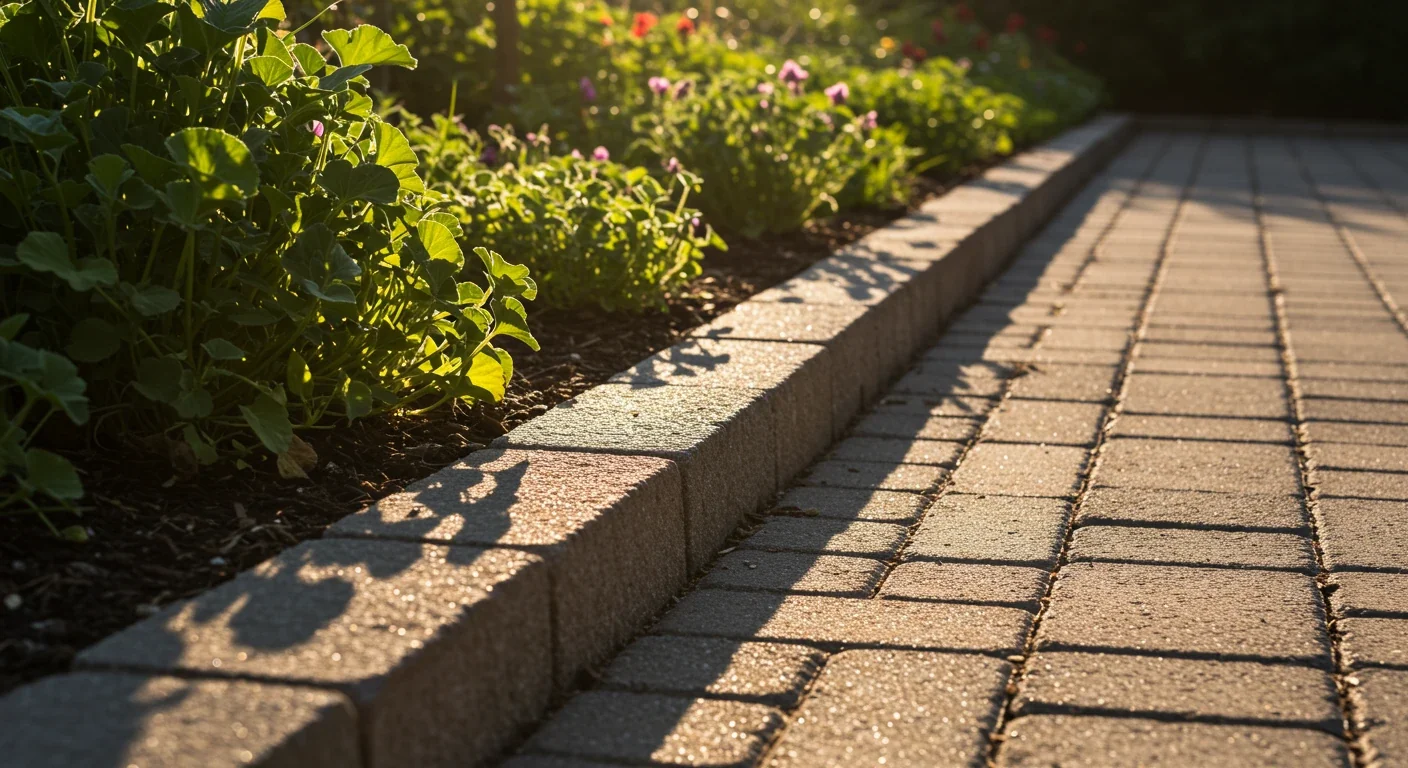
Ever notice those spots in your garden that seem to sizzle like bacon on a hot griddle, especially during an Ottawa summer? We're talking about those tricky areas right beside your interlocking pathway, hugging the asphalt driveway, or snuggled up against a south-facing brick wall. Yep, even in lovely neighbourhoods like Russell, these garden zones can feel more like Death Valley than the lush landscape you envisioned. They aren't just sunny; they're extra toasty!
So, why are these spots the garden's equivalent of a sauna? It often comes down to reflected heat bouncing off those hard surfaces – paving stones, concrete, siding, you name it. This extra blast of warmth, combined with soil that tends to dry out lightning fast (and sometimes gets packed down hard), can make many popular plants wilt faster than your motivation on a humid August afternoon. It’s a tough neighbourhood for greenery!
But don't despair and reach for the concrete mixer just yet! This article is your friendly guide to conquering those challenging hot spots. We'll explore some fantastic, surprisingly tough, heat-tolerant plants that actually enjoy these demanding conditions. Plus, we'll share practical gardening and landscaping care tips to help your chosen troopers thrive. Let's turn those challenging patches into beautiful, resilient parts of your Ottawa yard.
Why So Hot? Understanding Ottawa's Microclimates Near Hardscaping
Okay, let's dive into why those garden spots right next to your patio or driveway feel like they're auditioning for a role as a pizza oven! Understanding these little quirks is key to successful landscaping and gardening in these challenging zones, whether you're in Barrhaven, Nepean, or anywhere across Ottawa.
Why So Hot? Understanding Ottawa's Microclimates Near Hardscaping
Think about standing barefoot on dark asphalt on a sunny July afternoon in Ottawa. Ouch, right? Your plants feel something similar when they're snuggled up against hardscaping like interlocking stone paths, concrete driveways, or even the brick wall of your house. These materials are fantastic heat absorbers. During the day, they soak up the sun's rays like a sponge. Then, they radiate that heat back out, cooking the air and soil around them. This creates a mini heat island, often several degrees warmer than the rest of your yard. South-facing and west-facing walls are the biggest culprits, acting like giant radiators long after the sun starts to dip. It’s a much different environment than your open lawn, demanding specific care that goes beyond Secrets to Perfect Russell Lawn Care: Your Ultimate Guide.
But wait, there's more! The soil in these areas often faces a double whammy. First, there's compaction. During construction or just from regular foot traffic near paths, the soil gets squished. Imagine trying to push roots through concrete – compacted soil isn't that bad, but it definitely makes life hard for plants. Water struggles to soak in, and air pockets disappear. This is especially true for Ottawa's common clay soils, which can become incredibly dense. Second, the soil quality itself might be poor, sometimes consisting of leftover construction fill lacking the good organic matter plants crave. Consider professional property clean up to remove construction debris before planting.
Combine intense reflected heat with compacted, poor-quality soil, and what do you get? Rapid drying. Water that does manage to get in evaporates quickly from the surface heat, and the compacted soil can't hold onto moisture effectively. This makes it tough even for Garden Care Tips for Established Plants that might thrive elsewhere in your yard. Plants in these hot spots are often under stress, which can affect everything, even how often you might need to perform tasks like Deadheading Secrets for More Summer Flowers.
So, what's a gardener to do? Don't throw in the trowel! Improving the soil structure and moisture retention is crucial. Applying a good layer of organic mulch is one of the best strategies; it helps regulate soil temperature and conserve water – check out these Mulch Tips Specifically for Clay Soil and Plant Health. Choosing the right, tough plants designed for these conditions (which we'll cover next!) is also key. Tackling these tricky microclimates takes a bit more planning, but it's totally doable. And if you need a hand amending soil or selecting the perfect plants, professional Landscaping and Gardening Services can make all the difference.
Meet the Heat Beaters: Top Plant Picks for Ottawa's Sunny Borders
Okay, you've identified those fiery furnace zones in your Ottawa garden – the spots beside the driveway or against that sunny brick wall that just bake all day long. Don't surrender them to weeds or, heaven forbid, more concrete! Let's introduce you to some tough-as-nails plants that actually love soaking up the sun and can handle the heat like seasoned vacationers. These "Heat Beaters" will bring colour, life, and beauty to even the most challenging parts of your yard, from Barrhaven to Metcalfe.
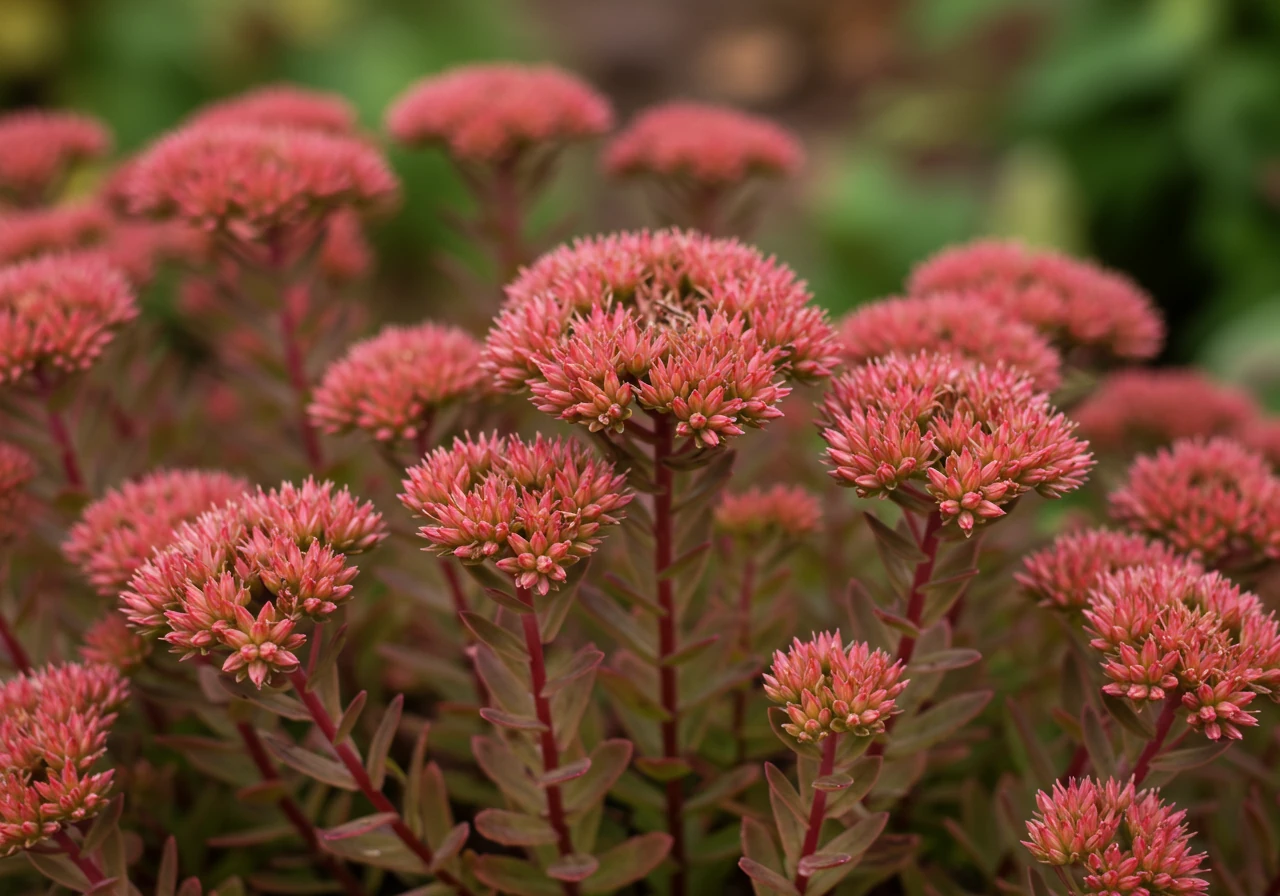
Here are some top heat-tolerant plant picks perfect for Ottawa's demanding sunny borders (Hardiness Zone 5a/b):
-
Sedum (Stonecrop)
- What it looks like: These succulents come in many forms! Upright types like 'Autumn Joy' have fleshy, broccoli-like heads that bloom pink in late summer and turn a lovely rusty red for fall/winter interest. Groundcover sedums form dense mats of colourful, textured leaves (green, blue, burgundy, yellow) often topped with star-shaped flowers.
- Size: Groundcovers stay low (2-6 inches), while upright varieties reach 18-24 inches tall and wide.
- Care: The definition of low-maintenance! Needs full sun and well-drained soil. Seriously drought-tolerant once established – don't overwater! They require very little fuss. Leave the upright seed heads for winter interest; cutting them back is a simple spring task, or something you can include in a fall tidy-up if you prefer. If yearly tidying feels like too much, engaging a service like the Russell Yard Cleanup Service can handle the seasonal cutbacks.
- Benefits: Attracts bees and butterflies late in the season. Excellent drought tolerance makes them eco-friendly. Great winter interest (upright types).
-
Daylily (Hemerocallis)
- What it looks like: Clumps of arching, grass-like leaves with stalks topped by trumpet-shaped flowers. Colours range from yellow, orange, and red to pink, purple, and near-white. Some are even rebloomers!
- Size: Varies greatly by cultivar, typically 1-3 feet tall and wide.
- Care: Adaptable superstars! They thrive in full sun but tolerate some light shade. They prefer decent soil but will grow almost anywhere except soggy spots. While drought-tolerant once established, they flower best with occasional watering during dry spells. Divide clumps every few years to maintain vigour. Ensuring good drainage from the start is key, which is where proper Soil Preparation Techniques are invaluable.
- Benefits: Huge range of colours and bloom times available. Very adaptable and reliable performers. Edible flowers (check specific varieties).
-
Coneflower (Echinacea purpurea)
- What it looks like: Famous for its daisy-like flowers with reflexed petals (usually purple-pink, but now in oranges, yellows, whites, and reds) surrounding a prominent central cone. Sturdy stems hold blooms high.
- Size: Generally 2-4 feet tall and 1.5-2 feet wide.
- Care: Loves full sun and well-drained soil. Tolerates heat, humidity, and drought once established. Avoid overly rich or wet soil. Deadhead spent blooms to encourage more flowers, or leave them for birds to enjoy the seeds in fall/winter. For expert garden care, consider our garden maintenance packages.
- Benefits: Classic prairie plant, attracts butterflies and bees, birds love the seeds. Excellent cut flowers. Drought-tolerant and low-maintenance.
-
Yarrow (Achillea)
- What it looks like: Features flat-topped clusters of tiny flowers (often yellow, but also white, pink, red) held above ferny, often aromatic foliage.
- Size: Typically 1.5-3 feet tall, spreading wide if happy.
- Care: Thrives on neglect! Needs full sun and lean, well-drained soil. Too much fertilizer or rich soil can make it floppy. Extremely drought-tolerant. Cut back after flowering to encourage a re-bloom and tidy the appearance. It can spread, so occasional division might be needed – something professional Landscaping and Gardening Services can assist with if it gets out of hand, perhaps during a Metcalf yard cleanup service visit.
- Benefits: Attracts beneficial insects like ladybugs and hoverflies. Deer and rabbit resistant. Excellent for cutting and drying. Very heat and drought tolerant.
-
Lavender (Lavandula angustifolia - English Lavender)
- What it looks like: Mounds of grey-green or silvery, fragrant foliage topped with spikes of famously fragrant purple (or sometimes pink or white) flowers in early-mid summer.
- Size: Usually 1-2 feet tall and wide.
- Care: The absolute key is excellent drainage and full, blazing sun. Hates wet feet, especially in winter. Prefers lean soil; avoid rich compost or heavy fertilizer. Prune back by about a third after flowering or in early spring to maintain shape and prevent woodiness. Proper seasonal pruning is crucial, and if you're unsure, help is available through services like the Marionville Garden Clean Up Service.
- Benefits: Wonderful fragrance, attracts bees, repels some pests (and sometimes deer/rabbits). Drought-tolerant once established. Great for cutting, drying, and culinary use.
-
Blanket Flower (Gaillardia x grandiflora)
- What it looks like: Cheerful, daisy-like flowers in fiery shades of red, orange, and yellow, often banded or tipped with contrasting colours. Blooms profusely for a long period.
- Size: Typically 1-2 feet tall and wide.
- Care: Loves full sun and well-drained, even poor, soil. Very drought-tolerant and heat-tolerant. Deadheading encourages continuous blooming. Often short-lived perennials (2-3 years), but may self-seed politely. Cut back hard in late fall or early spring. For end-of-season tidying in areas like Metcalfe, consider the convenience of the Metcalf Property Cleanup Service.
- Benefits: Long bloom season provides constant colour. Attracts pollinators. Thrives in hot, dry conditions where other plants fail.
-
Catmint (Nepeta x faassenii)
- What it looks like: Forms billowy mounds of soft, grey-green, fragrant foliage covered in spikes of small, lavender-blue flowers for a long season. Think of it as a well-behaved, non-spreading cousin of catnip.
- Size: Popular varieties like 'Walker's Low' reach about 2-3 feet tall and spread wider.
- Care: Easy peasy! Full sun is best, though it tolerates light shade. Adaptable to most well-drained soils. Very drought-tolerant once established. Shear back after the first main flush of flowers to encourage reblooming and keep it tidy.
- Benefits: Extremely long bloom time. Attracts bees like crazy! Very deer and rabbit resistant – a great choice for gardens in areas like Richmond or Osgoode where critters are common visitors. Tough and reliable. Great companion near walkways maintained during a City yard cleanup service.
Heat Beater Quick Comparison
| Plant | Size (H x W) | Bloom Time | Colour | Sun Needs | Water Needs | Key Benefits |
|---|---|---|---|---|---|---|
| Sedum (Stonecrop) | 2"-24" x 6"-24" | Late Summer-Fall | Pink, Red, Yellow, Various Foliage | Full Sun | Very Low (Drought Tolerant) | Winter Interest, Pollinators, Low Care |
| Daylily (Hemerocallis) | 1'-3' x 1'-3' | Summer (Varies) | Many Colours | Full Sun (Tolerates Light Shade) | Low-Moderate | Adaptable, Colourful, Reliable |
| Coneflower (Echinacea) | 2'-4' x 1.5'-2' | Mid-Late Summer | Purple-Pink, Orange, Yellow, White | Full Sun | Low (Drought Tolerant) | Pollinators, Birds, Cut Flowers |
| Yarrow (Achillea) | 1.5'-3' x Spreading | Summer | Yellow, White, Pink, Red | Full Sun | Very Low (Drought Tolerant) | Beneficial Insects, Deer Resistant, Cutting |
| Lavender (English) | 1'-2' x 1'-2' | Early-Mid Summer | Purple, Pink, White | Full Sun | Low (Needs Drainage) | Fragrance, Bees, Deer Resistant |
| Blanket Flower (Gaillardia) | 1'-2' x 1'-2' | Summer-Fall | Red, Orange, Yellow | Full Sun | Very Low (Drought Tolerant) | Long Bloom, Pollinators, Tough |
| Catmint (Nepeta) | 2'-3' x Spreading | Late Spring-Summer (Repeat) | Lavender-Blue | Full Sun (Tolerates Light Shade) | Low (Drought Tolerant) | Long Bloom, Bees, Deer Resistant |
Planting Power: Prepping and Planting for Pathside Success
Okay, let's get our hands dirty (metaphorically, for now!) and talk about setting your pathside plants up for glorious success. Think of this as the pre-game pep talk and training montage for your garden gladiators. Getting the planting prep right is half the battle, especially in those toasty spots beside walkways or walls.
Step-by-Step Planting Guide:
-
Assess and Excavate (Gently!)
First, dig a hole significantly wider (at least twice) than the plant's pot, but generally no deeper. See what you're working with. Is it sticky clay? Full of rocks? Leftover construction debris from when the path went in? Getting rid of junk is essential. If you're tackling a larger area renovation near your path, sometimes starting with a clean slate makes all the difference; a thorough Marionville Property Cleanup Service can handle debris removal before you even think about soil amendments. For smaller pathside planting pockets, just ensure the immediate planting zone is clear of rocks and weeds.
-
Operation Soil Improvement
This is where the gardening magic happens, especially for heavy clay soil common in areas like Nepean or parts of Barrhaven. Clay isn't all bad – it holds nutrients! But it desperately needs help with drainage and aeration in these hot spots. The best fix? Organic matter. Mix generous amounts of compost, well-rotted manure, or a quality garden soil mix into the soil you dug out. Don't just dig a hole and fill it with good stuff (creating a 'bathtub' effect); you need to blend the amendment into the surrounding native soil to ease the transition for the plant roots. Aim for roughly a 50/50 mix in the planting area. This breaks up the dense clay structure, improves drainage (crucial!), and adds yummy nutrients. Think of it as giving your soil a spa day. Proper soil prep is vital for garden beds, arguably even more so than for lawn areas requiring Expert Sod Installation for a Lush Lawn, as these pathside plants face extra heat stress. Choosing the right soil amendments is covered in our material selection guide.
-
Plant Like a Pro
Gently remove your chosen plant from its container. If the roots are circling the pot, gently tease them apart or make a few vertical cuts with clean pruners to encourage outward growth. Place the plant in the hole so the top of its root ball is sitting exactly level with, or even slightly higher than, the surrounding ground. Planting too deep is a common mistake and can lead to rot. Backfill the hole with your amended soil mixture, lightly tamping it down with your hands to remove large air pockets, but don't stomp it compact again! Water thoroughly right after planting to settle the soil. Keeping the planting area tidy helps, too; scheduling a seasonal Metcalf Garden Clean Up Service can prevent fallen leaves from smothering young plants.
-
Mulch is Your Unsung Hero!
Seriously, don't skip this step in landscaping hot spots. Apply a 2-3 inch layer of organic mulch (like shredded bark, pine needles, or cocoa bean hulls) over the bare soil around your plants*. Be sure to keep the *mulch an inch or so away from the base of the plant stems to prevent moisture buildup right against the plant. Mulch helps keep the soil significantly cooler, suppresses weeds that compete for water (hooray!), and dramatically slows down water evaporation from the soil surface – absolutely critical in these dry-prone locations. As part of spring prep, clearing away old, matted mulch might be included in a City Garden Clean Up Service. Professional Mulching and Edging services ensure proper application.
-
Water Wisely for Strong Roots
New plants need consistent moisture to get their roots established. For the first few weeks (or maybe longer during a classic Ottawa summer dry spell), check the soil every couple of days and water deeply whenever the top inch or two feels dry to the touch. Deep watering encourages roots to grow downward in search of moisture, making the plants much more drought-tolerant in the long run. Avoid frequent, shallow sprinkles – that just encourages shallow roots that suffer quickly in heat. Once established (after a season or two), your heat-tolerant champs will need much less frequent watering, but always keep an eye on them during extended heatwaves. Ensuring good water penetration also means keeping the area clear of excessive fallen leaves or debris, a task often handled by services like the Marionville Yard Cleanup Service.
Follow these preparation and planting steps, and you’ll give your pathside plants the power they need to thrive, turning those tricky hot spots into beautiful highlights of your Ottawa garden!
Seasonal Survival Guide for Your Hot Spot Heroes
Keeping your tough pathside and wall-hugging plants looking their best isn't a set-it-and-forget-it deal, even for the hardiest heroes! These challenging spots in your Ottawa garden need a little extra TLC throughout the year. They face tougher conditions than plants nestled elsewhere. Here’s a quick seasonal rundown to keep your heat-tolerant plants thriving, whether you're in Greely, Nepean, or anywhere else facing our unique climate.
Spring (April-May): Operation Wake-Up!
- Clean Sweep: Gently rake away winter debris, compacted leaves, grit. Trim dead stems from perennials. Consider a Comprehensive Ottawa Property Cleanup Service for major messes.
- Check & Correct: Check for frost heave, gently press soil down around base.
- Weed Watch: Pull early spring weeds while small.
- Mulch Musings: Check mulch layer, plan to top up later.
Summer (June-August): Surviving the Sizzle
- Water Wisely: Check soil moisture often. Water deeply when top 1-2 inches are dry.
- Weed Patrol: Stay vigilant against weeds competing for water.
- Deadheading Duty: Remove spent flowers to encourage rebloom (Blanket Flower, Catmint etc.). Need help? Check our City Garden Maintenance Service.
- Stress Test: Watch for constant wilting, ensure adequate mulch.
Fall (September-November): Prepping for Slumber
- Tidy Time (Optional): Cut back some perennials, but consider leaving sturdy stems/seed heads (Sedum, grasses) for winter interest/wildlife. Rake leaves off beds. Book an Ottawa Garden Clean Up Service if needed.
- Final Drink: Deeply water plants, especially evergreens, before ground freeze.
- Mulch Magic: *Crucial step!* Apply/top up 2-3 inches of organic mulch after ground cools but before hard freeze. Keep away from stems. Proper application via Professional Mulching and Edging Services is beneficial.
Winter (December-March): Holding Down the Fort
- Salt Sensitivity: Be mindful of de-icing salt near paths. Use alternatives or temporary burlap screens.
- Snow Patrol: Gently brush heavy, wet snow off weaker stems if needed. Snow is generally good insulation.
- Dream & Plan: Browse catalogues, plan next season's additions! Maybe explore garden installation options.
Following these seasonal steps will help your hot spot heroes not just survive, but truly thrive, adding beauty and resilience to the trickiest parts of your Ottawa yard. Need help keeping up with this schedule? We're happy to assist! Visit our Thank You page to get in touch!
For reliable local service and advice, check out Clean Yards on Google.
Design Inspiration: Making Your Walkways Wonderful
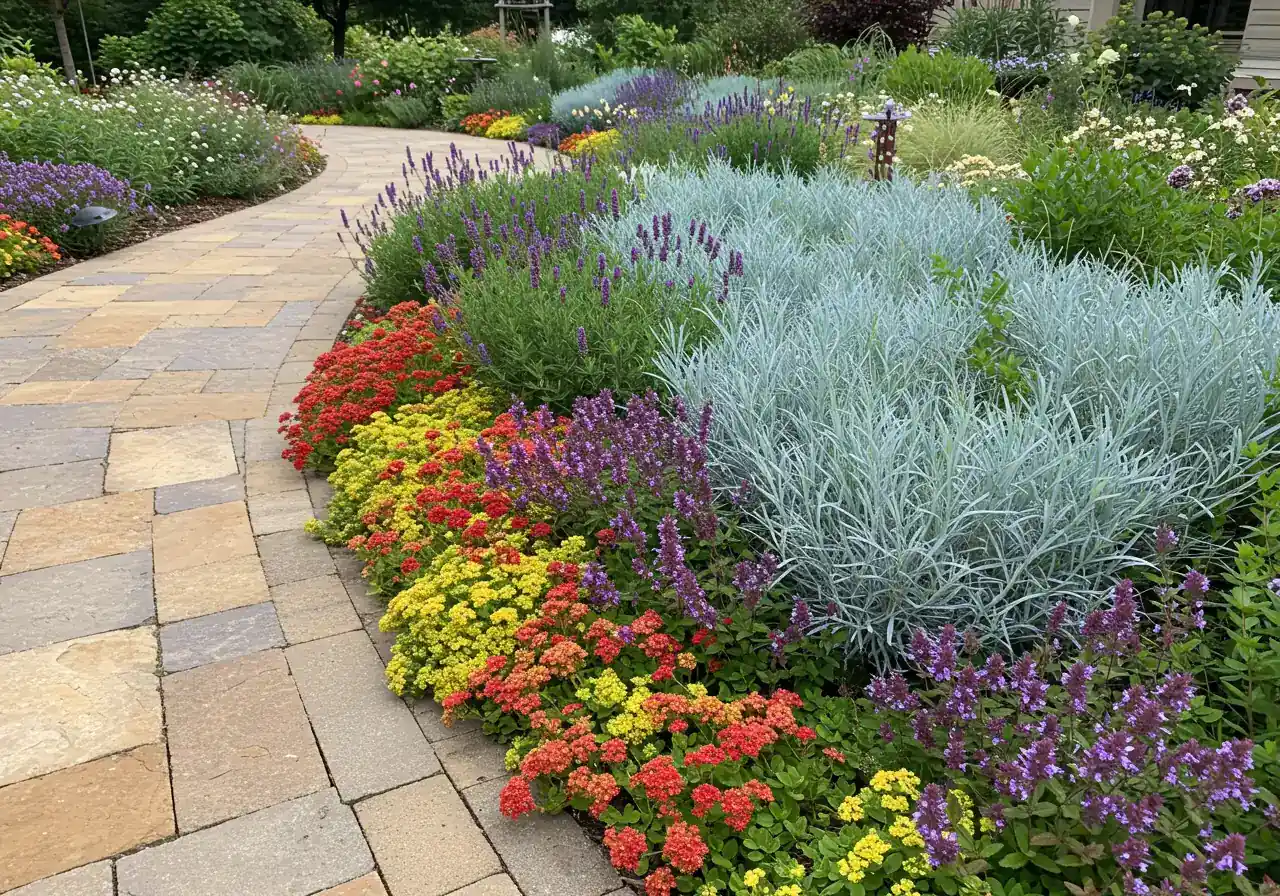
Is your walkway more 'blah' than 'beautiful'? Let's face it, that strip of earth beside the path or hugging a wall often gets neglected, sometimes turning into a sad, sun-baked zone that even the most optimistic weeds find challenging. But it doesn't have to be that way! Designing with tough, heat-tolerant plants is your secret weapon for creating walkways and pathside gardens that truly wow in your Ottawa landscape. Forget boring single file lines – think dynamic combinations!
The real landscaping magic happens when you start playing with contrasts in texture, form, and colour. Imagine the soft, billowy foliage of Catmint spilling gently over the path edge, perhaps bumping up against the bold, spiky texture of an ornamental grass like Blue Fescue. Contrast the smooth, fleshy leaves of groundcover Sedum (so touchable!) with the delicate, almost ferny foliage of Yarrow nearby. Think about year-round appeal too! Leaving the architectural seed heads of Coneeflowers and upright Sedum standing through the snow provides fantastic winter interest long after the vibrant flowers have faded. You can see some amazing visual results and gather ideas from these Inspiring Garden Transformations that showcase how plant combinations dramatically change a space.
Playing with Texture
Combine contrasting textures for visual interest:
- Soft & Spiky: Billowy Catmint or Lamb's Ears beside upright Ornamental Grasses (Blue Fescue, Feather Reed Grass).
- Bold & Fine: Large-leaved Sedum 'Autumn Joy' contrasted with fine-textured Yarrow or Coreopsis.
- Smooth & Rough: Smooth Sedum groundcover next to coarser leaves of Coneeflower or Blanket Flower.
Explore resources like the Master Gardeners of Ottawa-Carleton for more plant combination ideas.
Using Form and Scale
Scale is absolutely key, folks! A narrow path beside your home in Nepean or maybe Greely needs plants that won’t trip you up or overwhelm the space. Think low-growing gems like creeping Thyme (bonus: it smells great when you step on it!), colourful Dianthus, or dwarf Catmint varieties right at the edge. Wider walkways or areas against walls can handle slightly taller accents like Daylilies or fragrant Lavender placed a bit further back, creating pleasant layers.
- Low Growers at Edge: Creeping Thyme, Sedum groundcovers, Dianthus.
- Mounding Mid-Layer: Catmint, Lavender, Coreopsis.
- Upright Accents (further back): Coneeflower, Daylily, Ornamental Grasses.
Defining the Edge
Creating a defined edge makes everything look more polished and professional. This could be achieved with low-growing, uniform plants acting as a living border, or by installing a crisp stone, brick, or metal edge to neatly separate the path from the garden bed. Keeping these edges tidy and free of debris, especially near public sidewalks where appearance matters, is part of good gardening upkeep, sometimes even falling under the scope of our City Property Cleanup Solutions. For properties in more rural settings, like near Marionville, ensuring paths remain clear and edges are maintained might involve the thoroughness of the Dedicated Marionville Property Cleanup Service.
Feeling inspired but not quite sure where to dig in first? Planning and executing a beautiful pathside garden can be a wonderfully rewarding project. However, if you'd prefer expert help selecting the perfect plants for your specific spot and getting them properly installed, consider a professional New Garden Bed Installation Service. Ready to transform your walkways from forgotten strips into delightful garden features? We'd love to hear your ideas! Get in Touch with Clean Yards and let's make your pathways wonderful.
Key Insights: Hot Spot Planting Cheat Sheet
- Recognize Your Sizzle Zones: First step? Know thine enemy! Those strips beside sidewalks, driveways, or south-facing walls in Ottawa (even in leafy spots like Greely!) bake like potatoes due to reflected heat from hard surfaces.
- It’s a Soil Story: These hot spots often have double trouble: nasty reflected heat plus compacted, poor-quality soil that struggles to hold moisture. It’s a tough neighbourhood for plant roots!
- Right Plant, Right Place: Don't fight it, embrace it! Choose superstar heat-tolerant plants specifically suited for these conditions – think Sedum, Daylily, Coneflower, Yarrow, Lavender, Blanket Flower, or Catmint. They actually like it hot and sunny.
- Soil Prep is Non-Negotiable: You can't just plonk plants into concrete-like clay. Amend the soil generously with compost before planting to improve drainage and give roots a fighting chance. This specific bed prep goes beyond typical Fundamental Ottawa Lawn Care Needs.
- Mulch is Your BFF: Seriously, don't skip this! A 2-3 inch layer of organic mulch keeps the soil cooler, dramatically reduces water evaporation, and suppresses weeds. It’s probably the single best thing you can do after planting. Keeping the whole yard tidy enhances the effect; consider an Efficient Ottawa Property Cleanup Service for overall neatness.
- Seasonal Smarts & Getting Help: Remember the basic seasonal cycle: cleanup in spring, water wisely in summer, and protect with mulch in fall. If this specialized landscaping feels like too much, getting professional help with Challenging Garden Bed Installation is a great option. When hiring any service, it’s wise to review the Service Plan Terms and Conditions to understand the scope. And if you reach out for pricing, letting us know your Thoughts Regarding Your Estimate helps us improve!
Relative Drought Tolerance (Once Established)
Note: Relative comparison. All listed plants are considered drought-tolerant once established compared to average garden plants. Requires good drainage.
Ottawa Hot Spot FAQs: Your Questions Answered
Okay, let's dig into some common questions folks have about tackling those tricky sun-baked spots in their Ottawa yards. We get it – these areas can be head-scratchers! Hopefully, these answers clear things up. You can also find valuable local resources via the Ottawa Horticultural Society.
My walkway gets salted pretty heavily in winter. Will these 'heat beater' plants actually survive near it?
Ah, winter salt – the nemesis of many pathside plants! While our recommended heat-tolerant plants are generally tough, constant salt spray is harsh. Using alternatives like sand or calcium magnesium acetate near garden beds is your best bet. Planting slightly back from the absolute edge also helps, and some troopers like Daylilies or certain ornamental grasses tolerate salt better than others. Flushing the area with spring watering can help leach salt away, which requires a different approach than typical Expert Ottawa Lawn Care Strategies where salt damage is also managed.
My soil is heavy clay, especially near the house foundation in Nepean. It feels like concrete in summer! Can I really grow anything there?
Oh yes, Ottawa clay can be... character building! But you absolutely can succeed. The secret weapon is improving the soil structure with organic matter. Generously mix compost or well-rotted manure into the existing clay when planting. This breaks it up, vastly improves drainage (which is critical!), and adds nutrients. Sometimes giving the area a good clear-out first helps – you might even consider using a service like our Trusted Ottawa Yard Cleanup Service for a fresh start before you begin amending. It makes a world of difference for those plant roots!
What's the absolute best type of mulch to use in these super sunny, dry hot spots?
Great question! For these challenging hot, dry areas, organic mulches are usually your best friends. Shredded bark (like pine or cedar) or wood chips work really well. They do a fantastic job insulating the soil from the baking sun, helping retain precious moisture, and they slowly break down, improving the soil over time. We generally advise against using stone mulch right next to plants in these spots, as the stones can absorb even more heat and potentially cook the roots. A layer about 2-3 inches deep is usually perfect.
Okay, but what if my spot gets sun ALL day long? Like, truly relentless, non-stop intense heat. Are the suggested plants really tough enough for that extreme exposure?
We hear you – some spots feel like the surface of the sun! The plants we listed, like Sedum, Yarrow, and Blanket Flower, are genuinely chosen for their ability to handle heat and full sun. However, even these champions appreciate good soil preparation (remember that compost!) and consistent watering while they get their roots established. For truly brutal, reflective heat spots, you might focus on ultra-tough succulents like Hens and Chicks (Sempervivum) or specific heat-loving prairie grasses. Choosing the absolute hardiest options is key. Our team has experience selecting plants for demanding conditions – you can learn more About Our Approach to Ottawa Landscaping and our planting philosophy.
Do plants right next to driveways or south-facing brick walls have a harder time surviving Ottawa winters compared to plants elsewhere in the yard?
Sometimes, yes, it's a bit counter-intuitive! While the reflected heat is a summer issue, it can cause problems in winter too. The hardscaping absorbs sun even on cold days, leading to more frequent freeze-thaw cycles right at the edge compared to consistently frozen ground further out. This repeated freezing and thawing can stress roots and even 'heave' plants partially out of the ground. Applying a good, thick (2-3 inch) layer of insulating organic mulch in late fall (after the ground cools but before it freezes solid) is your best defence. This helps moderate those soil temperature swings.
I'd prefer to use native plants. Are there any native Ottawa-area species that actually thrive in these hot, dry, sunny conditions?
Excellent question, focusing on local ecology is fantastic! While many popular landscaping choices aren't strictly native, some local heroes do handle heat and drier conditions well once established. Consider Butterfly Milkweed (Asclepias tuberosa) for stunning orange flowers, Pearly Everlasting (Anaphalis margaritacea) for lovely silvery foliage, or Little Bluestem (Schizachyrium scoparium) grass for texture and fall colour. They're adapted to our climate extremes and support local pollinators. Just remember, even natives need that good soil drainage – they don't like sitting in baked clay any more than others! When sourcing plants or services, know that we respect your data; you can review our commitment in the Clean Yards Privacy Policy anytime.
Conclusion: Turn That Hot Spot into a Hot Spot!
So, let's put a bow on it! Those sun-baked strips beside your walkway or hugging that hot wall? They're not destined to be barren wastelands. As we've seen, with smart soil preparation, choosing fantastic heat-tolerant plants that love the sun (hello, Sedum and friends!), and the magic of mulch, you absolutely can transform these challenging areas. Imagine turning that tricky zone in your Russell or Nepean yard from 'ouch' to 'ooh-la-la' with stunning landscaping! These spots offer unique design opportunities waiting to be unlocked.
Feeling fired up but maybe want a helping hand? If you dream of a professionally designed and installed pathside garden that thrives despite the heat, our landscaping team would love to help create that perfect look for you. We can help select the toughest, most beautiful plants for your specific conditions and get them expertly planted through our garden installation service.
Ready to transform your tricky spot into a beautiful focal point?
Call us: 613-CLEAN-YD (613-253-2693)
Serving Russell, Nepean, Greely, Metcalfe, Marionville, Ottawa, and surrounding areas.